Zohra Sehgal… The Grand Old Lady of Indian Cinema … End of an Era …

Older than Indian cinema, Zohra Sehgal had a glorious performing career that inspired

generations.


  • Zohra Sehgal, a quintessential Bollywood diva who essayed character roles with aplomb in a career spanning over seven decades in both theatre and cinema, died in New Delhi on Thursday at the age of 102. Photo: S. Subramanium
    Zohra Sehgal, a quintessential Bollywood diva who essayed character roles with aplomb in a career spanning over seven decades in both theatre and cinema, died in New Delhi on Thursday at the age of 102. Photo: S. Subramanium  The Hindu


Often called the grand old lady of Bollywood, she last appeared in Sanjay Leela Bhansali’s Saawariya(with Ranbir Kapoor and Sonam Kapoor) in 2007. She acted in hits like Cheeni Kum (with Amitabh Bachchan), Dil Se (with Shah Rukh Khan and Manisha Koirala), Veer Zaara (Shah Rukh and Preity Zinta), Hum Dil De Chuke Sanam (Salman Khan and Aishwarya Rai) and Bend It Like Beckham.

Born on April 27, 1912 in Saharanpur in Uttar Pradesh in a traditional Muslim family, Sehgal, third of her seven siblings, grew up in Chakrata near Dehradun and was sent to Lahore to pursue her higher education.

As a dancer, she performed across Japan, Egypt, Europe and the U.S.. She married scientist, painter and dancer Kameshwar Sehgal in August 1942. The couple had two children, Kiran and Pavan. Kameshwar died in 1952 and Zohra raised the children all by herself.

On her return from foreign trips, Sehgal had to don the burqa while studying in Lahore’s prestigious Queen Mary College, meant for daughters of aristocratic families, an institution where strict purdah was observed and males invited to speak there were put behind a screen.

Considered the doyenne of Indian theatre, Ms. Sehgal acted with Indian People’s Theatre Association (IPTA) and Prithviraj Kapoor’s Prithvi Theatre for 14 years. In 1946, she debuted in IPTA’s first film production Dharti Ke Lal, which dealt with the Bengal famine. She also acted in another IPTA film — Chetan Anand’s Neecha Nagar.

She choreographed for a few Hindi films as well, including classics like Guru Dutt’s Baazi (1951) and the dream sequence song in Raj Kapoor’s film Awaara.

Sehgal moved to London on a drama scholarship in 1962, where she appeared in many TV productions including The Jewel in the CrownTandoori NightsMy Beautiful Laundrette and The Raj Quartet.

Born Sahibzadi Zohra Begum Mumtaz-Ullah Khan on April 27, 1912 in Saharanpur, Uttar Pradesh, Zohra Sehgal began her career as a dancer with Uday Shankar in 1935 and performed across Japan, Egypt, Europe and the U.S. In this April 2012 photo, Zohra Sehgal reacts while cutting a cake on her 100th birthday in New Delhi. Photo: PTI


Zohra Sehgal was awarded the Padma Shri in 1998 and the Kalidas Samman in 2001. The Sangeet Natak Akademi presented her with its highest award, the Sangeet Natak Akademi Fellowship in 2004. She received the Padma Vibhushan, India’s second-highest civilian honour in 2010. In this April 2010 photo, then President Pratibha Patil presents the Padma Vibhushan to Zohra Segal. Photo: PTI
A rare photo of Zohra Sehgal with Uday Shankar’s wife Amala Shankar at Uday Shankar’s dance centre in Almora. Photo: The Hindu Archives
Zohra Sehgal with her sister from Pakistan Uzra Butt in New Delhi in 2003. “All my life I have been active in my profession since October 8, 1935. Even when my children were born, or my husband committed suicide, I managed to carry on. After the 75th year of my career, I decided to stop,” Zohra Sehgal had said in April 2012 when she turned 100. And when asked whether she had any wishes left, she memorably had said, “I want long blonde hair, an hourglass figure and 5 foot 6 inches height.” Photo: The Hindu
Considered the doyenne of Indian theatre, Zohra Sehgal was associated with the Indian People’s Theatre Association (IPTA) and Prithviraj Kapoor’s Prithvi Theatre for 14 years. She choreographed for a few Hindi films as well, including classics like Guru Dutt’s “Baazi” (1951) and the dream sequence song in Raj Kapoor’s film “Awaara”. In this June 13, 2009 photo, Zohra Sehgal gets emotional during a meeting in the memory of eminent theatre personality and another IPTA veteran Habib Tanvir at Abhimanch Theatre, NSD, in New Delhi. Photo: The Hindu
Source::::: The Hindu…  July 11 2014
Natarajan


Message For the Day…” Inner Purity is the Greatest Wealth One Can Acquire…”

Only by the light of the Divine lamp inside can  blossom  you as a worthwhile person. Inner purity is the greatest wealth that one can acquire; it is the wick in the container of the heart. Devotion is the oil and Divine Grace is the fire with which the lamp of wisdom can be lit. The prime requisite for achieving Divine Grace is to have harmony in thought, word and deed.


” பழமொழி …அர்த்தமுள்ள பொன் மொழிகள் !!!

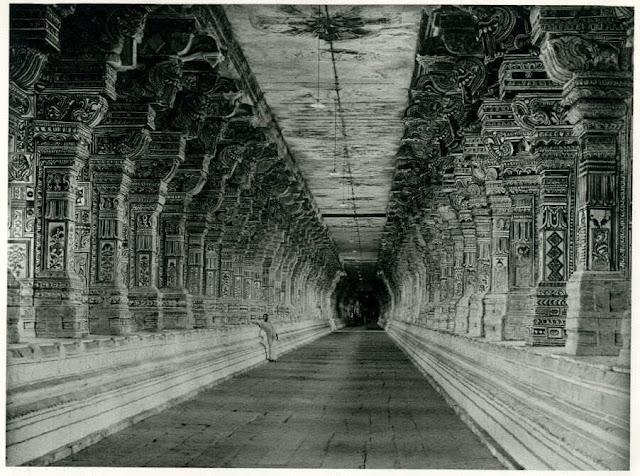
c1446-corridorof1000pillarsinramanathaswamytempleinrameswaram-tamilnadu1928

பழமொழிகளில் நாட்டுப்புற மருத்துவம்

மக்களால் பயன்படுத்தப்படும் பழமொழிகளால் மக்களின் பண்பாட்டையும், பழக்க வழக்கங்களையும், சமுதாயப் பின்னணியையும் அறிந்து கொள்ள முடிகின்றது. இத்தகைய பழமொழிகளில் மருத்துவச் செய்திகளும், நோய் ஏற்படாமல் இருக்கக் கடைப்பிடிக்க வேண்டிய வழிமுறைகளும், மற்றும் மருந்துப் பொருட்களும் கூறப்படுவதுடன், ஆதனால் தீரும் நோய் பற்றியும் அறிவுறுத்தப்பட்டுள்ளன.

“இளைத்தவனுக்கு எள்ளைக்கொடு;
கொளுத்தவனுக்குக் கொள்ளைக் கொடு”

எள், கொள்ளு என்பவை இரண்டும் உணவு வகைகள் ஆகும். எள் என்பது நல்ல சத்துள்ள உணவாகும். மிகவும் மெலிந்த தேகம் கொண்டவர்கள் எள்ளைத் தின்றால் நன்கு உடல் பெருக்கும் என்றும், அதிகமான உடலைக் கொண்டவர்கள் கொள்ளைத் தின்றால், உடல் மெலிந்து போதுமான அளவோடு இருக்கும் என்றும் இப்பழமொழி கூறுகிறது.

“ஆற்றுநீர் வாதம் போக்கும்; அருவி நீர் பித்தம் போக்கும்; சோற்று நீர் இரண்டையும் போக்கும்”

மனிதர்களுக்கு ஏற்படக் கூடிய 4448 நோய்களுக்கும் அடிப்படை வாதம், பித்தம், கபம் என்ற மூன்றுமே ஆகும். இவற்றுள் வாதம், பித்தம் தொடர்பாக ஏற்படும் நோய்களைப் போக்கும் வழிமுறைகளை இப்பழமொழி விளக்குகின்றது. ஆற்று நீரிலும், அருவி நீரிலும் உயர்ந்த தாதுப் பொருட்களும், மூலிகைச் சத்துக்களும், நிறைந்து காணப்படும். ஏனெனில், ஆற்றுப் படுகையிலும், அருவிக்கு நீர் வரும் மலைப் பகுதியிலும் மூலிகைச் செடிகள் நிறைந்து காணப்படும். இந்நீர் மூலிகைகளின் மீது பட்டு வருவதால் இத்தகைய குணமுடையதாக உள்ளது. வாதநோய் தொடர்பாக நரம்புக்கோளாறுகளும், பித்தநோய் தொடர்பாக மூளைக் கோளாறும் ஏற்படுகின்றன. இவற்றைக் குணப்படுத்த ஆற்று நீரும், அருவி நீரும், பயன்படுகின்றன. வாதம், பித்தம் இரண்டையும் சோற்று நீர் குணமாக்குகின்றது. இத்தகைய மருத்துவகுணம் கருதியே நாட்டுப்புற மக்கள் காலையில் எழுந்ததும் சோற்று நீரை அருந்துகின்றனர்.

“வேலம் பட்டை பித்தத்தைப் போக்கும்; ஆலம்பட்டை மேகத்தைப் போக்கும்”

வேலம்பட்டையை இடித்து ஒரு குவளை நீர்விட்டுக் காய்ச்சி வடிகட்டி அரைக் குவளையாக்கித் தினமும் காலை, வேளை மட்டும் குடித்துவர பித்த நோய்களான, வயிற்றுப்புண், பித்தமயக்கம், கைகால் குடைச்சல் குணமாகும். ஆலமரத்தின் பட்டையைக் குடிநீராக்கி குடித்து வர வாய்ப்புண், வாய்நாற்றம், சிரங்கு, கரப்பான்படை, ஆகியன விலகும் என்கிறது பழமொழி.

“மாதா ஊட்டாத அன்னத்தை மாங்காய் ஊட்டும்”

மாங்காய் என்பது மாங்காய் ஊறுகாயைக் குறிக்கும், மாங்காய் ஊறுகாய் பசியைத் தூண்டுகிறது. எனவே உணவில் மாங்காய் ஊறுகாயைச் சேர்த்துக் கொள்வதால் ஜீரண சக்தி அதிகரிக்கும் என்பதை இப்பழமொழி விளக்குகிறது.

“ஒரு போது உண்பான் யோகி; இருபோது உண்பான் போகி; முப்போது உண்பான் ரோகி”

ஒரு வேளை உணவை உட்கொண்டு ஆழ்ந்த யோகப் பயிற்சி மேற்கொள்வதால், மூளையின் அடிப்பகுதியில் ஹைப்போதாலமஸ் என்னும் அமைப்பிற்குக் கீழே உள்ள சுரப்பியிலிருந்து அமிர்தம் என்று சித்தர்களால் கூறப்படும் முறையும், மேலும் நரை திரை நோய்கள் அணுகாது. இருவேளை உணவை உட்கொள்வதால் வாழ்வு நோயற்று இன்பமுடையதாக இருக்கும். மூன்றுவேளை உணவு கொள்பவர்கள் நோயாளிகளாகவே இருப்பர். அஜீரணம், மலச்சிக்கல், குடல்நோய் போன்றவற்றால் இவர்கள் பாதிக்கப்பட்டு, எந்நேரமும் நோயுடன் போராடி வாழும் நிலையை உண்டாகும்.

அழுத பிள்ளை சிரித்ததாம் கழுதைப் பாலைக் குடித்ததாம்

சில குழந்தைகள் பிறக்கும்போதே நோய்களின் அறிகுறியுடன் பிறக்கும். உள்ளங்கை, உள்ளங்கால் பகுதிகள் நீல நிறமாக இருப்பின் குழந்தை செவ்வாப்பு என்னும் நோயால் தாக்கப்பட்டுள்ளதாக மருத்துவர்கள் கருதுகின்றனர். இதற்குரிய மருந்தாகக் கழுதைப் பால் புகட்டப்படுகிறது. என்பதனை இப்பழமொழி குறிக்கிறது. கழுதைப்பால், செவ்வாப்பு நோயைக் குணப்படுத்த வல்லது, கழுதைப்பாலில் இருந்து தோற்றம் பெற்றது இப்பழமொழி.

ஆயிரம் வேரைக் கொன்றவன் அரை வைத்தியன்”

இதனைக் கிராமப்புற மக்கள் ஆயிரம் பேரைக் கொன்றவன் அரை வைத்தியன் என்று வழங்குகின்றனர். ஆயிரம் வேரைக் கொன்றவன் அரை வைத்தியன் என்பதுவே இதன் பொருளாகும். நாட்டுப்புற மருந்துகளில் மூலிகைச் செடிகளும் அவற்றின் வேர்கள் மற்றும் பட்டைகளும் பயன்படுகின்றன. இவற்றுள் குறைந்தது ஆயிரம் வேர்களின் பயன்பாடு பற்றி ஒருவன் தெரிந்திருந்தால் தான் அரை வைத்தியன் என்ற நிலையைப் பெற இயலும் என்பதை இப்பழமொழி உணர்த்துகிறது.

“அரசனை நம்பிப் புருஷனை கைவிட்டாளம்”

அரச மரத்தைச் சுற்றிவந்தால் குழந்தைப் பாக்கியம் ஏற்படும் என்று யாரோ, கூறக்கேட்ட ஒருத்தி கணவனுடன் சேராமல், அரசமரத்தை மட்டுமே சுற்றி வந்தாளாம். அரசமரம், வேம்பும் இணைந்த மரத்தினைச் சுற்றிவர காற்றானது கருப்பையில் உள்ள நச்சுக் கிருமிகளை அழிக்கும் தன்மை வாய்ந்தது என்பதை அறிந்தே நம் முன்னோர்கள் பிள்ளையார் சிலையை இந்த மரத்தின் கீழ் வைத்தனர். குழந்தைப் பாக்கியமற்ற பெண்கள் கும்பிடுவதற்கு இதுவே முக்கிய காரணம் ஆகும்.

“ஆலும் வேலும் பல்லுக்குறுதி நாலும் இரண்டும் சொல்லுக்குறுதி”

ஆலும் என்பது ஆலமரத்தின் விழுதினையும், வேலமரம் என்பது கருவேல மரத்தின் குச்சிகளையும், நால் என்பது நாலடியாரையும் இரண்டு என்பது திருக்குறளையும் குறிக்கும். இது பொதுமக்கள் அனைவராலும் சாதாரணமாகப் பயன்படுத்தப்படும் பழமொழியாகும். ஆலமரத்தின் விழுதினையும், கருவேல மரத்தின் மரக்குச்சிகளையும் நன்கு மென்று பல்விளக்க, பல் நன்கு பளபளப்புடனும், பல் ஈறுகள் நல்ல பலத்துடனும் காணப்படும் என்னும் செய்தி இப்பழமொழியில் விளக்கம் பெறுகிறது.

“பத்து மிளகு இருந்தால் பகைவன் வீட்டிலும் உண்ணலாம்”

மருத்துவக் குணம் கொண்ட மிளகு நம் உணவில் பயன்படுத்தப்படும் பொருள்களுள் ஒன்றாகும். இந்த மிளகு நஞ்சு நீக்கும் தன்மையுடையது. பகைவர்களின் வீட்டில் உண்ணும் உணவில் விஷம் கலந்திருந்தாலும், பாம்பின் விஷம் தாக்கியவர்களுக்கு விஷத்தின் தன்மையைக் கண்டறிவதற்கு மிளகு பயன்படுகிறது. பாம்பால் கடியுண்டவருக்கு மிளகின் எரிப்புச் சுவை தெரியாவிட்டால் உடம்பில் விஷம் தாக்கி விட்டதாகக் கூறுகின்றனர்.

“ஆவாரைப் பூத்திருக்கச் சாவோரைக் கண்டதுண்டோ”

ஆவாரைப் பூ இதழ்களைச் சேகரித்து, நிழலில் உலர்த்திக் காய வைத்து எடுத்து இடித்து வைத்துக் கொண்டு தேனீர், டீப்பொடி இவைகளுக்குப் பதிலாக உபயோகித்து வர உடல் வறட்சி, உடல் நாற்றம், சர்க்கரை நோய், தோல் நோய் ஆகிய நோய்களைக் குணமாக்குவதால், ஆவாரைப் பூவின் மகத்துவத்தைக் குறிக்க வந்த பழமொழியாகும்.

Source:::: Input from a Friend of mine

Natarajan

“நீங்கள் ஆணையிட்டால் ….” ” நடக்கட்டும் …நடக்கட்டும் …” !!!


1956 – ஜனவரி

இரண்டு இளைஞர்கள் – ஆங்கிலக் கல்வியுடன் நாட்டியக் கலையையும், கர்நாடக இசையையும் கசடறக் கற்றவர்கள். ஒருவர் பரத நாட்டியத்திலும், மற்றவர் கர்நாடக இசையிலும் நல்ல தேர்ச்சி பெற்றிருந்தனர். பல்கலைக்கழக மேற்படிப்பு படித்து முடித்ததும், படிப்புக்கேற்ற வேலை கிடைக்கும் வரை, சென்னையிலிருக்கும் தங்கள் நாட்டியக் கலா நிலையத்தில் தங்கி இருந்தனர். அங்கு பாடங்கள் நடத்துவதில் உதவியாக இருந்துகொண்டு, எதிர்காலத்தைக் குறித்த கவலையுடன், நாட்களை நடனமும் கர்நாடக இசையும் பயில்வதிலும், கற்றுக் கொடுப்பதிலும் கழித்துக் கொண்டிருந்தனர்.

இவ்விருவரில் ஒரு இளைஞர் வேதவித்தகரின் மகன். சிறுவயதிலிருந்தே மஹாபெரியவர் மீது மரியாதையும் பக்தியும் நிறைந்த குடும்பத்தைச் சேர்ந்தவர்.

ஒரு நாள் காலை, “புறப்படு; நாம் இருவரும் காஞ்சிபுரம் சென்று மஹாபெரியவரைத் தரிசித்து வருவோம். அவருக்குப் பாடலில் உள்ள அளவுக்கு ஆடலில் அவ்வளவு விருப்பம் உண்டா என்று எனக்குத் தெரியாது. இருந்தாலும், நீ நடனமாடுவதற்கேற்ற வேஷ்டியும் மேலாடையும் எடுத்து வா…. அவர் அருளிருந்தால், அவர் முன் நீ ஆடும் பாக்யம் உனக்குக் கிடைக்கும். நீ ஆடுவதற்கு நான் பாடும் பாக்யமும் எனக்குக் கிடைக்கும்” என்றார்.

இருவரும் பேருந்தில் காஞ்சியை அடைந்தனர். மஹாபெரியவர் அப்போது ஓரிக்கையில் இருப்பதாகத் தெரிந்து, ஓரிக்கை அடைந்தனர். அங்கு மஹாபெரியவர் ஒரு சிறு சிவன் கோவில் திண்ணையில் அமர்ந்திருந்தார். அந்தச் சிறிய இடத்தில் அவரைக் காண, அருள் பெற பக்தர்கள் கூடியிருந்தனர்.

நம் இளைஞர்கள் இருவரும் மஹாபெரியவரை நெருங்கி, வணங்கி எழுந்தனர். மஹாபெரியவர் அன்று மெளனம் கடைப்பிடிக்கிறார் என்று அறிந்தனர். வெகு சில சைகைகள் மூலமாக மிக முக்யமானவைகளை மட்டும் மற்றவருக்குத் தெரிவிக்கும் விதமான மெளனத்தில் இருந்தார்.

கர்நாடக இசையில் தேர்ச்சி பெற்ற நம் இளைஞர், மஹா பெரியவரிடம் நெருங்கி, “என் நண்பன் பரதநாட்டியம் கற்றிருக்கிறார். தங்கள் முன்னிலையில் ஆட வேண்டுமென்று விருப்பம்… நீங்கள் ஆணையிட்டால்….” என்று சொல்லி முடிக்கு முன்னாக, பெரியவர், “நடக்கட்டும்” என்பதற்கான சைகையைச் செய்ய, நம் இளைஞருக்கு ஒரே மகிழ்ச்சி. தன் நண்பனிடம் வந்து, “சீக்கிரம் நடனமாடுவதற்கேற்ப உடைமாற்றி வா… பெரியவர் ஆக்ஞை தந்துள்ளார்” என்று மகிழ்ச்சியுடன் தெரிவித்தார். நாட்டியத்தில் தேர்ச்சி பெற்ற இரண்டாவது இளைஞர், அப்பொழுது தயாராகவே இருந்தார்.

ஒருவர் பாட, மற்றவர், “நடனம் ஆடினார்” என்ற பாடலுக்கு ஆடத் தொடங்கினார்.

அந்தச் சிறிய இடத்தில், பெரியவர் உட்கார்ந்திருந்த இடம் போக, மற்ற பக்தர்கள் அமர்ந்திருந்த இடமும் போக, மீதமுள்ள மிகச் சிறிய இடத்தில், நடராஜரின் மேல் அமைந்திருந்த அந்தப் பாடலுக்கு, “குதித்த மெட்டு” என்றழைக்கப்படும் ஜதியுடன் ஆடல் ஆரம்பித்தது. இந்த ஜதியுடன் காலைத் தூக்கி நடராஜர் அபிநயம் பிடிக்கவும், அவரது, கால்விரல்கள் மஹாபெரியவருக்கு மிக அருகில் வரவேண்டியதாயிற்று.

அருகிலிருந்த மற்ற பக்தர்கள், “நிறுத்து, நிறுத்து, அபசாரம், அபசாரம்” என்று கூவ, மஹா பெரியவரோ, தன் திருக்கைகளில் ஒன்றால், மற்ற பக்தர்களை நோக்கி “நிறுத்துங்கள்” என்பதாகவும், நம் இளைஞரைப் பார்த்து, “ஆடுவதைத் தொடரலாம்” என்பதாகவும் ஒரே நேரத்தில் அபிநயம் செய்தார்.

இளைஞர் ஆட, மற்றவர் பாட, அற்புதமான நடனம் பெரியவர் முன் அரங்கேறியது.

இருவரும் மஹாபெரியவரிடம் ஆசிபெற்று சென்னை வந்து சேர்ந்தனர்.

நடனமாடிய இளைஞர், பனாரஸ் ஹிந்து பல்கலைக்கழகம் மற்றும் பரோடா எம்.எஸ்.பல்கலைக்கழகத்திலும் பணிபுரிந்து, 1992 ஆம் வருடம் பணி நிறைவு Head of the Faculty of Performing Arts of M.S. University, Baroda பெற்றார்.

அவருக்கு 1993 வருடம் சங்கீத நாடக அகாடமி விருதும், 2008 ஆம் வருடம் காளிதாஸ் ஸம்மான் எனப்படும் விருதும், 2011 ஆம் வருடம் பத்ம பூஷன் விருதும் கிடைத்தன..

கடந்த 60 ஆண்டுகளாகப் பல உலக மேடைகளிலும் தான் ஆடியதும், விருதுகள் பெற்றதும், தனது 80ஆவது வயதிலும், பரதநாட்யம் ஆடுவதும், அந்த ஒரு மதியம் மஹாபெரியவர் “தொடர்ந்து ஆடு” என்று உத்தரவு அளித்ததின் விளைவே என்று மிக அடக்கத்துடன் கூறும் அந்த இளைஞர் பத்மபூஷன் ஸி.வி.சந்த்ரசேகர் அவர்களே.

ஜய ஜய சங்கர! ஹர ஹர சங்கர!!

Read more: http://periva.proboards.com/

Natarajan

படித்து ரசித்தது …” என்னை தெரியவில்லயா … ” ?

இந்தியா, பிரிட்டிஷ் ஆட்சியின் கீழ் இருந்த போது, ஒருமுறை காந்திஜி சுயராஜ்ய இயக்கத்தை ஆரம்பித்தார். சுயராஜ்ய மந்திரத்தை கிராமம் கிராமமாகப் போய் சொல்ல வேண்டுமென்று, தொண்டர்களுக்குக் கட்டளையிட்டார். அதன்படி நானும், சில கிராமங்களுக்குப் போனேன். அப்படி, ஒரு கிராமத்தில், தண்டோரா அடித்து, ‘கிராம சாவடிக்கு முன் கூட்டம் நடைபெறும்’ என, அறிவித்த பின், குறிப்பிட்ட நேரத்தில், கையில் ஒரு அரிக்கேன் லாந்தருடன் சாவடிக்குப் போய் சேர்ந்தேன்.
அங்கே, ஒரே ஒரு நபர் மட்டுமே வந்திருந்தார். அந்த ஒருவராவது வந்திருக்கிறாரே என்ற நன்றி உணர்ச்சியுடன், பிரிட்டிஷ் சர்க்கார், இந்தியாவில் செய்துவரும் அட்டூழியங்களைப் பற்றி, கேட்பவரின் ரத்தம் கொதிக்கும்படியாக, ஒன்னேகால் மணி நேரம் பிரசங்கம் செய்தேன். பின், நானே வணக்கம் செய்து, உட்கார்ந்திருந்த ஒரே நபரைப் பார்த்து, ‘ஐயா, தங்களின் தேச பக்தி என்னைப் பரவசப்படுத்துகிறது. தாங்கள் யாரோ, எந்த ஊரோ…’ என்றேன்.
அதற்கு அந்த நபர், ‘என்னைத் தெரிய வில்லையா… நான் உம்மை, கோபிசெட்டிப்பாளையத்திலிருந்து, கரூர் வரையில் தொடர்ந்து வந்திருக்கிறேன். நான் சி.ஐ.டி.,காரன்; உம்மைக் கண்காணிப்பதற்காக என்னை அனுப்பியுள்ளனர்…’ என்றார் அவர்.

source:::::DinaMalar ….Sunday VARAMALAR.

Natarajan

Cool … Cool … Ice Cream !!!


Amazing Things You Never Knew about Ice Cream.

When I think about summer, one of the first things that come to my mind is the way our family used to eat ice cream on the weekends. Something about this delicious dessert always makes us feel better, and it’s a well known “cure” for a hard day. It was really surprising for me to find out just how many things about this simple delight are attributed to luck and chance. I’m sure you too will be amazed to find out all of these incredible facts about ice cream:
The idea for chocolate chip cookie dough ice cream came from an anonymous suggestion on a board in a Burlington shop of Ben & Jerry’s. The flavor went into production in 1991 and became a huge success.
ice cream
The sundae was invented by soda shops in the late 1890s and there is much debate about the true origin and meaning of the name. It might come from a belief that a special treat such as sundae is usually eaten on special day, such as Sunday. Another possible origin is the German word Sünde, meaning sin, alluding to the calorie rich nature of a sundae.
ice cream
When you see pictures of ice cream on advertisements or on display cabinets it’s most likely mashed potatoes.  Food photographers often use this as a stand-in for actual ice cream since it looks the same, but is much easier to shape.
ice cream
The first known ice cream recipe was found in the recipe book of Lady Anne Fanshawe. It is dated at 1665 and shows it was flavored with orange flower water, mace and other bizarre additions.
ice cream
The first versions of Neapolitan ice cream were made of green pistachio, white vanilla, and red cherry ice cream, the same colors as the Italian flag. Today the flavors have changed to vanilla, chocolate, and strawberry, because those are the three most popular flavors in the market.
ice cream
A “brain freeze”, or a “ice cream headache” happens when the nerve endings on the roof of your mouth touch anything too cold. When that happens they send a message to your brain signaling a loss of body heat. The blood vessels in your brain contract in response to that and when they return to their normal size, the blood rushes back to your head. Knowing this won’t make your head hurt any less, but at least now you know why it hurts…
Some the most popular ice cream flavors of the colonial era in the United States were oyster, parmesan, and asparagus. Luckily they have been replaced by vanilla, strawberry and chocolate.
ice cream
Chocolate ice cream is much older than vanilla, the first documented recipe for it appeared in the book The Modern Steward, published in Italy during 1692. Not only was vanilla much later invented, but it was also much less popular since vanilla was very expansive.
ice cream
Professional ice cream taste-testers (yes It’s a real job) use special gold spoons to test each new dish. Gold dishes leave virtually no trace of flavor which allow the tester to taste the product with no trace from what was last on the spoon.
ice cream
Ever wondered why Ben & Jerry’s ice cream flavors are so full of chunky mix-ins and extra everything? Well it turns out that co-founder Ben Cohen has no sense of scent. He therefore gets a lot of his pleasure in ice cream from its texture. After some early tasting sessions Ben & Jerry’s decided this wasn’t a bad idea at all, and we should all be thankful about that!
ice cream
This is the biggest ice cream dish in the UK, it takes two hours to make and it includes 99 scoops of ice cream. This sugar monster weighs around 9lb (4kg) and contains more than  21,000 calories.
The waffle cone was created by simple chance when Abe Doumar, a traveling salesman, was working at the 1904 World’s Fair in St. Louis. He saw that an ice cream vendor ran out of paper dishes and encouraged him to start serving on rolled waffles made by another nearby vendor.
The most important ingredients in ice cream are milk, sugar and… Air. Without air mixed in, ice cream would be as hard as a rock and not much different then flavored ice.
The Frrrozen Haute Chocolate ice cream sundae is the most expansive dessert in the world according to the Guinness Book of Records. It’s made using a blend of 28 cocoas, including 14 of the world’s most expensive, 5g (0.17 oz) of edible 23-karat gold, and a gold spoon decorated with white and chocolate-colored diamonds, which you can take home with you. The price for all of this goodness? 25,000$ US.

Source: Bill J. in ba-ba mail site

Natarajan

” Army of Terracotta Soldiers in a Cave …” !!!


The Army of Terracotta Cave!

Most people would be shocked and disgusted to see a head suddenly poppin out of the earth of their private garden and giving them a stare, but in the case of one Chinese farmer, this was the beginning of a huge discovery for all of humanity.

The cave of the terracotta soldiers – which was designated a UNESCO world heritage site – is a subterranean cave containing no less than 7,000 clay , life-sized statues of soldiers, meant to serve the first emperor of China in the afterlife.
terracotta cave
The cave of the terracotta soldiers, located about half an hour’s drive from the city of Xi’an, was discovered completely by accident as a local famer was digging into his land with the goal of building a well, found, to his amazement, a life-sized head made of terracotta (a type of clay) buried in it. It took him 10 years to report his finding, which began a frenzy of digging in the area that took 70,000 workers 36 years to complete. During that time, thousands of clay soldiers were discovered, completing a complete, hand-made army.
terracotta cave
After studying the cave and clay soldiers for many years, researchers found that the cave was created by Ching shaw huang di, the first emperor of Xi’an, as a bid for immortality.
terracotta cave
The emperor, who started his reign in 246 BC when he was but 13 years old, developed the kingdom and set a unified language and writing style. Some, however, maintain that he was a hated tyrant.
terracotta cave
After many assasination attempts, the emperor developed a fear of death and wanted to ensure that even after his death, he’d have enough soldiers to protect him from his enemies. This will led the emperor to spend 11 years building an entire underground city, within stand thousands of clay statues of soldiers and servants who await his command.
terracotta cave
The cave is spread over an area of 16,300 square meters and split into three main areas. It contains over 7000 statues of warriors, with each of the statues having a defined role.
terracotta cave
You’ll find bowmen, commanders, cavalrymen and your average foot soldiers, with each the appropriate garments and weapons. In addition to the soldiers, the emperor enriched his post-death world with dancers, singers, acrobats and many others that will amuse and serve him after death.
terracotta cave
If that’s not enough to impress you, how about the fact that each and every one of the statues has a unique face, with no 2 alike in the whole army. Each has a different face, expression, hair style and other items that separate them from the others.
terracotta cave
terracotta cave
terracotta cave

Source: Tom S.  in ba-ba mail site

Natarajan

” வில்லேந்திய வேலன் …” !!!

வில்லேந்தியவன் வேலன்…

Muruga with Bow

Murugn with Bow Villudayanpatti


ஆன்மீக மாத இதழ் ஞான ஆலயத்தில் மே மாதம் (வைகாசி விசாகம் முருகன் சிறப்பிதழ்) வெளி வந்த ‘வில்லேந்தியவன் வேலனா? இராமனா? என்ற மிகச் சுவையான கட்டுரையை உங்களுடன் பகிர்ந்து கொள்வதில் மகிழ்ச்சி அடைகிறேன்.

மாலதி ஜெயராமன்.

வில்லேந்தியவன் வேலனா? இராமனா?
(திருமதி உமா பாலசுப்பிரமணியன்)

“சூலம், வாள், தண்டாயுதம், செவ்விய வேல், கோதண்டம் (வில்) இவைகளை அணிந்துள்ள தோள்களையும் அகன்ற அழகிய திருமார்பையும், தூய்மையுள்ள தாளில் அமைந்துள்ள தண்டையையும் நான் காணும்படி, அன்பு கொண்டுள்ள மயிலின் மீது ஏறி என் முன்னே வந்து திருவருள் புரிய வேண்டும்” என்று திருச்செந்தூர் திருப்புகழில் அருணகிரிநாதர் வேண்டுகிறார்.இப்பாடலிலிருந்து முருகன் கையில் கோதண்டம் இருக்கிறது என்று தெரிகிறது.

இரண்டாயிரம் ஆண்டுகளுக்கு முன் சங்க காலத்தில் மூத்த புலவராக இருந்த நக்கீரரும், திருமுருகாற்றுப் படையில் “வானோர் வணங்கும் வில் தானைத் தலைவா” எனப்
பாடியிருக்கிறார்.

இராமன் என்றாலே வில்லுடன் கூடிய கோதண்ட ராமன்தான் எல்லோர் நினைவுக்கும் வரும்.ஆனால் மேற்கண்ட பாடல்களிலிருந்து முருகனும் வில்லைப் பிடித்தவனாக வில்லேந்திய வேலவனாக விளங்குகிறானே! என்று வியக்கத் தோன்றுகிறது.

வேலவன் வில் ஏந்தியது ஏன்?

முருகன் எப்பொழுது வில்லை ஏந்தினான்? இதற்கு ஏதேனும் ஆதாரம் இருக்கிறதா? என்ற கேள்விகளும் சந்தேகங்களும் மனதில் எழுகின்றன. இந்தச் சந்தேகத்தைத் தீர்க்கும் வகையில் “சுப்பிரமண்ய பராக்ரமம்” என்ற பழம் தமிழ் நூலில், முருகன் வில்லேந்திய காரணம் சுவையாகக் கூறப்பட்டிருக்கிறது.

கங்கையாற்றின் கரையில் ‘சிருங்கிபேரி புரம்’ என்ற ஒரு ஊர். அங்கு வசித்து வந்த வேடர்களின் தலைவன் குகன் ஆவான்.

உருவிலும் உடையிலும், தொழிலிலும், உணவிலும் மென்மை என்பதே அறியாத குகன், அயோத்தியிலிருந்தே சக்ரவர்த்தித் திருமகனான மென்மையான இராமனிடம், அளவு கடந்த அன்பு கொண்டிருந்தான்.

தந்தைக்கு மரியாதை அளித்து, தாய் சொல்லைத் தட்டாது, வனவாசம் செல்லக் காடுகளைக் கடந்து, கங்கையைக் கடக்கும் தருவாயில், இராமனும் வேட்டுவத்தலைவன் குகனும் சந்திக்க நேர்ந்தது.

மறு நாள் கங்கையைக் கடக்க நாவாய் எடுத்து வரச் சொன்னபோது வருத்தமுற்று, இராமனிடம் தான் வைத்திருந்த அன்பினை அழகாக வெளிப்படுத்தினான்.

குகன் சொல்கிறான், “காளத்தி அப்பனது இன்னல் கண்டு, தன் கண்களையே எடுத்து அப்பினான் என் தொல்குல முன்னொருவன். யான் அவ்வாறு செய்ய முடியாத கள்வனாக இருக்கிறேன். ஆதலால் என்னை மிக வெறுத்து நீ அகற்றுகின்றனை போலும்? ஐயனே! இவ்வாறு செய்யலாகாது. கண்ணிடத்து அப்பவல்லன் அல்லேன் ஆயினும், என்னாலான அடிமையைச் செய்யப் பணிந்தருள். நானும் உன்னோடே வருகிறேன்” என்று சொல்ல இராமபிரானும் தன் அருகிலிருந்த சீதைக்கும் தன் தம்பிக்கும் தன் பால் குகன் வைத்திருந்த தீராக் காதலை எடுத்துரைத்தான்.

பின், “என் உயிர் போன்றவன் நீ. என் தம்பி, உனக்குத் தம்பி. இந்தச் சீதை உனக்கு உறவினள். குளிர்ந்த கடலால் சூழ்ந்த இடமெல்லாம் உன்னுடையது. நான் உனக்குத் தொழில் செய்யும் உரிமையுடையேன். இனி, நாம் ஐவரானோம்” என்று சமாதானம் கூறி கங்கையைக் கடந்து சென்றான்.

இதற்குப் பிறகு ஆண்டுகள் பல சென்றன. வேடர் தலைவனுக்கோ இராமனைப் பற்றிய தகவல் ஒன்றும் தெரியவில்லை தெற்கே சென்றவர்கள் எங்கிருக்கிறார்கள், எப்படி இருக்கிறார்கள், என்றெல்லாம் தெரிந்து கொள்ள வழியும் இல்லை. குறித்த காலம் வந்துவிட்டதா? இல்லையா எனக் கூடத் தெரியாத நிலை.இதே நினைவாக, இதனையே சிந்தனை செய்து அன்ன ஆகாரம் இன்றி உடல் மெலிந்து உள்ளம் நைந்து உருகி நின்றான் குகன்.

குகனின் துயர் தீர்த்த குமரன்

இப்படிப்பட்ட சூழ்நிலையில் குகன் படும் துயர் தீர்க்க அவன் வழிபட்டு வந்த கடவுளாகிய முருகப் பெருமான், ஒரு திட்டம் தீட்டினான். தன் மனைவியரான வள்ளியை சீதையாக மாற்றி, தெய்வயானையை லட்சுமணனாக ஆக்கி, வேல் ஏந்திய கையில் வில்லை ஏந்தி, தாமே இராமன் உரு ஏற்று, குகன் கனவில் தோன்றி, “தம்பி, கவலைப்படாதே.
எங்களுக்குக் குறித்த தவணை முடிய இன்னும் சிறிது காலம் இருக்கிறது. விரைவில் திரும்பி விடுவோம். கவலையை விடு” எனச் சொல்லி மறைந்து விடுகிறான். குகனும் அன்று முதல் தேறி வந்து இராமன் வருகைக்காகக் காத்திருந்தான்.

ஆனந்தத்தை அருளிய அந்த குகன், அன்று முதல் குகஸ்வாமி மூர்த்தி என்றும், ஆனந்த நாயக மூர்த்தி என்றும் பெயர் பெறுகின்றான். இந்த வரலாற்றைத் திருச்செந்தூர் புராணமும் கூறுகிறது.

சுந்தரச் சிலை யிராமன் தோற்றமும் காட்டி ஞான
முந்திய பிரம்மானந்த சித்தியும் கொடுத்து வேத
மந்திரக் குகஸ்வாமி என்னவும் வாய்ந்தது பேர்
ஆனந்த நாயகன் என்று ஓது நாமமும் குமரன் பெற்றான்.

வில்லேந்திய வேலனை இங்கும் காணலாம்

வில்லேந்திய வேலனை, திருவையாற்றில், ஐயாரப்பன் சன்னதியில் மூல ஸ்தானத்திலேயே தரிசிக்கலாம். வில்லுடையான் பட்டியில் வில்லேந்திய வேலனின் விசேஷ சன்னதி உள்ளது. திருவெண்காட்டை அடுத்த சாய்காட்டில் நின்ற நிலையில் நான்கு கரங்களுடன் (வில்லுடன்) வில்லேந்திய வேலன் செப்பு உருவில் திகழ்கிறான். இந்த வேலன் ஆதியில் திருச்செந்தூரில் இருந்தவன் என்றும் பின்னர் காவிரிப்பூம்பட்டினத்தை அடுத்த கடலிலிருந்து வெளி வந்தான் என்றும் கூறப்படுகிறது.

போர்க்காலத்தில் வில்லேந்தி ஒய்யாரமாக நிற்கும் முருகனை திருப்போரூருக்குச் சென்றால் காணலாம். பிரகாரத்தின் ஒரு கோடியில் மிக கம்பீரமான அழகிய செப்பு வடிவம், ஒரு காலைத் தரையிலும் ஒரு காலை மயிலின் முதுகிலும் ஊன்றி உடல் வளைத்து நிற்பதில் சேனாபதியின் மிடுக்கு தெரிகிறது.

வீரவேல் முருகனுக்கும் வெற்றி வில் இராமனுக்கும் உரியவைகளாயின.

இவ்வாறு வில்லும், வேலும் அறத்திற்குத் துணையாக நின்று, மறத்தினை அறுத்த சரித்திரம் இரண்டு காவியங்களில் விளக்கப் படுகிறது. பெருமை வாய்ந்த வில்லவனையும் வேலவனையும் மனதார நினைந்து அவர்களின் அருளைப் பெறுவோமாக!

இக்கட்டுரையை எழுதிய திருமதி உமா பாலசுப்பிரமணியன் அவர்கள் தன் தந்தையார் வாகீச கலாநிதி திரு கி.வா.ஜ அவர்களைப் போலவே இறைப்பற்றும் தமிழ்ப்பற்றும் மிக்கவர். இவர் சென்னையில் பல இடங்களில் திருப்புகழ் பயிற்றுவிக்கிறார். திருப்புகழ் இசைப் பேருரைகள் நிகழ்த்துகிறார். இவர் எழுதிய ஆன்மீகக் கட்டுரைகள் பல தமிழ் பத்திரிகைகளில் வெளி வந்துள்ளன. சிறந்த சமூக ஆர்வலர்.

இவ்வாறு வில்லும், வேலும் அறத்திற்குத் துணையாக நின்று, மறத்தினை அறுத்த சரித்திரம் இரண்டு காவியங்களில் விளக்கப் படுகிறது. பெருமை வாய்ந்த வில்லவனையும் வேலவனையும் மனதார நினைந்து அவர்களின் அருளைப் பெறுவோமாக!

நன்றி: ஞான ஆலயம்  …. Thro Murugan Bhakti SITE

Natarajan

Whose Paintings are these ? Any Guess ? ….


Take a close look at these various water colors… what do you think? Even art amateurs can tell the artist was finely honing his skill, even if he wasn’t a master of his craft just yet. But these paintings hold a secret.

These were painted by a young Bohemian that lived in Vienna around 1905. Most people aren’t familiar with these simple, but beautiful, watercolors. The artist was able to survive, thanks to orphan benefits and support from his mother. He applied to the Academy of Fine Arts Vienna and later, he’d become a household name.

Source: Reddit

The artist’s name is Adolf Hitler.

Before his terrible reign, he was an aspiring artist. The art school in Vienna rejected him twice. When his mother died at the age of 47, he ran out of money and became homeless and had to pursue other endeavors.

He was one art degree away from possibly not committing one of the worst and large-scale atrocities against mankind.

Source::::viral nova trending site

Natarajan

Strange But True !!!…” Miss Unsinkable ” !!!


The Woman Who Survived All Three Disasters Aboard the Sister

Ships: the Titanic, Britannic, and Olympic

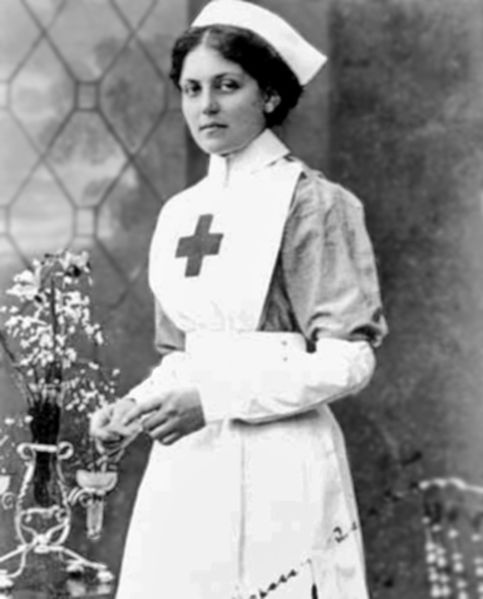
violet-jessopToday I found out about Violet Jessop, “Miss Unsinkable,” the woman who survived the sinking of the sister ships the Titanic and the Britannic, and was also aboard the third of the trio of Olympic class vessels, the Olympic, when it had a major accident. 

Violet Jessop enjoyed incredible “luck” from a young age. Born in 1887 in Argentina to Irish immigrants, she contracted tuberculosis as a young child and was given just a few months to live. Somehow, she managed to fight the disease and went on to live a long, healthy life.

When her father passed away, her mother moved the family to Britain, where she took a job as a stewardess on a ship. While her mother was working, Violet attended a convent school. Unfortunately, her mother became ill, and to provide for her siblings Violet decided to follow in her mother’s footsteps and become a ship stewardess herself.

The first in a long line of struggles for Violet was finding a ship that would take her. She was just 21 years old at the time and most women working as stewardesses in the early 1900s were middle-aged. Employers believed that her youth and good looks would be a disadvantage to her, “causing problems” with the crew and passengers. (Over the course of her career, she did get at least three marriage proposals while working on various ships, one from an incredibly wealthy first-class passenger.)

Eventually, Violet solved the problem by making herself look frumpy with old clothes and no make-up, and experienced more successful interviews after this. After a brief stint aboard the Orinoco, a Royal Mail Line steamer, in 1908, she was hired by the White Star Line.

Violet started out on the line’s Magestic, switching to the Olympic in 1910. Despite the long hours and minimal pay (£2.10 every month or about £200 today), she enjoyed working aboard the massive ship. She had initially had some concerns about the rough weather conditions while traveling across the Atlantic, but she reportedly liked that the Americans treated her more like a person while she served them.

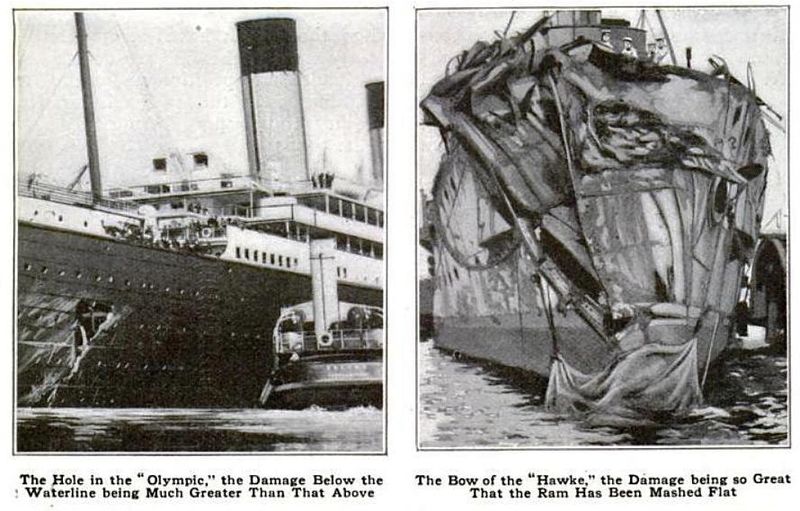
Olympic_collisionIt was just one year later when the trouble started. In 1911, the Olympic collided with theHMS Hawke (a ship designed to sink ships by ramming them). Both ships sustained considerable damage, including the Olympic having its hull breached below the water line, but miraculously didn’t sink. They were able to make it back to port, and Violet disembarked without being harmed.

A couple of years later, the White Star Line was looking for crew to cater to the VIPs aboard the unsinkable ship, the Titanic. It took a while for her friends and family to convince her that it would be a wonderful experience, but Violet eventually decided to take a job on board the ship. As you already know, the Titanic struck an iceberg and sunk, killing more than 1500 people.

Violet was able to escape the disaster on lifeboat 16. In her memoir, she recalls,

I was ordered up on deck. Calmly, passengers strolled about. I stood at the bulkhead with the other stewardesses, watching the women cling to their husbands before being put into the boats with their children. Sometime after, a ship’s officer ordered us into the boat first to show some women it was safe.

As she was jumping into the lifeboat, she was handed a baby to care for. When they were rescued by theCarpathia, the baby’s mother (or at least Jessop thought it must be) found her and whisked the baby away (literally grabbing the baby out of Jessop’s arms and running off).

Once again, Violet lived to sail another day.  Although, she did later state the first thing she missed after the Titanic sank was her toothbrush that she’d left on board.

You’d think she’d stop getting on ships at this point, or at least ships of the Olympic class, but not Violet. In the lead-up to World War I, she decided to serve as a nurse on board the Titanic’s other sister ship,Britannic, which was operating in the Aegean Sea. Given her track record, you can probably guess what happened next. The Britannic ran into a mine that had been planted by a German U-boat. The ship sustained substantial damage and quickly started sinking.

This time, Violet wasn’t lucky enough to jump into a lifeboat as the ship was sinking too fast. Instead, she jumped overboard. In her own words,

I leapt into the water but was sucked under the ship’s keel which struck my head. I escaped, but years later when I went to my doctor because of a lot of headaches, he discovered I had once sustained a fracture of the skull!

She joked that she only survived because of her thick hair, which cushioned the blow.  She also stated this time she remembered to grab her toothbrush before evacuating, unlike with the Titanic.

Even this latest disaster was not enough to deter Violet. After the war, ships were becoming a more and more popular form of transport. Even cruise ships were starting to emerge. Violet left the White Star Line for the Red Star Line and worked on a ship doing world cruises for several years.

Luckily for Violet and everyone traveling on the ships she was aboard later, no such vessel she worked on ever sustained significant damage again. She did take a clerical job for a while after World War II, but went back to working on Royal Mail ships for a few years before she retired at the age of 61. The rest of her life was spent gardening and raising chickens. She died in 1971 of congestive heart failure at the ripe old age of 84.

Source:::  Today i foundout .com

Natarajan