Delhi Metro… Facts You May Not Know !!!

The Delhi Metro is overcrowded, it’s swarming with pickpockets and there are frequent technical glitches. Yeah, we know all these things. But is that all we need to know about our favorite ride around the national capital?

The fact remains that despite these problems, we never give Delhi Metro a skip. There is lot more to the metro than what meets the eye. Here are 10 interesting facts about saddi metro that you probably did not know!

1. No dustbins

The DMRC stations and platforms look spick and span despite the fact that there are no dustbins anywhere (apart from the restaurants). This is something Modi Ji would be very proud of!

img

Source: urbanistyczine

2. Neutral Zones

You call them power cuts, DMRC calls them power shifts! The momentary power lapses where lights and AC go off at certain stations are actually ‘power shifts’. These designated sub-stations a.k.a. neutral zones supply power to the metro since it can not get the required 25000 volts from a single station.

img

Source: sify

3. Even number of coaches

Ever seen a metro with 5 or 7 coaches? No chance of that happening. This is because DMRC rails have 2 types of coaches, namely the ‘driver car’ and the ‘motor car’. They serve as one unit and cannot be used separately. Hence, Delhi metros have either 6 or 8 coaches. Always!

img

Source: dwarkaexpress

4. Journey ke saath bhi, journey ke baad bhi

DMRC takes care of your journey even after you deboard the train. A lot of metro stations provide bicycles on rent for as meagre as Rs 10 for 4 hours. Just don’t forget to carry a valid ID proof!

img

Source: mayurviharextension

5. DMRC Smart Card

Largely unknown, DMRC and ICICI bank got together to launch a DMRC debit card which has an auto recharge facility and gives 10 % discount on metro fare and shops at metro stations. Oh, did we mention cash back offers and reward points? Happy travelling!

img

Source: icicibank

6. Sari Guard feature of escalators

Delhi metro commuters are always in a hurry and DMRC realises that. Apart from the emergency stop button, the DMRC escalators also have a sari guard feature that deflects  loose clothing from getting trapped.

img

Source: thehindu

7. Assistance for visually impaired

Apart from scrubbing your shoes clean on them, these broad yellow strips running on the Delhi Metro platforms serve a better purpose. These yellow tactile strips are the pathways for the visually impaired commuters, leading them directly to the lifts and to the exits.

img

Source: delhimetrorail

8. Wheelchair friendly

All stations have ramps built right at the entrance to help wheelchair-bound people to roll themselves around the station. This again shows how methodologically the Delhi Metro stations have been built.

img

Source: thehindu

9. Distance covered by Delhi Metro

The Delhi Metro network consists of a total of 200 trains covering a total distance of 69,000 kms every day. To put things into perspective, the earth’s total circumference is 40,075 kms!

img

Source: wikipedia

10. Punctuality

In our own rush of reaching our destination, we hardly notice that Delhi Metro is one of the very few punctual things that have happened to Delhi, or India perhaps!

img

Source: wikimedia

Next time someone brags about his luxury car, you know just the points to defend your own ride!

This write up is inspired by an awesome post we found on Quora.

Source::::: Gaurav Arora on http://www.scoopwhoop.com

Natarajan

Jan 13 2015

Ten Indian Villages That Set a Worthy Example for the Whole Country …

LET US BE PROUD OF OUR COUNTRY. IT IS A PARTICIPATIVE ACHIEVEMENT.

Interesting to read about villages that are different.

10 Indian Villages That Set A Worthy Example For The Whole Country
November 12 , 2014

India, having an agro-based economy, depends the most on its villages for growth. Thegaon always has that distinct nostalgic charm that Indians alone can understand. Sarson ke khet, tea plantations, mud houses, clean air, charpaai, mitti, star-lit sky; these are just some of the happy things that we associate with life in an Indian village.
But unfortunately, that feeling is slowly waning. Poverty, lack of education, lack of sanitation, etc are the first associations that the media paints about Indian villages for our benefit.
Here’s a little fact: Gaons aren’t a bad place to live. In fact, some of them are way better than any metro. And these exemplary examples prove just that.

1. Mawlynnong – Asia’s cleanest village

Mawlynnong, a small village in Meghalaya, was awarded the prestigious tag of ‘Cleanest Village in Asia’ in 2003 by Discover India Magazine. Located at about 90kms from Shillong, the village offers a sky walk for you to take in the beauty as you explore it. According to visitors, you cannot find a single cigarette butt/plastic bag lying around there.

Source: Flickr

2. Punsari – The village with WiFi, CCTVs, AC classrooms and more

Punsari, located in Gujarat, puts most metros to shame. Funded by the Indian government and the village’s own funding model, Punsari is no NRI-blessed zone. The village also boasts of a mini-bus commute system and various other facilities. Believe it.
<
Source: Dainik Bhaskar

3. Hiware Bazar – The village of 60 millionaires

Hiware Bazar, located in the Ahmednagar district of Maharashtra, has transformed from being a place fraught with issues to being possibly the richest village in India. The sole reason for this fairy-tale change is one man called Popatrao Pawar. He banned all addictive substances to minimize expense and encouraged the villagers to invest in rain-water harvesting, milch cattle, etc.
There are a record 60 millionaires in the village and barely any poor. From 168 Below Poverty Line families in 1995, Hiware Bazar now has just three. The villagers continue to strive to see a day when not one person is poor.

Source:  Hiware Bazar

4. Dharnai – First fully solar-powered village

Dharnai, a village in Bihar, beat 30 years of darkness by developing its own solar-powered system for electricity. With the aid of Greenpeace, Dharnai declared itself anenery-independent village in July. Students no long need to limit their studies to the day time, women no longer limit themselves to stepping out in the day in this village of 2400 residents. Now if only cities could do the same, right?

Source: Greenpeace

5. Chappar – A village that distributes sweets when a girl is born

Chappar village in Haryana has a woman Sarpanch. But Neelam is no ordinarySarpanch. She made it her life’s mission to change the attitude of the villagers towards women, and she succeeded. Not only do the women of the village not wear theghunghat anymore, but despite Haryana being the state with the lowest girls ratio (an abysmal 877) in this village every newborn, regardless of his/her sex, is welcomed into the world with sweets and festivities.

Source: Youth Connect Mag

6. Korkrebellur – A village that really loves its birds

Korkrebellur, a small village in Karnataka, believes in the conservation of nature. While most other villages consider birds a nuisance because they harm crops, Kokrebellurboasts of rare species of birds that fly around and don’t even mind humans much. The villagers treat their winged compatriots as family and have even created an area for wounded birds to rest and heal. Wonderful, isn’t it?

Source: Flickr

7. Ballia – The village that beat arsenic poisoning with an indigenous method

Ballia village of Uttar Pradesh had an itchy problem to deal with. The water that the villagers were drinking contained arsenic, which causes serious skin problems and even physical deformation. What is arsenic, you ask? A harmless element on its own, but when combined with oxygen or water, it turns toxic.
Ironically, the village faced the problem after the government introduced many hand-pumps in the area for easy water access. The level at which the hand-pumps were dug led to excessive interaction between arsenic and water. When the villagers realised what had happened, instead of waiting for the government to act on it, they (physically) fixed their old wells and went back to an older, safer time. The best part? Even 95-year-old Dhanikram Verma joined in.

Source: The Better India

8. Pothanikkad – The village with a 100% literacy rate

Unsurprisingly in Kerala, Pothanikkad village was the first in the country to achieve a 100% literacy rate. Not only does the village boast of city-standard high-schools, but it also has primary schools and private schools. Guess the number of people the village has educated? Well, according to the 2001 census there are 17563 residents living in the village. The best part is that it answers the question.
<
Source: Deokothamangalam

9. Bekkinakeri – The village that rid itself of open defecation by ‘greeting’ lota-bearers

Bekkinakeri village in Karnataka has redefined the point of wishing someone a ‘Good morning’. Frustrated with the practice of open defecation, the village council attempted to curb it by requesting people to not do so. When that didn’t work, they stationed themselves early morning near ‘popular’ defecation sites and wished every perpetrator a very good morning. The trick worked! Too embarrassed to go on with their business, the openly defecating population has now stopped the practice completely.

Source: World Bank

10. Shani Shingnapur – A village so safe that people don’t need doors

Shani Shingnapur, located in Maharashtra, is a village that defies every newspaper report you have ever read. Touted as the safest village in India, this place is known for its lack of doors to houses. Not just that, there is no police station in the village. And no, we are not making this up.
By the way, Shani Shingnapur has ‘broken’ another interesting record. The village has the country’s first lockless bank branch (UCO bank) now.

Source: Woman Planet

SOURCE:::: input from a friend of mine and www. scoop whoop .com

Natarajan

Janb 13 2015

Meanwhile…. British English versus American English !!!

An English friend of mine says that he nearly had a heart attack on a flight in the United States when the American pilot announced that the plane would be airborne “momentarily.’ ‘In British English, the language my friend speaks, “momentarily” means “for a moment,” and he thought the pilot was suggesting an imminent crash soon after takeoff. In American English, however, “momentarily” means “in a moment,” and the pilot was merely appeasing the impatient passengers.

The plane took off, stayed aloft, my friend’s heart stopped thudding, and he lived to tell the tale. But he understood better than ever before the old adage that Britain and the United States are two countries divided by a common language.

Anecdotes abound about the misunderstandings that arise when foreigners come to the United States thinking that they know the language.

In one anecdote, a young man, in the course of a passionate courtship, tells his American girlfriend, “I’ll give you a ring tomorrow.” All he meant was that he would call her by telephone. But she understood him to have offered betrothal, and the relationship didn’t survive the misunderstanding.

Then there’s the hotel that failed to understand an English guest who called to say he had left his “trousers in the wardrobe.” Translators had to be summoned before the hotel staff finally cottoned on: “Oh, you’ve left your pants in the closet. Why didn’t you say so in the first place?”

Sometimes you can get the right word but the wrong concept. India’s former foreign minister, M. C. Chagla, once ruefully recounted the time he wanted to order a modest bite from room service in a New York hotel and requested sandwiches.

“How many do you want?” Chagla was asked. Imagining delicate little triangles of thinly-sliced bread, he replied: “Oh, half-a-dozen should be enough.” Six sandwiches duly arrived, each about a foot long (30 centimeters) and four inches high.

In my first week on a U.S. university campus, I asked an American where I could post a letter to my parents. “There’s a bulletin board at the Student Center,” he replied, “but are you sure you want to post something so personal?” I soon learned that I needed to “mail” letters, not “post” them (even though in the United States you mail them at the “post office”).

In Britain, one concludes a restaurant meal by asking for the bill, and conceivably paying by cheque; in America, one asks for the check and pays with bills.

The language of politics is also not exempt from the politics of language. When a member of Parliament in Britain “tables” a resolution, he puts it forward for debate and passage; when an American Congressman tables a resolution, he kills it off. A “moot” point is one the Englishman wants to argue; but if it’s moot, the American considers it null and void.

Such differences of usage reveal something of the nature of American society.

It is no wonder, after all, that while the British “stand” for election, Americans “run” for office.

A British linguist once told a New York audience that whereas a double negative could make a positive, there was no language in the world in which a double positive made a negative. A heckler put paid to his thesis in forthright American: “Yeah, right.”

Yeah, right, indeed. With the universality of English largely a result of U.S. global dominance, it’s time for other English speakers to stop quibbling about whether the American usage is right or wrong. It simply is.

And as the Americans have taught the rest of us to say: that’s O.K. Though not even they can tell us what those two initials are meant to represent.

The writer grapples regularly with the differences between British English and American English, both as a novelist and as undersecretary-general for communications and public information at the United Nations. This is a personal comment.

SOURCE:::: Sashi Tharoor in http://www.nytimes.com

Natarajan

Jan 13 2015

A Simple Story with a Strong Message to all of us…


Read this – it is a beautiful message.

In an ancient temple, a number of pigeons lived happily on roof top.

When the renovation of the temple began for the annual temple festival,  the pigeons   relocated themselves                                                                            to a Church nearby. The existing Pigeons in the Church   accomadated  the new comers very well

Christmas was nearing and the Church was given a facelift. All the pigeons had to move out and look for another place                                                                    They were fortunate to find a  place in a Nearby Mosque  .   Pigeons in the Mosque welcomed the new friends Happily.

It was Ramadan time and the Mosque  was repainted. All the pigeons now Came back to the same ancient Temple .

One day the pigeons on top found some Sound and  clash below in a market square.     A Baby Pigeon

                                                asked the mother pigeon “Who are these people ?”.

The mother replied that they were called  “Human beings”.

The baby asked, “but why are they fighting with each other”.

The mother said “These human beings going to temple are called ‘Hindus’ and the  people going to the Church                                                    are called ‘Christians’ …. The people going to Mosque are called ‘Muslims’.

The Baby pigeon asked, “why is it so? Look, when we were in the Temple we were called  PIGEONS only !!! ….When we were in the Church , we were called as PIGEONS  . And , we were in the MOSQUE  too, we were called as PIGEONS only.                    Similarly all of them down below should be called just “HUMAN BEINGS ” wherever they go”.

The mother Pigeon said, ‘You and me and our Pigeon friends have experienced God and that’s why                                 we are living here in a highly elevated place Peacefully. These people are yet to experience God.                                Hence they are living  below us and fighting and killing each other”.

A nice Story with a Strong Message to all of us ….

SOURCE :::: UNKNOWN…. Input from a friend of mine

Natarajan

Jan 13 2015

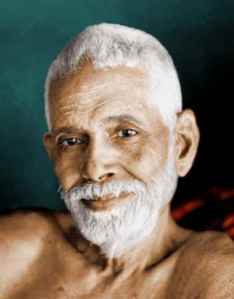
ஸ்ரீ ரமண மஹரிஷி வாழ்வில்…பிள்ளையாருக்கு வாழைப்பழம் , அணிலுக்கு முந்திரிப்பருப்பு …”

கே.என்.சாஸ்திரி என்பவர் ரமணரைப் பார்க்கப் போகும்போது கையில் ஒரு சீப்பு வாழைப்பழம் கொண்டுபோனார். போகும் வழியில் அருணாசலேஸ்வரர் கோவிலுக்குப் போனார். சீப்பிலிருந்து பழத்தைப் பிய்த்தெடுக்காமலே சாஸ்திரி ஒரு பழத்தை மட்டும் அங்கிருந்த பிள்ளையாருக்கு மனதாலே நிவேதனம் செய்தார்.

இறுதியில் அவர் பகவானைப் பார்த்து பழங்களைக் கொடுத்தார். அங்கிருந்த ஒரு சாது பழச்சீப்பை குகைக்குள் வைப்பதற்காக எடுத்துப் போகும் நேரம் பகவான் ‘ஒரு நிமிஷம், பிள்ளையாருக்குக் கொடுத்த பழத்தை நாம எடுத்துக்கலாம்’ என்று சொல்லி ஒரு பழத்தை வாங்கிக் கொண்டதும் சாஸ்திரியார் வியந்து போனார். எது தெரியாது பகவானுக்கு?


ஆச்ரமத்தின் கூடத்தில் இருக்கும் கட்டிலில் ஸ்ரீ ரமணர் சாய்ந்து அமர்ந்திருந்தார். வழக்கமாக அந்த நேரத்தில் வருகின்ற அணிற்பிள்ளைகள் வந்தன. சிறிதும் பயமின்றி ஸ்ரீ ரமணரின் மேனியில் ஏறியும் இறங்கியும் விளையாடின. ஸ்ரீ ரமணர் தமது அருகிலிருந்த டப்பாவைத் திறந்து பார்த்தபோது, அன்று முந்திரிப் பருப்புக்குப் பதிலாக அதில் வேர்க்கடலை இருந்தது. தினந்தோறும் அணில்கள் ஸ்ரீ ரமணரின் கையிலிருந்து முந்திரிப் பருப்பை வாங்கி உண்ணும். அவரே ஊட்டவும் செய்வதுண்டு.

இன்று வேர்க்கடலையை அவர் ஊட்டியதும் அணிற்பிள்ளைகள் அதை ஏற்க மறுத்தன. அது மட்டுமில்லாமல் முந்திரி கிடைக்காத கோபத்துடன் ‘கீச் கீச்’சென்று கத்திக் கொண்டே தாவித் தாவி அவருடைய உடம்பில் ஏறின. “வேர்க்கடலையைச் சாப்பிடுங்கள்” என்று குழந்தையைக் கெஞ்சுவதுபோல ஸ்ரீ ரமணர் அணிற் பிள்ளைகளைக் கொஞ்சினார். அவையோ தொட மறுத்தன. முந்திரிப்பருப்பு வேண்டும் என்பதுபோல அடம் பிடித்தன. ஸ்ரீ ரமணர் சமையலறையிலிருந்து முந்திரி இருந்தால் கொண்டு வருமாறு தொண்டர் கிருஷ்ணசாமியிடம் கூறினார்.

தொண்டர் சிறிதளவு முந்திரியைக் கொண்டுவந்து கொடுத்தார். “இவ்வளவுதான் இருக்கிறதா ?” என்றார் ஸ்ரீ ரமணர். தொண்டர், “பாயசத்திற்குப் போடணும்னு கொஞ்சம் வைத்திருக்கிறது” என்றார்.

“இந்தக் குழந்தைகள் எப்படி தவிக்கின்றன. போ போ. பாயசத்திற்கு முந்திரி போடணும்னு கட்டாயமில்லை” என்று ஸ்ரீ ரமணர் கோபமாகக் கூறியதும் தொண்டர் சமையலறையிலிருந்த முந்திரி முழுவதையும் கொண்டு வந்து கொடுத்தார். ஸ்ரீ ரமணர் ஆசையுடன் ஊட்ட, அணிற்பிள்ளைகள் சந்தோஷக்குரல்களுடன் உண்டபோது, ஸ்ரீ ரமணரின் வதனத்தில் கருணையொளி வீசியது.

மறுநாளே சென்னையிலிருந்து வந்த பக்தர் ஒருவர் ஸ்ரீ ரமணரிடம் இரண்டு பெரிய பொட்டலங்களில் முந்திரிப்பருப்பு கொண்டுவந்து, “அணிற்பிள்ளைகளுக்கு அளிப்பதற்காகவே கொண்டு வந்தேன்” என்றார். ஸ்ரீ ரமணர் அணிற்பிள்ளைகளுக்குத் தேவையானது கிடைத்ததில் ஆனந்தம் அடைந்தார்.

ஓம் நமோ பகவதே ஸ்ரீ ரமணாய!!

SOURCE:::: http://www.balhanuman.wordpress.com

Natarajan

Jan 12 2015

Message For the Day…”Spend Your Time in Pursuing Noble Tasks…”

Avoid spending precious time in useless pursuits and be ever vigilant. Engage the senses of perception and action, and the body in congenial but noble tasks to keep them busy. There should be no chance for sloth (tamas) to creep in. And, every act must promote the good of others. While confining oneself to activities that reflect one’s natural duties (swa-dharma), it is possible to sublimate them into spiritual practices for the body and the senses. You must also withdraw from sensory objects. This implies having a state of mind that is beyond all dualities that agitate and affect, such as joy and grief, liking and disliking, good and bad, praise and blame. Such common experiences one encounters can be overcome or negated by means of spiritual exercises or intellectual inquiry. Endeavour to escape from the opposites and dualities, and attain balance and stability.

Sathya Sai Baba

” பொங்கல் திருநாளில் நம் உழவர்கள் நிலைமை என்ன …”

ஒரு மாதத்துக்கு முன்பே பல பேருடைய மனதில் பொங்கல் பண்டிகைக் குடிகொண்டுவிட்டது. சூரிய வெளிச்சத்தைக் கண்டால் ஓடி மறைபவர்கள், சூரியனைக் கண் டால் தொப்பியையும் கருப்புக் கண்ணாடி யையும் போட்டுக் கொள்பவர்கள், குடை இல்லாமல் வெளியில் செல்ல முடியாத வர்கள், ஒரு நொடி வியர்வைக்கே மின்சார வாரியத்தை தொலைபேசியில் அழைத்து புகார் தெரிவிப்பவர்கள், குளிர் சாதன வசதி இல்லாமல் ஒரு நிமிடத்தைக் கூட தாங்கிக்கொள்ள முடியாதவர்கள் என பொங்கல் பண்டிகைக்காகத் திட்டமிட்டுக் கொண்டிருக்கிறார்கள்.

இது தவிர, பரபரப்பாக… வாழ்த் துச் சொல்ல, மகிழ்விக்க, நடிகர் – நடிகைகளைத் தேடி ஓடிக் கொண் டிருக்கும் ஊடகக்காரர்களும், எந்தப் படத்தைப் போடலாம் என காத் திருக்கும் திரைப்படத் துறையினரும், விண்வெளிக் கலத்தை விண்ணில் செலுத்திவிட்டு பதைபதைப்புடன் உயிரைக் கையில் பிடித்துக் கொண்டு காத்திருக்கும் விண்வெளி ஆராய்ச்சியாளர்களைப் போல், திரைப் படத்தின் வெற்றி – தோல்விக்காகக் காத் திருக்கும் ரசிகர்களும்தான்… பொங்கல் திருநாளுக்காகக் காத்திருக்கிறார்கள்.

பொங்கல் திருநாள் வந்தால் யார் முகத்தில் மகிழ்ச்சி உருவாக வேண் டுமோ… யாரெல்லாம் கொண்டாடி மகிழ வேண்டுமோ… அந்த உழவர்கள் எல்லாம் கடன்காரனுக்கு எந்த பதிலைச் சொல்வது… பொங்கல் செலவுகளை எப்படி சமாளிப்பது… குழந்தை குட்டி களுக்கு துணி எடுக்க யாரிடம் கையேந்துவது என கலங்கிப் போய் நிற்கிறார்கள். ஆனால், மிகச் சிறப்பாக அதாவது ஊடகத்தினர் மொழியில் ‘கோலாகலமாக’ பொங்கலை தமிழ் நாட்டு உழவர்கள் கொண்டாடி மகிழ்ந்த தாக செய்திகள் வெளியாகத்தான் போகிறது, ஊடகங்களில்!

அதேபோல் மழை பெய்தாலும், காய்ந்தாலும் உழவன் கொத்துக் கொத் தாகத் தற்கொலை செய்துகொண்டு செத்தாலும், எப்போதும் போல் தங்களின் வாழ்த்துகளைத் தெரிவிக்க, வாழ்த்துச் செய்திகளை அச்சடித்து வைத்துக்கொண்டு அரசியல்வாதிகளும் காத்திருக்கிறார்கள்.

உழவனுடைய நிலை எப்படியிருந்தா லும், உழவர்கள் பெருவாழ்வு வாழ்வதா கச் சொல்லி ஆள்பவர்கள் வாழ்த்துவதில் ஒரு பொருள் இருக்கிறது. எதிர்க்கட்சியும் மற்ற இதரக் கட்சித் தலைவர்களும்கூட சிறிதும் சிந்திக்காமல் அதே போன்ற வாழ்த்துகளைத் திரும்பத் திரும்ப சொல்லிக்கொண்டிருப்பது எந்த விதத்தில் சரியானது?

கரும்பு வெட்டத் தொடங்கி ஆறு வாரமாகிவிட்டது. கத்தியை வைத்து கரும்பை சாய்த்துவிட்டால், அது உடனே ஆலைக்கு ஏற்றப்பட்டு எடை போட்டுவிட வேண்டும். இல்லையென்றால் தாமதிக் கிற ஒவ்வொரு நொடியும் வெய்யி லில் காய்ந்து எடைகுறைந்து கொண்டே யிருக்கும். வெட்டாமல் விட்டு வைத்திருந் தாலும் முற்றிப்போய், பூ பூத்து, சாற்றை இழந்து கரும்பு தக்கையாகிவிடும். கரும்புக்கான கொள்முதல் விலையை உயர்த்தச் சொல்லி போராட்டங்கள் நாள்தோறும் நடைபெற்றுக்கொண்டே தான் இருக்கின்றன.

நடுவண் அரசு 2012-ம் ஆண்டு அறிவித்த 1,700 ரூபாயிலிருந்து 2,200 ரூபாயாக உயர்த்தி இருக்கிறது. ஆனால் தமிழக அரசு அளித்துவந்த 550 ரூபாயை 450 ரூபாயாக குறைத்து அறிவித்திருக் கிறது. உற்பத்திவிலை கூடிப் போனதால் தங்களின் வேதனையை யாரிடத்தில் சொல்வதென நமக்கெல்லாம் இனிக்கும் சர்க்கரையை தரும் உழவன் கசந்து போய் கிடக்கிறான்.

இதுபோக ஏற்கெனவே தனியார் ஆலை நிறுவனங்கள் இவர்களிடம் வைத் திருக்கிற நிலுவைத் தொகையைக் கொடுக்காததால் அத்தனைப்பேரும் வேதனையில் வெந்து கொண்டிருக் கிறார்கள் .

திரைப்பட நடிகர்கள் உண்ணாவிரதம் எனச் சொல்லி வள்ளுவர் கோட்டத் தின் முன் உட்கார்ந்தால், எல்லா தொலைக்காட்சிகளும் விழுந்தடித்துக் கொண்டு ஓடி வந்து அங்கே வருகின்ற ஒவ்வொருவரின் வாயிலும் ஒரு ஒலிவாங்கியைக் கொடுத்து நேரலை ஒளிபரப்பைச் செய்கின்றன.

ஆனால், உழவருடைய போராட் டத்தை ஒரு போராட்டமாகவே எவருமே பார்ப்பதில்லை. சென்ற மாதம் டெல்லி வரைக்கும் சென்று நாடாளுமன்றத்தின் முன் இந்தக் கடுங்குளிர் பருவத்திலும் வேட்டி – சட்டையுடன் கிடந்து கத்திப் பார்த்தார்கள். ‘இவர்கள்’ செத்துத் தொலைந்தால்… தங்கள் கட்சிக்குத் தான் இழுக்கு என நினைத்த அமைச் சர்கள், பழச்சாறு கொடுத்து படம் எடுத்துக்கொண்டு அனுப்பி வைத்து விட்டார்கள்.

எந்தப் பொருளை யார் உருவாக்கி னாலும், அதற்கான விலையை அவன் குறித்துக்கொள்ள முடியும். உழவ னுக்கு மட்டும்தான் அந்த உரிமை இல்லை. வணிகர்கள் கேட்கிற விலைக் குக் கொடுத்துவிட்டு எப்போது பணம் கொடுப்பார்கள் என காத்திருக்க வேண் டும். பல நேரங்களில் விலையில்லை எனச் சொல்லி திருப்பி அனுப்பி விடுவதால், வீதியில் கொட்டிவிட்டு வீடு வந்து சேர்கிறான். அப்போதுகூட உழவனின் நிலையைப் பற்றி சிறிதும் கவலைப்படாமல், ஓடிப் போய் போட்டிப் போட்டு அள்ளிக் கொள்பவர்களும் நம் மதிப்புக்குரிய மக்கள்தான்.

வேலை செய்கிற நாட்களுக்கும், விடுமுறை நாட்கள் எனச் சொல்லி வேலை செய்யாத நாட்களுக்கும் சேர்த்து ஊதிய மும்; அதுபோக, ஊக்கத் தொகை என அனைத்தையும் பெற்றுக்கொள்கிற பல்வேறு அலுவலக ஊழியர்களுக்கும் பொங்கல் திருநாள்தான். தலைமுறைத் தலைமுறையாக கடனி லேயே உழன்று, வறுமையிலேயே செத்து மடிகிற உழவனுக்கும் பொங்கல் தான். அனைவருடைய வயிற்றுக்கும் உணவளித்துவிட்டு யார் கையையும் எதிர்பார்த்து வாழாத உழவன், அரசாங் கம் கொடுத்த 100 ரூபாயை வாங்குவதற் காக வெய்யிலில் வரிசையில் காத்துக் கிடந்த காட்சிகளையும் கண்டுகொண்டு தான் இருந்தோம்.

உழவனின் குரல் ஓங்கி ஒலித்த காலங்களும் உண்டு. இறுதிவரைப் போராட்டத்தை ஒடுக்க முடியாமல், வேறு வழியில்லாமல் உழவர் சங்கத் தலைவரை சந்திக்க, புதுடெல்லியில் இருந்து அப்போது தலைமை அமைச்ச ராக இருந்த இந்திரா காந்தியும், சென்னையில் இருந்து முதலமைச்சர் எம்.ஜி.ராமச்சந்திரனும் அவருடைய கிராமத்துக்கேச் சென்று பேசித் தீர்த்ததெல்லாம் அன்று நடந்தன.

யார் ஆட்சிக்கு வந்தாலும் அவன் குறை தீர்ந்தபாடில்லை. அவனது சிக்க லின் அடிவேரை ஆராய்ந்து பார்க்கத் தெரியாததாலும், விரும்பாததாலும் வெறும் இலவசங்களையும், மானியங் களையும் கொடுத்து தப்பித்துக் கொள்கிறார்கள்.

உழவனின் மரபுக் குடிகளெல்லாம் உடம்பில் தீப்பிடித்துக் கொண்டதுபோல் தன் கிராமத்தை விட்டும், தன் நிலத்தை விட்டும் வெளியூருக்கும், வெளி நாட்டுக் கும் ஓடிவிட்டன. மீதமுள்ளவர்களும் ஓடிப் போக நெடுங்காலமாகாது. அப் போது இன்று கொண்டாடுவதுபோல் உழவனின் பெயரைச் சொல்லி பொங் கல் திருநாளைக் கொண்டாட முடியாது.

ஏற்கெனவே உழவன் இல்லாத பொங்கலும், கால்நடைகள் இல்லாத மாட்டுப் பொங்கலும் நம்மவர்களால் உருவாக்கப்பட்டுவிட்டன. ‘இல்லை… நாங்கள் பொங்கல் கொண்டாடியே தீருவோம். உழவன் அழிந்தால் எங்களுக்கென்ன? நாங்கள் தமிழர்கள்’ எனச் சொல்லி கொண்டாடலாம். அப்படி யானால் தமிழர்களாக இருக்கின்ற கிறித்துவர்களும், இசுலாமியர்களும் பொங்கலைக் கொண்டாட வேண்டு மல்லவா? அவர்களும் இந்த உழவுத் தொழிலை செய்கிறவர்களும், செய்த வர்களும்தானே. இதை ஒரு மதம் சார்ந்த பண்டிகையாக மாற்றியவர்கள் யார்? உணவளிக்கும் சூரியனுக்கு நன்றி சொல்லும் நாள் என்றால் அப்படி ஒன்றை நாம் எல்லோரும் கொண்டாடுவதுதானே சரி?

உலகத்தில் எந்த மொழியிலாவது ‘ஓர் அரசாங்கம் என்பது இப்படித்தான் இருக்க வேண்டும்’ எனச் சொல்லியிருப் பார்களா?

‘வரப்புயர நீர் உயரும்

நீர் உயர நெல் உயரும்

நெல் உயரக் குடி உயரும்

குடி உயரக் கோல் உயரும்

கோல் உயரக் கோன் உயரும்!’

– என ஒளவை பாடியது போல நடந்தால் அப்போதுதான் அது அரசாட்சியாக இருக்கும். ஆனால், இங்கே எதெல்லாம் உயர்ந்துகொண்டு இருக்கிறது என்பதை பார்த்துக்கொண்டு தானே இருக்கிறோம்.

திருக்குறளையும், திருவள்ளுவன் புகழையும் பரப்பி அவனுக்கு சிலை வைத்துவிட்டால் தமிழன் வாழ்ந்துவிடு வான் என நினைப்பவர்களுக்கு, ஒளவையின் இந்தப் பாடலை நினைவு படுத்த விரும்புகிறேன். வள்ளுவனை ஒருவேளை ஆட்சி யாளர்கள் மதித்தால் (நடுவண் அரசையும் சேர்த்துதான்) வள்ளுவன் பாடியிருக்கிற ஒரு குறளின்படியாவது உழவுத் தொழிலை முன்னேற்றும் காரியத்தை முதலில் செய்து காட்டுங்கள்.

SOURCE::::  தங்கர் பச்சான்  in  www.tamil.thehindu.com

Natarajan

Jan 11 2015

ஸ்ரீ ரமண மஹரிஷி வாழ்வில்….” அணில் போல இருங்க …எலி போல வேண்டாம் …”

பகவான் ரமணர் உரைகேட்கப்
பக்தர் இருந்தார் அமர்ந்தபடி
அகமும் முகமும் மலர்ந்தபடி
அருளுரை சொன்னார் கனிந்தபடி
அணில்போல் இருங்கள்; தவறில்லை!
ஆனால் எலிபோல் கூடாது!
மணிமொழி இதனை உதிர்த்தபடி
மவுனமானார் நம் ரமணர்!
காரணம் வேண்டிப் பக்தர்கள்
காத்துக் கொண்டே இருந்தார்கள்
பூரண ஞானி விடைசொன்னார்
புன்னகை ஒன்றைத் தந்தபடி!
உண்ணும் அணிலைப் பாருங்கள்;
உண்டது போதும் என உணர்ந்தால்
கொண்ட கனியை அதன்பின்னர்க்
கொறிப்பதில்லை; ஓடிவிடும்;
ஆனால் எலியோ பதுக்குவதில்
ஆசை கொள்ளும்; மறுபடியும்
தானாய் வந்து பொருள்தேடும்
தனக்கு மீறிச் சேர்த்துவிடும்
போதும் என்ற மனம் இன்றிப்
பொருளைச் சேர்க்கக் கூடாது
நீதி இதுதான், எனச்சொல்லி
நிறுத்தி அருளினார் ரமணமுனி!
ஓம் நமோ பகவதே ஸ்ரீ ரமணாய!!  
Natarajan
Jan 11 2015

Message For the Day…” Role of Sports and Music in our Health and Happiness.. “

It must be recognised that sports and music have been designed to confer health and happiness on man. Physical fitness and mental health are equally important. Together with the gross physical body everyone has a subtle body (sukshma sarira). Take good care of your subtle body by performing spiritual exercises which will help you to realize the Divine. True education consists in the acquisition of good qualities, cultivation of good thoughts, truthfulness, devotion, discipline and dedication to duty. Sports and games enable you to acquire these qualities, and they impart a healthy body, mind and joy. Three unique benefits can be derived from sports and games: team spirit, mutual understanding and joy. Even if people speak different languages and differ in their habits and cultures, through the field of sports you can easily build a common bond, and share a spirit of camaraderie. Hence sports and games should be encouraged.   

Sathya Sai Baba


Image of the Day… Satellite Picture of Snow Covered U.S. ….

Satellite Picture Shows Snow-covered U.S. Deep Freeze

NOAA’s GOES-East satellite provided a look at the frigid eastern two-thirds of the U.S. on Jan. 7, 2015, that shows a blanket of northern snow, lake-effect snow from the Great Lakes and clouds behind the Arctic cold front.

A visible picture captured at 11 a.m. EST showed the effects of the latest Arctic outbreak. The cold front that brought the Arctic air moved as far south as Florida, and stretched back over the Gulf of Mexico and just west of Texas. The image shows clouds behind the frontal boundary stretching from the Carolinas west over the Heartland. Farther north, a wide band of fallen snow covers the ground from New England west to Montana, with rivers appearing like veins. The GOES-East satellite image also shows wind-whipped lake-effect snows off the Great Lakes, blowing to the southeast. Meanwhile, Florida, the nation’s warm spot appeared almost cloud-free.

Image Credit: NASA/NOAA GOES Project  

SOURCE:::: http://www.nasa.gov

Natarajan

Jan 10 2015