Know this Word …” Social Security”

Social Security

A general term used to refer to the programs mandated in the United States by the Social Security Act of 1935. With the amendments made to the act since then, it now consists of benefits for old age, survivors, and disability. Through social security, programs that provide assistance to certain segments of the public are administrated, such as Public Assistance.

Use Social Security in a sentence

  • After she retired, my mother started collecting Social Security payments in order to supplement her other forms of retirement income.
  • There are several people who rely on social security in the United States to meet all of there needs, they receive money from the government to help them survive either after retirement or if they become disabled and unable to work.
  • Your social security number is very important in the United States; it’s a number that signifies who you are to those who don’t know you.
  • Source….www.businessdictionary.com

Natarajan

Message for the Day… ” What is Vitamin G …” ?

Sathya Sai Baba

When the mind of a person is unattached to the ups and downs of life, but is able to maintain equanimity under all circumstances, then even physical health can be assured. The mental firmament must be like the sky, which bears no mark of the passage through it of birds or planes or clouds. Illness is caused more by malnutrition of the mind than of the body. Doctors speak of vitamin deficiency; I will call it the deficiency of Vitamin G, and I will recommend the repetition of the Name of God, with accompanying contemplation of the glory and grace of God. This Vitamin G is the medicine that is needed. Regulated life and habits are two-thirds of the treatment, while the medicine is just one-third. You must reveal the divine qualities of love, humility, detachment and contentment. Else, you could become worse than a beast and in fact more deadly.

Are these the Most Magical Settlements in the World … ?

Nestled in some of the most beautiful corners of the world, are tiny settlements of people who have adapted to live around nature.

From villages under boulders in Portugal, to floating villages in Peru, these dwellings are hidden away from the rest of the world.

The secluded settlements are often cut off from the surrounding areas, but are each set in their own natural paradises.

Bravest village ever? The settlement of Aogashima in the Philippine Sea, has 200 inhabitants who live in the middle of a volcanic crater

Bravest village ever? The settlement of Aogashima in the Philippine Sea, has 200 inhabitants who live in the middle of a volcanic crater

Aogashima, Philippine Sea

Perhaps the last place you would expect to find a living community would be inside a tropical volcanic island in the Philippine Sea.

The last time the Class-C volcano erupted was in the 1780s, and it proved fatal for half of the people living on the island.

Over fifty years later, the inhabitants who had escaped the island returned, and now there are 200 brave villagers living there.

Hidden behind a rock! This tiny settlement is concealed from the Greek coastline behind a giant rock on the island 

Hidden behind a rock! This tiny settlement is concealed from the Greek coastline behind a giant rock on the island

Monemvasia, Greece 

Monemvasia is a little settlement concealed behind a huge rock face in Laconia in Greece.

The island was separated from the mainland in 375 AD by an earthquake, although a small walkway has been created since for easy access to the mainland.

Inhabitants are hidden away from the rest of the world, with spectacular views of the Palaia Monemvasia bay.

Giant honeycomb! The Phugtal Monastery in India is hidden on a cliff on the entrance to a cave in the Zanskar region

Giant honeycomb! The Phugtal Monastery in India is hidden on a cliff on the entrance to a cave in the Zanskar region

Phugtal Monastery, India

The hidden cliff face village of Phuktal or Phugtal Monastery is one of the most isolated monasteries in northern India.

Constructed from mud and timber, it is located at the entrance to a cave on a cliff face in the south-eastern Zanskar region in Ladakh district.

Looking like a giant honeycomb it was founded in the early 12th century, but remained a hidden treasure until the 1800s when Alexander Cosmo de Koros visited the place, and stayed there for a year.

The remote east Greenland village of Isortoq includes a supermarket, the large red building (pictured front)

The remote east Greenland village of Isortoq includes a supermarket, the large red building (pictured front)

Isortoq, Greenland  

On 64 people reside on Greenland’s Isortoq village, which is set in the middle of miles of snow and ice.

The Inuit inhabitants used to be forced to survive on only meat, as the harsh landscape didn’t allow for plants to be grown.

They do have a red supermarket nowadays, which offers a variety of other produce.

There is even ketchup and mayonnaise available for eating with seal.

Long way to the corner shop! Only 16 people live in this tiny village nestled high on the cliffs near the coast of the Faroe Islands

Long way to the corner shop! Only 16 people live in this tiny village nestled high on the cliffs near the coast of the Faroe Islands

Gásadalur Village, Denmark 

The isolated village of Gásadalur situated on the west side of Vágar in the Faroe Islands.

Only 16 residents live in the peaceful settlement, with stunning views of tumbling cliffs overlooking the North Atlantic’s Gulf Stream.

A tunnel was built through the mountains in 2004, but before that, a walk to the next village would have meant a strenuous hike or horseback ride over the 400m high mountain.

Nestled in one of the driest locations on earth, is Huacachina; a town complete with trees, hotels, shops and even an oasis library - tranquil!

Nestled in one of the driest locations on earth, is Huacachina; a town complete with trees, hotels, shops and even an oasis library – tranquil!

Huacachina, Peru 

In the midst of one of the driest climates in the world is an oasis town with lush palm trees, flourishing foliage, and a tranquil lagoon which is said to have curative properties.

The magical town is called Huacachina, and it can be found not only on adventurers’ bucket lists, but also in a barren desert in Peru.

Visitors can visit the surreal settlement and the 96 residents who thrive on running small businesses on their greatest resource; sand.

The incredible Cliff of Bandiagara in Mali is an impressive series of clay structures, which are home to the Dogon people

The incredible Cliff of Bandiagara in Mali is an impressive series of clay structures, which are home to the Dogon people

The Cliff of Bandiagara, Mali 

It looks like a model village created by clay, but it is actually a real village in West-Africa, home to the Dogon people.

The Cliff of Bandiagara is zone of tablelands, gorges and plains which has been constructed out of red-coloured clay.

The series of fascinating clay chambers consists of houses, granaries, altars, sanctuaries and, or communal meeting-places, which look perfect for exploring.

Fairytale village! Undredal is hidden in a narrow valleyin the Aurlandsfjord in Norway, and looks like something out of Disney movie

Fairytale village! Undredal is hidden in a narrow valleyin the Aurlandsfjord in Norway, and looks like something out of Disney movie

Undredal, Norway 

The small village of Undredal is home to approximately 100 people and 500 goats, and is a popular tourist destination along the Aurlandsfjorden.

Undredal is famous for the brown goat cheese, and even produces goat sausages.

Before 1988, Undredal was only accessible by boat, but now a road connection has been made by constructing two tunnels as part of the European route E16.

A village in a Fjord! Furore in Italy is a brightly coloured settlement tucked away in the mouth of the fjord 

A village in a Fjord! Furore in Italy is a brightly coloured settlement tucked away in the mouth of the fjord

Furore, Italy 

Tucked away in a Fjord is a quaint Italian village, completed with brightly coloured houses decorated with murals.

Furore can be discovered in the Campania region of south-western Italy, although it used to be practically hidden from travellers.

Following Furore being dubbed ‘the village that doesn’t exist,’ the mayor decided it was time for action, and sought to put the minuscule commune on the map.

He ordered that the tiny buildings should be painted in vibrant colours so the picturesque village could be viewed from the coastal road.

Green haven! Sapa is one of the most beautiful places in earth, and is home to villagers who farm the rice fields and sell trinkets to visitors 

Green haven! Sapa is one of the most beautiful places in earth, and is home to villagers who farm the rice fields and sell trinkets to visitors

Sapa, Vietnam 

Cascading vibrant green rice fields line the hills in the Sapa region of North Vietnam.

Hill-tribe people fill the mountains with colour, and open their homes to tourists who flock to take in the incredible views across the region.

Visitors can trek through the hills and buy colourful trinkets from the tribes people, who accompany them on the walk to help.

Giant mole hills? An entire population of over a thousand residents live underground in dugouts at Coober Pedy in northern South Australia

Giant mole hills? An entire population of over a thousand residents live underground in dugouts at Coober Pedy in northern South Australia

Coober Pedy is built underground to withstand the daytime heat, and even has an underground chapel  Miners who live in the area to collect opals, stay in dugouts underground

There is even an underground chapel and houses that come with lounges, kitchens and dining rooms

Coober Pedy, Australia

From first glance you would think that Coober Pedy in northern South Australia, is a series of giant mole hills.

It is, in fact, a town concealed underground in dugouts which were built to withstand the blazing daytime heat.

According to the 2011 census, its population was 1,695 (953 males, 742 females), who live in the area to mine the precious opals that lie there.

Gorge-ous views! Tiny hilltop village, Rougon, boasts panoramic views of the surrounding Verdon Gorge in the south of France 

Gorge-ous views! Tiny hilltop village, Rougon, boasts panoramic views of the surrounding Verdon Gorge in the south of France

Rougon, France 

After winding your way through the picturesque mountain views in Alpes-de-Haute-Provence in France, you will stumble on a preserved, peaceful village called Rougon.

Sitting under a large rocky outcrop, the hidden village is perfectly situated for panoramic views of the Verdon gorge.

Visitors can explore the Saint Christophe chapel, the Huguenote church, the remains of its feudal castle and enjoy the local fair occurring in the last Sunday in June.

If you are feeling adventurous, guests can camp at the village all year round.

The Havasupai tribe are the smallest Indian nation in America, with just over 600 village inhabitants. It is so remote that mail is delivered by mule

The Havasupai tribe are the smallest Indian nation in America, with just over 600 village inhabitants. It is so remote that mail is delivered by mule

Supai, Arizona 

Millions travel to witness the spectacular Grand Canyon every year, but few know that this Arizona landscape is home to a secret tribe, hidden away in its depths.

More than 600 people are part of the Havasupai tribe, which is the smallest Indian nation in America.

Visitors can reach the mysterious tribe on foot or by helicopter or mule, and experience life in the village of Supai, which has a cafe, general stores, a lodge, post office, school, LDS chapel, and a small Christian church.

The most remote location in the world: Tristan da Cunha is situated over a thousand miles from the nearest land and has 300 residents 

The most remote location in the world: Tristan da Cunha is situated over a thousand miles from the nearest land and has 300 residents

Tristan da Cunha, Saint Helena

Taking the prize for the most remote village is Tristan da Cunha, which is only accessible by a six-day boat journey from South Africa or as part of epic month-long cruises through the South Atlantic Ocean.

The inhabited archipelago stands 1,243 miles from Saint Helena, 1,491 miles from South Africa and 2,088 miles from South America in the middle of ocean.

It’s just seven miles long and 37.8 square miles in area, and has but one settlement at the foot of the 6,765-foot Queen Mary’s Peak, with 300 residents all of whom farm for a living.

Floating village! The Uros live on islands made by interwoven reeds which sit in Lake Titicaca Puno. The tribe have been living on the lake for hundreds of years, since Incas expanded onto their land forcing them out

Floating village! The Uros live on islands made by interwoven reeds which sit in Lake Titicaca Puno. The tribe have been living on the lake for hundreds of years, since Incas expanded onto their land forcing them out

Uros Floating Islands, Lake Titicaca Puno, Peru and Bolivia

Secluded from the world are the Uros Islands in Lake Titicaca Puno which sits on the border of Peru and Bolivia.

The pre-Incan Uru tribe live on forty-two floating islands that are made out of totora reeds.

Reeds must be constantly added to the islands, as the bottom rots away in the water.

The Uros also use these reeds for a big part of their diets, and consume the white bottom of the reeds as they are pulled from the bottom of the islands.

The village under a rock! Monsanto in Portugal has built its homes around the 200-tonne rocks in the area. Some of its 828 brave residents even sleep under gigantic boulders

The village under a rock! Monsanto in Portugal has built its homes around the 200-tonne rocks in the area. Some of its 828 brave residents even sleep under gigantic boulders

Monsanto, Portugal

Residing under a roof that weighs more than the average cruise ship may make some people anxious.

Residents in the Portuguese village of Monsanto, have adapted their homes around the gigantic granite boulders.

In the mountaintop village, homes are sandwiched between, under and even in the 200-tonne rocks.

BECKY PEMBERTON FOR MAILONLINE

Source….www.dailymail.co.uk

Natarajan

How You Should Plan Your Day According to the Human Body Clock…?

Did you know that according to Traditional Chinese Medicine (TCM), our body has its own energy clock? Also known as the Chinese Body Clock, it explains some of the most asked questions about our body. For instance, you may be curious to discover why your mood and energy levels fluctuate so much throughout the day? And why you sometimes tend to be less concentrated on your work than in other instances?

Without a doubt, our bodies do extraordinary things, but they are all built around cycles, controlled by the brain and defined by our sleeping and eating patterns. At different times of the day, the body has one organ which is at its energetic peak, and by knowing your energy clock well, you can help your body cope better.

The chart below illustrates the human energy body clock, showing the best times to eat, work, sleep and socialize. According to TCM, the body moves its energy concentration from one organ to another every 2 hours (as the chart indicates) with the organ opposite each time slot (12 hours ahead) being the one with the least energetic functioning during that time.

For a more detailed overview, this is how the Chinese Body Clock works.
First of all, our body goes through 3 main cycles every day. These cycles are as follows:
1. Elimination Cycle (4am-12pm):

This is the time during which the body is getting rid of toxins – the reason behind the bad breath and sweaty skin we wake up with in the morning. During this period, it is recommended that we eat food that is easily digestible, such as raw produce, green juice, smoothies, etc.

2. Appropriation Cycle (12pm-8pm):

The body is most awake and active during this time of the day, and so is its digestion and metabolism. You may be feeling more hungry than usual during this  time period. If so, it is important to eat, even if it’s not during meal times.

3. Assimilation Cycle (8pm-4am):

At this time, the body is concentrating on the absorption of nutrients in order to revitalize cells and organs. It’s the perfect time for healing,rebuilding and renewing, and it’s recommended that dinner is taken right before this cycle.

As you have seen in the Human Body Energy Clock chart above, these cycles can be broken down even further, focusing more on the activity peaks of specific body organs.

Here’s what’s happening in every section of the clock and how you can help your body in the process.

• Between 3am and 5am:
While you are in a deep sleep, your body is focusing on the lungs and breathing, to make sure enough oxygen is filling your lungs, and entering your blood and nervous system. If you cough during this time, it probably means that your lungs are getting rid of toxins.

• Between 5am and 7am:
You are now in your elimination cycle, and your body is preparing thelarge intestine to eliminate toxins as soon as you wake up. If you’re up at this time, it is recommended that you drink 16+ oz of water to replace the lost liquid. At this point, opt for a brisk walk over sitting down while drinking a cup of coffee!

• Between 7am and 9am:
Now, the energy focus moves to the stomach. You are likely to rise with a good appetite, after a long period of fasting throughout the night. Wake up and eat breakfast – make sure it contains fruit and protein to fill you with the nutrients you need to face the day.
• Between 9am and 11am:
After the stomach, come the pancreas and the spleen. During this time, these organs are processing your breakfast and converting it into energy. This energy becomes the fuel your cells need for your new day ahead.
• Between 11am and 1pm:
By now, the nutrients in your breakfast are being pumped around the body by the heart, and reaching out to all your body systems and organs through the circulatory system. Now is the right time to be with people and prepare yourself for another dose of nutrients, as energy levels start to decrease.

Between 1pm and 3pm:
The perfect time to eat lunch.  After doing this, many people feel the need to take a nap to boost their energy for the rest of the day and take a break from the morning activities. Furthermore, your body is now working on the digestion of your lunch, focusing on the small intestine. This is also an ideal time for some peaceful meditation.

• Between 3pm and 5pm:
The focus now shifts to the bladder. At this time, it is recommended that you stay hydrated by drinking water or tea. It is also an excellent time to get some things done for the last time before your body prepares you for the evening.
• Between 5pm and 7pm:
Its time for the last main meal of the day – dinner. This shouldn’t be very big, but should be nutritious. Your body is concentrating on thekidneys now, to filter the body of any waste. It is also working on the lymphatic system to keep the body clear and in flow. Doing some physical movement would be a good idea – consider walking or stretching.

• Between 7pm and 9pm:
At this point of the day, your blood pressure is typically at its highest levels, and your body’s focus now shifts to the pericardium. The day is nearing its end, and it’s suitable to take this time to wind down and relax. One’s libido has very often reached its peak by now, so the engagement in intercourse is ideal at this time.
• Between 9pm and 11pm:
Your body is now focusing on the triple warmer and the endocrine system. At this time, you are least expected, or recommended, to eat. Preferably, one should continue to relax, while the body is working on its equilibrium and the replacements of enzymes used throughout the day. It’s also the ideal and easiest time to go to sleep.

Between 11pm and 1am:
While you are sleeping, your body is focusing on the gallbladder. If you suffer from gallstones, then you might experience some pain during this time.
• Between 1am and 3am:
The liver is now at work. Your body is detoxifying itself by processing alcohol, chemicals, drugs, and poor diet, and eliminating the unwanted substances, cleansing your blood as a result.

H/T: fitlife.tv | higherperspectives.com

Source…www.ba-bamail.com

Natarajan

India’s global ad giant taking on Google and Facebook…

“I am a very proud Indian and I want to see our country succeed,” says Naveen Tewari, chief executive of mobile advertising giant InMobi.

“I thought if I could do something from here that can be successful, maybe I’ll have a small role in creating great companies out of India that can compete with the iconic companies in Silicon Valley.”

It’s fair to say that eight years after starting the company with three co-graduates from the prestigious Indian Institute of Technology, Kanpur, Mr Tewari has done just that.

Today InMobi, based in Bangalore, India, is the third largest player in the fast-growing mobile advertising industry, with only Facebook and Google outstripping it.

The company has 24 offices in 17 countries and employs more than 900 people. Last year it posted 720 billion mobile adverts on the phones of more than a billion users.

In just a few years he hopes they will send adverts to 2.5 billion people every day.

Naveen Tewari, Chief Executive of InMobi

Naveen Tewari’s family hoped he would pursue a career in academia

”That level of ability for us to touch so many lives and impact their decision-making is a huge responsibility,” says Mr Newari.

“I want to ensure we deliver value to them.”

Smartphone revolution

The advertising giant has grown quickly because of the fast proliferation of smartphones and tablets across the world.

“InMobi creates audience networks for advertisers to reach through mobile devices,” explains Ian Maude, the director of digital media at Enders Analysis.

A screen of a game on which InMobi sells advertising

InMobi places adverts on smartphone content apps such as games

“These companies sign up digital publishers, like app makers, so they can access their audiences, package them up and sell them on to advertisers.”

India is the world’s third-largest smartphone market and many users are upgrading to smartphones for the first time from basic handsets.

Chinese mobile companies, like Xiaomi, OnePlus and Coolpad, are now investing in India, providing competition for home-grown brands, such as Micromax and Karbonn, as well as for global giants Samsung and Apple.

”InMobi is directly relevant to what is happening in India at a macro point of view because of its distribution and ability to access people on mobile devices, which people in India are adopting very quickly,” says Eileen Burbidge, who invests in technology companies for Passion Capital.

Global gamble

It has not been a clear road to global success for Mr Tewari and co-founders Abhay Singhal, Amit Gupta and Mohit Saxena.

The company was originally called mKhoj and offered a search engine that worked via text message.

In 2009, with mKhoj failing to take off, they rebranded as InMobi, funding the new business with credit card debt.

The gamble quickly paid off – that year InMobi became the largest mobile ad network in South Africa and opened offices in Europe, expanding to North America the following year.

A meeting of young people in a colourful InMobi office

InMobi has 24 offices around the world but is headquartered in Bangalore

“People asked us why are you building this as a global business when there is no past success like this,” Mr Tewari says.

“But we said we think we can make it happen; we have a great product and there is a market for it. Logic suggested that if we looked at the past we shouldn’t go for it, but my gut suggested that we should. We went for it and we are successful.

”You have to make decisions with 10% of the available information. If you had 100% information then decision-making would be very easy,” he adds.

Tech ambition

Mr Tewari says the turning point in his career was when he got to work with a venture capital firm in Silicon Valley during his summer breaks from his MBA [Master of Business Administration] at Harvard Business School.

”It was my first introduction to the world of start-ups and I learnt that I could make a difference, define the vision and actually make things happen.”

His chosen career path was a disappointment to some of his more academic family members.

”Everyone was disappointed when I did not go down the path of doing a PhD and taking up something with potential at the Indian Institutes of Technology.

“Now what I do is very different and it’s a big change,” he says.

Pl watch this video clip from you tube too….

Source….www. bbc.com  and http://www.youtube.com

Natarajan

” எப்போ நீங்க திரும்ப வருவீங்க எங்க வீட்டுக்கு …” ?

நீங்க வந்து எங்களுடன்  இருந்த இந்த ஒம்பது  நாளும் எங்களுக்கு
ஒரே கொண்டாட்டம்..சந்தோஷம் … உங்க பேர் சொல்லி நாங்களும்
சாப்பிட்டோம் தினம் தினம்  ஒரு இனிப்பு …சுண்டல் !!!
கூப்பிட்டு கூப்பிட்டு வீட்டுக்கு வந்த சொந்த பந்த உறவுக்கும்
ஒரே சந்தோஷம் …விருந்தாளி உங்களை எல்லாம் பார்க்க …அவங்க
சந்தோஷத்தில் பிறந்தது தினம் பல பாட்டும் , பஜனையும்
எல்லாமே உங்களுக்காக …
எங்களுக்கு இன்று ‘பொக்’கென்று போய் விட்டது
உங்களுக்கு தெரியுமா ஏன்  என்று ?
விஜய தசமி சுண்டல் இனிப்புடன் நீங்க எல்லாம்
உங்க உங்க ஊருக்கு கிளம்பி விடுவீர்களாம்
எங்க அம்மா சொன்னாங்க …
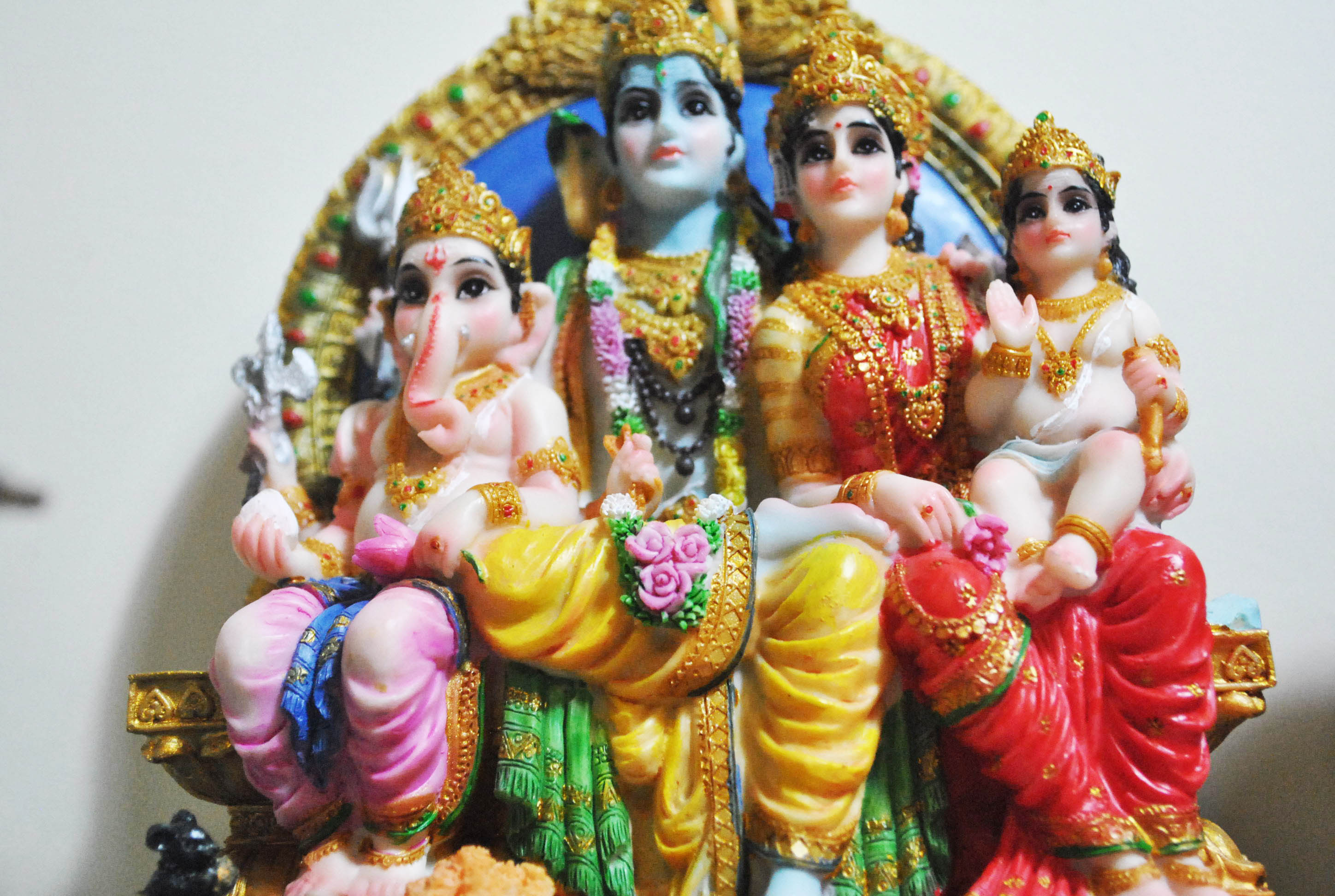
பிள்ளையாரப்பா , முருகன் மாமா  , சிவன் தாத்தா
பார்வதி பாட்டி , பெருமாள் தாத்தா , லக்ஷ்மி பாட்டி
குட்டி கிருஷ்ணா , நீங்க எல்லாம் எப்போ மறுபடி
எங்க வீட்டுக்கு வருவீங்க ? சீக்கிரமா வாங்க …
நாங்க உங்களையே நினைத்துக் கொண்டிருப்போம்
நீங்க திரும்ப  எங்க வீட்டுக்கு வரும்  வரைக்கும் !!!
………………
 நவராத்திரி கொலு நிறைவுற்றது …பொம்மைகள் எல்லாம் மீண்டும் பரண் மேலே செல்லும்…

வீட்டு குழந்தைகள் விஜயதசமி அன்று பொம்மைகளுடன் பேசுவதாக வடிக்கப்பட்ட ஒரு சிறு கவிதை.

நடராஜன்

22 OCT 2015
DSC_1014

Message for the Day…” The dormant spiritual energy {kundalini shakthi} present in us when awakened can destroy all the evil tendencies within our Mind…”

Sathya Sai Baba

Look at the trainers of wild beasts. They bring the tiger, the most ferocious of animals, like a cat into the circus ring and make it jump through a hoop of fire, lap milk from a plate or sit face to face with a goat on a chair! They tame it to become an unassuming toy! If a ferocious tiger can be subdued, can you not succeed with the ferocious denizens of your mind? You can! That is the message you must internalize when you celebrate the victory of the Primal Energy! On this day the Goddess of Energy (Parashakthi), immanent in the microcosm and macrocosm had destroyed all the evil forces (Asura).That same energy is present in you as the dormant spiritual energy(Kundalini Shakti), which when awakened, can destroy, the evil tendencies within your mind; So, by means of systematic Sadhana tap the inner resources that God has endowed you with and elevate yourselves to a purer and happier realm.

A Couple in Mumbai Provides Free Food to the Needy Every Day. The Reason Will Melt Your Heart …

He was a photographer with a heart — always caring, compassionate and kind towards those in need. Now his family has chosen to honour his legacy in a unique way.

On a fateful day in August 2011, Nimesh Tanna, a 22-year-old photographer, boarded a crowded local train to make his way to a meeting in Mumbai. He never made it to the meeting or to his home that day. A pole, located dangerously close to the tracks, hit him hard the moment he put his head out of the train. Nimesh fell off the fast moving train and died on the spot.

“We were best friends since childhood. We went to the same school and attended the same college. We even worked together in the same company before he decided to pursue his passion for photography. We had decided to go for a movie that night but I didn’t know Nimesh would never return,” says Kintan Parekh, Nimesh’s friend, with a heavy heart.

It’s been four years and one can still hear the pain in Kintan’s voice. He recalls that day when he received a call from the railway authorities about a dead body lying on the side of the tracks near CST railway station.

“I was with his parents at the time they got the call. They were worried as Nimesh’s phone was not reachable. His father was a heart patient so I didn’t tell him exactly what had happened. I just told him that Nimesh had met with an accident but was fine. But when we reached the accident site, his father broke down. He couldn’t believe what had happened. It was such a tough thing to accept for everyone. We took the dead body home where hundreds of Nimesh’s friends were waiting along with his mother. He was a well-known boy and every one loved him,” recalls Kintan.

Coping with this loss was even more difficult for Mr. Pradeep Tanna and Mrs. Damyanti Tanna, as Nimesh was their only child.

Nimesh Tanna was a passionate photographer with a compassionate soul.

The couple’s life came to a complete halt as they would sit the entire day in front of Nimesh’s photo, remembering him. Barely able to recover from this huge loss, Pradeep faced another setback when he lost the sweet shop he owned in Mulund because his partners cheated him in the business.

Kintan, who had always been there for the family during their tough times, yet again provided a helping hand. He advised Pradeep to start a new venture and he quit his own family business to support the Tanna family. Kintan, along with Pradeep, started a new sweet shop in Mulund.

The family was finally getting back on its feet and decided to honour their lost son in an extraordinary way.

“Nimesh was always socially inclined. He would help people in need, donate money, do volunteer work — he was very compassionate. His parents thought that starting an NGO under his name would be the perfect way to pay a tribute to their son,” says Kintan.

The Tanna couple registered the Shri Nimesh Tanna Charitable Trust (SNTCT) on January 26, 2013.

SNTCT was started with the goal of providing free tiffin service to the needy.

Nimesh's parents started a free tiffin service for the needy in his memory.

Nimesh’s parents started a free tiffin service for the needy in his memory. –

The Tannas started by making food in their small kitchen for about 30 people. SNTCT now provides lunch to about 100 underprivileged families in Mumbai every day.

It’s been over two years and the Tanna family has not skipped even a single day of their service. They have a new kitchen in a small space near their house in Mulund, where a staff of seven people makes healthy meals for the poor.

To make sure the tiffins reach the beneficiaries on time, the couple has partnered with the famous dabbawalas of Mumbai who do the delivery every day.

“Earlier, it was very challenging to deliver the tiffins on time. Sometimes, uncle and I would personally go to deliver the tiffins but this was not feasible every day since I had my own office then and uncle too had a shop to take care of,” says Kintan.

In time, SNTCT has also started working with a tribal community near Mumbai.

The trust provides food kits to the tribal community around Mumbai.

Since tribals are often disconnected from mainstream society and do not have the means to earn a proper livelihood, SNTCT provides them with ‘food kits.’

The kits contain necessary cooking ingredients like foodgrains, oil, sugar, flour, etc., for the entire month. The Trust distributes these rations to 50 adivasi families on the first Sunday of every month.

In addition, SNTCT also runs a ‘Kids Bank’ that supplies clothes, toys, books, cycles, etc., to needy children, and has a senior citizens’ initiative to supply medicines to the elderly.

SNTCT is run mainly with the money that the Tanna family earns from their sweet shop business in Mulund. However, the family also now gets support from other donors who are impressed with the work that they are doing.

“There couldn’t be a better tribute to Nimesh. He was a person with a golden heart and we are trying to keep him alive through the Trust,” says Kintan.

Loved by all, Nimesh may not be in this world anymore, but his friends and family are keeping him alive through a great cause. To know more about the Trust and to extend your support, contact Kintan at – tfpckintan@gmail.com or check out their website.

Source….Shreya Pareek… http://www.thebetterindia.com

Natarajan


“Can people actually cash those big novelty checks”….?

A Novelty

Though cashing a check is a relatively simple affair from the cashier’s perspective, the work on the back end is remarkably sophisticated and involves an amazing amount of automated technology and travel for the checks.

With this in mind, it’s clear why virtually all checks come in fairly uniform sizes and designs- it’s just easier for everyone involved that way.  However, even with this, several million checks are sorted through by hand every single year (usually due to them being rejected by a machine for some reason or another); this costs banks money, so is obviously something they are very keen to cut down on.

This might make you think cashing a giant novelty check would be a no-no. However, legally, there’s nothing stopping you from writing a check on, well, anything, such as a napkin, and then sending it to someone you hate.

For instance, according to Brian Black, onetime managing director of operations and technology at the Bank Administration Institute,


It [a check] has to contain certain features, and it can be written on anything,  as long as it has the elements, the surface doesn’t make a difference. A check is an order to pay someone, that’s all it is.

So if a novelty check has all the needed information (the amount to be paid; the payer and payee names; the account number; the name of the bank where the payer has the account and what state the bank is in; the payer’s signature, and the date the check was written), there’s no legal reason it can’t be cashed. But, of course, there are practical reasons you wouldn’t want to try. As such, alternate means of transferring the money is used. For instance, a spokeswoman for iWon online sweepstakes, Samantha Better, said that their winners are also given regular sized checks for their own convenience that they can cash instead. She went on to note that most opt to keep their giant check as a souvenir rather than go through the hassle of actually trying to cash it. In other cases, funds are simply transferred directly from account to account, rather than messing with any physical check cashing.

All that being said, many banks have small print in their terms stating that they can reject any non-standard payments. So while the giant novelty checks are technically legal and valid to cash if they’ve got all the needed information, those banks can, if they choose, reject them. Unfortunately for the novelty of it all, when banks do accept them, they don’t send the giant checks off in comically large envelopes. Rather, they simply take the check, then write all the relevant information down and send it off for further processing that way.

Bonus Fact:

Since you almost certainly clicked this to read about someone cashing a stupid check, we want to tell you about, Patrick Combs. The man who, upon receiving a junk-mail check for a little over $95,000, endorsed it with a smiley face and then cashed it. To his surprise, his bank accidentally honored it. Amazingly, because the bank failed to retract their error within 24 hours of the check bouncing, all $95,000+ was legally his. Since the check wasn’t valid, it came out of the bank’s pocket.

When word of Patrick’s hilarious feat of getting one over on his bank hit the news, some of the finest legal minds in banking joined the argument, on Patrick’s side. Essentially, Patrick was home free and in full, legal possession of $95,000 of the bank’s money. Of course, this didn’t stop the bank from having their head of security threaten him, trying to get him to give the money back. But Patrick knew the law was on his side on this one and had fun with it, telling the security officer,

“Give me a letter on official bank stationery stating that you are who you say you are, that you indeed work for the bank, and also put in that letter the reason why the bank is requesting the money back, as I’m a little confused on that. When I get that letter, we’ll go from there.”

The security officer refused, apparently calling Combs several choice names in the process.

Despite the threats, which actually made him less inclined to give the money back, and that at the time he had about $45,000 in credit-card debt, Patrick eventually decided to return the money.  He had meant it as a joke and didn’t actually want to take any money from anyone, not the bank or even the junk mailer who had sent it to him.

He didn’t come off too badly over the thing, though. To this day, he’s still riding the coattails of the story to make a  living in his 75 minute Man 1, Bank 0 stage show.  He was even once hired to perform the show at a major banker’s conference.  Presumably this functions as something of a campfire horror story at banking executive retreats.

Source….www.todayifoundout.com

Natarajan


Image of the Day…” Sunset and Windmill”…

Photo by John Ashley.

Sunset and windmill

A slightly squashed pumpkin sunset in Montana …

John Ashley submitted this photo to EarthSky, of a beautiful sunset captured on October 16, 2015. He wrote:

Even a seasoned windmill stopped to watch tonight’s pumpkin sun setting through layered clouds near Malta, Montana.

Source….www.earthsky.org

Natarajan