How two IAF pilots saved the day….

In a precarious mission, Wing Commander Charles Simon and Squadron Leader S Venkatramanan and crew rescued a woman in the final stage of pregnancy from atop a water tank in Chennai. She delivered twins the next day!

Archana Masih/Rediff.com spoke to the pilots about that dramatic day.

IAF pilots C Simon and R Venkatramanan

IMAGE: Wing Commander Charles Simon and Squadron Leader S Venkatramanan rescued the pregnant lady from atop a water tank in flood-ravaged Chennai.

When Wing Commander Charles Simon and Squadron Leader S Venkatramanan launched their Cheetah helicopter from the Tambaram Air Force base on December 3, they had no idea what lay ahead that day.

Chennai had received its worst rainfall in 100 years on December 1-2 and the two Indian Air Force pilots along with several other helicopter pilots had been flying rescue missions from sunrise to sunset since December 1.

In the five days of the Chennai deluge, WinCo Simon and Sqn Ldr Venkat flew 30 sorties and did 36 rescues — but what they did on day 3 was not only unusual and praiseworthy but humanly touching.

With all communication lines broken down, the pilots received instructions from their operational control centre to rescue a young woman in the final stage of pregnancy. She was marooned on the roof of her home.

Armed only with approximate GPS coordinates, the pilots flew out in search of the pregnant woman. But what they encountered was a sea of houses with 10 to 12 people atop each roof.


It was the proverbial needle in a haystack kind of situation.

The Air Force men who rescued a pregnant woman in Chennai rains

IMAGE: The pilots with Corporal Arun Singh, left, and Corporal Rahul Kumar, right, who were part of the rescue team.

“We literally flew roof-to-roof in search of her. Since the sound of the chopper drowns all other sounds, we had to communicate in sign language with people on the roofs,” says Wing Commander Simon, a Category-A flying instructor at the IAF’s Flying Instructors School.

The very best of pilots make it to Category-A; they are entrusted with the task of training future instructors.

“There were around 1,000 people on different terraces and it was hard to spot her. We were circling for 10, 15 minutes and it seemed there was no hope of finding her,” adds co-pilot Squadron Leader Venkatramanan, a Chennai native who will complete ten years in the IAF next week.

“I was on the left side of the chopper and looking at every woman if she had a bump,” he says with good humour on the phone from Chennai.

Just then they spotted Deepthi Velchamy, the lady they had set out to rescue. Since her pregnancy would not permit her to be winched up, the pilots indicated that she be brought to the top of the water tank on the terrace.

Some personnel wearing orange overalls, indicative of the National Disaster Relief Force, were also on the terrace. They put Deepthi in a chair and positioned her on the tank.

The pilots, accompanied by Corporals Arun Singh and Rahul Kumar, meanwhile, circled around and made the approach. As WinCo Simon maouvered the chopper, Sqn Ldr Venkat seated on the side of the water tank, provided vital verbal navigation.

“Left… Left… Lower… Steady… Stop… Stop…” Sqn Ldr Venkat’s instructions must have sounded somewhat like this.

The chopper hovered low, its left skid (the Cheetah has sleigh-like landing gear) gently touched the water tank; its right skid was in the air. Deepthi was helped into the aircraft; tears were running down her face.

Sqn Ldr Venkat gestured to her that all would be okay and ten minutes later, they brought her to the Tambaram Air Base, where an Air Force lady gynaecologist awaited her. According to the rules, rescued civilians are flown to the air base and handed over to the civil administration.

It was here that Deepthi revealed that she was due for delivery that day itself and hers was a complicated case. Her medical papers were not with her and she needed to be urgently admitted to the Ramachandran Hospital that was aware of her medical history.

Since the roads were blocked and water-logged, the pilots were given clearance to airlift her to the hospital. At the medical college hospital, WinCo Simon was lucky to find a basketball court to land the chopper.

Deepthi delivered twin girls the following day. With all communication lines down, her request for rescue was conveyed to the authorities by her concerned sister in America.

Overwhelmed by the circumstances, her husband Karthik told the Press Trust of India, ‘I salute these brave men.’

But the two pilots say they are trained for situations like this.

People waiting to be transported at the air base

IMAGE: Stranded people waiting to be transported to safer places from the Tambaram Air Base.

“Hovering with a skid on a rooftop and with limited reference is challenging,” says WinCo Simon who was part of the team that rebuilt the Car Nicobar Air Force base after the 2004 tsunami.

“It was team work of pilots and crew. We are trained for such ops and the IAF is always geared up for any mission as the situation demands.”

The IAF operated 13 helicopters in torrential rain and marginal weather, flying 195 sorties, airlifting 450 stranded people, including women, infants and senior citizens. They rescued some other pregnant women too. Transport aircraft airlifted 30 National Disaster Relief Force teams, five Indian Army columns and also evacuated 770 stranded civilians.

“Personally, it was a very satisfying task, while professionally every helicopter pilot is trained to accomplish these kind of tasks,” says Sqn Ldr Venkat, who has flown rescue ops in Kashmir in the winter snowfall of 2008-2009.

Wing Commander C A Simon and Squadron Leader R Venkatramanan

IMAGE: WinCo Simon, left, has been involved in rescue and relief ops after the 2004 tsunami in Car Nicobar. Sqn Ldr Venkat, right, flew rescue missions in the Kashmir snowfall of 2008-2009.

“Once you are in the cockpit and start flying, you need all your skills and follow the rules. That is what we keep in mind while flying without getting too emotional about what we achieve,” he adds.

Both the pilots have done stints with the UN Peacekeeping Mission in Congo and are the first ones in their families to join the armed forces. They are quite surprised with the interest their mission has elicited, and attribute it to a video that one onlooker shot and uploaded on YouTube.

“My parents were quite thrilled because I am the only one in the family to make to the TV news,” laughs Sqn Ldr Venkat.

After the IAF wound down its ops in Chennai, the two pilots visited the hospital to meet the new mother and twin girls. They carried two bouquets on behalf of Air Chief Marshal Arup Kumar Raha. Since the babies were in the ICU, they could not see them, but were inundated with thank yous from the family.

“Saving somebody’s life is unparalleled,” says Wing Commander Simon, “It is something that will last a lifetime.”


Archana Masih / Rediff.com

Source……www.rediff.com

Natarajan

This 77-Year-Old Retired Engineer Made Thousands of Bengalureans Think of the Environment This Year…

Unfortunately, festivities and filth go hand in hand these days. But N.S. Ramakanth is on a mission to ensure that people celebrate festivals more responsibly and do not contaminate their environment in the process. He has been fighting for a cleaner Bengaluru for several years and recently executed a successful cleanliness drive after the Ganesha festival.

N.S. Ramakanth left his job as chief engineer with a German company and came back to Bengaluru in 1989 when his mother fell sick. On returning to his birthplace, he was appalled to see the polluted and filthy environment in the city. He decided not to take up another job but to devote his time to raising awareness about the poor waste management in the metropolis.

Now 77 years old and still going strong, Ramakanth can be seen chasing municipal corporation officials of the Bruhat Bangalore Mahanagara Palike (BBMP) to clean up the filthy lakes in the city.

NS Ramakanth has successful given shape to a cleanup drive after Ganesha festival.

NS Ramakanth has successful given shape to a cleanup drive after Ganesha festival.

He also hounds bureaucrats to solve garbage problems, encourages citizens to get involved with civic issues, and motivates volunteers when they conduct cleanliness drives.

Quite recently, Ramakanth was seen running a successful campaign to minimise the waste generated during the Ganesha festival at Sankey Tank, a man-made lake in western Bengaluru.

“After the festival, tonnes of garbage can be found around the water bodies. We need to come up with solutions to stop this kind of mess from happening again and again. We also need to carry out effective operations to clean the area after festivals. But the first step is to spread awareness among people to minimise the waste,” he says.

In keeping with this line of thinking, Ramakanth first prepared a small 10-minute skit to engage city residents. Along with a few volunteers, he performed the play in different places to raise awareness about how people generate huge amounts of waste during the festival.

The skit had an interesting script. Lord Ganesha sends Narada to the earth to check on the celebrations of the Ganesha festival. When Narada comes to earth he sees drunk people dancing, noisy crackers being burnt, and broken Ganesha idols lying around after the festivities. Narada reports this to Ganesha who is so hurt by people’s behaviour that he decides not to give any phal to them,” says Ramakanth.

Apart from the skit, Ramakanth also organised eco-friendly Ganesha idol making workshops for the public. He also brought local artisans from the outskirts of the city to different localities within Bengaluru.

Thanks to his efforts, a larger number of people opted for clay Ganesha idols this year.

Thanks to his efforts, a larger number of people opted for clay Ganesha idols this year.

People were saying that local artisans work too far away and it is not feasible to go there to get mud idols. So I brought the artisans close to their residential areas to get them to avoid using plaster of Paris (PoP) and plastic idols,” he says.

Many people also said they wanted bigger idols and mud idols were not available in large sizes. Ramakanth had a solution to this as well. He helped the citizens get customised mud idols, which were five to six feet tall. “I thought it important to provide them with solutions. This is how they will welcome change,” he says.

He also talked to them about the harmful effects of PoP idols and how animals and water creatures die due to the immersion of such idols in water bodies. Ramakanth’s regular interventions and awareness sessions were a huge success and many people in his locality opted for eco-friendly Ganesha idols.

He also advised people to immerse the Ganesha idols in small drums in their own homes and then feed the water to plants rather than going to public water bodies for immersion.

“I don’t understand why people travel so far to dispose the idols. It creates so much noise and pollution. They should celebrate the festival in a neat and healthy way,” says Ramakanth.

After spreading awareness about celebrating the festival more responsibly, it was now time to take up a cleanliness drive.

Kalyani, a small step-well near Sankey Tank, is the site of idol immersions every year and collects a large quantity of filth. Ramakanth had the well cleaned within a week and collected truckloads of the dumped idols to put on display for the citizens to see.

He then pumped out the highly polluted, thick, black remains in the Kalyani to a nearby drain. About 12-15 BBMP workers manually bucketed out the sludge. “All the sewage is supposed to be routed to an STP. But even then, it won’t treat mercury and lead. And that’s something we have no solution for right now,” says Ramakanth.

He sent all the flowers and leaf rejects for composting to eliminate the stink from the well.

“We made sure that segregation of all the biodegradable waste took place at the spot and sent it for composting immediately,” he adds.

As the senior most member of the Solid Waste Management Round Table, he worked for hours instructing civic officials to keep the work going to minimise pollution in the tank water.

Ramakanth tracked the number of idols immersed over the period of 11 days. A total of 1,28,620 idols went into the Kalyani this year. Of these, 61,620 were made of clay and the rest (67,000) were PoP idols.

“I just wanted to see if the awareness campaigns had made any impact on the people. I was impressed. The progress was not bad at all. Almost 50 percent of them were clay idols this year and this was a big achievement,” says Ramakanth.

Ramakanth’s journey does not end here. He is persuading BBMP to completely ban PoP idols from hereon. He has also asked the Pollution Control Board to put up the names of potters who make larger clay Ganesha idols on its website so that people can make use of them.

While changing mindsets and habits may seem like an overwhelming task, Ramakanth is not to be deterred. He has high hopes of making his beloved city pollution and filth free in the future.

All pics: savitahiremath.com

Source………Shreya Pareek in http://www.thee better india.com

Natarajan

” Chennai floods: Saved by Muslim man, Hindu couple names Newborn after Rescuer…”

Among tales of humanity emerging from rain-battered Chennai is a story of a Hindu couple who have named their newborn after a Muslim who came to their rescue when the crisis blew them over.

Chitra and Mohan, hailing from Urapakkam which suffered one of the worst flooding in the city’s southern neighbourhood, named their daughter Yunus after the MBA graduate, who rescued the pregnant woman from neck-deep waters and moved her to a hospital.

The couple thanked Yunus by naming their daughter after him, with the businessman now promising to take care of his namesake’s educational expenses.

Narrating the experience, Yunus said, “I hail from Nungambakkam and I realised on the night of December 2 something is not right and I thought of helping my friends in Urapakkam area, which was one of the worst-hit areas due to the heavy rainfall.”

The screams of a woman in the area initially sounded like a frightened reaction to Yunus and his friends, but “later I realised she was undergoing labour pain”, Yunus told PTI.

At first, my objective was to take her and the family to a safer place and we moved her to nearby Perungalathur by boat. That 15-minute journey is unforgettable,” he said.

However, he got the surprise of his life when Mohan informed him that he has named his daughter Yunus.

In a text message to Yunus, Mohan informed him of the birth of his daughter and his decision to name her after the Muslim postgraduate.

“We take pride in this,” Mohan had told him.

Having himself been a victim of a disaster, Mohan has vowed to contribute 50 per cent of his salary for the needy.

Asked whether he had time to pay a visit to the child, Yunus said he was still helping those affected with his 15-member team.

“The full credit goes to the team, my friends and the fishermen from Besant Nagar beach. They were there with me always and still helping to take part in the relief efforts”, he said.

“As far as the child is concerned, I will definitely pay a visit soon. Through you, I wish to inform them that the child’s education fees would be fully borne by me,” he said.

Source…..www.rediff.com

Natarajan

” Watch This Bangalore Kid Control Traffic Like a Pro!…”

Remember that feeling when you were stuck in traffic for about 20 minutes – chaos all around, cars honking for no obvious reason, and the frustration level crossing all limits? And then, suddenly, everything seems to have been organised. Lines are formed, the vehicles that should be moving are moving, and those who should be waiting are patient. “How did that happen?” you wonder. And looking out of the window, you usually find someone signalling instructions – either a traffic cop, or someone else who just decided to clear things up without any help.

But imagine looking out to find that the person, who is suddenly making the traffic flow so smoothly, is actually a kid. Yes! A kid, manning the traffic signal like a pro.

Watch it happening in this video, when a kid decided to take up the role of a traffic controller at the Jayanagar South End junction in Bangalore.

While many seem to be ignoring him in the beginning, he has an attitude that definitely cannot be ignored for long.

Source…..Tanaya Singh in http://www.the betterindia.com

Natarajan

This Engineer from a Village in Karnataka Won the Wildlife Photographer of the Year Award in London

Have a hobby that you love? Pursue it with passion and hard work. That is exactly what Raviprakash, an engineer from a small village in Karnataka, did. And his efforts were recognized in London, where he won a very prestigious award for wildlife photography. Here is what he has to say to other aspiring photographers.

“It is a dream come true,” says Raviprakash SS — last year’s winner of the Wildlife Photographer of the Year award in the ‘Amphibians and Reptiles’ category. “I won the category award for the picture titled Divine Snake – a shot of a green vine snake clicked from behind it, focussing only on the eye. That is the most memorable picture I have taken till now. It has always been one of my favourites,” he adds.

Born in Hosahalli village, located in the Malnad region of Karnataka, Raviprakash grew up amidst the beauty of the Western Ghats.\

Photography

Raviprakash SS

He was surrounded by rich biodiversity and a picturesque environment. It was there that he first developed his love for exploring nature and wildlife.

Photography

Raviprakash is interested in Macro Photography

“I was very interested in photography since childhood. During my high school days my father bought me a point and shoot camera, with which I used to capture all family functions or outings.”

Building upon this hobby later in life, Raviprakash began exploring macro photography techniques.

Photography

Divine Snake

The macro mode interested me. I started by capturing flowers, butterflies, dew drops, etc. My interest went on developing. Based on the suggestions of my friends and mentors, I bought a DSLR camera about seven years ago,” he recounts. Macro photography is extreme close up photography of small objects; it captures them in such a way that the size of the subjects appears larger than the life size in the photograph.

On October 21, 2014, at the Natural History Museum in London, 37-year-old Raviprakash’s talent was recognized and he received the Wildlife Photographer of the Year award.

Photography

The prestigious award

Considered to be one of the most prestigious honours for wildlife photography, this award ceremony, which dates back to 1965, is organized every year by the Natural History Museum. The photographs are showcased at an exhibition in the Museum and appear on their website. They are also published in BBC Wildlife Magazine and other leading publications. Last year was the 50th year of the award, and the exhibition attracted nearly 1.5 lakh visitors.

A popular choice award was also introduced and Raviprakash won the second prize, based on worldwide voting.

The Museum calls for entries every year and participants can enter up to 24 photos. Last year, the competition received about 43,000 entries from 96 countries. The panel of judges includes people from different fields related to photography and the environment. There are 14 categories, with four finalists in each. Winners receive a cash prize of £ 1,250, and the trip to London is also sponsored.

Raviprakash is a software engineer by profession. Photography for him was always a weekend hobby.

Photography

Macro photography is very beautiful and colourful but very few people are exploring it well.

“The support given by my family and friends encouraged me to take it up more passionately. I did some reading and watched online videos. I had many mentors too, some of whom are guiding me even now. Once in a while, I used to visit my hometown, just to spend my days shooting. And after the award I started taking it a lot more seriously.”

Initially, after taking many pictures for about three years, Raviprakash felt that he was only documenting things — like seeing a butterfly and capturing its image. This became somewhat boring for the artist in him. Then, one of his mentors, Ganesh H. Shankar, formed a website called Creative Nature Photography.

The aim was to capture things in a unique and artistic manner, rather than just documenting them.]

Photography

“It has become a very interesting journey from then on. I am not really interested in capturing all the details of the subject. I am more interested in capturing in an artistic way,” says an enthusiastic Raviprakash. Currently posted in Bangalore, he plans to take up wildlife photography full time in the future.

Speaking about the equipment he uses, Raviprakash says, “I feel a lot of photographers these days think that only a high end camera can result in good pictures. But my award winning pictures are from an old Nikon D5000 camera.”

He also has some useful tips for amateur photographers who want to take up wildlife photography as a career.

SS5

1. Understand your equipment well because you don’t need expensive cameras. I am not against someone buying an advanced camera that will definitely help in taking better pictures. But ultimately it’s the person behind the camera who matters the most.

2. Some people think that wildlife photography is all about big cats and elephants. But you don’t need to visit wildlife sanctuaries to become a good photographer. Macro photography is very beautiful and colourful but very few people are exploring it well.

3. Understand your location and subject(s). Pay attention to factors like light, angles and moods.

4. Learn to click, click to learn — click as many pictures as possible for practical knowledge.

5. Background is as important as subject. Choose it carefully.

6. Share your pictures on various forums that are frequented by good photographers and be open to criticism.

7. Shoot in aperture/shutter priority/manual modes. Control your output rather than leaving everything to the camera to decide.

8. Don’t get bogged down by technical terms and details.

9. A two-hour field trip along with good photographers helps you gain more knowledge than two days of indoor workshops or online learning.

“Hard work always gives the right dividends. I hail from a small village. That’s where my journey started. I want to highlight that the result may not be visible overnight but if someone is interested in something they should pursue it passionately and should be open to criticism and learning,” concludes Raviprakash.

Source….Tanaya Singh in http://www.the betterindia .com\

Natarajan


” : I Lost Everything in the #ChennaiFloods but It Still Left Me with Gratitude…”

Our home was destroyed. We were stranded. But wave upon wave of humanity kept our spirits high and our belief in the Indian people afloat.

It was Tuesday morning. I woke up at 6 am, made breakfast and bid goodbye to my husband who left for office at 7:15 am. I was still trying to get my house back in order since the first wave of floods had hit us the week before. The cleaning and washing seemed to be never ending. I started the washing machine and lay down next to my 5-year-old daughter, checking to see if there was anything about the incessant rains in the news. There was nothing – the media seemed to be obsessed with how Aamir Khan had the right to be afraid of living in India, and the twists in the Sheena Bora case.

The rain was still at its peak. At 8 am, I looked outside. The water level had reached the main gate. I knew my maid wouldn’t come now, so I thought I’d clean the dishes first. I had barely done two dishes when I felt the urge to look out again.

The water had touched the porch now.

Chennai

I left the dishes and started putting our clothes in a travel bag. Thankfully, I had the keys to an empty second floor flat. I went upstairs and left our clothes there, then packed the induction cook top, electric kettle, a few utensils, my laptop, a couple of rice and daal packets, and biscuits. After carrying this bag upstairs, I thought I’d wake up my baby and give her breakfast. But by the time I came back to the ground floor, water had started entering the verandah. I woke up my kid, took six bottles of water and her brush and toothpaste, and rushed her to the second floor.

After settling her there, I came back and tried to put as many of our belongings as I could on the beds and on the top shelves of the cupboards. By this time the water was about to enter the house. I thought I’d drag a mattress and a few blankets upstairs but suddenly the power went off. I got worried that my daughter would get scared in the dark, so I just picked up three blankets and rushed to the second floor. Around this time my husband called and said he was leaving office to come back home. His office is an hour away so I was praying that he would reach us safely.

I kept trying to call for help. Taxi services were busy. Rescue teams assured me that they would send help. But none was forthcoming as yet.

Chennai

My daughter was hungry by now. I had raw food but no resources to cook it. I kept standing near the window, waiting for my husband. Suddenly, I saw four young men going through the water on the other side of the road. I thought they were the rescue people sent for me. I called out for help. At first they did not hear me but when they passed by a second time they did. I asked if they were from the rescue team.

“We are not a rescue team ma’am but we will help. Tell us what you want,” said one of them.

These were four unknown boys. I was not sure if I was doing the right thing but I called them in. My husband was stuck in a water wave in the lane next to our house. His phone was not reachable now.

The boys came in. I asked if they could get the gas stove and cylinder to the second floor. Without wasting a second, they started helping me.

Chennai

I gathered more food while they were trying to take the stove upstairs. They also helped me get the drinking water can to the second floor.

After ensuring that my daughter and I were alright, they left, smiling and giggling.

Chennai

The four boys who helped without expecting anything in return – Sagar, Suresh, Jagan and Gopal

The water was rising so fast, that by this time it had reached knee level inside my house. Thankfully, my husband reached home by 2 pm and started rescuing as many of our belongings as he could. Things like the fridge, washing machine, sofa and bed had started floating.

By 5:30 pm, it was so dark that it was impossible to see anything inside the house. We went back up to the second floor, waiting for the rain to stop. But it kept raining…

Next morning.

Chennai

The entire ground floor was under water!

A few families from the ground floor flats had shifted to their neighbours’ homes on the first floor. But this morning they just wanted to get out of there. It was only a matter of a few hours before the water would reach this floor too.

We finally saw a boat at the entrance of our area at 9 am. The boat rescued just one family and went away. People kept whistling, clapping and calling out for help. Later on, I came to know that it was the family of the municipality head of our area. No helplines were working. The next boat came at 1 pm. It did not stop anywhere else but only at a house next to our flats. The family was rescued. We pleaded with the boatman to come back, and he said he would, but never did!

I could see from our terrace that a couple on the terrace behind ours was desperate to leave. I asked them if they were alright and they said they had climbed up to the first floor without any food or water. We started sharing food with them. But water was too limited!

By 5:30 pm it was almost dark and we lost hope of getting any help now. Several helicopters had flown by during the day but food and water had not yet been distributed.

Next morning.

Chennai

The water level was going down. We could see the boundary walls of the ground floor houses now. Our neighbours decided to walk through the water once it came down to hip level. We were in a dilemma whether to do the same but finally decided to go ahead. We were about to leave when a small boat carrying two elderly ladies passed us from the backyard. We called out for help. When we told them that we have a kid with us, they allowed us to get in.

The boat left us till the main road where an ambulance was ready to take people to a government school. All this was being done by an organization called TMMK.

When we asked them where we should go, one of them offered us his own home.

Chennai

We kept looking for hotels and finally got a room in one. Once our family was safe, my husband went back to our area to help others.

In the meantime, my friends were using social media to the fullest extent possible to help me. Some had tagged as many as they could on Twitter. Others had posted my address on Facebook. One friend had even arranged for us to join her relative in his hotel room.

There were friends who kept calling helpline numbers and sending me the same too. My employers ordered food for us, called up the disaster management team, and managed to speak to a boat guy to come rescue us.

All this time, I don’t know why, but I was pretty relaxed. We were happy about all the positive things that were happening with us amongst all the chaos.

Here are 6 lessons I learnt:

Chennai

1. The water level in our area rose so suddenly, not due to rain, but because the canal water had to be opened by the government. We don’t know why this decision was made but perhaps we could have been alerted.

2. When the lady from the balcony opposite ours came out and saw me on the second floor, she exclaimed: “Thank God, you are safe.” She is Tamilian and I am North Indian (as she knows). Yes, Tamilians and North Indians feel happy when they see each other safe!

3. The four young boys who helped me did not know my name, status or religion. Yes, young boys are good people too. And there are still people who will help without expecting anything in return.

4. My husband risked his life to reach us and kept struggling till the end to save our belongings. Yes, though men don’t show their emotions, they can go to any extent to save their families.

5. I have always understood the plight of farmers and tried to help them. But this time, when my house was sinking with all the little things inside it that my husband and I had put together through our efforts in the past seven years, I could feel the pain that a farmer goes through every year his crop is destroyed.

6. When government boats decided to rescue only important people, a common man’s organization came forward to help the needy. Do you know what TMMK stands for? Tamil Nadu Muslim Munnetra Kazagham. They did not ask if we were Hindus or Muslims or Christians. So this whole debate about India being intolerant is just a news and social media creation. During the three days, whenever I switched on my phone to check for important messages, all I saw was that my Hindu, Muslim and Christian friends were equally concerned about me. I did not see any intolerance anywhere.

When actors say they don’t feel safe in our country… I just pity their thinking.


Jai Hind!

Source….” My Story ” of a Chennai Resident as reported by  Manabi Katoch in http://www.the betterindia.com

Natarajan

” you know what, “People who have to perform, will perform. They won’t let any excuse interfere in their duty…”

I have seen people perform badly in their jobs and later blamed it on their personal life and issues. Things like,

“I wasn’t in the right state of mind.”
“I was pissed off.”
“I had a bad mood.”

…and many other such excuses are commonly heard.

Yet, you know what, people who have to perform, will perform. They won’t let any excuse interfere in their duty.

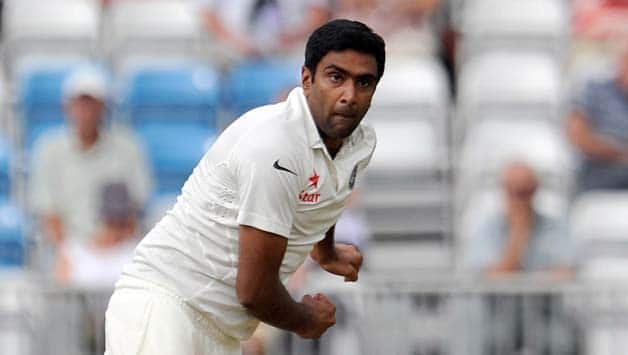
The apt example of it is the cricketer R. Ashwin who is currently playing in the India v South Africa series.

Image source

With #ChennaiRains have disrupted complete life in Tamil Nadu, people are distressed and life is yet to return to normal. Amidst the chaos, many people are missing and no contact can be established with them.

Among them were R. Ashwin’s parents who were missing and out of contact for the past 24 hours.

R. Ashwin’s wife expressed in her tweet how worried they were about them and called for help. Any child would be stressed fearing for his/her parents. However, R. Ashwin not just kept his personal life aside but also showed any exemplary performance by scoring a half century.

He went ahead to prove that a strong man can face any obstacle in life to reach where he must.


Further tweets from Ashwin’s wife informed that his parents had been found and they were both safe and sound.

Image source

Thank God for that and a deep bow down to R. Ashwin who showed us what professionalism means.

Cover Image Source

Source….Shubhi Dixit ….www.storypick.com

Natarajan

” They Said his Life was Over. He Became India’s First Paraplegic in the Aviation Industry Instead…”

Sandeep Kumar was just seven when doctors gave him an expired penicillin injection. It left him in a coma for a year followed by paralysis in the lower half of his body. Today, this 24-year-old man, who is the first paraplegic to be employed in the aviation industry, glides around on a wheelchair at Delhi airport – helping other people with disabilities.

Sandeep Kumar woke up from a year-long coma at the age of seven and found that he could not move the limbs in the lower half of his body. The incident changed his entire life. Confined to a wheelchair, he began to struggle to do everyday things. There were no access ramps in his school, children and teachers there would treat him differently, and his condition restricted him from doing many activities that he wanted to do.

“In small towns, people tend to believe that once you are disabled your life is over. They told my father to discontinue my studies and open a small shop for me. When I joined the school again, many people told him not to waste his money on me. It was disheartening but I did not let this affect me. I had my family’s support and a positive mind. I continued my life with the same enthusiasm,” says Sandeep.

Most people would be demotivated with this sudden setback in life, but Sandeep dealt with the situation with a great attitude and determination.

Sandeep became paraplegic at a young age of seven.

Sandeep became paraplegic at a young age of seven.

“I had no other choice but to accept it and deal with it. Nothing would have changed my situation. So I thought I should channelize my energy into something else and not think about what I was missing,” he says.

He did not blame the doctor, nor did he question his fate. Sandeep continued his life with the same passion and will that he had always exhibited. He completed his engineering degree in computer science and was selected for a job by an MNC during campus placements.

But this was not his goal. Not willing to restrict himself to a cubicle, Sandeep wanted to explore the world, meet new people, and do much more.

He gave up the opportunity of working at the MNC and decided instead to work in customer service to help people in need. He joined one of India’s leading aviation groups, IndiGo Airlines. And today, this 24-year-old enthusiastic man is India’s first paraplegic to be employed with the aviation industry.

“Working in an MNC would have restricted me to one location. Here, I am a wheelchair-bound person helping others. I find this empowering at so many levels,” he says.

Powered by a wheelchair, Sandeep glides across the Delhi airport terminal to assist people in need. His job requires him to be always active.

He completed his engineering and then joined the aviation industry.

He completed his engineering and then joined the aviation industry.

He helps people with special needs with their boarding passes and gets them through security check. He also addresses other queries by passengers and helps them get resolved.

“Up until now, the aviation industry did not hire people with disabilities. When I applied for the job I did not expect to get selected. I just thought I’d give it a try anyway. After three-four months I got a call from the airline that I had been selected and I joined them in October 2014,” says Sandeep.

Originally from Jhansi, Sandeep has been living alone for several years now and is completely independent.

He recalls an incident when a friend in school told him that he would not be able to become an engineer. “I got bad grades in my 10th class. That was the first time I heard of IIT and felt that I would like to get admission in this prestigious institute. My friend told me that I would not be able to do so because of my disability. That incident triggered in me a desire to pursue engineering. Though I could not get into any of the IITs, I managed to get admission in a government college in Kanpur. What is amusing though is that the friend who told me I could not do it failed to become an engineer while I went on to become one,” chuckles Sandeep.

Having faced various challenges in his life, Sandeep now understands the plight of people with disabilities. He trains the loaders at the airport to treat the disabled and the elderly with care and respect.

“The transfer from a chair to the aircraft seat is a painful process for someone who is old and/or disabled but it can be minimised with proper training,” he says.

In just a year’s time, Sandeep has become an inspiration to many at his workplace. “They always praise me for the way I dress up and behave in the office. It feels good when my efforts are recognised,” says Sandeep.

Having faced discrimination for most of his life, Sandeep feels a sense of normalcy now.

“I go to office like a regular person. I don’t feel that I am missing my legs. There are so many things that I can do. People have started treating me normally too. They don’t stare at me or give me special attention. This is what I want – a regular life,” he says.

Sandeep is also a good singer – he was part of a band during his college days and still performs occasionally. “My job keeps me occupied these days and music has taken a back seat but I still enjoy singing whenever I am free,” says Sandeep.

Sandeep now wants to set an example for people with special needs so that other companies in the aviation industry hire people with disabilities too. He runs an NGO called Ally Foundation, which focuses on empowering the disabled.

In addition to this, he has also set his eye on participating in the national Paralympics in powerlifting. “I want to write a book too,” he quickly adds, before signing off.


Source…..Shreya Pareek …www.the betterindia .com

Natarajan

US University Declares Rs 1 Crore Scholarship Named After Dr APJ Abdul Kalam…

Indian students planning to pursue PhD from the University of South Florida will be eligible for a new scholarship from the next academic year. The university has announced a postgraduate annual scholarship worth about Rs. 1 crore in the name of former Indian President APJ Abdul Kalam.

The scholarship is meant for Indian students enrolling for PhD courses in specific fields of science and engineering.

APJ Abdul Kalam

Source: Amy Kellogg/Flickr

It will be effective from the academic year 2016-17. The recipients will obtain a fee waiver for four years, which will be a total of $84,500.

They will also receive a stipend worth $18,000 every year.

APJ Abdul Kalam

Source: Ramesh Lalwani/Flickr

University of South Florida’s Vice Provost, and System Associate Vice President for Global Academic Programs, Roger Brindley, wrote a letter to Ponraj Vellaichamy, the Scientific Advisor to APJ Abdul Kalam.

“Like all of India – and the world – we heard of his passing away with great sorrow. I want to commend you and his family for the wonderful work you are doing to perpetuate his legacy,” he wrote.

He added that the former president was a respected visitor at the university in 2012, where he gave a talk on green energy and sustainability.

Mr. Ponraj said that there could not be a more fitting tribute to Dr. Kalam by a foreign university. It proves that Dr. Kalam had gone beyond boundaries to provide knowledge to people across the world.

University of South Florida is an American metropolitan public research university situated in Tampa, Florida, United States.

Source….Tanaya Singh….www.the better india .com

Natarajan

வானவில் பெண்கள்: சி.பி.ஐ.க்குப் பயிற்சியளிக்கும் மதுரைப் பெண்…

படங்கள்: எஸ். கிருஷ்ணமூர்த்தி.

படங்கள்: எஸ். கிருஷ்ணமூர்த்தி.

இரவு சமையலுக்குத் தோசைக்குத் தொட்டுக்கொள்ள என்ன சமைப்பது என்று யோசிக்கும் இல்லத்தரசிகளில் ஒருவராக இருந்தவர்தான் மதுரையைச் சேர்ந்த ஸ்ரீதேவி. ஆனால் இல்லத்தரசி என்ற அடையாளத்தைத் தாண்டி தனக்கெனத் தனி அடையாளம் வேண்டும் என்று அவர் நினைத்ததன் விளைவு, ஸ்ரீதேவி அமெரிக்கப் பல்கலைக்கழகத்தின் பாராட்டைப் பெற்றிருக்கிறார்.

எதிர்காலத்தில் ஏதாவது சாதிக்க வேண்டும் என்ற கனவுடன்தான் பொதுவாக எல்லாப் பெண்களுமே படிப்பார்கள். ஆனால், படிப்பு முடிந்ததும் பெரும்பாலான பெண்களுக்குக் குடும்பச் சூழலால் அந்தக் கனவு கைகூடாமல் போய்விடுகிறது. எம்.பி.ஏ. படித்து முடித்ததும் ஸ்ரீதேவிக்குத் திருமணம் ஆனது. கணவர், காவல்துறை ஆய்வாளர். குடும்பம், குழந்தைகள் என்று பார்த்துக்கொண்டிருக்கும்போதே 13 ஆண்டுகள் ஓடிவிட்டன.

தேடல் தொடங்கியது

எந்தவொரு சிக்கலும் இல்லாத மிக இனிமையான வாழ்க்கை ஸ்ரீதேவிக்கு. இருந்தாலும் தனக்கென ஒரு அடையாளத்தை ஏற்படுத்திக்கொள்ள விரும்பினார். வீட்டை விட்டு வேலைக்காக வெளியே செல்லத் தயக்கம். அதனால் வீட்டில் இருந்தபடியே ஏதாவது சிறுதொழில் செய்யலாம் என முடிவெடுத்தார். பட்டு மற்றும் தோல் பொருட்களைத் தயாரித்து விற்பனை செய்யத் தொடங்கினார். படிப்படியாக டென்மார்க், ஆஸ்திரேலியா, இலங்கை போன்ற நாடுகளுக்கு அவற்றை ஏற்றுமதி செய்யும் அளவுக்குத் தொழில் முனைவோராக உயர்ந்தார். தங்களுக்கும் தொழில்முனைவோர் பயிற்சியளிக்க வேண்டும் என்று பல பெண்கள் ஸ்ரீதேவியைத் தேடி வந்தனர்.

“எதையுமே முறைப்படி கத்துக்கிட்டாதான் அடுத்தவங் களுக்குப் பயிற்சியளிக்க முடியும். அதனால அமெரிக்காவின் நெவாடா மாகாணத்தில் உள்ள ரீனோ பல்கலைக்கழகத்தில் பயிற்சி பெற்றேன். சிறுதொழில் முன்னேற்றம் பற்றி மற்றவர்களுக்குப் பயிற்சியளிப்பது எப்படின்னு அங்கே கத்துக்கிட்டேன். இந்தப் பயிற்சியில என்னுடன் முப்பது பேர் பயிற்சி எடுத்துக்கிட்டாங்க. அதுல நான் முதலாவதாகத் தேர்ச்சி பெற்று அந்தப் பல்கலைக்கழகத்தின் பாராட்டுச் சான்றும் விருதும் பெற்றேன்” என்று சொல்லும் ஸ்ரீதேவி, அதன் பிறகு பெண்களுக்குத் தொழில்முனைவோர் பயிற்சியளிக்கத் தொடங்கினார். ஸ்ரீதேவி அளித்த பயிற்சியால் மதுரையைச் சேர்ந்த பல பெண்கள் சுய தொழில் தொடங்கி, வெற்றிகரமாகச் சாதிக்கத் தொடங்கியுள்ளனர்.

மென்திறன் பயிற்சி

தொழில் முனைவோர் பயிற்சியில் மட்டுமல்லாமல் மென் திறன் பயிற்சியளிப்பதிலும் இவர் தேர்ந்தவர். அந்தத் திறமை, இவருக்கு கவுரவப் பேராசிரியர் என்ற தகுதியையும் பெற்றுத் தந்திருக்கிறது. டெல்லியில் இருக்கும் சி.பி.ஐ. பயிற்சி அகாடமியில் புதிதாகப் பணியில் சேரும் சி.பி.ஐ. அதிகாரிகளுக்கு மென்திறன் பயிற்சியளித்துவருகிறார் இவர்.

“அலுவலகத்தில், அதிகாரிகளிடம் பேசும் விதம், நேர்முகத் தேர்வில் கலந்துகொள்வது, குழு மனப்பான்மை, தனக்குக் கீழ் பணியாற்றுபவர்களை எப்படி உற்சாகப்படுத்துவது போன்றவற்றை உள்ளடக்கியதுதான் இந்த மென் திறன் பயிற்சி. டெல்லியில் உள்ள சிபிஐ அகாடமியில் கடந்த சில ஆண்டுகளாக இந்தப் பயிற்சியை அளித்துவருகிறேன். பொதுவா ஓய்வு பெற்ற நீதிபதிகள், போலீஸ் அதிகாரிகள்தான் சி.பி.ஐ.-யில் இந்தப் பயிற்சியை அளிப்பார்கள். அவர்களைத் தவிர்த்து மற்றவர்களுக்கு இங்கே இடமில்லை. ஆனால் இப்படியொரு வாய்ப்பு முதல் முறையாக எனக்குக் கிடைத்திருப்பது மகிழ்ச்சி தருகிறது” என்று பூரிப்புடன் சொல்கிறார் ஸ்ரீதேவி.

புற்றுநோய் விழிப்புணர்வு

புற்றுநோயிலிருந்து பெண்களைக் காப்பாற்றுவது எப்படி என்பது குறித்து, ‘சேவ் விமன்’ (Save Women) என்ற இவரது திட்டத்துக்கு வெளி நாட்டில் நிதியுதவி கிடைத்தது.

“அமெரிக்காவில் இருந்து மதுரை வந்ததும் 10 கிராமங்களைச் சேர்ந்த பத்தாயிரம் பெண்களைச் சந்தித்தேன். அவர்களிடம் மார்பகப் புற்றுநோய், கர்ப்பப்பை, வாய் புற்றுநோய் குறித்துப் பேசினேன். அவர்களில் பலருக்குப் புற்றுநோய்க்கான அறிகுறிகள் இருப்பதைக் கண்டுபிடித்தேன். புற்றுநோய் பற்றிய விழிப்புணர்வு இல்லாததால் அந்த அறிகுறியைப் பற்றிக் கவலைப்படாமல் இருந்தனர். அப்படியே தெரியவந்தாலும் மருத்துவமனைக்குச் சென்று சிகிச்சை பெற அவர்களுக்கு ஒருவிதத் தயக்கம். தன்னைக் காப்பாற்றிக்கொள்வதைவிட தங்களுக்கு வந்திருக்கும் நோய் அடுத்தவர்களுக்குத் தெரியக் கூடாது என்றே பலரும் நினைத்தனர்” என்று மக்களிடம் பரவிக் கிடக்கும் அறியாமையை குறித்து கவலைப்படுகிறார்.

“புற்றுநோய்க்கு ஆரம்ப கட்டத்தில் சிகிச்சை பெற்றால் வாழ்நாளை நீட்டித்துக்கொள்ளலாம். முப்பது வயதுக்கு மேற்பட்ட பெண்கள் கண்டிப்பாகப் புற்றுநோய் பரிசோதனை செய்துகொள்ள வேண்டும்” என்கிறார் ஸ்ரீதேவி.

ஒரு புறம் ஆரோக்கியம் பற்றிய விழிப்புணர்வு, மறுபுறம் மென் திறன் பயிற்சிகள் என்று பரபரப்பாக இயங்கிக்கொண்டிருக்கிற ஸ்ரீதேவி, எந்த வயதிலும் சாதிக்கலாம் என்பதற்கு சாட்சி.

Source…….ஒய்.ஆண்டனி செல்வராஜ்….www.tamil.thehindu.com

Natarajan