Phrases to Avoid in a Professional and formal emails….


Writing professional and formal e-mails isn’t as easy and straightforward as it seems.

It can sometimes go horribly wrong.

Many people don’t realise that the phrases they use can take on different, sometimes unintended, meanings in the workplace, especially when interacting with crucial clients and senior people in the company.

Having a professional bearing is good, but having professional communicative skills is far more important.

Here are some phrases you should avoid using in your e-mails, unless you want to come across as unprofessional, and perhaps even rude, to the recipient:

1. “I don’t know”

The phrase ‘I don’t know’ is the pinnacle of unprofessionalism as it conveys that the writer is bluntly washing their hands away from the work at hand and is not even willing to find a solution to it.

The ideal phrase should be: “I will get back to you on that subject matter/issue/topic” or “That is exactly what we are looking to resolve/find out/figure out.”

You are certainly not expected to know everything, but reassure the other person over the mail that you will find out what is needed or that you are working towards finding out what you don’t know.

Doing this helps you come across as an efficient and hardworking professional.

2. “Is that okay?”

When you have to follow up, discuss or enquire about a particular issue that you don’t know about, you certainly need the time to do so.

Asking the person if “that is okay” can put them off. If the person replies that it’s not okay, it will make the conversation unproductive and it heads nowhere. Not only does it make you look unprofessional, but it also makes it seem like you are sloppy at your job.

When you know that a particular matter will not be possible or needs time, it’s right to form a crisp reply and end it there without any further words. If the person is not comfortable with the decision, then run it though your boss and respond accordingly.

3. “I am the *designation title*”

Whether you have a junior-level title or a senior-level title, it’s arrogant to start an e-mail with such a sentence.

If you have a junior-level designation, it is better not to include it at all because it comes across as brash and superficial to potential clients and higher management.

4. “Hey”

Never begin an e-mail with the word ‘hey’.

It is far too casual for a professional setting and gives the reader the impression that you are a random person who has appeared form nowhere.

A better way to introduce yourself is by saying “Hello” or “I am *name* from *name of department *.”

It inspires more confidence and gives the impression that you were invited to be included in this conversation.

5. “Thanks”

Anything less than a ‘Thank you’ is righteously believed to be either sarcastic or flippant. The word ‘thanks’ is slightly harsh as well.

Refrain from using it even verbally in the office environment.

6. “That’s fine.”

‘Fine’ is a word that can be interpreted in many ways. It could mean fine in the manner of quality, or it could mean the work is average and not better.

So, instead of confusing the reader with a colloquial term, it is better and more professional to be specific in all the words you use.

Instead of “fine”, say “that is/was a good effort” or “that is/was not up to the mark.”

7. “I’m sorry.”

Saying “I’m sorry” sounds offhand and almost like you don’t mean it at all.

Always keep in mind that when you need to apologise, it is better done in person.

However, if you have to type it out in an e-mail before that, say something like “My sincere apologies for the inconvenience, let us make it up to you by *doing something else*.”

Always apologise and follow it up with a small service that you can extend to the other party with a genuine intention.

8. “Extremely”, “Enormously”, and “Exceptionally”

Avoid using adverbs like these in professional e-mails should be fact-based and not express emotion or emphasise a feeling.

For instance, when you want to say “I’m extremely busy this week,” instead say, “I have a tight schedule this week.”

9. “I’m exhausted.”

While we all know you are bound to get tired after working long hours, saying it in an e-mail is like telling people that you can’t manage your work life.

Successful people know how to work hard and work smart.

10. “!!!!!????”

Exclamation points will be the death of your professional image in a work environment.

Do not use or overuse them at all if you can help it. It looks very childlike, and using them could send mixed signs to the receiver.

Exclamation points are used when you want to tone up your virtual voice or say something in an authoritative manner.

While you may think that you sound like a proactive and efficient individual, it just may happen that you come across as pompous and rude.

Mean well, write smart and sound sincere, and things will work in your favour.

Source…..www.rediff.com

Natarajan
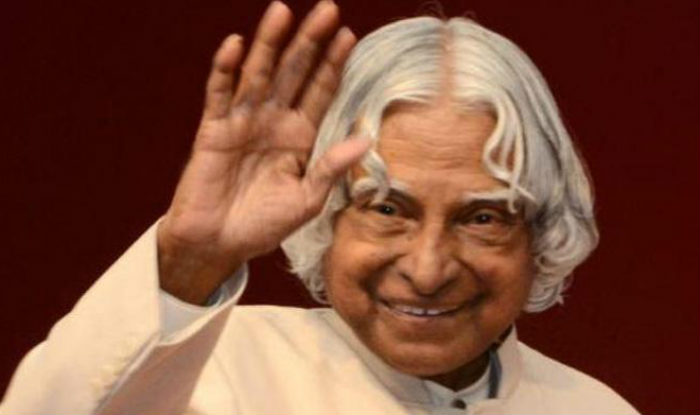
APJ Abdul Kalam 1st death anniversary: This is how the noble soul planned to celebrate his elder brother’s 100th birthday….


APJ Maracayer, elder brother of APJ Abdul Kalam was like a father figure to Kalam and counselled him on several important decisions and was also his spiritual guide.

apj-abdul-kalam-political-party

APJ Abdul Kalam had planned a “big surprise party” for his elder brother who would turn 100 this November by gathering all the family members at his native place Rameswaram, putting up banners saying ’100′ and playing Tamil songs but destiny had other ideas.
Sixteen years older, APJ Maracayer was like a father figure to Kalam and counselled him on several important decisions and was also his spiritual guide.

But as fate would have it, seven weeks after this planning session Kalam passed away on July 27 last year. Kalam’s aide Srijan Pal Singh presents a tribute to the late President on his first death anniversary in the form of a book “What Can I Give?: Life Lessons from My Teacher, A.P.J.

The book, published by Penguin Random House, brings alive rare personal and unheard-of anecdotes as well as unseen pictures from Kalam’s life. Taking Kalam’s vision ahead, Singh has decided to donate all the royalties from the book to the charitable cause of providing free education to underprivileged children through an initiative called The Kalam Library Project.

On the grand plans made by Kalam for his brother’s 100th birthday celebrations, Singh writes, “In 2015, in the month of May, Kalam’s brother dropped by for a visit. It was a special moment as Janaab A P J Maracayer was about to turn 99 in a few months. His birthday was on the 5th of November. The day his brother was leaving for Rameswaram, Kalam met him over dinner.

He said to me later, ‘You fellow, listen. My brother will turn 99 years old in November. Tell me, now by the end of this year, how many orbits will he have completed around the sun? “This was the question he always asked on people’s birthdays. A true rocket engineer, he loved equating years to the number of orbits the earth had made around the sun and the number of orbits the moon had made around the earth. I was familiar with this question by now.”

“Hundredth orbit!” Singh replied. ”Right. Now listen, you fellow. You see, next year, in November 2016, my brother will be a hundred years old. He has never celebrated his birthday in a big way. On his hundredth birthday, I want to throw him a big surprise party. He would love it, right?” Kalam asked.

Kalam wanted the party to happen at his native place. ”We can also gather all the family – the grandchildren, the great-grandchildren – everyone. There will be about 50 fellows like that,” Singh quotes Kalam as saying. Kalam entrusted Singh with making all the arrangements. Then Kalam was undecided on what gift he should give to his brother. For the next half an hour, both sat planning the details of the party.

“We thought of everything, from banners saying ’100′ to Tamil songs to be played in the party. We came up with many ideas for commemorating the occasion and finally decided to open a 100 libraries across rural India. A 100 libraries for a 100 years on earth. Kalam was very happy with the idea. We decided to begin working on it by July,” Singh writes. The Kalam Library Project was started in December 2015.

“By the time this book reaches you, we would have perhaps already completed the target of opening a hundred libraries.
And by reading this book, you are becoming a part of this project because the proceeds from this book will be used to open more and more such libraries,” Singh says.

Source…..Press Trust of India….27 july 2016

Natarajan


WHY “HANK” IS SHORT FOR “HENRY,” WHY “COLONEL” IS PRONOUNCED “KERNEL,” AND WHY WE SAY “STAT” WHEN WE WANT SOMETHING DONE QUICKLY


Why “Hank” is Short for “Henry”

This is thought to be thanks to the one time popular suffix “-kin,” which is also how “Jack” originally derived from the name “John.” Specifically, the suffix “-kin,” simply indicated “little,” so Robin Hood’s “Little John” would have been aptly named “Jockin,” which later gave rise to “Jenkin,” then “Jakin,” and then “Jack,” with the former forms literally meaning “Little John.”

Similarly, we have “Little Henry” becoming “Henkin,” which later gave rise to “Hankin,” which was then shortened to just “Hank.”

Why “Colonel” is Pronounced “Kernel”

Believe it or not, “colonel” was pronounced more or less the way it originally looked when it was introduced to English. The spelling changed over time to “colonel”, while the pronunciation stayed the same as it was before.

“Colonel” ultimately derives from the Latin “columna,” meaning “pillar.” This gave rise to the Old Italian “compagna colonnella,” meaning “little-column company.”  This, in turn, gave us the rank of “colonnello” -the leader of a column.

Other nations adopted this ranking giving us the Middle French “Coronel.” This was pronounced pretty much like it looks at first, then later slurred down to “Kernel” by the English, but using the same spelling.

However, starting with the French around the 1540s, the spelling was changed back closer to the Italian spelling, which gave us “Colonel” in French.

Within a few decades, the English also followed suit and by the mid-seventeenth century, “colonel” was the most common way to spell the word in English. At that time, the common pronunciation was mixed between the older “kernel” and the new “colonel,” with the former winning out in the end, despite the way it’s spelled.

Why We Say “Stat” When We Want Something Done Quickly

This may seem odd at first glance. After all, common usage of “stat” outside of these instances is referring to statistics. In this case, though, “stat” is not short for “statistics,” but rather is from the Latin “statim,” meaning “immediately” or “at once.”

The first references of the practice of shortening “statim” to “stat” came to us from physicians in the nineteenth century, with the first known documented instance of this appearing in Lessons on Prescriptionsby W.H. Griffith (1875).

Bonus Facts:

  • Another interesting nickname derivation is how we got “Dick” from “Richard.” This is another one of those “knee bone connected to the thigh bone” type progressions. Due to people having to write everything by hand, shortened versions of Richard were common, such as ‘Ric’ or ‘Rich’. This in turn gave rise to nicknames like ‘Richie’, ‘Rick’, and ‘Ricket’, among others. People also used to like to use rhyming names. Thus, someone who was nicknamed Rich might further be nicknamed Hitch. Thus, Richard -> Ric -> Rick gave rise to nicknames like Dick and Hick around the early 13th century.
  • “Wiki” as used in “Wikipedia,” means “quick.” Howard G. Cunningham, the developer of the first wiki which was launched in 1995 called “WikiWikiWeb,” upon his first visit to Hawaii was informed by an airport employee that he needed to take the “wiki wiki” bus between the airport’s terminals. Not understanding what the person was telling him, he inquired further and found out “wiki” means “quick” in Hawaiian; by repeating the word, it gives additional emphasis and thus means “very quick.” He later decided to use this as the name for his new web platform.
  • It should also be noted that the proper pronunciation of “wiki” is technically “we-key”, rather than “wick-ee”. However, given the popularity of the mispronunciation of the word, Cunningham and others have long since stopped trying to correct people on the matter.

Source….www.today i foundout.com

Natarajan

” நீங்களும் கபாலி ஆகலாம் …” !!!


விநாச காலம் விபரீத புத்தி….!!!


ஒரு பக்கம் சுவாதி, நந்தினி, வினுப்பிரியா கொலை மற்றும் தற்கொலை சம்பவங்கள் பீதியூட்டிக் கொண்டிருக்க மறுபக்கம் பெரிதாக கவனம் பெறாத இரண்டு சம்பவங்கள் மேலும் கவலை அளிக்கின்றன. ஒன்று கிரிக்கெட் பந்தை எடுத்துத் தராத காரணத்தால் 25 வயது அண்ணன் 16 வயதுத் தம்பியை கிரிக்கெட் மட்டையால் தலையில் அடித்ததில் தம்பி நினைவு தப்பிய நிலையில் மருத்துவமனையில் சேர்க்கப்பட்டு சிகிச்சை பலனளிக்காமல் பரிதாபமாக உயிரிழந்தார்,காவல்துறை தம்பியின் உயிரிழப்புக்கு காரணமான அண்ணனை கைது செய்திருக்கிறது இது நமது தமிழ்நாட்டில் உடையார்பாளையத்தில் நிகழ்ந்த துர்சம்பவம்.

மற்றொன்று அண்டை மாநிலமான ஆந்திராவின் பஞ்சாரா ஹில்ஸில் பள்ளி மாணவர்கள் இருவருக்கிடையே நிகழ்ந்தது. தனியார் பள்ளி ஒன்றின் மூன்றாம் வகுப்பு மாணவன் ஒருவன் ஒன்றாம் வகுப்பு மாணவனை அவனது அடிவயிற்றின் கீழ் பகுதியில் சரமாரியாக அடித்ததில் பாதிப்படைந்த சிறுவன் தொடர் சிகிச்சைக்குப் பின் குடல்பகுதியில் நோய் தொற்று ஏற்பட்டு சிகிச்சை பலனின்றி உயிரிழந்தான். இந்த இரண்டு சம்பவங்களும் கடந்த ஒரு வாரத்தில் ஓரிரு நாட்கள் இடைவெளியில் நடந்து முடிந்தவை.

இவை இரண்டிலும் நம்மை அச்சுறுத்தும் விஷயம் ஒன்றே! அண்ணனே சொந்த தம்பியை அடித்துக் கொல்வதும், தொடக்கப் பள்ளியைக் கூடத்தாண்டாத சிறுவன் ஒருவன் ஆத்திரத்தில் அவனை விட சிறியவன் ஒருவனை  சாகும் அளவுக்கு அடித்துத் துன்புறுத்துவதும் என்ன விதமான மனநிலை?! இங்கே குற்றவாளி யார்? அந்த இளைஞனா? சிறுவனா? அல்லது அவர்களின் வளர்ப்பு முறையா?

சாமானிய மனிதர்களுக்கு எப்போதாவது காலருகில் ஊறும் சிறு பூராணை அடித்துக் கொல்வதே உளவியல் ரீதியாகப் பெரும்பாடாக இருக்கிறது. உயிர்க்கொலை என்பது எப்பேற்பட்ட கொடூரம்! அறிந்தோ அறியாமலோ அந்த கொடூரத்தை நிகழ்த்திய பின் என்னென்ன பின் விளைவுகள் ஏற்படும் என்பதெல்லாம் அறியாத வயது அந்தச்சிறுவனுக்கு என்று எடுத்துக் கொண்டாலும் 25 வயது இளைஞனுக்குமா அறியாத வயது! மொத்தத்தில் மனித உயிரின் நேசமதிப்பீடுகளை பற்றி கொஞ்சமும் சிந்தனை இல்லாமல் இப்படிச் செய்ய முடிவது ’விநாச காலம் விபரீத புத்தி’ என்று தான் கூறமுடியும்.

இப்படியான விபரீதங்களுக்கு முதல் காரணம் பின்விளைவுகளை பற்றிய யோசனையின்மை. அடுத்த காரணம் பொறுப்பின்மை மூன்றாவதாக சுயநலம் மட்டுமே பேணிக்கொள்ள வழிகாட்டும் வளர்ப்பு முறை. இந்தச் சம்பவங்களின் பின்புலனாக இத்தனை காரணம் இருக்கிறது. இவற்றையெல்லாம் சரி செய்து கொள்ள யார் சொல்லித் தரக்கூடும்?! பெற்றோர்களும் ஆசிரியர்களும் தானே முதல் வரிசையில் இருக்கிறார்கள்.பிறகு தானே இந்த சமூகம் வருகிறது.

பெற்றோர்களாகிய நாம் என்ன செய்கிறோம்? விளையாடும் குழந்தைகள் விளையாட்டின் நடுவே சண்டையிட்டுக் கொண்டு வந்து புகார் கூறினால் எத்தனை பெற்றோர் நடுநிலைத் தன்மையில் அந்த விஷயத்தை கையாள்கிறோம்?! உண்மையைச் சொல்வதென்றால் ‘யாராவது உன்னை அடித்தால் பதிலுக்கு நீயும் அடி என்றோ’ ‘திட்டினால் நீயும் திட்டு’ என்றோ தான் இப்போதெல்லாம் பல பெற்றோர்கள் தங்கள் குழந்தைகளை வழிநடத்துகிறார்கள். இல்லையேல் இத்தனை வன்முறைக்கு அவசியமென்ன?

முதலில் நாம் நமது குழந்தைகளுக்கு எந்தச் செயலுக்கும் பின்னான விளைவுகளை பற்றி கற்றுக் கொடுத்தே வளர்க்க வேண்டும். ‘நீ உன் வகுப்பு ஆசிரியரை, தோழனை, நண்பர்களை அல்லது நீ இருக்கும் சூழலை வெறுக்கிறாயா? ஏன்? எதற்கு? என்று யோசித்து அதை நேர்மறையாக மாற்றிக்  கொள்ள வழி இருக்கிறதா என்று பார். அவர்கள் மேலுள்ள வெறுப்பை மாற்றவே முடியாது எனும் போது அடுத்த கட்டத்தைப் பற்றி எங்களிடம் கலந்து ஆலோசி. உடனடி வெறுப்போ,கோபமோ நிரந்தரத் தீர்வாகாது, உனக்காக நாங்கள் எப்போதும் உடனிருக்கிறோம் என்பதை மறந்து விடாதே’ எனும்படியான மனஉறுதியை நம் குழந்தைகளிடம் பதியச்செய்ய வேண்டும்.

இன்றைய தனிக்குடும்ப கலாச்சாரத்தில் பெரும்பாலான குழந்தைகளுக்கு இப்படியான மனஉறுதி நிச்சயம் தேவைப்படுகிறது. பல வீடுகளில் வேலைக்குப் போகும் பெற்றோர் வீடு திரும்பும் வரை குழந்தைகள் வேலையாட்களுடன் தனித்து விடப்படும் சூழல் நிலவுவதால் தன்னிஷ்டமாய்  முடிவெடுக்கும் குழந்தைகள் பெருகி வரும் காலம் இது. அவர்களுக்குத் தேவை வேலையாள் இல்லை பொறுப்பான ஒரு கண்காணிப்பாளர். கண்காணிக்கும் வேலையை பெற்றோரை விட, நயமாக திறம்பட வேறு யாரால் செய்ய முடியும்? ஆகவே நம் குழந்தைகளின் செயல்களுக்கு பொறுப்பேற்க கடமைப்பட்டுள்ள நாம் மட்டுமே அவர்களின் செயல்களைக் கண்காணிக்கவும் கடமைப்பட்டுள்ளோம் என்பதை மறக்கக் கூடாது.

அடுத்ததாக பொறுப்பின்மை; பொறுப்பு என்ற சொல்லை தமிழில் நாம் பல விதங்களில் பல பதங்களில் பயன்படுத்துகிறோம் .பொறுப்பு என்பது வெறும் சொல் மட்டுமே அல்ல அது ஓர் உணர்வு. உதாரணமாக மேல்மாடியில் இருந்து கொண்டு கீழ் நோக்கி குப்பையை  விட்டெறிந்தால் குப்பை  கீழே இருப்பவர்களின் தலையைப் பதம் பார்க்கும் என்று உணர்வது தான் பொறுப்பு. இந்தப் பொறுப்புணர்வு இருந்திருந்தால் அன்புக்குரிய சகோதரனை 25 வயது இளைஞன் கிரிக்கெட் மட்டையால் அடித்துக் கொன்றிருக்க மாட்டான்.முதலில் இந்த உணர்வு நம்மில் எத்தனை பேருக்கு இருக்கிறது?! நமக்குள் கேட்டுக் கொண்டாக வேண்டிய கேள்வி இது. இப்படியான உணர்வு நமக்குள் இருந்திருந்து அதை நமது குழந்தைகளுக்கு வலியுறுத்தி இருந்தால் குழந்தைகள் அர்த்தமற்ற விபரீத செயல்களில் ஈடுபட வாய்ப்பே இல்லை.

யாருக்கு என்ன கஷ்டம் வந்தால் நமக்கென்ன? நாம் சவுகரியமாக  இருக்கிறோமா அது போதும் என்று மட்டுமே நினைக்கும் மனப்பான்மை சுயநலமானது. குழந்தைகளிடம், இளைஞர்களிடம் இந்த மனப்பான்மை வளர்ந்தால் அது ’வீட்டுக்கும் கேடு நாட்டுக்கும் கேடு’. இன்றைய பெரும் விபரீதங்கள் பலவற்றிற்கு இந்த சுயநல மனப்பான்மையே அடிப்படை என்றால் பொய்யில்லை.ஆகவே கூடுமான வரையில் பெற்றோர்களும் சரி ஆசிரியர்களும் சரி தமது மாணவர்களிடையே பொறுப்புணர்வையும், பொதுநலத்தையும் வளர்த்தெடுத்தே ஆகவேண்டும்

முன்பெல்லாம் அரசுப்  பள்ளிகளில் நடுநிலைப் பள்ளி பிரிவில் ஒவ்வொரு நாளின் கடைசி வகுப்பிலும் நீதிக்கதைகள் போதிக்கப்பட்டன; இப்போதும் நீதிக்கதைகள் ’ஃலைப் ஸ்கில்’ என்ற பெயரில் பாடத்திட்டத்தில் உண்டு. ஆனால் இதை ஆசிரியர் தானே வகுப்பில் கதையாக  எடுத்துச் சொல்லி மாணவர்களுடனான சுவாரசியமான கலந்துரையாடலுடன் வகுப்பு முடிகிறதா என்றால் அது சந்தேகத்திற்கிடமானது. இந்தப் புத்தகங்களை மாணவர்கள் தாங்களே படித்துக் கொள்ள வேண்டியது தான் எனும் நிலை.

பெரும்பான்மை மாணவர்கள் நீதிக்கதைகளைப் படிப்பதாக தெரியவில்லை. அவர்கள் பாடங்களைப் படிப்பதோடு போட்டித் தேர்வுகளுக்கான தயாரிப்புகள் ஆறாம் வகுப்பிலிருந்தே ஐ,ஐ,டி நுழைவுத் தேர்வுக்கான தயாரிப்புகள் என்று ஓய்வே இல்லாமல் ஓடிக்கொண்டு இருக்கிறார்கள் கொஞ்சம் நேரம் கிடைத்தாலும் வீடியோ கேம்ஸ், கார்ட்டூன் நெட்ஒர்க் என்று தான் மனம் போகிறதே தவிர போதுமான வாசிப்பு பழக்கம் இல்லை என்பதே நிஜம்.

படிப்பு முக்கியம் தான் ஆனால் அதை விட முக்கியம் பண்பு. அதை நீதிக்கதைகளால் மட்டுமே போதிக்க முடியும் எனில் பள்ளிகள் அதற்காக ஒவ்வொரு நாளும் தனி வகுப்புகளை நடத்தினாலும் தவறில்லையே. ஒன்று பள்ளியிலிருந்து ஆரம்பிக்க வேண்டும் இல்லையேல் வீட்டிலிருந்து  ஆரம்பிக்கலாம். ஒவ்வொரு  இரவையும் நமது  புராண, இதிகாச, பஞ்ச தந்திர, ஜாதக நீதிக்கதைகள் கதைகள் மூலம் குழந்தைகளுக்கான அருமையான  இரவாக நாம் ஏன் மாற்றக்கூடாது? இதிகாசங்களும் புராணங்களும் சிலருக்கு நம்பிக்கை தரவில்லை எனில் தவறே இல்லை காலத்திற்கு ஏற்றவாறு  புதிய நீதிக்கதைகளை நாமே ஏன் உருவாக்கக் கூடாது?!

அதற்கெல்லாம் நேரமில்லை எனில் நஷ்டம் நமக்குத் தான் எல்லோருக்கும் அவரவர் வேலை பெரிதே, ஆனால் இந்த நாட்டுக்கும் நமது வீட்டிற்கும் பொறாமை, காழ்ப்புணர்ச்சி, குரோதம், தீவிரவாதம்  போன்ற நஞ்சு ஊட்டப்படாத  மனம் கொண்ட இளம் சமுதாயத்தினர் தேவை எனில் நாம் அவர்கள் நலனுக்காக கொஞ்சம் நேரம் ஒதுக்கியே ஆக வேண்டும்.

தனிமை உணர்வும், நல்லது எது? கெட்டது எது? எனும் பாகுபாடு காணமுடியா குழப்பமும் குழந்தைகளை அணுகாமல் அவர்களைப் பாதுகாப்பது பெற்றோரின் கடமை ஆசிரியர்கள் அவர்களுக்குத் துணை நிற்பார்களாக!

Source……..By கார்த்திகா வாசுதேவன் in http://www.dinamani.com

Natarajan

From Digitally Illiterate to Networking Guru… Story of Mudassir Ansari, Chanderi Madhya Pradesh…


Mudassir Ansari had not seen a computer till he turned 18. Today, he uses technology to bring internet connectivity to rural India and empower thousands with digital literacy.

Coming from a long line of weavers, Mudassir Ansari grew up to the rhythmic clacking of handloom machines in his hometown of Chanderi, Madhya Pradesh. For the Ansari family, weaving was more than just a means to earn a living – it was a legacy shared with their children, generation after generation.

By the 1990s however, most of their machines fell silent. Globalisation and easy access to cheap, printed material meant that many weavers across India were out of work.

BIDDING GOODBYE TO A BYGONE ERA
In a bid to cope with the changing world around him, Mudassir’s father became a tourist guide. The family even went on to set up a phone booth. Despite this, making ends meet continued to be a challenge.

Thoughts of the future weighed heavily on Mudassir’s mind and he came to the conclusion that something radical had to be done to change the status quo: “I realised that every generation brings with it its own set of changes. If you don’t change with the times, you will be left behind.”

Providing for his family and securing their future gave Mudassir sleepless nights, till he hit upon a solution.

“I noticed that PCs were fast becoming an integral part of all aspects of life. From government and corporate offices to hospitals, schools and colleges, PCs were making their presence felt in all fields. I understood that if we didn’t make an attempt to learn computing, we would be confined to our small town and to our limited income. There would be no change and that would prove detrimental for the family. Learning how to use this device was our ticket to a better life,” he said.

“In the 1990s, knowing how to operate a computer was a big deal in our town, especially since there were no institutes or classes that imparted the skill. People who wished to learn computing had to travel to other cities and attend classes there. The nearest city was just 30 kilometres away but I had never been there. When I decided to learn how to work on a PC, my life changed,” he added.

Mudassir attended classes and, through continued practice, became proficient in using the PC.

“My father was overjoyed. He would tell everyone he met that his son knew how to use a PC. It became a sign of progress, of a higher social status even,” he recalled with a smile.

In 2006, confident about the value that owning a PC would add to his son’s life, Mudassir’s father bought him his very first computer. “We travelled all the way to Bhopal to buy the computer. It was the first time I had ever been to such a big city. Once again, I had technology to thank for helping me explore the world,” he said.

In 2009, the Digital Empowerment Foundation (DEF), an NGO dedicated to promoting connectivity in rural India, set up an Internet Resource Centre in Chanderi.

Impressed by Mudassir’s hard work and resolve to learn how a computer works, the organisation took him in and began to instruct him. In addition to being trained in basic computer skills, he learnt about wireless networking.

After completing his training, Mudassir joined DEF as a networking engineer.

“In 2010, DEF decided to bring Wifi connectivity to Chanderi. I played an integral role in ensuring that the railway station, the hotels and numerous monuments became Wi-Fi zones. I was ecstatic to help the entire city get connectivity. We were among the first few cities in India to have this facility,” he said with justified pride. From thereon, there was no looking back for Mudassir.

“Guna, Shivpuri, Alwar, Nagaon, Sonapur…,” Mudassir rattled off the list of towns he had helped bring Internet connectivity to. To date, he has helped more than 50 towns and villages get online

His work doesn’t end with just ensuring connectivity either. “When we brought connectivity to a zilla in Madhya Pradesh, I helped set up a two-month course for the local women. I taught close to 2,500 rural women basic computing skills so that tomorrow they are able teach their children. My hope is that once they realise how important PCs are, regardless of their economic status, they will ensure their children learn basic computing. After all, it is a tool that can lift them out of poverty.”

In yet another village, Mudassir helped hire an instructor to impart computer training to 20 children:

“Today, ten of those children are using PCs to earn a living. These are girls who were not allowed to step out of the house, but now, working from the comfort of their homes, they are able to support their families. That’s something!”

In this day and age, when people have moved from desktops to portable computing devices like laptops, there are still places in India where people have never even seen a computer, much less worked on one. I get immense satisfaction from knowing I am able to introduce such people to this magic machine. When I see the joy on their faces, I know what I am doing is good,” he said.

PCs have brought a sea-change in Mudassir’s personal and professional life. “I did not study beyond the 12th standard and don’t have a university degree, so just based on my qualifications, my prospects for a job were limited. And yet, today, thanks to my computer skills, I am able to work as a networking engineer and earn more than Rs. 20,000 a month. I have also had the opportunity to lead a team of 20 engineers. Thanks to my job, I have even travelled to different parts of the country – remarkable considering I had not stepped out of the village until I turned 18!” exclaimed Mudassir.

The PC was also an invaluable tool for him to learn English.

“When I started working, I realised that all emails I received were in English. I didn’t like the idea of replying in Hindi, so I started using Google Translate. I would translate the mail that was sent to me, understand the context, and then compose a reply in Hindi. I’d then use Google Translate to translate it into English. That’s how I picked up English!” he revealed.

His success at work has translated to financial security for his entire family, “I am able to fund my younger brother’s education, and I am confident I will be able to give my three children access to quality education,” he added with satisfaction.

“If it weren’t for the PC, I would probably still be manning a small phone booth in a small town in a corner of the country,” concluded Mudassir.

Source…. Anandita Jumde in http://www.the betterindia.com

Natarajan

Have you heard of the word ” Lexophile ” ?


வாரம் ஒரு கவிதை….” அலையின் தாகம் …” !!!

1fb2b-baby-sleeping1

World’s Largest Camera Museum to Come Up in Gurugram, India…


Gurugram is all set to become home to the world’s largest camera museum this World Photography Day.

Untitled-design-37

On August 19th, the Municipal Corporation of Gurgaon along with acclaimed photographer Aditya Arya, of the Vintage Camera Museum fame, will launch ‘The Museo Camera – Centre of Photography.’

The Museum will trace the art of photography through the evolution of cameras, various photography processes as well as photography paraphenlia. Pinhole cameras, the camera obscura, daguerreotypes, dry plates, the birth of film, polaroid and digicams will be on display in the Museum.

Close to 700 cameras, of different shapes, sizes and models, will be displayed. These are a part of the collection painstakingly curated by Arya.

Around 800 original patents of cameras from the 1800s will also be displayed at the Museum. These have been collected by Arya during his many travels.

The Museum will also be home to a collection of vintage camera ads.

In addition to displaying the wonderful and fascinating history of photography, the Museum will also function as a place of learning: “I want to create an institution, a physical space that should also be state-of-the-art,” Arya toldThe Times of India.

The Museum will be spread across 15,000 square feet in Chakkarpur village of New Gurgaon.

Says Vivek Kalia, joint commissioner of the Muncipal Corporation of Gurgaon, “We want this to be world-class, a symbol of excellence.”

Source….. Anandita Jumde in http://www.thebetterindia.com

Natarajan

” நீ திருப்பாவை படித்தாய் …கண்ணன் உனக்கு கணவன் …” !!!


நீ திருப்பாவை படித்தாய், கண்ணன் கணவனாக வருகிறான். திருவெம்பாவை படித்தாய், பரமேஸ்வரன் மாமனராக வருகிறார்,”

13442188_1273387012679287_8859585920371746160_n

காஞ்சிப்பெரியவருக்கு 40 ஆண்டுகள் கைங்கர்யம் செய்த குமரேசன் என்பவர் கூறிய தகவல் நம்மை பரவசமடைய செய்கிறது.

பல ஆண்டுகளுக்கு முன், ஒரு கார்த்திகை மாதத்தில் தஞ்சாவூர் அருகிலுள்ள திருக்காட்டுப்பள்ளியில் இருந்து ஒரு தம்பதி தங்கள் மகளுடன் காஞ்சிபுரம் வந்தனர். மகாபெரியவரை தரிசிக்க காத்திருந்தனர். அவர்கள் முறை வந்ததும் அந்த குடும்பத்தினர் பெரியவருக்கு நமஸ்காரம் செய்தனர்.

அவரைப் பார்த்து தயக்கத்துடன் நின்ற குடும்பத்தலைவரிடம், “என்ன விஷயம்?” என்று பெரியவர் கேட்டார்.

“பெரியவா! இவள் எங்களுக்கு ஒரே மகள். இவளுக்கு திருமணம் தள்ளிக்கொண்டே போகிறது. தாங்கள் அனுக்கிரகம் செய்து, திருமணம் விரைவில் நடக்க ஆசி வழங்க வேண்டும்,” என்றார் குடும்பத்தலைவர்.

பெரியவர் அந்தப் பெண்ணிடம், “உன் பெயர் என்ன?” என்றார்.

“ராதா’ என்றாள் அவள்.

பெரியவர் அவளிடம், “உங்கள் ஊரில் பெருமாள் கோவில், சிவன் கோவிலெல்லாம் இருக்கிறதா?” என்றார்.

“ஆம்’ என்றாள் அவள்.

“சரி…அடுத்த மாதம் மார்கழி. தினமும் அதிகாலையில் நீராடிய பிறகு வீட்டு வாசலில் கோலம் போடு. பெருமாள் கோவிலுக்குப் போய் திருப்பாவை பாடு, சிவன் கோவிலுக்கு போய் திருவெம்பாவை பாடு. உனக்கு போக முடியாத நாட்கள் வருமில்லையா! அந்த நாட்களில் வீட்டில் இருந்தே அந்த பாடல்களை பாராயணம் செய்,” என்று சொல்லி ஆசிர்வதித்தார்.

ராதாவும் பெரியவர் சொன்னதை தவறாமல் கடைபிடித்தாள். தை மாதம் பிறந்தது. ஒரு நன்னாளில் அவள் வீட்டுக் கதவு தட்டப்பட்டது. ராதாவின் பெற்றோர் கதவைத் திறந்தனர்.

வெளியே ஒரு பெரியவரும் அவரது மனைவியும் நின்றனர். அவர்கள் ராதாவைப் பெண் கேட்டு வந்துள்ள விபரம் தெரியவந்தது.

“எங்கள் பூர்வீகம் பாலக்காடு. உங்கள் பெண்ணைப் பற்றி அறிந்தோம். அவள் ஜாதகம் எங்கள் மகன் ஜாதகத்துக்கு பொருத்தமாயிருக்கிறது,” என்றனர்.

திருமணப் பேச்சு நடந்தது. நிச்சயதார்த்த நாள், முகூர்த்த நாள் குறிக்கப்பட்டது. தை பிறந்ததும் ராதாவுக்கு வழியும் பிறந்து விட்டது.

திருமணத்துக்கு முன்னதாக பெரியவரிடம் ஆசி பெற ராதாவும், அவளது பெற்றோரும் காஞ்சிபுரம் வந்தனர். பெரியவரை அவர்கள் தரிசித்தனர்.

ராதாவிடம், “உன் பெயர் ராதா தானே! உனக்கு வரப்போகும் ஆத்துக்காரர் பெயர் என்ன?” என்று கேட்டார்.

“கண்ணன்” என்ற ராதாவிடம், “உன் மாமனார் பெயர் பரமேஸ்வரனா?” என்றார்.

“ஆம்…என்றாள் ராதா ஆச்சரியமாய்.

“மாமனார் பெயர் பெரியவருக்கு எப்படி தெரிந்தது?’ என்று அவள் ஆச்சரியப்பட்ட வேளையில், “நீ திருப்பாவை படித்தாய், கண்ணன் கணவனாக வருகிறான். திருவெம்பாவை படித்தாய், பரமேஸ்வரன் மாமனராக வருகிறார்,” என்றார்.

இதைக் கேட்ட எல்லாருமே அதிசயித்துப் போனார்கள். முக்காலமும் உணர்ந்த ஞானிக்கு இவர்கள் பெயர் தெரியாதா என்ன? !!!


Source ….facebook input

Natarajan