Chennai floods have passed, but this city crew continues its clean up …

Image: Chennai Trekking Club volunteers

More than 30 young people were assembled on the banks of the Adyar River next to Surya Nagar in Kotturpuram early in the morning on March 2. Armed with orange gloves and white rags, they were on a cleaning mission as part of the Chennai Trekking Club’s efforts to clear the area of all non-biodegradable waste.

According to Peter Van Geit (44), the founder of the Chennai Trekking Club, “This is the 14th session of the cleanliness drive that we are carrying out in the city. The waste that is seen on these banks has not been dumped by the locals but has been washed in during the floods. There were thick layers of garbage here but now it has reduced as we have been cleaning this place for the past two weeks.”

On the other side of the river, heaps of garbage still dot the bank, and the river runs an alarming black colour. “We can reach the other side of the river but the land is too steep for us to clean it up. The water is black in color as many illegal sewage connections are connected to the river,” said Peter.

Most of the waste that can be seen on the slope consist of cloth, glass bottles, plastic bags and other household trash. Peter and his team of volunteers have been gathering together all the non-biodegradable waste for transportation to the common dumping ground in Pallikaranai by trucks of the Chennai Corporation. –

The Chennai Trekking Club began the cleaning drive in the city two months ago, in the aftermath of the Chennai floods. “We started the relief work in different places like Cuddalore and Pulicat. Many slums were in a very bad condition and all the drainage water was inside their homes. We were helping them out in Cuddalore and Pulicat. Later, we decided to start cleaning near the Adyar and Cooum rivers in Chennai.”

The cleaning drive came about as a result of a shared passion among the club’s members for the environment, says Peter. “The Chennai Trekking club carries out trekking trips to beautiful natural locations like virgin forests, mountain ranges, rivers or lakes. Nature is very close to our hearts. So that’s where we started. It also helps to create awareness and reach out to thousands of people and sensitizing people about the issues.”

Building awareness, Peter feels, is an urgent task, as waste disposal is a crucial problem for Chennai. “There are 6000 tonnes of garbage which leaves the city every single day. Most of it ends up in water bodies, rivers and the ocean, which are our lifelines. Chennai has the highest per capita waste generation in the country. There is no segregation of waste in the city and all of it is accumulated in Pallikaranai, one of the few wetlands remaining in India. 90% of our garbage footprint can be reduced immediately by segregating dry (recyclable) and wet (compostable) waste at our home.” –

For the volunteers, many different reasons have drawn them to the initiative. Roopa, a doctor said, “I joined this initiative to help people in cleaning the place but it has changed many things for me. Now, I go home and try keeping the place clean and segregate the waste.”

Bensh, an engineer, said that he comes from an agriculture background and was drawn to an earlier tree plantation initiative. He later joined the cleanliness drive as he thinks it is the social responsibility of the people to do such things. For Mohan, it is about making new friends and enjoying time spent usefully in cleaning such places.

In the past, the group has carried out cleanliness drives in Chitra Nagar, Thiruvanmiyur, Pallaikarnai and few tree parks.

Peter Van Geit began the Chennai Trekking Club about eight years ago. “I’m a very active person in sports. I wanted a platform to connect. I set up a website and started sharing stories and images of trips and in some time people started joining me for cycling, swimming, running and trekking trips.” Now, the Chennai Trekking Club has more than 27000 members.

Besides their current cleanliness drives, the Club also carries out tree-planting initiatives, an annual coastal clean-up drive, workshops on nature, restoration of historical sites and organic farming. It also organizes trekking trips on weekends, swimming classes, triathlons and marathons.

Inspired by their example? Surely a task as large as cleaning up the city could use many more volunteers.

https://youtu.be/_RPUI794cbM

Source…..www.thenewsminute.com

Natarajan


This Auto Driver Mortgaged His Auto to Pay for the Medical Expenses of a Passenger…

K Ravichandran, a 48-year-old auto driver from Chennai, mortgaged his auto to pay for the medical expenses of his passenger who suffered a cardiac arrest during the ride.

It happened a few months ago when a passenger boarded his auto to go from Ramapuram to Triplicane. They had reached Mount Road, when the passenger, who was about 57 years old, complained of chest pains. The Good Samaritan took the passenger to a nearby clinic, where he was referred to the Rajiv Gandhi Government General Hospital.

Doctors there informed Ravichandran that the patient had three blocks in his heart’s blood vessels, and they would have to place a pace-maker for his recovery.

chennai auto

PIcture for representation only. Source: Angus/Flickr

On informing his family, the passenger’s son arrived from Kolkata that night. The cost of treatment was about Rs. 1 lakh. They spoke with the hospital’s Dean and got the cost reduced to Rs. 47,000. But his son was left with Rs. 15,000 only after spending on flight tickets.

“I decided to pledge my auto rickshaw, the only property I owned and managed to pay the balance,” Ravichandran told The New Indian Express.

This Sunday, Ravichandran was rewarded by the Anna Auto Welfare Trust – an organisation that was started to motivate auto rickshaw drivers and acknowledge them for such laudable deeds. 16 other auto drivers including three women were also awarded.

Anil Khicha founded Anna Auto Trust with the view that people who visit Chennai, meet auto rickshaw drivers first. And the kind of behaviour they experience, forms their impression about the city. If the good work of drivers is appreciated, it will encourage them to do better.

According to the report, the trust has printed stickers asking passengers to send their feedback to 9243000111. Based on this feedback, they call drivers who have behaved well and honour them every month.

Featured image credit: The New Indian Express

Source…..Tanaya Singh in http://www.the better india .com

natarajan

Parents Don’t Have to Worry About Their Child’s School Bus Anymore. All Thanks to This 15-Year-Old!

Parents are often worried about the safety of their children whenever they are going to or coming back from school. Why is the bus late? Did my child reach safely? Did my child get on the bus? But not anymore! A 15-year-old has developed a solution in the form of an app.

Getting irritated because your school bus is stuck in a traffic jam due to heavy rains is one thing. But to reach home late, find your parents worried, and develop an app so they won’t be stressed the next time – that’s called combining innovation with care. Arjun S. is a 15-year-old student of Class 10 in Velammal Vidhyashram School in Chennai. He has developed an app that can help parents track the position of their children’s school buses whenever they want.

“I got the idea after a cyclone hit Chennai in 2012. I reached home late one day and my parents were really scared because they had no way of finding out if I was safe. I thought that if there could be a way to track school buses easily, it would be so much better for parents and school authorities. I was learning more about building apps and the android programming language at that time, and decided to find a solution,” says Arjun.

The young boy’s love for technology led to the development of LOCATERA – an app to find out where exactly a school bus is located at any given time, and to know if a particular child is there in the bus or not.

track a school bus

“I have been using computers since the age of two. My dad had a system and I would stack up some pillows on the chair to reach the keyboard to use some basic electronics simulation software. My parents were always careful about giving me age-appropriate tools for using the system,” he says, talking about his interest in this field.

The first app developed by Arjun was called Ez School Bus Locator. He shared it with many schools, including his own, and collected the feedback from administrators and parents about their specific requirements. “I collected the information about the schools’ basic requirements and modified the app accordingly. LOCATERA is a modified version of Ez School Bus Locator, and it came two years after the first one. Unlike other solutions that require some kind of hardware installation, all this app needs is the presence of a phone inside the bus,” he adds.

LOCATERA is basically a tri-app solution, which means three apps working together. These include the attendant, admin, and parent apps.

1. LOCATERA attendant:

track a school bus

This app captures the location of the bus and shares it with parents and the school if required. The bus attendant can install and keep it on his/her phone. The attendant adds all students to the app by scanning their Quick Response (QR) Code-based ID cards, using bar code scanning, as and when the students board or get off the bus. Student activities are recorded on the Cloud – to be used by schools in case of emergencies.

2. LOCATERA admin:

track a school bus

The admin version has to be with the administrator of the school transport system so he/she can see all the buses together, locate the position of a particular bus, get information about it, and find out which students are present in the bus at any given time.

3. LOCATERA parent:

track a school bus

Parents have to get their mobile numbers verified before they get access to the app. Once they are in, they can find the location of the bus by clicking on the ‘Bus on Map’ option. Alternatively, they can tap on ‘Bus Location’ and ‘Distance & Time’ options to find out the exact address of the bus and how soon the child will reach home. To find out if the child is there in the bus or not, they just have to select the ‘Child in Bus’ option. Parents who don’t have android phones can give a missed call to the attendant’s phone whenever they want the information. The LOCATERA attendant looks into the bank of registered numbers to find out which parent has called. He/she then sends an SMS with information about the child and the bus location.

Arjun used Massachusetts Institute of Technology (MIT)’s programming tool called MIT App Inventor to develop LOCATERA. It is basically a programming language tool with a more graphical user interface, instead of codes.

Arjun submitted the app to ‘Google India Code to Learn Contest 2015’ and was declared the winner. He also won the MIT ‘App of the Month (Best Design)’ award in December 2012 for Ez School Bus Locator.

Among other awards, he also received the 2014 ‘National Child Award for Exceptional Achievements for Computer Technology’, which was initiated by the Ministry of Women and Child Development, Government of India.

track a school bus

“I would like to work in the field of computer science itself, and would like to go to IIT or MIT or something like that,” says Arjun, talking about his future plans.

He also started a company named LateraLogics in 2012, which has several products including some other apps that Arjun has developed over the past three years. Currently, only the demo version of LOCATERA is available on Play Store, for all three stakeholders. Those who want to use the complete version can fill out the LOCATERA Flexi Plan Enquiry Form to receive the pricing details for that particular school. Arjun keeps receiving constant feedback from the schools that are already using it.

As he is also preparing for his board exams, Arjun has a tough time juggling his studies and his passion. “But I somehow manage it,” he says.

track a school bus

Arjun at the award ceremony

He also likes to play the keyboard, and is a badminton enthusiast in his free time.

“We have been supporting Arjun from a very young age…He has always been passionate about technology. We gave him the right kinds of tools from the start and he has always been serious about what he does. He does a lot of research and discusses his ideas before finalising anything. We are also in touch with the state and Central government to see how the app can be implemented all over the country. The Ez School Bus Locator version is free of cost and it is being used in more than 10 countries right now. We think it can be used in India as well,” says Arjun’s father Santhosh Kumar.

The agreement for using the app for one academic year includes a one-time activation fee (per child, per year) and a monthly maintenance fee option (per month, per child). After a successful pilot project in his school, Arjun is having discussions with other schools for implementation the same. Trial runs have been scheduled for some schools in Tamil Nadu, Kerala, and other parts of the country as well.

The agreement for using the app for one academic year includes a one-time activation fee (per child, per year) and a monthly maintenance fee option (per month, per child). After a successful pilot project in his school, Arjun is having discussions with other schools for implementation the same. Trial runs have been scheduled for some schools in Tamil Nadu, Kerala, and other parts of the country as well.

“Look for problems around you and get inspired by them. You’ll see a lot of opportunities to make this world a better place using your own skills,” is Arjun’s advice to other youngsters like him.

Download the demo versions of the app here:
LOCATERA attendant
LOCATERA admin
LOCATERA parent

You can find other details about installing the app here.

Source…….Tanaya Singh in http://www.the betterindia.com

Natarajan

Europe’s First Underwater Sculpture Museum…!!!

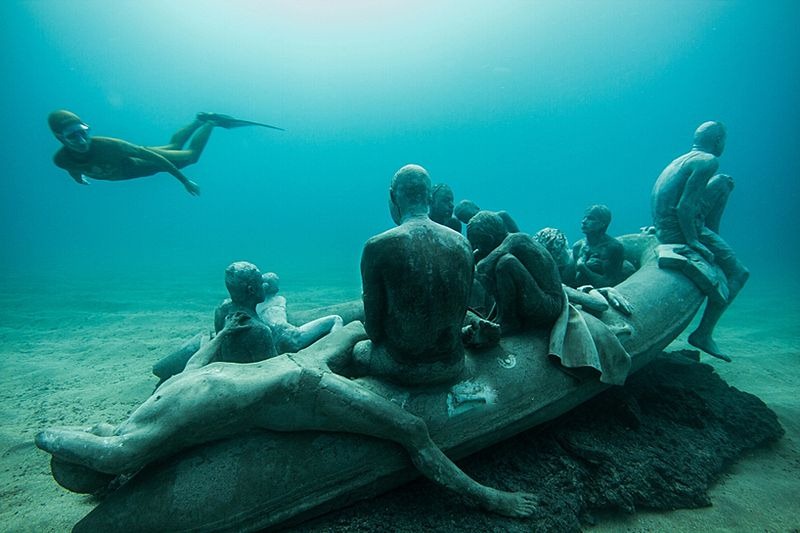
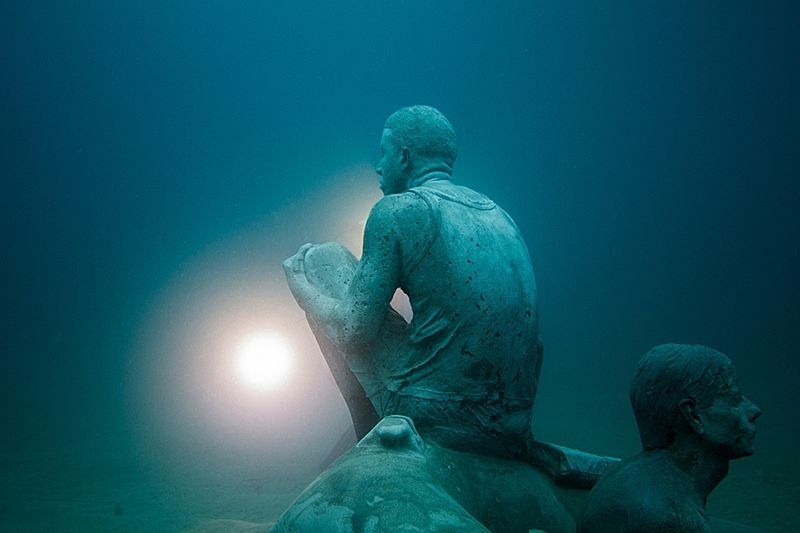
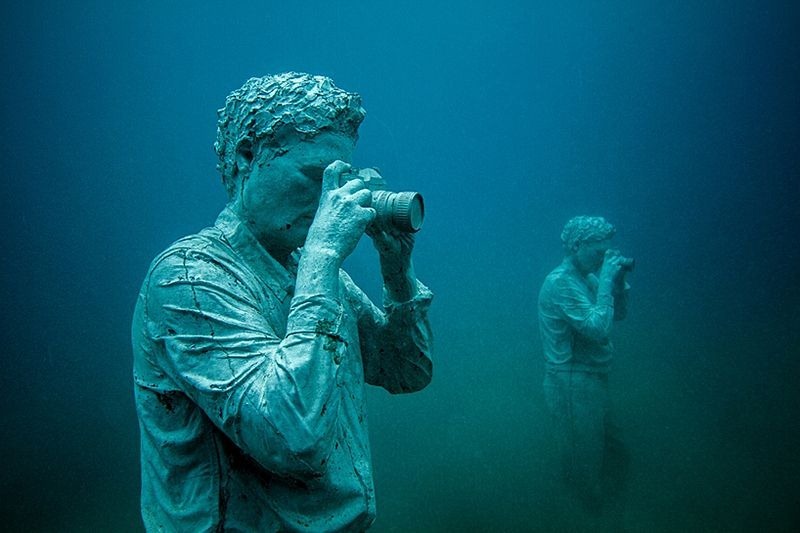
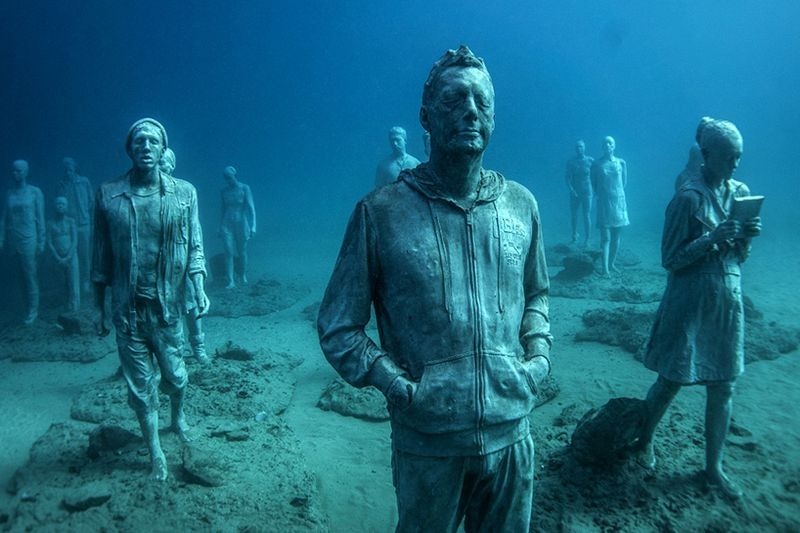
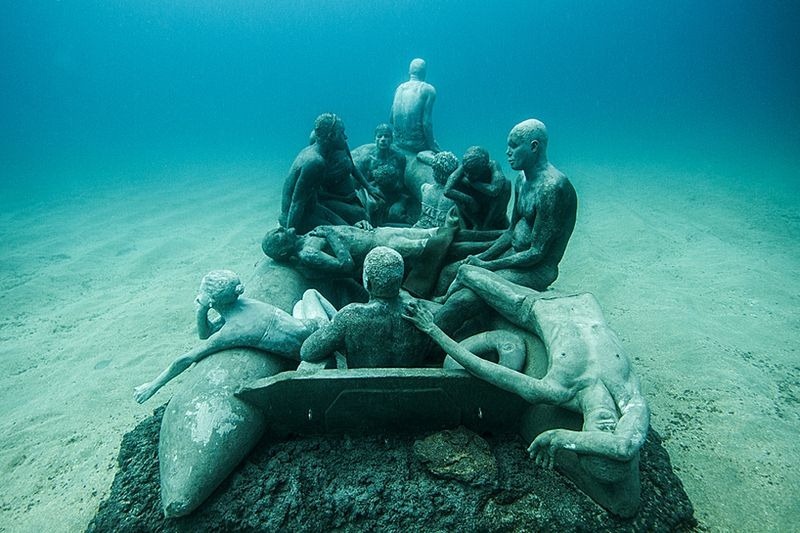
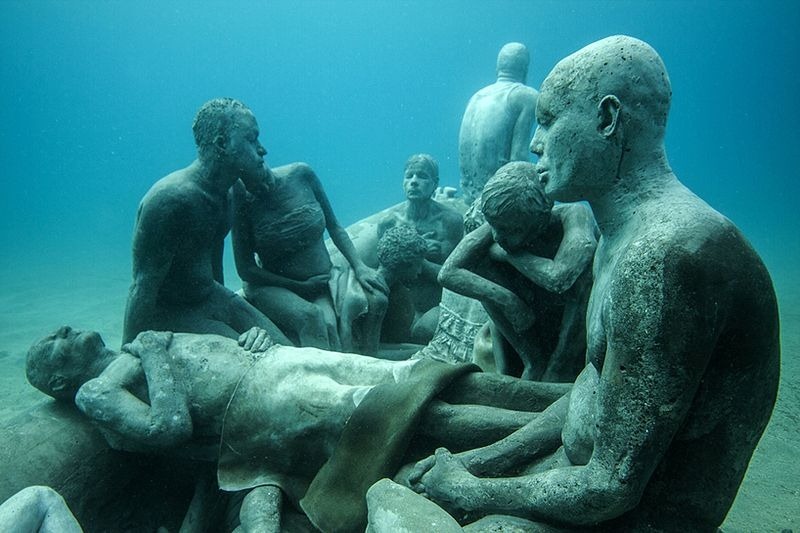
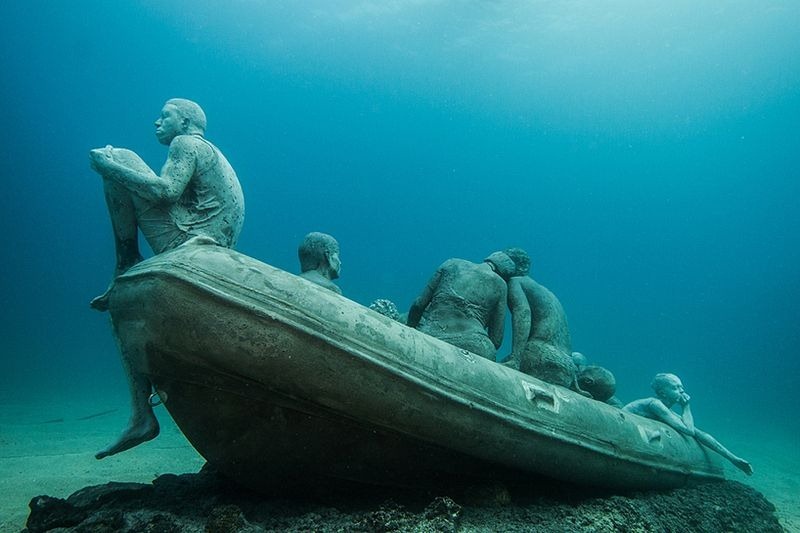
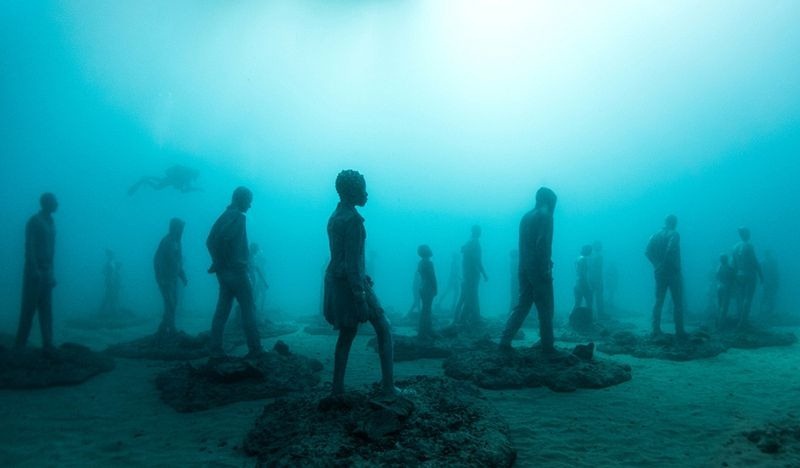
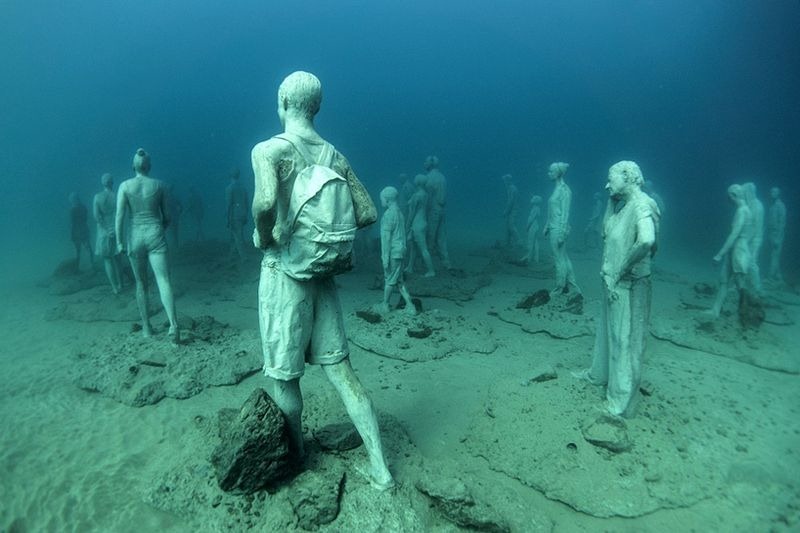
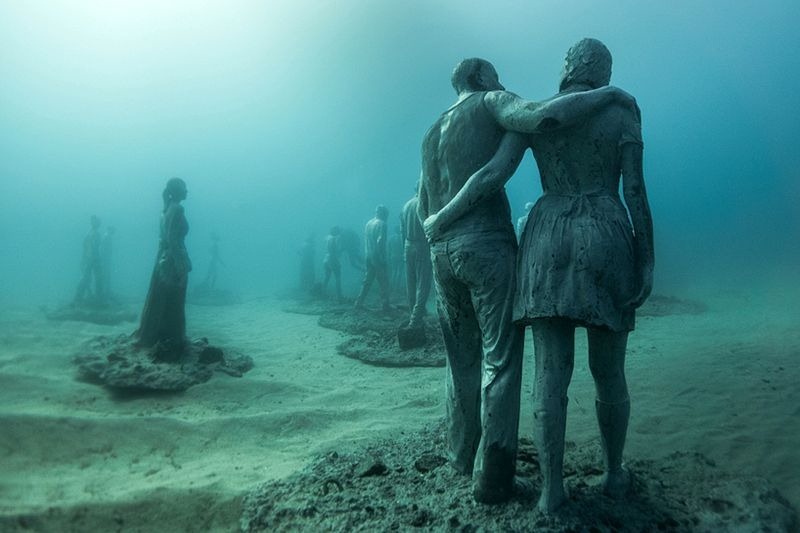
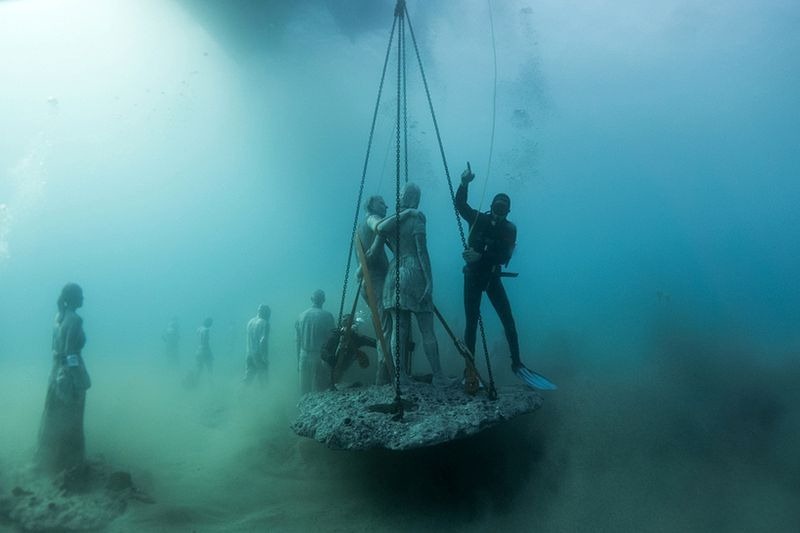
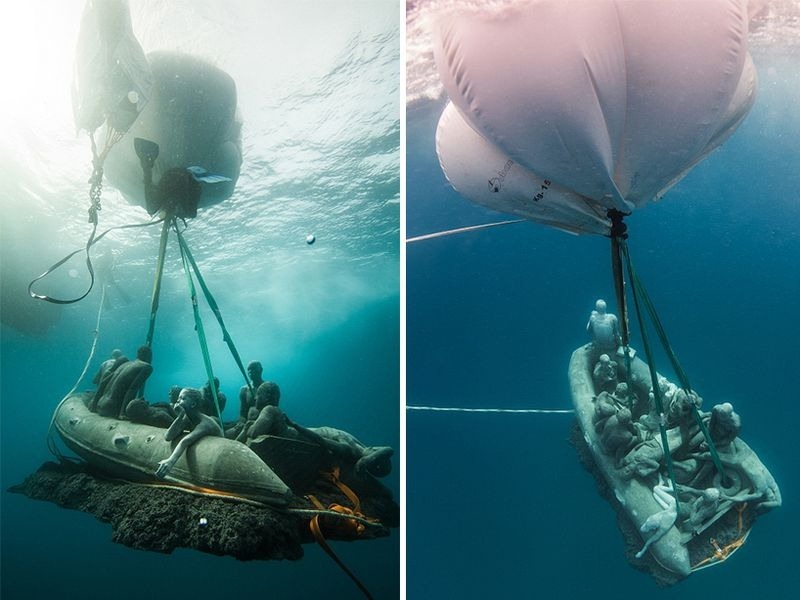
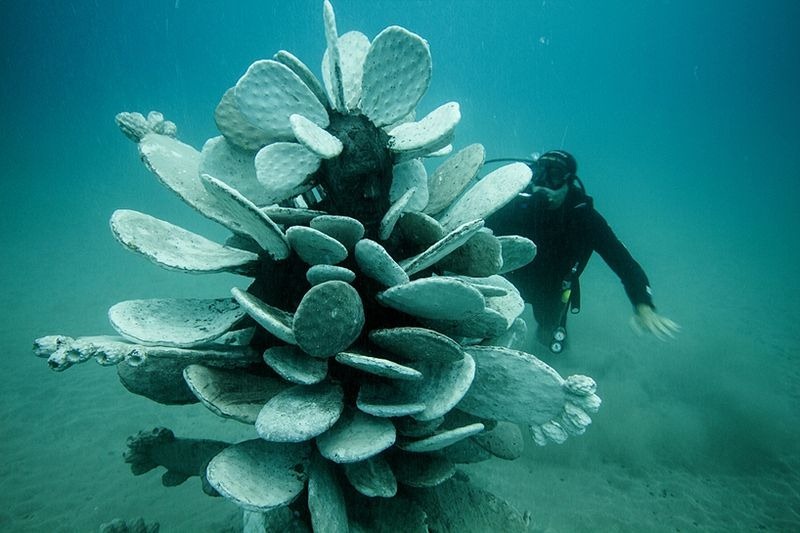
The island of Lanzarote in the Canary Islands, Spain, has set up of the first set of sculptures in what will be the first completely underwater museum in Europe. The museum is located off the coast of Lanzarote at a depth of 12-14 meters and features the works of British artistJason deCaires Taylor, who has created similar works in both Cancun, Mexico and Grenada in the West Indies. The sculptures on display include several human figures representing people engaging in mobile phones, walking, taking pictures and selfies. Another installation titled ‘the raft of lampedusa’ depicts a boat of figures desperately waiting for treatment and aid, representing the ongoing refugee crisis. The underwater sculptures will eventually attract and promote growth of plant and animal life, symbolizing the symbiotic relationship humans have with nature.

jason-decaires-taylor-lanzarote-6

A lot of marine life seek for shelter from predators, so they naturally gravitate toward submerged objects. As a diver, Taylor knows that if you place any object underwater they’re very quickly colonized.

Taylor’s team only chooses sites he describes as “barren and desolate.” Sometimes he positions the sculptures as a diversion from areas that gets lot of tourists so as to lure them away from the fragile and dangerous area.

The sculptures are made from a very inert type of marine cement designed to last for hundreds of years. He avoids using metals because they are corrosive and pollute the environment.

“The longer they are underwater the more the layers of calcium deposit will start to form, so they’ll start to get more and more unrecognizable over time,” Taylor told Good. “That’s one of the reasons I start out with a simple image or quite often a human figure, because I know however much you disfigure the human body you can still recognize some part of it as some identifying feature you can relate to.”

jason-decaires-taylor-lanzarote-1

jason-decaires-taylor-lanzarote-2

jason-decaires-taylor-lanzarote-4

jason-decaires-taylor-lanzarote-7

jason-decaires-taylor-lanzarote-8

jason-decaires-taylor-lanzarote-9

jason-decaires-taylor-lanzarote-11

jason-decaires-taylor-lanzarote-13

jason-decaires-taylor-lanzarote-14

jason-decaires-taylor-lanzarote-15


jason-decaires-taylor-lanzarote-16

jason-decaires-taylor-lanzarote-17

via Design Boom

 source……..www.amusingplanet.com
Natarajan

Subramanya Temple, Saluvankuppam….Ancient Sangam period Murugan temple unearthed !

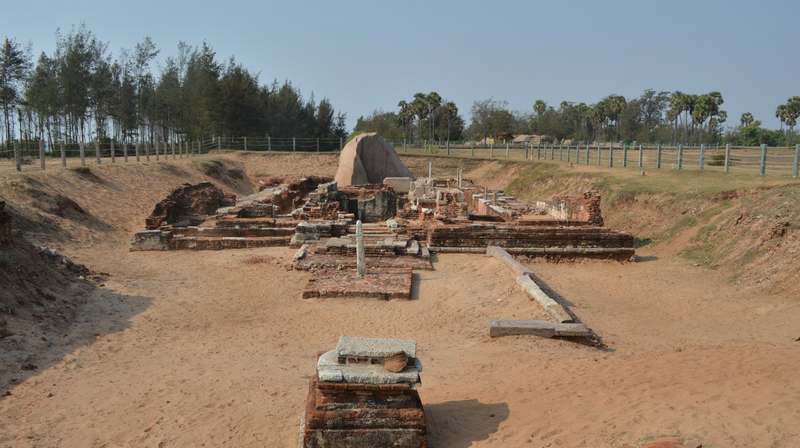
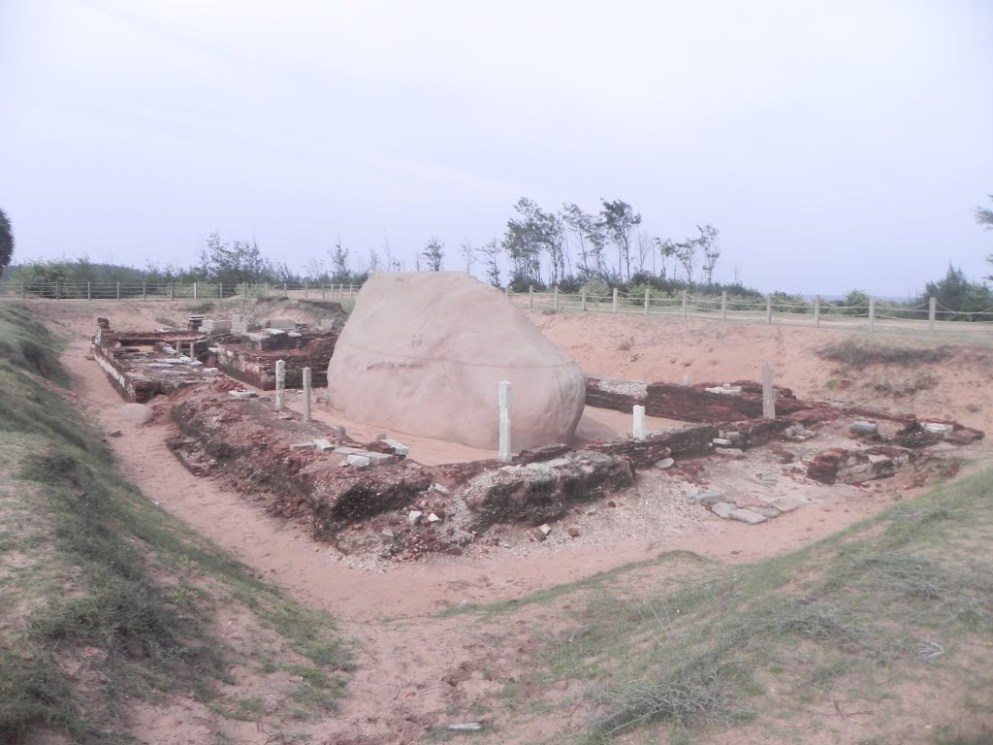
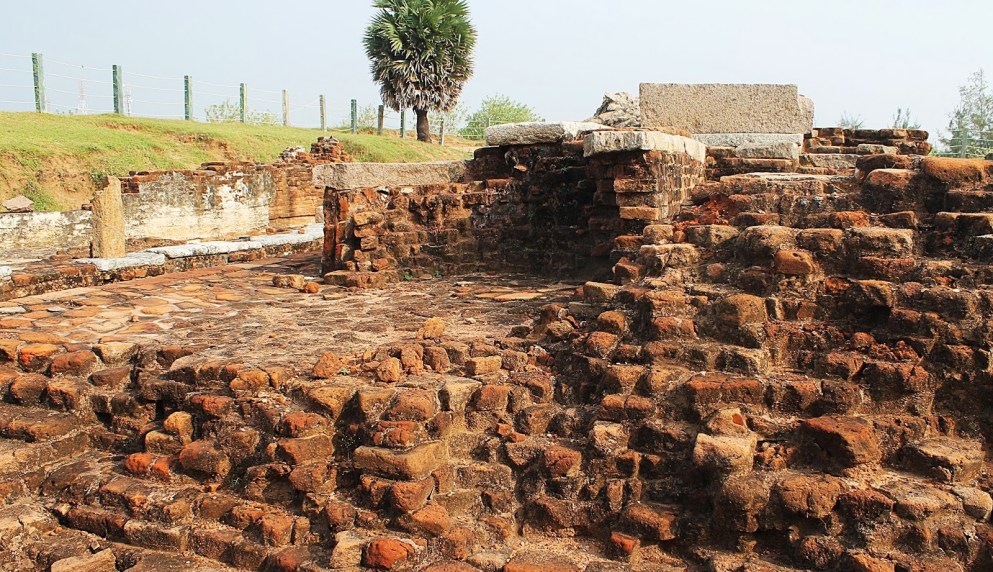
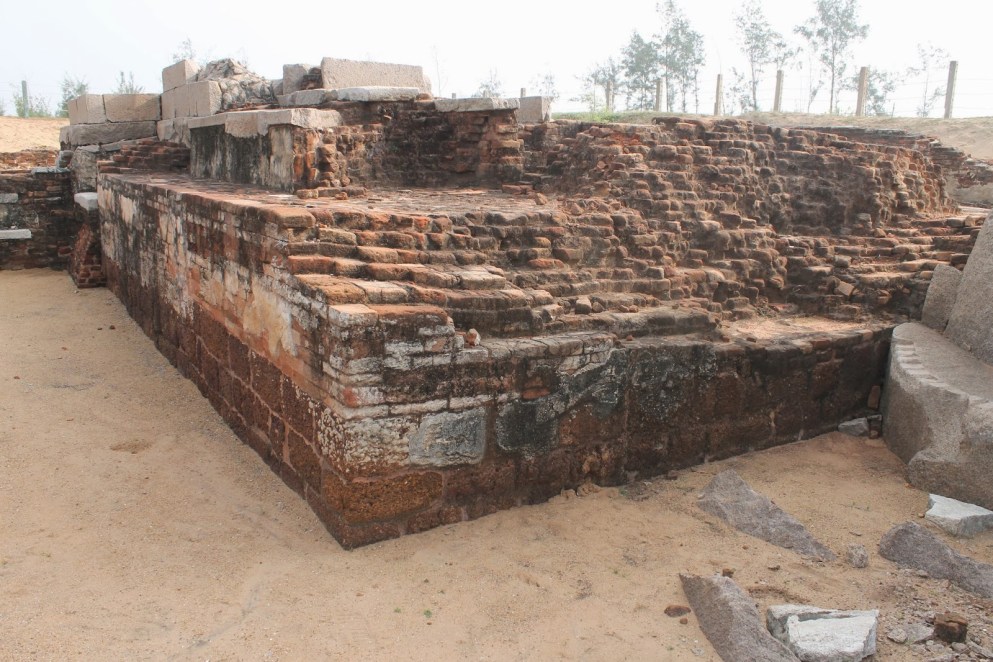
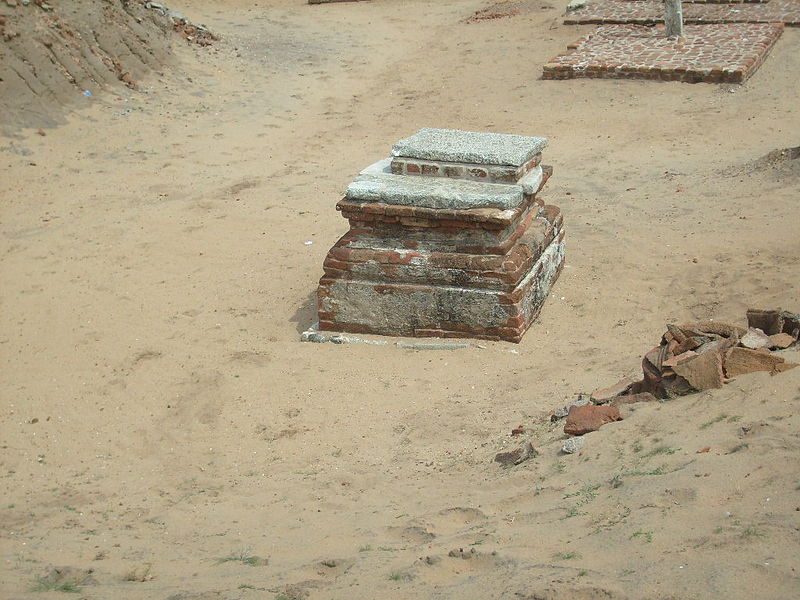
The Subramanya Temple at SaluvankuppamTamil Nadu, is a shrine dedicated to the Hindu deity Murugan. Archaeologists believe that the shrine, unearthed in 2005, consists of two layers: a brick temple constructed during the Sangam period (the 3rd century BC to the 3rd century AD) and a granite Pallava temple dating from the 8th century AD and constructed on top of the brick shrine. The Archaeological Survey of India (ASI) team which conducted the excavation believes that brick temple could be the oldest of its kind to be discovered in Tamil Nadu. However, noted Indian archaeologist R. Nagaswamy is critical of this claim owing to lack of references to the shrine in the popular literature of the period.

The temple was discovered by a team of archaeologists from the ASI based on clues found in a rock inscription left exposed by the 2004 Indian Ocean tsunami. Initially, excavations revealed an 8th-century Pallava-era shrine. Further excavations revealed that the 8th-century shrine had been built on the brick foundation of an earlier shrine. The brick shrine has been dated to the Sangam period.
The temple faces north, unlike most Hindu temples. Artifacts from two phases, the Sangam phase as well as the Pallava phase, have been found. The temple is Tamil Nadu’s oldest shrine to Murugan. It is also believed to be one of only two pre-Pallava temples to be discovered in the state, the other being the Veetrirundha Perumal Temple at Veppathur.
Discovery
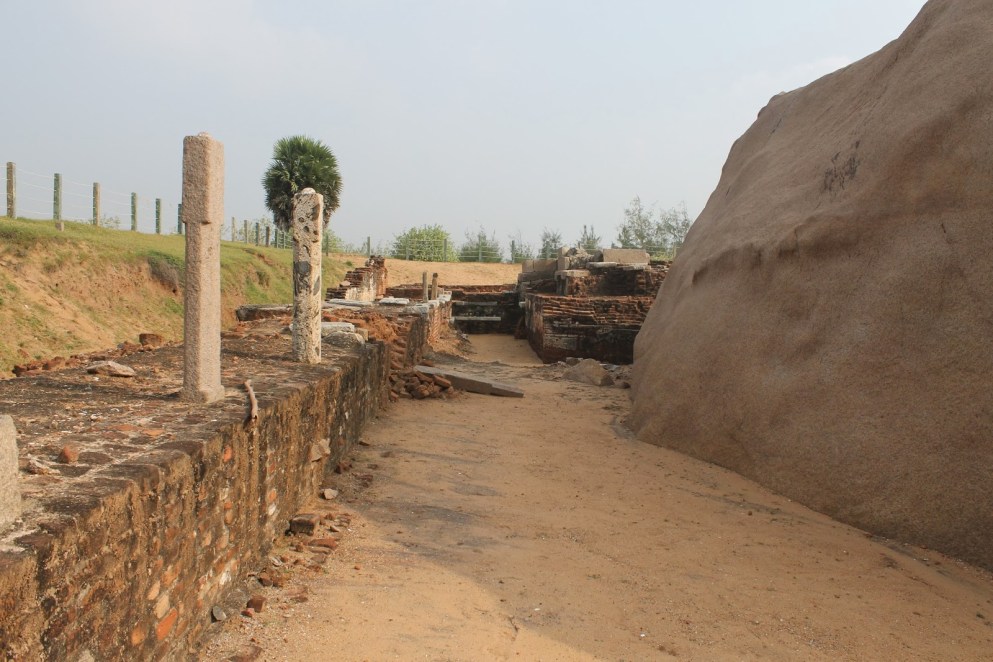
After the 2004 Indian Ocean tsunami had subsided, archaeologists discovered rock inscriptions which had been exposed by the tsunami waves close to the hamlet of Saluvankuppam, near the UNESCO-designated World Heritage Site of Mahabalipuram. The inscriptions by the Rashtrakuta king Krishna III and the Chola kings Parantaka I and Kulothunga Chola I spoke of a Subramanya Temple at Thiruvizhchil (the present day Saluvankuppam). S. Rajavelu, epigraphist with the Archaeological Survey of India (ASI), identified a nearby mound as the site of the temple. In 2005, archaeologists unearthed an 8th-century Pallava temple under the mound. G. Thirumoorthy, ASI Assistant Archaeologist, believed that the shrine could be the oldest Subramanya temple to be excavated in Tamil Nadu. There were speculations on whether the temple could be one of the “Seven Pagodas“.

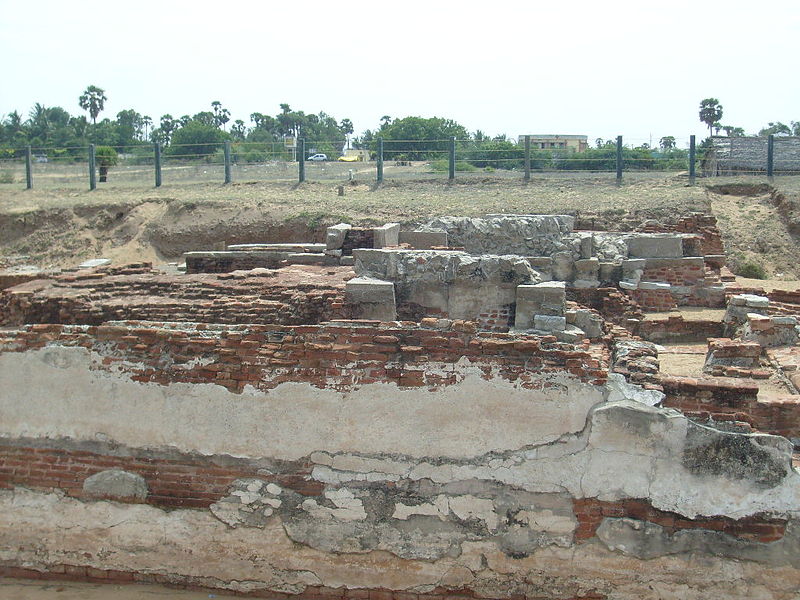
However, further excavations revealed that the 8th-century temple was constructed over the remains of an older brick temple. According to Thirumoorthy, the garbhagriha or sanctum Sanctorum of the brick temple was filled with sand and covered with granite slabs upon which the newer temple was constructed. Sathyamurthy, Superintendent, ASI Chennai Circle, said that the brick temple could be dated to the Sangam period as the shrine faced north unlike modern temples which face either east or west. This proved conclusively that the temple was constructed before the 6th or 7th century AD when the shilpa shastras, the canonical texts of temple architecture, were written. It has been estimated that the age of the brick shrine range from 1700 to 2200 years.
Archaeologists believe that the brick shrine was destroyed either by a cyclone or a tsunami which took place 2,200 years ago. The Pallavas built a granite temple on the brick foundation in the 8th century AD, which also was likely to have been destroyed by a tsunami. Archaeologists believe that the second tsunami must have occurred in the 13th century AD as the latest inscriptions which speak of the shrine have been dated to 1215.
The remains of a brick temple, dating back to the late Tamil Sangam period [circa 1st century B.C. to 2nd century A.D.], have been discovered on the seafront near the Tiger Cave at Saluvankuppam, a few km ahead of the world-famous Mamallapuram monuments.
“The brick temple is the most ancient temple discovered so far in Tamil Nadu. There is no doubt that it is about 2,000 years old,” said T. Sathyamurthy, Superintending Archaeologist, ASI, Chennai Circle. Twenty-seven courses of bricks with a square garbha griha (sanctum sanctorum) that made the Sangam age temple form the center piece of the discovery. The temple is dedicated to Muruga, the presiding deity of “Kurinji” [hill] tracts. The sanctum measures 2 metres by 2.2 metres. The bricks measure 40 cm x 20 cm x 7 cm. They are still sturdy.
The big-sized bricks are typical of the period and are similar to those found at Kaveripoompattinam near Thanjavur; Uraiyur in Tiruchi district — Uraiyur was the capital of the Cholas of the Sangam age; Mangudi near Tirunelveli; and Arikkamedu near Pondicherry.
Dr. Sathyamurthy was sure the brick temple was built before the canonical period because it faced north. “Agama” texts, which came into existence in the sixth or seventh century A.D., and “shilpa shastras”, had prescribed rules for construction of temples including the directions they should face. Normally, temples faced east or west. But this one did not follow “agama” texts and hence looked north. Tsunami or tidal waves that occurred twice had pulled down the entire temple complex. There is telltale evidence of wave action from the excavation. Deposits of shells and debris of the temple have been found on the eastern side of the complex, towards the shoreline. “What is interesting is not the discovery of the brick temple but that we can record stratigraphically the remains of palaeo-tsunami deposits. The impact of the tidal wave is seen on the eastern side of the temple, close to the sea. Such a feature is absent on the western side,” Dr. Sathyamurthy said.
G. Thirumoorthy, Assistant Archaeologist, ASI, said the temple belonged to two periods: the late Sangam age and the Pallava period. After the brick temple collapsed, the Pallava kings of the 8th and 9th century A.D., built another temple over it, using granite slabs. This temple too collapsed.
Artifacts found at the site include broken stucco figurines, obviously under worship; a painted hand portion with a bangle of a stucco figurine, simple-looking terracotta lamps, beads, roofing tiles made of terracotta, spinning whorls, a broken animal terracotta figurine and hop-scotches. A “prakara” (compound) wall of the same period has been excavated.
Archaeologists’ conclusions are:
From the evidences like temple orientation, brick size and artifacts collected from this site, the ASI team concluded that this structure immediately antedates the Pallavas. They are also of the opinion that this one is the earliest brick temple in Tamil Nadu identified as of now. Further to this they also infer that no other temple of such nature is reported from south India.
Presence two evidences granite spear and the plaque depicting women dancing ‘Kuravai Koothu’ allow the ASI experts to conclude this one as Lord Subramanya temple.
The Reach foundation, Chennai conducted carbon – 14 dating on the paleo-tsunami evidences (sea shells and other debris) proved that they got deposited in different periods between 405 A.D. and 564 A.D. and between 1019 A.D. and 1161 A.D.
According to T.Sathyamurthy, Superintendent, ASI Chennai Circle, (now Reach foundation trustee) conclude that the shrine belongs to Sangam period since it faces northwards. The modern temples built according to Shilpa Shastras (written between 6th or 7th century A.D.) are facing either east or west. This fact encouraged him to conclude that the temple was constructed before the 6th or 7th century A.D. He also estimated the age of the brick shrine ranging between 1700 and 2200 years.
However, noted Indian archaeologist R. Nagaswamy is critical of this claim due to lack of references to the shrine in the popular literature of the period.
Historical background
Although the city of Mahabalipuram was constructed by the Pallava king Narasimhavarman I in the 7th century AD, there is evidence that a small port might have functioned at the site even earlier. Megalithic burial urns dating to the very dawn of the Christian era have been discovered near Mahabalipuram. The Sangam age poem Perumpānattuppadai describes a port called Nirppeyyaru which some scholars identify with the present-day Mahabalipuram. Sadras near Mahabalipuram has been identified as the site of the port of Sopatma mentioned in the Periplus of the Erythraean Sea.
Inscriptions
Number of rock inscriptions is found near the shrine. The specific three granite pillars, which lead for the discovery of the shrine, bears inscriptions of grants offered to this shrine (Ref. 1-3). Later five more inscriptions discovered (Ref. 4-8). Now three more inscriptions identified Ref. (9-11).
Ø Kirarpiriyan of Mamallapuram made grants of ten ‘kazhanjus’ (small sized gold balls) First pillar inscription
Ø Vasanthanar, a Brahmin woman offered a grant of 16 kazhanjus Second pillar inscription which can be dated back to 813 A.D.
Ø Raja Raja Chola I (985–1014 A.D.) Third pillar inscription is about the grant
Ø Pallava king Dantivarman (795 to 846 A.D.) Fourth pillar inscriptions which can be dated back to 813 A.D.
Ø Pallava kings Nandivarman III (846 to 869 A.D.) Fifth pillar inscriptions which can be dated back to 858 A.D.
Ø Pallava kings Kambavarman (9th century A.D) sixth pillar inscriptions
7. Krishna III (939-68 A.D) Rashtrakuta king Seventh pillar inscriptions which can be dated back to 976 AD,
Ø Pallava king Kambavarman (9th century A.D) Eighth  pillar inscriptions
Ø Krishna III (939-68 A.D) Rashtrakuta king Ninth pillar which can be dated back to 971 A.D.   in his 21st regnal year
Ø Rajendra III Chola (1216–1256 A.D) Tenth pillar inscriptions
Ø Kulothunga Chola III (1178–1218 A.D.) which can be dated back to 1215 A.D.
All the inscriptions in ancient Tamil script record about the donations of land and gold for the maintenance of the Subramanya temple at Thiruvizhchil and it continuously received grants. All these inscriptions mention the village as Thiruvizhchil.
Architecture
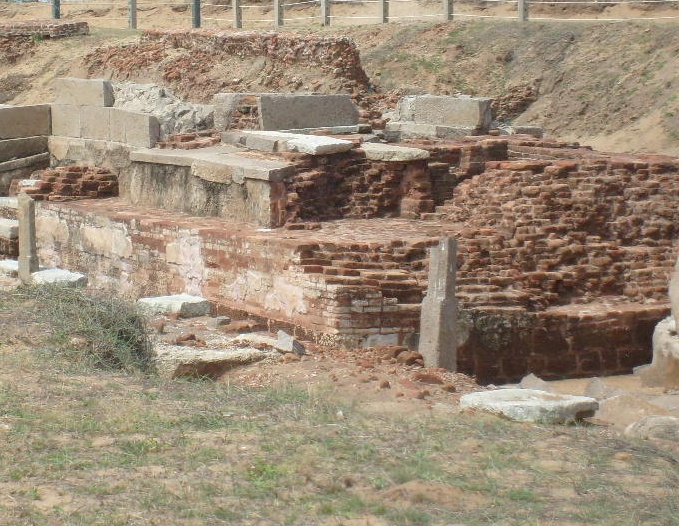
While the thin, tabular bricks at the top were laid by the Pallavas, the larger bricks underneath date from the Sangam period
The temple is dedicated to the Hindu deity Murugan and faces north. The garbhagriha or sanctum sanctorum is 2 metres long and 2.2 metres wide and is made of 27 courses of bricks. The bricks used are similar to the ones used in other Sangam age sites such as PuharUraiyur, Mangudi and Arikkamedu.
A stone Vel is positioned at the entrance of the shrine. During the excavations, a terracotta plaque depicting a Kuravai Koothu, a dance which is mentioned in the 1st century AD Tamil epic Silappadikaram, was discovered. Sathyamurthy feels that there may not have been any idol in the square garbhagriha as it is too small to house one. The temple is surrounded by a prakara or a compound wall dating from the Sangam period. According to Thirumoorthy, the shrine is “the biggest brick temple complex dating to the pre-Pallava period”.
The temple is built on a cushion of alluvium on which a layer of man-made bricks were laid. On top of this were another four layers of man-made bricks separated by four layers of laterite. There were two types of bricks used: large-sized laterite bricks of the Sangam period and thin, tabular bricks of a later age. The bricks were plastered together with lime.
Artifacts unearthed
A terracotta Nandi (the bull of the god Shiva – father of Murugan), head of a woman, terracotta lamps, potsherds and a shivalinga (aniconic symbol of Shiva) made of green stone are some of the important artifacts found at the site. The Nandi is the first one made of terracotta to be found. While most of the items unearthed belong to the Sangam period, artifacts of a later period including a Chola copper coin have also been found.

Meet Rupa Devi – the Woman Selected by FIFA to Officiate International Matches…..

Rupa Devi, a 26-year-old woman from Dindigul, Tamil Nadu, has been selected by the Fédération Internationale de Football Association (FIFA) to officiate international matches.

According to reports, she is the first woman referee from Tamil Nadu to be selected by FIFA.

rupa_f

Photo Credit: (L) YouTube, (R) Flickr

Rupa started playing football when she was a student of Class 6 at St. Joseph’s Girl’s School in Dindigul. Her love for the game continued to grow and she started playing at the sub-junior level in her school very soon. She also started participating in district level football tournaments and became a part of the Dindigul Football Federation in 2006. The federation helped her participate in many national matches and also sponsored her education. She continued to play when she went to GTN college in Dindigul for her BSc degree, and then to Annamalai University in Chidambaram for a BEd in Physical Education. She currently works as a physical training school teacher in Dindigul.

“As a child, I used to stand on the sides of the ground where the game was played and kick the ball, whenever it came to me,” she told The Times of India.

According to a report in The News Minute, Rupa lost her parents in 2010 and 2011. She supported herself through the matches she went to play. But during the same period, there were no matches for women at the national level for two years. This was when senior referees advised that she should become a referee. She joined the referee development school in 2012.

She has been a referee for many matches since then. She was chosen as a referee for Asian Football Confederation (AFC) in 2013, for the under-14 football festival held in Doha. She was the only Indian selected as part of the Asian body’s ‘Future referees’ project at that time.

Three years after beginning to officiate matches and giving the FIFA examination, she qualified as an international referee.

Source……Tanaya Singh in http://www.the betterindia.com

Natarajan
” உன்னால் முடியும்” : உணவு தேடலில் உருவான தொழில் வாய்ப்பு ….

படித்து முடித்ததும் வேலை தேடி சென்னை வரும் ஆயிரக்கணக்கான இளைஞர்களில் ஒருவராக சென்னை வந்தவர் வினோத். சொந்த ஊர் திருப் பத்தூர் அருகில் உள்ள கிராமம். படித்தது எம்டெக் பயோ டெக்னாலஜி. வீட்டு உணவு சாப்பிட்டே பழகியவருக்கு, தங்குமிடத்துக்கு அருகில் உள்ள ஓட்டல் உணவு சரி யில்லாததால் பல அவஸ்தைகள். அதன் பிறகு யோசித்ததுதான் வீட்டில் சமைக்கும் உணவுகளை தேவைப்படுபவர்களுக்கு ஒருங்கிணைக்கும் இணையதளம்.

ஒரு வருட திட்டமிடலுக்குப் பிறகு, உணவு சமைத்து தரும் வீடுகளையும், தேவைப்படும் வாடிக்கையாளர்களையும் ஒருங்கிணைத்து வெற்றி பெற்றுள்ளார். வளரும் தொழில்முனைவோரான இவர் தனது அனுபவத்தை இந்த வாரம் பகிர்ந்து கொள்கிறார்.

வேலை தேடி வந்த புதிதில் மேடவாக்கத்தில் தங்கினேன். வீட்டு சாப்பாட்டுக்கு பழகிய எனக்கு அங்கிருந்த ஓட்டல் உணவை சாப்பிட முடியவில்லை. அந்த பகுதியில் சிறிய ஓட்டல்கள்தான் இருந்தன. தரமான பெரிய ஓட்டல்களும் கிடையாது. பெரிய ஓட்டல்கள் இருந்தாலும் சாப்பிடும் வசதி இல்லை.

ஐடி நிறுவனங்களில் பணிபுரியும் பல பேச்சிலர்களும் இந்த ஓட்டல்களில்தான் சாப்பிடுவார்கள். சப்பாத்தி சரியில்லை என்று புகார் செய்தால் நாளைக்கு சரி பண்ணிடுறோம் தம்பி என்று அனுப்பி விடுவார்கள், அடுத்த நாளும் அதே போல் இருக்கும். திரும்ப புகார் செய் தால் இஷ்டம் இருந்தால் சாப்பிடுங்கள் என்று முகத்தில் அடித்ததுபோல பதில் வரும். இவர்களை விட்டால் வேறு வழியும் இல்லை. சொந்தமாக சமைத்து சாப்பிடலாம் என்று முயற்சி செய்தால், எல்லோருக்கும் நேரம் ஒத்துழைக்க வில்லை.

தங்கியிருந்த பிளாட்டின் ஐந்து வீடுகளில் நாங்கள் மட்டும்தான் பேச்சிலர்கள். நான்கு குடும்பங்கள் ஆளுக்கு ஒரு நாள் எங்களுக்காக எக்ஸ்ட்ராவாக சமைத்து கொடுத்தால் நிம்மதியாக இருக்கலாம் என அவ்வப்போது நண்பர்களுக்குள் பேசிக்கொள்வோம். ஆனால் இந்த யோசனை சரியான தீர்வாக இருக்கும் என்று எனக்குப் பட்டது.

வீட்டு சாப்பாடு வழங்குகிறோம் என பல உணவகங்கள் ஏற்கெனவே ஆன்லைன் மூலம் ஆர்டர் எடுக்கின்றன. ஆனால் இவர் களும் கிட்டத்தட்ட ஒட்டல் போலவே ஒரு இடத்தில் சமைத்து ஆர்டர்களுக்கு ஏற்ப டெலிவரி செய்கின்றனர்.

ஆனால் எனது திட்டம் வீடுகளில் சமைப்பதையே வாடிக்கையாளர்களுக்கு கொடுப்பது. அதாவது ஒரு வீட்டில் தினசரி ஐந்து சாப்பாடு சமைத்து தர முடியும் என்றால் அதை வாங்கி வாடிக் கையாளர்களுக்குக் கொடுப்பது. பல குடும்பங்கள் இப்படி இணைந்தால் பேச்சிலர்களில் உணவு சிக்கல் தீரும் என்பது எனது எண்ணம். இதற்காக வேலையிலிருந்து விலகி ஒரு வருடம் ஆய்வு, ஆரம்ப வேலைகளில் இறங் கினேன்.

இணையதள உருவாக்கம், மார்க் கெட்டிங், ஒருங்கிணைப்பது போன்ற வேலைகளோடு நிறுவனத்தை பதிவு செய்து கடந்த ஆண்டு பிப்ரவரி மாதம் ப்ரம்எஹோம் இணையதளத்தை அறிமுகப்படுத்தினேன்.

எங்களது இணையதளத்தில் உணவுகளை ஆர்டர் கொடுப்பதற்கு என்று தனியாக உணவு பட்டியலோ, விலையோ கிடையாது. குடும்பத் தலைவிகள் தாங்களால் என்ன சமைக்க முடியும், அதற்கான விலை என்ன என்பதை முன்கூட்டியே பதிவு செய்து விடுவார்கள். வாடிக்கையாளர்கள் அவரது மெனுவை பார்த்து ஆர்டர் செய்து கொள்ளலாம்.

இந்த திட்டத்தில் கேரள குடும்பம் இணைந்தால் கேரள உணவும், பெங்காலி குடும்பம் இணைந்தால் பெங்காலி உணவும் அவர்களது பாரம்பரிய முறைப்படியே கிடைக்கும்.

குடும்பத் தலைவிகள் தாங்கள் சிறப்பு உணவுகள் மூலம் வாடிக்கையாளர்களை தக்க வைத்துக் கொள்ளவும் முடியும்.

உணவு சமைத்து தர விரும்புவோரின் சமையல் திறன், வீடுகளின் கிச்சன், அவர்களது வாழ்க்கைதரம், சமைக்கப் பயன்படுத்தும் தண்ணீர் ஏரியா என ஒவ்வொன்றையும் பார்த்து பார்த்து மேற்கொள்கிறோம். இவர்களுக்கு கிடைக் கும் ஆர்டர்களிலிருந்து கிடைக்கும் கமிஷன் தான் எங்களது வருமானம்.

ஆரம்பத்தில் பேச்சிலர்களை குறி வைத்தே இதை தொடங்கினேன். ஆனால் தற்போது வயதானவர்கள்தான் அதிக வாடிக்கையாளர்களாக இருக்கின் றனர். தற்போது நேரடியாக எட்டு பேர் வேலைபார்க்கிறார்கள்.

சுமார் 15-க்கும் மேற்பட்ட குடும்பத் தலைவிகள் சுயமாக சம்பாதிக்க வைத்துள்ளேன். உணவு சார்ந்த தொழில் என்பதால் மிகுந்த கவனமும் பொறுப்பும் இருப்பதை உணர்கிறேன்.

தவிர நானே தொழில்முனைவோராக இருந்து, குடும்பத்தலைவிகள் பலரும் சுயமாக சம்பாதிக்க பாலமாக இருக்கி றேன் என்கிறபோது பொறுப்பு பல மடங்கு மகிழ்ச்சியை கொடுக்கிறது என்றார். இவருக்கு ஏற்பட்டது உணவு பசி மட்டுமல்ல… அதுக்கு மேலே என்கிறது அனுபவம்.

maheswaran.p@thehindutamil.co.in

Source …….நீரை மகேந்திரன்  in http://www.tamil.thehindu.com

Natarajan

” நிமிடக் கட்டுரை – சென்னையைப் பாதுகாத்த பக்கிங்காம்…”

சென்னையின் கால்வாய்களையும் ஆறுகளையும் இணைத்துச் சமன்படுத்திவந்த பக்கிங்காம் கால்வாய் மட்டும் உயிர்ப் போடு இருந்திருந்தால் சென்னை இன்று நீரில் தத்தளித்திருக்காது.

1801-ல் வெளிவந்த மெட்ராஸ் கெஜட் அறிவிப்பின்படி சென்னையைச் சுற்றியுள்ள ஓடைகளை இணைக்க எண்ணூரிலிருந்து சென்னை வரை ஒரு கால்வாய் கட்டத் திட்டமிடப்பட்டது. பிறகு ஆந்திராவின் காக்கிநாடா பகுதியிலிருந்து தமிழகத்தின் விழுப்புரம் வரை பறந்து விரிந்த மிக நீண்ட கால்வாயாக அது கட்டப்பட்டது. இன்று சென்னையை முட்டித்தள்ளும் ஆறுகளும் ஏரிகளும் அன்று பக்கிங்காம் கால்வாய்க்குக் கட்டுப்பட்டிருந்தன. உதாரணத்துக்கு, கூவத்தையும் அடையாறையும் இணைக்கும் ஆற்று வழிப்பாதை இருந்தது.

கோதாவரி ஆற்றோடும் கிருஷ்ணா நதியோடும் கைகோத்த இந்த பக்கிங்காம் கால்வாயில் 1890-களில் வணிகப்பொருட்களை உற்சாகமாகப் பல படகுகள் சுமந்து சென்றன என்று ‘இந்தியன் பால்ம்’ என்னும் புத்தகத்தில் பால் ஹைலாந்த் குறிப்பிட்டுள்ளார். ஆனால் பின்னாளில் எதிர்பாராத வெள்ளத்தினாலும் வறட்சியினாலும் பக்கிங்காம் கால்வாய் வழி வணிகம் தடைபட்டுப்போனது என்பது தெரியவருகிறது.

இதேபோன்று, சென்னையின் மழை நிலவரம் குறித்து 64 ஆண்டுகள் தொடர்ந்து நடத்தப்பட்ட ஆய்வின் விவரங்களை 1832-ல் வெளியிட்டார் ஆர்தர் காட்டன். இதன்படி சென்னையில் மழை வரத்து சீராக இல்லாமல் ஏற்றம் இறக்கத்தோடு மாறி மாறிப் பொழிவதாகக் குறிப்பிட்டுள்ளார். 1827-ல் 88.41 அங்குலம் வரை சென்னையில் மழை பொழிந்திருக்கிறது. ஆனால் 1831-ல் 44.35 அங்குலமாக அது குறைந்திருக்கிறது. 1832-ல் வெறும் 18.45 அங்குலம் மட்டுமே பொழிந்திருக்கிறது. அடுத்த ஆண்டில் 37.11 அங்குலமாகத் திடீரெனப் பெருகியிருக்கிறது.

இவ்வாறாகச் சென்னையின் மழை நிலவரம் ஏற்ற இறக்கத்தோடு இருப்பதால் இப்பகுதிக்கான நீர் மேலாண்மை கண்ணும் கருத்துமாகத் திட்டமிடப்பட வேண்டும் என தன் அறிக்கையில் சுட்டிக்காட்டியுள்ளார். சென்னையின் நீர் மேலாண்மையில் பக்கிங்காம் கால்வாய் முக்கியப் பங்குவகித்தது என்பதற்கான பதிவுகளும் காணப்படுகின்றன. பழுதடையாமல் இருந்தவரை கொள்திறன் ஒரு நொடிக்கு 5,600 கன அடி நீரைக் கொள்திறனாகக் கொண்டிருந்தது.

ஆனால் சென்னையின் ஏரிகளுக்கும் பிற நீர்நிலைகளுக்கும் இடையிலான தொடர்பு துண்டிக்கப்பட்டவுடன் பக்கிங்காம் கால்வாய்க் கான முக்கியத்துவமும் மறைந்துபோனது. 1900 மே 10-ல் வெளியான

`தி இந்து’ ஆங்கில நாளிதழின் கட்டுரை ஒன்றில் இது துல்லியமாகப் பதிவுசெய்யப்பட்டிருக்கிறது. நீண்ட காலத்துக்குப் பிறகு பக்கிங்காமின் அருமை அறிந்து மீண்டும் காக்கிநாடா முதல் புதுச்சேரி வரை அதன் நீர் படுகையைச் செப்பனிட்டு தேசிய நீர்வழிப் பாதையை அமைக்க 2008-ல் திட்டமிடப்பட்டது. ஆனால் இன்றுவரை இந்தக் கனவுத் திட்டம் மெய்ப்படவில்லை. சென்னையின் இன்றைய அவல நிலையைப் பார்த்த பிறகாவது விடிவு காலம் பிறக்குமா?

– ‘தி பிஸினஸ் லைன்’
தமிழில் சுருக்கமாக: ம. சுசித்ரா

Source….ஜி. நாகா ஸ்ரீதர்….www.tamil.thehindu.com

Natarajan
” ஃபேஸ்புக்கின் ரமணன்: ‘தமிழ்நாடு வெதர்மேன்’ பிரதீப் ஜான்!”

பிரதீப் ஜான்

பிரதீப் ஜான்

தமிழக மக்களுக்கு எப்படி சென்னை வானிலை ஆய்வு மைய இயக்குநர் ரமணன் பிரபலமோ, அதற்கு சற்றும் குறையாமல் சமூக வலைதளங்களில் தமிழக நெட்டிசன்களின் முக்கிய வானிலை முன்னறிவிப்பாளர் பிரதீப் ஜான்!

‘தமிழ்நாடு வெதர்மேன்’ அண்மைக்காலமாக அதிகம் பின்தொடரப்பட்ட ஃபேஸ்புக் பக்கம் இது. இதன் சொந்தக்காரரான வானிலை ஆர்வலர் பிரதீப் ஜான். மழைப்பொழிவின் மீது தனக்கு ஏற்பட்ட தீரா ஆர்வத்தை விவரிக்கிறார்.

மழையை மட்டுமே பார்த்த நம்மில் பலரும் அதி கனமழை, பெருமழை போன்றவற்றை சந்தித்துவிட்டோம். ‘எல் நினோ’ என்றால் என்னவென்று கூகுள் தேடலை தொடங்கிவிட்டோம். செய்தி சேனல்களில் கடைசியாக சொல்லப்பட்ட வானிலை முன்னறிவிப்பு பிரைம் டைம் ஸ்டோரியாகிவிட்டது. செய்தித்தாளில் உள்பக்கத்தில் கட்டம் கட்டி வைக்கப்பட்டிருந்த வானிலை நிலவரம் பேனர் செய்தியாகிவிட்டது. பெருமழை பெரிய மாற்றங்களை செய்துவிட்டுச் சென்றிருக்கிறது.

இந்நிலையில், சென்னையை பெருமழை புரட்டிப்போட்ட காலகட்டத்தில் தொடர்ந்து வானிலை அறிவிப்புகளை பகிர்ந்து வெளிநாட்டு ஊடகங்கள் சில ஏற்படுத்திய பீதியை நீக்கி அசராமல் பணியாற்றிக் கொண்டிருந்தார் பிரதீப் ஜான்.

யார் அந்த பிரதீப் ஜான், இளம் வயதில் கவிதைக்கு மட்டுமே அதிகம் பயன்படுத்தும் மழையை எப்படி இவர் வேறு கோணத்தில் பார்க்கத் துவங்கினார்?

1996 ஜூன் மாதம். பிரதீப் ஜானின் வாழ்க்கையை மாற்றியது வானிலை மாற்றம். தொடர்ச்சியாக மூன்று நாட்களில் சென்னையில் 700 மி.மீ மழை பெய்திருந்தது. சாலைகளில் வெள்ளம் பாய்ந்தது. மின்சாரம் துண்டிக்கப்பட்டது. மக்கள் வீடுகளில் முடங்கிப்போயினர். நகரமே முடங்கியது.

இவையெல்லாம் நடந்தபோது பிரதீப் ஜானுக்கு வயது 14. மழையின் காரணமாக பிரதீப்பை வீட்டை விட்டே வெளியேறக்கூடாது என முடக்கினர் பெற்றோர். வெற்று சிந்தனையை விரட்ட பால்கனியில் தஞ்சம் புகுந்தார் பிரதீப். அந்த நொடியில் இருந்து அடுத்த 36 மணி நேரத்தை அங்கேயே செலவழித்தார்.

அந்த அனுபவத்தை விவரித்த பிரதீப் (33), “அந்த 36 மணி நேரமும் மழை என்னை முற்றிலுமாக ஆட்கொண்டிருந்தது. மழை கம்பிகள் தற்காலிக குட்டைகளை நிமிடத்துக்கு நிமிடம் பெரியதாக்கிக் கொண்டிருந்தன. என்னால் மழைப்பொழிவின் தாக்கத்தை புரிந்து கொள்ள முடிந்தது. அந்த அனுபவம் இளைப்பாறுதல் தருவதாகவும் அழகியல் சார்ந்ததாகவும் இருந்தது” என்றார்.

தற்செயலாக ஏற்பட்ட அந்த அனுபவத்துக்குப் பின்னர் மழைப்பொழிவை பதிவு செய்வதை பிரதீப் சிரத்தையுடன் செய்யத் தொடங்கினார். அகும்பே, ஹல்லிகல், சிரபுஞ்சி, குட்டியாடி, சின்ன கல்லார், தலக்காவிரி மற்றும் பிற இடங்களில் பிரதீப் மழைப் பொழிவை பதிவு செய்து கண்காணித்து வருகிறார். நாடு முழுவதும் எப்போது எந்தப் பகுதியில் பெருமழை பெய்தது என்றால் கணிணியை சொடுக்காமல் கண் இமைக்கும் நேரத்தில் தன் ஞாபக சக்தியை தட்டிவிட்டுச் சொல்கிறார்.

இந்தியன் வெதர் மேன், வேகரீஸ் ஆஃப் வெதர், கீ வெதர் போன்ற பல்வேறு வானிலை முன்னறிவிப்பு இணையதளங்களுக்கு இவரது பங்களிப்பு குறிப்பிடத்தக்கது.

“வானிலையை கணிப்பது நேர விரயம், மிகவும் கடினமானது. இதை ஏன் செய்கிறாய் எனப் பலரும் என்னிடம் கேட்டுள்ளனர். ஆனால் என்னைப் பொறுத்தவரை வானிலையை கணிப்பது வெறும் பொழுதுபோக்கு மட்டுமல்ல, அது என்னுடைய பேரார்வம்” என்கிறார் பிரதீப்.

ஆர்குட்டின் தீவிர விசிறியாக இருந்த பிரதீப் 2012-ல் தான் ஃபேஸ்புக்கில் தனக்கென ஒரு பக்கத்தை உருவாக்கினார். ‘தமிழ்நாடுவெதர்மேன்’ (Tamilnaduweatherman) என்ற அந்த பக்கத்துக்கு இந்த ஆண்டுக்கான வடகிழக்கு பருவமழை தொடங்குவதற்கு முன்னர் வெறும் 1000 லைக்குகள் மட்டுமே இருந்தது. ஆனால், நவம்பர் மழை மக்களை வானிலை முன்னறிவிப்புகளை தேடி அலையவிட்டதில் அவரது ஃபேஸ்புக் பக்கத்துக்கு 64,000 லைக்குகள் கிடைக்கச் செய்துள்ளது.

இதில் குறிப்பிட வேண்டியது என்னவென்றால் அண்மையில் சென்னை வானிலை தொடர்பாக இவர் பதிந்த நிலைத்தகவல் 2 லட்சம் பேரைச் சென்றடைந்துள்ளது. சாலைகளில் மழை வெள்ளம் கரை புரள அவரது ஃபேஸ்புக் இன்பாக்ஸில் குறுஞ்செய்திகள் வெள்ளம் புகுந்தது. “என் வீட்டில் நான் இருக்கலாமா? இப்போது திருமணத்தை நடத்தலாமா? என் கணவர் வேலைக்குச் செல்லலாமா? என பல்வேறு கேள்விகள் அவருக்கு வந்தன.

பெருமழையினால் சென்னை தத்தளித்த நாட்களில் எல்லாம் பிரதீப் தூக்கம் தொலைத்து வானிலையை கண்காணித்துக் கொண்டிருந்திருக்கிறார். கனமழை எச்சரிக்கைகளை மக்களிடம் கொண்டு சேர்க்க மெனக்கெட்டுக் கொண்டிருந்தார். என்னதான் தொலைக்காட்சிகளில் வானிலை முன்னறிவிப்புகள் வந்து கொண்டிருந்தாலும் ‘தமிழ்நாடுவெதர்மேன்’ ஃபேஸ்புக் பக்கத்தை நாடுவோர் குறையவில்லை. சென்னையில் ஆயிரக் கணக்கில் வானிலை வலைப்பதிவர்கள் இருந்தாலும் பிரதீப்பின் கணிப்பு தனித்துவத்துடன் பளிச்சிட்டது. அதற்கான காரணத்தை பிரதீப் கூறும்போது, “வானிலை முன்னறிவிப்புகளில் நான் தொழில்நுட்ப வார்த்தைகளை புகுத்துவது இல்லை. மக்களுக்கான தேவை எவ்வளவு மழை பெய்யும், அதனால் வெள்ளம் ஏற்படுமா என்பது மட்டுமே. அவர்களுக்கு தொழில்நுட்பம் சார்ந்த வார்த்தை ஜாலங்களில் அக்கறை இல்லை என்பதை புரிந்து கொண்டேன்” என்றார்.

சென்னை தத்தளித்த வேளையில் துல்லிய கணிப்பை தர துடித்துக் கொண்டிருந்த பிரதீப்புக்கு சவாலாக இருந்தது கருமேகம் அல்ல சில ஜோதிடர்களின் ஆதாரமற்ற கணிப்புகளும், சமூக வலைதளங்களில் பரப்பிவிடப்பட்ட பஞ்சாங்க கணிப்புகளுமே. அந்த பீதியிலிருந்து மக்களை வெளிக்கொணரும் சமூக பொறுப்பு பிரதீப்புக்கு இருந்துள்ளது.

அந்த பொறுப்பைப் பற்றி பிரதீப் விவரிக்கும்போது, “வானிலை முன்னறிவிப்புகளை தரும் சிலர் சிஎஃப்எஸ் என்று சொல்லப்படும் கிளைமேட் ஃபோர்காஸ்ட் சிஸ்டம் என்ற நீண்ட நாட்களுக்கான தரவுகள் அடிப்படையில் கணிப்புகளை வெளியிடுகின்றனர். அதன் அடிப்படையில் அடுத்த மாதம் மழை பெய்யும் என்ற கணிப்புகளைக் கூறுகின்றனர். ஆனால், அவை துல்லியமானது அல்ல. ஏனெனில் வானிலை என்பது அன்றாடம் உருமாறும் தன்மை கொண்ட நிகழ்வு.

வானிலை ஆய்வு மையமும் முன்னறிவிப்புகளை குறிப்பிட்ட கால இடைவெளியில் வழங்குகின்றன. ஆனால், அவர்கள் இதுவரை ஃபேஸ்புக் பக்கத்தையோ, ட்விட்டர் பக்கத்தையோ பிரத்யேகமாக உருவாக்கவில்லை. எனவே, அண்மையில் பெய்த பெருமழை குறித்த தகவல்களைப் பெற மக்கள் இணையத்தை நாடினர். இந்த தருணத்தில்தான் வானிலை வலைப்பதிவர்கள் மக்களுக்கு அருமருந்தாகிவிட்டனர். மக்களுடன் இடைவிடாத தொடர்பை ஏற்படுத்திக் கொண்டதால் என்னைப் போன்ற வானிலை ஆர்வலர்கள் மீது மக்கள் அதீத நம்பிக்கை கொண்டனர். மக்களின் நம்பிக்கை என்னை நெகிழ வைத்துள்ளது. இப்போது எனக்கான பொறுப்பும் கூடியிருக்கிறது” என்றார்.

டிசம்பர் 1, 2 வெள்ளம் ஏற்படுத்திய தாக்கத்திலிருந்து மக்கள் மீள்வதற்கு முன்னதாக பிபிசி வெதர் மற்றுமொரு எச்சரிக்கையைப் பதிவு செய்தது. ஏற்கெனவே பிபிசி கணித்த 50 செ.மீ மழையளவில் கிட்டத்தட்ட 49.4 செ.மீ மழை தாம்பரத்தில் பதிவானதால் பிபிசி கணிப்பை புறக்கணிக்க முடியாத நிலை ஏற்பட்டது. மூட்டை முடிச்சுகளைக் கட்டிக் கொண்டு சிலர் வீடுகளை காலி செய்யத் தொடங்கினர். செய்வதறியாது பலர் திகைத்து நின்றனர். அந்த வேளையில்தான் பிரதீப் பிபிசி கணிப்பு தவறு என்று விளக்கத்துடன் தனது ஃபேஸ்புக் பக்கத்தில் ஒரு நிலைத்தகவலை பதிவு செய்தார். அவர் சொன்னபடியே வறண்ட வானிலை தொடர்வதால் அவரது கணிப்பின் மீதான நம்பகத்தன்மை மேலும் அதிகரித்துள்ளது.

“பிபிசி-க்கு வானிலையை கணித்துச் சொன்னவர் என்னைப் போல் ஒருவரே. நாம் எதைப் பார்க்கிறோமோ அதையே அவர்களும் பார்க்கின்றனர். முன்னறிவிப்பை வெளியிடுவதற்கு முன்னர் சற்று பொறுமை காக்க வேண்டியது அவசியம் என அவர்கள் தெரிந்திருக்கவில்லை. மேலும், இத்தகைய முன்னறிவிப்பு பாதிக்கப்பட்ட மக்களை உளவியல் ரீதியாக எவ்வித உளைச்சலுக்கு ஆளாக்கும் என்பதையும் அவர்கள் உணர்ந்திருக்கவில்லை. உள்ளூர் வானிலை நிலவரத்தை நன்கு அறிந்திருந்த என்னைப் போன்ற வானிலை ஆர்வலர்கள் யாரும் பீதியடையவில்லை. எங்களுக்குத் தெரிந்திருந்தது சென்னையில் இனி கனமழைக்கு வாய்ப்பில்லை என்பது” என பிரதீப் அவரது ஃபேஸ்புக்கில் பதிர்ந்திருந்தார்.

வானிலை மீது காதல் கொண்ட பிரதீப் படித்தது என்னவோ கணினி அறிவியல். ஏன் என்று வினவினால் பெற்றோர் நிர்பந்தம் என்கிறார். பின்னாளில் பங்குச் சந்தை மீது ஏற்பட்ட ஈர்ப்பால் சென்னை பல்கலைக்கழகத்தில் எம்பிஏ பயின்றிருக்கிறார். தற்போது தமிழ்நாடு நகர்ப்புற கட்டமைப்பு நிதியத்தில் (Tamil Nadu Urban Infrastructure Financial Services Limited) இணை மேலாளராக பணியாற்றி வருகிறார். அவரது இந்தப் பணி வானிலையை கணிப்பதில் கூடுதல் புரிதலை ஏற்படுத்தியிருக்கிறது. இருந்தாலும் அவரது மனதில் நிறைந்திருப்பது வானிலை ஆர்வம் மட்டுமே. அப்படி என்றால் நீங்கள் ஏன் வானிலை மையத்தில் பணி புரியவில்லை என்ற கேள்விக்கு, “நான் அதற்கான பட்டப்படிப்பை படிக்கவில்லை. அதுமட்டுமல்லாது அங்கு பணியில் சேர்ந்தால் எனது கருத்துகளை சுதந்திரமாக தெரிவிக்க வாய்ப்பிருந்திருக்காது” என்றார்.

“நான் காலை படுக்கையில் இருந்து எழுந்தவுடன் சரி பார்க்கும் முதல் விஷயம் வானிலை. நான் கண் அயர்வதற்கு முன் கடைசியாக அப்டேட் செய்யும் விஷயமும் வானிலையே” என்கிறார் புயலை பின்தொடரும் வானிலை ஆர்வலர் பிரதீப் ஜான்.

அவரது வானிலை பேரார்வத்தின் வெளிப்பாடாக சென்னையில் கடந்த 2010-ல் லைலா புயல் நிலை கொண்ட போது இரண்டு நாள் விடுப்பு எடுத்துக் கொண்டு தனது வலைப்பதிவை அப்டேட் செய்திருக்கிறார். வங்கக் கடலில் ஏதாவது புயல் நிலைகொண்டால் அவரது கண்களில் தூக்கம் இமை கடந்து விடுகிறது.

“வானிலை முன்னறிவிப்புகளை அப்டேட் செய்வதற்காக அன்றாடம் அலுவலகத்துக்கு கால தாமதாக சென்ற நாட்களும் உண்டு. ஆனால், இப்போதெல்லாம் என் மகனை பள்ளியில் விட வேண்டியிருப்பதால் காலை நேரத்தில் வானிலையுடன் உறவாடும் நேரம் குறைந்துவிட்டது. இரவிலும் அப்படித்தான் என் மனைவி திட்டினால் லேப்டாப்பை மூடி வைத்துவிட்ட வேறு வேலை செய்வது போல் சால்ஜாப்பு செய்துவிட்டு பின்னர் அவர் தூங்கியவுடன் மீண்டும் வானிலையை கவனிப்பேன்” என புன்னகை பூக்கிறார் பிரதீப் ஜான்.

தமிழ்நாடு வெதர்மேனின் அதிகாரபூர்வ ஃபேஸ்புக் பக்கம் – https://www.facebook.com/tamilnaduweatherman

-தமிழில்: பாரதி ஆனந்த்

Source…. ரவீனா ஜோசப்..in http://www.tamil.thehindu.com

Natarajan

வெள்ளத்தில் போன புத்தகங்கள் – அரிய புத்தக சேமிப்பாளரின் துயரம்….

வெள்ளத்தில் போன அரிய நூல்கள்

வெள்ளத்தில் போன அரிய நூல்கள்                                                       bbc

சென்னை வளர்ச்சி ஆய்வு நிறுவத்தில் உதவி நூலகராகப் பணியாற்றிவரும் ரெங்கய்யா முருகன், தாம்பரத்தில் உள்ள முடிச்சூர் பகுதியில் வசித்துவருகிறார்.

மானுடவியல் தொடர்பாகவும் தமிழகத்தில் அமைந்துள்ள பிராமணர் அல்லாத மடங்கள் தொடர்பாகவும் 2000க்கும் மேற்பட்ட அரிய புத்தகங்களை தரைத்தளத்தில் அமைந்திருக்கும் தன் வீட்டில் சேமித்துவைத்திருந்தார் ரெங்கைய்யா முருகன்.

நூல்களை இழந்த ரெங்கையா முருகன்

ஏற்கனவே வட இந்தியப் பழங்குடிகளைப் பற்றிய அனுபவங்களின் நிழல் பாதை என்ற புத்தகத்தை எழுதியிருந்த அவர், தன் சேகரிப்பில் உள்ள புத்தகங்களை வைத்து தமிழக மடங்கள் தொடர்பான ஆய்வு நூல் ஒன்றை எழுதவும் திட்டமிட்டிருந்தார்.

ஆனால் டிசம்பர் 2ஆம் தேதி ஏற்பட்ட வெள்ளம் எல்லாவற்றையும் புரட்டிப்போட்டது என்கிறார் ரெங்கய்யா முருகன்.

டிசம்பர் 2ஆம் தேதி காலையில், தெருவில் முழங்கால் அளவுக்கு தண்ணீர் ஓட ஆரம்பித்ததும் தன் வீட்டின் புத்தக அலமாரியில் கீழ் பகுதியில் இருந்த புத்தகங்களை மேல் பகுதிக்கு மாற்றினார். ஆனால், சில மணி நேரங்களிலேயே நீர்மட்டம் இடுப்பளவுக்கு உயரவும் வீட்டை விட்டு வெளியேறினார் அவர்.

வெள்ள நீர் வடிந்த பிறகு வந்து பார்த்தபோது, அவரது பல ஆண்டு சேகரிப்பு தண்ணீரில் ஊறிப்போய் கிடந்தது. பல புத்தகங்களின் பக்கங்கள் ஒன்றோடு ஒன்றாக ஒட்டிக்கிடந்தன.

தற்போது வேறு யாரிடமும் கிடைக்க வாய்ப்பில்லாத பல புத்தகங்கள் தன் சேகரிப்பில் இருந்ததாகக் கூறுகிறார் அவர்.

மடாலயங்கள் பற்றிய புத்தகங்கள்

1998ல் புத்தகங்களைச் சேகரிக்க ஆரம்பித்த அவர், தமிழகத்தில் உள்ள பிராமணரல்லாத மடங்களில் இருந்த புத்தகங்களைத் தேடித் தேடி சேகரித்துவந்தார். நூற்றுக்கணக்கான புத்தகங்களை படியெடுத்தும் வைத்திருந்தார்.

பல மடாதிபதிகளின் வாழ்க்கை வரலாற்று நூல்கள், திராவிட இயக்க சித்தாந்திகளின் வரலாற்று நூல்கள் – இவற்றில் பல 70-80 ஆண்டுகளுக்கு முன்பு பதிப்பிக்கப்பட்டவை – இவரது சேகரிப்பில் குறிப்பிடத்தக்கவை.

டிசம்பர் 3ஆம் தேதி வெள்ளம் வடிந்த பிறகு வீட்டிற்குள் சென்று பார்த்தபோது, அவருடைய அரிய சேகரிப்புகளில் எதுவுமே எஞ்சியிருக்கவில்லை. எல்லாமே தண்ணீரில் ஊறிப் போயிருந்தன. அவற்றைப்பார்த்து நிலைகுலைந்துபோன அவர், வேறு வழியின்றி அவற்றைத் தூக்கியெறிய முடிவுசெய்தார்.

நீரில் ஊறிய புத்தகங்களைத் தெருவில் தூக்கியெறிந்துவிட்டபோது, அவற்றை அகற்றவந்த சுகாதாரத்துறை ஊழியர்கள், தன் முடிவை மறுபரிசீலனை செய்யும்படி சொன்னதாகச் சொல்கிறார் அவர். அக்கம்பக்கத்து வீடுகளில் வசித்தவர்களும் புத்தகங்களை காய வைத்துத் தர முன்வந்ததாகவும் கூறுகிறார் முருகன்.

ஆனால், பல புத்தகங்களின் பக்கங்கள் ஒன்றோடு ஒன்றாக ஓட்டிப்போன நிலையில், புத்தகங்களைக் காப்பாற்றுவது சாத்தியமில்லை என முடிவுசெய்ததாகக் கூறுகிறார் அவர்.

இவ்வளவு அரிய புத்தகங்களை இத்தனை ஆண்டுகளாக வீட்டில் வைத்திருந்தது தவறு என தற்போது வருந்துகிறார் ரெங்கய்யா முருகன். முன்பே அவற்றை டிஜிட்டல் வடிவில் படியெடுத்திருக்க வேண்டும் எனவும் அரிய புத்தகங்களைச் சேகரிப்பவர்களுக்கு அதுவே தன் அறிவுரை என்றும் கூறுகிறார் ரெங்கய்யா முருகன்.

Source…..www.bbc.com

Natarajan