Roads Made of Plastic Waste in India? Yes! Meet the Professor Who Pioneered the Technique….

A Government order in November 2015 has made it mandatory for all road developers in the country to use waste plastic, along with bituminous mixes, for road construction. This is to help overcome the growing problem of plastic waste disposal in India. The technology for this was developed by the ‘Plastic Man’ of India, Prof Rajagopalan Vasudevan, Professor of Chemistry at Thiagarajar College of Engineering, Madurai.

Plastic has slowly became an integral part of all human requirements. Plastic carry bags, packaging material, bottles, cups, and various other items have slowly replaced everything made of other material due to the advantages of plastic. Plastic is durable, easy to produce, lightweight, unbreakable, odourless, and chemical resistant.

But plastic does not decompose. This is its biggest drawback.

Meet the Plastic Man of India

Photo source: http://www.changebhai.in

Plastic garbage is commonly seen around the country and has started causing several problems. Plastic waste clogs drains, causing floods. It chokes animals who eat plastic bags, etc. Plastics found in fields blocks germination and prevent rainwater absorption.

Recycling plastic can be done only 3-4 times and melting the plastic for recycling releases highly toxic fumes.

By the turn of the century, a lot of noise was being made to reduce the use of plastic and control the waste it was generating. It was during this time when, one evening, Prof. Vasudevan saw a doctor on a TV program saying that plastic ‘dissolved’ in water bodies caused pollution.

“This set me thinking. Since plastic is a product of petroleum this theory of the doctor had to be false. There was a lot of serious talk about banning plastics all over the country and finding solutions to the waste plastic strewn all over.  I decided to take up the challenge to experiment with waste plastics and see if I could find a solution,” he says.

Laboratory results of mixing waste plastic with heated bitumen and coating the mixture over stone proved positive. He implemented the use of plastic waste on a road constructed inside the premises of his college in 2002.

“To date, this stretch of road is still going strong,” he says.

In 2006, the Thiagarajar College of Engineering received the patent for this technology.

The plastic waste items that can be used for road construction are various items like plastic carrybags, plastic cups, plastic packaging for potato chips, biscuits, chocolates, etc.

a wish for all plastic bags

Photo source: Thiagarajar College of Engineering

The entire process is very simple. The plastic waste material is first shredded to a particular size using a shredding machine. The aggregate mix is heated at 165°c and transferred to the mixing chamber, and the bitumen is heated to 160°c to result in good binding. It is important to monitor the temperature during heating.

The shredded plastic waste is then added to the aggregate.  It gets coated uniformly over the aggregate within 30 to 60 seconds, giving an oily look. The plastic waste coated aggregate is mixed with hot bitumen and the resulting mix is used for road construction. The road laying temperature is between 110°c to 120°c. The roller used has a capacity of 8 tons.

“The advantages of using waste plastics for road construction are many. The process is easy and does not need any new machinery. For every kilo of stone, 50 gms of bitumen is used and 1/10th of this is plastic waste; this reduces the amount of bitumen being used.  Plastic increases the aggregate impact value and improves the quality of flexible pavements.  Wear and tear of the roads has decreased to a large extent,” explains the proud Plastic Man of India.

This road construction process is extremely eco-friendly, with no toxic gases being released.

A road made of waste plastic

Photo Source: walkabilityasia.org

This process has generated an additional job for rag pickers.

Plastic waste helps increase the strength of the road, reducing road fatigue. These roads have better resistance towards rain water and cold weather. Since a large amount of plastic waste is required for a small stretch of road, the amount of waste plastic strewn around will definitely reduce.

Prof R Vasudevan’s inclination to keep experimenting led to another innovation. He decided to try creating a stone block with plastic coating and, in 2012, ‘plastone’ took birth. A plastone block is made from a mixture of waste plastic and stone. It has been found to withstand more pressure and it resists water percolation. In the professor’s department of chemistry they have made plastone blocks using granite and ceramic waste, along with plastic waste.

Each plastone block consumes 300 plastic carry bags and around six PET bottles.

“It is an easier way of disposing off plastic bottles which are found scattered all over,” points out Dr. Vasudevan.

Almost 10% of  solid waste consists of used materials that can be broken into pieces and used in the making of plastone. Industrial slug can also be used in the process. One of the foremost advantages of plastone is its non-porous nature and the ability to prevent water penetration.

The professor with his best creation, yet!!

Photo Source: http://www.thealternative.in/

Plastone can be used for flooring, especially outdoors. It can be a cheap and strong substitute for cement blocks, which have a tendency to wither away in constant rain. It can be an effective liner for water bodies, especially canals, preventing water seepage. It can also be used to raise compound walls. A coat of emulsion can be provided to make it colourful and attractive.

The college, and the professor in particular, have been receiving many queries from various countries in Europe and the Americas for this technology.

“Swacch Bharat is our first priority,” says the professor. “We will first help India dispose of its waste material by spreading the message about the use of plastic waste in road construction and usage of plastone. Once we have made headway in almost every part of our country, we will share this technology with other countries.”

About the author: Aparna Menon is a freelance writer, writing for various newspapers for the past 10 years. Her main fields of interest are wildlife, heritage and history. A keen traveler, she loves to read and write and does a lot of art work too.
Source……..Aparna Menon in www. the betterindia.com
Natarajan

வானவில் பெண்கள்: “எழுபதுக்குப் பிறகும் சாதிக்கலாம்!”

விளையாட்டுக்கும் வயதுக்கும் சம்பந்தமில்லை என்பதைத் தனது வெற்றிகள் மூலம் நிரூபித்துவருகிறார் எழுபது வயது லட்சுமி லோகநாதன். கோவையைச் சேர்ந்த இவர், சர்வதேச விளையாட்டுப் போட்டிகளில் பங்கேற்று பதக்கங்களைக் குவித்துவருகிறார்.

உள்ளூர் முதல் ஒலிம்பிக் வரை

கோவை ஹோப் காலேஜ் ஸ்ரீநகரில் இருக்கும் லட்சுமியின் வீடு முழுக்க பதக்கங்களும் கோப்பைகளும் நிரம்பிவழிகின்றன. மூத்தோர் தடகளப் போட்டிகளில் ஓட்டப் பந்தயம், உயரம் தாண்டுதல், போல்வால்ட் ஆகிய விளையாட்டுகள் எங்கு நடந்தாலும் அங்கே லட்சுமியைப் பார்க்கலாம். பங்கேற்கும் போட்டிகள் அனைத்திலும் பதக்கங்கள் வெல்வது இவரது சிறப்பு.

கடந்த 2003-ம் ஆண்டு தொடங்கியது இவரது இந்தத் தடகளப் பயணம். கடந்த 13 ஆண்டுகளில் மாவட்டம், மாநிலம், தேசிய மற்றும் சர்வதேசப் போட்டிகளில் பங்கேற்று 83 பதக்கங்களை வசப்படுத்தியுள்ளார். குறிப்பாக, கடந்த 2004 முதல் 2014-ம் ஆண்டுவரை நடந்த ஆறு ஆசிய விளையாட்டுப் போட்டிகளில் பங்கேற்றுத் தொடர்ச்சியாக 16 பதக்கங்களை வென்றுள்ளார். இதில், ஆறு தங்கப் பதக்கங்களும், மூன்று வெள்ளிப் பதக்கங்களும், ஏழு வெண்கலப் பதக்கங்களும் அடங்கும். இதைவிட கூடுதல் சிறப்பாக, 2009-ம் ஆண்டு பின்லாந்தில் நடைபெற்ற உலக மூத்தோர் ஒலிம்பிக் போட்டியில் கழியூன்றித் தாண்டுதல் (போல்வால்ட்) போட்டியில் வெண்கலப் பதக்கம் வென்றுள்ளார்.

பயிற்சிக்காக தினமும் இரண்டு மணி நேரத்தை ஒதுக்கிவிடும் லட்சுமி, இத்தனை வெற்றிக்கும் முக்கியமான காரணம் தனது கணவர் லோகநாதன் என்பதைச் சுட்டிக்காட்டுகிறார்.

துணை நிற்கும் துணை

“கோவை வெள்ளலூர்தான் சொந்த ஊர். திருமணத்தின்போது பி.யு.சி. வரை மட்டுமே படித்திருந்தேன். அது 1965 காலகட்டம். திருமணம் முடிந்ததும் என்னை வீட்டிலேயே முடக்கிவிட எனது கணவர் விரும்பவில்லை. எனக்கு சிறு வயதில் இருந்தே விளையாட்டில் ஆர்வம் இருந்ததை அறிந்துகொண்ட அவர், உடற்கல்வி ஆசிரியர் பயிற்சி வகுப்பில் என்னைச் சேர்த்தார்.

அதை முடித்தவுடன் சில ஆண்டுகளில் அரசு பள்ளியில் உடற்கல்வி ஆசிரியர் பணி கிடைத்தது. பணிக் காலத்தில் தடகளப் போட்டிகள் எதிலும் பங்கு கொள்ளவில்லை. ஆனால், நிறைய விளையாட்டு வீரர்களை உருவாக்கியுள்ளேன்” என்று சொல்லும் லட்சுமி, கடந்த 2001-ம் ஆண்டு விருப்ப ஓய்வில் பணியை விட்டு விலகினார். அதன் பிறகு இரண்டு ஆண்டுகள் வீட்டில் இருந்தார். இவரது கணவர் லோகநாதனும் ஓட்டப் பந்தயம், ஈட்டி எறிதல் ஆகிய போட்டிகளில் ஆர்வம் கொண்டவர்.

“வீட்ல சும்மா இருப்பதற்கு பதிலாக ஏதாவது ஒரு விளையாட்டில் கலந்து கொள், பதக்கம்கூட முக்கியமில்லை என்று சொல்லி என்னை அவர் அழைத்துச் சென்றார். அவருடன் சென்று ஓட்டப் பந்தயத்தில் கலந்துகொண்டு பதக்கங்களை வென்றேன். அதுதான் எனது வாழ்வின் திருப்பு முனையாக அமைந்தது. அந்த போட்டியைத் தொடர்ந்து மாநிலப் போட்டிக்கு தகுதி பெற்றேன். பின்னர், தேசியப் போட்டிகளில் வெற்றி பெற்று முதல் முறையாக 2004-ம் ஆண்டு பாங்காக்கில் நடந்த ஆசிய போட்டிக்குள் நுழைந்தேன்” என்று சொல்கிறார் லட்சுமி லோகநாதன்.

யோகா பயிற்சியில் பெரும்பாலான ஆசனங்களையும் எளிதாகச் செய்யும் இவர், சமையலிலும் கலக்குகிறார். ஆறு ஆண்டுகளாக முயற்சித்து, கடந்த டிசம்பர் மாதம் உடற்கல்வி மற்றும் யோகா பயிற்சி என்ற பாடப்பிரிவில் பி.எச்டி. முடித்துள்ளார். எம்.ஏ., எம்.பி.எட்., பி.எட்., எம்.ஃபில்., பி.எச்டி., என இவரது கல்வித் தகுதி நீள்கிறது. பல்வேறு விஷயங்களில் சிறப்பாகச் செயல்படுவதற்கு நேர மேலாண்மையே கைகொடுக்கிறது என்கிறார் லட்சுமி.

சாதனைகள் சாத்தியமே

இத்தனை உயரத்தை இவர் மிக எளிதில் எட்டிப்பிடித்துவிடவில்லை. மூத்தோர் தடகளப் பிரிவில் 2011-ம் ஆண்டு சண்டீகரில் உயரம் தாண்டுதல் போட்டியில் பங்கேற்றபோது வலது முழங்காலில் எலும்பு முறிவு ஏற்பட்டு, ஓர் ஆண்டுவரை நடக்க முடியாத நிலை ஏற்பட்டது. விளையாட்டுக்கு முழுக்குப் போட்டுவிடுமாறு மருத்துவர்கள் எச்சரித்த பிறகும் தன்னம்பிக்கையைத் தளரவிடவில்லை. கடுமையான போராட்டத்துக்குப் பிறகு அதிலிருந்து மீண்டு வந்தார். சர்வதேசப் போட்டிகளில் கலந்துகொள்ளும்போது ஆகும் செலவுதான் பெரிய இடையூறாக இருக்கிறது என்றும் அவர் குறிப்பிடுகிறார்.

“போக்குவரத்துச் செலவை நாங்கள்தான் சமாளித்துக்கொள்ள வேண்டும். போட்டியில் பதக்கம் வென்றால் மட்டும் அரசு சார்பில் 30 ஆயிரம் ரூபாய் ஊக்கத்தொகை வழங்கப்படும். ஆனால், வெளிநாடுகளுக்குச் சென்றுவிட்டு திரும்பினால் குறைந்தபட்சம் 2 லட்சம்வரை ஆகிறது. இதைவிட, அந்த நாடுகளில் உள்ள சீதோஷ்ண நிலை எங்களை வாட்டி வதைத்துவிடும். பின்லாந்து உலகப் போட்டியில் கலந்து கொண்டபோது அங்கு 6 மாதம் தொடர்ச்சியாக, பகல் மட்டுமே இருந்த காலம்.

அந்த சீதோஷ்ண நிலையை 20 நாட்கள் எதிர்கொள்வதற்கு எனது தள்ளாத வயதில் மிகவும் சிரமப்பட்டேன்” என்று வெளிநாட்டுப் பயணம் சார்ந்த தன் அனுபவங்களைப் பகிர்ந்துகொள்ளும் லட்சுமிக்கு சைவ உணவு கிடைப்பதிலும் சிக்கல் ஏற்பட்டதாம்.

“எத்தனை கஷ்டம் இருந்தாலும் பதக்கம் வெல்கிற அந்த நொடி, அத்தனை துயரங்களையும் மறக்கடித்துவிடுகிறது” என்று கை உயர்த்திப் புன்னகைக்கிறார் லட்சுமி.

Source…..ம. சரவணன் in http://www.tamil.thehindu.com

Natarajan

Subramanya Temple, Saluvankuppam….Ancient Sangam period Murugan temple unearthed !

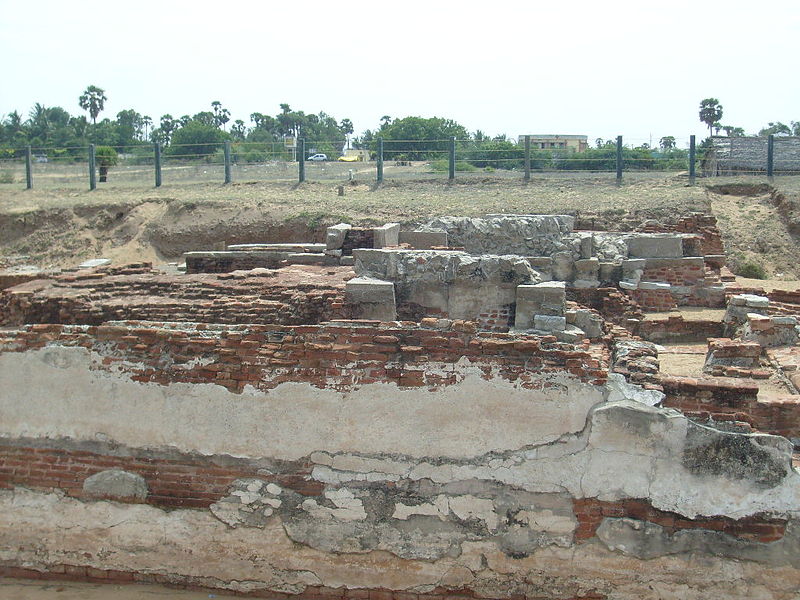
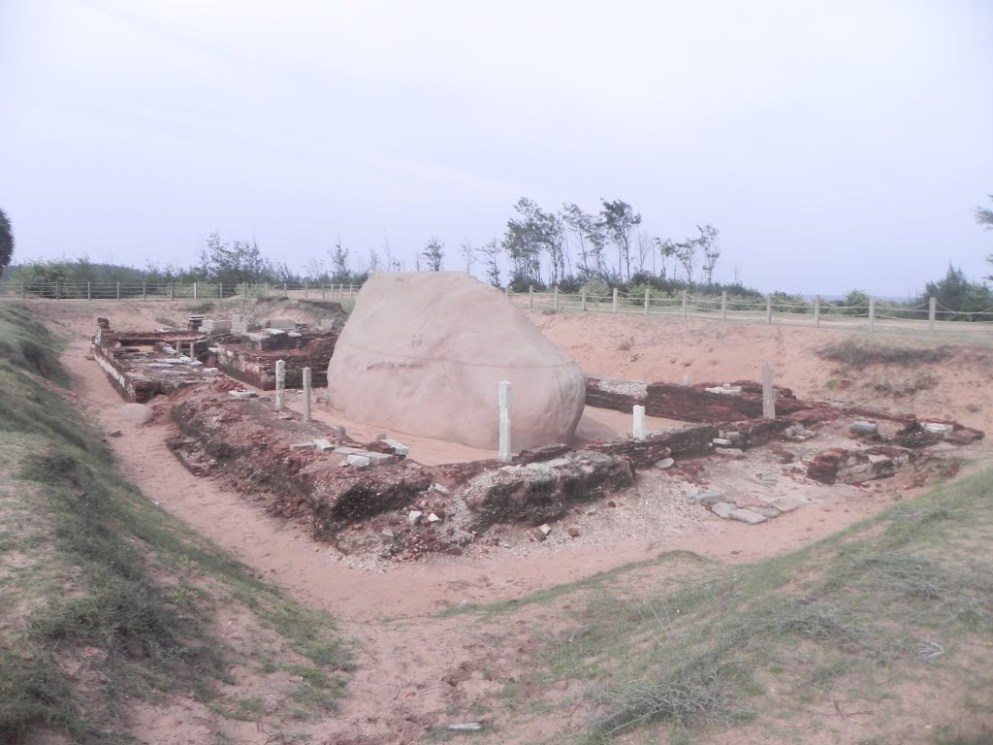
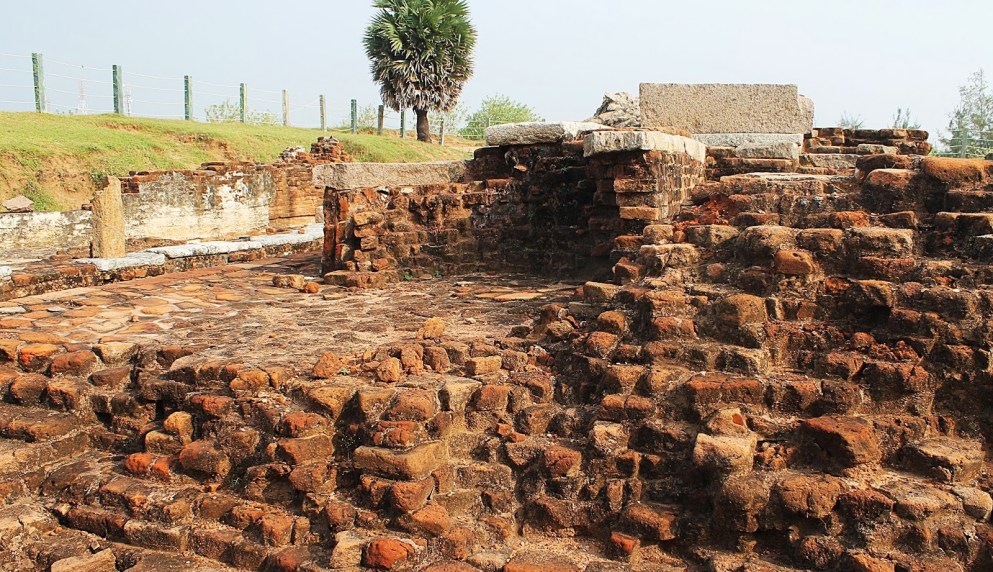
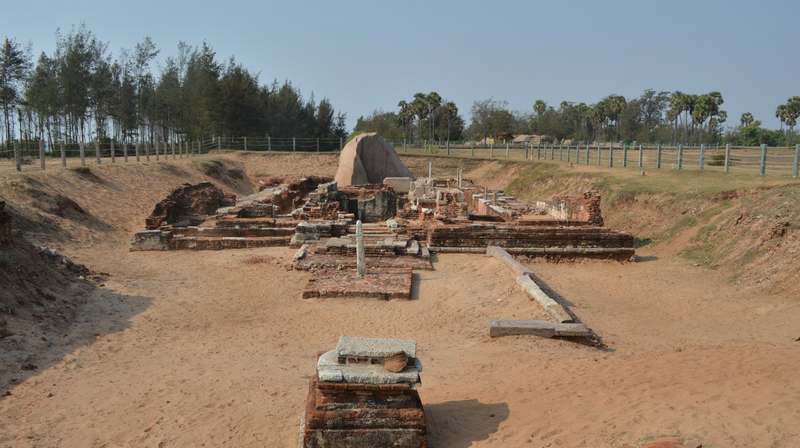
The Subramanya Temple at SaluvankuppamTamil Nadu, is a shrine dedicated to the Hindu deity Murugan. Archaeologists believe that the shrine, unearthed in 2005, consists of two layers: a brick temple constructed during the Sangam period (the 3rd century BC to the 3rd century AD) and a granite Pallava temple dating from the 8th century AD and constructed on top of the brick shrine. The Archaeological Survey of India (ASI) team which conducted the excavation believes that brick temple could be the oldest of its kind to be discovered in Tamil Nadu. However, noted Indian archaeologist R. Nagaswamy is critical of this claim owing to lack of references to the shrine in the popular literature of the period.

The temple was discovered by a team of archaeologists from the ASI based on clues found in a rock inscription left exposed by the 2004 Indian Ocean tsunami. Initially, excavations revealed an 8th-century Pallava-era shrine. Further excavations revealed that the 8th-century shrine had been built on the brick foundation of an earlier shrine. The brick shrine has been dated to the Sangam period.
The temple faces north, unlike most Hindu temples. Artifacts from two phases, the Sangam phase as well as the Pallava phase, have been found. The temple is Tamil Nadu’s oldest shrine to Murugan. It is also believed to be one of only two pre-Pallava temples to be discovered in the state, the other being the Veetrirundha Perumal Temple at Veppathur.
Discovery
After the 2004 Indian Ocean tsunami had subsided, archaeologists discovered rock inscriptions which had been exposed by the tsunami waves close to the hamlet of Saluvankuppam, near the UNESCO-designated World Heritage Site of Mahabalipuram. The inscriptions by the Rashtrakuta king Krishna III and the Chola kings Parantaka I and Kulothunga Chola I spoke of a Subramanya Temple at Thiruvizhchil (the present day Saluvankuppam). S. Rajavelu, epigraphist with the Archaeological Survey of India (ASI), identified a nearby mound as the site of the temple. In 2005, archaeologists unearthed an 8th-century Pallava temple under the mound. G. Thirumoorthy, ASI Assistant Archaeologist, believed that the shrine could be the oldest Subramanya temple to be excavated in Tamil Nadu. There were speculations on whether the temple could be one of the “Seven Pagodas“.

However, further excavations revealed that the 8th-century temple was constructed over the remains of an older brick temple. According to Thirumoorthy, the garbhagriha or sanctum Sanctorum of the brick temple was filled with sand and covered with granite slabs upon which the newer temple was constructed. Sathyamurthy, Superintendent, ASI Chennai Circle, said that the brick temple could be dated to the Sangam period as the shrine faced north unlike modern temples which face either east or west. This proved conclusively that the temple was constructed before the 6th or 7th century AD when the shilpa shastras, the canonical texts of temple architecture, were written. It has been estimated that the age of the brick shrine range from 1700 to 2200 years.
Archaeologists believe that the brick shrine was destroyed either by a cyclone or a tsunami which took place 2,200 years ago. The Pallavas built a granite temple on the brick foundation in the 8th century AD, which also was likely to have been destroyed by a tsunami. Archaeologists believe that the second tsunami must have occurred in the 13th century AD as the latest inscriptions which speak of the shrine have been dated to 1215.
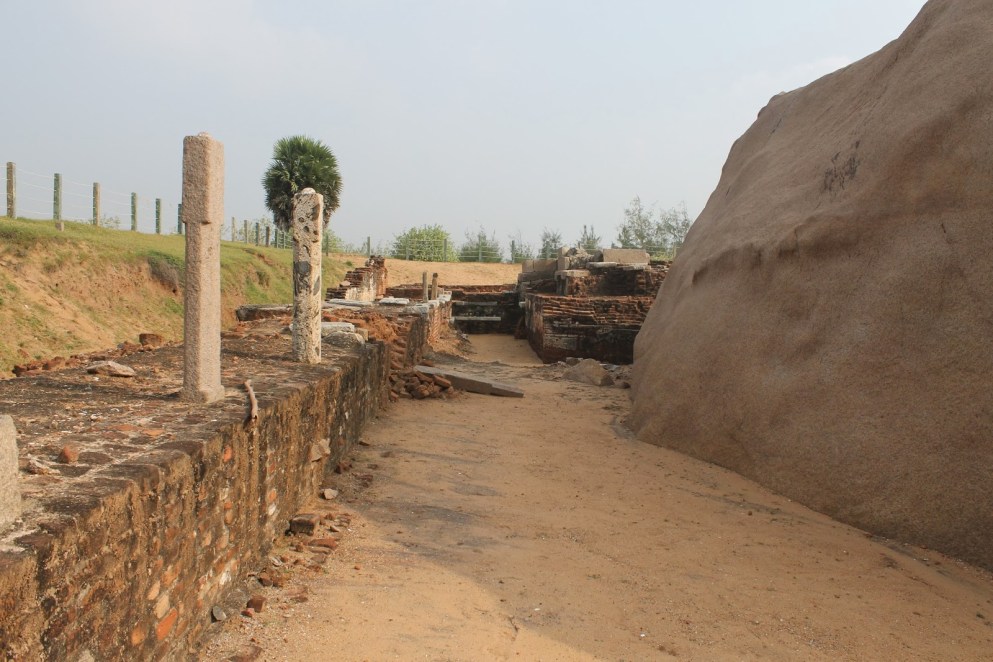
The remains of a brick temple, dating back to the late Tamil Sangam period [circa 1st century B.C. to 2nd century A.D.], have been discovered on the seafront near the Tiger Cave at Saluvankuppam, a few km ahead of the world-famous Mamallapuram monuments.
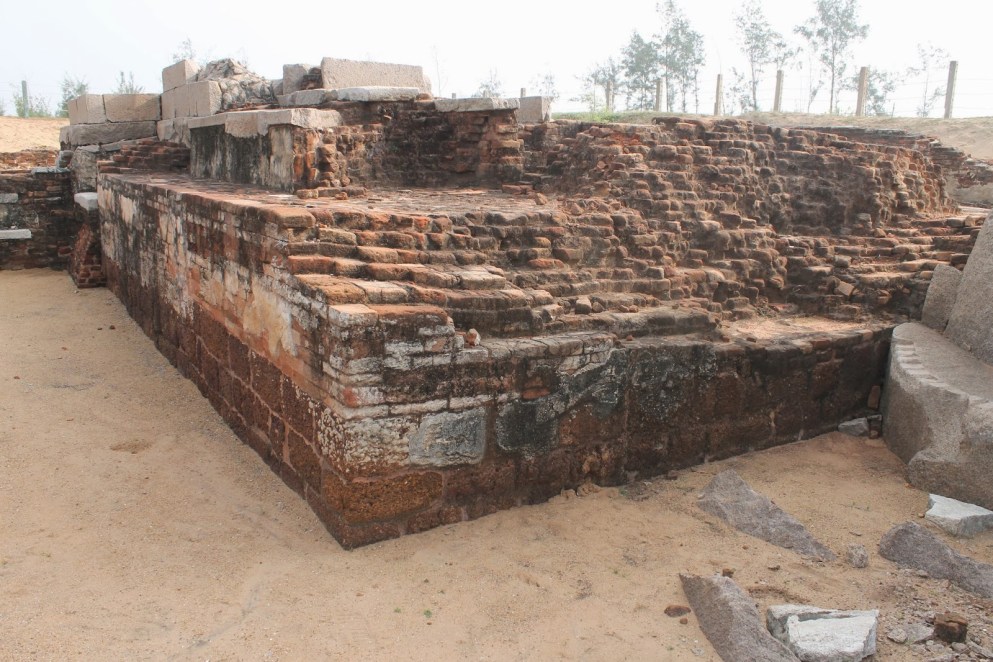
“The brick temple is the most ancient temple discovered so far in Tamil Nadu. There is no doubt that it is about 2,000 years old,” said T. Sathyamurthy, Superintending Archaeologist, ASI, Chennai Circle. Twenty-seven courses of bricks with a square garbha griha (sanctum sanctorum) that made the Sangam age temple form the center piece of the discovery. The temple is dedicated to Muruga, the presiding deity of “Kurinji” [hill] tracts. The sanctum measures 2 metres by 2.2 metres. The bricks measure 40 cm x 20 cm x 7 cm. They are still sturdy.
The big-sized bricks are typical of the period and are similar to those found at Kaveripoompattinam near Thanjavur; Uraiyur in Tiruchi district — Uraiyur was the capital of the Cholas of the Sangam age; Mangudi near Tirunelveli; and Arikkamedu near Pondicherry.
Dr. Sathyamurthy was sure the brick temple was built before the canonical period because it faced north. “Agama” texts, which came into existence in the sixth or seventh century A.D., and “shilpa shastras”, had prescribed rules for construction of temples including the directions they should face. Normally, temples faced east or west. But this one did not follow “agama” texts and hence looked north. Tsunami or tidal waves that occurred twice had pulled down the entire temple complex. There is telltale evidence of wave action from the excavation. Deposits of shells and debris of the temple have been found on the eastern side of the complex, towards the shoreline. “What is interesting is not the discovery of the brick temple but that we can record stratigraphically the remains of palaeo-tsunami deposits. The impact of the tidal wave is seen on the eastern side of the temple, close to the sea. Such a feature is absent on the western side,” Dr. Sathyamurthy said.
G. Thirumoorthy, Assistant Archaeologist, ASI, said the temple belonged to two periods: the late Sangam age and the Pallava period. After the brick temple collapsed, the Pallava kings of the 8th and 9th century A.D., built another temple over it, using granite slabs. This temple too collapsed.
Artifacts found at the site include broken stucco figurines, obviously under worship; a painted hand portion with a bangle of a stucco figurine, simple-looking terracotta lamps, beads, roofing tiles made of terracotta, spinning whorls, a broken animal terracotta figurine and hop-scotches. A “prakara” (compound) wall of the same period has been excavated.
Archaeologists’ conclusions are:
From the evidences like temple orientation, brick size and artifacts collected from this site, the ASI team concluded that this structure immediately antedates the Pallavas. They are also of the opinion that this one is the earliest brick temple in Tamil Nadu identified as of now. Further to this they also infer that no other temple of such nature is reported from south India.
Presence two evidences granite spear and the plaque depicting women dancing ‘Kuravai Koothu’ allow the ASI experts to conclude this one as Lord Subramanya temple.
The Reach foundation, Chennai conducted carbon – 14 dating on the paleo-tsunami evidences (sea shells and other debris) proved that they got deposited in different periods between 405 A.D. and 564 A.D. and between 1019 A.D. and 1161 A.D.
According to T.Sathyamurthy, Superintendent, ASI Chennai Circle, (now Reach foundation trustee) conclude that the shrine belongs to Sangam period since it faces northwards. The modern temples built according to Shilpa Shastras (written between 6th or 7th century A.D.) are facing either east or west. This fact encouraged him to conclude that the temple was constructed before the 6th or 7th century A.D. He also estimated the age of the brick shrine ranging between 1700 and 2200 years.
However, noted Indian archaeologist R. Nagaswamy is critical of this claim due to lack of references to the shrine in the popular literature of the period.
Historical background
Although the city of Mahabalipuram was constructed by the Pallava king Narasimhavarman I in the 7th century AD, there is evidence that a small port might have functioned at the site even earlier. Megalithic burial urns dating to the very dawn of the Christian era have been discovered near Mahabalipuram. The Sangam age poem Perumpānattuppadai describes a port called Nirppeyyaru which some scholars identify with the present-day Mahabalipuram. Sadras near Mahabalipuram has been identified as the site of the port of Sopatma mentioned in the Periplus of the Erythraean Sea.
Inscriptions
Number of rock inscriptions is found near the shrine. The specific three granite pillars, which lead for the discovery of the shrine, bears inscriptions of grants offered to this shrine (Ref. 1-3). Later five more inscriptions discovered (Ref. 4-8). Now three more inscriptions identified Ref. (9-11).
Ø Kirarpiriyan of Mamallapuram made grants of ten ‘kazhanjus’ (small sized gold balls) First pillar inscription
Ø Vasanthanar, a Brahmin woman offered a grant of 16 kazhanjus Second pillar inscription which can be dated back to 813 A.D.
Ø Raja Raja Chola I (985–1014 A.D.) Third pillar inscription is about the grant
Ø Pallava king Dantivarman (795 to 846 A.D.) Fourth pillar inscriptions which can be dated back to 813 A.D.
Ø Pallava kings Nandivarman III (846 to 869 A.D.) Fifth pillar inscriptions which can be dated back to 858 A.D.
Ø Pallava kings Kambavarman (9th century A.D) sixth pillar inscriptions
7. Krishna III (939-68 A.D) Rashtrakuta king Seventh pillar inscriptions which can be dated back to 976 AD,
Ø Pallava king Kambavarman (9th century A.D) Eighth  pillar inscriptions
Ø Krishna III (939-68 A.D) Rashtrakuta king Ninth pillar which can be dated back to 971 A.D.   in his 21st regnal year
Ø Rajendra III Chola (1216–1256 A.D) Tenth pillar inscriptions
Ø Kulothunga Chola III (1178–1218 A.D.) which can be dated back to 1215 A.D.
All the inscriptions in ancient Tamil script record about the donations of land and gold for the maintenance of the Subramanya temple at Thiruvizhchil and it continuously received grants. All these inscriptions mention the village as Thiruvizhchil.
Architecture
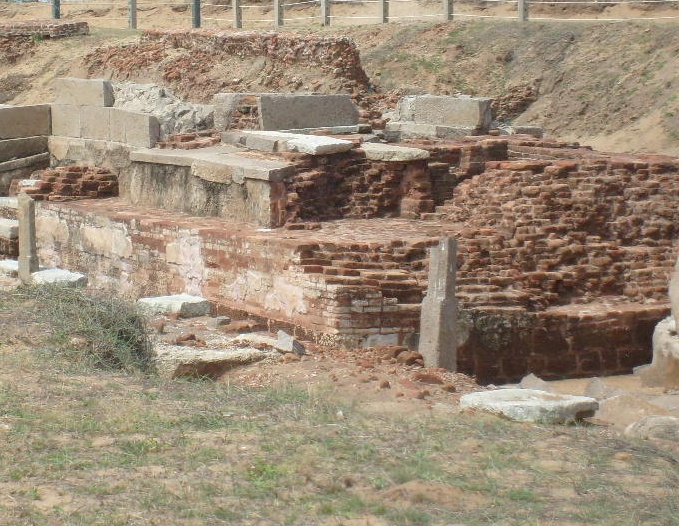
While the thin, tabular bricks at the top were laid by the Pallavas, the larger bricks underneath date from the Sangam period
The temple is dedicated to the Hindu deity Murugan and faces north. The garbhagriha or sanctum sanctorum is 2 metres long and 2.2 metres wide and is made of 27 courses of bricks. The bricks used are similar to the ones used in other Sangam age sites such as PuharUraiyur, Mangudi and Arikkamedu.
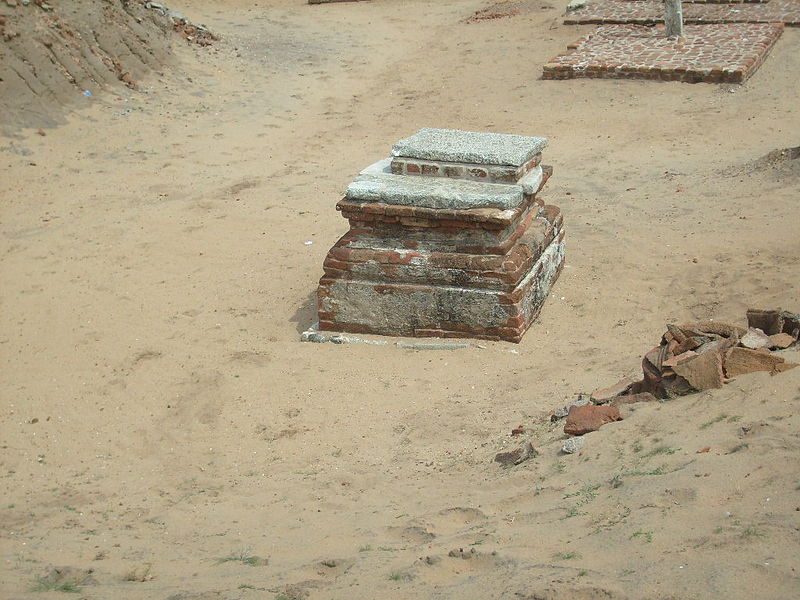
A stone Vel is positioned at the entrance of the shrine. During the excavations, a terracotta plaque depicting a Kuravai Koothu, a dance which is mentioned in the 1st century AD Tamil epic Silappadikaram, was discovered. Sathyamurthy feels that there may not have been any idol in the square garbhagriha as it is too small to house one. The temple is surrounded by a prakara or a compound wall dating from the Sangam period. According to Thirumoorthy, the shrine is “the biggest brick temple complex dating to the pre-Pallava period”.
The temple is built on a cushion of alluvium on which a layer of man-made bricks were laid. On top of this were another four layers of man-made bricks separated by four layers of laterite. There were two types of bricks used: large-sized laterite bricks of the Sangam period and thin, tabular bricks of a later age. The bricks were plastered together with lime.
Artifacts unearthed
A terracotta Nandi (the bull of the god Shiva – father of Murugan), head of a woman, terracotta lamps, potsherds and a shivalinga (aniconic symbol of Shiva) made of green stone are some of the important artifacts found at the site. The Nandi is the first one made of terracotta to be found. While most of the items unearthed belong to the Sangam period, artifacts of a later period including a Chola copper coin have also been found.

” This Is the Place Where All Indian National Flags Are Manufactured…”

The Indian flags seen fluttering atop the Red fort, Rashtrapati Bhavan, Supreme Court, other government buildings, and many such places – they are all manufactured in Hubballi. The Karnataka Khadi Gramodyoga Samyukta Sangha (KKGSS) is the country’s only national flag manufacturing unit and it is located in Bengeri village of Dharwad district.

KKGSS has been certified as the sole manufacturer and supplier of the Indian flag to the entire country, by the Khadi and Village Industries Commission.

The flags are made in conformation with the guidelines laid down by the Bureau of Indian Standards (BIS).

flag

KKGSS’ khadi manufacturing units are located in Bagalkot, from where the cloth is first sourced. It is then divided into three lots, dyed accordingly and cut into the required shapes. The chakra is printed on the white cloth and the three pieces are stitched together. The flags are then ironed and packed.

Find out all about the manufacturing unit here:

Making Indian flags is a difficult job because manufacturers have to follow strict guidelines. According to the Flag Code for India, there are nine different sizes in which the flag is made. The smallest one is 6×4 inches and the biggest one – hoisted on buildings and forts with high mast – is 21×14 feet. The guidelines include that the width and length of the flag should be in the ratio 2:3 and that the chakra should be printed on both sides.

The flag hoisted on Red Fort, Rashtrapathi Bhavan and medium-size government buildings is 12×8 feet.

The original video was published here.

Featured Image Credit: Flickr

Source…..Tanaya  Singh in http://www.the betterindia.com

Natarajan

Meet Rupa Devi – the Woman Selected by FIFA to Officiate International Matches…..

Rupa Devi, a 26-year-old woman from Dindigul, Tamil Nadu, has been selected by the Fédération Internationale de Football Association (FIFA) to officiate international matches.

According to reports, she is the first woman referee from Tamil Nadu to be selected by FIFA.

rupa_f

Photo Credit: (L) YouTube, (R) Flickr

Rupa started playing football when she was a student of Class 6 at St. Joseph’s Girl’s School in Dindigul. Her love for the game continued to grow and she started playing at the sub-junior level in her school very soon. She also started participating in district level football tournaments and became a part of the Dindigul Football Federation in 2006. The federation helped her participate in many national matches and also sponsored her education. She continued to play when she went to GTN college in Dindigul for her BSc degree, and then to Annamalai University in Chidambaram for a BEd in Physical Education. She currently works as a physical training school teacher in Dindigul.

“As a child, I used to stand on the sides of the ground where the game was played and kick the ball, whenever it came to me,” she told The Times of India.

According to a report in The News Minute, Rupa lost her parents in 2010 and 2011. She supported herself through the matches she went to play. But during the same period, there were no matches for women at the national level for two years. This was when senior referees advised that she should become a referee. She joined the referee development school in 2012.

She has been a referee for many matches since then. She was chosen as a referee for Asian Football Confederation (AFC) in 2013, for the under-14 football festival held in Doha. She was the only Indian selected as part of the Asian body’s ‘Future referees’ project at that time.

Three years after beginning to officiate matches and giving the FIFA examination, she qualified as an international referee.

Source……Tanaya Singh in http://www.the betterindia.com

Natarajan

” மனிதநேயத்தை மதிப்பிட எங்களிடம் கருவி இல்லை: ஒரு ஹோட்டல் பில் சொல்லும் செய்தி”


சாப்பிட்ட உணவுக்கான கட்டணத்துடன் கூடுதலாக அந்த வரி இந்த வரி என்று பில் போடும் ஹோட்டல் உரிமையாளர்களிடம் இருந்து மாறுபட்டு மனிதநேயத்தோடு நடந்து கொண்டவருக்கு அதே மனிதநேயத்தைக் காட்டிய கேரள ஹோட்டல் உரிமையாளரைப் பற்றிய செய்தி இது.

கேரள மாநிலம் மலப்புரத்தில் உள்ள ஹோட்டல் ஒன்றுக்குள், பெயர் குறிப்பிடாத ஒரு நபர் நுழைகிறார். அன்றைய நாளின் பணிச் சுமையால் சற்று தளர்வாக ஹோட்டலுக்குள் சென்று சாப்பிட உணவை ஆர்டர் கொடுத்துவிட்டு ஜன்னல் பக்கம் திரும்புகிறார்.

அங்கு இரண்டு சின்னஞ்சிறு குழந்தைகள் ஹோட்டலில் உள்ள மேஜைகள் மீது பரிமாறப்பட்டிருக்கும் உணவுகளை ஏக்கத்தோடு பார்த்துக் கொண்டிருந்ததை கவனித்த அந்த நபர், குழந்தைகளிடம் உங்களுக்கு என்ன வேண்டும் என்று கேட்க, அவர்கள் மேஜை மீதிருக்கும் உணவுகளைச் சுட்டிக்காட்டுகின்றனர்.

அவர்களை உள்ளே அழைத்து, அவர்களுக்கான உணவுகளையும் சேர்த்து ஆர்டர் கொடுத்து, அவர்களை கைகழுவ வைத்து, அவர்களை சாப்பிட வைத்தார். அண்ணன், தங்கைகள் இருவருமே ஒருவரை ஒருவர் பார்த்து புன்னகைத்துவிட்டு சாப்பிட்டு முடித்தனர். ஆனால், தனக்கான உணவை சாப்பிடாமலேயே சாப்பிட்ட முழு திருப்தியை அடைந்த அந்த நபர், உணவுக்கான பில்லைக் கேட்கிறார்.

அந்த பில்லில் 100, 200 என எண்ணிக்கைகள் இல்லாமல், மலையாள எழுத்துக்கள் மணிமணியாக கோர்க்கப்பட்டிருந்தது.

அந்த பில்லில் கூறப்பட்டிருந்தது இதுதான்,”மனிதநேயத்தைக் கணக்கிட எங்களிடம் எந்த கருவியும் இல்லை. ஒரு நல்ல விஷயம் உங்கள் மூலமாக நடந்துள்ளது.”

இந்த தகவல், பில்லின் புகைப்படத்துடன் சமூக வலைதளமான பேஸ்புக்கில் அதிக நபர்களால் பகிரப்பட்டுள்ளது.

Source……..www.dinamani.com

Natarajan

” உன்னால் முடியும்” : உணவு தேடலில் உருவான தொழில் வாய்ப்பு ….

படித்து முடித்ததும் வேலை தேடி சென்னை வரும் ஆயிரக்கணக்கான இளைஞர்களில் ஒருவராக சென்னை வந்தவர் வினோத். சொந்த ஊர் திருப் பத்தூர் அருகில் உள்ள கிராமம். படித்தது எம்டெக் பயோ டெக்னாலஜி. வீட்டு உணவு சாப்பிட்டே பழகியவருக்கு, தங்குமிடத்துக்கு அருகில் உள்ள ஓட்டல் உணவு சரி யில்லாததால் பல அவஸ்தைகள். அதன் பிறகு யோசித்ததுதான் வீட்டில் சமைக்கும் உணவுகளை தேவைப்படுபவர்களுக்கு ஒருங்கிணைக்கும் இணையதளம்.

ஒரு வருட திட்டமிடலுக்குப் பிறகு, உணவு சமைத்து தரும் வீடுகளையும், தேவைப்படும் வாடிக்கையாளர்களையும் ஒருங்கிணைத்து வெற்றி பெற்றுள்ளார். வளரும் தொழில்முனைவோரான இவர் தனது அனுபவத்தை இந்த வாரம் பகிர்ந்து கொள்கிறார்.

வேலை தேடி வந்த புதிதில் மேடவாக்கத்தில் தங்கினேன். வீட்டு சாப்பாட்டுக்கு பழகிய எனக்கு அங்கிருந்த ஓட்டல் உணவை சாப்பிட முடியவில்லை. அந்த பகுதியில் சிறிய ஓட்டல்கள்தான் இருந்தன. தரமான பெரிய ஓட்டல்களும் கிடையாது. பெரிய ஓட்டல்கள் இருந்தாலும் சாப்பிடும் வசதி இல்லை.

ஐடி நிறுவனங்களில் பணிபுரியும் பல பேச்சிலர்களும் இந்த ஓட்டல்களில்தான் சாப்பிடுவார்கள். சப்பாத்தி சரியில்லை என்று புகார் செய்தால் நாளைக்கு சரி பண்ணிடுறோம் தம்பி என்று அனுப்பி விடுவார்கள், அடுத்த நாளும் அதே போல் இருக்கும். திரும்ப புகார் செய் தால் இஷ்டம் இருந்தால் சாப்பிடுங்கள் என்று முகத்தில் அடித்ததுபோல பதில் வரும். இவர்களை விட்டால் வேறு வழியும் இல்லை. சொந்தமாக சமைத்து சாப்பிடலாம் என்று முயற்சி செய்தால், எல்லோருக்கும் நேரம் ஒத்துழைக்க வில்லை.

தங்கியிருந்த பிளாட்டின் ஐந்து வீடுகளில் நாங்கள் மட்டும்தான் பேச்சிலர்கள். நான்கு குடும்பங்கள் ஆளுக்கு ஒரு நாள் எங்களுக்காக எக்ஸ்ட்ராவாக சமைத்து கொடுத்தால் நிம்மதியாக இருக்கலாம் என அவ்வப்போது நண்பர்களுக்குள் பேசிக்கொள்வோம். ஆனால் இந்த யோசனை சரியான தீர்வாக இருக்கும் என்று எனக்குப் பட்டது.

வீட்டு சாப்பாடு வழங்குகிறோம் என பல உணவகங்கள் ஏற்கெனவே ஆன்லைன் மூலம் ஆர்டர் எடுக்கின்றன. ஆனால் இவர் களும் கிட்டத்தட்ட ஒட்டல் போலவே ஒரு இடத்தில் சமைத்து ஆர்டர்களுக்கு ஏற்ப டெலிவரி செய்கின்றனர்.

ஆனால் எனது திட்டம் வீடுகளில் சமைப்பதையே வாடிக்கையாளர்களுக்கு கொடுப்பது. அதாவது ஒரு வீட்டில் தினசரி ஐந்து சாப்பாடு சமைத்து தர முடியும் என்றால் அதை வாங்கி வாடிக் கையாளர்களுக்குக் கொடுப்பது. பல குடும்பங்கள் இப்படி இணைந்தால் பேச்சிலர்களில் உணவு சிக்கல் தீரும் என்பது எனது எண்ணம். இதற்காக வேலையிலிருந்து விலகி ஒரு வருடம் ஆய்வு, ஆரம்ப வேலைகளில் இறங் கினேன்.

இணையதள உருவாக்கம், மார்க் கெட்டிங், ஒருங்கிணைப்பது போன்ற வேலைகளோடு நிறுவனத்தை பதிவு செய்து கடந்த ஆண்டு பிப்ரவரி மாதம் ப்ரம்எஹோம் இணையதளத்தை அறிமுகப்படுத்தினேன்.

எங்களது இணையதளத்தில் உணவுகளை ஆர்டர் கொடுப்பதற்கு என்று தனியாக உணவு பட்டியலோ, விலையோ கிடையாது. குடும்பத் தலைவிகள் தாங்களால் என்ன சமைக்க முடியும், அதற்கான விலை என்ன என்பதை முன்கூட்டியே பதிவு செய்து விடுவார்கள். வாடிக்கையாளர்கள் அவரது மெனுவை பார்த்து ஆர்டர் செய்து கொள்ளலாம்.

இந்த திட்டத்தில் கேரள குடும்பம் இணைந்தால் கேரள உணவும், பெங்காலி குடும்பம் இணைந்தால் பெங்காலி உணவும் அவர்களது பாரம்பரிய முறைப்படியே கிடைக்கும்.

குடும்பத் தலைவிகள் தாங்கள் சிறப்பு உணவுகள் மூலம் வாடிக்கையாளர்களை தக்க வைத்துக் கொள்ளவும் முடியும்.

உணவு சமைத்து தர விரும்புவோரின் சமையல் திறன், வீடுகளின் கிச்சன், அவர்களது வாழ்க்கைதரம், சமைக்கப் பயன்படுத்தும் தண்ணீர் ஏரியா என ஒவ்வொன்றையும் பார்த்து பார்த்து மேற்கொள்கிறோம். இவர்களுக்கு கிடைக் கும் ஆர்டர்களிலிருந்து கிடைக்கும் கமிஷன் தான் எங்களது வருமானம்.

ஆரம்பத்தில் பேச்சிலர்களை குறி வைத்தே இதை தொடங்கினேன். ஆனால் தற்போது வயதானவர்கள்தான் அதிக வாடிக்கையாளர்களாக இருக்கின் றனர். தற்போது நேரடியாக எட்டு பேர் வேலைபார்க்கிறார்கள்.

சுமார் 15-க்கும் மேற்பட்ட குடும்பத் தலைவிகள் சுயமாக சம்பாதிக்க வைத்துள்ளேன். உணவு சார்ந்த தொழில் என்பதால் மிகுந்த கவனமும் பொறுப்பும் இருப்பதை உணர்கிறேன்.

தவிர நானே தொழில்முனைவோராக இருந்து, குடும்பத்தலைவிகள் பலரும் சுயமாக சம்பாதிக்க பாலமாக இருக்கி றேன் என்கிறபோது பொறுப்பு பல மடங்கு மகிழ்ச்சியை கொடுக்கிறது என்றார். இவருக்கு ஏற்பட்டது உணவு பசி மட்டுமல்ல… அதுக்கு மேலே என்கிறது அனுபவம்.

maheswaran.p@thehindutamil.co.in

Source …….நீரை மகேந்திரன்  in http://www.tamil.thehindu.com

Natarajan

An 80-Year-Old Labourer Is Fighting the Mining Mafia by Distributing His Land to the Poor…

Natarajan, an 80-year-old manual labourer, has distributed 50 cents of land in his village in Kerala to 10 poor families. Read how he did this to protect the environment.

P athanamthitta, the land of Lord Ayyappan, is a scenic district in Kerala, known for its rocky hill ranges. The district is also infamous for its stone quarrying activities. Many illegal quarries continue to operate in this region, resulting in machines mowing down these hills, one day at a time.

This indiscriminate quarrying has led to a series of agitations across the district – especially in areas like Konni, Athirungal etc.

One man has been at the forefront of this agitation. Meet 80-year-old manual labourer Natarajan, fondly known as Achan (father), who has found the most unique way to protest against this large-scale quarry mining. As quarry owners continue to accumulate more land in the region, Natarajan, in a bid to protect the environment, has distributed 50 cents of his land to poor families. Here’s a discussion with this ordinary man who has done an extraordinary thing.

Q: Can you tell me a little about yourself?

achan 3

A: I’ve been living in this hillock in Konni for the last 45 years. I’ve been a manual labourer all my life. My wife and I live in a small tin shed here. I don’t have any savings. Over the years, I’ve managed to buy one-and-a-half acres of land here. The rest of the money I had was spent on marrying off my two daughters.

Q: How has life changed in all these years?

A: Actually, I can’t even remember a time when this used to be a quiet area. Granite quarries and stone-crusher units have mushroomed all over the district. According to government records, only around 169 quarry licenses have been issued. But the truth is that over 800 quarries operate in this district.

Q: What problems have you directly faced from them?

A: See, my house is very close to the biggest granite crusher here. So naturally, as they expand their operations, they wanted to buy my land as well. Because this is a remote area, away from the town, we don’t have access to water. Even today, my wife Kalammma needs to walk a lot to fetch drinking water. So some people advised me to sell off my land and then go live in a better place with access to water and electricity. However, the quarry owners, who were eyeing my land, did not quote a fair price. They also threatened me with goondas and were forcing me to part with my land, for a paltry sum.

Q: How did you tackle this problem?

A: I revisited my decision to sell. I didn’t want to succumb to pressure and also harm the environment. So, I distributed 50 cents of my land among 10 poor families. They have now constructed huts and have started living here. This is the part of my land that is closest to the quarry. I think that if more people are living in this area, it will be more difficult for them to find ways to make us leave.

Q: What if these families come under pressure from the quarry mafia and are forced to sell?

A: Though I have made the title deeds, I haven’t distributed it among these families as yet. What if these people (goondas) forcefully snatch it away from them? And to ensure that the land doesn’t end up in the wrong hands, I have made a clause which says that the land can be transferred to another person only after 70 years. I believe by doing this I have protected these 50 cents of land.

Q: What has been their (quarry owners) reaction?

A: They think I have gone crazy, distributing the land for free. They have also tried to intimidate me by sending their goondas a couple of times. But, I don’t fear them. Neither does my wife.

Q: Do the people in the region support you?

A: See, initially a lot of people stood up against the quarry mafia. There are plenty of health problems among the people, especially respiratory troubles, as a lot of dust comes from the quarries. Water is getting polluted and there is always a lot of noise going on. People cannot live in peace. However, fewer people complain now. I hear that these guys are going around bribing people with money, rice etc. So if ever a problem happens, I can’t be sure how many people will stand by me. Even the authorities in this area turn a deaf ear towards our problems. I’m sure these officials are in connivance with the quarry owners.

Q: Do you foresee things getting better in the future?

A: I doubt things will get better for the people living in these areas. I just hope the identity of this district (hills) isn’t compromised due to this mad fascination we have with development. In all these years there is one thing that I’ve learnt and it is that this world only belongs to the rich. There is no place for the poor here and there is certainly no justice for people like us.

Photo credit: Shameem Kunnumathige

Source……..Meryl Garcia in http://www.the betterindia.com

natarajan

How an Anonymous Group of People Came Together to Paint over 250 Flyover Pillars in Bengaluru…

The Ugly Indian, the anonymous collective that is working a slow revolution in Indian streets (and mindsets), has done it again.

After cleaning up the streets of Bangalore with a vengeance, they have found their next target: flyover pillars. These massive structures are common targets for promotional posters and the accumulated dust and filth on our streets, and can (and do) easily become public eyesores.

The Ugly Indian has till date cleaned and painted over 250 of these pillars.


ugly indian

Their latest target was area under the flyover (what is called the UFO area) of the Bhadrappa Layout flyover in Bangalore. Over a 100 civic-minded citizen volunteers and BBMP personnel came together to reclaim this public space. The drive saw people of all ages turn up and work, from young children to senior citizens.

They didn’t just paint the pillars, either; they also fixed up walls, footpaths, and road medians in the area.

ugly indian

The local government is clearly thrilled with these enthusiastic and dedicated workers — since BBMP personnel work along with them, this is, in a way, a public-private partnership.

There may be something to what they’re painting onto the pillars too. The 3-D pyramid design seems to work wonders at dissuading advertisers from using them as notice boards.

In contrast to their previous bedraggled condition, the painted pillars remain spotless. It’s clear that a single move in the right direction can lead to sustained positive change.


ugly indian

Clean, beautiful public spaces can make even the make living in cities a joy. The Ugly Indian, whose motto is “kaam chalu, mooh bandh” (“stop talking, start doing”), is showing us that moralising, debating, and blaming will lead us nowhere till we pick up broomsticks and paintbrushes in our own hands — and get to work.

Because our cities belong to us.


ugly indian

All photos from The Ugly Indian’s Facebook page.

Source…….Vandita Kapoor in http://www.the betterindia.com

natarajan

Mango Phone: Here’s an iPhone killer….?

Apple’s iPhone will soon have an interesting competitor in smartphone markets around the globe with the launch of MPhone — the Mango Phone.

Mango Phone

Not very surprisingly, the company has also decided on a mango as their logo. The new handset is expected to hit Indian markets by the end of this month.

The company, reportedly helmed by group of Malayalis, was founded on an initial investment of Rs 3500 crore. In what could be more interesting to prospective buyers, a fresh handset also packs a bluetooth headset, wireless charger, power bank and a selfie stick!

The handset will be brought to the markets by MPhone Electronics and Technologies Limited with 4G and 3D technology assistance from Korea. MPhone Electronics and Technologies Limited is learnt to be partnered by Anto Augustine, Roy Augustine and Josekutty Augustine from the Wayanad district of Kerala.

It is also learnt that the handset employs a 6050 mah battery that assures three days charge life for a fully charged handset. Shock resistant Gorilla screen glass, 23 MP primary and 8 MP secondary camera are other major attractions of the upcoming competitor of the iPhone. Reportedly, the handset will be providing an internal memory of 32 GB, which can be extended up to 128 GB. A 3 GB RAM module will speed up the handset.

As per unofficial reports, the MPhone will be priced around Rs 35,000. While it may not be wise to compare apples to oranges mangoes, it will certainly make for some interesting competition in this space!

Deepu

Natarajan