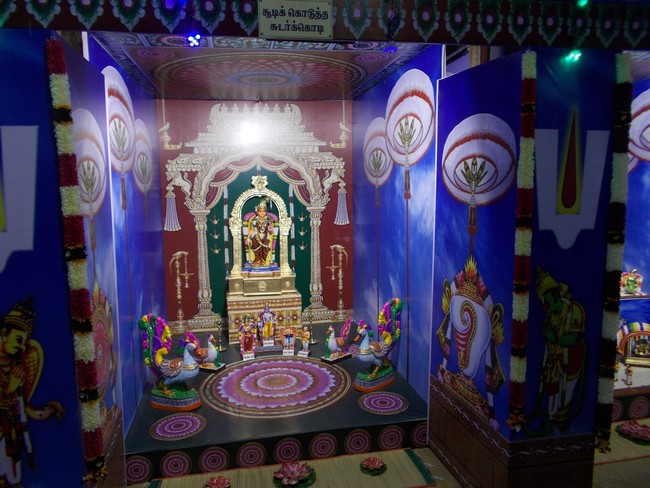
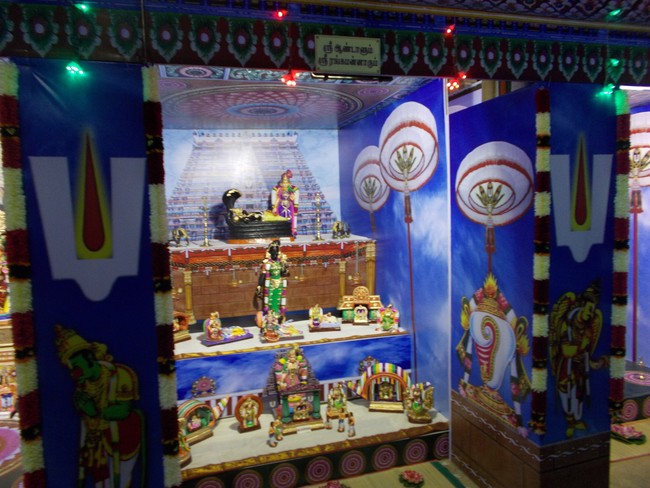
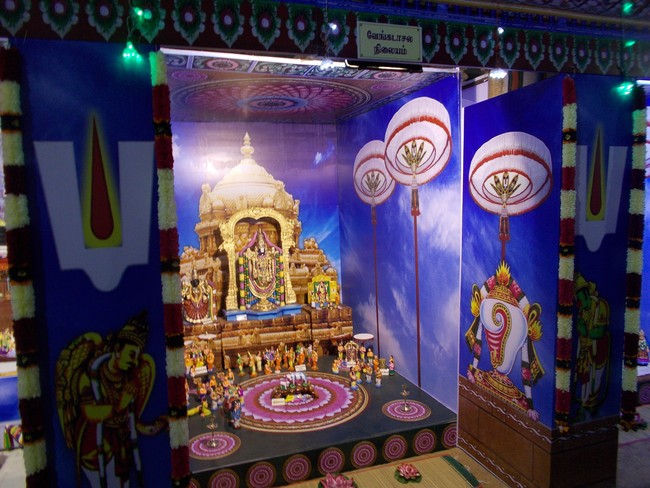
” முருகன் திருவிளையாடல்…அருணகிரிநாதர்-வில்லிப்புத்தூரார் மோதல் ..!!!”

முருகன் புகழைக் கூறும் திருப்புகழ் முதலான நவமணி நூல்களை இய்ற்றியருளியவர் அருட்கவி அருணகிரிநாதர். ஒருமுறை அவர், மஹாபாரதத்திற்குத் தமது அற்புத வாக்கால் உரை எழுதிய வில்லிபுத்தூராரைச் சந்திக்க நேர்ந்தது. பெரும் புலவரான வில்லிபுத்தூராரைக் கண்டு புலவர் சமூகமே நடுங்கிக்கொண்டிருந்த காலகட்டம் அது. காரணம் அவர், தன்னுடன் வாது செய்து தோற்ற புலவர்களின் காதுகளைக் குறடு கொண்டு தோண்டும் வழக்கத்தைக் கையாண்டு வந்தார். அவரது செருக்கை அடக்க திருவுளம் கொண்ட முருகன், ஒரு திருவிளையாடலை நிகழ்த்த முடிவு செய்தான்.அருணகிரியாரை, வில்லிபுத்தூராருடன் கவிதைப் போட்டியில் மோதவைப்பதென்றும், தோற்றவர் காதை, மற்றவர் அறுத்துவிடலாம் எனவும் முடிவாயிற்று.
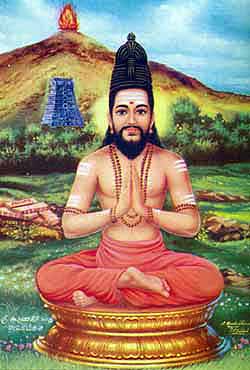
Arunagirinathar

ருணகிரிநாதர், போட்டிக்காகப் பாடவேண்டி இருந்ததால், கடினமான தமிழ் நடையைக் கொண்ட ‘கந்தர் அந்தாதி’ எனும் நூலை இயற்றத் துவங்கினார்.வில்லிபுத்தூராரும் உடனுக்குடன் உரை கூறலானார் .53 செய்யுட்கள் இவ்வாறு நிறைவுற்றபின் மேலும் எப்படிப் பாடினால் அவரை மடக்கலாம் என்று அருணகிரியார் முருகனை எண்ணித் துதித்து நின்ற போது, ‘த’கர வர்க்க எழுத்துக்களை மட்டுமே வைத்து அடுத்த செய்யுளைப் பாடுமாறு முருகன் எடுத்துக் கொடுத்தான்.அந்தச் செய்யுள் பின்வருமாறு:

திதத்தத்தத் தித்தத் திதிதாதை தாததுத் தித்தத்திதா
திதத்தத்தத் தித்த திதித்தித்த தேதுத்து தித்திதத்தா
திதத்தத்தத் தித்தத்தை தாததி தேதுதை தாததத்து
திதத்தத்தத் தித்தித்தி தீதீ திதிதுதி தீதொத்ததே

உயிர் போகும் காலத்தில், முருகன் அடியிணை பெறும் கருணையைத் தரக்கேட்டு அருணகிரியார் பாடிய மேற்குறிப்பிட்ட 54ஆம் பாடலுக்கு உரை கூற முடியாது தவித்தார் வில்லிபுத்தூரார்! தம் தோல்வியை அவர் ஒப்புக்கொண்டதும், அருணை முநிவர் தாமே அப்பாடலுக்கு உரை செய்தார்.அத்துடன் மொத்தம் நூறு பாடல்களைப் பாடி நூலை நிறைவு செய்தார்.ஆனால் வில்லிபுத்தூராரின் காதை அறுக்க ஒப்புக்கொள்ளவில்லை நம் கருணை முநிவர். ‘.இனியும் இது போன்ற இழிவுச் செயல்களில் ஈடுபடக்கூடாது.’ என்று அறிவுரை கூறியதோடு அவர் கையிலிருந்த குறடாவைப் பிடுங்கி வீசி எறிந்தார் என்பது வரலாறு.

கந்தர் அந்தாதிப் பாடல்கள் அனைத்துமே, சி,சீ,செ,சே,த,தீ,தெ,தே எனும் எட்டு எழுத்துக்களை மட்டுமே கொண்டு துவங்குகின்றன. 27 பாடல்களில் திருச்செந்தூரைப் பற்றிய குறிப்புகள் வருவதால், செந்தூரில் இது பாடப்பட்டிருக்கலாம் என்பதும், திருவண்ணாமலைக் கோவிலிலுள்ள யானை திறை கொண்ட விநாயகரையும், உண்ணாமுலை அம்மையையும் காப்புச் செய்யுட்களில் துதித்துள்ளபடியால் இது ஒரு வேளை திருவண்ணாமலையில் பாடப்பட்டிருக்கலாம் என்பதும் ஆராய்ச்சிக்குரிய விஷயங்கள்.

கந்தர் அந்தாதி பற்றிய குறிப்புகள் மற்ற சில நூல்களிலும் வருவதை, திருப்புகழ் உரை ஆசிரியர் டாக்டர் வ.சு.செங்கல்வராயப்பிள்ளையவர்கள் மேற்கோள் காட்டியுள்ளார்.

அக்கிளிதான்- வில்லிபுத்தூரான் செவியின் மேலரிவாள்
பூட்டியன்று வல்லபத்தின் வாது வென்று வந்ததுகாண்”

-தணிகை உலா

“எதிரும் புலவன் வில்லி தொழ எந்தை உனக்கந்தாதி சொல்லி ஏழைப்புலவர் செவிக் குருத்தோடெறியுங் கருவி பறித்தெறிந்தே”
-திருமலைமுருகன்

பிள்ளைத்தமிழ் அருணகிரியாரின் கருணைத் திறத்தை எண்ணியே ‘கருணைக்கு அருணகிரி’ என்று கூறும் வழக்கும் எழுந்தது என்கிறார் டாக்டர் பிள்ளையவர்கள்.

ஒரு தென்னைமரத்திலிருந்து பறித்தெடுத்த தேங்காயுள்ளிருக்கும் சுவைமிக்க இளநீரைப் பருகுவதற்காக நாம் மேற்கொள்ளும் சிரமங்கள் எத்தனையோ; அதேபோலத்தான் கடினமான கந்தர் அந்தாதி பதப்பிரிவு கண்டு அயர்ந்துவிடக் கூடாது.அதன் ஆழம் வரைச் சென்று, பொருட்செறிவை அனுபவித்துணர்ந்து, பிறர்க்கு கற்பித்தும் வரும் திருப்புகழ் அடிமை திரு. சு.நடராஜன் போன்ற ஆன்றோரின் உதவியுடன் நாமும் பொருளுணர்ந்து கற்று கந்தர் அந்தாதியை மனனம் செய்வோமேயானால் ஒரு அருட்கவிதையைக் கற்ற நிறைவு நமக்குக் கிட்டும் என்பதில் ஐயமேதுமில்லை.

பி.கு ‘அந்தாதி இல்லா இறைவனுக்கு அந்தாதி’ பாடி வில்லிபுத்தூராரைத் திகைக்கவைத்த அருணை முநிவரின் 54ஆவது அந்தாதிச் செய்யுளின் பதப்பிரிவும் பொருளும் பின்வருமாறு:

திதத்த தத்தித்த திதி தாதை தாத திதத்த தத்தித்த எனும் தாள வரிசைகளைத் தனது நடனம் மூலம் நிலைபெறச் செய்யும் உனது தந்தையாம் பரமசிவனும்

Arunagiri worships Lord Murugan who had just rescued him from certain death by suicide

தாத மறைகிழவோனாகிய பிரமனும்

துத்தி தத்தி தா தித தத்து அத்தி புள்ளிகள் உடைய படம் விளங்கும் பாம்பாகிய ஆதிசேஷனின் முதுகாகிய இடத்தையும், இருந்த இடத்திலேயே நிலைபெற்று ஆனால் அலைகள் வீசுகின்ற திருப்பாற்கடலைத் தனது வாசஸ்தலமாகக் கொண்டு

ததி தித்தித்ததே து ஆயர்பாடியில், தயிர் மிக இனிப்பாக உள்ளதே என்றுகூறி அதை மிகவும் வாரி உண்ட திருமாலும்

துதித்து இதத்து ஆதி – அதை மிகவும் வாரி உண்ட திருமாலும் போற்றி வணங்குகின்ற பேரின்ப சொரூபியான மூலப்பொருளே!

தத்தத்து அத்தி தத்தை தாத தந்தங்களை உடைய யானையாகிய ஐராவதத்தால் வளர்க்கப்பட்ட கிளி போன்ற தேவசேனையின் தாசனே!

திதே துதை பல தீமைகள் நிறைந்ததும்

தாது ரத்தம் மாமிசம் முதலிய சப்த தாதுக்களால் நிரப்பப்பட்டதும்

அதத்து உதி மரணம்-பிறப்பு இவற்றோடு கூடியதும்

தத்து அத்து ஆபத்துக்கள் நிறைந்ததுமாகிய

அத்தி தித்தி – எலும்பை மூடி இருக்கும் தோல்பை ஆகிய இந்த உடம்பு

தீ தீ அக்னியால் தகிக்கப்படும்

திதி அந்த அந்திம நாளில்

துதிதீ இவ்வளவு நாட்களாக உன்னைத் துதித்து வந்த என் புத்தி

தொத்ததே உன்னுடன் ஐக்கியமாகி விட வேண்டும்.

இந்த தெய்வீக கந்தர் அந்தாதி செய்யுட்களை பதப்பிரிவுடனும் பொருட்செறிவுடனும் இந்த இணைய.

தளத்திலேயே கேட்டு மகிழுங்கள்.   www.murugan.org

SOURCE:::: Chitra Murthy in  www.murugan.org

Natarajan

” ஸ்ரீ மஹாலக்ஷ்மி கடாக்ஷம் …

காஞ்சிபுரத்தில் இருந்து சுமார் 10 கி.மீ. தொலைவில் அமைந்துள்ள கூரம் என்ற கிராமத்தில், தன் மனைவி ஆண்டாளுடன் வாழ்ந்து வந்தவர் கூரத்தாழ்வார். ராமாநுஜரை விட ஏழு ஆண்டுகள் மூத்தவரான கூரத்தாழ்வாருக்கு இரட்டையராகப் பிறந்த இரண்டு பிள்ளைகளில் மூத்தவர் பராசர பட்டர்; அடுத்தவர் வியாச பட்டர்.

இந்த கூரத்தாழ்வார் மஹாலக்ஷ்மியின் கடாக்ஷத்தினால், எல்லாவிதமான ஐஸ்வர்யங் களையும் பெற்றிருந்தார். தாம் பெற்ற அந்த ஐஸ்வர்யத்தைக் கொண்டு, வருகின்ற பாகவதர்க்கெல்லாம் ததியாராதனம் (சாப்பாடு போட்டு) செய்வித்து அனுப்புவதை வழக்கமாகக்கொண்டிருந்தார். ஒவ்வொரு நாளுமே இந்த ததியாராதன வைபவம் நடைபெறும். தங்கத்தினால் ஆன அவருடைய வீட்டுக் கதவுகளில் தங்க மணி, வெண்கல மணி போன்றவை பொருத்தப்பட்டிருக்குமாம்.

ஒருநாள் இரவு பத்தரை மணிக்கு, காஞ்சிபுரம், வரதராஜ பெருமாள் கோயிலில் அர்த்தஜாம பூஜை முடிந்து, பெருமாளும் தாயாரும் பள்ளியறைக்கு எழுந்தருளி, கோயிலின் நடைகூட சாத்தப்பட்டுவிட்டது. அப்போது எங்கேயோ கதவு சாத்தப்படும் ஓசையும், அதனால் ஏற்பட்ட மணியோசையும் பள்ளியறையில் இருந்த பெருமாளுக்கும், பெருந்தேவி தாயாருக்கும் கேட்டது.

மணியோசையைக் கேட்ட பெருந்தேவி தாயார், ”யாருடைய வீடோ ரொம்பப் பெரிய தாக இருக்கும் போலிருக்கிறது. ரொம்ப பணக்காரராக இருப்பார் போலிருக்கிறது. அவர் வீட்டு வாசல் கதவை இவ்வளவு தாமதமாக மூடுகிறாரே. நாமே நம்முடைய உற்ஸவம் எல்லாம் முடிந்து கதவை சாத்திக்கொண்டோம். ஆனால், இன்னும் யாரோ ஒருவர் இதுவரை ததியாராதனம் செய்துவிட்டு, இப்போதுதான் கதவை சாத்துகிறாரே. அவர் யாராக இருக்கும்” என்று வரதராஜ பெருமாளிடம் கேட்கிறார்.

அதற்கு வரதராஜ பெருமாள் சொல்கிறார்… ”தேவி, அவர்தான் கூரத்தாழ்வார். அவர் நிரம்ப ஐஸ்வர்யம் உள்ளவர். அவருடைய செல்வத்தின் அளவை நம்மால் கணக்கிடவே முடியாது.

ஒவ்வொருநாளும் அவர் எத்தனை பேருக்கு சாப்பாடு போடுவார் தெரியுமா? ஒவ்வொரு
நாளும் காலையில் தொடங்கும் ததியாராதனம் நள்ளிரவு வரை நடைபெறுவது வழக்கம்.”

பெருந்தேவி தாயாரும் வரதராஜ பெருமாளும் இப்படிப் பேசிக்கொண்டது வெளியில் நின்றுகொண்டிருந்த அடியவரின் காதுகளில் விழுந்தது.

காஞ்சிபூர்ணர் என்ற பெயர் கொண்ட அந்த அடியவர், பூவிருந்தவல்லி க்ஷேத்திரத்தைச் சேர்ந்தவர். அவர் தினமும் காஞ்சிபுரத்துக்குச் சென்று வரதராஜ பெருமாளுக்கு திருவாலவட்ட கைங்கர்யம் (விசிறி விசிறுதல்) செய்பவர்.

பெருமாளும் தாயாரும் இப்படி பேசிக் கொண்டிருந்ததைக் கேட்ட அவர், மறுநாள் கூரத்தாழ்வாரைச் சந்தித்தபோது, ”ஆழ்வாரே, நீர் பெரிய செல்வந்தராமே? நேற்றிரவு உம்முடைய சொத்து மதிப்பை பெரியவர்கள் கணக்கு பார்த்துக் கொண்டிருந்தார்களே” என்று கூறினார். அவர்களைப் பொறுத்தவரை பெரியவர்கள் என்றால், அது காஞ்சி வரதராஜ பெருமாளையும் பெருந்தேவி தாயாரையுமே குறிக்கும்.

இப்படி ஒருவர் நம்மிடம் சொன்னால், நாமாக இருந்தால் என்ன செய்திருப்போம்? பெருமிதத்தால் பூரித்துப்போய் சிரித்துக் கொள்வோம். ஆனால், கூரத்தாழ்வார் என்ன செய்தார் தெரியுமோ?

”அடியேனுக்கு பக்தி உண்டு; பிரேமை உண்டு; வைராக்கியம் உண்டு என்றெல்லாம் பெரியவர்கள் பேசிக்கொள்ளாமல், அடியேனின் ஐஸ்வர்யத்தின் மதிப்பைக் குறிப்பிட்டு எப்போது பேசினார்களோ, அப்போதே அதைத் துறந்துவிட முடிவு செய்துவிட்டேன்” என்று கூறியவராக, தாம் பெற்றிருந்த அத்தனை ஐஸ்வர்யங்களையும் தர்ம ஸ்தாபனங்களுக்கு எழுதி வைத்துவிட்டு, தம்முடைய மனைவி ஆண்டாளை அழைத்துக்கொண்டு ஸ்ரீரங்கத்துக்குச் சென்றுவிட்டார்.

அப்படி அவர் செய்ததற்கு காரணம் என்ன தெரியுமோ?

ஒருவன் பெரிய பணக்காரராக இருந்தால், பெருமாள் அவனைக் கைவிட்டுவிடுகிறார். அவன் செல்வத்தை எப்போது துறக்கிறானோ அப்போதுதான் பெருமாளின் அனுக்கிரஹம் அவனுக்குக் கிடைக்கிறது. ‘யஸ்யாதம் அனுக்கிரஹிணம்’ யாரை கடாக்ஷிக்க வேண்டும் என்று நான் ஆசைப்படுகின்றேனோ, ‘தஸ்வித்தமராம்யஹா’ அவருடைய சொத்தை நான் உடனே அபகரித்துவிடுவேன் என்று சொல்லி இருக்கிறார்.

FullSizeRender (10)

திருமங்கை ஆழ்வார் அஹோபிலம் திருத்தலத்தில் அருள்புரியும் லக்ஷ்மிநரசிம்மனாய் எழுந்தருளி இருக்கும் மாலோல நரசிம்மரை மங்களாசாசனம் செய்யும்போது இப்படி பாடியிருக்கிறார்.

அலைத்தபேழ்வாய் வாளெயிற்றோர்க் கோளரியாய் அவுணன்
கொலைக்கையாளன் நெஞ்சிடந்த கூருகிராளனிடம்
மலைத்தசெல்சாத்தெறிந்தபூசல்வன்துடி வாய் கடுப்ப
சிலைக்கை வேடர்தெழிப்பறாத சிங்கவேள் குன்றமே.

அஹோபிலத்தில் பெருமாள் தம்மை சேவிக்க வரும் பக்தர்களிடம் இருக்கும் செல்வங்களை எல்லாம், கொள்ளையர்களை அனுப்பி பறித்துக்கொள்வாராம். அவர் ஏன் அப்படி செய்கிறார் தெரியுமோ? அஹோபிலம் புனிதமான க்ஷேத்திரம் ஆயிற்றே. இந்த க்ஷேத்திரத்தைப் பற்றி திருமங்கை ஆழ்வார் ஏன் இப்படி பாடியிருக்கிறார் என்று அதற்கு விளக்கம் சொல்ல வந்த பெரியவாச்சான் பிள்ளைக்கு ஆதங்கம் ஏற்பட்டது. தம்முடைய ஆதங்கத்தை பெருமாளிடம் முறையிட்டார். பெருமாள் அவரை சமாதானப்படுத்துவதுபோல்,

”கையில் பொருளுடன் ஒருவர் என்னை சேவிக்க வரும்போது, பெருமாளுக்கு சமர்ப்பிக்க தன்னிடமும் பொருள் உள்ளது என்ற எண்ணம் தோன்றும். அது அகங்காரத்தைக் குறிக்கும் என்பதால்தான் நான் அந்த பொருளை அபகரித்துக்கொள்கிறேன். அப்போதுதான் அவருக்கு என்னுடைய அருள் கிடைக்கும்”’ என்றாராம்.

இதைத்தான் திருமங்கை ஆழ்வார்,

சிலைக்கை வேடர்தெழிப்பறாத சிங்கவேள் குன்றமே’ என்று பாடி இருக்கிறார்.

அப்படி என்றால் மஹாலக்ஷ்மியின் கடாக்ஷத்தினால் நாம் பெற்றிடக்கூடிய ஐஸ்வர்யங்களுக்கு மதிப்பே இல்லையா என்று கேட்கத் தோன்றுகிறது அல்லவா? மஹாலக்ஷ்மி கடாக்ஷத்தினால் நாம் பெற்றிருக்கக்கூடிய செல்வங்களை, சாஸ்திரங்களில் சொல்லி இருக்கிற தர்மமுறைப்படி பயன்படுத்தினால், அதே மஹாலக்ஷ்மியின் கடாக்ஷத்தினால் நாம் பெறக்கூடிய நிறைவான ஐஸ்வர்யமான புருஷார்த்தம் என்கிற மோக்ஷ நிலையை நாம் அடையலாம்.

மஹாலக்ஷ்மி கடாக்ஷத்தினால் நாம் அடைந்திருக்கக் கூடிய செல்வத்தை,

அன்பும் அறனும் உடைத்தாயின் இல்வாழ்க்கை
பண்பும் பயனும் அது

அன்பு, அறன் இரண்டும் போதும். அவையே இல்வாழ்வில் குணமும் பயனும் தரும்.  (திருக்குறள் புதிய உரை – சுஜாதா)

என்று திருக்குறளில் சொல்லி உள்ளபடி பயன்படுத்த வேண்டும். அப்போதுதான் நாம் பெற்ற செல்வத்தின் நிறைவான பயனான புருஷார்த்தத்தை அடையமுடியும். அன்பும் அறனும் என்றுதான் சொல்லியிருக்கிறதே தவிர, செல்வத்தைப் பற்றி சொல்லப்படவில்லை. அன்பும் தர்மகுணமும் இருக்கும்போது செல்வமும் இருக்கலாம். ஆனால், செல்வம் வந்துவிட்டால், இந்த அன்பும் தர்ம குணமும் நம்மை விட்டுப் போனாலும் போய்விடும். செல்வம் அதிகம் சேர்ந்துவிட்டாலும் அன்பும் தர்ம குணமும் நமக்கு இருக்க வேண்டும்.

கூரத்தாழ்வார் அப்படிப்பட்ட உயர்ந்த பரிபக்குவ மனநிலையைப் பெற்றிருந்தவர். அதனால்தான் அவர், ‘ஹத்ரி’… முக்குணங்களைக் கடந்தவர் என்று போற்றப்படுகிறார். தர்ம, அர்த்த, காம என்னும் மூன்றையும் துறந்து, மோக்ஷத்தில் மட்டுமே விருப்பம் கொண்டவராக இருந்தபடியால்தான், தாம் பெற்றிருந்த செல்வத்தைக் குறித்து பெருமாளும் தாயாரும் பேசிக்கொண்டதாகக் கேட்ட உடனே, தாம் பெற்றிருந்த செல்வம் அனைத்தையும் துறந்து, ஸ்ரீரங்கத்துக்குச் சென்றுவிட்டார்.

SOURCE:::: Balhanuman’s Blog…http/balhanuman.wordpress.com from 

Natarajan

In Vrindavan, work is on to build the world’s tallest religious structure…Krishna Temple !!!

Model of the Krishna temple planned at Vrindavan Picture by Sanjay K Sharma

The capsule elevator will rise up the steel belly of the skyscraper. On its 700-feet journey, it will take visitors past the various universes of Hindu mythology: Svarga Loka, that transitory place for righteous souls; Vaikuntha Loka, the abode of Vishnu; and finally Goloka Vrindavan, the eternal abode of Krishna.

At each stop, visitors will get a three-dimensional, light-and-sound experience of these planetary systems as described in the Vedic scriptures. From here, the elevator will move further up to the viewing gallery at the very top that will have telescopes through which visitors can see the Yamuna, Mathura, Govardhan, Nandgaon and, on a clear day, even the Taj Mahal, 70 km away.

The 70-storey, 210-metre-high Chandrodaya Mandir will be nearly three times the height of Qutub Minar and taller than the Great Pyramid of Giza. Conceptualised by the International Society for Consciousness (ISKCON)-Bangalore, this sprawling 65-acre project intends to put Vrindavan on the world map.

About 2 km from the bustling temple town, on the highway to Mathura, work on the mammoth project, which is shaped like a peacock feather, has started. The foundation stone was laid on March 16, and last week President Pranab Mukherjee performed puja here. Over the next five years, here is how aspires to transform what is today a vast stretch of barren land.

The architecture will be a fusion of western and traditional styles. The intended end result is a skyscraper temple. “The skyscraper is a concept from modern architecture and requires modern technology,” says Chanchalapathi Dasa, project president and vice-president, ISKCON-Bangalore. “And the shikhar, mandap and other structures will be built in the traditional Nagara architectural style which was prevalent in northern India.” The use of marble and glazing in the central structure also reflects this fusion.

World's tallest temple at Vrindavan to stand Thrice as tall as Qutab Minar


Chanchalapathi Dasa, project president and vice-president, ISKCON-BangalorePicture by Sanjay K Sharma

While the temple will occupy about 500,000 square feet, close to 700,000 square feet will be meant for education. As ISKCON believes in salvation through devotion to Krishna, as exemplified by Chaitanya Mahaprabhu in the 15th and 16th centuries, the emphasis will be on the knowledge of Krishna that has been assimilated into local cultures across India and represented in dance, art, music, literature, architecture and even cuisine.

The Krishna Heritage Museum will preserve and showcase these varied expressions. The Science and Spirituality Pavilion will present contemporary scientific discoveries and concepts and try to correlate them with some of the concepts present in Indian Vedic literature — the bugbear of modernists. For example, the Bhagavad Gita Expo will offer students an expositional tour and concepts of the Gita “in a way that is appealing to the scientific temper of young people,” says Chanchalapathi.

The oganisation is relying heavily on technology to introduce younger children to Krishna. “The days when grandmothers told stories to children are gone. YouTube and 3D experiences have taken over,” says an ISKCON devotee. This is where “multi-sensory environmental story-telling experiences” will play a key role. The complex will have a climate-controlled, covered Krishna Leela Park spread across 200,000 square feet where children will get 3D experiences of the many acts Krishna performed as a child. An internally reconstructed Yamuna creek with boats will meander through this park.

Around the central complex, ISKCON plans to recreate 12 forests. “Vrindavan was a vana, a forest. But there’s no forest left now,” says Chanchalapathi. ISKCON intends to recreate those forests that find mention in Vedic scriptures in the area called Braj Mandal, a large part of which falls in Uttar Pradesh and some of which is in Rajasthan and Haryana. Each forest had its own kind of flora, fauna, water bodies and caves.

About 28 acres of land around the temple have been earmarked for these forests. For example, Talavana had tal (palm) trees with fruit that Krishna and his cowherd friends are said to have been attracted to. Similarly, there are other forests planned like Bhandiravana with banyan trees, Kumudavana with lotus and lily ponds, and Kamyavana with rocky, mountainous caves. ISKCON has been in consultation with the Uttar Pradesh forest department to source the trees.

Krishna, say his devotees, performed leelas, or magic, in these forests. Those experiences will be recreated. For example, the story goes that a demon called Aghasura came in the form of a gigantic python to kill Krishna. He opened his mouth and sat in wait. Mistaking his open mouth for a cave, Krishna and his friends decided to explore it. Once inside, Krishna saw his friends fainting because of the obnoxious smell coming from the guts of the snake.

He tore through the snake and released his friends. ISKCON wants to create a tunnel shaped like a python winding around a hillock. A water slide will take people through the snake’s cave-like mouth and out at a point where a large statue of Krishna is seen tearing open the snake’s body. The boat will take people past lakes of ‘gastric juice’ and remnants of other things the snake has ingested.

Model of the planned at Vrindavan

Now if people are going to be visiting a site as expansive as this, housing will be critical, more so as the temple is a bit removed from the city. So it plans to build simple, inexpensive rooms,ashrams, cottages and bungalows. The bungalows will be put up for sale.

It’s hard to believe it when ISKCON members tell you that the estimated cost of this ambitious project is merely Rs 350 crore. “It’s all about intelligent design and creative engineering,” says Chanchalapathi. “This shikhar (skyscraper) that is contributing to the height is like the Eiffel Tower. It is a steel structure with an external façade. We have to spend some money on the façade, but internally it’s just steel.” He says while a skyscraper costs about Rs 75 lakh per square feet, “we are doing this at about Rs 11 lakh per square feet”.

Meanwhile, the civil engineering department of the Indian Institute of Technology-Delhi is reviewing the structural design. The wind tunnel test has also been conducted to see how the structure will hold out against storms. For water, which will be critical to create and sustain the forests, ISKCON has bought two plots of land on the banks of the Yamuna, about 3 km from the temple site, and installed pumps. Pipes from there will bring water to the site.

As of now, standing on the barren stretch, it’s difficult to imagine the picture ISKCON is painting.

SOURCE::: Veenu Sandhu in http://www.business-standard.com
Natarajan

What is the Lake-Effect Snow ?

Image Credit: pmarkham


What is lake-effect snow? If you live on the downwind side of a large lake, you’re probably all too familiar with this weather phenomenon. It happens when cold winter air moves over a relatively warm body of water. What you get are small-scale but intense snowstorms. A powerful lake-effect snow storm hit the Buffalo, New York area this week, and is continuing through Friday, November 21, 2014. See pictures and read more about the effects of the November 2014 lake-effect snow storm.

This article,  is  based on a 2011 interview with Tom Niziol, longtime meteorologist-in-charge of the National Weather Service in Buffalo, New York and who joined the Weather Channel in early 2012. He told EarthSky that accurate forecsting of lake-effect snow is a challenge cause:

[Lake-effect snow] occurs on such a small scale, almost on the scale of a summertime thunderstorm. One portion of a neighborhood or city might be under heavy snow, where a few miles away you may be under sunny skies.


Photo credit: Square Foot Staffing
He said Buffalo, New York on the eastern shore of Lake Erie, is notorious for its lake-effect snowstorms. Niziol said cold air moving in from Canada triggers the snowfall.

As that air moves across the warm water of the Great Lakes, heat and moisture from the lake rises up into that air mass. That moisture eventually condenses out into snowflakes. And when we get to the downwind shores, we end up with lake-effect snow.

Niziol said similar snowstorms happen around the globe. The coasts of the United Kingdom, France, Japan, and Korea, for example, get what’s called ocean-effect snow, from cold air moving across warm seas.

So at a whole range of latitudes in the Northern Hemisphere, right around the globe, we see the same activity.

Niziol gave an earlier example of how dramatic lake effect snow can be.

In early December, 2010, in the western New York area around the city of Buffalo, one of these snow bands set up off Lake Erie. The band was about 8-10 miles wide. The northern portion of Buffalo had green grass throughout most of this event. The southern portion of Buffalo, however, only about 10-12 miles away, picked up 40 inches of snowfall.

He said that lake-effect snow can begin in early fall and continue throughout the winter months.

Early in the fall, we see the same type of activity – cold air moving across a warm body of water – but it’s actually warm enough that we see lake effect rainshowers occur. As we get into November to early December, the air is cold enough to turn that into snow.

But if the lake freezes over, it can bring a halt to these seasonal snowstorms.

Lake Erie is a very shallow lake. In January it develops a significant amount of ice cover. The ice cover acts as a cap, in a simple way, to limit the amount of heat and moisture that can come through that ice and then modify that air mass.

Niziol said that the most important thing for people who experience lake effect snow to know is how to be prepared for an unexpected snowstorm.

Be prepared for winter weather conditions. Have extra clothes in your car, make sure your cellphone is charged, have a shovel in the car, some water, granola bars, extra food as well. Because you never know when you leave the house, even if you have a forecast with you, what it will be like when you drive through one of these snow bands.

Lake-effect snow belts may include portions of the Upper Peninsula of Michigan, northern and western portions of the Lower Peninsula of Michigan, northern Indiana, northeastern Ohio, northwestern Pennsylvania and western New York state.

Bottom line: Lake-effect snow happens when cold winter air moves over a relatively warm body of water. What you get are small-scale but intense snowstorms.

SOURCE::::www.earthsky.org

Natarajan
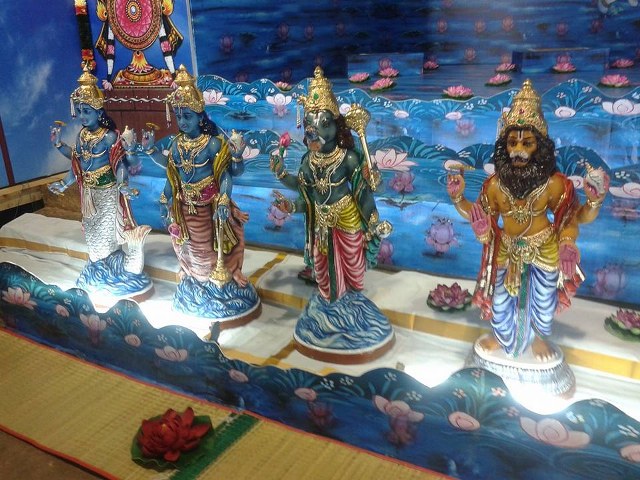
Justice V.R.KRISHNA IYER …We Salute Him On His 100th Birth Day Today…

கேரள மாநிலம் பாலக்காடு வைத்தியநாதபுரத்தில் இரண்டு ரூபாய் சம்பளம் பெற்ற ஆசிரியர் ராமய்யரின் எளிய குடும்பத்தில் பிறந்து, நாட்டின் ராஜதந்திரியாக, சட்ட அமைச்சராக, ஐகோர்ட் மற்றும் சுப்ரீம் கோர்ட் நீதிபதியாக பணியாற்றி இன்றும் எளிய மனிதராக, மக்களுடன் மக்களாக வாழும் ஓய்வு பெற்ற நீதிபதி வி.ஆர்.கிருஷ்ணய்யரின் நூறாவது பிறந்த நாள் இன்று (நவ.,15).

இந்தியாவின் கடைக்கோடி மனிதனுக்கும் நீதியின் பலன் கிடைக்க வேண்டும் என தள்ளாத வயதிலும், தளராமல் பணிபுரிபவர் கிருஷ்ணய்யர். நூறாவது வயதிலும் புத்தகங்களுக்கு முன்னுரை எழுதுவது, பொது நிகழ்வுகளில் பங்கெடுப்பது, ஊடகத்தின் மூலம் சமூகத்தின் முக்கிய நிகழ்வுகள் குறித்து கருத்து தெரிவிப்பது என ஓய்வுக்கு ஓய்வு கொடுத்து, அயராமல் அரும்பணியாற்றும் கிருஷ்ணய்யரின் வரலாறு, இளைஞர்களுக்கு எடுத்துக்காட்டு.


காந்திஜியிடம் கற்றது:


அண்ணாமலை பல்கலையில் 1933 பிப்.,16ல் இளங்கலை மாணவராக கிருஷ்ணய்யர் படித்த போது, காந்திஜி வந்திருந்தார். அவரது தேசப்பற்றை தூண்டும் எழுச்சியுரை கிருஷ்ணய்யரை ஈர்த்தது. காந்திஜியின் எளிய தோற்றம், உடை மற்றும் செயல்பாடுகள் கிருஷ்ணய்யரின் எளிமை வாழ்க்கைக்கு காரணமாயின. ஒன்றுபட்ட சென்னை மாநில சட்டசபை உறுப்பினர், கேரள மாநில சட்ட அமைச்சர், ஐகோர்ட் மற்றும் சுப்ரீம்கோர்ட் நீதிபதி, சட்ட கமிஷன் உறுப்பினர் என அவர் ஏற்ற அத்தனை பணிகளிலும் சாதனைகளை செய்து, அனைவருக்கும் முன்மாதிரியாக திகழ்ந்தார்.


அனாதை குழந்தைகளுக்காக ஓய்வூதியம்:


சென்னை சட்டசபை, கேரள சட்டசபை உறுப்பினராக தேர்வு செய்யப்பட்டு மக்கள் பணியில் ஈடுபட்ட கிருஷ்ணய்யரின் ஓய்வு சம்பளம் மாதம் தோறும் அவருடைய வங்கி கணக்கில் வரவு வைக்கப்படுகிறது. ஓய்வூதியத்தில் ஒரு பைசாவை கூட கிருஷ்ணய்யர் சொந்த தேவைகளுக்கு செலவிடுவது இல்லை. அதில் வரவு ரூ.ஒரு லட்சமாக உயர்ந்ததும், அனாதை குழந்தைகளின் கல்விக்காகவும், வளர்ச்சிக்காகவும் தொண்டு அமைப்புகளுக்கு அனுப்பி விடும் தர்ம சிந்தனையாளராக திகழ்கிறார்.


இன்றும் உதவிடும் தீர்ப்புகள்:


சுப்ரீம் கோர்ட் நீதிபதியாக இவர் வழங்கிய தீர்ப்புகள், வறியவர், எளியவர், பெண்கள், சிறார்கள், சிறைப்பட்டோர் என சமூகத்தின் கடைக்கோடி மக்களின் உரிமைகளை கோர்ட் மூலம் வென்றெடுக்க இன்றும் உதவுகின்றன. கேரள ஐகோர்ட் நீதிபதியிலிருந்து டில்லி சட்டகமிஷன் உறுப்பினராக பணிபுரிய சென்ற போது, எர்ணாகுளத்திலுள்ள சொந்த வீட்டை வருமான வரி தீர்ப்பாயத்திற்கு வாடகைக்கு விட்டார். 1980ல் சுப்ரீம் கோர்ட்டிலிருந்து ஓய்வு பெற்று திரும்பிய போது, அவரது வீட்டை காலி செய்ய மறுத்த வரி தீர்ப்பாயம், ‘கிருஷ்ணய்யர் ஒண்டிக்கட்டை தானே. மனைவியும் இறந்து விட்டார். மகன்களும் வெளி நாட்டில் வசிக்கின்றனர். இவருக்கு எதுக்கு இவ்வளவு பெரிய வீடு’ என்றது. சொந்த வீட்டின் வாடகைதாரர்களை காலி செய்ய கிருஷ்ணய்யர் உரிமையியல் கோர்ட்டில் வழக்கு தொடர்ந்து, ஐந்தாண்டுகள் போராடி வெற்றி பெற்றார். வாடகைதாரர்களை காலி செய்ய, அதிகாரத்தை துஷ்பிரயோகம் செய்து குறுக்கு வழியில் செல்லாமல் கோர்ட்டில் வழக்கு தொடர்ந்தது அவரது நேர்மைக்கும், சட்ட நடவடிக்கைகள் மீது அவருக்குள்ள அசைக்க முடியாத நம்பிக்கைக்கும் எடுத்துக்காட்டு.


நீதித்துறையின் பொற்காலம்:


சுப்ரீம் கோர்ட் நீதிபதியாக 1972 முதல் 1979 வரை கிருஷ்ணய்யர் பணிபுரிந்த காலம், நீதித்துறை பொற்காலம். பாதிக்கப்பட்டவர்கள் யாராக இருந்தாலும், கோர்ட் கதவுகளை தட்டலாம் என்ற நம்பிக்கை விதை, மக்கள் மனதில் கிருஷ்ணய்யரின் தீர்ப்புகளால் விதைக்கப்பட்டது. பாதிக்கப்பட்டவர் மட்டுமே கோர்ட்டில் குறைகளை களைய வழக்கு தாக்கல் செய்ய முடியும். விதி விலக்காக பாதிக்கப்பட்ட மக்களுக்காக எந்த ஒரு குடிமகனும் வழக்கு தொடுப்பது பொது நல வழக்காடுதல் என்பர். பொது நல வழக்காடுதலை இந்திய நீதித்துறையில் பரவலாக அறிய செய்தவர் கிருஷ்ணய்யர். கோர்ட்டிற்கு வரும் கடிதங்கள், தந்திகளில் பிரச்னைகளின் முக்கியத்துவம் கருதி ரிட் மனுக்களாக ஏற்று உரிய உத்தரவுகளை பிறப்பித்தார். இவரது முற்போக்கான தீர்ப்புகளின் தொடர்ச்சியாக தான் இன்று தினமலர் உட்பட நாளிதழ் செய்திகள் கோர்ட்களில் தன்னிச்சையாக பொது நல வழக்குகளாக ஏற்கப்பட்டு, அரசுக்கு உத்தரவுகள் பிறப்பிக்கப்படுகின்றன.


மக்களை நோக்கி கோர்ட்:


‘கோர்ட்களை நோக்கி மக்கள் செல்வதை விட, மக்களை நோக்கி கோர்ட் செல்ல வேண்டும்’ என வலியுறுத்துபவர். வழக்கு செலவுத் தொகை இல்லாத வறியவர்களுக்கு உதவ, மாவட்டங்கள் தோறும் இலவச சட்ட உதவி மையங்கள் உருவாக வித்திட்டு நீதித்துறையின் துருவ நட்சத்திரமாக திகழ்பவர் கிருஷ்ணய்யர். ‘கடவுள் கொடுத்த உயிரை மனிதன் பறிக்க அதிகாரமில்லை’ என மரணதண்டனைக்கு எதிராக ‘அரிஜன்’ இதழில் காந்திஜி கூறிய கருத்துக்களால் கவரப்பட்ட கிருஷ்ணய்யர், மரண தண்டனைக்கு எதிராக குரல் கொடுத்து வருகிறார். குற்றவாளிகள் தண்டிக்கப்படுவதை விட சீர்திருத்தப்பட வேண்டும் என்ற கொள்கை உடையவர். பாதிக்கப்பட்டோரின் உரிமைகள், பெண்கள் மற்றும் சிறார்களின் உரிமைகள், சிறைவாசிகளின் உரிமைகள் குறித்து, இவர் வழங்கிய தீர்ப்புகளால் ‘மனித உரிமை சட்டவியலின் பிதாமகன்’ என அறியப்படுகிறார்.


மகன் வழக்காட தடை:


மகன் பரமேஷ்வர் சட்டப்படிப்பு முடித்து இளம் வக்கீலாக தொழிலை துவங்கிய போது, கிருஷ்ணய்யர் சுப்ரீம் கோர்ட் நீதிபதியாக இருந்தார். தான் உயர் பதவியில் இருக்கும் போது, மகன் கோர்ட்டில் வழக்காடி உத்தரவுகளை பெற்றால் தவறாக பேசப்படும் எனக்கருதிய கிருஷ்ணய்யர், ‘பதவி காலம் முடியும் வரை மகன் பரமேஷ்வர் எந்த கோர்ட்டிலும் வழக்காட வேண்டாம்’ என தடை போட்டு, நீதித்துறை வாழ்வில் உயர் அறநெறிகளை கடைபிடித்தவர். மேற்கத்திய மோகத்தை அறவே வெறுத்தவர். சென்னை கிரிக்கெட் கிளப் வளாகத்தில் நடந்த விருந்தில் சிறப்பு அழைப்பாளராக வேட்டி சட்டை அணிந்து சென்ற கிருஷ்ணய்யர், வாயிற்காவலர்களால் தடுக்கப்பட்டார். கோட், சூட் அணிந்து வந்தால் தான் உள்ளே நுழைய முடியும் என்ற விதிகளை ஏற்க மறுத்து, அங்கிருந்த வருகை பதிவேட்டில் கண்டனத்தை பதிவு செய்த பிறகு, நிகழ்ச்சியை புறக்கணித்து வெளியேறினார். மனிதாபிமானமே சட்டத்தின் அடிப்படை என தீர்ப்புகளை வழங்கியவர். பல்வேறு நன்னெறி கோட்பாடுகளுடனும், உயர்ந்த அறத்துடனும் நம் முன்னே நடமாடும் சாட்சியாக, வாழும் வரலாற்று நாயகராக கிருஷ்ணய்யர் திகழ்கிறார்.

– ஆர்.காந்தி,
ஐகோர்ட் வக்கீல்,
98421 55509,
gandhiadvocate@ymail.com  in http://www.dinamalar.com

Natarajan

“அப்ப எங்களுக்கும் குரு நீங்கதானே …” !!!

1939 ஜூனில் காசி யாத்திரையின் முடிவாக ஸ்ரீசரணாள் வடபுலத்திலிருந்து திரும்பி தென்கோடியான ராமேஸ்வரம் சென்றுகொண்டிருக்கறார். ஏறக்குறைய இறுதிக்கட்டம். திருப்புனவாயிலைக் கடந்து தேவிபட்டணம் போகும் வழி..

சுக்ரவார பூஜை பொருத்தமாக தேவிபட்டணத்தில் ஏற்பாடாகியிருந்தத. அதற்குத்தான் விரைகிறார்..

ஆயின் தேவி அங்கே காளிரூபம் கொண்டிருப்பதாக அல்லவோ தோன்றுகிறது?

அங்கு ஊராட்சி முக்யஸ்தர் ஒரு முஸ்லீம் மரைக்காயர்.. வெளிப்படவே ஐக்கிய இந்தியக் கொள்கையிலும், ஹிந்து மதத்தாரிடமும் முஸ்லீம் லீக் பகமை பாராட்டி வந்த அந்நாளில் அவர் அங்கு ஒரு பெரிய கட்சிக்கூட்டத்திறகு ஏற்பாடு செய்திருந்தார். அதன் தொண்டர்கள் ஹிந்து சமுதாயத்தின் விஷயமாக குண்டர்களே ஆகித் தெருக்களில் ஆயுதமும் கையுமாக அன்று செய்த தர்பாரில் ஊரே கிடுகிடுத்துக் கொண்டிருந்தது. ஹிந்துக்கள் நடுநடுங்கிக்கொண்டருந்தனர்.

செல்லும் வழியில் ஸ்ரீசரணாளுக்குச் செய்தி வந்தது. பயணத்தைத் தொடராமல், இருந்த இடத்திலேயே அப்போதைக்கு ‘நிப்பாட்டி’ விடலாம்; தேவிபட்டணத்தில் கூட்டம் முடிந்து, ஊர் அமைதிக்குத் திரும்பியபின்னர் மீண்டும் பயணம் மேற்கொள்ளலாம்; வேறு வழியில்லை என்று அனைவரும் கருதினர்.

அந்த அனைவர் கருத்தும் எந்த ஒருவரின் அங்கீகாரத்தில்தான காரியமாகுமோ, அவர் ஏதும் சொல்லாமலே மோன சாந்த விக்ரஹமாக, ஆயினும் உத்ஸவ விக்ரஹமாக மேலே சென்று கொண்டேயிருந்தார்.

அதே வழியில் அந்த மரைக்காயரே எதிர்ப்படும்படி நேர்ந்தது! கூட்டத்திற்கான ஏற்பாடுகளைச் சுற்றுப்பிரதேசங்கலும் செய்து விட்டு அவர் திரும்புகையில் ஸ்ரீசரணாரின் பரிவாரம் வருவதைக் கண்டார்!

பரிவாரத்திடை வந்த பரமரையும் கண்டார்.

எப்படிக் கண்டார்? மைத்ரீ தேவதையாகவேதான் கண்டிருக்கவேண்டும

பெரியவாளிடம் நெருங்கி வந்து பெரிதாகக் கும்பிட்டு நின்றார். அவர் நெஞ்சமெல்லாம் பக்தி பூரிக்க உருகியிருந்தது வெளிப்பார்வைக்கே தெரிந்தது.

முதல் தரிசன மாத்திரத்தில் முழு மனமாற்றம்! மாறு நினைத்த மனம் அன்பிலே கொண்ட அதிசய மாற்றம்!

தற்செயலாகக் கிடைத்த தரிசனம் தாம் எதிர்பார்க்காத அமைதியையும், இன்பத்தையும் ஊட்டியதை அவருக்குத் தெரிந்த மொழிநடையில் உணர்ச்சியுடன் பெரியவாளிடம் தெரிவித்தார்.

“நம்ம ஊர்ல சாமி வந்து பூசை பண்றது பாக்கியங்க! எங்களைச் சேர்ந்தவங்களுக்கு சொல்றேங்க! என்ன பணியானாலும் செஞ்சு குடுப்பாங்க. சாமி நல்லா நம்ம ஊர்ல இருந்து, எங்களுக்கெல்லாம் அருளு பண்ணிட்டுப் போகணுங்க” என்று வேண்டிக் கொண்டார்.

“உங்க மனஸுப்படியே ஆகட்டும்!” என்று ஸ்ரீசரணர் நெகிழ்ந்து கூறி ஆசி வழங்கினார்.

ஒருபுறம் லீக் கூட்டம் அமைதியாகவே நடக்க, மறுபுறம் தேவியின்—காளி ரூபத்தில் அல்ல; ஸௌம்ய லலிதா ரூபத்திலேயே உள்ள தேவியின்——பூஜையும் கோலாஹலமாக நடந்தேறியது.

அன்னையன்பின் வடிவான அவதார அன்னைக்குச் செய்யும் பூஜை மணிக்கணக்கில் நீள்வதுண்டுதானே? அப்படித்தான் அன்றும் நடந்தது.

கூட்டம் முடிந்த பின்னும், பூஜை நடப்பதறிந்த மரைக்காயர் தம் முஸ்லீம் பரிவாரத்துடன் முகாமுக்கு வந்து, அவர்களோடு வெளியே காத்திருந்து, தாங்கள் கொண்டு வந்திருந்த ஏராளமான பழக்கூடைகள், பூக்கூடைகள், கட்டுக்கட்டாக ஊதுபத்தி, புட்டி புட்டியாக அத்தர், பன்னீர் முதலானவற்றை உள்ளே அனுப்பி வைத்தார்.

பூஜை முடிந்ததும் நேரே பெரியவாள் அவர்களுக்குத் தரிசனம் வழங்கத்தான் வந்தார். எப்போதுமே அன்னையன்புக்கு மூர்த்தமான அவரது திருவுருவம் இதுபோன்ற அன்னை வழிபாட்டிற்குப் பின்னோ முன்னிலும் அன்பு மெருகேறி ஜ்வலிப்பது வழக்கம். இன்றோ அந்த வழக்கத்திற்கும் அதிகமான அன்பொளி வீச வந்து நின்று, திருநயனத்தால் அதனை அவர்களுக்கு அள்ளித் தெளித்தார்.

அப்போதும், அன்னிய மதத்தினர், அன்று சில மணிகள் முன்பு கூட, என்ன அநியாயம் செய்வரோ என்று அஞ்ச வைத்தவர்கள், கனிந்த மனத்தோடு, கனியும் மலரும், மணமிகு மற்ற கையுறைகளும் கொண்டுவந்து கொட்டிப் பணிந்தவாறிருந்தனர

‘அன்னியோன்னியம்’ என்று ஒரு அழகான சொல். அன்னியம் என்பது அன்னியமாகிவிடும் ஆரன்பைக் காட்டும் சொல். அதற்கு அற்புதச் சான்றாயிருந்தது அந்த நிகழ்ச்சி.

“இத்தனை அன்பா நீங்க செய்யறதை நான் ஸந்தோஷமா ஏத்துக்கத்தான் வேணும். ஆனாலும் இவ்வளவு தாங்குமா’ன்னு இருக்கு!” என்று உள்ளத்திலிருந்து கூறினார் ஸ்ரீசரணர்.

“ஏங்க தாங்காம?” என்றார் மரைக்காயர், பரம பவ்யமாக. “ சாமியை செகத்து குரு—வுன்னு சொன்னாங்க. அப்ப எங்களுக்கும் குருதானுங்களே! நாங்க என்னதான் செய்யக் கூடாது?” என்றார் அந்த முஸ்லீம் அன்பர் !!
SOURCE:::::www.periva.proboards.com

Natarajan


Read more: http://periva.proboards.com/thread/3928/grace-love-muslim-brethern#ixzz3J3GBZZGy

” பக்தர்கள் எல்லாம் நல்லா இருக்கணும் …”


Source: DInamalar dated 11 Nov-14

ஒரு சமயம், மகாபெரியவர் காஞ்சிபுரம் அருகிலுள்ள தேனம்பாக்கத்தில் முகாமிட்டுஇருந்தார். பெரியவருக்கு நெருக்கமான தொண்டர்களான திருவட்டீஸ்வரன் பேட்டை வெங்கட்ராம அய்யர், பாணாம்பட்டு கண்ணன் ஆகியோர் அருகில் இருந்தனர்.

அன்று மகாபெரியவரின் ஜெயந்தி (பிறந்த நாள்). பெரியவர் அன்று காலையில், அனுஷ்டானம், ஸ்நானம் முடித்துக் கொண்டு பக்தர்களுக்கு தரிசனம் அளிக்க வெளியே வந்தார். ஏராளமான கூட்டம் இருந்தது.

எத்தனையோ ஊர்களில் இருந்து பெரியவருக்காக ஹோமம் செய்து கொண்டு வரப்பட்ட பிரசாதங்கள், ஹோம பஸ்மா, கோயில் தண்டு மாலைகள், வில்வம், துளசி மாலைகள், பரிவட்டங்கள், திருப்பதி லட்டு,

திருநீறு, குங்குமம் என அனைத்தையும் ஏந்தி வந்தனர் பக்தர்கள்.

வந்தவர்கள் எல்லாரது நோக்கமும் பெரியவர் ஆரோக்கியமாக தீர்க்காயுளுடன் இருக்க வேண்டும் என்ற ரீதியிலேயே இருந்தது. அதற்காக, பெரியவர் பெயரில் அவரவர் இஷ்ட தெய்வக் கோயில்களில் அர்ச்சனை செய்து பிரசாதம் கொண்டு வந்திருந்தனர். அதை ஏற்றுக்கொள்ளுமாறு எல்லாரும் வேண்டிக் கொண்டிருந்தனர்.

பெரியவர் கூட்டத்தினரை நோக்கி மனம் நெகிழும்படியான பதில் சொன்னார்.

“”நீங்க எல்லாரும் நான் (குரு) நல்லா இருக்கணும்னு ஹோமம், அர்ச்சனை செஞ்சு பிரசாதம் கொண்டு வந்திருக்கீங்க! சரி…ஆனா, எனக்கு என்ன ஆசை தெரியுமா! காஞ்சி மடத்துக்கு வருகிற பக்தர்கள் எல்லாரும் சவுக்கியமா இருக்கணுமேனு ஆசை! ஹோமப்பிரசாதம் எல்லாம் தெய்வ அனுக்கிரகத்தைக் கொடுக்கும் இல்லையா! பக்தர்கள் பல கவலைகளோடு என்னிடம் வருகிறார்கள். சுவாமி பிரசாதங்களை அவர்கள் பெற்றுக்கொண்டு சவுக்கியம் அடையட்டுமேனு நான் நெனக்கிறேன்!” என்று சொல்லியபடியே, அந்த பிரசாதங்களைத் தொட்டார். அதன்பின், பெரியவரின் விருப்பப்படி அவை பக்தர்களுக்கே விநியோகம் செய்யப்பட்டன.

பெரியவர் ஜெயந்தியன்று பிரசாதம் பெற்ற பக்தர்கள் எல்லாரும், தங்கள் நோய்கள், கஷ்டங்கள் எல்லாமே தீர்ந்து விட்டதாக மகிழ்ந்தார்கள்.

“பக்தர்களுக்காக நான் இருக்கிறேன்’ என்று அருள்பாலித்த மகாபெரியவரை தினமும் மனதில் நினைத்து வணங்குவோருக்கு எந்தக்குறையும் வராது.

Read more: http://periva.proboards.com/thread/8283/#ixzz3IsFIRpso

SOURCE:::: http://www.periva.proboards.com

Natarajan

Srirangam Ranganathaswamy Temple Navarathri Golu At 1000 Pillars Mandapam…

Srirangam Golu at 1000 pillars mandapam
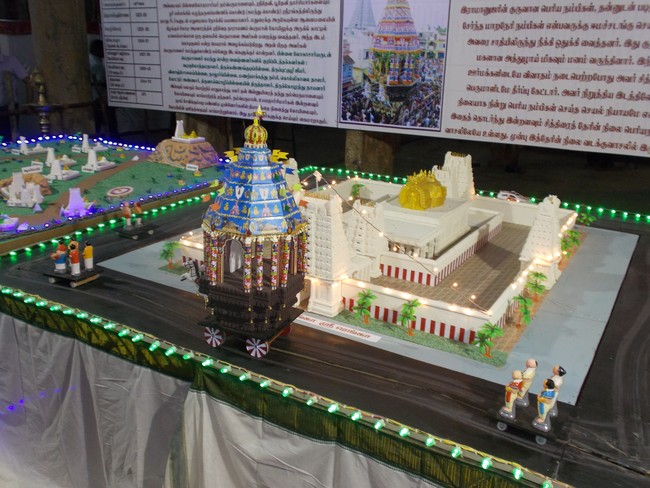
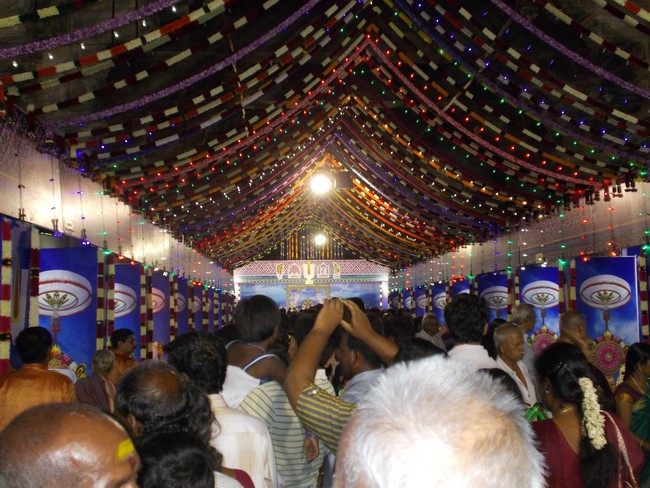
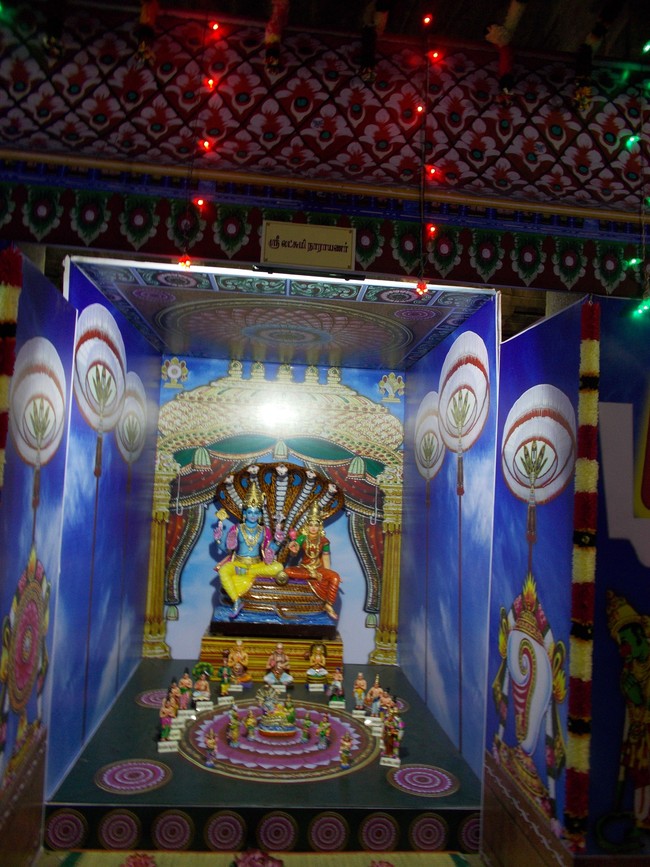
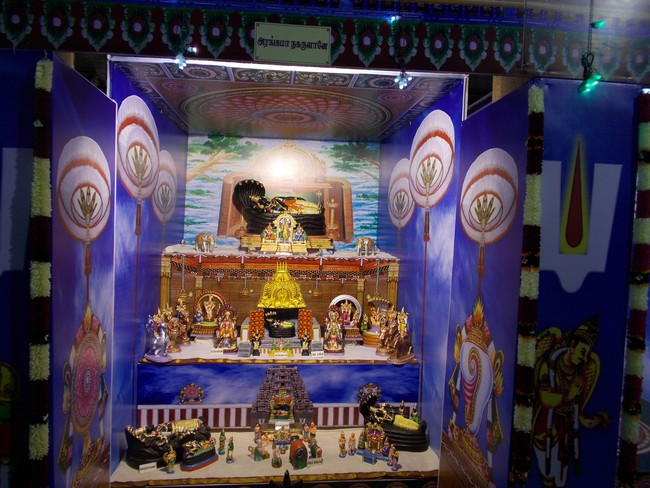
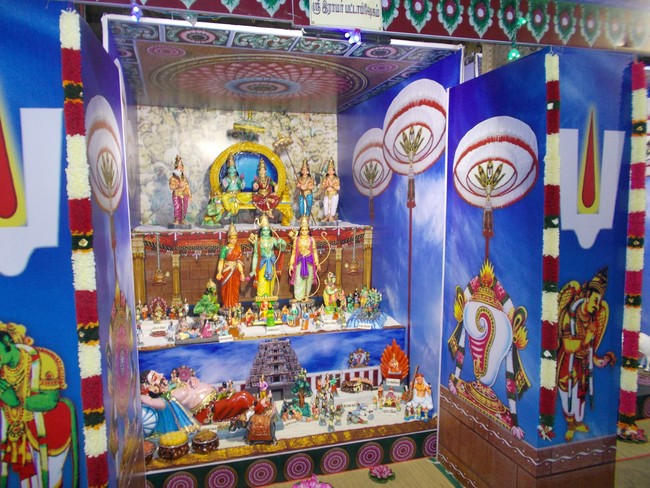
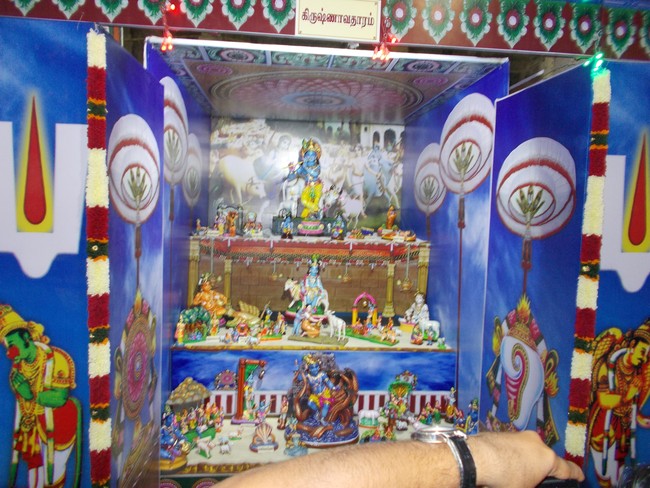
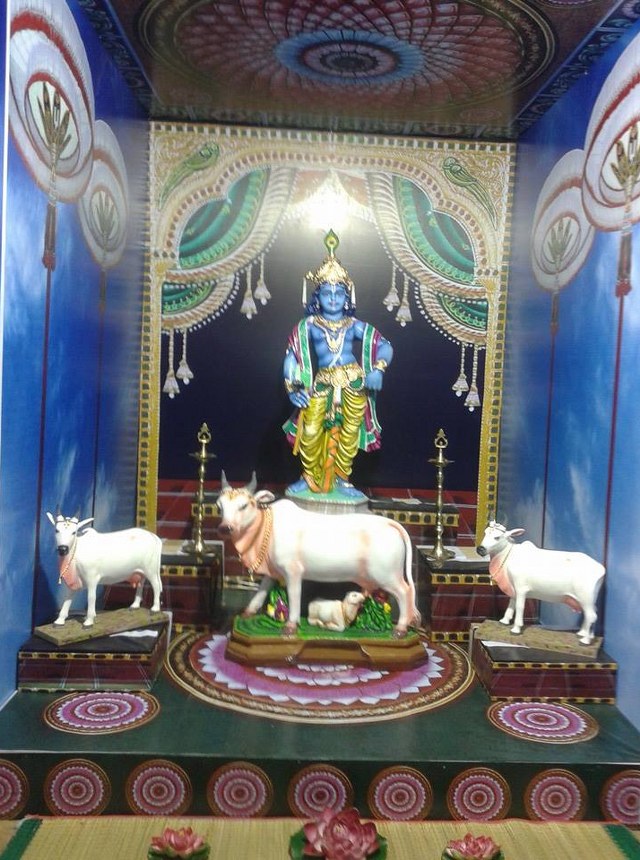
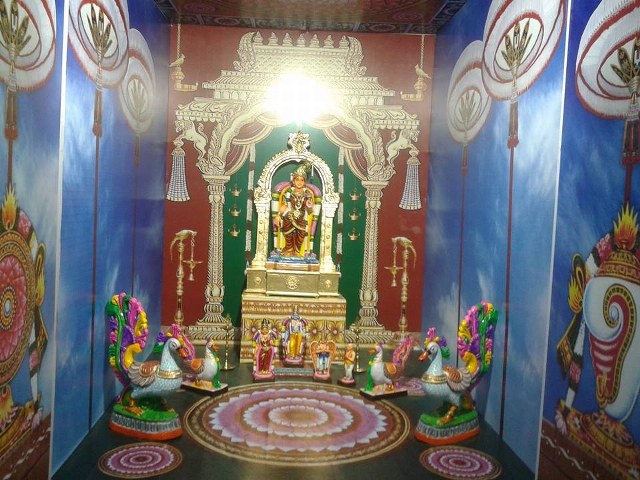
This Annual Year (Jaya varusha) Sri Ranganathaswamy Temple Committee has organised for Golu for the first time at Srirangam Sri Ranganathaswamy Temple Srirangam. The Navarathri Golu display (alankaram) took place during the Navarathri from 24th september 2014 at 1000 Pillar Mandapam ( Ayiram Kaal Mandapam) at Srirangam. The Golu Display was scintillating to the eyes of Devotees of having darshan of  many perumals and  models of  Divyadesam.Lot of astikas after having darshan of Periyaperumal and Sri Ranga Nayagi Thayar visited the golu display and enjoyed the Vaibhavams of Divyadampatis.
Some bhaagavathas  welcomed for keeping golu display and few raised voices, stating its against the Agama Sastras and not done on olden  days (Vazhakkathil illadhadhu). Inspite of  Golu display is agreeable or not, many astikas who visited  got  mesmerized by the beautiful  arrangements with lightings done for  Golu  toys ( bommai) display at 1000 pillar mandapam  at Srirangam.
These are some of the photographs taken during the Golu Display at Srirangam.
Srirangam Ranganathaswamy Temple Navarathri Golu at 1000 pillars mandapam 2014 01Srirangam Ranganathaswamy Temple Navarathri Golu at 1000 pillars mandapam 2014 02Srirangam Ranganathaswamy Temple Navarathri Golu at 1000 pillars mandapam 2014 03Srirangam Ranganathaswamy Temple Navarathri Golu at 1000 pillars mandapam 2014 04Srirangam Ranganathaswamy Temple Navarathri Golu at 1000 pillars mandapam 2014 05Srirangam Ranganathaswamy Temple Navarathri Golu at 1000 pillars mandapam 2014 06Srirangam Ranganathaswamy Temple Navarathri Golu at 1000 pillars mandapam 2014 07Srirangam Ranganathaswamy Temple Navarathri Golu at 1000 pillars mandapam 2014 08Srirangam Ranganathaswamy Temple Navarathri Golu at 1000 pillars mandapam 2014 09Srirangam Ranganathaswamy Temple Navarathri Golu at 1000 pillars mandapam 2014 10Srirangam Ranganathaswamy Temple Navarathri Golu at 1000 pillars mandapam 2014 11Srirangam Temple Golu 2014 1 Srirangam Temple Golu 2014 2 Srirangam Temple Golu 2014 3 Srirangam Temple Golu 2014 4 Srirangam Temple Golu 2014 5
Photography : Sri Jagannathan R 
SOURCE:::: anudinam.org

Natarajan
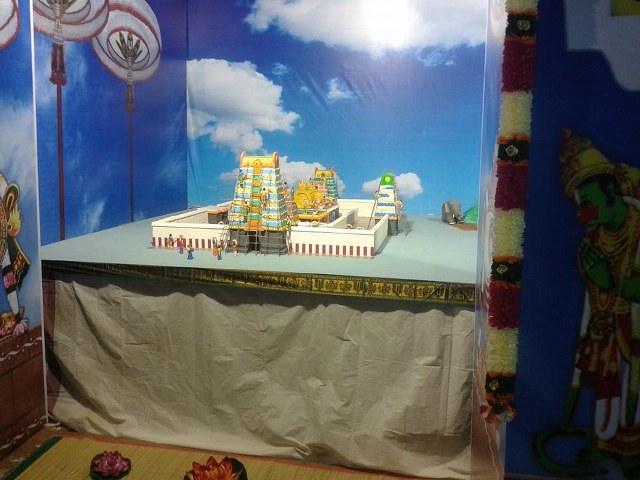
“மூன்று ரூபாய் மூலிகை …”

  • உள்படம்: தனலட்சுமி
    உள்படம்: தனலட்சுமி
  • வல்லாரை - ஆகாசக் கிழங்கு
    வல்லாரை – ஆகாசக் கிழங்கு

மலைக்கோட்டையைப் பார்த்துக்கொண்டே, திருச்சி பெரிய கடைவீதியில் நடந்து சென்றால் ஆங்காங்கே பச்சைப் பசேலென மூலிகைச் செடிகள் குவித்து வைக்கப்பட்டிருக்கின்றன. அவற்றின் முன்னால் அமர்ந்திருக்கும் பெண்கள் பெரும்பாலும் வயதானவர்களாக இருக்கிறார்கள். இவர்களைச் சுற்றிலும் நிற்கும் மனிதர்கள் இயற்கையோடு தங்களை இணைத்துக்கொண்டு வாழப் பழகியவர்கள். ஆம், அங்கு பச்சை நிறத்தில் குவிந்து கிடப்பவை எல்லாம் நம்மில் பலர் மறந்துபோன நாட்டு வைத்தியத்துக்குப் பயன்படும் மூலிகைச் செடிகள்.

இந்த வீதியில் நூறாண்டுக்கும் மேலாக மூலிகைச் செடிகள் வியாபாரம் நடக்கிறது. இவற்றை விற்பனை செய்பவர்களில் தனலட்சுமி பாட்டிதான் சீனியர்.

“நெஞ்சு சளிக்கு தூதுவளை, இடுப்பு, கை கால் வலிக்கு முடக்கத்தான், வாயுவுக்கு வாதநாராயண இலை, தலை பாரத்துக்கு நொச்சி இலை, தலைமுடிக்கு கரிசலாங்கண்ணி, வறட்டு இருமலுக்கு முள் முருங்கை, ஞாபக சக்திக்கு வல்லாரை, திருஷ்டிக்கு ஆகாசக் கிழங்கு, தலையில் பேன், பொடுகு நீங்க குமுட்டிக் காய்” என அடுக்கிக்கொண்டே போகும் தனலட்சுமி பாட்டிக்கு 60 வயது.

தனலட்சுமியின் சொந்த ஊர் திருச்சியில் இருந்து சில கி.மீ தூரத்தில் இருக்கும் குட்டி அம்பலகாரன்பட்டி. 10-ம் வகுப்பு வரை படித்திருக்கும் இவர் சரளமாக ஆங்கிலம் பேசுகிறார். மேற்படிப்பு முடித்து முத்துலட்சுமி ரெட்டி அம்மாள் போல் எம்.பி.பி.எஸ். ஆக வேண்டும் என்பது இவரது கனவாக இருந்திருக்கிறது. ஆனால், அப்பாவின் பிடிவாதம், தனலட்சுமியின் மேற்படிப்புக்குத் திருமணம் என்ற வடிவில் முற்றுப்புள்ளி வைத்துவிட்டது. அன்றோடு டாக்டர் கனவும் காணாமல் போய்விட்டது.

கணவர், குழந்தைகள் என நகரத் தொடங்கிய வாழ்க்கைக்கு இடையே திடீரென கணவர் இறந்துவிடவே, என்ன செய்வதெனத் தவித்துக் கிடந்தார் தனலட்சுமி. அவருடைய அப்பத்தா, அம்மா, அத்தை ஆகியோர் வழிவழியாகப் பார்த்துவந்த மூலிகை வியாபாரம் கைகொடுத்தது.

மூன்று தலைமுறைகளாக மருத்துவ குணம் கொண்ட மூலிகை இலை, தழைகளை வயல்வெளிகளில் தேடிப் பறித்து வியாபாரம் செய்துவந்த குடும்ப பின்னணியைக் கொண்டவர் என்பதால் எந்த வியாதிக்கு என்ன மூலிகை என்பது தனலட்சுமி பாட்டிக்கு அத்துப்படி.

இவர் மட்டுமின்றி 10-க்கும் அதிகமான பெண்கள் இங்கு மூலிகை வியாபாரம் செய்கின்றனர். வாரத்தில் திங்கள், புதன், வெள்ளி, சனி ஆகிய நான்கு நாட்கள் மூலிகை பறிக்கச் செல்லும் தனலட்சுமி, செவ்வாய், வியாழன், ஞாயிறு ஆகிய மூன்று நாட்கள் வியாபாரம் செய்கிறார். அதாவது பறித்த அடுத்த நாள் வியாபாரத்துக்கு வந்துவிடுகிறார்.

லால்குடி, உள்ளிப்பட்டி, ஓலையூர், திருமயம் உள்பட பல ஊர்களுக்குச் சென்று வயல்வெளிகள், தண்ணீர் செல்லும் வாய்க்கால் எனத் தொடர்கிறது மூலிகைச் செடிகளுக்கான தேடல். முட்புதரில் மண்டிக்கிடக்கும் தூதுவளையைப் பறிப்பது சவாலான விஷயம் என்றாலும் இவருடைய வாடிக்கையாளர்கள் பெரும்பாலும் பரிச்சயமானவர்களாக இருப்பதால், குறிப்பிட்ட மூலிகையைக் கேட்டால் அதனை மெனக்கெட்டுப் பறித்துக்கொண்டு வந்து தருவதை வழக்கமாக வைத்திருக்கிறார்.

திருச்சி வட்டாரத்தில் பிரபலமான பல நாட்டு, சித்த வைத்தியர்களுக்கு மூலிகைச் செடிகள் வழங்குவதும் இவர்தான். கிராமங்களில் நம்முடைய பாட்டிகள் செய்த கைவைத்தியம் காலப்போக்கில் நகரங்களில் வியாபாரமாகிப் போய்விட்டது. ஆனால், இந்தப் பாட்டியிடம் முடக்கத்தான் முதல் முள் முருங்கைவரை பத்து ரூபாய்க்குக் கிடைக்கின்றன. வல்லாரை சிண்டு மூன்று ரூபாய்தான். கையில் இருக்கும் காசைக் கொடுத்துவிட்டு சவுரி வேரை எடுத்துச் செல்லும் பெண்களும் உண்டு.

எப்படிக் கட்டுப்படியாகிறது என்று கேட்டால், “நான் என்ன காசு கொடுத்தா இதையெல்லாம் பறிச்சுட்டு வாரேன். இயற்கையா வளரும் இந்த இலை, தழைகள் எல்லோருக்கும் சொந்தமானது. எங்க முன்னோருங்க எனக்கு இதைத்தான் சொல்லிக் கொடுத்தாங்க. வாழ்க்கையை ஓட்ட எனக்கு பெருசா பணம் தேவையில்லை. மூலிகை பறிக்கச் செல்ல பஸ்ஸுக்கும், சாப்பாட்டு செலவுக்கும்தான் காசு வேண்டியிருக்கு. எனக்கப்புறம் இதை எடுத்துச் செய்ய எங்க வீட்ல யாரும் இல்ல. இத்தனை மகத்துவம் வாய்ந்த, மருத்துவ குணம்கொண்ட மூலிகைச் செடிகளின் அருமை அடுத்த தலைமுறைக்குத் தெரியுமாங்கறது சந்தேகம்தான்” என்று சொல்கிறார் தனலட்சுமி. சுற்றியிருக்கும் பசுந்தழைகள் அவரது பேச்சுக்கு இசைவாகத் தலையசைக்கின்றன.

படங்கள்: ஜி.ஞானவேல்முருகன்

SOURCE:::::: ஜி.ஞானவேல்முருகன்  IN http://tamil.thehindu.com/society/women/ 
Natarajan
” Hello Uncle….Hello Aunty …” !!!


Illustration by Satwik Gade
The HinduIllustration by Satwik Gade

On being pushed up in the seniority stakes after marriage, no matter what your age.

We all know that age carries clout in India. As the website indianchild.com says, “Respect for elders is a major component in Indian culture”. In ancient times, this meant that youngsters would touch the feet of elders in greeting, talk to them deferentially and fetch things for them. But the modern guideline for respecting elders in India is crisper: simply address them ‘uncle’ and ‘aunty’.

I discovered this truth early in my marriage, at the tender age of 24. An older couple and their three-year-old daughter were staying in the ground floor of our apartment building. On our first visit to their house, the girl smiled sweetly at us and said, “Hello uncle; hello aunty’. My wife and I found it endearing to be addressed like this by the little one. Two days later, we were trudging up the stairs to our flat when the door of the apartment on the second floor opened and a man walked out. He politely moved out of the way to let us pass and said, “Hullo uncle; hullo aunty.” I looked at him closely. He had a thick moustache and a three-day stubble that made him look older than me. Yet he was calling me ‘uncle’ and his only excuse was that I was married!

“Hullo,” I said coldly and offered my hand. “I’m Paddy. And you?”

As he shook hands with me, his smile became friendlier. I thought he had recognised his error and would now address me by my name. “I’m Ajit, uncle,” he said. “I just finished my B. Com and am looking for a job.” Maybe he needed a broader hint. “I’m a graduate engineering trainee at Telco,” I said, subtly conveying that I had an engineering degree and had just got a job, and was, therefore, not more than two years older than him. “That’s great, uncle,” he said. “My dad works there too, at the forge.” After that initiation, my wife and I became reconciled to being addressed as ‘uncle’ and ‘aunty’ by men and women who did not look much younger than us. We would return their greetings graciously and later, in the privacy of our bedroom, have a quiet laugh together. A few years later, on another staircase to another flat in another city, we met another young man.

At six feet five inches, he towered over us and, in the dimly lit corridor, looked a shade dangerous. I remember thinking that if I had met him in a dark, lonely alley, I’d have handed him my wallet and watch without waiting to be asked. But, as he greeted us, it was obvious that he had met my wife, “Hello akka(elder sister),” he said, “nice to see you again.” I smiled with pleasure at his ability to impart respect without making my wife feel ancient. As I beamed at him, I noticed how pleasant and gentle he was and wondered how I could have thought he looked dangerous.

“And is this your husband?” the fine fellow continued. As my wife nodded, he turned to me and offered his hand. “Hullo uncle! So nice to meet you at last.”

“Nasty specimen,” I said to my wife when we entered our flat. “Doesn’t he look like a villain.?”

“No!” she said. “I think he looks sweet and innocent.”

I realised that as long as we had shared the rewards of seniority equally and had been able to laugh together at the foibles of youth, things had been bearable. But now it appeared that I might overtake my wife on the path to seniority. I felt a shiver go down my spine. What if, over the years, I got promoted from ‘uncle’ to thatha (grandfather) while she remained akka? Luckily, that didn’t happen. Apart from the occasional akka thrown her way, we’ve collected an equal quota of ‘uncles’ and ‘aunties’ from an array of fellow Indians in different places and at different times. Just last week, returning from an outing, we saw a couple in their late forties struggling with their shopping at the entrance to our apartment. The man was balding and, among the few hairs left on his head, the colour grey dominated. My wife and I helped them by picking up a few bags and carrying them to the lift. “Thank you so much,” the man said as the lift came to a stop. I began to smile to imply ‘it was no trouble’ when he continued, “It’s so kind of you, uncle.”

“I think I have more hair on my head than you,” I wanted to say but he had left the lift. Two days after this I was talking to my 26-year-old son in Mumbai. “You won’t believe this, appa,” he said. “In the lift today, I met a man in his thirties and his three-year-old son. The boy called me ‘uncle’! I felt very old.”

“Don’t worry,” I told him. “Once you marry, the boy’s father will also call you ‘uncle’!”

Paddy Rangappa is a freelance writer.

E-mail: Paddy.Rangappa@apmea.mcd.com

Keywords: After marriage lifeseniorityhuman Interest

SOURCE:::: Paddy Rangappa in http://www.thehindu.com

Natarajan