Source…http://www.newsweek.com/
Natarajan
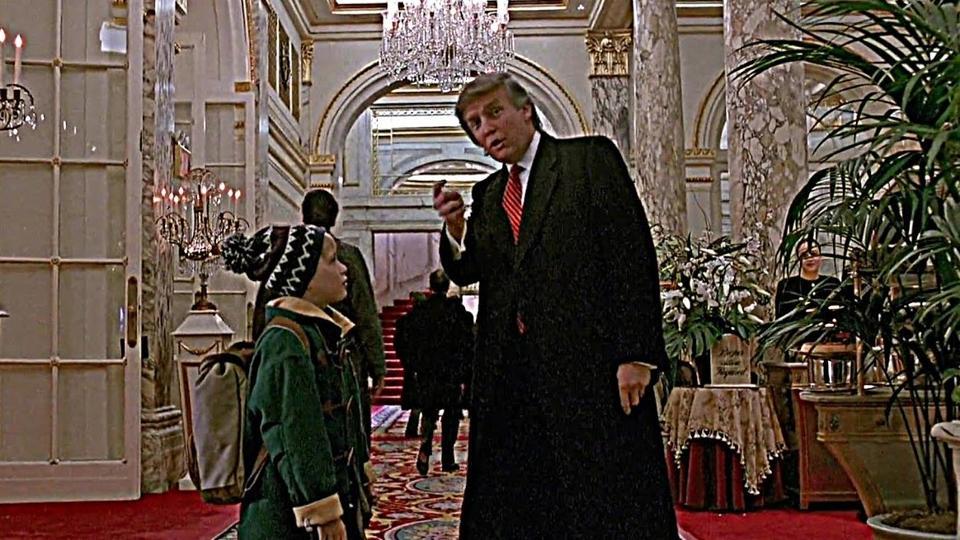
Back in 1992, Donald Trump played a six-second cameo role in the adventure/comedy movie Home Alone 2: Lost in New York. And now, Hollywood actor Matt Damon has spilled the truth behind the “apparent” cameo appearance.
Damon revealed the deal that Trump made to the filmmakers in exchange for the use of his Manhattan hotel for the shoot.
In an interview with The Hollywood Reporter, the 46-year-actor told that President Trump will only let the crew of the film on his properties if they write him a part in the movie.
He said, “The deal was that if you wanted to shoot in one of his buildings, you had to write him in a part.”
Adding, “[Director] Martin Brest had to write something in Scent of a Woman, and the whole crew was in on it.”
“You have to waste an hour of your day with a bullshit shot: Donald Trump walks in and Al Pacino’s like, ‘Hello, Mr. Trump!’ You had to call him by name and then he exits,” noted Damon.
“You waste a little time so that you can get the permit, and then you can cut the scene out. But I guess in Home Alone 2 they left it in,” he explained.
The Downsizing star also revealed that he has never met Trump in person and he clearly isn’t a fan of him.
Damon is currently promoting his new movie Suburbicon at the Venice Film Festival alongside Hollywood actors George Clooney and Julianne Moore.
Source…www.hindustantimes.com
Natarajan

2009 ஆண்டு ஜனவரி 15 குளிர்காலத்தின் வியாழக்கிழமை. நியூயார்க் நகரம் எப்போதும் போல இயங்கிக் கொண்டிருக்கிறது. லகுவார்டியா விமானநிலையம் பரபரப்பாக இருக்கிறது. விமானங்கள் வருவதும் போவதுமாக இருக்கிறது. விமானங்களுக்கு ஓடுபாதையில் இறங்க வேண்டிய நேரத்தை சிக்னலாக வழங்கிக் கொண்டிருக்கிறார்கள். லகுவார்டியாவிலிருந்து US ஏர் பஸ் 1549 A320 என்கிற விமானம் நார்த் கர்லோநியாவில் உள்ள சார்லோட்டி விமான நிலையத்திற்குப் புறப்படத் தயாராகிறது. 66 டன் எடை கொண்ட விமானம் இரண்டு என்ஜின்களைக் கொண்டது. இரண்டு என்ஜின்களும் 40000 குதிரைத் திறன் கொண்டவை. பைலட்டின் பெயர் செஷ்லே சுல்லேன்பெர்கர் (Chesley Sullenberger). வயது 57. இவர் அமெரிக்க விமானப்படையில் பைலட்டாக இருந்தவர். மொத்தம் 19663 மணி நேரம் பறந்தவர். அதில் 4765 மணி நேரம் A320 விமானத்தில் பயணித்தவர்.
ஏர் பஸ் 1549 A320 விமானத்தில் 150 பயணிகளும் ஐந்து விமானச் சிப்பந்திகளும் பயணிக்கிறார்கள். விமானம் கிளம்புவதற்கான ஒப்புதல் நிலைய அதிகாரிகளிடமிருந்து கிடைக்கிறது. விமான நிலையத்தின் நான்காவது ஓடுபாதையிலிருந்து மாலை 3:24:56 நொடிகளுக்கு விமானம் புறப்படுகிறது.
விமானம் 2818 அடி உயரத்தில் 343 கிலோமீட்டர் வேகத்தில் பறந்துக் கொண்டிருக்கிறது. விமான முகப்புப் பகுதியில் விமானத்தின் முன்பாக பறவைகள் வருவதை பைலட் பார்க்கிறார். அவை கனடா கீஸ் வகை பறவைகள். 3:27:11 பறவைகள் விமானத்தின் எஞ்சின் பகுதியில் மோதுகின்றன. பறவைகள் மோதியதில் விமானத்தின் இரண்டு என்ஜின்களும் பழுதாகின்றன. விமானம் பழுதானதை உணர்கிற பைலட் உடனே விமான நிலைய கட்டுப்பாட்டு அறைக்குத் தகவலைத் தெரிவிக்கிறார். 3:27:33 வினாடிகளில் “விமானத்தில் பறவைகள் மோதிவிட்டன. உடனே விமானத்தை லகுவார்டியாவில் தரை இறக்க வேண்டும் ஓடுபாதையை கிளியர் செய்து கொடுங்கள்” என்கிறார். நிலைமையின் தீவிரத்தை அறியாத விமான நிலைய அதிகாரிகள் விமானத்தை நியூ ஜெர்சியில் இருக்கிற டேடேர்போரோ விமான நிலையத்தில் இறக்குங்கள் எனத் தகவல் சொல்கிறார்கள்.
“விமானத்தை டேடர்போரோவில் இறக்குவதற்குச் சாத்தியமில்லை” என பைலட் பதிலளிக்கிறார். விமானம் ஜார்ஜ் வாஷிங்டன் பாலத்திற்கு மேலாகப் பறந்துக்கொண்டிருக்கிறது. பயணிகளுக்கு எந்தத் தகவலும் வழங்கப்படவில்லை. விமானத்தில் இருக்கிற 150 பயணிகளையும் காப்பாற்றியாக வேண்டிய அசாதாரண சூழ்நிலை. நொடிக்கு 18 அடி கீழ் நோக்கி விமானம் சென்றுகொண்டிருக்கிறது. தீவிரத்தை உணர்கிற பைலட் 3:28:10 நேரத்தில் விமானத்தை அட்சன் பகுதியில் இறக்குவதாக விமான நிலையத்திற்குத் தெரிவிக்கிறார். ஆனால், விமான நிலைய அதிகாரிகள் ”அட்சன் பகுதியிலா வேண்டாம்” என்கிறார்கள். காரணம் அட்சன் என்பது ஓடுதள பகுதி அல்ல என்பதே. நியூயார்க் நகரத்தில் இருக்கிற ஒரு ஆறு. ஜார்ஜ் வாஷிங்டன் பாலம் இருக்கிற நகரின் பரபரப்பான பகுதி. மொத்த விமான நிலையமும் பதற்றத்திற்கு வருகிறது. அட்சன் ஆறு ஐக்கிய அமெரிக்காவின் நியூயார்க்கின் கிழக்குப் பகுதியின் ஊடாகச் செல்லும் ஆறு. வடக்கிலிருந்து தெற்கு நோக்கி ஓடும் ஆற்றின் நீளம் 507 கிலோமீட்டர்கள்.
வேறு வழியின்றி விமானத்தை பைலட் அட்சன் ஆற்றுப் பகுதியில் இறக்க முடிவு செய்கிறார். பயணிகளுக்கு நிலைமை எடுத்துச் சொல்லப்படுகிறது. விமான ஒலிபெருக்கியின் மூலம் விமானிப் பயணிகளுடன் உரையாடுகிறார். பயணிகள் பயத்தில் உறைகிறார்கள். அடுத்து என்ன நடக்கும் என்பதை யூகிக்க முடியாத சூழல். விமான நிலையக் கட்டுப்பட்டு அறையில் இருக்கிற அதிகாரிகள் நியூயார்க் கடற்படைக்குத் தகவல் கொடுக்கிறார்கள். கடற்படையின் படகுகள் கப்பல்கள் குறிப்பிட்ட இடத்திற்குக் கிளம்புகின்றன. பாதுகாப்பு ஹெலிகாப்டர்கள், படகுகள் என அட்சன் ஆறு மிகப்பெரிய விபத்திற்கு தயாராகிறது
3:30 நிமிடத்திற்கு பைலட் விமானத்தை அட்சன் ஆற்றில் இறக்குகிறார். ஆற்றுக்கும் விமானத்திற்குமான இடைவெளி 500 அடியிலிருந்து தீவிரமாகக் கண்காணிக்கப்படுகிறது. 100 அடி, 50 அடி, 20 அடி, 10 அடி எனக் குறைகிறது. 0. அவ்வளவுதான். அதிபயங்கரச் சத்தத்துடன் விமானம் ஆற்றில் பாய்கிறது. அட்சன் பகுதிக்குப் பக்கத்தில் இருக்கிற மக்கள் பேராபத்தை உணர்கிறார்கள். விமானம் ஆற்றில் பாய்ந்த அடுத்த நிமிடம் ஆற்றில் மிதக்க ஆரம்பிக்கிறது. நல்ல வேளையாக விமானம் தீப்பிடிக்கவில்லை. விமானத்தின் தானியங்கி கதவுகள் மூடிக்கொள்கின்றன. கதவுகள் மனித முயற்சியில் திறக்கப்படுகிறது. அடித்துப் பிடித்துக்கொண்டு பயணிகள் விமானத்திலிருந்து வெளியே வருகிறார்கள். சிலர் பதற்றத்தில் வெளியே குதிக்கிறார்கள். குளிர்காலம் என்பதால் நீர் ஐந்து டிகிரி குளிராக இருக்கிறது. விமானத்திலிருந்து வெளியே வந்தவர்களை குளிர் வாட்டி வதைக்க ஆரம்பிக்கிறது. விமானத்தின் இறக்கைப் பகுதிகளில் ஏறி நின்று கொண்டு உதவிக்கு அழைக்கிறார்கள். விமானம் ஆற்றில் இறங்கிய நான்கு நிமிடங்களில் கடற்படையின் படகுச் சம்பவ இடத்திற்கு வந்து சேர்கிறது. பயணிகளில் ஒருவர் மாற்றுத் திறனாளி. விமானம் கொஞ்சம் கொஞ்சமாக நீரில் மூழ்க ஆரம்பிக்கிறது. கடற்படை வீரர்கள் பயணிகள் எல்லோரையும் பத்திரமாக மீட்கிறார்கள். படகுகள் மூலம் எல்லோரும் மீட்டு ஆற்றின் கரைக்குக் கொண்டுவரப்படுகிறார்கள். 3:55 நிமிடத்தில் விமானத்தின் கடைசிப் பயணியும் பத்திரமாக மீட்கப்படுகிறார். எல்லோரும் காப்பாற்றபட்டார்கள் என்பதை உறுதி செய்கிற விமான பைலட் கடைசியாக வெளியே வருகிறார். ஐந்து பயணிகள் பெரிய காயங்களுடன் மருத்துவமனையில் சேர்க்கப்படுகிறார்கள். எழுபத்தி எட்டு பயணிகளுக்குச் சிறிய காயங்கள். சிலர் குளிர் காய்ச்சலுக்கு ஆளானார்கள். ஒரு பயணிக்கு விமானத்தின் எரிபொருள் கண்ணில் பட்டதில் பார்வை போனது.
பெரிதாக எந்த அசம்பாவிதமும் அந்த விபத்தில் நிகழவில்லை. பயணிகள் பைலட்டை தூக்கிவைத்து கொண்டாடுகிறார்கள். விபத்து நடந்த இரண்டாம் நாள் விமானம் ஆற்றுப் படுக்கையிலிருந்து மீட்டு நியூ ஜெர்சிக்குக் கொண்டு செல்லப்படுகிறது. விஷயம் நீதி மன்றத்துக்குச் செல்கிறது. விமான நிர்வாகம் விமான பைலட்டை குற்றம் சாட்டுகிறது. விமானத்தை டேடர்போரோ விமான நிலையத்தில் தரை இறக்கி இருக்கலாம்; அதற்கான நேரம் இருந்தது. ஆனால் விமானி அவசரப்பட்டு விமானத்தை ஆற்றில் இறக்கிவிட்டார் என வாதாடுகிறது. விமானி செஷ்லே சுல்லேன்பெர்கர் அந்த நேரத்தில் பயணிகள் உயிர் குறித்து மட்டுமே சிந்தித்ததாகச் சொல்கிறார். அதை ஏற்றுக்கொள்ளாத விமான நிறுவனம் நீதிமன்ற உத்தரவுபடி ஒரு விமானத்தை சோதனை முயற்சியாக விபத்து நடந்த இடத்திலிருந்து டேடர்போரோ விமான நிலையத்தி இறக்கிக் காட்டுகிறது. ஆனால், விபத்துக்குள்ளான விமானத்தின் விமானி ”சோதனை செய்யப்பட்ட விமானிக்கு என்ன நடக்கப்போகிறது எனத் தெரியும். அதனால் அவர் எளிதாக விமானத்தை தரையிறக்கி விட்டார். மேலும் அவர் அதற்காகப் பயிற்சி பெற்றிருக்கிறார். ஆனால் என்னுடைய நிலை வேறு” எனச் சொல்லி வாதிடுகிறார்.
விமான நிர்வாகம் அதை ஏற்றுக் கொள்ளாமல் மீண்டும் ஒரு சோதனை முயற்சியில் இறங்குகிறது. நடுவானில் விமானத்தின் இரு எஞ்ஜின்களையும் செயலிழக்கச் செய்து டேடர்பெரோ விமான நிலையத்தில் தரை இறக்குகிற முயற்சியில் இறங்கியது. விமானம் பெரிய சுவற்றில் மோதி விபத்துக்குள்ளாகிறது. அனைத்தையும் ஆராய்ந்த நீதிமன்றம் செஷ்லே சுல்லேன்பெர்கர் செய்தது சரி எனச் சொல்லி தீர்ப்பளிக்கிறது. செஷ்லே சுல்லேன்பெர்கர் விமானி பல பதக்கங்களைப் பெறுகிறார். விமான நிறுவனம் பயணிகளுக்கு இழப்பீடை வழங்கியது.
இந்தச் சம்பவத்தை மையமாக வைத்து ‘சல்லி(Sully)’ என்றொரு படம் வெளியானது. டாம் ஹாங்க்ஸ் நடித்திருந்தார்.
Source….George Anthony in http://www.vikatan.com
Natarajan
Most remember October 29th, 1929—also known as Black Tuesday—as the day when the New York stock market crashed. However, it was also the day when one of the most horrific tragedy involving human-animal conflict happened at the Brooklyn Bridge.
On that awful day a trio of three circus elephants, including the star attraction—a thirteen-foot-tall African elephant named Jumbo, was to cross the Brooklyn Bridge and into New York. The event was greatly publicized and crowds of people came from miles around to see Jumbo. While crossing the bridge, something caused the animals to panic and what was to be a slow and deliberate cross suddenly became a deadly stampede as the three elephants charged into the cheering crowd. Aside from scores of human casualty, two of the elephants died in the stampede, while Jumbo escaped to freedom through the Holland Tunnel and lived out his days at an elephant sanctuary.
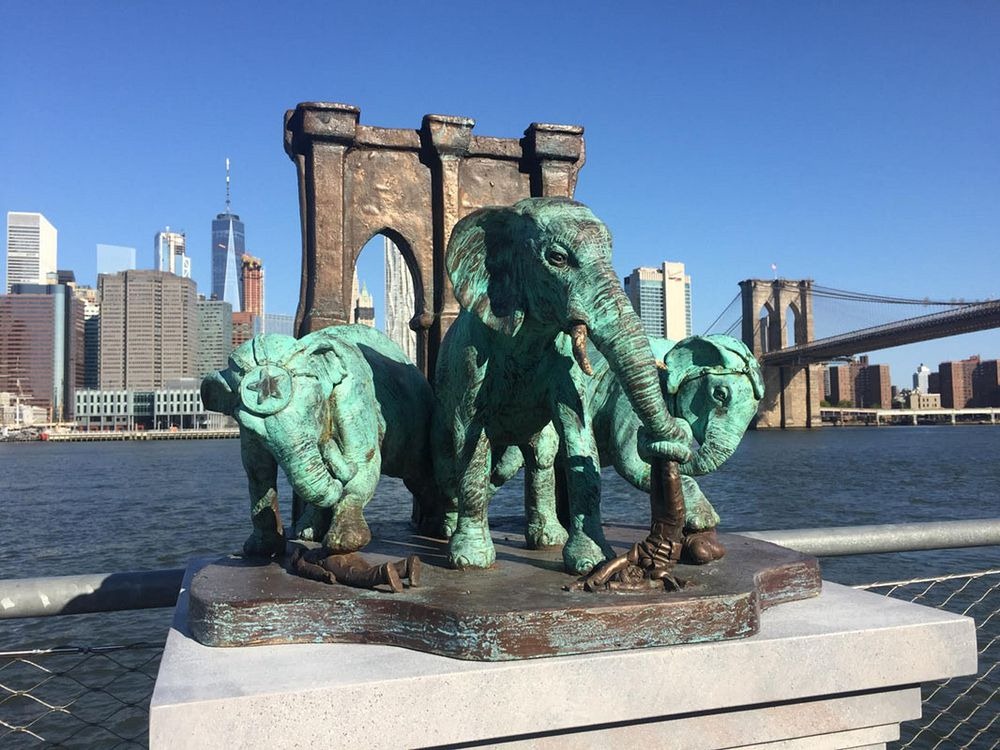 The memorial to the 1929 Brooklyn Bridge Elephant Stampede. Photo credit: Joe Reginella
When a new bronze memorial to the tragedy was unveiled at the Brooklyn Bridge Park last month, it left visitors scratching their heads because no one ever remembered hearing or reading about the Brooklyn Bridge Elephant Stampede of 1929. That’s because the tragedy never happened. It’s a satirical piece of art by sculptor Joe Reginella.
Last year, the prankster-artist erected another memorial to yet another fabricated tragedy—the so-called Staten Island Ferry Disaster—in Battery Park. The story goes, that on November 2nd, 1963, a Staten Island Ferry with over 400 people onboard was attacked by a giant octopus and was pulled beneath the water resulting in the death of all passengers. According to Reginella, the disaster went almost completely unnoticed by the public because it was overshadowed by another more “newsworthy” tragedy that occurred that day—the assassination of President John F. Kennedy.
As part of the hoax, Reginella created a fake documentary, fabricated newspaper articles and distributed flyers to puzzled tourists sending them to a nonexistent museum on Staten Island.
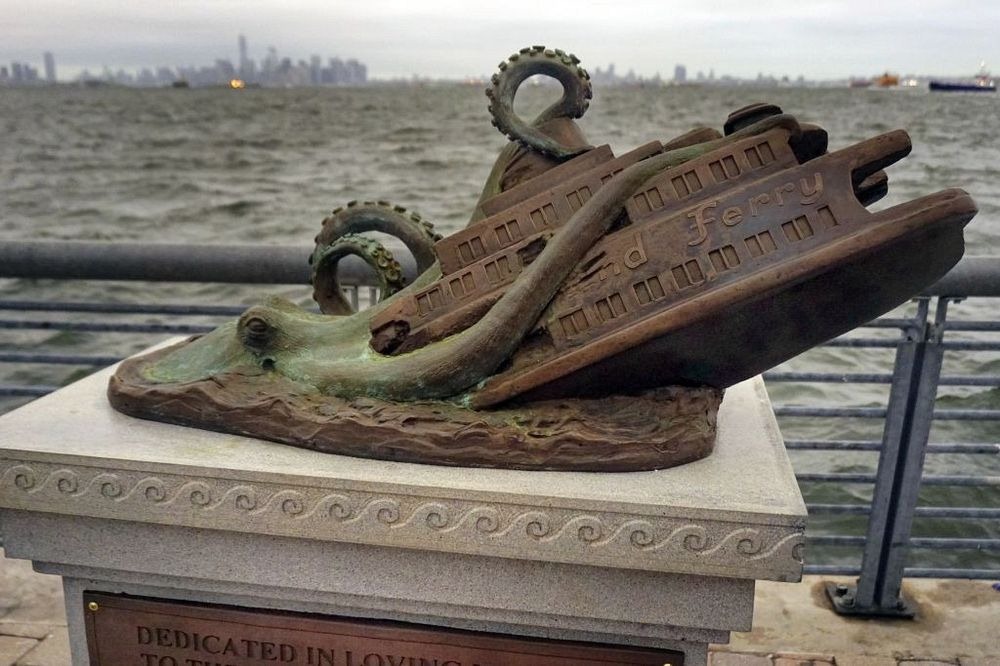
The memorial to the 1963 Staten Island Ferry Disaster. Photo credit: Ula Ilnytzky
The idea for the hoax came to him when Reginella was taking his 11-year-old nephew on the ferry between Manhattan and Staten Island. To satisfy the kid’s curious questions, such as if the waters were infested with shark, Reginella fabricated the story of a giant octopus attack.
“The story just rolled off the top of my head,” he told The Guardian, and it evolved to become “a multimedia art project and social experience – not maliciously – about how gullible people are”.
In the early few days after the memorial was unveiled, Reginella sat close by with a fishing pole pretending to fish so that he could eavesdrop on the conversations. Sometimes he overheard people wondering why nobody ever heard of it. Others simply stared out at the water and walked away.
While the Staten Island Ferry Disaster never happened, there is actually a bit of interesting history behind Reginella’s latest hoax—the Brooklyn Bridge Elephant Stampede. Elephants belonging to the Barnum and Bailey’s Circus did actually cross the Brooklyn Bridge in 1884, when the circus came to town. One of the elephants, a thirteen-foot and seven-ton African, was actually named Jumbo. He was accompanied by twenty other elephants, seven camels and ten dromedaries in what was known as Barnum’s legendary “elephant walk.”
Neither memorials are permanent, and are displayed only on specific days and times. Consult the memorials’ websites for timing before you decide to visit.
www.sioctopusdisaster.com
www.bbelephantstampede.com
Source….Kaushik in http://www.amusingplanet.com
Natarajan
Many people will have a heavy heart having heard the sad news that comedy legend, Jerry Lewis, has passed away at the age of 91. Although he fell in and out of favor with his adoring public throughout his career, there’s no denying that he was both immensely talented and incredibly generous – he ran a Labor Day telethon each year from 1966 to 2010 in order to raise money for the Muscular Dystrophy Association, raising some $2.5 billion in the process. Enjoy 12 of the most famous sketches and songs from his career below:
Source….www.ba-bamail.com
natarajan
 It was March 14, 1932 when George Eastman, famed inventor, philanthropist, and founder of Eastman Kodak, invited a few loyal friends over to witness the rewriting of his will. He had made the decision to give a good portion of his money and prized possessions, including his enormous mansion, to the city he called home for his whole life- Rochester. To this end, he bequeathed his house and a $2 million endowment (about $34 million today) to the University of Rochester. Eastman also donated a large sum of money to dental dispensaries across the city, attempting to ensure that no child in Rochester would go without proper dental work. Finally, he left $200,000 (about $3.4 million today) to his beloved niece, Ellen.
Cheerfully signing the will, he assured his friends this was just a matter of ensuring his wishes. Later, it was thought that he also wanted his friends to see him mentally alert so the credibility of the will wouldn’t be questioned. After all the t’s were crossed and i’s were dotted, he asked if everyone could excuse themselves for a moment. When they did, George took out paper and pen and wrote a note, which read,
To my friends,
My work is done.
Why wait?
GE
Then, he took a pistol out from his nightstand and shot himself in the heart, ending his life at the age of 74.
So who was this captain of industry and why did he, quite cheerfully, suddenly choose to take his own life?
George Eastman, and his company, turned photography from a complicated, expensive, unwieldy, and potentially dangerous hobby (due the chemicals needed to develop the film) into one that, quite literally, a child could do. He was not only a genius inventor, but a brilliant marketer.
His story begins as it ended, in Rochester. The Eastmans always put a priority on education. In fact, George Eastman Senior founded Eastman’s Commercial College in 1854, the same year George Junior was born. The family was middle-class and living pretty comfortably, but this was short-lived. In 1862, when George was only eight, his father passed away from a “brain disorder.” His mother, Maria, was a now a widow with three small children, one of them (George’s youngest sister Katy) suffered from polio and other illnesses. Life was hard for the Eastman family after George Senior’s death and self-reliance became a necessary trait.
At age of 14, George dropped out of high school to support his family. He worked at a local insurance company and as a clerk at Rochester Savings Bank. Then, in 1870, tragedy struck again when his sister, Katy, passed away from complications related to polio. She was buried next to her father.
George, even at an early age, was meticulous, detailed, and controlling of every aspect of his own business. Starting when he got his first job at 14, he began keeping ledgers to detail his finances. Due to his careful planning and earning enough working at the bank, Eastman was able to afford certain luxuries. It was in one of these ledgers, under January 27, 1869 to be exact, that “photography” was first mentioned. As the months passed, besides helping to support his mother, George spent more and more money on “photos” or “photograph materials.”
In 1878, Eastman learned an important lesson – photography (at least at the time) was hard. The legend goes that he wanted to treat his mother to a vacation in Santa Domingo in the Dominican Republic (other sources say he was looking to buy land in the newly independent nation). Either way, to document his trip, he bought a photographic outfit. Cameras then are not what we think of cameras are today. An outfit included the camera (constructed from several parts that must be put together before taking pictures), a stand, a light, and wet glass plates (with chemicals) in order to preserve the picture. As Eastman later put it,
In those days, one did not ‘take’ a camera; one accompanied the outfit in which the camera was only a part. I bought an outfit and learned that it took not only a strong, but also a dauntless man to be an outdoor photographer.
Eastman, so fed up with everything he had to bring, not only didn’t take a camera, he didn’t take the trip at all. At this point, Eastman thought to himself that there had to be a better way.
For the next several years, while still working at the bank, Eastman developed a new kind of dry plate, one made out of gelatin (the same ingredient used in Jello, which would be invented twenty years later in a small town thirty miles from Rochester), not glass. Glass was heavy, fragile, and expensive. Gelatin was an improvement on all of these things. By 1880, he had patented a dry-plate coating machine made out of gelatin, making the process of preserving film negatives simpler, cheaper, and less dangerous.
While developing this process, he came across another innovation that would allow photography and, eventually, cameras to become something that wasn’t just for the professional. As described by Eastman,
I also made experiments by using paper as a temporary support and coating the Cellulose immediately upon the paper, and afterwards coating with the emulsion. I had no difficulty stripping the Cellulose from the paper, the cellulose adhered to the emulsion and separated from the paper.
He patented this film on March 4, 1884. That same year, Eastman and his associate William Walker developed a roll holder to hold the film. The invention of this revolutionary film wasn’t enough, though. What he really wanted to do was, “to popularize photography to an extent as yet scarcely dreamed of.”
In 1888, the name “Kodak” was thought up while playing with an anagram set with his mother. Eastman loved the word because it was simple, easy to pronounce and it started with a “K.” Said Eastman, “It became a question of trying out a great number of combinations of letters that made words starting and ending with ‘K.”
Kodak was officially incorporated as a company in 1890 and quickly rocketed to the top of the industry. Also that same year, Eastman introduced the first Kodak camera, equipped with his film. It cost $25 (about $640 today), but the most important thing was that the customer didn’t do the developing of film themselves- Kodak did. The customer would send the camera back (film and all) to the company for developing and processing. Their motto aptly illustrated this: “You press the button, we do the rest.”
He had now made it easy for anyone to take and have pictures developed. The next step was to change the camera from a luxury item or expensive hobby to something just about anyone could afford.
In 1900, the revolutionary Brownie camera, versions of which were so popular through the mid-20th century, was born. It cost only one dollar ($28 today) and was even marketed to children. For the next hundred years, George Eastman and Kodak would be synonymous with cameras and film.
For his entire 40+ years of heading up his own company, George Eastman was used to being in control. So, when he was diagnosed with a spinal condition in the late 1920s, forcing him to be confined to a wheelchair, it depressed him greatly. His mother, who lived with him until her death in 1907, was also in a wheelchair for the last years of her life. His baby sister was in a wheelchair until she died. He saw them suffer and Eastman did not want to go through the same long drawn out process. He also didn’t like that he felt this gave off an image of weakness. Eastman was used to being a man respected the world over, not an “invalid.” He mused greatly about death and illness, writing a friend,
God keep me from being like them (referring to family and friends who he had seen succumb to illness). Doesn’t it seem strange that the clearest minds I have ever known should be taken this way? That is the sad thing about illness.
So, by March 1932, he had enough. George Eastman wanted to go by his own hand, rather than the hand of illness and fate. So he tidied up all the loose ends of his life and, once complete, ended it immediately on his own terms.
Source…www.today i foundout.com
Natarajan



 Take off with Natarajan