Image of the Day…” Sunset Over The Atlantic…”

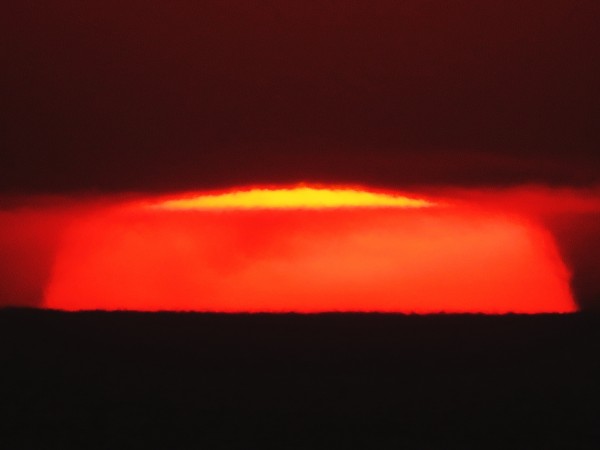
Dramatic sunset over the Atlantic, seen near Rio

Cool air on the sea surface strongly refracted the setting sun, seen Saturday night from a small town near Rio de Janeiro, Brazil. Cool series of images!

January 17 sunset by Helio de Carvalho Vital.  Shot 1 of 6.

Helio de Carvalho Vital wrote:

That the strong refraction next to the horizon flattens the image of the setting sun is no surprise to anyone. But what if the sun suddenly becomes shaped like a mushroom? Saturday evening [January 17, 2015], I took some photos of the sun setting over the Atlantic Ocean from Saquarema, a small city 100 km east of downtown Rio de Janeiro.

The local air temperature was 34°C but the seawater was only 21°C. Thus a layer of cooler air formed on the surface of the sea.

As sunlight crossed that layer to reach my camera, it underwent a complex series of refractions and reflections that severely distorted the image of the sun, making it acquire very unusual shapes.

A Canon Powershot SX60 HS was used for all the shots, taken at 21:39-41 UTC.

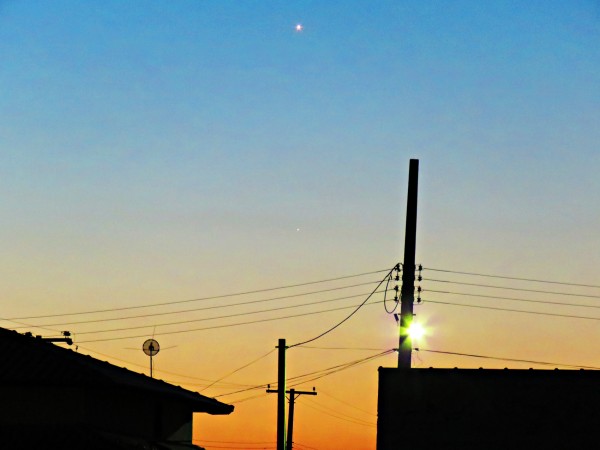
After sunset that same evening, Venus and Mercury appeared!

January 17 sunset by Helio de Carvalho Vital.  Shot 2 of 6.

January 17 sunset by Helio de Carvalho Vital.  Shot 3 of 6.

January 17, 2015 sunset by Helio de Carvalho Vital.  Shot 4 of 6.

January 17, 2015 sunset by Helio de Carvalho Vital.  Shot 5 of 6.

After sunset on January 17, as the sky began to darken, Venus and Mercury popped into view in the western sky.  Photo by Helio de Carvalho Vital.

Bottom line: Series of images of Saturday night’s amazing sunset, seen over the Atlantic from a small town near Rio de Janeiro, Brazil.

SOURCE::: http://www.earthskynews.org

Natarajan

Jan 21 2015

“தை அமாவசை … நன்றி நவிலும் தினம் “….

” தை அமாவசை … நன்றி நவிலும் தினம் “….

ஜன., 20  தை அமாவாசை

பிரகலாதனின் தந்தை இரண்யன். திருமால், நரசிம்ம அவதாரம் எடுத்து, இவனை அழித்த போது, பிரகலாதன் சோகமாய் இருந்தான். அவன், ‘தந்தை, தன்னை கொடுமைப்படுத்தினாரே… அந்த கொடுமைக்கான தண்டனையைத் தான் அவர் அனுபவிக்கிறார்…’ என்று நினைக்கவில்லை. என்ன இருந்தாலும், தந்தை அல்லவா… வருத்தம் இருக்கத்தானே செய்யும்!
பிரகலாதன் வருத்ததை அறிந்த நரசிம்மர் அவனை அழைத்து, வாஞ்சையுடன் அவனது தலையை தடவியபடி, ‘பிரகலாதா… ஒரு வரம் கேளேன்…’ என்றார்.
‘சுவாமி… வரம் கேள் என்கிறீர்களே… பிரதிபலனை எதிர்பார்த்தா உங்களிடம் பக்தி செய்தேன். இல்லையே…’வரம் கேள்’ என்கிறீர்கள். நான் கேட்காமல் போனால், உங்கள் சொல்லை தட்டிய பாவத்திற்கு ஆளாவேன். அதனால், சுவாமி, என் தந்தைக்கு நல்ல கதியைக் கொடுங்கள்…’ என்றான். இதுதான் நன்றியறிதல் என்பது! பெற்றவர்களும், நம் முன்னோர்களும் நல்லவர்களோ, கெட்டவர்களோ அவர்கள் மோட்ச கதியை அடைய, நாம் கடவுளிடம் பிரார்த்தனை செய்ய வேண்டும். இதற்காகத்தான் தை அமாவாசை போன்ற நிகழ்வுகள் ஏற்படுத்தப்பட்டுள்ளன.
சூரியன் தன் வடதிசை பயணத்தை ஆரம்பிக்கும் உத்ராயண காலத்தில், தை பிறக்கிறது. இந்த மாதத்து அமாவாசை மிகவும் விசேஷத்திற்குரியது. ஆடி முதல் மார்கழி வரை நம் முன்னோர் பூமிக்கு வந்து, நம்மை பாதுகாக்கின்றனர். பின், தை அமாவாசையன்று விடை பெற்று, பிதுர்லோகத்துக்கு செல்வதாக ஐதீகம். இந்த நாளில், அவர்களை நாம் நன்றியுடன் வழியனுப்பி வைக்க வேண்டும்.
தை அமாவாசை விரதம் மிகவும் எளிது. அன்று காலையில், ஏதாவது தீர்த்தக்கரைகளுக்குச் சென்று, தர்ப்பணம் செய்ய வேண்டும். அருகிலுள்ள கோவிலில் முன்னோர் நற்கதியடைய கடவுளைப் பிரார்த்திக்க வேண்டும். தர்ப்பணம் கொடுக்கும் நேரம் வரையாவது சாப்பிடாமல் இருக்க வேண்டும். நம்மை எத்தனையோ நாட்கள் பாதுகாத்த அவர்களுக்காக, நாம், ஒரு வேளை பட்டினி கிடப்பது ஒன்றும் பெரிய விஷயமல்ல. அதே நேரம், மற்றவர்களின் பட்டினியைப் போக்கும் வகையில், அன்னதானம் செய்ய வேண்டும்.
அன்று, நம் குலதெய்வம் கோவிலுக்குச் சென்று வர வேண்டும். ஏனெனில், அங்கே, நம் முன்னோர் அனைவரின் பாதமும் பட்டிருக்கும். அந்த புண்ணிய பூமியில், நம் பாதமும் படுவது, மிகுந்த புண்ணியத்தைத் தரும். நம் முன்னோர்களின் பெயரையும், அவர்களது பெருமையையும் பிள்ளைகளுக்கு சொல்லி, அவர்கள் வழியில் நடக்கும்படி அறிவுறுத்த வேண்டும்.
தை அமாவாசை நன்னாளை, நன்றியறிதல் தினமாக கொண்டாட தயாராவோம்!

SOURCE::::: http://www.Dinamalar.com  and Repeat of my Earlier Blog  dated 30 Jan 2014

Natarajan

Jan 20 2015

Message For the Day…’ Benefit of Listening to Guru…”

Do not look at the world with a worldly eye. Look upon it with the eye of the Soul (Atma), as the projection of the Supreme Self (Paramatma). Then you can cross the horizon of dualities into the region of the Oneness. The One is experienced as many because of the forms and names people have imposed on it. That is the result of the mind playing its game. Withdrawal from sensory objects promotes inner exploration (nivritti), not outer inquiry and activity (pravritti). Along inner exploration lies the path of intellectual inquiry (jnana). The sacred activities like rituals and sacrifices laid down in the Scriptures help only to cleanse the consciousness. The freedom that makes one aware of the truth, is gained only by listening to the Guru, ruminating over what has been listened to, and meditating on its validity and significance. Only those who have detached their minds from desire can benefit from the Guru 

Sathya Sai Baba

“Let Your Kite Fly High … With Strings Attached … ” !!!

Father is flying a kite. His son is watching him carefully. After some time son says,

“Dad, Because of the string the kite is not able to go any further higher. “

Hearing this, the father smiles and breaks the string. The kite goes higher after breaking f the thread and then shortly after that it comes and falls on the ground.

The child is very dejected and sad.

The father sits next to him and calmly expalains ” Son, In life we reach a certain level of prosperity and then we feel that there are certain things in our life that are not letting us grow any further like Home, Family, Culture Friendship etc. We feel we want to be free from those strings which we believe are stopping us from going higher.
But, remember Son,  Going higher is easier than staying at the higher level. And friends, family and culture etc are the things that will help us stay stable at the high heights that we have achieved. If we try to break away from those strings our condition will be similar to the kite.”…

~ Never go away from culture, family, friends and relationships as they help keep you stable while you are flying high…

~ Let your Kite always soar high

SOURCE:::: unknown….input from a friend of  mine

Natarajan

Jan 20 2015

How Mumbai Once Lived !!!….

Mumbai may pace to a frenetic beat, but the metropolis has hidden corners where life moves more leisurely.

Satish Bodas/Rediff.com visits the city’s BDD chawls where neighbours live like one big family.

If you want to see what life was like a few decades ago, I’d suggest a visit to Mumbai’s 92-year-old Bombay Development Directorate’s chawls.

Families manage in tiny rooms and neighbours, unlike what happens in much of Mumbai, are very much a part of each other’s lives. The chawls’s residents still share their joys, sorrows and festivals with each other.

BDD is a little oasis in the heart of Mumbai — where a bustling lifestyle and tall skyscrapers pause to watch a slower, more measured Time that exists in a few old stone buildings.

But the residents — mainly Hindus and Buddhists — say it is time for change. Their families have expanded and living in such tiny spaces, plagued by leakage problems, is no longer easy.

Many youngsters have moved out; the older generation waits behind, hoping that redevelopment will take place, yet not completely ready to let go of a life they are so familiar with.

In my eyes, it is one of the last bastions guarding a simple, old-fashioned way of life.

The BDD chawl building built in 1925

The structures of the BDD chawls were built between 1922 and 1925.

The 1922 structure with a new coat of paint

When space is short, windows provide a convenient area for storage.

Kashinath Annaa kakade a resident since 1948

Kashinath Anna Kakade, who is 95 years old, has created a special calendar.

If you tell him the date of your birth, he will tell you on which day you were born.

He makes it a point to read the newspaper regularly and enjoys drinking a glass of milk every day.

Mr Kakade has been staying here since 1948 and feels that life today is much more comfortable than it was in his youth.

“Then,” he says, “we had to go down to fetch water, but now the BMC (Brihammumbai Municipal Corporation) water comes directly to my house.”

An iron staircase going to the roof

This old ladder leads to the terrace. Only one person can use it at a time.

As you can see, the ravages of age have begun to show in this old stone structure.

Gas and kerosene stove used by the joint families residing here

The families living here rely on gas cylinders and kerosene stoves to cook their daily meals.

As you can see, water continues to be a major issue. Look at all the vessels used to store the precious liquid.

Each room is home a family and is self-contained; it includes the bathroom and the kitchen.

The toilets, of course, are communal and are located outside the house.

Each floor houses 20 families in 20 rooms.

There are six toilets on each floor — three for men and three for women.

Washing clothes outside the ground floor premises

This family on the ground floor, like many others in the chawl, uses the extra space outside their house to wash and dry their clothes.

If you look at the photograph carefully, you will see the little door (behind the lady in maroon) they have made under the window for a quick entry and exit.

BDD Chawl

Sadly, the rear areas of the BDD buildings are used as chicken coops-cum-garbage dumps.

BDD Chawl

Facing the chawls is a huge open area where children skip out to play… a rarity in Mumbai.

BDD Chawl

Most of the residents, except those who stay in buildings reserved as residential quarters for the police (known locally as Police Line Buildings), have extended their rooms to get extra space.

Take a look at this picture and you’ll know what I mean.

BDD Chawl

You don’t need to live in fancy buildings to have a gymnasium on the premises. Here’s a look at the gym at BDD chawl.

BDD Chawl

Skyscrapers, with their alluring promise of a more modern lifestyle, tower nearby.

BDD Chawl

Every floor is connected through a long passage, with houses on both sides. These passage, as you can see, become an extension of the houses.

BDD Chawl

Finally, here’s a glimpse of how the old replaces the new — the old wooden staircase of the chawl has been renovated using tiles and marble.


Satish Bodas/Rediff.com

Natarajan
Jan 20 2015

Vyjayanthimala Bali ….Dancing @ the Age of 80 !!!


A Bollywood and Bharatanatyam legend, smt. Vijayahthimala Bali (b. 1936) at Bharatiya Vidya Bhavan, in Mylapore, December 2013.
http://en.wikipedia.org/wiki/Vyjayant…


SOURCE::: http://www.You Tube.com

Natarajan

Jan 20 2015

” 320 Pound Woman … How She will Look Like ” !!!

Amazing!

The question is, What does a 320 pound woman look like? 


Now, before you scroll down to look at her pictures, get a mental image of what you think a woman who weighs 320 looks like…


Got it?


Ready?


Amazing!001
 
 
Amazing!002

Not exactly what you were expecting is it??!!


The tallest and best proportioned woman in the world lives in Holland .

She is 7’4′ and weighs 320

What a relief! Now we ALL know we aren’t overweight; we’re just too short! 

SOURCE:::: http://www.fundstuffpeoplesendme.wordpress.com

Natarajan

Jan 20 2015

” Dosa …. Dosa …. Dosa … “


Dosa
is a fermented crepe or pancake made from rice batter and black lentils. It is a staple dish in the South Indian states of Tamil Nadu, Kerala, Andhra Pradesh and Karnataka. It is also popular in other parts of India, as well as other countries like Sri Lanka, Malaysia and Singapore.

Here are 20 dosas that everyone must try:

1. Sweet Banana Wheat Dosa

A tasty sweet treat, especially for children. Serve it with sliced bananas and warm chocolate syrup.


2. Mysore Masala Dosa

Commonly known as Masala Dosa, it is Karnataka’s speciality.  The filling is prepared with soft mashed potatoes and curry leaves. It’s the first choice when you want to enjoy South Indian food.


3. Paper Dosa

Who doesn’t remember munching on this paper thin crispy dosa  dipped in hot sambar and coconut chutney. As kids, it was our all-time favourite.


4. Ali Pota Dosa

Soft and spongy, the name of the dosa literally means ‘scooping into’, when translated from Tamil. It is prepared like Soft dosa, but with different proportions. Serve it with tamarind or puli chutney to bring out the acidic flavours.


5. Oats Masala Dosa

Here comes a tasty South Indian treat for the health conscious people. It is not only fiber rich, but also diabetic friendly. Top it with some chaat masala to give your taste buds a kick.


6. Neer Dosa

Neer dosa, literally means ‘water dosa‘, comes from the unique region of Dakshin Kannada.  It is prepared with watery rice batter and tastes best with jaggery and coconut chutney.


7. Kovil Prasadam Dosa

It is made in a unique way and served in South Indian temples as prasadam to the Gods. The recipe for the dosa calls for ginger and sonti and it tastes best with ginger chutney.


8. Davangere Benne Dosa

The dosa traces its origins from the city of Davangere in Karnataka. Benne means butter and so, this mouthwatering dish is made with fresh homemade butter.


9. Godhambu Dosa

Craving for a dosa but don’t have much time? Try this instant wheat dosa recipe. It doesn’t need much fermentation and can be cooked in a few minutes. This simple and nutritional dosa is a perfect choice for your evening snack.


10. Rava Masala

Prepared with suji, you can make it plain or spice it up with mashed potatoes, chopped onions, curry leaves and red chillies. The thin texture of the batter gives it a netted and crispy appearance.


11. Ragi Dosa

A health-friendly dosa, it is slightly brown in colour and has a netted texture just like Rava dosa. Ragi, being very rich in calcium, is a perfect choice for vegans and vegetarians. You can enjoy it plain or with potato fillings and coconut chutney.


12. Kaal Dosa

Unlike other dosasKaal dosa is a bit thick and very soft. One of the famous South Indian breakfast dishes, it is served with Kara chutney. 


13. Uppu Huli Dosa

A very popular dish in Mangalore and Udupi, the batter is prepared with tamarind and red chillies, giving it a reddish texture. This dosa is a combination of sweet, sour and spicy flavours.


14. Navratan Dosa

Just like it’s name, the dosa takes a royal place in the family of dosas. The dish is prepared with vegetables, fruits and nuts. It is an appetizing yet healthy treat when served hot with corianderchutney and sambar.


15. Egg Dosa

An innovative dosa, it is a doppelganger of our favourite half-fried egg. The thin and crispy layer of a plain dosa makes it taste even more heavenly and luscious.


16. Open Masala Dosa

As the name suggests, the masala is arranged on top of the dosa. It is slightly thicker than plain dosaand can be enjoyed with Sambar and tomato chutney.


17. Steamed Dosa

Also known as Set dosa, it is a very healthy dish prepared without oil. Very easy to make, Steameddosa has a very soft texture and can be enjoyed plain with coriander and tamarind chutney or with mashed potatoes prepared with chillies, curry leaves and onions.


18. Pesarattu Dosa

Prepared with Moong Dal, it is a popular breakfast dish in Andhra Pradesh and it is also known as MLA Pesarattu dosa. The moong daal makes it wholesome and filling. This crispy dosa tastes delightful with some Upama and coconut chutney.


19. Brown Rice Dosa

Full of nutrition, this dosa is the best for every weight watcher. When served with tomato and coconutchutney, this cholesterol-free dosa will not disappoint you.


20. Avocado Dosa

The filling of this dosa is made of avocado and onions. Avacados are called Benne Hannu in Kannada  and the dosa is a famous dish in Bangalore hotels. You can enjoy this piping hot dosa withSambar and chutney.

SOURCE:::: http://www.scoopwhoop.com

Natarajan

Jan 19 2015


Do you have any more yummy 
dosas to add to this list?  


” One Catches More Flies with Honey Than with Vinegar … ” !!!

 It is better to build bridges than dig trenches!!

 b127c-1460264_10152028523656030_355485874_n

      From Ancient China: ‘The sentence of a wise Judge’

A farmer in ancient China had a neighbor who was a hunter, and who owned ferocious and poorly trained hunting dogs. They jumped the fence frequently and chased the farmer’s lambs. The farmer asked his neighbor to keep his dogs in check, but this fell on deaf ears.

One day the dogs again jumped the fence and attacked and severely injured several of the lambs.
The farmer had had enough, and went to town to consult a judge who listened carefully to the story and said: “I could punish the hunter and instruct him to keep his dogs chained or lock them up. But you would lose a friend and gain an enemy. Which would you rather have, friend or foe for a neighbor?”

The farmer replied that he preferred a friend.
“Alright, I will offer you a solution that keeps your lambs safe, and which will keep your a neighbor a friend.” Having heard the judge’s solution, the farmer agreed.

Once at home, the farmer immediately put the judge’s suggestions to the test. He took three of his best lambs and presented them to his neighbor’s three small sons, who were beside themselves with joy and began to play with them. To protect his son’s newly acquired playthings, the hunter built a strong kennel for his dogs. Since then, the dogs never again bothered the farmer’s lambs.

Out of gratitude for the farmer’s generosity toward his sons, the hunter often shared the game he had hunted with the farmer. The farmer reciprocated by sending the hunter lamb meat and cheese he had made. Within a short time the neighbors became good friends.


A saying in old China went something like this, “One can win over and influence people the best with gestures of kindness and compassion.” A similar American saying: “One catches more flies with honey than with vinegar.”

SOURCE:::: input from a friend of mine

Natarajan

Jan 19 2015