Image of the Day…” Busy Traffic at International Space Station …” !!!

Docked Soyuz spacecraft in center of frame with Cygnus cargo craft at left and Progress craft at right with Earth below

Expedition 47 Flight Engineer Tim Peake of the European Space Agency took this photograph on April 6, 2016, as the International Space Station flew over Madagascar, showing three of the five spacecraft currently docked to the station. The station crew awaits the scheduled launch today, April 8, of the third resupply vehicle in three weeks: a SpaceX Dragon cargo spacecraft, which will be the sixth spacecraft docked following its arrival and installation to the Harmony module on Sunday, April 10. Dragon is carrying 6,900 pounds (3,130 kilograms) of science, crew supplies and hardware; the largest payload is theBigelow Expandable Activity Module (BEAM). The BEAM will be attached to the Tranquility module a week after its arrival for a series of habitability tests over two years.

Orbital ATK’s Cygnus cargo craft, visible at the left of this image, was bolted into place on the Earth-facing port of the station’s Unity module on March 26, 2016. Although the SpaceX and Orbital ATK spacecraft have made 12 launches between them, this will be the first time that the two vehicles, contracted by NASA and developed by private industry to resupply the station, are connected to the space station at the same time.

Image Credit: ESA/NASA

Source…….www.nasa.gov
Natarajan

Message for the Day…” What is the true happiness…? “

Ages have gone by and the world is fast changing, but there is no transformation in the human heart. Some say that education is bringing about a change in human beings. True, but what type of change has it brought? It is a peculiar change that is leading to perversion of human mind instead of transforming their hearts. Human heart in its pristine state is highly sacred and human birth is difficult to attain. Out of all the living beings, the human birth is the rarest (Janthunam narajanma durlabham).Having attained such a precious life, are you making efforts to live like a true human being? Today you have become a bundle of desires, spending all your time and effort in fulfilling them. You are under the mistaken notion that fulfilment of desires will confer happiness on you. Realise that only annihilation of desires will lead you to ultimate bliss. True happiness lies in the state of desirelessness.

Sathya Sai Baba

படித்து ரசித்தது …” குளியல் ” !!!

குளியல் !
————–

உண்மையில் நம்மில் பல பேருக்கு எதற்காக குளிக்கிறோம் என்றே தெரியவில்லை.

அழுக்கு போகவா…..! நிச்சயம் கிடையாது…..!

மாத மளிகை பட்டியலில் சோப்பு டப்பாவை வாங்கி அடுக்கி வைத்து கொள்கிறோம்.

சோப்பு எதற்காக கண்டுபிடிக்கப்பட்டது தெரியுமா… கப்பலில் இயந்திரத்தோடு இயந்திரமாக வேலை செய்வோருக்கு உடலில் திட்டு திட்டாக ஆயில் படிந்துவிடும்.

இந்த கடின எண்ணெய்யை நீக்குவதற்காக சோப்பு பயண்படுத்தினார்கள். கப்பலில் மட்டும் அல்ல எண்ணெய் புழங்கும் மற்ற இடங்களிலும் கூட இது பயன்பட்டது.

சோப்பு போடுவதற்கு நாம் எந்த கப்பலில் வேலை பார்த்தோம். எந்த சேறு, சகதி எண்ணெய்க்குள் புரண்டு எழுந்து வந்தோம்.

வணிக பெருமுதலை கும்பல் சும்மா இருப்பார்களா, ஆயிலில் புரண்டெழுந்து வேலை செய்வோர் மட்டுமே பயண்படுத்தி வந்த இந்த சோப்பை,

எல்லோரும் பயண்படுத்தும் படி பல திட்டம் தீட்டி. கிருமி உருவாக்கி, அதன் மேல் பயம் உருவாக்கி.
நடிகர்களை நடிக்க விட்டு. நம் தலையில் கட்டிவிட்டார்கள்.

இதன் மூலம் என்ன ஆனது..

சோப்பு போட்டு நம் தோல்களின் மேல் இயற்கையாக உருவாகும் மெல்லிய பாதுகாப்பு கொழுப்பு படலத்தை நீக்கி விட்டேம், இப்பொழுது பாதுகாப்பற்ற நிலை உருவாகிறது. இதை திரும்ப சீர் செய்யவே உடல் பெரும்பாடுபடுகிறது.

நமக்கு வாய் முகத்தில் மட்டும் அல்ல தோலின் மேல் இருக்கும் ஒவ்வொறு வியர்வை துவாரங்களும் வாயே. சோப்பை போடுவதன் மூலம் வியர்வை துவாரம் வழியே இரசாயண நச்சு இரத்தத்தில் கலந்து கல்லீரலை பாதிக்கிறது.

சோப்பு போடுவதன் மூலம் தோல் மூலமாக நம் உடல் கிரகிக்கும் பிரபஞ்ச சக்தி தடுக்கப்படுகிறது.

இன்னும் இதன் தீமைகள் பல உண்டு. சொல்லி மாளாது.

நாம் சோப்பு போடுவதற்கு எந்த சேறு, சகதி, எண்ணெய் இயந்திரங்களுக்குள் புரண்டு வருவதில்லை.

சரி பின் எதற்கு தான் குளிக்கிறோம் என்று கேட்கிறீர்களா….?

குளியல் = குளிர்வித்தல்

குளிர்வித்தலோ மருவி குளியல் ஆனது.

மனிதர்களுக்கு உள்ள 75% நோய்களுக்கு காரணம் அதிகப்படியான உடல் வெப்பம்.

இரவு தூங்கி எழும்போது நமது உடலில் வெப்பக் கழிவுகள் நேங்கியிருக்கும்.

காலை எழுந்ததும் இந்த வெப்பகழிவை உடலில் இருந்து நீக்குவதற்காக குளிந்தநீரில் குளிக்கிறோம்.

வெந்நீரில் குளிக்க கூடாது. எண்ணெய் குளியலின் போது மட்டுமே மிதமான வெந்நீர் பயன்படுத்த வேண்டும்.

குளிர்ந்த நீரை அப்படியே மொண்டு தலைக்கு ஊற்றிவிடக்கூடாது. இது முற்றிலும் தவறு.

நீரை முதலில் காலில் ஊற்ற வேண்டும், பின், முழங்கால், இடுப்பு, நெஞ்சு பகுதி, இறுதியாக தலை.

எதற்கு இப்படி. காலில் இருந்து ஊற்றினால் தான் வெப்பம் கீழிருந்து மேல் எழும்பி, விழி மற்றும் காது வழியாக வெளியேறும்.

நேரடியாக தலைக்கு ஊற்றினால் வெப்பம் கீழ் நோக்கி சென்று வெளியில் போக முடியாமல் உள்ளேயே சுழன்று கொண்டிருக்கும்.

இப்பொழுது நம் முன்னோர்களின் குளியல் முறையை கண்முன்னே கொண்டு வாருங்கள்.

குளத்தில் ஒவ்வொறு படியாக இறங்குவார்கள். காலில் இருந்து மேல் நோக்கி நினையும். வெப்பம் கீழ் இருந்து மேல் எழுப்பி இறுதியில் தலை முங்கும் போது கண், காது வழியே வெப்பக் கழிவு வெளியேறிவிடும்.

இறங்கும் முன் ஒன்று செய்வார்கள் கவனித்ததுண்டா. உச்சந்தலைக்கு சிறிது தண்ணீர் தீர்த்தம் போல் தெளித்துவிட்டு இறங்குவார்கள்.

இது எதற்கு… உச்சந்தலைக்கு அதிக சூடு ஏறக்கூடாது. சிரசு எப்போதும் குளிர்ச்சியாக இருக்க வோண்டும்.

எனவே உச்சியில் சிறிது நினைத்து விட்டால் குளத்தில் இறங்கும் போது கீழ் இருந்து மோலாக எழும் வெப்பம் சிரசை தாக்காமல் காது வழியாக வெளியேறிவிடுகிறது.

வியக்கவைக்கிறதா… !  நம் முன்னோர்களின் ஒவ்வொறு செயலுக்கும் ஆயிரம் அர்த்தங்கள் உண்டு.

குளித்துவிட்டு சிறிது நேரம் ஈரத் துணியோடு இருப்பது மிக நல்லது.
அதே ஈரத்துணியோடு நாம் அரச மரத்தை சுற்றி வந்தால் 100% சத்தமான பிராணவாயுவை நமது உடல் தோல் மூலமாக கிரகித்துக்கொள்ளும்.

பித்தம் நீங்கி பிராணவாயு அதிகரித்தால் அனைத்து நோய்களும் ஓடிவிடும்.

புத்தி பேதலிப்பு கூட சரியாகும்.

குளியலில் இத்தனை விடையங்கள் இருக்கும் போது. குளியல் அறை என்றாலே அதில் ஒரு ஹீட்டர் வேர, இப்படி சுடு தண்ணீரில் சோப்பும், ஸ்சேம்பையும் போட்டு குளிச்சிட்டு வந்தா நாம நோயாளியா இல்லாம வேற எப்படி இருப்போம்.

குளிக்க மிக நல்ல நேரம் – சூரிய உதயத்திற்கு முன்

குளிக்க மிகச் சிறந்த நீர் – பச்சை தண்ணீர்.

குளித்தல் = குளிர்வித்தல்

குளியல் அழுக்கை நீக்க அல்ல

உடலை குளிர்விக்க.

இறைவன் கொடுத்த இந்த உடல் மீது உங்களுக்கு அக்கறை இருந்தால் மாற்றிக்கொள்ளுங்கள்.

நலம் நம் கையில்

நன்றி

Source…input from a friend of mine

Natarajan

Message for the Day…” True Ugadi is the day when you give up bad qualities…”

Ugadi is the beginning of a New Year. You have celebrated many Ugadis, but have you given up your bad qualities? Do not limit the celebration of Ugadi to merely putting on new clothes and partaking of delicious food. Today you may wear a new shirt, but how long will it remain new? Our life is like a newspaper. Once you have finished reading a newspaper, do you like to read the same newspaper again and again? You have been given this birth, and you have gone through varied experiences of pleasure and pain. Pray to God to take you across this ocean of life and death, and grant you liberation. True Ugadi is the day when you give up bad qualities, fill your heart with love, and take to the path of sacrifice. Stop criticizing others. Respect even those who hate you. Hatred is a bad quality. It will ruin you. Hence get rid of this evil. Love everyone.

Sathya Sai Baba

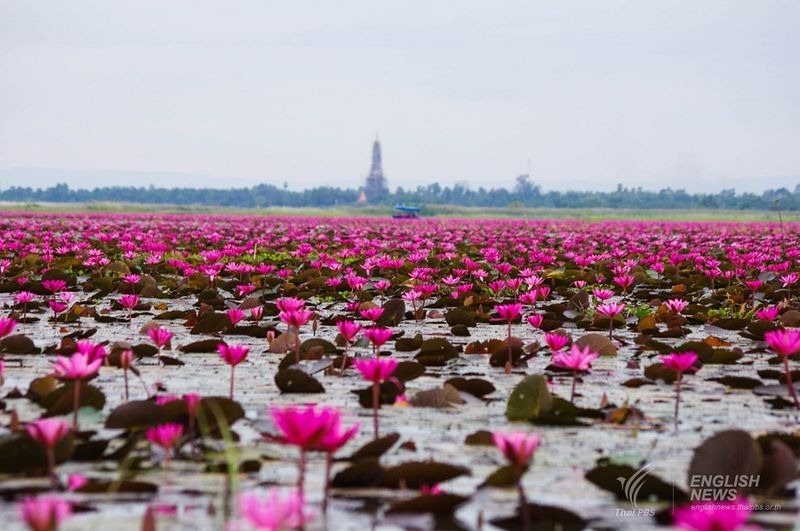
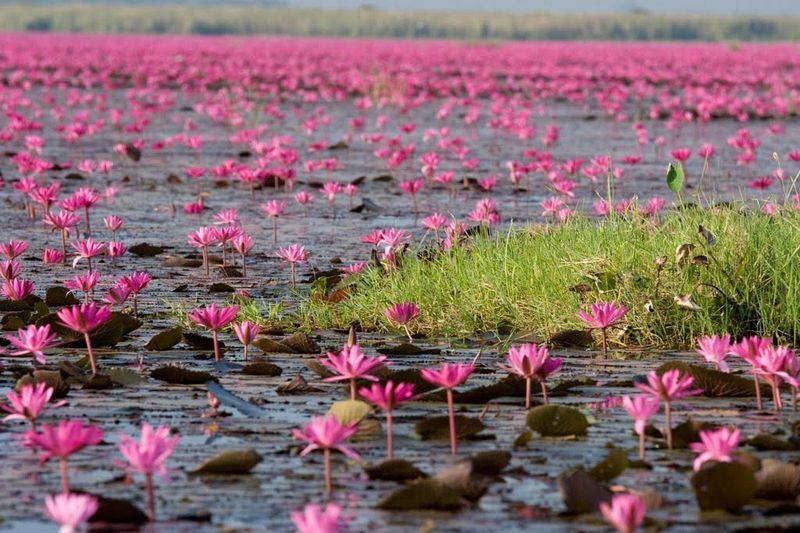
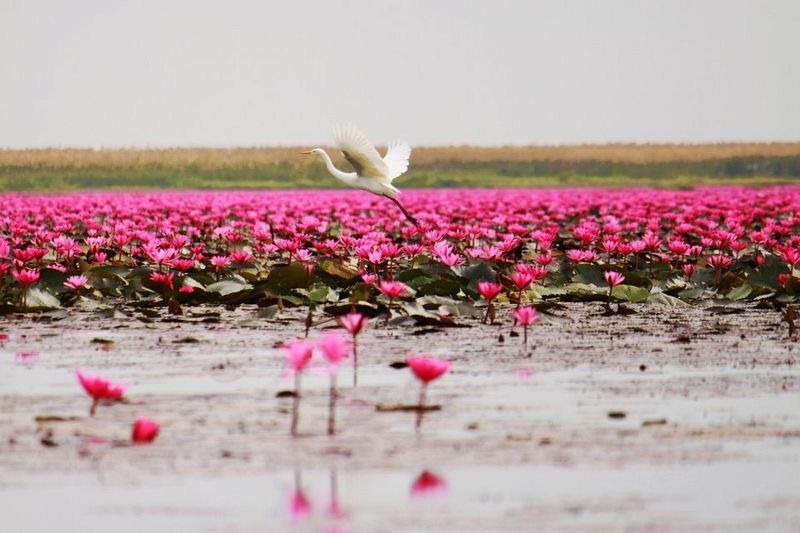
Red Lotus Lake…Thailand …!!!

There is lake called Nong Han Kumphawapi in northeast Thailand, north of the town of Kumphawapi, and about 50 kilometers away from Udon Thani. But locals call it Talay Bua Daeng which means the “Sea of Red Lotuses”.

Every year from November till March, the lake’s 8,000 acre surface sprouts millions of pink lotuses which reach full bloom in December. The perfect time to see them is in the morning when the flowers are fully opened, revealing their vibrant, pink color, but tourists take boat rides to admire the gorgeous scenery all throughout the day.

The freshwater Nong Han Kumphawapi Lake is very shallow, with an average depth of just one meter, but is the primary source of the Pao River, the lifeline for people of the Udon Thani province.

nong-han-kumphawapi-9

nong-han-kumphawapi-2

Photo credit: X-1/Panoramio

nong-han-kumphawapi-7

Photo credit: travel.mthai.com

Source…www.amusingplanet.com

Natarajan

No-fuel Plough Invented by UP Farmer Costs Only Rs 3000, Beats Expensive Bullocks and Tractors…!

A farmer in Banda, Uttar Pradesh, upcycled an old bicycle to make a low cost plough, and then inspired his neighbours to do the same.

50-year-old Ram Prasad hires farm lands following the Bataidari system, or sharecropping, where a landowner gives his land on rent to farmers who plough the land and share the sales with the owner, in Chahnehra village of Banda, about 130 kilometres south of Kanpur.

When the farmlands were facing serious droughts, he had to sell his bullock to feed his family. Without his bullock and less money to maintain tractors and such equipment, times were difficult. Add to that the unpredictable weather: sometimes grave droughts, and sometimes premature rains. When Prasad realised that all these factors only burdened farmers with rising costs and no returns, he was adamant that he had to improvise an economical way to sustain farming.

It took him seven years to experiment with various materials. He finally got a breakthrough by converting an old cycle he found in his backyard, with some pieces of iron, into a plough.

The ploughing machine that he invented would cost only Rs 3000 to 4000.

Compared to the cost of a mini plough, bullocks or tractors, this is a more economical option for farmers.

plough

Representational image

The machine is simple, economical, and easy to assemble. With a single wheel, front and rear handles, and three diggers attached to it, the machine does not require fuel such as diesel or kerosene to operate.

“All it requires is two men,” said Prasad to Times of India, “I have also helped many farmers by converting their old bicycles into a ploughing machine.” He also adds that other than just ploughing, the machine also can be used for weeding and sowing.

Ploughs currently available in the market start at Rs 20,000, and are either manually operated, or mounted on a bullock or a tractor. But the cost only increases with bullocks and tractors. Generally, a pair of bullocks cost Rs 50,000, while a tractor costs as much as Rs 500,000. Along with that, there’s the variable price of fuel or fodder, which creates a dent in their finances.

Prasad’s innovation has caused a significant reduction in production costs. All it needs is a cycle. Plus, there’s no fuel requirement. In situations of droughts and economic crises, such an invention could change the lives of farmers tremendously.

Source….www.the betterindia.com

Natarajan

This Experiment Using a Glass Cover and the Sun Can Generate Water Even in Drought Affected Areas!

In a semi-arid region of Satara district in Maharashtra, there is a plot of lush green land with about 20 fully-grown, beautiful trees – all of which were the part of a very efficient experiment. The seedlings for these trees were fed with water obtained from dry soil, with the help of solar energy.

“I did my PhD in America way back in the late 1970s. And most of my work was around solar distillation of water. I looked at everything that could possibly be done with solar energy at that time and found that if you dig a small hole in the desert, and cover it with plastic, solar energy heats the soil and you can collect a cup of water every day. This was something that remained at the back of my mind for years,” says Dr. Anil Rajvanshi, Director of Nimbkar Agricultural Research Institute (NARI) – a non-profit research and development institute based in Phaltan, Maharashtra.

In 1981, Dr. Rajvanshi returned to India with the aim of using his education to work for the development of rural India, and started establishing the energy and sustainable development work at NARI.

solarenergy5

Dr. Anil Rajvanshi

“I came to this very dry and partially semi-arid region. Sometime in the 1980s, the Government of India conducted a very large-scale tree plantation program. But of the many seeds that were planted, only a few resulted in fully-grown trees. Most of the seeds perished,” he remembers. So, going back to the knowledge he had gained while studying, Dr. Rajvanshi started an experiment to grow trees using water distilled with the help of solar energy, at NARI in 1988.

The basis of the experiment was that soil contains some moisture and roots of plants utilise this water with the help of osmosis – a process in which a solvent (water in this case), passes through a semi permeable membrane from a region of less solute concentration to a region of more concentration. Roots absorb water from the soil through osmosis. But in semi-arid and arid regions, the water is so tightly bound with the soil that seedlings cannot extract it because of less osmotic potential.

This is how the experiment was done:

solarenergy2

Five pits, each of dimensions 0.9m X 0.9m X 0.6m, were dug in a barren land in the NARI campus. These pits were covered with Soil Water Evaporation Stills (SWES) – tilted glass covers connected with water collection bottles placed beside the pits.

When sunlight fell on the pits, it heated up the soil and the water in the soil evaporated, only to be collected in the form of water droplets on the glass covers. These droplets slid into the bottles.

solarenergy3

Three experiments were conducted with these SWES. The water collected in the bottles everyday was given to the seedlings in the morning. In Experiment 1, the water was supplied in equal amounts to some seedlings. In Experiment 2, the water collected from SWES over a period of seven days was supplied to another set of seedlings once a week. And in Experiment 3, the seedlings were rain-fed. The growth of the trees was monitored for diameter, plant height and mortality every three months. And the results were extraordinary.

The survival rate of seedlings fed from SWES was 100% and if one SWES fed 4 plants, an average of 70-80 ml of water was given to each seedling. The growth rate of the trees in Experiment 1 was higher than in Experiment 3.

solarenergy4

According to Dr. Rajvanshi, the production of water from soil in arid regions is an age-old technology and has been used as a strategy for human survival in deserts. However, there is limited data on its daily use, seasonal variation, etc.

“We used to get water from the pits every day and that turned out to be sufficient for the plants. The soil would get heated and the moisture in the soil, which you could not get otherwise, we were able to extract and feed to the plants. The trees were able to grow even in the worst season. Today, we have 15-20 fully grown trees in a place that was once completely barren. They are huge now,” he says.

Dr. Rajvanshi has been working in the field of rural development for the last three decades.

solarenergy1

Born and brought up in Lucknow, he went to the US to pursue higher studies at the University of Florida after his Bachelor’s and Master’s degrees in mechanical engineering from IIT Kanpur. He taught at the University of Florida for over two years and then returned to India

Dr. Rajvanshi feels that with the worsening drought conditions in many regions of Maharashtra, this technique can be used in some form or the other to help people in the region. “If not to grow plants, it can be used to provide sufficient water for people to drink if we conduct a similar experiment at a large scale and think more in that direction,” he concludes.

Source…..Tanaya Singh in http://www.the betterindia.com

Natarajan

காருக்குறிச்சியின் நாத சுகம்…


இடதுபுறம் காருக்குறிச்சி அருணாசலம், வலதுபுறம் கே.எம். அருணாசலம்

  • இடதுபுறம் காருக்குறிச்சி அருணாசலம், வலதுபுறம் கே.எம். அருணாசலம்
  • காருக்குறிச்சி அருணாசலத்தின் குடும்ப ஒளிப்படம்
    காருக்குறிச்சி அருணாசலத்தின் குடும்ப ஒளிப்படம்

நினைவு தினம் ஏப்ரல் 8

தமிழகத்தில் அண்மைக்காலத்தில் மிகவும் புகழ்பெற்று விளங்கிய நாகஸ்வரக் கலைஞர் காருக் குறிச்சி அருணாசலம். திருநெல்வேலி மாவட்டத்திலுள்ள காருக்குறிச்சி எனும் ஊரில் 1907-ம் ஆண்டில் இவர் பிறந்தார். இவருடைய தந்தை பலவேசம் நெல்தானிய அளவை செய்யும் பணியைச் செய்துவந்தவர்.

ஒரு முறை காருகுறிச்சியிலுள்ள பெரும் பண்ணையார் ஒருவர் இல்லத் திருமணத்துக்கு கூறைநாடு நடேசபிள்ளை எனும் பிரபல நாகஸ்வர வித்வான் நாகஸ்வரம் வாசிக்கச் சென்றிருந்தார், அப்போது அருணாசலத்தின் தந்தை பலவேசம், அந்த நாகஸ்வர வித்வான் தங்கியிருந்த வீட்டுத் திண்ணையில் அமர்ந்து மாலைகள் கட்டிக்கொண்டிருந்தார். “மாப்பிள்ளை புறப்படத் தயார், உங்களை அழைத்துவரச் சொல்கிறார்கள்” என்று நடேசபிள்ளைக்கு ஆள் வந்தது. “பத்து நிமிடங்களில் கிளம்பி வருகிறோம் என்று சொல்” என்று அவர் வந்த ஆளிடம் சொல்லியனுப்பினார்.

இதுபோலப் பல ஆட்கள் வந்தழைப்பதும், “இதோ கிளம்பிவிட்டோம்” என்று நடேசபிள்ளை சொல்வதுமாகவே இருந்தது. அந்தப் பண்ணையார் தனது வார்த்தைக்கு யாரும் கட்டுப்படவில்லையென்றால் அவர்களைக் கொன்றுபோடக் கூடத் தயங்க மாட்டார். “இந்த நாகஸ்வரக்காரர் இப்படி அலட்சிய மாகயிருக்கிறாரே, என்ன ஆகப் போகிறதோ” என்ற கவலை மிகந்தது பலவேசத்துக்கு இறுதியாகப் பண்ணையாரே நேரில் வந்துவிட்டார். “இதோ வந்துகொண்டே இருக்கிறோம், நீங்கள் முன்னால் போய்க்கொண்டிருங்கள்” என்று அப்போதும் நடேசபிள்ளை கூறியபோது, “அதற்கென்ன, தங்கள் சௌகரியம் போல் வாருங்கள்” என்று சிறிதும் கோபமற்றவராகப் பண்ணையார் கூறிச் சென்றதைக் கண்ட பலவேசத்துக்கு இது மிகவும் ஆச்சரியத்தை உண்டாக்கியது.

‘ஆஹா! இவர் ஒரு பெரிய நாகஸ்வர வித்வான்; இவரிடமுள்ள கலை எவ்வளவு மதிப்புடையதாயிருந்தால் நமது பண்ணையார் இவ்வாறு சிறிதும் கோபம் கொள்ளாதிருப்பார்! இந்தக் கலையைப் பயில வேண்டும், அப்போதுதான் நமக்கும் மதிப்பு கிடைக்கும்’ என்ற முடிவு செய்த பலவேசம், சேரன்மகாதேவியிலிருந்த நாகஸ்வரக் கலைஞர் ஒருவரிடம் சீடரானார். வயதும் இதரச் சூழ்நிலைகளும் அவரது ஆசைக்கு இடையூறாக இருந்தன. தன்னால் சாதிக்க முடியாதவொன்றைத் தன் மகன் அருணாசலமாவது செய்ய வேண்டுமென்ற எண்ணம் அவருக்கு.

அருணாசலத்தை, சுத்தமல்லி சுப்பையா கம்பரிடம் நாகஸ்வரமும், களக்காடு சுப்பையா பாகவதரிடம் வாய்ப்பாட்டும் கற்றுக்கொள்வதற்காகச் சேர்த்துவிட்டார். ஓரளவு தேர்ந்த பின், அங்கொன்றும் இங்கொன்றுமாய்க் கச்சேரிகளும் அருணாசலத்துக்குக் கிடைத்தன. எனினும், உலகிலேயே நாகஸ்வரத்தில் ஈடிணையற்ற சக்கரவர்த்தியாக விளங்கும் திருவாவடுதுறையார் போன்ற ஒருவரிடம் சீடனாக ஆனால் தனது கலை மேன்மை பெறும் என்றும், அப்படியொரு நல்வாய்ப்பு தனக்குக் கிட்டுமா? என்றும் சிந்தனைவயப்பட்டார் அருணாசலம்.

ஈடேறிய கனவு

ஒருமுறை காருக்குறிச்சியிலுள்ள ஒரு பண்ணையில் நாகஸ்வரம் வாசிக்க வந்திருந்தார் திருவாவடுதுறை ராஜரத்தினம் பிள்ளை. அவருடன் வாசித்து வந்த ‘கக்காயி’ நடராஜசுந்தரத்துக்கு உடல்நலமில்லை. “யாரேனுமொரு பையன், அவன் சும்மா சத்தம் கொடுத்தால் போதும். ஒத்தாசைக்குக் கிடைப்பானா?” என்று தம் நண்பர்களிடம் கேட்டார் திருவாவடுதுறையார். மணிசர்மா என்பவர் உடனே ஓடிச் சென்று அருணாசலத்தை அழைத்து வந்து அறிமுகம் செய்வித்தார்.

“பையன் தேவலாமே. இவன் சில காலம் என்னோடு இருக்கட்டும்” என்று ராஜரத்தினம் பிள்ளை கூறினார். இவ்வாறு 26.6.1935 அன்று ராஜரத்தினம் பிள்ளையின் சீடராக ஆனார் அருணாசலம். தனித்து, அமர்ந்து, முறைப்படியெல்லாம் கற்பிப்பவரல்ல திருவாவடுதுறையார். வீட்டில் இருக்கும்போதெல்லாம் வாசித்துக்கொண்டிருப்பார். அதைக் கவனமாகக் கேட்பது, கச்சேரிகளில் கூட அமர்ந்து கேட்பது இவைதான் பயிற்சி. கற்பதைக் காட்டிலும், இசையில் ‘கேள்வி’ பெரும் பயனைத் தரும்.

இப்படியாக, ராக ஆலாபனை செய்வது, அழகாகக் கீர்த்தனைகளை வாசிப்பது போன்ற பல அம்சங்களில் நிகரற்றவராக ஆனார் அருணாசலம். பாராட்டுகளும் பட்டங்களும் சன்மானங்களும் வந்து குவிந்தன. ராஜரத்தினம் பிள்ளைக்குப் பின்பு, மிக உயர்வான ஸ்தானம் அவருக்குக் கிடைத்தது. அப்படிப்பட்ட நிலையிலும் சிறிதும் கர்வமில்லாமல், எல்லோரிடத்தும் அன்புடனும் பண்புடனும் பழகிவந்தார் அருணாச்சலம்.

தன்னை மறக்கும் கலை

ஒருமுறை சென்னை பனகல் பார்க் அருகே திருமண விழா ஒன்றில் முதல் நாள் மாப்பிள்ளை அழைப்புக்கு நாகஸ்வர சக்கரவர்த்தி டி.என். ராஜரத்தினம் பிள்ளையின் நாகஸ்வர கச்சேரி. சமூகத்தின் பலதரப்பட்ட மக்களிடமும் அவருக்கு அமோக செல்வாக்கு. ராஜரத்தினம் பிள்ளை நாகஸ்வரம் வாசிக்கும்போது அநேகமாகத் தன்னை மறந்து கண்களை முடிக்கொள்வார். தன்னை மறந்த அந்த நிலையிலேயே, மிக எளிதில் சில ஸ்வரங்களை உதவியாகக் கொண்டு வாசித்துக்கொண்டிருப்பார்.

இந்தத் திருமண நிகழ்விலும் அவர் தன்னை மறந்த நிலையில் வாசித்துக்கொண்டிருந்தார். திடீரென அவரது வாசிப்பு நின்றது. ஆனால், கண்களை மட்டும் திறக்கவில்லை. அருகிலேயே அவரது சிஷ்யப்பிள்ளை காருக்குறிச்சி தொடர்ந்து வாசித்துக்கொண்டிருந்தார். அருகில் இருந்து வாசித்துக்கொண்டிருந்த அருணாச்சலத்துக்கு கை, கால் உதறல் எடுக்கத் தொடங்கிவிட்டது. வாசிப்பில் தான் ஏதாவது தவறு செய்துவிட்டோமோ என்று அவருக்குள் ஒரு பயம். பயந்தபடியே தனது குருநாதரை ஏறிட்டுப் பார்த்தார். குருநாதரோ ரசித்துக்கொண்டிருந்தார்.

தேடிவந்த பிராபல்யம்

ரசிகர்களுக்குக் காருக்குறிச்சியாரிடம் இருந்த மதிப்புக்கும் அன்புக்கும் ஈடுகூற முடியாது. ஒருமுறை, சென்னைத் தமிழிசைச் சங்கத்தின் இசை விழாவில் நடைபெற்ற அருணாசலத்தின் நாகஸ்வரக் கச்சேரியை வானொலி நிலையத்தினர், வழக்கத்துக்கு மாறாக, நள்ளிரவு 12 மணி வரையிலும் நேரடியாக ஒலிபரப்பினார்கள் என்றால், மக்களுக்கு அருணாசலத்தின் இசையின் மீது இருந்த மதிப்பே காரணமாகும்.

காருக்குறிச்சியாரிடம் புகழ்பெற்ற தவில் கலைஞர்கள் பலர் வாசித்து வந்தனர். திருமுல்லைவாயில் முத்துவீர் பிள்ளை, நீடாமங்கலம் சண்முகவடிவேல் பிள்ளை, யாழ்ப் பாணம் தட்சிணாமூர்த்தி பிள்ளை போன்றோரை முக்கியமாகக் குறிப்பிடலாம்.

அருணாசலம் தனது நாகஸ்வர இசையைக் கிராமபோன் இசைத்தட்டுகளில் பதிவு செய்திருப்ப தோடு, சில திரைப்படங்களிலும் வாசித்துள்ளார். ‘கொஞ்சும் சலங்கை’ என்ற திரைப்படத்தில் எஸ். ஜானகி பாட அருணாச்சலம் நாகஸ்வரம் வாசித்துள்ள ‘சிங்கார வேலனே தேவா’ என்ற பாடல் மிகவும் பிரபலமானது. ‘அனார்கலி’ என்ற இந்திப் படத்தில் லதா மங்கேஷ்கர் ஒரு பாட்டு பாடுவார். அந்தப் பாடலை காருக்குறிச்சி தனது நாகஸ்வரத்தில் இசைத்திருப்பார்.

புகழேணியின் உச்சியை எளிதாகவும், விரைவாகவும் எட்டிப்பிடித்த சிறந்த நாகஸ்வர விற்பன்னரான காருக்குறிச்சி அருணாச்சலம் 8.4.1964 அன்று தன் கோவில்பட்டி இல்லத்தில், இயற்கையைத் தழுவி, இசை ரசிகர்களுக்குப் பேரிழப்பை உண்டாக்கினார்.

காருக்குறிச்சி வாசிப்பில் உள்ள சுகம் ரசிகர்களுக்கு ஒரு போதை. நாகஸ்வரம் இருக்கின்ற வரையில், இசை இருக்கின்ற வரையில் அவருடைய பெயர் நிலைத்திருக்கும். அப்படிப்பட்ட ஒரு மகா வித்வான் அவர்!

Source….www.thehindu.com

natarajan

Chart: How We See Our Parents From Cradle to Middle Age…!!!

My parents play an important role in my life. I can hardly imagine anyone that would be closer and more important to me than them. Despite this, I often used to take their love and care for granted – until I reached my 30s. When I started to experience what it means to be a parent myself, I came to realize that they are the most precious people in my life. I often wish that I had realized it sooner. I came across this chart, which I believe sums up how many of us see our parents at various ages. Take a look:

Source….www.ba-bamail.com

natarajan

Message for the Day…” A person swayed by Ego will receive blows until they are devoid of ego…”

Sathya Sai Baba

A game of football is played by two teams with ten players in each team playing on each side of the field. Each team strives to score a goal by shooting the ball between the two goal posts. Life is a game in which you must lead your life between the two goal posts of secular and spiritual education. While playing football, one kicks the ball as long as it is filled with air. Once the football is deflated, nobody will kick it. The air in the football signifies the presence of ego. A person swayed by ego will receive blows until they are devoid of ego. A deflated ball is taken by the hands, while an inflated ball is kicked mercilessly. Similarly a humble person is well respected, whereas an egoistic person becomes the target of all sorts of attacks. Secular things come and go, whereas spiritual gains stay forever. Hence let spirituality constitute the basis of all your activities.