Facts About Indian Languages. How Many Do You Know?…

No country in the world comes close to matching the linguistic diversity of India — just the number of ‘mother tongues’ in the country, as listed  in the 1961 Census, is 1652!

The Constitution of India does not give any language the status of national language. The official language of the Union Government of the Republic of India is Hindi. The Eighth Schedule of the Indian Constitution lists 22 languages, which have been referred to as scheduled languages and given recognition, status and official encouragement.

In addition, the Government of India has awarded the distinction of classical language to Tamil, Sanskrit, Kannada, Telugu, Malayalam, and Odia due to their long history of 1500-2000 years. All Indian languages fall into one of these 4 groups: Indo-Aryan, Dravidian, Sino-Tibetan and Afro-Asiatic. The extinct and endangered languages of the Andaman islands form a fifth family.

Here are 10 facts about Indian languages that you may not know about:

1. Hindi is the 2nd most spoken language in the world (ahead of English and Spanish), Bengali the 7th most and Punjabi the 10th most.

1

Pic Source: www.visualnews.com

Over 970 million people in the world speak Hindi. Bengali and Punjabi have about 250 million and 120 million speakers respectively worldwide, ahead of popular languages like German and French.

2. Hindi was known by different names at different stages of its evolution in different eras. It was known as Apabhramsa at its earliest stage.

1

Modern Hindi alphabet

Pic Source

Kalidas, a renowned Sanskrit scholar and literary playwright in ancient India, composed a romantic play titledVikramorvashiyam in Apabhramsa in 400 AD.

3. Did you know that Malayalam, the language spoken in the southern Indian state of Kerala, is the longest palindrome (a word that reads the same backwards and forwards) in the English language?

1]

Pic Source: nagfa.blogspot.com

4. In Mumbai, there is a Gujarati family, that speaks only in Sanskrit. In Mattur village in Karnataka, people speak in Sanskrit to each other.

1

Villagers in Mattur village in Karnataka only converse in Sanskrit

Pic Source: www.topentity.com

Here are 6 more amazing facts about Sanskrit, one of the oldest languages known to mankind:

  • NASA scientist Rick Briggs once said that Sanskrit is the only unambiguous language in existence.
  • Sanskrit is the most computer friendly language.
  • 14 universities in Germany offer Sanskrit as a subject.
  • Sanskrit uses many synonyms for each subject. For instance, there are 100 synonyms for the word ‘elephant.’
  • Sanskrit is the state language of Uttarakhand
  • Sanskrit is supposed to belong to the same family as Latin. That is why there are many words ending in ‘um’ in both languages.

5. Brahui is a Dravidian language, with its roots in India, spoken by approximately 1 million people in Pakistan and Afghanistan.

Most Dravidian languages are spoken in South India, with the exception of Brahui, which is spoken in Pakistan.

Most Dravidian languages are spoken in South India, with the exception of Brahui, which is spoken in Pakistan.

Pic Source

Dravidian languages, a family of about 23 languages that includes languages like Tamil, Telugu and Kannada, are unrelated to any other known language family and are spoken mostly in South India.

6.  In 1999, UNESCO declared February 21 as International Mother Language Day to commemorate the Bengali Language Movement in 1952.

1

The Bengali Language Movement in 1952

Pic Source: abac.bd.com

The Bengali Language Movement was a political movement in former East Bengal (today Bangladesh), advocating the recognition of the Bengali language as an official language of the then Dominion of Pakistan in order to allow its use in government and education.

7.  Did you know around 99% of Urdu verbs have their roots in Sanskrit and Prakrit?

1

Urdu alphabet

Pic Source: urdu007.blogspot.com

Although Urdu is the national language of Pakistan, it is also one of India’s official languages. Urdu, like Hindi, is a form of Hindustani.

8. George Bush, former President of the USA, had allocated a budget of $114 million for teaching Hindi in the US.

Indian Americans comprise 3.1 million people, representing around 1% of the U.S. population as of 2013]

Indian Americans comprise 3.1 million people, representing around 1% of the U.S. population as of 2013

Pic Source: www.livemint.com

Hindi was to be a part of the curriculum from kindergarten to the graduate level, considering the importance of Hindi as a common native language of Indian Americans. However, the plan was not carried through once Obama became President.

9.  All Indian scripts come from the same script – Brahmi. Writing came much later to India than to other parts of the world. Hence, both Tamil and Sanskrit have extremely strong oral traditions.

Brahmi inscription in Samath

Brahmi inscription in Samath

Pic Source

10. Kannada language has the second oldest written tradition of all vernacular languages of India. More than a thousand notable writers have contributed to the wealth of the language.

1

Basavpurana manuscript in Kannada

Pic Source: oocities.org

Current estimates of the total number of epigraphs written in Kannada range from 25,000 by the scholar Sheldon Pollock to over 30,000 by the Sahitya Akademi, making Karnataka state “one of the most densely inscribed pieces of real estate in the world.”

Source….Nishi Malhotra in http://www.the betterindia.com

Natarajan

Message for the Day….” The human body is a plantain leaf, your heart is a sacred vessel and and the sacred food items are the virtues and acts of good conduct.”

Before offering to God, it is food. Once it is offered to God, it becomes free from all impurities and gets transformed into prasadam. By eating such sacred food, one will not acquire any mental impurities. We offer food to God on a clean plantain leaf. The human body is a plantain leaf, your heart is a sacred vessel and and the sacred food items are the virtues and acts of good conduct. Today to whom are you offering food? Your sacred food offering is to demons of wicked feelings such as anger, hatred, and jealousy. The left over is being offered to God. That is why you are victims of restlessness, difficulties, sorrows, and misery. Get rid of your evil qualities and offer your virtues to God with the prayer: ‘Oh God, You are the resident of my heart and You are the embodiment of love, kindness, and compassion.

Sathya Sai Baba

Images for the Day….

A picture might be worth a thousand words but National Geographic photographs leaves us speechless. Known for their captivating daily pictures, they also offer an opportunity to dive into the archives of previously unpublished or forgotten images.

The project called Found was established in 2013 to honor NatGeo’s 125th anniversary. The project’s team says that their mission is to bring the pictures back to life by sharing them to new audiences. And even some of the dates or locations are missing, the images capture perfect moments making them timeless.

The photographs are dug up by Guardian of the Collection William Bonner, who still finds them highly inspiring even after years spent in the archives. Together with editor Janna Dotschkal’s love for aesthetics, they make the vintage material shine as new.

More info: NatGeo Found (h/t: DeMilked)

A White Fallow Stag Stands In A Forest In Switzerland, 1973

A White Fallow Stag Stands In A Forest In Switzerland, 1973

Loggers And The Giant Mark Twain Redwood Cut Down In California, 1892

Loggers And The Giant Mark Twain Redwood Cut Down In California, 1892


Boys Dressed Up In School Uniforms Pose With King Penguins At The London Zoo, 1953

Boys Dressed Up In School Uniforms Pose With King Penguins At The London Zoo, 1953

A Man Stands Dwarfed Under The Ape-ape Leaves Of Puohokamoa Gulch In Maui, Hawaii, 1924

 A Man Stands Dwarfed Under The Ape-ape Leaves Of Puohokamoa Gulch In Maui, Hawaii, 1924

Source……www.boredpanda.com

Natarajan


The Stopping of Niagara Falls in 1969…!!!

Endeavor to change the course of history, has always been a primary motive of human civilization, through several centuries. It has been observed throughout history, that several times people have tried to undertake a feat which brings them in direct face-off with nature. May it be the intent to master the air by inventing airplanes, building mega-structures such as pyramids, or even stopping the flow of one of the world’s largest water resources, “The Niagara Falls”.

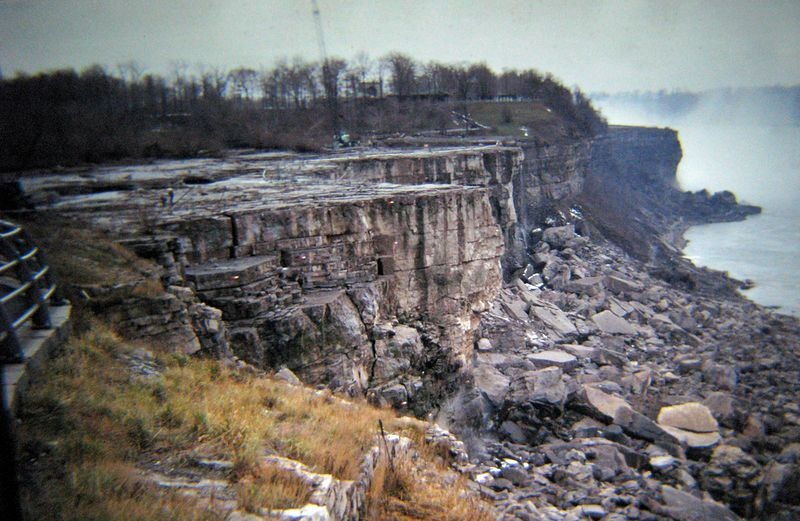
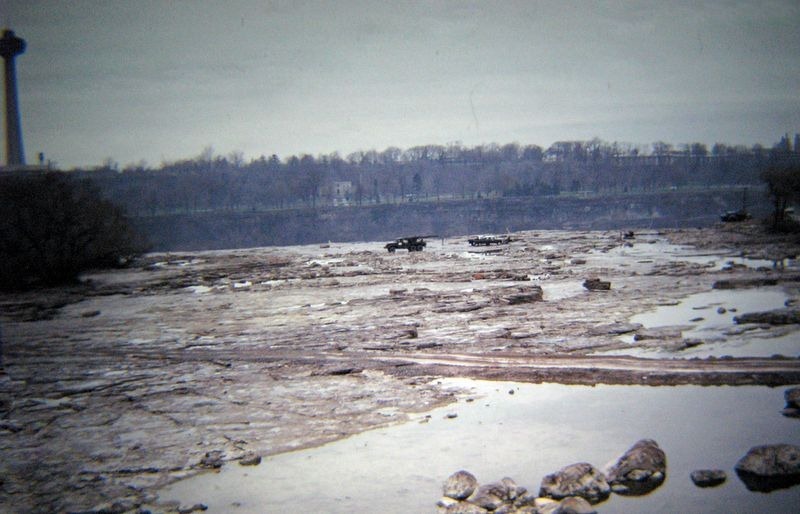
Niagara Falls consists of Horseshoe Falls and the American Falls. Due to several years of rocks falling in, between the year 1931 and 1954, the American Falls faced erosion, which if not prevented would have resulted in the permanent extinction of the American Falls. With resulting public outcry and protests to save the American Falls, the United States Army Corps of Engineers (USACE) – Buffalo district was encumbered with the immense responsibility of dewatering the American Falls for repairs. Taking up this historic challenge, a cofferdam was constructed, that took 3 days after working in two 11-hour shifts, resulting in cutting off of the flow of the Falls from 60,000 gallons per second to one-fourth of its capacity of 15,000 gallons per second.

niagara-falls-turned-off-1969-5

Photo credit: Russ Glasson/Flickr

This gigantic effort, comprising 1,264 truck loads, carrying 27,800 tons of sand and earth, was carried out to fill the cofferdam. Another minor discovery, which emerged from the De-watering Project, was that of a dead-body of a woman, which would never have been possible if the American Falls had been in full-flow. The woman was wearing a gold band, with the tragic inscription ‘forget me not’ on the inside.

Rochester Shale, a type of rock, which started crumbling due to the de-watering project, was a major concern for the geologists who wanted to carry out tests. Pipes totaling 800 feet of length and approximately six inch diameter were laid to moisten the shale.

The motive behind the endeavor to pull off such a huge feat was to conduct tests to prevent further erosion and test the structural integrity of the American Falls. Having planned through all the tests, and having implemented their staggering efforts, USACE estimated that the work will be completed by 1972. A battery of tests consisting of chemical analysis of the rocks, microscopic inspections, and several other tests were conducted accumulating large amounts of engineering, geological, and other data.

After an effort of more than 5 years, the International Joint Commission in 1975 concluded that 385,000 tons of Talus had accumulated at the base of American Falls, and had resulted in reduction of waterfall from 100 feet to 45 feet, while the depth of the Talus ranged from 25 feet to 50 feet.

As per the consensus taken from the public, there was to be no noticeable change in the appearance of American falls. But, it was accepted that there would always be some risk involved in the viewing of falls owing to continued erosion around the Falls.

The important lesson that the effort taught the engineers, and which is also a lesson for all humanity, is that everything has a life span and nothing escapes mortality. May it be flesh and blood humans, or even a stupendous spectacle for humanity such as the Niagara Falls. As is well said, that change is inevitable, and so is the mere existence of everything. It is an important question to be asked that whether something is too big to fall such as the American Falls, or something is too small to rise, like the Talus which over the years caused near extinction of American falls. The dewatering of Niagara Falls in 1969 is abject lesson in the Power of Human effort as compared to the might of Powerful Nature.

niagara-falls-turned-off-1969-1

Photo credit: Russ Glasson/Flickr

niagara-falls-turned-off-1969-6

Photo credit: Russ Glasson/Flickr

niagara-falls-turned-off-1969-7

Photo credit: unknown

niagara-falls-turned-off-1969-8

niagara-falls-turned-off-1969-2

Photo credit: Russ Glasson/Flickr

niagara-falls-turned-off-1969-4

Photo credit: Russ Glasson/Flickr

Source………www.amusingplanet.com

Natarajan
The Coconut Palace, Philippines…!!!

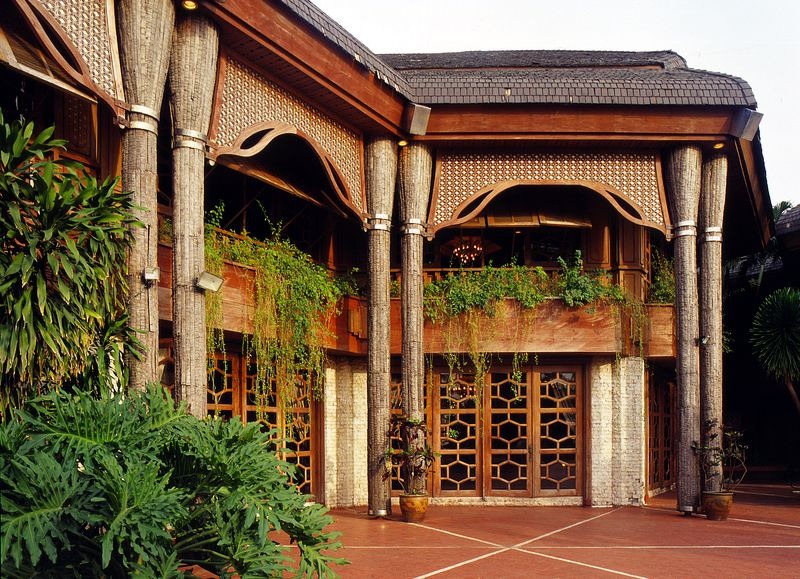
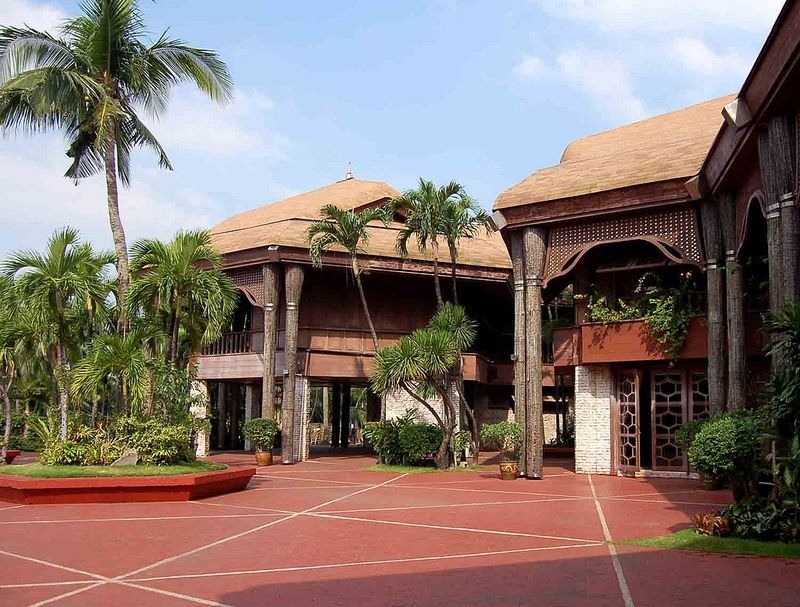
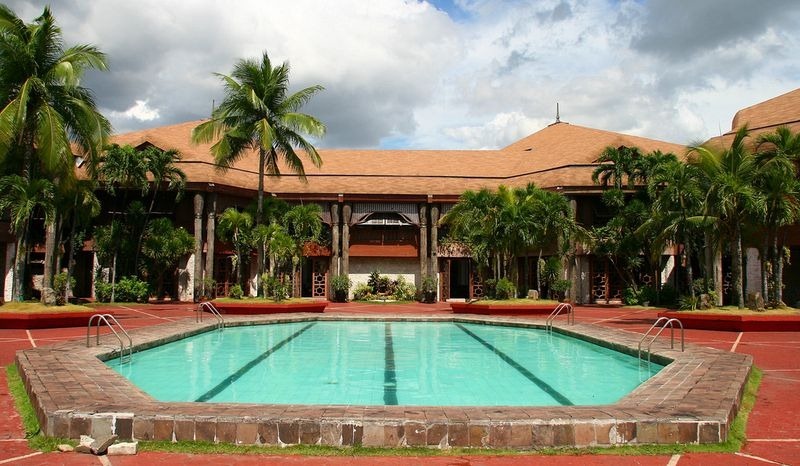
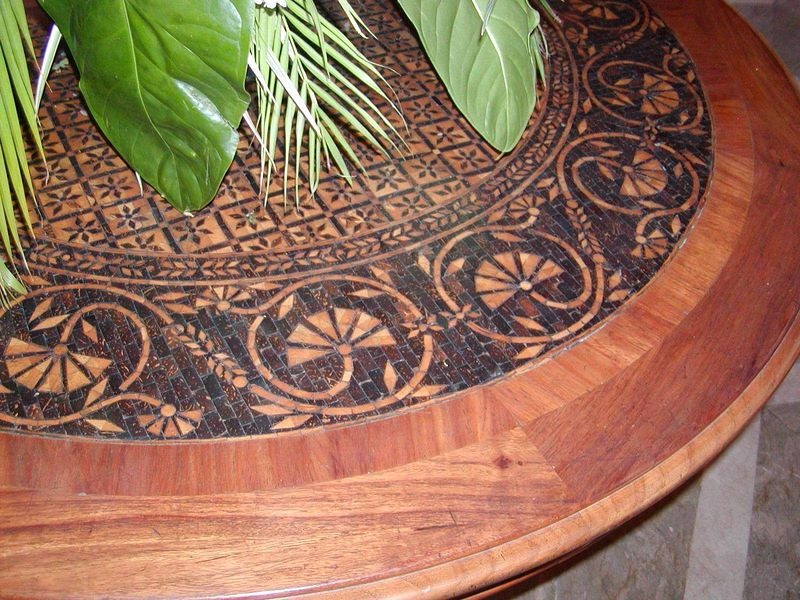
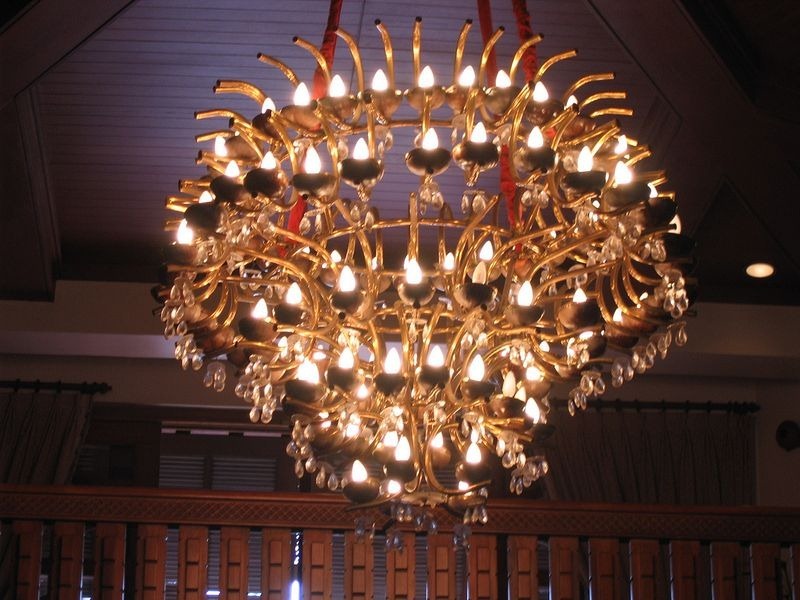
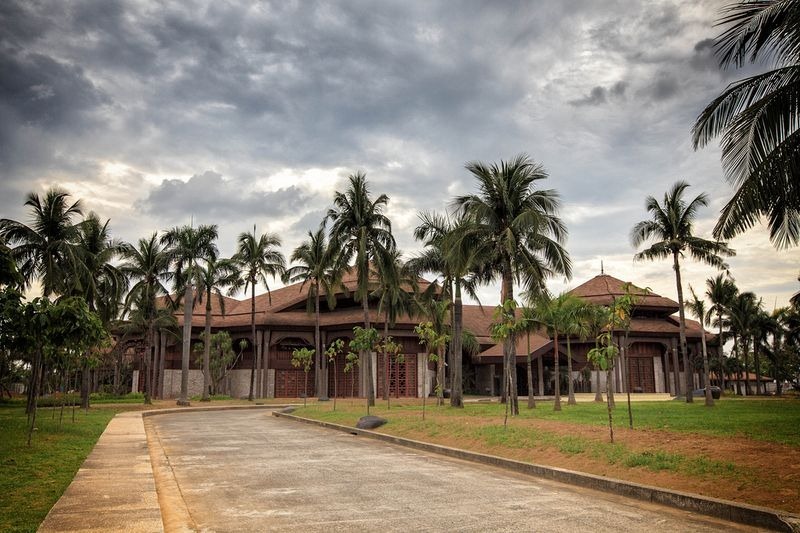
The official residence and workplace of the Vice President of the Philippines, in Manila, is a curious attraction. The building is called Coconut Palace, or Tahanang Pilipino, because of the extensive use of coconut lumber and various parts of the coconut tree in its construction. The roof is made from coconut wood shingles, while the columns are inverted coconut trunks, with their distinctive bulge at the root end forming the capitals. Coconut wood parquetry covers the floors, carpets are made of coconut fiber and wallpaper from the fibrous sheath. The massive chandelier made from 101 coconut shells is worth seeing, and so is the dining table of 40,000 tiny pieces of inlaid coconut shells.

coconut-palace-1

Photo credit: www.manosa.com

It is said that nearly 70% of the structure is made from the coconut tree. Everything from the tree’s roots to its trunk, bark, fruit, flower and shell were used to design and decorate the palace as a demonstration of the versatility of the humble coconut. No wonder the Philippines call the coconut tree the “tree of life”.

The Coconut Palace also has a certain notoriety. It was built during the regime of President Ferdinand Marcos who along with his wife First Lady Imelda Marcos, looted the Philippine treasury of at least USD 10 billion before he was ousted from his position. With the illegally accumulated wealth, the couple bought several palatial homes in the United States and Philippines, more than a hundred expensive paintings by old masters such as Van Gogh, Rembrandt, Rafael and Michelangelo, silver tableware, gold necklaces, diamond tiaras and all the best and precious the world had to offer.

imelda-marcos-shoes-1

A museum employee displays some of the shoes of former Philippine first lady Imelda Marcos, next to her portrait at the shoe museum in Manila. Photo credit: Ted Aljibe

Imelda Marcos lived a famously extravagant lifestyle and was known to have a massive wardrobe featuring at least a thousand pairs of shoes. (Her shoe collection are now on display at the Marikina Shoe Museum in Manila). It was Imelda Marcos who came up with the wacky idea of building an elegant guest house, the Coconut Palace, in order to receive Pope John Paul II when he visited the Philippines in 1981. But when the Pope learned that it was built at the cost of 37 million Philippine pesos, or USD 10 million at that time, he refused to set foot in the palace because he knew the opulent place was built at the expense of the country’s citizens who still lived in poverty.

Surprised and possibly embarrassed at the Pope’s refusal, Imelda seized a couple of average Hollywood celebrities like Brooke Shields and George Hamilton for a gala opening. Later, the palace was turned into a venue for weddings and parties before it became the Vice President’s office and official residence. The Coconut Palace was opened for public tours on 2011.

coconut-palace-2

Photo credit: Paul Shaffner/Flickr

coconut-palace-3

coconut-palace-7

Coconut inlaid onto a table. Photo credit: hoagland.org

coconut-palace-5

The coconut chandelier. Photo credit: bigbark/Flickr

coconut-palace-6

Photo credit: Adam Brill/Flickr

Sources: Wikipedia / Philippines Travel Guide / Lonely Planet / BBC / www.manosa.com

Source……www.amusing planet.com

Natarajan
கதை கதையாம் காரணமாம்……!!!

முக்கடலும் சங்கமிக்கும் கன்னியாகுமரிக்குச் செல்லும் போதெல்லாம், பெரும்பாறை ஒன்றின் மீது குறைந்த விளக்கொளியின் பரவலில் கம்பீரமாய் எழுந்து நிற்கும் சுவாமி விவேகானந்தர் மண்டபத்தைப் பார்க்கும் போதெல்லாம் ‘எப்படி சாத்தியமானது?’ என்ற கேள்வி என்னுள் எழுந்து நிற்கும்.இன்று, கரைக்கும் மண்டபத்திற்குமான துாரம் குறைந்து விட்டது. கடலில் மூன்றில் ஒரு பகுதி நடந்து செல்லும் பாதையாகி விட்டது. மீதப்பகுதியை சிறிய கப்பல் போன்ற படகில் பாதுகாப்பு உபகரணங்கள் அணிந்து ஐந்து நிமிடத்திற்குள் கடந்து விடலாம். ஆனால் பயணம் செய்யும் அந்த சின்னப் பொழுதில், கடல் அலைகளின் எழுச்சியும், காற்றின் வீச்சும் நம்மைப் பயமுறுத்தத்தான் செய்கிறது.
ஆனால் 113 வருடங்களுக்கு முன்னால், அதிக ஆள் அரவமற்ற இந்தக் கடற்கரையில், இருள் கவிழும் பொழுதில், ஆரவாரத்துடன் அலைகள் எழுந்து குமுறும் கடலில், இக்கரையில் இருந்து அப்பால் உள்ள பாறைக்கு சுவாமி விவேகானந்தர் தன்னந்தனியாக நீந்திச் சென்றிருக்கிறார்!
வானமே கூரையாக அமைந்த அப்பாறை மீது மூன்று நாட்கள் தனிமையில் அமர்ந்து, தாகத்திற்கும் பசிக்கும் ஆதாரமின்றி, தன்னைப் பிழிந்த தவத்தால் ஞான வெளிச்சம் பெற்றிருக்கிறார்! மீண்டும் இக்கரைக்கு நீந்தி வந்திருக்கிறார். இது எப்படி சாத்தியமானது?
இதற்கான வீரமும் துணிச்சலும் அவருக்கு எப்படி கிடைத்தது?
கதைகள் தந்த வீரம்!
சுவாமி விவேகானந்தரின் பால்ய பருவம். நரேந்திரனாய் ஓடியாடி விளையாடிய சின்ன வயசு. நரேந்திரனுக்கு தாய் புவனேஸ்வரியிடம் கதை கேட்பதில் அதிக ஆர்வம். புராண, இதிகாச கதைகளையே தாய் அதிகம் கூறுவார். மகாபாரத பீமன், ராமாயண அனுமன் இருவரது பராக்கிரமங்களைக் கூறும்போது நரேந்திரன் அதிக ஆர்வமாகி விடுவான். திரும்பத் திரும்ப பீமனையும், அனுமனையும் அவனுக்குச் சொல்லியாக வேண்டும்.
பள்ளி வளாகத்தில் பிள்ளைகள் விளையாடிக் கொண்டிருப்பர். ஆனால் நரேந்திரனோ பெரிய மரத்தில் ஏறி, அதன் கிளையில் தலைகீழாகத் தொங்கிக் கொண்டிருப்பான். எச்சரிப்பவர்களிடம், “நான் அனுமனாகப் போகிறேன்” என்பான்.

வருங்காலத்தில் நீ என்னவாகப் போகிறாய்?” என்று யாராவது கேட்டால், “நான் பீமன் ஆகப்போகிறேன்! பயில்வானாகப் போகிறேன்!” என்று நெஞ்சை நிமிர்த்தியவாறு பதில் சொல்லி இருக்கிறான். தீரத்தோடு அவர் தனிமையில் குமரி கடலில் நீந்தியதற்கு காரணம், சின்ன வயதில் தாயிடம் கதை கேட்டு வளர்ந்த அனுபவம் வளர்த்த துணிச்சல்!
கதை சொல்லிகள்!
தாத்தா, பாட்டி, அப்பா, அம்மா, மூத்தோர் என வீடுகளில், வீட்டுத் திண்ணைகளில் அன்று நிறைய கதை சொல்லிகள் இருந்தனர். படிப்பு, விளையாட்டு என ஓடியாடி ஓய்ந்த பொழுதுகளில் குழந்தைகளை அவர்கள் கதை உலகத்திற்குள் அழைத்துச் சென்றனர்.
கதைகள் மூலம் குழந்தைகளுக்கு புராண, இதிகாசங்கள் அறிமுகமாயின. ராஜாக்களும், வீரர்களும் வீரம் தந்தனர். வள்ளல்களும், நல்லவர்களும் மனவிலாசம் தந்தனர். நீதிகளும், நல்ல விஷயங்களும் இளம் சிந்தை வயலில் விதைகளாயின.
அதுமட்டுமல்ல, மூத்த தலைமுறை மூலம்தான் வளரும் தலைமுறைக்கு ஊர்ப் பெருமைகளும், குடும்பப் பாரம்பரியமும், உறவின் உன்னதங்களும் போய்ச் சேர்ந்தது. ஆனால் இன்று வீடுகளில் கதை சொல்லிகள் இல்லை. முதியோர் இருந்தாலும் அவர்களோடு ஒட்ட, உறவாட பிள்ளைகளுக்கு நேரமில்லை. நேரமிருந்தால், தாத்தா பாட்டிகளும், பேரக் குழந்தைகளும் தொலைக்காட்சி முன் கிடக்கிறார்கள்.
முன்பெல்லாம் தொடக்க வகுப்புகளில் ஆசிரியர்கள் நிறைய கதை சொல்வார்கள். ஓவிய ஆசிரியர், தையல் ஆசிரியை வகுப்புகளில் கலையோடு கதைகளும் நிறைந்திருக்கும். ஆனால் இன்று எல்.கே.ஜி. படிக்கும் குழந்தையின் முதுகில் 10 கே.ஜி! படிப்பு, மதிப்பெண், ரேங்க் என்ற ஓட்டத்தில் வகுப்பறைகளிலும் கதைகள் காணாமல் போயின. இதில் பெரிய இழப்பு எதுவென்றால், கலை இலக்கியப் படைப்பாளிகள் குறைந்து வருவதுதான். கதை கேட்கும் போது கற்பனைத் திறன் அதிகரிக்கும். இந்தக் கற்பனைத் திறன்தான் படைப்பாற்றலை வளர்க்கும்.
பால்ய கதைகள்.  என் பால்ய வயதில் எங்கள் வீட்டுக்கு (கன்னியாகுமரி மாவட்டம், தெற்கு சூரன்குடி கிராமம்) ஒரு பாட்டி வருவார்.வீட்டு வாசலுக்கு வரும்போதே “வெத்தல தட்ட எடுத்துட்டு வாங்க மக்களே!” என்று அறிவிப்பு. பாட்டியின் குரல் சின்னப்பிள்ளைகளான எங்களைப் பரவசப்படுத்தும். காரணம், பாட்டி அற்புதமாகக் கதை சொல்வாள்.

வெற்றிலையை மென்றவாறு பாட்டி கதையை ஆரம்பிப்பாள். ”ஒரு ஊர்ல ஒரு மகாராசா இருந்தாரா! அந்த மகாராசாவுக்கு வடிவான ஒரு பொண்ணு… அந்தப் பொண்ணுக்கு கல்யாணம். மகாராசா வீட்டுக் கல்யாணமாச்சே! அதனால, ஏழு ஊருக்கு பந்தல் போட்டு, பெரிய விருந்து வைக்கணும். விருந்து சமைக்க விறகு சேகரிக்க ரெண்டாயிரம் மாட்டு வண்டிகளை மந்திரி அனுப்புனாரு. அந்த வண்டிக ரெண்டு ஊரு நீளத்துக்கு ஜல்ஜல்லுணு ஊர்வலமா போச்சு…” என்று பாட்டியின் கதை நீளும்.
அந்த பாட்டி காவிப் பற்கள் தெரிய வாய்விட்டுச் சிரிக்க… நாங்களும் ஓ.. என்று கத்தியவாறு சிரிக்க…. அங்கு மகிழ்ச்சி சூழும். இன்பம் நிறையும். ஒற்றுமையுணர்வு ஓங்கும்.
கற்பனை வளர்த்த கதை உலகம் பாட்டி சொன்னது வெறும் கதையா? இல்லை! கதை சொல்லியான அந்த பாட்டி, எங்கள் கைகளைப் பிடித்துக் கொண்டு ஒரு கற்பனை உலகத்துக்கு அழைத்துச் சென்றாள்.
‘ஜல் ஜல் என்ற மணி ஓசையுடன் இரண்டாயிரம் மாட்டு வண்டிகளின் அணிவகுப்பு’- எங்கள் கற்பனைக் காட்சியில் விரிந்தது. ‘வெள்ளை வெளேர்னு யானை போன்ற குச்சிவீட்டுப் பூனை’- என்று அவர் சொன்னது எங்கள் கற்பனைக்குள் எழுந்து வியப்பைத் தந்தது. கதையின் பூதங்கள் எங்கள் கற்பனையில் தோன்றி மிரட்டியது. இந்த கற்பனை உருவாக்கம்தான் கதை கேட்டல் ஏற்படுத்தும் மகத்துவம்.
இன்று டைனோசர், பூதம் எல்லாவற்றையும் கார்ட்டூன் சேனல்களில், திரைப்படங்களில் கிராபிக்சில் கொண்டு வந்து காட்டி, குழந்தைகள் கற்பனை செய்து பார்ப்பதற்கு வாய்ப்பு தராமல் செய்து
விடுகின்றனர்.கதை கேட்கும் போது குழந்தைகளிடம் ஏற்படும் கற்பனைச் சித்திரங்களும், மனம் உருவகிக்கும் காட்சிகளும் தான் பிற்காலத்தில் அவர்களை ஒரு ஓவியனாகவோ, கலைஞனாகவோ,
கவிஞனாகவோ, கதை ஆசிரியனாகவோ உருவாக்குகிறது. கதைகள் உருவாக்கும் படைப்பாற்றல், குழந்தைகளிடம் புதியன உருவாக்குவதற்கான சிந்தனைப் புலத்தை வளர்க்கிறது.
எனவே பெற்றோர்களே! பிள்ளைகளுக்கு நிறைய கதைகளைச் சொல்லுங்கள். தாத்தா, பாட்டிகளுடன் நேரம் செலவிட பிள்ளைகளை அனுமதியுங்கள். அவர்களிடம் கதைகள் கேட்கும் சுந்தரப் பொழுதுகளை தொலைகாட்சி உலகமும், ஆன்ட்ராய்டு உலகமும் அபகரித்துக் கொள்ளாமல் பார்த்துக் கொள்ளுங்கள். உங்கள் வீட்டில் ஒரு படைப்பாளி
உருவாகட்டும்

முனைவர்.மு.அப்துல் சமது,தமிழ்த்துறைப் பேராசிரியர்ஹாஜி கருத்த ராவுத்தர் ஹவுதியா கல்லூரி,உத்தமபாளையம்

Source…….www.dinamalar.com

Natarajan
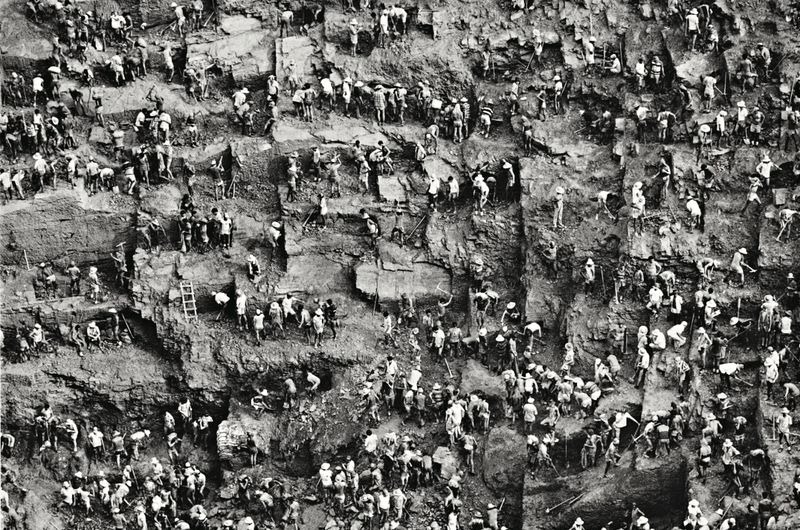
Image of the Day….” Ancient Butterfly like Insect….”

Fossilized lacewing butterfly

A record etched in rock from 120 million years ago shows the fragile beauty of an ancient butterfly-like insect.

Fossilized Kalligrammatid lacewing (Oregramma illecebrosa). Image via James Di Loreto / Smithsonian

Here’s a fossil of a large butterfly-like insect known as a Kalligrammatid lacewing, which has been extinct for more than 120 million years. Scientists at the Smithsonian’s National Museum of Natural History used new fossil analysis techniques to learn that these ancient lacewings were surprisingly similar to modern butterflies, which did not appear on Earth for another 50 million years.

Read more via the Smithsonian.

Source…..www.earthsky.org

Natarajan

படித்தது ….மனதை தொட்டது …”வேர்களை இழந்து விட வேண்டாம்….”

காமராஜரின் இல்லத்தில் ஈ.வி.கே.சம்பத், குமரி அனந்தன் இருவரும் அவரோடு உரையாடிக் கொண்டிருந்தனர். அப்போது காமராஜர், “ஏம்பா…இந்த கோயில் கோபுரங்களை எல்லாம் ஏன் உசரமா கட்டியிருக்காங்க?” என்று கேட்டார். ஒருவர் சொல்லின் செல்வர், மற்றொருவர் இலக்கியச் செல்வர். கேட்கவா வேண்டும்…“அது நமது ஆன்மிக, கலை, கலாசாரப் பண்பாட்டுப் பெருமை, அழகு, அடையாளம்” என இருவரும் காரணங்களை அடுக்குகின்றனர்.
“அட… அதுக்கெல்லாம் இல்லைப்பா” என்று மறுத்த காமராஜர் கூறினார், “அந்த காலத்தில் ஒரு ஊரில் இருந்து இன்னொரு ஊருக்குப் போகணும்னா நடந்துதான் போகணும், சாலை வசதி, வாகன வசதியெல்லாம் கிடையாது. அப்படி போகிறவர்கள் தாகத்தோடும், பசியோடும் போவார்கள். எங்காவது கோபுரம் கண்ணுல தென்பட்டதுண்ணா… கோபுரம் இருந்தா கோயில் இருக்கும், கோயில் இருந்தா மக்கள் இருப்பார்கள், மக்கள் இருந்தால் நம் பசியும், தாகமும் தீர்வதற்கு வழி பிறக்கும் என்பதை அடையாளப்படுத்தத்தான் கோயில் கோபுரத்தை உசரமா கட்டியிருக்காங்க!” என்று பதில் அளித்தாராம்.
எனக்கும், உங்களுக்கும் கோயில் கோபுரத்தைப் பார்க்கும் போது இந்த எண்ணம் தோன்றியதுண்டா? பெருந்தலைவருக்கு மட்டும் தோன்றியது என்றால் என்ன காரணம்? அவர் எப்பொழுதும் மக்களைப் பற்றி மட்டுமே சிந்தித்துக் கொண்டிருந்த தலைவர் என்பதால்தான்.
மேற்கண்ட தகவல், தமிழகப்பண்பாட்டின் உச்சத்தைத் தொட்டுக் காட்டுவதாக அமைந்துள்ளது. விருந்து முதலான நம் பாரம்பரிய மரபுகள் அனைத்தும் மனிதத்துவம் சார்ந்தவை. இத்தகைய நம் பாரம்பரிய பண்பாடுகள் பலவற்றை இன்று நாம் இழந்து வருவதோடு,
இலக்கிய வாசிப்பின்மையால் அது குறித்த சிந்தனைகளையும் இழந்து வருகிறோம்.கவிதை சொல்லும் சேதி பூதை தேசிகன் பாடிய கவிதை ஒன்று.
‘என் பாட்டியின் மாமியார்
என் பாட்டியிடம் சொன்னாளாம்…

இந்தப் பானையில் அரிசி
இருக்கிறது
இந்தப் பானையில் உளுந்து இருக்கிறது
இந்தப் பானையில் புளி இருக்கிறது’
என்பாட்டி என் அம்மாவிடம் சொன்னாளாம்…
‘இது அரிசி இருந்த பானை
இது உளுந்து இருந்த பானை
இது புளி இருந்த பானை’
இப்போது என் அம்மா
என் மனைவியிடம் சொல்கிறாள்…
இது அரிசிப்பானை இருந்த இடம்
இது உளுந்துப் பானை இருந்த இடம்
இது புளிப்பானை இருந்த இடம்’
அரிசி போய், அரிசி பானை போய், அரிசி பானை இருந்த இடம் மட்டும் இன்று காலியாக இருக்கிறது. இந்தக் கவிதை, நமது பாரம்பரிய பண்பாட்டுச் சரிவை மிகச் சரியாக அடையாளப்படுத்தி உள்ளது.
விரிந்து கிடந்த திண்ணைகள்
ஒரு காலத்தில் திறந்த மனசு போல வீட்டு வாசல் கதவு திறந்திருக்க… வருகின்றவர்களை அரவணைப்பதற்கு விரியும் கரங்கள் போல வீட்டின் முன் இருபக்கமும் திண்ணைகள் விரிந்து கிடந்தன. ஒரு யாசகனோ, வழிப் போக்கனோ அதில் அமர்ந்தால் தாகமும், பசியும் நீங்கிச் செல்வதற்கு உத்தரவாதம் இருந்தது. இன்று கிராமங்களில் கூட வீடுகளின் முன் திண்ணைகளைக் காண முடியவில்லை.
அதனால்தான், “அன்றைக்குத் தமிழர்கள், முன்பின் தெரியாத மனுசாள உபசரிக்க, வீடுகளுக்கு முன்னால் திண்ணைகளைக் கட்டி வைத்தார்கள். இன்றைக்கோ நாய்களைக் கட்டி வைக்கிறார்கள்” என்றார் திருமுருக கிருபானந்த வாரியார்.
வேர்களை இழந்துவிட்டு விழுதுகளின் பலத்தில், நிழல் தேடும் சமூகமாக நாம் மாறிவருகிறோம். நமது பண்பாடு வளர்த்தெடுத்த அர்த்தமுள்ள வாழ்வியல் மரபுகளை, மீட்டுருவாக்கம் செய்ய வேண்டிய காலத்தில் நாம் வாழ்ந்து கொண்டிருக்கிறோம்.

மாறிய காட்சிகள் அதிகாலையில் வீடுகளுக்கு முன்னால் சாணம் மெழுகி, தண்ணீர் தெளித்து, மாக்கோலம் இட்ட காட்சிகளை இன்று கிராமங்களில் மட்டுமே காணமுடிகிறது. நகரியப் பகுதிகளில் அடுக்குமாடி குடியிருப்புகளில் அடைபட்டுக் கொண்ட தமிழர்கள் ஸ்டிக்கர் கோலம், பெயின்ட் கோலத்தில் திருப்தி அடைந்து விடுகின்றனர். மண் முற்றத்திற்கு எங்கே செல்வது?
வீடுகளுக்கு முன்னால் அடுப்பு கூட்டி, கரும்புகள் நட்டு, அறுவடை நெல்லின் புத்தரிசியை புதுப்பானையில் சர்க்கரையுடன் இட்டு, முந்திரி, ஏலம் மணக்கப் பொங்கலிட்டனர். பொங்கி வழியும் வெண்நுரையில் வாழ்வின் வசந்த அபிவிருத்தியைக் கண்டு, ‘பொங்கலோ! பொங்கல்!’ என்று ஆனந்தக் குரல் எழுப்பினர். இத்தகைய குடும்பங்களில் ஒருவராக இருக்கும் பேறு, இன்று எத்தனைத் தமிழர்களின் வாரிசுகளுக்கு வாய்த்திருக்கிறது?
எங்கள் வீட்டில் புது மண்பானையில் புது அரிசிப் பொங்கலிட்டது உண்டு. மாடுகளைக் குளிப்பாட்டி கொம்புகளுக்கு வர்ணம் பூசி அவற்றை போசித்தது உண்டு. இன்று வீட்டில் மாடுகளும் இல்லை, பொங்கலைக் கொண்டாடிய மூத்த தலைமுறையின் மனசும் இல்லை.
இன்றும் பொங்கல் பானையின் தலையில் வெண்நுரை பொங்கி நிற்கும் காட்சியைப் பார்க்கும் போதெல்லாம், என் பாட்டன், தமிழ் அடையாளத்துடன் தலையில் தொப்பியோ, தலைப்பாகையோ அணிந்திருந்த கம்பீரத் தோற்றம்தான் நினைவிற்கு வருகிறது.
இது ஒருபுறம் இருக்க, தமிழர்களை ஒருங்கிணைத்த கூடிக் குதுாகலிக்கச் செய்த பொங்கல் விளையாட்டுக்களும் அருகிவிட்டனவே. பொங்கலின் கொண்டாட்டங்களான உறி அடித்தல், சடுகுடு, மாடு பிடித்தல், சிலம்பம் போன்ற வீர விளையாட்டுக்களை அரிதாகவே சில கிராமங்களில் நடந்ததை பார்க்க முடிந்தது. இந்த வீர விளையாட்டுக்கள் எல்லாம், கிராமங்களின் அசல் முகம் என்பதற்கு இனி திரைப்படங்களின் பதிவுகள் மட்டுமே சாட்சிகளாகி விடுமோ?
தேசபாதுகாப்பு என்னவாகும் ஜல்லிக்கட்டு கூட இன்று விமர்சனத்துக்கும், சட்ட ரீதியான தடைக்கும் உள்ளாகி நிற்கிறது. ஜல்லிக்கட்டு போன்ற வீர விளையாட்டுக்களைத் தடை செய்து விட்டால், தேசத்தின் வருங்காலப் பாதுகாப்பே கேள்விக் குறியாகி விடும்! தேசப் பாதுகாப்பிற்காக ராணுவத்திற்கு ஆள் எடுத்தால், நம் கிராமங்களில் இருந்து தான் ஆயிரக்கணக்கில் இளைஞர்கள் செல்வார்கள். ஏனென்றால், இயல்பான ஆற்றலை, முனை முகத்து நிற்கும் துணிச்சலை வீர விளையாட்டுக்கள் மூலம் அவர்கள் பெற்றுள்ளதுதான் காரணம்.
ஜல்லிக்கட்டு போன்றவை தடை செய்யப்பட்டால், வீரம் சார்ந்த விளையாட்டுக்கள் முக்கியத்துவம் இழந்தால், அது தேசத்தின் பாதுகாப்பையே உறுதியில்லாமல் ஆக்கிவிடாதா?
எனவே இயற்கையைப் போற்றல்! வேளாண்மையைக் கொண்டாடுதல்! உழவுக்கும் தொழிலுக்கும் உடன் உழைக்கும் ஜீவன் மாடுகளைச் சிறப்பித்தல்! வீரத்தை விளையாட்டுக்கள் மூலம் வளர்த்தெடுத்து அதனை சமூகப் பாதுகாப்புக்கு உரியதாக்கல்! ஜாதி, சமய அடையாளங்களைக் கடந்து, பண்டிகைகள் மூலம் ஒன்றுபடுதல் என தமிழனது பண்பாட்டு மரபுகளைப் போற்றுவோம்!

Source…….
-பேராசிரியர்.மு.அப்துல்சமது,தமிழ்த்துறை, ஹாஜி கருத்த ராவுத்தர் கல்லுாரி,உத்தமபாளையம்.93642 66001

http://www.dinamalar.com

The Gold Mines of Serra Pelada…….!!!

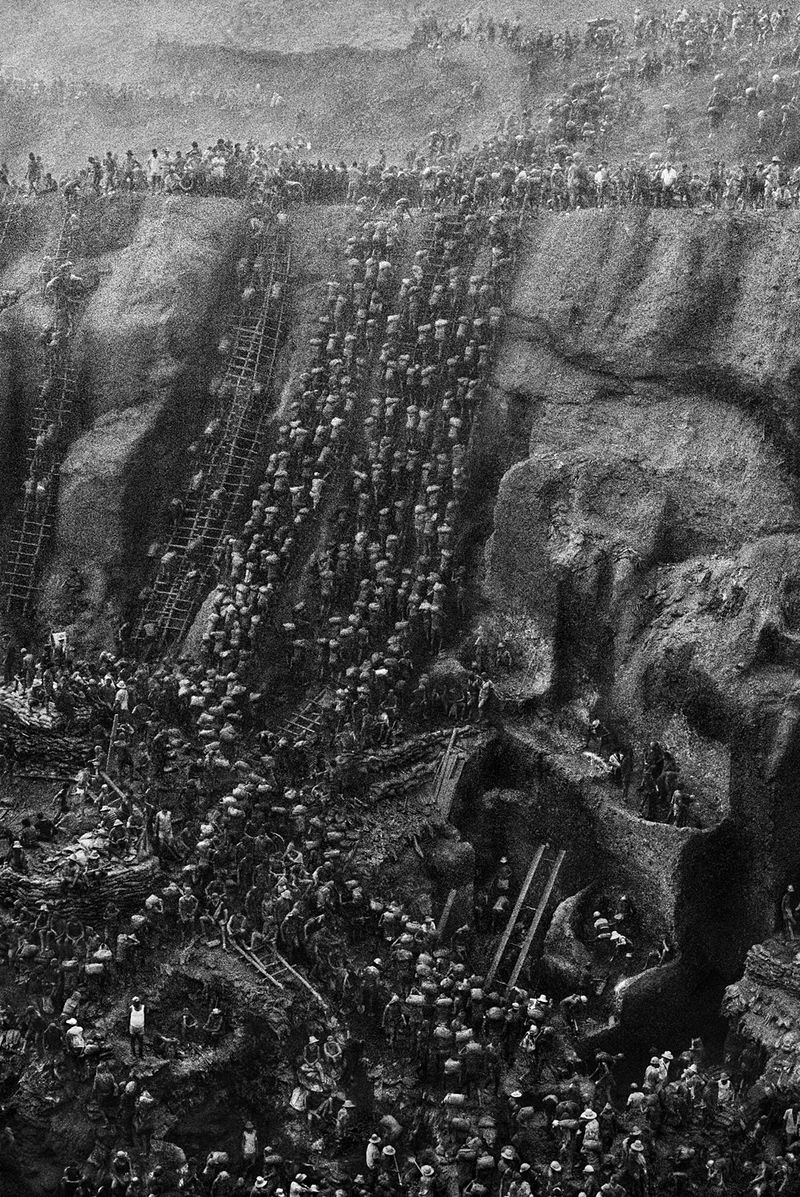
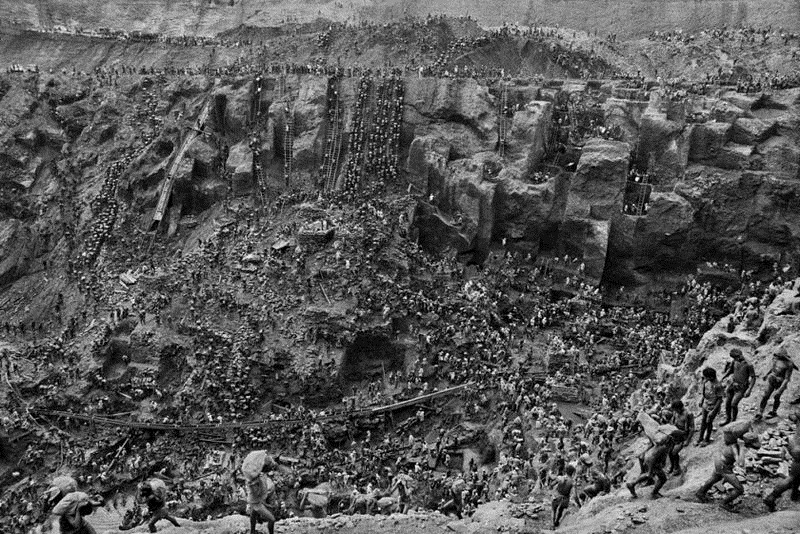
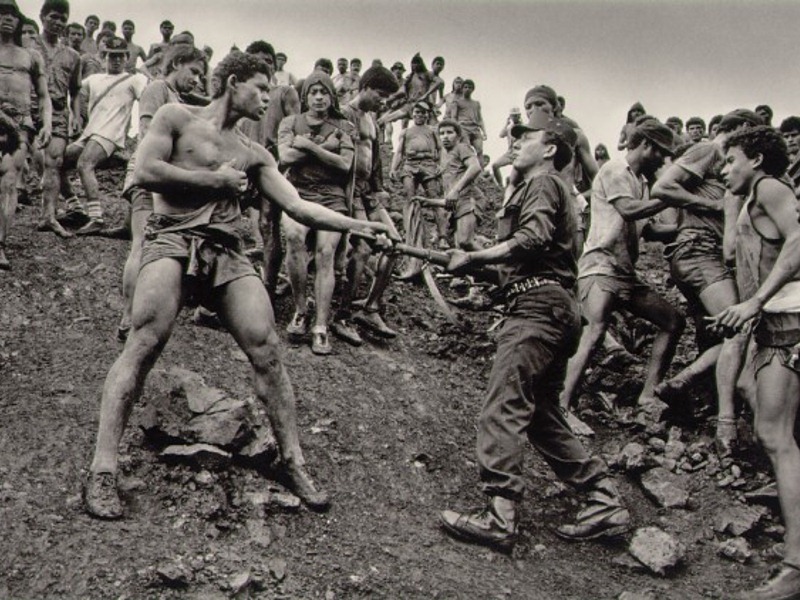
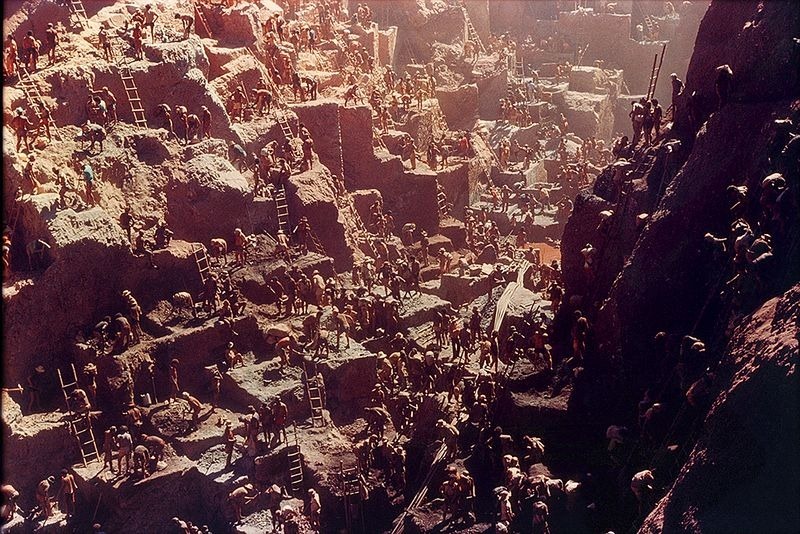
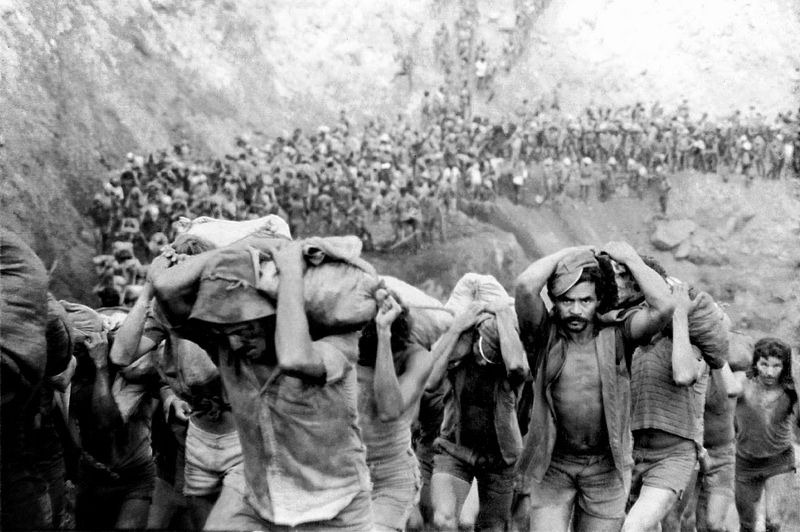
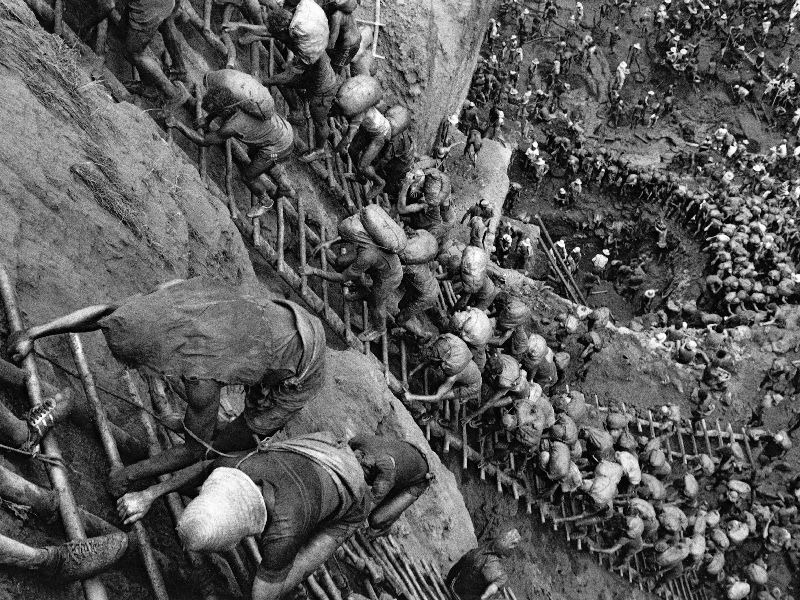
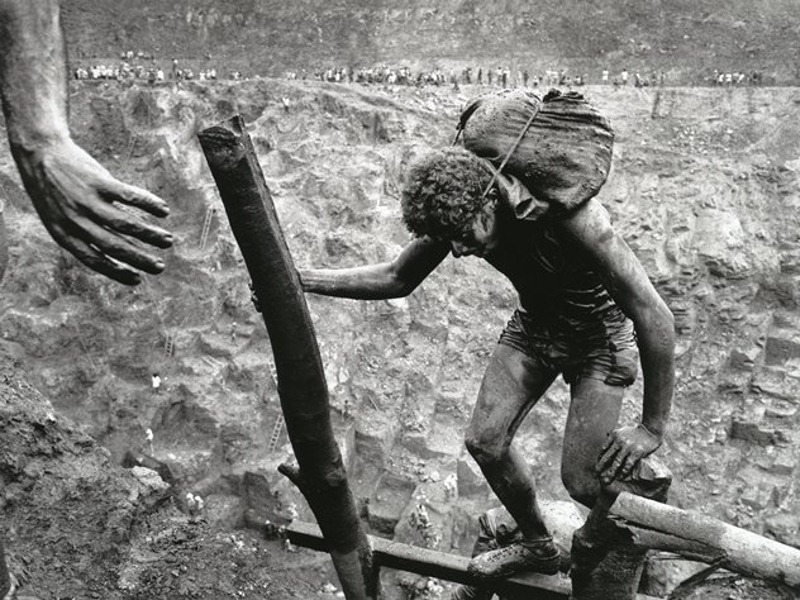
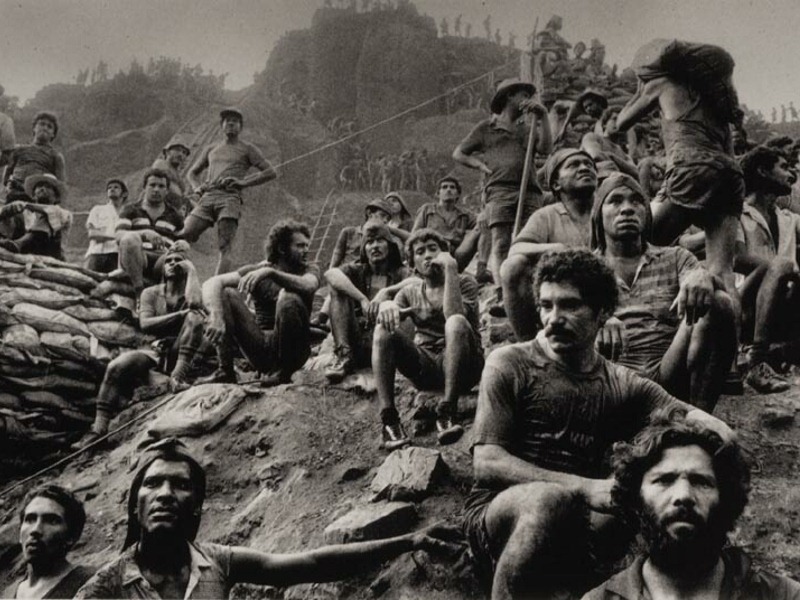
In the early 1980s, Brazilian photographer Sebastião Salgado travelled to the mines of Serra Pelada, some 430 kilometers south of the mouth of the Amazon River, where a notorious gold rush was in progress. A few years earlier, a child had found a 6-grams nugget of gold in the banks of a local river, triggering one of the biggest race for gold in modern history. Motivated by the dream of getting rich quickly, tens of thousands of miners descended into the site swarming like ants in the vast open-air pit they had carved into the landscape. Salgado took some of the most haunting pictures of the workers there, highlighting the hazardous conditions in which they worked and the sheer madness and chaos of the operation.

serra-pelada-1

Photo credit: Sebastião Salgado

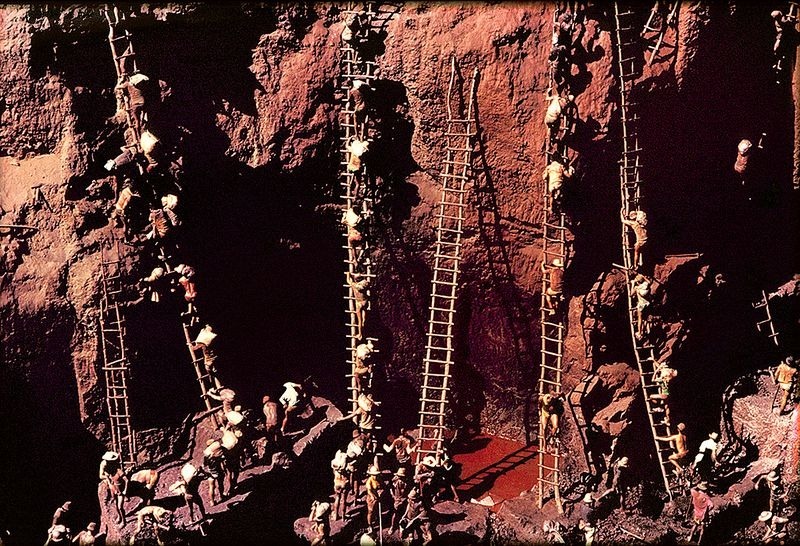
One of the most vertigo-inducing photograph of the series showed hundreds of workers swarming up tall ladders, scaling the cliff-like sides of a hellish hole. Later, when talking about the captivating images, Sebastião Salgado had said: “Every hair on my body stood on edge. The Pyramids, the history of mankind unfolded. I had travelled to the dawn of time.”

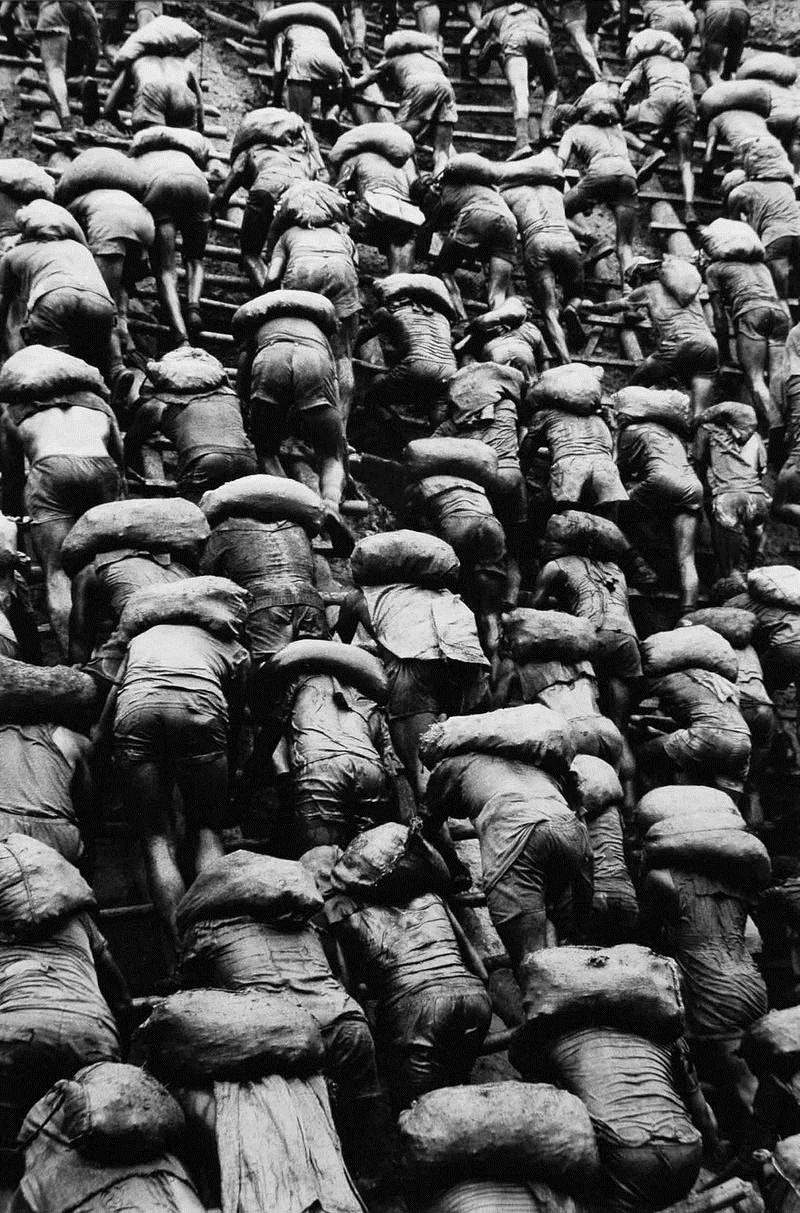
During its peak, the Serra Pelada mine employed some 100,000 diggers or garimpeiros in appalling conditions, where violence, death and prostitution was rampant. The diggers scratched through the soil at the bottom of the open pit, filled it into sacks each weighing between 30 to 60 kilograms, and then carried the heavy sacks up some 400 meters of wood and rope ladders to the top of the mine, where it is sifted for gold. On average, workers were paid 20 cents for digging and carrying each sack, with a bonus if gold was discovered. Thousands of underage girls sold their bodies for a few gold flakes while around 60–80 unsolved murders occurred in the nearby town, where the workers lived, every month.

Three months after the gold’s discovery, the Brazilian military took over operations to prevent exploitation of the workers and conflict between miners and owners. The government agreed to buy all the gold the garimpeiros found for 75 percent of the London Metal Exchange price. Officially just under 45 tons of gold was identified, but it is estimated that as much as 90 percent of all the gold found at Serra Pelada was smuggled away.

Mining had to be abandoned when the pit became flooded preventing further exploration. Geological surveys estimate that there could still be 20 to 50 tons of gold buried under the muddy lake, which the pit has now become.

In 2012, after remaining largely untouched for the last 20 years, a Brazilian cooperative company was granted an exploration license for the property in a bid to develop Serra Pelada.

serra-pelada-11

Photo credit: Sebastião Salgado

serra-pelada-12

Photo credit: Sebastião Salgado

sebastiao-salgado-serra-pelada-6

Photo credit: Sebastião Salgado

sebastiao-salgado-serra-pelada-8

Photo credit: Sebastião Salgado

serra-pelada-14

Photo credit: Sebastião Salgado

sebastiao-salgado-serra-pelada-4

Photo credit: Sebastião Salgado

sebastiao-salgado-serra-pelada-5

Photo credit: Sebastião Salgado

serra-pelada-9

Photo credit: Sebastião Salgado

serra-pelada-2

Photo credit: Rudi Böhm

serra-pelada-3

Photo credit: Rudi Böhm

Sources: Aljazeera / www.beetlesandhuxley.com / Buried in Mud, Digging for Gold / Wikipedia

Source………www.amusingplanet.com

Natarajan
The Mystery of the Margate Shell Grotto….!!!

In 1835 a labourer was digging a field just outside the English seaside town of Margate.  His work was interrupted when he thrust his spade in to the soil and it simply vanished in to the ground.  The master of the nearby Dane House School, James Newlove, was made aware of this strange disappearance.  He volunteered his young son, Joshua, for the task of being lowered, candle in hand, in to the void via a length of rope

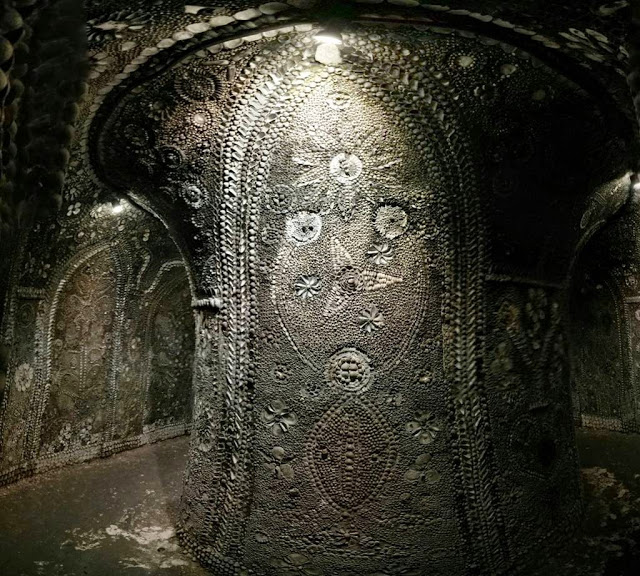
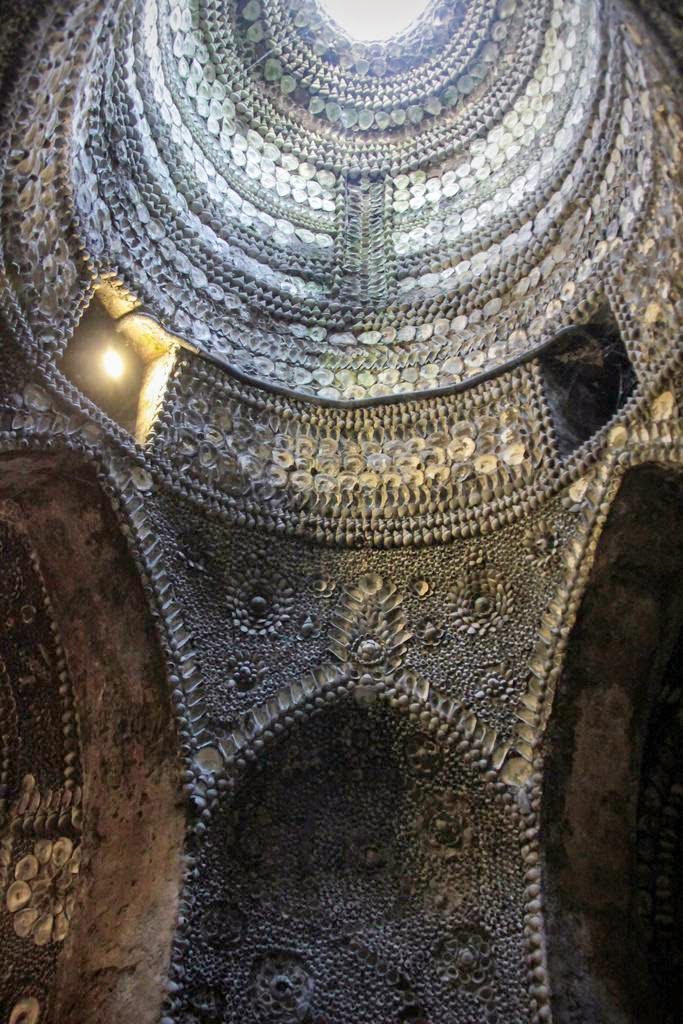
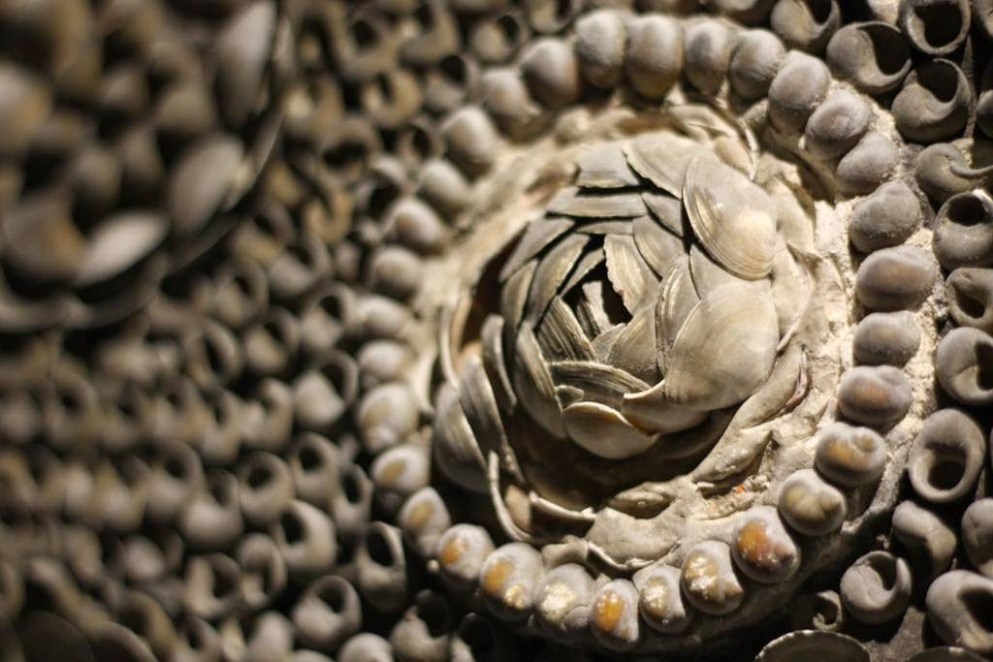
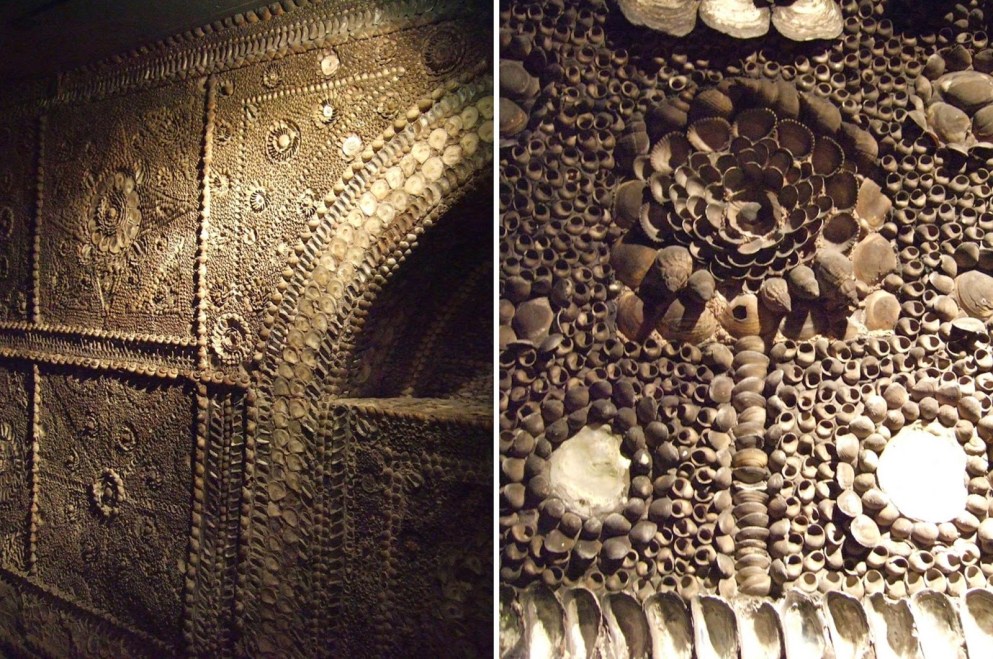
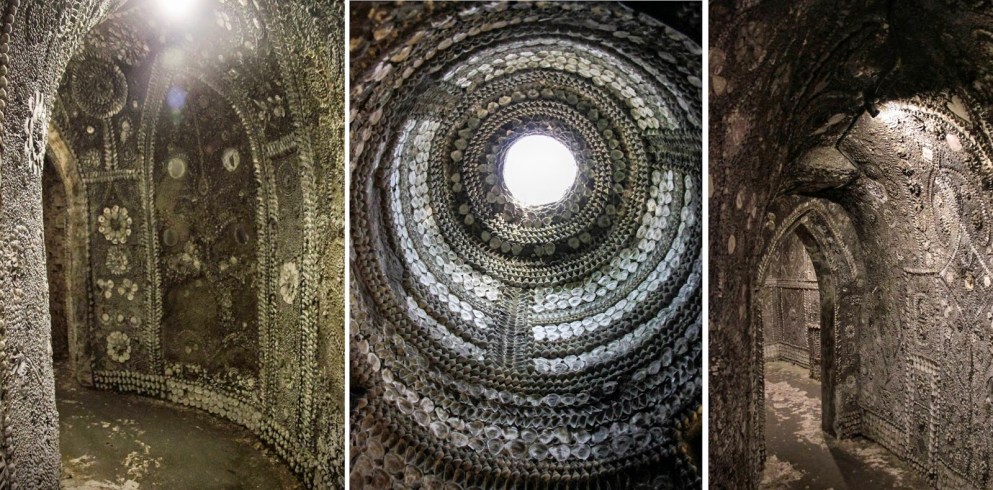
Regardless of our modern sensibilities about the health and safety of children, when Joshua was pulled back to the surface his wide-eyed tale astonished everyone. He told of a magical temple adorned in shells, hundreds, thousands… millions of them.  All told, 4.6 million.

Image Credit DeadManJones

Image Credit Krondol
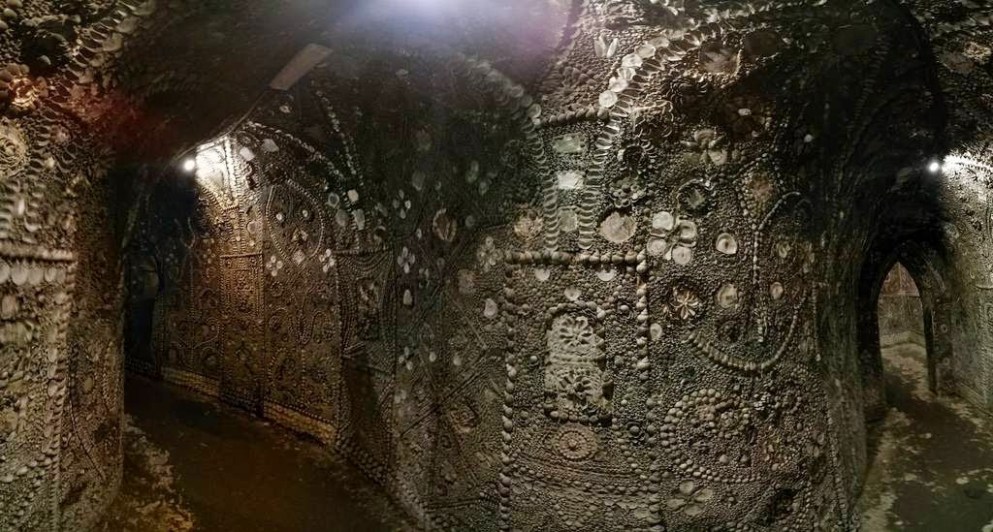
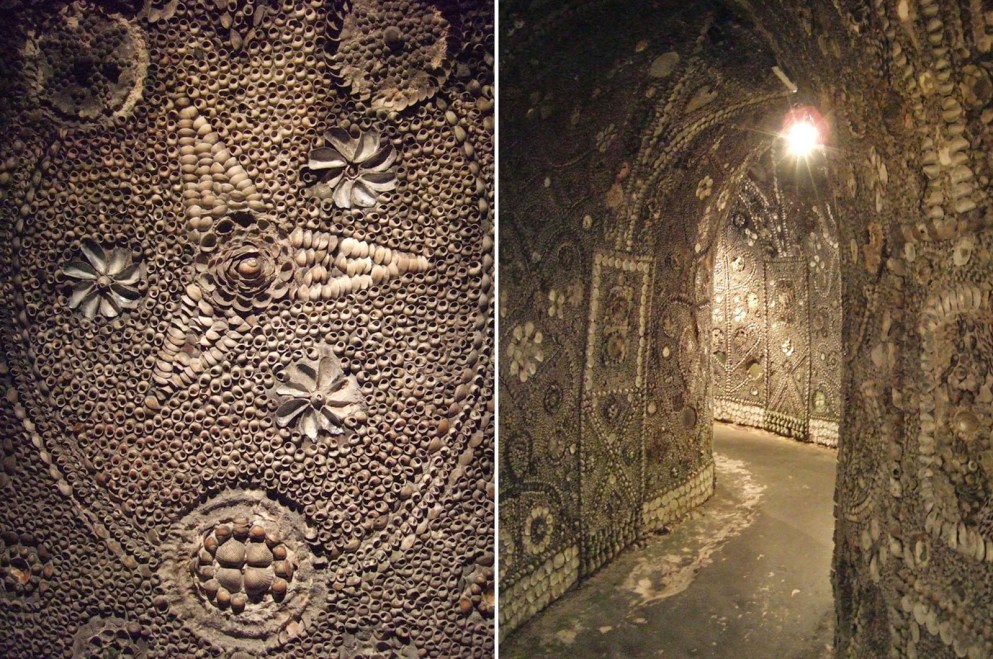
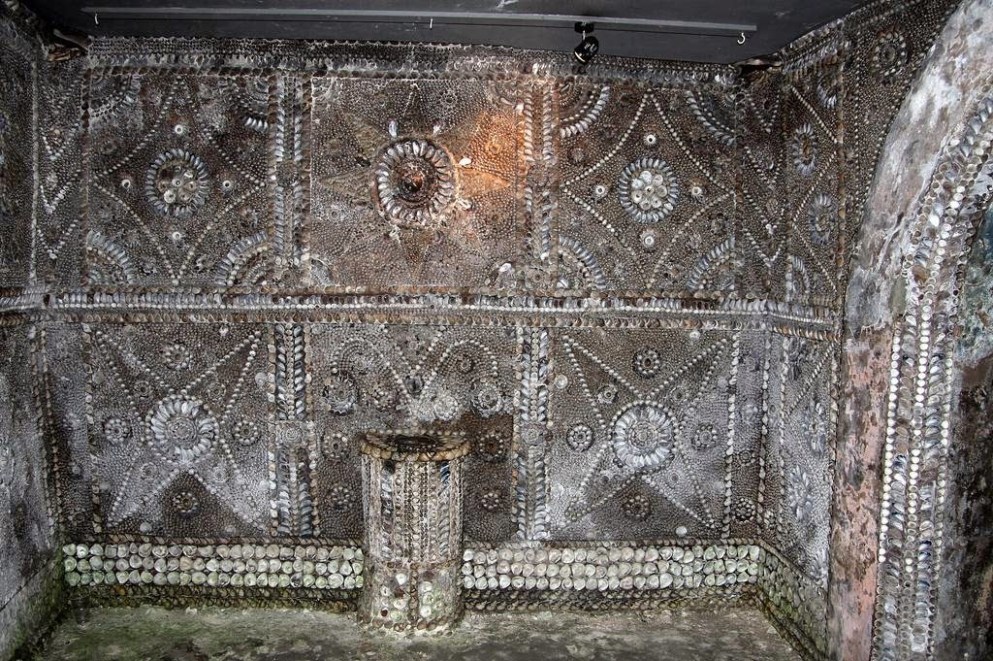
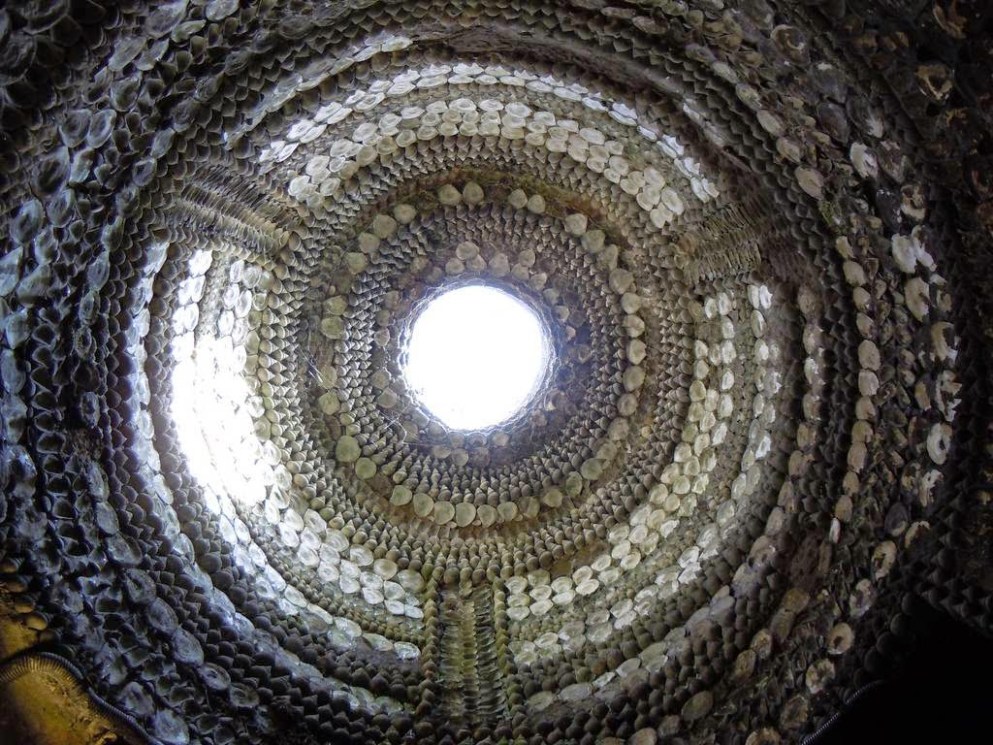
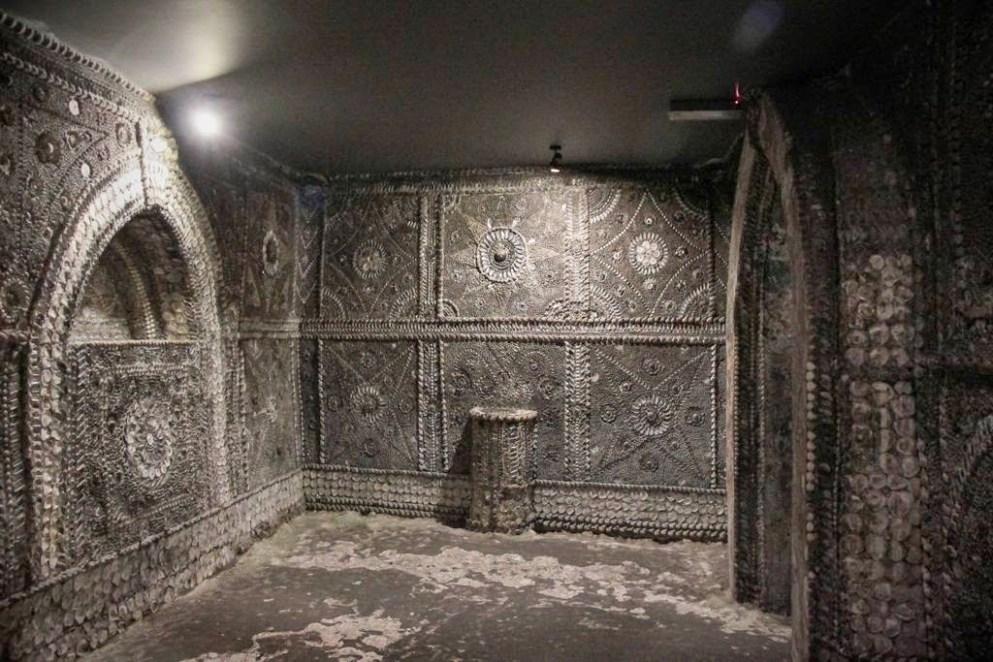
Joshua’s tale was nowhere near as tall as people may have at first imagined.  When the hole was widened enough for adults to enter they too witnessed the wondrous contents of the winding subterranean passageway, complete with an altar chamber and rotunda.  Newlove senior, a canny schoolmaster if ever there was one, was first to consider the financial benefits such a discovery might reap.  He hurriedly purchased the land above the mysterious chamber and began to adapt it so that visitors might enter – for a small charge of course. In 1837, just two years after its discovery, the grotto opened to a curious public.  Yet to this day debate rages (in a very English way, of course, involving polite discussion over tea and cucumber sandwiches) about it origins.
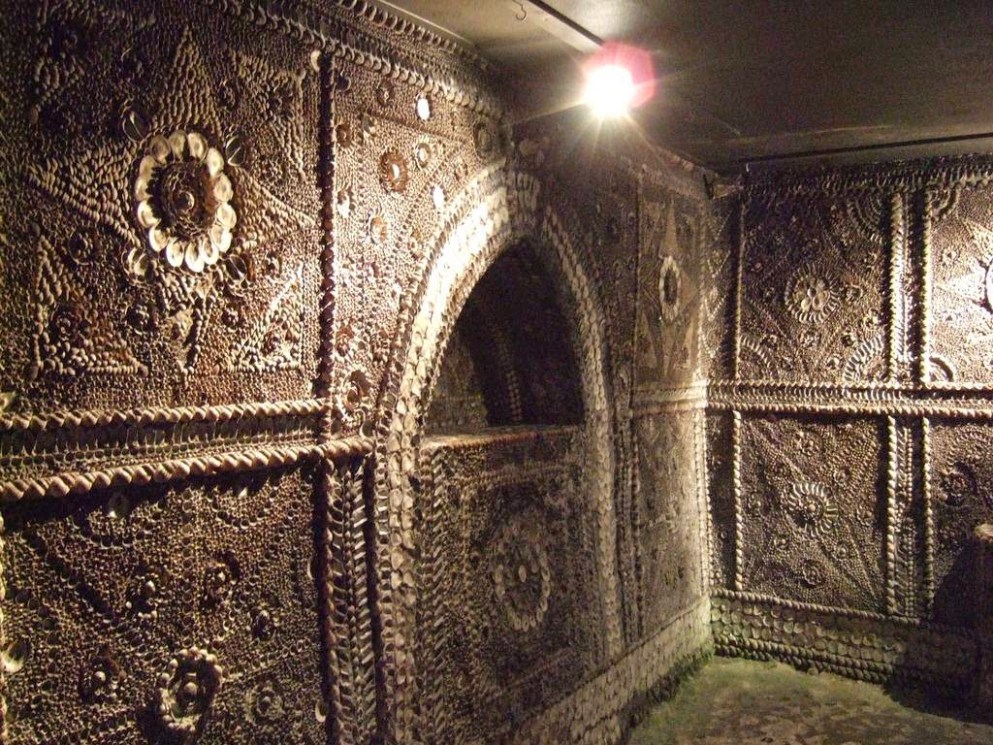
Image Credit Ben Sutherland
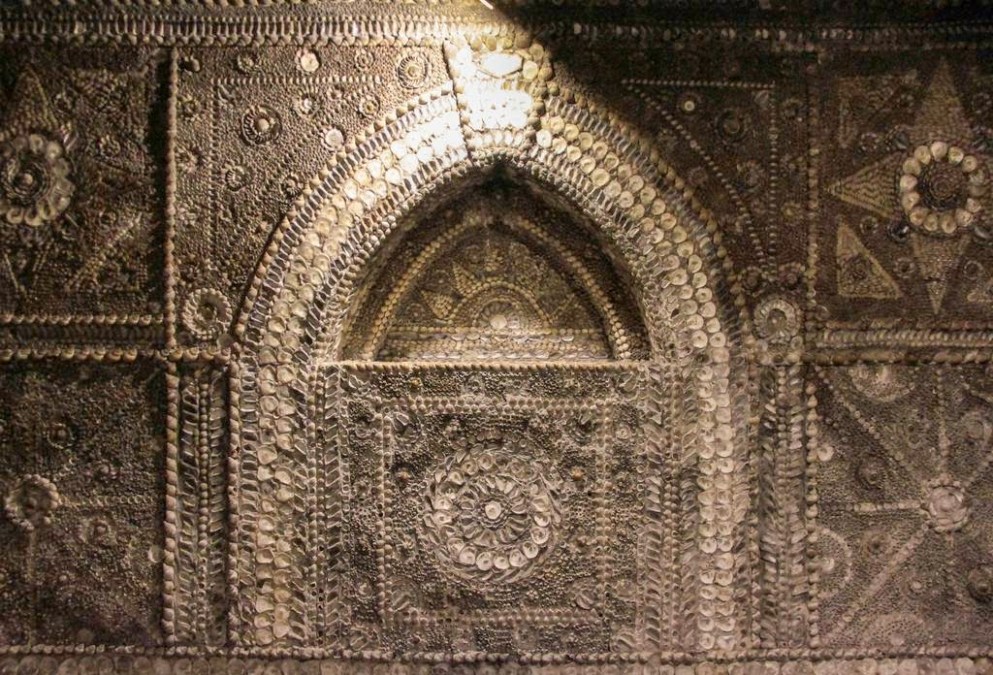
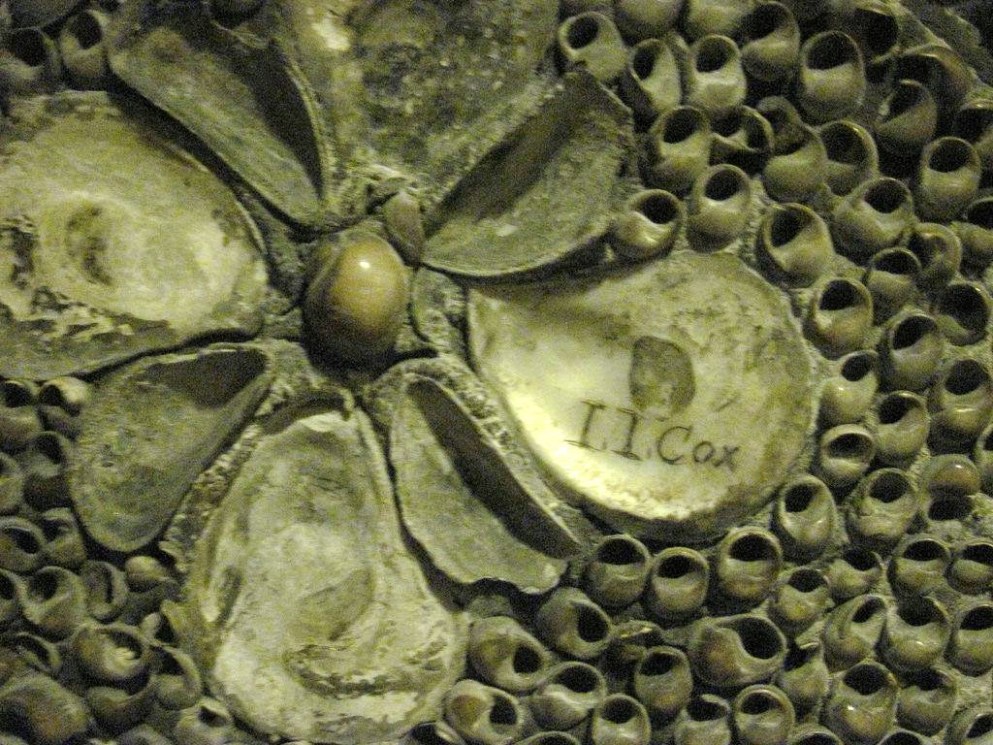
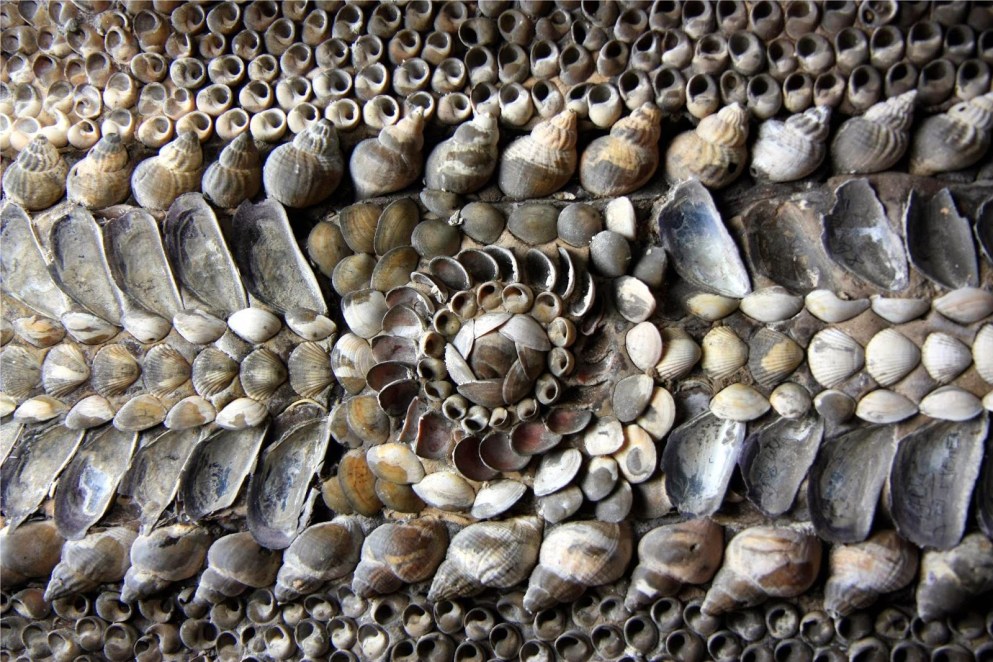
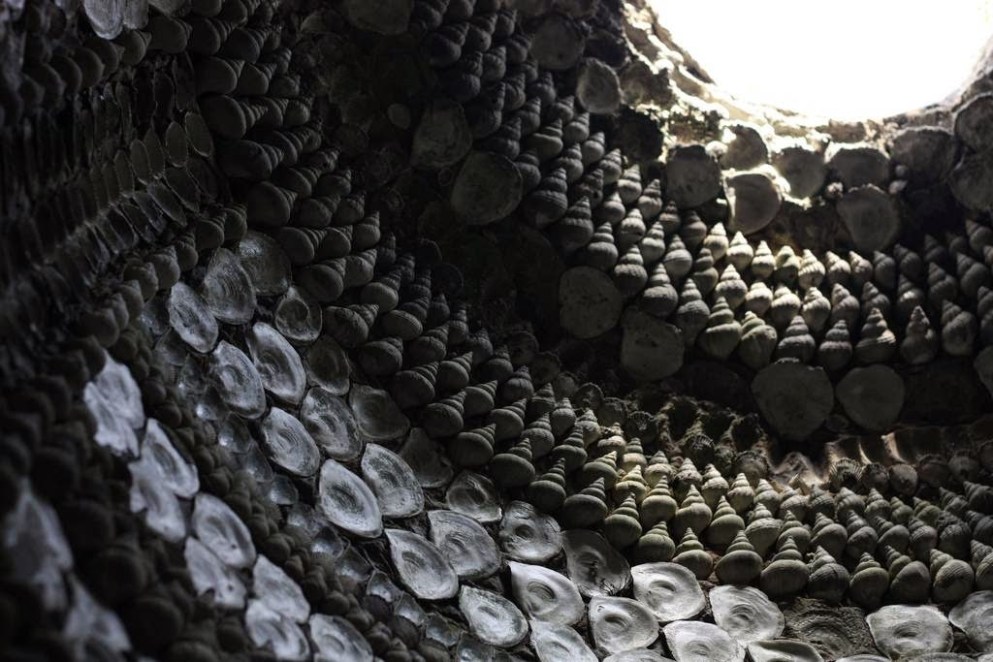
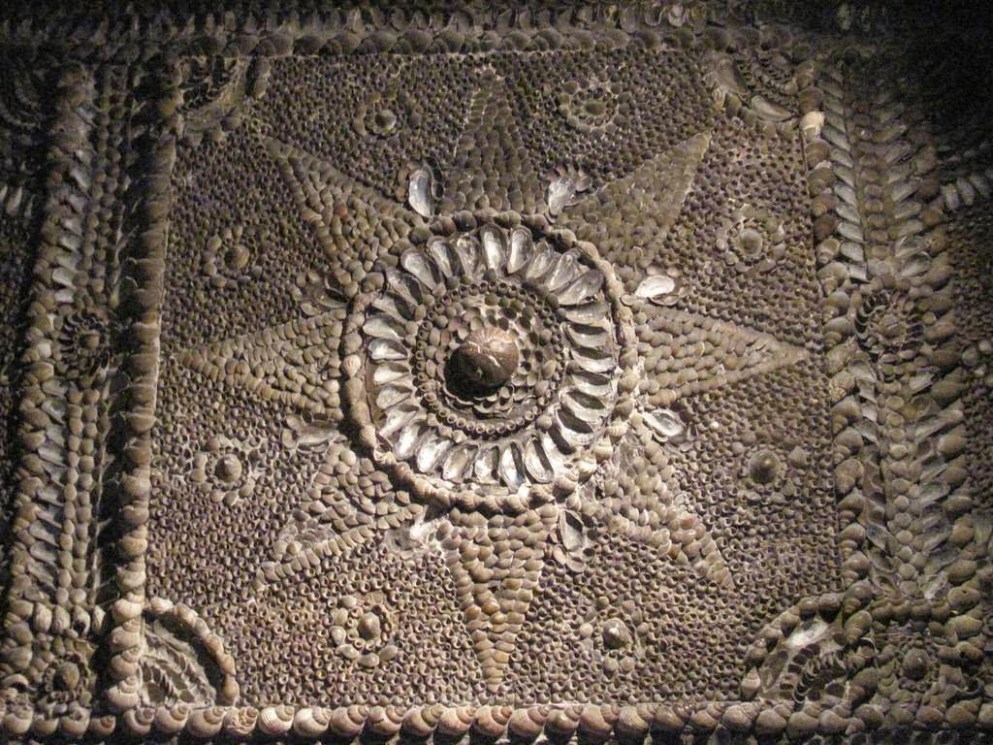
How it came to be originally built remains unexplained.  However, the 2000 square feet of mosaics, created from mussel, cockle, whelk and oyster shells have provoked a multitude of explanations none of which have been confirmed with any total surety.

Image Credut Ben Sutherland
Shell grottoes of this type were extremely popular in the Europe of the 1700s. Many suppose that this was the result of a local bigwig embarking on the Grand Tour and returning with a desire to recreate a highlight of his or her European expedition.  Yet although this is not without the realms of possibility, the land above the grotto never formed part of any large estate, which is where you would expect such an extravagance to be positioned – close enough to the big house to easily chaperone curious guests to its confines. These visitors would be impressed both by the owner’s wealth and aesthetics because, frankly, this kind of thing was built to do both.

Image Credit Kotomi

Image Credit Simon Lee
Moreover, had the grotto been built in the 1700s then there would have been some vestigial local memory (or legend) of its construction.  In order to get millions of shells in to this underground passage many local people would have to have been involved in their transport.  Yet the discovery in 1835 was a surprise to all – no one stepped forward with any explanation.

Image Credit Ben Sutherland
It has been suggested that the grotto was a smuggler’s cave – almost all the shells are British and so it could have been a hideaway made by locals for stolen and contraband goods.  Yet this idea doesn’t hold much water either. Although near to the sea, the waves remain stubbornly a number of miles away and there are no tunnels from coast to ‘cave’. Plus with a distinct lack of an escape route any smuggler would have been mad to hide their booty here – not to mention the fact that they would have had to spend more of their time decorating the place than doing any actual smuggling. So, it’s a no to that theory as well.

Image Credit Krondol

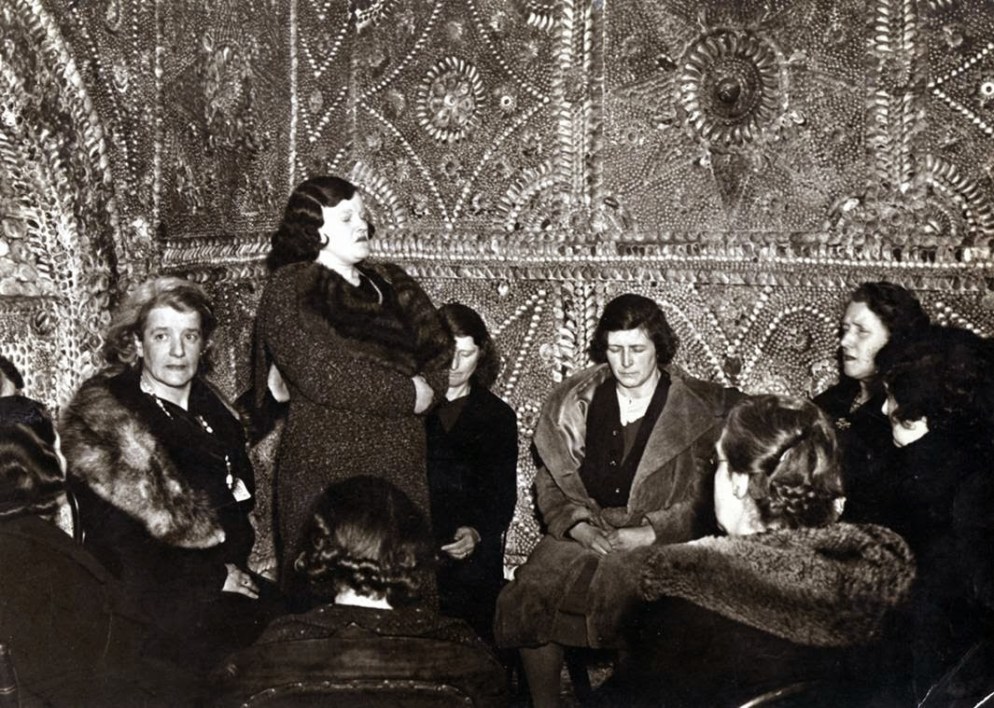
Could it be a Roman temple?  A remnant of dark-age rituals?  A prehistoric astronomical calendar? Make up a theory and it could well be feasible – and many have.  There have even been séances held in the grotto to try and contact the spirits of the builders, such as the one from the 1930s above.

Image Credit John C Bullas

Image Credit Feribrulu
A number of the shells have been vandalised over the years by visitors.  Even though this is difficult to condone it adds an extra layer of history to the place.

Image Credit Kotomi

 
Image Credit Mr Moss
The latest research which took place in 2006 points towards an explanation which might please Indiana Jones fans.  Mick Twyman of the Margate Historical Society put forward the suggestion that the grotto was built by the Knights Templar or their associates sometime in the middle 1100s.  He has suggested this after a painstaking measurement of angles inside the grotto (a temple now, perhaps?) and the way that the sunlight is projected in to the inside of the dome.   The altar chamber certainly looks the part of an early temple for masonic rituals. Yet this kind of theory, unlike its scientific namesake, isn’t proof – just conjecture however sensible and enlightened.

Image Credit Simon Lee
Why not get the shells carbon-dated?  This is certainly a possibility for the current owner (the grotto has always been in private hands although recent restoration work has been done in partnership with English Heritage, the charity that looks after the National Heritage Collection of the country).  However, this has been advised against for a number of reasons.  First and foremost quite a number of shell samples would be needed to ensure that dating caught the earliest shells and not just those used in previous (unknown) restoration work over the centuries.  Secondly it’s expensive and money needs to be more urgently spent on conservation rather than speculative investigation, however scientific and potentially illuminating.

Image Credit Feribrilu

Image Credit Kotomi
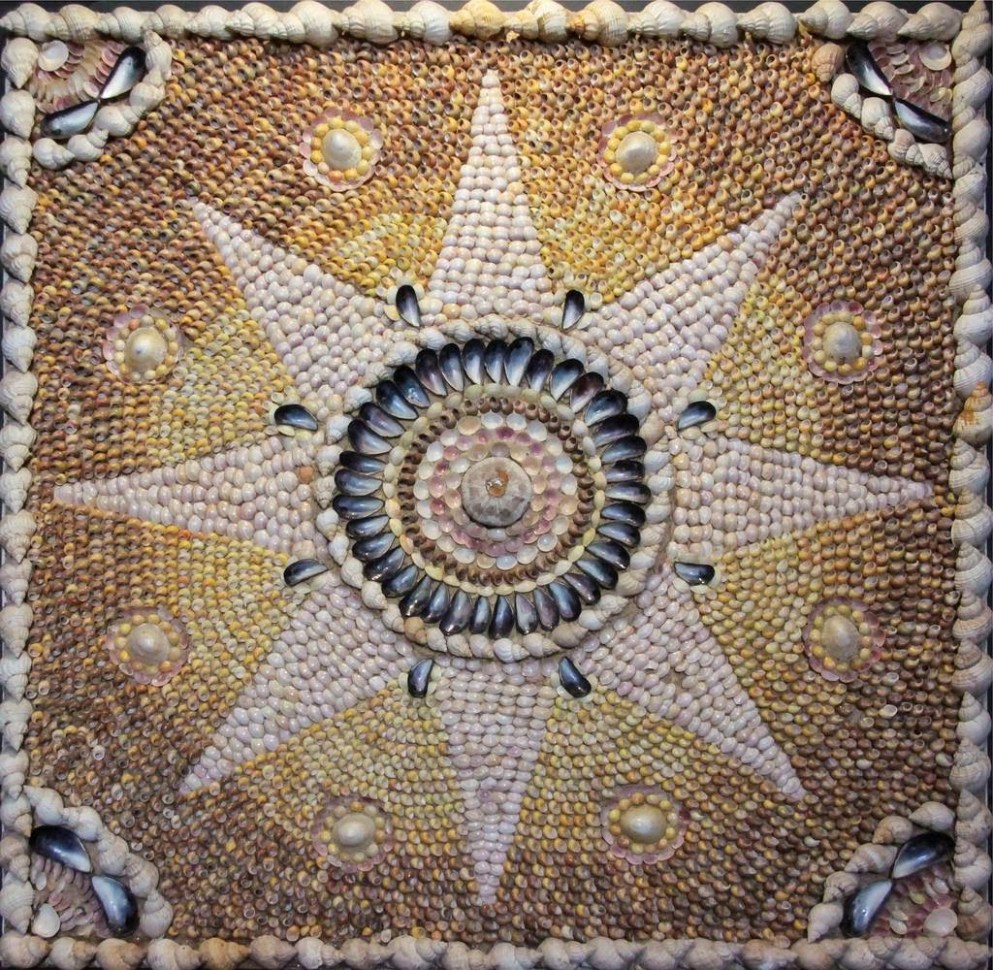
How did the shells look before the decades of gas-lit exhibition and when water damage had not bleached them? A modern recreation of a panel from the grotto shows how it must have dazzled visitors in its heyday.

Image Credit Kotomi
Yet, perhaps it is best to leave well alone in terms of a definitive origin story.  After all, even a secure dating of the oldest shells in the grotto would only establish their age – it would hardly go any further in discovering who built the grotto and why.  Sometimes it’s simply best to allow imagination to flourish and allow visitors to create their own history for this amazing place.

If you want to visit the Margate Shell Grotto, please check out its website for opening times.

Source…….www.kuriositas.com
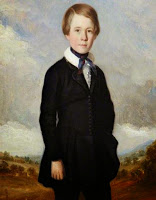
The picture of the c1835 schoolboy is by William McTaggart
First Image Credit DeadManJones


Natarajan