10 Rare Pictures of Netaji Subhas Chandra Bose That Everyone Must See…

Remembering Netaji Subhas Chandra Bose on his 119th birth anniversary. Generations of Indians admire his patriotism and courage. Here are some rare pictures of him:

bose

bose1

bose 2


bose4

bose 5

bose 6

bose 7

bose 8

bose 9

bose10

Photo credit: Twitter

Source…….Meryl Garcia in http://www.the betterindia.com

Natarajan

The President Shares Pictures as His Residence Is Decorated for Republic Day…

Rashtrapati Bhavan is being prepared for the celebration of India’s 67th Republic Day, and it is looking as marvellous as always. This Tuesday, the much awaited grand parade on Rajpath will commence from the gates of the Rashtrapati Bhavan. And on the evening of January 29, the Beating Retreat ceremony will be held at Vijay Chowk, with the North and South blocks of the Rashtrapati Bhavan visible on both sides.

President Pranab Mukherjee has tweeted some pictures, as his residence is getting decorated:

RD1

RD2

RD3

The Jaipur Column

RD4

RD5

RD6

RD7All pictures: Twitter

Source…. Tanaya Singh in http://www.the betterindia.com

Natarajan

How This Organisation Became the Backbone of Thousands of Farmers in India…


This article is part of a series that covers the finalists of the HCL Grant & made possible by HCL.

The Indian Society of Agribusiness Professionals has been working for the empowerment of farmers in India since 2001. It is bridging the gap between rural communities and other stakeholders through innovative use of ICT across the country.

T here’s a farmer in a small village in Bidar, Karnataka, who needs help with setting up a green house. He doesn’t know how to go about it.  That’s when his neighbour tells him about a helpline – Kisan Call Centre. The farmer connects with experts.  And within no time, he is equipped with all the information he needs.

Kisan Call Centre is one of the many initiatives of ISAP – Indian Society of Agribusiness Professionals – an organisation that is engaging more than 150,000 farmers across India.

ISAP, which has been active in the field of agriculture for the last 15 years, is a non-profit organisation working for the empowerment of rural communities by providing them sustainable agriculture solutions.

ISAP was the brainchild of Sunil Khairnar. After extensively working in the agribusiness industry in India, he realised there was so much potential in the field of Indian agriculture that hadn’t been tapped as yet. He wanted to bridge the gap between farmers and experts. Mr. Khairnar also realised the way to fill this gap was by using the power of information. In fact, ISAP’s mantra has been ICT – information and communications technology.

Using ICT, the organisation has been able to reach out to thousands of farmers.

An awareness workshop being conducted in Aurad.

An awareness workshop being conducted in Aurad.

“The organisation, which started out with just a few employees, now has as many as 330 employees,” says Senior Project Manager Gaurav Vats.

What ISAP does

ISAP is currently implementing various projects across India. From an integrated farming system project in Rajasthan to an agriculture extension system project in Karnataka, ISAP is proving to be a backbone to farmers across the country.

The organisation’s targeted interventions ensure economic development in rural India.

“Our processes are very meticulous,” says Karnataka project head, Chandrashekar Maradi.

ISAP organises farmers into groups at various levels. At the grassroots level, the farmers are divided into Farmer Interest Groups (FIGs). At the taluk level, FIGs come together to form Farmer Producer Organisations (FPOs).

“We believe that there is strength in numbers. When the farmers are organised into groups, they have more bargaining power. For instance, because they purchase seeds as a group, they get them at wholesale prices,” says Mr. Chandrashekar.

The organised groups are also guided on selling their produce. ISAP helps them by providing training on the best harvesting methods, gives them access to warehouses, and so on.

The Agriculture Extension Project was started in 2010 in north Karnataka.

Farmers being taught the dibbling method.

Farmers being taught the dibbling method.

It was launched to improve the production of pulses. In order to achieve this goal, the project stressed on soil and nutrient management. ISAP also helps farmers in marketing their produce.

“We have started Kisan Fresh, a grocery mart, in north Karnataka. Farmers sell fresh vegetables, organic jaggery, pulses, masala powders, and much more,” says Mr. Chandrashekar.

How it’s impacting lives

Gundappa, a farmer in Pattan village, is one of the beneficiaries of the project in north Karnataka. This farmer, who used to only cultivate red gram, was introduced to ISAP’s integrated farming system. Now, he cultivates pulses, grows vegetables, and also raises cattle on his farm.

By expanding his produce, Gundappa has shielded himself from the vagaries of the weather, thereby cushioning himself against disaster in case one crop fails. Gundappa’s success story is an inspiration to many — he is often invited to lecture farmers in his region.

The organisation is also involved in a host of other projects.

The Better India (1)

For instance, it provides training to rural youth to help them create small and micro enterprises. Together with the National Institute of Agricultural Extension Management in Hyderabad, ISAP is running an entrepreneurship development programme for unemployed youth in 12 states. After the training, it helps students set up their own ventures. Under this scheme, ISAP has trained over 4,000 people so far.

ISAP also uses community radio stations to reach out to farmers. It gives out information on agricultural practices, government schemes, etc. Kisan Vani (90.4 FM), at Sironj in Vidisha district of Madhya Pradesh, was the first agriculture-based community radio station in the state. ISAP now plans to set up more such stations in Rajasthan.

The organisation has provided training to women’s self-help groups (SHGs) in poultry farming, washing power production, vermi-compost, and other relevant businesses. It has also helped SHGs in opening bank accounts through the NABARD-SHG bank linkage programme in Rajasthan. ISAP is funded by various organisations and grants.

It has applied for the HCL Grant and through this grant it wants to set up three skill development community colleges in Rajasthan, Uttar Pradesh and Bihar. Through these colleges, it aims to provide certified skill training and a recognised Bachelor of Vocational Training (B.Voc.) degree to unemployed rural youth. The project aims to directly impact 3,600 beneficiaries from poor households.

To know more about ISAP’s initiatives, contact the team on their website.

About HCL Grant

There are about 3.3 million NGOs in India doing commendable work in various areas aimed at inclusion and development. The HCL Grant has been launched to support the institutionalization of the Fifth Estate comprising individuals and institutions formed and led by the citizens of the country through the creation of strong governance frameworks and management capabilities. An endeavor of the HCL Foundation, HCL Grant envisions to build sustainable communities by supporting NGOs and individuals who are doing path-breaking work towards high impact transformation in rural India. In the first year, HCL Grant has identified the best NGOs in the area of rural education. To know more about the HCL Grant: http://www.hcl.com/hcl-grant

Source……..Meryl Garcia in http://www.the betterindia.com

Natarajan

நீரிழிவைக் கட்டுப்படுத்தும் பழுப்பக்காய் ….

பாகற்காய் உடல்நலனுக்கு நல்லது. நீரிழிவு நோயைக் கட்டுப்படுத்துவதில் முக்கிய பங்கு வகிக்கிறது. அதன் கசப்புத் தன்மை காரணமாக, பலரும் அதை நெருங்க பயப்படுவார்கள். அப்படிக் கசப்புத்தன்மை இல்லாமல், பாகற்காயின் குணநலன்களையும், அதை விஞ்சும் மருத்துவ குணங்களையும் கொண்டது பழுப்பக்காய்.

“கசப்புத் தன்மையில்லாமல், துவர்ப்புத் தன்மை கொண்ட இந்த விநோதமான காயை எங்கள் கிராமத்தில் பன்னெடுங்காலமாக உணவாகப் பயன்படுத்திவருகிறார்கள். மேற்குத் தொடர்ச்சி மலையோர கிராமங்களில் விளையும் இந்த அரிய காயை அக்டோபர், டிசம்பர் பருவத்தில் நூற்றுக்கும் மேற்பட்டவர்கள் சந்தைக்குக் கொண்டுவந்து கிலோ ரூ.100 முதல் ரூ.150 வரை விற்கிறார்கள். அந்தக் காயை தமிழகத்தின் மற்ற மாவட்டங்களில் காண்பதே அரிதாக இருக்கிறது. இதை விவசாய, இயற்கை ஆர்வலர்கள் அனைத்து பகுதிகளுக்கும் கொண்டுபோய் சேர்க்கலாமே?” என்று கேட்கிறார் ஆர்.கணேஷ்குமார்.

துவர்ப்பான பழுப்பக்காய்

இவர், கோவை பீளமேட்டில் உள்ள தனியார் மருந்தியல் கல்லூரியில் 4-ம் ஆண்டு மருந்தியலாளர் படிப்பு படிக்கிறார். இந்தத் தாவரத்தின் மருத்துவப் பலன்கள் குறித்து, கடந்த இரண்டாண்டுகளாக ஆராய்ச்சியிலும் ஈடுபட்டுவருவதாகத் தெரிவிக்கிறார். பழுப்பக்காய் குறித்து அவர் மேலும் பகிர்ந்துகொண்டது:

என்னுடைய சொந்த ஊர் நெல்லை சிவகிரி வட்டத்தைச் சேர்ந்த ஆத்துவழி மலைக்கிராமம். இங்குள்ள தலையணை அருவியின் அடிவாரத்தில் பழுப்பக்காய் நிறைய விளைந்து கிடக்கும். இதை பழுவக்காய் என்றும் சொல்வார்கள். இதோட தாவரவியல் பெயர் ‘மொமோர்டிகா டயோகா’ (Momordica Dioica). படர்கொடி வகையான இந்தத் தாவரம் வெள்ளரிக்காய் குடும்பத்தை சேர்ந்தது. இதில் கார்போஹைட்ரேட் அதிகமுள்ளது. பாகற்காய்க்கு அடுத்தபடியாக மருத்துவ குணம் வாய்ந்த இந்த காய், துவர்ப்பு சுவையுடையதாக இருப்பதால் எளிதாகச் சாப்பிடலாம். பழுப்பக்காயில் துவர்ப்புத் தன்மைக்குக் காரணமாக இருக்கும் வேதிப்பொருள் ஆந்த்ராகுயினோன் கிளைகோசைட்ஸ் (anthraquinone glycosides).

மானாவாரி விளைச்சல்

பாகற்காயில் இரண்டு வகைகள் உண்டு. கரம்பக்காய் என்பது ஒன்று, சராசரியான பாகற்காய் மற்றொன்று. அதில் கரம்பைக்காய் உருண்டையாக இருக்கும். இது சர்க்கரை நோயைக் கட்டுப்படுத்த பயன்படுகிறது. அதே குணநலன்களைக் கொண்டது இது. பொரித்தும், தண்ணீரில் வேகவைத்து வெங்காயம், தேங்காய் போட்டுப் பொரியல் செய்தும் இதைச் சாப்பிடலாம். எவ்வளவு வேண்டுமானாலும் சாப்பிடலாம். விதைகளையும் மென்று சாப்பிடலாம். இலங்கையில் மட்டன், சிக்கன் வறுவல் செய்யும்போது, இந்தக் காயையும் சேர்த்துக்கொள்கிறார்கள்.

மழைக்காலத்தில், எங்கள் ஊரைச் சுற்றி 40 கி.மீ. சுற்றுவட்டாரத்தில் மானாவாரி நிலங்களில் இது அதிகமாக விளைகிறது. குளசேகரப்பேரி கண்மாய்க்கரையோரம் வண்டல் மண்ணில் செழித்து வளருகிறது. இதன் அடிப்பாகத்தில் உள்ள கிழங்கை நட்டு வைத்தால் மூன்று மாதங்களில் கொடிபோல வளர்ந்து காய்த்து, காய்ந்து விடுகிறது. இதன் பூ, பழத்தைப் பயன்படுத்துவது இல்லை. அக்டோபர், டிசம்பர் மாதங்களில் இது காயாக இருக்கும்போது பறித்து வாசுதேவநல்லூர் பேரூராட்சி சந்தையில் நூற்றுக்கு மேற்பட்டோர் விற்பதைக் காணலாம். இதைச் சாப்பிடுபவர்களுக்கு சர்க்கரை நோய் கட்டுப்பாட்டுக்குள் வருகிறது.

பரவலாக வளர்க்கலாம்

ஒரு நாளைக்கு, ஒரு நபர் கால் கிலோவரை சாப்பிடலாம். இதைச் சாப்பிடுபவர்களுக்கு மலச்சிக்கல் அகலும். குடலில் நூல்புழுக்களை அழிக்கிறது.

சிவகிரிக்கு அடுத்தபடியாக இந்தத் தாவரத்தைப் புளியங்குடியில் பார்த்திருக்கிறேன். அசாம், மேற்கு வங்கத்திலும் இந்த பழுப்பக்காய் பயன்படுத்தப்படுகிறது. இதை தமிழகத்தின் அனைத்துப் பகுதிகளிலும் வளர்க்கலாம். குறிப்பாக மேற்குத் தொடர்ச்சி மலையோரக் கிராமங்களில் நன்கு வளரக்கூடியது இந்தத் தாவரம். இதைப் பரவலாக வளர்க்கலாம்” என்கிறார் கணேஷ்குமார்.

பழுப்பக்காய் தொடர்பான இவருடைய ஆராய்ச்சிக்கு மருந்தியல் கல்லூரி ஆசிரியர்கள் சிவக்குமார், சாமுவேல், சியாமளா ஆகியோர் வழிகாட்டிகளாக இருக்கின்றனர். இது குறித்த ஆய்வை தொடர்ந்து மேற்கொண்டுவருகிறார் கணேஷ்குமார்.

ஆர்.கணேஷ்குமார் தொடர்புக்கு: 96595 05947
படங்கள் உதவி: ராஜாஜி.

Source……..கா.சு.வேலாயுதன்  in http://www.tamil.the hindu.com

Natarajan

Message for the Day….” Who is a Divine Person { devatha } …? “

Always love and follow only truth; falsehood is never beneficial. Some people may respect, but you will find that no one honors falsehood, deceit, and injustice all the time. On the contrary, everyone respects truth, honesty, integrity, and justice. Who is a divine person (devatha)? It is just a name for the person who observes truth as their vow (vratha) in daily living. The right conduct (dharma) as prescribed in the scriptures(Vedas) is tested, proven and capable of standing the test of time. It is impartial and just. Faith in it grows with practice. The worship of the Divine must follow the rules prescribed in the Scriptures (Vedas); through this means, people get strengthened in leading a righteous (dharmic)life. This dharma is the command of the Lord; it is the authentic voice of God, so it might as well be followed by all. Dharma brings goodness to all; it confers bliss (ananda) here and hereafter.

Sathya Sai Baba

Hearing Impaired and Autistic Persons Can Also Play Music Easily with This Unique ‘Music Chakra’…

Ramesh, a graduate of IIT Madras, has designed an innovative Music Chakra to help anyone, with or without music knowledge, to very easily learn and play music – be it Carnatic, Hindustani or Western music.

Listening to music is something almost everyone likes to do, but being able to play a musical instrument is a talent that is inborn or has to be developed. Studies have proved that playing music helps in total brain development.

To simplify the process of learning music, LS Ramesh, after six years of intensive research, came up with the Sri Saraswati Music Chakra.

The unique music chakra.

The unique music chakra.

There are many similarities in the notes played in all forms of classical music around the world. In Indian classical music, a raaga refers to a series of musical notes on which every melody is constructed. Though there are differences in the raagas of the Carnatic style of music and the Hindustani style of music, many musicians have pointed out that some raagas are common to both styles of music and they find similar counterparts in western classical music too.

Carnatic classical music is based on 72 parent (melakarta) raagas. To help simplify the process of understanding the basics of this style of music, Ramesh has developed a chakra chart. There are two circular diagrams on both sides of the chart, with the main keys of 36 raagas marked on each side.

To make it easy on the eyes of the learner, each circular diagram is divided into 12 different segments and 6 different colors are used to highlight the segments.

The music chakra with veteran Carnatic musician Dr. M Balamuralikrishna

The music chakra with veteran Carnatic musician Dr. M Balamuralikrishna

music chakra

With Dr. S. P. Balasubramanyam

Specific keys have to be played for each raaga. Therefore, in the sub segment pertaining to a particular raaga, the specific keys to be played are drawn like how one would see them on a piano – they are marked with dots, making it easy for even a person with no knowledge of music to follow without any difficulty.

“To play music, one must know the basics. The 72 melakarta scheme is the foundation of not only Carnatic music but of any music the world over. The Melakarta Chakra visually helps in laying a strong music foundation. Once introduced to music through the chakra, children generally get over their fear to play music,” says Ramesh.

Ramesh feels that when children learn music following a visual tool they tend to remember more than when they learn music only by listening to tunes.

Ramesh did six years of research before launching the chakra.

Ramesh did six years of research before launching the chakra.

When a child follows this chakra, his/her doubts about stringing together the right keys to play the right raaga are allayed and the child becomes confident of not making mistakes.

Ramesh and his wife Sridevi grew up following the Sanskrit saying Manava Seva, Madhava Seva. They have always been involved in being of service to orphans and after marriage it just became easier to do this work as they had the same interests in life.

FACES, an organization to support orphans, was started by them just after they tied the knot. The FACES programme is simple — newspapers are collected from various places and the sale proceeds are used for Food, medical Aid, new Clothes, Education material and Shelter (FACES) for underprivileged children.

They have been supporting a few orphanages in Warangal and Telangana, the place where Sridevi grew up. The Manovikas Kendra in Warangal is an establishment that not only helps orphans but also children with autism, Down’s Syndrome, and speech and hearing challenged children. Ramesh and Sridevi have been involved with this organization for many years now and so it was no surprise that they decided to try the Music Chakra on the children here.

“The Music Chakra is rather interesting. It keeps the children engrossed. With the intervention of music, especially with the ability to play music, maturity levels and confidence levels, especially among the deaf and dumb children, are very visible,” says Mahateja, the music teacher at Manovikas Kendra.

According to Mahateja, when he plays the keys following the chakra, the hearing impaired children watch his fingers intently and when they get a chance to try their hands on the keyboards, they end up playing the right tunes.

The chakra improves the confidence in children to play the musical instrument.

The chakra improves the confidence in children to play the musical instrument.

The smiles and applause of the people around make them very happy and make them want to play more music.

Playing music is very therapeutic for persons with autism. Autistic people are very good at visual tasks, especially when they are associated with perception and pattern recognition. Many children with autism respond very well to music, which can be easily used to improve communication skills and helps in dealing with sensory issues too.

Anxiety is one of the biggest challenges facing individuals in the autistic spectrum. Music helps to calm and relax them. Classical music especially helps to reduce stress, ease frustrations, reduce muscle tension, slow down the heart rate and, in turn, open the mind to learning and communicating with others,” says Ramesh, who has seen how the autistic children at Manovikas Kendra have shown improvement after this unique Music Chakra was introduced for teaching music.

The proceeds from the sale of the Music Chakra are used to fund the FACES initiative, which is very close to the hearts of this couple.

Another very interesting initiative taken on by Ramesh and Sridevi is the 25 year calendar designed on a single sheet of paper. The motto here is: Save a Tree, Help an Orphan.

Ramesh and Sridevi showing the 25-year calender to Kamal Hassan

Ramesh and Sridevi showing the 25-year calender to Kamal Hassan

The couple also donates trees and asks students to plant it to fulfill late Dr. Kalam's dream.

The couple also donates trees and asks students to plant it to fulfill late Dr. Kalam’s dream.

“Dr Abdul Kalam has given the FACES programme a target of planting at least 10 lakh trees in the country, involving only students. For every 15 kg of newspaper brought in by a class of students to support the FACES program, the calendar is donated to the classroom. This calendar reminds the children to bring in newspapers the following month too. Along with the calendar, a tree sapling also is gifted to the students for them to plant within their school premises,” says Sridevi.

However, they do sell the calendar in many other schools, as well as to corporate houses. With more newspapers being donated to them, more orphanages can be helped, more trees can be saved and more trees will be planted. “The calendar just reminds people about the promise made to Dr Abdul Kalam. Through this method, more people will be involved in making his dream come true,” she concludes.

For more information, log onto www.faces108.com

Source……..Aparna Menon in http://www.the betterindia.com

Natarajan


Image of the Day….” Selfie with a Drone …” !!!

Selfie with a drone

What do you call a selfie acquired with a drone? A “dronie,” says Manish Mamtani Photography.

View larger. | Photo by Manish Mamtani Photography.  Visit Manish on Facebook.

View larger. | Photo by Manish Mamtani Photography. Visit Manish on Facebook.

Our friend Manish Mamtani acquired this image this month and posted it to EarthSky Facebook. He called it a drone … a selfie taken with a drone. He wrote:

Enjoying the snow in New Hampshire.

Shot with DJI Phantom 3 Pro.

Source…….www.earthsky.org

Natarajan

Message for the day…” How discipline and knowledge sail together …..” ?

Sathya Sai Baba

Many argue about how discipline (as described in the scriptures) can result in the dawn of knowledge. Aren’t these mere bodily limitations, they ask. Knowledge can arise only by the realisation of the principle that guarantees self-realisation, they argue. But this line of thought is based on a big mistake. Through these physical regulations, traits (vasanas) are destroyed and concentration is established. One-pointedness is essential to establish spiritual wisdom firmly in the heart, and this one-pointedness can easily be gained by bodily disciplines and austerities (tapas) prescribed in the Upanishads. External control helps internal control in many ways. To succeed in external controls indeed is more difficult than to achieve success in controlling the internal! In a working car, the wheels will always follow the direction of the steering. A turn of the steering wheel in one’s hand in any direction makes the wheels of the car, which are not in your hand, move in the same direction of the steering wheel – isn’t it?

Here Are Few Old Republic Day Pictures That Will Warm Your Heart…

F or most Indians, it’s been customary to be glued to the television every Republic Day. The grand parade at the  Rajpath, with all its frills,  is a visual treat. The celebrations have changed over the years. Here’a trip down memory lane:

Nepal king

King Tribhuvan of Nepal was the Guest of Honour for the Republic Day in 1951.

Photo source: Twitter

Lama Dance from – West Bengal –during the Republic Day parade in 1956.

Photo source: photodivision.gov.in

jacque chiraq

Jacques Chirac, President of France, was the Guest of Honour for Republic Day in 1998

Photo source: Twitter

kiran republic

IPS Kiran Bedi leading Delhi Police in Republic Day Parade in 1975.

Photo source: Facebook

nelson mandela R Day

Nelson R. Mandela, President of South Africa, was Guest of Honour on Republic Day in 1995.

Studio/Jan.52,A52h A view of the Republic Day Cultural Pageant – Republic Day (January 26, 1952): Tableau showing ‘Youth & Progress’ – The machines depict growing development in transport and industry. The plough symbioses rural economy and the urge to grow more food.

A view of the Republic Day Cultural Pageant – in 1952. This tableau is depicting ‘youth and progress.

Photo source: photodivision.gov.in

Studio/Jan.52,A52h Republic Day Celebrations (January 26, 1952): Dr. Rajendra Prasad, the President of India, driving in State towards the Saluting Base.

Dr. Rajendra Prasad, the President of India, driving in State towards the Saluting Base, during Republic Day celebrations in 1952.

Photo source: photodivision.gov.in

The first Republic Day parade in 1950.

Photo source: Facebook

Studio/Jan.52,A52h Republic Day Cultural Pageant (January 26, 1952): A section of he huge crowds that witnessed the Parade.

A section of the huge crowd that witnessed the Republic Day parade in 1952.

Photo source: photodivision.gov.in

chariot r day

Kenneth Kaunda, President of Zambia, was the Guest of Honour for republic Day in 1975.

DPD/ Jan.’ 56, A52h CULTURAL PAGENT IN THE REPUBLIC DAY CEREBRATION , AT NEW DELHI (1956) The tableau from Madhya Pradesh was a replica of Mahatma Gandhi’s hut (Bapu Kuti) at Sevagram.

The tableau from Madhya Pradesh was a replica of Mahatma Gandhi’’s hut (Bapu Kuti) at Sevagram, during Republic Day in 1956.

Photo source: photodivision.gov.in

Source…..Meryl  Garcia  in http://www.the betterindia.com

Natarajan

Image of the Day….” View from space…”

View from space: Mississippi River flooding

Two satellite images show the contrast between the flooded Mississippi River this month and the same area last year. Check out the difference!

View larger. | January 11, 2016. Image credit: NASA

View larger. | January 11, 2016. Image credit: NASA

In early January 2016, communities along the southern reaches of the Mississippi River faced severe flooding from rains that fell weeks earlier and well to the north. These two NASA satellite images show the Mississippi River as it runs through southern Mississippi and Louisiana. The above image was acquired on January 11, 2016. The image below shows the river at a normal level last January (January 24, 2015.)

View larger. | January 24, 2015. Image credit: NASa

View larger. | January 24, 2015. Image credit: NASa

Heavy rains in December 2015 drenched parts of Missouri and Illinois, and the pulse of fresh water has finally reached Louisiana and Mississippi. On January 11, the U.S. Army Corps of Engineers opened the Bonnet Carré Spillway near New Orleans in preparation for the southward-moving pulse of flood water.

Substantial flooding is unusual on the Mississippi River in winter. As reported by Weather Underground, this event was only the second time that a winter flood has made the top-40 list of flood crests at St. Louis in more than 200 years of records. (The other flood occurred in December 1982 during a major El Niño.)

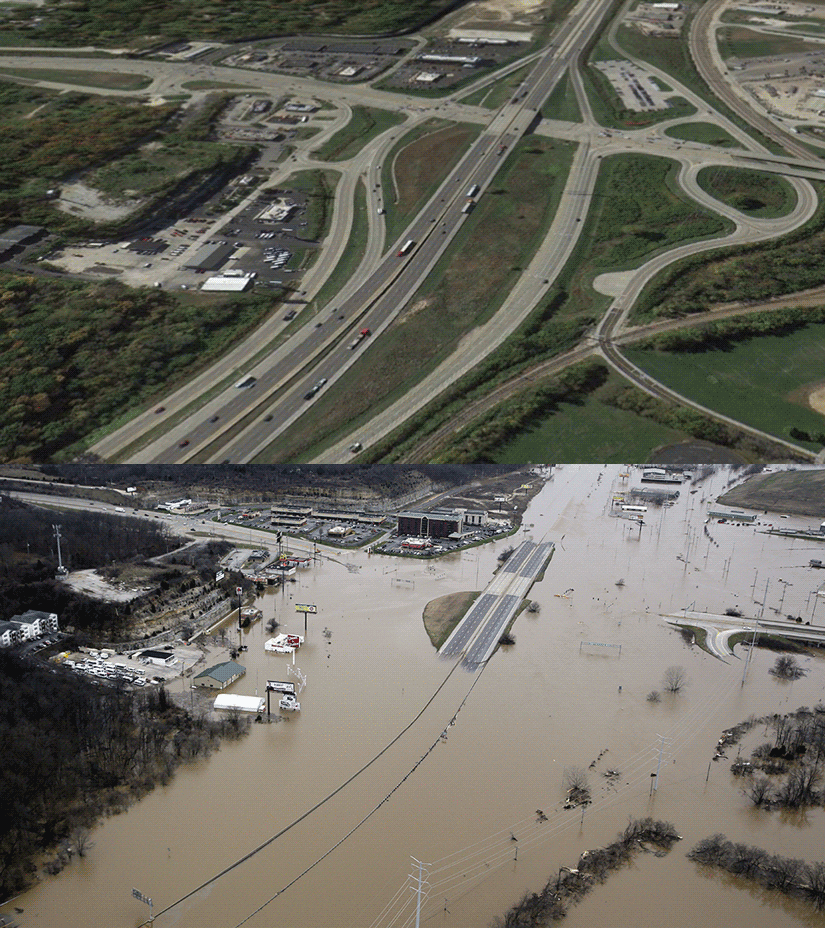
Before/after images of Interstate 44 flooded in Valley Park, Missouri.  Credit: AP Photo/Jeff Roberson and Google Earth

According to John Kimball, a hydrology, ecology, and remote sensing expert at the University of Montana, the soil within the upper Missouri basin remained largely frozen. There was no rapid thaw or snowmelt that helped raise the river’s level. But elsewhere in the Mississippi Basin, precipitation that might typically fall as snow in December and January instead fell as rain. Kimball said:

There has been much higher than normal rainfall over the southern and central portion of the Mississippi basin this winter, attributed to the strong El Niño. This led to soil saturation and more rapid and abundant runoff than in a normal winter.

The saturated ground set the stage for the central and southern Mississippi basin to feel the effects of the approaching flood water.

Over the course of a few weeks, the excess water (with contributions from the Ohio and Missouri rivers) made its way south. When the top image was acquired on January 11, river gauge observations and forecasts for the Mississippi River in Natchez, Mississippi, showed that the river stood at about 16.5 meters (54 feet)—about 2 meters above flood stage—and still rising.

Farther south in Louisiana, the Bonnet Carré Spillway was opened for the 11th time in its history to reduce pressure on levees in southeast Louisiana. The spillway was erected in 1931 to control flooding in the Lower Mississippi Valley by diverting water to Lake Pontchartrain. According to Richard Kesel of Louisiana State University, the Morganza Spillway to the north had not been opened—indicative that flooding was not anticipated to be a huge problem.

Bottom line: Two satellite images show the contrast between the flooded Mississippi River in January, 2016 and the same area last year, when the river was at a normal level.

Source…….www.earthsky.org

Natarajan