Legends of Onam: Let us all welcome Maveli, the righteous king!…


Onam is one the most anticipated festivals celebrated with much fanfare and merriment by the people in Kerala, irrespective of one’s caste or creed.

Usually coinciding with crop harvests in the region, the story behind how the festival came into being goes all the way back to Vedic and Puranic ages.

The mythical King Mahabali, considered to be one of the greatest kings to have ever ruled Kerala, is believed to ascend to Earth from the netherworld to meet his subjects once every year.

It is his homecoming that is celebrated as the festival of Onam, as we know it today.

The king remains quite popular in Kerala even to this day, as testified by the folk song, Maaveli Naadu Vannidum Kaalam (When Maveli, our King, ruled the land), that speaks of his reign being one where all were equal.

According to the traditional legend, the king’s growing popularity amidst the common people became a rising concern for the jealous gods, Indra in particular.

According to Hindu beliefs, when a king or an emperor has a considerable number of fair and just deeds to his credit, he has the power to dethrone even Indra, who is the god of the gods.

Threatened by Mahabali’s rising greatness, they decided to hatch a scheme against the king and rope in the supreme god Vishnu.

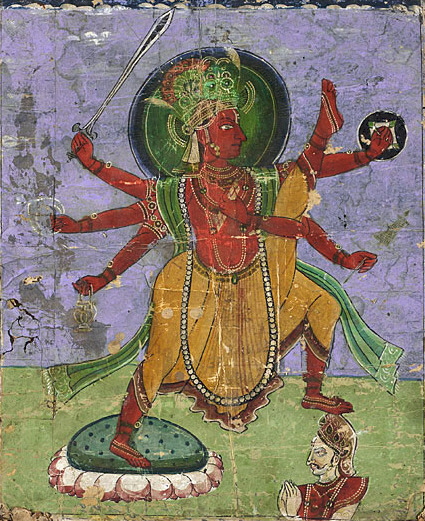
Taking the form of a poor Brahmin monk named Vamana, Vishnu approached the king and asked to be granted a boon. Mahabali, who was known for his altruistic qualities, readily agreed to the monk’s request. 

An ancient illustration depicting Vamana casting the king to netherworld. Source: Wikimedia
Vamana wished for a parcel of land that he could cover in three paces or steps. Amused by such a trivial request, the king granted his wish. However, the ‘simple’ monk soon transformed into a giant – and covered all of the king’s lands in just two steps.

Where to put the third step? The king could not go back on his word. Having nothing left that he could pledge, Mahabali offered his head to the monk as the third step. Vamana’s final step pushed the king to the netherworld, thus robbing him of his earthly commitments and his throne to heaven.

Vishnu offered the king a chance to visit his kingdom once every year, for his attachment to his subjects was well known even amidst the gods.

And thus, the festival of Onam came into being, marking the homecoming of the noble king, who is lovingly called Maaveli by his people.

Different rituals are practised even today that celebrate the reign of the king, which is considered to be a golden era in the history of Kerala.

Interestingly, despite the role that Vamana had in the banishment of Mahabali, he is not written off as a villainous character in the state.

In fact, one of the major instalments of the festivities includes statues of both figures. These are circulated in homes of people as a representation of the king’s visit as well as the god’s.

While the statue of Mahabali is known as Onathappan, Vamana’s form goes by the name of Thrikkarayappan, the lord of the land covered in three paces. And both make way into the floral arrangement of Pookalam on Pooradam, the eighth day of Onam.

And as the month of Chingam falls by year after year, the people of Kerala continue to await the visit of their beloved king and seek his blessings.

Source….LekshmiPriya .S in http://www.betterindia.com

Natarajan


12 of the Late Jerry Lewis’ Funniest Sketches….


Many people will have a heavy heart having heard the sad news that comedy legend, Jerry Lewis, has passed away at the age of 91. Although he fell in and out of favor with his adoring public throughout his career, there’s no denying that he was both immensely talented and incredibly generous – he ran a Labor Day telethon each year from 1966 to 2010 in order to raise money for the Muscular Dystrophy Association, raising some $2.5 billion in the process. Enjoy 12 of the most famous sketches and songs from his career below:

Source….www.ba-bamail.com

natarajan

A Newspaper Mistake that afforded Alfred Nobel to Read his own “obituary ” …!


THE NEWSPAPER ERROR THAT SPARKED THE NOBEL PRIZE

“The merchant of death is dead,” blasted a French newspaper in April 1888, bidding good riddance to Swedish inventor and arms manufacturer Alfred Nobel, who “became rich by finding ways to kill more people faster than ever before.” Pretty harsh words for an obituary, especially when its subject was still very much alive. But even if the rumors of his demise were greatly exaggerated, the inventor of dynamite was not about to let the details of his legacy be similarly blown out of proportion, and so Nobel set out to ensure that his name would forever be tied to humankind’s highest achievements, and not its destructive potential.

“Nobel was a torrent of ideas, a perpetual inventor,” writes Jay Nordlinger in Peace, They Say: A History of the Nobel Peace Prize. It was no accident. His father was an engineer and inventor who specialized in blowing things up, and whose undersea naval mines had been used by the Russians to keep the vaunted British navy from besieging St. Petersburg during the Crimean War of the 1850s. Born in 1833 in Stockholm, young Alfred never earned a degree or attended college, but in addition to absorbing his father’s explosive knowledge, he traveled widely, learned several languages and trained under a world-renowned chemist in Paris. At the age of 24 he obtained his first patent, the first of more than 350 he would earn in his lifetime.

Nobel’s biggest breakthroughs came when he successfully harnessed the destructive power of nitroglycerin, including in dynamite, his most famous invention, which facilitated canals, tunnels and other infrastructure projects. Nobel was also, says Nordlinger, a “genius businessman” and entrepreneur, who not only invented the products he sold but also directed their manufacturing and marketing. And he was a prolific writer and lifelong bachelor. “My only wish is to devote myself to my profession, to science,” he wrote in 1884. “I look upon all women — young and old — as disturbing invaders who steal my time.”

But the Swede’s single-minded devotion to his work paid off. He would eventually oversee more than 90 labs and factories operating in more than 20 countries around the world, and he spent most of his time traveling between them, prompting French writer Victor Hugo to label him “Europe’s wealthiest vagabond.” Nobel’s employees adored their vagabond chief, though, and his factories offered free medicine and medical care. In addition to his generosity, Nobel was known for his insatiability, once observing, “I have two advantages over competitors: Both moneymaking and praise leave me utterly unmoved.”

What moved him profoundly, however, was being pronounced dead and a merchant of death. The press had confused Alfred’s passing with that of his older brother Ludvig, who succumbed to tuberculosis in 1888. It was a regrettable mistake that nonetheless afforded Nobel the rare opportunity to read his own obituary. “It pained him so much he never forgot it,” says Kenne Fant in Alfred Nobel: A Biography, and the insatiable inventor “became so obsessed with his posthumous reputation” that he would not rest until he had crafted “a cause upon which no future obituary writer would be able to cast aspersions.”

Nobel, it should be noted, was in no way ashamed of his annihilative inventions, once remarking that “there is nothing in the world which cannot be misunderstood or abused.” He also happened to despise war, but knew that his creations would forever link him to what he called “the horror of horrors.” And so, without any children or immediate family upon whom to bestow his enormous fortune, Nobel thought a great deal about what to do with it, particularly in the years after his misreported demise.

Finally, on Nov. 27, 1895, the inspired inventor sat down at a desk in the Swedish-Norwegian Club in Paris and, in handwritten Swedish with no help from a lawyer, penned a four-page document that would become one of history’s most notable last will and testaments. In it, he left 31 million Swedish kroner (equivalent to about $250 million today), the bulk of his estate, to be invested and the interest from which given “in the form of prizes to those who, during the preceding year, shall have conferred the greatest benefit on mankind.” Four random gentlemen at the club were asked to witness the document, which now resides in a vault at the Nobel Foundation in Stockholm, and the rest is history.

When he died, for real, the following year, Nobel’s will shocked his disappointed relatives, as well as the Swedish royal family, upset that he would establish a valuable prize whose competition was open to everyone, not just Swedes. But the prolific inventor, resolute and innovative to the end, had gone out with a bang, and true to his wishes, the name Alfred Nobel, no longer linked to death and destruction, would forever be associated with progress, peace and the very best in human achievements.

Source…Input from a friend of mine

Natarajan

வாரம் ஒரு கவிதை ….” தூரத்தில் கேட்குது ….”


தூரத்தில்  கேட்குது ..
———————-
அம்மா உன் குரல் முதன் முதல் கேட்டேன்   தூரத்தில்…
உன் கருவில்  நான்  மலர்ந்து வளர்ந்த  போது !
இப்போதும்  உன் குரல் நான் கேட்கிறேன்
தினமும் …தூரத்திலிருந்தே !
அயல் நாட்டு மண்ணில் நான் இன்று  இருந்தாலும்
நம் நாட்டு  மண் வாசம் மறக்கவில்லையே அம்மா  நான் !
தூரத்திலிருந்து உன்  குரல்  நான் கேட்டாலும்
அம்மா..பாசமுடன் மண் வாசம் கலந்து ஒலிக்கும்
உன் குரல் நான்  அன்று  கருவில் கேட்ட
அதே குரலாக இன்றும் ஒலிக்கும் மாயம் என்ன அம்மா ?
தூரத்தில் கேட்குது உன் குரல் என்று என்னிடம்
இது வரை நீ சொன்னதில்லையே அம்மா !
எங்கே நீ இருந்தாலும் நீ இருக்குமிடம் என்
இதயத்தில்தான் என்று எனக்கு சொல்லாமல்
சொல்லுகிறாயா  அம்மா ?
Natarajan …..in http://www.dinamani.com dated 24th July 2017

வாரம் ஒரு கவிதை ….” இன்றைய தாலாட்டு “


இன்றைய தாலாட்டு
———————————–
தொட்டில் கட்டி  தாய் பாடும் தாலாட்டு
கேட்டது ஒரு தலைமுறை !
தொட்டில் என்றால் என்ன என்று
கேட்குது இன்றைய தலை முறை !
தொலைகாட்சி பாட்டுக்கு தலை
ஆட்டும் இந்த தலைமுறைக்கு அன்னையின்
தாலாட்டு ஒரு புதிர் விளையாட்டு !
வேலை வேலை என்று ஆலாய்
பறக்கும் பெண்ணுக்கு  தாலாட்டு
பாட எங்கே நேரம் ?
மடிக்கணினி இசைக்கும் இசையே ஒரு
குழந்தை கேட்கும் இன்றைய தாலாட்டு !
அம்மா அப்பாவின் கைபேசி
மணிஓசைதான்  தாள வாத்திய கச்சேரி
மடியில் தவழும் குழந்தைக்கு !
இன்றைய குழந்தை  கேட்கும்
ஒரே தாலாட்டு  அதன் அம்மா அப்பா
பாடும் ஒரே பாட்டு …”எடுக்க வேண்டும்
எல்லா அடையாள அட்டையும் நம்ம  குழந்தைக்கு “
Natarajan
in http://www.dinamani.com dated 17th July 2017

வாரம் ஒரு கவிதை ….” நிழலாடும் நினைவு “


நிழலாடும்  நினைவு…
——————-
கடல் அலை போல்  நினைவலைகள்…
ஓயாத  கடல் அலை போல்
நினைவலையும்  ஒரு தொடர்கதையே !
மெல்லிசையாய் ஒலிக்கும் வாழ்வின்
இனிய நினைவலைகள் இடைவிடாமல்
தொடரும் ஒரு நிழலாய் நம் வாழ்வின் நிஜத்தில் !
இளமை  கால நினைவின் நாட்டியம் நல்ல
கட்டியம் கூறும் எதிர் வரும் கால நிஜங்களுக்கு !
மனதில் நிழலாடும் நினைவே எதிர் வரும் காலத்துக்கு
ஒரு நம்பிக்கை நட்சத்திரம் !
இனிய பழைய நினைவின் ஓட்டம் இருக்க  வேண்டும்
என்றும் நம்  மனதில் ஒரு நிழலாக ! நினைவுகள் நிழலாடும்
வரைதான் நம் வாழ்வின் ஆட்டமும் ஓட்டமும் !
மனதின் நிழலே நம் வாழ்வின் நிஜம் !
நிஜம் இல்லாமல் நிழல் இல்லை !
நிழல் இல்லாத நிஜமும் இல்லை !
Natarajan
My Tamil kavithai in http://www.dinamani.com dated 10th July 2017

THE TIMELY DEATH OF KODAK FOUNDER GEORGE EASTMAN…


It was March 14, 1932 when George Eastman, famed inventor, philanthropist, and founder of Eastman Kodak, invited a few loyal friends over to witness the rewriting of his will. He had made the decision to give a good portion of his money and prized possessions, including his enormous mansion, to the city he called home for his whole life- Rochester. To this end, he bequeathed his house and a $2 million endowment (about $34 million today) to the University of Rochester. Eastman also donated a large sum of money to dental dispensaries across the city, attempting to ensure that no child in Rochester would go without proper dental work. Finally, he left $200,000 (about $3.4 million today) to his beloved niece, Ellen.

Cheerfully signing the will, he assured his friends this was just a matter of ensuring his wishes. Later, it was thought that he also wanted his friends to see him mentally alert so the credibility of the will wouldn’t be questioned. After all the t’s were crossed and i’s were dotted, he asked if everyone could excuse themselves for a moment. When they did, George took out paper and pen and wrote a note, which read,

To my friends,
My work is done.
Why wait?
GE

Then, he took a pistol out from his nightstand and shot himself in the heart, ending his life at the age of 74.

So who was this captain of industry and why did he, quite cheerfully, suddenly choose to take his own life?

George Eastman, and his company, turned photography from a complicated, expensive, unwieldy, and potentially dangerous hobby (due the chemicals needed to develop the film) into one that, quite literally, a child could do. He was not only a genius inventor, but a brilliant marketer.

His story begins as it ended, in Rochester. The Eastmans always put a priority on education. In fact, George Eastman Senior founded Eastman’s Commercial College in 1854, the same year George Junior was born. The family was middle-class and living pretty comfortably, but this was short-lived. In 1862, when George was only eight, his father passed away from a “brain disorder.” His mother, Maria, was a now a widow with three small children, one of them (George’s youngest sister Katy) suffered from polio and other illnesses. Life was hard for the Eastman family after George Senior’s death and self-reliance became a necessary trait.

At age of 14, George dropped out of high school to support his family. He worked at a local insurance company and as a clerk at Rochester Savings Bank. Then, in 1870, tragedy struck again when his sister, Katy, passed away from complications related to polio. She was buried next to her father.

George, even at an early age, was meticulous, detailed, and controlling of every aspect of his own business. Starting when he got his first job at 14, he began keeping ledgers to detail his finances. Due to his careful planning and earning enough working at the bank, Eastman was able to afford certain luxuries. It was in one of these ledgers, under January 27, 1869 to be exact, that “photography” was first mentioned. As the months passed, besides helping to support his mother, George spent more and more money on “photos” or “photograph materials.”

In 1878, Eastman learned an important lesson – photography (at least at the time) was hard. The legend goes that he wanted to treat his mother to a vacation in Santa Domingo in the Dominican Republic (other sources say he was looking to buy land in the newly independent nation). Either way, to document his trip, he bought a photographic outfit. Cameras then are not what we think of cameras are today. An outfit included the camera (constructed from several parts that must be put together before taking pictures), a stand, a light, and wet glass plates (with chemicals) in order to preserve the picture. As Eastman later put it,

In those days, one did not ‘take’ a camera; one accompanied the outfit in which the camera was only a part. I bought an outfit and learned that it took not only a strong, but also a dauntless man to be an outdoor photographer.

Eastman, so fed up with everything he had to bring, not only didn’t take a camera, he didn’t take the trip at all. At this point, Eastman thought to himself that there had to be a better way.

For the next several years, while still working at the bank, Eastman developed a new kind of dry plate, one made out of gelatin (the same ingredient used in Jello, which would be invented twenty years later in a small town thirty miles from Rochester), not glass. Glass was heavy, fragile, and expensive. Gelatin was an improvement on all of these things. By 1880, he had patented a dry-plate coating machine made out of gelatin, making the process of preserving film negatives simpler, cheaper, and less dangerous.

While developing this process, he came across another innovation that would allow photography and, eventually, cameras to become something that wasn’t just for the professional. As described by Eastman,

I also made experiments by using paper as a temporary support and coating the Cellulose immediately upon the paper, and afterwards coating with the emulsion. I had no difficulty stripping the Cellulose from the paper, the cellulose adhered to the emulsion and separated from the paper.

He patented this film on March 4, 1884. That same year, Eastman and his associate William Walker developed a roll holder to hold the film. The invention of this revolutionary film wasn’t enough, though. What he really wanted to do was, “to popularize photography to an extent as yet scarcely dreamed of.”

In 1888, the name “Kodak” was thought up while playing with an anagram set with his mother. Eastman loved the word because it was simple, easy to pronounce and it started with a “K.” Said Eastman, “It became a question of trying out a great number of combinations of letters that made words starting and ending with ‘K.”

Kodak was officially incorporated as a company in 1890 and quickly rocketed to the top of the industry. Also that same year, Eastman introduced the first Kodak camera, equipped with his film. It cost $25 (about $640 today), but the most important thing was that the customer didn’t do the developing of film themselves- Kodak did. The customer would send the camera back (film and all) to the company for developing and processing. Their motto aptly illustrated this: “You press the button, we do the rest.”

He had now made it easy for anyone to take and have pictures developed. The next step was to change the camera from a luxury item or expensive hobby to something just about anyone could afford.

In 1900, the revolutionary Brownie camera, versions of which were so popular through the mid-20th century, was born. It cost only one dollar ($28 today) and was even marketed to children. For the next hundred years, George Eastman and Kodak would be synonymous with cameras and film.

For his entire 40+ years of heading up his own company, George Eastman was used to being in control. So, when he was diagnosed with a spinal condition in the late 1920s, forcing him to be confined to a wheelchair, it depressed him greatly. His mother, who lived with him until her death in 1907, was also in a wheelchair for the last years of her life. His baby sister was in a wheelchair until she died. He saw them suffer and Eastman did not want to go through the same long drawn out process. He also didn’t like that he felt this gave off an image of weakness. Eastman was used to being a man respected the world over, not an “invalid.” He mused greatly about death and illness, writing a friend,

God keep me from being like them (referring to family and friends who he had seen succumb to illness). Doesn’t it seem strange that the clearest minds I have ever known should be taken this way? That is the sad thing about illness.

So, by March 1932, he had enough. George Eastman wanted to go by his own hand, rather than the hand of illness and fate. So he tidied up all the loose ends of his life and, once complete, ended it immediately on his own terms.

Source…www.today i foundout.com

Natarajan

An Interesting Read …


A very interesting read!!

It is said in the texts that 80% of the fighting male population of the civilization was wiped out in the eighteen days Mahabharata war.

Sanjay, at the end of the war went to the spot where the greatest war took place; Kurukshetra.

He looked around and wondered if the war really happened, if the ground beneath him had soaked all that blood, if the great Pandavas and Krishna stood where he stood.

“You will never know the truth about that!” said an aging soft voice.

Sanjay turned around to find an Old man in saffron robes appearing out of a column of dust.

“I know you are here to find out about the Kurukshetra war, but *you cannot know about that war till you know what the real war is about*.” the Old man said enigmatically.

“What do you mean?”

*The Mahabharata is an Epic, a ballad, perhaps a reality, but definitely a philosophy*.

The Old man smiled luring Sanjay into more questions.

“Can you tell me what the philosophy is then?” Sanjay requested.

Sure, began the Old man.

*The Pandavas are nothing but your five senses*,
sight,
smell,
taste,
touch
and sound…,

and do you know what the *Kauravas* are? he asked narrowing his eyes.

*The Kauravas are the hundred vices that attack your senses everyday but you can fight them*… and do you know how?

Sanjay shook his head again.

“When Krishna rides your chariot!”

The Old man smiled brighter and Sanjay gasped at that gem of insight.

*Krishna is your inner voice, your soul, your guiding light and if you let your life in his hands you have nothing to worry*.

Sanjay was stupefied but came around quickly with another question.

“Then *why are Dronacharya and Bhishma fighting for the Kauravas, if they are vices*?”

The Old man nodded, sadder for the question.

It just means that as you grow up, your perception of your elders change. *The elders who you thought were perfect in your growing up years are not all that perfect. They have faults. And one day you will have to decide if they are for your good or your bad.  Then you may also realize that you may have to fight them for the good. It is the hardest part of growing up and that is why the Geeta is important*.

Sanjay slumped down on the ground, not because he was tired but because he could understand and was struck by  the enormity of it all.

*What about Karna*? he whispered.

“Ah!” said the Old man. “You have saved the best for last. *Karna is the brother to your senses, he is desire, he is a part of you but stands with the vices. He feels wronged and makes excuses for being with the vices as your desire does all the time.*

*Does your desire not give you excuses to embrace vices*?”

Sanjay nodded silently. He looked at the ground, consumed with a million thoughts, trying to put everything together and then when he looked up,  the Old man was gone….
disappeared in the column of dust………leaving behind the great philosophy of Life!

Found it quite inspirational…hence circulating…just  to make us think…..

Source….Input from my friend
Natarajan

படித்து நெகிழ்ந்தது …” பாசத்தின் வாசனை “


நவம்பர் 8, 2016

இரவு. டி.வி. சீரியலில், ஏதோ காரணத்துக்காக கதையில் வரும் 15 கேரக்டர்களும், ஒரே சமயத்தில் ‘க்ளோஸ் அப்’பில் அதிர்ச்சியடைந்து கொண்டிருந்தனர். அப்போது திடீரென்று ஃப்ளாஷ் நியூஸில் ஓடிய ‘ஐநூறு, ஆயிரம் ரூபாய் நோட்டுகள் செல்லாது’ என்ற செய்தியைப் பார்த்து இல்லத்தரசிகள், சீரியல் கேரக்டர்களை விட நூறு மடங்கு அதிர்ந்துபோனார்கள். ஏனெனில் அவர்களிடம் கொஞ்சம் பணம் இருந்தது. அது அவர்களின் கணவர்களால் வரி செலுத்தப்பட்ட பணம்தான். ஆனால் கணவர்களுக்குத் தெரியாத கறுப்புப் பணம்!

நான் இந்தச் செய்தியைப் பார்த்தபோது, ஒரு நல்ல நோக்கத்துடன் கொண்டுவரப்படும் திட்டம் என்ற முறையில் எனக்கு சந்தோஷம்தான். ஆனாலும் உள்ளுக்குள் ஒரு சின்னக் கவலை. என் கையில் சில்லறையாக நூற்றைம்பது ரூபாய்தான் இருந்தது. ஆனால், என் மனைவி மட்டும் இது குறித்து எந்தக் கவலையும் படாமலிருப்பதைப் பார்த்து உஷாரானேன்.

நிச்சயமாக இவள் கையில் ஏதோ பணம் இருக்கிறது. “உன்கிட்ட ஏதும் பணம் இருக்கா?” என்றேன் பணிவாக. “ம்… ஆயிரம் ரூபாய் இருக்கு…” என்ற என் மனைவி, பயன்படுத்தாமல் இருக்கும் ஒரு தண்ணீர் ஜக்கின் மூடியைத் திறந்து காண்பித்தாள். உள்ளே நூறு ரூபாய் நோட்டுகளில், நீண்ட நாட்கள் கழித்து வெளிச்சத்தைப் பார்த்த மகிழ்ச்சியில் மகாத்மா காந்தி என்னைப் பார்த்துச் சிரித்தார்.

இதுபோல் அன்றிரவு நாடு முழுவதும், லட்சக் கணக்கான அஞ்சறைப் பெட்டிகள், உண்டியல்கள், பிளாஸ்டிக் டப்பாக்கள், உளுத்தம்பருப்பு டின்கள் திறக்கப்பட்டன. தங்களுக்குத் தெரியாமல் மனைவிகள் பணம் சேர்த்து வைத்ததற்காகக் கோபப்படுவதா, இல்லை, இக்கட்டான தருணத்தில் சில்லறை நோட்டுகள் தந்து கைகொடுப்பதற்காகச் சந்தோஷப்படுவதா என்று புரியாமல் கணவர்கள் மண்டையைப் பிய்த்துக்கொண்டார்கள். ஒரு பெண்மணி பல்லாண்டுகளாகச் சேமித்து வைத்திருந்த தன் உண்டியலை உடைத்து எண்ணி, அதில் இருபதாயிரம் ரூபாய் இருப்பதைப் பார்த்து அவரே பதறிவிட்டார்.

பணிக்குச் செல்லாத இல்லத்தரசிகள் சேமித்து வைத்திருக்கும் பணத்தை நீங்கள் பார்த்திருக்கிறீர்களா? பெரும்பாலும் அவை ஒவ்வொரு நோட்டாக, தனித்தனியாக நான்காக மடித்து வைக்கப்பட்டிருக்கும். அவை நெடுநாட்களாக மடிக்கப்பட்ட நிலையிலேயே இருப்பதால், அதனைப் பிரித்தாலும், நோட்டின் மடிப்புகள் தெளிவாகத் தெரியும்.

மேலும் இல்லத்தரசிகளின் பணத்துக்கு ஒரு தனி வாசனையும் உண்டு. அஞ்சறைப் பெட்டியில் வைத்திருந்த பணத்தில் மசாலா வாசனை. கோதுமை மாவு டப்பாவில் வைத்திருந்த பணத்தில் கோதுமை மாவு வாசனை. சர்ஃப் டப்பாவில் இருந்த பணத்தில் சோப்புப் பவுடர் வாசனை. இந்த வாசனை நோட்டுகளை நான் பல முறை பார்த்திருக்கிறேன்.

நான் சென்னைக்கு வேலைக்கு வந்த புதிதில், எனது மாமா வீட்டில் தங்கியிருந்தேன். ஏறத்தாழ எட்டு வருட காலம் படுத்த படுக்கையாக இருந்த என் பாட்டியை என் மாமாவும், அத்தையும் நன்கு பராமரித்துவந்தார்கள். ஒரு நாள் வீட்டில் யாருமில்லாத நேரத்தில் பாட்டி, “டேய்… கதவைச் சாத்திட்டு வா…” என்று கூற, நான் கதவைச் சாத்திவிட்டு வந்தேன். அவர் தனது கட்டிலில் விரிக்கப்பட்டிருந்த மெத்தையின் தலைமாட்டைத் தூக்கினார், அங்கு நான்காக மடித்து வைக்கப்பட்டிருந்த, ஏராளமான பத்து ரூபாய் நோட்டுகளை வெளியே எடுத்தார். பின்னர் தலையணைக்குக் கீழ், மருந்து டப்பாவிலிருந்து என்று வரிசையாக அவர் பத்து ரூபாய் நோட்டுகளாக எடுக்க, நான் அதிர்ந்துபோனேன். என்னிடம் ரகசியம் பேசுவது போல், “எவ்வளவு இருக்குன்னு எண்ணு” என்றார். நான் எண்ணிவிட்டு, “ரெண்டாயிரத்து நானூறு ரூபாய்…” என்றபடி பணத்தை முகர்ந்து பார்த்தேன். அதில் ஜெலுஸில், தைலம், மாத்திரைகள் என்று எல்லாம் கலந்த மருந்து வாசனை அடித்தது.

என் மாமா பல ஆண்டுகளாக இளநீர் வாங்குவதற்காக, லிம்கா வாங்குவதற்காக என் பாட்டிக்குக் கொடுக்கும் காசிலிருந்து சேர்த்த பணம் அது. நான், “உங்களால நடக்கவே முடியாது. இந்த வயசுல பணத்தைச் சேர்த்து என்ன பண்ணுவீங்க?” என்று கேட்டபோது, அதற்கு அவரிடம் பதில் இல்லை. வெளியே கத்திக்கொண்டிருந்த காகத்தை ஜன்னல் வழியாக நீண்ட நேரம் பார்த்துக்கொண்டிருந்தவர், “தெரியல… இப்படியே சேர்த்துப் பழக்கமாயிடுச்சு…” என்று பணத்தை வாங்கி மீண்டும் மெத்தைக்குக் கீழ் வைத்துக்கொண்டார். இனி அந்தப் பணத்தை அவர் செலவழிக்க வழியே இல்லை என்ற நிலையிலும், அவர் சேமித்துக்கொண்டே இருந்தார். அவர் இறந்த பிறகு, அவருடைய பீரோவிலும், பெட்டியிலும் ஆங்காங்கே செருகி வைத்திருந்த பணத்தை எண்ணியபோது எட்டாயிரம் ரூபாய் இருந்தது. எல்லாம் நான்காக மடித்து வைக்கப்பட்டிருந்த தனித் தனி நோட்டுகள்.

பல ஆண்டுகள் கழித்து, அதே போன்ற நோட்டுகளை மீண்டும் பார்த்தேன். கடந்த ஆண்டு என் அம்மா சென்னை வந்து விட்டு ஊருக்குத் திரும்பினார். எக்மோரில் ரயில் ஏற்றிவிடுவதற்காகச் சென்றிருந்தேன். ரயில் கிளம்பும் நேரத்தில் பேச்சுவாக்கில், “நாளைக்கு என் பிறந்த நாள்” என்றேன். “ஆமாம்டா… நான் மறந்தே போயிட்டேன்” என்று ஒரு வினாடி யோசித்துவிட்டு, தனது பர்ஸை எடுத்தார். கார்டு விசில் ஊதும் சத்தம் கேட்டது. “அம்மா… நான் கிளம்புறேன்…” என்று கூற, “இருடா” என்ற அம்மா பர்ஸில் துளாவி நான்கு, நான்காக மடித்து வைக்கப்பட்டிருந்த நூறு ரூபாய் நோட்டுகளை எண்ணி வெளியே எடுத்தார், “இதுல எதாச்சும் ட்ரெஸ் வாங்கிக்கோ…” என்று பணத்தை நீட்டினார். “என்கிட்ட பணம் இருக்கும்மா” என்றபோது ரயில் நகர ஆரம்பித்தது. “உன்கிட்ட இல்லன்னா கொடுக்குறேன்? வாங்கிக்க” என்று என் கையில் பணத்தைத் திணித்தார்.

ஆயிரக்கணக்கில் சம்பளம் வாங்கும் மகனின் பிறந்த நாளுக்கு, எந்த வேலையிலும் இல்லாத, ஒரு அறுபத்தைந்து வயதுத் தாய் கொடுத்த காசு அது. எனது கல்லூரிக் காலத்தில், அம்மா என் மீது கோபமாக இருக்கும்போதெல்லாம், “தாயே… இந்தப் பாவிய மன்னிச்சுடு” என்று அவர் காலில் சாஷ்டாங்கமாக விழுந்து கும்பிட, அவர் சிரித்துவிடுவார். அதன் பிறகு நெடுநாள் கழித்து அன்று ஓடும் ரயிலில், நான்கு பேர் வேடிக்கை பார்க்க, மெல்லக் குனிந்து என் அம்மாவின் காலைத் தொட்டு வணங்கிவிட்டு வேகமாக ரயிலிலிருந்து இறங்கினேன். ரயில் என்னைக் கடந்து சென்றதும், அந்த நோட்டுகளைப் பல வினாடிகள் பார்த்தேன். நீண்ட காலமாக மடித்து வைக்கப்பட்டு, மொடமொடப்பாக இருந்த நூறு ரூபாய் நோட்டுகளை எண்ணினேன். ஆயிரம் ரூபாய் இருந்தது. முகர்ந்து பார்த்தேன். அதில் அந்துருண்டை வாசனை வந்தது. அம்மா அதை பீரோவில் வைத்திருந்திருப்பார்.

அதன் பிறகு எத்தனையோ மாதங்கள் ஓடிவிட்டன. இருந்தாலும் எழும்பூர் ரயில் நிலையத்தில், அந்துருண்டை வாசனை அடிக்கும் அந்தப் பழைய நூறு ரூபாய் நோட்டுகளுடன், நான்காம் நம்பர் பிளாட்ஃபார்மில் நின்ற அந்த இரவை இன்னும் என்னால் மறக்கவே முடியவில்லை. இன்று உங்கள் கையில் கிடைக்கும் ஒரு மடிப்புக் கலையாத நோட்டில், ஏலக்காய் வாசனையோ, மஞ்சள் தூள் வாசனையோ, தைல வாசனையோ அடித்தால், அது ஒரு தாய்க் காசின் வாசனை. அது உங்கள் தாயின் காசாகக்கூட இருக்கலாம்!

(

ஜி.ஆர். சுரேந்தர்நாத்

கட்டுரையாளர், எழுத்தாளர்.
தொடர்புக்கு: grsnath71@gmail.com

http://www.tamil.thehindu.com

Natarajan

படித்து ரசித்தது ….நீங்களும் படித்து ரசிக்க …!