” Offer Archana To SriKrishna Reciting SriKrishna Ashthothram …”


Source: Moments of a lifetime
Dr.R.Balakrishnan Nair, Nephrologist, S.K.S. Hospitals, Salem

This person is a doctor practicing at Salem. He had his medical studies in England and in the thirst of having a religious and spiritual life, he returned to India. He is highly devoted to Sri Guruvayurappan. His bhakti has been further strengthened with his constant devotion to Sri Krishna Premi Swamiji. He has been doing Srimad Bhagavata Parayanam daily.

Early one morning, when the doctor was fast asleep, he had a dream in which Sri Mahaperiyaval appeared, and asked the doctor to offer ‘archana’ to Sri Krishna, reciting Sri Krishna Ashtothram. The doctor and his wife searched for the book. Unable to locate the book, in some days, they forgot the matter.

Again in the early hours, in his deep sleep, the doctor had a dream of Sri Mahaperiyaval, who reminded him about the Sri Krishna Ashtothram. The doctor replied that he could not find the book although he remembered to have bought it a few years ago. Sri Acharyal told the doctor that a book titled ‘Bruhatstotra Ratnakaram’ was on top of the refrigerator, in their house in Salem. The ‘Sri Krishna Ashtothram’ could be found in it.

Immediately cutting short their planned stay at Alleppy, they returned to Salem to find the “Sri Krishna Ashtothram” book exactly on top of the fridge in their house. From that day onwards, the doctor has been offering tulasi archana to Sri Guruvaayurappan, while reciting Sri Krishna Ashtothram. The first archana is being offered to Sri Mahaperiyaval.

SOURCE:::: http://www.periva.proboards.com

Natarajan

Read more: http://periva.proboards.com/thread/5822/divine-guidance#ixzz3RlnXmEBT

A Rewind…. When a 41 year old Former Captain came out of Retirement to Lead Australia against India

When the 41-year-old former captain came out of retirement to lead Australia against India…

India’s tour of Australia in 1977-78 was completely overshadowed by the arrival of Kerry Packer’s World Series Cricket (WSC), unleashed on the world six months earlier, which left the home side fielding a virtual third XI under Bob Simpson, a 40-something captain who had retired from the game a decade earlier. Despite that, the series proved exciting and Simpson’s comeback triumphant.

Bob Simpson drives on his way to 176 in Perth, in what was his fifth first-class match in a decade

Bob Simpson drives on his way to 176 in Perth, in what was his fifth first-class match in a decade © ESPNcricinfo Ltd 


In May 1977, news broke that media mogul Packer, frustrated by his inability to secure TV rights for cricket for his fledgling TV channel, had decided to organise games of his own. Capitalising on the low amounts cricketers were paid, particularly in Australia, he signed up more than 50 players for his enterprise.

With his “circus” – as the establishment and media dismissively labelled the venture – taking place in parallel to the Australian season, it meant that the national selectors sat down in October 1977 with almost two dozen of their more likely choices unavailable.

The Australian Cricket Board (ACB) did all it could to frustrate WSC, barring it from all major cricket grounds, and going to court to prevent it referring to games as Tests or from calling their side Australia.

Packer believed that given the national side was bereft of all the leading players – and most second-string ones as well – the public would turn their backs on the official Test series. The establishment feared the same.

A divided Australian team had lost the Ashes in England in the summer, and few seemed able to predict who they would pick to face the Indians, let alone who would lead them. Craig Serjeant, a 26 year-old batsman who had made his debut that summer, was one of the favourites, if only because he was one of the few established cricketers not to have signed for Packer. The other leading candidate was John Inverarity, a 33-year-old allrounder who had played the last of his six Tests five years earlier.

So the announcement that Simpson, a 41-year-old who had retired from the game in 1968, had been hauled out of retirement to lead the side was met with shock but almost no dissent. Indeed, journalists at the press conference at which the news was made public broke into spontaneous applause.

Among those close to the game there was a general belief Simpson was still good enough. “He has a wonderful batting technique,” Keith Miller said, “and is fitter at the moment than he has been for years.”

Simpson, who had been made the offer the previous month, had been a top player and had led Australia 28 times after taking over the captaincy from Richie Benaud in 1963. He averaged 48 with the bat in his 52 Tests and was a brilliant slip fielder and useful legspinner and had continued to play regularly after retiring and had scored a hundred for grade side Western Suburbs at the start of the season.

The ACB made clear it was not expecting miracles. Praising Simpson’s “experience and technical knowhow” it added: “Irrespective of the runs he may make Simpson will make a significant contribution to Australian cricket in the coming season.”

Simpson was an old-school leader and wasted no time in saying he felt that the Australians had become undisciplined. In England the side had come under fire for their slovenly appearance and attitude. “It starts in getting the players proud to represent their country,” he said. “I’ll be looking to restore some of the lost guidance.”

And whatever the board felt, he had no intention of not pulling his weight in the side. “I wouldn’t have made myself available if I didn’t think I would get runs. I have never surrendered my wicket easily. I have always considered it my obligation to my team, myself and spectators to get runs.

“Undoubtedly the success I have enjoyed in grade cricket in the past, and this year, made easier my decision to come back. If I had not been scoring runs, I would not have considered a return just as a figurehead.”

He admitted he had been approached “almost every year” to resume for his state in the decade since he retired, repeatedly declining as he felt New South Wales were good enough without him. But with Packer players missing from the Sheffield Shield, things had changed. “The special conditions this year have made it necessary for an experienced player to be at the helm.”

At the beginning of November, Simpson returned as captain of New South Wales, the side he led to their last Sheffield Shield title 12 years earlier. He had three matches before the first Test to find his feet.


In Perth, NSW lost to Western Australia by four wickets. Simpson made 14 and 5 and took three wickets. He then led his side to a nine-wicket win over South Australia, making 66 in his one outing. His final game was against the Indians, where he scored 58 and 94. He had proved he had not lost his ability with the bat, especially against spin.

India headed into the first Test with wins in all four of their matches against the states; on two previous tours of Australia they had never beaten a state side. But they were aware the opposition they had been facing were weak.

Australia’s squad contained six uncapped players. Simpson aside, they boasted 36 Test appearances between them, of which 22 belonged to Jeff Thomson – he had signed for Packer but subsequently changed his mind. Only Serjeant, named as vice-captain, Thomson and Kim Hughes survived from the XI that had played Australia’s previous Test at The Oval three months earlier.

In the fortnight before the opening Test, WSC had launched to poor attendances and a generally lukewarm response. The first Test between Simpson’s almost unknown Australia and India in Brisbane was nervously watched by both the ACB and WSC, as it directly clashed with Packer’s Supertest in Melbourne. The official Test was a cracker and attracted 32,000 to the Gabba; the Supertest drew a little over 13,000.

In Brisbane, Simpson was dismissed for 7 in the first innings, falling to the spin of Bishan Bedi. In his last Test before this one, in January 1968, he had been dismissed by Bedi, also for 7. Australia gained a slender 13-run lead on the first innings before Simpson made a vital 89 second time round. India, chasing an improbable 341 to win, fell 16 runs short.

The second Test, in Perth, was no less exciting. India took an eight-run first-innings lead – Simpson’s six-and-a-half hour 176 keeping them at bay almost alone – but lost by two wickets as Australia chased down 342 with 22 balls remaining. Again, crowds were larger than expected.

India kept the series alive with comprehensive wins in the third and fourth Tests, but Australia, anchored by Simpson’s 100 and 51, won the decider by 47 runs on the sixth day. Nevertheless, India made 445 in pursuit of 493, the highest losing total in the fourth innings of a Test; when they were 415 for 6, a remarkable win was still on the cards.

Simpson’s return had proved more successful than anyone had dared hope. Not only had he forged a winning side from a batch of youngsters, he had done so by leading from the front with 539 runs at 53.90. Financially, a thrilling Test series had won out over WSC’s garish, hyped Supertests.

But the tide was about to change. Shortly before the final Test, almost 25,000 watched a WSC limited-overs game under floodlights. Packer, with white balls, coloured clothing and a variety of gimmicks, had found what the public wanted. Cricket would never be the same again.

SOURCE:::: MARTIN WILLIAMSON  in http://www.espncricinfo.com

Natarajan

This Date in Science….Feb 11 2010……When a Spacecraft Destroyed a Sundog…

February 11, 2010. On this date – the coolest space launch ever for us sky fans! I ran into this image and video yesterday via a post on Google+. I was interested when I saw a quote from the person who runs the world’s absolute best website for sky optics, Les Cowley of the website Atmospheric Optics. It turns out this story has been around a few years, but I liked it and thought you might, too. It began with the launch five years ago of NASA’s Solar Dynamics Observatory (SDO), one of several observatories that keep an eye on our sun. It seems that when SDO lifted off from Cape Canaveral on February 11, 2010, on its mission to observe the sun, it first destroyed a sundog in Earth’s atmosphere – in the process bringing to light the new form of ice halo – and teaching those who love and study sky optics new things about how shock waves interact with clouds.

The video above shows SDO’s 2010 launch via an Atlas V rocket. Watch it now, and turn up the volume to hear people cheer when the spacecraft’s passage through the atmosphere destroyed the sundog – which is a bright spot in the sky, formed by refraction of sunlight through plate-shaped ice crystals, which drift down from the sky like leaves fluttering from trees. If you have to, watch it twice to see the luminous column of white light that appears next to the Atlas V.

Les Cowley explained in this 2011 post at Science@NASA:

When the rocket penetrated the cirrus, shock waves rippled through the cloud and destroyed the alignment of the ice crystals. This extinguished the sundog.

The sundog’s destruction was understood. The events that followed were not. Cowley said:

A luminous column of white light appeared next to the Atlas V and followed the rocket up into the sky. We’d never seen anything like it.

Cowley and colleague Robert Greenler at first couldn’t explain this column of light. Then they realized that the plate-shaped ice crystals were organized by the shock wave from the Atlas V. Cowley explained:

The crystals are tilted between 8 and 12 degrees. Then they gyrate so that the main crystal axis describes a conical motion. Toy tops and gyroscopes do it. The earth does it once every 26000 years. The motion is ordered and precise.

Love it!

View larger. | Optics experts in the U.K. have discovered a new form of ice halo.  Image Credit: NASA/Goddard/Anne Koslosky View larger. | When the Solar Dynamic Observatory (bright streak in lower right quadrant of photo) lifted off from Cape Canaveral on February 11, 2010, its launch enabled optics experts to discover a new form of ice halo. Image via NASA/Goddard/Anne Koslosky

Bottom line: When NASA’s Solar Dynamics Observatory (SD0) lifted off from Cape Canaveral on February 11, 2010, on its mission to observe the sun, it first destroyed a sundog in Earth’s atmosphere – in the process bringing to light the new form of ice halo – and teaching those who love and study sky optics new things about how shock waves interact with clouds.

Via Science@NASA website

SOURCE:::: http://www.earthskynews.org

Natarajan

Who is McDonald in McDonald’s Restaurant ?….

McDonaldsMcDonald’s is, without question, the most successful, popular, and influential fast-food restaurant chain in recorded history. The name most commonly associated with McDonald’s is Ray Kroc.  Kroc was the entrepreneur who founded the McDonald’s corporation.  So how did it come to be named “McDonald’s”? You see, contrary to what you’ll often read, to suggest Kroc created McDonald’s is, well, a crock.

As is sometimes the case with amazingly successful businesses, the early part of the McDonald’s story includes the people who came up with the ideas and created the thing, and the person who figured out how to sell the idea to the rest of the world. Ray Kroc was most definitely in the latter camp, essentially, theSteve Jobs of fast food, coming up with exceptionally few ideas himself and getting most of the credit, but ultimately one heck of a salesman.

In the early 1950s, Kroc was employed selling milkshake machines. One of his clients was a chain of restaurants in Southern California run by a pair of brothers, Richard and Maurice McDonald.

Born in New Hampshire, the McDonald brothers moved to California in the 1920s where they found work, among other places, as set movers for various movie studios. They switched to the restaurant industry in the late 1930s thanks to their dad, Patrick McDonald, who started “The Airdome” food-stand in 1937, which principally sold hamburgers and hot dogs.

In 1940, the brothers branched out opening McDonald’s barbeque drive-in restaurant in nearby San Bernardino. It did well, but more importantly it taught the pair some important lessons about the fast-food service industry, particularly that hamburgers are among the most profitable food item to sell and that the carhop employees bringing food to customers were completely unnecessary. (They had about 20 such employed at the time). They also came up with a bunch of ideas on how to speed up the process from raw patty to putting the burger in the customer’s hands, including a complete re-design of the kitchen and the creation of an assembly line process of cooking. With these lessons learned, the McDonald brothers shut down the barbeque restaurant for three months in 1948 to re-tool it. With a slimmed-down menu and an emphasis on serving the chow as quickly and as cheaply as possible, the highly-mechanized drive-in began churning out 15-cent hamburgers (about $1.30 today) with unprecedented speed.

By 1954, the McDonald brothers were operating nine outlets and had sold 21 franchises, initially simply franchising their process, rather than the brand name.

It was then that a 52 year old Ray Kroc came calling. At this point in his life, Kroc had served in the army in the same regiment as Walt Disney (with Kroc lying about his age to get in- he was 15 at the time) and, later, he worked as a jazz musician, paper cup salesmen, radio DJ, restaurant employee, and ultimately a salesman of milkshake machines, which unfortunately were at this point getting harder and harder to sell. You see, the brand he was selling (Prince Castle) was significantly more expensive than the increasingly popular Hamilton Beach milkshake machine. Needless to say, despite being at the age when many are loath to start a new career (52), he was on the lookout for a new venture.

Having some experience in his past working at restaurants and having observed many restaurants across the nation while peddling his wares, he knew a good restaurant system when he saw one.  Around this time, the McDonald’s brothers had just lost their franchising agent, Bill Tansey, due to poor health. Thus, Kroc was able to convince the McDonald brothers to hire him as their new agent. However, unlike the brothers, he had much bigger goals than a local fast-food chain, wanting to take the company nationwide.

With a deal in hand, Kroc founded the McDonald’s corporation and opened his first franchise in Des Plaines, Illinois, on April 15, 1955, with the brothers slated to receive half a percent of gross sales. Within five years, McDonald’s had opened 100 franchises.

So how did the McDonald’s brothers get phased out of the operation and popular consciousness, with Ray Kroc being the only one most have heard of? In 1961, the brothers were perfectly happy with their chain of restaurants and had little interest in the much more rapid expansion that Kroc heavily advocated. Kroc then went about gathering investors and bought the business from the McDonald brothers for $2.7 million dollars (about $21 million today), which was enough to give them each about $1 million after taxes. At the ages of 52 and 59, the pair were set for semi-retirement. However, they were also supposed to receive continual royalties from the deal, but had kept that part out of the paperwork on Kroc’s insistence, as he felt it wouldn’t go over well with the investors.  Of course, as it wasn’t in writing, he didn’t honor that part of the deal. (Yep, the Steve Jobs of fast food; see Bonus Facts here)

From here, Kroc was finally able to implement his rapid expansion plan. Fast-forward a little over 50 years and the company is presently boasting about 35,000 different locations in 118 countries across the globe, employing about 1.7 million individuals who serve about 68 million people every day, all the while profiting over $5 billion annually.


Bonus Facts:

  • An average beef cow (200 kg of usable meat) produces enough meat to make about 4,500 hamburgers at McDonald’s.
  • About 3 billion pounds of potatoes are used to make McDonald’s fries every year, this is about 8% of all potatoes grown in the United States or a half a percent of all potatoes grown in the world per year. (If you’re curious: A Brief History of French Fries)
  • When the McDonald brothers sold the business to Kroc, they withheld the original restaurant, giving it instead, free of charge, to their original employees who worked there. Kroc later managed to force this restaurant out of business by opening a McDonald’s extremely close by.

SOURCE::::: http://www.today i foundout.com

Natarajan

History of ICC Cricket World Cup…

The stage is set for the 11th ICC World Cup, which will be staged Down Under from February 14 to March 29.

India will be looking to add to their triumphs of 1983 and 2011, while Australia, co-hosts with New Zealand, are gunning for a fifth title in the 50-overs-a-side quadrennial tournament, having won it in 1987, 1999, 2003 and 2007.

For a recap of the previous World Cups click on the images below.


1975 World Cup  


1979 World Cup  


1983 World Cup  


1987 World Cup  


1992 World Cup  


1996 World Cup  


1999 World Cup  


2003 World Cup 


2007 World Cup    


2011 World Cup  

SOURCE:::: http://www.rediff.com

Natarajan

JAN 30… 1826… Day on which Construction of This Suspension Bridge was Completed…

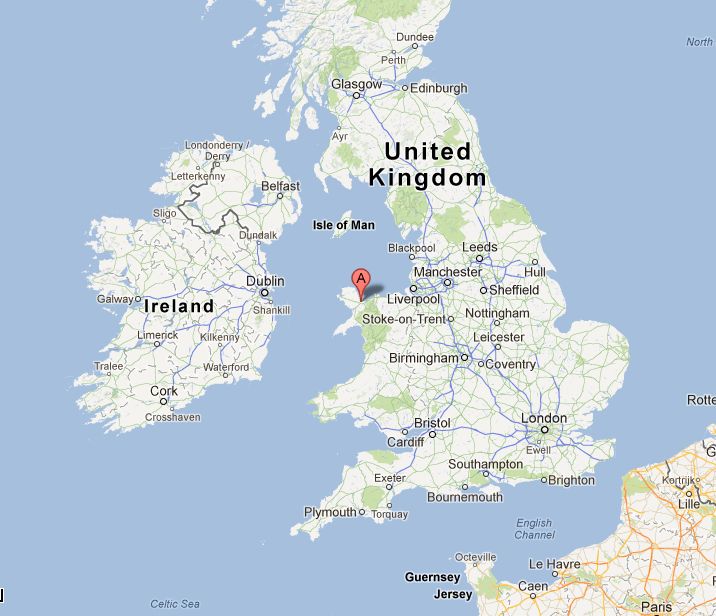
January 30, 1826. Workers completed construction of the first modern suspension bridge on this date. It was the Menai Bridge between Wales on the island of Great Britain and the smaller island of Anglesey, to the west. According to local reports about the bridge from nearly 200 years ago, travel in the strait between Wales and Anglesey was hazardous, due to shifting currents and unpredictable weather patterns. But the island of Anglesey had the Atlantic Ocean and Irish Sea to its west, and, especially after Ireland joined the United Kingdom in 1800, people increasingly wanted to use Anglesey as a jumping off point to reach the Emerald Isle by ferry boat.

A Scottish civil engineer, architect and stonemason named Thomas Telford designed the Menai Bridge. It’s a suspension bridge, with its deck (load-bearing portion) hung below suspension cables on vertical suspenders. Examples of this type of bridge were built in 15th century Tibet and Bhutan, but the Menai Bridge was heralded as the first modernsuspension bridge in the world.

The Menai Bridge reportedly stands 100 feet (about 30 meters) above the waters. It’s tall enough to allow sailing ships to pass underneath. It spans 579 feet (about 175 meters) from the Wales coast to the coast of Anglesey, and it’s supported by 16 large chains.

The chains has been changed out over the years to allow heavier truck traffic to pass through.

The Menai Bridge is still in use today.

Bottom line: On January 30, 1826, workers completed the Menai Bridge between Wales and Anglesey, the first modern suspension bridge in the world.

SOURCE::::  www.earthskynews.org

Natarajan

Jan 30…. ” காலங்கள் தோறும் காந்தி…”

“கடவுள் என் முன்னே தோன்றி உனக்கொரு வரம் தரப்போகிறேன்! என்ன வேண்டும் கேள் என்றுகேட்டால்! என் வாழ்நாளில் மறைந்த இந்தியாவின் தேசத்தந்தை மகாத்மா காந்தியுடன் ஒருநாள் இரவு உணவருந்த வேண்டும் என்று கேட்பேன்” என்று அமெரிக்க ஜனாதிபதியாக தேர்ந்தெடுக்கப்பட்ட நாளில் பதிலளித்தார் பராக் ஒபாமா.

ஆயுத உற்பத்தியில் முன்னிலை வகிக்கும் வல்லரசு நாட்டின் தலைவர் ஒருவர் மூன்றாவது காலாக கைத்தடியை மட்டுமே வைத்துக் கொண்டு, அங்குமிங்கும் இந்திய மண்ணின் விடுதலைக்காக ஓடிக்கொண்டிருந்த அந்த மனிதரைப் பற்றி இப்படி குறிப்பிடுகிறார் எனில் அந்த அரையாடைத் துறவி நம்மைவிட்டு மறையவில்லை. கடல் கடந்து காலம் கடந்து இனம், மொழி, மதம் என எல்லாவற்றையும் கடந்து இன்றும் உலகின் வழிகாட்டியாக வாழ்ந்து கொண்டிருக்கிறார் என்பதையே இது காட்டுகிறது.

காந்தி வணங்கிய கடவுள்:

உலகில் வேறு எந்த தலைவருக்கும் இல்லாத சிறப்பு காந்திக்கு மட்டும் எப்படி என எண்ணும் போது அவரின் வாழ்க்கை நிகழ்வுகளே அதற்கான பதில்களாக விரிகின்றன. போர்பந்தரில் பிறந்த காந்தி ஆயுத போர்களை நம்பாதவர். 2500 ஆண்டுகளுக்கு முந்தைய பழமையான அகிம்சை சத்தியாகிரகம் என்ற தத்துவங்களை நவீன காலத்தில் வெற்றிகரமாக மறு நிர்மாணம் செய்து உலக மக்களைக் கவர்ந்தவர். “சத்தியமே அவரின் மதம். அன்பு அறவழி ஒழுக்கம்; மனசாட்சி இவையே அவர் வணங்கிய கடவுள்கள்”. வழக்கறிஞராக தான் சம்பாதித்த செல்வங்கள் அனைத்தையும் தாய் நாட்டின் விடுதலை வேள்விக்கு காணிக்கையாக வழங்கிய வள்ளல் நம் காந்தி! ஒத்துழையாமை இயக்கப்போராட்டம் வெற்றிகரமாக நடை பெறவேண்டுமென்றும; அதேவேளையில் சாமானிய ஏழைமக்கள் பாதிக்கப்பட கூடாது என்றும் திலகர் நினைவு நிதி வசூலிக்க உண்டியல் குலுக்கிய தன்னலமற்ற மனிதர்! இதன் மூலம் எங்களை எவரும் அசைக்க இயலாது என்று ஆணவத்துடன் எக்காள முழக்கமிட்ட ஆங்கிலேய ஏகாதிபத்தியத்தின் அரியாசனத்தை அசைத்த முதல் மனிதர். இதில் சிலருக்கு மாற்றுக் கருத்தும் உண்டு. ஆனால் முதல் சந்திப்பிலேயே முரண்பட்டு காந்தியக் கொள்கையை நிராகரித்த தேசியநாயகன் நேதாஜி, காந்தியின் போராட்ட வலிமையையும் தாய் நாட்டின் விடுதலைக்காக காந்தியின் பின்னே அணிவகுத்து நின்றமக்கள் சக்தியையும் பார்த்து, ‘தேசத்தந்தை’ என அழைத்தார். இதுவே காந்தியின் போராட்டங்களுக்கான அங்கீகாரம். பாரதியின் வரிகளைத் தொட்டுச் சொல்வதானால் “நரைகூடிக்கிழப்பருவமெய்திய”பின்னரும் “குன்றென நிமிர்ந்து நின்று” உள்ளத்தில் போராட்ட உணர்வோடு 30 கோடி இந்தியர்களை தன்னுள் அடக்கி வைத்திருந்தவர் காந்தி.

காந்தி விரும்பிய பொது வாழ்வு:

உடல் உழைப்பு சிறுமை; மூளை உழைப்பே உயர்வு என்ற மேல்த்தட்டு சிந்தனையை முற்றிலுமாக நிராகரித்த காந்தி தனது சர்வோதயா சமூகத்தில் மூளை உழைப்பாளர்களும் கண்டிப்பாக உடல் உழைப்பை செய்யவேண்டும் என்று வலியுறுத்தினார். உடல் உழைப்பும் மூளை உழைப்பும் சேரும் போதுதான் தனிமனித வளர்ச்சி மற்றும் சமூகவளர்ச்சி சாத்தியம் என்று விளக்கினார். “எல்லோரும் சரிநிகர் சமம்” என்ற உணர்வு அனைவரிடமும் ஏற்படவேண்டும் என்று விரும்பிய காந்தி எளிமையான வாழ்க்கை வாழ வேண்டும் என்று விரும்பினார். ஆனால் ஏழ்மையான வாழ்க்கையை வெறுத்தார். நாமே விரும்பி தேவைகளைக் குறைத்துக் கொள்வதன் மூலம் எளிமையான வாழ்க்கை வாழ்ந்து ஏழ்மையை விரட்டமுடியும் என்று நம்பினார். இன்றுள்ளதுபோல் நகரங்கள் கிராமங்களைச் சுரண்டும் நிலை ஏற்பட கூடாதென்று, தான் கனவுகண்ட பொதுவாழ்வு சமூகத்தை கிராமிய நாகரிகத்தால் கட்டமைக்க விரும்பியவரே நமது காந்தி.

காந்தி விரும்பிய கல்வி:

ஆங்கில அரசு 1835-ல் புகுத்திய கிளார்க்குகளை உருவாக்கும் கல்வி முறைதான் 2015-ம் ஆண்டிலும் சில மாற்றங்களுடன் தொடர்ந்து பின் பற்றப்படுகிறது. ஆங்கில அரசின் மெக்காலே கல்வித் திட்டத்தின் சீர்கேடுகளை காந்தி தெளிவாகவேஅறிந்திருந்தார். அது நமது கலாச்சார பண்பாட்டு வேர்களிலும் ஆழமாக வேரூன்றி நம் முன்னோர்களின் அடையாளங்களை மறைத்து விடும் என்று உணர்ந்தார். ஆங்கிலக் கல்வி முறை நேரடியான சமுதாய சூழ்நிலைகளிலிருந்தும் உடல் உழைப்பிலிருந்தும் நமது குழந்தைகளைப் பிரித்துவிடுகின்றது என்றும் இதனால் மாணவர்கள் உள்ளத்தில் சமுதாய உணர்வு வளராமல் போகும் என்று தீர்க்கதரிசனமாகக் கூறினார். “உண்மையான கல்வி என்பது தனிமனிதனின் மனதில் பண்பு, ஞானம், பொறுமை, உண்மை ஆகியவற்றை விதைப்பதில் அடங்கியிருக்கிறதே தவிர இலக்கிய பயிற்சியில் இல்லை” என்று சிறந்தகல்விக்கு இலக்கணம் கூறியவர் காந்தி.

“அகிம்சையை நேசித்து ஆணவத்தை எதிர்த்து சத்தியம் என்ற உண்மையைக் கடைப்பிடித்து சரித்திரமாய் ஒருவர் இந்த மண்ணில் வாழ்ந்து மடிந்துள்ளார்” என்பதையே இன்றைய பெரும்பாலான இளைய தலை முறை நம்ப மறுக்கிறது. “காந்தியவாதம்”அவர்களுக்கு இன்று கசப்பு மருந்தாகிப் போனது. இனிப்பை மட்டுமே சுவைக்க விரும்பி பழகிவிட்ட இன்றைய இளைய தலைமுறைக்கு”காந்திய சித்தாந்தம்”என்ற மருந்து கசந்தாலும் அதை நிச்சயம் அருந்த வேண்டியகாலம் வரும். அப்பொழுது இந்தப் புனித மண்ணில் எண்ணற்ற காந்திகள் தோன்றுவர்.

SOURCE:::: முனைவர் .சி.செல்லப்பாண்டியன், in http://www.dinamalar.com

Natarajan

Jan 30 2015


” Not Just For Laughs … “

  • A statue of 'The Common Man' at Worli Sea Face, Mumbai
    The Hindu

    A statue of ‘The Common Man’ at Worli Sea Face, Mumbai

  • R. K. Laxman

    R. K. Laxman

Remembering R. K. Laxman, the compulsive doodler, who built a rapport with the common man through his works

R. K. Laxman, whose uncannily pertinent picture-statements brought a bit of cheer to our troubled lives, has left behind volumes of compressed complaints that will continue to speak for the common man.

For decades, R. K. Laxman kicked off a daily morning conversation with and among his readers through his delectable cartoons on the news of the day. Each was no more than a simple drawing telling a familiar story, but came infused with RKL’s wonderfully sad irony.

He gave the ever-suffering poor and the middle-classes — whose angst he understood very well — a representative, a witness, in the form of a caricatured “common-man”, whose presence made the accusations genuine and incontestable. “We know what is happening,” he said on our collective behalf. An exhibition, last year, of his 97 unpublished doodles at the Forum Art Gallery, Adyar, gave a glimpse of RKL’s genius at work.

Finding a compulsive doodler in him, his brother R. K. Srinivasan had handed him a large scrapbook when RKL visited him in Delhi in 1975. RKL doodled — on whatever they happened to be talking about. This went on till 1991. Restored with great care by techie G. S. Krishnan, they showed how these “spontaneous outpourings” — pictures and accompanying words — sparkled with Laxman’s calming wit. I saw in them his spot-on punch, his play on words (one had a large foot on an egg for ‘stand on one’s own egg’, another the phrase ‘female dear’), his sharp reading of news, his tongue-in-cheek scuttlebutt on politicos.

These were critiques without malice, carrying a child-like quality. “Not to be taken seriously” he said in one of them. A wacky set of inventions (a cyanide-infested banana and a knife) offered us help to get rid of “unwanted-but-important” people, a mechanical umbrella lifted a hapless office-goer above traffic jams. And there was the “nice, good, non-violent, pleasant-to-look-at crow” he loved to draw.

RKL was prolific and fortunately for us, had a long innings.

Among his gems, however, the ones on political figures carried the most telling lines and remain ageless in their relevance and topicality. You could fit them easily in the day’s context. Cartoons or doodles, RKL’s quizzical look invited you to laugh with him and share the funny angle he discovered in the human situation. His works form an enchanting potpourri, one that makes you look up and wonder: “OMG, how did he know what I was thinking?”

Keywords: R. K. Laxmancartoonist deathCommon ManR. K. Laxman tribute

SOURCE::::: Geeta Padmanabhan in http://www.thehindu.com

Natarajan

Jan 28 2015

A Precious Telegram of 1946 !!!. Copy Presented to Obama by Modi ….

Prime Minister Narendra Modi presenting a reproduction of telegram sent by U.S. to the Indian Constituent Assembly in 1946 to U.S. President Barack Obama, at Hyderabad House in New Delhi on Sunday.

PTI

Prime Minister Narendra Modi presenting a reproduction of telegram sent by U.S. to the Indian Constituent Assembly in 1946 to U.S. President Barack Obama, at Hyderabad House in New Delhi on Sunday.

The telegram was sent by the then Acting Secretary of State, Dean Acheson, to Sachchidananda Sinha, provisional Chairman of the Constituent Assembly.

Prime Minister Narendra Modi on Sunday gifted President Barack Obama a piece of India-U.S. history, a copy of the first telegram from the United States to India’s Constituent Assembly in 1946.

The telegram was sent by the then Acting Secretary of State, Dean Acheson, to Sachchidananda Sinha, provisional Chairman of the Constituent Assembly. Mr. Modi presented the copy after he received Mr. Obama at Hyderabad House.

The copy was the reproduction of the telegram read out at the inaugural sitting of the Constituent Assembly on December 9, 1946.

In the telegram, Acheson said: “With the approach of December 9, I extend to you as provisional Chairman of the Constituent Assembly and through you to the Indian people the sincere good wishes of the United States Government … and of the people of United States for a successful conclusion of the great task you are about to undertake. India has a great contribution to make to the peace, stability and cultural advancement of mankind and your deliberations will be watched with deep interest and hope by freedom-loving people throughout the entire world.”

SOURCE::::www.the hindu.com

Natarajan

Jan 26 2015

How Mumbai Once Lived !!!….

Mumbai may pace to a frenetic beat, but the metropolis has hidden corners where life moves more leisurely.

Satish Bodas/Rediff.com visits the city’s BDD chawls where neighbours live like one big family.

If you want to see what life was like a few decades ago, I’d suggest a visit to Mumbai’s 92-year-old Bombay Development Directorate’s chawls.

Families manage in tiny rooms and neighbours, unlike what happens in much of Mumbai, are very much a part of each other’s lives. The chawls’s residents still share their joys, sorrows and festivals with each other.

BDD is a little oasis in the heart of Mumbai — where a bustling lifestyle and tall skyscrapers pause to watch a slower, more measured Time that exists in a few old stone buildings.

But the residents — mainly Hindus and Buddhists — say it is time for change. Their families have expanded and living in such tiny spaces, plagued by leakage problems, is no longer easy.

Many youngsters have moved out; the older generation waits behind, hoping that redevelopment will take place, yet not completely ready to let go of a life they are so familiar with.

In my eyes, it is one of the last bastions guarding a simple, old-fashioned way of life.

The BDD chawl building built in 1925

The structures of the BDD chawls were built between 1922 and 1925.

The 1922 structure with a new coat of paint

When space is short, windows provide a convenient area for storage.

Kashinath Annaa kakade a resident since 1948

Kashinath Anna Kakade, who is 95 years old, has created a special calendar.

If you tell him the date of your birth, he will tell you on which day you were born.

He makes it a point to read the newspaper regularly and enjoys drinking a glass of milk every day.

Mr Kakade has been staying here since 1948 and feels that life today is much more comfortable than it was in his youth.

“Then,” he says, “we had to go down to fetch water, but now the BMC (Brihammumbai Municipal Corporation) water comes directly to my house.”

An iron staircase going to the roof

This old ladder leads to the terrace. Only one person can use it at a time.

As you can see, the ravages of age have begun to show in this old stone structure.

Gas and kerosene stove used by the joint families residing here

The families living here rely on gas cylinders and kerosene stoves to cook their daily meals.

As you can see, water continues to be a major issue. Look at all the vessels used to store the precious liquid.

Each room is home a family and is self-contained; it includes the bathroom and the kitchen.

The toilets, of course, are communal and are located outside the house.

Each floor houses 20 families in 20 rooms.

There are six toilets on each floor — three for men and three for women.

Washing clothes outside the ground floor premises

This family on the ground floor, like many others in the chawl, uses the extra space outside their house to wash and dry their clothes.

If you look at the photograph carefully, you will see the little door (behind the lady in maroon) they have made under the window for a quick entry and exit.

BDD Chawl

Sadly, the rear areas of the BDD buildings are used as chicken coops-cum-garbage dumps.

BDD Chawl

Facing the chawls is a huge open area where children skip out to play… a rarity in Mumbai.

BDD Chawl

Most of the residents, except those who stay in buildings reserved as residential quarters for the police (known locally as Police Line Buildings), have extended their rooms to get extra space.

Take a look at this picture and you’ll know what I mean.

BDD Chawl

You don’t need to live in fancy buildings to have a gymnasium on the premises. Here’s a look at the gym at BDD chawl.

BDD Chawl

Skyscrapers, with their alluring promise of a more modern lifestyle, tower nearby.

BDD Chawl

Every floor is connected through a long passage, with houses on both sides. These passage, as you can see, become an extension of the houses.

BDD Chawl

Finally, here’s a glimpse of how the old replaces the new — the old wooden staircase of the chawl has been renovated using tiles and marble.

Satish Bodas/Rediff.com

Natarajan
Jan 20 2015