” I Survived the Pan Am Hijack During Which Neerja Bhanot Lost Her Life…”

Musician Nayan Pancholi recounts how he lost his eye but survived the Pan Am flight hijack in 1986.

It was September 5, 1986. Our tickets got confirmed at the last moment on Pan-Am Flight-73, which was headed from Mumbai to New York, via Karachi and Frankfurt. We were a group of singers and music composers from Ahmedabad, who were going to perform in different cities of USA. At that time, I was just 21 years old. Our flight took off from Mumbai and landed in Karachi around 4.30 a.m. There were some passengers who got off at Karachi. Cleaners entered the aircraft and were just about the leave. This is when four armed men in airport security clothes entered the aircraft from the business class side. We were seated in economy class at the rear of the plane.

Suddenly, there were screams and three or four shots were fired in the air. One terrorist had a machine gun in his hand, another had grenades and a belt full of bullets, while the other two had many guns and grenades with them.

Everyone was told to have their hands locked above their heads. I just can’t forget that sight. Two terrorists were standing in the front and the other two were standing near the rear. In no time, Neerja Bhanot, the senior flight purser, informed the captain and the other crew members in the cockpit to flee the aircraft.

The captain, the co-pilot, and the cockpit crew had left the aircraft. Except Neerja, all other flight attendants were tied up with ropes. The terrorists used Neerja to communicate with the airline.

There were more than 350 passengers in the plane. To scare us, they even killed a person named Rakesh Kumar and threw him out of the plane.

Then, they started collecting our passports. Somehow, Neerja hid some passports of American citizens under the seats. They kept on shouting and screaming at us in Arabic and continued firing shots in the air. After some time, in the afternoon, they offered us sandwiches. But who on earth can eat food in such a difficult situation?

In the evening, they allowed everyone to go to the toilet, one after the other, by crawling on the floor with our hands locked over our heads.

I still remember, exactly after 17 hours of them hijacking the flight, the fuel ran out. Due to this, the generator of the plane went off, leading to darkness. After the lights went off, the terrorists panicked and started firing aggressively at us. They also started throwing grenades.

I saw many people die in front of my eyes.

Nayan Pancholi was just 21 years old, when the Pan Am flight was hijacked in Karachi.

Nayan Pancholi was just 21 years old when the Pan Am flight was hijacked in Karachi.

My own group director and another girl from the group were shot dead.

I was seated near the emergency exit. I tried to open the emergency exit door, but couldn’t do it. After giving it a second try, it opened, but at the same time a grenade hit me in the left eye. And in a moment, I was down on the ground.

After that, I was taken to the terminal by the army and was later shifted to the hospital. I was given treatment at a hospital in Karachi. After 48 hours, the Indian Airlines flight took all the Indians back home. I was then taken to Jaslok Hospital in Mumbai. But, my eye couldn’t be treated there. So, I was taken to Chicago in the US for treatment, but the doctors there too couldn’t save my left eye.

This incident has had a deep impact on me. It was a very bad day for humanity. That day, nobody saw religion, caste, or creed in each other. That day we saw each other as humans and wanted to help and save each other. It’s as simple as that in end.

This article has been shared via Humans of Amdavad.

About the author: Nayan Pancholi is a singer and composer based in Ahmedabad. He is one of the survivors of the Pan Am plane hijack in 1986.
Source…..www.the betterindia.com
Natarajan

This date in science: John Glenn first American to orbit Earth….

On February 20, 1962, John Glenn became the first American to orbit the Earth. He made three turns around the planet before returning safely.

John Glenn and Friendship 7

February 20, 1962. John Glenn became the first American to orbit the Earth on this date. He made three turns around the planet before returning safely in his space capsule, which was called Friendship 7. He followed two Russian cosmonauts in making this early orbit of our planet: Yuri Gagarin ( April 1961) and Gherman Titov (August 1961).

While Glenn was in orbit, NASA controllers received an indication that the heat shield on his craft had come loose. They instructed Glenn not to jettison the rockets underneath the heat shield during re-entry, because the rockets might be able to hold the shield in place. Fortunately, the indication turned out to be a false alarm.

Glenn returned to space at age 77 aboard the space shuttle Discovery in 1995, making him the oldest person to fly in space. His mission’s primary scientific aim at that time was to study the effects of spaceflight on seniors.

John Glenn climbs into the Friendship 7 spacecraft just before making his first trip into space on February 20, 1962. Photo via NASA

John Glenn and Friendship 7

John Glenn and Friendship 7

Here's What John Glenn saw on February 20, 1962.  Just 5 minutes and 44 seconds after launch, Glenn offered his first words about the view from his porthole: “This is Friendship 7. Can see clear back; a big cloud pattern way back across towards the Cape. Beautiful sight.” Three hours later, at the beginning of his third orbit, Glenn photographed this panoramic view of Florida from the Georgia border (right, under clouds) to just north of Cape Canaveral. His American homeland was 162 miles (260 kilometers) below. “I have the Cape in sight down there,” he noted to mission controllers. “It looks real fine from up here. I can see the whole state of Florida just laid out like on a map. Beautiful.”  Image via NASA

Here’s what John Glenn saw on February 20, 1962. Just 5 minutes and 44 seconds after launch, Glenn offered his first words about the view from his porthole: “This is Friendship 7. Can see clear back; a big cloud pattern way back across towards the Cape. Beautiful sight.” Three hours later, at the beginning of his third orbit, Glenn photographed this panoramic view of Florida from the Georgia border (right, under clouds) to just north of Cape Canaveral. His American homeland was 162 miles (260 kilometers) below. “I have the Cape in sight down there,” he noted to mission controllers. “It looks real fine from up here. I can see the whole state of Florida just laid out like on a map. Beautiful.” Image via NASA

Bottom line: John Glenn became the first American to orbit Earth on February 20, 1962. His space capsule was called Friendship 7.

Source……www.earthsky.org

Natarajan

The Stopping of Niagara Falls in 1969…!!!

Endeavor to change the course of history, has always been a primary motive of human civilization, through several centuries. It has been observed throughout history, that several times people have tried to undertake a feat which brings them in direct face-off with nature. May it be the intent to master the air by inventing airplanes, building mega-structures such as pyramids, or even stopping the flow of one of the world’s largest water resources, “The Niagara Falls”.

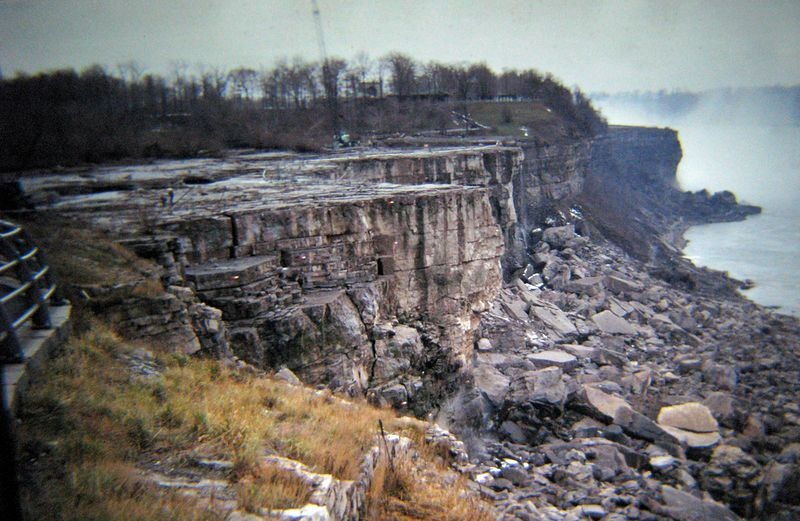
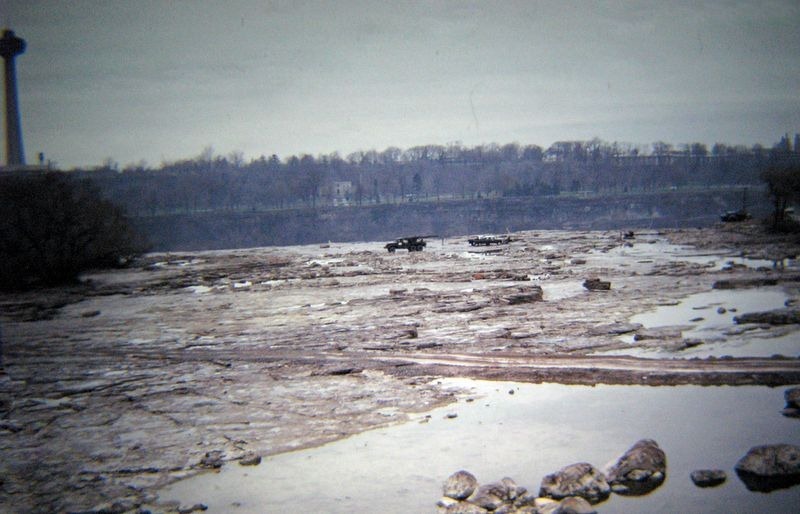
Niagara Falls consists of Horseshoe Falls and the American Falls. Due to several years of rocks falling in, between the year 1931 and 1954, the American Falls faced erosion, which if not prevented would have resulted in the permanent extinction of the American Falls. With resulting public outcry and protests to save the American Falls, the United States Army Corps of Engineers (USACE) – Buffalo district was encumbered with the immense responsibility of dewatering the American Falls for repairs. Taking up this historic challenge, a cofferdam was constructed, that took 3 days after working in two 11-hour shifts, resulting in cutting off of the flow of the Falls from 60,000 gallons per second to one-fourth of its capacity of 15,000 gallons per second.

niagara-falls-turned-off-1969-5

Photo credit: Russ Glasson/Flickr

This gigantic effort, comprising 1,264 truck loads, carrying 27,800 tons of sand and earth, was carried out to fill the cofferdam. Another minor discovery, which emerged from the De-watering Project, was that of a dead-body of a woman, which would never have been possible if the American Falls had been in full-flow. The woman was wearing a gold band, with the tragic inscription ‘forget me not’ on the inside.

Rochester Shale, a type of rock, which started crumbling due to the de-watering project, was a major concern for the geologists who wanted to carry out tests. Pipes totaling 800 feet of length and approximately six inch diameter were laid to moisten the shale.

The motive behind the endeavor to pull off such a huge feat was to conduct tests to prevent further erosion and test the structural integrity of the American Falls. Having planned through all the tests, and having implemented their staggering efforts, USACE estimated that the work will be completed by 1972. A battery of tests consisting of chemical analysis of the rocks, microscopic inspections, and several other tests were conducted accumulating large amounts of engineering, geological, and other data.

After an effort of more than 5 years, the International Joint Commission in 1975 concluded that 385,000 tons of Talus had accumulated at the base of American Falls, and had resulted in reduction of waterfall from 100 feet to 45 feet, while the depth of the Talus ranged from 25 feet to 50 feet.

As per the consensus taken from the public, there was to be no noticeable change in the appearance of American falls. But, it was accepted that there would always be some risk involved in the viewing of falls owing to continued erosion around the Falls.

The important lesson that the effort taught the engineers, and which is also a lesson for all humanity, is that everything has a life span and nothing escapes mortality. May it be flesh and blood humans, or even a stupendous spectacle for humanity such as the Niagara Falls. As is well said, that change is inevitable, and so is the mere existence of everything. It is an important question to be asked that whether something is too big to fall such as the American Falls, or something is too small to rise, like the Talus which over the years caused near extinction of American falls. The dewatering of Niagara Falls in 1969 is abject lesson in the Power of Human effort as compared to the might of Powerful Nature.

niagara-falls-turned-off-1969-1

Photo credit: Russ Glasson/Flickr

niagara-falls-turned-off-1969-6

Photo credit: Russ Glasson/Flickr

niagara-falls-turned-off-1969-7

Photo credit: unknown

niagara-falls-turned-off-1969-8

niagara-falls-turned-off-1969-2

Photo credit: Russ Glasson/Flickr

niagara-falls-turned-off-1969-4

Photo credit: Russ Glasson/Flickr

Source………www.amusingplanet.com

Natarajan

The Coconut Palace, Philippines…!!!

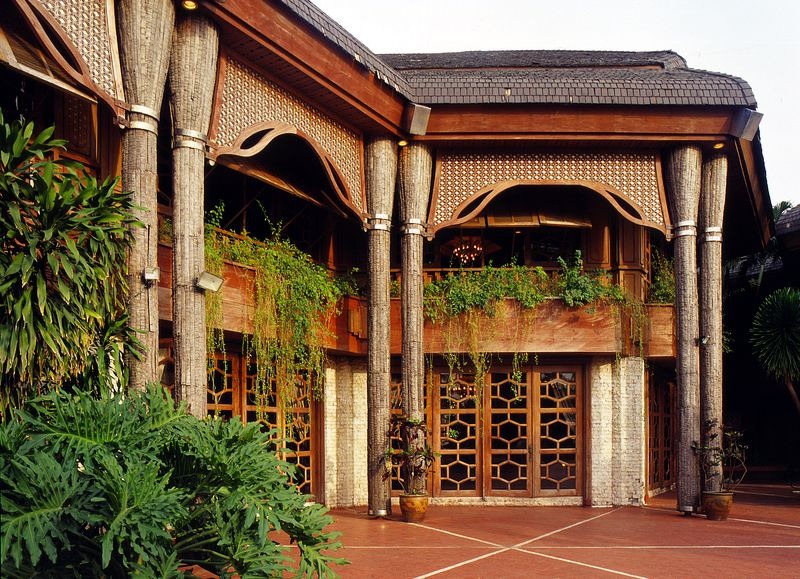
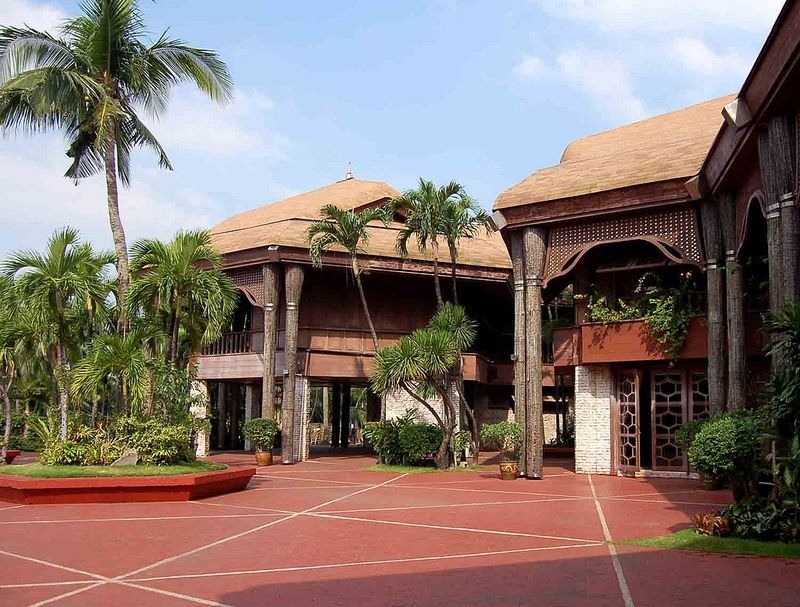
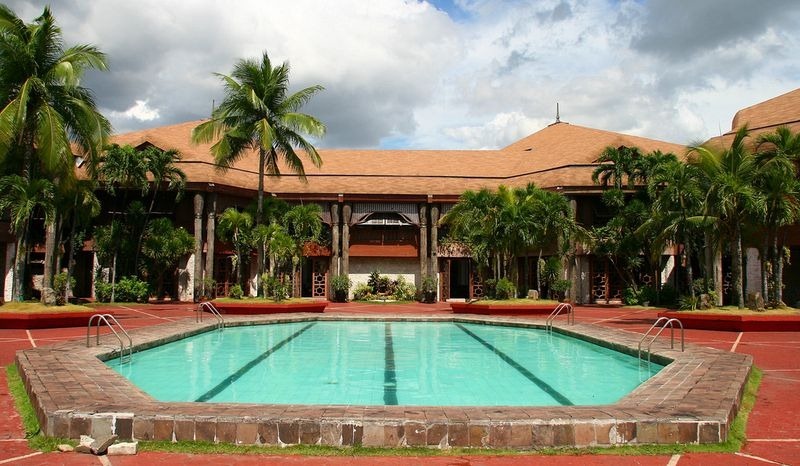
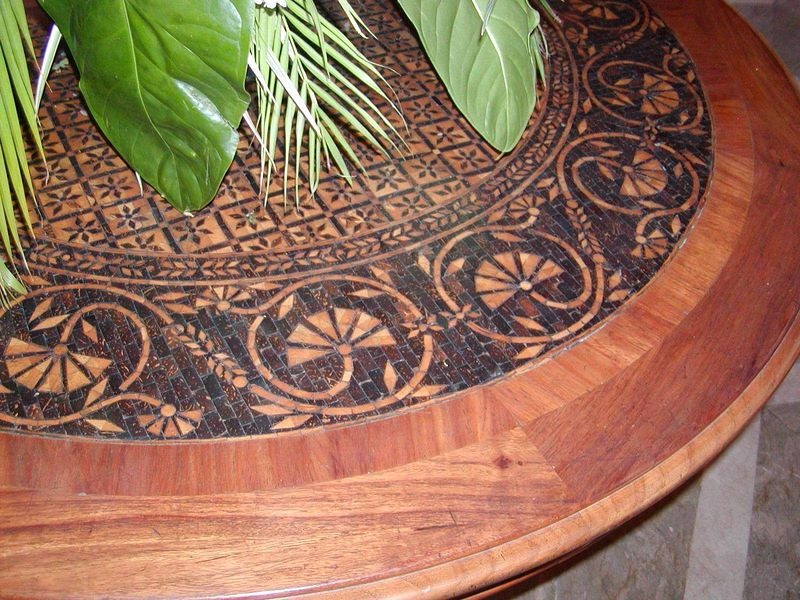
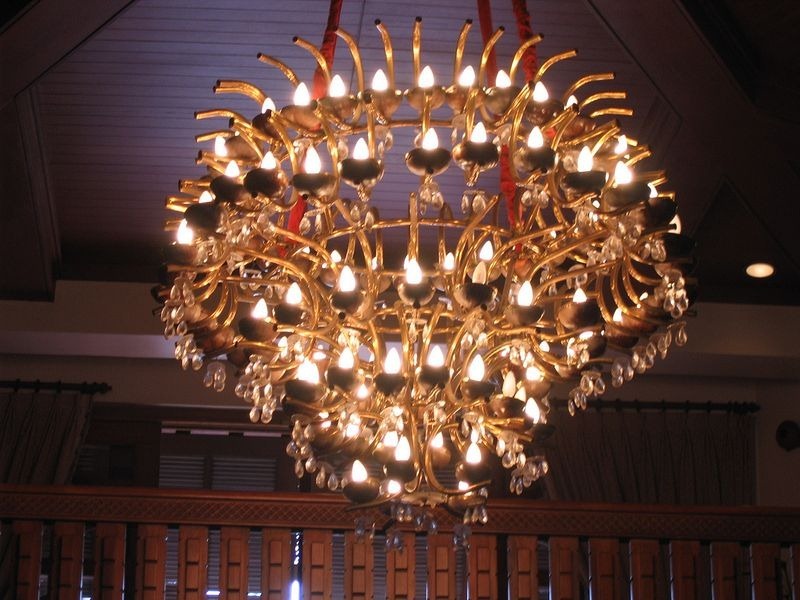
The official residence and workplace of the Vice President of the Philippines, in Manila, is a curious attraction. The building is called Coconut Palace, or Tahanang Pilipino, because of the extensive use of coconut lumber and various parts of the coconut tree in its construction. The roof is made from coconut wood shingles, while the columns are inverted coconut trunks, with their distinctive bulge at the root end forming the capitals. Coconut wood parquetry covers the floors, carpets are made of coconut fiber and wallpaper from the fibrous sheath. The massive chandelier made from 101 coconut shells is worth seeing, and so is the dining table of 40,000 tiny pieces of inlaid coconut shells.

coconut-palace-1

Photo credit: www.manosa.com

It is said that nearly 70% of the structure is made from the coconut tree. Everything from the tree’s roots to its trunk, bark, fruit, flower and shell were used to design and decorate the palace as a demonstration of the versatility of the humble coconut. No wonder the Philippines call the coconut tree the “tree of life”.

The Coconut Palace also has a certain notoriety. It was built during the regime of President Ferdinand Marcos who along with his wife First Lady Imelda Marcos, looted the Philippine treasury of at least USD 10 billion before he was ousted from his position. With the illegally accumulated wealth, the couple bought several palatial homes in the United States and Philippines, more than a hundred expensive paintings by old masters such as Van Gogh, Rembrandt, Rafael and Michelangelo, silver tableware, gold necklaces, diamond tiaras and all the best and precious the world had to offer.

imelda-marcos-shoes-1

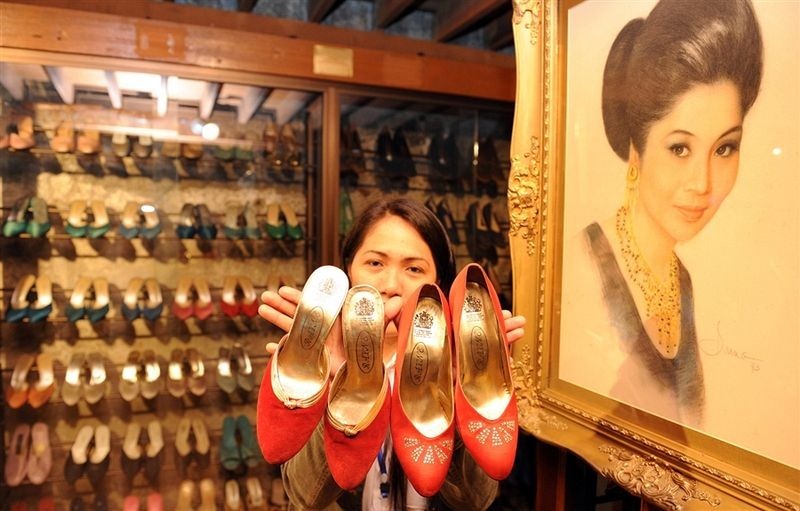
A museum employee displays some of the shoes of former Philippine first lady Imelda Marcos, next to her portrait at the shoe museum in Manila. Photo credit: Ted Aljibe

Imelda Marcos lived a famously extravagant lifestyle and was known to have a massive wardrobe featuring at least a thousand pairs of shoes. (Her shoe collection are now on display at the Marikina Shoe Museum in Manila). It was Imelda Marcos who came up with the wacky idea of building an elegant guest house, the Coconut Palace, in order to receive Pope John Paul II when he visited the Philippines in 1981. But when the Pope learned that it was built at the cost of 37 million Philippine pesos, or USD 10 million at that time, he refused to set foot in the palace because he knew the opulent place was built at the expense of the country’s citizens who still lived in poverty.

Surprised and possibly embarrassed at the Pope’s refusal, Imelda seized a couple of average Hollywood celebrities like Brooke Shields and George Hamilton for a gala opening. Later, the palace was turned into a venue for weddings and parties before it became the Vice President’s office and official residence. The Coconut Palace was opened for public tours on 2011.

coconut-palace-2

Photo credit: Paul Shaffner/Flickr

coconut-palace-3

coconut-palace-7

Coconut inlaid onto a table. Photo credit: hoagland.org

coconut-palace-5

The coconut chandelier. Photo credit: bigbark/Flickr

coconut-palace-6

Photo credit: Adam Brill/Flickr

Sources: Wikipedia / Philippines Travel Guide / Lonely Planet / BBC / www.manosa.com

Source……www.amusing planet.com

Natarajan

The World’s Only Floating National Park Is Located in India. And It Is Amazing….!!!

Imagine standing on a piece of land that floats on water. No, not for some fictitious narration or a movie scene, but in real life – this is something that’s actually possible in Manipur.

Welcome to Loktak Lake, the largest freshwater lake in Northeast India. This iconic lake, located in Bishnupur district, at a distance of 53 km from Imphal, is known for its circular floating swamps (called phumdis in the local language).

loktak lake1

Source: Wikimedia

The term phumdis refers to a collection of heterogeneous mass of vegetation, soil, and organic matter at various stages of decomposition. Resembling miniature islands, these phumdis are found in various forms, floating on the lake.

Covering an area of 300 square metres, the lake is a lifeline for many people. It serves as a source of water for hydropower generation, irrigation and drinking water supply in the region, other than being the source of income for many fishermen who largely depend on it. Children of the fishermen can even be seen playing and running around on these phumdis.

“Loktak is our mother. Since time immemorial, the lake has been feeding the people of Manipur and nourishing us”, a fisherwoman told The Northeast Today.

The Sendra Tourist Home, located on a large phumdi island, also makes for an ideal tourist spot.

The lake is home to 233 species of aquatic plants, more than 100 species of birds, and 425 species of animals, including the Indian python and sambhar.

loktak3

Photo: Flickr/Zehawk

What makes the Loktak Lake even more special is the Keibul Lamjao National Park located at the south western part of the lake. It is the world’s only floating national park and is home to the endangered Manipuri brow-antlered deer, Sangai.

Sangai is the state animal of Manipur. Its hooves are adapted to walk on the phumdis.

loktak lake2

Source: Wikimedia

This park, which was initially declared as a Sanctuary in 1966, was subsequently declared a National Park in 1977.

16495734198_148f6a99c9_b

Photo: Flickr/Zehawk

Loktak is a birder’s paradise. The most commonly sighted birds in the region include black kite, northern hill myna, East Himalayan pied kingfisher, lesser skylark, lesser eastern jungle crow, Burmese pied myna, and more.

The lake is now endangered, with innumerable threats like pollution, decline in diversity of avifauna and thinning of phumdis.  All this, in turn, threatens the Sangai deer. Phum Shang, an investigative documentary directed by Hao Bam Pabankumar, which examines the serious environmental concerns facing Loktak Lake, won the Golden Conch award for Best Documentary in the Mumbai International Film Festival recently.

Source…….www.the betterindia.com

Natarajan

படித்தது ….மனதை தொட்டது …”வேர்களை இழந்து விட வேண்டாம்….”

காமராஜரின் இல்லத்தில் ஈ.வி.கே.சம்பத், குமரி அனந்தன் இருவரும் அவரோடு உரையாடிக் கொண்டிருந்தனர். அப்போது காமராஜர், “ஏம்பா…இந்த கோயில் கோபுரங்களை எல்லாம் ஏன் உசரமா கட்டியிருக்காங்க?” என்று கேட்டார். ஒருவர் சொல்லின் செல்வர், மற்றொருவர் இலக்கியச் செல்வர். கேட்கவா வேண்டும்…“அது நமது ஆன்மிக, கலை, கலாசாரப் பண்பாட்டுப் பெருமை, அழகு, அடையாளம்” என இருவரும் காரணங்களை அடுக்குகின்றனர்.
“அட… அதுக்கெல்லாம் இல்லைப்பா” என்று மறுத்த காமராஜர் கூறினார், “அந்த காலத்தில் ஒரு ஊரில் இருந்து இன்னொரு ஊருக்குப் போகணும்னா நடந்துதான் போகணும், சாலை வசதி, வாகன வசதியெல்லாம் கிடையாது. அப்படி போகிறவர்கள் தாகத்தோடும், பசியோடும் போவார்கள். எங்காவது கோபுரம் கண்ணுல தென்பட்டதுண்ணா… கோபுரம் இருந்தா கோயில் இருக்கும், கோயில் இருந்தா மக்கள் இருப்பார்கள், மக்கள் இருந்தால் நம் பசியும், தாகமும் தீர்வதற்கு வழி பிறக்கும் என்பதை அடையாளப்படுத்தத்தான் கோயில் கோபுரத்தை உசரமா கட்டியிருக்காங்க!” என்று பதில் அளித்தாராம்.
எனக்கும், உங்களுக்கும் கோயில் கோபுரத்தைப் பார்க்கும் போது இந்த எண்ணம் தோன்றியதுண்டா? பெருந்தலைவருக்கு மட்டும் தோன்றியது என்றால் என்ன காரணம்? அவர் எப்பொழுதும் மக்களைப் பற்றி மட்டுமே சிந்தித்துக் கொண்டிருந்த தலைவர் என்பதால்தான்.
மேற்கண்ட தகவல், தமிழகப்பண்பாட்டின் உச்சத்தைத் தொட்டுக் காட்டுவதாக அமைந்துள்ளது. விருந்து முதலான நம் பாரம்பரிய மரபுகள் அனைத்தும் மனிதத்துவம் சார்ந்தவை. இத்தகைய நம் பாரம்பரிய பண்பாடுகள் பலவற்றை இன்று நாம் இழந்து வருவதோடு,
இலக்கிய வாசிப்பின்மையால் அது குறித்த சிந்தனைகளையும் இழந்து வருகிறோம்.கவிதை சொல்லும் சேதி பூதை தேசிகன் பாடிய கவிதை ஒன்று.
‘என் பாட்டியின் மாமியார்
என் பாட்டியிடம் சொன்னாளாம்…

இந்தப் பானையில் அரிசி
இருக்கிறது
இந்தப் பானையில் உளுந்து இருக்கிறது
இந்தப் பானையில் புளி இருக்கிறது’
என்பாட்டி என் அம்மாவிடம் சொன்னாளாம்…
‘இது அரிசி இருந்த பானை
இது உளுந்து இருந்த பானை
இது புளி இருந்த பானை’
இப்போது என் அம்மா
என் மனைவியிடம் சொல்கிறாள்…
இது அரிசிப்பானை இருந்த இடம்
இது உளுந்துப் பானை இருந்த இடம்
இது புளிப்பானை இருந்த இடம்’
அரிசி போய், அரிசி பானை போய், அரிசி பானை இருந்த இடம் மட்டும் இன்று காலியாக இருக்கிறது. இந்தக் கவிதை, நமது பாரம்பரிய பண்பாட்டுச் சரிவை மிகச் சரியாக அடையாளப்படுத்தி உள்ளது.
விரிந்து கிடந்த திண்ணைகள்
ஒரு காலத்தில் திறந்த மனசு போல வீட்டு வாசல் கதவு திறந்திருக்க… வருகின்றவர்களை அரவணைப்பதற்கு விரியும் கரங்கள் போல வீட்டின் முன் இருபக்கமும் திண்ணைகள் விரிந்து கிடந்தன. ஒரு யாசகனோ, வழிப் போக்கனோ அதில் அமர்ந்தால் தாகமும், பசியும் நீங்கிச் செல்வதற்கு உத்தரவாதம் இருந்தது. இன்று கிராமங்களில் கூட வீடுகளின் முன் திண்ணைகளைக் காண முடியவில்லை.
அதனால்தான், “அன்றைக்குத் தமிழர்கள், முன்பின் தெரியாத மனுசாள உபசரிக்க, வீடுகளுக்கு முன்னால் திண்ணைகளைக் கட்டி வைத்தார்கள். இன்றைக்கோ நாய்களைக் கட்டி வைக்கிறார்கள்” என்றார் திருமுருக கிருபானந்த வாரியார்.
வேர்களை இழந்துவிட்டு விழுதுகளின் பலத்தில், நிழல் தேடும் சமூகமாக நாம் மாறிவருகிறோம். நமது பண்பாடு வளர்த்தெடுத்த அர்த்தமுள்ள வாழ்வியல் மரபுகளை, மீட்டுருவாக்கம் செய்ய வேண்டிய காலத்தில் நாம் வாழ்ந்து கொண்டிருக்கிறோம்.

மாறிய காட்சிகள் அதிகாலையில் வீடுகளுக்கு முன்னால் சாணம் மெழுகி, தண்ணீர் தெளித்து, மாக்கோலம் இட்ட காட்சிகளை இன்று கிராமங்களில் மட்டுமே காணமுடிகிறது. நகரியப் பகுதிகளில் அடுக்குமாடி குடியிருப்புகளில் அடைபட்டுக் கொண்ட தமிழர்கள் ஸ்டிக்கர் கோலம், பெயின்ட் கோலத்தில் திருப்தி அடைந்து விடுகின்றனர். மண் முற்றத்திற்கு எங்கே செல்வது?
வீடுகளுக்கு முன்னால் அடுப்பு கூட்டி, கரும்புகள் நட்டு, அறுவடை நெல்லின் புத்தரிசியை புதுப்பானையில் சர்க்கரையுடன் இட்டு, முந்திரி, ஏலம் மணக்கப் பொங்கலிட்டனர். பொங்கி வழியும் வெண்நுரையில் வாழ்வின் வசந்த அபிவிருத்தியைக் கண்டு, ‘பொங்கலோ! பொங்கல்!’ என்று ஆனந்தக் குரல் எழுப்பினர். இத்தகைய குடும்பங்களில் ஒருவராக இருக்கும் பேறு, இன்று எத்தனைத் தமிழர்களின் வாரிசுகளுக்கு வாய்த்திருக்கிறது?
எங்கள் வீட்டில் புது மண்பானையில் புது அரிசிப் பொங்கலிட்டது உண்டு. மாடுகளைக் குளிப்பாட்டி கொம்புகளுக்கு வர்ணம் பூசி அவற்றை போசித்தது உண்டு. இன்று வீட்டில் மாடுகளும் இல்லை, பொங்கலைக் கொண்டாடிய மூத்த தலைமுறையின் மனசும் இல்லை.
இன்றும் பொங்கல் பானையின் தலையில் வெண்நுரை பொங்கி நிற்கும் காட்சியைப் பார்க்கும் போதெல்லாம், என் பாட்டன், தமிழ் அடையாளத்துடன் தலையில் தொப்பியோ, தலைப்பாகையோ அணிந்திருந்த கம்பீரத் தோற்றம்தான் நினைவிற்கு வருகிறது.
இது ஒருபுறம் இருக்க, தமிழர்களை ஒருங்கிணைத்த கூடிக் குதுாகலிக்கச் செய்த பொங்கல் விளையாட்டுக்களும் அருகிவிட்டனவே. பொங்கலின் கொண்டாட்டங்களான உறி அடித்தல், சடுகுடு, மாடு பிடித்தல், சிலம்பம் போன்ற வீர விளையாட்டுக்களை அரிதாகவே சில கிராமங்களில் நடந்ததை பார்க்க முடிந்தது. இந்த வீர விளையாட்டுக்கள் எல்லாம், கிராமங்களின் அசல் முகம் என்பதற்கு இனி திரைப்படங்களின் பதிவுகள் மட்டுமே சாட்சிகளாகி விடுமோ?
தேசபாதுகாப்பு என்னவாகும் ஜல்லிக்கட்டு கூட இன்று விமர்சனத்துக்கும், சட்ட ரீதியான தடைக்கும் உள்ளாகி நிற்கிறது. ஜல்லிக்கட்டு போன்ற வீர விளையாட்டுக்களைத் தடை செய்து விட்டால், தேசத்தின் வருங்காலப் பாதுகாப்பே கேள்விக் குறியாகி விடும்! தேசப் பாதுகாப்பிற்காக ராணுவத்திற்கு ஆள் எடுத்தால், நம் கிராமங்களில் இருந்து தான் ஆயிரக்கணக்கில் இளைஞர்கள் செல்வார்கள். ஏனென்றால், இயல்பான ஆற்றலை, முனை முகத்து நிற்கும் துணிச்சலை வீர விளையாட்டுக்கள் மூலம் அவர்கள் பெற்றுள்ளதுதான் காரணம்.
ஜல்லிக்கட்டு போன்றவை தடை செய்யப்பட்டால், வீரம் சார்ந்த விளையாட்டுக்கள் முக்கியத்துவம் இழந்தால், அது தேசத்தின் பாதுகாப்பையே உறுதியில்லாமல் ஆக்கிவிடாதா?
எனவே இயற்கையைப் போற்றல்! வேளாண்மையைக் கொண்டாடுதல்! உழவுக்கும் தொழிலுக்கும் உடன் உழைக்கும் ஜீவன் மாடுகளைச் சிறப்பித்தல்! வீரத்தை விளையாட்டுக்கள் மூலம் வளர்த்தெடுத்து அதனை சமூகப் பாதுகாப்புக்கு உரியதாக்கல்! ஜாதி, சமய அடையாளங்களைக் கடந்து, பண்டிகைகள் மூலம் ஒன்றுபடுதல் என தமிழனது பண்பாட்டு மரபுகளைப் போற்றுவோம்!

Source…….
-பேராசிரியர்.மு.அப்துல்சமது,தமிழ்த்துறை, ஹாஜி கருத்த ராவுத்தர் கல்லுாரி,உத்தமபாளையம்.93642 66001

http://www.dinamalar.com

The Gold Mines of Serra Pelada…….!!!

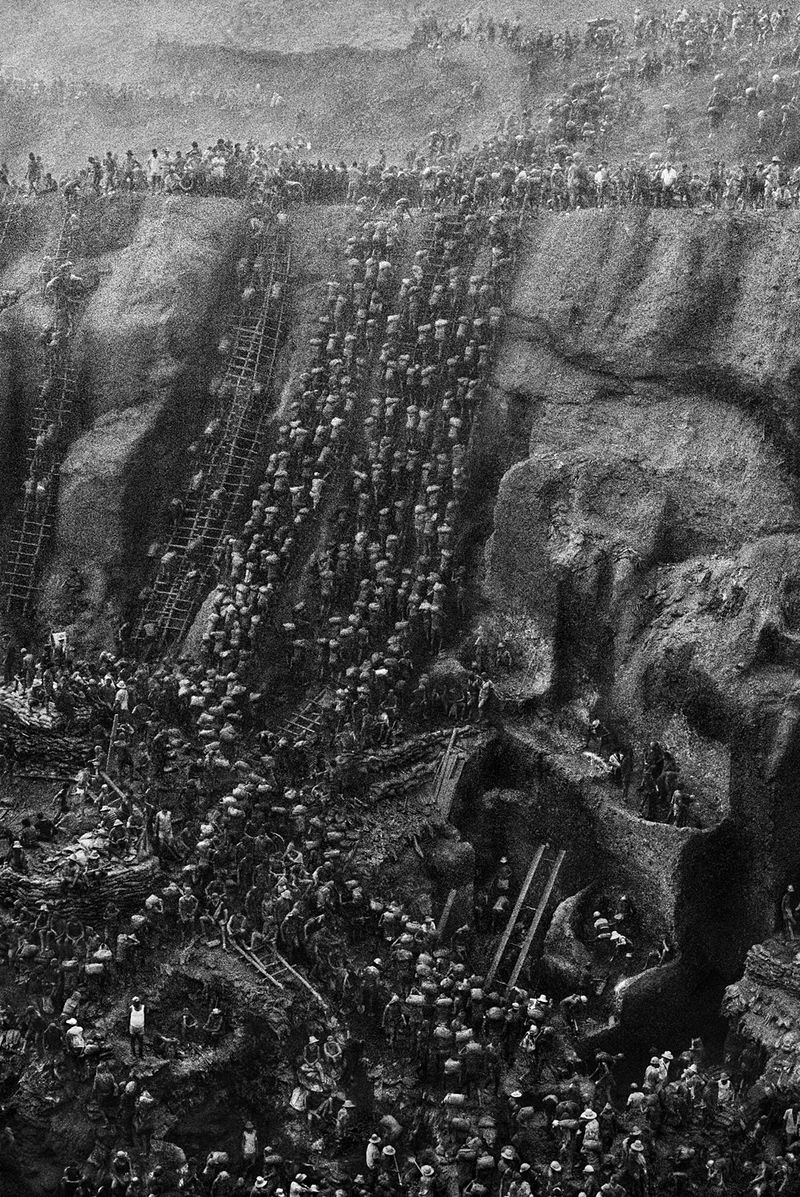
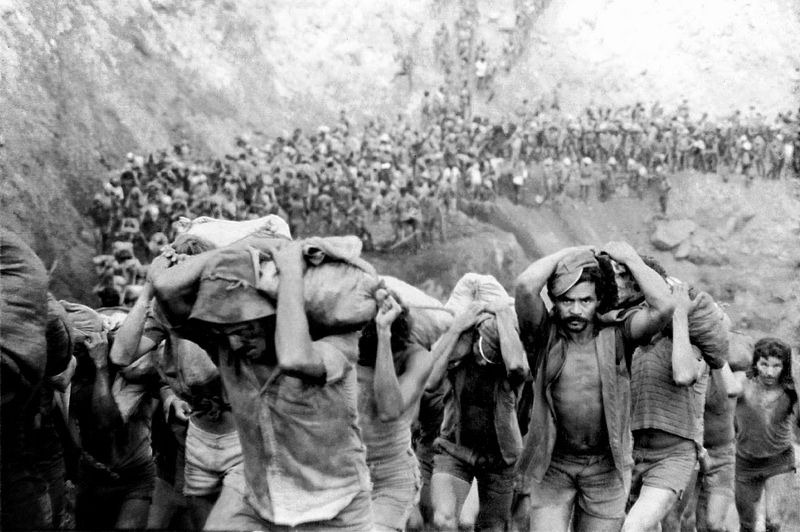
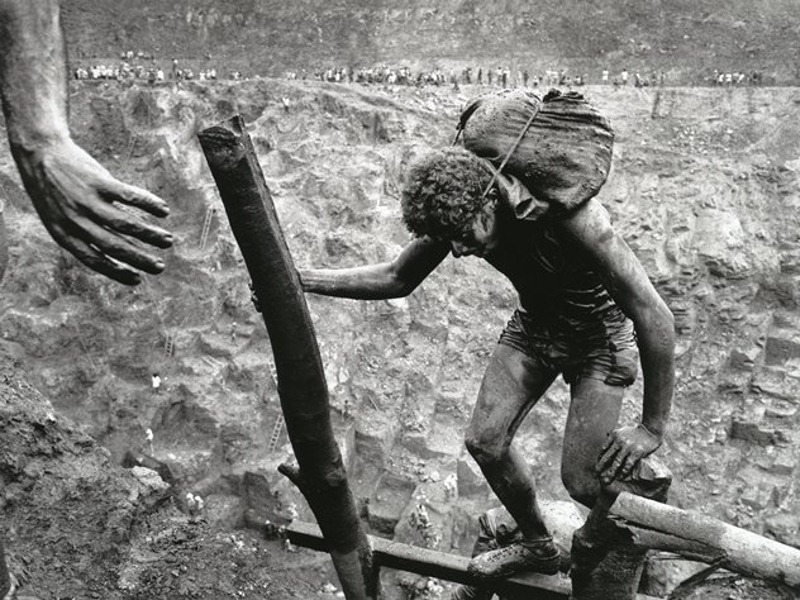
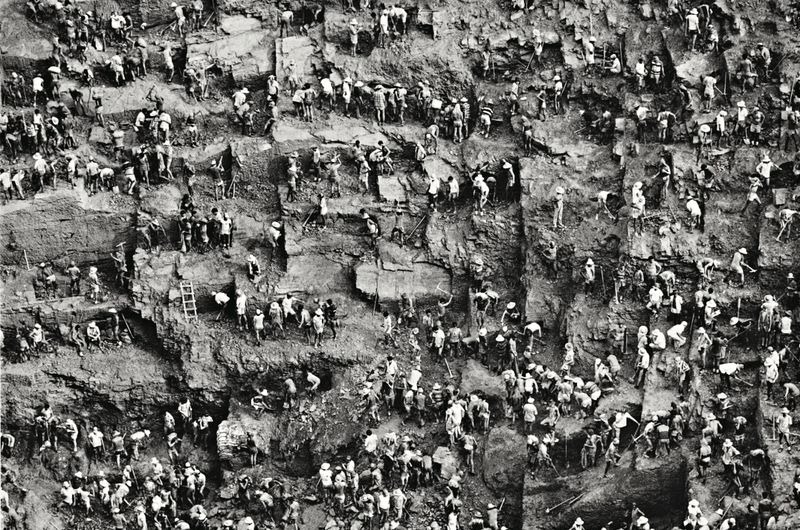
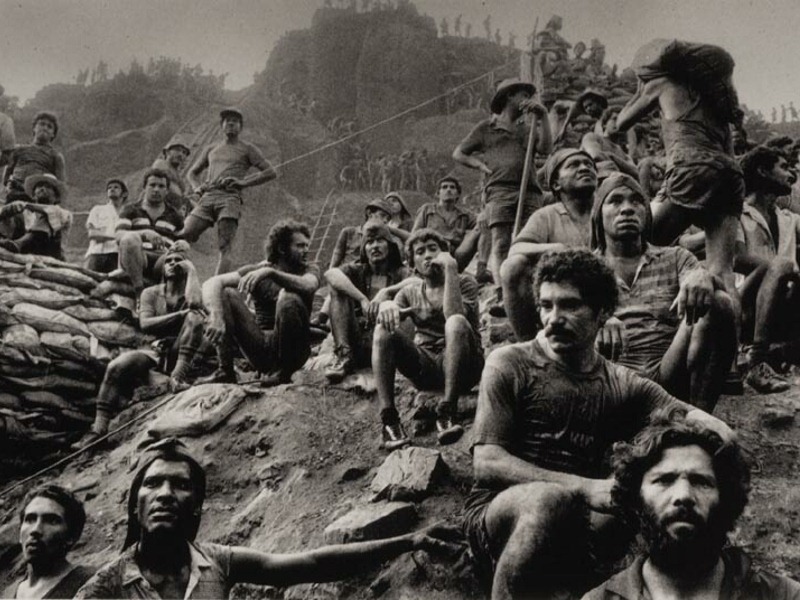
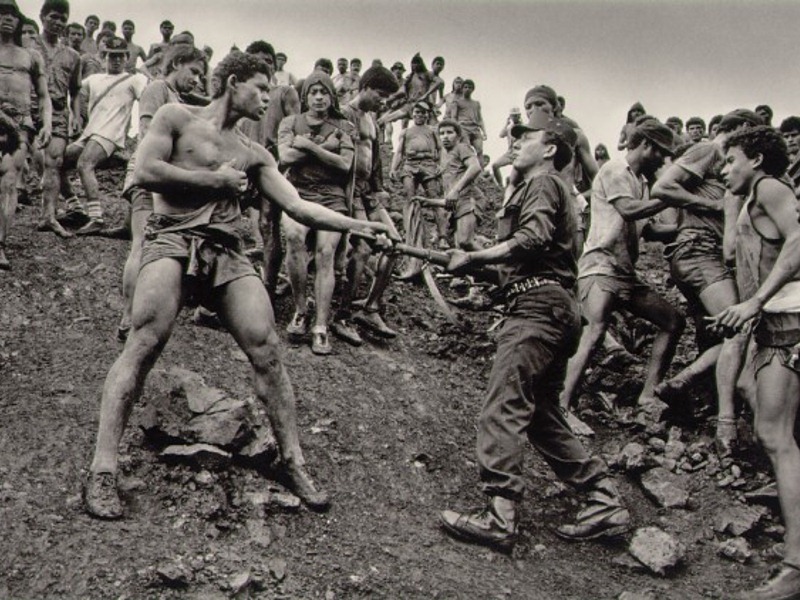
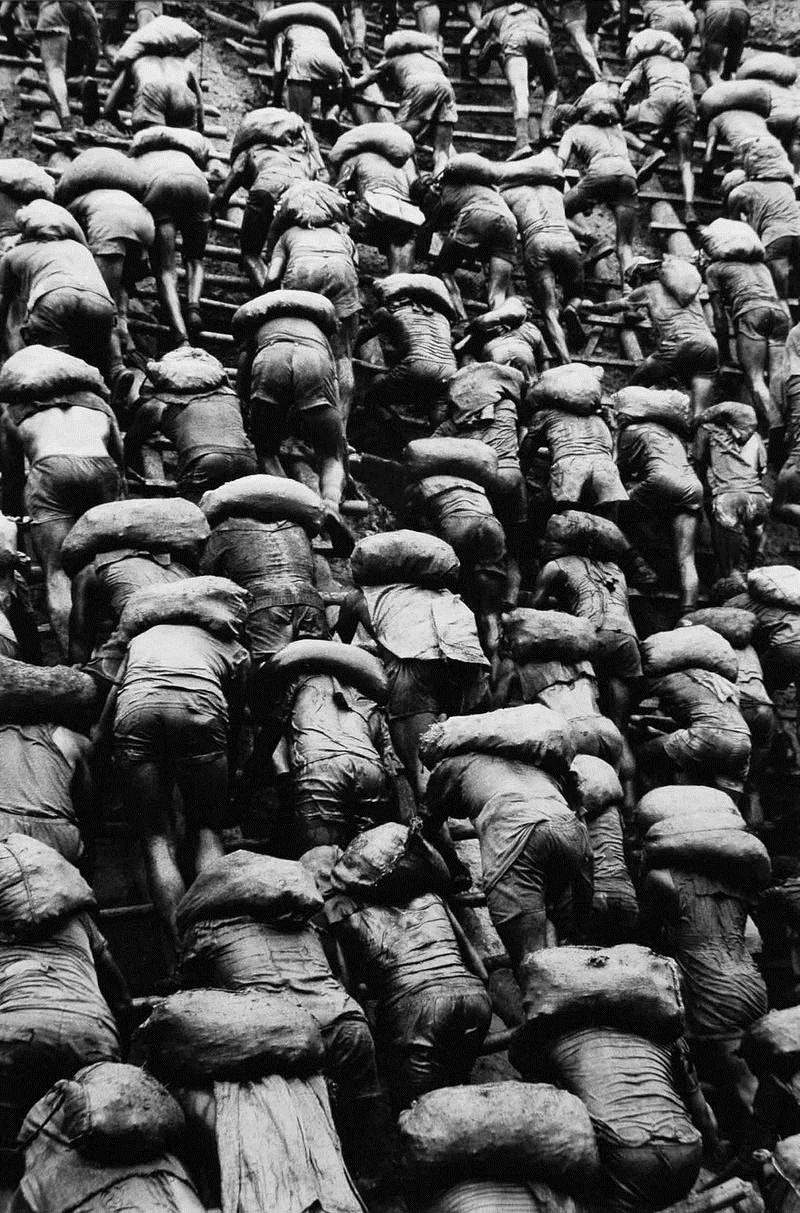
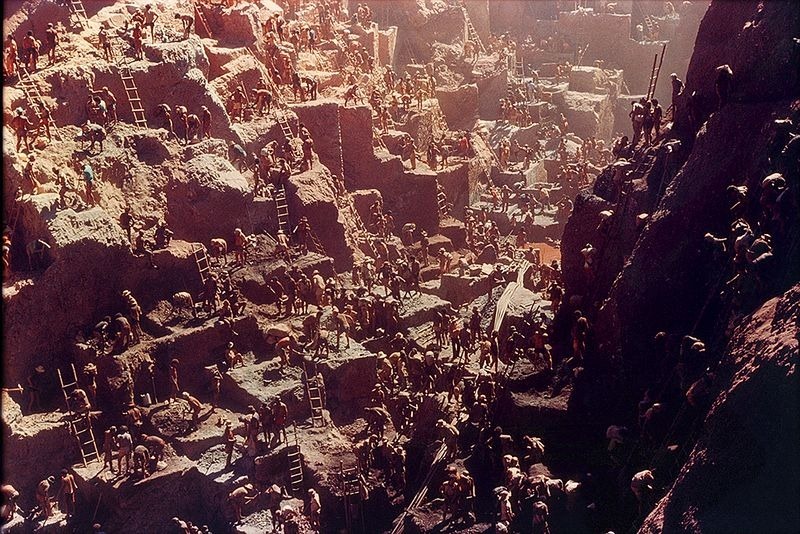
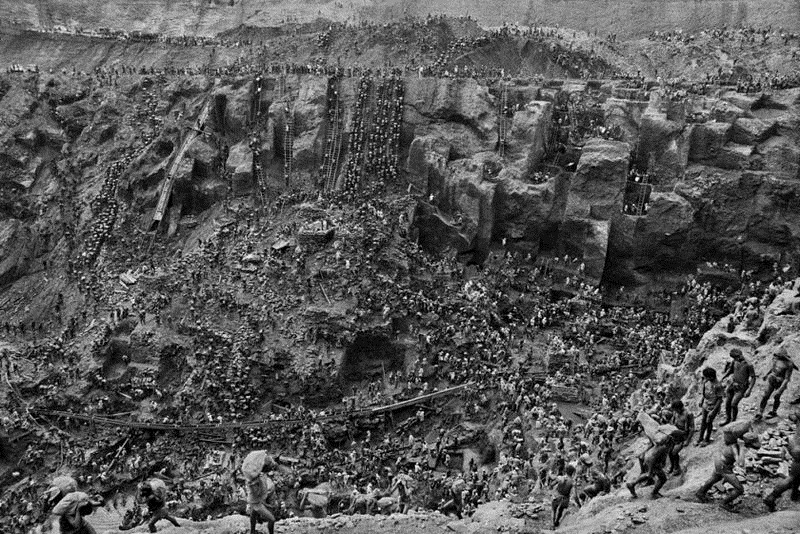
In the early 1980s, Brazilian photographer Sebastião Salgado travelled to the mines of Serra Pelada, some 430 kilometers south of the mouth of the Amazon River, where a notorious gold rush was in progress. A few years earlier, a child had found a 6-grams nugget of gold in the banks of a local river, triggering one of the biggest race for gold in modern history. Motivated by the dream of getting rich quickly, tens of thousands of miners descended into the site swarming like ants in the vast open-air pit they had carved into the landscape. Salgado took some of the most haunting pictures of the workers there, highlighting the hazardous conditions in which they worked and the sheer madness and chaos of the operation.

serra-pelada-1

Photo credit: Sebastião Salgado

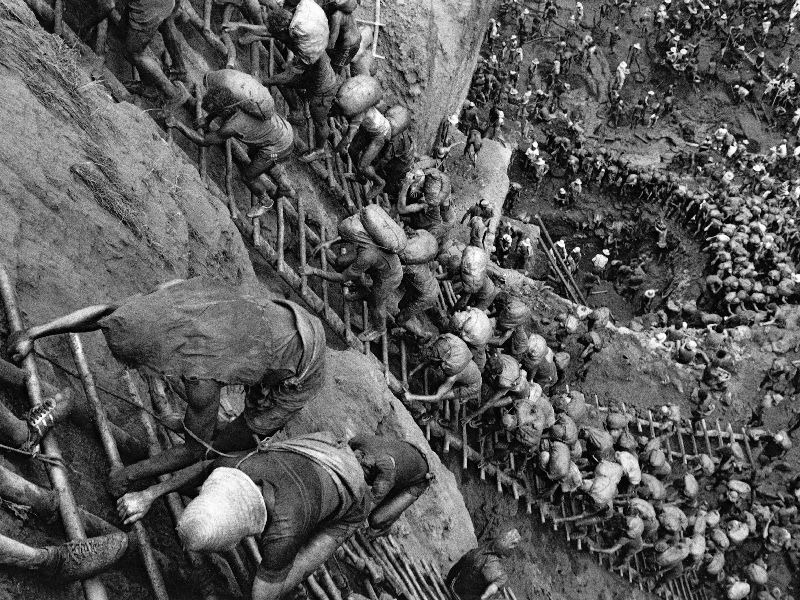
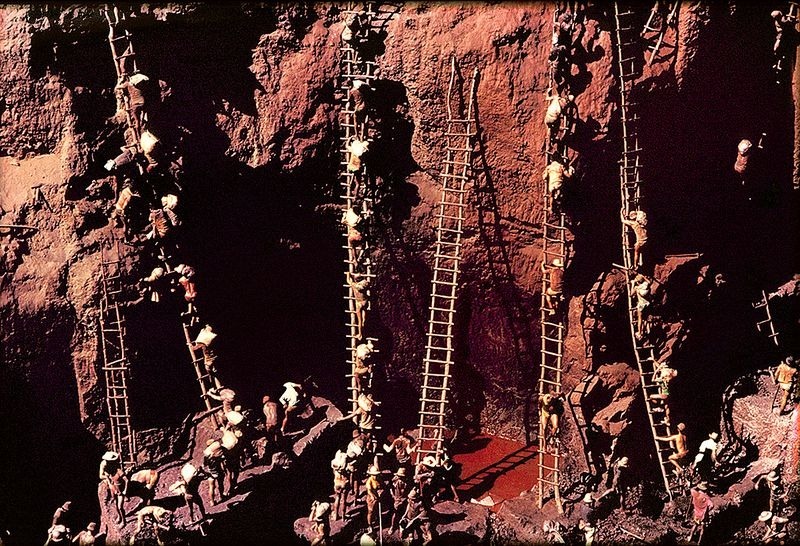
One of the most vertigo-inducing photograph of the series showed hundreds of workers swarming up tall ladders, scaling the cliff-like sides of a hellish hole. Later, when talking about the captivating images, Sebastião Salgado had said: “Every hair on my body stood on edge. The Pyramids, the history of mankind unfolded. I had travelled to the dawn of time.”

During its peak, the Serra Pelada mine employed some 100,000 diggers or garimpeiros in appalling conditions, where violence, death and prostitution was rampant. The diggers scratched through the soil at the bottom of the open pit, filled it into sacks each weighing between 30 to 60 kilograms, and then carried the heavy sacks up some 400 meters of wood and rope ladders to the top of the mine, where it is sifted for gold. On average, workers were paid 20 cents for digging and carrying each sack, with a bonus if gold was discovered. Thousands of underage girls sold their bodies for a few gold flakes while around 60–80 unsolved murders occurred in the nearby town, where the workers lived, every month.

Three months after the gold’s discovery, the Brazilian military took over operations to prevent exploitation of the workers and conflict between miners and owners. The government agreed to buy all the gold the garimpeiros found for 75 percent of the London Metal Exchange price. Officially just under 45 tons of gold was identified, but it is estimated that as much as 90 percent of all the gold found at Serra Pelada was smuggled away.

Mining had to be abandoned when the pit became flooded preventing further exploration. Geological surveys estimate that there could still be 20 to 50 tons of gold buried under the muddy lake, which the pit has now become.

In 2012, after remaining largely untouched for the last 20 years, a Brazilian cooperative company was granted an exploration license for the property in a bid to develop Serra Pelada.

serra-pelada-11

Photo credit: Sebastião Salgado

serra-pelada-12

Photo credit: Sebastião Salgado

sebastiao-salgado-serra-pelada-6

Photo credit: Sebastião Salgado

sebastiao-salgado-serra-pelada-8

Photo credit: Sebastião Salgado

serra-pelada-14

Photo credit: Sebastião Salgado

sebastiao-salgado-serra-pelada-4

Photo credit: Sebastião Salgado

sebastiao-salgado-serra-pelada-5

Photo credit: Sebastião Salgado

serra-pelada-9

Photo credit: Sebastião Salgado

serra-pelada-2

Photo credit: Rudi Böhm

serra-pelada-3

Photo credit: Rudi Böhm

Sources: Aljazeera / www.beetlesandhuxley.com / Buried in Mud, Digging for Gold / Wikipedia

Source………www.amusingplanet.com

Natarajan

How a school dropout built a Rs 60 crore business…? …An Inspiring Story !!!

From extreme poverty to building a company worth Rs 60 crore, Raja Nayak’s incredible rags-to-riches story is an inspiration.

Raja Nayak

At 17, Raja Nayak ran away from home.

Like millions before him, he wanted to escape the punishing life that poverty inflicts on its victims.

“I knew I had to earn money. I wanted to earn big money. That was my only focus then,” Raja Nayak, 54, tells me as we settle down in his plush new office in Bengaluru for the interview.

“I had realised as a young boy that it was very hard for my parents to send me and my four siblings to school. My father did not have a steady income and my mother had little to make ends meet often pawning whatever little valuables she had,” he says.

The penny dropped when Raja was loitering with his neighbourhood friends and was persuaded to watch a Hindi movie.

It was the 1978 film, ‘Trishul’, where a penniless Amitabh Bachchan eventually goes on to become a real estate baron.

Those three hours in the dark theatre ignited Raja’s mind and future path as it were.

“I was really taken up by the story. It felt so real to me. Suddenly, I believed that it was possible to make my dreams come true. I wanted to be a real estate baron too,” Raja says with a smile, quickly brushing off the source of his inspiration.

Riding on this belief, he escaped to Mumbai (Bombay then).

But it wasn’t going to be that easy, was it?

He returned home heartbroken, but his mind was constantly engaged in finding the right break.

Today, Raja has a total turnover of Rs 60 crore from his various enterprises that include MCS Logistics, a company he established in 1998 in international shipping and logistics, Akshay Enterprises that’s into corrugated packaging, Jala Beverages that manufactures packaged drinking water, Purple Haze that is in the wellness space with three beauty salon-and-spa centres in Bengaluru.

Nutri Planet (with three other directors and partners) that is working with Central Food Technological Research Institute (CFTRI) to bring products like energy bars and oil made out of Chia rice.

Besides these, he also runs schools and a college under the banner of Kalaniketan Educational Society for the underprivileged and disadvantaged sections of society.

Raja is also the President of the Karnataka chapter of Dalit Indian Chamber of Commerce and Industries (DICCI), where he says, they are inspiring the disadvantaged sections of society to dream big.

“We are making them aware of the opportunities available to make their dreams come true,” he says.

The first take: Small but sure

Son of Dalit migrants from a village in Karnataka, Raja was born in Bengaluru (Bangalore then) and spent the first 17 years of his life in the city without much exposure to the life outside.

Back then in the late 70s and 80s, Bangalore was a sleepy town. But I had this Punjabi friend, Deepak (who is no more), who had seen many more places than I because his father had a transferable government job. We lived in the same locality and I would end up spending most of my time with him.”

Raja gave up studies while he was in first pre-university course (PUC), and with Deepak as his partner, decided to sell shirts on the footpath.

“I had seen people selling wares on the footpath and some traders had even offered us money to sell it for them. We realized if they could make a good business out of this, why not us?” recalls Raja, who was quick to grasp this as an exciting opportunity.

Between them, the two friends collected Rs 10,000 and set out for Tiruppur in Tamil Nadu, a major garment and textile hub.

“My mother would sometimes hide some money in kitchen containers, and because I was her favourite she gave it to me.”

In Tiruppur, they bought export reject surplus shirts for Rs 50 each. They bundled them in a state road transport bus and came back to Bangalore, setting up ‘shop’ on the footpath outside the Bosch office.

“We had seen hawkers outside their gate before and thought it would be a good place to start, more so because it was near our neighbourhood,” says Raja.

It was a perfect plan. Most of the shirts that they had bought were either shades of blue or white.

The male employees of Bosch have a blue shirt as their uniform.

During the hour-long lunch break, Raja and his friend had sold all the shirts at Rs 100 each, making a tidy profit of Rs 5000.

“I had never seen so much money in my life. I was ecstatic,” Raja tells me, reliving that fantastic moment from his past.

Intoxicated by this early success, the two friends reinvested the amount and included more items to sell, going from one place to another to procure them.

“It was like we had wheels on our feet. This was just the beginning. We were not resting till we had made lots of money,” he says smiling.

They would buy cotton hosiery items and inner wear in kilos and set up stalls at large exhibitions employing a few boys to manage them. Whatever was left over, they would hawk them on footpaths.

In three years, they had set up a well-oiled business.

The two friends diversified into Kolhapuri chappals and footwear.

“Till now, no one had asked me which caste I belonged to. Most often people associate cobblers with the Dalit community, and it was here that I would be asked about my caste,” says Raja, replying to my earlier question if his caste ever came in the way of his business.

The bold scene: Take risks

According to Raja, “In all our businesses, we never lost any money.”

However, his friend had to move out of Bangalore, leaving Raja to continue the business on his own.

Around 1991, in the post liberalisation era, Raja started a corrugated packaging business, Akshay Enterprises, with another partner who had the knowhow of this market.

He says, “Wherever there was an opportunity, I encashed it.”

Real estate was also booming around this time, and Raja invested in property, making and reinvesting neat sums along the way.

So you see the pattern? He wanted to make money like everyone else, but what separated him from others was that instead of just wishing or whining, he kept his ear to the ground for any opportunity and never shied away from hard work.

“Like many people, I have also faced hurdles, but fortunately, the risks I took in business paid off,” says Raja.

It is in his personal associations and interactions that, he says, he was cheated by many people but refuses to elaborate.

“I often say this to people and students when I am invited to address them. Do not take my life as an example. It was all luck.”

But seriously, was it just luck?

If so, may be then fortune favours the brave. Because as Raja believes, taking risks is important if you want your dreams to come true.

“My neighbours and friends who I grew up with are still where they were — either employed in some company as clerks or as labour. Sometimes they come to me asking for money which I give. But those days, their condition was better than mine. Their father had a job, they went to school. I could not. But today, I share the dais with the VIPs of India. It is not only because of money. It is because of all the hard work and status I have built over the past 35 years,” he says, emphasising how the risks he took paid off.

The silent, angry young man Raja claims that he never faced discrimination based on his caste. Perhaps, he is being politically correct.

But sometimes silence speaks more than words.

Consider this — In the same lane where Raja and his family lived in Bengaluru in a house smaller than his new office where we are meeting (it is the latest Purple Haze outlet which was inaugurated earlier in the morning), Raja went on to build a four-storey building that houses his office on the top floor and his school below.

The school was started because not only was he unable to complete his education, but his sister was also denied admission.

“When I had some money, I rented a small house, hired a few teachers and started a nursery school for underprivileged children,” he informs me.

Clearly, the soft-spoken, suave entrepreneur I am talking to was an angry young man once.

There’s also this prejudice in society about not eating or drinking water from a low caste person.

So Raja decided to venture into the food business.

Though the eatery he started has shut down, the bottled drinking water venture, Jala Beverages, is doing well in the market.

The romantic interlude

The other driving force behind Raja’s multiple business ventures was his life partner, his wife Anita. “I kept diversifying because I knew there was someone to look after these businesses,” he says.

Anita came to Raja’s school looking for a job when she was around 16.

She is also a school dropout from a poor Dalit home. Her father was an autorickshaw driver.

Anita started helping around the school and later learned the administrative ropes.

“We actually eloped and got married in a temple. The only witness was one of the school staff,” reveals Raja, adding, that till today they do not have a formal marriage certificate.

A happy end

A lot has been written and debated about the suicide of a promising Dalit student in Hyderabad University recently, but stories like Raja’s give hope to the millions who feel oppressed because of a discriminating society like ours.

“I did not climb up using any reservation provisions. Nor have my children studied under any reservation quota (he has three sons). I put them in my school because I believe you do not need a fancy building to learn better. For me, a good school was where good English was taught.”

Raja says that it is not concessions, but connections that he seeks as a Dalit.


“Unfortunately, people from my community are only after government jobs. They do not look at self-employment favourably. At DICCI, we are trying to make them aware of the opportunities available to them. We want to have job creators rather than job seekers,” he says.

Though it took Raja a lot more than three hours to turn his life into a miracle that he witnessed on the silver screen as a teenager, he still has one big dream. “I want to be in the Rs 100-crore club. There are some companies there. Toh unse bhi milenge (I shall rub shoulders with them too).”

Yeah, that’s a great leveler.

For as Raja says, when it comes to business only money talks.

Source……….Dipti Nair Mumbai  in www. rediff.com

Natarajan

IN PICTURES: An Indian Artist Portrays Train Engines in a Way They Were Never Seen Before!

Kishore Pratim Biswas used to live near a locomotive workshop in Kolkata when he was a child. It was very easy for one to spot steam locomotives every now and then, and as an enthusiastic 5-year-old kid, he loved to run out and watch them go. He would then come back home and sketch what he saw. A giant locomotive surrounded by steam – the aura of that picturesque scene attracted him tremendously, and inspires him even today. The firemen and drivers at the workshop became his friends, and they would usually gather around to look at his sketches. He remembers listening to their stories and trying to sketch all their emotions on a piece of paper.

Today, 42-year-old Kishore has his art studio in Mumbai and he is working on a series of paintings based on this memory. He calls the series the ‘Nostalgia of Steam Locomotives’. He graduated in Fine Arts from Government College of Art & Craft, Kolkata, spent a few years in his hometown, and then moved to Mumbai in 2009.

In spite of all the years that have passed, the nostalgia still lingers on. Have a look at these incredible sketches to understand his bond with locomotives.

kishor10

kishor9


kishor8

kishor7

kishor6

kishor5

kishor3

kishor1


Source………Tanaya Singh in http://www.the betterindia.com

Natarajan
” இறைவனின் அழைப்பை உணர்ந்த போது……”

அண்ணல் காந்தி “நான் 125 ஆண்டுகள் வாழ்வேன்’ என்று பல முறை சொல்லியிருக்கிறார். ஆனால், தனது 79-ஆவது வயதிலேயே இறைவனடி சேர்ந்துவிட்டார்.
ஞானிகளும், யோகிகளும், சித்தர்களும் தாங்கள் இறக்கும் காலம் எப்போது என்பதை முன்னதாகவே உணர்ந்து, அறிவிக்கும் சக்தி படைத்தவர்கள் என்பார்கள். சுவாமி விவேகானந்தர் தன் ஆன்மா பிரியும் நாளை, வங்காளப் பஞ்சாங்கத்தைப் பார்த்து, தானே முடிவு செய்து கொண்டார்.
அதேபோல், மகான் காந்தியும் தனது இறுதிக் காலம் நெருங்கிவிட்டது; இறைவனின் அழைப்பு வந்துவிட்டது என்பதை உணர்ந்தார்; அந்த உள்ளுணர்வை வெளிப்படுத்தவும் செய்தார் தன் சொல்லாலும், செயலாலும்.
இறப்பதற்கு முந்தைய நாள் (29.01.1948) அந்த உள்ளுணர்வைத் தெளிவாக வெளிப்படுத்தினார்.
அன்று மதிய உணவு வேளையின் போது, தில்லி பிர்லா பவன் புல்வெளி அரங்கில் அமர்ந்திருந்தார். அப்பொழுது நேருஜியின் சகோதரி கிருஷ்ணா ஹதீசிங், கவிக்குயில் சரோஜினி நாயுடு, இந்திரா காந்தி, நான்கு வயதான ராஜீவ் காந்தி – ஆகிய நால்வரும் வந்தார்கள். வண்ண வண்ண உடைகள் அணிந்திருந்த அவர்களைப் பார்த்து “இந்த ஏழையைப் பார்ப்பதற்கு இளவரசிகள் வந்திருக்கிறார்களோ!’ என வேடிக்கையாகப் பேசி வரவேற்றார் காந்திஜி. “முன்பை விட உங்கள் உடல் தேறியிருக்கிறது: மிகவும் நேர்த்தியாகக் காணப்படுகிறீர்கள்’ என்று ஹதீசிங் சொன்னதற்கு, காந்திஜி பதில் எதுவும் பேசவில்லை.
அவ்வேளையில் சிறுவன் ராஜீவ், அங்கே சிதறிக்கிடந்த மலர்களை தன் இரு கைகளாலும் சேகரித்து எடுத்து, அண்ணலின் அருகில் சென்று, அவரது காலடிகளில் வைத்தான். உடனே காந்திஜி, ராஜீவைப் பிடித்து, அவரது காதை செல்லமாகக் கிள்ளியபடி “நீ இதைச் செய்யக் கூடாது. மலர்களை இறந்தவர்களின் காலடியில் வைப்பது தான் வழக்கம்’ என்று சொன்னார்.

ஒருமணி நேரம் கழித்து, பிரபலமான “லைஃப்’ பத்திரிகை நிருபர் “மார்கரெட் பூர்சி ஒயிட்’ அண்ணலிடம் பேட்டிக்காக சந்தித்தார். அதுவே காந்திஜி அளித்த கடைசிப் பேட்டியாக அமைந்தது. அந்த நிருபர் “125 வயதுவரை வாழ வேண்டும் என்ற விருப்பம் உங்களுக்கு இருக்கிறதா?’ என்று கேட்க, அதற்கு அண்ணல், “அந்த நம்பிக்கையை நான் இழந்துவிட்டேன். இன்று உலகில் நிகழும் கொடிய நிகழ்வுகளே அதற்குக் காரணம். இருண்ட உலகத்தில் நான் வாழ விரும்பவில்லை’ என்று சற்று அழுத்தமாகவே சொன்னார்.
அதன்பின் மதக்கலவரங்களால் பாதிக்கப்பட்டு, வீடுகளை, சொத்துக்களை இழந்த ஒரு கிராம மக்கள் கூட்டம் காந்தியைச் சந்தித்தது. வந்தவர்களில் பலர் கண்ணீர் விட்டு அழுது கொண்டே கை வணங்கி நின்ற போது, உணர்ச்சி வசப்பட்ட ஒரு நபர் கோபத்தோடும், வேகத்தோடும் காந்தியை நோக்கி “நீங்கள் எங்களுக்கு செய்த தீங்குகள் போதும், எங்களை முழுமையாக அழித்து விட்டீர்கள், எங்களை விட்டு விடுங்கள். நாங்கள் பார்த்துக் கொள்வோம். நீங்கள் இமயமலைக்குச் சென்று விடுங்கள். அது போதும் எங்களுக்கு’ என்று கொடிய சொற்களை கொட்டித் தீர்த்தார். இது அண்ணலின் மனதை அதிகம் பாதித்திருக்க வேண்டும். ஆகவேதான், தன் பேத்தி மனு பென் இடம் “ஏழைகளின் இந்த கோபக்குரல் எனக்கு இறைவனின் குரலாகவே தோன்றுகிறது. இறைவன் எனக்கு அனுப்பும் மரண எச்சரிக்கையாக இதனை நான் கருதுகிறேன். ஆனால், ஒன்றை உறுதியாகச் சொல்வேன். இமயமலையில் எனக்கு அமைதி கிடைக்காது. அவதியுறும் என் மக்களுக்கு உதவுவதே எனக்கு அமைதியைக் கொடுக்கும். மக்களுக்கு மத்தியில் நான் வாழ விரும்புகிறேன். குழப்பத்திற்கு மத்தியிலேயே நான் சாக விரும்புகிறேன். இறைவன் எப்பொழுது வேண்டுமானாலும் என்னை எடுத்துக் கொள்ளட்டும். (I want to find peace in the midst of my people: I want to die in the turmoil. God may take me away any time as He wills) என்று சொன்னார்.
இந்த நிகழ்வு அவர் நெஞ்சை மிகவும் பாதித்தது. ஆகவே தான், இரவு படுக்கைக்குச் செல்லும் முன்பு, தன் நீண்ட கால சகாவான பிரிஜ் கிருஷ்ணா சந்தி வாலாவிடம் “இதனை இறைவன் எனக்கு அனுப்பிய இறுதி எச்சரிக்கையாக எடுத்துக் கொள்ள வேண்டும்’ என்று திரும்பவும் சொன்னார்

கடுமையான இருமலுக்காக டாக்டர் சொன்ன பெனிசிலின் மாத்திரையை எடுத்துக் கொடுத்த போது, என்றுமில்லாத வகையில் கோபத்தை வெளிப்படுத்திச் சொன்னார். “நான் நோயால் அல்லது கட்டியால் இறக்க நேர்ந்தால், இவன் ஒரு “போலி மகாத்மா’ (False Mahatma) என்று எல்லோரும் ஒன்று சேர்ந்து உரக்கச் சொல்லுங்கள். ஆனால், ஒரு எதிர்பாராத நிகழ்வால் அல்லது ஒருவனின் துப்பாக்கிக் குண்டுகள் என் நெஞ்சிலே பாய்ந்து, எந்த ஏக்கமும் இல்லாமல், ராம நாமத்தை என் உதடுகள் உச்சரித்தவாறே, என் உயிர் போகுமானால், அப்பொழுது இவன் உண்மையான மகாத்மா (True Mahatma) என்று நீங்கள் சொல்லலாம்…’
அண்ணலின் இறுதி நாளான, ஜனவரி 30 அன்று, மாலை 4 மணி அளவில் சர்தார் படேலுடன் ஆழ்ந்த உரையாடலில் ஈடுபட்டிருந்தார். அது சமயம் அவரைச் சந்திப்பதற்காக, அவரது சொந்த மாநிலமான “கத்தியவாரி’லிருந்து இரண்டு தலைவர்கள், முன் அறிவிப்பு எதுவும் இல்லாமல் வந்திருப்பதாகச் சொன்னார்கள். அதைக் கேட்டவுடன் “பிரார்த்தனை கூட்டம் முடிந்த பின், அவர்களைச் சந்திப்பதாக சொல்லுங்கள். அதுவும் அப்பொழுது நான் உயிரோடு இருந்தால்’ என்று சொன்னார்.
இதற்கு சில மணி நேரத்திற்கு முன்னால், காந்தி இருமலுக்காக எடுக்க வேண்டிய மருந்தை – கிராம்பும் வெல்லமும் சேர்ந்த கலவையை – எடுத்து வருகிறேன் என்று மனு பென் சொன்ன போது “இன்று இரவுக்குள் என்ன நடக்கும் என்பதை யார் அறிவார்? நான் உயிருடன் இருப்பேனா? என்பது கூடத் தெரியாதே’ என்று குறிப்பிட்டார்.
இவ்வாறு, தனது இறுதிக் காலம் நெருங்கி விட்டது. இறைவனின் அழைப்பு வந்து விட்டது. தனது மரணம் ஒரிரு நாள்களில் நிகழும் என்பதை மற்ற மகான்கள், ஞானிகள், சித்தர்கள் போல் மகாத்மா காந்தி அடிகளும் முன்னதாகவே உணர்ந்தார். அந்த உள்ளுணர்வை பலமுறை வெளிப்படுத்தவும் செய்தார்.

ஜனவரி 30-ஆம் நாளன்று அண்ணல் மூன்று முக்கிய செயல்களில் ஈடுபட்டார் எனச் சொல்லலாம். “பிரிவினைக்குப் பின் நிகழ்ந்து வரும் குழப்பங்களையும் கொடுமைகளையும் பார்த்த பின்பும் காந்திஜி பாகிஸ்தானின் மீது மென்மையான போக்கைக் கடைப்பிடிக்கிறாரே என்று குற்றம் சாட்டி, காந்திஜியின் சேவை இனி தேசத்திற்குத் தேவை இல்லை. அவர் இமயமலைக்குத் துறவியாகச் செல்வதே உசிதம்’ என்ற குரல் வலது சாரிகள், மதவாதிகள், பிற்போக்குவாதிகளிடமிருந்து பலமாக ஒலிக்கத் தொடங்கியது. ÷ஆனால், காந்தியோ தன் அமைதிப்பணி, தான் இல்லாவிட்டாலும், தொடர வேண்டியது முன்பை விட மிகமிக அவசியம் எனக் கருதியிருக்க வேண்டும். ஆகவேதான், அன்று எவரும் எதிர்பாராத வகையில் அங்கிருந்தவர்களை ஒரு குறிப்பிட்ட குஜராத்தி பஜனைப் பாடலைப் பாடும்படி பணித்தார்.
அந்த பாடல் வரிகளின் பொருள்:
“ஓ! மனிதா! நீ களைப்படைந்தாலும், இல்லா விட்டாலும், ஓய்வு எடுக்காதே! உன் போராட்டத்தை நிறுத்தாதே! தனிமனிதனாக அதனைத் தொடர்ந்து நடத்து’ என்பதாகும்.
தான் மறைந்தாலும், ஒவ்வொரு தனிமனிதனும் தன் போராட்டத்தைத் தொடர வேண்டும் என மகாத்மா எண்ணியதால் தான், இப்பாடலைப் பாடச் சொல்லியிருக்க வேண்டும்.
“தேசம் இன்று இருக்கும் சூழலில் நேரு, படேல் ஆகிய இரு தலைவர்களும் இணைந்து செயல்பட வேண்டும். அவர்களது அறிவும், ஆற்றலும், சேவையும், அர்ப்பணிப்பும் தேசத்திற்குத் தொடர்ந்து கிடைக்க வேண்டும்’ – என்ற ஆவலை அண்ணல் உறுதிபட வெளிப்படுத்தினார். அதற்கு சர்தார் படேல் இசைவு தெரிவித்தார். அன்றைய தினத்தில் அண்ணலின் இரண்டாவது முக்கியமான பணி இது.
மூன்றாவதாக, காங்கிரஸ் பேரியக்கத்தின் இலட்சியம், அணுகுமுறை, செயல்பாடு ஆகியவற்றைத் திருத்தும், வரைவு ஆவணத்தைத் (Draft Document) தயாரிக்கும் பணியில் மும்முரமாக ஈடுபட்டிருந்தார். இதனை காங்கிரஸின் கடைசி அத்தியாயத்தைக் காந்திஜி எழுதிக் கொண்டிருந்ததாகச் சொல்வார்கள். அதே நாளில் தான், நாதுராம் கோட்சே, காந்திஜியின் கடைசி அத்தியாயம் எழுதப்படுவதற்கான திட்டத்தைத் தீர்க்கமாக, வகுத்துக் கொண்டிருந்தான்.

பிரார்த்தனைக் கூட்டத்திற்கு சரியாக 5 மணிக்கு செல்பவர் மகாத்மா. அன்று 10 நிமிடங்கள் தாமதமாகி விட்டதை அறிந்த அண்ணல், தன்னையே நொந்து கொண்டு “நான் என்னையே சிதைத்துக் கொள்ள வேண்டியது தான்’ என்று சொன்னார். அவைதான் அண்ணலின் வாயிலிருந்து வந்த கடைசி வார்த்தைகள்.
காலதாமதம் ஆகிவிட்டதால், என்றுமில்லாத வகையில் வேகமாக நடந்தார் காந்திஜி. எதிரே ராணுவ பாணியில் காக்கி உடை அணிந்திருந்த கோட்சே, காந்திஜியின் முன் வந்து வணங்கினான். பதிலுக்கு காந்திஜியும் இருகரம் கூப்பி வணங்கினார். கூப்பிய கைகளை எடுக்கும் முன்பாக, கோட்சே, தன் கைத் துப்பாக்கியால் காந்திஜியின் நெஞ்சை நோக்கி 3 முறை சுட்டான். “ஹே! ராம்’ என்ற வார்த்தைகள் அண்ணலின் வாயிலிருந்து கடைசியாக வந்தன. நிலைகுலைந்து மண்ணில் சாய்ந்தார் மகாத்மா.
கூடியிருந்தவர்கள் அனைவரும் அதிர்ச்சிக்குள்ளானார்கள். பலர் பயந்து ஓடினார்கள். பலர் கதறி அழுதார்கள். அதிர்ச்சிக்கு உள்ளாகாமல், ஆடாமல் அசையாமல் அப்படியே நின்றிருந்தான் கோட்சே. அவன் தப்பிச் செல்ல எந்த முயற்சியும் எடுக்கவில்லை. ஆனால், அமெரிக்கத் தூதரகத்தின் இளம் அதிகாரி-ஹெர்பர்ட் டாம் ரெய்னர்-கோட்சேயின் தோள்களைக் கெட்டியாகப் பிடித்துக் கொண்டு காவல் அதிகாரி வந்தவுடன் ஒப்படைத்தார்.
அண்ணலின் உடலை மனு பென் தன் மடியில் வைத்துக் கொண்டார். அங்கிருந்த ஓர் இளம் பெண் மருத்துவர், காந்திஜியைத் தொட்டுப் பார்த்தார். உயிர் பிரிந்து விட்டது என்பதை அறிந்தார். ஆனால், அதனை அறிவிக்க அவருக்கு மனோதிடம் வரவில்லை.
செய்தி அறிந்தவுடன் தன் மகள் மணிபென் உடன் முதலில் ஓடிவந்தவர் சர்தார் படேல். அதிர்ச்சியடைந்த நிலையில், அண்ணலின் மணிக்கட்டைப்(Wrist) பிடித்துப் பார்த்தார். இதயம் இன்னும் கொஞ்சமாவது இயங்கும் அறிகுறி இருக்கிறதா? என்ற ஏக்கத்தோடு பார்த்தார் படேல். ஆனால், அந்த அறிகுறி எதுவும் இல்லை போலும்.
அடுத்து வந்த டாக்டர் பி.பி. பார்கவா, உயிர்பிரிந்து 10 நிமிடங்கள் ஆகிவிட்டன என்பதை அறிவித்தார். கூடியிருந்தோர் அழுது புலம்பினர்.
அடுத்து ஓடிவந்து சேர்ந்தவர் அண்ணலின் மகன் தேவதாஸ் காந்தி. அவரது மகன் கோபாலும் உடன் வந்திருந்தார். தன் தந்தையின் கைகளைப் பிடித்துக் கொண்டு கதறினார். காந்திஜியின் காதருகே தன் முகத்தை வைத்துக் கொண்டு, “பாபு! ஏதாவது சொல்லுங்களேன் என்று அழுதுகொண்டே கேட்டார். அழு குரல் விண்ணை எட்டியது.

அப்போழுது, சர்தார் படேல் “மற்றவர்கள் அழலாம். கண்ணீர் வடித்து தங்கள் துக்கத்தைக் கரைத்துக் கொள்ளலாம். நான் அதைச் செய்ய முடியாதே! என் செய்வேன்! என்றார்.
அடுத்து வந்து சேர்ந்த பண்டித நேரு, ரத்தக் கறை தோய்ந்த காந்திஜியின் உடையில் முகத்தைப் புதைத்துக் கொண்டு, ஒரு குழந்தையைப் போல, தேம்பித் தேம்பி அழுதார். படேல், நேருஜியின் முதுகில் மெதுவாக வருடி, அவரை அமைதிப்படுத்த முயன்றார். நேருவும், படேலும் ஒருவரை ஒருவர் கட்டித் தழுவிக்கொண்டு எவரும் கட்டுப்படுத்த முடியாத அளவில் விம்மி, விம்மி அழுதார்கள். (They embraced each other and sobbed uncontrollably). இந்திய தேசத்தின் பிரதம மந்திரியும், உள்துறை அமைச்சரும், தன் தந்தையை இழந்த மகன்களைப் போல் ஒருவரை ஒருவர் தழுவிக் கொண்டு, அழுது கொண்டிருப்பதைப் பார்த்து பதை பதைத்துப் போனார்கள் மக்கள்.
மக்கள் கூட்டம் கூடிக் கொண்டே இருந்தது. கூட்டத்தை விலக்கிக் கொண்டு உள்ளே நுழைந்தார் கவர்னர் ஜெனரல் மௌண்ட் பேட்டன். அப்பொழுது ஒரு இளைஞன் கோபமாக “காந்திஜியை ஒரு முஸ்லிம் கொலை செய்து விட்டான்’ (It was a muslim who murdered gandhiji) எனக் கூக்குரலிட்டான்.
அது கேட்ட மௌண்ட் பேட்டன் “ஏ முட்டாள்! காந்தியைக் கொன்றவன் ஒரு இந்து’ (you fool! It was a Hindu) என்று உரக்கக் கத்தினார். இதனை உடனே சொல்லியிருக்காவிட்டால், நிலைமை பயங்கரமானதாக மாறியிருக்கும் என்கிறார்கள் வரலாற்று ஆய்வாளர்கள்.
நேருஜியும், படேலும் அதிர்ச்சியாலும் துக்கத்தாலும் நிலைகுலைந்து நின்றார்கள். அப்பொழுது மௌண்ட் பேட்டன், நேருஜியை படேல் அருகில் அழைத்துச் சென்று, இருவரிடமும் மெதுவாக “நீங்கள் இருவரும் இணைந்தே இருக்க வேண்டும் என்பது தான் காந்திஜியின் கடைசி ஆசை’ என்றார். அதனைக் கேட்டு, இருவரும் மனம் வெதும்பினார்கள். ஒருவரை ஒருவர் தழுவிக் கொண்டு அழுதார்கள். சமரசப் பேச்சு மூலம் சாதிக்க முடியாத இருவரின் ஒற்றுமையை, காந்திஜியின் மரணம் சாதித்துக் காட்டியது.
அண்ணலின் உடலைப் பதப்படுத்தி, பாதுகாப்பாக வைத்து, மக்களும், விஜயம் செய்யும் வெளி நாட்டுத் தலைவர்களும் அஞ்சலி செலுத்தும் வகையில், ஒரு நிரந்தர ஏற்பாட்டைச் செய்யலாமா? என்ற கேள்வி எழுந்தது. அப்பொழுது, அண்ணலின் செயலாளர் பியாரேலால் “அண்ணல் அது கூடாது என்று ஏற்கெனவே சொல்லியிருக்கிறார்’ என்றார்.

இந்த விவாதம் தொடர்ந்த போது, பொறுமை இழந்த நேருஜி, “ஏன் காலம் தாழ்த்துகிறீர்கள்? என்ன எற்பாடு செய்ய வேண்டும் என்பதை பாபு-விடமே கேட்போம்,’ (Why waste time! Lets us go and ask Babu what arrangements must be made) என்றார். அதனைக் கேட்டு கூடியிருந்த அனைவரும் அழத் தொடங்கிவிட்டார்கள்.
அண்ணலின் இறுதிப் பயணத்திற்கான ஏற்பாடுகள் செய்யப்பட்டன. காந்திஜி சுடப்பட்ட போது, மனுவின் கையிலிருந்து விழுந்த மலர் மாலை, அண்ணலுக்கு அணிவிக்கப்பட்டது. கதர் மாலையும் சூட்டப்பட்டது. தலைக்குப் பின்னால் “ஹே! ராம்’ என்று எழுதப்பட்டது. கால் அருகில் “ஓம்’ என எழுதப்பட்டது. உடம்பை மலர்களாலும், அண்ணலே நூற்று நெய்த கதர் ஆடையாலும் மூடத் தொடங்கினார்கன். அப்பொழுது மகன் தேவதாஸ். “பாபுவின் நெஞ்சை மட்டும் (மலர்களாலோ, ஆடையாலோ) மூடாதிர்கள். அது திறந்தே இருக்கட்டும். ஏனென்றால் பாபுவைப் போன்ற நேர்த்தியான நெஞ்சு, உலகில் எந்த வீரனுக்கும் இல்லை’ (I asked for the chest to be left bare. No soldier ever had a finer chest than Bapu’s  என்று சொன்னார்.
பாபுஜிக்குப் பிடித்தமான பஜனைப் பாடல்களை மிகவும் மென்மையான குரலில் பாடிக் கொண்டிருந்தார்கள். அதனைக் கேட்ட நேருஜி, பாடகர் குழுவை நோக்கி ஓடினார். “ஏன் மென்மையாகப் பாடுகீறீர்கள்! உரக்கப் பாடுங்கள்! யார் கண்டார்கள்! உங்கள் பாடல் கேட்டு பாபு எழுந்து வந்தாலும் வந்துவிடுவார்’ – (Sing louder; who knows Bapu may wake up) என்று உணர்ச்சி பொங்கக் கூறினார்.
காந்திஜியின் வாழ்க்கையே ஒரு வரலாறு. அவரது மரணமும் ஒரு தனி வரலாறு. அவர் சுடப்பட்ட போது “ஹே! ராம்!’ என்றார். அவரைச் சுட்டவனும் “ராம்’ என்ற பெயரைக் (நாதுராம் கோட்சே) கொண்டவனாக இருக்கிறானே! கொடுத்தவனே எடுத்துக் கொண்டானா! படைத்தவனே பறித்துக்கொண்டானா?
விடை காண முடியாத வினா இது!
அண்ணல் காந்தி ஓர் அணையா ஜோதி! அந்தத் தீப ஒளியில், அவர்காட்டிய வழியில் நடப்போம் நாம்!

(இன்று மகாத்மா காந்தியின்
69-ஆவது நினைவு தினம்.)
“ஒரு எதிர்பாராத நிகழ்வால் அல்லது ஒருவனின் துப்பாக்கிக் குண்டுகள் என் நெஞ்சிலே பாய்ந்து, எந்த ஏக்கமும் இல்லாமல், ராம நாமத்தை என் உதடுகள் உச்சரித்தவாறே, என் உயிர் போகுமானால், அப்பொழுது இவன் உண்மையான மகாத்மா என்று நீங்கள் சொல்லலாம்…’

Source……..முனைவர் அ. பிச்சை in http://www.dinamani.com

Natarajan