Hiding in plain sight; Rangoli, Kolam designs and what they mean…


Every day, my mother religiously performed a ritual. Rain or shine, she never skipped this ritual even for a day. Every day, she drew enchanting kolam patterns using rice flour.
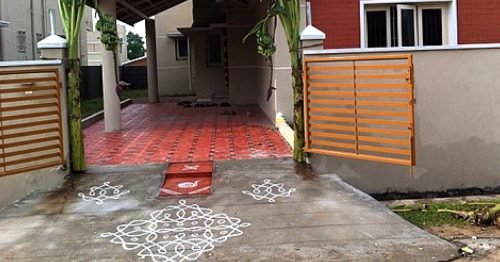
On special occasions, the white kolam designs were made with wet rice flour paste accompanied by thick strips of earth colored borders made with red sand mixed with water.

My mother is proud of her kolam design skills. She is not alone. It seems no self-respecting South Indian woman will tolerate anyone questioning her ability to conjure up kolam designs at will.

Millions of women from different communities in South India practice this art form every day.

For over 38 years, I considered Kolam to be just another ritual among the long list of rituals Indian women seem to follow. However, when I decided to dig deeper to understand the significance of kolam designs, I was surprised at what I discovered.

The threshold is a key concept in Tamilian culture. Even historical Tamil literature such as the Sangam literature (Tamil literature in the period spanning 300BC to 300 CE) is divided into the akam (inner field) and the puram (outer field).

That’s not all.

In one of Nammalvar’s (the fifth among the 12 Alwar saints who espoused Vaishnavism) hymns, the God in the poem is the God of the threshold. Of course, every newly married bride formally becomes a part of the household when she steps overs the threshold.

Should we then conclude that kolam designs are a celebration of the threshold?

Different interpretations of the significance of kolam designs

Here are a few explanations I came across in my quest to unearth the real significance of the kolam ritual.

The most common understanding has been that the idea of using rice flour is to provide food to ants, insects and small birds.

If that is the case, what’s stopping men from participating in this noble deed?

While I did not find an answer, a common sense reasoning is that women have traditionally carried the burden of maintaining the home and the kolam ritual automatically became a part of the woman’s domain.

That’s also a reason why my mother and my aunts believe that women see it as a key ritual that helps them improve their concentration and patience, two key components needed to run a household!

Here is another interpretation recorded in Lance Nelson’s study of Kolam.

“Bhumi Devi [earth goddess] is our mother. She is everyone’s source of existence. Nothing would exist without her. The entire world depends on her for sustenance and life. So, we draw the kolam first to remind ourselves of her. All day we walk on Bhumi Devi. All night we sleep on her. We spit on her. We poke her. We burden her. We do everything on her. We expect her to bear us and all the activities we do on her with endless patience. That is why we do the kolam.”

According to Devdutt Pattnaik, author and mythologist –

“A downward pointing triangle represented woman; an upward pointing triangle represented man. A circle represented nature while a square represented culture. A lotus represented the womb. A pentagram represented Venus and the five elements.”

Kolams connects the dots in more than one way.

Cultural practices are common across the length and breadth of India. They also transcend regions.

The concept of Kolam is definitely not unique to Tamil speaking community in India. For example, in the Telugu language, it is called ‘Muggulu’, and it’s known as ‘Rangoli’ in the Kannada language.

But the idea of drawing patterns on the ground transcends India and can be found in other cultures as well!

Anil Menon, a computer scientist, and a speculative novelist has compiled findings from his research on similar practices among cultures separated by oceans. Here are some tidbits from Menon’s work.

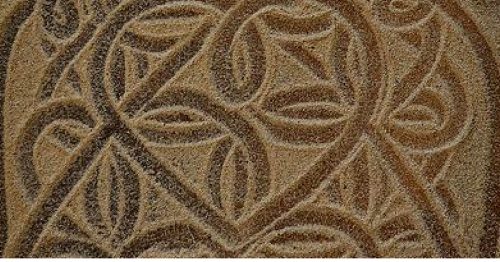
British anthropologist, John Layard, found that the patterns drawn on the sand by the tribal population of Malekula (an island that’s a part of The Republic of Vanuatu, situated 1000 miles east of Australia) are similar to the kolam patterns popular in Tamil Nadu!

Here is the proof.


There is also a possibility that kolam designs were an early form of pictorial language!

Dr Gift Siromani, through his path-breaking work, has proved that it is possible to create any kolam pattern using a combination of strokes.

Rituals and cultural practices are to be cherished

I did not think much of the kolam designs my mom drew every day. But a sudden spark of curiosity led me to unexpected findings and the joy of discovering human beings are connected to each other in more ways than we can imagine.

Physical boundaries, cultural differences, and racial definitions are just imaginary barriers we have erected over a period of time. Our lives are always connected just like the dots of the kolam my mom draws.

SOURCE….Srinivas Krishnaswamy in http://www.the betterindia.com

Natarajan
வாரம் ஒரு கவிதை ….” மழை நீர் போல …”


மழை நீர் போல …
——————–
வறண்டு கிடக்கும் பூமி …வானம் திறக்குமா கண் ?
மேலும் கீழும் பார்ப்பது உழவன் மட்டுமல்ல இன்று !
அடுக்கு மாடி கட்டிடக் குவியல் கூட்டில் குடி இருக்கும்
நகரத்துப் “பறவைகளும்” மழை தேடி வானிலை
அறிக்கையை காலையும் மாலையும் அலசும் அவலம் இன்று !
மழை நீரை முத்தமிட துடிக்கும்  வறண்ட பூமி நனையுது
மழை நீர் போல பெருகி வரும் உழவன் அவன் கண்ணீரில் !
குடிக்க நீர் இன்றி தவிக்கும் அடுக்கு மாடி “பறவைகள்”
வழி மேல் விழி வைத்து காத்திருக்குது  தினமும் ஒரு
லாரி தண்ணீருக்கு !
தண்ணீரும் பணமாக மாறும் காலம் இது ..மழை
நீர் சேமிப்பின் மதிப்பு உணராத மனிதன் கொடுக்கிறான்
நீருக்கு ஒரு விலை இன்று !
மழை வெள்ளம் வரும் நேரம் “இது என்ன பேய் மழை”
என்று அலறிய மனிதன் குரல் கேட்டு வானமும்
மனம் உடைந்து “கண்ணீர் ” விடவும் மறந்து போனதோ ?
தினம் தினம் தண்ணீர் தண்ணீர்  என்று மனிதன்
கண்ணீர் விட்டு என்ன பயன் இன்று ?
மாற வேண்டும்  மனிதன்… மாற்றி யோசிக்கவும்
வேண்டும் …வானமும் மகிழ்ந்து  தன் ஆனந்தக்
கண்ணீரால்  நனைக்க வேண்டும் இந்த பூமியை !
மனிதனுக்கும் புரிய வேண்டும்  எந்த நீர்
ஆனாலும்  மழை நீர் போல ஆகுமா  என்று !
Natarajan….
in http://www.dinamani.com dated  13th August 2017

இவருக்கு கை கிடையாது… அவருக்கு கண் தெரியாது… இணைந்து ஒரு காடே வளர்த்திருக்கிறார்கள்!


“உங்களால் பறக்க முடியாவிட்டால் ஓடுங்கள்; ஓடமுடியாவிட்டால் நடந்துசெல்லுங்கள்; நடக்கவும் முடியாவிட்டால் தவழ்ந்து செல்லுங்கள். ஆனால், எதைச் செய்தாலும் உங்கள் இலக்கை நோக்கி முன்னேறிக் கொண்டே இருங்கள்”- மிகவும் பிரபலமான வரிகள் இவை. தன்னம்பிகையை தட்டிக்கொடுத்து வளர்க்கும் இந்த வரிகளுக்கு வாழும் சாட்சிகளாக இரண்டு பேர் சீனாவில் இருக்கிறார்கள். பார்வை இல்லாத ஒருவரும், இரு கைகளை இழந்த ஒருவரும் சேர்ந்து  பத்தாயிரம் மரங்களை வளர்த்திருக்கிறார்கள்.


புற்கள், மரங்கள் என பச்சைப் பசுமையாய் இருந்த வடகிழக்கு சீனாவின் ஏலி என்கிற கிராமத்துக்கு குவாரி ஒன்று  செயல்பட ஆரம்பித்திருக்கிறது. குவாரியின் வருகைக்குப் பின் சுற்றி இருக்கிற இடங்கள் எல்லாம் மாசுப்படுகின்றன. ஆற்றில் கழிவுகள் கலக்கின்றன. அதனால் ஆற்றில் இருக்கிற மீன்கள் இறக்கின்றன. அதேபகுதியில் ஜியா ஹைக்சியா என்பவர் வசித்து வருகிறார். 2000-வது வருடத்தில் குவாரியில் நடைபெற்ற ஒரு வெடி விபத்தில் ஜியா ஹைக்சியா சிக்கிக்கொள்கிறார். விபத்தின் விளைவால் தனது கண் பார்வையை நிரந்தரமாக இழக்கிறார். திடீரென பார்வை இழந்ததும், விபத்துக்கு முன்னர்தான் பார்த்த இடங்களை, மனிதர்களை, நினைத்து நினைத்து உடைந்து போகிறார். பிறவியில் பார்வை இல்லாமல் இருந்திருந்தால் வாழப் பழகி இருக்கும் என நினைக்கிற வெங்க்யூ ஒரு கட்டத்தில்  தற்கொலைக்கு முயல்கிறார்.

அதே கிராமத்தில் ஜியா வேங்க்யூ  என்கிற நபர் வசித்து வருகிறார். அவர் 3 வயதாக இருக்கும்போது மின்சாரம் தாக்கிய விபத்தில் தனது இரு கைகளையும் இழக்கிறார். கைகளை இழந்தவர் துவண்டுபோகாமல் தனது கால்களைப் பயன்படுத்தி எல்லா வேலைகளையும் செய்துவருகிறார். கிராமத்தில் இருக்கிற ஊனமுற்ற பாடல் குழுவில் இணைந்து, பாடல்கள்  பாடுவதை தொழிலாகக் கொள்கிறார். ஜியா வேங்க்யூவின்  பால்ய காலங்களில் ஜியா ஹைக்சியாவுடன்  பயணித்தவர். சிறு வயதில் இருந்தே இருவரும் நண்பர்களாக இருக்கிறார்கள். இருவரது வீடுகளும் அருகருகே இருக்கிறது.

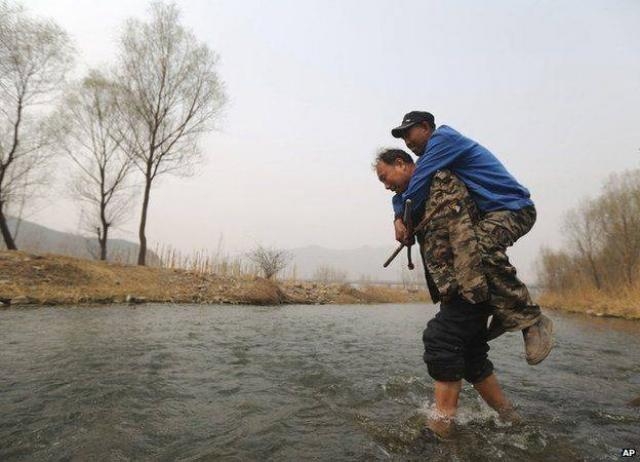
பார்வை இழந்து,  மன உளைச்சலில் இருக்கும் ஜியா ஹைக்சியாவை கைகளை இழந்த  ஜியா வேங்க்யூ சந்திக்கிறார். “எனக்கு நீ கையாக இரு. உனக்கு நான் கண்ணாக இருக்கிறேன்” என சொல்கிறார். கிடைத்த ஆறுதல் ஒரு பிடிப்பாக தெரியவே, ஜியா ஹைக்சியா அவரோடு இணைகிறார். ஒருவருக்கு ஒருவர் துணை என நடக்க ஆரம்பிக்கிறார்கள். ஆறுகளைத் தாண்டும் போதெல்லாம் ஹைக்சியாவை தூக்கிக் கொண்டு நடக்கிறார் ஜியா  வேங்க்யூ. எங்கு சென்றாலும் இருவரும் இணைந்தே செல்கிறார்கள். வறண்டு போய்  கிடக்கிற கிராமத்துக்கு நம்மால் முடிந்த ஒன்றைச் செய்ய வேண்டும் என இருவரும் பேசிக்கொள்கிறார்கள். அவர்கள்  மாற்றுத்திறனாளிகள் என்பதைக் கடந்து  யோசிக்க ஆரம்பிக்கிறார்கள்.  இருவரும் தங்களைச் சுற்றி இருக்கிற சூழல் மாசுபட்டுக் கிடப்பதை உணர்கிறார்கள்.. குவாரியில் இருந்து வருகிற கழிவுகள் ஆற்றில் கலந்தும், காற்றில் கலந்தும் இருப்பதை அறிந்து கிராமத்தில் மரம் வளர்ப்பது என முடிவெடுக்கிறார்கள்.

கிராமத்தைச் சுற்றி 800 மரக்கன்றுகளை நடவு செய்கிறார்கள்.  கைகளை இழந்த ஜியா வேங்க்யூ கழுத்துக்கு தோளுக்கும் இடையில் கம்பு போன்ற ஒன்றை பயன்படுத்தி தண்ணீர் எடுப்பது, மண் அள்ளுவது என பல வேலைகளைச் செய்கிறார். மரம் நடுவதற்கான குழிகளை தோண்டும்  அவர்களின் முயற்சியை  ஊர் மக்கள் கேலி செய்கிறார்கள். “கை  இல்லாதவனும் கண்ணு தெரியாதவனும் சேர்ந்து  என்ன பண்ணப் போறாங்களோ” என கேலியும் கிண்டலும் அதிகரிக்கிறது. ஆனால், அவர்கள் இருவரும் மரங்கள் வளரும் எனக் காத்திருக்கிறார்கள். மரக்கன்றுகள் வேர்பிடித்திருக்கும் என நினைத்தவர்களுக்கு ஏமாற்றமே கிடைத்திருக்கிறது. 800 மரங்களில் 2 மட்டுமே உயிர்ப்பிடித்திருக்கிறது. மற்ற அனைத்தும் இருக்கிற  தடம் இல்லாமல் அழிந்து போயிருக்கிறது. மரம் நடுவதும்  வளர்ப்பதும் எளிதானது என நம்பியவர்கள் அது சாதாரண காரியம் இல்லை என  உணர்கிறார்கள்.

தோல்வியில்  சோர்ந்து போயிருந்த ஜியா ஹைக்சியாவுடன் மனம் விட்டுப்  பேச ஆரம்பிக்கிறார்  ஜியா  வேங்க்யூ. “விடாம முயற்சி பண்ணுவோம். நிச்சயம் நமக்கு ஒரு நாள் விடை கிடைக்கும்” என தன்னம்பிக்கையை விதைக்கிறார் வேங்க்யூ. பிறகு மரக்கன்றுகள் இறந்து போனதற்கு காரணம் தண்ணீர் இல்லாமல்,  நிலம் காய்ந்து போய்  இருப்பதுதான் என்பதைக் கண்டறிகிறார்கள்.  தண்ணீர் போகிற பாதையில் மரக்கன்றுகளை நடுவதுதான் சிறந்த வழி  என முடிவு செய்கிறார்கள்.

பின், மரக்கன்றுகள் வாங்குவதற்கான பணம் இல்லாமல் இருக்கிறார்கள். மரங்களில் இருந்து வெட்டி எடுக்கப்படுகின்ற கிளைகளை நடவு செய்கிற முறையைப் பற்றி கேள்விப்படுகிறவர்கள், ஊரில் இருக்கிற மரத்தில் இருந்து கிளைகளை வெட்ட முடிவு செய்கிறார்கள். ஜியா ஹைக்சியாவின் உதவியுடன் ஜியா வேங்க்யூ மரம் ஏறி கிளைகளை வெட்டுகிறார். வெட்டிய கிளைகளை ஆறுகளின் ஓரத்தில் நடவு செய்கிறார்கள். தினமும் அம்மரக்கன்றுகளை கண்காணித்து வருகிறார்கள். ஆறு மாதங்கள் எந்த மாற்றமும் இல்லாதிருந்த அக்கன்றுகள் துளிர்க்க ஆரம்பிக்கின்றன. தனிமரம்  தோப்பாவதை காண்கிற மக்கள் அவர்களுக்கு உதவி செய்ய ஆரம்பிக்கிறார்கள். இருவரது கனவுகளும் சேர்ந்து  ஒரு நாள் மரங்களாகின்றன. அப்படி அவர்கள் நட்ட கன்றுகள் எண்ணிக்கை இப்போது பத்தாயிரத்தைத் தாண்டி நிற்கிறது. அவை அனைத்தும் இன்று மரங்களாக வளர்ந்து நிற்கின்றன.”அடுத்தத் தலைமுறைக்கு கொடுத்து போக எங்களிடத்தில் மரங்கள் இருக்கின்றன” எனச் சொல்லும் இரு நண்பர்களும் “எங்களின்  இறுதி மூச்சு இருக்கிற வரை மரம் நடுவோம். எங்களைப்  போல ஒவ்வொரு தனி மனிதரும் ஒரு மரம் வளர்த்தால் இயற்கையை  எளிதாக காப்பாற்றி விடலாம்” என்கிறார்கள்.

ருக்கிறவர்கள் இல்லாதவர்களுக்கு கொடுப்பதில் இருக்கிற ஆனந்தத்தை விட, இல்லாதவர்கள் இருப்பவர்களுக்கு கொடுத்துவிட்டு போவதில் தான் அதிகம் இருக்கிறது. ”மரம் நடுங்கள்  என்றெல்லாம் சொல்லவில்லை; எழுந்து நடங்கள்” எனச் சொல்கின்றன இவர்களின் செயல்பாடுகள்.

இவர் அவரின் கை. அவர் இவரின் கண்.  எங்கேயே ஒலிக்கிறது ஒரு பாடல்

“ஒண்ணுக்கொண்ணு தான் இணைஞ்சு இருக்கு…

Source…

ஜார்ஜ் அந்தோணி in

http://www.vikatan.com


வாரம் ஒரு கவிதை …” கடல் பயணம் “


கடல் பயணம்
————-
தினம் தினம் கடல் பயணம் …திரவியம்
தேட  அல்ல … அலை கடலில் அவன்
அலைவது  அவன் வீட்டு  அடுப்பு எரிய !
மீனவன் அவனுக்கு தேவை கடல் மீன் !
விண்மீனை பிடிக்க பறக்கவில்லை  அவன் !
கடல் மீனை அவன் தேடி பிடிக்கையில்
அவனை துரத்தி மிரட்டி விரட்டுதே  ஒரு கூட்டம் !
இல்லை  இது உன் எல்லையில் என்று
தினம் தினம் அவனுக்கு தொல்லை !
பிழைப்பு தேடி கடல் நாடி ஓடும் அவன்
தினம் தினம் செத்துப் பிழைக்கிறானே !
என்று தீரும் அவன் அவலம் ?
கடல் பயணம் அவனுக்கு ஒரு சொகுசு
சுற்றுலா அல்ல … அவன் வாழ்க்கையின்
பயணமே  அந்த கடல் அலையோடுதான் !
மண்ணை நம்பும் விவசாயி ….கடலை
நம்பும் மீனவன் … இந்த இருவருக்கும்
பிறக்குமா ஒரு விடிவு  காலம் விரைவில் ?
Natarajan in http://www.dinamani.com dated 7th August 2017

வாரம் ஒரு கவிதை…” ஒரு புள்ளியில் தொடங்கிய பயணம் “


ஒரு புள்ளியில் தொடங்கிய பயணம் …
———————————
புள்ளியில் தொடங்குது ஒரு மனித வாழ்வு
அந்த சிறு புள்ளி பெரும் புள்ளி ஆகுமா ..
இல்லை அதன் குடும்பத்துக்கும் இந்த உலகுக்கும்
ஒரு கரும்புள்ளியா? …அது ஒரு கேள்விக்குறியே !
புள்ளியில் தொடங்கும் வாழ்க்கை பயணம்
அழகு புள்ளி கோலமாய் மிளிர்வது அந்த
பிள்ளையின் கையில்… கோலம்
அலங்கோலம் ஆவதும் அந்த பிள்ளையின் செயலில்!
புள்ளியில் துவங்கிய வாழ்க்கை பயணம்
ஒரு கேள்விக்குறியாய் இருக்கலாம் …ஆனால்
கேலிக்குரியதாய்  இருக்கலாமா ?
வாழ்வுக்கு  முற்றுப்புள்ளி  வரும் நேரம்
யாருக்கு தெரியும் ?  பெரும்புள்ளிக்கும் தெரியாது
கரும்புள்ளிக்கும் தெரியாது ! முற்றுப்புள்ளிக்குப்
பின் என்ன நடக்கும் ? …
எந்த “டாட் காம் ”  இணைய தளத்திலாவது
இந்த கேள்விக்கு விடை கிடைக்குமா !
Natarajan…My Tamil kavithai as published in http://www.dinamani.com dated 31st july 2017

வாரம் ஒரு கவிதை ….” தூரத்தில் கேட்குது ….”


தூரத்தில்  கேட்குது ..
———————-
அம்மா உன் குரல் முதன் முதல் கேட்டேன்   தூரத்தில்…
உன் கருவில்  நான்  மலர்ந்து வளர்ந்த  போது !
இப்போதும்  உன் குரல் நான் கேட்கிறேன்
தினமும் …தூரத்திலிருந்தே !
அயல் நாட்டு மண்ணில் நான் இன்று  இருந்தாலும்
நம் நாட்டு  மண் வாசம் மறக்கவில்லையே அம்மா  நான் !
தூரத்திலிருந்து உன்  குரல்  நான் கேட்டாலும்
அம்மா..பாசமுடன் மண் வாசம் கலந்து ஒலிக்கும்
உன் குரல் நான்  அன்று  கருவில் கேட்ட
அதே குரலாக இன்றும் ஒலிக்கும் மாயம் என்ன அம்மா ?
தூரத்தில் கேட்குது உன் குரல் என்று என்னிடம்
இது வரை நீ சொன்னதில்லையே அம்மா !
எங்கே நீ இருந்தாலும் நீ இருக்குமிடம் என்
இதயத்தில்தான் என்று எனக்கு சொல்லாமல்
சொல்லுகிறாயா  அம்மா ?
Natarajan …..in http://www.dinamani.com dated 24th July 2017

வாரம் ஒரு கவிதை ….” இன்றைய தாலாட்டு “


இன்றைய தாலாட்டு
———————————–
தொட்டில் கட்டி  தாய் பாடும் தாலாட்டு
கேட்டது ஒரு தலைமுறை !
தொட்டில் என்றால் என்ன என்று
கேட்குது இன்றைய தலை முறை !
தொலைகாட்சி பாட்டுக்கு தலை
ஆட்டும் இந்த தலைமுறைக்கு அன்னையின்
தாலாட்டு ஒரு புதிர் விளையாட்டு !
வேலை வேலை என்று ஆலாய்
பறக்கும் பெண்ணுக்கு  தாலாட்டு
பாட எங்கே நேரம் ?
மடிக்கணினி இசைக்கும் இசையே ஒரு
குழந்தை கேட்கும் இன்றைய தாலாட்டு !
அம்மா அப்பாவின் கைபேசி
மணிஓசைதான்  தாள வாத்திய கச்சேரி
மடியில் தவழும் குழந்தைக்கு !
இன்றைய குழந்தை  கேட்கும்
ஒரே தாலாட்டு  அதன் அம்மா அப்பா
பாடும் ஒரே பாட்டு …”எடுக்க வேண்டும்
எல்லா அடையாள அட்டையும் நம்ம  குழந்தைக்கு “
Natarajan
in http://www.dinamani.com dated 17th July 2017

This 30-Year-Old Indian Pilot Is the World’s Youngest Woman to Captain a Boeing 777!

Currently based in Mumbai, the young aviator had always dreamed of becoming a pilot and did so at the age of 19

“Since my childhood, I wanted to be a pilot. Other children used to make fun of me for this. Kids, at that time, were pushed to pursue engineering or become a doctor but not a pilot,” Anny told to HT.

Coming from an army background, one would think Anny must have had it easy. While she had rock-solid support from her parents, dissent often cropped up in form of family friends and relatives.

“Luckily, my parents never forced their choice on me. They were supportive and progressive in their thinking. My mother always used to encourage me. However, my relatives and my family friends were against my decision to become a pilot. Also, at that time, being a pilot was not considered as a profession for woman,” she said.

After her father took voluntary retirement, the family moved to Vijayawada, where Anny did her schooling. Hailing from a modest background, their family had their share of financial shortcomings. “Since I grew up in Vijayawada, I could write and read English but speaking English was a major challenge that I had to overcome,” Anny said.

Post her school education, the 17-year-old Anny made it to Indira Gandhi Rashtriya Uran Akademi (IGRUA), one of the premier flying schools in the country.

The cultural change from a small town to a big city was overwhelming for me. I had difficulty adjusting and speaking English. People used to mock me for my poor English and that hurt me a lot. At times, I had even thought of going back. However, backed with my parents’ support, I worked hard enough to win a scholarship,” she added.

Completing her training by the time she was 19, Anny bagged a job with Air India and since then, there has been no looking back. Post her training, she kickstarted her flying carrier with Boeing 737.

“When I turned 21, I was sent to London for further training. It was then when I started to fly Boeing 777. Since then, my life has changed. It’s been a great experience so far. I’ve got the opportunity to travel to various countries. My journey so far has taught me a lot,” Anny added.

When the going gets tough, the tough get going!

Source….LekshmiPriya .S  in http://www.betterindia.com

Natarajan

வாரம் ஒரு கவிதை ….” நிழலாடும் நினைவு “


நிழலாடும்  நினைவு…
——————-
கடல் அலை போல்  நினைவலைகள்…
ஓயாத  கடல் அலை போல்
நினைவலையும்  ஒரு தொடர்கதையே !
மெல்லிசையாய் ஒலிக்கும் வாழ்வின்
இனிய நினைவலைகள் இடைவிடாமல்
தொடரும் ஒரு நிழலாய் நம் வாழ்வின் நிஜத்தில் !
இளமை  கால நினைவின் நாட்டியம் நல்ல
கட்டியம் கூறும் எதிர் வரும் கால நிஜங்களுக்கு !
மனதில் நிழலாடும் நினைவே எதிர் வரும் காலத்துக்கு
ஒரு நம்பிக்கை நட்சத்திரம் !
இனிய பழைய நினைவின் ஓட்டம் இருக்க  வேண்டும்
என்றும் நம்  மனதில் ஒரு நிழலாக ! நினைவுகள் நிழலாடும்
வரைதான் நம் வாழ்வின் ஆட்டமும் ஓட்டமும் !
மனதின் நிழலே நம் வாழ்வின் நிஜம் !
நிஜம் இல்லாமல் நிழல் இல்லை !
நிழல் இல்லாத நிஜமும் இல்லை !
Natarajan
My Tamil kavithai in http://www.dinamani.com dated 10th July 2017

வாரம் ஒரு கவிதை …” மறு ஜென்மம்”


மறு ஜென்மம்
————–
நெரு நெல் உளனொருவன் இன்று இல்லை
என்னும் பெருமை படைத்த இந்த உலகில்
இரவில் கண்ணுறங்கி மீண்டும் கண் விழிக்கும்
அந்த இனிய காலை நேரமே நம் யாவருக்கும் ஒரு
மறு ஜென்மம் !  மறுக்க முடியுமா இந்த உண்மையை ?
கிடைத்தது ஒரு  அரிய மனிதப் பிறவி …தெரியும் இந்த
உண்மை நமக்கு ! தினமும்  காலையில் நாம்
எடுப்பது ஒரு மறு  ஜென்மம் ! இதுவும் தெரியும் நமக்கு !
இருக்கும் அந்த ஒரே ஒரு  நாளில் மறக்கலாமா
நாம் மனித நேயம் ?
தினம் காணும் மறு ஜென்ம விடியல் மறந்து
வேறு ஒரு புது  ஜென்ம மாய வலையில்
சிக்கி, கிடைத்த மனிதப்   பிறவியின்  மதிப்பைக்
குறைக்க வேண்டாமே நாம் !
மனிதராய் பிறந்தோம் …மனிதராகவே
வாழ்ந்து காட்டுவோம் ! அது ஒன்றே நமக்கு
கிடைத்த மனிதப் பிறவியின் பயன் !
Natarajan  in http://www.dinamani.com dated 26th june 2017