இமெயிலில் வரும் வில்லங்கங்கள்!…

இ-மெயில் மோசடிகள் மீண்டும் தலைப்புச் செய்திகளில் இடம்பிடிக்கத் தொடங்கியுள்ளன. அமெரிக்காவின் பிரபலமான ‘ஃபோர்ப்ஸ்’ பத்திரிகை இணையதளத்தில் இடம்பெற்றுள்ள கட்டுரை இப்படித்தான் தொடங்குகிறது!

‘பிஷிங்’ வகையான மோசடியை இப்படிக் குறிப்பிடும் அந்தக் கட்டுரை, பத்து முன்னணி மோசடிகளையும் பட்டியலிட்டு எச்சரித்துள்ளது.

இது அமெரிக்கர்களுக்கான எச்சரிக்கை என்று நம்மவர்கள் கண்டுகொள்ளாமல் இருக்க முடியாது. ஏனெனில் பிஷிங் மோசடி உலகம் தழுவிய பிரச்சினையாக இருப்பதால் எல்லா நாடுகளில் உள்ள இணையவாசிகளும் இதற்கு இலக்காகும் ஆபத்து இருக்கிறது.

அதோடு இந்தியாவில் இன்னமும் இந்த வகை மோசடி குறித்துப் பரவலான விழிப்புணர்வு இல்லாததால் நமக்கு இரட்டிப்பு ஆபத்து இருப்பதாகக்கூடச் சொல்லலாம்.

ஏற்கெனவே பிஷிங் மோசடி இங்கு பலவிதமான பாதிப்பை ஏற்படுத்திக் கொண்டிருக்கிறது. அவற்றைப் பார்க்கும் முன்னர், முதலில் பிஷிங் என்றால் என்னவென்று சுருக்கமாகப் பார்த்து விடலாம்.

பொய்யான இ-மெயில் மூலம் ஏமாற்றிப் பயனாளிகளிடம் இருந்து வங்கிக் கணக்கு எண், பாஸ்வேர்டு போன்ற பாதுகாப்பான தகவல்களைக் கறந்துவிடும் முயற்சிகளே பிஷிங் மோசடி என்று குறிப்பிடப்படுகின்றன.

பெரும்பாலும் முன்னணி வங்கிகள் மற்றும் நிறுவனங்களிடம் இருந்து வந்திருக்கும் மெயில் போன்ற எண்ணத்தை ஏற்படுத்தும் இந்த மெயில்கள், ஒருவருடைய வங்கிக் கணக்கு அல்லது கிரெடிட் கார்டு எண் மற்றும் பாஸ்வேர்டை சமர்ப்பிக்குமாறு கேட்டுக்கொள்ளும்.

இவற்றை நிஜம் என நம்பிப் பாஸ்வேர்டு போன்ற விவரங்களைச் சமர்ப்பித்தால் பின்னணியில் உள்ள டிஜிட்டல் களவாணிகள் கைவரிசை காட்டி, இணையவாசிகளின் கணக்கில் இருந்து பணத்தை அபகரித்து விடுவார்கள்.

வடிவமைப்பிலும் சரி, வாசகங்களிலும் சரி இந்த மெயில்கள் அச்சு அசல் உண்மையான மெயில்கள் போலவே தோற்றம் தரும் என்பதால், பல இணையவாசிகள் ஏமாறும் வாய்ப்பு இருக்கிறது. அதிலும் இவற்றின் உள்ளடக்கம் இணையவாசிகள் மத்தியில் ஒரு பதற்றத்தை ஏற்படுத்தி, உடனே செயல்படும் வகையில் அமைந்திருக்கும் என்பதால், பார்த்தவுடன் ஒரு சிலர் யோசிக்காமலேயே பாஸ்வேர்டு உள்ளிட்ட விவரங்களைக் கண்ணை மூடிக்கொண்டு கொடுத்துவிடும் நிலை இருக்கிறது.

‘உங்கள் வங்கிக் கணக்கு முடக்கப்பட உள்ளது, அதைத் தவிர்க்க இங்கே கிளிக் செய்து புதுப்பித்துக்கொள்ளவும்’ என்பன போன்ற எச்சரிக்கையைப் பார்த்தால் திடுக்கிடத்தானே செய்யும். அதில்தான் பலரும் ஏமாறுகின்றனர்.

பல நேரங்களில் இவை பெரும் பரிசுத்தொகை விழுந்திருப்பதாக அறிவித்து, அதைப் பெற வங்கிக் கணக்கு விவரங்கள் தேவை என ஆசை வலை விரிப்பதும் உண்டு.

சூழ்நிலைக்கு ஏற்ப அப்போதைய செய்திகளைப் பயன்படுத்திக்கொண்டு ஏமாற்றுவதும் நடக்கிறது. உதாரணத்துக்குச் சில காலம் முன் யு.டி.ஐ. வங்கி, ஆக்சிஸ் வங்கி எனப் பெயர் மாறியபோது இதைப் பயன்படுத்திக் கொண்டு, பெயர் மாறிய வங்கியில் கணக்கைப் புதுப்பித்துக்கொள்ளவும் எனக் கூறி ஏமாற்ற முயற்சித்தனர்.

இந்த மெயிலுக்கும் ஆக்சிஸ் வங்கிக்கும் எந்தத் தொடர்பும் இல்லை. உண்மையில் ஒரு போதும் வங்கிகள், இது போன்ற மெயில்களை அனுப்புவதில்லை. பாஸ்வேர்டு போன்ற விவரங்களை வங்கிகள் இப்படிக் கேட்பதற்கான அவசியமே இல்லை.

ஆனால், இணையவாசிகளின் பலவீனத்தைப் பயன்படுத்திக்கொண்டு இ-மெயில் மூலம் வலைவிரிக்கும் முயற்சி, டிஜிட்டல் களவாணிகள் அதிகம் நாடும் உத்தியாகவே இருக்கிறது.

இந்தியாவைப் பொருத்தவரை இந்த வகையான சைபர் தாக்குதல்கள் நடப்பு ஆண்டில் இரு மடங்காகி இருப்பதாக ‘பிரைஸ்வாட்டர் கூப்பர்ஸ்’ அறிக்கை தெரிவிக்கிறது. தனி நபர்கள் மட்டும் அல்லாமல், நிறுவனங்களும் இந்தத் தாக்குதலுக்கு இலக்காகின்றன.

இவ்வளவு ஏன், சில மாதங்களுக்கு முன் கர்நாடக மாநில உயர் போலீஸ் அதிகாரி ஒருவரே, இப்படிப் பிஷிங் தாக்குதலுக்கு உள்ளாகிக் கிரெடிட் கார்டு மூலம் 12,000 ரூபாயை இழந்தார். தனியார் வங்கி வாடிக்கையாளர் ஒருவர் பிஷிங் மூலம் பணம் இழந்த சம்பவம் நீதிமன்ற வழக்காகி இருக்கிறது.

இதில் கவலை தரும் விஷயம் என்ன என்றால் இந்தியாவில் பிஷிங் மோசடிக்கு இலக்காகும் பலர், அது பற்றி அறியாமலேயே இருப்பதாகவும் உண்மையில் பாதி அளவு மோசடிகளே புகார் செய்யப்படுவதாகவும் ஒரு அறிக்கை தெரிவிக்கிறது.

இந்தியாவில் டிஜிட்டல்மயம் தீவிரமாகி வரும் நிலையிலும், இ-காமர்ஸ் மற்றும் டிஜிட்டல் வங்கி சேவை பயன்பாடு அதிகரித்து வரும் நிலையிலும் இத்தகைய மோசடிகள் அதிகரிப்பதற்கான அபாயம் உள்ளதாகச் சைபர் வல்லுநர்கள் எச்சரிக்கின்றனர். எனவே இணையவாசிகள் எச்சரிக்கையாக இருப்பது நல்லது.

பொதுவாக மோசடி மெயில் வலையில் விழாமல் இருக்க வல்லுநர்கள் சொல்லும் வழிகள் இவை:

# அறிமுகமில்லா இடங்களில் இருந்து வரும் மெயில்களைத் திறக்க வேண்டாம். அவற்றில் உள்ள இணைப்புகளில் இன்னும் எச்சரிக்கை தேவை.

# தனியே எட்டிப்பார்க்கும் பாப் அப் விண்டோ மூலம் தகவல் கோரும் பக்கங்களில் எந்த விவரங்களையும் சமர்ப்பிக்க வேண்டாம்.

# போன் அல்லது இ-மெயில் மூலம் பாஸ்வேர்டை தெரிவிக்க வேண்டாம்.

# பாஸ்வேர்ட் போன்றவை மிகவும் பாதுகாப்பானவை. வங்கி ஊழியர்களுக்குக்கூட அவை தெரியாது. எனில், யாரோ கேட்கும்போது ஏன் கொடுக்க வேண்டும் என யோசியுங்கள்.

# மெயில் மற்றும் குறுஞ்செய்தி மூலம் வரும் இணைப்புகளைக் கிளிக் செய்ய வேண்டாம். அதிகாரப்பூர்வ இணைய முகவரிகளை நாடவும்.

# பாஸ்வேர்டை அடிக்கும் முன் முகவரியில் பாதுகாப்புத் தன்மையை உணர்த்தும் கூடுதல் ‘எஸ்’ ( ‘https://’ )இருக்கிறதா என உறுதி செய்துகொள்ளவும்.

# ஒருவேளை உங்கள் வங்கியிடம் இருந்து மெயில் வந்திருக்கலாம் எனச் சந்தேகம் இருந்தாலும்கூட அதனடிப்படையில் செயல்படும் முன், முதலில் வங்கியைத் தொடர்புகொண்டு உறுதி செய்துகொள்ளுங்களேன்.

Source…. சைபர் சிம்மன்  …www.tamil.thehindu.com

Natarajan

தெய்வத்தின் குரல்: சரஸ்வதிக்கு ஆலயம் இல்லாதது ஏன்?

சரஸ்வதியைப் பற்றி எப்படி நினைக்கிறோம்? பூர்ண பிரம்ம சக்தி என்று நினைக்கிறோமோ இல்லையோ வித்யாதி தேவதை, கலை மடந்தை, அறிவுத் தெய்வமென்று அவளுக்கு ரொம்பவும் உன்னதமான ஸ்தானம் கொடுத்திருக்கிறோம். வெள்ளை வெளேரென்று வீணா, புஸ்தகங்களோடு அவளை நினைத்தாலே சாந்தியாயிருக்கிறது. சரஸ்வதி பூஜை பண்ணுகிறோம்.

அவளைப் பற்றி ஸ்தோத்திரங்கள், மகான்கள் பண்ணியிருப்பது, கம்பர், ஒட்டக்கூத்தர், குமர குருபரர், பாரதியார் போன்றவர்கள் தமிழில் அழகாகப் பண்ணியிருக்கிறார்கள். அவற்றை ஓதுகிறோம். முத்துஸ்வாமி தீக்ஷிதர் முதலானவர்கள் அவள் மீது செய்திருக்கும் கீர்த்தனங்களைப் பாடுகிறோம். குழந்தையாக ஸ்கூல் போக ஆரம்பிக்கும்போதே அவள்மேல் சுலோகங்கள் சொல்லி பிரியத்துடன் பக்தி பண்ண ஆரம்பித்துவிடுகிறோம்.

இத்தனை இருந்தாலும், இவ்வளவு ஆயிரம் கோயில் இருந்தும் சரஸ்வதிக்கு ஒன்றையும் காணோம். தமிழ்நாடு பூராவிலும் தஞ்சாவூர் ஜில்லாவில் கூத்தனூர் என்ற ஒரு இடத்தில்தான் சரஸ்வதி ஆலயம் இருக்கிறது. அது ஒட்டக்கூத்தர் கட்டிய கோவில். ஒட்டக்கூத்தருடைய ஊர்தான் கூத்தனூர்.

காமகோட்டத்தில், காஞ்சி காமாட்சி ஆலயத்தில் சரஸ்வதிக்கு சந்நிதி உண்டு. ஆனால் அதுகூட பிரம்ம பத்னியான சரஸ்வதி இல்லை என்றும், ராஜ ராஜேச்வரிக்கு மந்த்ரிணியாக இருக்கும் ராஜசியாமளையான மகா சரஸ்வதி என்றும் ஒரு வித்தியாசம் சொல்வதுண்டு. சரஸ்வதிக்கு பிம்பம், சந்நிதியுள்ள மற்ற கோவில்களிலும் அவை முக்கியமான இடம் பெறாமல் ஏதோ ஒரு மூலையில்தான் இருக்கின்றன.

மொத்தத்தில், பிரம்மா மாதிரியே சரஸ்வதிக்கும் கோயில் முக்கியத்துவம் இல்லை. ஆனால் பிரம்மாவிடம் ஜனங்களுக்கு விசேஷ பக்தி, மரியாதைகள் இல்லாததுபோல, சரஸ்வதிக்கு இல்லாமலில்லை. அவளை எல்லாரும் நிரம்பப் போற்றி பக்தி செய்கிறோம். படிக்க ஆரம்பிக்கும்போதே கல்வித் தெய்வம் என்று அவளைத் துதிக்கக் கற்றுக் கொடுத்துவிடுவதால், அது பசுமரத்தாணியாக மனசில் பதிந்து என்றைக்கும் அவளிடம் பக்தி நீங்காமலே இருக்கிறது.

நியூஸ் பேப்பர் பாஷையில் சொன்னால், அவள் ‘பாபுலர்’ தெய்வம். பிரம்மா ‘அன்பாபுலர்’ தெய்வம். அன்பாபுலர் தெய்வத்துக்குக் கோயிலில்லை என்றால் அது நியாயம். நல்ல பாபுலாரிடி இருக்கிற தெய்வத்துக்கும் ஏன் அப்படியே இருக்க வேண்டும்?

இங்கேதான் நம்முடைய தேசாசாரம் வருகிறது. பதிவிரத்யம் என்பது நம் தேசாசாரத்தில் ஊறிப்போன விஷயம். பதிவிரதைகள் புருஷனுக்கு இல்லாத எதையும் தாங்கள் அனுபவிக்க மாட்டார்கள். சரஸ்வதி பிரம்மாவின் நாக்கிலேயே உட்கார்ந்துகொண்டிருக்கும் பதிவிரதை. அதாவது பிரம்மாவின் நாக்குதான் அவள் குடியிருக்கும் கோயில். அவள் எப்படிப் பதிக்குக் கோயிலில்லாதபோது தான் மட்டும் கோயிலில் குடிகொள்வாள்? அதனால்தான் அவளுக்கும் அவர் மாதிரியே கோயில் இல்லை.

அகத்திலே நாம் கூப்பிட்டால் அவள் வருவாள். தாயாரல்லவா? அதனால் நம் குடும்பத்து மனுஷியாக வருவாள். நமக்கு அறிவு புகட்ட வேண்டிய ட்யூட்டியும் அவளுக்கு இருப்பதால் தனிப்பட்ட முறையில் அகத்துக்கு வருவாள்.

ஆனால் ஊர் உலகத்துக்குப் பொதுவாக அவளைப் பெருமைப்படுத்திக் கோயில் கட்டுவது என்றால், அப்போது பதியை விட்டுவிட்டு, தான் மட்டும் மகிமை கொண்டாடிக்கொள்ள அவள் சம்மதிக்க மாட்டாள்.

அவளுடைய அந்த உத்தம ஸ்த்ரீ குணத்தை மதித்துத்தான் அவளுக்கு ஆலயமில்லாமல் வைத்திருக்கிறது. சக்திகளை வழிபடுவதற்கென்றே நவராத்ரி என்று வைத்துப் பூஜை பண்ணும்போது துர்கா, லட்சுமிகளுடன் அவளும் வந்து சரஸ்வதி பூஜை பெறுவாள். அதோடு சரி. பதியை நீக்கி, பொதுத் தலத்தில் கோயில் என்று வைத்து ஊர் கூடி நித்ய பூஜை, உத்ஸவாதிகள் பண்ணுவதற்கு அவள் ஒப்புக்கொள்ள மாட்டாள்.

கோயிலில்லாத கடவுள்

நம் தேசத்தில் இத்தனை ஆயிரம் கோயில்கள் இருந்தும், ஒவ்வொரு கோயிலிலும் ஏகப்பட்ட சந்நிதிகள் இருந்தும் அநேக உத்ஸவாதிகள் நடத்தப்பட்டபோதிலும் பிரம்மாவுக்கு எதுவுமே காணோம். அபூர்வமாக எங்கேயாவது புஷ்கர் மாதிரி ஒரு க்ஷேத்திரத்தில்தான் தேடித் தேடி அவருக்குக் கோயில் பார்க்க முடிகிறது. பிரம்மா கோயில் என்றாலே புஷ்கரைத்தான் இன்று நினைக்கிறார்கள்.

நம்முடைய கும்பகோணத்திலேயே பிரம்மாவுக்குத் தனிக் கோயில் இருப்பது ரொம்பப் பேருக்குத் தெரியவில்லை. காஞ்சீபுரத்திலும் கும்பகோணத்திலும் தடுக்கி விழுந்த இடமெல்லாம் கோயில்கள் என்பார்கள். காஞ்சீபுரத்தில் நாம் ஜென்மாவில் பண்ணுகிறதற்கெல்லாம் கணக்கு எழுதும் சித்திரகுப்தனுக்கு அபூர்வமாகக் கோயில் இருக்கிறதென்றால், கும்பகோணத்தில் ஜென்மாவைத் தரும் பிரம்மாவிற்கு அபூர்வமாகக் கோயில் இருக்கிறது.

திருக்கண்டியூர் என்று திருவையாற்றுக்குக் கிட்டே இருக்கிறது. அது பரமசிவன் பிரம்மாவுக்கு ஆதியில் இருந்த ஐந்து தலைகளில் ஒன்றைச் சேதித்த க்ஷேத்திரம். அங்கே சிவனுக்கு பிரம்மச் சிரக்கண்டீசர் என்றே பேர். அங்கே பிரம்மாவுக்கும் சந்நிதி இருக்கிறது.

கொங்கு நாட்டிலுள்ள த்ரிமூர்த்தி க்ஷேத்ரமான பாண்டிக் கொடுமுடியிலும் இருக்கிறது. சிதம்பரத்தில் பிரம்மாவையே சண்டேச்வரர் என்று சொல்லி, கனக சபையைச் சுற்றி வரும்போது அவருக்கு ஒரு சின்ன கோஷ்டம் காட்டுகிறார்கள். ஆனாலும் இதெல்லாம் சமுத்திரத்தில் ஒரு துளி மாதிரிதான். நம் தலையெழுத்தை எழுதுகிறவரின் தலையெழுத்து இப்படி இருக்கிறது.

– தெய்வத்தின் குரல் (ஐந்தாம் பகுதி)

Source….www.tamil.thehindu.com

Natarajan

“உறவுகள் பற்றி ஒரு பதிவு … சிந்திக்க வேண்டிய ஒன்று … கசப்பான உண்மை …”

அண்ணன், தம்பி, அக்கா, தங்கை, சின்ன அண்ணன், பெரிய அண்ணன், சின்ன அக்கா, 
பெரிய அக்கா, சித்தப்பா, பெரியப்பா, அத்தை, மாமா, மச்சான், மச்சினி, அண்ணி, கொழுந்தனார், நாத்தனார்,
தாய்மாமன், சித்தப்பா பையன், சித்தப்பா பொண்ணு, 
பெரியப்பா பையன்,
பெரியப்பா பொண்ணு, 
அத்தை பையன்,
அத்தை பொண்ணு, மாமன் பொண்ணு, மாமன் பையன், இது போன்ற வார்த்தைகள் எல்லாம் 2050 மேல் யாருடைய காதிலும் விழாது, யாரும் கூப்பிடவும் மாட்டார்கள், அகராதியில் இருந்து கூட கொஞ்சம் கொஞ்சமாக அழிந்துவிடும் 

காரணம், 
ஒண்ணே ஒண்ணு, கண்ணே கண்ணு என்று ஒரே ஒரு குழந்தை மட்டும் போதும் என்று முடிவெடுக்க ஆரம்பித்ததுதான்! 
அப்படி இருக்கும் போது இந்த உறவுகள் எல்லாம் எப்படி வரும்? 
பெண்கள் வயதுக்கு வந்ததும் சீர்வரிசை செய்யவோ, பந்தல் போடவோ, முதல் புடவை எடுத்துத்தரவோ, எந்த தாய்மாமனும் இருக்கப்போவது இல்லை! 
திருமணத்தின் போது அரசாணைக்கால் நட
எந்த அண்ணனும் இருக்கப்போவதில்லை மாப்பிள்ளைக்கு மோதிரம் போட எந்த தம்பியும் இருக்கப்போவதில்லை, குழந்தைக்கு மொட்டை  போட யார் மடியில் உட்கார வைப்பார்கள்? 
கட்டிக்கொடுத்த பெண்ணுக்கு எதாவது பிரச்சனை என்றால் அண்ணனும் தம்பியும் பறந்து செல்வார்கள், 
இனி யார் போவார்? 

ஒவ்வொரு பெண்ணும், சொந்தபந்தம் ஏதுமின்றி 
ஆறுதலுக்கு ஆள் இன்றி தவிக்க போகிறார்கள் 
ஒவ்வொரு ஆணும்
தன் கஷ்டநஷ்டங்களில் பங்குகொள்ள அண்ணன் தம்பி யாருமின்றி அவதிப்பட போகிறார்கள் 
அப்பா அம்மாவை தவிர எந்த உறவுகளும் இருக்கப்போவதில்லை, 
அந்த ஒரு குழந்தையும் 
வெளியூருக்கோ 
இல்லை தனிக்குடித்தனமோ சென்றுவிட்டால் 
ஒண்ணே ஒண்ணு கண்ணே கண்ணு என்று வளர்த்தவர்கள் எல்லாம் வயதான காலத்தில், ஏனென்று கேட்க நாதியற்று முதியோர் இல்லத்திலோ இல்லை அந்த ஒரு குழந்தைக்காக கட்டிய வசதியான வீட்டிலோ அனாதையாக இருப்பார்கள் ..

உறவுகளின் உன்னத மதிப்பை உணராமல் பொருளாதார முன்னேற்றத்தை மட்டுமே குறிக்கோளாக கொண்டு 
ஒரு குழந்தைக்கு மேல் வேண்டாம் என சோம்பேறித்தனப்பட்டு 
எந்திர வாழ்க்கை வாழ்ந்து கொண்டு இருக்கும் அத்தனைபேருக்கும் 
இதே நிலைதான் !
உடல்நிலை சரியில்லாமல் ஆஸ்பிடலில் சேர்க்கப்பட்டால் ஓடோடி வந்து பார்க்க உறவுகள் வேண்டாமா?! 
சின்னச்சின்ன விஷயங்களுக்கெல்லாம் 
எனக்கு உனக்கு என்று சண்டைபோடும் அதே குழந்தைகள் தான் வயதான காலத்தில் அப்பா அம்மாவுக்கு எதாவது ஒன்று என்றால் நான் நீ என்று ஓடிவருவார்கள்! 
கணவன் குடும்பம் குழந்தை என்று உயிரைவிட்ட பெண்கள் கூட பெற்றோருக்கு
ஒன்று என்றால் அத்தனையும் தூக்கியெறிந்துவிட்டு முதலில் வந்து நிற்பார்கள்! 
ஒரே ஒரு முறை உங்கள் கடைசி காலத்தை நினைத்துபாருங்கள்! 
பணமில்லாத ஒருவனை அனாதை என்று யாரும் சொல்வதில்லை!
ஆனால் உறவுகள் இல்லாத ஒருவன் எத்தனை கோடி வைத்திருந்தாலும் அனாதைதான் என்பதை மறந்துவிடக்கூடது! 
கார் பங்களா வசதி வாய்ப்புகளுடன் 
ஒண்ணே ஒண்ணு கண்ணே கண்ணு என்ற பெயரில் உறவுகளற்ற ஒரு அனாதையை வளர்ப்பதற்கும், 
வயதான காலத்தில் நீங்கள்  அனாதையாக  வாழ்வதற்காகவுமா  இவ்வளவு பாடுபட்டு 
ஓடி ஓடி சம்பாதிக்கிறீர்கள்  …இன்று  ?

Source….unknown…input from a friend of mine…

Natarajan

Term of the Day….” Escrow”…….

” ESCROW”

Arrangement under which a deed, money, security, or other property or document is held by a neutral third-party (called an escrow agent) in trust for a first-party (called grantor, obligor, or promisor) for a specified period or until the occurrence of a condition or event. The escrow agent is duty bound to deliver the asset or document in his or her possession to a named second-party (called grantee, obligee, or promisee) upon the fulfillment of the condition(s) or the happening of a stated event, as established in the escrow agreement.

Use escrow in a sentence

  • The couple had to place a few thousand dollars in escrow while they waited on the purchase of their house to finalize and close.

Eleanor McBride wanted to find her own place as soon as possible since she’d discovered that her soon-to-be ex-husband was cheating on her, but the money they had jointly deposited on the new house was in escrow so she didn’t have enough for another down-payment.

Source…..www.businessdictionary.com

Natarajan

‘நான் மகிழ்ந்த தருணம்!’ – அப்துல் கலாம்…..

அப்துல் கலாம் பிறந்த நாள் – அக். 15

குழந்தைகளே! மற்ற நாடுகளின் சுதந்திரத்தை நாம மதிக்கிறோம். நாமும் சுதந்திரமாக இருக்க விரும்புறோம். நாம சுதந்திரமா இல்லைன்னா, நம்மள யாராவது மதிப்பார்களா?

நாட்டின் பாதுகாப்பை மனதில் வைத்து வேலை செய்த முன்னோடிகளான விஞ்ஞானிகளோடு வேலை செய்கிற அதிர்ஷ்டம் எனக்குக் கிடைத்தது. இந்தியாவோட ராக்கெட்டுகளை வானத்தில் ஏவுகிற இஸ்ரோ நிறுவனத்தில் 20 ஆண்டுகளுக்கு நான் வேலை பார்த்தேன். இந்தியாவோட முதல் ராக்கெட்டை ஏவுகிற திட்டத்தின் இயக்குநரா நான் இருந்தேன். அப்போதுதான் முதலாவது செயற்கைக்கோள் ரோகிணி வெற்றிகரமாக வானத்தில் ஏவப்பட்டது.

அதுக்கப்புறம் நாட்டின் பாதுகாப்புக்கு அவசியமான ஏவுகணைகளை உருவாக்கும் பணியில் சேர்ந்தேன். இந்தியா இப்போ வளரும் நாடு அல்ல, வளர்ந்த நாடு என்று உலகத்துக்கு நிரூபிப்பது போல இருந்தன அந்தப் பணிகள். அப்போதுதான் ‘நான் ஒரு இந்தியன்’ என்ற பெருமிதம் எனக்கு அதிகமானது.

அப்போது நாங்கள் மிகவும் லேசான ஒரு கார்பன் பொருளைக் கண்டுபிடித்தோம். ஒருநாள் நிஜாம் இன்ஸ்டிடியூட் ஆஃப் மெடிகல் சயின்ஸ் நிறுவனத்திலிருந்து ஒரு டாக்டர் என்னைப் பார்க்க வந்திருந்தார். எலும்பு அறுவை சிகிச்சை நிபுணர் அவர். எனது ஆய்வகத்திலிருந்த லேசான பொருளை அந்த டாக்டர் தூக்கிப் பார்த்தார். அதன் பிறகு அவரது மருத்துவமனைக்கு என்னை அழைத்துப்போனார்.

அங்கே சின்னஞ் சிறுமிகளும் சிறுவர்களும்கூட நோயாளிகளாக இருந்தார்கள். அவர்கள் தங்களது உடலில் மூன்று கிலோவுக்கு அதிகமான எடைகொண்ட ‘காலிபர்’ எனும் கருவிகளைக் கால்களில் தாங்கியபடி இருந்தார்கள். அவற்றை நாங்கள் 300 கிராம் எடையுள்ளதாக மாற்றினோம். அதைப் போட்டுக்கொண்டு கஷ்டமில்லாமல் சுலபமாக நடந்தார்கள். அந்தக் குழந்தைகளால் அதை நம்பவே முடியவில்லை. அவர்களுடைய அம்மா, அப்பா மகிழ்ச்சியாக இருந்தார்கள். எனக்கும் மகிழ்ச்சியாக இருந்தது.

நம் தேசம் ஒரு மகத்தான தேசம். நமது சாதனைகளையும் ஆற்றல்களையும் நாம்தானே அங்கீரிக்க வேண்டும். அற்புதமான சாதனைச் செய்திகள் நம்மிடம் உள்ளன. பால் வளத்தில் நாம்தான் உலகில் முதல் இடம். தொலைதூர உணர்வு கொண்ட செயற்கைக்கோள்களை உருவாக்குவதில் நாமே முதல் இடம். கோதுமை, அரிசி உற்பத்தியில் இரண்டாம் இடம்.

ஒரு முறை இஸ்ரேல் நாட்டில் பேப்பர் படித்தேன். பாலைவனத்தை ஐந்தாண்டுகளில் சோலையாக்கிய ஒரு சாதனை மனிதன் பற்றிய செய்தி இருந்தது. உள்ளேதான் சண்டைகள், சச்சரவுகள் பற்றிய செய்திகள் இருந்தன. ஆனால், இந்தியாவில் தலைகீழாக உள்ளது.

பதினான்கு வயதுச் சிறுமி ஒருத்தியிடம் ‘உன் குறிக்கோள் என்ன?’ என்று கேட்டேன். ‘வளர்ச்சியடைந்த இந்தியாவில் வாழ விரும்புகிறேன்’ என்று சொன்னாள்.

நமது நாட்டைப் பற்றி பல புகார்கள் கூறுவார்கள். ஆனால், அப்படி புகார் கூறுபவர்கள்கூட வெளிநாடுகளுக்கு சென்றால் மிகவும் கட்டுப்பாடாக நடந்துகொள்வார்கள். அசுத்தப்படுத்த மாட்டார்கள். அதேமாதிரி உள்நாட்டில் நடந்துகொண்டால் என்ன?

யாரோ வந்து நாட்டின் பிரச்சினைகளை எல்லாம் தீர்த்து வைப்பார்களா? நாமே நமது பிரச்சினைகளைத் தீர்த்துக்கொள்ள ஆரம்பித்தால் என்ன? நன்றாக யோசித்துப் பாருங்களேன்!

(மறைந்த முன்னாள் குடியரசுத் தலைவர் அப்துல் கலாம் ஹைதராபாத் பள்ளிக் குழந்தைகள் மத்தியில் பேசியது)

சுருக்கமாகத் தமிழில்- த. நீதிராஜன்

Source…..www.tamil.thehindu.com

Natarajan

Term of the Day….” Anamoly” …

1.Deviation from the norm; something unusual. “Bob searched the data for anomalies that would indicate that there was an error with the system.”
2.Medicine: a physical defect or abnormality.


Use anomaly in a sentence

  • Dave’s doctor told him that he was a medical anomaly because the tumor shrunk on its own, and they no longer needed to do radiation.

He thought that making the shot was an anomaly, but it turned out that he was actually pretty good at basketball.

Source…..www.businessdictionary.com

Natarajan

Cash reward for Google.com takeover man…!!!

Google logo

The Google.com domain name was offered for sale on Google’s own website buying service


A man who briefly bought and owned the Google.com web domain has been rewarded by the search giant.

An administration oversight allowed US student Sanmay Ved to buy the right to control the domain on 29 September.

The oversight left him in charge of Google.com for about a minute until Google caught on and cancelled the transaction.

Now Mr Ved has been given a cash reward for spotting the error, which he has decided to donate to charity.

Google declined to comment on the story.

Mr Ved detailed his experience in a post on the LinkedIn site saying that he had been keeping an eye on Google-related web domains for some time because he used to work at the search giant. Mr Ved is currently an MBA student at a US college.

In the early hours of 29 September he noticed a for sale sign next to the Google.com name while browsing sites on Google’s own website-buying service.

He used a credit card to pay the $12 (£8) fee to grab google.com and got emails confirming he was the owner. Almost immediately he started getting messages intended for Google’s own web administration team.

This was followed by a cancellation message sent by the website buying service which said he could not take over Google.com because someone else had already registered it and his $12 payment was refunded.

Now it has emerged that Mr Ved has been given a “bug bounty” by Google’s security team for revealing the weakness in the domain buying system. The internal emails Mr Ved received while in charge of google.com have been passed to this team.

Mr Ved decided to give the cash to an Indian educational foundation and in response, Google doubled the reward.

Source….www.bbc.com

Natarajan


WHY DO WE CALL PARENTS “MOM” AND “DAD”……..?

Calling our parents anything other than mom, dad or one of the many variations thereof is an almost alien concept to many (and in some cultures is considered downright rude). So why is it we refer to our parents in this way? Where did it come from and perhaps, more curiously, is there any culture that forgoes this seemingly universal nickname custom for parental figures?

The words can be traced back to the 1500s for “dad” and the 1800s for “mom”. As with so many etymologies, where these words were first uttered and by whom is a mystery. Even the Oxford English Dictionary has admitted that they have “no evidence” on where the word “dad” originated. The word “mom”, on the other hand, is a slightly different story and it’s widely believed that the word was born from the much older word “mamma” which itself can be traced back to the 1500s in English. This, in turn, can be traced back to Latin where “mamma” meant “breast” or “teat”. From this word, we also got the word “mammalia” and later “mammal” to describe animals that suckle their young.

This brings us to the amazing part- a word extremely similar to “mom” occurs in almost every language on Earth. We don’t mean that there is a word for “mom” in every language; we mean that the word for “mom” is shockingly similar  across nearly all of the most commonly spoken languages on Earth.

dad

For example, if you wanted to address your mother in Dutch you’d say “moeder”, if you were to travel to Germany on the other hand you’d call her “mutter” while over in Italy you’d refer to her as, “madre”. Now we know what you’re thinking, those are all European languages. So let’s mix things up a bit and list the words for mom or mother in some more, shall we say, “exotic” languages, from an English speaker’s point of view, and see if you start to notice a pattern:

  • Chinese: Mãma
  • Hindi: Mam
  • Afrikaans: Ma
  • Ancient Egyptian: Mut
  • Swahili: Mama

As you can clearly see from this list, there’s a very peculiar trend with “mom” in various languages in that it’s nearly universally pronounced with an “m” sound. If you’re still not convinced or think that we’re perhaps cherry picking examples, here’s a pretty exhaustive list of ways to say “mother” in a number of languages for you to peruse at your leisure. With a few exceptions, our favorite of which is the Mapunzugun “Ñuke”, you’ll note that they pretty much all employ an “m” and often a “ma” sound.

As for the word “dad”, while there is certainly more variation in the ways to address your man-mum in foreign languages, similar trends can be observed. For example, the word “Papa” is present in several languages including Russian, Hindi, Spanish and English, while slight variations on it appear in German (Papi), Icelandic (Pabbi), Swedish (Pappa) and a number of other languages across the globe. Likewise in Turkish, Greek, Swahili, Malay and several other languages the word for dad is “Baba” or a variation of it.

The current working theory to explain this fascinating phenomenon is that the words parents use to refer to themselves are derived from the babblings of their child during its “baby-talk” phase. It has been observed that babies, regardless of where in the world they’re born, naturally learn to make the same few sounds as they begin to learn to speak. It has also been noted that during the babbling stage, babies will create what is known as “protowords” by combining nonsensical combinations of consonants and vowels.

The really interesting part about these protowords is that they’re consistent across different cultures for reasons that aren’t quite clear. The words babies make in this early babbling stage tend to use the softer contestants like B, P and M, often leading to the creation of otherwise non-words like baba, papa and mama by the child in question.

It’s further theorised that as these are often the first sounds babies are able to make consistently, parents came to use them to refer to themselves, which explains why words like “mama”, “papa,” “dada”, “tata” and “baba” are present in so many languages as a way of addressing one’s parents. It’s usually less complex to say than the parent’s real names and works as a substitute that ultimately sticks.

As to why the “ma” sound in derivations like “mamma” came to be assigned to women instead of men, it is generally thought that it derived from the sound babies make while suckling or feeding. It’s noted that the only sound a baby can really make while its mouth is full of his or her mother’s life giving bosom is a “slight nasal murmur” or a repeated “m” sound.  Further, when the baby is hungry and sees the object of its foodie desires, it is not uncommon for the baby to, as linguist Roman Jakobson put it, “reproduced [it] as an anticipatory signal”.  While no one can prove this is how “mom” and its predecessor “mamma” came about, it would at the least explain why there is an almost universal trend of the word for mother in varying languages utilising the “m”, and often “ma” sound.

There is no such precise theory for why the word “dad” was specifically chosen (presumably from “dada”), but this lack of a good reason to assign “dada” to male parents over other variations like “papa”, “tata”, “baba”, etc. is perhaps why there is such variation on this one in terms of which repeated consonant is used to go along with the a’s in a given culture.

So is there any culture in which this nicknaming practise isn’t observed? There are certainly examples of cultures that don’t adhere to the idea of a nuclear family, but as far as applying similar types of nicknames to parental figures, not really… At least as far as we could find and we’re usually very good at this sort of thing and spent more hours than we care to admit trying to find the obligatory exception.  But if you happen to be an anthropologist or just someone who knows different and you know of an exception where children don’t commonly give their parental figures (whether truly their biological parents or not) some sort of nickname, please do let us know. We came up empty on it, which makes us a little uncomfortable as there seemingly always is at least one exception somewhere for just about any issue. Is this an exception to the rule that there is always an exception? It would seem so.

Source…..www.todayifoundout.com

Natarajan

China Rolls Out the ‘World’s First Driverless Bus’…….

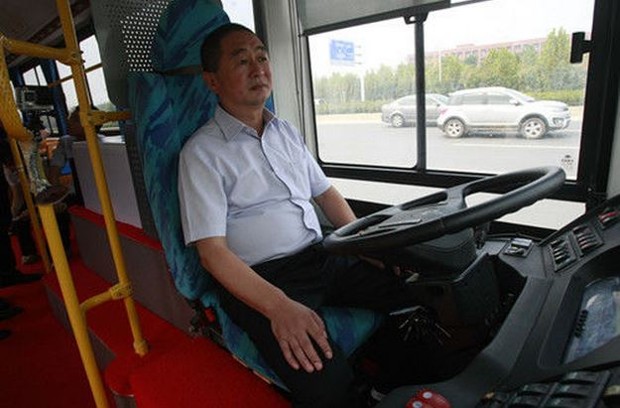
Not sure why there’s a driver right there, though.!!!

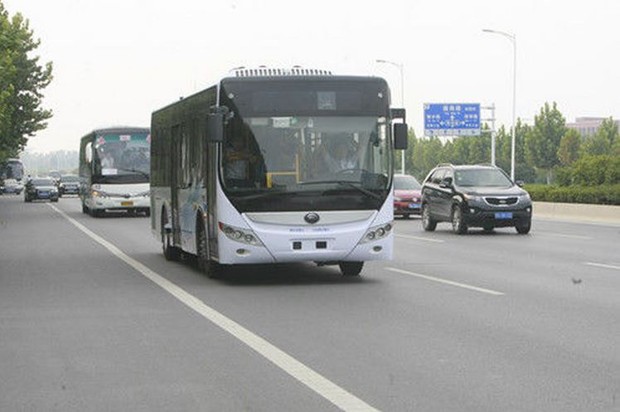
Notice anything odd about this bus tooling along a highway in China’s Henan Province?

Yutong

Look again. The dude behind the wheel is stretching his arms up like he’s dunking on someone—perhaps the execs at Google and Apple, as this thing is the “world’s first driverless bus,” according to manufacturer Yutong.

While tech companies in America have focused on personal automated cars, China has gone big with what could be the beginning of mass, unmanned bus transit. The spacious vehicle, unveiled at the end of August after three years of development, recently managed a 20-mile trip through the crowded city of Zhengzhou without crashing into other motorists or bursting into flames. That same driver stayed behind the wheel, true, but maybe as technology progresses he’ll be replaced with a Johnny-Cab robot.

The bus maneuvers with the help of cameras, laser radars, and a master controller that tells it to go faster and stop at signals. Yutong says in a press release it masterfully handled the road during one of its test drives:

With a distance of 32.6 km, the intercity road from Zhengzhou to Kaifeng has 26 traffic lights in total. Despite this and busy traffic, Yutong driverless bus successfully completed a series of highly complex driving acts, such as automatic lane change, overtake, and responding traffic lights. Without any human assistance, the bus arrived at its destination with its highest speed reaching 68 km/h (42 mph). According to some experts, the much improved active safety standard is the biggest advantage of unmanned vehicles as they are very likely to eliminate all kinds of traffic accidents.

The manufacturer also says the bus has an efficient driving style—one “that can only be attained by years of experience of an attentive and careful driver”—that will reduce energy waste and thus make the ride environmentally friendly. The company plans to put it through more tests, including running it on race lanes, before proceeding with real-world applications.

A reporting crew with RT took a spin on the bus last week. Have a look at the view from the front seat:

Source….

Natarajan

Message for the Day…” One’s own Breath is ‘mantra’…”

Sathya Sai Baba

People resort to gurus to receive mantras (mystically powerful formulae to be recited by them for their spiritual uplift); others seek medicine men and holy monks to get yantras (esoteric talismans to ward off evil forces); some others learn thanthras (secret rites for attaining superhuman powers) from scholars (pandits). But all of this is wasteful effort. One should accept the body as the thanthra, one’s own breath as the mantra and the heart as the yantra. There is no need to seek them outside oneself. When all words emanating from you are sweet, your breath becomes Rig Veda. When you restrict what you listen to and prefer only sweet speech, all that you hear becomes Sama gana(rendition of Sama Veda). When you do only sweet deeds, all that you do is Yajur homa (ritualistic sacrifice). Then you will be performing every day the Veda Purusha Yajna, the yajna which propitiates the noblest and highest Vedic Spirit!