The Stockholm Telephone Tower….


By the late 19th century, the miracle device called the telephone had been invented but the simple concept of undergrounding telephone cables had eluded engineers. Clumps of telephone wires strung from monstrous towers hung above the heads of pedestrians in all major cities with a sizable number of subscribers.

Telephone service was expensive at that time, and only the wealthy could afford it. In Sweden, the first public telephone exchange was opened in the capital city Stockholm, in 1880, by the Bell Telephone Company. It originally had only 121 subscribers. The telephone company charged subscribers between 160 and 280 Swedish Krona, depending on the subscriber’s location and distance to the exchange. This was equivalent to paying a subscription fee of 9,000 to 16,000 Krona (USD 1,100 to USD 1,966) in today’s value, which was a very high rate.

The Bell Telephone Company with their high rates soon got a competitor in Stockholm General Telephone Company (SAT), which was founded in 1883 by the engineer and businessman Henrik Tore Cedergren. His mission was to put a telephone in every household. Cedergren’s charged very low fees for a connection and monthly subscription, and the number of subscribers increased rapidly. By 1886, Stockholm had more telephones than any of the major cities in the world, with 4,832 subscribers, including about 1,600 at Bell Telephone Company. In 1887, SAT became the world’s largest telephone company, large enough to buy out Bell Company’s business in Stockholm in 1888.

In this early days of telephony, there were no substations and every subscriber was physically connected to the central exchange with an overhead wire. The Stockholm telephone exchange had thousands of wires converging in from every direction. A massive tower held these wires together.

This iconic Phone Tower, or Telefontornet, was opened in 1887, and had over 5,500 telephone lines whose collective length came to around 5,000 kilometers. As you can see from these pictures, it was quite a mess, and the network was extremely vulnerable to the elements. The locals thought the tower looked hideous and even complained that it darkened out the sun.

With the public and the press lambasting the tower at every opportunity, the telephone company decided that the tower needed a makeover. A decoration competition was announced, and in 1890 the tower got the four corner turrets. At all major events in Stockholm, the city’s flags were hoisted there.

However, by the turn of the 19th century, the tower was already on its path to obsolescence. The telephone company realized that laying cables underground was a far more elegant solution than stringing them from towers. By 1913, the entire network had gone underground and the Telefontornet lost its function. The remaining shell stood as a landmark for the several decades. At one point, the telephone company hung advertisement banners from the tower. In 1952, the tower caught fire which weakened the structure, and was demolished the following year on safety grounds.

Source….Kaushik in http://www.amusingplanet.com

Natarajan

Norwegian has launched the world’s longest low-cost flight — and it’ll get you to Singapore for less than £150….London to Singapore !


Norwegian has launched the world’s longest low-cost flight — and it’ll only cost you £149.90.

The route runs from London Gatwick to Singapore Changi Airport, and departs for the first time on Thursday.

The route takes 12 hours and 45 minutes and will cover 6,764 miles (10,885 km) — making it the longest non-stop flight operated by a low-cost carrier.

The route — announced in April — is scheduled to run four times per week.

Thursday’s flight is due to depart at 10.30 a.m. and land in Singapore at 6.15 a.m Friday morning local time.

The flights use brand new Boeing 787-9 Dreamliner aircraft, and start at £149.90 for a one-way ticket.

All seats on the Dreamliner have personal 11-inch seat-back screens and USB ports.

A higher price of £699.90 one way will get passengers “Premium” status. That means “spacious cradle seating” with more than a metre of legroom, and free lounge access at Gatwick.

The Singapore route is part of the airline’s continued global expansion.

In February, it announced that it will launch flights from the US Northeast to Europe for as little as $65 (£50). Then, in July, it announced direct flights from London to Chicago and Austin from £179.

In February 2018, Norwegian will also start flying to Buenos Aires.

Bjørn Kjos, CEO of Norwegian, said in a press release: “I’m delighted to build upon our popular USA flights and give leisure and business customers more affordable access to Singapore and the Asia-Pacific like never before.

“The 787 Dreamliner has the range to allow us to expand our long-haul services to other parts of the world while keeping fares affordable for all.

“This is just the start of Norwegian’s UK expansion into new markets as we will continue connecting destinations where fares have been too high for too long.”

Source….www.businessinsider.com

Natarajan


“மிகவும் தொன்மை வாய்ந்த வாய்ஸ் ரெக்கார்டர் எது தெரியுமா …? “


விஷ்ணு சஹஸ்ரநாமம் நமக்கு எப்படி கிடைத்தது…

1950-களில் ஒருநாள் ஒரு வானொலி நிருபர் ஸ்ரீமஹாபெரியவாளை பேட்டிகண்டு அதனை டேப்ரிகார்டரில் பதிவு செய்துகொண்டிருந்தார்.

திடீரென்று பெரியவா அவரிடமும்,அங்கு இருந்தவர்களிடமும்,”மிகவும் பழைய காலத்து வாய்ஸ் ரிகார்டர் எதுவென்று யாருக்காவது தெரியுமா” என்று கேட்டார்.

யாரும் பதில் சொல்லவில்லை.

பெரியவா மற்றொரு கேள்வியைக் கேட்டார், ”விஷ்ணு சஹஸ்ரநாமம் நமக்கு எப்படி கிடைத்தது?”

யாரோ ஒருவர்,”விஷ்ணு சஹஸ்ரநாமத்தை பீஷ்மர் நமக்குத் தந்தார்” என்றார்.

அனைவரும் “ஆம்” என்று ஒப்புக்கொண்டனர்.

பெரியவா சிரித்துக்கொண்டே தலையசைத்து விட்டு, மற்றொரு கேள்வியை வீசினார்,

”குருக்ஷேத்திரத்தில் அனைவரும் பீஷ்மர் சொன்ன விஷ்ணு சஹஸ்ரநாமத்தை பக்தியோடு கேட்டுக் கொண்டிருந்தபோது, அதனை குறிப்பெடுத்ததோ, எழுதிக்கொண்டதோ யார்?” மீண்டும் அமைதி.

ஸ்ரீசரணர் புன்னகையுடன் சொல்ல ஆரம்பி த்தார்

“பீஷ்மர், ஸ்ரீகிருஷணரின் புகழையும், பெருமைகளையும் விஷ்ணு சஹஸ்ரநாமத்தால் விளக்கிக் கொண்டிருந்தபோது, ஸ்ரீகிருஷணரும், வியாசரும் உட்பட அனைவரும் வேறு எந்த நினைப்புமின்றி அவரையே உன்னிப்பாக கவனித்துக்கொண்டிருந்தனர்.

பிதாமகர் பீஷ்மர் ஆயிரம் நாமங்களையும் சொல்லி முடித்தபின்பு அனைவரும் விழிப்படைந்தனர்.

முதலில் யுதிஷ்ட்டிரர் பேசினார்,

”பிதாமகர், ஸ்ரீவாசுதேவரின் ஒப்பற்ற பெருமை வாய்ந்த ஆயிரம் புனித நாமாக்களை சொன்னார். அவற்றைக் கேட்பதில் கவனமாக இருந்த நாம் அனைவரும் அவற்றை குறிப்பெடுக்கவோ, எழுதிக்கொள்ளவோ தவறிவிட்டோம்.

நாம் அற்புதமான விஷயத்தை இழந்து நிற்கின்றோம்” என்றார்.

அப்போதுதான் அனைவரும் எப்படிப்பட்ட தவறு நேர்ந்துவிட்டதென்று உணர்ந்து திகைத்தனர்.

பிறகு யுதிஷ்டிரர் ஸ்ரீகிருஷணரிடம் திரும்பி,”ஆயிரம் புனித நாமாக்களை மீட்டுத்தர தாங்களாவது உதவக்கூடாதா” என்று கேட்டார்.

ஸ்ரீகிருஷ்ணர் வழக்கம்போல், “என்னால் மட்டும் என்ன செய்ய முடியும்? உங்கள் எல்லோரையும் போல நானும் ஆச்சார்யர் பீஷ்மரைத்தான் பார்த்துக்கொண்டிருந்தேன் என்றார்.

அனைவரும் சேர்ந்து ஸ்ரீகிருஷ்ணரிடம், “ஹே.. வாசுதேவா, நீ ஆனைத்தும் அறிந்தவர். உம்மால் இயலாததென்பது எதுவுமே இல்லை. தாங்கள் தயைகூர்ந்து எங்களுக்கு உதவ வேண்டும்.

அந்த ஒப்புயர்வற்ற பெருமைவாய்ந்த பரந்தாமனின் ஆயிரம் புனித நாமாக்களை மீட்டுத்தர வேணடும். அது தங்களால் மட்டுமே முடியும்” என்று வேண்டினர்.

அதற்கு ஸ்ரீகிருஷ்ணர்,”இதனை செய்ய முடிந்த ஒருவர் உங்களுக்குள்ளேயே இருக்கின்றார்” என்றார்.

எவருக்கும் ஒன்றும் புரியவில்லை.

ஸ்ரீவாசுதேவர் தொடர்ந்தார்,”சகாதேவன் அதனை மீட்டு சொல்ல, வியாசர் எழுதுவார்” என்றார்.

அனைவரும் சகாதேவனால் எப்படி சஹஸ்ர நாமத்தை மீட்க முடியும் என்பதை அறிய ஆவலாக இருந்தனர்.

ஸ்ரீவாசுதேவர் கூறினார்,”உங்கள் அனைவருள்ளும் சகாதேவன் மட்டுமே ‘சுத்த ஸ்படிக’ மாலை அணிந்திருந்தான்.

சகாதேவன் சிவபெருமானை பிரார்த்தனை செய்து தியானித்து ‘சுத்த ஸ்படிகம்’ உள்வாங்கியுள்ள சஹஸ்ரநாமத்தை சப்த அலைகளாக மாற்ற, அதனை வியாசர் எழுதிக்கொள்ளுவார்” என்றார்.

‘சுத்த ஸ்படிகம்’ அமைதியான சூழ்நிலையில் எழும் சப்தங்களை கிரகித்துக்கொள்ளும்.

இது ஸ்படிகத்தின் குணம், தன்மை.

‘ஸ்வதம்பரராகவும்’ ‘ஸ்படிகமாகவும்’ இருக்கும் சிவபெருமானை தியானித்து அந்த சப்தங்களை மீட்க முடியும்.

உடனே சகாதேவனும் வியாசரும், பீஷ்மர் சஹஸ்ரநாமம் சொல்லிய அதே இடத்தில் அமர்ந்தனர்.

சகாதேவன் மஹாதேவரை பிரார்த்தித்து, தியானம் செய்து சஹஸ்ரநாமத்தை மீட்கத் துவங்கினர்.

அந்த ‘சுத்த ஸ்படிக’ மாலையே உலகின் முதல் ‘வாய்ஸ் ரிகார்டராக’, அற்புதமான விஷ்ணு சஹஸ்ரநாமத்தை நமக்குத் தந்தது………..”

என்று சொல்லி குழந்தைபோல சிரித்தார் ஸ்ரீசரணர்.

ஹர ஹர சங்கர, ஜய ஜய சங்கர.

Source….FB input from Mohan Krishnaswamy and Subramanian Thanappa

Natarajan

Why you can’t fly a plane to space…?


Why can’t you fly a plane to space?

Turns out, you couldn’t even make it halfway. Part of the problem is Earth’s gravity. You need to escape it in order to reach space.

This requires a minimum speed of mach 33 (25,000 mph). The current world record for fastest plane is only mach 6.7 (5,140 mph). The other problem is the atmosphere.

As you fly higher, the atmosphere grows thinner. This creates two serious issues:

Issue 1: Fewer air molecules means it’s harder for the plane to stay airborne.

Issue 2: Less oxygen means less combustible fuel to power the engine.

So how high can planes actually fly? Commercial airliners generally don’t surpass 45,000 feet. But some pilots have pushed their planes to extreme limits.

In 1977, Alexandr Fedotov flew to 123,532 feet. This is the highest any ground-launched plane has reached. Yet, Fedotov only made it about 1/3 the way to space.

Another plane, SpaceShipOne reached 367,500 feet in 2004. It had rocket engines and was flown to an initial 43,500 feet before launch.

Looks like its best to leave spaceflight to the real rocket ships.!!!

Source….NATHANIEL LEE,JESSICA ORWIG  in http://www.businessinsider.in

Natarajan

THE MAN WHO ACCURATELY ESTIMATED THE CIRCUMFERENCE OF THE EARTH OVER 2,000 YEARS AGO….


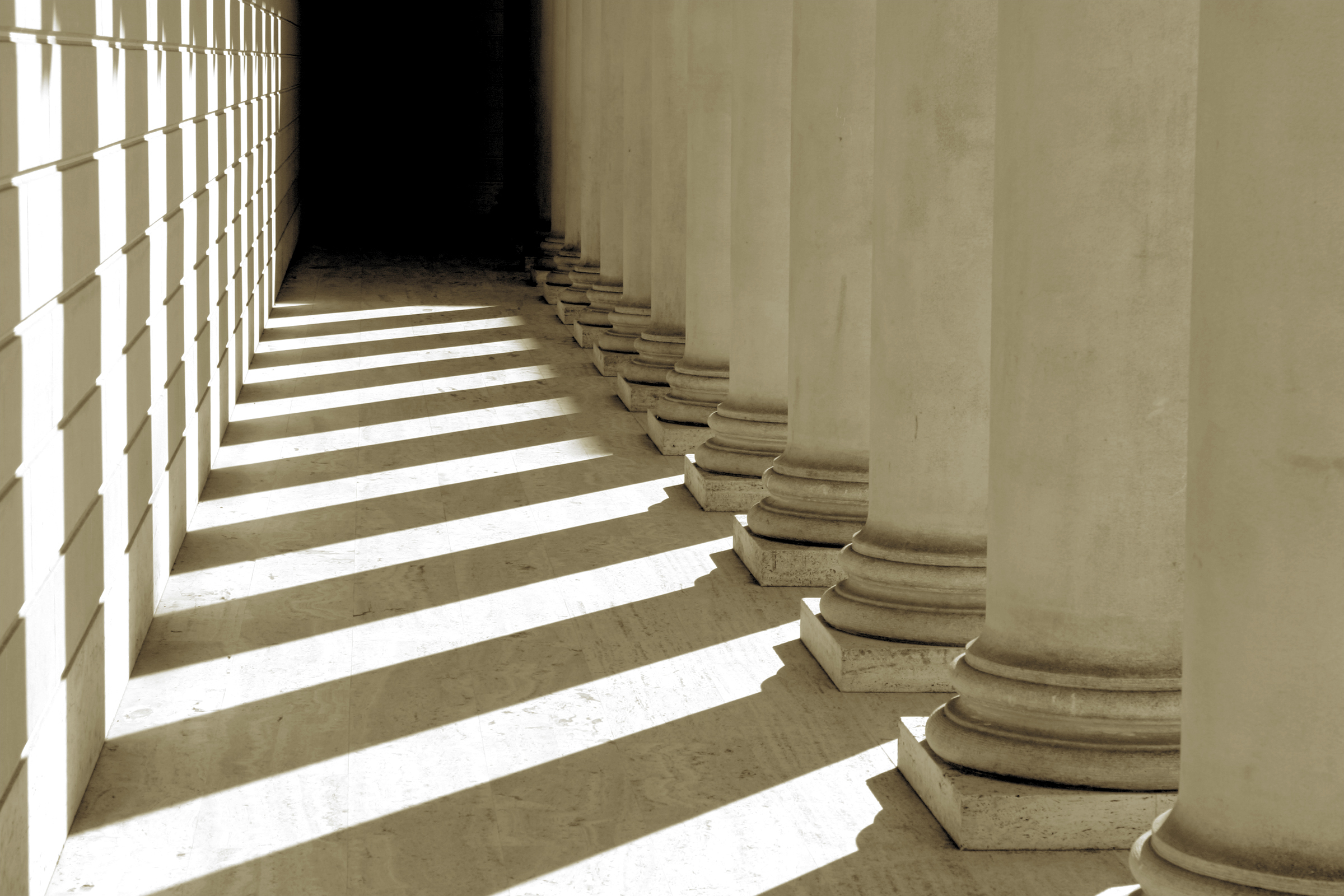
pillars

Today I found out about a man who fairly accurately estimated the circumference of the Earth well over 2,000 years ago: Eratosthenes of Cyrene.

Born around 276 B.C. in Cyrene, Libya, Eratosthenes soon became one of the most famous mathematicians of his time. He is best known for making the first recorded measurement of the Earth’s circumference, which was also remarkably accurate.  (And, yes, people at that point had known for some time that the world wasn’t flat, contrary to popular belief.)

Eratosthenes was able to accomplish this in part because of his education in Athens. There, he became known for his achievements in many different fields, including poetry, astronomy, and scientific writing. His activities became so talked about, in fact, that Ptolemy III of Egypt decided to invite him to Alexandria to tutor his son. Later, he would become the head librarian of the Library of Alexandria.

The mathematician must have been thrilled to have this opportunity. The Library of Alexandria was a hub of learning at the time, attracting scholars from across the known world. Eratosthenes was able to rub shoulders with the likes of Archimedes while continuing his own learning.

It was probably in the Library of Alexandria that he read about a curious event that took place in Syene (now Aswan, Egypt) at the summer solstice. Syene sat to the south of Alexandria. At high noon, the sun would shine directly overhead and there would be no shadows stemming from the columns. However, Eratosthenes realized that at the same moment in Alexandria, columns clearly did have shadows. Being a good mathematician, he decided to use this knowledge to do a few calculations to figure out the circumference of the Earth.

To do this, Eratosthenes measured the shadow of an obelisk on June 21 at noon. He discovered that the sun was about 7°14’ from being directly overhead. He realized that, because the Earth is curved, the greater the curve, the longer the shadows would be.

Based on his observations, he hypothesized that Syene must lie 7°14’ along a curve from Alexandria. Furthermore, he knew that a circle contained 360°, which meant that his calculation—7°14’—was roughly one fiftieth of a circle. Therefore, Eratosthenes thought, if he multiplied the distance between Syene and Alexandria by 50, he would have the circumference of the Earth.

The missing information was simply how far away Syene was from Alexandria. He measured the distance in stadia. There isn’t an exact modern day conversion to stadia, and it isn’t perfectly clear which version of the stadia Eratosthenes was using, but regardless, from what is known, his estimation was remarkably accurate.

There are two theories as to how Eratosthenes figured out the distance: first, that he hired a man to walk there and count the steps. Second, that he heard a camel could travel 100 stadia a day, and it took a camel about 50 days to travel to Syene. Whatever the case, he estimated the distance between Syene and Alexandria was 5,000 stadia. If that was the case, then using his formula, the earth was 250,000 stadiaaround.

Due to the uncertain distance that stadia represents (and particularly which stadia he was using), historians believe that Eratosthenes’ conclusion was between .5% and 17% off the mark. Even if the latter case was true, it was astoundingly accurate given the limited technology he was dealing with at the time. But many scholars think it likely that he was using the Egyptian stadia (157.5 m), being in Egypt at the time. This would make his estimate only about 1% too small.

There had been previous attempts at discovering the Earth’s circumference (which don’t count as “first recorded” because their methods didn’t survive, though we have references to them) which resulted in a 400,000 stadia figure, 150,000 more than Eratosthenes’—obviously far from accurate.

While finding the approximate circumference of the Earth was probably Eratosthenes’ largest contribution to scholarship at the time, it was by no means the only one. Eratosthenes is also credited with coming up with a way to map out the known world by drawing lines north-south and east-west—early latitude and longitude lines. However, these lines were irregular and often drawn through known places, meaning they weren’t entirely accurate. Nevertheless, it provided a precursor for maps we know today.

He is also remembered for the Sieve of Eratosthenes, a simple algorithm that makes it easy to find all prime numbers up to a certain limit. Though none of Eratosthenes’ personal work on the sieve survives, he was credited with the creation of the algorithm by Nicomedes in his Introduction to Arithmetic.

Not only that, but Eratosthenes estimated the distance to both the sun and the moon, and measured the tilt of the Earth’s axis all with amazing accuracy.

He also wrote the poem Hermes, correctly sketched the route of the Nile, and even gave a more-or-less accurate account of why the Nile flooded, something that had baffled scholars for centuries. He worked on a calendar that included leap years and he also estimated and corrected the dates of various historical events beginning with the Siege of Troy.

Despite these accomplishments and many more like them, Eratosthenes was often nicknamed “Beta.” Beta is the second letter in the Greek alphabet and referred to Eratosthenes being second-best in everything he did.

Eratosthenes died around 194 B.C. and is thought to have starved himself to death. It is believed that he started going blind in his later years and, unable to continue his work, he simply stopped eating.

Bonus Fact:

  • A man named Posidonius copied Eratosthenes’ basic method about a century later, using the star Canopus, Rhodes, and Alexandria as starting points. However, he didn’t measure the distance between Rhodes and Alexandria correctly, resulting in a circumference that was smaller than Eratosthenes’ estimation. It was this circumference that was recorded by Ptolemy in his geography treatise and later used by explorers looking for a quicker way to the Indies.

Source…www.todayifoundout.com

Natarajan

வாரம் ஒரு கவிதை ….” மழை நீர் போல …”


மழை நீர் போல …
——————–
வறண்டு கிடக்கும் பூமி …வானம் திறக்குமா கண் ?
மேலும் கீழும் பார்ப்பது உழவன் மட்டுமல்ல இன்று !
அடுக்கு மாடி கட்டிடக் குவியல் கூட்டில் குடி இருக்கும்
நகரத்துப் “பறவைகளும்” மழை தேடி வானிலை
அறிக்கையை காலையும் மாலையும் அலசும் அவலம் இன்று !
மழை நீரை முத்தமிட துடிக்கும்  வறண்ட பூமி நனையுது
மழை நீர் போல பெருகி வரும் உழவன் அவன் கண்ணீரில் !
குடிக்க நீர் இன்றி தவிக்கும் அடுக்கு மாடி “பறவைகள்”
வழி மேல் விழி வைத்து காத்திருக்குது  தினமும் ஒரு
லாரி தண்ணீருக்கு !
தண்ணீரும் பணமாக மாறும் காலம் இது ..மழை
நீர் சேமிப்பின் மதிப்பு உணராத மனிதன் கொடுக்கிறான்
நீருக்கு ஒரு விலை இன்று !
மழை வெள்ளம் வரும் நேரம் “இது என்ன பேய் மழை”
என்று அலறிய மனிதன் குரல் கேட்டு வானமும்
மனம் உடைந்து “கண்ணீர் ” விடவும் மறந்து போனதோ ?
தினம் தினம் தண்ணீர் தண்ணீர்  என்று மனிதன்
கண்ணீர் விட்டு என்ன பயன் இன்று ?
மாற வேண்டும்  மனிதன்… மாற்றி யோசிக்கவும்
வேண்டும் …வானமும் மகிழ்ந்து  தன் ஆனந்தக்
கண்ணீரால்  நனைக்க வேண்டும் இந்த பூமியை !
மனிதனுக்கும் புரிய வேண்டும்  எந்த நீர்
ஆனாலும்  மழை நீர் போல ஆகுமா  என்று !
Natarajan….
in http://www.dinamani.com dated  13th August 2017

வாரம் ஒரு கவிதை ….” தூரத்தில் கேட்குது ….”


தூரத்தில்  கேட்குது ..
———————-
அம்மா உன் குரல் முதன் முதல் கேட்டேன்   தூரத்தில்…
உன் கருவில்  நான்  மலர்ந்து வளர்ந்த  போது !
இப்போதும்  உன் குரல் நான் கேட்கிறேன்
தினமும் …தூரத்திலிருந்தே !
அயல் நாட்டு மண்ணில் நான் இன்று  இருந்தாலும்
நம் நாட்டு  மண் வாசம் மறக்கவில்லையே அம்மா  நான் !
தூரத்திலிருந்து உன்  குரல்  நான் கேட்டாலும்
அம்மா..பாசமுடன் மண் வாசம் கலந்து ஒலிக்கும்
உன் குரல் நான்  அன்று  கருவில் கேட்ட
அதே குரலாக இன்றும் ஒலிக்கும் மாயம் என்ன அம்மா ?
தூரத்தில் கேட்குது உன் குரல் என்று என்னிடம்
இது வரை நீ சொன்னதில்லையே அம்மா !
எங்கே நீ இருந்தாலும் நீ இருக்குமிடம் என்
இதயத்தில்தான் என்று எனக்கு சொல்லாமல்
சொல்லுகிறாயா  அம்மா ?
Natarajan …..in http://www.dinamani.com dated 24th July 2017

This 30-Year-Old Indian Pilot Is the World’s Youngest Woman to Captain a Boeing 777!

Currently based in Mumbai, the young aviator had always dreamed of becoming a pilot and did so at the age of 19

“Since my childhood, I wanted to be a pilot. Other children used to make fun of me for this. Kids, at that time, were pushed to pursue engineering or become a doctor but not a pilot,” Anny told to HT.

Coming from an army background, one would think Anny must have had it easy. While she had rock-solid support from her parents, dissent often cropped up in form of family friends and relatives.

“Luckily, my parents never forced their choice on me. They were supportive and progressive in their thinking. My mother always used to encourage me. However, my relatives and my family friends were against my decision to become a pilot. Also, at that time, being a pilot was not considered as a profession for woman,” she said.

After her father took voluntary retirement, the family moved to Vijayawada, where Anny did her schooling. Hailing from a modest background, their family had their share of financial shortcomings. “Since I grew up in Vijayawada, I could write and read English but speaking English was a major challenge that I had to overcome,” Anny said.

Post her school education, the 17-year-old Anny made it to Indira Gandhi Rashtriya Uran Akademi (IGRUA), one of the premier flying schools in the country.

The cultural change from a small town to a big city was overwhelming for me. I had difficulty adjusting and speaking English. People used to mock me for my poor English and that hurt me a lot. At times, I had even thought of going back. However, backed with my parents’ support, I worked hard enough to win a scholarship,” she added.

Completing her training by the time she was 19, Anny bagged a job with Air India and since then, there has been no looking back. Post her training, she kickstarted her flying carrier with Boeing 737.

“When I turned 21, I was sent to London for further training. It was then when I started to fly Boeing 777. Since then, my life has changed. It’s been a great experience so far. I’ve got the opportunity to travel to various countries. My journey so far has taught me a lot,” Anny added.

When the going gets tough, the tough get going!

Source….LekshmiPriya .S  in http://www.betterindia.com

Natarajan

THE TIMELY DEATH OF KODAK FOUNDER GEORGE EASTMAN…


It was March 14, 1932 when George Eastman, famed inventor, philanthropist, and founder of Eastman Kodak, invited a few loyal friends over to witness the rewriting of his will. He had made the decision to give a good portion of his money and prized possessions, including his enormous mansion, to the city he called home for his whole life- Rochester. To this end, he bequeathed his house and a $2 million endowment (about $34 million today) to the University of Rochester. Eastman also donated a large sum of money to dental dispensaries across the city, attempting to ensure that no child in Rochester would go without proper dental work. Finally, he left $200,000 (about $3.4 million today) to his beloved niece, Ellen.

Cheerfully signing the will, he assured his friends this was just a matter of ensuring his wishes. Later, it was thought that he also wanted his friends to see him mentally alert so the credibility of the will wouldn’t be questioned. After all the t’s were crossed and i’s were dotted, he asked if everyone could excuse themselves for a moment. When they did, George took out paper and pen and wrote a note, which read,

To my friends,
My work is done.
Why wait?
GE

Then, he took a pistol out from his nightstand and shot himself in the heart, ending his life at the age of 74.

So who was this captain of industry and why did he, quite cheerfully, suddenly choose to take his own life?

George Eastman, and his company, turned photography from a complicated, expensive, unwieldy, and potentially dangerous hobby (due the chemicals needed to develop the film) into one that, quite literally, a child could do. He was not only a genius inventor, but a brilliant marketer.

His story begins as it ended, in Rochester. The Eastmans always put a priority on education. In fact, George Eastman Senior founded Eastman’s Commercial College in 1854, the same year George Junior was born. The family was middle-class and living pretty comfortably, but this was short-lived. In 1862, when George was only eight, his father passed away from a “brain disorder.” His mother, Maria, was a now a widow with three small children, one of them (George’s youngest sister Katy) suffered from polio and other illnesses. Life was hard for the Eastman family after George Senior’s death and self-reliance became a necessary trait.

At age of 14, George dropped out of high school to support his family. He worked at a local insurance company and as a clerk at Rochester Savings Bank. Then, in 1870, tragedy struck again when his sister, Katy, passed away from complications related to polio. She was buried next to her father.

George, even at an early age, was meticulous, detailed, and controlling of every aspect of his own business. Starting when he got his first job at 14, he began keeping ledgers to detail his finances. Due to his careful planning and earning enough working at the bank, Eastman was able to afford certain luxuries. It was in one of these ledgers, under January 27, 1869 to be exact, that “photography” was first mentioned. As the months passed, besides helping to support his mother, George spent more and more money on “photos” or “photograph materials.”

In 1878, Eastman learned an important lesson – photography (at least at the time) was hard. The legend goes that he wanted to treat his mother to a vacation in Santa Domingo in the Dominican Republic (other sources say he was looking to buy land in the newly independent nation). Either way, to document his trip, he bought a photographic outfit. Cameras then are not what we think of cameras are today. An outfit included the camera (constructed from several parts that must be put together before taking pictures), a stand, a light, and wet glass plates (with chemicals) in order to preserve the picture. As Eastman later put it,

In those days, one did not ‘take’ a camera; one accompanied the outfit in which the camera was only a part. I bought an outfit and learned that it took not only a strong, but also a dauntless man to be an outdoor photographer.

Eastman, so fed up with everything he had to bring, not only didn’t take a camera, he didn’t take the trip at all. At this point, Eastman thought to himself that there had to be a better way.

For the next several years, while still working at the bank, Eastman developed a new kind of dry plate, one made out of gelatin (the same ingredient used in Jello, which would be invented twenty years later in a small town thirty miles from Rochester), not glass. Glass was heavy, fragile, and expensive. Gelatin was an improvement on all of these things. By 1880, he had patented a dry-plate coating machine made out of gelatin, making the process of preserving film negatives simpler, cheaper, and less dangerous.

While developing this process, he came across another innovation that would allow photography and, eventually, cameras to become something that wasn’t just for the professional. As described by Eastman,

I also made experiments by using paper as a temporary support and coating the Cellulose immediately upon the paper, and afterwards coating with the emulsion. I had no difficulty stripping the Cellulose from the paper, the cellulose adhered to the emulsion and separated from the paper.

He patented this film on March 4, 1884. That same year, Eastman and his associate William Walker developed a roll holder to hold the film. The invention of this revolutionary film wasn’t enough, though. What he really wanted to do was, “to popularize photography to an extent as yet scarcely dreamed of.”

In 1888, the name “Kodak” was thought up while playing with an anagram set with his mother. Eastman loved the word because it was simple, easy to pronounce and it started with a “K.” Said Eastman, “It became a question of trying out a great number of combinations of letters that made words starting and ending with ‘K.”

Kodak was officially incorporated as a company in 1890 and quickly rocketed to the top of the industry. Also that same year, Eastman introduced the first Kodak camera, equipped with his film. It cost $25 (about $640 today), but the most important thing was that the customer didn’t do the developing of film themselves- Kodak did. The customer would send the camera back (film and all) to the company for developing and processing. Their motto aptly illustrated this: “You press the button, we do the rest.”

He had now made it easy for anyone to take and have pictures developed. The next step was to change the camera from a luxury item or expensive hobby to something just about anyone could afford.

In 1900, the revolutionary Brownie camera, versions of which were so popular through the mid-20th century, was born. It cost only one dollar ($28 today) and was even marketed to children. For the next hundred years, George Eastman and Kodak would be synonymous with cameras and film.

For his entire 40+ years of heading up his own company, George Eastman was used to being in control. So, when he was diagnosed with a spinal condition in the late 1920s, forcing him to be confined to a wheelchair, it depressed him greatly. His mother, who lived with him until her death in 1907, was also in a wheelchair for the last years of her life. His baby sister was in a wheelchair until she died. He saw them suffer and Eastman did not want to go through the same long drawn out process. He also didn’t like that he felt this gave off an image of weakness. Eastman was used to being a man respected the world over, not an “invalid.” He mused greatly about death and illness, writing a friend,

God keep me from being like them (referring to family and friends who he had seen succumb to illness). Doesn’t it seem strange that the clearest minds I have ever known should be taken this way? That is the sad thing about illness.

So, by March 1932, he had enough. George Eastman wanted to go by his own hand, rather than the hand of illness and fate. So he tidied up all the loose ends of his life and, once complete, ended it immediately on his own terms.

Source…www.today i foundout.com

Natarajan
வாரம் ஒரு கவிதை …” சூரிய தாகம் “


சூரிய தாகம்
————–
சுள்ளென்று எரிக்கும் சூரியனின் தாக்கம் தெரியும்
அது என்ன சூரிய தாகம் ? சூரியனுக்கே  தாகமா !
இல்லை  தாகம்,  சூரிய வெப்பம் தாக்கும் பூமிக்கா ?
தாகம் பூமிக்கு மட்டும் அல்ல …  சூரியனுக்கும் இருக்கு !
மண்ணில் உள்ள நீர் மனிதனுக்கு மட்டுமல்ல சொந்தம் !
விண்ணில் உள்ள மேகத்துக்கும் அதுதானே நீராகாரம் !
மண்ணிலிருந்து நீர் உறிஞ்சி வெண் மேகம் நெய்து
கொடுக்கும் கரு மழை மேக புத்தாடை  சூரியனுக்கு
ஒரு பட்டாடை ! கதிரவன் அவன் தாகம் தீர்க்கும்
தண்ணீர் பந்தலும் அதுவே !
விண்ணின் தண்ணீர் பந்தல் அள்ளி வழங்கும்
கொடையே இந்த மண்ணுக்கு துள்ளி வரும் மழை !
மண்ணுக்கு துள்ளி வரும் மழை நீரை வரவேற்க
ஏரி குளம் ஒன்றும் இல்லையே நம் மண்ணில் இன்று !
மண்ணுக்கு குடை பிடித்து கருமேக மழைப்
பொழிவை வழி காட்டி வரவேற்கும் மரம்,
கானகமும் கண்ணில் படவில்லையே இன்று !
வரிசை கட்டி வானம் தொடும் கட்டிடங்கள்தான்
தெரியுது கண்ணுக்கு எட்டும் தூரம் மட்டும் !
வீட்டுக்கு ஒரு மரம் வளர்ப்போம் ! ஏரி குளம்
அருமை புரிந்து நம்  மண்ணின் நீர் வளம்
காப்போம் !
மரம் வளர்த்து நீர் வளம் பெருக்கினால்
தீரும் அந்த சூரிய தாகம் !
சூரிய தாகம் தணிந்தால்  தீரும் இந்த மண்ணின்
தண்ணீர் தாகம்  தன்னால் !
Natarajan  in http://www.dinamani.com  dated 17th April 2017
Natarajan