படித்ததில் பிடித்தது …” ஜாக்கிரதை …ஜாக்கிரதை ” !!!


ஒரு காவல்காரன். வழக்கம்போல் தப்பட்டை அடித்துக்கொண்டு நடுநிசியில் ”ஜாக்கிரதை” என்று கத்திக்கொண்டே போவான்….
ஒருநாள் அவசரமாக வேறு ஒரு ஊருக்கு போகவேண்டி இருந்ததால் அவன் வேலையை அவன் பிள்ளை செய்யவேண்டியதாயிற்று….
அவன் பிள்ளை முன் ஜன்மத்தில் ஒரு ‪#‎வேதமறிந்த_பண்டிதனாக‬இருந்தவன். எனவே பூர்வ ஜன்ம வாசனை ஞானம் இருந்தது…

இரவில் அவன் தப்பட்டை அடித்துக்கொண்டு ஜாக்கிரதை சொல்லிக்கொண்டு தகப்பன் வேலையை செய்தான்….
அடுத்த நாள் ராஜாவே அந்த காவல்காரன் வீட்டு வாசலில் நின்றான்….
அந்த பையனைப் பார்க்கத்தான் வந்தான்.
”ஐயோ ராஜாவே வந்திருக்கிறார், என் பிள்ளை என்ன பெரிய தவறு ஏதாவது செய்து விட்டானோ,
இங்கேயே ஏதாவது தண்டனையை கொடுத்து நிறைவேற்றுவானோ ?”
காவல் காரன் நடுங்கினான்…..
ஆனால் ராஜா அந்த பையனுக்கு பரிசு கொடுத்து கௌரவிக்க அல்லவோ வந்தான்? எதற்காக?
முதல் நாள் இரவு பையன் ” ஜாக்கிரதை. ஜாக்கிரதை” என்று அப்பாவை போல் சும்மா கத்திக்கொண்டு போகவில்லை….

அவன் ஸ்லோகமாக சில வார்த்தைகள் சொன்னதுதான் ராஜாவை மயக்கியது.
அந்த நீதி வாக்யங்கள் இவைதான்…….

‪#‎ஸ்ரீஆதிசங்கரர்‬ அருளிய இந்த வைராக்ய ஸ்லோகங்களில் சில……..

(1)

माता नास्ति पिता नास्ति नास्ति बन्धुः सहोदरः।
अर्थँ नास्ति गृहँ नाति तस्मात् जाग्रत जाग्रत॥

“மாதா நாஸ்தி பிதா நாஸ்தி பந்து ஸஹோதரா
அர்தம் நாஸ்தி க்ருஹம் நாஸ்தி தஸ்மாத்
ஜாக்ரதா ஜாக்ரதா”

There is no mother, no father, no relationships nor any siblings. No money or house. Therefore be alert, Wake up!

அடே தூங்குமூஞ்சி விழித்துக் கொள்ளடா. அப்பன் என்னடா , தாயுமென்னடா, அண்ணனென்னடா தம்பியென்னடா,காசும் பொய் வீடும் பொய். சொந்தமும் இல்லை பந்தமும் இல்லை,. காயமும் பொய் காற்றடைத்த பை, இதையெல்லாம் நம்பி ஏமாறாதே, உடனே விழித்துக் கொள் ஜாக்ரதை ஜாக்ரதை,…

(2)

जन्म दुःखँ जरा दुःखँ जाया दुःखँ पुनः पुनः।
सँसारसागरँ दुःखँ तस्मात् जाग्रत जाग्रत॥

“ஜன்மதுக்கம் ஜராதுக்கம் ஜாயாதுக்கம் புந;புந: சம்ஸார ஸாகரதுக்கம் தஸ்மாத் ஜாக்ரதா: ஜாக்ரதா”

Birth is sorrow, aging is sorrow, spose is sorrow !
Samsara itself is sorrow, therefore remain awake! be alert!

பிறப்பே துன்பம், வயோதிகம் பரம துக்கம், கட்டின மனையாளோ நடக்கும் துயரம், வாழ்வே சோகம்,மாயம்,
விழித்துக்கொள் ஜாக்ரதை….
(3)

कामक्ष्च क्रोधक्ष्च लोभक्ष्च देहे तिष्ठन्ति तस्कराः।
ज्ञनरत्नापहाराय तस्मात् जाग्रत जाग्रत॥

“காம; குரோதச்ச லோபச்ச தேஹே நிஷ்டந்தி தஸ்கரா;
ஞான ரத்நாப ஹாராய தஸ்மாத் ஜாக்ரத ஜாக்ரதா!”

Kama (desires), Krodha (Anger), Lobha (Greed) are like theifs in this body who steal the jewel called “Jnana” [Self Knowledge]. Therefore be alert! Be Awake!

ஆசையும் பாசமும், கோபமும், பேராசையும் திருடர்களப்பா .உன் உள்ளே இருக்கும் ஞானமெனும் விலை மதிப்பில்லா மாணிக்கத்தை திருடுபவர்கள். விளக்கு எடுத்துக்கொண்டு வெளியே திருடர்களை தேடாதே, உள்ளே, உனக்கு உள்ளே ஒளிந்திருக்கும் அவர்களைத் தேடி துரத்து. விழித்துக் கொள், ஜாக்ரதை ஜாக்ரதை…

(4)

आशाया बध्यते जन्तुः कर्मणा बहुचिन्तया।
आयु क्षीणँ न जानाति तस्मात् जाग्रत जाग्रत॥

“ஆசாயா பத்யதே ஜந்து : கர்மணா பஹு சிந்தயா: ஆயுக்ஷீணம் ந ஜாநாதி தஸ்மாத் ஜாக்ரதா
ஜாக்ரதா”

We are [The animal -humans are also addressed as animals here] bound by Expectations: various activities and excess thinking. so much so that we do not recognize the ebbing away of life. Therefore be awake! Be Awake!

ஆசையெல்லாம் தோசை தான் மனித மிருகமே, எதிர்பார்த்து ஏமாறுவதே வழக்கமா? நாம், மனக்கோட்டை கட்டுபவர்கள்… அழிவதை சாஸ்வதம் என்று மனப்பால் குடிப்பவர்கள், விழித்துக் கொள்ளவேண்டாமா, ஜாக்ரதை ஜாக்ரதை.

(5)

सम्पदः स्वप्नसँकाशाः यौवनँ कुसुमोपम्।
विधुच्चन्चचँल आयुषँ तस्मात् जाग्रत जाग्रत॥

All possessions are like what are seen in a dream, youthfulness is only for a short time , like a flower’s lifetime. Life passes away like a lightening therefore be alert!

“நம்முடைய சொத்து எல்லாமே கனவில் கட்டிய மாளிகைகள், இளமை வாலிபம் நிரந்தரமல்ல … நேற்று மொட்டு, காலை மலர், மாலையில் வாடிபோய் எறிந்தாகி விட்டது. மின்னல் போலாகும் இந்த வாழ்க்கை, இதில் நீ என்ன நான் என்ன, விழித்துக் கொள், ஜாக்ரதை ஜாக்ரதை,.

(6)

क्षणँ वित्तँ क्षणँ चित्तँ क्षणँ जीवितमावयोः।
यमस्य करूणा नास्ति तस्मात् जाग्रत जाग्रत॥

Money, memory and life are all momentary. Lord Yama, the lord of death, does not show any mercy. Therefore be awake!!

சூரியன் வருமுன் ஜொலிக்கும் இலையின் மேல் உள்ள பனித்துளி நம் வாழ்வு, சாஸ்வதம் என்று மயங்காதே. சொத்து சுதந்திரம், டாம்பிகம், பேர் புகழ் எல்லாமே, கண்மூடி கண் திறக்கும் வரை தான். கொஞ்சம் கூட நெஞ்சில் ஈரமில்லாதவன் அந்த யமன் . ஜாக்ரதை ஜாக்ரதை

(7)

यावत् कालँ भवेत् कर्म तावत् तिष्ठन्ति जन्तवः।
तस्मिन् क्षीणे विन्श्यन्ति तत्र का परिदेवना॥

As long as their karma lasts so long we see the animal here, the moment the karma is over, the animal is gone. what is there to brood over this ?

சாவி கொடுத்தால் அது வேலை செய்யும் வரை தான் இந்த குரங்கு பொம்மை டமாரம் தட்டும்.தலை ஆட்டும் நடக்கும். கர்மா அளிக்கும் நேரம் வரை தான் வேலையே இங்கு.அப்புறம்? வேறென்ன, தொடரும் கதை தான்.
இதில் என்ன யோசிக்க இருக்கிறது. மேடையில் ஏறியாயிற்று.., வேஷம் கலையும் வரை, வேளை வரும் வரை ஆடு பாடு. இதை உணர விழித்துக் கொள், ஜாக்ரதை ஜாக்ரதை…..

Source ….Facebook post of Sridharan Sivaraman

Natarajan

படித்து ரசித்தது …10 வினாடி கதை !!!


10 செகண்ட் கதைகள்*

அவசியம் படிக்கவும்

*அறியாமை*

”அம்மா, இதுகூடவா தெரியலை” மிதுன், தன் அம்மாவுக்குப் புத்தம்புது ஆப் பற்றி விளக்கிக்கொண்டிருந்தபோது காலிங் பெல் சத்தம். வாசலில், கிராமத்தில் இருந்து அவனது அத்தையும் மாமாவும். கதவைத் திறந்தவன் கத்தினான், ”அம்மா… யாரோ வந்திருக்காங்க பாரு. எனக்குத் தெரியலை!”
😞😞😞😞

*நீதி*

நீதிபதி: குனிஞ்ச தலை நிமிராம நிக்கிறாங்க… இவங்களையா டிவோர்ஸ் பண்றீங்க?

அவன்: ஐயா… அவ இப்பக்கூட ‘ஜட்ஜ்மென்ட் டே’னு ஃபேஸ்புக்ல ஸ்டேட்டஸ் அப்டேட் பண்ணியிருக்கா!
😗😗😗

*உபதேசம்*

”தண்ணியை வேஸ்ட் பண்ணாமப் பிடிங்கப்பா!” எனக் கத்திக்கொண்டிருந்தான், வழி முழுக்க தண்ணீரைக் கொட்டிக்கொண்டே வந்த லாரி டிரைவர்!
😜😜😜

*பரிதவிப்பு*

”கையில இன்னும் பட்டாசு மருந்து ஒட்டிட்டு இருக்கு பாரு… கையை நல்லாக் கழுவிட்டு வந்து சாப்பாட்டுல கை வை” தன் பத்து வயது மகனைக் கடிந்தாள் அந்த விதவைத் தாய், இருவரும் வேலைபார்க்கும் பட்டாசு கம்பெனியின் மதிய உணவு இடைவேளையில்!
😔😔😔😔

*வரம்*

”பக்தா… உன் பக்தியை மெச்சினேன்.

என்ன வரம் வேண்டும்?”

”கடவுளே… நீங்க எனக்கு வரம் தந்தீங்கன்னு சொன்னா, ஒரு பய நம்ப மாட்டான். அதனால

ஒரு செல்ஃபி எடுத்துக்கலாமா?”

😎😎😎

*பெற்ற உள்ளம்*

”என்னை முதியோர் இல்லத்தில் சேர்த்துவிட்டுப் போகும் மகனுக்குத் தெரியவே கூடாது, அவனை நான் பக்கத்துத் தெருவில் உள்ள அநாதை ஆசிரமத்தில் இருந்துதான் தத்தெடுத்தேன் என!”
😯😯😯😯

*தலைமை*

தன் தலைமையில் வகுப்புத் தோழிகளுடன் அந்தச் சிறிய கிராமத்தை பக்காவாகச் சுத்தம்செய்து, ‘க்ளீன் வில்லேஜ்’ புராஜெக்டை வெற்றிகரமாக முடித்து வீடு திரும்பினாள் தனிஷா. அம்மா கத்திக்கொண்டிருந்தாள், ”ஏழு கழுதை வயசு ஆகுது… இன்னும் உன் ரூமை சுத்தமாவெச்சுக்கத் தெரியலை. எல்லாம் போட்டது போட்டபடி கிடக்குது!”

😇😇😇

*வருத்தம்*

தனக்கு மூன்றாவதும் பெண்ணாகப் பிறந்துவிட்டதற்காக மிகவும் வருத்தப்பட்ட முருகன், பின் தன் வாழ்நாள் முழுக்க வருத்தப்படவே இல்லை!
😢😢😢

*சைலன்ஸ்*

‘பின் டிராப் சைலன்ஸ்…’ வகுப்பில் ஆசிரியர் சொன்னதும், அனைத்து மாணவர்களும் தத்தமது மொபைலை சைலன்ட் ஆக்கினர்!
😃😃😃😃

*சம்சாரி*

அறுத்த நெல் அனைத்தையும் பண்ணையாருக்கு வட்டியாகக் கட்டிவிட்டு, ரேஷன் கார்டைத் தேடி எடுத்தார் சம்சாரி ராமசாமி, இலவச அரிசி வாங்க!
😁😁😁😁

Source…….Facebook  input

Natarajan

The 10 best airports in Asia….Singapore’s Changi Airport is again Number One !!!


Leading consumer aviation website Skytrax has published its latest annual World Airport Awards, and for the third consecutive year, Singapore’s Changi International Airport took the crown as the world’s best airport. However, Changi isn’t the only world class facility of its kind in Asia — which is why Skytrax has released its list of the 10 best airports in Asia.

The Skytrax annual rankings are based on the impressions of over 13 million flyers from 106 countries. More than 550 airports were included in the survey, which covers 39 service and performance parameters, including facility comfort, location of bathrooms, and the language skills of the airport staff.

10. Kuala Lumpur International Airport (KUL)

Yearly passengers: 47.5 million

Previous rank:10

Why it’s awesome: Kuala Lumpur International is one of southeast Asia’s busiest airports and serves as home base to both AirAsia and Malaysia Airlines.

The airport is located just 35 miles south of the Malaysian capital and is easily accessible by road and rail. KL International is home to one of the most unique features in all of aviation, an in-airport jungle, complete with waterfall. Called the KLIA Jungle Boardwalk, the nature area is located in the airport’s Satellite Terminal.

Source: Skytrax World Airport Awards. Yearly passenger figure is for 2013, provided by Airports Council International.

9. Taiwan Taoyuan international Airport (TPE)

Yearly passengers: 34 million

Previous rank: 9

Why it’s awesome: Located just outside of the Taiwanese capital of Taipei, Taoyuan International is the largest airport in Taiwan. The airport is the home base for both China Airlines and EVA Air.

Skytrax reviewers praised the airport for its polite service, clean environment, and speedy immigration lines. Taoyuan was also once home to Taiwan’s aviation museum, but the museum was shut down earlier this year to make way for further airport expansion.

Source: Skytrax World Airport Awards. Yearly passenger figure is for 2014, provided byTaoyuan International Airport.

8. Beijing Capital International Airport (PEK)

Yearly passengers: 83.7 million

Previous rank: 6

Why it’s awesome: As the second-busiest airport in the world, Beijing’s Capital Airport has played a major role in the Chinese capital’s explosive growth.

With this growth, the airport has built new facilities and upgraded its infrastructure. Capital’s Terminal 3 was rated as the 10th-best terminal in the world.

Source: Skytrax World Airport Awards. Yearly passenger figure is for 2013, provided by Airports Council International.

7. Tokyo Narita International Airport (NRT)

Yearly passengers: 35.6 million

Previous rank: 8

Why it’s awesome: Narita is the first of the two Tokyo airports to appear on the list. Located 35 miles outside of Japanese capital, Narita handles the majority of the international traffic going in and out of the city. The airport serves as a major hub for ANA, Japan Airlines, Delta, and United.

Skytrax reviewers lauded the airport for its efficient and friendly staff, clean facilities, and abundant dining options.

Source: Skytrax World Airport Awards. Yearly passenger figure is for 2014, provided byNarita International Airport.

6. Kansai International Airport (KIX)

Yearly passengers: 20 million

Previous rank: 7

Why it’s awesome: Located on an artificial island in the Osaka Bay, Kansai International is a major hub for ANA and Japan Airlines.

Reviewers on Skytrax praised Kansai for its modern architecture, spotless facilities, and helpful staff. The airport also boasts a Sky View observation deck that affords passengers spectacular views of incoming and outgoing flights.

Source: Skytrax World Airport Awards. Yearly passenger figure is for 2014, provided byNew Kansai International Airport.

5. Central Japan International Airport (NGO

Yearly passengers: 9.8 million

Previous rank: 5

Why it’s awesome: Built on an artificial island in the middle of Ise Bay near the city of Nagoya, Central Japan International — also known as Centrair — serves as a hub for Japan Airlines and ANA.

Centrair holds the distinction as the best regional airport in the world.

It has a 1,000-foot-long sky deck where passengers can watch ships sail into Nagoya Port. There’s also a traditional Japanese bathhouse where you can have a relaxing soak while watching the sunset over the bay.

Source: Skytrax World Airport Awards. Yearly passenger figure is for 2014, provided by Skytrax.

4. Hong Kong International Airport (HKG)

Yearly passengers: 63.1 million

Previous rank: 3

Why it’s awesome: Built on an artificial island off the coast of Hong Kong, HKG has become one of the most popular facilities in the world since it opened in 1998.

One of the busiest airports in Asia, Hong Kong International serves as the home to Cathay Pacific, Hong Kong Airlines, and Dragonair.

Be sure to play a round at the SkyCity Nine Eagles golf course near Terminal 2.

Source: Skytrax World Airport Awards. Yearly passenger figure is for 2014, provided by Airports Council International.

3. Tokyo Haneda International Airport (HND)

Yearly passengers: 72.8 million

Previous rank: 4

Why it’s awesome: Haneda is one of two major international airports that serve the Tokyo area. Located a few miles away from the heart of the Japanese capital, Haneda has proved to be a popular port of entry for business travelers and tourists.

The world’s fourth-busiest airport, Haneda is know for its service efficiency, cleanliness, and shopping.

Source: Skytrax World Airport Awards. Yearly passenger figure is for 2014, provided by Airports Council International.

2. Incheon International Airport (ICN)

Yearly passengers: 41.7 million

Previous rank: 2

Why it’s awesome: Once again, Incheon is the world’s second best airport. Located on an island just outside of the South Korean capital, Incheon is home base to Korean Air and is the 24th-busiest airport in the world. It opened in 2001.

Incheon’s highly regarded facilities feature an array of shopping and dining options, in addition to a bevy of cultural performances. The airport even has a Korean culture museum.

Source: Skytrax World Airport Awards. Yearly passenger figure is for 2013, provided by Airports Council International

1. Singapore Changi International Airport (SIN)

Photo courtesy of Singapore Changi Airport

Yearly passengers: 54 million

Previous rank: 1

Why it’s awesome: For the fourth year in a row, Changi takes the crown as the world’s best airport. Changi serves as home to Singapore Airlines, Silkair, and Tigerair and is the 16th busiest airport in the world.

The Singaporean airport has received praise from flyers for its beautiful architecture, efficient operation, luxurious amenities, and broad offering of dining and shopping options.

Flyers passing through are treated to movie theaters, a multimedia entertainment deck, spas, and a wild corkscrew slide.

Source: Skytrax World Airport Awards. Yearly passenger figure is for 2014, provided by Airports Council International.

Source….www.businessinsider.com

natarjan

Life Lessons We Can Learn from Children….!!!


Children seem to know something that adults have forgotten. They appear more confident, more courageous and enjoy life more intensely than we adults do. I often look back at my childhood years and cannot help but think of them as the best years of my life. I was a carefree spirit; I lived in the present moment; I had no anxieties and I had no fears. I often wish that I could return to the innocence and zest for life I once had when I was a child. I believe that we can all learn something from our younger selves to bring more clarity and joy into adulthood.

1. They see each day as a new beginning

When you are young, a day can feel like an eternity. Yet with each new day we are aware of the new prospects and new opportunities to make new friends, explore new adventures and learn new things. Every day is an opportunity to start afresh. And, unlike adults, children do not carry baggage from one day to the next.
2. They are fearless
Children are more willing to explore and try new things. They are unaware of the consequences and are more willing to try something new. If they injure themselves they use it as an opportunity to learn from their mistakes. As adults, we often hold ourselves back, predominantly because of fear. We stop ourselves from taking chances and seeing what happens. Successful people tend to be those that step out of their boundaries and take risks.
3. They lose themselves in creative projects
A child can often be seen getting lost in a creative project for hours at a time, be it drawing, playing with clay, building a sand castle, and so on. Yet, as we get older, we stop seeing creative activities as worthwhile. How many adults do you know (aside from artists) who spend their free time drawing, playing with clay or finger painting?
4. They find joy in most things and laugh every day


Children have a beautiful ability to find joy all around them. They see silliness everywhere.


5. They cry if they feel like it

Crying is not often an emotion that adults feel comfortable expressing, yet children do so all the time. Crying helps release our emotions in a normal, healthy way. Yet, instead, we always make it a point to keep it in check. Consequently, we end up keeping our emotions to ourselves. At times, it’s okay for us to be a little more open and vulnerable with people we feel comfortable around.

6. Children are active

Thinking back to my younger years, it was a joy to play outside, running around until I was out of breath and my cheeks were rosy. I never thought of being active as exercise or daily fitness, for me, I was just playing and it was fun.

7. They are more willing to try new things

Children will attempt to play a sport that they have never tried before. They are more willing to jump on a trampoline or dive into a pool, or ski down a mountain, even if they have never done so before. Adults tend to have a fear of the unknown and prefer to stay in their comfort zone, rarely venturing out. Adventure though can make us feel exhilarated and awakened.

8. They are enthusiastic

Children often tend to have so much enthusiasm. They feel lots of excitement, and are hopeful and optimistic. We too should learn to approach life in a more optimistic way. As adults, we often tend to dwell on the negative

9. They nurture friendships

Observe children playing with their friends, they often find pure joy in doing so and are always keen to make new ones. Children tend to enjoy their many activities too – they join soccer teams, go to birthday parties and enjoy quite a number of after school activities too.

10. They notice the little things

The simple things that we often take for granted tend to bring incredible joy and profound inspiration to children. They notice the tiny miracles that surround them each day. How much more beautiful life could be if we noticed the same things they do?


Source….www.ba-bamail.com

Natarajan


வாரம் ஒரு கவிதை…” எல்லைக் கோடு ” ….!


எல்லைக்   கோடு
………………..
எல்லைக் கோடு இல்லாத இடம் எது இந்த  மண்ணில் ?  வீட்டுக்கு
வீடு ஒரு எல்லை சுவர்  … ஊருக்கு ஊர் ஒரு எல்லை !
நாட்டுக்கு நாடு ஒரு எல்லைக் கோடு ! எல்லைக்கோட்டுக்குள்
அவரவர் அதிகாரம் …ஆதிக்கம் !  மண்ணில்  மட்டுமா ?
நதியிலும்  கடலிலும்  உண்டு இந்த ஆதிக்கம் ! விண் வெளியில்
இது எங்கள் வான் பகுதி  , அது உங்கள்  வான் பகுதி  என்று
பாகுபாடு வேறு !  இத்தனை  கோடும் , பாகுபாடும்  இந்த
மண்ணில் உள்ள மனிதனுக்கு மட்டுமே ! விண்ணில் பறக்கும்
பறவைக்கும் , கடல்  மீனுக்கும் இல்லையே  எந்த கோடும் எல்லையும் !
இந்த மண்ணில் எத்தனை நாடு …எத்தனை மனிதர் …மொழி
எத்தனை …மதம்  , இனம்  எத்தனை  எத்தனை ! அத்தனை
பேரையும்  மொத்தமாக  தாங்குவது ஒரே ஒரு  பூமித் தாய்தானே !
அந்த தாயின் மக்கள்தானே  இந்த மண்ணின்  மனித குலம் !
ஒரு நிமிடம் யோசிக்க வேண்டும் மனிதா நீ …இந்த மண்ணை
விட்டு  விண்ணுலகம்  நீ செல்லும்போது  இனம்,  மொழி,
மதம்,  நாடு பார்த்து இட  ஒதுக்கீடு கிடைக்குமா  உனக்கு அங்கும் ?
உன் எல்லை அங்கு எது வரை என்று தெரியுமா உனக்கு ? போட முடியுமா
ஒரு கோடு அங்கே  உன்னால் ?
விடை தெரியா கேள்வி அல்லவா இது  ?  பின்  ஏன் இன்று நீ  இருக்கும்
மண்ணில் மட்டும்  இந்த ஆட்டம் …ஒருவர்  மேல் ஒருவர் காட்டம் ?
உன் மனது   தொட்டு நீ சொல்லு ,மனிதா … நீ கிழித்த   எல்லைக் கோடு ,
உன்  தொல்லை தீர்க்கும் கோடா …இல்லை  தொல்லை பல
உன்னை  தொடர்ந்து வர இந்த மண்ணில் நீ போட்ட ” ரோடா ” ?
Natarajan

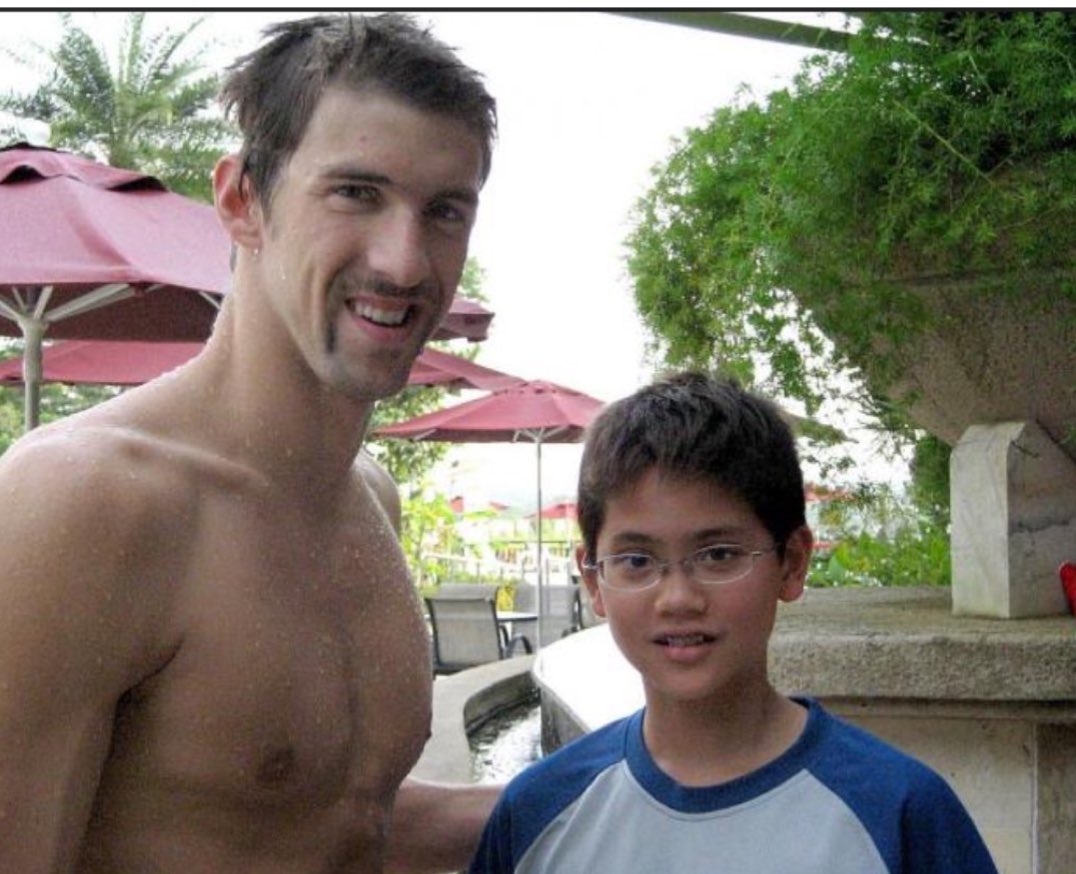
The 21-year-old who beat Michael Phelps first met him as a kid in 2008….!!!

joseph schooling

Joseph Schooling

Michael Phelps might still be snagging gold medals, but a lot has changed since 2008.

Michael Phelps’ only silver medal of the Rio Olympics came at the hands of 21-year-old Singaporean swimmer Joseph Schooling. Schooling beat Phelps in the 100-meter butterfly, claiming his and Singapore’s first gold medal in Olympic history.

During the victory lap after the race, Schooling turned to Phelps and said, “Dude this is crazy, out of this world, I don’t know how to feel right now,” according to The Guardian. Phelps smiled and simply replied, “I know.”

For Schooling, beating Phelps also meant beating his swimming idol. Phelps and Schooling met for the first time in 2008. Here is a picture that has been circulating on social media that puts that meeting into perspective:

Cps6iiuWAAAKEW5

“They came to the country club that I trained at,” Schooling told The Guardian. “Everyone just rushed up and was like “it’s Michael Phelps! It’s Michael Phelps!’ and I really wanted a picture … It was very early in the morning and I was so shell shocked, I couldn’t really open my mouth.”

Now it’s Phelps’ turn to be shell shocked, as Schooling put him in a position he’s not used to: second.

And the gold medal isn’t the only thing Schooling will take away from these Olympics. He also just became a millionaire. Singapore tops the rest of the world in prize money for winning a gold medal. According to Fox Sports Australia, athletes who win Olympic gold medals get paid 1 million Singapore dollars for their achievements (roughly $983,000 American).

Source…..www.businessinsider.com.in

Natarajan

“Did You Know, Dr APJ Abdul Kalam’s Best Friend Was 110 Years Old…? “


Meeting Arjuna, Dr APJ Abdul Kalam’s 110-year-old best friend who was a permanent fixture at the former President’s residence, 10 Rajaji Marg, in a book excerpt.
July 27, 2016 marked the first death anniversary of the nation’s best loved president, a teacher par excellence and a human being worthy of being called one of the most humble people in the current times: Dr APJ Abdul Kalam.

Srijan Pal Singh, a close associate of Dr Kalam as well as his student, has chosen to pay tribute to the People’s President through the book ‘What Can I Give: Life Lessons from my Teacher APJ Abdul Kalam.’ The book reveals to readers rare, personal and unheard of anecdotes as well as unseen pictures from Dr Kalam’s life. It also offers one a peek into his daily routine, travels and reflections on various issues.

Below is an excerpt from the book

The people who visited 10, Rajaji Marg to meet Dr Kalam were inevitably asked one question: ‘Have you met my friend Arjuna? Let me introduce you to him. He is a wonderful fellow.’

Then he would escort the guest to the front garden, where Arjuna stood—tall and majestic like the warrior he had been named after, the long years proudly etched on his body.

Dr Kalam would then say, ‘This fellow is very old. Hundred and-ten years old. He must have seen so much, imagine− Gandhiji, Nehru, the freedom wars and India’s rising story. He holds an entire section of history his heart. He is my best friend.’

Arjuna would wave back at Dr Kalam gently, its large branches swaying gracefully. The people who have seen it have always been tempted to take a selfie with it. Arjuna was almost three decades older than Dr Kalam. He was the most special occupant of 10, Rajaji Marg, loved and respected by the owner of the house.

Dr Kalam would walk up to him every day and they would exchange their thoughts silently. No one knew what they communicated, in what language, but we all knew that they made each other wiser. Dr Kalam would often thank Arjuna for taking care of 10, Rajaji Marg through the ages and for helping so many flowers and plants grow under his care. Arjuna was also the official bee-keeper of the house.

One day in 2012, while Dr Kalam and I were in the garden, I asked him, ‘What is so special about Arjuna? Why do you admire him so much?’ He looked at me, puzzled.

Then he said, ‘Because Arjuna lives to give and anyone who lives to give needs to be venerated. Arjuna’s mission in life has been “What can I give, what can I give, what can I give?” That is why he is standing so proudly and happily at such an age.’

I could feel Arjuna, the 110 year-old Terminalia tree, smile behind us.

The conversation did not stop there. Dr Kalam gave me a task one day. ‘Can you determine how many lives Arjuna supports?’ he asked. I was puzzled. It was an unexpected challenge. ‘Go ahead, find out,’ he said.

So I walked up to the giant tree and counted the thick rings of runners around the trunk. Runners are smaller plants that cannot support themselves and so spread themselves around the trunks of large and stronger trees like Arjuna.
One, two, three . . . eleven. Bingo. Eleven rings. I came back with my answer. ‘Sir, it supports eleven rings and of course, it gives out oxygen.’

‘Oh. You missed the nests. Look again.’

So I went back to Arjuna. This task was difficult because the tree was heavy with foliage, which carefully shielded its inner branches. I managed to count about twelve nests. I went back. ‘Sir, it supports eleven rings, twelve nests, and gives oxygen.’

‘You missed something again. Come with me.’

This time he walked back towards Arjuna with me. Pointing down at the base of the trunk, he said, ‘You missed this. Didn’t you?’ There it was. Hidden in the dense bushes, growing around the base of the trunk was a peacock’s nest, and a beautiful peahen was laying her eggs in there.

‘Yes, I missed it.’

You know why? Because we often look for solutions that are above us and that makes the solutions look more magnificent. Our mind points us that way. Thus we ignore the inspiration that comes from below, from the ground level. You missed, the largest nest, with the prettiest birds in it, because it was lying on the ground—at the base, around the roots. Diamonds are found in the depths of the earth, and not at the height of the sky.’

A few weeks later, the nest became alive with the chirping of five little chicks. Dr Kalam asked me if I knew what a baby peacock was called. And before I could Google it, he gave them a name—‘Pea-children’.

The pea-children became a part of the 10, Rajaji Marg family. Dr Kalam would regularly ensure that they were fed in the courtyard, which was near the dining room. While we had lunch at the table, he would get birdfeed laid out at the courtyard for the pea-children. And the pea-children would flock to it hungrily.

‘We have more guests for lunch. Now they will always come here for their lunch happily, even when we are not there. You just keep watching; they will come, and come just on time, regardless of anything,’ he would say.
Of course, soon the pea-children were joined by many other birds—pigeons, parrots and crows. This established a tradition which continued for years to come. Even when Dr Kalam went out of town, those birds were served their food. He would remind his staff to feed them whenever he was gone for a long time. And he made it a point to check on them whenever he returned from his trip.

When I returned to 10, Rajaji Marg after Dr Kalam’s death, the fact that he would never again eat in that dining room across the courtyard sunk in. But the birds are still fed, like they used to be in his time. The birds will always be fed, in his honour.

www. the betterindia.com

Natarajan

வாரம் ஒரு கவிதை …” வயல் வெளிகளில் ” !


”  வயல்  வெளிகளில் “
……………………..
வயல் வெளியில் முத்து முத்தாக அவன் சிந்தும் வியர்வை
நெல் மணியாக மலரும் நாள்  உழவன் அவனுக்கு  திருநாள் !
ஒரு நாள் திருநாளுக்கு   அவன் படும் பாடு வெளியில்
தெரிவது எத்தனை பேருக்கு ?
உழைப்புக்கு ஏற்ற ஊதியம்   கேட்டு உள்ளிருப்பு
போராட்டம் ,அலுவலக புல்வெளியில் அமர்ந்து !
விண்ணைத்  தொடும் விலைவாசிக்கு இணையாக ஊதியப்
படி கேட்டு “கேட்” மீட்டிங் மற்றும் சாலை வழி மறியல் ! ஆனால்
சேற்றில் கால் வைத்து நாற்று நாடும் உழவனின்
உழைப்பின்  மதிப்பு ….அவனுக்கே தெரியாத  ஒரு கணக்கு !
மண்ணையும் ,தன்னையும்  நம்பும்  விவசாயிக்கு மட்டும்
ஏன் தனி  கணக்கு  அவன் நமக்கு அளிக்கும் நெல் மணிக்கு ?
இரவும் பகலும் உழைக்கும் அவனுக்கும்  வேண்டாமா  அவன்
உழைப்புக்கு சரியான ஒரு ஊதியம் ?  யோசிக்க வேண்டும்
நாம் … வயல் வெளி விவசாயம் அவன் மறந்தால் ,  யாசிக்க
வேண்டும் நாம் நம் உணவை வேறு நாட்டிடம் !
விண்வெளியில் சோதனை பல செய்து சாதனை படைக்கும்
  நாம் ,நம் வயல் வெளியிலும்  சாதித்து காட்ட வேண்டாமா ?
விண்ணைத் தொட்டு  மாற்று கோளிலும் கால் வைக்க
முந்தும்  நாம் நம் மண்ணை பொன்னாக்கும் நுண்ணியல்
விஞ்ஞான அறிவியலை நம்  வயல் வெளியெங்கும்
விதைத்து வளர்க்க முடியாதா என்ன ?
காட்டுவோம் ஒரு நல்ல வழி  நம் வயல் வெளிக்கும் ! செய்து
காட்டுவோம் ஒரு பசுமை தொழில் புரட்சி !  உழவும்  ஒரு  தொழில்
ஆகி நம் உழவனும் பல உழவுத்  தொழிலாளிகளை உருவாக்கட்டும் !
Natarajan
My Kavithai appeared  in http://www.dinamani.com on 8th august 2016

The Strange Story of the First Olympian Disqualified for Doping….


Olympians have been bending (and occasionally breaking) the rules in an effort to give themselves an edge over the competition since the games began. Despite this, the International Olympic Committee (IOC) only started testing for performance enhancing substances in 1968, and only seem to have really started taking the issue seriously in the 1990s. As for the 1968 Games, despite that a large percentage of Olympians are thought to have been using performance enhancing drugs, they only managed to catch and disqualify one guy. What dangerous substance did he take to get himself disqualified? He drank two beers before an event, resulting in him becoming the first person to be disqualified for “doping”.

To really drive home how ingrained using performance enhancers is in Olympic culture, and to highlight how endemic is was before the IOC began to crack down on it recently, ancient Olympians were known to drink “potions” containing mysterious, often exotic herbs, or even ground up animal testicles, in the belief that doing so would give them an edge. Much like the athletes that wear colored tape (see: Why Do Olympians Wear Colored Tape?) or more recently the use of cupping therapy, it didn’t really matter if the thing actually helped them- only that they thought it did.

Although there were no specific rules against using performance enhancing substances back then, there were rules in place against the use of magic to “curse” or otherwise unnerve an opponent. In other words- in the ancient Olympics, you were free to use anything you wished to improve your own performance, but you weren’t allowed to try and negatively impact the performance of others. As far as we can tell, this didn’t actually stop people from doing such things.

When the Olympic Games were revived in the 19th century, athletes were similarly open to having various substances put into their bodies if it had even a small chance at giving them the ability to perform citius, altius, fortius.

For example, Thomas Hicks, the winner of the 1904 Olympic Marathon was givendoses of strychnine and shots of brandy in the middle of the race by his trainers in full view of gathered crowds and officials.

At the time, strychnine was used in small doses as a performance enhancing drug. Anything but small doses would, of course, kill the athlete via asphyxiation due to paralysis of the respiratory muscles.  However, if the dose wasn’t too large, strychnine was believed to provide a performance boost via the muscle spasms it relatively quickly induces. They gave Hicks three doses during the race… This was only part of the way in which his trainers almost killed him.

You see, while his trainers were willing to give him, essentially, rat poison and brandy, they refused to give him any water despite the sweltering Missouri summer heat. By the end of the race, Hicks was delusional and had to more or less be carried to and over the finish line as he was too weak to remain upright on his own. He immediately passed out upon finishing and the doctor was unable to revive him for almost a full hour. Despite not being able to finish the race without help, he was nevertheless declared the victor. (See: The Trials and Tribulations of 1904 Olympic Marathon Runners)

And if you thought that being carried over the finish line made for a questionable victory, Hicks only won after it emerged that the first person to finish, Fred Lorz, had traversed most of the course by car. You see, due to the amazingly bad conditions in the race, Lorz decided to quit and hitched a ride back to the starting point. When he exited the car and subsequently jogged back into view of the spectators, everyone just assumed he’d ran the whole thing, so he went along with it. Eventually his automotive adventure came to light, at which point he claimed his pretending he ran had all been a joke.

Back to doping in the Olympics. The IOC didn’t officially ban certain dangerous performance enhancing substances until the late 1960s, and even then, it took the death of an athlete to jar them into taking a stand. That athlete was a cyclist competing in the 1960 games on behalf of Denmark called Knud Enemark Jensen. He collapsed and subsequently died in the middle of a race, with it widely reported that the cause of his collapse was that he’d been given a cocktail of drugs, including Roniacol, by his trainer beforehand.

Of course, it should also be noted that at the time it was 108° F (42° C) out and what actually happened was that Jensen succumbed to heat stroke and then fractured his skull after falling off his bike- the official cause of death was brain injury resultant from his fractured skull. Although it was ultimately determined that drugs probably didn’t have anything to do with Jensen’s death, the IOC was shaken enough by the media backlash to decide to ban, at least officially (more on this in a bit), certain substances starting in the 1968 Games.

Although testing was in effect during the 1968 Winter Olympics in Grenoble, France, no athlete is known to have been caught with a performance enhancing drug in their system.

The same couldn’t be said for that year’s summer games. (At the time the Winter and Summer Olympics occurred in the same year) During those Olympics, as mentioned, Swedish athlete Hans-Gunnar Liljenwall was found to have alcohol in his system.

Though alcohol may seem like the exact opposite of a dangerous performance enhancing drug given that it dulls the senses, clouds judgement, and is otherwise pretty safe in moderation, in the right quantities, there was, and still is, a popular idea that it gives one an advantage.  How?

The hypothesis goes that in skill based games that rely more on muscle memory than things like reaction times- games like darts, billiards and even target shooting- alcohol could, perhaps, potentially improve performance in individuals prone to stress or “overthinking“. Whether actually helpful or not, in Liljenwall’s case, he was trying to use the alcohol for this very purpose and so drank two beers before a shooting event to steady his nerves, and hopefully hands.

After his urine was found to contain alcohol, Liljenwall was disqualified and was ordered to return the bronze pentathlon medal he’d won while under the influence. Not stopping there, the rest of Sweden’s pentathletes were also forced to hand back their medals for Liljenwall’s mistake.

What makes Liljenwall’s disqualification even more bizarre is that, seemingly, little was actually being done to stop anyone else from using performance enhancing drugs.

You see, they only used urine tests during the 1968 games out of fear that blood tests could potentially spread infection or cause some sort of injury to the athletes. Although today urine tests are fairly comprehensive and accurate for many things, back then the science was still in its infancy and the chemists performing the tests were only looking for a very specific set of substances, mostly “hard drugs” like cocaine and heroin, but not steroids.

In fact, in 1969, an American weightlifter responded to being asked about the recent ban on amphetamine use by defiantly saying, “What ban?” He went on to explain that he and his fellow athletes had all used a new drug recently developed in West Germany that couldn’t be detected during the previous Olympic games, openly bragging: “When they get a test for that one, we’ll find something else. It’s like cops and robbers.

Beyond some using undetectable drugs, others would use a catheter to fill their bladder with someone else’s urine directly before testing. Women had another trick up their, well… not sleeves… in the use of a condom filled with clean urine cleverly hidden inside the vagina.

Because the IOC was only testing urine and the tests were fairly inaccurate and not very sensitive on the whole, more low-tech methods of avoiding detection included drinking a lot of water to dilute results beyond the capabilities of the testing of the age to detect anything in, or simply rejecting the test results for various reasons.

For instance, in a non-Olympic event at the 1970 Weightlifting World Championship in Ohio, all three medalists were found to have banned substances in their urine. Despite this, they were allowed to keep their winning medals. Why? Due to systemic issues with testing procedures, with some athletes even managing to get around being tested at all, including the guys who came in fourth, fifth and sixth place at this event, there was no way to ensure the medals would definitely go to someone who hadn’t cheated. Given that the orginisation knew well that pretty much all of the top lifters were using drugs, they reasoned the winner should probably just be the best of the cheaters.

This same problem plagued the Olympics as well. Dr. Robert Voy, formerly in charge of drug testing for the U.S. Olympic Committee, noted that, beyond inherent problems with the accuracy of the tests, complete lack of quality control in the samples, and inconsistent procedures from test to test, because the tests were so easily fooled, those in charge of the drug testing resorted to “a less libelous approach to testing called ‘sink testing,’ used to prevent false positive reporting and legal challenges. This now nonexistent method meant all samples were collected but either were not tested or were simply poured down the drain.”

Dr. Voy went on to state, “The athletes knew better than anyone that the drug testing posed little threat to them.  They scoffed at testing notices and went right on with their routine drug use with little fear of detection.”

In fact, one survey of track and field athletes from seven different nations in the 1972 Olympics revealed that a whopping 61% of them admitted to using steroids before those games. The actual number of track athletes using is thought to have been higher as presumably not everyone taking steroids would be so keen on admitting it, even in an informal survey.

The reason they could be so flippant, particularly about using steroids was that, while drugs like alcohol, heroin, and cocaine were being tested for, as previously mentioned, at this points steroids were not.

On top of that, even if they tested positive for substances that were being tested for, they could simply say their sample wasn’t handled or tested right, which may well have been true. Other excuses included things like- if they’d been using heroin, they could say they’d been eating poppy seed muffins, and even could be publicly seen doing so to back their story. (And yes, that is really a thing, even today- see: Can Eating Poppy Seeds Really Cause You to Fail a Drug Test?)

It would not be until the late 1980s when Canadian sprinter Ben Johnson stunned the world by setting a new world record- 9.79 seconds- in the 100m sprint, and subsequently had his medal stripped three days later after testing positive forstanozolol, that the public began to wake up to the problem.

Beyond Johnson, there was evidence that six of the eight sprinters in that race were likely using steroids. This was a problem in the sport that famed Olympian Carl Lewis (who finished 9.92 seconds in that sprint) raged against in the media before the 1988 games, noting “There are gold medalists at this meet who are on drugs, that [100 metres] race will be looked at for many years, for more reasons than one.”

Funny enough, Johnson’s trainer, Charlie Francis, would later come out and say the fact that Johnson tested positive for stanozolol just showed the flaws in the Olympic testing procedures.  You see, Johnson was actually taking the steroid furazabol, as he didn’t like the way stanozolol made him feel.  Francis also claimed that at the time all the top athletes in the sport were taking steroids.

In support of Francis’ assertions, in a recent CBC documentary, Ben Johnson: A Hero Disgraced, a former IOC official revealed that approximately 80% of the track and field athletes in the 1988 Games showed significant signs of long-term steroid abuse. Not only that, but 20 actually tested positive but were nevertheless cleared for the Games by the IOC. It has been claimed that the reason the IOC was so keen on allowing these athletes to compete was due to pressure from NBC who didn’t want the games to “collapse in scandal”. They were also supposedly refusing to pay the IOC owed funds and threatening to withdraw broadcasting the Olympics that year if such a thing happened before the Games.

The media frenzy that surrounded Johnson’s rapid downfall, along with the public becoming aware of the widespread use of steroids in the Olympics, resulted in the IOC finally putting significant effort into ending performance enhancing drug use among Olympics athletes.

Source…..www.today i found out .com

Natarajan

Joke of the Day…” Way to cut cost …” !!!


Once upon a time the government had a vast scrap yard in the middle of a desert.

Congress said, “Someone may steal from it at night.” So they created a night watchman position and hired a person for the job.

Then Congress said, “How does the watchman do his job without instruction?” So they created a planning department and hired two people, one person to write the instructions, and one person to do time studies.


Then Congress said, “How will we know the night watchman is doing his tasks correctly?” So they created the Quality Control Department and hired two people. One to do the studies and one to write the reports.

Then Congress said, “How are these people going to get paid?” So they created a time keeper and a payroll officer position, then hired two people for the roles.

Then Congress said, “Who will be accountable for all of these people?” So they created an administrative section and hired three people: An Administrative Officer, Assistant Administrative Officer, and a Legal Secretary.

Then Congress said, “We have had this command in operation for one year and we are $18,000 over budget, we must cutback overall cost.”

So they laid off the night watchman.!!!


Source….www.ba-bamail.com

Natarajan