god
படித்ததில் பிடித்தது …” ஜாக்கிரதை …ஜாக்கிரதை ” !!!
ஒரு காவல்காரன். வழக்கம்போல் தப்பட்டை அடித்துக்கொண்டு நடுநிசியில் ”ஜாக்கிரதை” என்று கத்திக்கொண்டே போவான்….
ஒருநாள் அவசரமாக வேறு ஒரு ஊருக்கு போகவேண்டி இருந்ததால் அவன் வேலையை அவன் பிள்ளை செய்யவேண்டியதாயிற்று….
அவன் பிள்ளை முன் ஜன்மத்தில் ஒரு #வேதமறிந்த_பண்டிதனாகஇருந்தவன். எனவே பூர்வ ஜன்ம வாசனை ஞானம் இருந்தது…
இரவில் அவன் தப்பட்டை அடித்துக்கொண்டு ஜாக்கிரதை சொல்லிக்கொண்டு தகப்பன் வேலையை செய்தான்….
அடுத்த நாள் ராஜாவே அந்த காவல்காரன் வீட்டு வாசலில் நின்றான்….
அந்த பையனைப் பார்க்கத்தான் வந்தான்.
”ஐயோ ராஜாவே வந்திருக்கிறார், என் பிள்ளை என்ன பெரிய தவறு ஏதாவது செய்து விட்டானோ,
இங்கேயே ஏதாவது தண்டனையை கொடுத்து நிறைவேற்றுவானோ ?”
காவல் காரன் நடுங்கினான்…..
ஆனால் ராஜா அந்த பையனுக்கு பரிசு கொடுத்து கௌரவிக்க அல்லவோ வந்தான்? எதற்காக?
முதல் நாள் இரவு பையன் ” ஜாக்கிரதை. ஜாக்கிரதை” என்று அப்பாவை போல் சும்மா கத்திக்கொண்டு போகவில்லை….
அவன் ஸ்லோகமாக சில வார்த்தைகள் சொன்னதுதான் ராஜாவை மயக்கியது.
அந்த நீதி வாக்யங்கள் இவைதான்…….
#ஸ்ரீஆதிசங்கரர் அருளிய இந்த வைராக்ய ஸ்லோகங்களில் சில……..
(1)
माता नास्ति पिता नास्ति नास्ति बन्धुः सहोदरः।
अर्थँ नास्ति गृहँ नाति तस्मात् जाग्रत जाग्रत॥
“மாதா நாஸ்தி பிதா நாஸ்தி பந்து ஸஹோதரா
அர்தம் நாஸ்தி க்ருஹம் நாஸ்தி தஸ்மாத்
ஜாக்ரதா ஜாக்ரதா”
There is no mother, no father, no relationships nor any siblings. No money or house. Therefore be alert, Wake up!
அடே தூங்குமூஞ்சி விழித்துக் கொள்ளடா. அப்பன் என்னடா , தாயுமென்னடா, அண்ணனென்னடா தம்பியென்னடா,காசும் பொய் வீடும் பொய். சொந்தமும் இல்லை பந்தமும் இல்லை,. காயமும் பொய் காற்றடைத்த பை, இதையெல்லாம் நம்பி ஏமாறாதே, உடனே விழித்துக் கொள் ஜாக்ரதை ஜாக்ரதை,…
(2)
जन्म दुःखँ जरा दुःखँ जाया दुःखँ पुनः पुनः।
सँसारसागरँ दुःखँ तस्मात् जाग्रत जाग्रत॥
“ஜன்மதுக்கம் ஜராதுக்கம் ஜாயாதுக்கம் புந;புந: சம்ஸார ஸாகரதுக்கம் தஸ்மாத் ஜாக்ரதா: ஜாக்ரதா”
Birth is sorrow, aging is sorrow, spose is sorrow !
Samsara itself is sorrow, therefore remain awake! be alert!
பிறப்பே துன்பம், வயோதிகம் பரம துக்கம், கட்டின மனையாளோ நடக்கும் துயரம், வாழ்வே சோகம்,மாயம்,
விழித்துக்கொள் ஜாக்ரதை….
(3)
कामक्ष्च क्रोधक्ष्च लोभक्ष्च देहे तिष्ठन्ति तस्कराः।
ज्ञनरत्नापहाराय तस्मात् जाग्रत जाग्रत॥
“காம; குரோதச்ச லோபச்ச தேஹே நிஷ்டந்தி தஸ்கரா;
ஞான ரத்நாப ஹாராய தஸ்மாத் ஜாக்ரத ஜாக்ரதா!”
Kama (desires), Krodha (Anger), Lobha (Greed) are like theifs in this body who steal the jewel called “Jnana” [Self Knowledge]. Therefore be alert! Be Awake!
ஆசையும் பாசமும், கோபமும், பேராசையும் திருடர்களப்பா .உன் உள்ளே இருக்கும் ஞானமெனும் விலை மதிப்பில்லா மாணிக்கத்தை திருடுபவர்கள். விளக்கு எடுத்துக்கொண்டு வெளியே திருடர்களை தேடாதே, உள்ளே, உனக்கு உள்ளே ஒளிந்திருக்கும் அவர்களைத் தேடி துரத்து. விழித்துக் கொள், ஜாக்ரதை ஜாக்ரதை…
(4)
आशाया बध्यते जन्तुः कर्मणा बहुचिन्तया।
आयु क्षीणँ न जानाति तस्मात् जाग्रत जाग्रत॥
“ஆசாயா பத்யதே ஜந்து : கர்மணா பஹு சிந்தயா: ஆயுக்ஷீணம் ந ஜாநாதி தஸ்மாத் ஜாக்ரதா
ஜாக்ரதா”
We are [The animal -humans are also addressed as animals here] bound by Expectations: various activities and excess thinking. so much so that we do not recognize the ebbing away of life. Therefore be awake! Be Awake!
ஆசையெல்லாம் தோசை தான் மனித மிருகமே, எதிர்பார்த்து ஏமாறுவதே வழக்கமா? நாம், மனக்கோட்டை கட்டுபவர்கள்… அழிவதை சாஸ்வதம் என்று மனப்பால் குடிப்பவர்கள், விழித்துக் கொள்ளவேண்டாமா, ஜாக்ரதை ஜாக்ரதை.
(5)
सम्पदः स्वप्नसँकाशाः यौवनँ कुसुमोपम्।
विधुच्चन्चचँल आयुषँ तस्मात् जाग्रत जाग्रत॥
All possessions are like what are seen in a dream, youthfulness is only for a short time , like a flower’s lifetime. Life passes away like a lightening therefore be alert!
“நம்முடைய சொத்து எல்லாமே கனவில் கட்டிய மாளிகைகள், இளமை வாலிபம் நிரந்தரமல்ல … நேற்று மொட்டு, காலை மலர், மாலையில் வாடிபோய் எறிந்தாகி விட்டது. மின்னல் போலாகும் இந்த வாழ்க்கை, இதில் நீ என்ன நான் என்ன, விழித்துக் கொள், ஜாக்ரதை ஜாக்ரதை,.
(6)
क्षणँ वित्तँ क्षणँ चित्तँ क्षणँ जीवितमावयोः।
यमस्य करूणा नास्ति तस्मात् जाग्रत जाग्रत॥
Money, memory and life are all momentary. Lord Yama, the lord of death, does not show any mercy. Therefore be awake!!
சூரியன் வருமுன் ஜொலிக்கும் இலையின் மேல் உள்ள பனித்துளி நம் வாழ்வு, சாஸ்வதம் என்று மயங்காதே. சொத்து சுதந்திரம், டாம்பிகம், பேர் புகழ் எல்லாமே, கண்மூடி கண் திறக்கும் வரை தான். கொஞ்சம் கூட நெஞ்சில் ஈரமில்லாதவன் அந்த யமன் . ஜாக்ரதை ஜாக்ரதை
(7)
यावत् कालँ भवेत् कर्म तावत् तिष्ठन्ति जन्तवः।
तस्मिन् क्षीणे विन्श्यन्ति तत्र का परिदेवना॥
As long as their karma lasts so long we see the animal here, the moment the karma is over, the animal is gone. what is there to brood over this ?
சாவி கொடுத்தால் அது வேலை செய்யும் வரை தான் இந்த குரங்கு பொம்மை டமாரம் தட்டும்.தலை ஆட்டும் நடக்கும். கர்மா அளிக்கும் நேரம் வரை தான் வேலையே இங்கு.அப்புறம்? வேறென்ன, தொடரும் கதை தான்.
இதில் என்ன யோசிக்க இருக்கிறது. மேடையில் ஏறியாயிற்று.., வேஷம் கலையும் வரை, வேளை வரும் வரை ஆடு பாடு. இதை உணர விழித்துக் கொள், ஜாக்ரதை ஜாக்ரதை…..
Source ….Facebook post of Sridharan Sivaraman
Natarajan
“Did You Know, Dr APJ Abdul Kalam’s Best Friend Was 110 Years Old…? “
Meeting Arjuna, Dr APJ Abdul Kalam’s 110-year-old best friend who was a permanent fixture at the former President’s residence, 10 Rajaji Marg, in a book excerpt.
July 27, 2016 marked the first death anniversary of the nation’s best loved president, a teacher par excellence and a human being worthy of being called one of the most humble people in the current times: Dr APJ Abdul Kalam.
Srijan Pal Singh, a close associate of Dr Kalam as well as his student, has chosen to pay tribute to the People’s President through the book ‘What Can I Give: Life Lessons from my Teacher APJ Abdul Kalam.’ The book reveals to readers rare, personal and unheard of anecdotes as well as unseen pictures from Dr Kalam’s life. It also offers one a peek into his daily routine, travels and reflections on various issues.
Below is an excerpt from the book
The people who visited 10, Rajaji Marg to meet Dr Kalam were inevitably asked one question: ‘Have you met my friend Arjuna? Let me introduce you to him. He is a wonderful fellow.’
Then he would escort the guest to the front garden, where Arjuna stood—tall and majestic like the warrior he had been named after, the long years proudly etched on his body.
Dr Kalam would then say, ‘This fellow is very old. Hundred and-ten years old. He must have seen so much, imagine− Gandhiji, Nehru, the freedom wars and India’s rising story. He holds an entire section of history his heart. He is my best friend.’
Arjuna would wave back at Dr Kalam gently, its large branches swaying gracefully. The people who have seen it have always been tempted to take a selfie with it. Arjuna was almost three decades older than Dr Kalam. He was the most special occupant of 10, Rajaji Marg, loved and respected by the owner of the house.
Dr Kalam would walk up to him every day and they would exchange their thoughts silently. No one knew what they communicated, in what language, but we all knew that they made each other wiser. Dr Kalam would often thank Arjuna for taking care of 10, Rajaji Marg through the ages and for helping so many flowers and plants grow under his care. Arjuna was also the official bee-keeper of the house.
One day in 2012, while Dr Kalam and I were in the garden, I asked him, ‘What is so special about Arjuna? Why do you admire him so much?’ He looked at me, puzzled.
Then he said, ‘Because Arjuna lives to give and anyone who lives to give needs to be venerated. Arjuna’s mission in life has been “What can I give, what can I give, what can I give?” That is why he is standing so proudly and happily at such an age.’
I could feel Arjuna, the 110 year-old Terminalia tree, smile behind us.
The conversation did not stop there. Dr Kalam gave me a task one day. ‘Can you determine how many lives Arjuna supports?’ he asked. I was puzzled. It was an unexpected challenge. ‘Go ahead, find out,’ he said.
So I walked up to the giant tree and counted the thick rings of runners around the trunk. Runners are smaller plants that cannot support themselves and so spread themselves around the trunks of large and stronger trees like Arjuna.
One, two, three . . . eleven. Bingo. Eleven rings. I came back with my answer. ‘Sir, it supports eleven rings and of course, it gives out oxygen.’‘Oh. You missed the nests. Look again.’
So I went back to Arjuna. This task was difficult because the tree was heavy with foliage, which carefully shielded its inner branches. I managed to count about twelve nests. I went back. ‘Sir, it supports eleven rings, twelve nests, and gives oxygen.’
‘You missed something again. Come with me.’
This time he walked back towards Arjuna with me. Pointing down at the base of the trunk, he said, ‘You missed this. Didn’t you?’ There it was. Hidden in the dense bushes, growing around the base of the trunk was a peacock’s nest, and a beautiful peahen was laying her eggs in there.
‘Yes, I missed it.’
You know why? Because we often look for solutions that are above us and that makes the solutions look more magnificent. Our mind points us that way. Thus we ignore the inspiration that comes from below, from the ground level. You missed, the largest nest, with the prettiest birds in it, because it was lying on the ground—at the base, around the roots. Diamonds are found in the depths of the earth, and not at the height of the sky.’
A few weeks later, the nest became alive with the chirping of five little chicks. Dr Kalam asked me if I knew what a baby peacock was called. And before I could Google it, he gave them a name—‘Pea-children’.
The pea-children became a part of the 10, Rajaji Marg family. Dr Kalam would regularly ensure that they were fed in the courtyard, which was near the dining room. While we had lunch at the table, he would get birdfeed laid out at the courtyard for the pea-children. And the pea-children would flock to it hungrily.
‘We have more guests for lunch. Now they will always come here for their lunch happily, even when we are not there. You just keep watching; they will come, and come just on time, regardless of anything,’ he would say.
Of course, soon the pea-children were joined by many other birds—pigeons, parrots and crows. This established a tradition which continued for years to come. Even when Dr Kalam went out of town, those birds were served their food. He would remind his staff to feed them whenever he was gone for a long time. And he made it a point to check on them whenever he returned from his trip.When I returned to 10, Rajaji Marg after Dr Kalam’s death, the fact that he would never again eat in that dining room across the courtyard sunk in. But the birds are still fed, like they used to be in his time. The birds will always be fed, in his honour.
www. the betterindia.com
Natarajan
” Give and Take ” Principle in our Life….A Moral Story !
Once a man got lost in a desert. The water in his flask had run out two days ago, and he was on his last legs. He knew that if he didn’t get some water soon, he would surely die. The man saw a small hut ahead of him. He thought it would be a mirage or may be a hallucination, but having no other option, he moved toward it. As he got closer, he realized it was quite real. So he dragged his tired body to the door with the last of his strength.
The hut was not occupied and seemed like it had been abandoned for quite some time. The man entered into it, hoping against hope that he might find water inside.
His heart skipped a beat when he saw what was in the hut – a water hand pump…… It had a pipe going down through the floor, perhaps tapping a source of water deep under-ground. He began working the hand pump, but no water came out. He kept at it and still nothing happened. Finally he gave up from exhaustion and frustration. He threw up his hands in despair. It looked as if he was going to die after all.
Then the man noticed a bottle in one corner of the hut. It was filled with water and corked up to prevent evaporation.He uncorked the bottle and was about to gulp down the sweet life-giving water, when he noticed a piece of paper attached to it. Handwriting on the paper read :
“Use this water to start the pump. Don’t forget to fill the bottle when you’re done.”
He had a dilemma. He could follow the instruction and pour the water into the pump, or he could ignore it and just drink the water. What to do? If he let the water go into the pump, what assurance did he have that it would work? What if the pump malfunctioned? What if the pipe had a leak? What if the underground reservoir had long dried up?
But then… may be the instruction was correct. Should he risk it? If it turned out to be false, he would be throwing away the last water he would ever see. Hands trembling, he poured the water into the pump. Then he closed his eyes, said a prayer, and started working the pump.
He heard a gurgling sound, and then water came gushing out, more than he could possibly use. He luxuriated in the cool and refreshing stream. He was going to live!
After drinking his fill and feeling much better, he looked around the hut. He found a pencil and a map of the region. The map showed that he was still far away from civilization, but at least now he knew where he was and which direction to go. He filled his flask for the journey ahead. He also filled the bottle and put the cork back in. Before leaving the hut, he added his own writing below the instruction:
“Believe me, it works!”
This story is all about life. The Morals It teaches us that ‘We must GIVE before We can RECEIVE Abundantly’.
More importantly, it also teaches that ‘FAITH plays an important role in GIVING’.
The man did not know if his action would be rewarded, but he proceeded regardless. Without knowing what to expect, he made a Leap of Faith.
Water in this story represents the Good things in Life something that brings a smile to your face. It can be Intangible Knowledge or it can represent Money, Love, Family, Friendship, Happiness, Respect, or any number of other things you Value. Whatever it is that you would like to get out of life, that’s water. The water pump represents the Workings of the Karmic Mechanism.
‘Give it some Water to Work with, and it will RETURN far more than you put in.’
Source…..unknown….Input from a friend of mine
Natarajan
Message for the Day…”Conquer your Mind and be at Peace…”
If you conquer your mind, you will attain peace. If you attain peace, you will look at all things with an equal mind. Good and bad, respect and disrespect, likes and dislikes are all aspects of one and the same thing – Brahman (Divinity). If you are able to get divine grace, everything will flow smoothly. If you are far away from divine grace, evil planets will begin to influence you. Sage Viswamitra pleased Brahma through his intense austerities. Lord Brahma removed the clouds of doubts that were hiding the intrinsic strength present in Sage Viswamitra. Lord Brahma taught Viswamitra to recognise the divine presence everywhere and told him to sing about Lord’s grace and His presence. The divine aspect is not something which is separate and distinct. God is omnipresent; it is not a matter with some specific features, it is spirit (parartha) and not matter or object (padartha). God is, and is present everywhere.
A Must Read….” Values of Punniyam & Paapam” …!
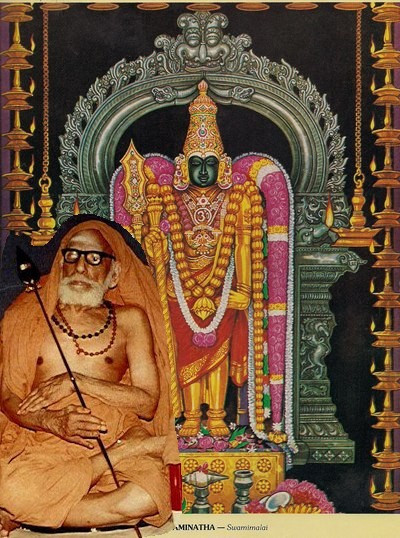
Once a foreigner interested in the philosophy of Hinduism was waiting for Darshan of Mahaperiva ( Most revered Mahaswami) at Sri Madam to clarify his doubt. Shortly, he got his appointment and without wasting time, he put forth his question.
படித்து மெய் சிலிர்த்தது ….!
” மு ” என்றால் முகுந்தன் …”ரு ” என்றால் ருத்ரன் …”கா ” என்றால் பிரம்மா …!!!
Message for the Day…” Whenever you face obstacles in Life , you should treat it as stepping stones for your success…”
All the pains and difficulties that you get will ultimately turn out as a means to give you happiness and pleasure. Even a diamond of high quality does not get its value unless we cut the facets on it. Pure gold will not be turned into a beautiful ornament unless it is repeatedly put into fire and moulded. Whenever you experience pains, trials, obstacles and tribulations, you should recognise them as paths for obtaining ultimate happiness. So we should be prepared to accept pain. To seek pleasure alone and not to welcome pain is not right. Pleasure comes out of pain. We should recognise that all pain will ultimately end in pleasure.
Message for the Day….” Have faith in Vedas and Sastras…”
To have faith in the Vedas and to accept the injunctions of the Veda is being regarded by the modern youth as outmoded and uncivilised. Young people today are not making an enquiry as to what is contained in the Vedas or in the Sastras (scriptures). They go further and say that those Have faith in the Vedas people who have faith in the Vedas and the Sastras are only having blind faith. If one argues, after acquainting oneself with the contents of what one is arguing about, one can argue for any length of time, but if a person is arguing without knowing the contents, it is not possible to have an argument. Our Vedas have been teaching us several aspects of Satyam or truth, of Jnanam or wisdom, and ofAnanta or infinity. We should ask ourselves whether the people who describe truth as truth and knowledge as knowledge are foolish, or the people who describe truth as untruth and knowledge as ignorance are foolish.