Message for the Day…” Start Practising Some Spiritual Discipline to realise HIM …”

These days, people are content to visualise and experience evanescent worldly joys. People have no rest. Spending the nights in sleep and days in eating and drinking, they grow and grow, until, in old age, death pursues them. Then, they can’t decide where to go or what to do; all senses have weakened. No one and nothing can rescue them, so they end as obedient meat in the jaws of death! How sad it is that this human life, precious as an invaluable diamond that can’t be priced at all, has been cheapened to the standard of a worn-out worthless coin! There is no use repenting later without meditating on God or practising some spiritual discipline to realise Him now. It is the right of the aspirant (sadhaka) to have the vision of God and not the sight of death (Yama-darshan)!

Sathya Sai Baba

Message for the Day…” What is ‘ Turiya ‘Stage in one’s Life …? “

They are, according to the Veda, four stages – the waking, dream, deep sleep, and the liberated stage (turiya). In the first stage, one is awake to the objective world and is oriented outward. Since one identifies with the gross body complex at this stage, the experiences are also gross. In the dream the self is in-faced. Reactions, responses, and experiences are all self-contained. They do not belong to the area outside of oneself. Next comes deep sleep (sushupti). This stage is free from even dreams. There is no feeling of either separation or identity, the particular or the universal, experiencer or experience. There is only the Atma, in which one has temporarily merged. In the fourth step (Turiya), the individual is no more so. It has attained the basic truth of life and of creation. Those who have reached this step no longer have concern with the individual self. These are four states one experiences, but they are also stages one has to go through in search of Self-Knowledge.

Sathya Sai Baba

படித்து ரசித்தது ….” வாழ்க்கைப் பயணம் …”


வாழ்க்கைப் பயணம்

அமெரிக்க தொழிலதிபரான ராக்ஃபெல்லர், முதுமையிலும் கடுமையாக உழைத்தவர். ஒருமுறை, விமானத்தில் பயணித்தார். அப்போதும் ஏதோ வேலையாக இருந்தவரைக் கண்டு அருகில் இருந்த இளைஞர் வியப்புற்றார். அவர், ”ஐயா, இந்த வயதிலும் இப்படிக் கடுமையாக உழைக்கத்தான் வேண்டுமா? ஏகப்பட்ட சொத்து சேர்த்து விட்டீர்கள்… நிம்மதியாக சாப்பிட்டு, ஓய்வெடுக்கலாமே?!” என்று ராக்ஃபெல்லரிடம் கேட்டார்.

உடனே ராக்ஃபெல்லர், ”விமானி இந்த விமானத்தை இப்போது நல்ல உயரத்தில் பறக்க வைத்து விட்டார். விமானமும் சுலபமாகப் பறக்கிறது. அதற்காக… இப்போது எஞ்ஜினை அணைத்துவிட முடியுமா? எஞ்ஜினை அணைத்துவிட்டால் என்னவாகும் தெரியுமா?” என்று கேட்டார்.

”பெரும் விபத்து நேருமே!”- பதற்றத்துடன் பதிலளித்தான் இளைஞன்.

இதைக் கேட்டுப் புன்னகைத்த ராக்ஃபெல்லர், ”வாழ்க்கைப் பயணமும் இப்படித்தான். கடுமையாக உழைத்து உயரத்துக்கு வர வேண்டியுள்ளது. வந்த பிறகு, ‘உயரத்தைத் தொட்டு விட்டோமே…’ என்று உழைப்பதை நிறுத்தி விட்டால், தொழிலில் விபத்து ஏற்பட்டு விடும். உழைப்பு என்பது வருமானத்துக்காக மட்டுமல்ல, உடல் ஆரோக்கியம் மற்றும் மன நிம்மதிக்காகவும்தான்!” என்று விளக்கம் அளித்தார்.

Source………………unknown…. input from a friend of mine
Natarajan

Message For the Day….” Who can Merge in ‘SIVA’….”

Yama (Lord of Death) is as omnipresent as Siva! Yama is associated with the body (deha); He cannot affect the individual soul (jiva). The body is the essential vehicle for the individual soul to understand its real nature. Still, who knows when it may become the target for the attention of Yama, the master of the body? Who knows when this body will get entrapped in the coils of Yama’s ropes? The individual soul, burdened with this easily destructible body, must pay attention to this fact and be all-eager to merge in Siva! People usually procrastinate tasks – yesterday’s tasks are delayed to today and today’s tasks to tomorrow. But the tasks of spiritual discipline are not of such a nature. The minute that just elapsed is beyond your grasp; so too, the approaching minute is not yours! Only that individual soul which has this understanding engraved in its heart can merge in Siva.

Sathya Sai Baba

How to Prevent and Control High Blood Pressure…?

Dr Praveen Kulkarni, consultant-cardiologist, Global Hospitals Mumbai tells you how to take control of your life and lead a healthy life.
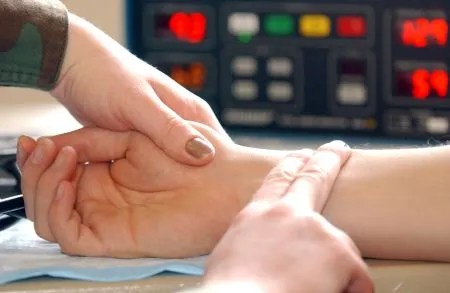
High blood pressure can be treated by tweaking your lifestyle

Hypertension has become a lifestyle disease.

It can best be prevented by practicing a healthy lifestyle with good amount of diet and exercise.

Also referred to as high blood pressure, is a condition in which the arteries have persistently elevated blood pressure.

Every time the human heart beats, it pumps blood to the whole body through the arteries.

High BP can cause damage to critical organs and conditions such as stroke, heart attack, and kidney failure.

Hence it is important to go for regular check-ups, start the treatment early and control it in its earliest stages. Here’s how:

1. Healthy lifestyle

Consume diet rich in whole grains, fruits, vegetables and low-fat dairy products.

Eating healthful foods can help keep your blood pressure under control.

Eat plenty of fruits and vegetables, especially those rich in potassium, and limit your intake of excess calories, fat, and sugar. Avoid junk foods.

2. Exercise regularly

Physical activity is crucial. 30 to 60 minutes daily exercise can lower your blood pressure.

Regular physical activity can bring your blood pressure down to safer levels.

Running, walking, swimming, cycling and other physical exercise can bring down your blood pressure significantly.

3. Reduce salt intake

Higher the sodium intake, higher the blood pressure.

Avoiding high-sodium packaged and processed foods and not adding extra salt to your meals is effective in reducing blood pressure.

Salt intake should be cut down gradually.

4. Limit the amount of alcohol intake

Too much alcohol raises blood pressure to unhealthy levels.

Heavy drinkers can lower their blood pressure by moderate alcohol consumption.

If a heavy drinker suddenly stops alcohol he is at risk of developing severe blood pressure for some time.

They need to consult their doctor upon deciding to quit alcohol.

5. Quit smoking

Smoking is a significant contributor of hypertension.

When a person smokes, chews or sniffs tobacco, nicotine goes into the bloodstream, which is why the body craves more of it.

Nicotine raises blood pressure and also makes our heart beat fast.

However, smoking cessation is an effective lifestyle measure for prevention.

6. Regular check-up

Regular visit to your doctor helps keep tab on blood pressure.

High blood pressure often occurs with no symptoms, so, only a blood reading determines your blood pressure rise.

It is recommended for the hypertensive to monitor their blood pressure consistently.

7. Reduce stress

Negative emotions such as fear, anger, and sadness can severely limit your ability to cope with the unavoidable everyday stresses of life.

It’s not the stressful events themselves that are harmful, but your lack of ability to cope.

Managing the stress in your life effectively may help reduce your blood pressure.

8. Aim for a healthy weight

Carrying extra weight increases risk of high blood pressure.

If you’re overweight or obese, losing weight may be enough to get your blood pressure under control.

Also carrying too much weight around your waist has a greater risk of high blood pressure. Thus, the more weight you lose, the lower your blood pressure will be.


9. Good sleep

Sleep helps your blood regulate stress hormones and helps your nervous system remain healthy.

Not getting enough sleep could be linked to increased blood pressure.

Sleeping 7 to 8 hours daily helps prevent and control blood pressure.

10. Skip caffeine

Coffee has some health benefits, but lowering blood pressure isn’t one of them.

Caffeine can cause short-term spikes in blood pressure, even in people without hypertension.

Coffee and other caffeinated drinks and foods may exacerbate your condition.

If you have high blood pressure, it’s a good idea to moderate your caffeine intake.

Photographs: Wikimedia Commons

Also Read:

Yoga poses to lower high blood pressure

Foods to lower high BP

Source…..www.rediff.com

Natarajan

Message for the Day…” When people do become True Devotees …” ?

From the point of view of what one achieves at the end of the journey, there is no difference between a liberated soul(jivanmukta) and a devotee; both are beyond ego (ahamkara),nature (prakriti) with its three attributes or gunas, and the rules and regulations (Dharma) that govern the caste-stage of life (varna-ashrama). The hearts of such will be full of compassion and be filled with the urge to do good to the world. Their divine bliss born of oneness impels them to act in this way. They will have no desires, for desires are the products of feelings of ‘I’ and ‘mine’. Only after these desires are uprooted do people become true devotees, right? So there can be no room in them for desires. They are truly speaking devotees of the embodiments of immortality (amrita-swarupa). For those with that immortal nature, there can be no appetite except for the sweetness of spiritual bliss (ananda).   

Sathya Sai Baba

Grandma..92…Sets Record for Oldest Woman Marathoner…

Grandma, 92, Sets Record for Oldest Woman Marathoner

92 year old Harriette Thompson and son Brenny Thompson, finish the Suja Rock ‘n’ Roll San Diego Marathon on May 31, 2015 in San Diego, California. (AFP)

SAN DIEGO:  A 92-year-old US grandmother has become the oldest woman to finish a marathon, when she crossed the finish line of a San Diego 26-miler on Sunday, race organizers said.

A smiling Harriette Thompson, aged 92 years and 65 days, was cheered by dozens of onlookers and supporters as she completed the Southern California event in seven hours, 24 minutes and 36 seconds.

Speaking to her hometown newspaper, the Charlotte Observer, Thompson said she felt “a little stiff” after the race.

“I was really tired at one point. Around mile 21, I was going up a hill and it was like a mountain,” she told the Observer.

“I was thinking, ‘This is sort of crazy at my age.’ But then I felt better coming down the hill. And my son Brenny kept feeding me all this wonderful carbohydrates that kept me going.”

The previous oldest woman marathon runner was another American, Gladys “Gladyator” Burrill, who was 92 years and 19 days old when she did the Honolulu event in 2010.

Thompson participated in the marathon to raise money for cancer research, a disease she has herself survived.

The grandmother to 10 grandkids also completed the race last year with a time of seven hours, seven minutes and 42 seconds.

The oldest male marathon runner is Fauja Singh, who was 101 when he retired from racing in 2013.

Source…..www.ndtv.com

Natarajan

” நீ என்ன பண்றே …..உன்னாலே முடிஞ்சதை சமைச்சுப் போட்டுடு …”

“இது மகாபெரியவா உத்தரவு;

நமக்கு ஒண்ணும் தெரியாட்டாலும் அவர் பாத்துப்பார்’”

சொன்னவர்-பட்டு சாஸ்திரிகள்.

11262283_1423815861273787_1865469067_n.jpg
தொகுப்பு-சாருகேசி

‘நன்றி-பால ஹனுமான் & சக்தி விகடன்”

”பிடில் சுந்தர சாஸ்திரிகள்ங்கிற பெரியவர் ஒருத்தர், ஆதிசங்கரரோட ஜயந்தியை ரொம்ப வருஷமா நடத்திண்டு வந்தார். மகாபெரியவா என்னைக் கூப்பிட்டு, ‘அவருக்கு ரொம்ப வயசாயிடுத்து. பாவம்… சிரமப்படறார். இனிமே நீ ஏத்துண்டு நடத்து’ன்னார்.

பெரியவா சொன்னபடி, கலவை கிராமத்துல சுமார் ஐம்பது வருஷமா, விடாம நடத்திண்டு வரேன். மகாபெரியவாளும் அந்த விழாவுல நிறைய முறை கலந்துண்டிருக்கா..!” – சிலிர்ப்புடன் விவரித்த பட்டு சாஸ்திரிகள், எந்த முன் அனுபவமும் இல்லாமல்,பெரியவாளின் அனுக்கிரகத்தால் மட்டுமே சமாளித்து, நல்ல பேரெடுத்த சம்பவம் ஒன்றையும் பகிர்ந்து கொண்டார்.

”சுமார் 40, 45 வருஷங்கள் இருக்கும். பாதயாத்திரை கிளம்பின மகாபெரியவா, சோளிங்கபுரத்துல வந்து தங்கினா. அது, மிகப்பெரிய நரசிம்ம க்ஷேத்திரம். அங்கே ஆஞ்சநேயர் ஆலயமும் உண்டு. ரொம்ப விசேஷமான தலம் அது.


மகாபெரியவா அங்கு முகாமிட்டிருக்கிறதைத் தெரிஞ்சுண்ட முன்னாள் ஜனாதிபதி ஆர். வெங்கட்ராமன், அவர் மனைவி ஜானகி, ஆந்திர தேசத்தோட ஐ.ஜி. ராமநாதன் எல்லோரும் அங்கே வந்திருந்தா. வாலாஜாபேட்டை லேருந்து கோட்டாசெட்டி, டாக்டர் வேணுகோபால்னு எல்லாரும் மகாபெரியவாளைத் தரிசிக்க வந்துட்டா.

ஸ்ரீகண்டன்னு ஒருத்தர், மடத்தைச் சேர்ந்தவர்தான். அவர்தான் மகாபெரியவாளுக்குபிக்ஷை பண்ணிப் போடுவது வழக்கம். அவர், பெரியவாளுக்கு மட்டும்தான் பிக்ஷை பண்ணுவார்; அது மட்டும்தான் அவரோட வேலை.

ஆனா, அன்னிக்கி மகாபெரியவாளுக்கு என்ன தோணித்தோ தெரியலை… என்னைக் கூப்பிட்டு அனுப்பினார். ”என்னைப் பார்க்கணும்கிறதுக்காகச் சிரமப்பட்டு எல்லாரும் இந்த ஊருக்கு வந்திருக்கா. அவாளைப் பசியும் பட்டினியுமா இருக்கவிடலாமா? தப்பில்லையோ! நீ என்ன பண்றே, அவாளுக்கெல்லாம் உன்னால முடிஞ்சதை சமைச்சுப் போட்டுடு”ன்னார்.

அதைக் கேட்டதும் எனக்குத் தூக்கிவாரிப் போட்டுது. ஒரு நிமிஷம், அப்படியே பேச்சுமூச்சு இல்லாம நின்னுட்டேன். பின்னே… எனக்கு சமைக்கவே தெரியாது. ‘எனக்கு என்ன சமைக்கத் தெரியும்னு, மகாபெரியவாஎன்னைப் போய் சமைச்சுப்போடச் சொல்றார்?’னு தவிச்சுப்போயிட்டேன். ஆனா, அவர்கிட்டே போய், ‘எனக்குச் சமையல் தெரியாது. வேற யார் கிட்டேயாவது சொல்லுங்கோ’னு சொல்லமுடியுமா, என்ன? பத்து வயசுலேருந்து பெரியவாளைப்பார்த்துண்டிருக்கேன். யாரையும் எந்தச் சங்கடத்துலயும் மாட்டிவிடமாட்டார்னு தெரியும். அதனால அவரே இந்தக் காரியத்துக்கும் ஒத்தாசையா, பக்கபலமா இருப்பார்னு முழுசா நம்பினேன்.

சத்திரத்து மேனேஜர்கிட்டே போய், பாத்திரங்களைக் கேட்டு வாங்கிண்டு வந்தேன். அங்கே… பக்கத்துலயே இருந்த பெட்டிக் கடைல ஒரு தேங்காயும், கொஞ்சம் வெஞ்சனமும் வாங்கிண்டேன்.
அது ஒரு மலையடிவாரம். அந்த இடத்துல, அம்மிக்கல்லுக்கு எங்கே போறது? கொஞ்சம் நீட்டமா இருந்த கல்லு மேல பருப்பு, தேங்காய், மிளகாய்னு எல்லாத்தையும் சேர்த்து வெச்சு அரைச்சுத் துவையல் பண்ணினேன்.

அங்கங்கே கிடந்த கல்லைப் பொறுக்கிண்டு வந்து, அடுப்பு தயார் பண்ணிண்டேன். காஞ்ச குச்சிகளையெல்லாம் பொறுக்கி எடுத்துண்டு வந்து, அடுப்பை மூட்டி சாதம், ரசம் செஞ்சு இறக்கினேன். யாரோ அரிசி கொடுத்திருந்தா. அந்த அரிசியைக் காமிச்சு, ‘இதப் பார்… ராஜா மாதிரி இருக்கு அரிசி!’ன்னு எடுத்துக்கச் சொன்னார் பெரியவா.

ஒரு மலையின் மேல நரசிம்மர்; இன்னொரு சின்ன மலையின் மேல ஆஞ்சநேயர். ரெண்டு மலையிலேயும் ஏறி, தரிசனம் பண்ணினோம். பெரியவாளும் மலைகள் மீது ஏறி வந்து, ஸ்வாமி தரிசனம் பண்ணினார்.

கீழே இறங்கறதுக்கு மத்தியானம் ஆயிடுத்து. அவாளுக்கெல்லாம் நல்ல பசி. எல்லாரையும் உக்கார வெச்சு, சாப்பாடு பரிமாற ஏற்பாடு பண்ணினேன். வந்திருக்கிறவா எல்லாரும் பெரிய மனுஷா. தேசத்துல முக்கியப் பதவிகள்ல இருக்கறவா. இதுவரை, சமைக்கவே சமைக்காதவன் நான். என்னோட சமையல் அவாளுக்குப் பிடிக்குமோ, இல்லையோ?! பயத்தோடயே பரிமாறினேன். ஆனா, வந்தவா எல்லாரும் திருப்தியா சாப்பிட்டா. எனக்குப் பரம நிம்மதி.

‘வைதீக, சம்பிரதாய சாஸ்திரங்கள் மட்டும்தான் எனக்குத் தெரியும். சமைக்கத் தெரியாது’ன்னு பெரியவாகிட்ட சொல்லி, கையக் கட்டிண்டு சும்மா இருந்துடலை நான். ‘இது மகாபெரியவா உத்தரவு; நமக்கு ஒண்ணும் தெரியாட்டாலும் அவர் பாத்துப்பார்’னு அசைக்க முடியாத தைரியம் உள்ளுக்குள்ளே இருந்துது. அவருடைய அனுக்கிரகம்தான், என்னைக் காப்பாத்தித்து!

சமையல் நன்னா இருந்துதுன்னும், வயிறு நிறைய, ருசிச்சுச் சாப்பிட்டதாவும் எல்லாரும் சொன்னா. உத்தரவு வாங்கிக்கறதுக்காகப் போனப்ப, பெரியவாகிட்டயும் என்னைப் பத்தி சிலாகிச்சு ஏதோ சொன்னாப்போல இருக்கு. வந்தவா எல்லாரும் போனப்புறம், பெரியவா என்னைக் கூப்பிட்டா. உள்ளூர பயமா இருந்தாலும், பெரியவா எதிர்ல போய் நின்னேன்.

”ரொம்ப நல்ல காரியம் பண்ணினே! க்ஷேமமா இருப்பே!”ன்னு கையைத் தூக்கி, ஆசீர்வாதம் பண்ணினார் மகாபெரியவா. ”அது போதும் எனக்கு! அவரோட ஆசீர்வாதம் போதும், மனசு நிறையறதுக்கு! அதைவிட வேறென்ன வேணும்?!” – நெகிழ்ச்சியுடன் சொல்கிறார் பட்டு சாஸ்திரிகள்

Read more: http://periva.proboards.com/thread/9385/#ixzz3bmxXGwDV

Source….www.periva.proboards.com

Natarajan

Why Airplane Windows Have Tiny Holes….

My friends laugh at me when I ask for a window seat. You’re an airline pilot, they say. You have the window seat all the time.

True enough. But the cockpit, well, that’s work. As a passenger I’m actually free to enjoy the experience—to listen to music or a long-postponed podcast while gazing out at the world below, to remember that it’s still a wonder to look down, not up, at clouds. The window seat is like the best table in a café on a busy street, except that instead of people-watching, entire cities, oceans, and mountain ranges parade past.

airplane window

Still, every once in a while something interferes with that view. Maybe it’s the forehead smudges left by your seat’s previous occupant. Or the little hole that appears in the lower portion of a typical airliner window.

Hole in the window? The little one, near the bottom, that you perhaps only notice when a hollowed-out snowflake of frost forms near it. This tiny hole is called a breather hole or a bleed hole, and it serves an important safety function.

If you look closely at a typical passenger cabin window, you’ll see three panes, typically made of acrylic materials. The purpose of the innermost pane—sometimes called the scratch pane, but I like to call it the smudge pane—is merely to protect the next one.

The middle pane (with the breather hole in it) and the outer pane are more important. Generally speaking, as an aircraft climbs, the air pressure drops in both the cabin and the outside air—but it drops much more outside, as the aircraft’s pressurization system keeps the cabin pressure at a comfortable and safe level. This means that the pressure inside the aircraft during flight is typically much greater than the pressure outside.

The outer two cabin windows are designed to contain this difference in pressure between the cabin and the sky. Both the middle and the outer panes are strong enough to withstand the difference on their own, but under normal circumstances it’s the outer pane that bears this pressure—thanks to the breather hole.

airplane window

As Marlowe Moncur, director of technology 
for GKN Aerospace, a leading passenger cabin window manufacturer, put it to me via email: “[T]he purpose of the small bleed hole in the [middle] pane is to allow pressure to equilibrate between the passenger cabin and the air gap between the panes, so that the cabin pressure during flight is applied to only the outer pane.”

In the extraordinarily unlikely event that the outer pane fails, the middle pane takes over. And yes, in that case, there would be a small leak of air through the breather hole—but nothing the aircraft’s pressurization system couldn’t easily cope with.

Bret Jensen, an aerospace engineering guru at Boeing Commercial Airplanes, told me about a separate but related function of the hole: to release moisture from the air gap and stop (most) fog or frost from forming on the window. So when you’re looking out at the clouds and planetary wonders crossing below you, take a moment to give thanks for the breather hole.

There’s still the matter of that small but lovely pattern of frost that can form near the breather hole on a long flight. At cruising altitude the temperature of the outside air can be minus 70 degrees Fahrenheit. The frost, according to Moncur, “is caused by condensation of water when cabin air contacts the cold window surface.”

But what causes that telltale frost pattern? The physics behind it are an interesting question, he says. “The circular pattern must be a function of window surface temperature, humidity of the cabin air and flow rate through the bleed hole.”

Read the original article on Slate. Copyright 2015. Follow Slate on Twitter.

Read more: http://www.slate.com/blogs/the_eye/2015/05/29/what_s_that_thing_why_are_there_holes_in_airplane_windows.html#ixzz3bmg2xKTh