” Untold Story of Indians Served in World war 1….”

Over one million people served in various battlefronts during World War I. And yet, even today, we know so very little about them.’

‘It is absolutely essential to acknowledge this part of India’s colonial history,’ Santanu Das tells Vaihayasi Pande Daniel/Rediff.com  

Indian soldiers training with bayonets.

Image: Indian soldiers training with bayonets.
Photograph courtesy: Imperial War Museums

A little over 10 years ago Santanu Das, who teaches English at King’s College, London, and whose fascination with World War I began with its poetry, started, on a whim, researching the Indian involvement in that war.

The sheer breadth of the statistics that confronted him was startling. And the attendant historical poignancy, of the duty India discharged for Britain, fascinating!

Das was hooked.

His examination of the Great War veered from poetry and became increasingly historical as he delved further and further into the lives of the brave, sturdy Indian soldiers who left Indian shores for distant and strange parts of the world to fight a war they had little understanding of.

They discharged their duty diligently and mostly with distinction, thousands of them dying far from home.

The result of Das’s research is his most recent work, 1914-1918: Indian Troops In Europe(external link), a visual history based on rare archival photographs from Europe and India.

It was published in India by Mapin, January 2015, and will hit bookstores in the US and Europe September 25, to mark the 100th anniversary of the beginning of the Battle of Loos, the major last battle fought by the Indian infantry on the Western Front before they were transferred to Mesopotamia.

Das was educated in Kolkata and Cambridge and is the author of Touch And Intimacy In First World War Literature(Cambridge, 2006) which was awarded the Philip Leverhulme Prize and is the editor of Race, Empire And First World War Writing (Cambridge, 2011) and theCambridge Companion To The Poetry Of The First World War (2013).

He is currently completing for Cambridge University Press a monograph titled India, Empire And The First World War: Words, Images, Objects And Music which formed the basis of a two-part series he presented for BBC Radio 4 titled Soldiers Of The Empire (external link).

Some of his archival material is showcased in a film titled From Bombay To The Western Front: Indian Soldiers Of The First World War (external link).

In an e-mail interview with Vaihayasi Pande Daniel/Rediff.com, Das describes, with a wealth of bittersweet details, the outstanding historical debt Britain owes the lowly but heroic Indian Sepoy:

How did you come to be interested in the history of Indian soldiers in World War I?

I was introduced to First World War poetry during my time at Presidency College, Kolkata.

It was while doing my first book, Touch And Intimacy In First World War Literature, that I became fully aware — and increasingly disturbed — by the enormity of the Indian involvement in the war and their erasure from ‘Great War and modern memory’. That was in 2004.

I then researched and found out that four million non-white men were drafted for the war in the European and American armies; over a million of them were Indians. And yet, even today, we know so very little about them. I became increasingly absorbed.

It was about this time — almost 10 years ago now — that I visited the French Institute at Chandernagore in West Bengal and discovered the broken and bloodstained glasses of ‘Jon’ Sen, the only non-white member of Leeds Pals Battalion, who was killed May 22, 1916. It was a revelation; there was no going back.

What particular challenges do we face in trying to recover the Indian experience of the First World War?

The majority of the Indian soldiers were semi-literate or non-literate and did not leave behind the abundance of diaries, memoirs, poems or novels that form the cornerstone of European memory of the First World War.

Indian soldiers, wounded during World War I, convalesce in England

Indian soldiers, wounded during World War I, convalesce in England. Photograph courtesy: British Library

Of course, we have the censored letters of the Indian soldiers: they were dictated by the sepoys to the scribes or occasionally written by the sepoys themselves, then translated and extracted by the colonial censors in order to judge the morale of the troops, and these extracts have survived today.

They are important documents, but are also problematic sources because of the process of mediation. Some of these letters are collected in a very helpful anthology by David Omissi (Indian Voices Of The Great War, 1914-1918).

In addition to these, we have hundreds of photographs of the Indian troops — in trenches, fields, farms, billets, markets, towns, cities, railway stations, hospitals, prisoners-of-war camps. Though framed by the European gaze, they are some of the most eloquent testimonies and capture most vividly the daily texture of their lives. In the absence of substantial written documents, these photographs break the silence around them.

Indeed, this is what prompted me to compile these photographs from various archives in India and Europe (France, Belgium, Britain and Germany) for my visual history 1914-1918 Indians Troops In Europe. A selection of pictures from this book can be found at here(external link).

Why are the Indian soldiers forgotten?

After the devastation of the war, Europe naturally turned its attention to its own dead, wounded and bereaved; the colonial contribution, visible and acknowledged during the war years, became increasingly sidelined in the post-war years in the ‘Great War and (European) memory’.

On the other hand, in India, the country’s involvement in the First World War was immediately followed — and gradually eclipsed — by a general sense of betrayal and disillusionment with British rule, the anti-Rowlatt act demonstrations and the massacre at Amritsar (Jallianwala Bagh) in 1919 and the gradual rise of the anti-colonial nationalist movement under the leadership of Gandhi.

In post-Independence years, the nationalist narrative understandably supplanted and almost erased the country’s participation in an imperial war. So the Indian contribution to the First World War gets written out of both the European and Indian narratives.

Yet, we are talking about the experience of over one million people who served in the various battlefronts during the First World War; it is absolutely essential to acknowledge their experience and this part of India’s colonial history.

In 1914-1918: Indian Troops In Europe (Mapin, 2015), I focussed on the most visible group — the ones who fought on the Western Front — through rare photographs from various archives across India and Europe.

In India And The First World War: Objects, Images, Words And Music, to be published by Cambridge next year, I seek to weave together the first socio-cultural history on the subject.

India’s involvement in the First World War cannot be confined to a narrow ‘military history,’ but has to be integrated into a much broader framework of cultural, social and political history.

However, to recover the Indian war experience does not, and in my view should not, involve any attempt to ‘glorify’ an imperial — or for that matter any — war or ‘celebrate’ the achievements of these soldiers. We are talking about traumatic events.

Moreover, these sepoys were the sentinels of the empire, let that be clearly acknowledged at the outset. Yet it is important to understand and analyse their involvement in the war without trying in any way to whitewash the ills of colonialism or falling prey to post-imperial nostalgia in any way.

Indeed we should try to understand the imperial war effort and the nationalist struggle in an expanded frame of reference that bears witness to the country’s complex and contradictory histories.

Indian bicycle troops at Somme, France, during World War I.

Image: Indian bicycle troops in Somme, France, during World War I.
Photograph courtesy: Wikimedia Commons

What are some of the most interesting nuggets of history that you might have uncovered about the Indian soldier in WWI during your research?

I have been researching this subject for nearly 10 years now.

In the Australian War Memorial in Canberra, I came once across a page in the diary of an Australian private where an Indian soldier had signed his name ‘Pakkar Singh’ in Urdu, Gurmukhi and English.

The most moving artefact I found was a pair of broken, bloodstained glasses belonging to ‘Jon’ Sen the only non-white member of the famous Leeds Pals Battalion — who was killed May 22, 1916. The discovery of the glasses led to a lot of media interest both in the UK and in India and to a short BBC documentary (external link).

A search through my extended family and friends in my hometown, Kolkata, revealed the war mementos of Captain Dr Manindranath Das: his uniform, whistle, brandy bottle and tiffin box, as well as the Military Cross he was awarded for tending to his men under perilous circumstances. Das was one among several distinguished doctors from the Indian Medical Services who served in Mesopotamia.

Over the years, I have had many such finds. I found this particular archival part of the research immensely moving: these objects are the mute witnesses to the war experiences of these men, the repository of what in my first book I call ‘touch and intimacy’.

Approximately how many Indians fought in World War I?

Although I provide more detailed figures in my book 1914-1918: Indian Troops In Europe, here are some rough statistics.

Between August 1914 and December 1919, India recruited, for purposes of war, 877,068 combatants and 563,369 non-combatants, making a total of 1,440,437 recruits; of them, over a million, including 621,224 combatants and 474,789 non-combatants, served overseas during this timeframe.

These included the infantry, artillery and cavalry units as well as sappers, miners and signallers, Labour and Porter Corps, Supply and Transport Corps, Indian Medical Service and Remount and Veterinary Services.

Where did they serve? Which battlefields?

During the war years, undivided India (which would today comprise India, Pakistan, Bangladesh and Burma) sent overseas seven expeditionary forces: the Indian Expeditionary Force A to Europe, IEFs B and C to East Africa, IEF D to Mesopotamia, IEFs E and F to Egypt and IEF G to Gallipoli.

In the course of the war, they served in almost all parts of the world — from the mud-clogged trenches of the Western Front and the vast tracts of Mesopotamia to the tetse-fly infested savannah of East Africa and the shores of Gallipoli; they also served in East and West Persia, Palestine, Egypt, Salonika, Aden, Tsingtao and Trans-Caspia.

Indeed, to follow the routes of the Indian sepoy during the First World War is to trace its global course.

Parisians cheer Indian soldiers after the Bastille Day Parade.

Image: The cover of Das’s latest book shows Parisians cheering Indian soldiers after the Bastille Day Parade.
Photograph courtesy: Santanu Das

What parts of India did they hail from? And what strata of society?

In 1914, India had the largest voluntary army in the world.

But the men were recruited from a very narrow strata of its huge population, comprising largely the peasant-warrior classes spread across northern and central India, the North-West Frontier Province, as well as the kingdom of Nepal, in accordance with the prevalent colonial theory of ‘martial races’.

A combination of shrewd political calculation, indigenous notions of caste and imported social Darwinism, it formed the backbone of British army recruitment in India.

It deemed that certain ethnic groups — such as Pathans, Dogras, Jats, Garwahlis, Gurkhas — were ‘naturally’ more war-like than others. These communities had often low literacy rates, were traditionally loyal and thus least likely to challenge the British Raj — very different from the politically active and articulate Bengalis who were cast as ‘effeminate’ and barred from joining the army.

Of its 600,000 combatants, more than half came from the Punjab (now spread across India and Pakistan) which saw some of the most intense recruitment campaigns.

How many casualties were there and what happened to their remains? 

Prime Minister Narendra Modi at the World War I Memorial in Neuve-Chapelle, France, April 11, 2015. Photograph: Press Information Bureau

Image: Prime Minister Narendra Modi at the World War I Memorial in Neuve-Chapelle, France, April 11, 2015. Photograph: Press Information Bureau  

It is difficult to provide a precise figure for the number of Indians killed and wounded in the First World War. Between 60,000 and 70,000 of these men were killed.

If one visits the battlefields of the Western Front, one comes across gravestones with their names and inscriptions etched in the appropriate language and carefully maintained by the Commonwealth War Graves Commission — not to mention the names of the Indians killed etched on the Menin Gate itself at Ypres.

One of the most moving places in the Western Front is the beautiful Indian memorial at Neuve Chapelle dedicated to the memory of the 4,700 Indian soldiers and labourers who have no known graves.

In the war cemetery in Dar-es-Salaam in Tanzania (then German East Africa), I have seen huge memorial tablets with the names of Indian combatants and non-combatants, but not a single gravestone. However I don’t know whether these men were cremated or the remains of these men were not found or it was decided as a matter of colonial (discriminatory) policy to commemorate them only on memorial tablet rather than bury them with individual gravestones (as with the white soldiers buried and honoured in the same cemetery in Dar-es-Salaam).

I understand that while the Indian soldiers, killed in Europe, were commemorated with individual gravestones, those — particularly the privates — killed in Mesopotamia and East Africa were denied such honour.

On the other hand, in Britain, where some of the wounded soldiers died, they were either buried in the Woking Cemetery or cremated at Patcham in the Sussex Downs, with appropriate religious rites.

In Iraq, the names of the Indian fallen are etched on the Basra Memorial. So the practice varied widely and it is difficult to pinpoint the exact impulses at work — sometimes it was race, sometimes religion, sometimes it was where they died, and sometimes a matter of contingency and the whim of the local authority.

In 2011, I edited a book, Race, Empire And First World War Writing. (Noted social theorist and an expert on the cultural and social history of World War I) Michele Barrett explores some of these issues in the ‘afterword’ to the book.

And what happened to the families left behind in India?

Devastation presumably, as with hundreds of thousands of families around the world, but we do not know the precise details. Many of the families these soldiers came from villages dotted around northern and north-west India and the North-West Frontier province. They were non-literate and hence have not left memoirs or diaries or letters.

There’s the extraordinary and immensely moving local tradition of songs of mourning sung by the village women which give us some insight into the grief and devastation the war caused across parts of North India, particularly in the province of Punjab.

The Punjabi poet Amarjit Chandan collected some of these songs. One of the songs goes (originally in Punjabi, here in Chandan’s translation):

War destroys towns and ports, it destroys huts
I shed tears, come and speak to me
All birds, all smiles have vanished
And the boats sunk
Graves devour our flesh and blood.

A few years ago, I interviewed Punjabi novelist Mohan Kahlon in Kolkata. He mentioned how his two uncles — peasant-warriors from Punjab — perished in Mesopotamia, and how his grandmother became deranged with grief. In the village, their house came to be branded aspagal khana (the mad house).

If you have any Indian First World War anecdote, papers or objects, please feel free to contact Santanu Das at santanu.das@kings.ac.uk

1914-1918: Indian Troops in Europe, by Santanu Das will be published (external link) in the US and Europe on September 25, 2015, to mark the 100th anniversary of the beginning of The Battle of Loos, by Mapin Publishing in hardback.

Vaihayasi Pande Daniel / Rediff.com

source….www.rediff.com
natarajan

Gandhiji’s Letters to Hitler….

By the late 1930s, Gandhi’s method of peaceful non-cooperation had already won significant concessions from the British Raj, including the founding of a national administration and local and national legislative assemblies, albeit still under British oversight.

Gandhi, himself, was internationally famous for his various acts of non-violent, civil disobedience, including his 241-mile Salt March, which, while protesting Britain’s monopoly on salt and its high tariff, also galvanized the Indian people against British rule altogether.

With his reputation for effective, nonviolent change well established, many implored Gandhi to write to Adolph Hitler, whose increasingly aggressive regime in Germany had them worried that a second world war was imminent.

For example, by February 1935, Hitler had ordered the establishment of a German air force, the Luftwaffe, and by March 1936, Hitler had sent troops into the Rhineland – both in violation of the Treaty of Versailles. Also in 1936, Hitler had established pacts with Italy and Japan, and in March 1938, Germany invaded Austria.

At this time (1938), Hitler was named Man of the Year by Time magazine. They stated, “Lesser men of the year seemed small indeed beside the Führer.” That said, their reasoning for picking him was not to honor his actions up to that point, but to widely publicize his exploits. They noted, among other knocks against him, “Germany’s 700,000 Jews have been tortured physically, robbed of homes and properties, denied a chance to earn a living, chased off the streets. Now they are being held for ‘ransom,’ a gangster trick through the ages.” They ended their article on their decision to name Hitler the Man of the Year on the ominous note, “To those who watched the closing events of the year it seemed more than probable that the Man of 1938 may make 1939 a year to be remembered.”

Indeed, although Britain and France thought they had “appeased” Hitler’s ambition, and ensured “peace in our time,” with the Munich Pact (that handed only a portion of Czechoslovakia over to Germany) in September 1938, by March 1939, Hitler had breached that agreement by soon occupying the entire country. At this point, finally realizing that Hitler couldn’t be trusted, Britain pledged to defend Poland if Germany invaded the latter.

Seeing the writing on the wall, Gandhi sent a short, typewritten letter to Hitler on July 23, 1939, telling the dictator:

“Dear friend,

Friends have been urging me to write to you for the sake of humanity. But I have resisted their request, because of the feeling that any letter from me would be an impertinence. Something tells me that I must not calculate and that I must make my appeal for whatever it may be worth.

It is quite clear that you are today the one person in the world who can prevent a war which may reduce humanity to the savage state. Must

you pay the price for an object however worthy it may appear to you to be? Will you listen to the appeal of one who has deliberately shunned the method of war not without considerable success? Any way I anticipate your forgiveness, if I have erred in writing to you.

I remain,
Your sincere friend
M.K.Gandhi”

However, this letter never reached the German Chancellor, as it was, apparently, intercepted by the British government.

Shortly thereafter, Germany signed a non-aggression pact with the Soviet Union on August 23, 1939 (which kept the USSR out of the war until 1941), and Britain signed the formal Anglo-Polish Common Defence Pact two days later. Germany then invaded Poland with its Blitzkrieg (“lightning war”) on September 1, 1939, and on September 3, 1939, World War II formally began when Britain and France declared war on Germany.

Despite facing two powerful enemies, Germany encountered little real resistance during those early months of the war. It tore through the European continent, and by May 1940, Belgium, Denmark, France, Luxembourg, Netherlands and Norway were all occupied by Nazi forces. The Battle of Britain, which saw the British homeland pummeled by a months-long bombing campaign, began in July 1940. Over the coming months, nearly 30,000 bombs were dropped on London, during which more than 15,000 people were injured or killed.

Once again, on December 24, 1940, Gandhi sent a letter to Hitler, this onesignificantly longer. Again addressing him as “Dear Friend,” Gandhi explainedthat: “That I address you as a friend is no formality. I own no foes. My business in life has been for the past 33 years to enlist the friendship of the whole of humanity by befriending mankind, irrespective of race, colour or creed.” But, taking a harder line this time, Gandhi chastised the Chancellor:

“Your own writings and pronouncements . . . leave no room for doubt that many of your acts are monstrous and unbecoming of human dignity. . . . Such are your humiliation of Czechoslovakia, the rape of Poland and the swallowing of Denmark.

He also challenged Hitler, noting that although Nazi Germany had lifted the “science of destruction” to a level of “perfection”:

“It is a marvel to me that you do not see that it is nobody’s monopoly. If not the British, some other power will certainly improve upon your method and beat you with your own weapon. You are leaving no legacy to your people of which they would feel proud. They cannot take pride in a recital of cruel deed, however skilfully planned. I, therefore, appeal to you in the name of humanity to stop the war.


Accepted that both men shared a common disdain of Britain, Gandhi continued:

“We know what the British heel means for us and the non-European races of the world. But we would never wish to end the British rule with German aid. We have found in non-violence a force, which, if organized, can without doubt match itself against a combination of all the most violent forces of the world.

He ended with a final appeal:

“During this season when the hearts of the peoples of Europe yearn for peace . . . is it too much to ask you to make and effort for peace?

If this letter ever reached Hitler, it apparently was too much to ask.

Source……..www.today i foundout.com

Natarajan

படித்து ரசித்தது …” இது ஒரு சத்திரம்தானே ….” !!!

உத்தமர்களின் வாய்ச்சொல், சத்திய மார்க்கத்தையே உரைக்கும்; அதன் வழி நடந்தால் நல்லதையே அடைவோம்.
அரசர் ஒருவர், தேவேந்திரனை நோக்கி, பல காலம் தவம் இருந்தார். அவருடைய தவத்திற்கு இரங்கிய தேவேந்திரன், கற்பக மரத்தையே அரசருக்குக் கொடுத்து விட்டார்.
கேட்டதை மட்டுமல்ல, நினைத்ததை எல்லாம் கொடுக்கக் கூடிய கற்பக மரம் கிடைத்ததும், தலை கால் புரியாமல் மனம் போனபடி வாழ்ந்தார் அரசர்.
அரசரைப் பற்றி அறிந்த தத்தாத்திரேயர், ‘தவசீலரான இந்த அரசன் கற்பக விருட்சத்தை பெற்றதும், கடைந்தேறும் வழியைப் பற்றி எண்ணாது, உலக இச்சைகளில் உழன்று கொண்டிருக்கிறானே… இவனுக்கு நல்லறிவு புகட்ட வேண்டும்…’ என நினைத்தார்.
ஒரு நாள், அரண்மனைக்குள் நுழைந்த தத்தாத்திரேயர், ‘விடு விடு’ வென்று நடந்து போய், அரசருக்கு மட்டுமே உரித்தான உயர் ரக இருக்கையில் அமர்ந்தார்.
சேவகர்களால் அவரைத் தடுக்க முடியவில்லை.
தகவல் அறிந்த அரசர் வேகமாக வந்து பார்த்தார். ‘யார் நீ… என்ன தைரியம் இருந்தால், என் இருக்கையில் அமர்வாய்… போ வெளியே…’ என்றார்.
‘மன்னா… கோபப்படாதே… இந்தச் சத்திரத்தில், நீ தங்கி இருப்பதைப் போலத் தான், நானும் தங்கியிருக்கிறேன். இதற்குப் போய் கோபப்படுகிறாயே…’ என்றார்.
‘இது ஒண்ணும் சத்திரமல்ல; என் அரண்மனை. போ வெளியே…’ என்று கோபத்துடன் கூறினார்.
‘ஆயிரக்கணக்கான ஆண்டுகளாக, இங்கு வசித்து வருகிறாயோ…’ என்றார் தத்தாத்திரேயர்.
‘இல்லை… நான் பிறந்தது முதல், இங்கு தான் வாழ்ந்து வருகிறேன்…’ என்று மன்னர் சொல்ல, ‘உனக்கு முன் இங்கு இருந்தது யார்?’ எனக் கேட்டார் தத்தாத்திரேயர்.
மன்னர் பொறுமை இழந்து, ‘எனக்கு முன் என் தந்தை; அவருக்கு முன், என் தாத்தா; அதற்கு முன் என் கொள்ளுத் தாத்தா… இப்படிப் பல பேர் இங்கு தான் இருந்திருக்கின்றனர்…’ என்றார்.

ஆக, இங்கு யாருமே நிரந்தரமாகத் தங்கவில்லை. ஒருவர் வர, ஒருவர் போக என்று தான் இருந்துள்ளனர். அப்படி என்றால், இது சத்திரம் தானே? இதைப் போய் அரண்மனை என்கிறாயே… அதுவும் உன் அரண்மனை என்கிறாய். இது எப்படி?” என, அமைதியாக கேட்டார் தத்தாத்ரேயர்.
மன்னருக்கு, ‘சுருக்’கென்றது. தத்தாத்திரேயரின் திருவடிகளில் விழுந்து வணங்கி, உபதேசம் பெற்று உயர்ந்தார் அரசர்.
நல்லதையே கேட்போம்; நமக்கது உதவும்!

source….பி.என்.பரசுராமன் in http://www.dinamalar.com

Natarajan

The Story Behind this Greatest Photograph in Sports History…

Photographer Neil Leifer poses next to his iconic image of Muhammad Ali.

Photographer Neil Leifer poses next to his iconic image of Muhammad Ali. Source: Getty Images

FIFTY years ago today Muhammad Ali knocked out Sonny Liston in the first round of their heavyweight title rematch — and Neil Leifer took a photograph.

It was that simple but in so many other ways it wasn’t.

Earlier this year American writer Dave Mondy published fascinating research into arguably the most iconic image in sports history and revealed it would have never been taken if not for a series of extremely fortunate events.

Perhaps the most comical contributing factor to Leifer’s historic snap was he was only in position to take it because a senior photographer had shunted him to that side of the ring. Mondy revealed Sports Illustrated’s Herb Scharfman pulled rank on Leifer — who at the time was just 22 — to claim a spot by the judges’ table that he felt gave him more room to manoeuvre during the fight.

But when Liston fell it left him staring at Ali’s back — you can see him positioned between the champ’s legs in Leifer’s photograph.

“It didn’t matter how good Herbie was that day,” Leifer told Mondy. “He was in the wrong seat.”

14/4/04 D/I - Copypic/Long from Muhammad Ali's book - Cassius Clay (later known as Muhammad Ali) stands over fallen challenge...

How’s the view from there, Herb? Source: News Limited

As for the junior photographer? He was positioned perfectly.

“If I were directing a movie and I could tell Ali where to knock him down and Sonny where to fall, they’re exactly where I would put them,” said Leifer, who went on to become a filmmaker.

Leifer also benefited from what in those days was a risky decision to shoot in colour. There was another photographer, the AP’s John Rooney, sitting to Leifer’s left who also took a pretty good photograph that night.

Rooney’s shot was also widely distributed after the fight.

Rooney’s shot was also widely distributed after the fight. Source: AP

At first glance it looks a lot like Leifer’s (one key difference is Scharfman is positioned to the left of Ali, not between his legs) but when it comes to colour and clarity there’s no comparison.

Interestingly, Leifer’s image wasn’t immediately held in the same esteem that it is today. He actually captured three sensational shots that night and it was another that featured on the first page of a four-page spread of the fight in Sports Illustrated.

“I will never have a night like that ever,” Leifer said. “I mean I’ve never had another one like that. The fight went two minutes and eight seconds and I got three great pictures.”

His snap of Ali standing over Liston was on page four.

Why his ringside angle was the one printed on posters for years to come was because it became the ideal illustration of Ali in his prime.

“This photo shows Ali at the height of his powers,” Leifer told Mondy. “People wanted to remember him at his best.”

But by no means can we put the photograph down to dumb luck. Leifer enjoyed one of the most celebrated careers in sports photography because he had a stroke of genius.

As a boy growing up in New York he would gain free admission to Giants football games by pushing the wheelchairs of handicapped patrons into the stadium and then position himself on the field with the photographers. On his 16th birthday he took several shots of the game winning touchdown in the 1958 NFL championship game and sold them to Sports Illustrated — where he received a job and became a boy wonder.

Leifer would go on to photograph nine summer Olympics, four soccer World Cups, the first 12 Super Bowls and every major heavyweight title fight since 1959. He photographed Ali on 60 different occasions, including all of his biggest fights and 30 one-on-one studio sessions.

But there’s one image that will be remembered forever.


Embedded image permalink

Muhammad Ali and photographer Neil Leifer, who took the famous picture from the Ali-Liston fight.

Source…………………..www.news.com.au and /twitter.com/AstonishingPix

Natarajan

” HIS Tail is Beautifully Raised above HIS Head…”

The Anjaneyar Temple at Nanganallur, Chennai is famous for the Hanuman which is 32 feet tall and sculpted from a single piece of stone. The idol was installed in 1989 and consecrated in 1995 with the blessings of Sri Kanchi Paramacharyar.
Sri Ramani Anna of Nanganallur, Chennai planned to build a temple with a big Anjaneyar of 32 feet high, in Nanganallur. He went to Sri Kanchi Mutt, met Sri Maha Periyava and sought his permission and blessings. With great 

difficulty, they hunted for a single big stone and finally the sculptor selected a suitable one and began his work. One fine morning he finished the work and the statue of the great Anjaneyar was brought to Nanganallur and kept at the place where the temple was to be built. The Palalayam (before prathishta, the statue had to be kept for a certain period separately in the water, milk, paddy, grains etc) was established properly.
In the meantime, Ramani Anna went to Sri Kanchi Mutt to inform about the arrival of the Anjaneyar at Nanganallur and get further

instructions from Maha Periyava. Like Lord Ganesha, Anjaneya is also Maha Periyava’s favourite God! Periyava inquired enthusiastically about the full shape of Anjaneya part by part. Ramani Anna too explained and answered all the questions to the satisfaction of Periyava. Finally, Periyava asked about the position of Anjaneyar’s tail part. Ramani Anna replied, “The tail is curvaceously and beautifully raised above his head Periyava!” expecting an appreciation from the Periyava. But, Periyava was silent for a few

minutes. Ramani Anna felt a bit uneasy. Finally Periyava said, “You say you are also going to keep Sri Rama there opposite to Anjaneyar! Maruthi never stands with his tail raised above in front of Sri Rama! Ramani Anna’s worry increased considerably. He asked, “Oh! Periyava! What can I do now? The statue is completed and ready! The Palalayam too is ready. The muhurtham date and time has also been fixed. If we remove the tail now, we should again reorganise the Palalayam and the Kumbhabhishekam again. The Prathishta of Anjaneyar cannot be done in the already fixed auspicious best muhurtham. Periyava only has to show me a way and a solution for this!
Periyava said calmly, “You just proceed further with your fixed schedule. Everything will be alright. Anjaneyar will co-operate! Periyava then blessed them with prasadam. Ramani Anna came back to Nanganallur and he was thinking about Anjaneyar’s tail all the time. After the Palalayam was complete, they did all the proper Homams and other rituals and brought a big crane to lift and keep Anjaneyar on the Peetam at the auspicious time. When all the other things were over, they went to lift Anjaneyar. To their great astonishment, they found that the tail had already been cut off so expertly at the right place as though it had been done by a sculptor and that too without any flaw!!!
Can there be words to describe the state of mind of Ramani Anna and other members of the committee? They simply raised their folded hands in the direction of Sri Kanchi with tears rolling down their cheeks!!!
Jaya Jaya Sankara!!! Hara Hara Sankara!!! 
Source: shodasee.blogspot
Rama Krishnan's photo.

” இப்போ நீங்க எந்த “விங்க்”லே இருக்கிங்க …” ?

11061714_927176563979794_3577538682040105331_n.jpg

ஒருமுறை ஸ்பெயின் நாட்டிலிருந்து ஓர் அரச குடும்பத்தைச்

சேர்ந்த ஒரு பிரமுகர் வந்து மகானைத் தரிசனம் செய்கிறார்.

அவர் ஸ்பானிஷ் மொழியில் பேசியதை மகானுக்கு ஒருவர்

மொழிபெயர்த்துச் சொல்லிக்கொண்டு இருந்தார்.

நாட்டின் அதிபரைப் பற்றியோ, சீதோஷ்ண நிலையைப்

பற்றியோ விசாரிக்கலாம். இல்லை மக்களின் பண்பாடு,

கலாச்சாரம் இவற்றைப் பற்றியும் பேசி இருக்கலாம்.

இந்த எல்லா விஷயங்களையும் பத்திரிகை வாயிலாக

எல்லோருக்கும் தெரிய வாய்ப்பு உண்டு.

ஆனால் மகான் இதைப் பற்றியெல்லாம் அந்த ஸ்பெயின்

பிரபுவிடம் கேட்கவில்லை.

அவர் என்ன கேட்டார் பாருங்கள்.

“உங்கள் அரண்மனையில் நியூவிங், ஓல்ட்விங் என்று

இரண்டு இருக்கோ?”

“ஆமாம்”

“இப்ப நீங்க எந்த ‘விங்’லே இருக்கீங்க?”

“நியூவிங்” என்கிறார் அவர்.

“அங்கே தண்ணீர்,மத்தவசதி எல்லாம் இருக்கோ?”

“ஆமாம் நியூவிங் மிகவும் வசதியாக இருக்கிறதாலே தான்

அங்கே தங்கியிருக்கிறோம்.”

அடுத்து மகான் அவரிடம் ஒரு பெரிய குண்டைத்

தூக்கிப் போடுகிறார்.

“அப்போ அந்த உபயோகப்படாம இருக்கிற ஓல்ட்விங்கை

இடிச்சுட்டு, நந்தவனமா பண்ணிடலாமே” என்று அந்த

மகான் சொன்னதைக் கேட்டதும் ஸ்பெயின்

பிரமுகருக்கு ஒரு பலமான சந்தேகம் மனதில் எழுந்தது.

இப்படி தன் நாட்டின் ஒரு குறிப்பட்ட இடத்தைப் பற்றி

இத்தனை விரிவாகச் சொல்லி, அதை இப்படி மாற்றலாம்

என்று அறிவுரை வேறு கூறுகிறாரே என்று நினைத்த அவர்,

மொழிபெயர்ப்பாளரிடம், “மகான் எப்போது ஸ்பெயின்

நாட்டிற்கு விஜயம் செய்தார்?” என்று கேட்டார்.

மொழிபெயர்ப்பாளர் அதை மொழிபெயர்ப்பு செய்து பதில்

கேட்பதற்கு முன்பே சாட்சாத் பரமேஸ்வரரான மகான்,

ஒரு சைகையின் மூலம் அந்த ஸ்பெயின் பிரமுகருக்கு

பதிலளித்து விட்டார்.

தன் திருக்கரத்தால் ஒரு வட்டம் போடுவது போல் சைகை

காண்பித்து, ஓர் அர்த்த புன்னகையோடு அந்தப் பிரமுகரைப்

பார்த்தார். ஸ்பெயின் பிரமுகருக்கு அந்தக் கணமே எல்லாம்

புரிந்து போயிற்று.

‘இவர் சாட்சாத் பரமேஸ்வரரின் கலியுக அவதாரம்” என்று

தெரிந்து கொண்ட அவருக்கு மெய்சிலிர்க்க, கீழே விழுந்து

வணங்கி எழுந்து, மகானின் ஆசியைப் பெற்றார்.

Source….www.periva.proboards.com

Natarajan

Cordoba….A City Of Flowers …!!!

Cordoba is an ancient city in the south of Spain, the capital of Moorish Spain. The city is a virtual maze of winding streets, modern and antique merchandise, dotted by colorful coffee shops, which at night move to the spontaneous beat of flamenco dancing. Here visitors find the ‘Calleja de las Flores’ – the street of flowers!

Cordoba city of flowers

The city is located on the banks of the Guadalquivir river, and its easy access to the mining resources of the Sierra Morena (coal, lead, zinc) satisfies the population’s needs.

Cordoba city of flowers

During the 10th century, it was the second richest city in the Muslim empire (after Bagdad), to which learned men from all Europe came to study during the 11th and 12th centuries

Cordoba city of flowers

The city eventually declined,  especially during Renaissance times. In the 18th century it was reduced to just 20,000 inhabitants. The population and economy started to increase only in the early 20th century.

Cordoba city of flowers

Cordoba city of flowers

Cordoba city of flowers

Cordoba city of flowers

Cordoba city of flowers

Cordoba city of flowers

Cordoba city of flowers

Cordoba city of flowers

Cordoba city of flowers

Cordoba city of flowers

Cordoba city of flowers

Cordoba city of flowers

Cordoba city of flowers

Cordoba city of flowers

Cordoba city of flowers

Cordoba city of flowers

Cordoba city of flowers

Cordoba city of flowers

Cordoba city of flowers

Cordoba city of flowers

Cordoba city of flowers

Cordoba city of flowers

Cordoba city of flowers

Cordoba city of flowers

Cordoba city of flowers

Cordoba city of flowers

Source………www.ba-bamail.com

Natarajan

Steve Job’s First Business Venture…

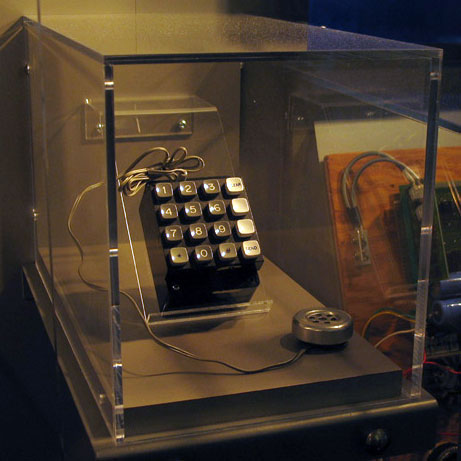
Today I found out Steve Jobs’ first business was selling “blue boxes” that allowed users to get free phone service illegally.

These boxes were designed in 1972 by Jobs’ close friend and future co-founder of Apple, Steve Wozniak.  The idea to sell them was supposedly Jobs’.  The two learned about blue boxes from famed “phreaker” (phone freak/hacker) John “Cap’n Crunch” Draper. (This nickname was alluding to a whistle given away in the 1960s in Cap’n Crunch cereal which produced the perfect tone, 2600 Hz, to allow a person to enter operator mode on AT&T’s phone system.  Draper later briefly worked at Apple, even while serving a five year jail sentence for his phreaking escapades.)

The blue box worked by producing certain tones that were used in the telephone system to switch long distance calls.  Once you made a long distance call, you could use the box to enter operator mode, then use it to route your call as you wanted and to wherever you wanted, all for free and extremely difficult to trace, making blue boxes a popular item amongst various criminal elements.

As Jobs explained, you could use the device to call “from a payphone and go to White Plains, New York, take a satellite to Europe, take a cable to Turkey, come back to L.A…. You can go around the world 3 or 4 times and call the payphone next door and shout in the phone and it would be about 30 seconds and it would come out the other phone.”  (This was something John Draper used to demonstrate to people  at parties using one of his own blue boxes.)

Jobs and Wozniak became intrigued with the idea of trying to make one of these boxes.  As Jobs explained in a 1995 interview,

We were so fascinated by them (blue boxes) that Woz and I figured out how to build one. We built the best one in the world; the first digital blue box in the world.  We would give them to our friends and use them ourselves.  And you know, you rapidly run out of people you want to call.  But it was the magic that two teenagers could build this box for $100 worth of parts and control 100’s of billions of dollars of infrastructure in the entire telephone network in the whole world…

Experiences like that taught us the power of ideas.  The power of understanding that if you could build this box, you could control 100’s of billions of dollars around the world, that’s a powerful thing.  If we wouldn’t have made blue boxes, there would have been no Apple.

The two stopped making the boxes after they were nearly caught by the police.  Despite giving up on the venture, they reportedly made about $6000 selling the blue boxes and Wozniak claims he once was able to prank call the Pope, posing as Henry Kissinger.  The Pope unfortunately was sleeping at the time, so he wasn’t able to talk to him directly.  Draper claims he once successfully prank called President Nixon using his own blue box.

Since the mid-1990s, blue boxes no longer work in most countries as phone systems throughout the world have been revamped using a digital system and no longer use the in-band signaling that the blue box exploited.  Specifically, the new system separates the voice and signaling channels.


Bonus Steve Jobs Facts:

  • Steve’s biological parents, Abdulfattah Jandali and Joanne Carole Schieble, met at the University of Wisconsin where Jandali was a professor of political science and Schieble his student.  They gave Jobs up for adoption to Paul and Clara Jobs when he was born, supposedly because his biological mother’s family didn’t approve of his biological father.  Despite this, in December of 1955, just 10 months after giving Jobs up for adoption, the two got married and had another child, present day bestselling author and professor of English and Literature Mona Simpson (best known for her book Anywhere But Here, which was subsequently made into a movie starring Natalie Portman and Susan Saranden).  Jobs didn’t know he had a sister until 1985 when he was 30 years old and contacted his biological mother for the first time.  Jobs and Mona became fast friends and remained extremely close throughout his life.
  • When Mona Simpson first learned she had a wealthy brother, she didn’t know who it was.  A lawyer had called her representing Jobs.  In her own words, “I lived in New York, where I was trying to write my first novel. I had a job at a small magazine in an office the size of a closet, with three other aspiring writers. When one day a lawyer called me — me, the middle-class girl from California who hassled the boss to buy us health insurance — and said his client was rich and famous and was my long-lost brother, the young editors went wild. This was 1985 and we worked at a cutting-edge literary magazine, but I’d fallen into the plot of a Dickens novel and really, we all loved those best. The lawyer refused to tell me my brother’s name and my colleagues started a betting pool. The leading candidate: John Travolta. I secretly hoped for a literary descendant of Henry James — someone more talented than I, someone brilliant without even trying.  When I met Steve, he was a guy my age in jeans, Arab- or Jewish-looking and handsomer than Omar Sharif. We took a long walk — something, it happened, that we both liked to do. I don’t remember much of what we said that first day, only that he felt like someone I’d pick to be a friend. He explained that he worked in computers. I didn’t know much about computers. I still worked on a manual Olivetti typewriter.  I told Steve I’d recently considered my first purchase of a computer: something called the Cromemco.  Steve told me it was a good thing I’d waited. He said he was making something that was going to be insanely beautiful.”
  • Before Jobs’ biological father knew he was the father of Steve Jobs, he managed a Mediterranean restaurant in Silicon Valley Jobs used to frequent.  When Jobs’ sister, Mona Simpson, first met her father as an adult (her father and mother had divorced in 1962 when she was just 5 years old and her father did not keep in touch) , he actually mentioned that he had once managed a restaurant frequented by such people as “Steve Jobs… yeah, he was a great tipper.” He didn’t know when he was saying this that Jobs was his son and at that point, Mona chose not to tell him.
  • Jobs stated the reason he didn’t want his father knowing about him was, “When I was looking for my biological mother, obviously, you know, I was looking for my biological father at the same time, and I learned a little bit about him and I didn’t like what I learned. I asked her to not tell him that we ever met… not to tell him anything about me.”
  • Mona Simpson has the distinction of having a Simpson’s character named after her, Homer Simpson’s mother.  Mona for a time was married to writer and producer Richard Appel, who named the character after her.  Before this, Home Simpson’s mother was simply called “Mother Simpson”.
  • Despite officially dropping out of college after just 6 months, Jobs still attended classes for another 18 months on a variety of subjects, living in friend’s dorm rooms and earning money by collecting soda bottles to turn in for money for food. (True Story: I did this too as a kid… good times!  Seriously though, they are kind of fun memories, oddly enough.) :-)
  • When Jobs briefly worked for Atari, he was given the task of trying to reduce the number of chips in the arcade game Breakout as much as possible. The task was a bit over his head, but as he’d done before and would go on to do throughout his life, he demonstrated great business savvy and ability to exploit
    • other people for his own gain by giving the job to his much more technically skilled friend, Wozniak.  He offered Wozniak 50% of his earnings from Atari for taking the job.  Wozniak then did it, reducing the number of chips by an astounding 50, meaning the total earnings for the job were $5000 ($100 per chip removed was Atari’s offer).  They then paid Jobs the agreed upon $5000.  Jobs proceeded to give Wozniak $350, stating that Atari had decided to only pay Jobs $700 for the job.  Ten years later, when Wozniak learned of this, he wasn’t upset, but said even if Jobs had told him at the time, he’d have been happy to have given Jobs the lion’s share of the earnings even though Woz did all the work, as he knew Jobs needed money at that time and he was a friend.  This would set a trend in their relationship, though, Woz doing the work and Jobs taking the credit and the lion’s share of the money. As Wozniak said, “Steve didn’t ever code. He wasn’t an engineer and he didn’t do any original design…”  Another friend of Jobs’, Daniel Kottke, said, “Between Woz and Jobs, Woz was the innovator, the inventor. Steve Jobs was the marketing person.”  But, to be fair, Jobs was one hell of a marketer and without him, Woz probably would have just had a nice career working at HP his whole life.  Jobs even had to work at prying Woz away from HP even as their company grew, simply because Woz loved working there.
    • Despite mostly just taking other people’s ideas and sometimes tweaking, but mostly doing an amazing job at marketing them, Jobs held 342 patents in the United States at the time of his death, usually listed as a co-inventor with the actual inventor.  This is something we might call the “Thomas Edison” model.
    • Despite Jobs to a certain extent himself being rejected by his biological parents, he did the same thing for a time to his first child, Lisa Brennan-Jobs.  She was born in 1978 to Chris Ann Brennan, an ex-girlfriend of Jobs’, who got pregnant with Lisa when Jobs was dating someone else.  Brennan told Jobs
      • Lisa was his, but he refused to acknowledge his daughter, even while Brennan and his daughter were living on Welfare.  By the time Lisa was 9, though, Jobs had decided to be her father and from that point on, the two were extremely close.  He had three more children, Reed, Erin, and Eve, after marrying Laurene Powell in 1991.
      • Even though he denied that he was the father of Lisa Brennan for a long time, Jobs named the “next generation” computer system he was working on at Apple at the time, “Lisa”.  This later became the Apple project the graphical user interface Jobs “borrowed” from Xerox was developed under.  Jobs had this type of interface demonstrated to him after being given a tour of Xerox’s Palo Alto facility.  It was a system Xerox didn’t think would be popular or practical, but later gave rise to the Apple graphical user interface and Microsoft Windows’ interface.
      • For a while there, Jobs got away with not having a license plate for his car, a Mercedes-Benz SL 55 AMG.  In California, you’re allowed to not have a license plate for up to 6 months after you purchase a car.  Thus, every six months, he simply leased a new SL 55.  He started doing this in 2007.
      • According to Mona Simpson, after Jobs’ liver transplant, Jobs went through 67 nurses before finally finding three he liked and who subsequently were his nurses up to the point he died.
      • Steve Jobs’ teacher in the 4th grade had to resort to bribing him to get him to pay attention and do his homework, giving him candy and money out of her own pocket.  He soon became one of the top students in the class, as you might expect.
      • Once he got to middle school at the age of 11, Jobs told his parents, due to bullying, if they didn’t take him to a different school, he would drop out.  They agreed and moved to Los Altos, which proved to be huge for Jobs’ future, as without this move, he may well have never met Steve Wozniak.
      • Jobs and Wozniak made their first sale after starting Apple Computers to the owner of a computer store called Byte Shop, Paul Terrel.  He ordered 50 computers, priced at $500 each.  The computers built to fulfill that order were built in Jobs’ parent’s garage by Jobs, Wozniak, Steve’s sister Patti, and a friend Dan Kottke, with Apple paying Patti and Kottke $1 per board they put together.
      • The retail price for that same computer was set at $666.66 by Jobs and Wozniak, giving them a 33% profit margin.
      • Contrary to popular belief, and even what Jobs himself often said, he was never technically fired from Apple.  After the brouhaha between Jobs and John Sculley reached its zenith, Jobs was dismissed by the board, but was still the chairman of the board, just not required, and indeed encouraged, not to come to meetings or show up at work at all. Jobs said about this, “At 30, I was out. And very publicly out. What had been the focus of my entire adult life was gone, and it was devastating. I really didn’t know what to do for a few months. I felt that I had let the previous generation of entrepreneurs down — that I had dropped the baton as it was being passed to me. I met with David Packard and Bob Noyce and tried to apologize for screwing up so badly. I was a very public failure, and I even thought about running away
        • from the Valley.”  Jobs then got the idea to try to make high end computers for researchers and universities and came back to Apple to pitch the idea to the board, via starting a new company that Apple would invest in.  The board was initially receptive to the idea, until Steve told them who he wanted from Apple for the new company, basically many of the best at Apple.  Thus, they rejected his idea, at which point Jobs resigned and sold nearly all his stock in Apple.  Again, he resigned, he was not fired.
        • NeXT in a lot of ways was a spectacular failure, but in other ways was a spectacular success that made Jobs a lot of money and provided the way for him to get back in with Apple via the NeXT operating system.  Because of Apple’s need for such an OS, Apple purchased NeXT for nearly half a billion dollars, more than double the asking price before Jobs pitched it to them (again, he was a brilliant marketer). :-)
        • Directly after founding NeXT with five other people from Apple, Apple sued NeXT, as the six were intimately aware of all of Apple’s projects and designs, having come up with many of them themselves.  Further, they were using this knowledge to design the NeXT system.  Because of this, NeXT produced nothing the first year, not even schematics, as they didn’t want to risk losing whatever they’d develop to Apple if they lost the lawsuit.  Atari had something similar happen to them in their early days where every employee basically took a year off after a settlement over Pong with Magnavox that gave Magnavox rights to everything Atari produced for the following calendar year after the settlement.  More on that here: The Development of Pong
        • A NeXT computer served as the first World Wide Web server when Tim Berners-Lee was developing the web.  More on this here: The First Website
        • Despite having no product whatsoever other than selling a t-shirt with the company’s logo, and blowing through mountains of money while spinning their wheels, Jobs managed to get Ross Perot to invest $20M in NeXT in exchange for just a 16% share of the company, making the company valued at $125M.  This quite possibly was the most expensive start-up t-shirt company in the history of the world, also demonstrating once again how good Jobs was at marketing.
        • At the same time NeXT was failing spectacularly, Jobs’ other company, Pixar, was doing the same. As mentioned in the above video, Pixar had actually started out as a hardware company, selling high end graphics computers, the Pixar Image Computer (PIC), which sold initially for $125,000 per computer, with later editions, the PIC II, selling for $29,500.  This endeavor failed, as did many other ventures they tried, such as creating a universal rendering programing language and software package, RenderMan.  After Jobs purchased Pixar from George Lucas and the numerous failures that followed, he eventually decided to shut the company down, but continued to be talked out of it by John Lasseter, with Lasseter convincing Jobs that the company could survive doing TV commercials and the like, with the commercials and video shorts being used as a platform to sell the PIC computers.   This provided a stay of execution, but even after producing award winning shorts, sales of the PIC computers were still extremely low and Jobs shut down the hardware division of Pixar.  Even then, the company lost $8 million dollars in 1990, at which point Jobs fired half the staff and took back all the stock shares that had been given to the employees by shutting the company down and starting a new company with the same name and remaining staff.  At this point, Jobs had lost about $50 million on Pixar.  Pixar’s fortunes changed thanks to John Lasseter, his team, and their development of the script for Toy Story, which was initially rejected, but after significant modifications, accepted by Disney’s Jeffrey Katzenberg.
        • Before Katzenberg accepted the script for Toy Story, Jobs had been very close to a deal to sell Pixar to Microsoft.
        • Steve Jobs was listed as an executive producer of Toy Story, the movie that finally made Pixar a viable company and allowed Steve Jobs to once again own a profitable business, unlike what Pixar had been and what NeXT was up to that point, both money-sinks.
        • Thanks to Toy Story, when Steve Jobs took Pixar public, it became the biggest initial public offering in 1995, even bigger than Netscape.  As the sole owner of Pixar, as he’d taken all his employees shares, Jobs was now for the first time a billionaire, with a net worth of about $1.5 billion.
        • Mona Simpson states that Steve Jobs’ last words, after looking at his sister, his wife of 20 years, and then his children, then staring off into space, were “Oh wow.  Oh wow.  Oh wow.”  At which point he fell asleep and died shortly thereafter.


This one is For you Mom…..

We’d invited you, our dear readers to share pictures of you and your mother. Here are few responses from the readers..

Priyanka Kumar and her mother.

This is Angshuman Sengupta with his mother when he was all of six months old in 1970.

Ghali Srinivasarao shares this picture of her and her son Phanindra taken some 30 years ago!

Source….www.rediff.com

Natarajan

நம் கல்வி… நம் உரிமை!- அரசுப் பள்ளிதான் இந்த அதிசயத்தை நிகழ்த்தும்!

அரசுப் பள்ளியால் என்ன சாதிக்க முடியும் என்ற கேள்விக்கு நாகேந்திரனை (வயது 24) விடச் சிறந்த உதாரணத்தைக் காட்டுவது கடினம். அரசுப் பள்ளிகளின் முக்கியத்துவத்தை மேலும் மேலும் துலக்கமாக்கிக் காட்டுவதுதான் நாகேந்திரனின், அதாவது டாக்டர் நாகேந்திரனின் கதை.

மதுரையில் மர வியாபாரம் செய்துகொண்டிருந்தவர் கண்ணன். எதிர்பாராத விதமாகத் தொழிலில் நஷ்டம் ஏற்பட்டு, கடன் சுமைகளைச் சமாளிக்க முடியாமல் காரைக்குடிக்கு இடம்பெயர்ந்தார். அப்போது அவரது மகன் நாகேந்திரன் இரண்டாம் வகுப்பு படிக்கும் சிறுவன். அடுத்த வேளை சாப்பாடுகூட நிச்சயமற்ற சூழலில் இருந்த இந்தக் குடும்பத்துக்கு உறவுகள் கைகொடுத்துப் பட்டினி இல்லாமல் பார்த்துக்கொண்டன. காரைக்குடியில் உள்ள பிரபல மளிகைக் கடை ஒன்றில் மளிகைச் சிட்டை எழுதும் வேலை கண்ணனுக்கு. அவரது மனைவி லதாவுக்கு அந்தக் கடையிலேயே கணக்கு எழுதும் வேலை. இருவரது மாதச் சம்பளத்தைக் கூட்டினாலும் மூவாயிரம்கூட இருக்காது. ஆனாலும், சராசரி பெற்றோரைப் போல இவர்களும் தங்கள் மகன் நாகேந்திரனை ஆங்கில வழியில் படிக்க வைக்க பிரயாசைப்பட்டு, தனியார் பள்ளியில் சேர்த்தார்கள். பொருளாதாரச் சூழல், ஐந்தாம் வகுப்புக்கு மேல் நாகேந்திரனை அங்கே அனுமதிக்கவில்லை. ஆறாம் வகுப்புக்கு, அரசு உதவி பெறும் எஸ்.எம்.எஸ்.வி. மேல்நிலைப் பள்ளியில் சேர்ந்தார்.

பருத்திப் பால் விற்றபின் பள்ளிக்கூடம்

பிறகு நடந்தவற்றை நாகேந்திரனின் அம்மா லதா விவரிக்கிறார். “அந்த வயசுலயே குடும்பச் சூழலை நாகேந்திரன் நல்லா புரிஞ்சுக்கிட்டான். பாதி நாள் பள்ளிக் கூடத்துல சத்துணவு சாப்பிடப் பழகிக்கிட்டான். எங்க அண்ணன் எங்களுக்கு நிறைய உதவி செஞ்சிருக்காங்க. இவனையும் பொம்பளப் பிள்ளையையும் (நாகேந்திரனின் தங்கை) படிக்க வைக்கக் கூடுதலா கொஞ்சம் பணம் தேவைப்பட்டுச்சு. அதுக்காக பால் பாக்கெட் வாங்கி வீடு வீடா போட்டோம். தினமும் காலையில பருத்திப் பால் காய்ச்சி கேன்ல ஊத்திக் குடுப்பேன். அதை நாகேந்திரன்தான் ரெண்டு மூணு தெருவுக்குப் போயி வித்துட்டு வந்து பள்ளிக்கூடத்துக்குப் போவான். அதேமாதிரி, சாயந்திரம் வந்ததும் பக்கோடா போட்டுக் கொடுப்பேன். அதையும் வித்துட்டு வந்துதான் படிக்க உக்காருவான்.”

“இவன் நல்லா படிக்கிறான்னதும் பள்ளிக்கூட ஆசிரியர்கள்லாம் அவனை நல்லாவே

ஊக்கப்படுத்துனாங்க. எங்களால முடியாதப்ப இவனுக்கு அப்பப்ப பண உதவியும் செஞ்சுருக்காங்க. பத்தாம் வகுப்புல 461 மார்க் எடுத்தான். பன்னிரண்டாம் வகுப்புல 1,151 மார்க் எடுத்துப் பள்ளியின் முதல் மாணவனா தேர்வானான். அப்பெல்லாம் இவன டாக்டருக்குப் படிக்க வைக்கணும்கிற எண்ணம் எங்களுக்கு இல்ல. புள்ள நாலு வருசம் இன்ஜினீயரிங் படிச்சுட்டு ஏதாச்சும் ஒரு வேலையில உக்காந்தான்னா, அவன் தலையில குடும்ப பாரத்த எறக்கி வெசுட்டு நாம அக்கடான்னு இருக்கலாம்னுதான் நினைச்சிருந்தோம். ஆனா, நல்ல மார்க் எடுத்ததால மெடிக்கல் காலேஜ்ல சேர்க்க வேண்டியதாப் போச்சு’’ என்று பெருமிதம் பொங்கச் சொன்னார் லதா.

தொடரும் வெற்றிப் பயணம்

2009-ல் நெல்லை அரசு மருத்துவக் கல்லூரியில் நாகேந்திரனுக்கு இடம் கிடைத்தது. ஆனாலும், அரசு நிர்ணயித்த சொற்பமான கட்டணத்தைக்கூட செலுத்த முடியாத கஷ்டத்தில் இருந்தார் கண்ணன். விஷயத்தைக் கேள்விப்பட்ட நாகேந்திரனின் ஆசிரியர்கள், தங்களுக்குள் நிதி திரட்டி மொத்தமாய்ப் பதினைந்தாயிரம் ரூபாயை நாகேந்திரனிடம் கொடுத்தார்கள். அதேசமயம், நாகேந்திரனின் நிலைமையை அறிந்த தேனி ரேணுகா மில்ஸ் நிறுவனம் உதவிக்கரம் நீட்டியது. மருத்துவக் கல்வியை முடிக்கும் வரை அவருக்கான விடுதி மற்றும் சாப்பாட்டுச் செலவுகள், தேர்வுக் கட்டணம் ஆகியவற்றை ரேணுகா மில்ஸ் நிறுவனம் ஏற்றுக்கொண்டது. இத்தனை பேரின் உதவிக்கரங்களைப் பற்றிக்கொண்டு மருத்துவக் கல்லூரிக்குள் கால் பதித்த நாகேந்திரன், முதல் ஆண்டிலேயே ஒரு பாடத்தில் தங்கப் பதக்கம் வாங்கினார். 80% மதிப்பெண்ணுடன் இந்த ஆண்டு தனது மருத்துவக் கல்வியை முடித்திருக்கும் நாகேந்திரன், இறுதி ஆண்டிலும் இரண்டு தங்கப் பதக்கங்களைத் தட்டிக்கொண்டு வந்திருக்கிறார்.

குடும்ப நிலையைப் பிள்ளைகளுக்கு உணர்த்துங்கள்!

தற்போது பட்ட மேற்படிப்புக்கான நுழைவுத் தேர்வுக்குத் தயாராகிக்கொண்டிருக்கும் நாகேந்திரன், “எனக்குக் கிடைத்த ஆசிரியர்களும் பெற்றோரும் கோயில் கட்டிக் கும்பிடப்பட வேண்டியவர்கள்.

அதிலும், குறிப்பாக சுந்தர்ராமன் சாரையும் ஹென்றி பாஸ்கர் சாரையும் சொல்லியே ஆக வேண்டும். எனது ஆசான்களைப் போலவே ஒவ்வொரு அரசுப் பள்ளியிலும் நல்ல ஆசான்கள் இருக்கிறார்கள். அவர்களை நாம்தான் பயன்படுத்திக்கொள்ள வேண்டும். லட்சங்களைக் கொட்டிக் கொடுத்துப் படித்தால்தான் லட்சியத்தை அடைய முடியும் என்பது போலியான மாயை. எனது குடும்பத்தின் கஷ்ட நிலைமை எனக்குக் கண்கூடாகத் தெரிந்தது. அதுதான், எப்பாடு பட்டாலும் முன்னுக்கு வர வேண்டும் என்கிற உந்துதலை எனக்குள்ளே வளர்த்தது. எனவே, குடும்பத்தின் நிலைமையைப் பிள்ளைகளுக்குப் புரியவைத்தால் தானாகப் படித்து முன்னுக்கு வந்துவிடுவார்கள்’’ என்று சொன்னவர், “விரைவில் மருத்துவப் பணியைத் தொடங்கப்போகும் நான் என் வாழ்நாளில் எந்த ஆசிரியர் வந்தாலும் கட்டணமின்றி வைத்தியம் பார்ப்பது என்ற தீர்மானத்தை எனக்குள் எடுத்துக்கொண்டிருக்கிறேன்’’ என்றும் சொன்னார்.

கைதூக்கி விட நாங்கள் தயார்

நாகேந்திரனின் அப்பா கண்ணனிடம், “உங்கள் மகனைப் பற்றிச் சொல்லுங்கள்” என்று கேட்டதுதான் தாமதம். பொலபொலவெனக் கண்ணீரைக் கொட்டினார். “எங்களுக்குக் கடவுள் கொடுத்த வரம்தான் அவன்’’ என்று சொன்னவரால் அதற்கு மேல் பேச முடியவில்லை. காரைக்குடி எஸ்.எம்.எஸ்.வி. மேல்நிலைப் பள்ளி ஆசிரியர்கள் நாகேந்திரன்குறித்துப் பேசும்போது, “பத்தாம் வகுப்பிலேயே ஸ்கூல் ஃபர்ஸ்ட் வர முடியலைன்னு அழுதவன், பன்னிரண்டாம் வகுப்பில் அதைச் சாதிச்சுட்டான். இந்த வெறி எல்லா பிள்ளைகளுக்கும் இருக்கணும். அப்பதான் முன்னுக்கு வர முடியும். நாகேந்திரனால் எங்கள் பள்ளிக்குப் பெருமை. இவனைப் போலவே இன்னும் நான்கைந்து பசங்களுக்கு மேல்படிப்புக்கு நாங்க உதவி செஞ்சிருக்கோம். ஆர்வமுள்ள பசங்க எத்தனை பேர் வந்தாலும் கைதூக்கி விட நாங்க தயாரா இருக்கோம்’’ என்று சொன்னார்கள்.

அண்ணன் காட்டிய வழியில் நாகேந்திரனின் தங்கை சொர்ணமுகியும் மத்திய அரசின் கேந்திரிய வித்யாலயா பள்ளியில் படித்துத் தேர்ச்சி பெற்று, இப்போது மதுரை தியாகராஜா கல்லூரியில் அரசு ஒதுக்கீட்டில் பொறியியல் படித்துக்கொண்டிருக்கிறார்.

தனியார் பள்ளிகளில் ஒருபோதும் நிகழாது இந்த அதிசயம். ஏனெனில், பணம்தான் அவற்றைப் பின்னின்று இயக்கும் சக்தி. அரசுப் பள்ளிகளைப் பொறுத்தவரை சமூக நீதிதான் அவற்றைச் செலுத்தும் சக்தி. அரசாலும் மக்களாலும் கைவிடப்பட்டுக்கொண்டிருக்கும் அரசுப் பள்ளிகள்தான் கடந்த காலத்தில் எண்ணற்ற நாகேந்திரன்களை உருவாக்கியிருக்கின்றன. நாகேந்திரன்கள் இனி உருவாவதும் அரசுப் பள்ளிகளின் கையில்தான் இருக்கிறது.

– குள. சண்முகசுந்தரம், தொடர்புக்கு: shanmugasundaram.kl@thehindutamil.co.in

Natarajan