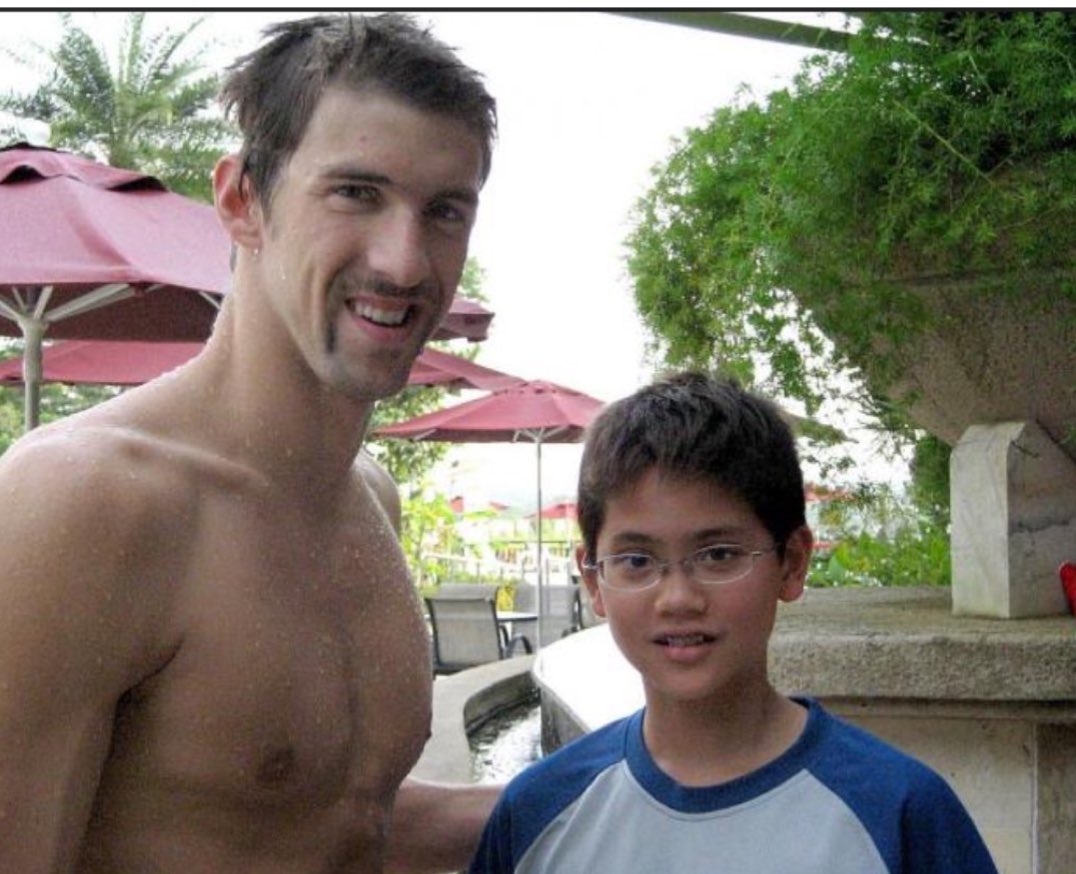
The 21-year-old who beat Michael Phelps first met him as a kid in 2008….!!!

joseph schooling

Joseph Schooling

Michael Phelps might still be snagging gold medals, but a lot has changed since 2008.

Michael Phelps’ only silver medal of the Rio Olympics came at the hands of 21-year-old Singaporean swimmer Joseph Schooling. Schooling beat Phelps in the 100-meter butterfly, claiming his and Singapore’s first gold medal in Olympic history.

During the victory lap after the race, Schooling turned to Phelps and said, “Dude this is crazy, out of this world, I don’t know how to feel right now,” according to The Guardian. Phelps smiled and simply replied, “I know.”

For Schooling, beating Phelps also meant beating his swimming idol. Phelps and Schooling met for the first time in 2008. Here is a picture that has been circulating on social media that puts that meeting into perspective:

Cps6iiuWAAAKEW5

“They came to the country club that I trained at,” Schooling told The Guardian. “Everyone just rushed up and was like “it’s Michael Phelps! It’s Michael Phelps!’ and I really wanted a picture … It was very early in the morning and I was so shell shocked, I couldn’t really open my mouth.”

Now it’s Phelps’ turn to be shell shocked, as Schooling put him in a position he’s not used to: second.

And the gold medal isn’t the only thing Schooling will take away from these Olympics. He also just became a millionaire. Singapore tops the rest of the world in prize money for winning a gold medal. According to Fox Sports Australia, athletes who win Olympic gold medals get paid 1 million Singapore dollars for their achievements (roughly $983,000 American).

Source…..www.businessinsider.com.in

Natarajan

The end of an era: Iconic Indian brands and establishments which shut shop…


Till recently, one of the most delightful moments on a train journey through the western suburbs of Mumbai, was passing through Vile Parle station and inhaling the delicious baking smells that used to waft in to the train. The aroma was that of the Parle G biscuits being baked at the Parle factory, located near the station. But, with the closure of the iconic 87 year old factory, came an end to a fragrant era. While, Parle G will continue manufacturing its much loved biscuits from its other factories across the country, the Parle factory at Vile Parle would be deeply missed.

Over the recent years, a number of iconic Indian establishments and brands have shut shop or stopped production across the country, due to legal issues, falling sales, competition, or not being able to stand up to the times. While modern businesses constantly fold up, and not much thought is given to them, these are icons that have served the country for decades, and have left behind nostalgic memories. We pay tribute to some of them:

HMT watches: Much before Titan, Swatch, Omega, Casio, and the rest of the popular watch brands told time, HMT adorned our wrists and dominated the watch market. The watch maker set up its first factory in Bangalore in 1961, in collaboration with Japan’s Citizen Watch Co, and the first batch of the Hand Wound Wrist Watches manufactured by HMT, was released by the then PM Jawaharlal Nehru. The watches continued to be an integral part of the average Indian attire in the 60’s, 70’s and 80’s until competition and technological changes led to the watch maker facing growing losses. HMT Watches finally chimed its last in May, this year as it shut down its last manufacturing unit in Tumakuru.

Gold Spot: When foreign brands such as Coca Cola and PepsiCo exited the Indian market in the late 1970s, because the Foreign Exchange Regulation Act (FERA) was making it difficult for them to continue in the country, Parle decided to launch its own line of soft drinks. Gold Spot, with the tag line ‘The Zing Thing’, was one of them. The drink, along with Limca and Thumbs Up, gained popularity in the country, and was much sought after by youngsters, and the older generation alike. With the re-entry of Coca Cola in the 1990’s, came the slow decline of the soft drinks. Parle sold its soft drinks to Coca-Cola in 1993, and, while the other two ( Limca and Thumbs Up) still remain in the market, the much loved Gold Spot was withdrawn to make space for Fanta.

Rhythm House: With the shutting of Mumbai’s Rhythm House came the end of a golden era for music lovers and city dwellers. The shop, which was established in 1948, offered its patrons a wide collection of Indian and western music, across all genres – filmy, non-filmy, classical and modern. Customers and passersby would walk in to browse through the albums of their favourite artists. And, if they could not find what they were looking for, it would be ordered for them. But, with the advent of technology, MP3s, downloadable music and Apple’s Music Store, the music shop started to feel the heat. After facing much losses and trying to stay afloat, it finally downed its shutters in March, 2016.

Ghantewala Sweets: A sweet shop that dated back to 1790, The Ghantewala Halwai had among its distinguished clientele emperors, Prime Ministers and Presidents, along with the common man. Set up by Lala Sukh Lal Jain, a small time sweet maker from Rajasthan, Ghantewala Sweets, in Delhi’s Chandni Chowk, the sweet shop earned its name from when Jain started off by selling the sweets on a brass plate, balanced on his head, ringing a brass bell. As his business grew, Jain built a shop, which continued growing in fame. Known for its Sohan Halwa, the shop has even played a role in BR Chopra’s 1954 film, Chandi Chowk, where a replica was created in Mumbai. However, legal and licensing problems, as well as the changing customer tastes, led to the closure of the sweet shop in July, last year.

Vijayanand Talkies: The historic cinema house where the Father of Indian cinema, Dadasaheb Phalke used to screen his motion pictures using a projector, finally downed its curtains in November, 2015. Vijayananad Talkies, located in Nashik, was one of the few remaining single screen cinemas of its generation, and had been conferred the ‘Oldest Exhibitor in India’ Award by the President in 2013 for being one of the longest operating cinema hall in the country. The historical Talkies had to shut shop due to non-renewal of its license by the government.

Ambassador cars: Once the car that India drove – from the politicians in their ostentatious white, beaconed cars, to the taxi drivers in their kaali peeli ones, the Ambassador was known for its sturdy body and powerful engine. The original made in India car was modeled on the Morris Oxford series III, and was in production from 1958. The once ubiquitous Ambassador had even been crowned the best taxi in the world by BBC’s Top Gear programme. The car zoomed in popularity through the 60’s and 70’s, until the Maruti Suzuki 800 brought its low cost car into the country. The opening up of the automobile sector and the entry of numerous other auto brands into the country led to its demise, with Hindustan Motors halting production in 2014.

AA Husain & Co: The go-to place for book lovers in Hyderabad, AA Husain & Co, which was started more than 65 years ago, shut shop in March, 2015. The much-loved book store, which saw the likes of painter MF Hussain, actors Dilip Kumar and Suresh Oberoi, and cricketer Sunil Gavaskar as its patrons, was closed down to make way for a mall which is being built on the Arasu Trust Complex, a Waqf property that housed the shop. The bookstore was started by Abid Asgar Husain, a surgeon of the 6th Nizam, in the mid-1940s, as a store for imported products. It was converted into a bookstore in 1949 by Asif Husain Arastu, his son.

Cafe Samovar: It was with tears that many of its loyal patrons bid the legendary cafe goodbye in March, last year. Surrounded by history and culture, the five-decade-old Cafe Samovar, situated in the Jehangir Art Gallery, with landmarks such as Chhatrapati Shivaji Museum, the Kala Ghoda square, David Sassoon Library and Lion Gate, within walking distance, was a popular haunt among city’s intellectuals, students and general public. Opened by Usha Khanna, the niece of noted Indian actor Balraj Sahni, the Cafe was especially known for its pudina chai and pakoda platter, and any food that came cold or was spilled, would be replaced free of cost. The Cafe had to down its shutters since the Jehangir Art Gallery has been looking to expand its space.

Source….www.in.news.yahoo.com

Natarajan

படித்து ரசித்தது …” வெங்காயத்தின் குரல் ” !!!


கதைகள் நம்மை யோசிக்க வைக் கின்றன. சில கதைகளைக் கேட்டோ, வாசித்தோ முடிக்கும் போது இப்படியும் சிந்திக்க முடியுமா? கற்பனை செய்ய முடியுமா என வியப்பாக இருக்கிறது.

பெரியவர்கள் சொல்லும் கதைகள் ஒருவிதம் என்றால், சிறுவர்கள் சொல்லும் கதைகள் வேறுவிதம். நாம் குழந்தைகளுக்கு கதை சொல்வது போலவே, குழந்தைகளிடம் கதை கேட்க வும் வேண்டும். முடிந்தால் மகனோ, மகளோ, பேரன், பேத்தியோ சொன்ன கதைகளை சிறுநூலாக அச்சிட்டு, அவர்களின் பிறந்தநாள் பரிசாக தரலாம். பள்ளிக்கூடமே தனது மாணவர்கள் சொன்னக் கதைகளை அச்சிட்டு, சிறு வெளியீடாக கொண்டுவரலாம்.

சிறுவர்களிடம் ‘எதைப் பற்றி கதை கேட்கப் பிடிக்கும்?’ என்று கேட்டால், உடனே அவர்கள் ‘சிங்கம், யானை, குரங்கு’ ஆகிய மூன்றைத்தான் விரும் பித் தேர்வு செய்கிறார்கள்.

‘சிங்கம்’ பற்றி ஆயிரமாயிரம் கதைகள் சொல்லப்பட்டுள்ளன. எழுதப் பட்டுள்ளன. ஆனாலும், சிங்கத்தின் வசீகரம் குறையவே இல்லை.

நான் கூட சிறார்கள் செய்தித்தாள் படிக்க வேண்டியதன் அவசியத்தை எடுத்துச் சொல்லும் விதமாக, நியூஸ் பேப்பர் படிக்கிற சிங்கம் பற்றி ‘படிக்கத் தெரிந்த சிங்கம்’ என்ற சிறார் நாவலை எழுதியிருக்கிறேன். இதனை ‘டிஸ்கவரி புக் பேலஸ்’ வெளியிட்டுள்ளது.

சமீபத்தில் சஞ்சீவ் சன்யால் எழுதிய ‘ஏழு நதிகளின் நாடு’ என்ற புத்தகத்தைப் படித்தேன். அதில் அவர் ‘சிங்கம் எப்படி இந்தியாவில் இவ்வளவு முக்கியத்துவம் அடைந்தது?’, ‘மவுரியர்கள் ஏன் சிங் கத்தைச் சிற்பமாக செதுக்குவதில் இவ்வளவு ஆர்வம் காட்டினார்கள்?’, ‘சிந்து சமவெளி நாகரீகத்தில் சிங்கம் இருந்ததா, இல்லையா?’ என பல செய்திகளைச் சுவாரஸ்யமாக எழுதி யிருக்கிறார். தமிழகத்தில் சிங்கம் இருந் ததா? சங்க இலக்கியத்தில் சிங்கம் இடம்பெற்றிருக்கிறதா என்பது பற்றி ஆய்வாளர்கள்தான் சொல்ல வேண்டும்.

துருக்கி நாட்டுப்புறக் கதை ஒன்று ‘வெங்காயம் ஏன் சிறியதாக இருக் கிறது?’, ‘தர்பூசணி ஏன் பருமனாக இருக் கிறது?’ என்பதற்கு பதில் சொல்கிறது. ‘இதற்கெல்லாம் கூட கதைகள் இருக்குமா?’ என யோசிக்க வைக்கிறது இக்கதை.

முன்னொரு காலத்தில் வெங் காயம்தான் மிகப் பருமனாக இருந்தது. சோம்பேறியாகவும் தூங்குமூஞ்சியாக வும் இருந்த வெங்காயத்துக்கு, வம்பு பேசுவதைத் தவிர எதிலும் விருப்பம் இல்லை. இதற்கு மாறாக, தர்பூசணி சிறியதாக எலுமிச்சை அளவில் இருந்தது. நாள் முழுவதும் சுறுசுறுப்பாகத் தாவிக் குதித்துக் கொண்டு உற்சாகமாக பேசிக் கொண்டிருந்தது. இந்த இரண்டும் ஒரே தோட்டத்தில் இருந்தன.

அங்கே ஒரு வாழை மரம் இருந்தது. அந்த மரத்தை வெங்காயத்துக்குப் பிடிக்கவே பிடிக்காது. வாழையும் அதன் பிள்ளைகளும் இருக்கிற தண்ணீரைக் குடித்துவிடுகிறார்கள் என்று ஆத்திரமே, அதற்கான காரணம். எப்போதும் வாழை மரத்தைக் குற்றம் சொல்லிக் கொண்டே இருந்தது வெங்காயம். இதற்கு மாற்றாக தர்பூசணிப் பழம் வாழை மரத்தை பாராட்டிக்கொண்டே இருந்தது.

ஒரு நாள் வாழை மரம் வெங்காயத் திடம் கேட்டது: “நீ ஏன் இப்படி உடம்பை வளர்த்துக் கொண்டு வீணாக இருக்கிறாய்? உன்னால் யாருக்கு என்ன பிரயோஜனம்?”

அதைக்கேட்ட வெங்காயம் சொன்னது: “நீ மற்றவர்களுக்குப் பிரயோ ஜனமாக இருக்கிறாய். அதற்காக உன்னை வெட்டாமல் விடுகிறார்களா? மனிதர்கள் உன் காய்களைப் பறித்துக் கொள்கிறார்கள். இலையை அறுத்துக் கொண்டுப் போகிறார்கள். பழங்களைத் தின்கிறார்கள். முடிவில் ஒருநாள் உன்னையே வெட்டிவிடுகிறார்கள். நல்லது செய்தால் ஒரு பயனும் இல்லை என்பதை உன்னிடம் இருந்தே கற்றுக் கொண்டேன்.”

அதைக் கேட்ட வாழைமரம் சொன்னது: “அப்படிச் சொல்லாதே. இருப்பதை எல்லாம் அள்ளிக் கொடுப் பது சந்தோஷமானது. அதை அனுபவித் துப் பார் தெரியும்!”

“பொய். நீ ஒரு முட்டாள். ஏமாளி. வெட்ட வருபவனை உன்னால் எதிர்க் கவோ, தடுக்கவோ முடியாது. தைரிய மற்ற கோழை!” என்றது வெங்காயம்.

“அதெல்லாமில்லை. தைரியம் என்பது சண்டைபோடுவது இல்லை. வேதனையைத் தாங்கி நிற்பதே உண்மையான தைரியம்” என்று வாழை மரம் மறுபடியும் சொல்ல, அதைக் கேட்ட தர்பூசணி சொன்னது:

“வாழை மரம் சொல்வது உண்மை தான். தன்னைக் கஷ்டப்படுத்து கிறார்களே என்று வாழை ஒருபோதும் மனிதர்களுக்கு கசப்பான பழத்தைத் தருவதில்லை. சொல்லாலும் செய லாலும் அடுத்தவரை இம்சிக்காமல் வாழ்வது சிரமம். இந்த வாழை மரம் துறவியைப் போல வாழ்கிறது’’ என்றது

இதை கேட்ட வெங்காயம் எரிச்சலான குரலில் சொன்னது: “இதெல்லாம் வெறும் நடிப்பு. சுயநலம். நான் நம்ப மாட்டேன்!”

அவர்கள் பேசிக் கொண்டிருக்கும் போது, அங்கே தோட்டக்காரன் வேலைக்கு வந்தான். அவனிடம் சென்று வெங்காயம் கண்ணீர் சிந்தியபடியே சொன்னது: “இந்த வாழை மரம் சுத்த மோசம். அதுவே எல்லாத் தண்ணீரையும் குடித்துவிடுகிறது. முதலில் இங்கிருந்து அதை வெட்டி எறி”என்றது.

இதைக் கேட்ட தர்பூசணி: “அய்யோ! வெட்ட வேண்டாம்” என்றது.

தோட்டக்காரன் வெங்காயத்தின் பேச்சைக் கேட்டு, வாழைமரத்தை வெட் டிப்போட்டான். துண்டாகி விழுந்த வாழைமரம் வெங்காயத்தைப் பார்த்து சாபமிட்டது: “வாழ்க்கையின் அர்த் தத்தை நீ உணரவில்லை. அதனால் மெலிந்து சுருங்கிப் போவாய். உண்ணும் பொருளாகி, நீயும் என்னைப் போல துண்டு துண்டாக்கப்படுவாய். உன்னால் கண்ணீர் வடிப்பவர்கள் தினமும் உன்னைத் திட்டுவார்கள்!”

வாழை மரத்தின் நிலையைக் கண்டு தர்பூசணி வருந்தியது. அதைக் கண்ட வாழை மரம் சொன்னது: “மனதில் நல்லதை நினைத்து, நல்லதைப் பாராட்டும் தர்பூசணியே… நீ உடல் பெருத்து, எப்போதும் கருணை ஈரத்துடன் மகிழ்ச்சியாக வாழ்வாய்!”

அன்று முதலே வெங்காயம் சுருங்கி சிறியதாகிவிட்டது. தர்பூசணி பருமனாகி பலராலும் விரும்பப்படுகிறதாம்.

உடற்பருமன் என்பது கேலிக்குரிய விஷயமில்லை. ஒருபோதும் எவரையும் அவரது உடலமைப்பை வைத்து கேலி செய்யவோ, அவமதிக்கவோ கூடாது. உலகப் புகழ்பெற்ற ஓவியரான ஹென்றி டாலெஸ் லாட்ரெக் நாலரை அடி உயரமுள்ளவர். ஆனால், அதை ஒரு குறையாக ஒருபோதும் அவர் கருதவேயில்லை.

உணவுப் பொருட்கள் உண்டான விதம் பற்றியும் தாவரங்கள் உருவான விதம் பற்றியும் நிறைய வாய்மொழிக் கதைகள் உள்ளன. ‘பிரம்மாஸ் ஹேர்’ (Brahma’s Hair) என்ற மேனகா காந்தி தொகுத்த நூலில் இதுபோன்ற சிறந்த கதைகள் உள்ளன.

உலகில் அதிகம் உண்ணப்படும் பொருட்களில் ஆறாவது இடத்தில் வெங்காயம் உள்ளது. எகிப்தில் கி.மு-3500-ல் வெங்காயம் பயிரிட்டிருக் கிறார்கள். அங்கே வெங்காயம் புனிதப் பொருளாகக் கருதப்பட்டது. எகிப்திய மன்னர்களைப் புதைக்கும்போது வெங்காயத்தையும் சேர்த்து வைத்து புதைத்திருக்கிறார்கள். மரணச் சடங்கு களில் வெங்காயம் முக்கிய பொருளாக இடம்பெற்றுள்ளது.

எகிப்திய மதகுருக்கள் வெங்காயத் தில் மந்திரத் தன்மை இருப்பதாகவும், இதன் மூலம் இறந்தவர்களை உயிர்ப் பிக்க முடியும் என நம்பினார்கள். கிரேக்க ஒலிம்பிக் போட்டிகளில் கலந்து கொள்ளும் வீரர்கள் உடல் உறுதிக் காக வெங்காயத்தை நிறையச் சாப் பிட்டுள்ளார்கள். அத்தோடு நோய்த் தொற்றைத் தடுக்க உடலில் வெங்காயச் சாற்றை தேய்த்துக் கொள்வார்களாம்.

வாழ்க்கைப் பாடங்களை எளிமை யாகக் கற்றுத் தருவதற்கு கதைகள் அதிகம் உதவி செய்கின்றன. கதை வழியாகத்தான் வெங்காயமும் தர்பூசணி யும் பேசிக்கொள்கின்றன. இக்கதையை ஒரு சிறுவனிடம் சொன்னபோது அவன் உடனே, “வெங்காயத்தின் குரல் எப்படியிருக்கும்?” என்று கேட்டான்.

“நீயே சொல்லு!” என்றேன். அவன் உடனே கீச்சுக் குரலில் பேசத் தொடங்கினான். வெங்காயத்தின் குரல் இப்படிதான் இருக்கும் என சிறுவன் கற்பனை செய்யத் தொடங்கும் போது, அவனுக்குள் இருந்து படைப்பாற்றல் முளைவிடத் தொடங்குகிறது. இதற் காகத்தான் கதைகள் கேட்கவும் சொல்லவும் வேண்டியிருக்கிறது.

இணையவாசல்: கதை சொல்லிகளுக்கு உதவும் இணையதளம்

– கதை பேசும்… | எண்ணங்களைப் பகிர்ந்துகொள்ள: writerramki@gmail.com

Source…..S.Ramakrishnan in http://www.tamil.thehindu.com
Natarajan

வாரம் ஒரு கவிதை …” வயல் வெளிகளில் ” !


”  வயல்  வெளிகளில் “
……………………..
வயல் வெளியில் முத்து முத்தாக அவன் சிந்தும் வியர்வை
நெல் மணியாக மலரும் நாள்  உழவன் அவனுக்கு  திருநாள் !
ஒரு நாள் திருநாளுக்கு   அவன் படும் பாடு வெளியில்
தெரிவது எத்தனை பேருக்கு ?
உழைப்புக்கு ஏற்ற ஊதியம்   கேட்டு உள்ளிருப்பு
போராட்டம் ,அலுவலக புல்வெளியில் அமர்ந்து !
விண்ணைத்  தொடும் விலைவாசிக்கு இணையாக ஊதியப்
படி கேட்டு “கேட்” மீட்டிங் மற்றும் சாலை வழி மறியல் ! ஆனால்
சேற்றில் கால் வைத்து நாற்று நாடும் உழவனின்
உழைப்பின்  மதிப்பு ….அவனுக்கே தெரியாத  ஒரு கணக்கு !
மண்ணையும் ,தன்னையும்  நம்பும்  விவசாயிக்கு மட்டும்
ஏன் தனி  கணக்கு  அவன் நமக்கு அளிக்கும் நெல் மணிக்கு ?
இரவும் பகலும் உழைக்கும் அவனுக்கும்  வேண்டாமா  அவன்
உழைப்புக்கு சரியான ஒரு ஊதியம் ?  யோசிக்க வேண்டும்
நாம் … வயல் வெளி விவசாயம் அவன் மறந்தால் ,  யாசிக்க
வேண்டும் நாம் நம் உணவை வேறு நாட்டிடம் !
விண்வெளியில் சோதனை பல செய்து சாதனை படைக்கும்
  நாம் ,நம் வயல் வெளியிலும்  சாதித்து காட்ட வேண்டாமா ?
விண்ணைத் தொட்டு  மாற்று கோளிலும் கால் வைக்க
முந்தும்  நாம் நம் மண்ணை பொன்னாக்கும் நுண்ணியல்
விஞ்ஞான அறிவியலை நம்  வயல் வெளியெங்கும்
விதைத்து வளர்க்க முடியாதா என்ன ?
காட்டுவோம் ஒரு நல்ல வழி  நம் வயல் வெளிக்கும் ! செய்து
காட்டுவோம் ஒரு பசுமை தொழில் புரட்சி !  உழவும்  ஒரு  தொழில்
ஆகி நம் உழவனும் பல உழவுத்  தொழிலாளிகளை உருவாக்கட்டும் !
Natarajan
My Kavithai appeared  in http://www.dinamani.com on 8th august 2016

THE OLYMPIC SWIMMER WHO HAD NEVER BEEN IN A POOL UNTIL A FEW MONTHS BEFORE COMPETING IN THE OLYMPICS….!!!


The man was Eric Moussambani Malonga, later nicknamed “Eric the Eel”.  Moussambani is from Equatorial Guinea in Africa and only managed to get into the Olympics at all because of a wildcard drawing system put in place by the International Olympic Committee, designed to try to encourage developing countries to participate in various Olympic events.

Thanks to this drawing, Equatorial Guinea decided to send a swim team to the 2000 Olympics in Sydney, Australia.  They put out an advertisement on the radio a few months before the Games to try to get people to come and tryout for the country’s new national swim team which would be going to the Olympics.  Those who wished to tryout were to show up at the Hotel Ureca in Malabo, Equatorial Guinea. At the time, this hotel was the only place in the country that had a swimming pool (only 12 meters long).

Two people showed up, one woman, Paula Barila Bolopa (who was a grocery store cashier at the time), and one man, Eric Moussambani.  Because of the lack of competition, the only thing the two had to do to get on the team was to demonstrate that they could in fact swim.

Previous to this, Moussambani didn’t know much about swimming, but contrary to what is often reported, he did know how to swim.  Said Moussambani:

The first time I swam in the sea, I was 12 years old and was on vacation in my mother’s village. My first time in a swimming pool was on May 6, 2000 in the Hotel Ureca swimming pool…

They just told me to get my passport and a picture ready so they could send me to the Olympics. They said to me, ‘Keep on training.’ I asked them, ‘With who? I don’t have a trainer.’  They said: ‘Do what you can. Keep training because you are going to the Olympics.’

My preparation was very poor…  I was training by myself, in the river and the sea. My country did not have a competition swimming pool, and I was only training at the weekends, for two hours at a time. I didn’t have any experience in crawl, breaststroke, or butterfly. I didn’t know how to swim competitively.

The Olympic Games was something unknown for me.  I was just happy that I was going to travel abroad and represent my country. It was new for me. It was very far from Africa.

Just three months after hearing the advertisement and then getting selected to represent his country, Moussambani was on his way to the Olympics.  He took a somewhat roundabout flight to Libreville (Gabon), then to Paris, then to Hong Kong, and finally to Sydney, a trip that took nearly three days to complete.  Along with accommodations, he had £50 of spending money while at the games and an Equatorial Guinea flag for use in the opening ceremony.

Once at the Olympics, he got his first glimpse of an Olympic size swimming pool,

When I arrived, I just went to the swimming pool to see how it is. I was very surprised, I did not imagine that it would be so big…

My training schedule there was with the American swimmers. I was going to the pool and watching them, how they trained and how they dived because I didn’t have any idea. I copied them. I had to know how to dive, how to move my legs, how to move my hands… I learned everything in Sydney.

What makes Moussambani’s story even more compelling is that he would go on to win his heat in the 100m freestyle, albeit in a pretty unorthodox way.  You see, at the time, he was to compete against just two other people in the qualifiers, Karim Bare from Niger and Farkhod Oripov from Tajikistan.  Both of these two ended up getting disqualified for false starts, leaving just Moussambani, who at the time thought he had been disqualified, before it was explained to him that his competitors were the ones out and that he’d be swimming the heat alone in front of 17,000 spectators.

In order to qualify for the next round, he needed to beat 1 minute and 10 seconds… He didn’t quite manage that.  However, for someone with such limited training and technique, he actually didn’t do too bad at the very beginning, even executing an OK dive and looking pretty fast for the first 10 or 15 seconds or so, then quickly faded.   As he said,

The first 50 meters were OK, but in the second 50 meters I got a bit worried and thought I wasn’t going to make it… I felt that [it] was important [to finish] because I was representing my country… I remember that when I was swimming, I could hear the crowd, and that gave me strength to continue and complete the 100 meters, but I was already tired. It was my first time in an Olympic swimming pool.

He finished with a time of 1 minute 52.72 seconds (40.97 seconds at the halfway mark), which was about 43 seconds off the qualifying time. This was, of course, a new Equatorial Guinea swimming record, but also unfortunately was the slowest 100m freestyle swim pace in Olympic history.  For his efforts, he was immediately a media darling, with fans and some other athletes loving his story.  However, many felt that his being allowed to participate was embarrassing, as he had not a hope in the world of actually winning anything, and it was unfair to athletes in more privileged countries that could swim circles around Moussambani, but who weren’t given a chance to compete because lesser swimmers from developing countries were being included. The International Olympic Committee’s president, Jacques Rogge, was one of those, saying he would work to get rid of the wild card system and stated, “We want to avoid what happened in the swimming in Sydney; the public loved it, but I did not like it.”

Of course, the “father” of the modern Olympic Games, Baron Pierre de Coubertin, likely wouldn’t have agreed with this negative sentiment at all, as he wanted all countries to compete in the Games. He also once criticized English rowing competitions for not including working-class athletes.  He further developed the Olympic motto (Citius, Altrius, Fortius- Faster, Higher, Stronger) after a portion of a sermon given by Bishop Ethelbert Talbo, which de Coubertin was fond of quoting

The most important thing in the Olympic Games is not to win but to take part, just as the most important thing in life is not the triumph but the struggle. The essential thing is not to have conquered but to have fought well.

Certainly Moussambani exemplifies that sentiment.

Bonus Facts:

  • Since 2012 Moussambani has been the coach of the Equatorial Guinea swim team, when he’s not working his day job as an IT engineer. They actually have a real, competitive team now comprising 36 swimmers, so the Olympic wild card system paid off in that respect.  They also have an Olympic size swimming pool to practice in now.
  • Moussambani has gotten a lot better at competitive swimming. By 2004, he got his 100m free style time down to 57 seconds, which would have been good enough for him to qualify in the 2004 Olympics, but a visa mistake ended up costing him a trip to that year’s Games. Some have speculated the visa mishap was intentional in order to stop him from competing.  The gist of it was that when he submitted his application, his passport photo was somehow lost by the Malabo officials processing it. Some highly placed government officials in his country had previously expressed anger at how he’d embarrassed their country in 2000 and were not enthusiastic about him going to the Athens games. Whatever the case, due to the loss of the photo, his application was denied.
  • Moussambani recently started training again along with coaching and he posted his best swim time in 2012 at the age of 34, having it down to 55 seconds in the 100m freestyle, just under 8 seconds off the current Olympic record. As such, he’s decided to come out of semi-retirement from professional swimming to try out for the 2016 games.  “I still have a dream. I want to show people that my times have improved, that we have swimming pools in my country now and that I can now swim a hundred meters.”
  • Moussambani’s current training routine for the 2016 Olympics is to wake up at 5am and run for 3 km.  He then gets ready for work and spends 8am to 5pm there.  On Tuesday, Thursday, Friday, and Saturday he heads down to the pool where he meets his team and trains from 6pm-10pm.
  • The 100m freestyle gold medalist (Pieter Van den Hoogenband) in the 2000 Olympics finished with a time of 48.3 seconds, which was a new world record.
  • The current world record for the men’s 100m freestyle (long course: 50m pool) is 46.91 seconds, set by Cesar Cielo of Brazil in the 2009 World Championships in Rome.
  • The current Olympic record is 47.05 seconds, set by Eamon Sullivan of Australia in the 2008 games.
  • Equatorial Guinea’s other swimmer in the 2000 Olympics, Paula Barilia Bolopa, also struggled to finish her heat, this time in the 50m freestyle, finishing with a time of 1:03.97.  While it was a new record for the 50m freestyle for Equatorial Guinea, it was also, like Moussambani’s time, a new slowest time record in Olympic history for the 50m freestyle.

Source….www.today i foundout.com

Natarajan

The Strange Story of the First Olympian Disqualified for Doping….


Olympians have been bending (and occasionally breaking) the rules in an effort to give themselves an edge over the competition since the games began. Despite this, the International Olympic Committee (IOC) only started testing for performance enhancing substances in 1968, and only seem to have really started taking the issue seriously in the 1990s. As for the 1968 Games, despite that a large percentage of Olympians are thought to have been using performance enhancing drugs, they only managed to catch and disqualify one guy. What dangerous substance did he take to get himself disqualified? He drank two beers before an event, resulting in him becoming the first person to be disqualified for “doping”.

To really drive home how ingrained using performance enhancers is in Olympic culture, and to highlight how endemic is was before the IOC began to crack down on it recently, ancient Olympians were known to drink “potions” containing mysterious, often exotic herbs, or even ground up animal testicles, in the belief that doing so would give them an edge. Much like the athletes that wear colored tape (see: Why Do Olympians Wear Colored Tape?) or more recently the use of cupping therapy, it didn’t really matter if the thing actually helped them- only that they thought it did.

Although there were no specific rules against using performance enhancing substances back then, there were rules in place against the use of magic to “curse” or otherwise unnerve an opponent. In other words- in the ancient Olympics, you were free to use anything you wished to improve your own performance, but you weren’t allowed to try and negatively impact the performance of others. As far as we can tell, this didn’t actually stop people from doing such things.

When the Olympic Games were revived in the 19th century, athletes were similarly open to having various substances put into their bodies if it had even a small chance at giving them the ability to perform citius, altius, fortius.

For example, Thomas Hicks, the winner of the 1904 Olympic Marathon was givendoses of strychnine and shots of brandy in the middle of the race by his trainers in full view of gathered crowds and officials.

At the time, strychnine was used in small doses as a performance enhancing drug. Anything but small doses would, of course, kill the athlete via asphyxiation due to paralysis of the respiratory muscles.  However, if the dose wasn’t too large, strychnine was believed to provide a performance boost via the muscle spasms it relatively quickly induces. They gave Hicks three doses during the race… This was only part of the way in which his trainers almost killed him.

You see, while his trainers were willing to give him, essentially, rat poison and brandy, they refused to give him any water despite the sweltering Missouri summer heat. By the end of the race, Hicks was delusional and had to more or less be carried to and over the finish line as he was too weak to remain upright on his own. He immediately passed out upon finishing and the doctor was unable to revive him for almost a full hour. Despite not being able to finish the race without help, he was nevertheless declared the victor. (See: The Trials and Tribulations of 1904 Olympic Marathon Runners)

And if you thought that being carried over the finish line made for a questionable victory, Hicks only won after it emerged that the first person to finish, Fred Lorz, had traversed most of the course by car. You see, due to the amazingly bad conditions in the race, Lorz decided to quit and hitched a ride back to the starting point. When he exited the car and subsequently jogged back into view of the spectators, everyone just assumed he’d ran the whole thing, so he went along with it. Eventually his automotive adventure came to light, at which point he claimed his pretending he ran had all been a joke.

Back to doping in the Olympics. The IOC didn’t officially ban certain dangerous performance enhancing substances until the late 1960s, and even then, it took the death of an athlete to jar them into taking a stand. That athlete was a cyclist competing in the 1960 games on behalf of Denmark called Knud Enemark Jensen. He collapsed and subsequently died in the middle of a race, with it widely reported that the cause of his collapse was that he’d been given a cocktail of drugs, including Roniacol, by his trainer beforehand.

Of course, it should also be noted that at the time it was 108° F (42° C) out and what actually happened was that Jensen succumbed to heat stroke and then fractured his skull after falling off his bike- the official cause of death was brain injury resultant from his fractured skull. Although it was ultimately determined that drugs probably didn’t have anything to do with Jensen’s death, the IOC was shaken enough by the media backlash to decide to ban, at least officially (more on this in a bit), certain substances starting in the 1968 Games.

Although testing was in effect during the 1968 Winter Olympics in Grenoble, France, no athlete is known to have been caught with a performance enhancing drug in their system.

The same couldn’t be said for that year’s summer games. (At the time the Winter and Summer Olympics occurred in the same year) During those Olympics, as mentioned, Swedish athlete Hans-Gunnar Liljenwall was found to have alcohol in his system.

Though alcohol may seem like the exact opposite of a dangerous performance enhancing drug given that it dulls the senses, clouds judgement, and is otherwise pretty safe in moderation, in the right quantities, there was, and still is, a popular idea that it gives one an advantage.  How?

The hypothesis goes that in skill based games that rely more on muscle memory than things like reaction times- games like darts, billiards and even target shooting- alcohol could, perhaps, potentially improve performance in individuals prone to stress or “overthinking“. Whether actually helpful or not, in Liljenwall’s case, he was trying to use the alcohol for this very purpose and so drank two beers before a shooting event to steady his nerves, and hopefully hands.

After his urine was found to contain alcohol, Liljenwall was disqualified and was ordered to return the bronze pentathlon medal he’d won while under the influence. Not stopping there, the rest of Sweden’s pentathletes were also forced to hand back their medals for Liljenwall’s mistake.

What makes Liljenwall’s disqualification even more bizarre is that, seemingly, little was actually being done to stop anyone else from using performance enhancing drugs.

You see, they only used urine tests during the 1968 games out of fear that blood tests could potentially spread infection or cause some sort of injury to the athletes. Although today urine tests are fairly comprehensive and accurate for many things, back then the science was still in its infancy and the chemists performing the tests were only looking for a very specific set of substances, mostly “hard drugs” like cocaine and heroin, but not steroids.

In fact, in 1969, an American weightlifter responded to being asked about the recent ban on amphetamine use by defiantly saying, “What ban?” He went on to explain that he and his fellow athletes had all used a new drug recently developed in West Germany that couldn’t be detected during the previous Olympic games, openly bragging: “When they get a test for that one, we’ll find something else. It’s like cops and robbers.

Beyond some using undetectable drugs, others would use a catheter to fill their bladder with someone else’s urine directly before testing. Women had another trick up their, well… not sleeves… in the use of a condom filled with clean urine cleverly hidden inside the vagina.

Because the IOC was only testing urine and the tests were fairly inaccurate and not very sensitive on the whole, more low-tech methods of avoiding detection included drinking a lot of water to dilute results beyond the capabilities of the testing of the age to detect anything in, or simply rejecting the test results for various reasons.

For instance, in a non-Olympic event at the 1970 Weightlifting World Championship in Ohio, all three medalists were found to have banned substances in their urine. Despite this, they were allowed to keep their winning medals. Why? Due to systemic issues with testing procedures, with some athletes even managing to get around being tested at all, including the guys who came in fourth, fifth and sixth place at this event, there was no way to ensure the medals would definitely go to someone who hadn’t cheated. Given that the orginisation knew well that pretty much all of the top lifters were using drugs, they reasoned the winner should probably just be the best of the cheaters.

This same problem plagued the Olympics as well. Dr. Robert Voy, formerly in charge of drug testing for the U.S. Olympic Committee, noted that, beyond inherent problems with the accuracy of the tests, complete lack of quality control in the samples, and inconsistent procedures from test to test, because the tests were so easily fooled, those in charge of the drug testing resorted to “a less libelous approach to testing called ‘sink testing,’ used to prevent false positive reporting and legal challenges. This now nonexistent method meant all samples were collected but either were not tested or were simply poured down the drain.”

Dr. Voy went on to state, “The athletes knew better than anyone that the drug testing posed little threat to them.  They scoffed at testing notices and went right on with their routine drug use with little fear of detection.”

In fact, one survey of track and field athletes from seven different nations in the 1972 Olympics revealed that a whopping 61% of them admitted to using steroids before those games. The actual number of track athletes using is thought to have been higher as presumably not everyone taking steroids would be so keen on admitting it, even in an informal survey.

The reason they could be so flippant, particularly about using steroids was that, while drugs like alcohol, heroin, and cocaine were being tested for, as previously mentioned, at this points steroids were not.

On top of that, even if they tested positive for substances that were being tested for, they could simply say their sample wasn’t handled or tested right, which may well have been true. Other excuses included things like- if they’d been using heroin, they could say they’d been eating poppy seed muffins, and even could be publicly seen doing so to back their story. (And yes, that is really a thing, even today- see: Can Eating Poppy Seeds Really Cause You to Fail a Drug Test?)

It would not be until the late 1980s when Canadian sprinter Ben Johnson stunned the world by setting a new world record- 9.79 seconds- in the 100m sprint, and subsequently had his medal stripped three days later after testing positive forstanozolol, that the public began to wake up to the problem.

Beyond Johnson, there was evidence that six of the eight sprinters in that race were likely using steroids. This was a problem in the sport that famed Olympian Carl Lewis (who finished 9.92 seconds in that sprint) raged against in the media before the 1988 games, noting “There are gold medalists at this meet who are on drugs, that [100 metres] race will be looked at for many years, for more reasons than one.”

Funny enough, Johnson’s trainer, Charlie Francis, would later come out and say the fact that Johnson tested positive for stanozolol just showed the flaws in the Olympic testing procedures.  You see, Johnson was actually taking the steroid furazabol, as he didn’t like the way stanozolol made him feel.  Francis also claimed that at the time all the top athletes in the sport were taking steroids.

In support of Francis’ assertions, in a recent CBC documentary, Ben Johnson: A Hero Disgraced, a former IOC official revealed that approximately 80% of the track and field athletes in the 1988 Games showed significant signs of long-term steroid abuse. Not only that, but 20 actually tested positive but were nevertheless cleared for the Games by the IOC. It has been claimed that the reason the IOC was so keen on allowing these athletes to compete was due to pressure from NBC who didn’t want the games to “collapse in scandal”. They were also supposedly refusing to pay the IOC owed funds and threatening to withdraw broadcasting the Olympics that year if such a thing happened before the Games.

The media frenzy that surrounded Johnson’s rapid downfall, along with the public becoming aware of the widespread use of steroids in the Olympics, resulted in the IOC finally putting significant effort into ending performance enhancing drug use among Olympics athletes.

Source…..www.today i found out .com

Natarajan
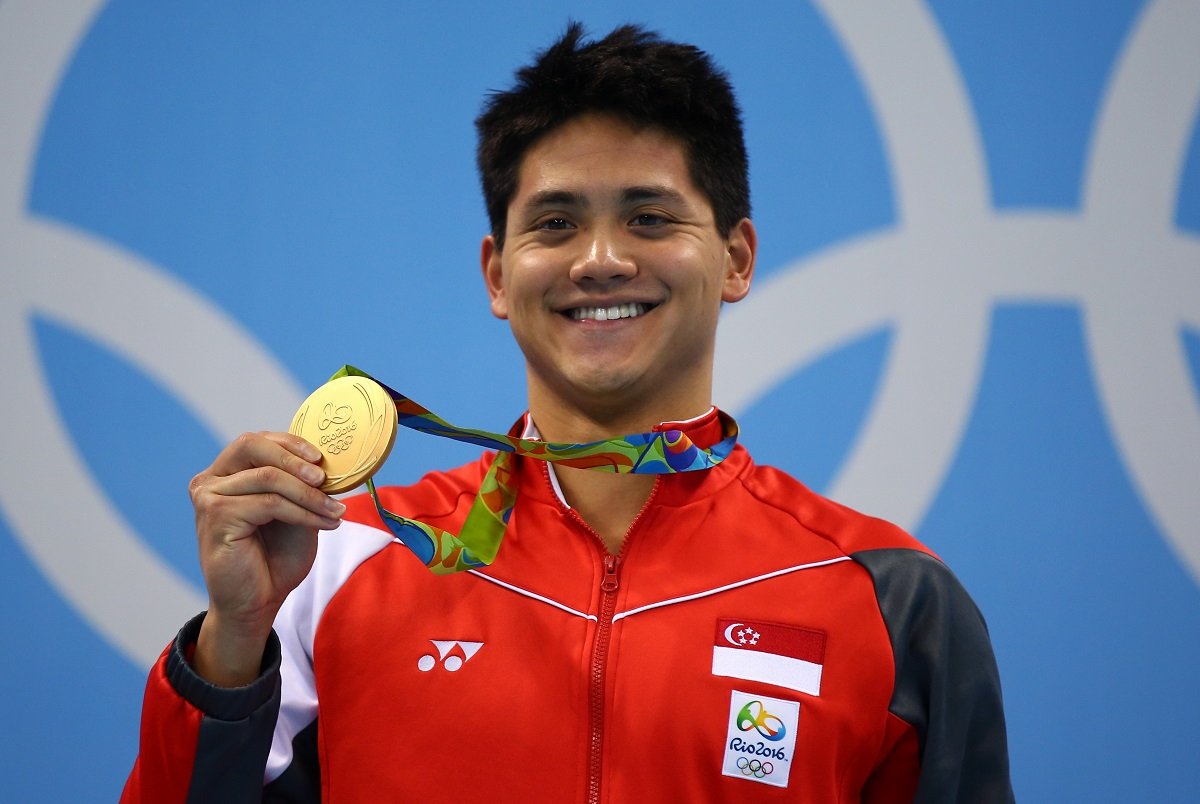
A Syrian refugee who was swimming across borders a year ago is now in the Olympics…


One year ago, Syrian refugee Yusra Mardini was swimming for her life as she fled Damascus, Syria with her older sister. Today, she is a member of the Olympic refugee team competing in Rio.

The 18-year-old is one of ten athletes competing for the Refugee Olympic Athletes in three sports.

Below, read about Mardini’s tenacious and heroic journey, via Alexander Hassenstein of Getty.

Before that, Mardini and her sister have been swimmers for many years. They were known as shining stars at their swimming club in Syria, until the war disrupted their training.

Their parents tried their hardest to keep them away from the intense war zones — they moved multiple times to avoid the conflict, but the war shortly became too dangerous. They decided to pick up and move all together after their house was destroyed.

Mardini and her sister left Damascus, Syria in early August. They boarded an inflatable boat in Turkey that was headed for the Greek island of Lesbos, alongside 20 other refugees.

Not too long into their journey, the motor on the boat broke down. Mardini and her sister were the only two swimmers on the boat, so they jumped into the water to swim the boat to shore.

They swam while helping the boat stay above water for three and a half hours, saving everyone on the boat.

After swimming all of the passengers to safety, the sisters continued their journey to make it to Germany.

They then travelled through five more countries, on land.

They faced many problems — they were arrested at borders, lost money, and had many items stolen from them. Despite all of these problems, the sisters remained strong. They were not going to give up.

After 35 days of fleeing, the sisters finally made it to Germany.

Now, they are safe with their parents in Berlin.

Shortly after their arrival in Berlin, they were introduced to a swimming coach at a local swimming club.

Mardini’s goal was originally to make it to the 2020 Olympics in Tokyo, but her coach said she had progressed so well that there was a good chance that she could qualify for the International Olympic Committee’s (IOC) refugee team for the 2016 Olympics in August.

Since she lost everything and faced a treacherous journey, she was given a IOC Olympic Solidarity scholarship — a scholarship to help athletes qualify for the Olympics.

Her daily schedule leading up to the Olympics involved school and intensive training.

Mardini hopes to encourage refugees and make them proud of her.

In the meantime, she seems to be having the time of her life in Rio.

Source…www.businessinsider.com.au

Natarajan

Joke of the Day …” Old people are not Stupid ” !!!


This is how much time it should take to escape a crashed airliner….


A Emirates Boeing 777-300 crashed landed and burst into flames at Dubai International Airport on Wednesday.

Fortunately, the airline has confirmed that all 300 passengers and crew on board the flight made it to safety before the aircraft became engulfed in flames.

Which leads us to the question, how long does it take to evacuate a crashed airliner?

Believe it or not, federal regulations dictate that all modern airliners capable of carrying more than 44 passengers must be able to be fully evacuated in less than 90 seconds.

In addition, in order to be certified to fly, new airliners or even new derivatives of existing airliners must pass an evacuation test. The tests involve simulated emergency situations in which all passengers and crew must exit the aircraft in pitch-black darkness using only half of the available emergency escapes.

In 2006, the Airbus A380 superjumbo managed to pass the test by evacuating 853 passengers, 18 crew, and two pilots in just 78 seconds, Flight Global reported.  The Boeing 777-200 passed the evacuation test in 1994 in 84 seconds, Quartz reported. The aircraft involved in the Emirates crash is an elongated 777-300. According to the AP, the aircraft was not subject to its own evacuation test. Instead, it was certified by extrapolating the test results of the 777-200 with the addition of two emergency exits.

These tests are generally conducted using the aircraft type’s maximum passenger capacity which means that aircraft in service are equipped with far fewer seats. For instance, the A380 was evacuation tested with 853 passengers. In operation these days, most of the superjumbos fly with around 500 seats.

However, it should also be noted that these test are also conducted in a laboratory conditions that are calm and organised. The hectic nature of an actual emergency evacuation may slow down the time it takes to empty an aircraft.

As a result, experts recommend that passengers select seats within three rows of an emergency exit. In addition, passengers should be aware of the location of the nearest emergency exit at all times.

Here’s a video of the Airbus A380 evacuation test:

Source….www.businessinsider.com.au

Natarajan

Joke of the Day…” Best Business Plan ….” !!!


As a boat docked into a tiny seaside village, a visiting businessman complimented the local fisherman on the quality of his fish and asked how long it took him to catch them.

“Not very long,” answered the fisherman.

“But then, why didn’t you stay out longer and catch more?” asked the businessman. The fisherman explained that his small catch was sufficient to meet his needs and those of his family.
The businessman asked, “But what do you do with the rest of your time?”

“I sleep late, fish a little, play with my children, and take a siesta with my wife. In the evenings, I go into the village to see my friends, play the guitar, and sing a few songs… I have a full life.”

The businessman interrupted, “I have an MBA from Harvard, and I can help you! You should start by fishing longer every day. You can then sell the extra fish you catch. With the extra revenue, you can buy a bigger boat.”

“And after that?” asked the fisherman.

“With the extra money the larger boat will bring, you can buy a second one and a third one and so on until you have an entire fleet of trawlers. Instead of selling your fish to a middle man, you can then negotiate directly with the processing plants and maybe even open your own plant. You can then leave this little village and move to the city, Los Angeles, or even New York City! From there you can direct your huge new enterprise.

How long would that take?” asked the fisherman.

“Twenty, perhaps twenty-five years,” replied the businessman.
“And after that?”

“Afterwards? Well my Friend, That’s when it gets really interesting,” answered the businessman, laughing. “When your business gets really big, you can start selling stocks and make millions!”

“Millions? Really? And after that?” said the fisherman.

After that you’ll be able to retire, live in a tiny village near the coast, sleep late, play with your children, catch a few fish, take a siesta with your wife and spend your evenings doing what you like and enjoying your friends.

Source…….www.ba-bamail.com

Natarajan