A look at Kashmiri willow bat factory, as sales boom during this World Cup season.


February 13, 1923. Chuck Yeager, the first pilot to break the sound barrier, was born in Myra, West Virginia on this date in 1923.
Yaeger enlisted in the Army Air Corps in September 1941, at the age of 18. He fought in World War II before being assigned to fly high-performance aircraft at Edwards Air Force Base in 1947.
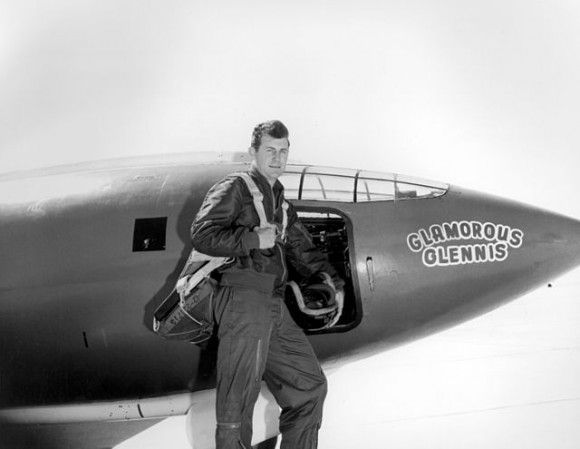
On October 14, 1947, Yeager piloted a plane called Glamorous Glennis to Mach 1.06, just over the speed of sound.
Dubbed the fastest man alive, he also won the prestigious Collier Trophy in aviation even as he continued setting speed records.
The plane in which he broke the sound barrier is on display at the Smithsonian National Air and Space Museum in Washington, D.C.
Yeager’s adventures were popularized in a 1980s satirical book and movie, both called The Right Stuff.
He currently lives California.
Bottom line: On February 13, 1923, Chuck Yeager, the first pilot to break the sound barrier, was born in Myra, West Virginia.
SOURCE:::: http://www.esrthskynews.org
Natarajan

Photo credit: Jon Rawlinson
For at least two millennia, the Ifugao people have sculpted the sides of mountains into useable farmland. Located in the heart of the Cordillera mountain range in the northern Philippines, these rice terraces rise like wide, monumental staircases. The United Nations Educational, Scientific and Cultural Organization (UNESCO) added these feats of ancient engineering to its list of World Heritage Sites in 1995. According to UNESCO, the Philippine rice terraces “create a landscape of great beauty that expresses the harmony between humankind and the environment.”
The terraces, however, also epitomize the story of how modern tensions are putting a strain on that “harmony” worldwide. Yes, natural disasters and the perennial typhoons that lash the Philippines threaten the preservation of the Cordillera rice terraces. But the biggest pressure they face is a shift in human society. As the UNESCO advisory body has written, “the terraced landscape is highly vulnerable because the social equilibrium that existed in the rice terraces for the past two millennia has become profoundly threatened by technological and evolutionary changes.”
Young Ifugao are migrating to the cities where they can find higher paying, less backbreaking work. At the same, the once remote region is becoming more interconnected through large investments in infrastructure. In the next two years, the Philippine government plans to spend around $25 million in road construction and improvement in the Cordillera region.

Photo credit: Jon Rawlinson
One goal for the road project is to attract more tourists to the area and thereby bring more money to the regional economy. In 2013, according to Philippine government statistics, 1.1 million people visited the rice terraces. In the future, the government hopes to attract 10 million tourists annually. It is unclear whether this aspiration is misguided, since the arrival of foreign tourists can dramatically change the nature of a place. But Philippine officials are hoping tourism will also provide livelihoods to those Ifugao who otherwise might leave the boondocks for the cities.
Filipinos call the Cordillera rice terraces the Eighth Wonder of the World. UNESCO calls them “the priceless contribution of Philippine ancestors to humanity.” As shown in the expansive gallery below, this region of the Philippines has some of the most beautiful vistas on earth. This piece of humanity’s common heritage deserves to be preserved for generations to come.

Our generation never got a break. When we were young they taught us to respect our elders. Now that we are older, they tell us to listen to the youth of the country.
:::::::::::::::::::::::
A proud and confident genius makes a bet with an idiot.
The genius says, “Hey idiot, every question I ask you that you don’t know the answer, you have to give me $5. And if you ask me a question and I can’t answer yours I will give you $5,000.”
The idiot says, “Okay.”
The genius then asks, “How many continents are there in the world?” The idiot doesn’t know and hands over the $5.
The idiot says, “Now me ask: what animal stands with two legs but sleeps with three?”
The genius tries and searches very hard for the answer but gives up and hands over the $5,000.
The genius says, “Dang it, I lost. By the way, what was the answer to your question?”
The idiot hands over $5.
SOURCE:::: http://www.joke a day.com
Natarajan
February 11, 2010. On this date – the coolest space launch ever for us sky fans! I ran into this image and video yesterday via a post on Google+. I was interested when I saw a quote from the person who runs the world’s absolute best website for sky optics, Les Cowley of the website Atmospheric Optics. It turns out this story has been around a few years, but I liked it and thought you might, too. It began with the launch five years ago of NASA’s Solar Dynamics Observatory (SDO), one of several observatories that keep an eye on our sun. It seems that when SDO lifted off from Cape Canaveral on February 11, 2010, on its mission to observe the sun, it first destroyed a sundog in Earth’s atmosphere – in the process bringing to light the new form of ice halo – and teaching those who love and study sky optics new things about how shock waves interact with clouds.
The video above shows SDO’s 2010 launch via an Atlas V rocket. Watch it now, and turn up the volume to hear people cheer when the spacecraft’s passage through the atmosphere destroyed the sundog – which is a bright spot in the sky, formed by refraction of sunlight through plate-shaped ice crystals, which drift down from the sky like leaves fluttering from trees. If you have to, watch it twice to see the luminous column of white light that appears next to the Atlas V.
Les Cowley explained in this 2011 post at Science@NASA:
When the rocket penetrated the cirrus, shock waves rippled through the cloud and destroyed the alignment of the ice crystals. This extinguished the sundog.
The sundog’s destruction was understood. The events that followed were not. Cowley said:
A luminous column of white light appeared next to the Atlas V and followed the rocket up into the sky. We’d never seen anything like it.
Cowley and colleague Robert Greenler at first couldn’t explain this column of light. Then they realized that the plate-shaped ice crystals were organized by the shock wave from the Atlas V. Cowley explained:
The crystals are tilted between 8 and 12 degrees. Then they gyrate so that the main crystal axis describes a conical motion. Toy tops and gyroscopes do it. The earth does it once every 26000 years. The motion is ordered and precise.
Love it!
View larger. | When the Solar Dynamic Observatory (bright streak in lower right quadrant of photo) lifted off from Cape Canaveral on February 11, 2010, its launch enabled optics experts to discover a new form of ice halo. Image via NASA/Goddard/Anne Koslosky
Bottom line: When NASA’s Solar Dynamics Observatory (SD0) lifted off from Cape Canaveral on February 11, 2010, on its mission to observe the sun, it first destroyed a sundog in Earth’s atmosphere – in the process bringing to light the new form of ice halo – and teaching those who love and study sky optics new things about how shock waves interact with clouds.
SOURCE:::: http://www.earthskynews.org
Natarajan
“இளையாத்தங்குடிப் பிள்ளையாருக்குத் தாமே
தள்ளாத வயதில் துள்ளும் பாலகனைப் போல்
முட்டிக்கால் தோப்புக்கரணம் போடுகிறார்பெரியவா”
(கைலாஸ சங்கரனின் மறு அவதாரமோ!)
ராமேச்வரத்தில் அப்போது நிர்மாணமாகி வந்த
ஸ்ரீ சங்கரமடத்துக்குச் சென்னையிலிருந்து சிலர்
விக்கிரகங்களுடன் சென்ற லாரி வழியே ‘ஆக்ஸில்’
உடைந்து நின்று விட்டது. இளையாத்தங்குடியிலிருந்த
பெரியவாளுக்குத் தகவல் தெரிவிக்கப்பட்டது.
“எந்த இடத்தில் நின்று விட்டது” என்று வினவுகிறார்.
“அச்சரப்பாக்கத்தில்” என்று பதில் வருகிறது.
பெரியவாள் முகத்தில் புன்னகை விரிகிறது.
இடுக்கண் வருங்கால் நகைக்கிறார்.
இளையாத்தங்குடிப் பிள்ளையாருக்குத் தாமே
தள்ளாத வயதில் துள்ளும் பாலகனைப் போல்
முட்டிக்கால் தோப்புக்கரணம் போடுகிறார்.
ராமேச்ர விஷயம் விக்கினமின்றி நடைபெறவே
விக்னேஸ்வர வழிபாடு என்பது வெளிப்படை.
மூர்த்தி வழிபாட்டுக்கு மேம்பட்ட முற்றிய அருள்
நிலையில் இருந்து இவரே இடையூற்றைத்
தீர்த்துவிடலாம்.ஆயினும் விக்கினம் தீர்க்கவே
ஏற்பட்ட தெய்வத்தை, மானுடருக்கு முன்னுதாரணமாகத்
தாமே வழிபட்டுக் காட்டுகிறார்.அதைச் சொல்லாமல்
சொல்லுகிறார்.
“பரமசிவன் பிள்ளையாரை வேண்டிக் கொள்ளாமலே
திரிபுர தகனத்துக்குப் புறப்பட்டார். ‘எந்தக் காரியம்
ஆரம்பித்தாலும் பிள்ளையாரை முதலில் பூஜிக்க வேண்டும்
என்று லோகத்துக்கு ஏற்பட்ட சம்பிரதாயத்தை ஈஸ்வரனே
செய்து காட்டினால்தானே, மற்ற ஜனங்களும் அப்படிச்
செய்வார்கள்? அதனால், ஈஸ்வரன் இப்படிப் பண்ணாத போது
அவர் புறப்பட்ட ரதத்தின் அச்சு முறிந்து போயிற்று.அப்புறம்
அவர் விக்னேஸ்வரரைப் பிரார்த்தனை செய்து கொண்ட பிறகு
தான் அது புறப்பட்டது.
அச்சு இற்று முறிந்த போன இடம்தான் ‘அச்சரப்பாக்கம்’ என்று
இப்போது சொல்லும் அச்சிறுப்பாக்கமான ஊர்.அங்கேயேதான்
நம் லாரியும் அச்சு முறிந்து நின்றிருக்கிறது.!”
எப்பேர்ப்பட்ட பொருத்தம்! பொருந்தாமல் இடையூறு
ஏற்பட்டதிலேயே ஒரு பொருத்தம் கண்டுவிட்டார்.
“கைலாஸ சங்கரன் ரதத்தில் போனபோது எங்கே அச்சு
முறிந்ததோ, அதே ஊரில் காலடி சங்கரர் லாரியில்
போகிறபோது ஆக்ஸில் உடைந்திருப்பதால் இவர்
அவனுடைய அவதாரமே என்றும் நிரூபணம் ஆகிறது!”
என்று பின்னரும் ஒரு பொருத்தம் காட்டிவிட்டார்
Read more: http://periva.proboards.com/thread/8611/#ixzz3RUElITvx
SOURCE:::: http://www.periva.proboards.com
Natarajan
An employee comes into her manager’s office to take a day off from work. The manager replies:
“So you want a day off. Let’s take a look at what you are asking for. There are 365 days per year available for work. There are 52 weeks per year in which you already have 2 days off per week, leaving 261 days available for work. Since you spend 16 hours each day away from work, you have used up 170 days, leaving only 91 days available. You spend 30 minutes each day on coffee break, which counts for 23 days each year, leaving only 68 days available. With a 1-hour lunch each day, you used up another 46 days, leaving only 22 days available for work. You normally spend 2 days per year on sick leave. This leaves you only 20 days per year available for work. We are off 5 holidays per year, so your available working time is down to 15 days. We generously give 14 days vacation per year which leaves only 1 day available for work and I’ll be darned if you are going to take that day off!”
SOURCE:::: http://www.joke a day.com
Natarajan