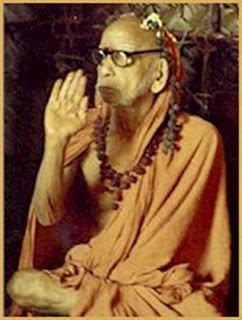
” குல தெய்வமே கட்டளை இட்டதா …? “

காஞ்சிப்பெரியவரைத் தரிசிக்க கிராமப்பகுதியைச் சேர்ந்த பணக்காரர் ஒருவர் வந்திருந்தார். சாஷ்டாங்கமாக விழுந்து நமஸ்கரித்தார். அவர் முன் பணிவுடன் நின்ற அவர் “”சுவாமி! உங்க உத்தரவுப்படி நான் நடக்கத் தயாரா இருக்கேன். நீங்க சொல்ற தர்ம காரியங்களுக்கு செலவு பண்ணவும் விரும்பறேன்,” என்று தெரிவித்தார்.

அதற்கு பெரியவர், “”உன் வீட்டிலுள்ள பெரியவர்களிடம் பக்தி சிரத்தையுடன் பழகு. உன் மனைவி, பிள்ளைகளிடம் அன்பாக இரு. கூடிய வரையில் தப்பு, தண்டான்னு வேண்டாத விஷயங்களில் ஈடுபடாதே. உண்மையைப் பேசி நல்வழியில் நட. அதுவே போதுமானது,” என்று அறிவுரை கூறினார்.

இதைக் கேட்ட பணக்காரருக்கு ஆச்சரியமாகிப் போனது. பெரியவர் மடத்திற்கு ஏதாவது நன்கொடை கேட்பார் என்று எதிர்பார்த்தால் இப்படி நேர்மாறாகப் பேசுகிறாரே என்று எண்ணிக் கொண்டார்.

இருந்தாலும், அவருடைய எண்ணத்தை மீண்டும் அவருக்குத் தெரிவிக்கும் விதத்தில், “”சுவாமி! நீங்க சொன்னபடி பேச்சைக் கேட்பேன். எதிர்காலத்திலும் நீங்க காட்டுன வழியில் நடந்து கொள்வேன். மேற்கொண்டு நீங்க என்ன உத்தரவு போட்டாலும் அதைக் கேட்கவும் தயாரா இருக்கேன்,” என்று சொல்லி கைகளைக் கட்டிக் கொண்டு நின்றார்.

அவரை உற்றுப் பார்த்த பெரியவர், “”உங்க குலதெய்வம் அய்யனார். அவரோட கோயில் வாசலில் குதிரை சிலை இருக்கு. அதெல்லாம் பராமரிப்பு இல்லாமல் பழுதாகிட்டுது. அதையெல்லாம் சரி பண்ணி, வர்ணம் பூசி திருப்பணி செய்து கும்பாபிஷேகம் செய்து வை,” என்று உத்தரவிட்டார்.

இதைச் சொன்னதும் பணக்காரர் பிரமித்துப் போனார். “”ஆமாங்க சாமி! எங்க ஐயாவும்(தந்தை) அந்திம காலத்தில இந்த விஷயத்தை என்னிடம் சொல்லி விட்டுப் போனார். இருந்தாலும் அதை நான் கண்டுக்காம விட்டுட்டேன். தகப்பனார் சொன்ன அதே விஷயத்தை நீங்களும் சொல்றதைக் கேட்டா அந்த அய்யனாரே வந்து கட்டளையிட்டது போல இருக்கு. நிச்சயம் உங்க ஆசியோடு திருப்பணியை இப்பவே ஆரம்பிக்கறேன்” என்று சொல்லி புறப்பட்டார்.

வந்த பணக்காரரின் குலதெய்வம் அய்யனார் என்பதையும், அந்தக் கோயில் பாழ்பட்டு கிடப்பதையும் மகாபெரியவர் எப்படித்தான் உணர்ந்தாரோ என்று அந்தப் பணக்காரர் ஆச்சரியப்பட்டது போல, நமக்கும் ஆச்சரியமாய்த் தான் இருக்கிறது. அவருக்கு அய்யனார் குலதெய்வம் என்றாலும், மகாபெரியவரையும் குலதெய்வமாய்த் தான் கருதியிருப்பார்!

Read more: http://periva.proboards.com/thread/8254/#ixzz3IGxz38qO

source::::www.periva.proboards.com

Natarajan

” ஐப்பசி 20…இன்று அன்னாபிஷேகம்…ஒரு பிடி அரிசி ஆனாலும் …”

இன்று அன்னாபிஷேகம்-பெரியவா போஸ்ட்
சொன்னவர்; பழக்கடை பி.ஆர்.தியாகராஜன்.

தொகுப்பாளர்;டி.எஸ்.கோதண்டராம சர்மா

Source::::www.periva.proboards.com

Natarajan

கங்கை கொண்ட சோழபுரம் அன்னாபிஷேகத்துக்கு

என்று ஒரு கமிட்டி அமைத்தார்கள்,பெரியவா.

அப்போதைய ரயில்வேத்துறை அமைச்சர்,

கமிட்டியின் தலைவர். நான் செயலாளர்-என்று,

காஞ்சியில் பெரியவா அறிவித்தார்கள்.

1234201_315112848661397_4724600860700186658_n.jpg

ஆறு ஆண்டுகள்,மிகவும் பிரமாதமாக அன்னாபிஷேக

தெய்வப் பணியை நான் நடத்துவதற்கு பெரியவாளின்

கருணை துணை நின்றது.

ஸ்ரீ பி.என். ராகவேந்திர ராவ் என்பவர், ஓர் ஆண்டு,

ஆந்திரா முதல் தரமான அரிசி நூற்றெட்டு மூட்டை

அனுப்பிவிட்டார்.

“அபிஷேகம்,அன்னதானத்துக்கு அதை வைத்துக்

கொள்ளலாமா?” என்று மகா சுவாமிகளிடம் கேட்டோம்.

“ஒரு பிடி அரிசியானாலும், பல பேர்களிடம் அரிசி

வாங்கி அன்னாபிஷேகம் செய்யணும்னு நினைச்சேன்.

போகட்டும். அவர் வேண்டுகோளின்படி இந்த வருஷம்

அவர் அனுப்பியுள்ள அரிசியை உபயோகப் படுத்திக்கோ”

என்றார்கள்.

நிகழ்ச்சியெல்லாம் முடிந்தவுடன் பார்த்தால்,

முப்பத்திரண்டு மூட்டை அரிசி மிகுந்திருந்தது.

“உன் இஷ்டம் போல், கோவில்களுக்குக் கொடுத்து விடு”

என்று சொல்லிவிட்டார் ,ராவ். காஞ்சிபுரம் சென்று

மகா சுவாமிகளிடம் தெரிவித்தேன்.

“அவர் எதற்காக உன்னிடம் கொடுத்தார்?

அதைச் செய்தது போக, மீதி உள்ளதை விற்று, பாங்க்

டிராப்ட் எடுத்து அவருக்கு அனுப்புவதுதான் முறை.”

இருபத்திரண்டாயிரத்து நானூறு ரூபாய்க்கு

டிராப்ட் எடுத்தேன். ஒரு சால்வை, ஸ்ரீ மடத்துப்

பிரசாதம்,டிராப்ட் முதலியவைகளுடன்

ஸ்ரீமடம் சிஷ்யர் ஒருவரை ஸ்ரீ ராவ் அவர்களிடம்

கொடுக்கச் சொல்லி அனுப்பி வைத்த மகான்

மகாசுவாமிகள்.

நடராஜன்
Read more: http://periva.proboards.com/thread/8260/#ixzz3IGv4CfqN

” அந்த மாதிரி வரம் கொடுக்கும் சக்தி எனக்கு இல்லை …”

ஒரு கூர்கா, தரிசனத்துக்கு வந்தார். முகத்தில்

கவலை தெரிந்தது.

“என்ன சமாசாரம்னு கேளு” என்று தொண்டரிடம்

சொன்னார்கள் பெரியவா.

1f22d-1கூர்கா சொன்னார்.

“நான் பிறந்ததிலிருந்தே கஷ்டங்களைத்தான்

அனுபவித்துக் கொண்டிருக்கிறேன்.ஆனால் ஏதோ

புண்ணிய வசத்தால் தெய்வ ஸ்வரூபமான பெரியவா

தரிசனம் கிடைச்சிருக்கு….இனி எனக்கு ஜன்மாவே

வரக் கூடாது என்று அனுக்ரஹம் பண்ணணும்…”

“ஆகா,அப்படியே ஆகுக! உனக்கு இனி ஜன்மாவே கிடையாது!”

என்று பெரியவாள் சொல்லி விடவில்லை.

பின் மெதுவாகச் சொன்னார்கள்.

“அந்த மாதிரி வரம் கொடுக்கும் சக்தி எனக்கு இல்லை.

நான் தினந்தோறும் பூஜை செய்யும் சந்த்ரமௌளீஸ்வரரையும்

த்ரிபுர சுந்தரியையும் உனக்காகப் பிரார்த்தனை செய்து

கொள்கிறேன்….”

கூர்காவுக்கு இந்தப் பதில் நியாயமாகப்பட்டது போலும்.

ஒரே குதூகலம் அவருக்கு.

பிரசாதம் பெற்றுக் கொண்டு;,

“எனக்கு இனிமேல் ஜன்மா கிடையாது….ஈசுவராக்ஞை”

என்று திரும்பத் திரும்ப சொல்லிக் கொண்டே போனார்.

“ரொம்ப நாள் கழிச்சு இந்த மாதிரி, எனக்கு ஜன்மா

வரக் கூடாதுன்னு கேட்டு, இவன் ஒருத்தன் தான்

வந்திருக்கான்!” என்று கண்களில் ஞானஒளி வீசக்

கூறினார்கள் பெரியவா.

“மனுஷ்யனாக அவதாரம் பண்ணிய ராமன், எந்தத்

தைரியத்தில் ஜடாயுவுக்கு ஸ்வர்க்க லோகத்தைக்

கொடுத்தான்? அவனறியாமல் நாராயணத்வம்

வெளிப்பட்டு விட்டது” என்று ஒரு பௌராணிகர்

கூறியது நினைவுக்கு வந்தது.

பெரியவா, சங்கரர் என்பது, உடனிருந்த

கிங்கரர்களுக்குப் புரியவில்லை.

கூர்காவுக்குத் தெரிந்திருந்தது !!!!

SOURCE:::::www.periva.proboards.com

Natarajan

Read more: http://periva.proboards.com/thread/8233/#ixzz3ICgX2QEG


“Ebola Has been the Biggest Challenge I Faced as a Doctor ….”

Gomathinayagam, part of Doctors Without Borders who served Ebola victims in Liberia, speaks about her experiences

Vidya Krishnan in http://www.livemint.com

Ebola has been the biggest challenge I faced as a doctor: Kalyani Gomathinayagam

Gomathinayagam says they had to win the trust of the community first—they suddenly see foreigners giving them instructions. Photo: Ramesh Pathania/Mint

Kalyani Gomathinayagam is a general physician based in Madurai, Tamil Nadu, who has just returned from Liberia, the epicentre of the Ebola outbreak, after spending six weeks caring for patients in the West African nation. She is already talking about going back.

Gomathinayagam, 46, joined Médecins Sans Frontières, or MSF (Doctors Without Borders) after the Haiti earthquake in 2010. She has served as an emergency doctor in the Ivory Coast, Chad and the Democratic Republic of Congo before her stint in Liberia, from where she returned to Delhi on 20 October after being quarantined for 21 days in Geneva, Switzerland.

Working in Foya district of Lofa county in Liberia, the doctors operated in small hutments, plastic-sheeted from inside to prevent infections—much like the ‘kill room’ in the popular television series Dexter. The doctors worked in temperatures touching 40 degrees Celsius, swathed in protective gear including face shields, goggles and boots, that made even simple tasks like placing an intravenous (IV) line or giving an injection seem like hard labour.

Health workers have been the most critical resource at the frontline of the battle against the latest outbreak of Ebola, which has so far claimed 4,919 lives—2,413 in Liberia alone, according to the World Health Organization.

Gomathinayagam spoke about her experiences in Liberia and other disaster-struck regions in an interview during a visit to New Delhi. Edited excerpts:

You have seen people suffer earthquakes, civil wars and medical emergencies. Which one has been the most challenging?

Ebola. Without a doubt. This outbreak is unprecedented in so many ways. The disease threatens doctors and health workers, severely limiting our capacity to treat patients. And this is happening in countries where the health infrastructure is not robust to begin with. Additionally, we had a few scares with some of our colleagues falling sick, but thankfully, it was not Ebola.

We had to win the trust of the community first—they suddenly see foreigners giving them instructions. The families see their loved ones taken to the hospital and coming back dead. Even burial is not under their control. So, it was a very challenging experience.

Working with the nurses was the trickiest bit. The nursing staff was given clinical information without passing over pieces of paper from inside the quarantine zone. So everything was dictated. This takes a lot of time when you have over 100 patients and just four doctors. It was a tremendous amount of work to get the data collected.

How difficult is it to care for an Ebola victim with basic health infrastructure?

The most difficult part was to administer any kind of treatment without coming in physical contact with the patient. (In treating) this disease, everything is complicated. The patients can only see my eyes and recognize my voice, and I have to shout through a perimeter to be heard. Everything has to be done from across the ‘perimeter fencing’. It was challenging to gain the community’s trust because all they (see) is a hazmat suit (protective gear).

In this setting, I had little or no access to the patient. I had to figure out how to put the IV fluid, but my goggles were getting foggy and I was no longer able to properly place an IV. If I cannot see, there are chances of me pricking myself with the injection instead. I was sweating a lot because of the protective gear. And somehow you manage everything and within minutes the patient is lying in a pool of faeces or vomit—and you have to do this all over again.

Do you choose these assignments for an adrenaline rush? Because this must have been difficult for your family.

Their first reaction was “Are you crazy?” But they know I work for a humanitarian aid agency, which responds to acute medical emergencies for the most vulnerable population—civil wars, epidemics, natural disasters.

Ebola has had a huge impact on me as a person. One cannot imagine the magnitude of this epidemic unless you go there. I have never seen or felt such helplessness. I could also, like normal doctors, set up a regular practice. My patients would have a choice of going to another doctor if they didn’t like me. But I serve in places where people cannot go to another doctor. There is no other doctor.

It is stressful moving from one suffering to another, but we also have a rest period in between. I don’t know about the adrenaline rush, but this gives me tremendous satisfaction. I do what is needed. My family and friends understand I chose this profession. They have adapted so I can keep going back.

Is there a ‘good day at the office’ in situations like these?

Well, not often. I had one which made me very happy. I had skipped the morning rounds one day and when I went in the evening, a patient came up to me and asked me why I didn’t turn up in the morning. And I realized he knew me. By my voice. He could still identify me despite the hazmat suit and face shield, and it was heartening.

Source:::: http://www.livemint.com
Natarajan

How Kailash Satyarthi Transformed a Bonded Child Labourer”s Life…”

At seven, Laxman Singh was one of the first children to be rescued by Kailash Satyarthi from bonded labour. Through his story, the author traces the Nobel Peace Prize awardee’s campaign

Bachpan Bachao Andolan’s headquarters is a nondescript three-storey building in Kalkaji, a cramped and chaotic locality of south Delhi. On the outside, nothing suggests the difference it has made to the lives of thousands of children. On a wall inside, a scoreboard reads: 83,525 children released since 1980. Laxman Singh is part of these statistics that most Indians spare little thought for. He is among the earliest children rescued from a lifetime of bonded labour by Kailash Satyarthi, the man who founded the organisation and who has just won the 2014 Nobel Peace Prize (along with Malala Yousafzai of Pakistan).

The story of Singh, a diminutive, unassuming man with a ready smile, is closely intertwined with the story of Satyarthi and his organisation. When he was rescued, Singh was seven and like hundreds of others, he worked as a bandhua mazdoor, or bonded labourer, in the stone quarries of Faridabad in Haryana, just on the outskirts of Delhi. Today, at 42, he is the treasurer of the organisation, responsible for its annual budget of around Rs 3.5 crore. He is the man signing the cheques and handling the staff salaries and field expenses of an organisation that has 11 state offices and over 80,000 volunteers across India. Life, he says, could have taken a very different course had it not been for Satyarthi. Singh belongs to Bodi, a tiny hamlet near Harpalpur town in Madhya Pradesh. He came to Delhi as a two-year-old with his parents in 1975 when a severe hailstorm destroyed the wheat crop grown on their small farm of less than an acre. They had barely landed at the Nizamuddin railway station in Delhi when they were spotted by an agent of a stone quarry contractor who took them to Faridabad.

Children’s right activist Kailash Satyarthi waves to the media at his office in New Delhi. Photograph: Adnan Abidi/Reuters

“The contractor gave my father about Rs 3,000 as advance wages — and we were trapped,” recalls Singh. The couple would be paid Rs 150-200 for a week’s labour, which included breaking the stones and loading them on trucks. As he turned five, Singh too became a hand at the quarry, trying to break stones with a hammer in his tiny hands and filling them in baskets. From 7 in the morning to 10 at night, they worked. Food breaks were erratic and depended on the mood of the master. “Mostly, once you entered the quarry, that’s where you stayed through the day,” says Singh. Like the rest of the bonded labourers, they lived in a shack near the quarry and ate at a food shack nearby run by the contractor. The cost of the meal would be promptly added to the family’s debt account which kept swelling. Though a doctor was stationed at the quarry in case a labourer fell ill, the cost of the treatment would also be put down against the person’s name.

“They didn’t bother much if children fell ill, like I did, because their absence did not affect business,” says Singh. There was no communication with the world outside. They had landed in a black hole from where there seemed no escape. Around this time, they met Satyarthi, who had started rallying the bonded labourers and telling them about their rights. “He would come from Jantar Mantar by bus, travelling 30 km, with a team of 8-10 people in the dead of night.

They would spread across the quarries and surreptitiously hold meetings with the workers, hidden from the contractors and their goons.”

Socio-economic rehabilitation of rescued child labourers is a crucial step to ensure that a child is re-integrated into society and is not re-trafficked. Photograph courtesy: bba.org.in

Slowly, the workers got organised. They started rebelling against their oppressors. “In 1980, Kailashji formed the Stone Quarry Workers’ Union. Over 20,000 labourers joined. The contractors fought back violently. A few workers, like Shaheed Dhoomdas — that’s how we remember him — were killed.” Finally, the Supreme Court intervened. “And in a night-long operation, led by Kailashji and assisted by the police, we were all rescued.” By now, Singh had two younger brothers, both born at the quarry without any medical aid. But returning to the village wasn’t an option for the family. There was nothing to go back to. They stayed on and continued to work at the quarry, now taken over by the government. The old contractors were removed, though the munshis remained. “We weren’t scared any longer. If there was trouble, we could approach the police. If the police didn’t help, Kailashji would.” The document with the record of their debt to the contractor was invalidated. “I don’t know where that paper is anymore. And it doesn’t matter,” says Singh. Satyarthi convinced Singh’s parents to put him in school and got him admitted to Gurukul Indraprastha, half a kilometre from where he lived. “For the first time in my life, I was going to school,” he recalls.

“For the first time in my life, I was going to school,” he recalls. But after the first 15 days he started skipping classes since he couldn’t understand the language.

Socio-economic rehabilitation of rescued child labourers is a crucial step to ensure that a child is re-integrated into society and is not re-trafficked. Photograph courtesy: bba.org.in

“I spoke Bundelkhandi; they taught in Haryanvi.” It took some coaxing from his teacher and Satyarthi to get him back to studies and he completed Class X, all the while helping his parents at the quarry after school. As free workers, they now made enough to pay the nominal school fee. But Satyarthi had spotted a problem. He realised he needed to ease the children’s transition from a life of intense labour to their life as a student because at the first sign of distress in school, these already traumatised children would bolt. “So, he opened 11 or 12 Mukti Ashram schools, one in each basti,” says Singh. Here, children from Uttar Pradesh would be taught by a teacher from Uttar Pradesh. Those from Bihar had a teacher from Bihar. (Later, Singh would take upon himself to teach children from Madhya Pradesh).

As the schools became bigger and expensive to operate, the government acceded to take over.  

Today, they have become government schools.

A training session at the Bachpan Bachao Andolan headquarters. Photograph courtesy: bba.org.in

Singh, meanwhile, gave up studies. “My mother had developed spinal problem from lifting stones at the quarry,” he says. He joined Satyarthi in his Bachpan Bachao Andolan and would go on raids to rescue child workers, mainly those employed in zari factories in Delhi. “Our field workers would identify the factory, at times posing as customers. We would then inform senior police officials — not the beat policemen who often warned the factory owners. Then, keeping the date, time and place confidential, we would raid the factory with a police team,” he says. The rescued children — often scantily-clad, malnourished and ailing — would be reunited with their parents, sent to their ashram or handed over to the Child Welfare Committee. “Now, we have a separate raid team,” says Singh. Satyarthi’s son, Bhuwan Ribhu, who was born around the time Singh was rescued, says the courts have played a critical role in Bachpan Bachao Andolan’s fight for the children. The organisation has actively taken the public interest litigation route to rescue children. This Thursday too, Ribhu, a lawyer, had cases before the Supreme Court on matters of missing children and child drug abuse.

was also rescued after the court stepped in. Lobbying has been another strong weapon, particularly against child labour in the carpet industry. “Over 80 per cent of carpets made in India were exported,” says R S Chaurasia, chairperson, Bachpan Bachao Andolan. The organisation succeeded in convincing several foreign consumers to boycott carpets made by units that exploited children. The result of their efforts was ‘Rugmark’, a certification that the carpet being sold was child-labour-free. “A lot has been achieved, but a lot needs to be done,” says Chaurasia. Pointing to Singh, he says, as someone who was a bonded labourer, he is entitled to a house and back wages that are now given to rescued children. Singh smiles, says he is outdated and that certain laws came into force much after he had been rescued. From Bachpan Bachao Andolan, Singh gets a monthly salary of Rs 20,000 — “An honorarium, enough to live a life of dignity,” he says. To him, Satyarthi is like a father. “My eldest son calls him ‘dada’ (paternal grandfather) and carries his picture on his mobile phone,” says Singh, who has three sons. The oldest is doing a B Tech (mechanical) from YMCA University, Faridabad, and the younger two are both in class XII. “They want to become chartered accountants,” he says.

Photograph courtesy: bba.org.in

But the past also lies close by. The quarries from where he was rescued are just over a kilometre from his house in Shraddhanand Colony where he lives with his brothers and their families. His parents have returned to the village. The quarries where they slaved remain gaping water-filled death pits where there are frequent cases of drowning. Singh visits them sometimes but doesn’t talk to his children much about them. “Those days,” he says, “are over now. Let’s look to the future.”

Veenu Sandhu in New Delhi

Source:
Credit:::: Rediff.com
Natarajan


Life’s Greatest Gift to Grandson ….His Grandma !!!


A Beautiful Bond Between the Generations

This beautiful short video captures the magic of a true bond between the generations; between grandmother and grandson

, and the circle of life that bond must go through, in joy and sorrow. All of it without a word spoken. A gentle and wonderful reminder of one of life’s greatest gifts.


SOURCE:::::You Tube and babamail site

Natarajan

” வாழ்வில் ஒருமுறை காசி யாத்திரை அவசியம் …”

காஞ்சிப்பெரியவர் 1932ல் ராமேஸ்வரம் வந்தார். கடலில் ஸ்நானம் செய்த அவர் சிறிதளவு மணலைச் சேகரித்துக் கொண்டார். அதை அலகாபாத்திலுள்ள பிரயாகை திரிவேணி சங்கமத்தில் சேர்ப்பிக்க வேண்டும் என்பது அவரது எண்ணம். அது மட்டுமல்ல! தீபாவளி கொண்டாடப்படும் அக்டோபர் மாதத்தில் காசிக்கு சென்று கங்கா ஸ்நானம் செய்யவும் அவர் முடிவெடுத்திருந்தார். இதற்காக, அவர் வாகனங்கள் எதுவும் ஏற்பாடு செய்யவில்லை. நடந்தே செல்ல திட்டமிட்டார். அப்போது பெரியவருக்கு வயது 39 தான்.

இந்த திட்டத்தை செயல்படுத்தும் பொறுப்பு, தென்காசியைச் சேர்ந்த அனந்த கிருஷ்ண சர்மாவிடம் ஒப்படைக்கப்பட்டது. அவர் முன்னதாகவே காசிக்கு நடந்தே புறப்பட்டார். எந்தெந்த ஊர்களில் பெரியவர் தங்கிச் செல்ல வேண்டும் என்பதை செல்லும் வழியில் குறித்துக் கொண்டார். அவ்வாறு அவர் நடந்து செல்ல ஆறு மாதங்கள் பிடித்தன.

அவர் திரும்பி வந்து பயணத்திட்டத்தை பெரியவரிடம் அளித்தார். பெரியவரும் சிஷ்யர்களும் 1933 செப்டம்பர் இரண்டாவது வாரத்தில் தஞ்சாவூரிலிருந்து பயணத்தைத் துவக்கினர். செல்லும் வழியில் இந்தியாவின் முக்கிய நகரங்களில் பெரியவர் தங்கினார். அங்கெல்லாம் ஏராளமான பக்தர்கள் வந்து ஆசி பெற்றனர். அனந்தசர்மா வேகமாகச் சென்று திரும்பியதால் ஆறுமாதங்கள் தான் பிடித்தன. ஆனால், மகாபெரியவர் பல ஊர்களில் தங்கியதால், பிரயாகையை அடைய 1934 ஜூலை 23ம் தேதி ஆகி விட்டது. அங்கு தான் கொண்டு சென்ற ராமேஸ்வரம் மணலை, திரிவேணி சங்கமத்தில் சேர்ப்பித்தார். அங்கேயே செப்டம்பர் மாதம் வரை தங்கி விட்டார். செப்டம்பர் இறுதியில் காசி கிளம்பினார்.

அவரிடம் பக்தர்கள்,””இப்போதே நீங்கள் வெகு தூரம் நடந்து வந்து விட்டீர்கள். இனியும் நடக்க வேண்டாம். சாலை வசதி நன்றாக இருக்கிறது. வாகனத்தில் வாருங்கள்,” என கோரிக்கை வைத்தனர். மகாபெரியவர் அதை ஏற்கவில்லை. தொடர்ந்து நடந்தே காசியாத்திரையைத் தொடர்ந்தார். பிரயாகையில் இருந்த பக்தர்கள் பலரும் அவருடன் சென்றனர். அக்டோபர் 3ம் தேதி காசி எல்லையை அடைந்த சுவாமிகளை காசி மகாராஜா உள்ளிட்டோர் பூர்ண கும்ப மரியாதையுடன் வரவேற்றனர்.

வரவேற்பு விழாவில் 25 ஆயிரத்துக்கும் மேற்பட்டோர் பங்கேற்றனர். அக்டோபர் 7ல் மகாபெரியவர் கங்கையிலுள்ள மணிகர்ணிகை உள்ளிட்ட தீர்த்தக்கட்டங்களில் தீர்த்தமாடினார். பண்டித மதன்மோகன் மாளவியாவின் அழைப்பை ஏற்று காசி இந்து சர்வகலாசாலையில் (பல்கலைக்கழகம்) உரையாற்றினார்.

ஒவ்வொரு இந்துவும் வாழ்வில் ஒரு முறையேனும் காசி யாத்திரை செய்ய வேண்டும் என வலியுறுத்தினார்.

நாமும் மகாபெரியவர் ஆசியுடன், அடுத்த தீபாவளிக்குள் ஒருமுறை காசி யாத்திரை சென்று திரும்புவோம்.

Rea d more: http://periva.proboards.com/thread/8187/#ixzz3H3oLJzUS


Source::::www.periva.proboards.com

Natarajan

” படித்து ரசித்தது …சத்ரு சம்ஹார வேல்…”

திருச்செந்தூரில் சுப்பிரமணிய சுவாமியையும், ராமேஸ்வரத்தில் ராமநாதசுவாமியையும் தரிசிக்கலாம். அவர்கள் இருவரையும் ஒரே தலத்தில் தரிசித்து, அந்த இரு தலங்களுக்கும் சென்று வந்த புண்ணிய பலனை ஒருசேரப் பெற விரும்புகிறீர்களா?
அப்படியென்றால், நீங்கள் செல்ல வேண்டிய தலம் பெருவயல்.
ராமநாதபுரத்தில் பெரிய வயல்கள் சூழ்ந்த கிராமமாக இவ்வூர் திகழ்வதால் பெருவயல் என்றே அழைக்கப்படுகிற. ஒரு காலத்தில் இவ்வூரில் மிகப் பெரிய நெற்களஞ்சியம் இருந்துள்ளது.
இத்தலத்தில் மூலவராக வள்ள-தேவசேனா சமேதராக அருள்பாலிக்கிறார். ரணபலி முருகன் என்ற சிவ சுப்பிரமணியசுவாமி. பிராகாரத்தில் ராமநாதசுவாமியும், பர்வதவர்த்தினியும் எழுந்தருளியுள்ளார்கள்.
பெருவயல் தலத்தின் பெருமைக்கு மேலும் பெருமை சேர்ப்பது இங்குள்ள சத்ரு சம்ஹார வேல்.
நான் எத்தனையோ தலங்களில் முருகனை தரிசித்திருக்கிறேன். ஆனால் வேலில் முருகன் உருவம் பதித்திருப்பதை பெருவயல் கோயிலில்தான் கண்டேன் என்று திருமுருக கிருபானந்தவாரியார் சுவாமிகள், முப்பத்தைந்து வருடங்களுக்கு முன் இதே அக்டோபர் மாதத்தில் இங்கு விஜயம் செய்தபோது குறிப்பிட்டிருக்கிறார். அதோடு தன சொற்பொழிவுகளில் எல்லாம் அந்த வேலின் சிறப்பையும் எடுத்துக் கூறியிருக்கிறார். அந்த அருள் வாசகத்தை கோயிலில் அவர் புகைப்படத்தோடு பிரேம் போட்டு மாட்டி வைத்திருப்பதை இன்றும் காணலாம்.
திருச்செந்தூர் முருகப் பெருமானின் அருளாலும், அவரது தீவிர பக்தர் ஒருவரின் முயற்சியாலும் கட்டப்பட்ட கோயில்.
ராமநாதபுரம் சமஸ்தானத்தை மன்னன் கிழவன் சேதுபதி ஆண்டு வந்த சமயம், அவரது நம்பிக்கைக்குரிய தளபதியாக பவிளங்கியவர், சாத்தப்பன் என்கிற காத்த வீர தளவா வயிரவன் சேர்வை.
முருக பக்தரான அவர் அடிக்கடி திருச்செந்தூர் சென்று முருகப் பெருமானை வழிபட்டு வருவது வழக்கம். ஒருநாள் அவர் கனவில் முருகன் தோன்றி, என்னை வழிபட இனி திருச்செந்தூர் வர வேண்டாம். தேவிப்பட்டினம் கடலில் நவபாஷாண கற்கள் இருக்கும் இடத்துக்குக் கிழக்கில் கண்ணாமுனை என்ற இடத்தில் மேலே கருடன் வட்டமிடும். அதற்குக் கீழே கடலில் மாலையும் எலுமிச்சம் பழமும் மிதக்கும். அந்த இடத்தில் கடலுக்கு அடியில் வள்ளி-தெய்வானை சமேதராக சத்ரு சம்ஹார வேலுடன் நான் இருப்பேன். என்னை எடுத்துச் சென்று உங்கள் ஊரில் பிரதிஷ்டை செய்து வழிபடு என்று கூறினார்.
இதோபோன்ற கனவு திருஉத்திரகோச மங்கை என்னும் தலத்தைச் சேர்ந்த ஆதிமங்களேஸ்வர குருக்களுக்கும் தோன்றியதால், இருவரும் மறுநாள் சந்தித்து, கந்தன் கனவில் சொன்ன அடையாளங்களின்படி ஆட்களை விட்டு கடலுக்குள் முருகன் சிலையைத் தேடினார்கள்.
பலமணி நேரம் தேடியும் சிலை கிடைக்கவில்லை. கடலுக்குள் சென்றவர்கள் கடும் ரணத்துடன் திரும்பினார்கள். கடைசியில் வயிரவன் சேர்வையே கடலுக்குள் மூழ்கி அந்த சிலையையும் வேலையும் எடுத்து வந்தார்.
விஷயம் அறிந்த மன்னர், தன் அரண்மனையில் “ராமலிங்க விலாசம்’ என்ற தர்பார் மண்டபம் கட்டுவதற்காக வைத்திருந்த பொருட்களைத் தந்து பெருவயல் ஊரணிக்கரையில் முருகனுக்கு ஆலயம் அமைக்க நிலங்களையும் இறையிலியாகக் கொடுத்து உதவினார்.
அதன்பின்னர் ஆலயத்திருப்பணிகள் விரைவாக நடைபெற்று, கடலில் கண்டெடுக்கப்பட்ட சிலைகள் கோயிலில் பிரதிஷ்டை செய்யப்பட்டு கும்பாபிஷேகம் சிறப்பாக நடைபெற்றது. திருச்செந்தூர் முருகன் கோயிலில் நடைபெறும் வழிபாட்டின் அடிப்படையில் பெருவயல் கோயிலிலும் பூஜைகளும், விழாக்களும் நடைபெறுகின்றன.
வயிரவன் சேர்வை ராமேஸ்வரம் ராமநாத சுவாமி மீதும் அதிக பக்தி வைத்திருந்ததால், ராமநாதசுவாமி மற்றும் பர்வதவர்த்தினி அம்மன் சன்னதிகளும் பெருவயல் தலத்தில் அமைக்கப்பட்டுள்ளன.
கடலுக்குள் இறங்கி சிலையை எடுக்க முயன்ற பலருக்கு உடல் முழுவதும் ரணம் ஏற்பட்டதால், மூலவர் சிவசுப்பிரமணியசுவாமி, ரணபலி முருகன் என்றே அழைக்கப்படுகிறார்.
பக்தர்களின் உள்ளத்தில் ரணத்தை ஏற்படுத்தும் கடன்,பிணி, சத்ரு ஆகிய துன்பங்களையெல்லாம் பலி செய்து, அவர்களுக்கு சகல நண்மைகளும் அருள்வதால், “ரணபலி முருகன்’ என்ற பெயர் இவருக்கு மிகப் பொருத்தமே!
இக்கோயிலில் கி.பி. 1741-ம் ஆண்டு, ராமநாதபுரம் மன்னர் குமாரமுத்து விஜய ரெகுநாத சேதுபதி காலத்தில் செதுக்கப்பட்ட கல்வெட்டும், செப்பேடகளும் உள்ளன. அவை இக்கிராமத்தின் பெயரை, பெருவல் கலையனூர் என்றும், மூலவரை, சிவசுப்பிரமணியசுவாமி என்ற ரணபலி முருகய்யா எனவும் குறிப்பிடுகிறது.
குருக்களையே கிரையத்திற்கு வாங்கி, நித்ய பூஜை செய்வதற்காக அவர்களுக்கு நிலங்கள் கொடுத்து, கொல்லர், தச்சர் போன்றவர்களுக்கும் நிலங்களை கொடுத்து, நிர்வாகம், கணக்கு, முத்திரைக் கணக்கு, தான கணக்கு சரி பார்த்து கோயில் கைங்கரியம் தொடர்ந்து நடந்து வர வேண்டும் என்பதை அந்த சாசனங்கள் தெரிவிக்கின்றன. அதன்படி இன்றும் கைங்கரியம் நடந்து வருவது குறிப்பிடத்தக்கது.
ஐந்து நிலை ராஜகோபுரம் தாங்கிய கிழக்கு நோக்கிய ஆலயம். கோயிலின் நுழைவுவாயிலில் இரண்டு குதிரை சிலைகளைக் காணலாம்.
ஒரு குதிரையில், பத்ரகாளி உபாசகரான ஆதி மங்களேஸ்வர குருக்களும், அதற்கு எதிரேயுள்ள இன்னொரு குதிரையில் பத்ரகாளி அம்மன் திருவுருவமும் அமைக்கப்பட்டிருப்பது வித்தியாசமான காட்சி. காலசந்தி மற்றும் சாரட்சை பூஜையின்போது இவர்களுக்கு நைவேத்யம் செய்த பின்னரே பலிபீடத்திற்கு செய்யப்படுகிறது.
ஜெயங்கொண்ட விநாயகரை தரிசித்துவிட்டு பலிபீடம், கொடிமரம், மயில் வாகனம், அர்த்தமண்டபம் கடந்தால் கருவறை. உள்ளே வள்ளி-தேவசேனா சமேதராக ரணபலி முருகன் என்ற சிவசுப்பிரமணியசுவாமி கருணை என்ற சிவசுப்பிரமணியசுவாமி கருணை பொங்கும் முகத்துடன் காட்சி தருகிறார். திருச்செந்தூர் முருகனை வழிபட்டால் கிடைக்கும் பலன்கள் அனைத்தும் இவரை வழிபட்டாலே கிடைக்கிறதாம்.
பிரகாரத்தில் ராமநாதசுவாமி, பர்வதவர்த்தினி, சண்முக சக்கரம், நாகரை தரிசிக்கலாம். கோயிலுக்கு வடக்கே தளவா வயிரவர் சேர்வைக்காரரின் சமாதி கோயில் உள்ளது. அங்கு சுப்பிரமணிய யந்திரமும், சிவலிங்கம் பிரதிஷ்டை செய்யப்பட்டுள்ளது. தினமும் கோயிலில் இருந்து நிவேதனம் கொண்டு செல்லப்பட்டு அங்குள்ள லிங்கத்திற்கு பூஜை நடைபெறுகிறது.
உற்சவர்களாக விநாயகர், வள்ளி-தெய்வானை சமேத சுப்பிரமணியர், வள்ளி-தெய்வானை சமேத சண்முகர் அருள்கிறார்கள். இவர்களையும், முருகன் உருவம் பொறித்த அதிசய வேலையும் பிரம்மோற்சவ நாட்களிலும், சூரசம்ஹாரத்தன்றுமே பக்தர்களால் தரிசிக்கமுடியும். மற்ற நாட்களில், பாதுகாப்பாக வேறு இடத்தில் இருக்கும் சத்ரு சம்ஹார வேலை சிறப்பு அனுமதியின் பேரில் ஆலயத்திற்குக் கொண்டு வந்து, அதற்கு பக்தர்கள் சிறப்பு பூஜை செய்வதும் உண்டு. சத்ரு சம்ஹார வேலை வழிபடுவோருக்கு எதிரிகள் தொல்லை விலகி, சகல பேறுகளும் கிட்டும் என்பது நம்பிக்கை.
வெளி பிராகாரத்தில், யாகசாலையின் மேல் பகுதியில் கோயில் தலபுராணமும், கோயிலுக்கு அளிக்கப்பட்ட நன்கொடைகள் பற்றிய குறிப்புகளும் காணப்படுகின்றன.
தினசரி நான்கு கால பூஜை நடைபெறும் இவ்வாலயத்தில் முருகனுக்குரிய முக்கிய தினங்களில் சிறப்பு வழிபாடுகள் நடத்தப்படுகின்றன. மாசியில் நடைபெறும் பிரம்மோற்சவமும், கந்த சஷ்டி விழாவும் இங்கு கோலாகலமாகக் கொண்டாடப்படுகின்றன.
பதினொரு நாள் நடைபெறும் மாசிமாத பிரம்மோற்சவத்தில் 7ம் நாள் திருச்செந்தூரைப் போல் சண்முகர் சிவப்பு, வெள்ளை, பச்சை சாத்தி மூன்று காலங்களில் எழுந்தருள்வார். இது இறைவனின் ஆக்கல், அழித்தல், காத்தல் ஆகிய செயல்களைக் குறிக்கும். 10ம் நாள் தேரோட்டமும், 11ம் நாள் ஆலய தீர்த்தமான சரவண பொய்கையில் தீர்த்தவாரியும் நடைபெறும்.
ஏழுநாள் உற்சவமாகக் கொண்டாடப்படும் கந்தசஷ்டி திருவிழாபவில் 6ம் நாள் பிரசித்தி பெற்ற சூரசம்ஹாரம் மாலை 3 மணி முதல் 6 மணி வரை நடைபெறும். அப்போது, கடலில் கண்டெடுக்கப்பட்ட அரிய சத்ரு சம்ஹார வேலைக் கொண்டு சூரனை முருகப் பெருமான் வதம் செய்யும் அற்புதக் காட்சியை பல்லாயிரக்கணக்கான பக்தர்கள் கண்டு பரவசமடைவார்கள்.

SOURCE:::: – மு. வெங்கடேசன்  IN  www.dinamalar.com  ….Kumudam Bhakthi

Natarajan

” A Blessing is Something Money can Never Buy …”


Diwali is round the corner. While most people, staying away from their parents, have already planned a trip back home, there are a few who can’t. Maybe it’s work, maybe it’s studies or maybe it’s the distance.

This video beautifully captures the emotional journey of an abrupt decision to spend the festive days with your close ones. Because having a place to go is home, having someone to love is family & having both is a blessing.

And that blessing is something money can never buy.

SOURCE::::  Storypick and youtube

Natarajan

Teachers and Friends Recall CEA’s Fun-Filled Student Days @ IIM Ahmedabad !!!

Teachers and friends of India’s new Chief Economic Advisor Arvind Subramanian remember how his friends and he once bought a second-hand car from the money they earned during summer assignments while studying at the Indian Institute of Management (IIM)-Ahmedabad.

Arvind Subramanian


“I remember some of the students, including Arvind Subramanian, Ivan Menezes (now, chief executive of Diageo) and Lalit Bhojwani (of Origin Consultants), had bought a second-hand car out of the money they earned for their summer assignments,” said Nayan Parikh, president, IIM-A Alumni Association, and Subramanian’s batchmate. “Often, the car would not start and other students would be called to push it.”

Subramanian was a student at the premier management institute from 1979 to 1981, pursuing a post-graduate programme. He was taught by such luminaries as former Reserve Bank of India (RBI) Governor C Rangarajan and former IIM-A director Bakul Dholakia. They all remember Subramanian as a bright student, interested in research, with a deep liking for economics and finance. They are also confident that the country’s economy is now in safe hands.

“This is a positive development for the IIM-A fraternity. Raghuram Rajan as RBI governor and now Arvind Subramanian as chief economic advisor are going to make significant contribution to the Indian economy,” said Dholakia, now the director-general of International Management Institute.

“A highly established and talented faculty member like Rangarajan became the RBI Governor, as did Rajan. Now, Subramanian is the CEA. IIM-Ahmedabad is making a significant contribution in the building of the Indian economy.”

Remembering Subramanian as a “bright student”, Dholakia said, “He was deeply interested in economics and finance. We had a compulsory course on macroeconomics called Economic Environment and Policy, which Rangarajan and I used to teach.” Dholakia also remembers Subramanian had an inclination for research and was not interested in pursuing a corporate career.

Another faculty who remembers the new CEA from when he was a student is Abhinandan Jain. “He was down-to-earth and understated.”

Source::::www.business-standard.com

Natarajan