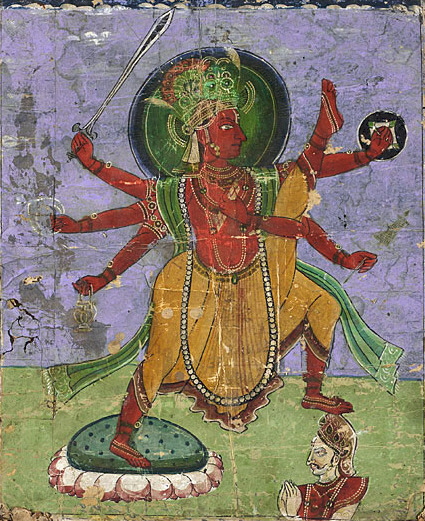
நவராத்திரி கொலு
(Thanks to the Original Uploader. சம்பவத்தின் கடைசிப் பகுதியை படித்து அழாதவர்கள் இருக்க முடியாது)
காவேரிக் கரையில் உள்ள மண், மக்கள், ஆடு மாடு அத்தனையுமே செழிப்புதான் !
கும்பகோணம், திருச்சி அதைச் சுற்றிய க்ராமங்கள்…..பசுமையை வாரித் தெளித்திருக்கும்.
இந்த மாதிரி ஒரு அழகான, ப சுமையான க்ராமம்தான் களத்தூர் !
அந்த ஊரில் உள்ள துர்க்கா பரமேஶ்வரியின் கோவில் மிகவும் அழகானது. சிறிய கோவில் என்றாலும், பூஜைக்கு குறைவில்லாமல் இருந்தது.
அந்தக் கோவிலின் தர்மகர்த்தா அம்பாளின் கைங்கர்யமே வாழ்வாகக் கொண்டவர். மிக மிக நல்ல மனுஷ்யன். நவராத்ரி வந்துவிட்டால், கோவிலா, வீடா என்று போட்டி போட்டுக் கொண்டு அம்பாளுக்கு ஒன்பது நாளும் அலங்காரம், நைவேத்யம், என்று ஏகமாக செலவழித்து அப்படிக் கொண்டாடுவார்.
அண்டா அண்டாவாக சுண்டலும், இனிப்பும் ஒரு பக்கம் தயாராகி, நைவேத்யமாகி, ப்ரஸாதமாகி அக்கம்பக்கம் இருக்கும் க்ராமங்களில் இருந்தெல்லாம் பசியோடு வருபவர்களுடைய குக்ஷியில் போய்ச் சேரும்.
தர்மகர்த்தாவுக்கு மொத்தம் எட்டு குழந்தைகள். ஐந்து பிள்ளைகள்; மூணு பெண்கள். ஒருத்தருக்கும் கல்யாணம் ஆகவில்லை. கடைக்குட்டியான ரமணி ரொம்பச் சின்னப் பையன். நாம் எல்லாருமே பிறக்கும் போதே, பிடரியில் மஹிஷவாஹனனை உட்கார வைத்துக் கொண்டுதானே பிறக்கிறோம்?
அந்த ஜன்மத்தில் வந்த பந்தபாஶங்களை அறுத்து, இருப்போர், போனவர் எல்லாரையும் நிலைகுலையச் செய்து, அடுத்த பிறவியில் தள்ளும், பாஶக் கயிற்றை, எந்த க்ஷணத்தில் நம் கழுத்தில் இறுக்குவான் என்பதே தெரியாதே !
மஹிஷாஸுர மர்த்தினியான லலிதாம்பிகையின் அம்புஜ ஶரணங்களை கெட்டியாகப் பிடித்துக் கொண்டால், அவளுடைய இடது கரத்தில் உள்ள பாஶமானது, மஹிஷவாஹனனின் பாஶக் கயிற்றிலிருந்து நம்மைக் காப்பாற்றி, பிறவா பெருநிலையை அனாயாஸமாக அளித்துவிடுமே !
தர்மகர்த்தா இப்படித்தான் ‘பட்’டென்று ஒரு க்ஷணத்தில் காலமாகிவிட்டார் ! கட்டாயம் துர்க்கையின் மலரடியில் புஷ்பமாகப் போய்ச் சேர்ந்திருப்பார். பாவம். குடும்பமே நிலைகுலைந்தது ! ஆனால், அவர் மனைவி, எட்டு குழந்தைகளை தன் பொறுப்பில், அந்த அம்பாளே விட்டிருப்பதாக நினைத்தாள்.
தர்மகர்த்தா உயிரோடு இருக்கும்போது, “ஒங்காத்துப் பொண்ணுதான் எங்காத்து நாட்டுப்பொண்” என்று பேசியவர்கள், அவர் போனதும், வசனமும் அவரோடு போச்சு ! என்பதாக காணாமல் போனார்கள்.
கொஞ்சமும் மனஸை தளரவிடாமல், வீட்டிலிருந்த அண்டான், குண்டான் கொஞ்ச நஞ்சமிருந்த தங்கம், வெள்ளி, பித்தளை ஸாமான்களை விற்றுக் காஸாக்கி, தன்னுடைய ஶக்திக்கு ஏற்றவாறு மூன்று பெண்களுக்கும் எளியமுறையில் கல்யாணம் செய்து வைத்தாள். பையன்கள் நாலு பேரையும் காலேஜ் வரை படிக்க வைத்தாள்.
பையன்களில் மூத்தவன் காலேஜ் முடித்ததும், “அம்மா! இனிமே நீயும், தம்பிகளும் என்னோட பொறுப்பு !…” என்று சொல்லுவதாக
கனவெல்லாம் கண்டாள். அது கனவில்தான் முடிந்தது !
படிப்பை முடிக்கும் வரை பல்லைக் கடித்துக் கொண்டு, அந்த குச்சு வீட்டில், அம்மாவின் ஏழ்மைக் கைகள், அன்போடு போட்ட மோர் ஸாதத்தை, அதிலுள்ள அன்பின் ருசி அறியாமல், வேண்டா வெறுப்பாக ஸாப்பிட்டுக் கொண்டிருந்தான். படிப்பு முடிந்ததோ இல்லையோ, ‘நீயாச்சு! உன் பிள்ளைகளாச்சு !’ என்று ‘டாடா’ காட்டிவிட்டு எங்கோ சென்றுவிட்டான் ! தன் வாழ்க்கையை தான் பார்த்துக் கொண்டான்.
அண்ணாவுக்கு ஏற்ற தம்பிகளாக, தர்மத்தை கடைப்பிடித்தது ஸ்ரீராமனின் தம்பிகள்தான் !
இப்போது, கலியில், அண்ணாவைப் போல் ‘அதர்மத்தை’ கடைப்பிடித்து, அவன் போன மாதிரியே, அம்மாவையும், கடைசி தம்பி ரமணியையும் அதோகதியாக்கிவிட்டு, மற்ற மூன்று பிள்ளைகளும் நடையைக் கட்டினர்!
ரமணி அப்போது ஒன்பதாம் க்ளாஸ் படித்துக் கொண்டிருந்தான். இப்படிப்பட்ட புத்ர ரத்னங்களை படிக்க வைக்க, அம்மாக்காரி வாங்கிய கடனோ கழுத்தை நெரித்தது ! வீட்டில் அவளும், ரமணியும் மட்டுந்தானே! மாடி போர்ஷனை வாடகைக்கு விட்டு, ஸொல்ப பணத்தில் கஞ்சியோ கூழோ குடித்துக் கொண்டு, மீதியை கடனுக்கு செலுத்தி வந்தாள்.
சிறுவன் ரமணி, பேருக்கேற்றபடி ரமணீயமான குணம். படிப்பை நிறுத்திவிட்டு, உள்ளூர் மளிகைக் கடையில் வேலைக்கு சேர்ந்து, தன் ஸம்பாத்யத்தையும் அம்மாவின் கடனை அடைக்க குடுத்தான் ! இவர்கள் குடுக்கும் பணம், கடலில் கரைத்த பெருங்காயம் போல், கடன் அடையக்கூடியதாக இல்லை!
கடன்காரர்கள் வாயில் வந்ததைப் பேசும்போது, தன்னுடைய அம்மாவின் நல்லகுணத்துக்கு இப்படியெல்லாம் நடக்கிறதே ! என்று தாங்காமல், அம்மாவின் மடியில் தலையை வைத்துக் கொண்டு அழுதான், குழந்தை ரமணி.
அம்பாளுக்கு எவ்வளவு ஆசை ஆசையாய் செய்திருப்பார் தர்மகர்த்தா !
கைவிடுவாளா அம்பிகை? கஷ்டத்தைக் குடுத்து, மிச்சம் மீதி இருக்கும் கர்மாவை [அதுவே கடைசி பிறவி என்பதால்] கழிக்கவிட்டு, தன்னுடைய அதிரடிக் காருண்யத்தை ஒரேயடியாக சொரிந்து விடுவாளே!
ரமணியின் அம்மாவுக்கு அன்று இரவு ஒரு ஸொப்பனம்…..அதில், கரும்புவில்லுக்கு பதில் கருணை தண்டமேந்திய நம்முடைய பெரியவா அவளிடம்,
” ஒன்னோட ஆத்துக்காரர் போனதுக்கு அப்றம் நீ……நவராத்ரி கொலுவையும் மறந்துட்டே.
அதோட, என்னையும் மறந்துட்டே! ரமணிய ஒடனே எங்கிட்ட அனுப்பு…” என்றதும், அப்படியே மனஸ் படபடக்க எழுந்து உட்கார்ந்து கொண்டு, பக்கத்தில் தூங்கிக் கொண்டிருந்த ரமணியை எழுப்பினாள்.
“ரமணி….கண்ணு…..பெரியவா வந்தாடா ஸொப்பனத்ல ! நவராத்ரி கொலு வெக்கணுமாம்….. ஒன்னை பெரியவா ஒடனே வரச் சொல்றாடா!..”
“அம்மா…பெரியவா இப்போ எங்கியோ வடக்குல இருக்கார்ம்மா..அங்க போக, வர செலவுக்கு நீ எங்கம்மா போவே?….”
இருவருமே இது வெறும் கனவுதான்! என்று துளிகூட ஒதுக்கவில்லை. இருண்ட குகையில் இருப்பவர்களுக்கு, எங்கோ குட்டியாக வெளிச்சம் தெரிந்தால் போறுமே ! விடுவிடுவென்று வெளிச்சத்தை நோக்கி நடையைக் கட்ட வேண்டியதுதானே?
“பெரியவாதானே கூப்டிருக்கா? கவலைப்படாத! அவரே வழி காட்டுவார்…”
விடிந்ததும், மாடி போர்ஷனில் குடியிருக்கும் ஶர்மா வந்தார். மிகவும் நல்ல மனுஷ்யர். அவரும் அவர் மனைவியும் இவர்களிடம் மிகவும் ஆதரவோடும், அனுஸரணையோடும் இருப்பார்கள்.
“அம்மா….நானும், எங்காத்துக்காரியும் நாளான்னிக்கி நார்த் இண்டியா யாத்ரை கெளம்பறோம். திரும்பி வரதுக்கு எப்டியும் ரெண்டு மாஸம் ஆகலாம். ஒன்னோட ரெண்டு மாஸ வாடகையை ஒங்கிட்ட அட்வான்ஸாவே குடுத்துடறேன்……இல்லேன்னா நீ ரொம்ப ஸ்ரமப்படுவே. இந்தாத்துக்கு வந்தப்றம்
எங்களுக்கு மனஸ்ல ஒரு நிம்மதி கெடச்சிருக்கு. அதுனால, கடைசி வரைக்கும், ஒனக்கு வாடகை குடுத்துண்டு, இங்கியேதான் இருக்கப் போறோம் ! செரியா?….” சிரித்துக் கொண்டே பணத்தைக் குடுத்தார்.
கரகரவென கண்ணீர் வழிந்தோட,
“மாமா…..பெரியவா தன்னோட லீலையை ஆரம்பிச்சுட்டார்! இன்னிக்கி காலேலதான் பெரியவா கனவுல வந்து நவராத்ரி கொலு வெக்கச் சொல்லிட்டு, ரமணியை ஒடனே அவர்கிட்ட அனுப்பச் சொன்னா…..பணத்துக்கு என்ன பண்றதுன்னு யோசிச்சேன். பாருங்கோ! ஒங்க மூலமா, அதுக்கும் வழி பண்ணிட்டார் !… எனக்கு, பெரியவா எங்க தங்கியிருக்கான்னு கொஞ்சம் விஜாரிச்சு சொல்றேளா?….”
ஶர்மா மாடியை நோக்கி..”வேம்பு! சித்த கீழ எறங்கி வாப்பா…..” என்றதும் “இதோ வரேன் சித்தப்பா!…” என்றபடி ஒருவர் அங்கே ஆஜரானார்.
“அம்மா….இவன் என்னோட அண்ணா பிள்ளை! ரொம்ப வர்ஷமா, பெரியவாகிட்டயே இருக்கான். மடத்லேயே தங்கிண்டு பெரியவாளுக்கு ஸுஸ்ரூஷை பண்ணிண்டு இருக்கான். என்னிக்காவுது இப்டீ…..ஊர் பக்கம் வருவான். நேத்திக்கித்தான் வந்தான். இன்னிக்கி ஸாயங்காலம் அஞ்சுமணி ட்ரெயின்ல
கெளம்பி, பெரியவா இருக்கற எடத்துக்குப் போறான். நீ வேணா…ரமணியை இவனோட அனுப்பி வை! பத்ரமா அழைச்சிண்டு போய் பெரியவாளை தர்ஶனம் பண்ணிவெச்சுட்டு, பத்ரமா திருப்பி அனுப்பி வெக்கச் சொல்றேன்”
அம்மாவும் பிள்ளையும் அழுதே விட்டனர் !
இது பெரியவா போட்ட அடுத்த “ஆனந்த குண்டு” !
“அனுப்பி வை! “என்றதோடு நிற்காமல், அதற்கான பணத்தை ஏற்பாடு பண்ணி, பந்தோபஸ்து பண்ணி, அழைத்துப் போக தகுந்த துணையையும் முன்னாடியே அனுப்பி வைத்து…..”அதான் பெரியவா…!” என்றார் வேம்பு சிரித்துக் கொண்டே!
பூனா பக்கத்தில் ஒரு சின்ன ஊரில் இருந்த பெரியவாளுடைய முகாமுக்கு வேம்புவோடு போனான் ரமணி. நல்ல கூட்டம் !
ஸ்நானத்தை முடித்துக் கொண்டு, அந்த ‘க்யூ’வில் ரமணியை நிற்க வைத்துவிட்டு “இங்க பாரு ரமணி ! இப்டியே கூட்டத்தோட போய்ண்டே இரு…ஒன்னோட டர்ன் வரும். பெரியவாகிட்ட, ஒன்னோட மனஸ்ல இருக்கற எல்லாத்தையும் கொட்டிடு! பயப்படாதே…எனக்கு உள்ள வேலையிருக்கு…..பெரியவாளை
தர்ஶனம் பண்ணினதும், இங்கியே இரு. நா….வந்து ஒன்னை அழைச்சிண்டு போறேன். பயப்படாதே, என்ன?” என்று சொல்லிவிட்டுப் போய்விட்டார்.
சின்னப்பையனான ரமணிக்கோ அங்கிருந்த கூட்டத்தை கண்டதும், “இந்த ‘க்யூ’ எப்போ நகந்து, எப்போ நா…பெரியவாளைப் பாக்கறது!” என்ற மலைப்போடு, ஏதாவது இண்டு இடுக்கு வழியாக பெரியவாளைப் பார்க்க முடியுமா என்று முயற்சி பண்ணினான். ம்ஹூம்! இவன் குனிந்து, நிமிர்ந்து, குதித்ததுதான் மிச்சம்!
“செரி ….வேம்பு மாமா இங்கியே இருக்கச் சொல்லியிருக்கா. கட்டாயம் பெரியவாளை பாப்பேன்” என்று தனக்குத்தானே முடிவு செய்துகொண்டு
“ஹர ஹர ஶங்கர, ஜய ஜய ஶங்கர” என்று கண்களை மூடியபடி சொல்லிக் கொண்டிருந்தான்.
யாரோ அவனை லேஸாக தட்டியதும், கண்களைத் திறந்தான்…..
“நீதானே ரமணி? வா….எங்கூட ! பெரியவா ஒன்னைக் கூப்பட்றா !…..”
முழித்தான்!”
இந்த அலைமோதற கூட்டத்ல, பெரியவா என்னை மட்டும் கூப்ட்டாரா?.. ”
ரமணிக்கு இது “மூணாவது ஆனந்த குண்டு”
“என்னடா? வேம்பு மாதிரி நானும் பெரியவாகிட்ட கைங்கர்யம் பண்றேன். பெரியவா சொல்லாம, நானா வந்து கூப்டுவேனா? வா…..” என்று சொல்லி, அவனுடைய கையைப் பிடித்து அழைத்துக் கொண்டு, கூட்டத்தை விலக்கிக்கொண்டு, அவனை பெரியவா முன்னால் கொண்டுபோய் நிறுத்தினார்,
ஒரு பாரிஷதர்.
ஒரு க்ஷணம்! குழந்தை த்ருவனுக்கு முன்னால் ஸாக்ஷாத் மஹாவிஷ்ணு ஶங்குசக்ரதாரியாக நின்றபோது அவன் என்ன ஒரு ஸ்திதியில் இருந்தானோ, கிட்டத்தட்ட ரமணியும் பெரியவாளை அவ்வளவு அருகில் தர்ஶனம் பண்ணியதும், அப்படியொரு அநிர்வசநீயமான நிலைக்குத் தள்ளப்பட்டான்.
பெரிய கூட்டத்தில் அம்மாவின் கையைவிட்டு விட்டு, தொலைந்து போன குழந்தை, கதறி அழுது, மறுபடியும் தன் அம்மாவைப் பார்த்ததும், முதலில் சிரிக்காது, ஸந்தோஷப்படாது. மேலும் பலமாக அழும் ! அம்மா,அதைத் தன் கைகளில் தூக்கிக் கொண்டு, கட்டிக்கொண்டு, தட்டிக் கொடுத்து ஸமாதானம் பண்ணினாலும், அதன் அழுகை ஓய நேரமெடுக்கும்.
இப்போது ரமணி த்ருவனாகவும், கூட்டத்தில் தொலைந்து போன குழந்தை போலவும், இரண்டும் கலந்த மனநிலையில், பெரியவாளைப் பார்த்ததும்,
“பெரியவா!……ஓ!….என்னோட பெரியவா!” என்று வாய்விட்டு அலறிக்கொண்டு, ஸாஷ்டாங்கமாக அவர் முன் விழுந்து விசும்பி விசும்பி அழ ஆரம்பித்தான்…..
“ரமணி!….அழாதேப்பா…எந்திரு. ஒனக்கு என்னடா கொறை? என்னடா வேணும்?…”
தாயின் குரலைக் கேட்டதும் அழுகை ஜாஸ்தியாகி, திக்கித் திக்கி எல்லாவற்றையும் சொன்னான்.
“பெரியவா……எங்கப்பா தர்மகர்த்தா…. அம்பாள்கிட்ட ரொம்ப பக்தியா இருப்பார். திடீர்னு செத்துப் போய்ட்டார்…..என்னோட நாலு அண்ணாக்களையும் அம்மா கஷ்டப்பட்டு படிக்க வெச்சாலும், எங்களை விட்டுட்டு அவாவா பிச்சிண்டு போய்ட்டா பெரியவா….. மூணு அக்காக்களும் கல்யாணம் ஆய்ட்டாலும், சீர், செனத்தி, ப்ரஸவம்ன்னு பிச்சு எடுக்கறா பெரியவா…..
……பாவம் அம்மா! எங்க போவா பணத்துக்கு? பத்தாததுக்கு பழைய கடனே 80,000 இருக்கு! எங்காத்தை வித்து கடனை அடைக்கலாம்-னா, கஷ்டத்ல விக்கறோம்-ன்னு தெரிஞ்சுண்டு, அடிமாட்டு வெலையா 10,000த்துக்கு பேசறா! நா…..படிப்பை நிறுத்திட்டு மளிகைக் கடேல வேலை பாக்கறேன்….. அம்மாவை என்னால ஸந்தோஷமா வெச்சுக்க முடியலியேன்னு இருக்கு பெரியவா……”
அத்தனை வர்ஷங்கள் குழந்தையிலிருந்தே பட்ட கஷ்டத்தை, கொட்டித் தீர்த்து கதறிவிட்டான் !
பொங்கும் பரிவோடு அவனைப் பார்த்த பெரியவா…..
“அழாதே……கண்ணைத் தொடச்சுக்கோ! நா…..சொல்றதக் கேளு…..
நாலாவது “ஆனந்த குண்டு”……
“….இப்போ ஒங்காத்ல கொலு வெக்கறதில்ல ;
நவராத்ரி பூஜையும்பண்றதில்ல…அப்டித்தானே?”
“அம்மாவுக்கு கனவுல வந்து சொன்னதை ‘ஸத்யம்’-னு நிரூபிச்சுட்டாரே!” அதிர்ந்து போனான் ரமணி.
“ஆமா…….பெரியவா. அப்பா போனதுக்கப்றம் அம்மா எல்லாத்தையும் நிறுத்திட்டா! வஸதியும் இல்ல…..”
“கொழந்தே!….ஒங்கப்பா பண்ணின மாதிரி தடபுடலா ஊரைக்கூட்டி, அண்டா அண்டாவா சுண்டலும், ஸொஜ்ஜியும் பண்ணி விநியோகம் பண்ண வேணாம். அழகா, சின்னதா கொலு வெச்சு, மனஸார ஒம்போது நாளும் அம்பாளுக்கு பூஜை பண்ணினாலே போறும்! சுண்டல் பண்ணனும்னு கூட அவஸ்யமில்ல….”
என்று சொல்லிக்கொண்டே தன் முன்னால் மூங்கில் தட்டில் வைக்கப்பட்டிருந்த ஒரு பாக்கெட் கல்கண்டையும், பேரீச்சம் பழத்தையும் தொட்டுவிட்டு, பாரிஷதரை
விட்டு ரமணியிடம் குடுக்கச் சொன்னார்.
“ரமணி…..இது ரெண்டையும் அம்மாகிட்ட குடுத்து, நவராத்ரிக்கு அம்பாளுக்கு நைவேத்யம் பண்ணச் சொல்லு. நாளன்னிக்கி நவராத்ரி ஆரம்பிக்கறதே! நீ…இன்னிக்கி ஸாயங்காலம் பொறப்டாத்தான், நாளக்கி ஸாயங்காலம் ஊர் போய்ச் சேருவே! மறுநா…காலம்பர கொலு வெக்கறதுக்கு தோதா இருக்கும்…”
என்று சொல்லிவிட்டு, பாரிஷதரிடம் ஏதோ சொன்னார்.
அவரும் ரமணியிடம்,
“ரமணி….பெரியவாளை நமஸ்காரம் பண்ணிக்கோ! இந்தா இந்த கல்கண்டு, பேரீச்சம்பழத்தை எடுத்துக்கோ!…” என்றதும், சின்னப் பையன்தானே! அதே ஜோரில் பெரியவாளிடம், “என்ன பெரியவா இது! ஒங்கள பாக்கணும்ன்னு எவ்ளோவ் ஆசையோட வந்தேன்? நீங்க என்னடான்னா….இன்னிக்கே கெளம்பிப் போயி, ஆத்துல கொலு வெக்கச் சொல்றேளே ! இதுக்குத்தானா என்னை இவ்ளோ தூரம் வரவழைச்சேள்?…” அழுகையும், ஏமாற்றமும் கலந்து லேஸாக ஒரு பாந்தவ்யமான கோபத்தின் ரேக்குகளை அதன் மேல் பரப்பி, கண்கலங்க கேட்டான்.
அவனைப் பார்த்து லேஸாக புன்னகைத்துவிட்டு, பாரிஷதரிடம் அவனை அழைத்துக் கொண்டு போகச் சொன்னார். ப்ரஸாதங்களை எடுத்துக் கொண்டு, அழுகையோடேயே வேம்பு ஐயரிடம் சென்றான். நடந்ததையெல்லாம் கேள்விப்பட்டதும் வேம்பு, ரமணியிடம்
“கொழந்தே ரமணி! பெரியவாகிட்ட இப்டியா கேக்கறது? ‘இதுக்குத்தானா என்னை இவ்ளோ தூரம் வரச் சொன்னேள்?’-ன்னு கேட்டியாமே !
அந்த “இதுக்குத்தானா” குள்ள எத்தனை ரஹஸ்யங்கள், அர்த்தங்கள் ஒளிஞ்சிண்டு இருக்குன்னு ஒனக்கு மட்டுமில்லடா, யாருக்குமே தெரியாது. பெரியவா சொன்னதோட அர்த்தங்களை போகப் போக நீயே புரிஞ்சுப்ப…..செரி செரி ….ஸீக்ரம் ஸாப்ட்டுட்டு கெளம்பு….பாரு! பெரியவா ஒனக்கு ரெண்டு ஜோடி புது வேஷ்டி ஆஸிர்வாதம் பண்ணிக் குடுத்திருக்கா! ”
பெரியவாளுடைய அன்பை, வேம்பு ஐயர் சொல்லச் சொல்ல, இப்பேர்ப்பட்ட பெரியவாளுடன் இருக்க முடியாமல், ஊருக்குப் போகணுமே! என்று அழுது கொண்டே ஸாப்பிட்டுவிட்டு கிளம்பியவனிடம்
“பெரியவா குடுத்த கல்கண்டு பேரீச்சம்பழம், வேஷ்டி எல்லாம் இந்தப் பையில வெச்சிருக்கேன். இந்தா….இதைக் கை செலவுக்கு வெச்சுக்கோ! [ஒரு கவரில் சில நூறு ரூபாய் நோட்டுக்களை போட்டுக் குடுத்தார்] ரயில்ல ஒன்னை ஏத்திவிட நானே வரேன். ரொம்ப பாக்யஸாலிடா நீ! பெரியவாளோட முழூ ஆஸீர்வாதத்தையும் அப்டியே அள்ளிண்டுட்டே! இனிமே ஒனக்கு ஒரு கொறையும் வராது. ஒன்னோட ரயில்ல வர்றவர் என்னோட ஸொந்தக்காரர்தான் … பெரியவா ஒனக்கு எப்டி பந்தோபஸ்து பண்ணி அனுப்பறார் பாரு! ஒன்னை ஒங்காத்துல அவர் கொண்டு விட்டுடுவார். பெரியவா சொன்னபடி, ஒடன்னே அம்மாவை கொலு வெக்கச் சொல்லிடு….”
பத்ரமாக ஊர் வந்து சேர்ந்தான். போன ஜோரில் திரும்ப வந்த குழந்தையைக் கண்டதும் அம்மாவுக்கு ஒரே பதைபதைப்பு !
“என்னடா ஆச்சு? பெரியவாளைப் பாத்தியா? என்ன சொன்னார்?…..” இப்படியாக ஒரே கேள்வி மயம்!
” அம்மா…அம்மா! பயங்கரக் கூட்டம்! அத்தனை கூட்டத்லயும் என்னை அழைச்சிண்டு வரச் சொல்லி, நன்னா கிட்டக்க தர்ஶனம் பண்ணினேன். நம்மளோட கஷ்டம் எல்லாத்தையும் அவர்கிட்ட கொட்டித் தீத்துட்டேன்! பெரியவாளோடேயே இருந்துட மாட்டேனான்னு இருந்துது…ஆனா, ஆஸ்சர்யம் பாரேன்! ஒனக்கு வந்த கனவு நெஜந்தாம்மா ! பெரியவாளே “நீ ஒடனே ஊருக்கு
போயி, அம்மாகிட்ட நா சொன்னேன்னு, கொலு வெக்கச் சொல்லு ! ஒங்கப்பா இருந்தப்போ பண்ணின மாதிரி, பெருஸ்ஸா ஊரைக் கூட்டி தடபுடல் பண்ணாம, ஆத்துமட்டோட சின்னதா, அழகா பொம்மைகளை வெச்சு, சுண்டல் கூட வேணாம்…இந்த கல்கண்டு, பேரீச்சம்பழத்த தெனோமும் கொஞ்சமா அம்பாளுக்கு
நைவேத்யம் பண்ணினாப் போறுன்னுட்டார்’-ம்மா!”
“பெரியவா சொல்லிட்டான்னா வேற என்ன வேணும்? ஒடனே பரண் மேல வெச்சிருக்கே! அந்த கொலுபொம்மைப் பொட்டியை கீழ எறக்கு….அப்டியே அந்த சின்ன கொலுப்படியையும் எறக்கு… வேற என்னடா சொன்னா? நம்ம கஷ்டத்துக்கு எதாவுது விடிவு பொறக்குன்னாரா ?…
“பெரியவாளை பாத்ததுமே ரொம்ப அழுதுட்டேம்மா! எனக்குத் தாங்கல….இத்தனை வர்ஷமா நீயும், நானும் மட்டுந்தான் வாய்விட்டு பேசிண்டோம்…நமக்கு சொல்லி அழறதுக்குக் கூட யாருமே காது குடுக்கலியேம்மா! அவர் வேற எதுவுமே சொல்லாட்டாலும், எல்லாத்தையும் கேட்டுண்டு, என்னை அழாதேப்பா-னார்ம்மா!
கொலு வெச்சுட்டு ஒம்போது நாளும் அம்பாளுக்கு ஶ்ரத்தையா பூஜை பண்ணச் சொல்லுன்னு மட்டும் சொன்னார்……”
ஸீதையை லங்கையில் தர்ஶனம் பண்ணியதை திரும்பத்திரும்ப சொல்லியும், கேட்டும், ‘போறாது, போறாது’ என்பது போல் ஆனந்தமாய் பேசிப் பேசி அனுபவித்த ஆஞ்சநேயரும், அவருடன் சென்ற வானரக்கூட்டமும் போல், அம்மாவும், பிள்ளையும் பெரியவாளைப் பற்றி பேசித் தீர்த்தபாடில்லை!
பரணில் இருந்து பொம்மைகள் இறக்கப்பட்டு, பெரியவா சொன்ன மாதிரி, நவராத்ரி ஆரம்பித்ததும், வீட்டில் மாக்கோலம் போட்டு, மாவிலைத் தோரணம் கட்டி, விளக்கை ஏற்றி வைத்து, அம்பிகையை ஶ்ரத்தையாக பூஜித்தாள். கல்கண்டு, பேரீச்சம்பழம் நைவேத்யம். என்னவோ, அத்தனை வர்ஷங்கள் இல்லாத நிம்மதியும், லக்ஷ்மிகரமும் அவர்கள் வீட்டிலும், மனஸிலும் புகுந்தது.
“ரமணி, பெரியவா சொன்னதைப் பண்ண ஆரம்பிச்சதுமே நமக்குள்ள ஒரு அமைதி வந்துடுத்து பாத்தியா….!”
அம்மாவுக்கு கிடைத்த நிம்மதி ரமணிக்கு முழுமையாக கிடைக்கவில்லை.
காரணம்?
“நேத்திக்கி பரண்ல ஏறி கொலுப் பொட்டியை எடுக்கறச்சே…..வேறே எதையோ பாத்தேனே……”
இதே சிந்தனைதான் நிம்மதிக்கு குறுக்கே வந்தது. கிடுகிடுவென்று ஏணியைப் போட்டு, பரணில் ஏறினான்.
அதோ…..மூலையில் ஒரு நசுங்கிப் போன தகரப் பொட்டி!”
அம்மா! இங்க இன்னொரு பொட்டி இருக்கும்மா! அதையும் எறக்கறேன்….எதாவுது பொம்மை இருந்தா அதையும் கொலுல சேத்துக்கலாம்”
அம்மா அதை வாங்கி கீழே வைத்து திறந்தால்……
அதில் பொம்மை இல்லை! ஆனால்…..இதென்ன?
ஏதோ பட்டுத் துணியில் சுத்தியிருந்தது!
பயமும் பக்தியும் ஒருசேர, அந்தப் பட்டுத் துணியை மெல்ல பிரித்தால், உள்ளே நாலைந்து ஓலைச்சுவடிக் கட்டுகள்! மஹா அரதப்பழஸு என்பதைப் பார்த்தாலே புரிந்தது.
“என்னடா ரமணி இது! அப்பா, இத இவ்ளோ பத்ரமா பட்டுத் துணில சுத்தி வெச்சிருக்கான்னா….இது ரொம்ப முக்யமான விஷயமா இருக்குமோ?”
“அம்மா! நா……இன்னிக்கி ஸாயங்கால டிரெயின்ல போயி, பெரியவாகிட்ட இந்த சுவடிகளை பட்டுத் துணியோட குடுத்துட்டு வந்துடறேன்…”
“உங்கள் பாரம் எனதே! ” என்று பெரியவா ஸதா சொல்லிக் கொண்டிருப்பதை, நம்மைப் போலில்லாமல், ரமணியும் அவன் அம்மாவும் கேட்கத் தொடங்கியதால்
, “ஓடு! பெரியவாளிடம்!..” என்று சுவடிகளோடு மறுநாளே பெரியவா முன் ஆஜராகிவிட்டான்!
முதல்முறை வந்தபோது இருந்த அழுகையும், குழப்பமும், பயமும், ஸந்தேஹமும் இந்தத் தடவை ரமணியிடம் இல்லை! அவனுடைய வாழ்வில் ரெண்டு நாளைக்கு முன்பிருந்த அதே பணமுடைதான் இப்போதும் இருந்தது. பின், எப்படி இந்த அமைதி? தெளிவு?
” நம் ஹ்ருதய குகைக்குள் ஸதா மஹாநடனம் புரிந்து வரும் நம்முடைய மஹா மஹா பெரியவாளை அப்படியே மனஸில் கட்டிக் கொண்டுவிட்டான், மார்கண்டேயன் பரமேஶ்வரனை கட்டிக் கொண்டது போல்!”
“என் அப்பன், என் அம்மை இருக்கையில் எனக்கென்ன குறை? பயம்?……ஆனந்தமோ ஆனந்தம் மட்டுமே!”
இது பெரியவா அவனுக்குத் தராமல் தந்த ஸர்வகால ஸஹவாஸ வாக்குறுதியால் வந்த த்ருட விஶ்வாஸம்! வேறு எதுவுமே இல்லை!
பெரியவா எல்லாருக்குமே இப்படியொரு பாக்யத்தை அருளிக் கொண்டிருக்கிறார். ரமணி பிடித்துக் கொண்டான்! நாம்…?
ரமணி பெரியவா இருந்த இடத்துக்குப் போனபோது, தனியான ஒரு இடத்தில் பெரியவா அமர்ந்திருந்தார்.சில பாரிஷதர்களைத் தவிர, ஜாஸ்தி கூட்டமே இல்லை!
பெரியவா முன்னால் ஸுமார் 60 வயஸு மதிக்கத்தக்க ஒரு பெரியவர் பவ்யமாக கைகளைக் கட்டிக் கொண்டு நின்று கொண்டிருந்தார். பெரியவாளிடம்
ஏதோ ஸீரியஸ்ஸான விஷயத்தை ப்ரஸ்தாபித்துக் கொண்டிருந்தார்.
“ஸரஸ்வதி மஹால்…அங்கெல்லாம் விஜாரிச்சியோ?..”
“எல்லா எடமும் சல்லடை போட்டு சலிச்சாச்சு பெரியவா! இந்தியால இருக்கற famous ஜோஸ்யக்காரா, உபன்யாஸக்காரா, ஏன்?ஆர்க்கியாலஜிகாராளைக் கூட
விடலை பெரியவா! எங்கியாவுது, யார் மூலமாவுது, எதாவுது, தெரியாதான்னு அலைஞ்சாச்சு பெரியவா…..அதை யாரு, எங்க ஒளிச்சு வெச்சிருக்காளா, இல்லே, அதோட அருமை தெரியாம எரிச்சோ, தூக்கியோ போட்டுட்டாளோன்னு ரொம்ப பதட்டமா இருக்கு…. எங்கியாவுது அது இருக்கற சின்ன clue கெடச்சாக்கூட போறும்! எப்டியாவுது அவா கைல கால்ல விழுந்தாவுது கெஞ்சிக் கூத்தாடி வாங்கிண்டு வந்துடுவேன்…..எத்தன லக்ஷங்கள் ஆனாலும் பரவாயில்ல பெரியவா!
ஆனா, அதோட மதிப்புத் தெரியாம, எங்கியோ ஒரு மூலேல அது மக்கிப் போய்டக்கூடாது…. இதான் என்னோட ப்ரார்த்தனை!….”
கண்களில் வழிந்த கண்ணீரை அவர் துடைத்துக் கொண்டிருக்கும்போதுதான், ரமணி உள்ளே எட்டிப் பார்த்தான்.
பெரியவா அவனைத் திரும்பிப் பார்த்து,
“வாடா! கொழந்தே! வா….வா” என்றதும், ஸரியாகச் சொல்ல வேண்டுமென்றால், தகரடப்பாவும், கையுமாக குதித்துக் கொண்டு ரெண்டே எட்டில் பெரியவா முன்னால் நின்றான்.
தகரடப்பாவை ஒரு பக்கம் வைத்துவிட்டு, ஸாஷ்டாங்கமாக நமஸ்காரம் செய்தான்.
“பெரியவா! நீங்க சொன்னமாரியே அம்மா ஆத்துல கொலு வெச்சுட்டா! ஆனா, மேல பரண்ல கொலுப் பொட்டியோட, இந்த தகரடப்பாவும் இருந்துது பெரியவா! பிரிச்சா… “என்று பேசிக்கொண்டே அவன் தகரடப்பாவை திறந்ததும், “ம்ம்….நல்லதாச்சு போ! அந்த டப்பால இருக்கறதை அப்டியே பட்டுத்துணியோட அந்த மாமாகிட்ட குடுத்துடு! ”
இது ஐந்தாம் ஆனந்த குண்டு!
” இதுக்குள்ள ஏதோ ஓலைச்சுவடி இருக்கு பெரியவா…… நீங்க படிக்க வேணாமா?…” என்று கேட்டுக்கொண்டே, பட்டுத்துணியோடு அந்த ஓலைச்சுவடியை அந்த பெரியவரிடம் குடுத்தான். பணிவோடு வாங்கிக் கொண்டார்.”
“நீ…இத்தன வர்ஷமா இந்தியா முழுக்க தேடி அலஞ்சுண்டு இருந்தியே! இதான்…..அது! ”
என்னது! அவரோ வாய்விட்டு அழுதேவிட்டார்!
“ஓ ….பெரியவா! என் தெய்வமே! க்ருபா ஸாகரா! பெரியவாகிட்ட இதப்பத்தி பேசி பத்து நிமிஷம் கூட ஆகல……அதுக்குள்ள இப்டியொரு கருணா வர்ஷமா? இது கெடைக்கும்னு கனவுல கூட நா…..நெனைக்கல பெரியவா…!” இந்தக் கொழந்தைக்கு நா….வயஸ்ல பெரியவங்கறதால நமஸ்காரம் பண்ண முடியாத நெலேல இருக்கேன்……” என்று சொல்லிக்கொண்டே, தன் bag ஐ திறந்து உள்ளேயிருந்ததை அப்படியே எடுத்து பெரியவா முன் இருந்த மூங்கில் தட்டில் வைத்தார், கனகதாரா மாதிரி
கட்டுக்கட்டாக ரூபாய் நோட்டுக்கள்!
“பெரியவா…..மஹாப்ரபோ! இன்னதுதான் வெலை-ன்னு நிர்ணயிக்க முடியாத இந்த அபூர்வமான பொக்கிஷத்துக்கு, என்னால முடிஞ்ச சின்ன ஸமர்ப்பணம்….. அனுக்ரஹம் பண்ணி ஸ்வீகரிச்சுக்க சொல்லணும்…”
அழகாக சிரித்துக் கொண்டே….” ஏது? ஒனக்கு ஊருக்கு போய்ச்சேர நடராஜா ஸர்வீஸ்தானா? காலணா வெச்சுக்காம, எல்லாத்தையும் குடுத்துட்டியே!…” என்று சொல்லிவிட்டு, ரமணியிடம், “இதோ பாருடா! நீ குடுத்த ஓலைச்சுவடிக்காக, இந்த மாமா ஒனக்கு ரெண்டுலக்ஷ ரூவா குடுத்திருக்கார்!…. இப்போ நீதான் இவருக்கு ஊருக்குத் திரும்பிப்
போறதுக்கு, டிக்கெட் காஸு குடுக்கணும்! இந்தக் கட்டுலேர்ந்து ஒரு அம்பது ரூவா எடுத்து அந்த மாமாகிட்ட குடுத்துட்டு, அவரை நமஸ்காரம் பண்ணிக்கோ!…”
“ஹா……!! பெரியவா…! நா…ரெண்டுலக்ஷ ரூவா கொண்டுவந்திருக்கேன்னு எப்டி கரெக்டா சொல்லிட்டேள் பெரியவா?…”
கூடவே ரமணியும் கபடில்லாமல் “அதான! எப்டி பெரியவா? எண்ணிப்பாக்காம சொன்னேள்?…”
பெரியவாளிடமிருந்து வெறும் புன்னகைதான் இதற்கு பதிலாக வந்தது!
“செரி செரி ஊருக்கு கெளம்பற வழியைப் பாரு! ஒங்கூட இந்த பணத்தை எடுத்துண்டு வேம்பு மாமாவும் ஊருக்கு வருவார். எல்லாத்தையும் அவர் பாத்துப்பார். ரெண்டு பேரும் ஸாப்ட்டுட்டு கெளம்புங்கோ!…”
அனுக்ரஹம் பண்ண மட்டுமே தெரிந்த கரங்களை உயர்த்தி ஆஸிர்வாதம் பண்ணி, ப்ரஸாதம் குடுத்தார்.
ஊருக்கு வந்த மறுநாளே, வேம்பு ஐயரிடம் பெரியவா குடுத்திருந்த instruction படி, 80,000 ரூபாய் கடன், “ப்பூ!…” என்று ஊதித் தள்ளப்பட்டது !
நவராத்ரி ஆரம்பித்த நாலாம் நாளே, துர்க்கையாக அவர்களுடைய துக்கத்தைப் போக்கி, மஹாலக்ஷ்மியாக செல்வத்தையும் அருளிவிட்டாள் அம்பிகையான “ஸ்ரீ சந்த்ரஶேகரேந்த்ர” ஸரஸ்வதி !
ஶர்மா தம்பதி நல்லபடி யாத்ரை முடித்துக் கொண்டு வந்ததும், ரமணியின் க்ருஹமும் “ஶங்கரா” என்ற நாமத்தைத் தாங்கியபடி புனர்ஜன்மாவை பெற்றது!
வாஸலிலேயே ஒரு பக்கத்தில் நல்ல தரமான மளிகைப் பொருட்களை, ஞாயமான விலையில் விற்க ஆரம்பித்தான் ரமணி!
அவ்வீட்டில், எந்தக் கார்யமுமே, பெரியவா அனுக்ரஹம் என்ற பிள்ளையார் சுழியோடுதான் ஆரம்பிக்கும்! நல்ல வருமானம்! நல்ல பேர்! பின்னாளில், பெரியவா சொன்னபடியே, ஶர்மாவின் பெண்ணை ரமணி கல்யாணம் பண்ணிக்கொண்டான்.
கஷ்டமில்லாத, கடனில்லாத வாழ்க்கை, அடிக்கடி பெரியவா தர்ஶனம்!
வேறு என்ன வேண்டும்? பெரியவா சொன்னபடி, தங்கள் வாழ்க்கையின் தேவைகளை எளிமையாக ஆக்கிக்கொண்டு, எதையும் அபரிமிதமாக சேர்த்து வைத்துக்
கொள்ளாமல், பல பேருக்கு அன்னதானம் செய்யும் அளவு, ரமணியின் வாழ்க்கை என்னும் கப்பலுக்கு பெரியவாளே மாலுமியாகவும், கப்பலாகவும், ஸமுத்ரமாகவும்
இருந்தார்.
Source….Ramjee .N in FB input ….Forum for World’s Brahmin Unity & Welfare
Natarajan

 Take off with Natarajan
