படித்து ரசித்தது …10 வினாடி கதை !!!


10 செகண்ட் கதைகள்*

அவசியம் படிக்கவும்

*அறியாமை*

”அம்மா, இதுகூடவா தெரியலை” மிதுன், தன் அம்மாவுக்குப் புத்தம்புது ஆப் பற்றி விளக்கிக்கொண்டிருந்தபோது காலிங் பெல் சத்தம். வாசலில், கிராமத்தில் இருந்து அவனது அத்தையும் மாமாவும். கதவைத் திறந்தவன் கத்தினான், ”அம்மா… யாரோ வந்திருக்காங்க பாரு. எனக்குத் தெரியலை!”
😞😞😞😞

*நீதி*

நீதிபதி: குனிஞ்ச தலை நிமிராம நிக்கிறாங்க… இவங்களையா டிவோர்ஸ் பண்றீங்க?

அவன்: ஐயா… அவ இப்பக்கூட ‘ஜட்ஜ்மென்ட் டே’னு ஃபேஸ்புக்ல ஸ்டேட்டஸ் அப்டேட் பண்ணியிருக்கா!
😗😗😗

*உபதேசம்*

”தண்ணியை வேஸ்ட் பண்ணாமப் பிடிங்கப்பா!” எனக் கத்திக்கொண்டிருந்தான், வழி முழுக்க தண்ணீரைக் கொட்டிக்கொண்டே வந்த லாரி டிரைவர்!
😜😜😜

*பரிதவிப்பு*

”கையில இன்னும் பட்டாசு மருந்து ஒட்டிட்டு இருக்கு பாரு… கையை நல்லாக் கழுவிட்டு வந்து சாப்பாட்டுல கை வை” தன் பத்து வயது மகனைக் கடிந்தாள் அந்த விதவைத் தாய், இருவரும் வேலைபார்க்கும் பட்டாசு கம்பெனியின் மதிய உணவு இடைவேளையில்!
😔😔😔😔

*வரம்*

”பக்தா… உன் பக்தியை மெச்சினேன்.

என்ன வரம் வேண்டும்?”

”கடவுளே… நீங்க எனக்கு வரம் தந்தீங்கன்னு சொன்னா, ஒரு பய நம்ப மாட்டான். அதனால

ஒரு செல்ஃபி எடுத்துக்கலாமா?”

😎😎😎

*பெற்ற உள்ளம்*

”என்னை முதியோர் இல்லத்தில் சேர்த்துவிட்டுப் போகும் மகனுக்குத் தெரியவே கூடாது, அவனை நான் பக்கத்துத் தெருவில் உள்ள அநாதை ஆசிரமத்தில் இருந்துதான் தத்தெடுத்தேன் என!”
😯😯😯😯

*தலைமை*

தன் தலைமையில் வகுப்புத் தோழிகளுடன் அந்தச் சிறிய கிராமத்தை பக்காவாகச் சுத்தம்செய்து, ‘க்ளீன் வில்லேஜ்’ புராஜெக்டை வெற்றிகரமாக முடித்து வீடு திரும்பினாள் தனிஷா. அம்மா கத்திக்கொண்டிருந்தாள், ”ஏழு கழுதை வயசு ஆகுது… இன்னும் உன் ரூமை சுத்தமாவெச்சுக்கத் தெரியலை. எல்லாம் போட்டது போட்டபடி கிடக்குது!”

😇😇😇

*வருத்தம்*

தனக்கு மூன்றாவதும் பெண்ணாகப் பிறந்துவிட்டதற்காக மிகவும் வருத்தப்பட்ட முருகன், பின் தன் வாழ்நாள் முழுக்க வருத்தப்படவே இல்லை!
😢😢😢

*சைலன்ஸ்*

‘பின் டிராப் சைலன்ஸ்…’ வகுப்பில் ஆசிரியர் சொன்னதும், அனைத்து மாணவர்களும் தத்தமது மொபைலை சைலன்ட் ஆக்கினர்!
😃😃😃😃

*சம்சாரி*

அறுத்த நெல் அனைத்தையும் பண்ணையாருக்கு வட்டியாகக் கட்டிவிட்டு, ரேஷன் கார்டைத் தேடி எடுத்தார் சம்சாரி ராமசாமி, இலவச அரிசி வாங்க!
😁😁😁😁

Source…….Facebook  input

Natarajan

The 10 best airports in Asia….Singapore’s Changi Airport is again Number One !!!


Leading consumer aviation website Skytrax has published its latest annual World Airport Awards, and for the third consecutive year, Singapore’s Changi International Airport took the crown as the world’s best airport. However, Changi isn’t the only world class facility of its kind in Asia — which is why Skytrax has released its list of the 10 best airports in Asia.

The Skytrax annual rankings are based on the impressions of over 13 million flyers from 106 countries. More than 550 airports were included in the survey, which covers 39 service and performance parameters, including facility comfort, location of bathrooms, and the language skills of the airport staff.

10. Kuala Lumpur International Airport (KUL)

Yearly passengers: 47.5 million

Previous rank:10

Why it’s awesome: Kuala Lumpur International is one of southeast Asia’s busiest airports and serves as home base to both AirAsia and Malaysia Airlines.

The airport is located just 35 miles south of the Malaysian capital and is easily accessible by road and rail. KL International is home to one of the most unique features in all of aviation, an in-airport jungle, complete with waterfall. Called the KLIA Jungle Boardwalk, the nature area is located in the airport’s Satellite Terminal.

Source: Skytrax World Airport Awards. Yearly passenger figure is for 2013, provided by Airports Council International.

9. Taiwan Taoyuan international Airport (TPE)

Yearly passengers: 34 million

Previous rank: 9

Why it’s awesome: Located just outside of the Taiwanese capital of Taipei, Taoyuan International is the largest airport in Taiwan. The airport is the home base for both China Airlines and EVA Air.

Skytrax reviewers praised the airport for its polite service, clean environment, and speedy immigration lines. Taoyuan was also once home to Taiwan’s aviation museum, but the museum was shut down earlier this year to make way for further airport expansion.

Source: Skytrax World Airport Awards. Yearly passenger figure is for 2014, provided byTaoyuan International Airport.

8. Beijing Capital International Airport (PEK)

Yearly passengers: 83.7 million

Previous rank: 6

Why it’s awesome: As the second-busiest airport in the world, Beijing’s Capital Airport has played a major role in the Chinese capital’s explosive growth.

With this growth, the airport has built new facilities and upgraded its infrastructure. Capital’s Terminal 3 was rated as the 10th-best terminal in the world.

Source: Skytrax World Airport Awards. Yearly passenger figure is for 2013, provided by Airports Council International.

7. Tokyo Narita International Airport (NRT)

Yearly passengers: 35.6 million

Previous rank: 8

Why it’s awesome: Narita is the first of the two Tokyo airports to appear on the list. Located 35 miles outside of Japanese capital, Narita handles the majority of the international traffic going in and out of the city. The airport serves as a major hub for ANA, Japan Airlines, Delta, and United.

Skytrax reviewers lauded the airport for its efficient and friendly staff, clean facilities, and abundant dining options.

Source: Skytrax World Airport Awards. Yearly passenger figure is for 2014, provided byNarita International Airport.

6. Kansai International Airport (KIX)

Yearly passengers: 20 million

Previous rank: 7

Why it’s awesome: Located on an artificial island in the Osaka Bay, Kansai International is a major hub for ANA and Japan Airlines.

Reviewers on Skytrax praised Kansai for its modern architecture, spotless facilities, and helpful staff. The airport also boasts a Sky View observation deck that affords passengers spectacular views of incoming and outgoing flights.

Source: Skytrax World Airport Awards. Yearly passenger figure is for 2014, provided byNew Kansai International Airport.

5. Central Japan International Airport (NGO

Yearly passengers: 9.8 million

Previous rank: 5

Why it’s awesome: Built on an artificial island in the middle of Ise Bay near the city of Nagoya, Central Japan International — also known as Centrair — serves as a hub for Japan Airlines and ANA.

Centrair holds the distinction as the best regional airport in the world.

It has a 1,000-foot-long sky deck where passengers can watch ships sail into Nagoya Port. There’s also a traditional Japanese bathhouse where you can have a relaxing soak while watching the sunset over the bay.

Source: Skytrax World Airport Awards. Yearly passenger figure is for 2014, provided by Skytrax.

4. Hong Kong International Airport (HKG)

Yearly passengers: 63.1 million

Previous rank: 3

Why it’s awesome: Built on an artificial island off the coast of Hong Kong, HKG has become one of the most popular facilities in the world since it opened in 1998.

One of the busiest airports in Asia, Hong Kong International serves as the home to Cathay Pacific, Hong Kong Airlines, and Dragonair.

Be sure to play a round at the SkyCity Nine Eagles golf course near Terminal 2.

Source: Skytrax World Airport Awards. Yearly passenger figure is for 2014, provided by Airports Council International.

3. Tokyo Haneda International Airport (HND)

Yearly passengers: 72.8 million

Previous rank: 4

Why it’s awesome: Haneda is one of two major international airports that serve the Tokyo area. Located a few miles away from the heart of the Japanese capital, Haneda has proved to be a popular port of entry for business travelers and tourists.

The world’s fourth-busiest airport, Haneda is know for its service efficiency, cleanliness, and shopping.

Source: Skytrax World Airport Awards. Yearly passenger figure is for 2014, provided by Airports Council International.

2. Incheon International Airport (ICN)

Yearly passengers: 41.7 million

Previous rank: 2

Why it’s awesome: Once again, Incheon is the world’s second best airport. Located on an island just outside of the South Korean capital, Incheon is home base to Korean Air and is the 24th-busiest airport in the world. It opened in 2001.

Incheon’s highly regarded facilities feature an array of shopping and dining options, in addition to a bevy of cultural performances. The airport even has a Korean culture museum.

Source: Skytrax World Airport Awards. Yearly passenger figure is for 2013, provided by Airports Council International

1. Singapore Changi International Airport (SIN)

Photo courtesy of Singapore Changi Airport

Yearly passengers: 54 million

Previous rank: 1

Why it’s awesome: For the fourth year in a row, Changi takes the crown as the world’s best airport. Changi serves as home to Singapore Airlines, Silkair, and Tigerair and is the 16th busiest airport in the world.

The Singaporean airport has received praise from flyers for its beautiful architecture, efficient operation, luxurious amenities, and broad offering of dining and shopping options.

Flyers passing through are treated to movie theaters, a multimedia entertainment deck, spas, and a wild corkscrew slide.

Source: Skytrax World Airport Awards. Yearly passenger figure is for 2014, provided by Airports Council International.

Source….www.businessinsider.com

natarjan

Life Lessons We Can Learn from Children….!!!


Children seem to know something that adults have forgotten. They appear more confident, more courageous and enjoy life more intensely than we adults do. I often look back at my childhood years and cannot help but think of them as the best years of my life. I was a carefree spirit; I lived in the present moment; I had no anxieties and I had no fears. I often wish that I could return to the innocence and zest for life I once had when I was a child. I believe that we can all learn something from our younger selves to bring more clarity and joy into adulthood.

1. They see each day as a new beginning

When you are young, a day can feel like an eternity. Yet with each new day we are aware of the new prospects and new opportunities to make new friends, explore new adventures and learn new things. Every day is an opportunity to start afresh. And, unlike adults, children do not carry baggage from one day to the next.
2. They are fearless
Children are more willing to explore and try new things. They are unaware of the consequences and are more willing to try something new. If they injure themselves they use it as an opportunity to learn from their mistakes. As adults, we often hold ourselves back, predominantly because of fear. We stop ourselves from taking chances and seeing what happens. Successful people tend to be those that step out of their boundaries and take risks.
3. They lose themselves in creative projects
A child can often be seen getting lost in a creative project for hours at a time, be it drawing, playing with clay, building a sand castle, and so on. Yet, as we get older, we stop seeing creative activities as worthwhile. How many adults do you know (aside from artists) who spend their free time drawing, playing with clay or finger painting?
4. They find joy in most things and laugh every day


Children have a beautiful ability to find joy all around them. They see silliness everywhere.


5. They cry if they feel like it

Crying is not often an emotion that adults feel comfortable expressing, yet children do so all the time. Crying helps release our emotions in a normal, healthy way. Yet, instead, we always make it a point to keep it in check. Consequently, we end up keeping our emotions to ourselves. At times, it’s okay for us to be a little more open and vulnerable with people we feel comfortable around.

6. Children are active

Thinking back to my younger years, it was a joy to play outside, running around until I was out of breath and my cheeks were rosy. I never thought of being active as exercise or daily fitness, for me, I was just playing and it was fun.

7. They are more willing to try new things

Children will attempt to play a sport that they have never tried before. They are more willing to jump on a trampoline or dive into a pool, or ski down a mountain, even if they have never done so before. Adults tend to have a fear of the unknown and prefer to stay in their comfort zone, rarely venturing out. Adventure though can make us feel exhilarated and awakened.

8. They are enthusiastic

Children often tend to have so much enthusiasm. They feel lots of excitement, and are hopeful and optimistic. We too should learn to approach life in a more optimistic way. As adults, we often tend to dwell on the negative

9. They nurture friendships

Observe children playing with their friends, they often find pure joy in doing so and are always keen to make new ones. Children tend to enjoy their many activities too – they join soccer teams, go to birthday parties and enjoy quite a number of after school activities too.

10. They notice the little things

The simple things that we often take for granted tend to bring incredible joy and profound inspiration to children. They notice the tiny miracles that surround them each day. How much more beautiful life could be if we noticed the same things they do?


Source….www.ba-bamail.com

Natarajan


வாரம் ஒரு கவிதை…” எல்லைக் கோடு ” ….!


எல்லைக்   கோடு
………………..
எல்லைக் கோடு இல்லாத இடம் எது இந்த  மண்ணில் ?  வீட்டுக்கு
வீடு ஒரு எல்லை சுவர்  … ஊருக்கு ஊர் ஒரு எல்லை !
நாட்டுக்கு நாடு ஒரு எல்லைக் கோடு ! எல்லைக்கோட்டுக்குள்
அவரவர் அதிகாரம் …ஆதிக்கம் !  மண்ணில்  மட்டுமா ?
நதியிலும்  கடலிலும்  உண்டு இந்த ஆதிக்கம் ! விண் வெளியில்
இது எங்கள் வான் பகுதி  , அது உங்கள்  வான் பகுதி  என்று
பாகுபாடு வேறு !  இத்தனை  கோடும் , பாகுபாடும்  இந்த
மண்ணில் உள்ள மனிதனுக்கு மட்டுமே ! விண்ணில் பறக்கும்
பறவைக்கும் , கடல்  மீனுக்கும் இல்லையே  எந்த கோடும் எல்லையும் !
இந்த மண்ணில் எத்தனை நாடு …எத்தனை மனிதர் …மொழி
எத்தனை …மதம்  , இனம்  எத்தனை  எத்தனை ! அத்தனை
பேரையும்  மொத்தமாக  தாங்குவது ஒரே ஒரு  பூமித் தாய்தானே !
அந்த தாயின் மக்கள்தானே  இந்த மண்ணின்  மனித குலம் !
ஒரு நிமிடம் யோசிக்க வேண்டும் மனிதா நீ …இந்த மண்ணை
விட்டு  விண்ணுலகம்  நீ செல்லும்போது  இனம்,  மொழி,
மதம்,  நாடு பார்த்து இட  ஒதுக்கீடு கிடைக்குமா  உனக்கு அங்கும் ?
உன் எல்லை அங்கு எது வரை என்று தெரியுமா உனக்கு ? போட முடியுமா
ஒரு கோடு அங்கே  உன்னால் ?
விடை தெரியா கேள்வி அல்லவா இது  ?  பின்  ஏன் இன்று நீ  இருக்கும்
மண்ணில் மட்டும்  இந்த ஆட்டம் …ஒருவர்  மேல் ஒருவர் காட்டம் ?
உன் மனது   தொட்டு நீ சொல்லு ,மனிதா … நீ கிழித்த   எல்லைக் கோடு ,
உன்  தொல்லை தீர்க்கும் கோடா …இல்லை  தொல்லை பல
உன்னை  தொடர்ந்து வர இந்த மண்ணில் நீ போட்ட ” ரோடா ” ?
Natarajan

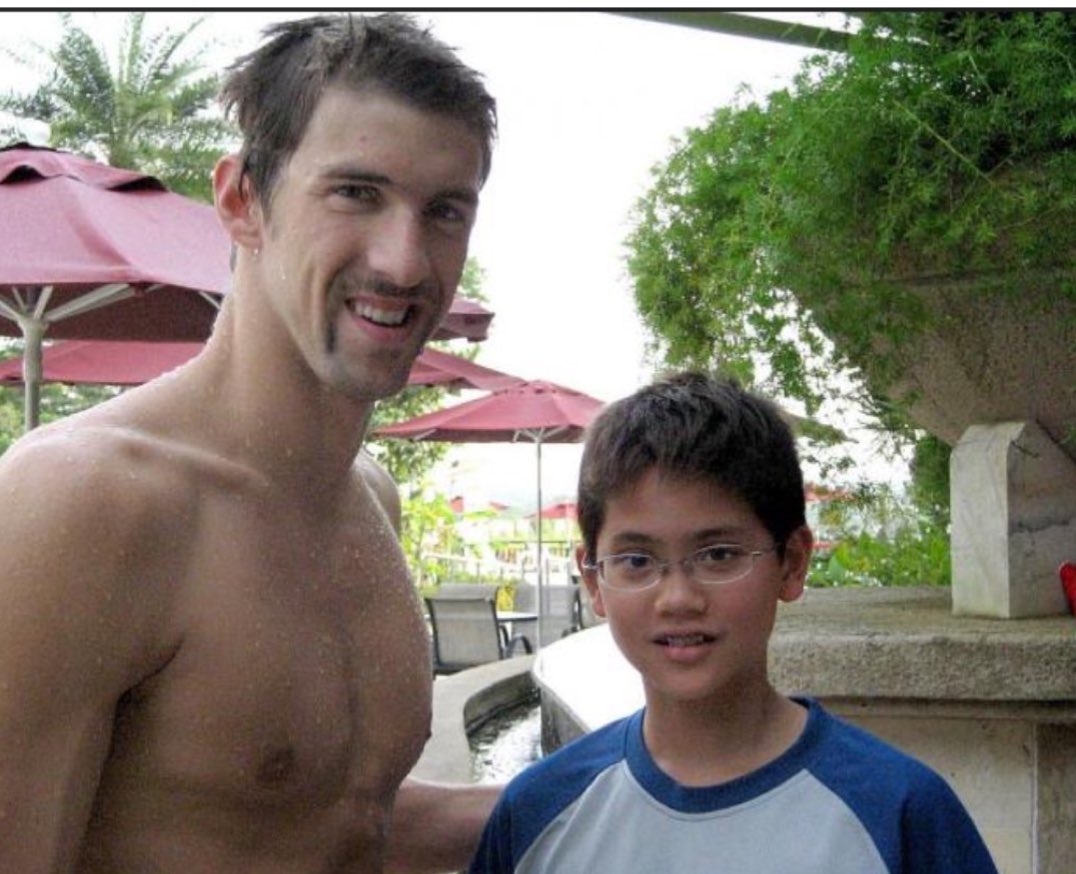
The 21-year-old who beat Michael Phelps first met him as a kid in 2008….!!!

joseph schooling

Joseph Schooling

Michael Phelps might still be snagging gold medals, but a lot has changed since 2008.

Michael Phelps’ only silver medal of the Rio Olympics came at the hands of 21-year-old Singaporean swimmer Joseph Schooling. Schooling beat Phelps in the 100-meter butterfly, claiming his and Singapore’s first gold medal in Olympic history.

During the victory lap after the race, Schooling turned to Phelps and said, “Dude this is crazy, out of this world, I don’t know how to feel right now,” according to The Guardian. Phelps smiled and simply replied, “I know.”

For Schooling, beating Phelps also meant beating his swimming idol. Phelps and Schooling met for the first time in 2008. Here is a picture that has been circulating on social media that puts that meeting into perspective:

Cps6iiuWAAAKEW5

“They came to the country club that I trained at,” Schooling told The Guardian. “Everyone just rushed up and was like “it’s Michael Phelps! It’s Michael Phelps!’ and I really wanted a picture … It was very early in the morning and I was so shell shocked, I couldn’t really open my mouth.”

Now it’s Phelps’ turn to be shell shocked, as Schooling put him in a position he’s not used to: second.

And the gold medal isn’t the only thing Schooling will take away from these Olympics. He also just became a millionaire. Singapore tops the rest of the world in prize money for winning a gold medal. According to Fox Sports Australia, athletes who win Olympic gold medals get paid 1 million Singapore dollars for their achievements (roughly $983,000 American).

Source…..www.businessinsider.com.in

Natarajan

“Did You Know, Dr APJ Abdul Kalam’s Best Friend Was 110 Years Old…? “


Meeting Arjuna, Dr APJ Abdul Kalam’s 110-year-old best friend who was a permanent fixture at the former President’s residence, 10 Rajaji Marg, in a book excerpt.
July 27, 2016 marked the first death anniversary of the nation’s best loved president, a teacher par excellence and a human being worthy of being called one of the most humble people in the current times: Dr APJ Abdul Kalam.

Srijan Pal Singh, a close associate of Dr Kalam as well as his student, has chosen to pay tribute to the People’s President through the book ‘What Can I Give: Life Lessons from my Teacher APJ Abdul Kalam.’ The book reveals to readers rare, personal and unheard of anecdotes as well as unseen pictures from Dr Kalam’s life. It also offers one a peek into his daily routine, travels and reflections on various issues.

Below is an excerpt from the book

The people who visited 10, Rajaji Marg to meet Dr Kalam were inevitably asked one question: ‘Have you met my friend Arjuna? Let me introduce you to him. He is a wonderful fellow.’

Then he would escort the guest to the front garden, where Arjuna stood—tall and majestic like the warrior he had been named after, the long years proudly etched on his body.

Dr Kalam would then say, ‘This fellow is very old. Hundred and-ten years old. He must have seen so much, imagine− Gandhiji, Nehru, the freedom wars and India’s rising story. He holds an entire section of history his heart. He is my best friend.’

Arjuna would wave back at Dr Kalam gently, its large branches swaying gracefully. The people who have seen it have always been tempted to take a selfie with it. Arjuna was almost three decades older than Dr Kalam. He was the most special occupant of 10, Rajaji Marg, loved and respected by the owner of the house.

Dr Kalam would walk up to him every day and they would exchange their thoughts silently. No one knew what they communicated, in what language, but we all knew that they made each other wiser. Dr Kalam would often thank Arjuna for taking care of 10, Rajaji Marg through the ages and for helping so many flowers and plants grow under his care. Arjuna was also the official bee-keeper of the house.

One day in 2012, while Dr Kalam and I were in the garden, I asked him, ‘What is so special about Arjuna? Why do you admire him so much?’ He looked at me, puzzled.

Then he said, ‘Because Arjuna lives to give and anyone who lives to give needs to be venerated. Arjuna’s mission in life has been “What can I give, what can I give, what can I give?” That is why he is standing so proudly and happily at such an age.’

I could feel Arjuna, the 110 year-old Terminalia tree, smile behind us.

The conversation did not stop there. Dr Kalam gave me a task one day. ‘Can you determine how many lives Arjuna supports?’ he asked. I was puzzled. It was an unexpected challenge. ‘Go ahead, find out,’ he said.

So I walked up to the giant tree and counted the thick rings of runners around the trunk. Runners are smaller plants that cannot support themselves and so spread themselves around the trunks of large and stronger trees like Arjuna.
One, two, three . . . eleven. Bingo. Eleven rings. I came back with my answer. ‘Sir, it supports eleven rings and of course, it gives out oxygen.’

‘Oh. You missed the nests. Look again.’

So I went back to Arjuna. This task was difficult because the tree was heavy with foliage, which carefully shielded its inner branches. I managed to count about twelve nests. I went back. ‘Sir, it supports eleven rings, twelve nests, and gives oxygen.’

‘You missed something again. Come with me.’

This time he walked back towards Arjuna with me. Pointing down at the base of the trunk, he said, ‘You missed this. Didn’t you?’ There it was. Hidden in the dense bushes, growing around the base of the trunk was a peacock’s nest, and a beautiful peahen was laying her eggs in there.

‘Yes, I missed it.’

You know why? Because we often look for solutions that are above us and that makes the solutions look more magnificent. Our mind points us that way. Thus we ignore the inspiration that comes from below, from the ground level. You missed, the largest nest, with the prettiest birds in it, because it was lying on the ground—at the base, around the roots. Diamonds are found in the depths of the earth, and not at the height of the sky.’

A few weeks later, the nest became alive with the chirping of five little chicks. Dr Kalam asked me if I knew what a baby peacock was called. And before I could Google it, he gave them a name—‘Pea-children’.

The pea-children became a part of the 10, Rajaji Marg family. Dr Kalam would regularly ensure that they were fed in the courtyard, which was near the dining room. While we had lunch at the table, he would get birdfeed laid out at the courtyard for the pea-children. And the pea-children would flock to it hungrily.

‘We have more guests for lunch. Now they will always come here for their lunch happily, even when we are not there. You just keep watching; they will come, and come just on time, regardless of anything,’ he would say.
Of course, soon the pea-children were joined by many other birds—pigeons, parrots and crows. This established a tradition which continued for years to come. Even when Dr Kalam went out of town, those birds were served their food. He would remind his staff to feed them whenever he was gone for a long time. And he made it a point to check on them whenever he returned from his trip.

When I returned to 10, Rajaji Marg after Dr Kalam’s death, the fact that he would never again eat in that dining room across the courtyard sunk in. But the birds are still fed, like they used to be in his time. The birds will always be fed, in his honour.

www. the betterindia.com

Natarajan

The end of an era: Iconic Indian brands and establishments which shut shop…


Till recently, one of the most delightful moments on a train journey through the western suburbs of Mumbai, was passing through Vile Parle station and inhaling the delicious baking smells that used to waft in to the train. The aroma was that of the Parle G biscuits being baked at the Parle factory, located near the station. But, with the closure of the iconic 87 year old factory, came an end to a fragrant era. While, Parle G will continue manufacturing its much loved biscuits from its other factories across the country, the Parle factory at Vile Parle would be deeply missed.

Over the recent years, a number of iconic Indian establishments and brands have shut shop or stopped production across the country, due to legal issues, falling sales, competition, or not being able to stand up to the times. While modern businesses constantly fold up, and not much thought is given to them, these are icons that have served the country for decades, and have left behind nostalgic memories. We pay tribute to some of them:

HMT watches: Much before Titan, Swatch, Omega, Casio, and the rest of the popular watch brands told time, HMT adorned our wrists and dominated the watch market. The watch maker set up its first factory in Bangalore in 1961, in collaboration with Japan’s Citizen Watch Co, and the first batch of the Hand Wound Wrist Watches manufactured by HMT, was released by the then PM Jawaharlal Nehru. The watches continued to be an integral part of the average Indian attire in the 60’s, 70’s and 80’s until competition and technological changes led to the watch maker facing growing losses. HMT Watches finally chimed its last in May, this year as it shut down its last manufacturing unit in Tumakuru.

Gold Spot: When foreign brands such as Coca Cola and PepsiCo exited the Indian market in the late 1970s, because the Foreign Exchange Regulation Act (FERA) was making it difficult for them to continue in the country, Parle decided to launch its own line of soft drinks. Gold Spot, with the tag line ‘The Zing Thing’, was one of them. The drink, along with Limca and Thumbs Up, gained popularity in the country, and was much sought after by youngsters, and the older generation alike. With the re-entry of Coca Cola in the 1990’s, came the slow decline of the soft drinks. Parle sold its soft drinks to Coca-Cola in 1993, and, while the other two ( Limca and Thumbs Up) still remain in the market, the much loved Gold Spot was withdrawn to make space for Fanta.

Rhythm House: With the shutting of Mumbai’s Rhythm House came the end of a golden era for music lovers and city dwellers. The shop, which was established in 1948, offered its patrons a wide collection of Indian and western music, across all genres – filmy, non-filmy, classical and modern. Customers and passersby would walk in to browse through the albums of their favourite artists. And, if they could not find what they were looking for, it would be ordered for them. But, with the advent of technology, MP3s, downloadable music and Apple’s Music Store, the music shop started to feel the heat. After facing much losses and trying to stay afloat, it finally downed its shutters in March, 2016.

Ghantewala Sweets: A sweet shop that dated back to 1790, The Ghantewala Halwai had among its distinguished clientele emperors, Prime Ministers and Presidents, along with the common man. Set up by Lala Sukh Lal Jain, a small time sweet maker from Rajasthan, Ghantewala Sweets, in Delhi’s Chandni Chowk, the sweet shop earned its name from when Jain started off by selling the sweets on a brass plate, balanced on his head, ringing a brass bell. As his business grew, Jain built a shop, which continued growing in fame. Known for its Sohan Halwa, the shop has even played a role in BR Chopra’s 1954 film, Chandi Chowk, where a replica was created in Mumbai. However, legal and licensing problems, as well as the changing customer tastes, led to the closure of the sweet shop in July, last year.

Vijayanand Talkies: The historic cinema house where the Father of Indian cinema, Dadasaheb Phalke used to screen his motion pictures using a projector, finally downed its curtains in November, 2015. Vijayananad Talkies, located in Nashik, was one of the few remaining single screen cinemas of its generation, and had been conferred the ‘Oldest Exhibitor in India’ Award by the President in 2013 for being one of the longest operating cinema hall in the country. The historical Talkies had to shut shop due to non-renewal of its license by the government.

Ambassador cars: Once the car that India drove – from the politicians in their ostentatious white, beaconed cars, to the taxi drivers in their kaali peeli ones, the Ambassador was known for its sturdy body and powerful engine. The original made in India car was modeled on the Morris Oxford series III, and was in production from 1958. The once ubiquitous Ambassador had even been crowned the best taxi in the world by BBC’s Top Gear programme. The car zoomed in popularity through the 60’s and 70’s, until the Maruti Suzuki 800 brought its low cost car into the country. The opening up of the automobile sector and the entry of numerous other auto brands into the country led to its demise, with Hindustan Motors halting production in 2014.

AA Husain & Co: The go-to place for book lovers in Hyderabad, AA Husain & Co, which was started more than 65 years ago, shut shop in March, 2015. The much-loved book store, which saw the likes of painter MF Hussain, actors Dilip Kumar and Suresh Oberoi, and cricketer Sunil Gavaskar as its patrons, was closed down to make way for a mall which is being built on the Arasu Trust Complex, a Waqf property that housed the shop. The bookstore was started by Abid Asgar Husain, a surgeon of the 6th Nizam, in the mid-1940s, as a store for imported products. It was converted into a bookstore in 1949 by Asif Husain Arastu, his son.

Cafe Samovar: It was with tears that many of its loyal patrons bid the legendary cafe goodbye in March, last year. Surrounded by history and culture, the five-decade-old Cafe Samovar, situated in the Jehangir Art Gallery, with landmarks such as Chhatrapati Shivaji Museum, the Kala Ghoda square, David Sassoon Library and Lion Gate, within walking distance, was a popular haunt among city’s intellectuals, students and general public. Opened by Usha Khanna, the niece of noted Indian actor Balraj Sahni, the Cafe was especially known for its pudina chai and pakoda platter, and any food that came cold or was spilled, would be replaced free of cost. The Cafe had to down its shutters since the Jehangir Art Gallery has been looking to expand its space.

Source….www.in.news.yahoo.com

Natarajan

Two tales of struggle and answering the call of the Olympic dream…


Indian Judoka, Avtar Singh’s parents take maiden flight to cheer son, who will go up against Pople Misenga from the Olympic Refugee Team.  Read on about the intense and interesting story of both Judokas

They once cashed their fixed deposits to realise Avtar Singh’s Olympic dream and the Indian judoka’s parents are now in Rio de Janeiro to support him when he begins his Rio 2016 Olympic campaign at the Carioca Arena 2 in Barra da Tijuca on Wednesday.

A Class-4 employee in the health department, Avtar’s dad Shingara Singh encashed a fixed deposit of Rs 4 lakh saved over 21 years to book Avtar’s tickets to the Samsun Grand Prix in Turkey in April.

Avtar became the first Indian judoka to qualify for the Olympics since the 2004 Athens Games after the International Judo Federation confirmed his entry in the men’s 90kg category as one of the two Asian judokas under the continental quota.

Four months later, thanks to sponsors, Shingara and wife Sukhvinder Kaur, who hail from Gurdaspur, Punjab, boarded their maiden International flight spanning more than 20 hours.

“It’s a dream come true. To have my parents watch me from the hall would be the best thing I wanted. I will give my best and make my parents, country proud,” Avtar told PTI ahead of his bout against Pople Misenga.

Misenga, originally from the Democratic Republic of Congo, one of the worst areas affected by the civil war from 1998-2003, has made Brazil his home and represents the debutant Refugee Olympic Team.

Misenga is ranked way below the 71-ranked Indian, but the latter’s coach sees a tough bout for the assistant sub-inspector of Punjab Police.

“After moving to Brazil, Misenga has been training in Brazil with Olympic medallist judokas for more than three years. So it will be a tough challenge but Avtar is ready,” coach Yashpal Solanki said at the GamesVillage.

“We will give our best, no excuse,” Yashpal said, adding that Avtar was really moved by the pep-talk given by goodwill ambassador Sachin Tendulkar on Sunday.

“He is a motivation for others. He told him to give your best don’t think about medals. Everybody talks about medals but Sachin did not, which was exceptional,” he said showing their photo with the Indian cricket icon.

Misenga has already become a much talked about judoka after overcoming the odds in Congo.     “I wondered sometimes how to live when so many people were dying. Even in Kinshasa, the military of our country comes to do only one thing — kill. I have seen too much war, too much death. I do not want to get into that. I want to stay clean so I can do my sport.”

The 24-year-old lost his parents as a child and managed to board a truck to Kinshasa and that’s where he learnt judo and became champion in Dakar and other places in Africa.

“I tried to get away and now I have a chance to be a part of the Rio games and I am very happy, I’m going to fight for a medal.”

On what Brazil means to him, he said, “I am living in Brazil. Brazil is my home. I have children here, a son and daughter. The people here in Brazil helped me. The people introduced me to a place for training judo because I had stopped.

“I didn’t know where there was a gym for judo. Then I found the institute. I was happy. I learnt Portuguese. They gave me a chance to reach an Olympic Games and I am ready. I will demonstrate what I learnt there and that moment is coming.”

Source…..www.rediff.com

Natarajan

படித்து ரசித்தது …” வெங்காயத்தின் குரல் ” !!!


கதைகள் நம்மை யோசிக்க வைக் கின்றன. சில கதைகளைக் கேட்டோ, வாசித்தோ முடிக்கும் போது இப்படியும் சிந்திக்க முடியுமா? கற்பனை செய்ய முடியுமா என வியப்பாக இருக்கிறது.

பெரியவர்கள் சொல்லும் கதைகள் ஒருவிதம் என்றால், சிறுவர்கள் சொல்லும் கதைகள் வேறுவிதம். நாம் குழந்தைகளுக்கு கதை சொல்வது போலவே, குழந்தைகளிடம் கதை கேட்க வும் வேண்டும். முடிந்தால் மகனோ, மகளோ, பேரன், பேத்தியோ சொன்ன கதைகளை சிறுநூலாக அச்சிட்டு, அவர்களின் பிறந்தநாள் பரிசாக தரலாம். பள்ளிக்கூடமே தனது மாணவர்கள் சொன்னக் கதைகளை அச்சிட்டு, சிறு வெளியீடாக கொண்டுவரலாம்.

சிறுவர்களிடம் ‘எதைப் பற்றி கதை கேட்கப் பிடிக்கும்?’ என்று கேட்டால், உடனே அவர்கள் ‘சிங்கம், யானை, குரங்கு’ ஆகிய மூன்றைத்தான் விரும் பித் தேர்வு செய்கிறார்கள்.

‘சிங்கம்’ பற்றி ஆயிரமாயிரம் கதைகள் சொல்லப்பட்டுள்ளன. எழுதப் பட்டுள்ளன. ஆனாலும், சிங்கத்தின் வசீகரம் குறையவே இல்லை.

நான் கூட சிறார்கள் செய்தித்தாள் படிக்க வேண்டியதன் அவசியத்தை எடுத்துச் சொல்லும் விதமாக, நியூஸ் பேப்பர் படிக்கிற சிங்கம் பற்றி ‘படிக்கத் தெரிந்த சிங்கம்’ என்ற சிறார் நாவலை எழுதியிருக்கிறேன். இதனை ‘டிஸ்கவரி புக் பேலஸ்’ வெளியிட்டுள்ளது.

சமீபத்தில் சஞ்சீவ் சன்யால் எழுதிய ‘ஏழு நதிகளின் நாடு’ என்ற புத்தகத்தைப் படித்தேன். அதில் அவர் ‘சிங்கம் எப்படி இந்தியாவில் இவ்வளவு முக்கியத்துவம் அடைந்தது?’, ‘மவுரியர்கள் ஏன் சிங் கத்தைச் சிற்பமாக செதுக்குவதில் இவ்வளவு ஆர்வம் காட்டினார்கள்?’, ‘சிந்து சமவெளி நாகரீகத்தில் சிங்கம் இருந்ததா, இல்லையா?’ என பல செய்திகளைச் சுவாரஸ்யமாக எழுதி யிருக்கிறார். தமிழகத்தில் சிங்கம் இருந் ததா? சங்க இலக்கியத்தில் சிங்கம் இடம்பெற்றிருக்கிறதா என்பது பற்றி ஆய்வாளர்கள்தான் சொல்ல வேண்டும்.

துருக்கி நாட்டுப்புறக் கதை ஒன்று ‘வெங்காயம் ஏன் சிறியதாக இருக் கிறது?’, ‘தர்பூசணி ஏன் பருமனாக இருக் கிறது?’ என்பதற்கு பதில் சொல்கிறது. ‘இதற்கெல்லாம் கூட கதைகள் இருக்குமா?’ என யோசிக்க வைக்கிறது இக்கதை.

முன்னொரு காலத்தில் வெங் காயம்தான் மிகப் பருமனாக இருந்தது. சோம்பேறியாகவும் தூங்குமூஞ்சியாக வும் இருந்த வெங்காயத்துக்கு, வம்பு பேசுவதைத் தவிர எதிலும் விருப்பம் இல்லை. இதற்கு மாறாக, தர்பூசணி சிறியதாக எலுமிச்சை அளவில் இருந்தது. நாள் முழுவதும் சுறுசுறுப்பாகத் தாவிக் குதித்துக் கொண்டு உற்சாகமாக பேசிக் கொண்டிருந்தது. இந்த இரண்டும் ஒரே தோட்டத்தில் இருந்தன.

அங்கே ஒரு வாழை மரம் இருந்தது. அந்த மரத்தை வெங்காயத்துக்குப் பிடிக்கவே பிடிக்காது. வாழையும் அதன் பிள்ளைகளும் இருக்கிற தண்ணீரைக் குடித்துவிடுகிறார்கள் என்று ஆத்திரமே, அதற்கான காரணம். எப்போதும் வாழை மரத்தைக் குற்றம் சொல்லிக் கொண்டே இருந்தது வெங்காயம். இதற்கு மாற்றாக தர்பூசணிப் பழம் வாழை மரத்தை பாராட்டிக்கொண்டே இருந்தது.

ஒரு நாள் வாழை மரம் வெங்காயத் திடம் கேட்டது: “நீ ஏன் இப்படி உடம்பை வளர்த்துக் கொண்டு வீணாக இருக்கிறாய்? உன்னால் யாருக்கு என்ன பிரயோஜனம்?”

அதைக்கேட்ட வெங்காயம் சொன்னது: “நீ மற்றவர்களுக்குப் பிரயோ ஜனமாக இருக்கிறாய். அதற்காக உன்னை வெட்டாமல் விடுகிறார்களா? மனிதர்கள் உன் காய்களைப் பறித்துக் கொள்கிறார்கள். இலையை அறுத்துக் கொண்டுப் போகிறார்கள். பழங்களைத் தின்கிறார்கள். முடிவில் ஒருநாள் உன்னையே வெட்டிவிடுகிறார்கள். நல்லது செய்தால் ஒரு பயனும் இல்லை என்பதை உன்னிடம் இருந்தே கற்றுக் கொண்டேன்.”

அதைக் கேட்ட வாழைமரம் சொன்னது: “அப்படிச் சொல்லாதே. இருப்பதை எல்லாம் அள்ளிக் கொடுப் பது சந்தோஷமானது. அதை அனுபவித் துப் பார் தெரியும்!”

“பொய். நீ ஒரு முட்டாள். ஏமாளி. வெட்ட வருபவனை உன்னால் எதிர்க் கவோ, தடுக்கவோ முடியாது. தைரிய மற்ற கோழை!” என்றது வெங்காயம்.

“அதெல்லாமில்லை. தைரியம் என்பது சண்டைபோடுவது இல்லை. வேதனையைத் தாங்கி நிற்பதே உண்மையான தைரியம்” என்று வாழை மரம் மறுபடியும் சொல்ல, அதைக் கேட்ட தர்பூசணி சொன்னது:

“வாழை மரம் சொல்வது உண்மை தான். தன்னைக் கஷ்டப்படுத்து கிறார்களே என்று வாழை ஒருபோதும் மனிதர்களுக்கு கசப்பான பழத்தைத் தருவதில்லை. சொல்லாலும் செய லாலும் அடுத்தவரை இம்சிக்காமல் வாழ்வது சிரமம். இந்த வாழை மரம் துறவியைப் போல வாழ்கிறது’’ என்றது

இதை கேட்ட வெங்காயம் எரிச்சலான குரலில் சொன்னது: “இதெல்லாம் வெறும் நடிப்பு. சுயநலம். நான் நம்ப மாட்டேன்!”

அவர்கள் பேசிக் கொண்டிருக்கும் போது, அங்கே தோட்டக்காரன் வேலைக்கு வந்தான். அவனிடம் சென்று வெங்காயம் கண்ணீர் சிந்தியபடியே சொன்னது: “இந்த வாழை மரம் சுத்த மோசம். அதுவே எல்லாத் தண்ணீரையும் குடித்துவிடுகிறது. முதலில் இங்கிருந்து அதை வெட்டி எறி”என்றது.

இதைக் கேட்ட தர்பூசணி: “அய்யோ! வெட்ட வேண்டாம்” என்றது.

தோட்டக்காரன் வெங்காயத்தின் பேச்சைக் கேட்டு, வாழைமரத்தை வெட் டிப்போட்டான். துண்டாகி விழுந்த வாழைமரம் வெங்காயத்தைப் பார்த்து சாபமிட்டது: “வாழ்க்கையின் அர்த் தத்தை நீ உணரவில்லை. அதனால் மெலிந்து சுருங்கிப் போவாய். உண்ணும் பொருளாகி, நீயும் என்னைப் போல துண்டு துண்டாக்கப்படுவாய். உன்னால் கண்ணீர் வடிப்பவர்கள் தினமும் உன்னைத் திட்டுவார்கள்!”

வாழை மரத்தின் நிலையைக் கண்டு தர்பூசணி வருந்தியது. அதைக் கண்ட வாழை மரம் சொன்னது: “மனதில் நல்லதை நினைத்து, நல்லதைப் பாராட்டும் தர்பூசணியே… நீ உடல் பெருத்து, எப்போதும் கருணை ஈரத்துடன் மகிழ்ச்சியாக வாழ்வாய்!”

அன்று முதலே வெங்காயம் சுருங்கி சிறியதாகிவிட்டது. தர்பூசணி பருமனாகி பலராலும் விரும்பப்படுகிறதாம்.

உடற்பருமன் என்பது கேலிக்குரிய விஷயமில்லை. ஒருபோதும் எவரையும் அவரது உடலமைப்பை வைத்து கேலி செய்யவோ, அவமதிக்கவோ கூடாது. உலகப் புகழ்பெற்ற ஓவியரான ஹென்றி டாலெஸ் லாட்ரெக் நாலரை அடி உயரமுள்ளவர். ஆனால், அதை ஒரு குறையாக ஒருபோதும் அவர் கருதவேயில்லை.

உணவுப் பொருட்கள் உண்டான விதம் பற்றியும் தாவரங்கள் உருவான விதம் பற்றியும் நிறைய வாய்மொழிக் கதைகள் உள்ளன. ‘பிரம்மாஸ் ஹேர்’ (Brahma’s Hair) என்ற மேனகா காந்தி தொகுத்த நூலில் இதுபோன்ற சிறந்த கதைகள் உள்ளன.

உலகில் அதிகம் உண்ணப்படும் பொருட்களில் ஆறாவது இடத்தில் வெங்காயம் உள்ளது. எகிப்தில் கி.மு-3500-ல் வெங்காயம் பயிரிட்டிருக் கிறார்கள். அங்கே வெங்காயம் புனிதப் பொருளாகக் கருதப்பட்டது. எகிப்திய மன்னர்களைப் புதைக்கும்போது வெங்காயத்தையும் சேர்த்து வைத்து புதைத்திருக்கிறார்கள். மரணச் சடங்கு களில் வெங்காயம் முக்கிய பொருளாக இடம்பெற்றுள்ளது.

எகிப்திய மதகுருக்கள் வெங்காயத் தில் மந்திரத் தன்மை இருப்பதாகவும், இதன் மூலம் இறந்தவர்களை உயிர்ப் பிக்க முடியும் என நம்பினார்கள். கிரேக்க ஒலிம்பிக் போட்டிகளில் கலந்து கொள்ளும் வீரர்கள் உடல் உறுதிக் காக வெங்காயத்தை நிறையச் சாப் பிட்டுள்ளார்கள். அத்தோடு நோய்த் தொற்றைத் தடுக்க உடலில் வெங்காயச் சாற்றை தேய்த்துக் கொள்வார்களாம்.

வாழ்க்கைப் பாடங்களை எளிமை யாகக் கற்றுத் தருவதற்கு கதைகள் அதிகம் உதவி செய்கின்றன. கதை வழியாகத்தான் வெங்காயமும் தர்பூசணி யும் பேசிக்கொள்கின்றன. இக்கதையை ஒரு சிறுவனிடம் சொன்னபோது அவன் உடனே, “வெங்காயத்தின் குரல் எப்படியிருக்கும்?” என்று கேட்டான்.

“நீயே சொல்லு!” என்றேன். அவன் உடனே கீச்சுக் குரலில் பேசத் தொடங்கினான். வெங்காயத்தின் குரல் இப்படிதான் இருக்கும் என சிறுவன் கற்பனை செய்யத் தொடங்கும் போது, அவனுக்குள் இருந்து படைப்பாற்றல் முளைவிடத் தொடங்குகிறது. இதற் காகத்தான் கதைகள் கேட்கவும் சொல்லவும் வேண்டியிருக்கிறது.

இணையவாசல்: கதை சொல்லிகளுக்கு உதவும் இணையதளம்

– கதை பேசும்… | எண்ணங்களைப் பகிர்ந்துகொள்ள: writerramki@gmail.com

Source…..S.Ramakrishnan in http://www.tamil.thehindu.com
Natarajan

வாரம் ஒரு கவிதை …” வயல் வெளிகளில் ” !


”  வயல்  வெளிகளில் “
……………………..
வயல் வெளியில் முத்து முத்தாக அவன் சிந்தும் வியர்வை
நெல் மணியாக மலரும் நாள்  உழவன் அவனுக்கு  திருநாள் !
ஒரு நாள் திருநாளுக்கு   அவன் படும் பாடு வெளியில்
தெரிவது எத்தனை பேருக்கு ?
உழைப்புக்கு ஏற்ற ஊதியம்   கேட்டு உள்ளிருப்பு
போராட்டம் ,அலுவலக புல்வெளியில் அமர்ந்து !
விண்ணைத்  தொடும் விலைவாசிக்கு இணையாக ஊதியப்
படி கேட்டு “கேட்” மீட்டிங் மற்றும் சாலை வழி மறியல் ! ஆனால்
சேற்றில் கால் வைத்து நாற்று நாடும் உழவனின்
உழைப்பின்  மதிப்பு ….அவனுக்கே தெரியாத  ஒரு கணக்கு !
மண்ணையும் ,தன்னையும்  நம்பும்  விவசாயிக்கு மட்டும்
ஏன் தனி  கணக்கு  அவன் நமக்கு அளிக்கும் நெல் மணிக்கு ?
இரவும் பகலும் உழைக்கும் அவனுக்கும்  வேண்டாமா  அவன்
உழைப்புக்கு சரியான ஒரு ஊதியம் ?  யோசிக்க வேண்டும்
நாம் … வயல் வெளி விவசாயம் அவன் மறந்தால் ,  யாசிக்க
வேண்டும் நாம் நம் உணவை வேறு நாட்டிடம் !
விண்வெளியில் சோதனை பல செய்து சாதனை படைக்கும்
  நாம் ,நம் வயல் வெளியிலும்  சாதித்து காட்ட வேண்டாமா ?
விண்ணைத் தொட்டு  மாற்று கோளிலும் கால் வைக்க
முந்தும்  நாம் நம் மண்ணை பொன்னாக்கும் நுண்ணியல்
விஞ்ஞான அறிவியலை நம்  வயல் வெளியெங்கும்
விதைத்து வளர்க்க முடியாதா என்ன ?
காட்டுவோம் ஒரு நல்ல வழி  நம் வயல் வெளிக்கும் ! செய்து
காட்டுவோம் ஒரு பசுமை தொழில் புரட்சி !  உழவும்  ஒரு  தொழில்
ஆகி நம் உழவனும் பல உழவுத்  தொழிலாளிகளை உருவாக்கட்டும் !
Natarajan
My Kavithai appeared  in http://www.dinamani.com on 8th august 2016