படித்து நெகிழ்ந்தது …”திருவள்ளுவரின் நாலு அடி பாடல் …” !!!


இப்படியும் ஒரு மனைவி இருந்திருக்கிறாளா..?
பல நூறு ஆண்டுகளுக்கு முன்…ஒரு புலவரின் மனைவி… இறக்கும் தருவாயில் தன் கணவனை அருகே அழைத்தாளாம் …
என்னவென்று கேட்டு , கலங்கிய கண்களோடு கணவன் அவள் பக்கத்தில் வர…மனைவி தயக்கத்துடன் இப்படிக் கேட்டாளாம் …
“என் உயிர் எப்போதோ என்னை விட்டுப் பிரிந்திருக்க வேண்டும்..ஆனால்..ஒரே ஒரு கேள்வி ..என் நெஞ்சுக் குழியில் நின்று கொண்டு , என் உயிர் இந்த உடலை விட்டுப் பிரியாமல் தடுத்துக் கொண்டிருக்கிறது.. அந்தக் கேள்வியை இதுவரை உங்களிடம் நான் கேட்டதில்லை…இப்போதாவது கேட்கலாமா..?”
புலவனான அந்தக் கணவன் , புரியாமல் அந்தப் புனிதவதியைப் பார்க்க…அந்த மனைவி கேட்டாளாம் இப்படி:
“இதுவரை உங்களிடம் நான் கேட்காத அந்தக் கேள்விக்கு , இப்போதாவது பதில் எனக்குத் தெரிந்து விட்டால்…நிம்மதியாக கண்களை மூடுவேன்.. அந்த நிம்மதியான மரணத்தை எனக்குத் தருவீர்களா.?”
கணவன் மௌனமாக தலையசைத்து சம்மதம் தெரிவிக்க …மனைவி தன் நெடுநாள் சந்தேகத்தை கேட்டு விட்டாளாம்..
“ஒவ்வொரு நாளும் நீங்கள் உணவு அருந்தும்போது ஒரு கொட்டாங்குச்சியில் தண்ணீரும், ஒரு ஊசியும் கொண்டு வரச் சொல்லி , அதைப் பக்கத்தில் வைத்துக் கொண்டுதான் சாப்பிடுவீர்கள்…அப்படித்தானே..?”
கணவன் இதற்கும் மௌனமாக தலையசைக்க , மனைவி கேட்டாளாம் ..”இதுவரை அதற்கான காரணத்தை ஒருபோதும் நான் உங்களிடம் கேட்டதில்லை… காரணம்..கணவன் சொன்னதற்கு மறுபேச்சு பேசி , நான் அறிந்ததில்லை… இப்போது என் வாழ்வின் இறுதி மூச்சில் இருக்கிறேன்…இப்போதாவது சொல்லுங்கள்.. அந்த கொட்டங்கச்சியும் , தண்ணீரும் எதற்காக..?”
இதைக் கேட்டுவிட்டு , இதற்கான பதிலை எதிர்பார்த்து அந்த மனைவி , புலவனான கணவன் முகத்தைப் புரியாமல் பார்த்திருக்க , அந்தக் கணவன் சொன்னாராம்.. “ அது வேறொன்றும் இல்லை… பரிமாறும்போது தவறுதலாக சோற்றுப்பருக்கை கீழே சிந்தி விட்டால் , அதை அந்த ஊசியில் குத்தி , கொட்டாங்குச்சியில் உள்ள தண்ணீரில் கழுவி மீண்டும் சோற்றில் கலந்து உண்ணத்தான் அந்தக் கொட்டங்கச்சி நீரும்..ஊசியும்..”
கணவன் பதில் சொல்லியும் மனைவியின் குழப்பம் தீரவில்லை…அவள் கேட்டாள் .. “ஆனால் ஒருபோதும் நீங்கள் அந்த ஊசியையும் , கொட்டாங்கச்சியையும் பயன்படுத்தி நான் பார்த்ததே இல்லையே..?”
மனைவி இப்படிக் கேட்டதும்…குரல் உடைந்து போன கணவன்…குமுறும் அழுகையை அடக்கிக் கொண்டு சொன்னாராம்… “ உண்மைதான்…ஒரு நாளும் நான் அதைப் பயன்படுத்தவில்லை..!
ஏனென்றால் ஒரு நாளும் நீ எனக்குப் பரிமாறும்போது , ஒரு சோற்றுப் பருக்கையைக் கூட சிந்தவே இல்லையே….!”
கணவன் பதில் அறிந்த மனைவி.. புன்னகை செய்தாளாம்…. அவ்வளவுதான்…! போய் விட்டாளாம்..!!
நெகிழ்ச்சியோடு நெடு நேரம் நின்ற கணவன் ..அந்தப் புலவன்…கண்ணீரோடு தன் அன்பு மனைவிக்காக உடனே ஒரு கவிதை எழுதினானாம் …
இதுநாள் வரை தன் வாழ்நாளில் அவன் எழுதியதெல்லாம் …இரண்டு வரிப் பாடல்கள்…அதில் ஏழே ஏழு வார்த்தைகள்..! அவ்வளவுதான்…அதுதான் அந்தப் புலவன் தன் பாட்டுக்கு ஏற்படுத்திக் கொண்ட பார்முலா..விதி..!
இப்போது…. தனது செய்யுள் விதியை…தானே தளர்த்திக் கொண்ட அந்தப் புலவன்… தன் வாழ்வில் முதன் முதலாக , நாலு வரிப் பாட்டு ஒன்றை எழுதினானாம்…அந்த நாலு வரிப் பாடல்:
“அடியிற்கினியாளே அன்புடையாளே
படிசொல் தவறாத பாவாய்- அடிவருடி
பின்தூங்கி முன்னெழும்பும் பேதாய்-
இனிதா(அ)ய் என் தூங்கும் என்கண் இரவு”
# ஆம்… இந்த நாலு வரிப் பாடலை எழுதிய அந்தப் புலவர் ..திருவள்ளுவர்….!
கணவன் சொல் தட்டாத அந்த கள்ளமற்ற அன்பு மனைவி ..வாசுகி…!
அந்தப் பாடலின் பொருள் :
“அடியவனுக்கு இனியவளே! அன்புடையவளே! என் சொல்படி நடக்கத் தவறாத பெண்ணே! என் பாதங்களை வருடி தூங்கச் செய்தவளே! பின் தூங்கி முன் எழுபவளே! பேதையே! என் கண்கள் இனி எப்படித்தான் இரவில் தூங்கப் போகிறதோ!”
# இன்னொரு வள்ளுவன் எதிர்காலத்தில் பிறக்கலாம்…!


ஆனால்..இன்னொரு வாசுகி….?

Source…..Facebook post of Sridharan Sivaraman

Natarajan

படித்ததில் பிடித்தது …” கோயில் இல்லா ஊரில் குடி இருக்க வேண்டாம் …”


முற்காலத்தில் ஊரில் கோயில் கோபுரத்தை விட உயரமாக எந்தக் கட்டிடமும் இருக்கக் கூடாது என்று ஒரு எழுதாத சட்டம் இருந்தது. என்ன காரணம்?!
கோயில்களையும் உயரமான கோபுரங்களையும் அதன் மேல் இருக்கும் கலசங்களையும் பார்த்திருப்பீர்கள். அதன் பின் ஒளிந்திருக்கும் ஆன்மிக உண்மை தெரியவில்லை. ஆனால் அதன் பின் எவ்வளவு பெரிய அறிவியல் ஒளிந்திருக்கிறது என இப்போதுதான் தெரிகிறது.
கோபுரத்தின் உச்சியில் தங்கம், வெள்ளி செம்பு(அ) ஐம்பொன்னால் செய்யப்பட்ட கலசங்கள் இருக்கும். இக்கலசங்களிலும் அதில் கொட்டப்படும் தானியங்களும், உலோகங்களும் மின் காந்த அலைகளை ஈர்க்கும் சக்தியை கலசங்களுக்குக் கொடுக்கின்றன.
நெல், உப்பு, கேழ்வரகு, தினை, வரகு, சோளம், மக்கா சோளம், சலமை, எள் ஆகியவற்றைக் கொட்டினார்கள். குறிப்பாக வரகு தானியத்தை அதிகமாகக் கொட்டினார்கள். காரணத்தைத் தேடிப் பார்த்தால் ஆச்சர்யமாக இருக்கிறது. வரகு மின்னலைத் தாங்கும் அதிக ஆற்றலைப் பெற்றிருப்பது என இப்போதைய அறிவியல் கூறுகிறது.
இவ்வளவுதானா? இல்லை, பன்னிரெண்டு வருடங்களுக்கு ஒரு முறை குடமுழுக்கு விழா என்ற பெயரில் கலசங்களில் இருக்கும் பழைய தானியங்கள் நீக்கப்பட்டு புதிய தானியங்கள் நிரப்பப்படுகிறது. அதை இன்றைக்கு சம்பிரதாயமாகவே மட்டும் கடைபிடிக்கிறார்கள். காரணத்தைத் தேடினால், அந்த தானியங்களுக்குப் பன்னிரெண்டு வருடங்களுக்குத்தான் அந்த
சக்தி இருக்கிறது. அதன் பின் அது செயல் இழந்து விடுகிறது!! இதை எப்படி அப்போது அறிந்திருந்தார்கள்..?!
ஆச்சர்யம்தான். அவ்வளவுதானா அதுவும் இல்லை. இன்றைக்குப் பெய்வதைப் போன்று மூன்று நாட்களா மழை பெய்தது அன்று? தொடர்ந்து மூன்று மாதங்கள் பெய்தது. ஒரு வேளை தானியங்கள் அனைத்தும் நீரில் மூழ்கி அழிந்து போனால், மீண்டும் எதை வைத்துப் பயிர் செய்வது? இவ்வளவு உயரமான கோபுரத்தை நீர் சூழ வாய்ப்பில்லை. இதையே மீண்டும் எடுத்து விதைக்கலாமே!
ஒரு இடத்தில் எது மிக உயரமான இடத்தில் அமைந்த இடி தாங்கியோ அதுதான் முதலில் ‘எர்த்’ ஆகும். மேலும் அது எத்தனை பேரைக் காப்பாற்றும் என்பது அதன் உயரத்தைப் பொறுத்தது. அடிப்படையில் கலசங்கள் இடிதாங்கிகள். உதாரணமாக கோபுரத்தின் உயரம் ஐம்பது மீட்டர் என்றால் நூறு மீட்டர் விட்டம் வரைக்கும் பரப்பில் எத்தனை பேர் இருந்தாலும் அவர்கள் இடி தாங்காமல் காக்கப்படுவார்கள். அதாவது சுமார் 75008 மீட்டர் பரப்பளவிலிருக்கும் மனிதர்கள் காப்பாற்றப்படுவார்கள்!
சில கோயில்களுக்கு நான்கு வாயில்கள் உள்ளன. அது நாலாபுறமும் 75000சதுர
மீட்டர் பரப்பளவைக் காத்து நிற்கிறது! இது ஒரு தோராயமான கணக்கு தான்.
இதைவிட உயரமான கோபுரங்கள் இதை விட அதிகமான பணிகளை சத்தமில்லாமல் செய்து வருகின்றன.
“கோயில் இல்லா ஊரில் குடியிருக்க
வேண்டாம்”
என்ற பழமொழி நினைவுக்கு வருகிறது.

Source…..Facebook Post from Sridharan  Sivaraman

Natarajan

” கிழவியும் குழவியும் …” அவ்வையார் ….பிள்ளையார் …!!!


pillaiyar-avvaiyaar

Jaya Jaya Sankara Hara Hara Sankara – Great messages on Vinayagar by Maha Periyava from Vol. 2 of Deivathin Kural. Let’s enjoy these messages during Vinayaka Chaturthi time.
Thanks to Shri S.A. Ramakrishnan and Shri Balaji Venugopal for the translation. Ram Ram
கிழ‌வியும் குழ‌வியும்
கிழப் பாட்டி ஒருத்தி. பாட்டி என்றால் காலை நீட்டிக் கொண்டு இருந்த இடத்திலேயே கிடப்பவள். ஆனால் இந்தப் பாட்டி அப்படி இல்லை. இவள் நின்ற இடத்தில் நிற்காமல் இந்தத் தமிழ்நாடு முழுக்கச் சுற்றிக்கொண்டே இருந்தாள். ஒரு குக்கிராமம் பாக்கியில்லாமல் ஊர் ஊராக, தெருத் தெருவாக ஓடிக்கொண்டேயிருந்தாள். அந்தப் பாட்டிக்கு அப்படி ஒரு உற்சாக சக்தி இருந்தது. பாட்டி விஷயம் இப்படி இருக்கட்டும்.
குழந்தை ஒன்று. ‘கஷுக் முஷுக்’ என்று நல்ல ஆரோக்கியமாக இருக்கிற குழந்தை அது. குழந்தை என்றால் பொதுவாக என்ன பண்ணும்? துள்ளி விளையாடும். ஒரு க்ஷணம்கூட இருந்த இடத்தில் இருக்காமல் ‘துரு துரு’ என்று ஓடிக்கொண்டேயிருக்கும். ஆனால் இந்தக் குழந்தை இதற்கு நேர்மாறுதல். உட்கார்ந்த இடத்தைவிட்டு அது அசைவதில்லை.
வேடிக்கையான பாட்டி. வேடிக்கையான குழந்தை! குழந்தை மாதிரி பாட்டி ஓடிக் கொண்டிருக்கிறாள். பாட்டி மாதிரி குழந்தை இருந்த இடத்தைவிட்டு நகராமல் உட்கார்ந்திருக்கிற‌து.
ஆனால் அந்த‌ப் பாட்டி த‌ள்ளாத‌ வய‌சிலும் அத்த‌னை உற்சாகத்தோடு ஓடி ஆடிக் கொண்டிருந்ததற்கு இந்தக் குழந்தைதான் கார‌ண‌ம். இந்த‌க் குழந்தை கொடுத்த‌ ச‌க்தியினால்தான் அவ‌ள் அவ்வ‌ள‌வு காரிய‌ம் செய்தாள்.
இந்த‌ப் பிள்ளை யார்?
“பிள்ளை” என்றாலே அவ‌ர்தான். ம‌ரியாதையாக‌ப் “பிள்ளையார்” என்கிறோமே, அவ‌ர்தான் அந்த‌க் குழ‌ந்தை. யாராவ‌து ஒருத்த‌ர் இட‌த்தைவிட்டு ந‌க‌ராம‌ல் இருந்தால் ‘க‌ல்லுப் பிள்ளையார் மாதிரி” என்று சொல்வ‌து வ‌ழ‌க்க‌ம்!
ச‌க‌ல‌ உல‌கங்க‌ளுக்கும் தாய் த‌ந்தையான‌ பார்வ‌தி ப‌ர‌மேச்வ‌ர‌ர்க‌ளின் மூத்த‌ பிள்ளை அவ‌ர். அத‌னால்தான் த‌மிழ் நாட்டில் அவ‌ரைப் “பிள்ளையார்” என்று சொல்கிறோம்.
ம‌ற்ற‌ இட‌ங்க‌ளில் இவ‌ரை க‌ணேஷ் (க‌ணேச‌ர்), க‌ண‌ப‌தி என்பார்க‌ள். சிவ‌பெருமானின் ப‌டைக‌ளுக்கு, பூதகணங்களுக்கெல்லாம் பிள்ளையார்தான் தலைவர், ஈச‌ர், ப‌தி. அதனால் க‌ணேச‌ர், க‌ண‌ப‌தி என்று பெய‌ர். இவ‌ருக்கு மேலே த‌லைவ‌ர் யாரும் கிடையாது. எல்லாவ‌ற்றுக்கும் முந்திய‌வ‌ராக‌, முத‌ல்வ‌ராக‌, மேலாக‌ இருப்ப‌வ‌ர் அவர். அவ‌ருக்கு மேலே இன்னொரு த‌லைவ‌ர் (நாய‌கர்) இல்லை. அத‌னால் ‘விநாய‌க‌ர்’ என்றும் பெய‌ர். ‘வி’ என்ப‌து சில‌ ச‌ம‌ய‌ங்க‌ளில் ஒன்றை உய‌ர்த்திக் காட்டுவ‌த‌ற்கும் சில‌ சம‌ய‌ங்க‌ளில் ஒன்றுக்கு எதிர்ம‌றையான‌தைக் (opposite) குறிப்பிட‌வும் வார்த்தைக்கு முத‌லில் வ‌ரும். இங்கே “நாய‌க‌ன் இல்லாத‌வ‌ர்” என்று எதிர்ம‌றையாக‌ வ‌ருகிற‌து. த‌ம‌க்குமேல் ஒரு நாய‌க‌ன் இல்லாத‌வ‌ர் என்று அர்த்த‌ம்.
அவ‌ர் செய்யாத‌ அநுக்கிர‌ஹ‌ம் இல்லை. குறிப்பாக‌, ந‌மக்கு வ‌ருகிற‌ விக்கின‌ங்க‌ளை எல்லாம் அழிக்கிற‌வ‌ர் அவ‌ர்தான். ஆகையால் ‘விக்நேச்வ‌ர‌ர்’ என்றும் அவ‌ரை சொல்கிறோம். எந்த‌ காரிய‌த்துக்கும் த‌டை வ‌ராம‌ல் இருப்ப‌த‌ற்காக‌வே முத‌லில் இவ‌ரை பிரார்த்திக்கிறோம். முத‌ல் பூஜை இவ‌ருக்குத்தான்.
க‌ஜ‌முக‌ன், க‌ஜ‌ராஜ‌ன் இப்ப‌டியெல்லாம் அவருக்குப் பெய‌ர் இருக்கிற‌து. யானை முக‌த்தோடு அவ‌ர் விள‌ங்குவ‌தால் இந்தப் பெய‌ர்க‌ள் வ‌ந்திருக்கின்ற‌ன‌.
யானைக்குத் தேக‌ப‌ல‌ம் மிக‌வும் அதிக‌ம். ஆனாலும் அது சிங்க‌ம், புலி போல் ம‌ற்ற‌ப் பிராணிக‌ளை ஹிம்சிப்ப‌தில்லை. ப‌ர்மா, ம‌லையாள‌ம் மாதிரி இட‌ங்க‌ளில் ஜ‌ன‌ங்க‌ளுக்காக‌ யானைக‌ள் தான் பெரிய‌ பெரிய‌ காரிய‌ங்க‌ளைச் செய்கின்ற‌ன‌. பிள்ளையாரும் இப்ப‌டித்தான் ரொம்ப‌ ச‌க்திவாய்ந்த‌வ‌ர்; ஆனாலும் அதைக் காட்டிக் கெடுத‌ல் செய்யாம‌ல் ந‌ம‌க்கெல்லாம் ந‌ன்மையே செய்துகொண்டிருப்பார். யானைக்கு புத்திகூர்மை, ஞாப‌க‌ச‌க்தி எல்லாம் மிக அதிக‌ம். பிள்ளையார் அறிவே வ‌டிவான‌வ‌ர்.
யானை என்ன‌ செய்தாலும் அழ‌காயிருக்கிற‌து. அது அசக்கி அச‌க்கி ந‌ட‌ப்ப‌து, சாப்பிடுவ‌து, காதை ஆட்டுவ‌து, தும்பிக்கையைத் தூக்குவ‌து – எல்லாமே பார்க்க‌ ஆன‌ந்த‌மாயிருக்கிற‌து. அத‌ன் முகத்தைப் பார்த்தாலே ப‌ர‌ம‌ சாந்தமாக இருக்கிற‌து. சின்ன‌ க‌ண்க‌ளான‌லும், அமைதியாக‌, அன்பாக‌ இருக்கின்ற‌ன‌. மிருக‌ வ‌ர்க்கத்தில் நாம் பார்த்துக்கொண்டேயிருப்ப‌து யானையைத்தான்.
ம‌னித‌வ‌ர்க்க‌த்தில் குழ‌ந்தை என்றால் அதைப் பார்த்துக் கொண்டே இருக்க‌ வேண்டும் போல் தோன்றுகிற‌து. கெட்ட‌ எண்ண‌மே இல்லாதது குழ‌ந்தை. ஆன‌ந்த‌மாக‌ விளையாடிக்கொண்டு இருப்ப‌து குழ‌ந்தை. அதைப் பார்த்தாலே நம‌க்கும் ஸந்தோஷ‌மாக‌ இருக்கிற‌து.
பிள்ளையார் யானைக்கு யானை; குழ‌ந்தைக்குக் குழ‌ந்தை. அதனால் அவ‌ரை எத்த‌னை பார்த்தாலும் போதும் என்ற‌ திருப்தி உண்டாவ‌தில்லை. க‌ள்ள‌ம் க‌ப‌ட‌ம் இல்லாத‌ குழ‌ந்தை ம‌னசு அவ‌ருக்கு. குழ‌ந்தை போல் ந‌ல்ல‌ உள்ள‌ம்; யானை மாதிரி தேக‌ பல‌ம், புத்தி கூர்மை; எல்லாவ‌ற்றுக்கும் மேலாக‌ தெவிட்டாத‌ அழ‌கு; ஆன‌ந்த‌ம் பொங்கிக் கொண்டிருக்கிற‌ ரூபம்.
சேராத‌தெல்லாம் அவ‌ரிட‌ம் ஸ்வபாவமாக‌ச் சேருகிற‌து. க‌ழுத்துக்கு கீழே குழ‌ந்தை; ம‌னித‌வ‌ர்க்க‌ம். மேலே முக‌ம் யானை; மிருக‌வ‌ர்க்க‌ம். ஆனால், அவ‌ர் வாஸ்த‌வ‌த்தில் தேவ‌வ‌ர்க்க‌ம். தேவ‌ர்க‌ளுக்குள் முத‌ல் பூஜை பெறும் தெய்வ‌மாக‌ இருக்கிறார்.
குழ‌ந்தையாக‌ இருந்துகொண்டே மஹா பெரிய‌ த‌த்வ‌ங்க‌ளுக்கு ரூப‌கமாக‌ (Personification) இருக்கிற‌ பிள்ளையாரிட‌ம் ப‌ல‌ தினுசான‌ மாறுபாடுக‌ள் (Contrasts). இதிலே ஓர் அழ‌கு. வித்தியாச‌மான‌தெல்லாம் அவ‌ரிட‌ம் சேர்ந்திருப்பதாலேயே அவ‌ரிட‌ம் எல்லாம் ஐக்கிய‌ம் என்றாகிற‌து. உதார‌ண‌மாக‌, ஒரு கையில் ஒடிந்த‌ த‌ந்த‌ம் என்றால், இன்னொரு கையிலே கொழுக்க‌ட்டை வைத்திருக்கிறார். அத‌ற்குள் தித்திப்பாக‌ இருக்கிற‌ வ‌ஸ்துவுக்குப் பெய‌ர் பூர்ண‌ம். பூர்ண‌ம் என்றால் முழுமை. ஒரு கையில் இருக்கிற‌ த‌ந்த‌ம் மூளி; இன்னொன்றிலோ முழுமை. எல்லாம் நிறைந்த‌ பூர‌ண‌ப் பொருள் பிள்ளையாரேதான். இதை அறிந்துகொள்வ‌துதான் பேரான‌ந்த‌ம். ஆன‌ந்த‌த்திற்கு இன்னொரு பேர் மோத‌ம், மோத‌க‌ம். கொழுக்க‌ட்டைக்கும் மோத‌க‌ம் என்றே பெய‌ர்.
இன்னொரு மாறுபாடு: பிள்ளையார் குழ‌ந்தை. அத‌னால் பிர‌ம்ம‌ச்சாரி. ஆனால் இவ‌ர் யானையாக‌ வ‌ந்து வ‌ள்ளியை விர‌ட்டிய‌தால்தான் அவ‌ள் ஸுப்ரம்ம‌ண்ய‌ ஸ்வாமியை க‌ல்யாண‌ம் செய்துகொண்டாள்! இன்றைக்கும் க‌ல்யாண‌ம் ஆக‌வேண்டுமானால் இந்த‌ க‌ட்டைப் பிர‌ம்ம‌ச்சாரியை வேண்டிக்கொள்கிறார்க‌ள். இத‌ற்கு என்ன‌ அர்த்த‌ம்? அவ‌ர் இருக்கிற‌ நிலையில் அவ‌ருக்கு வேண்டாத‌தையெல்லாம் கூட‌, அவ‌ர் நிலைக்கு மாறாக‌ இருக்கிற‌ ந‌ம‌க்குப் ப‌ர‌ம‌ க‌ருணையோடு கொடுத்துக் கொஞ்ச‌ம் கொஞ்ச‌மாக‌ தூக்கிவிடுக்கிறார்.
‘க‌ல்லுப் பிள்ளையார்’ என்ப‌த‌ற்கேற்கத் தாம் உட்கார்ந்த‌ இட‌த்தைவிட்டு அசையாம‌லே இருந்தாலும் ப‌க்த‌ர்க‌ளை ஒரே தூக்காக‌ தூக்கி உச்ச‌த்தில் சேர்த்து விடுவார். அவ்வையாரை இப்ப‌டிததான் க‌டைசியில், தாம் இருக்கிற‌ இட‌த்திலிருந்தே தும்பிக்கையால் ஒரு தூக்குத் தூக்கி கைலாஸத்திலேயே கொண்டு சேர்த்து விட்டார்!
பிள்ளையாரைப் பார்க்க‌ப் பார்க்க‌ ந‌ம‌க்கு மேலே மேலே இப்ப‌டிப் ப‌ல‌ த‌த்துவ‌ம் தோன்றுகிற‌து. இதுவும் ந‌ம் அறிவின் அள‌வுக்கு எவ்வ‌ள‌வு எட்டுகிற‌தோ அவ்வ‌ள‌வுதான். வாஸ்த‌வ‌த்தில் ந‌ம‌க்குத் தெரிவ‌த‌ற்கும் அதிக‌மாக‌, அவ‌ரிட‌ம் பெருமைக‌ள் அள‌விட‌ முடியாம‌ல் இருக்கின்ற‌ன‌.
‘குழ‌ந்தையும் தெய்வ‌மும் கொண்டாடும் இட‌த்திலே’ என்பார்க‌ள். தெய்வ‌மே குழ‌ந்தையாக‌ வ‌ந்துவிட்ட‌து பிள்ளையாரில். அத‌னால் குழ‌ந்தை ஸ்வாமியாக‌க் கொண்டாடுகின்ற‌ த‌மிழ்நாட்டில், ஒரு மூலை முடுக்கு பாக்கி இல்லாம‌ல் எங்கு பார்த்தாலும் உட்கார்ந்து கொண்டு அநுக்கிர‌ஹ‌ம் ப‌ண்ணிக் கொண்டிருக்கிறார்.
அவ‌ர் செய்த‌ அநுக்கிர‌ஹ‌த்தினால்தான் அந்த‌ப் பாட்டி தமிழ் நாடு முழுவதும் ஓடிக்கொண்டிருந்தாள்.
அந்த‌ப் பாட்டி யார் என்றால், அவ‌ள்தான் அவ்வையார்.     பிள்ளையார் – அவ்வையார்.!
Source….Input from a friend of mine
natarajan

சென்னை டா! …. இது நம்ம சென்னை டா!!!!

chennai day

கி.பி. 1639 ல் இதே ஆகஸ்டு 22 ஆம் நாள் தான் பிரான்சிஸ் டே  மதராஸபட்டினத்தை விஜயநகர மன்னரின் ஆளுகையின் கீழிருந்த வந்தவாசி பகுதியின் பிரதிநிதி  தாமர்ல வேங்கடபதியிடம் இருந்து சொற்பத்  தொகைக்கு விலைக்கு வாங்கினார். சென்னைப்பட்டினம் விலைக்கு வாங்கப் பட்ட அந்த நாளை  ஒட்டி  அடிப்படையில் சென்னைவாசியான பத்திரிகையாளர் வின்சென்ட் டிசோசா மற்றும் வரலாற்று ஆசிரியர் எஸ்.முத்தையா இருவரது முயற்சியால் ‘சென்னை ஹெரிடேஜ் பவுண்டேஷன்’ மூலமாக 2004 ஆம் ஆண்டு ஆகஸ்டு 22 ஆம் நாள் ’சென்னை டே’ வாக அறிவிக்கப் பட்டு ஒவ்வொரு வருடமும் ’சென்னை டே’ கொண்டாடப்பட்டு வருகிறது.

இந்த வருடமும் சென்னை மக்கள் ‘சென்னை டே’ வைத் தங்களுக்குப் பிடித்தமான விதவிதமான வகைகளில் கொண்டாடித் தீர்த்து விட்டார்கள். சென்னைக்குள் கொண்டாட சென்னையைக் கொண்டாட விஷயங்களா இல்லை?! ஒன்றா இரண்டா நினைத்து நினைத்து ரசிக்க எத்தனை எத்தனை விஷயங்கள்!

50 களின் பழைய ஓரணா நாணயங்கள் முதல் 60 களின் கிராமஃபோன் ரிகார்டுகள், பிரிட்டிஷ் காலத்தில் கட்டப்பட்டு இன்று வரை பயன்பாட்டில் இருக்கும் சென்னை கார்ப்பரேஷன் ரிப்பன் மாளிகை, இன்றும் பழமை விரும்பிகளின் புராதன சேகரிப்பில் பெருமிதம் காட்டும் கிரஹாம்பெல் காலத்திய கையால் சுழற்றப்படும் டயல் டெலிபோன்கள், காசிமேட்டின் கட்டுமரங்கள்,மோட்டார் போட்டுகள், சென்னை வாழ் மக்களின் சந்தோசம், துக்கம், வருத்தம், கொண்டாட்டம் அனைத்துக்கும் தோன்றாத்துணை நிற்கும் ஈடு இணையற்ற மெரினா பீச், சற்று முரட்டுத்தனமாக தோற்றமிருப்பினும் பெரும்பாலும் நட்பு முகம் காட்டும்  சென்னை ஆட்டோக்காரர்கள், ஒவ்வொரு நாளின் அதிகாலையிலும் சென்னைத் தெருக்களை நிரப்பி அவசர அவசரமாக சைக்கிளிலிருந்தவாறு  செய்தித்தாள்களை விசிறியடித்துச் செல்லும் பேப்பர் பையன்கள், சரவண பவன் சாம்பர் இட்லி, நெய் ரோஸ்ட்,  கிருஷ்ணா சுவீட்ஸ் மைசூர் பாகு அடடா  சொல்லித் தீராது இன்னுமிருக்கிறது!

மக்கள் கூடும் இடமெங்கும் குளுமையாய்  கடை விரிக்கும்  இளநீர் வியாபாரிகள், சுடச் சுட ஃபில்டர் காப்பி, இனிக்க இனிக்க கரும்பு ஜூஸ், நினைவுகளை கிளறிச் செல்லும் அண்ணா மேம்பாலம், ஜெமினி மேம்பாலம், சதா காதோடு உரசியவறு கதை பேசிக் கடக்கும் எலக்ட்ரிக் டிரெயின் சகட ஓசைகள், அத்தனைக்கும் அப்பால் என்றென்றைக்கும் சென்னைக்கு அதன் உயிர்ப்பான வண்ணம் அளிக்கத் தயங்காத குடிசை மாற்று வாரிய பகுதிகளின் குஷியான குழந்தைப் பட்டாளங்கள்.

இன்னும்…இன்னும் இன்னுமிருக்கிறதே சொல்ல… சென்னைச் சாலைகளின் மீன்பாடி வண்டிகள், இந்தியாவின் அத்தனை மாநிலங்களில் இருந்தும் இங்கே பிழைப்பிற்காக வந்தாலும் தமது மரபை விடாது தினுசு தினுசாக தலைப்பாகை கட்டிய பல இனத்து இளையவர்கள், முதியவர்கள், எப்போதும் ஜனங்களின் சல சலப்பில் திருவிழா மூடில் கல கலக்கும் தி.நகர் ரங்கநாதன் தெரு, வெளிநாட்டினரும் வந்து கைகளால் பிசைந்து அள்ளி உண்வருந்த விரும்பும் திருவல்லிகேணி காசி விநாயகா மெஸ், பூ கட்டும் வித்தை கற்க விரும்பும் மயிலை கபாலி கோயில், இன்றைக்கு இடிக்கப்பட்டு விட்டாலும் சென்னையின் அடையாளங்களில் ஒன்றாக எப்போதும் மக்களின் மனதில் மறவாது இடம் பிடிக்கும் கடற்கரை சீரணி அரங்கம். எல்.ஐ.சி கட்டிடம், சாந்தோம் சர்ச்… கடவுளே!

லிஸ்ட் இன்னும் முடிந்தபாடில்லை சென்னை என்றதும் பழமையும் புதுமையாக நம் மனம் நிறைக்கும் ஞாபகங்கள் தான் எத்தனை எத்தனை?! சென்னை வாழ் மக்களுக்கும் சரி இங்கே வந்து செல்லும் அயல் மாநிலத்து  அல்லது அயல் நாட்டு விருந்தினர்களுக்கும் சரி சென்னை எப்போதும்  தன் கலாச்சார அடையாளங்களை இழக்க விரும்பாத அதே சமயம் புதுமைகளையும் பெருமிதத்தோடு  அரவணைத்துக் கொள்ளும் நவ நாகரீக யுவதியாகவே காட்சியளிக்கிறது. இந்த நகரத்துக்குள் ஒரு முறையேனும்  வந்து போன ஒவ்வொருவருக்குள்ளும் உள்ளன்போடு கூடிய தோழமையை, இதுவும் எனது சொந்த வீடென எண்ணிக் கொள்ளும் நெருக்கத்தை இந்த நகரம் தன் இரு கரங்களிலும் அள்ளி அள்ளி வழங்கி இருக்கிறது என்பதற்கு நீடித்த சாட்சியங்களாக நிற்பவை தான் மேலே சொல்லப்பட்ட அத்தனை அடையாளங்களும். அதனால் மட்டுமே கடும் போக்குவரத்து நெரிசல், சுழற்றி அடித்த சுனாமி, மீட்டெடுக்க முடியாத மழைக்கால கோர இழப்புகள் போன்ற சென்னையின் சில விரும்பத் தகாத அம்சங்களையும் கூட மக்கள் சகித்துக் கொள்ளப் பழகி விட்டனர். அந்தக் குறைகளும் நிவர்த்தி செய்யப்படுமானால் சென்னை எப்போதும் சிங்காரச் சென்னை தான். கபாலி ஸ்டைலில் சொல்ல வேண்டுமென்றால் “இது சென்னை டா! நம்ம சென்னை டா” .

சென்னையின் பல்வேறு வண்ணம் காண  கீழே உள்ள வீடியோ இணைப்புகளை கிளிக்குங்கள்…

சர்ஃப் எக்ஸெல் விளம்பரத்தில் வரும் பாட்டி சொல்வது போல குளிக்க, துவைக்க, சாப்பிட, சுத்தம் செய்ய என  எல்லா வேலைகளுக்கும் இந்தியர்களான  நாம் நமது கைகளையே பயன்படுத்துகிறோம், இது வெளிநாட்டினருக்கு எப்போதும் ஆச்சர்யம் தரும் விசயம். கீழே உள்ள வீடியோ இணைப்பில் சென்னை டே வை முன்னிட்டு திருவல்லிக்கேணி காசி விநாயகா மெஸ்ஸில்  வெளிநாட்டுக் குடும்பம் ஒன்று நமது இந்தியச் சாப்பாட்டை கைகளால்  பிசைந்து ரசித்து ருசித்து உண்பதைப் பாருங்கள்.

மயிலை கபாலி கோயிலில் பூ கட்ட கற்றுக் கொள்ளும் வெளிநாட்டுப் பெண்.


Source….By கார்த்திகா வாசுதேவன்  in  www.dinamani.com

Natarajan

Madras Day 2016…. !!!


Source….you tube    ….Gaananjali’s music band Opus G7 has done the Madras song (Chennai song) which was selected by The Hindu group.

The music is composed and performed by Opus G7.

Natarajan

படித்து ரசித்தது …” தவறாக பொருள் கொள்ளப்படும் பழமொழிகள்….” !!!


தவறாக பொருள் கொள்ளப்படும் பழமொழிகள்….!!!
—————————————————————————
1.ஆயிரம் பொய் சொல்லி ஒரு கல்யாணத்த
பண்ணு...
தப்புங்க தப்பு,,,
ஆயிரம் பேரிடம் போய்
சொல்லி ஒரு கல்யாணத்த பண்ணு… இதாங்க
சரி…
2.படிச்சவன் பாட்டை கெடுத்தான்,
எழுதுனவன் ஏட்டை கெடுத்தான்….
இதுவும் தப்பு
சரியானது என்னன்னா ………..
படிச்சவன் பாட்டை கொடுத்தான் ,
எழுதுனவன் ஏட்டை கொடுத்தான் …
.
3.ஆயிரம் பேரை கொன்றவன்
அரை வைத்தியன்…
இது பேரை அல்ல வேரை (மூலிகை வேரை )
ஆயிரம் வேரை கொன்றவன்
அரை வைத்தியன்…….
4.நல்ல மாட்டுக்கு ஒரு சூடு ….
சூடு அல்ல சுவடு…
சந்தையில்
மாட்டை வாங்கும்போது அது பதிக்கும் தடம்
சுவடு.. அழுத்தமான சுவட்டை பதிக்கும்
மாடே அதிக பலம் வாய்ந்தது…
ஒரு சுவட்டை பார்த்தாலே மாட்டின் பலம்
புலனாகும்….
5.அற்பனுக்கு வாழ்வு வந்தால் அர்த்த
ராத்திரியில் கொடை புடிப்பான்….
அர்பணித்து வாழ்ந்து வந்தால் அர்த்த
ராத்திரியிலும் கொடை கொடுப்பான்….
வள்ளல் ஆனவரை கஞ்சனாக
மாற்றி விட்டோம் …
காலப்போக்கில்….நம் முன்னோர்கள் நம் நல்வாழ்வுக்காக சொல்லி வைத்ததை நாம் பிறரை குறை கூற உபயோகிக்கிறோம்…!!!

6.சட்டியில் இருந்தா ஆப்பையில் வரும்(சஷ்டியில் இருந்தால் அக பை(கருப்பை) இல் வரும்)

.7.அடி உதவுவதுபோல் அண்ணன் தம்பி உதவ மாட்டார்கள்(அடி(கடவுள் பாதம்)உதவுவதுபோல் அண்ணன் தம்பி உதவ மாட்டார்கள்)

Source…………..Facebook input from Sridhar Sivaraman

Natarajan

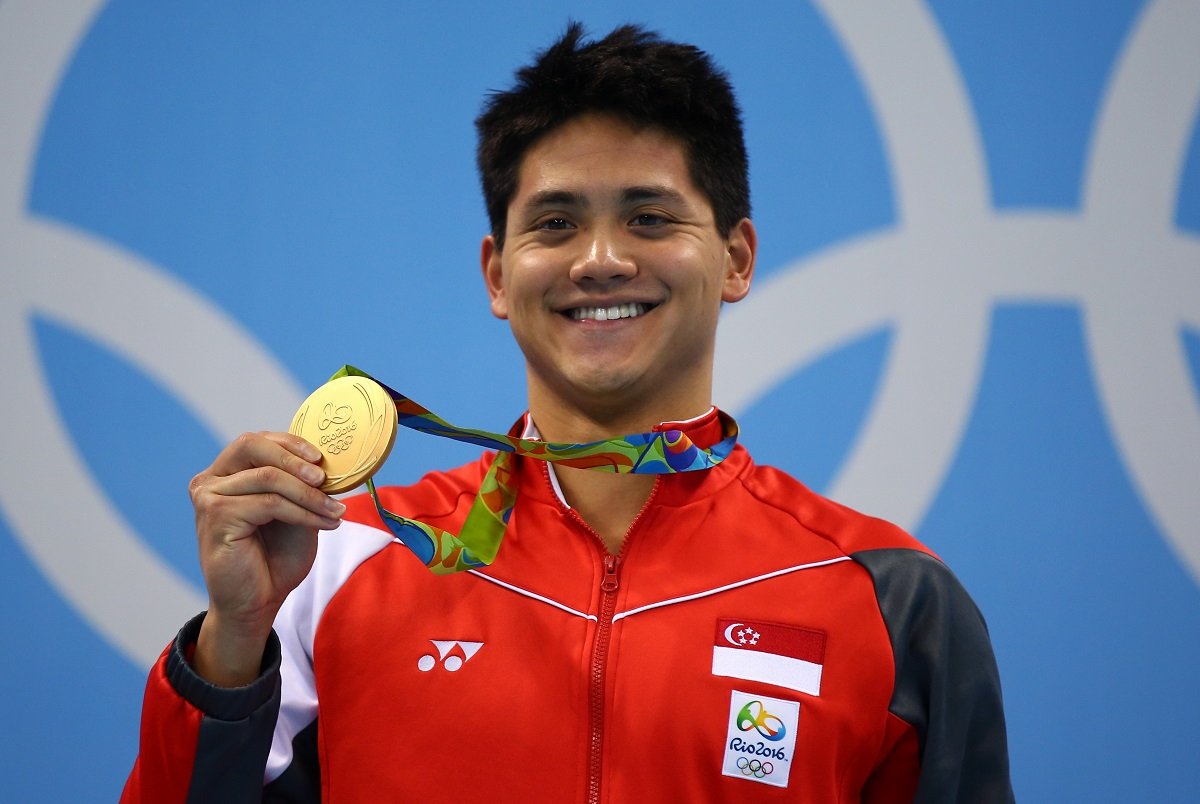
The 21-year-old who beat Michael Phelps first met him as a kid in 2008….!!!

joseph schooling

Joseph Schooling

Michael Phelps might still be snagging gold medals, but a lot has changed since 2008.

Michael Phelps’ only silver medal of the Rio Olympics came at the hands of 21-year-old Singaporean swimmer Joseph Schooling. Schooling beat Phelps in the 100-meter butterfly, claiming his and Singapore’s first gold medal in Olympic history.

During the victory lap after the race, Schooling turned to Phelps and said, “Dude this is crazy, out of this world, I don’t know how to feel right now,” according to The Guardian. Phelps smiled and simply replied, “I know.”

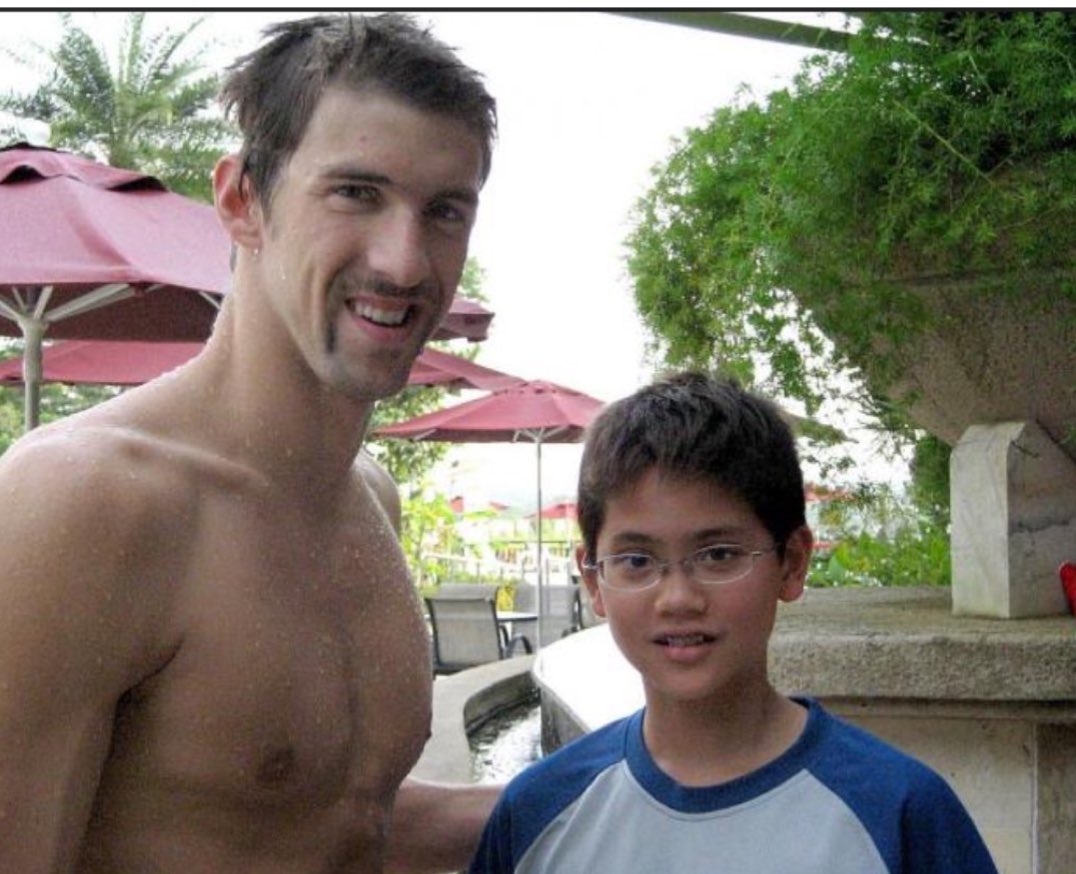
For Schooling, beating Phelps also meant beating his swimming idol. Phelps and Schooling met for the first time in 2008. Here is a picture that has been circulating on social media that puts that meeting into perspective:

Cps6iiuWAAAKEW5

“They came to the country club that I trained at,” Schooling told The Guardian. “Everyone just rushed up and was like “it’s Michael Phelps! It’s Michael Phelps!’ and I really wanted a picture … It was very early in the morning and I was so shell shocked, I couldn’t really open my mouth.”

Now it’s Phelps’ turn to be shell shocked, as Schooling put him in a position he’s not used to: second.

And the gold medal isn’t the only thing Schooling will take away from these Olympics. He also just became a millionaire. Singapore tops the rest of the world in prize money for winning a gold medal. According to Fox Sports Australia, athletes who win Olympic gold medals get paid 1 million Singapore dollars for their achievements (roughly $983,000 American).

Source…..www.businessinsider.com.in

Natarajan

“Did You Know, Dr APJ Abdul Kalam’s Best Friend Was 110 Years Old…? “


Meeting Arjuna, Dr APJ Abdul Kalam’s 110-year-old best friend who was a permanent fixture at the former President’s residence, 10 Rajaji Marg, in a book excerpt.
July 27, 2016 marked the first death anniversary of the nation’s best loved president, a teacher par excellence and a human being worthy of being called one of the most humble people in the current times: Dr APJ Abdul Kalam.

Srijan Pal Singh, a close associate of Dr Kalam as well as his student, has chosen to pay tribute to the People’s President through the book ‘What Can I Give: Life Lessons from my Teacher APJ Abdul Kalam.’ The book reveals to readers rare, personal and unheard of anecdotes as well as unseen pictures from Dr Kalam’s life. It also offers one a peek into his daily routine, travels and reflections on various issues.

Below is an excerpt from the book

The people who visited 10, Rajaji Marg to meet Dr Kalam were inevitably asked one question: ‘Have you met my friend Arjuna? Let me introduce you to him. He is a wonderful fellow.’

Then he would escort the guest to the front garden, where Arjuna stood—tall and majestic like the warrior he had been named after, the long years proudly etched on his body.

Dr Kalam would then say, ‘This fellow is very old. Hundred and-ten years old. He must have seen so much, imagine− Gandhiji, Nehru, the freedom wars and India’s rising story. He holds an entire section of history his heart. He is my best friend.’

Arjuna would wave back at Dr Kalam gently, its large branches swaying gracefully. The people who have seen it have always been tempted to take a selfie with it. Arjuna was almost three decades older than Dr Kalam. He was the most special occupant of 10, Rajaji Marg, loved and respected by the owner of the house.

Dr Kalam would walk up to him every day and they would exchange their thoughts silently. No one knew what they communicated, in what language, but we all knew that they made each other wiser. Dr Kalam would often thank Arjuna for taking care of 10, Rajaji Marg through the ages and for helping so many flowers and plants grow under his care. Arjuna was also the official bee-keeper of the house.

One day in 2012, while Dr Kalam and I were in the garden, I asked him, ‘What is so special about Arjuna? Why do you admire him so much?’ He looked at me, puzzled.

Then he said, ‘Because Arjuna lives to give and anyone who lives to give needs to be venerated. Arjuna’s mission in life has been “What can I give, what can I give, what can I give?” That is why he is standing so proudly and happily at such an age.’

I could feel Arjuna, the 110 year-old Terminalia tree, smile behind us.

The conversation did not stop there. Dr Kalam gave me a task one day. ‘Can you determine how many lives Arjuna supports?’ he asked. I was puzzled. It was an unexpected challenge. ‘Go ahead, find out,’ he said.

So I walked up to the giant tree and counted the thick rings of runners around the trunk. Runners are smaller plants that cannot support themselves and so spread themselves around the trunks of large and stronger trees like Arjuna.
One, two, three . . . eleven. Bingo. Eleven rings. I came back with my answer. ‘Sir, it supports eleven rings and of course, it gives out oxygen.’

‘Oh. You missed the nests. Look again.’

So I went back to Arjuna. This task was difficult because the tree was heavy with foliage, which carefully shielded its inner branches. I managed to count about twelve nests. I went back. ‘Sir, it supports eleven rings, twelve nests, and gives oxygen.’

‘You missed something again. Come with me.’

This time he walked back towards Arjuna with me. Pointing down at the base of the trunk, he said, ‘You missed this. Didn’t you?’ There it was. Hidden in the dense bushes, growing around the base of the trunk was a peacock’s nest, and a beautiful peahen was laying her eggs in there.

‘Yes, I missed it.’

You know why? Because we often look for solutions that are above us and that makes the solutions look more magnificent. Our mind points us that way. Thus we ignore the inspiration that comes from below, from the ground level. You missed, the largest nest, with the prettiest birds in it, because it was lying on the ground—at the base, around the roots. Diamonds are found in the depths of the earth, and not at the height of the sky.’

A few weeks later, the nest became alive with the chirping of five little chicks. Dr Kalam asked me if I knew what a baby peacock was called. And before I could Google it, he gave them a name—‘Pea-children’.

The pea-children became a part of the 10, Rajaji Marg family. Dr Kalam would regularly ensure that they were fed in the courtyard, which was near the dining room. While we had lunch at the table, he would get birdfeed laid out at the courtyard for the pea-children. And the pea-children would flock to it hungrily.

‘We have more guests for lunch. Now they will always come here for their lunch happily, even when we are not there. You just keep watching; they will come, and come just on time, regardless of anything,’ he would say.
Of course, soon the pea-children were joined by many other birds—pigeons, parrots and crows. This established a tradition which continued for years to come. Even when Dr Kalam went out of town, those birds were served their food. He would remind his staff to feed them whenever he was gone for a long time. And he made it a point to check on them whenever he returned from his trip.

When I returned to 10, Rajaji Marg after Dr Kalam’s death, the fact that he would never again eat in that dining room across the courtyard sunk in. But the birds are still fed, like they used to be in his time. The birds will always be fed, in his honour.

www. the betterindia.com

Natarajan

The end of an era: Iconic Indian brands and establishments which shut shop…


Till recently, one of the most delightful moments on a train journey through the western suburbs of Mumbai, was passing through Vile Parle station and inhaling the delicious baking smells that used to waft in to the train. The aroma was that of the Parle G biscuits being baked at the Parle factory, located near the station. But, with the closure of the iconic 87 year old factory, came an end to a fragrant era. While, Parle G will continue manufacturing its much loved biscuits from its other factories across the country, the Parle factory at Vile Parle would be deeply missed.

Over the recent years, a number of iconic Indian establishments and brands have shut shop or stopped production across the country, due to legal issues, falling sales, competition, or not being able to stand up to the times. While modern businesses constantly fold up, and not much thought is given to them, these are icons that have served the country for decades, and have left behind nostalgic memories. We pay tribute to some of them:

HMT watches: Much before Titan, Swatch, Omega, Casio, and the rest of the popular watch brands told time, HMT adorned our wrists and dominated the watch market. The watch maker set up its first factory in Bangalore in 1961, in collaboration with Japan’s Citizen Watch Co, and the first batch of the Hand Wound Wrist Watches manufactured by HMT, was released by the then PM Jawaharlal Nehru. The watches continued to be an integral part of the average Indian attire in the 60’s, 70’s and 80’s until competition and technological changes led to the watch maker facing growing losses. HMT Watches finally chimed its last in May, this year as it shut down its last manufacturing unit in Tumakuru.

Gold Spot: When foreign brands such as Coca Cola and PepsiCo exited the Indian market in the late 1970s, because the Foreign Exchange Regulation Act (FERA) was making it difficult for them to continue in the country, Parle decided to launch its own line of soft drinks. Gold Spot, with the tag line ‘The Zing Thing’, was one of them. The drink, along with Limca and Thumbs Up, gained popularity in the country, and was much sought after by youngsters, and the older generation alike. With the re-entry of Coca Cola in the 1990’s, came the slow decline of the soft drinks. Parle sold its soft drinks to Coca-Cola in 1993, and, while the other two ( Limca and Thumbs Up) still remain in the market, the much loved Gold Spot was withdrawn to make space for Fanta.

Rhythm House: With the shutting of Mumbai’s Rhythm House came the end of a golden era for music lovers and city dwellers. The shop, which was established in 1948, offered its patrons a wide collection of Indian and western music, across all genres – filmy, non-filmy, classical and modern. Customers and passersby would walk in to browse through the albums of their favourite artists. And, if they could not find what they were looking for, it would be ordered for them. But, with the advent of technology, MP3s, downloadable music and Apple’s Music Store, the music shop started to feel the heat. After facing much losses and trying to stay afloat, it finally downed its shutters in March, 2016.

Ghantewala Sweets: A sweet shop that dated back to 1790, The Ghantewala Halwai had among its distinguished clientele emperors, Prime Ministers and Presidents, along with the common man. Set up by Lala Sukh Lal Jain, a small time sweet maker from Rajasthan, Ghantewala Sweets, in Delhi’s Chandni Chowk, the sweet shop earned its name from when Jain started off by selling the sweets on a brass plate, balanced on his head, ringing a brass bell. As his business grew, Jain built a shop, which continued growing in fame. Known for its Sohan Halwa, the shop has even played a role in BR Chopra’s 1954 film, Chandi Chowk, where a replica was created in Mumbai. However, legal and licensing problems, as well as the changing customer tastes, led to the closure of the sweet shop in July, last year.

Vijayanand Talkies: The historic cinema house where the Father of Indian cinema, Dadasaheb Phalke used to screen his motion pictures using a projector, finally downed its curtains in November, 2015. Vijayananad Talkies, located in Nashik, was one of the few remaining single screen cinemas of its generation, and had been conferred the ‘Oldest Exhibitor in India’ Award by the President in 2013 for being one of the longest operating cinema hall in the country. The historical Talkies had to shut shop due to non-renewal of its license by the government.

Ambassador cars: Once the car that India drove – from the politicians in their ostentatious white, beaconed cars, to the taxi drivers in their kaali peeli ones, the Ambassador was known for its sturdy body and powerful engine. The original made in India car was modeled on the Morris Oxford series III, and was in production from 1958. The once ubiquitous Ambassador had even been crowned the best taxi in the world by BBC’s Top Gear programme. The car zoomed in popularity through the 60’s and 70’s, until the Maruti Suzuki 800 brought its low cost car into the country. The opening up of the automobile sector and the entry of numerous other auto brands into the country led to its demise, with Hindustan Motors halting production in 2014.

AA Husain & Co: The go-to place for book lovers in Hyderabad, AA Husain & Co, which was started more than 65 years ago, shut shop in March, 2015. The much-loved book store, which saw the likes of painter MF Hussain, actors Dilip Kumar and Suresh Oberoi, and cricketer Sunil Gavaskar as its patrons, was closed down to make way for a mall which is being built on the Arasu Trust Complex, a Waqf property that housed the shop. The bookstore was started by Abid Asgar Husain, a surgeon of the 6th Nizam, in the mid-1940s, as a store for imported products. It was converted into a bookstore in 1949 by Asif Husain Arastu, his son.

Cafe Samovar: It was with tears that many of its loyal patrons bid the legendary cafe goodbye in March, last year. Surrounded by history and culture, the five-decade-old Cafe Samovar, situated in the Jehangir Art Gallery, with landmarks such as Chhatrapati Shivaji Museum, the Kala Ghoda square, David Sassoon Library and Lion Gate, within walking distance, was a popular haunt among city’s intellectuals, students and general public. Opened by Usha Khanna, the niece of noted Indian actor Balraj Sahni, the Cafe was especially known for its pudina chai and pakoda platter, and any food that came cold or was spilled, would be replaced free of cost. The Cafe had to down its shutters since the Jehangir Art Gallery has been looking to expand its space.

Source….www.in.news.yahoo.com

Natarajan
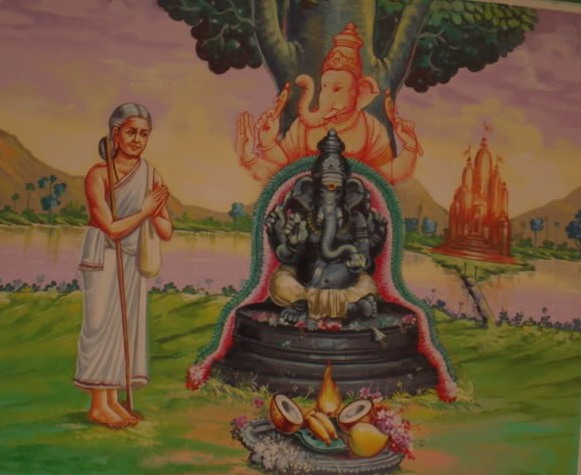
THE OLYMPIC SWIMMER WHO HAD NEVER BEEN IN A POOL UNTIL A FEW MONTHS BEFORE COMPETING IN THE OLYMPICS….!!!


The man was Eric Moussambani Malonga, later nicknamed “Eric the Eel”.  Moussambani is from Equatorial Guinea in Africa and only managed to get into the Olympics at all because of a wildcard drawing system put in place by the International Olympic Committee, designed to try to encourage developing countries to participate in various Olympic events.

Thanks to this drawing, Equatorial Guinea decided to send a swim team to the 2000 Olympics in Sydney, Australia.  They put out an advertisement on the radio a few months before the Games to try to get people to come and tryout for the country’s new national swim team which would be going to the Olympics.  Those who wished to tryout were to show up at the Hotel Ureca in Malabo, Equatorial Guinea. At the time, this hotel was the only place in the country that had a swimming pool (only 12 meters long).

Two people showed up, one woman, Paula Barila Bolopa (who was a grocery store cashier at the time), and one man, Eric Moussambani.  Because of the lack of competition, the only thing the two had to do to get on the team was to demonstrate that they could in fact swim.

Previous to this, Moussambani didn’t know much about swimming, but contrary to what is often reported, he did know how to swim.  Said Moussambani:

The first time I swam in the sea, I was 12 years old and was on vacation in my mother’s village. My first time in a swimming pool was on May 6, 2000 in the Hotel Ureca swimming pool…

They just told me to get my passport and a picture ready so they could send me to the Olympics. They said to me, ‘Keep on training.’ I asked them, ‘With who? I don’t have a trainer.’  They said: ‘Do what you can. Keep training because you are going to the Olympics.’

My preparation was very poor…  I was training by myself, in the river and the sea. My country did not have a competition swimming pool, and I was only training at the weekends, for two hours at a time. I didn’t have any experience in crawl, breaststroke, or butterfly. I didn’t know how to swim competitively.

The Olympic Games was something unknown for me.  I was just happy that I was going to travel abroad and represent my country. It was new for me. It was very far from Africa.

Just three months after hearing the advertisement and then getting selected to represent his country, Moussambani was on his way to the Olympics.  He took a somewhat roundabout flight to Libreville (Gabon), then to Paris, then to Hong Kong, and finally to Sydney, a trip that took nearly three days to complete.  Along with accommodations, he had £50 of spending money while at the games and an Equatorial Guinea flag for use in the opening ceremony.

Once at the Olympics, he got his first glimpse of an Olympic size swimming pool,

When I arrived, I just went to the swimming pool to see how it is. I was very surprised, I did not imagine that it would be so big…

My training schedule there was with the American swimmers. I was going to the pool and watching them, how they trained and how they dived because I didn’t have any idea. I copied them. I had to know how to dive, how to move my legs, how to move my hands… I learned everything in Sydney.

What makes Moussambani’s story even more compelling is that he would go on to win his heat in the 100m freestyle, albeit in a pretty unorthodox way.  You see, at the time, he was to compete against just two other people in the qualifiers, Karim Bare from Niger and Farkhod Oripov from Tajikistan.  Both of these two ended up getting disqualified for false starts, leaving just Moussambani, who at the time thought he had been disqualified, before it was explained to him that his competitors were the ones out and that he’d be swimming the heat alone in front of 17,000 spectators.

In order to qualify for the next round, he needed to beat 1 minute and 10 seconds… He didn’t quite manage that.  However, for someone with such limited training and technique, he actually didn’t do too bad at the very beginning, even executing an OK dive and looking pretty fast for the first 10 or 15 seconds or so, then quickly faded.   As he said,

The first 50 meters were OK, but in the second 50 meters I got a bit worried and thought I wasn’t going to make it… I felt that [it] was important [to finish] because I was representing my country… I remember that when I was swimming, I could hear the crowd, and that gave me strength to continue and complete the 100 meters, but I was already tired. It was my first time in an Olympic swimming pool.

He finished with a time of 1 minute 52.72 seconds (40.97 seconds at the halfway mark), which was about 43 seconds off the qualifying time. This was, of course, a new Equatorial Guinea swimming record, but also unfortunately was the slowest 100m freestyle swim pace in Olympic history.  For his efforts, he was immediately a media darling, with fans and some other athletes loving his story.  However, many felt that his being allowed to participate was embarrassing, as he had not a hope in the world of actually winning anything, and it was unfair to athletes in more privileged countries that could swim circles around Moussambani, but who weren’t given a chance to compete because lesser swimmers from developing countries were being included. The International Olympic Committee’s president, Jacques Rogge, was one of those, saying he would work to get rid of the wild card system and stated, “We want to avoid what happened in the swimming in Sydney; the public loved it, but I did not like it.”

Of course, the “father” of the modern Olympic Games, Baron Pierre de Coubertin, likely wouldn’t have agreed with this negative sentiment at all, as he wanted all countries to compete in the Games. He also once criticized English rowing competitions for not including working-class athletes.  He further developed the Olympic motto (Citius, Altrius, Fortius- Faster, Higher, Stronger) after a portion of a sermon given by Bishop Ethelbert Talbo, which de Coubertin was fond of quoting

The most important thing in the Olympic Games is not to win but to take part, just as the most important thing in life is not the triumph but the struggle. The essential thing is not to have conquered but to have fought well.

Certainly Moussambani exemplifies that sentiment.

Bonus Facts:

  • Since 2012 Moussambani has been the coach of the Equatorial Guinea swim team, when he’s not working his day job as an IT engineer. They actually have a real, competitive team now comprising 36 swimmers, so the Olympic wild card system paid off in that respect.  They also have an Olympic size swimming pool to practice in now.
  • Moussambani has gotten a lot better at competitive swimming. By 2004, he got his 100m free style time down to 57 seconds, which would have been good enough for him to qualify in the 2004 Olympics, but a visa mistake ended up costing him a trip to that year’s Games. Some have speculated the visa mishap was intentional in order to stop him from competing.  The gist of it was that when he submitted his application, his passport photo was somehow lost by the Malabo officials processing it. Some highly placed government officials in his country had previously expressed anger at how he’d embarrassed their country in 2000 and were not enthusiastic about him going to the Athens games. Whatever the case, due to the loss of the photo, his application was denied.
  • Moussambani recently started training again along with coaching and he posted his best swim time in 2012 at the age of 34, having it down to 55 seconds in the 100m freestyle, just under 8 seconds off the current Olympic record. As such, he’s decided to come out of semi-retirement from professional swimming to try out for the 2016 games.  “I still have a dream. I want to show people that my times have improved, that we have swimming pools in my country now and that I can now swim a hundred meters.”
  • Moussambani’s current training routine for the 2016 Olympics is to wake up at 5am and run for 3 km.  He then gets ready for work and spends 8am to 5pm there.  On Tuesday, Thursday, Friday, and Saturday he heads down to the pool where he meets his team and trains from 6pm-10pm.
  • The 100m freestyle gold medalist (Pieter Van den Hoogenband) in the 2000 Olympics finished with a time of 48.3 seconds, which was a new world record.
  • The current world record for the men’s 100m freestyle (long course: 50m pool) is 46.91 seconds, set by Cesar Cielo of Brazil in the 2009 World Championships in Rome.
  • The current Olympic record is 47.05 seconds, set by Eamon Sullivan of Australia in the 2008 games.
  • Equatorial Guinea’s other swimmer in the 2000 Olympics, Paula Barilia Bolopa, also struggled to finish her heat, this time in the 50m freestyle, finishing with a time of 1:03.97.  While it was a new record for the 50m freestyle for Equatorial Guinea, it was also, like Moussambani’s time, a new slowest time record in Olympic history for the 50m freestyle.

Source….www.today i foundout.com

Natarajan