Message for the Day…”What is the true ‘tapas’…” ?

Sathya Sai Baba

Krishna says in the Gita, “In all yajnas, I am the Doer, the Donor, the Consumer and the Acceptor.” That is the reason the chief priest in ayajna, is named Brahma. He must guide the rest of the ritualists with his wife by his side, or else, his credentials are inadequate. The wife represents faith (shraddha). Without faith, praise is hollow, adoration is artificial and sacrifice is a barren exercise. Really speaking, the heart is the ceremonial altar, the body is the fire-place, the hair is the holy grass (darbha), wishes are the fuel-sticks to feed the fire, desire is the ghee poured into the fire to make it burst into flame, anger is the sacrificial animal, and the fire is the tapas (penance) we accomplish. People sometimes interpret tapas as ascetic practices like standing on the head. This is not correct; tapas is not physical contortion. It is the complete and correct coordination of thought, word and deed. When this is achieved, the Divine splendour will manifest.

Here’s How a Facebook Group will Feed Over 1 Lakh People in Bangalore This October….

If every home in Bengaluru cooked 5 additional meals, would it ensure that the hungry don’t go to bed on an empty stomach? Here’s a community initiative that’s going to find out.

“This Dusshera, my aim is to try and ease Bangalore’s hunger problem.” So begins Mahita Fernandez’ post on the Facebook group Feed Your Neighbour.

The idea for the initiative, Feed Your Neighbour (FYN), came to Mahita in the wee hours of a night when she woke up hungry.

mahita

She says, “I woke up with a rumbling stomach around 3 am and felt thankful that I had food to eat. I then thought about the thousands in Bengaluru who are probably hungry and have nothing to eat. The very next morning, I put down the idea on paper and created the group to reach out to people.”

The Facebook group has since been joined by over 1,300 people.

Through the FYN initiative, Mahita aims to mobilise the community to cook and share food with the homeless and hungry in Bengaluru. The initiative, which will run from October 12-22, 2015, hopes to rally a minimum of 2,000 people who are willing to cook five extra meals each day. The food will then be distributed to the needy. This would also mean that across the eleven-day period, the initiative will have ensured that 1 lakh people do not go to bed on an empty stomach.

How does Feed Your Neighbour work?

FYN_F

While the FYN initiative primarily aims to do its part to ease Bengaluru’s hunger problem, it also hopes to build a sense of community among Bengalureans by giving them an opportunity to make a difference to the lives of those in need, via a ripple effect.

The initiative is simple – those interested in participating are required to cook a minimum of five meals which they will have to drop off at a particular point in their neighbourhood.

From here, volunteers will pick up the food and deliver them to the homeless and hungry.

pulav

Picture for representation only. Credit: vahrehvah.com

Mahita says that so far, around 900 people have agreed to provide food, and 75 others have signed up as volunteers to distribute the food. She is also looking for more volunteers to identify distribution points, and actually pick up and drop off the food. In addition, she is also looking for coordinators who can help with liaising with the volunteers, verifying the distribution points, etc. More details on this can be found here.

For those interested in being a part of the FYN initiative, here’s how you can get on board.

• Drop an SMS to +91 99723 24458 or a mail to feedyourneighbour@gmail.com with your name, locality, mobile number, email ID and what you would like to volunteer as.
• Those volunteering to cook are expected to cook a minimum of five packs of any rice-based dish like pulav, bisi bele bath, lemon rice, etc.
• Packing material will be provided so that quantities are standardised.
• The packed food will need to be dropped off at a designated point by 7 pm each day.
• From here, volunteers will distribute the food to the needy in various parts of the city.

Those people who are neither able to cook nor volunteer their time, but wish to be a part of the FYN initiative, can do so by donating money or by spreading the word. The funds collected will be used to purchase packing material, hire transportation for the pickup and distribution of food, etc. Mahita adds that if there is any excess money remaining after October 22, she will continue to distribute food to the needy till the money runs out.

How will the logistics be managed?

feeding1

Picture for representation only. Credit: Terry Feuerborn/pixabay.com

In addition to mobilising the community to cook, Mahita is also currently working with volunteers to identify areas where the food can be distributed. Most of the food that is collected from a particular neighbourhood, will be distributed in that neighbourhood itself.

Mahita clarifies, “There are some areas like MG road and Lavelle road from where people want to donate food. However, these areas do not have a proliferation of the homeless. We’re planning to distribute the food collected from such areas, elsewhere.”

She also adds that while most of the food will be distributed to people on the streets, homes for the destitute, beggars’ homes, slums etc. are also being looked at. She mentions how one of the volunteers suggested a colony of Metro workers in South Bengaluru as one of the distribution points.

Ask Mahita why she has targeted dinner time, and she responds, “Most volunteers are likely to be busy during the day with their jobs and home chores. And considering we are rolling this out during Dussehra, pujas even. Also, many of the people who we are distributing the food to are possibly employed, whether they are daily wage labourers or beggars. Dinner time is probably the most convenient for both our volunteers, and the people who we are looking to help out.”

Food to be packed in eco-friendly material

feeding2

Picture for representation only. Credit: Terry Feuerborn/Flickr

Mahita says that as far as possible, people are being handed eco-friendly material to pack the food.

“We are looking at giving out the food in boxes made from cardboard or other recyclable material,” she says. “However, there are some darshinis who have also agreed to send food. We can inform them, but we don’t really have control over what kind of packing material they will use.”

In addition, at the time of distributing the food, volunteers are being asked to inform the people who come to collect the food to dispose of the waste responsibly. Mahita hopes that educating them about this aspect will also sensitise them about proper waste management in the long run.

Mahita also believes that it is unlikely that there will be excess food. She says, “No matter how many people volunteer, the number of people who can do with a good meal will always be more. So we will ensure that the food reaches as many people as possible.”

She also expects that the number of people who come to collect the food is bound to increase over the ten days, as word gets out. Should this happen, she is in talks with caterers and darshinis who can help supply the additional food at subsidised costs.

To know more about the Feed Your Neighbour initiative and be a part of it, click here.

Written by Ganga Madappa for Women’s Feature Service (WFS) and republished here in arrangement with Citizen Matters. The story was originally published here. (c) Oorvani Foundation/Open Media Initiative. –

Source….Ganga Madappa….www.thebetterindia.com

Natarajan


‘நான் மகிழ்ந்த தருணம்!’ – அப்துல் கலாம்…..

அப்துல் கலாம் பிறந்த நாள் – அக். 15

குழந்தைகளே! மற்ற நாடுகளின் சுதந்திரத்தை நாம மதிக்கிறோம். நாமும் சுதந்திரமாக இருக்க விரும்புறோம். நாம சுதந்திரமா இல்லைன்னா, நம்மள யாராவது மதிப்பார்களா?

நாட்டின் பாதுகாப்பை மனதில் வைத்து வேலை செய்த முன்னோடிகளான விஞ்ஞானிகளோடு வேலை செய்கிற அதிர்ஷ்டம் எனக்குக் கிடைத்தது. இந்தியாவோட ராக்கெட்டுகளை வானத்தில் ஏவுகிற இஸ்ரோ நிறுவனத்தில் 20 ஆண்டுகளுக்கு நான் வேலை பார்த்தேன். இந்தியாவோட முதல் ராக்கெட்டை ஏவுகிற திட்டத்தின் இயக்குநரா நான் இருந்தேன். அப்போதுதான் முதலாவது செயற்கைக்கோள் ரோகிணி வெற்றிகரமாக வானத்தில் ஏவப்பட்டது.

அதுக்கப்புறம் நாட்டின் பாதுகாப்புக்கு அவசியமான ஏவுகணைகளை உருவாக்கும் பணியில் சேர்ந்தேன். இந்தியா இப்போ வளரும் நாடு அல்ல, வளர்ந்த நாடு என்று உலகத்துக்கு நிரூபிப்பது போல இருந்தன அந்தப் பணிகள். அப்போதுதான் ‘நான் ஒரு இந்தியன்’ என்ற பெருமிதம் எனக்கு அதிகமானது.

அப்போது நாங்கள் மிகவும் லேசான ஒரு கார்பன் பொருளைக் கண்டுபிடித்தோம். ஒருநாள் நிஜாம் இன்ஸ்டிடியூட் ஆஃப் மெடிகல் சயின்ஸ் நிறுவனத்திலிருந்து ஒரு டாக்டர் என்னைப் பார்க்க வந்திருந்தார். எலும்பு அறுவை சிகிச்சை நிபுணர் அவர். எனது ஆய்வகத்திலிருந்த லேசான பொருளை அந்த டாக்டர் தூக்கிப் பார்த்தார். அதன் பிறகு அவரது மருத்துவமனைக்கு என்னை அழைத்துப்போனார்.

அங்கே சின்னஞ் சிறுமிகளும் சிறுவர்களும்கூட நோயாளிகளாக இருந்தார்கள். அவர்கள் தங்களது உடலில் மூன்று கிலோவுக்கு அதிகமான எடைகொண்ட ‘காலிபர்’ எனும் கருவிகளைக் கால்களில் தாங்கியபடி இருந்தார்கள். அவற்றை நாங்கள் 300 கிராம் எடையுள்ளதாக மாற்றினோம். அதைப் போட்டுக்கொண்டு கஷ்டமில்லாமல் சுலபமாக நடந்தார்கள். அந்தக் குழந்தைகளால் அதை நம்பவே முடியவில்லை. அவர்களுடைய அம்மா, அப்பா மகிழ்ச்சியாக இருந்தார்கள். எனக்கும் மகிழ்ச்சியாக இருந்தது.

நம் தேசம் ஒரு மகத்தான தேசம். நமது சாதனைகளையும் ஆற்றல்களையும் நாம்தானே அங்கீரிக்க வேண்டும். அற்புதமான சாதனைச் செய்திகள் நம்மிடம் உள்ளன. பால் வளத்தில் நாம்தான் உலகில் முதல் இடம். தொலைதூர உணர்வு கொண்ட செயற்கைக்கோள்களை உருவாக்குவதில் நாமே முதல் இடம். கோதுமை, அரிசி உற்பத்தியில் இரண்டாம் இடம்.

ஒரு முறை இஸ்ரேல் நாட்டில் பேப்பர் படித்தேன். பாலைவனத்தை ஐந்தாண்டுகளில் சோலையாக்கிய ஒரு சாதனை மனிதன் பற்றிய செய்தி இருந்தது. உள்ளேதான் சண்டைகள், சச்சரவுகள் பற்றிய செய்திகள் இருந்தன. ஆனால், இந்தியாவில் தலைகீழாக உள்ளது.

பதினான்கு வயதுச் சிறுமி ஒருத்தியிடம் ‘உன் குறிக்கோள் என்ன?’ என்று கேட்டேன். ‘வளர்ச்சியடைந்த இந்தியாவில் வாழ விரும்புகிறேன்’ என்று சொன்னாள்.

நமது நாட்டைப் பற்றி பல புகார்கள் கூறுவார்கள். ஆனால், அப்படி புகார் கூறுபவர்கள்கூட வெளிநாடுகளுக்கு சென்றால் மிகவும் கட்டுப்பாடாக நடந்துகொள்வார்கள். அசுத்தப்படுத்த மாட்டார்கள். அதேமாதிரி உள்நாட்டில் நடந்துகொண்டால் என்ன?

யாரோ வந்து நாட்டின் பிரச்சினைகளை எல்லாம் தீர்த்து வைப்பார்களா? நாமே நமது பிரச்சினைகளைத் தீர்த்துக்கொள்ள ஆரம்பித்தால் என்ன? நன்றாக யோசித்துப் பாருங்களேன்!

(மறைந்த முன்னாள் குடியரசுத் தலைவர் அப்துல் கலாம் ஹைதராபாத் பள்ளிக் குழந்தைகள் மத்தியில் பேசியது)

சுருக்கமாகத் தமிழில்- த. நீதிராஜன்

Source…..www.tamil.thehindu.com

Natarajan

” முதல் I.C.S. பெண்மணி …. சி .பி .முத்தம்மா ….”

இந்தியாவின் முதல் பெண் ஐபிஎஸ் அதிகாரி கிரண் பேடி என்று தெரியும். இந்தியக் குடிமைப் பணிகள் தேர்வு என்று அழைக்கப்படும் ஐசிஎஸ் தேர்வில் முதன்முதலாக வெற்றிபெற்ற பெண் யார் தெரியுமா? அவர்தான் சி.பி. முத்தம்மா.

கர்நாடகாவின் குடகு மாவட்டத்தின் விராஜ்பேட் நகரில் 1924-ல் பிறந்தவர் முத்தம்மா. தனது 9-வது வயதில், தனது தந்தையைப் பறிகொடுத்தார். எனினும், வைராக்கியம் கொண்ட அவரது தாய், தனது நான்கு குழந்தைகளையும் நன்கு படிக்க வைத்தார். மடிகேரி புனித ஜோசப் பெண்கள் பள்ளியில் பள்ளிப்படிப்பை முடித்த முத்தம்மா, சென்னை பெண்கள் கிறிஸ்தவக் கல்லூரியில் பட்டப்படிப்பை மேற்கொண்டார். மூன்று தங்கப் பதக்கங்களுடன் படிப்பை முடித்த அவர், சென்னை பிரெசிடென்சி கல்லூரியில் ஆங்கில இலக்கியத்தில் முதுகலைப் பட்டப் படிப்பை முடித்தார்.

1949-ல் ஐசிஎஸ் தேர்வில் வென்ற பின்னர், வெளியுறவுத் துறையில் சேர்ந்தார். ஆண் அதிகாரிகளின் ஆதிக்க மனப்பான்மைக்கு எதிராகப் போராடினார். சவால்களை வெல்வதைப் பழக்கமாகக்கொண்டிருந்த முத்தம்மா, பெண்களுக்கு எதிராக இருந்த அரசு விதிகளை எதிர்த்து நீதிமன்றத்தை அணுகினார். அந்த வழக்கை விசாரித்த வி.ஆர். கிருஷ்ணய்யர் தலைமையிலான மூன்று நீதிபதிகளைக் கொண்ட அமர்வு, அவருக்குச் சாதகமாகத் தீர்ப்பு வழங்கியது. இந்தியப் பெண்கள் வரலாற்றில் மிக முக்கியமான தீர்ப்பு அது. பின்னர், ஐரோப்பா, ஆசியா, ஆப்பிரிக்கா ஆகிய மூன்று கண்டங்களின் பல்வேறு நாடுகளில் இந்திய வெளியுறவுத் துறையில் பணியாற்றினார். 1970-ல் ஹங்கேரிக்கான இந்தியத் தூதர் பதவி அவருக்கு வழங்கப்பட்டது. 1982-ல் ஓய்வுபெற்ற முத்தம்மா, பல்வேறு விஷயங்களைப் பற்றிய கட்டுரைகளை எழுதினார். 2009 அக்டோபர் 14-ல் காலமானார்.

Source…. சரித்திரன்   in  www.tamil.thehindu.com
Natarajan

Message for the Day… ” Truth is inseparable from ‘dharma ‘…”

Sathya Sai Baba

Dharma is the moral path, which is the light; the light is bliss (ananda). Scriptures convey that Dharma is the essence of spiritual wisdom (jnana). Dharma is characterized by sacredness, peace, truth, and fortitude. Dharma is yoga (union); it is truth (sathya). Its attributes are justice, sense control, sense of honour, love, dignity, goodness, meditation, sympathy, and nonviolence. It leads you onto universal love and unity. It is the highest discipline and the most profitable. All this ‘unfoldment’ began with Dharma;this is stabilized by truth (sathya). Truth is inseparable fromdharma. Truth is the law of the universe, which makes the sun and moon revolve in their orbits. Dharma is the course, the path, the law. Wherever there is adherence to morality, there you can see the law of Truth (sathya-dharma) in action. In the Bhagavata too, it is said, “Where there is Dharma, there is Krishna; where there are both Dharma and Krishna, there is victory.”

Term of the Day….” Anamoly” …

1.Deviation from the norm; something unusual. “Bob searched the data for anomalies that would indicate that there was an error with the system.”
2.Medicine: a physical defect or abnormality.


Use anomaly in a sentence

  • Dave’s doctor told him that he was a medical anomaly because the tumor shrunk on its own, and they no longer needed to do radiation.

He thought that making the shot was an anomaly, but it turned out that he was actually pretty good at basketball.

Source…..www.businessdictionary.com

Natarajan

Cash reward for Google.com takeover man…!!!

Google logo

The Google.com domain name was offered for sale on Google’s own website buying service


A man who briefly bought and owned the Google.com web domain has been rewarded by the search giant.

An administration oversight allowed US student Sanmay Ved to buy the right to control the domain on 29 September.

The oversight left him in charge of Google.com for about a minute until Google caught on and cancelled the transaction.

Now Mr Ved has been given a cash reward for spotting the error, which he has decided to donate to charity.

Google declined to comment on the story.

Mr Ved detailed his experience in a post on the LinkedIn site saying that he had been keeping an eye on Google-related web domains for some time because he used to work at the search giant. Mr Ved is currently an MBA student at a US college.

In the early hours of 29 September he noticed a for sale sign next to the Google.com name while browsing sites on Google’s own website-buying service.

He used a credit card to pay the $12 (£8) fee to grab google.com and got emails confirming he was the owner. Almost immediately he started getting messages intended for Google’s own web administration team.

This was followed by a cancellation message sent by the website buying service which said he could not take over Google.com because someone else had already registered it and his $12 payment was refunded.

Now it has emerged that Mr Ved has been given a “bug bounty” by Google’s security team for revealing the weakness in the domain buying system. The internal emails Mr Ved received while in charge of google.com have been passed to this team.

Mr Ved decided to give the cash to an Indian educational foundation and in response, Google doubled the reward.

Source….www.bbc.com

Natarajan


In Mumbai, Taxis Are Transforming Into Works of Art….

The Taxi Fabric project gives local designers a new vehicle to show off their work.

Image Taxi Fabric

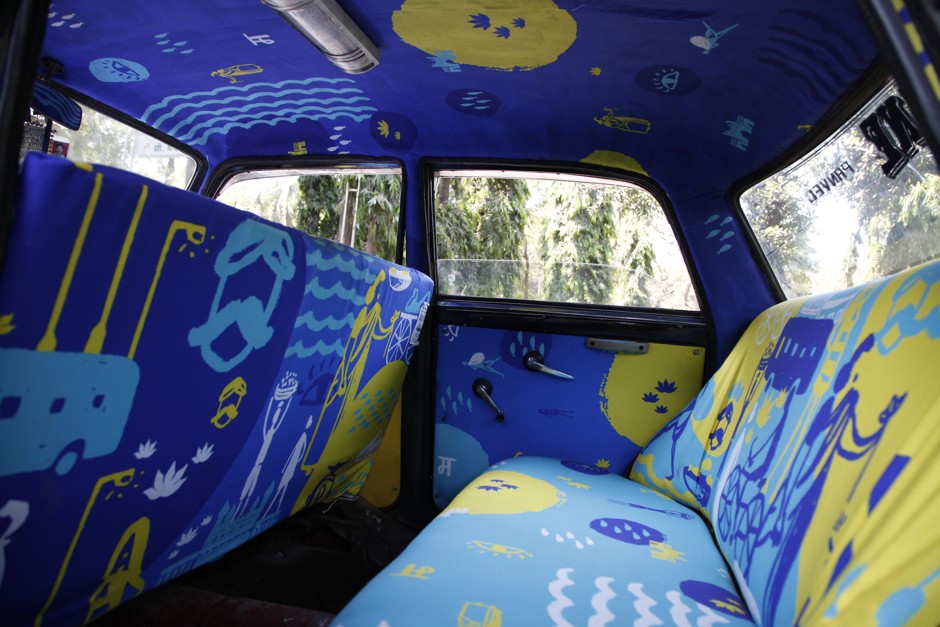
The bright pink interior of this taxi, by artist Pranita Kocharekar, reflects the diversity of Mumbai.(Taxi Fabric)

When you hop into a taxi, there isn’t usually much to look at except out the window. But one graphic designer wants to change that by turning cabs in Mumbai into canvasses for emerging artists.

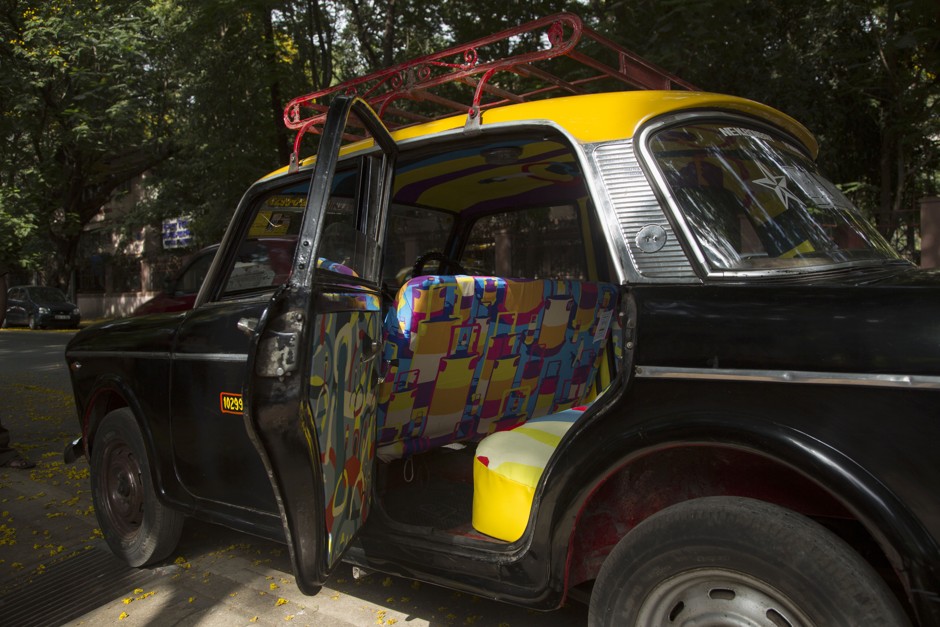
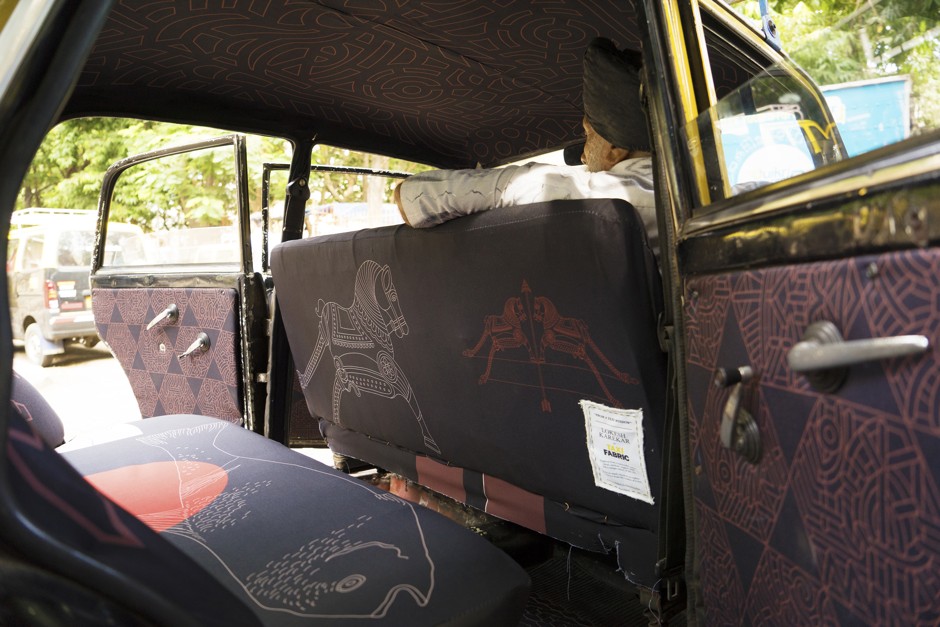
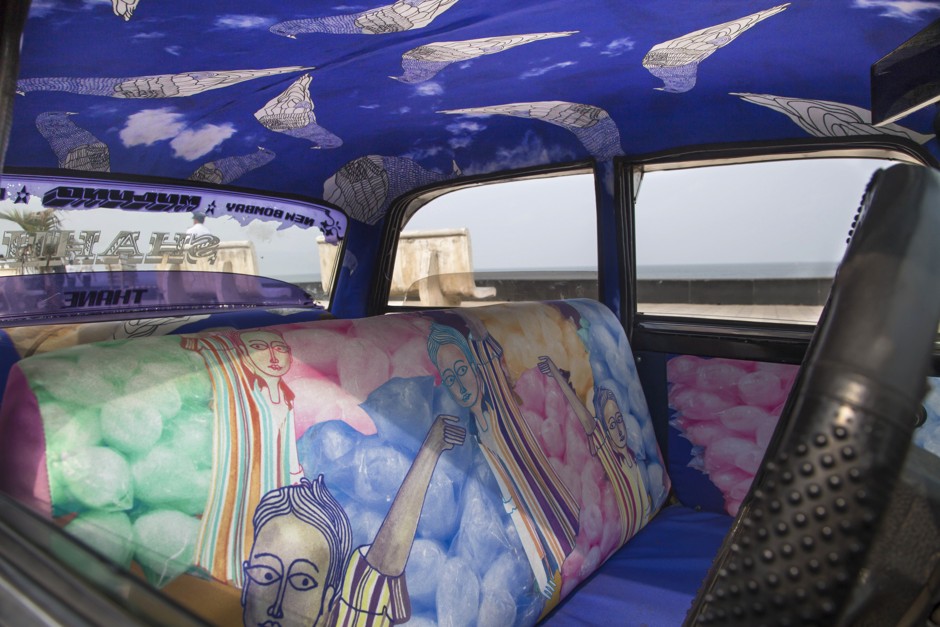
Sanket Avlani is the founder of Taxi Fabric, a project that has already turned seven of the city’s 50,000-plus taxicabs into works of arts. The interior of each taxi, from the ceiling and doors to the seats, has been specially designed by local Mumbai designers, and the designs themselves are inspired by India’s most populous city.

Take the latest taxi to get Taxi Fabric’s special treatment—the design, by 25-year-old typographer and designer Pavithra Dikshit, features jasmine flowers, peppers, and lemons against an eye-popping green background. Called “Urban Garden,” it’s Dikshit’s way of paying homage to Mumbai’s disappearing green space.

“As a fast-growing metropolis, it has building and buildings coming up in every space,” says Dikshit. “The green color is shrinking, so I wanted my taxi to show to all the green things around you.”

Other designs were inspired the daily life of a Mumbaikar—the different people you meet on the streets, from businessmen to children to vegetable vendors; and the personal stories of the cab drivers themselves.

Mumbai has a relatively small design community and an even smaller appreciation for the profession, says Avlani, who grew up in Mumbai and now works in London. “The design world is very small there, and most of the designers know each other,” he says. “If you wish to study design in India, not many people would understand or encourage it as much as they would in Europe or the United States.”

His hope is that the project will help spark conversation about the designs between taxi drivers and passengers. For Avlani, the iconic black-and-yellow taxis are the perfect medium because they’re everywhere.

”It’s so easy for people taking those taxis to react to those designs if the stories they tell are those that they recognize,” Avlani says. “If even the driver gets excited about it, it’s a win-win for everybody.”

As funding continues to trickle in from Taxi Fabric’s Kickstarter campaign, which runs until August 10, Avlani and his team hope to give at least 20 more cabs a special makeover by the end of the year.

Young designers and students who want to participate can submit a portfolioto the Taxi Fabric team, who will then select artists to work with. “We gauge if the designer can handle a project like this and if they can bring something new, and if the have their own style,” he says. Once accepted, artists will work with the team and, in some cases, cab drivers who want to be part of the program, to come up with a unique design.

The concept itself isn’t entirely new. It’s common for taxi drivers in Mumbai to customized their cars with colorful seat covers, eye-popping window decorations, lights, and little trinkets on the dashboard. “The taxi is like a desk at work. They spend their whole day in it so for them, it has to look interesting,”says Dikshit. “They don’t think that it attracts extra customers or anything, but it makes themselves feel good about spending [time] in it daily.”

But the bright pink, vibrant blue, and lively green colors that Taxi Fabric designers bring to cabs are a big step up from what drivers typically choose for their interior. Many drivers, Dikshit says, just go with fabric that’s already available at textile markets. “They’re very dull in color, like brown and maroon,” she says. “That’s how it’s always been, and nobody has the time to think about, ‘What if [the seat] is yellow?’”

Boring fabric doesn’t generate conversation, which Dikshit sees as a missed opportunity. “The drivers have their own stories, and they’re happy to discuss everything from politics to religion to traffic, to who they are as people,” she says. “You can almost consider them an extended part of the city landscape.”

Designed by Tasneem Amiruddin, this taxi art design reflects the daily life of a Mumbaikar. (Taxi Fabric)

A design by Taxi Fabric creator Sanket Avlani pays homage to “dawaballas,” who deliver hundreds of thousands of hot lunches across the city every day. (Taxi Fabric)

Artist Lokesh Karekar went for a minimalist design inspired by the 1980s. (Taxi Fabric)

Guarav Ogale wanted his design to reflect the life of the taxi’s driver. (Taxi Fabric)

Source…..Linda Poon ….www.citylab.com

Natarajan

Message for the Day…” One’s own Breath is ‘mantra’…”

Sathya Sai Baba

People resort to gurus to receive mantras (mystically powerful formulae to be recited by them for their spiritual uplift); others seek medicine men and holy monks to get yantras (esoteric talismans to ward off evil forces); some others learn thanthras (secret rites for attaining superhuman powers) from scholars (pandits). But all of this is wasteful effort. One should accept the body as the thanthra, one’s own breath as the mantra and the heart as the yantra. There is no need to seek them outside oneself. When all words emanating from you are sweet, your breath becomes Rig Veda. When you restrict what you listen to and prefer only sweet speech, all that you hear becomes Sama gana(rendition of Sama Veda). When you do only sweet deeds, all that you do is Yajur homa (ritualistic sacrifice). Then you will be performing every day the Veda Purusha Yajna, the yajna which propitiates the noblest and highest Vedic Spirit!