A Serene and Simple Prayer …. Not Only by Senior Citizens … !!!!


SPECIAL PRAYER BY SENIOR CITIZENS
 
A Simple, not-so-intelligent, but Sincere Prayer.

 
My dear God, 
you know that I am growing older.
      Keep me from becoming too talkative, from repeating all my jokes and anecdotes, and particularly keep me from falling into the tiresome habit of expressing an opinion on every subject.

Release me from craving to straighten out everyone’s affairs. Keep my mind free from recital of endless details.
Give me wings to get to the point.

Give me the grace, dear GOD, to listen to others as they describe their aches and pains.

Help me endure the boredom with patience and keep my lips sealed,
for my own aches and pains are increasing in number and intensity,
and the pleasure of discussing them is becoming sweeter as the years go by.

Teach me the glorious lesson that occasionally, I might be mistaken. Keep me reasonably sweet.


I do not wish to be a saint (Saints are so hard to live with), but a sour old person is the work of the devil.

Make me thoughtful, but not moody, helpful, but not pushy, independent,
yet able to accept with graciousness favors that others wish to bestow on me.

Free me of the notion that simply because I have lived a long time,
I am wiser than those who have not lived so long.

I am older, but not necessarily wiser!

If I do not approve of some of the changes that have taken place in recent years, give me the wisdom to keep my mouth shut.


GOD,
 please know that when the end comes,
 I would like to have a friend or two left. 
Source:::: Unknown…. Input from a Friend of Mine
Natarajan
Jan 19  2015

Who Invented the Paper Clip … ?

The Invention of the Paperclip

The paperclip is today a ubiquitous item in offices and homes the world over. So who invented it?

One very popular false origin of the paperclip was that it was invented by Norwegian patent office manager, Johan Vaaler. He was even granted patents in Germany and the U.S. for a paperclip of similar design as the Gem style paperclip, which is the most commonly used paperclip today. However, Vaaler’s paperclip came after the Gem paperclip was already popular throughout Europe. His design was slightly different than the Gem paperclip in that it didn’t include the all too critical second loop that makes the Gem style much more functional. His paperclip had the papers inserted by lifting the outer wire slightly and pushing the papers into the clip such that the rest of the clip stood out from the paper at a 90 degree angle, which was necessary because of the lack of the critical second loop to allow the papers to be more or less embedded in the clip flatly.

This also made it so the papers wouldn’t be held together very well as they relied only on how bendable the wire used was to hold the papers. The Gem style paperclip, on the other hand, exploits the torsion principle to help bind papers together. Vaaler’s design was never manufactured or sold and his patents eventually expired.

Why Vaaler gets the credit in so many places, including in many encyclopedias and dictionaries after the 1950s, is largely thanks to a patent agency worker who was visiting Germany to register Norwegian patents in the 1920s. When he was doing so, he noticed Vaaler’s design for the paperclip and wrote an article stating Vaaler was the original creator of the paperclip.

This misinformation found its way into encyclopedias around the 1950s thanks to WWII. During WWII in Norway particularly, along with France and some other occupied countries, the paperclip became a symbol of unity for those rebelling against the Germans. It is not thought that the Norwegians did this because they thought a Norwegian had invented the paperclip, but rather because it simply signified being bound together and was useful as it wasn’t initially a banned symbol or item by the Germans and could be easily clipped to one’s clothing. Eventually, the Germans caught on and people were prohibited from wearing paperclips.

After the war, the fact that the Gem style paperclip had served as a symbol of unity resulted in interest in the origin of the paperclip, at which point the article written by the patent agency worker and the subsequent patent by Vaaler, who was now long dead, was discovered. It was overlooked, of course, that his design was different than the Gem style paperclip and apparently they didn’t bother checking that the Gem style paperclip had already been around by the time Vaaler patented his version of the paperclip. It made a good story though, particularly after the war and how the paperclip was used in Norway among other places, and so this false origin subsequently found its way into many encyclopedias.

The myth is so popular, in fact, that a Gem style, 23 foot tall paperclip was placed near a university in Oslo in 1989 to honor Vaaler, who in fact had nothing to do with the Gem style paperclip design. Further, a commemorative stamp was created honoring Vaaler that also depicted the Gem style paperclip, not Vaaler’s design.

Another false origin of the modern day paperclip often attributes it to Herbert Spencer, who was the man who came up with the term “survival of the fittest”. He claims in his autobiography that he invented a pin that bound papers together. This led to the false belief that he invented the paperclip. In fact, though, his drawing of his binding pin looked more like a cotter pin and, thus, held papers together more like Vaaler’s design. Unlike Vaaler’s design though, this cotter pin style clip wouldn’t stick out nearly as much and, thus, was a bit more functional.

So who really invented the paperclip as we know it today? It is thought to have first been made by the Gem Manufacturing Company in Britain around the 1870s and later introduced to the United States around the 1890s. This is also why the Swedish word for paperclip is “gem”. As for who within that company invented it, this isn’t known, as it was never patented nor did they realize at the time how historically significant that little invention would be, so nobody bothered to save the documentation of the invention.

SOURCE:::: http://www.today i foundout.com

Natarajan

Jan 16 2015

” Invincible ” Morris….Oldest Living Australian Test Cricketer….Still Going Strong … !!!…

Arthur Morris with his wife Judith. Photo: Dinakar
The Hindu

Arthur Morris with his wife Judith. Photo: Dinakar

When Bradman was bowled for nought in his final Test at the Oval in 1948, Arthur Morris was at the other end and made 196 on what he called a ‘wet wicket’ in that innings.

At 92, Arthur Morris is the oldest living Australian Test cricketer. The former left-handed opener was named in Australia’s Test team of the century, and has his place among the golden greats.

On the Invincibles tour of England in 1948, he was incredible, scoring 696 runs . It was the only time in 20 years that the legendary Don Bradman was outscored in a series.

When Bradman was bowled for nought in his final Test at the Oval in 1948, Morris was at the other end. In fact, Morris made 196 on what he called a ‘wet wicket’ in that innings.

In the then world record chase of 404 in the earlier Test at Leeds, Morris (182) and Bradman (173 not out) starred for Australia on the final day.

It was a privilege to meet Morris and his kind wife Judith in their lovely home in Erina, a serene coastal town 85km from Sydney.

In an exclusive conversation with The Hindu, Morris — his memory remarkably sharp — recalled his playing days.

Predictably, the focus was on Australia’s epic 1948 tour of England. And on Bradman’s dismissal in his final Test innings at the Oval. “There was silence in the ground when Eric Hollies bowled Bradman with a wrong ‘un.  He had bowled a couple of leg-spinners earlier. The War was over, and the crowds in that series came to see Bradman play. They were stunned.”

Remembering one of the most gripping moments in cricketing history, Morris said “If it had happened today, if a bowler had got the wicket of such a batsman in his final Test, the fielders would have been all over him. But all that happened was Norman Yardley shouting from mid-on, ‘Jolly-well bowled Hollies.’ That was it.”

Morris said, “After the Test, Bradman gave a farewell speech. He also gave gifts to all his team members. We got cufflinks. It was emotional. There were some who jokingly told me that had I not got all those runs, they would have got to see Bradman bat in the second innings.”

The left-hander — with 3533 runs in 46 Tests — recalled Bradman speaking to him about his rich vein of form during the 1948 series, “He said, ‘I do not know how you do it, but keep doing it.’ Bradman used to play all his shots along the ground. I used to play a lot of lofted shots.”

Morris had fond memories of the Test at Leeds where Australia chased down 404 on the final day, after England had batted in the first session.

“Bradman had some problems against Denis Compton’s Chinaman bowling that day. He came to me and said, ‘Take him on, open him up.’ Then I played a lot of shots against Compton. We won the Test. In the morning, the English papers had said there was no way we could win the Test. This is where we got our satisfaction from,” he said.

On the Invincibles, Morris said, “We had strong batting, good bowling, and great characters. We had Miller, Lindwall, the wicketkeeper Tallon, my opening partner Sid Barnes, and of course, Bradman.”

He came up with some wonderful anecdotes too. “It was getting dark, and Sam Loxton spoke to the umpires to convince them. Then, he said to them, ‘I cannot see you, but can hear you!”

Morris reminisced, “Len Hutton was a fine opening batsman, but it was a tough day with Lindwall nipping the ball around. He got a single, got off strike, and said, ‘Cyril Washbrook (his partner) cannot get the ones!’ Good batsmen rotate the strike.”

A stylish top-order batsman, Morris believed batting was a lot about footwork. “You get back to go forward. You should have that little movement in your back leg to set it up. You cannot get committed on the front foot. Whether it is boxing or tennis, footwork is essential. As a batsman you have to dictate terms to the bowlers with your footwork, not allow them to dominate you.”

It was footwork that enabled Morris to be a terrific player on ‘wet pitches’ during the demanding days of uncovered pitches. A strong back-foot player, he hooked and cut the pacemen. “When you hook, you have to get inside the line of the ball. A lot of batsmen do not do it now.”

He faced several exceptional pace bowlers in his time. “Frank Tyson was fast, Statham was lively too. But Alec Bedser was the toughest. He was accurate and he moved the ball. In fact, Neil Harvey and I spoke about this some time back.”

Morris keeps in touch with Harvey — the only other surviving member of the Invincibles. “He lost his wife some time ago. I went to the funeral. We meet often.”

The Australian made a mention of the modern-day super bats too. “Even the mishits go for six. I had to whack the ball. We have to do with our records now.”

Morris leaves us with a nugget. “It used to take six weeks to England while travelling by sea. In 1948, Bombay was a stopover.  But as Bradman looked out of the ship, he saw about ten thousand people outside wanting to see him. He never got out of the ship.”

Keywords: Australian cricket legendsArthur MorrisInvincibles tour of England 1948


SOPURCE:::::S.Dinakar in http://www.the hindu.com

Natarajan

JAN 13 2015

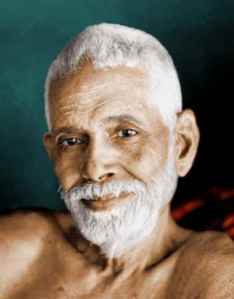
ஸ்ரீ ரமண மஹரிஷி வாழ்வில் …” யாருக்கும் அனுமதி இல்லை …” !!!


ரமணருக்கு முதுமையுடன் நோயும் சேர்ந்து உடல் மிக நலிந்திருந்த சமயம். ஆனால் எப்போதும் யாராவது அவரைத் தரிசிக்க வந்தவண்ணம் இருந்தனர். மருத்துவரோ கண்டிப்பாக ஒய்வு தேவை என்று கூறினார். குறைந்தபட்சம் மதியச் சாப்பாட்டுக்குப் பின் பகவான் சற்று ஒய்வு எடுக்கட்டும் என்று மிகுந்த நல்லெண்ணத்தோடு தீமானித்த நிர்வாகம் ஒரு போர்டு வைத்தது. ‘பகல் பன்னிரண்டு மணி முதல் இரண்டு மணி வரை யாருக்கும் அனுமதியில்லை’ என்று அதில் எழுதியிருந்தது.
சாப்பிடப் போயிருந்த பகவான் திரும்பி வந்தார். போர்டைப் பார்த்தார். பேசாமல் கூடத்துக்கு வெளியே உட்கார்ந்து விட்டார்.
‘பகவான் உள்ளே போகலாமே’ என்று மற்றவர்கள் கூறினர்.
‘யாருக்கும் அனுமதியில்லை என்று எழுதியிருக்கிறதே. அது நமக்கும் தானே’ என்று சொல்லிப் பகவான் எல்லோரையும் திகைக்க வைத்தார்.
……………
Natarajan
Jan 13 2015

ஸ்ரீ ரமண மஹரிஷி வாழ்வில்…பிள்ளையாருக்கு வாழைப்பழம் , அணிலுக்கு முந்திரிப்பருப்பு …”

கே.என்.சாஸ்திரி என்பவர் ரமணரைப் பார்க்கப் போகும்போது கையில் ஒரு சீப்பு வாழைப்பழம் கொண்டுபோனார். போகும் வழியில் அருணாசலேஸ்வரர் கோவிலுக்குப் போனார். சீப்பிலிருந்து பழத்தைப் பிய்த்தெடுக்காமலே சாஸ்திரி ஒரு பழத்தை மட்டும் அங்கிருந்த பிள்ளையாருக்கு மனதாலே நிவேதனம் செய்தார்.

இறுதியில் அவர் பகவானைப் பார்த்து பழங்களைக் கொடுத்தார். அங்கிருந்த ஒரு சாது பழச்சீப்பை குகைக்குள் வைப்பதற்காக எடுத்துப் போகும் நேரம் பகவான் ‘ஒரு நிமிஷம், பிள்ளையாருக்குக் கொடுத்த பழத்தை நாம எடுத்துக்கலாம்’ என்று சொல்லி ஒரு பழத்தை வாங்கிக் கொண்டதும் சாஸ்திரியார் வியந்து போனார். எது தெரியாது பகவானுக்கு?


ஆச்ரமத்தின் கூடத்தில் இருக்கும் கட்டிலில் ஸ்ரீ ரமணர் சாய்ந்து அமர்ந்திருந்தார். வழக்கமாக அந்த நேரத்தில் வருகின்ற அணிற்பிள்ளைகள் வந்தன. சிறிதும் பயமின்றி ஸ்ரீ ரமணரின் மேனியில் ஏறியும் இறங்கியும் விளையாடின. ஸ்ரீ ரமணர் தமது அருகிலிருந்த டப்பாவைத் திறந்து பார்த்தபோது, அன்று முந்திரிப் பருப்புக்குப் பதிலாக அதில் வேர்க்கடலை இருந்தது. தினந்தோறும் அணில்கள் ஸ்ரீ ரமணரின் கையிலிருந்து முந்திரிப் பருப்பை வாங்கி உண்ணும். அவரே ஊட்டவும் செய்வதுண்டு.

இன்று வேர்க்கடலையை அவர் ஊட்டியதும் அணிற்பிள்ளைகள் அதை ஏற்க மறுத்தன. அது மட்டுமில்லாமல் முந்திரி கிடைக்காத கோபத்துடன் ‘கீச் கீச்’சென்று கத்திக் கொண்டே தாவித் தாவி அவருடைய உடம்பில் ஏறின. “வேர்க்கடலையைச் சாப்பிடுங்கள்” என்று குழந்தையைக் கெஞ்சுவதுபோல ஸ்ரீ ரமணர் அணிற் பிள்ளைகளைக் கொஞ்சினார். அவையோ தொட மறுத்தன. முந்திரிப்பருப்பு வேண்டும் என்பதுபோல அடம் பிடித்தன. ஸ்ரீ ரமணர் சமையலறையிலிருந்து முந்திரி இருந்தால் கொண்டு வருமாறு தொண்டர் கிருஷ்ணசாமியிடம் கூறினார்.

தொண்டர் சிறிதளவு முந்திரியைக் கொண்டுவந்து கொடுத்தார். “இவ்வளவுதான் இருக்கிறதா ?” என்றார் ஸ்ரீ ரமணர். தொண்டர், “பாயசத்திற்குப் போடணும்னு கொஞ்சம் வைத்திருக்கிறது” என்றார்.

“இந்தக் குழந்தைகள் எப்படி தவிக்கின்றன. போ போ. பாயசத்திற்கு முந்திரி போடணும்னு கட்டாயமில்லை” என்று ஸ்ரீ ரமணர் கோபமாகக் கூறியதும் தொண்டர் சமையலறையிலிருந்த முந்திரி முழுவதையும் கொண்டு வந்து கொடுத்தார். ஸ்ரீ ரமணர் ஆசையுடன் ஊட்ட, அணிற்பிள்ளைகள் சந்தோஷக்குரல்களுடன் உண்டபோது, ஸ்ரீ ரமணரின் வதனத்தில் கருணையொளி வீசியது.

மறுநாளே சென்னையிலிருந்து வந்த பக்தர் ஒருவர் ஸ்ரீ ரமணரிடம் இரண்டு பெரிய பொட்டலங்களில் முந்திரிப்பருப்பு கொண்டுவந்து, “அணிற்பிள்ளைகளுக்கு அளிப்பதற்காகவே கொண்டு வந்தேன்” என்றார். ஸ்ரீ ரமணர் அணிற்பிள்ளைகளுக்குத் தேவையானது கிடைத்ததில் ஆனந்தம் அடைந்தார்.

ஓம் நமோ பகவதே ஸ்ரீ ரமணாய!!

SOURCE:::: http://www.balhanuman.wordpress.com

Natarajan

Jan 12 2015

” இனிக்கும் பொங்கல் இருக்கிறதா அடுத்த தலை முறைக்கு … ” ?

அடுத்த தலைமுறை பொங்கல்!

இரண்டொரு நாட்களுக்கு முன்
தேரில் வருவாள் என எதிர்பார்த்த
என் தைமகள்
காரில் வந்திறங்கி, ஒரு கவிஞனின்
கைபற்றி கதறி அழுததை, கனவில் கண்டேன்!

அடுத்த தலைமுறையின், ‘அபாக்கஸ்’
ஆதிக்கத்தில் அழிந்து போன தமிழனின்
தைத்திருநாள் கொண்டாட்டம்தான் அவள்
அழுகையின் அர்த்தம் எனப் புரிந்தது!

ஏ போக்கத்த அடுத்த தலைமுறையே
கொஞ்சம் போகியை பற்றி கேள்…

வாசலில் மாக்கோலம்… நடுவிலே பூசணிப்பூ
வீடு சுற்றி மா, வேம்பு, ஆவாரம் பூ என
கட்டிய பின், ஊர் திரளும் ஓரிடத்தில்
சொக்கபானை கொளுத்தி,
சொக்கி போய் கொண்டாடிய
அந்த போகிப் பொங்கல் எங்கே?
அது மட்கி மண்ணாகி போனது இங்கே!

ஏ…பர்கர் தின்னும் அடுத்த தலைமுறையே
கொஞ்சம் பொங்கலை பற்றி கேள்…

காப்பு கட்டிய முற்றம்;
திரண்டிருக்கும் குடும்ப சுற்றம்
மூன்று கல் கூட்டி, கரும்பு சோகை கட்டி
மஞ்சள் மாலை இட்டு,
கோலமிட்ட பானை வைத்து,
பொங்கி வரும் பொங்கலை, சிறார்கள்
பொங்கலோ பொங்கல் என கூவி
கும்மாளமிட்ட சர்க்கரை பொங்கல் எங்கே?
வெறும் பர்கர் தான் இங்கே!

ஏ… இன்டர் – நெட்டில் மாட்டி தவிக்கும் அடுத்த தலைமுறையே கொஞ்சம்
மாட்டுப் பொங்கலை பற்றி கேள்…

கண்மாய் கரையில் வைத்து,
கஷ்டப்பட்டு வயலில் உழைத்து
களைத்து போன காளைகளை
குளிப்பாட்டி, கொம்பு சீவி, வர்ணமிழைத்து,
பட்டி கட்டி, பாட்டுப்பாடி கொண்டாடிய
மாட்டுப் பொங்கல் எங்கே?
வெறும் பணநோட்டு மட்டும்தான் இங்கே!

ஏ… தேனும், தினை மாவும் மறந்த அடுத்த தலைமுறையே கொஞ்சம்
காணும் பொங்கலை பற்றி கேள்…

மாட்டை பூட்டி, கூட்டு வண்டி கட்டி, காப்பு தீட்டு
தீர்ந்ததென, தித்திக்கும் பொங்கல் தின்று
மாலை கோவில் சென்று, மனதார வழிபட்டு,
தாவணி கன்னியர் நந்தவனம் சென்று,
பூ பறித்து நடந்து வந்து
மஞ்சள் தண்ணீரை மற்றவர் மேல் ஊற்றி விளையாடிய காணும் பொங்கல் எங்கே?
வெறும் கனவு மட்டும்தான் இங்கே!

விளை நிலத்தை, ‘விலை’ நிலங்களாக்கி
விற்று விட்டு, வீடு மாறி போய் விட்ட
கிராமத்து விவசாயிகளின் ஆங்கிலப் பள்ளியில்
படிக்கும் அடுத்த தலைமுறைக்கு
அந்த பொங்கல் எப்படி தெரியும்
எப்படி விளங்கும்?

தேரில் வரும் தைமகளே காரில் வரும்போது
அடுத்த தலைமுறைக்கு பொங்கல், ‘கல்’லாகி
கொண்டிருப்பதை நினைக்கும் போது
நெஞ்சு கனக்கிறது!

பிஞ்சுகள், பின்னணி தெரியாமல்,
பின்புலத்தை இழந்து,
பிறப்பிடத்தை மறந்து, வேறிடம் குடி பெயர்ந்து,
சிறப்பிடத்தை பெறாமல்
தவிக்கும் இன்னாளில் இனிமை
பொங்கல் இங்கு எங்கிருக்கிறது?

இருந்தாலும் அனைவருக்கும்
பொங்கல் வாழ்த்து கூறி மகிழ்வோம்!

இளமுகில் அமுதவன், மஸ்கட்.   in  www.dinamalar.com

Natarajan

Jan 11 2015

ஸ்ரீ ரமண மஹரிஷி வாழ்வில்….” அணில் போல இருங்க …எலி போல வேண்டாம் …”

பகவான் ரமணர் உரைகேட்கப்
பக்தர் இருந்தார் அமர்ந்தபடி
அகமும் முகமும் மலர்ந்தபடி
அருளுரை சொன்னார் கனிந்தபடி
அணில்போல் இருங்கள்; தவறில்லை!
ஆனால் எலிபோல் கூடாது!
மணிமொழி இதனை உதிர்த்தபடி
மவுனமானார் நம் ரமணர்!
காரணம் வேண்டிப் பக்தர்கள்
காத்துக் கொண்டே இருந்தார்கள்
பூரண ஞானி விடைசொன்னார்
புன்னகை ஒன்றைத் தந்தபடி!
உண்ணும் அணிலைப் பாருங்கள்;
உண்டது போதும் என உணர்ந்தால்
கொண்ட கனியை அதன்பின்னர்க்
கொறிப்பதில்லை; ஓடிவிடும்;
ஆனால் எலியோ பதுக்குவதில்
ஆசை கொள்ளும்; மறுபடியும்
தானாய் வந்து பொருள்தேடும்
தனக்கு மீறிச் சேர்த்துவிடும்
போதும் என்ற மனம் இன்றிப்
பொருளைச் சேர்க்கக் கூடாது
நீதி இதுதான், எனச்சொல்லி
நிறுத்தி அருளினார் ரமணமுனி!
ஓம் நமோ பகவதே ஸ்ரீ ரமணாய!!  
Natarajan
Jan 11 2015

ஸ்ரீ ரமண மஹரிஷி வாழ்வில்….ஒரு பிரிட்டிஷ் இந்திய காவல் அதிகாரியின் அனுபவம் …”

இறைவனை, ஞானத்தை ஒவ்வொருவரும் முயன்றுதான் அடைய வேண்டும். There are no any short routes to reach the Feet of God.

–பகவான் ஸ்ரீ ரமண மகரிஷி

பிரிட்டிஷ் இந்திய போலீஸ் அதிகாரியான எஃப். ஹெச். ஹம்ப்ரீஸ் என்பவர் பகவானை முதலில் பார்த்ததும் தனக்கு எப்படி இருந்தது என்ற உணர்வை அப்படியே எழுதியிருக்கிறார்.அதை பழம் பெரும் எழுத்தாளர் லா.சு.ரங்கராஜன் அற்புதமாக மொழி பெயர்த்திருக்கிறார். அதை இப்போது பார்க்கலாம்.

”குகையை அடைந்ததும் நான் அவரது காலடியில் வாய் திறக்காமல் உட்கார்ந்தேன். இப்படி ரொம்ப நேரம் மௌனமாக இருந்ததால் நான் என் வசமிழந்து என்னுள் ஓர் எழுச்சி உண்டாவதை உணர்ந்தேன். அரை மணி நேரம் நான் மகரிஷியின் கண்களையே உற்றுப் பார்த்துக் கொண்டிருந்தேன்.ஆழ்ந்த தியானத்தில் இருந்த அவரது கண்கள் அசையவே இல்லை. புனித ஆவியின் ஆலயமே உடல் என்பதை நான் உணரத் துவங்கினேன்.என் எதிரே அமர்ந்திருந்த மகரிஷியின் உடல், அவர் அல்ல என்கிற உணர்வு தோன்றியது, கடவுளின் செயற்கருவியே அவர். எதிரே சும்மா அசைவற்று உட்கார்ந்த பாணியில் உள்ள உருவம் உயிரற்ற உடல் மட்டுமே. அந்த உடல் மூலம் கடவுள், சரம் சரமாகக் கதிரொளியைப் பரப்புகிறார்.என்னுள் எழுந்த எண்ணங்களை வெறும் வார்த்தைகளால் வர்ணிக்க முடியவில்லை.’’

பாருங்கள். ஒரு கிறிஸ்துவர், அதுவும் கடுமையான பணி புரியும் காவல் துறை அதிகாரி எப்படி உணர்கிறார் பாருங்கள். அவர் மட்டுமல்ல, அன்று மட்டுமல்ல., இன்றைக்கும் நீங்கள் திருவண்ணாமலை ரமணாச்ரமம் சென்று அவரது சன்னதியின் முன்னால் கொஞ்ச நேரம் உட்கார்ந்து பாருங்கள். நீங்களும் ஹம்ப்ரீஸ் போல் உணர்வீர்கள்.

ஓம் நமோ பகவதே ஸ்ரீ ரமணாய!! 

SOURCE::::www.balhanuman.wordpress.com

Natarajan

Jan 9 2015

ஸ்ரீ ரமண மஹரிஷி வாழ்வில்….காவ்யா கண்ட கணபதி முனிவர்…


காவ்ய கண்ட கணபதி முனிவர் என்ற மகா பண்டிதர் இருந்தார்.  நினைத்தவுடன் கவிதை எழுதும் ஆற்றல் கொண்டவர். ஏராளமான நூல்களைக் கற்றவர், எழுதியவர்.  பல மொழிகளைப் பேசும் ஆற்றல் உள்ளவர். கடும் தவம் புரிந்தவர்.  பெரும் புகழ் படைத்தவர்.

அப்படிப்பட்ட பெரிய மனிதருக்கு ஒரு சந்தேகம் மட்டும் இருந்துகொண்டே இருந்தது. அதற்கான விடை தேடி அவர் அலையாத இடமில்லை.

1907-ம் ஆண்டு கணபதி முனிவர் திருவண்ணாமலை வந்தார். கிரிவலப் பாதையில் ஒரு மண்டபத்தில் தியானத்தில் ஆழ்ந்திருந்தபோது அவருக்குள் மின்னல் வெட்டியது.  ‘பகவான் அழைக்கிறார்’ என்றது அந்த மின்னல். உடனே எழுந்தார். விடுவிடுவென நடந்தார். அருணாசலேஸ்வரர் வீதி புறப்பாடாகி வந்து கொண்டிருந்தார். நடுச்  சாலையில் இறைவனை விழுந்து நமஸ்கரித்தார்.

தன் நெடுநாள் கேள்விக்கு விடை கிடைக்கப் போகிறது என்று அவருக்குத் தோன்றிற்று.

விடுவிடுவென மலை மீது ஏற ஆரம்பித்தார். நல்ல வெயில் நேரம் அது. எதையும் அவர் பொருட்படுத்தவில்லை. விரூபாட்ஷி குகைக்கு வந்துதான் நின்றார்.

குகையின் முன் தாழ்வாரத்தில் பகவான் ரமணர் தனியே அமர்ந்திருந்தார்.
கணபதி முனிவர், ரமணர் முன் சாஷ்டாங்கமாக விழுந்து வணங்கினார். தன் இரு கைகளாலும் பகவானின் பாதங்களைப் பற்றிக் கொண்டு கண்ணீர் உகுத்தபடியே, ”கற்க  வேண்டிய யாவையும் கற்றேன். வேதாந்த சாஸ்திரங்களையும் பயின்றேன். மனம் கொண்ட மட்டும் மந்திரங்களையும் ஜபித்தேன். ஆனாலும் மனம் அடங்க வழியின்றித்  தவிக்கிறேன். தவம் என்பது யாதென தெரியவில்லை. ஐயனே, உன் திருவடியைச் சரணடைந்தேன்.’’ என்றார்.

பகவான், காவ்ய கண்ட கணபதி முனிவரையே பார்த்தார். ரொம்ப நேரம் உற்றுப் பார்த்துக் கொண்டே இருந்தார். ஆம். பார்வையிலேயே பதிலை  விளக்கி விட்டு பின்னர்  உபதேசமும் அருளினார்.

”‘நான்’ என்பது எங்கேயிருந்து புறப்படுகிறதோ அதை கவனித்தால் மனம் அங்கே ஒன்றிவிடும். அதுவே தவம்.

ஒரு மந்திரத்தை ஜபம் பண்ணும்போது மந்திரத்வனி (ஓசை) எங்கிருந்து புறப்படுகிறது என்று கவனித்தால் மனம் அங்கே ஒன்றிணைகிறது. கரைந்து போகிறது, அதுதான்  தவம்.’’

கணபதி முனிவரின் கண்களிலிருந்து ஆனந்தக் கண்ணீர் வழிய ஆரம்பித்தது, அவரது நெடுநாள் சந்தேகத்துக்கு விடை கிடைத்த திருப்தி. அவரது ஐயங்கள் எல்லாம்  தீர்ந்து விட்டன.

அன்றைய தினம் விரூபாட்ஷி குகையிலேயே பகவானுடன் தங்கிக் கொண்டார் கணபதி முனிவர். அதுவரை பிராமண சுவாமிகள் என்றே அழைக்கப்பட்டு வந்த ரமணரை,  ‘பகவான் ஸ்ரீ ரமணமகரிஷி’ என்றே அனைவரும் அழைக்க வேண்டும் என்று  அப்போதுதான் சொன்னார் கணபதி முனிவர். ஆமாம்.  ‘மருவிலாக் காட்சிப் பெரியனை  இனிமேல் மகரிஷி என்றே வணங்கிப் பணிக.’ என்று பாடி வணங்கினார். அன்று முதல்தான் பகவான் ரமண மகரிஷி என்ற பெயர் நிலைக்க ஆரம்பித்தது.

ஆமாம். விரூபாட்ஷி குகைதான் அந்தப் பெயரை முதலில் கேட்ட  முதல் இடம். புனித  பூமி.

ஏற்கெனவே புகழ்பெற்ற மனிதராக கணபதி முனிவர் இருந்ததால், அவரது வருகைக்குப் பிறகு, பகவானைக் காண பக்தர்களின் கூட்டம் அதிகரித்தது. பக்தர்களின்  வினாக்களும் அதிகரித்தன.

அவர்களுக்கு பகவான் அருளிய பதில்களை எல்லாம் தொகுத்து, வட மொழி ஸ்லோகங்களாக அவற்றை அமைத்து எழுதியவர் யார் தெரியுமா?
காவ்ய கண்ட கணபதி முனிவர்தான்.

ரமண கீதை என்ற பெயரில் அற்புதமான நூலாக ஆக்கினார் அவர்.

ஓம் நமோ பகவதே ஸ்ரீ ரமணாய!! 

SOURCE:::: http://www.balhanuman.wordpress.com

Natarajan

HAMPI….A Place For Architectural Beauties and Heritage Sites …

If you are seeking an opportunity to virtually transport yourself to the times of kings and their kingdoms, to the times of heroic battles and battlefields and to the times of long forgotten wonders that hand carved this land for you to unravel, then this is the place for you. Furthermore, Hampi is one of the most safest places to be at.

Hampi calls you to witness the eccentric charm of valued monuments, of its beauty, that lies in the ruins of its UNESCO recognized sights. Located at the distance of 341 k.m. from Bengaluru, the easiest way to reach Hampi is either to take a bus or train, which is easily available from major towns and cities.  The nearest railway station is Hospet.

1. Go fancy or go local, it’s totally upto you!

Image source

A five million star hut over a five star hotel. What TO say ?


2. Hire a cycle or a bike, maybe?

Image source

This is undoubtedly the cheapest and the most recommenced means of transport. This way you’ll cover all the stretches closely.


3. The glorious step well

Image source

Another great architectural beauty  !


4. The Virupaksha temple

Image source

Recognized as a UNESCO World Heritage Site, this temple is going to be a delight for your eyes.


5. The coracle boats

Image source

Tungabhadra River wouldn’t be the same without coracle boats. You’ll have a great time using them.


6. The boulder-strewn landscapes

Image source

Regardless of how much I say, Hampi’s monuments will always possess more charm than the one expressed in words.


7. Matanga Hill

Image source

This is one of the most talked about places in Hampi. You just have to be here.


8. Vittala temple

Image source

Rediscover your love amid this stone chariot of Vittala Temple.


9. Krishna Temple Complex

Image source

The majestic pillars of this temple will leave you mesmerized for longer than usual.


10. Bukka’s aqueduct

Image source

Nothing fancy about this place, just some beauty lying unnoticed.


11. Farms as seen from Anjaneyadri Hill

Image source

…and you’d wonder! Since when there was so much godliness around?


12. Zanana Enclosure

Image source

Numerous intriguing fables took birth here. A secluded place which was left for the royal women.


13. Tungabhadra River in Hampi

Image source

Ahuh! What a delight.


14. Elephant Stables

Image source

This is one of the least destroyed structures of Hampi. This oblong is demanding you to pay a visit.


15. Pampa Sarovar

Image source

This sarovar made to sacred ponds mentioned in the Hindu epics and  scriptures.


16. South India Unplugged

Image source

Every shopper’s delight; the markets here, will leave you wanting for more. Just Shop.


17. Rock Climbing

Image source

Two steps up and one step down. That’s how you do it here. Hampi is a highly regarded rock climbing destination.


18. Watch as the Sun goes down

Image source

Just breathe and watch the beauty turning its face towards the lunar light.


19. Hampi’s Hippie Island

Image source

You always wanted to see that. Always. A part of you that rebelled enough to rebel will find solace here.


20. Discover your secret hideout

Image source

For your friends. Just for them.

The architectural aura of Hampi is akin to numerous fantasies. It is sure to take you back to the times of imperial beauty and legacy. Once you’re there, you are bound to get mesmerized amid the ruins.

SOURCE:::: Shewali Tiwari  in www.storypick.com

Natarajan

Jan 8 2015