The Devil”s nose Railroad ….


When Ecuador President General Eloy Alfaro took office in 1895, and announced that a new railway line would be built connecting the coastal city of Guayaquil with the capital, Quito, in the highlands, a fierce opposition arose starring both conservatives and liberals. Many people at that time thought the Andes could not be conquered by rail. Despite protests and discouragement, General Alfaro hired a couple of US contractors and tasked them to build the “most difficult railway in the world.” A partnership between the government and a North American firm was forged leading to the foundation of the Guayaquil and Quito Railway Company, and construction of the historic line began in 1899.

Photo credit: trenecuador.com

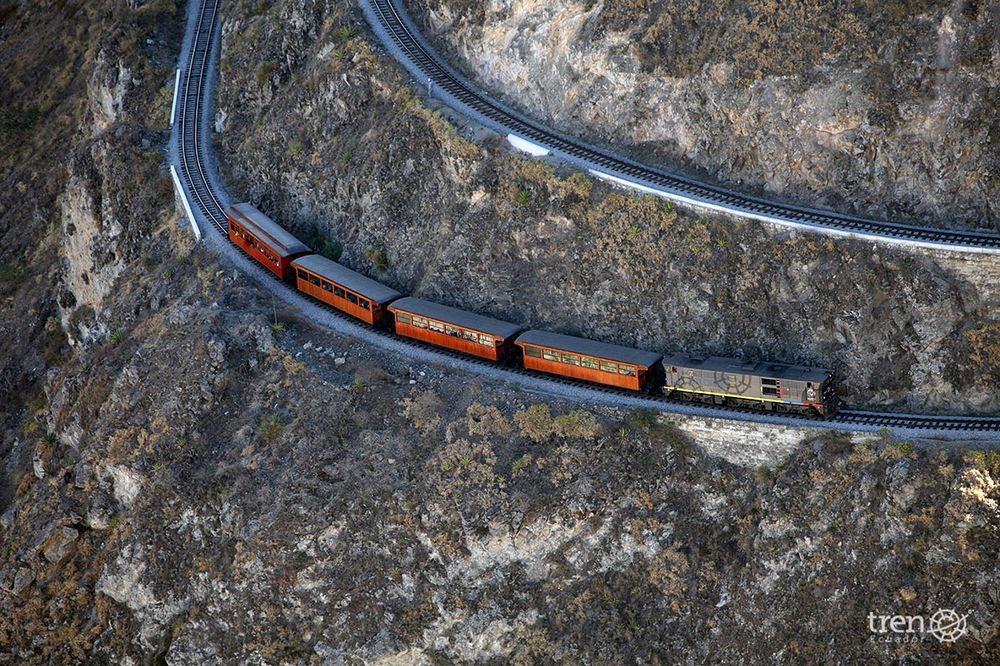
Building a railroad in the highlands was not an easy task. Frequent seismic activity, heavy rainfall, jaguars, poisonous snakes, malaria, dysentery, and yellow fever delayed progress. The most technically challenging part of this rail route, however, was a sheer rock face known as the Devil’s Nose, or Nariz del Diablo, that stood between Alausi and Sibambe. To ascend this 800 meter cliff, the engineers carved a series of steep switchbacks that allowed the train to climb at a gradient of 1-in-18 by alternately advancing and reversing up the tracks.

The railroad will rise with a grade of 3.5% along a narrow cornice cut by blasting the wall of the perpendicular rock of the Nose and will extend beyond the bifrucation of the railway.  When the train goes beyond the bifrucation, a switchman will jump from the locomotive and raise the lever to change the track; then , the train will continue on its way up to the next narrow cornice, in reverse, until the next switchback.  Then, the switchman will change the tracks again, and the train will continue on its way through the cornice, until crossing the Devil’s Nose.

It was said that the Devil’s Nose was damned by the Satan because he didn’t want a railway to be built there. And acts that goes against the Devil’s wishes are paid for in human lives. By the end of construction of the Nariz del Diablo portion of the track, more than 2,000 workers had died from disease, labor, or the climate. Among the casualties were workers brought from the English colonies in the Caribbean, mostly from Jamaica, hundreds of prisoners who were forced to work with promises of freedom, and Major John Harman, the chief engineer of the project himself.

Nevertheless, the completion and the first ascent of Nariz del Diablo in 1902 was one of the most incredible feat of railway engineering at that time.The line continued operating, with interruptions, until 1997 when landslides during El Nino devastated the tracks, effectively shutting down the entire line. Currently, only a 12-km stretch from Alausí to Sibambe is open that take tourists through gorgeous mountain scenery and a thrilling descent over Devil’s Nose

Sources: Wikipedia / Rough Guides / takhte-sarah.blogspot.in / railroadinthesky.com  and www. amusingplanet.com

Natarajan

nariz-del-diablo-912

படித்ததில் பிடித்தது ….” சொல்பவன் யார் …” ?


கவிஞர் கண்ணதாசன்_ஒரு கல்லூரிக்_
கவியரங்கத்தில் கலந்துகொண்டு கவிதையை
வாசிக்க ஆரம்பித்தார்.

அரங்கத்தில் உற்சாக_ஆரவாரம் எழுந்தது.

அவர் கவிதை வாசிக்கும்போது ஒவ்வொரு_
வரிக்கும் பலத்த கைதட்டல் எழுந்தது.

வாசித்து முடிந்ததும் கரவொலி அடங்க_
வெகுநேரம் பிடித்தது.

கைதட்டல்கள் முடிந்ததும்,
கண்ணதாசன்சொன்னார்,

‘இன்று நான் வாசித்த_கவிதை நான்_
எழுதியது அல்ல.

உங்கள் கல்லூரி மாணவர்_ஒருவர் நேற்று_
ஒரு கவிதை எடுத்துக்_கொண்டு வந்து_
என்னிடம் காண்பித்தார்.

அது மிக நன்றாக இருந்தது.

எனவே நான் எழுதிய_கவிதையை அவரை_
வாசிக்க சொல்லிவிட்டு_அவர் எழுதிய_
கவிதையை நான் வாசித்தேன்.

என் கவிதையை அவர் வாசிக்கும்போது_
எந்தவித ஆரவாரமும் இல்லை.

அவர் எழுதிய_கவிதையை நான் வாசித்தபோது_
பலத்த வரவேற்பு.

ஆக சொல்பவன் யார் என்பதைத்தான் உலகம்_
பார்க்கிறதே ஒழிய,

சொல்லும் பொருளைப்_பற்றிக் கவலைப்படுவதில்லை.
என்பதுதான்_உண்மை என்று புரிகிறது.”

‪#‎படித்ததில்_பிடித்தது‬

ஒரு பிரபலமானவன் முயலுக்கு மூன்று கால்கள்_
மட்டும்தான்_என்று சொன்னாலும் ஆமாம் என்று சொல்லும்_
சமுதாயத்தில் தான்_நாம் வாழ்ந்து கொண்டிருக்கிறோம்..!!


Source…..Facebook  input  from  ‪#‎படித்ததில்_பிடித்தது‬

Natarajan

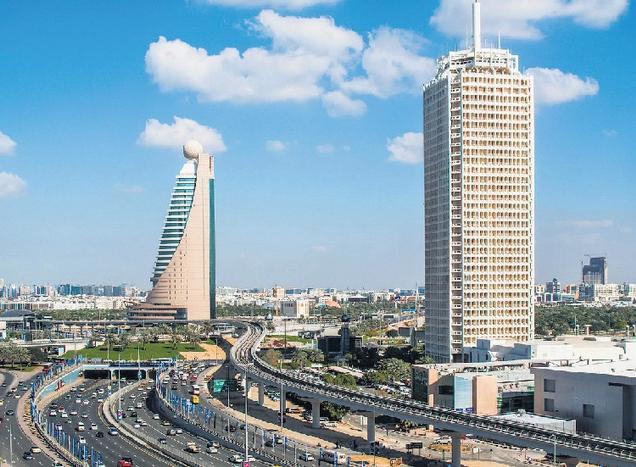
” துபாயை உலகத்துக்கே விற்ற கட்டிடம்…” !!!

building_2872234f

துபாயின் ‘உலக வர்த்தக மையம்’ பற்றி ஒரு கதை உண்டு. 70-களின் தொடக்கத்தில் ஒரு தொழிலதிபர் துபாய்க்கு வந்தார். இடம் ஒன்று வாங்கி, கட்டிடம் கட்டிப்போடும் எண்ணத்தில் துபாயின் ஷேக் ரஷீதின் அரண்மனைக்கு அவர் சென்றார். அவருக்கு இடம் விற்பதற்கு ஷேக் இசைந்தார். ஆனால், ஷேக்கின் சர்வேயர் காட்டிய இடம் நகரத்தின் மையத்தை விட்டு விலகியிருந்ததால் அந்தத் தொழிலதிபருக்கு அந்த இடம் பிடிக்கவில்லை. மிகுந்த பணிவுடன் மறுத்துவிட்டார். அதற்குப் பல மாதங்களுக்குப் பிறகு தான் மறுத்த இடம் எவ்வளவு வளர்ச்சி பெற்றிருக்கிறது என்பதைக் கண்ட தொழிலதிபர் சேக்கிடம் சென்றார்.

முதலில் காட்டிய இடத்தை மறுத்ததற்கு மன்னிப்பு கேட்டுவிட்டு, தனக்கு மறுபடியும் அந்த இடம் தேவைப்படுகிறது என்று கேட்டார். அவருக்கு ஷேக் வேறொரு இடத்தைக் காட்டச் செய்தார். அந்த இடத்திலிருந்து பார்த்தால் தூரத்தில் பாலைவனம் தெரிந்தது. அதற்கப்புறம், தொழிலதிபர் துபாய்க்குத் திரும்பி வரவேயில்லை. அவர் கண்டு பயந்து ஓடிய இரண்டாவது இடத்தில்தான் இப்போது ‘உலக வர்த்தக மையம்’ இருக்கிறது.

அந்தத் தொழிலதிபர் மட்டுமல்ல, ‘உலக வர்த்தக மையம்’ வந்த பிறகும் பலரும் துபாயின் வளர்ச்சி குறித்து ஐயமே கொண்டிருந்தனர். ஆனால், இப்போதோ அந்த வர்த்தக மையம்தான் துபாயில் இருமருங்கிலும், வானளாவிய கட்டிடங்களைக் கொண்டு நீளும் ஷேக் ஜயது சாலையின் நுழைவாயிலாக இருக்கிறது.

இதனால் உலக முதலீட்டாளர்கள் சுண்டியிழுக்கப்படுகிறார்கள். ஆக, தீர்க்கதரிசனமாக துபாயின் சேக் ரஷீத் செய்த செயல்தான் துபாயின் கைகாட்டிபோல் ‘உலக வர்த்தக மையம்’ இன்று நின்றுகொண்டிருக்கிறது.

இன்று அதிகார மையமாக இருக்கும் இந்தக் கட்டிடம் சற்றுப் பழமையானதாகவும் இருக்கிறது. 150 மீட்டர் உயரத்தில் அதை வானளாவிய கட்டிடம் என்று சொல்ல முடியாதுதான். ஆனால், பிரபலக் கட்டிடக் கலைஞர் ஒருவர் துபாய்க்கு வருவார் என்றால், துபாயின் கட்டிடக் கலையின் பெருமையாக ‘உலக வர்த்தக மைய’த்தைப் பற்றித்தான் குறிப்பிடுவார்.

ஷேக் ரசீதை ஆங்கில ஊடகங்கள் ‘வியாபாரி இளவரசர்’என்றே குறிப்பிடுகின்றன. உலகின் பொருளாதாரத் தலைநகரங்களுக்கெல்லாம் அவர் பயணித்து அங்கே வர்த்தகச் செயல்பாடுகளெல்லாம் எப்படிப் பொழுதுபோக்குடன் ஒன்றுசேர்கின்றன என்பதைக் கண்டார்.

அவரது நம்பிக்கையான கட்டிடக் கலைஞர் ஜான் ஹாரிஸிடம் வர்த்தகச் சந்தைகளுக்கான மையம் ஒன்றைக் கட்டும்படி பணித்தார். முதலில் பொருட்காட்சி மையமொன்றுக்கான திட்டமாக ஆரம்பித்து இறுதியில் அது ‘உலக வர்த்தக மைய’த்துக்கான திட்டமாக மாறியது.

நியூயார்க், டோக்கியோ போன்ற நகரங்களின் வர்த்தக மையங்களையெல்லாம் பார்வையிட்டு வந்தார் ஜான் ஹாரிஸ். துபாயிலேயே மிகவும் உயரமான ஒரு கட்டிடமாக, 33 மாடிகள் கொண்டதாக ‘உலக வர்த்தக மையம்’ உருவாக ஆரம்பித்தது. இன்னும் உயரம் வேண்டுமே என்று ஷேக் கேட்டுக்கொண்டதற்கு இணங்க, 39 மாடிகள் உயரம் கொண்டதாகக் கட்டப்பட்டது.

வானளாவிய கட்டிடம் ஒன்று உங்கள் நகரத்தை உலகத்தின் கண்களில் முக்கியத்துவம் பொருந்தியதாக மாற்றுமல்லவா, அது போலவே வர்த்தகச் செயல்பாடுகளுக்கு துபாய் தயாராக இருக்கிறது என்று இந்த உலகைத் திரும்பிப் பார்க்க வைத்தது இந்த வர்த்தக மையம்தான். சொகுசு ஹோட்டல், உயர்தர அடுக்ககங்களைக் கொண்ட மூன்று கோபுரங்கள், ஒரு கண்காட்சி மையம், வாகனங்கள் நிறுத்துமிடம், டென்னிஸ் ஆடுகளங்கள் போன்றவற்றைக் கொண்டு ஒரு உலகளாவிய நகரத்தைப் போல உருவானது அந்தக் கட்டிடம். 24 மணி நேரக் கண்காணிப்பு/ நிர்வாகம், பாதுகாப்பு ஊழியர்கள், தொழிலதிபர்களுக்கான கிளப், பயண ஏற்பாட்டு நிறுவனம், அஞ்சல் நிலையம், திரையரங்கம் என்று சுமுகமான வர்த்தகப் பரிவர்த்தனைகளுக்கு ஏற்ற ஒரு சூழலைக் கொண்டு செயல்படுகிறது அந்த மையம். ஜன்னல்களுக்கு வெளியே அவலட்சணமாக ஏ.சி.

பெட்டிகள் தொங்கும் கதைக்கே இங்கே இடமில்லை. எப்போதும் 22 டிகிரி செல்சியஸ் வெப்பநிலை இருக்கும் விதத்தில் அங்கு சூழல் அமைக்கப்பட்டிருக்கும்.

நகரத்துக்குள் ஒரு நகரம் என்ற திட்டத்தின் முன்வடிவம்தான் ‘உலக வர்த்தக மையம்’. நாம் அங்கே வசிக்கலாம், வேலை பார்க்கலாம், விளையாடலாம். உள்ளே இருக்கும் ‘பாலைவனச் சோலை’ உள்ளிட்ட ஒவ்வொரு இடத்துக்கும், ஒவ்வொரு அங்குலத்துக்கும் ஆகும் செலவு மேலாண்மைக் கட்டணத்தில் சேர்க்கப்பட்டுவிடும். பொருட்காட்சியின் தரையமைப்பையும் கூட பனிச்சறுக்குத் தளமாகவோ குத்துச்சண்டை தளமாகவோ மாற்றிக்கொள்ள முடியும்.

தொழில் செயல்பாடுகளுடன் பொழுதுபோக்கும் ஐக்கியமாகிவிடுகிறது இங்கே. கட்டிடம் கட்டும்போதே ஹாரிஸிடம் சேக் இப்படிச் சொல்லியிருந்தார், “வர்த்தகத்தை மனதில் கொண்டே வசதிகள், பொழுதுபோக்கு போன்றவற்றுக்கு நாம் முக்கியத்துவம் கொடுக்க வேண்டும்.”

500 சொகுசு அடுக்ககங்களுடன் ஒரு நகரம் போல அந்தக் கட்டிடம் செயல்பட்டுக் கொண்டிருக்கிறது. துபாய் ஷேக்குக்குச் சொந்தமான இந்தக் கட்டிடம் நகரத்தின் ஏனைய பகுதிகளிலிருந்து தனித்து இயங்குகிறது. அரபு உலகின் மையமாக இந்தக் கட்டிடத்தை ஆங்கில ஊடகங்களில் ஷேக் விளம்பரப்படுத்தினார்.

உலகிலேயே உயரமான கட்டிடங்கள் துபாயில் தற்போது கட்டப்பட்டுக்கொண்டிருக்கின்றன. அது மட்டுமல்லாமல் ‘பாம் ஜுமைரா’ போன்ற தீவுக் கட்டமைப்புகளும் உருவாக்கப்பட்டிருக்கின்றன. அவற்றுக்கு முன்னால் ‘உலக வர்த்தக மைய’த்தின் கட்டிடம் சிறு மடுபோலக் காட்சியளிக்கலாம். ஆனால், துபாயை உலகுக்கு விற்றது இந்தக் கட்டிடம்தான் என்பதை மறக்கக் கூடாது.

1981-ல் அபுதாபியிடம் ஆயுதங்களை விற்பதற்காக அப்போதைய இங்கிலாந்து பிரதமர் மார்கரெட் தாட்சர் வந்தபோது துபாயிலும் தலையைக் காட்டிவிட்டுச் சென்றார். அப்போது அவரை ஷேக் ரஷீத் வர்த்தக மையத்தின் கோபுரத்தின் உச்சிக்கு அழைத்துச் சென்றார்.

உலகின் மிகப் பெரிய செயற்கைத் துறைமுகமான ‘போர்ட் ஜெபல் அலி’யை அங்கிருந்து ஷேக் காட்டினார். பிரிட்டனின் பொறியாளர்களும் கடன் நல்கையாளர்களும் சேர்ந்து உதவியதால் உலக அரங்கில் துபாய் மேலே மேலே செல்ல ஆரம்பித்தது. அதற்கான உதாரணமாக ஷேக் அந்தத் துறைமுகத்தை ‘உலக வர்த்தக மைய’த்தின் உச்சியிலிருந்து காட்டினார். துபாயின் ஒரு கட்டிடம் துபாயை உலகுக்கு விற்ற கதை இதுதான்.

தி கார்டியன், சுருக்கமாகத் தமிழில்: ஆசை

Source….www.tamil.thehindu.com

Natarajan

First Recorded public version on a Gramophone Plate…First Sloka in Rig Veda !!!


Something Surprising..

His Masters Voice (HMV) had once published a pamphlet giving the history of gramophone record.
Gramophone was invented by Thomas Alva Edison in the 19th century.
Edison, who had invented many other gadgets like electric light and the motion picture camera, had become a legend even in his own time.

When he invented the gramophone record, which could record human voice for posterity, he wanted to record the voice of an eminent scholar on his first piece.
For that he chose Prof. Max Muller another great personality of the 19th century.
He wrote to Max Muller saying,
“I want to meet you and record your voice. When should I come?”
Max Muller who had great respect for Edison asked him to come on a suitable time when most of the scholars of the Europe would be gathering in England.

Accordingly, Edison took a ship and went to meet Max Muller .
He was introduced to the audience.
All cheered Edison’s presence.
Later at the request of Edison, Max Muller came on the stage and spoke in front of the instrument.
Then Edison went back to his laboratory and by afternoon came back with a disc.
He played the gramophone disc from his instrument.
The audience was thrilled to hear the voice of Max Muller from the instrument.
They were glad that voices of great persons like Max Muller could be stored for the benefit of posterity.

After several rounds of applause and congratulations to Thomas Edison, Max Muller came to the stage and addressed the scholars and asked them,
“You heard my original voice in the morning. Then you heard the same voice coming out from this instrument in the afternoon. Do you understand what I said in the morning or what you heard in the afternoon?”

The audience fell silent because they could not understand the language in which Max Muller had spoken.
It was ‘Greek and Latin’ to them as they say.

But had it been Greek or Latin, they would have definitely understood because they were from various parts of Europe.
It was in a language which the European scholars had never heard.

Max Muller then explained what he had spoken.
He said that the language he spoke was Sanskrit and it was the first sloka of Rig Veda, which says “Agni Meele Purohitam”

This was the first recorded public version on the gramophone plate.

अग्निमीळे पुरोहितं यज्ञस्य देवं रत्वीजम।
होतारं रत्नधातमम।।
(Rig Veda 1.001.01)

Why did Max Muller choose this?

Addressing the audience he said,
“Vedas are the oldest text of the human race. And “Agni Meele Purohitam” is the first verse of Rig Veda.
In the most primordial time, when the people did not know how even to cover their bodies and lived by hunting and housed in caves, Indians had attained high civilization and they gave the world universal philosophies in the form of the Vedas”

When “Agni Meele Purohitam” was replayed, the entire audience stood up in silence as a mark of respect.

The verse means :
“Oh Agni, You who gleam in the darkness, to You we come day by day, with devotion and bearing homage. So be of easy access to us, Agni, as a father to his son, abide with us for our well being.”

Source…..Input from a friend of mine

Natarajan

“ஆழமான இடத்தில் அதிக நீர் தங்கும் …ஆத்மார்த்தமான உள்ளத்தில் பகவான் தங்குவார் …”

album1_22கடமையைச் செய்… பலனை எதிர்பார்க்காதே.’

– இது பகவான் கிருஷ்ணன் சொன்னது.

அதுபோல் தெய்வங்களிடமும், மகான்களிடமும் பிரார்த்தனைகளை வைப்பதோடு நம் வேலை முடிந்து விட்டது. ‘பிரார்த்தனை வைத்தோமே… நாம் வணங்குகிற கடவுள் இதை எப்போது நிவர்த்தி செய்வார்? நாம் கும்பிடுகிற மகான் இதை எப்போது நிறைவேற்றி வைப்பார்?’ என்று எதிர்பார்த்துக் கொண்டிருக்கக் கூடாது.

ஆழமான இடத்தில்தான் நீர் அதிகம் தங்கும்.

ஆத்மார்த்தமான உள்ளத்தில்தான் பகவான் தங்குவார்.

நம் பிரார்த்தனை நியாயமாக இருந்தால், அவற்றை தெய்வங்களிடமோ மகான்களிடமோ சொல்ல வேண்டும் என்கிற அவசியம் இல்லை. அதை அவர்களாகவே தங்களது தீர்க்க தரிசனத்தின் மூலம் உணர்ந்து எப்போது நிறைவேற்ற வேண்டுமோ, அப்போது நிறைவேற்றி விடுவார்கள்.

காஞ்சி மகா பெரியவாளின் அனுக்ரஹத்துக்கு உள்ளான பக்தர்களுக்கு இது நன்றாகவே தெரியும்.

அந்த மகானின் அன்புக்கும், கருணைக்கும் கட்டுப்பட்ட பக்தகோடிகள் இவரது தரிசனத்தையே மாபெரும் வரப்ரசாதமாக எண்ணுவார்கள்.

அது 1991-ஆம் வருடம்… மகா பெரியவா முதுமைக் காலத்தில் இருந்தார். பக்தர்களுக்கு அதிக தரிசனம் அப்போது இல்லை.

அன்றைய தினம் விசேஷமாக மகா பெரியவா பக்தர்களுக்கு தரிசனம் தந்து கொண்டிருந்தார்.

ரொம்ப நாள் கழித்துப் பெரியவா தரிசனம் தரப் போகிறார் என்பதற்காக அன்றைய தினம் மகா பெரியவாளைத் தரிசிக்க எண்ணற்ற பக்தர்கள் வந்திருந்தனர்.

குழந்தைகளில் இருந்து முதியோர் வரை எல்லா தரப்பினரும் ஸ்ரீமடத்தில் திரண்டிருந்தனர்.

பிரார்த்தனை எதுவும் இல்லாமல் இன்றைக்குக் கோயில்களுக்குச் செல்வோரையும், மகான்களின் அதிஷ்டானம் செல்வோரையும் காண்பது மிகவும் அரிதாகி விட்டது.

அன்றைய தினமும் அப்படித்தான். மகா பெரியவாளைத் தரிசிக்கக் கூடி இருந்த பக்தர்களுள் பலரது முகத்தில் ஏதோ எதிர்பார்ப்புகள். வேண்டுதல்கள்.

அவரவர்கள் தங்களால் இயன்ற காணிக்கைகளைக் குருவுக்கு சமர்ப்பிக்க வேண்டும் என்று வாங்கிக் கொண்டு வந்திருந்தார்கள். அவற்றில் பழங்கள், உலர்வகை பழங்கள், முந்திரி, வில்வ மற்றும் துளசி மாலைகளும் அடங்கும்.

பக்தர்களோடு பக்தராக அங்கே கலந்து ஓர் ஓரமாக நின்று கொண்டிருந்தனர், நாராயணன் – வைதேகி தம்பதியர். சென்னையில் வசிப்பவர்கள். நாராயணன் உத்தியோகஸ்தர்.
நாராயணனது இடுப்பில் அவர்களது ஒண்ணரை வயது பெண் குழந்தை நிதர்சனா அப்பாவின் கழுத்தைக் கட்டிக் கொண்டிருந்தது.

விழிகளை உருட்டி உருட்டி அங்குமிங்கும் பார்த்துக் கொண்டிருந்தாள். புதுப் புது மனிதர்களே எங்கும் தென்பட்டதால், குழந்தையின் முகத்தில் ஒரு மிரட்சி தெரிந்தது.

‘மகா பெரியவா அருகே செல்ல வேண்டும்… அந்த மகானிடம் தங்களது பிரார்த்தனையைச் சொல்ல வேண்டும்’ என்பது இந்தத் தம்பதியர்களின் விருப்பமாக இருந்தது.

ஆனால், அன்றைக்குக் கூடி இருந்த பக்தர்கள் கூட்டத்தில் இவர்களால் ஒரு இஞ்ச் கூட முன்னேறிச் செல்ல முடியாத சூழ்நிலை.

எனவே, தாங்கள் இருந்த இடத்தில் இருந்தபடியே மகா பெரியவாளின் திருமுக தரிசனத்தை எம்பி எம்பிப் பார்த்து கன்னத்தில் போட்டபடி இருந்தனர்.

‘‘ஏங்க, கூட்டம் இவ்ளோ இருக்கே… நிதர்சனாவைப் பெரியவாகிட்ட கூட்டிண்டு போய் காட்ட முடியுமாங்க? அந்த தெய்வத்தின் அனுக்ரஹப் பார்வை இவ மேல் திரும்புமாங்க?’’ என்று வைதேகி, நாராயணனைப் பார்த்து ஏக்கத்துடன் கேட்டாள்.

‘‘இன்னிக்கு அந்த மகானோட அனுக்ரஹம் கிடைக்கணும்னு நமக்கு விதி இருந்தா கிடைக்கும். பார்ப்போம், குருவோட பார்வை நம்ம மேல திரும்பறதானு…’’ என்று மகா பெரியவாளையே வைத்த கண் வாங்காமல் பார்த்தபடி உருக்கத்துடன் சொன்னார் நாராயணன்.


‘‘ஏங்க, கூட்டம் இவ்ளோ இருக்கே… நிதர்சனாவைப் பெரியவாகிட்ட கூட்டிண்டு போய் காட்ட முடியுமாங்க? அந்த தெய்வத்தின் அனுக்ரஹப் பார்வை இவ மேல் திரும்புமாங்க?’’ என்று வைதேகி, நாராயணனைப் பார்த்து ஏக்கத்துடன் கேட்டாள்.

‘‘இன்னிக்கு அந்த மகானோட அனுக்ரஹம் கிடைக்கணும்னு நமக்கு விதி இருந்தா கிடைக்கும். பார்ப்போம், குருவோட பார்வை நம்ம மேல திரும்பறதானு…’’ என்று மகா பெரியவாளையே வைத்த கண் வாங்காமல் பார்த்தபடி உருக்கத்துடன் சொன்னார் நாராயணன்.

வந்திருந்த பக்தர்கள் ஒவ்வொருவருக்கும் அவரவர்களது பிரார்த்தனையை மகானிடம் சென்று சொல்ல வேண்டும்… இதற்கு சாதகமாக ஒரு அருளாசி அவரிடம் இருந்து பெற வேண்டும் என்று இருந்ததே தவிர, தரிசனத்துக்காகக் காத்திருக்கும் குழந்தைகளுக்கோ, பெரியோர்களுக்கோ ஒரு முன்னுரிமை கொடுத்து அவர்களை முதலில் அனுப்ப வேண்டும் என்று யாருக்கும் கவலை இல்லை. அப்படிப்பட்ட எண்ணமும் இல்லை.

மகானின் சந்நிதி முன்னாலும், எல்லோரும் சுய நலத்துடன் காணப்பட்டார்கள்.

மகா பெரியவா அருகே வரும் பக்தகோடிகளை அவரது சிஷ்யர்கள் கட்டுப்படுத்தி, அனுப்பிக் கொண்டிருந்தார்கள்.

வழக்கம்போல் மகா பெரியவா அங்கே திரண்டிருந்த பக்தகோடிகளைத் தன் அனுக்ரஹப் பார்வையால் ஒரு முறை அலசினார்.

தன்னைத் தரிசிக்க ஆத்மார்த்தமாக வந்திருக்கும் நாராயணன் – வைதேகி தம்பதியருக்கு அன்றைய தினம் யோகம் அடித்தது.

அடுத்த விநாடி ஒரு சிப்பந்தியை ஜாடை காட்டித் தன் அருகே அழைத்தார் மகா பெரியவா. குழந்தை நிதர்சனாவை இடுப்பில் சுமந்து கொண்டிருக்கும் நாராயணனை அடையாளம் காண்பித்து, ‘அவாளைக் கொஞ்சம் கிட்டக்கக் கூட்டிண்டு வா’ என்று சைகை செய்தார் மகான்.

அந்த சிப்பந்தி கூட்டத்தை விலக்கிக் கொண்டு நாலடி பாய்ச்சலில் ஓடிப் போய் நாராயணன் – வைதேகி தம்பதியரிடம் விஷயத்தைச் சொல்ல… அவர்கள் ஆனந்த அதிர்ச்சியில் திறந்த வாயை மூட மறந்தார்கள். ‘‘என்னது… மகா பெரியவா எங்களைக் கூப்பிடறாரா?’’

‘ஆமா… வாங்கோ, சீக்கிரம். உங்களுக்குத்தான் உத்தரவு ஆகி இருக்கு.’’

கணவன், மனைவி இருவரின் விழியோரங்களும் நெகிழ்வின் காரணமாக கண்ணீர் சொரிந்தன.

குழந்தையை இடுப்பில் வைத்துக் கொண்டே இரு கரங்களையும் கூப்பிய வண்ணம் மகா பெரியவாளை வணங்கியபடியே நடந்தார் நாராயணன்.

‘‘வழி விடுங்கோ… வழி விடுங்கோ…’’ என்று உரக்கக் கூவிக் கொண்டே சிப்பந்தி முன்னால் செல்ல… பின்னால் நாராயணனும் வைதேகியும் நடந்தனர்.

மகா பெரியவா அருகே இவர்களைக் கூட்டிக் கொண்டு வந்து நிறுத்திய சிப்பந்தி, பெரியவாளுக்குத் தகவல் தெரிவித்தார்.

கலியுக தெய்வத்தின் பார்வை தம்பதியின் மேல் விழுந்தது. ‘‘இடுப்புல வெச்சிண்டு இருக்காளே… அது அவாளோட குழந்தையானு கேளு…’’ – தன் பக்கத்தில் இருந்த சிப்பந்திக்கு பெரியவா உத்தரவு!

இந்தக் கேள்வி அப்படியே ஓவர் டூ தம்பதியர்.

வந்த பிரார்த்தனையே அதுதானே!

குழந்தையை முன்னிறுத்தித்தானே இன்றைக்கு மகா பெரியவாளைத் தரிசிக்க வந்திருக்கிறார்கள் இவர்கள்!

இவ எங்க கொழந்தைதான் பெரியவா…’’ – நாராயணன் நெக்குருகச் சொன்னார். அதை ஆமோதிப்பதுபோல் வைதேகியும் கண்கள் கலங்க… பெரியவாளையும் நிதர்சனாவையும் மாறி மாறிப் பார்த்துக் கொண்டிருந்தாள்.

குழந்தையைப் பார்த்துப் பெரியவா புன்னகைத்தார்.

குழந்தையும் பதிலுக்குப் புன்னகைத்தது.

அதன்பின் மகா பெரியவா தனக்கு அருகில் இருந்த ஒரு மூங்கில் தட்டில் இருந்து சிறிது உலர் திராட்சைகளை அள்ளி, சிப்பந்தியிடம் கொடுத்தார். ‘‘அந்தக் கொழந்தைகிட்ட கொடு.’’
திராட்சை இடம் மாறியது.

தன் பிஞ்சுக் கைகளை நீட்டியபடி அத்தனை திராட்சைகளையும் இரண்டு உள்ளங்கைகளுக்குள் அடக்க முற்பட்டது குழந்தை. அம்மாவும் இதற்கு உதவினார்.

மகா பெரியவா திருச்சந்நிதியிலேயே அந்த திராட்சைகளில் இருந்து இரண்டை எடுத்துத் தன் வாயில் போட்டுக் கொண்டது குழந்தை.

நாராயணனுக்கும் வைதேகிக்கும் கண்கள் குளமாயின என்று சொன்னால், அது சாதாரணம்.

இருவரும் குழந்தையை வைத்துக் கொண்டு தேம்புகிறார்கள்.

வந்த கார்யம் முடிந்து விட்டது. அந்தப் பரப்பிரம்மம் தன் வலக் கையை உயர்த்தி, இவர்களுக்கு விடை கொடுத்தது.

இத்தனை பக்தகோடிகள் கூடி இருக்கிற இடத்தில், மிகவும் ஆத்மார்த்தமாக வந்திருக்கிற ஒரு ஜோடியைத் தேர்ந்தெடுத்துத் தன் அருகே வரவழைத்து அவர்களுக்குத் தேவையானதைக் கொடுத்து விட்டார் மகா பெரியவா.

அடுத்து, மகானது பார்வை கூட்டத்தைத் துழாவியது.

அடுத்த அதிர்ஷ்டம் யாருக்கோ?!

காஞ்சி ஸ்ரீமடத்தை விட்டு வெளியே வந்தார்கள் நாராயணனும் வைதேகியும்!

இன்னமும் இடுப்பிலேயே இருந்தாள் நிதர்சனா!

இதுவரை அநேகமாக ஏழெட்டு திராட்சையை சாப்பிட்டிருப்பாள்.

மகா பெரியவா பிரசாதம் இன்னமும் அவள் கையில் இருந்தது.

காஞ்சிபுரம் பஸ் ஸ்டாண்ட் வந்து சென்னைக்குச் செல்லும் பஸ்ஸில் ஏறினார்கள் மூவரும்.

மிதமான கூட்டத்தோடு பஸ் புறப்பட்டது.

மூவர் அமரக் கூடிய ஒரு இருக்கையில் ஜன்னல் ஓரமாக நிதர்சனாவும், அவளுக்கு அருகில் நாராயணனும் வைதேகியும் அமர்ந்தார்கள்.

பஸ் புறப்பட்டு ஐந்து நிமிடம் ஆகி இருக்கும்

திடீரென நாராயணனின் கன்னத்தையும், சற்று எம்பி வைதேகியின் கன்னத்தையும் தடவி, ‘‘அம்மாமா… அப்பாபா…’’ என்று குரல் உயர்த்திக் குழந்தை பேச ஆரம்பித்தபோது, தாயும் தகப்பனும் போட்ட விநோதக் கூச்சலில் ஒரு விநாடி அதிர்ந்து சடன் பிரேக் போட்டு பேருந்தை நிறுத்தினார் டிரைவர்.

‘என்ன பிரச்னையோ?’ என்று டிரைவர், தன் இருக்கையில் இருந்தே திரும்பிப் பார்க்க… கண்டக்டர் ஓடி வந்து, ‘‘என்னம்மா…’’ என்று கரிசனத்துடன் விசாரிக்க…
கண்களில் உடைப்பெடுத்துப் பெருகும் நீருடன் எல்லோரையும் பார்த்து வைதேகி சொன்னாள்: ‘‘எங் குழந்தை பேச ஆரம்பிச்சிடுச்சுங்க. எங் குழந்தை பேச ஆரம்பிச்சிடுச்சுங்க… ஒண்ணரை வருஷமா பேசாம இருந்த கொழந்தை இப்ப பேசுது. இவளோட மழலை மொழியை இப்பதான் கேக்கறேன்.’’

பஸ்ஸில் இருந்த அத்தனை பேரும் எழுந்து வந்து குழந்தையின் கன்னம் தொட்டுக் குதூகலித்தனர்.

ஆம்! நிதர்சனா பிறந்தது முதல் தற்போது வரை (ஒண்ணரை வயது) எந்த ஒரு வார்த்தையும் பேசியதில்லை.

வேண்டாத தெய்வம் இல்லை. போகாத கோயில் இல்லை. செய்யாத பரிகாரம் இல்லை.

ஆனால், அத்தனையும் தாண்டி, ஒரு கலியுக தெய்வம் தனக்கு பிக்ஷையாக வந்த திராட்சையைக் கொண்டே இவர்களின் பிரச்னையைத் தீர்த்து விட்டது.

குடும்பத்துக்கே பிரசாதமாக வந்த திராட்சை குழந்தை நிதர்சனாவுக்கு மட்டுமில்லை.

நாராயணன் அவர் புரிந்து வரும் உத்தியோகத்தில் அடுத்தடுத்து நல்ல மாற்றங்கள். பிரமோஷன், சம்பள உயர்வு என்று எல்லாம் கிடைத்தன.

மகா பெரியவாளுக்கு சுமார் 97 வயது இருக்கும்போது நடந்த அற்புதங்களில் இதுவும் ஒன்று.

ராகவேந்திரரும், ஷீர்டி பாபாவும் காலங்களைக் கடந்தும் தங்களது பக்தர்களுக்கு – தங்களை நம்பியவர்களுக்கு அபயம் அளித்துக் கொண்டுதான் இருக்கிறார்கள்.

நம் பக்கத்திலேயே வெண்ணெயை வைத்துக் கொண்டு நெய்க்கு அலைந்து கொண்டிருக்கிறோம் நாம்!

மகானின் திருச்சந்நிதி தேடி காஞ்சிக்கு ஒரு முறை போய் வாருங்கள்!

உங்கள் உதடுகள் பேச வேண்டாம். மனம் அவரோடு பேசட்டும்.

உணர்வுகளைப் புரிந்து கொள்வார். உள்ளத்தை அறிந்து கொள்வார்.

‘குருவே சரணம்’ என்று அவரது திருப்பாதங்களைப் பற்றிக் கொள்ளுங்கள்.

உங்களை ஆசிர்வதித்து அருள அவர் தயாராக இருக்கிறார்.

கட்டுரையாளர்: பி. சுவாமிநாதன்

Source …….Mail input from my friend Shri . Swaminathan

Natarajan


Bartered, Gifted, Stolen, But Never Sold, the Elusive Kohinoor Diamond is Still Making History…!!!

Entrenched in history, having been passed down by some of the greatest rulers of massive empires in the Indian subcontinent, the Kohinoor diamond is the most desirable, priceless stone.

It’s a clear stone the size of a ping pong ball and it fits in the palm of the hand. But the Kohinoor Diamond is priceless, with a deep history engraved in its essence. The stone has seen bloodshed, violence, greed, wonder, deception and wars. It has seen men go mad with power, it has seen men fall from grace. It has seen the thirst, the hunger and the dreams that make humans essentially human. The stone has been brought down through the ages, changing hands and making history on its way.

The assertion of ownership over the stone is still an elusive decision. India, Pakistan and Afghanistan all want the stone back, claiming ownership, while Britain vehemently refuses to part with their most prized possession. As theIndian government claims to bring back to stone ‘amicably’, here’s a look at why this legendary, brilliant cut 106-carat stone is so remarkable and desirable.

From India to Present-day Uzbekistan to England

kohinoor

The Kohinoor Diamond on the royal crown

Source: Wikimedia Commons

According to legends, in the 13th century, the diamond was found in Guntur, in Andhra Pradesh. The first known record of the possession of the diamond was with the Kakatiya Dynasty in South India, and then with the Rajas of Malwa. When the Delhi Sultanate took over the South of India in 1300s, Alauddin Khilji held the stone in his palace.

In 1339, it was taken to Samarkand (present day Uzbekistan), which was its home for the next 500 years. Sultan Ibrahim Lodi gifted it to Babur. After three generations, it was passed on to Shah Jahan. Then his son Aurangzeb took over and imprisoned him, and guarded the stone with his life. It was passed on to Bahadur Shah I and later to his great grandson, Muhammad Shah. Being a weak ruler, the stone was taken from Muhammad by Nader Shah. In 1747, he was assassinated, and his general, Ahmad Shah Durrani, passed on the stone to his grandson, Shah Shuja Durrani.

Durrani took the stone to India, and gifted it to the founder of the Sikh Empire, Ranjit Singh in 1813, in return for help to take down the Afghani throne. Emporer Ranjit Singh had instructed the stone to be part of Jagannath Temple in Puri after his death in his will. But when the East India Company and the British Empire took over the Sikh Empire in 1849, the stone was confiscated, and stored at a treasury in Lahore. Finally, it was taken to the Queen in 1850. Today, it is part of the Crown Jewels, placed in the Tower of London in the UK

The Curse of the Mountain of Light

In Persian, Koh-i-Noor means the mountain of light. However, the name didn’t come about till the stone reached Nader Shah in the mid-1700s. Legend has it that in 1306, someone wrote that the stone was cursed. According to the curse, any man who owns the stone is likely to own all the riches and power of the world, but also suffer great misfortunes. Only a god or a woman can carry or wear the stone with no ill consequences.

A New, Lighter Cut

kohinoor

The size of the stone before 1852

Source: Kohinoordiamond.org

When the stone was discovered, it was allegedly 793 carats, uncut. By the time it reached the British Empire in 1849, the stone weighed 186 carats. The Queen ordered the stone to be cut in 1852, as it wasn’t as brilliant and beautifully shaped when compared to other cut diamonds in their possession at the Crystal Palace. The stone was cut into an oval shape, and weighed 42% lighter at 105.602 carats.

The Priceless Gem

In the 1500s, Babur had declared that the Kohinoor was worth half the world’s total production costs in a day. However, there’s no certain way of determining the price of the stone. It has changed hands through history mainly because it was bartered, gifted or stolen. Compared to other stones in the world that weigh somewhere close, like the 100-carat flawless diamond sold by Sotheby’s at an auction in 2015, it should cost around $22-30 million (Rs 146 crores). But considering that the stone has been possessed by many of the greatest legends in Indian and world history, the premium for it could be priceless.

The Tug of War

kohinoor

Source: Wikimedia Commons, Kohinoordiamond.org

When India got its independence in 1947, it asked for the stone back, believing it was supposed to be in India. Even after consequent requests in 1953 and 2000, the British government refused, citing that it was nearly impossible to decide who the stone belonged to, given its various owners throughout history. In 1976, Pakistan laid claim to the stone, but was refused by then-Prime Minister of the UK, James Callaghan, claiming that in a treaty with the Maharaja of Lahore in 1849, the stone was ordered to be transferred to the British Crown. Afghanistan too claimed that the stone should be returned to them.

In 2010, Prime Minister David Cameron said, in a quote that’s now popular, “If you say yes to one you suddenly find the British Museum would be empty. I am afraid to say, it is going to have to stay put.”

It might be a while before a concrete decision has been made about the ownership of the diamond. Until then, it’ll take you a ticket to London to appreciate this beauty, steeped in historical legends!

Source…..Neeti VijiayKumar in http://www.the better india .com

Natarajan

Message for the Day….” It is your duty to follow and practice the twin principles of Truth and Righteousness…”

Sathya Sai Baba

Ravana (the villain in Ramayana) sought wealth and gratification of desire, utterly violating the principle of dharma. He was a scholar par excellence. He had mastered the sixty-four disciplines of learning whereas Rama had mastered only thirty-two. However Rama put them into practice and thereby digested them, whereas Ravana failed to digest them. The indigestion on the part of Ravana arose in the form of desire (kama), which ultimately destroyed him. While Rama was the embodiment of Dharma, Ravana remained as the embodiment of kama. Thus there arose a conflict between righteousness and unrighteousness. Rama transformed Himself into the embodiment of sathya (Truth), since He followed the principle ofdharma. Since Ravana violated dharma, he became the embodiment of asathya (untruth). There is an eternal warfare between righteousness and unrighteousness, truth and untruth. It is your duty to follow and practice the twin principles of truth and righteousness.

Lord Rama….Fact or Fiction ….?

By Sri Nandanandana das (Stephen Knapp)

As of late, in the year 2007, the idea of whether Lord Rama exists or not has been called into question, by no less than some of the politicians in India. So it is a wonder how such persons can be accepted as leaders of the people of India who should be concerned with preserving and protecting the culture of the country. Obviously, they are neither concerned nor aware of the depths of information that can be found in support of the traditions for which India is especially known. Or, they are really attempting to dismantle or destroy the authority of the timeless nature of the civilization of the country.

In regard to Lord Rama, the point about ancient history is that the farther you go back in time, the fewer references you can use that actually refer to the incident in history. There may be many commentaries, but few quotations to the actual events.

However, when it comes to the Ramayana and the history of Lord Rama, there have been numerous authors who have accepted the Ramayana as a history of ancient events. For example, the first Governor General of India, Sri Rajaji, wrote on the Ramayana and called it a history, as also did the English Indologist Sir William Jones. Various other western authors have made a study of the culture and history of the Ramayana, such as Philip Lutgendorf in his book Rama’s Story in Shiva’s City, California University; Joe Burkhalter Flueckiger and Laurie Sears in The Boundaries of Traditional Ramayana and Mahabharata Performances in South and Southeast Asia, University of Michigan, Ann Arbor; W. L. Smith on Ramayan Traditions in Eastern India, University of Stockholm, and others.

There are also numerous places that are indicated as the locations where various events happened in reference to the pastimes of Lord Rama and Sita. Thus, they are accepted as historical sites. I have personally visited many of these places, such as Ramesvaram, Nasik, Hampi, and others where there are particular locations and sites that are related to the events that took place in the life and adventures of Lord Rama. Many people accept these sites as the locations for the events described in the Ramayana. So how can this be unless there are not some reality behind it?

However, why is there not more archaeological evidence that points towards Rama’s existence? Because such an effort has not been made in India and systematic excavations have never been carried out, says historian Nandita Krishnan. She says that to doubt the existence of Rama is to doubt all literature. There is little archaeological or epigraphic evidence for either Jesus Christ or Prophet Mohammed, who are known only from the Bible and Koran respectively. Does it mean they did not exist? If Rama performs miracles such as liberating Ahalya, the Biblical story of Jesus walking on water or the Koranic tale of Mohammed flying to heaven on a horse are equally miraculous. Such stories reinforce divinity.

She also describes in summary what areas the events of Lord Rama’s life took place. She explains: “The Ramayana is geographically very correct. Every site on Rama’s route is still identifiable and has continuing traditions or temples to commemorate Rama’s visit. Around 1000 BC or earlier, no writer had the means to travel around the country inventing a story, fitting it into local folklore and building temples for greater credibility.

“In 1975 the Archaeological Survey of India (ASI) unearthed fourteen pillar bases of kasauti stone with Hindu motifs near the mosque at Ayodhya; reports of the excavations are available with the ASI. Rama was born in Ayodhya and married in Mithila, now in Nepal. Not far from Mithila is Sitamarhi, where Sita was found in a furrow, still revered as the Janaki kund constructed by her father Janaka. Rama and Sita left Mithila for Ayodhya via Lumbini. In 249 BC, Ashoka erected a pillar in Lumbini with an inscription referring to the visits by both Rama and Buddha to Lumbini. Ashoka was much nearer in time to Rama and would be well aware of his facts.

“Rama, Lakshmana and Sita left Ayodhya and went to Sringaverapura – modern Sringverpur in Uttar Pradesh – where they crossed the River Ganga. They lived on Chitrakoot hill where Bharata and Shatrughna met them and the brothers performed the last rites for their father. Thereafter, the three wandered through Dandakaranya in Central India, described as a land of Rakshasas, obviously tribes inimical to the brothers’ habitation of their land. Tribals are still found in these forests. The trio reached Nasik, on the River Godavari, which throbs with sites and events of Rama’s sojourn, such as Tapovan where they lived, Ramkund where Rama and Sita used to bathe, Lakshmankund, Lakshmana’s bathing area, and several caves in the area associated with their lives in the forest.

“Rama then moved to Panchavati near Bhadrachalam (AP), where Ravana abducted Sita. The dying Jatayu told them of the abduction, so they left in search of Sita. Kishkinda, near Hampi, where Rama first met Sugriva and Hanuman, is a major Ramayana site, where every rock and river is associated with Rama. Anjanadri, near Hospet, was the birthplace of Hanuman (Anjaneya); Sugriva lived in Rishyamukha on the banks of the Pampa (Tungabhadra); Sabari probably also lived in a hermitage there. Rama and the Vanara army left Kishkinda to reach Rameshwaram, where the Vanaras built a bridge to Lanka from Dhanushkodi on Rameshwaram Island to Talaimannar in Sri Lanka. While parts of the bridge – known as Adam’s Bridge – are still visible, NASA’s satellite has photographed an underwater man-made bridge of shoals in the Palk Straits, connecting Dhanushkodi and Talaimannar. On his return from Sri Lanka, Rama worshiped Shiva at Rameshwaram, where Sita prepared a Linga out of sand. It is still one of the most sacred sites of Hinduism.

“Sri Lanka also has relics of the Ramayana. There are several caves, such as Ravana Ella Falls, where Ravana is believed to have hidden Sita to prevent Rama from finding her. The Sitai Amman Temple at Numara Eliya is situated near the ashokavana where Ravana once kept her prisoner.

“All the places visited by Rama still retain memories of his visit, as if it happened yesterday. Time, in India, is relative. Some places have commemorative temples; others commemorate the visit in local folklore. But all agree that Rama was going from or to Ayodhya. Why doubt connections when literature, archaeology and local tradition meet? Why doubt the connection between Adam’s Bridge and Rama, when nobody else in Indian history has claimed its construction? Why doubt that Rama traveled through Dandakaranya or Kishkinda, where local non-Vedic tribes still narrate tales of Rama? Why doubt that he was born in and ruled over Ayodhya?

“Rama’s memory lives on because of his extraordinary life and his reign, which was obviously a period of great peace and prosperity, making Ramarajya a reference point. People only remember the very good or the very bad. Leftist historians have chosen to rubbish archaeology, literature and local tradition.”

Nandita Krishnan also adds that “Nobody believed that Homer’s Iliad was a true story till Troy was discovered after extensive archaeology. Unfortunately, the sites of the Ramayana and Mahabharata have now been built over many times and it may never be possible to excavate extensively either at Ayodhya or Mathura.”

To further verify this aspect of the history of Lord Rama, Pushkar Bhatnagar concludes that geographical evidence for the epics is abundant. There still exist many places like Rameshwaram, Kishkindha, Kurukshetra, Hastinapura, etc. where the visits of Rama and Krishna are a basic part of local folklore.

Lack of archaeological evidence is no excuse for denying the existence of history, sums up Bhatnagar. “If the buildings of that time over 7000 years ago do not exist today, can we just infer that civilizations and personalities of that time also did not exist?”

In literature, we have the Ramayana and other texts such as the Puranas which also relate and verify the history and existence of Lord Rama. People from many other regions of the world have also accepted the Ramayana as worthy of attention, devotion, and historical evidence. For example, we can see the affects of the Ramayana tradition in many countries who have adapted their own form of the Ramayana and worship of Lord Rama, especially in the countries of Southeast Asia. These include Burma (Myanmar), Cambodia (Capuchia), Thailand, Indonesia, Malaysia, the Philippines and Vietnam. Other areas can also be found where the influence of the history of Lord Rama is in affect, such as the continent of Africa was once known as Kushadvipa for having been ruled by Kush, one of Lord Rama’s sons.

The other fact is that many millions of people feel the reciprocation from Lord Rama whenever they engage in devotion to Him, or read the Ramayana, or hear the Ramayana in a katha, or watch a television show or movie about Him, or go to one of the temples dedicated to Him. This cannot be denied or neglected. Just because we have insensitive politicians who cannot perceive this reciprocation does not mean that we all are so spiritually undeveloped. This dedication and reciprocation has spread throughout the world.

There have also been astronomers who have identified the approximate time of the Ramayana by the descriptions of the stars and constellations as given in the Ramayana, or even in the Bhagavata Purana and other texts. Pushkar Bhatnagar, author of the book Dating the Era of Lord Rama, claims that there is a significant amount of information available to prove that Rama was a historical personality. He says, “Valmiki, who wrote the Ramayana, was a contemporary of Rama. While narrating the events of the epic, he has mentioned the position of the planets at several places.” He explains that by using recent planetary software, it has been possible to verify that these planetary positions actually took place precisely as specified in the Ramayana. These were not just stray events, but the entire sequence of the planetary positions as described by Valmiki at various stages of Rama’s life can be verified today as having taken place.

Bhatnagar goes on to explain: “This information is significant, since these configurations do not repeat for lakhs of years and cannot be manipulated or imagined so accurately, without the help of sophisticated software. The inference that one can draw is that someone was present there to witness the actual happening of these configurations, which got recorded in the story of Rama.”

Bhatnagar provides the following quote from the Ramayana: “Rama was born on the Navami tithi of Shukla Paksha of Chaitra masa (9th day of the increasing phase of the moon in the lunar month of Chaitra). At that time, the nakshatra was Punarvasu, and Sun, Mars, Saturn, Jupiter and Venus were in Aries, Capricorn, Libra, Cancer and Pisces respectively. Lagna was Cancer and Jupiter & Moon were shining together. — Ramayana 1.18.8,9

The conditions can be summarized as follows, according to Bhatnagar:
1. Sun in Aries
2. Saturn in Libra
3. Jupiter in Cancer
4. Venus in Pisces
5. Mars in Capricorn
6. Lunar month of Chaitra
7. 9th day after New Moon (Navami Tithi, Shukla Paksh)
8. Moon near Punarvasu Nakshatra (Pollux star in Gemini constellation)
9. Cancer as Lagna (Cancer constellation rising in the east)
10. Jupiter above the horizon

According to the Planetarium software, it provides the following date: Sri Rama Navami – 10th January 5114 BCE – Birth Day of Rama, Observation at 12.30 p.m.

Bhatnagar continues: “By using a powerful planetarium software, I found that the planetary positions mentioned in Ramayana for the date of birth of Lord Ram had occurred in the sky at around 12.30 p.m. of 10th January 5114 BC. It was the ninth day of the Shukla Paksh of Chaitra month too. Moving forward, after 25 years of the birth of Lord Ram, the position of planets in the sky tallies with their description in Ramayana. Again, on the amavasya (new moon) of the 10th month of the 13th year of exile the solar eclipse had indeed occurred and the particular arrangement of planets in the sky was visible. ( Date comes to 7th October, 5077 BC). Even the occurrence of subsequent two eclipses also tally with the respective description in Valmiki Ramayana. (Date of Hanuman’s meeting Sita at Lanka was 12th September, 5076 BC). In this manner the entire sequence of the planetary positions gets verified and all the dates can be precisely determined.”

Although this provides verification of the existence for Lord Rama according to calculations as given in the Ramayana, some people feel the timing for the day and year of His birth may be different than what the planetarium software indicates. For example, Vedic astrologer Nartaka Gopala devi dasi points out that “Regarding the calculation of Lord Rama’s birth as 10th of January 5114 BCE – Birth Day of Rama, Observation at 12.30 PM, there are 2 reasons why this cannot be correct. His rising sign, or lagna, is Cancer. That places Aries in the tenth house, and He has the Sun in Aries. The placement of the Sun in any birth chart will tell the time of day of the birth. Sun in the tenth house means birth at noontime (approx. 11 AM to 2 PM). There are no exceptions to this. (Lord Krishna appeared at midnight, the Sun is in Leo, 4th house for Taurus rising. Birth at 6 PM means 7th house Sun. Birth at sunrise means 1st house Sun.) Also, in Lord Rama’s chart the Sun is in Aries, and the dates for Sun in Aries are fixed, which means the same each year on April 14th to May 13th. So how did the January 10 date come up? These two Jyotish corrections are common sense that any Vedic astrologer would immediately see.” So there may be a difference in what the planetarium software suggests. This also corroborates why we who follow the Vedic calendar celebrate Lord Rama’s appearance in April-May each year. So the traditional date appears accurate.

Furthermore, some people feel that the appearance of Lord Rama took place many thousands or even millions of years earlier, in the Treta-yuga. For example, the Bhagavata Purana clearly states that Lord Rama became king during Treta yuga (Bhag. 9.10.51). We have been in Kali-yuga for 5000 years. Before this was Dvapara-yuga which lasts 864,000 years. Before that was Treta-yuga, which lasts over 1,200,000 years. Thus, according to this, the existence of Lord Rama had to have been many thousands of years ago. And if Lord Rama appeared in one of the previous Treta-yugas, it would certainly indicate that Lord Rama appeared several million years ago. And this is exactly what is corroborated in the Vayu Purana.

In the Vayu Purana (70.47-48) [published by Motilal Banarsidass] there is a description of the length of Ravana’s life. It explains that when Ravana’s merit of penance began to decline, he met Lord Rama, the son of Dasarath, in a battle wherein Ravana and his followers were killed in the 24th Tretayuga. The Roman transliteration of the verse is:

tretayuge chaturvinshe ravanastapasah kshayat
ramam dasharathim prapya saganah kshayamiyavan

There are 1000 Treta-yugas in one day of Brahma, and it is calculated that we are presently in the 28th cycle of the four yugas (called divya-yugas, which is a cycle of the four yugas, Satya-yuga, Treta-yuga, Dvapara-yuga, and then Kali-yuga) of Vaivasvata Manu, who is the seventh Manu in the series of 14 Manu rulers who exist in one kalpa or day of Brahma. Each Manu is considered to live for 71 such divya-yuga cycles. So, without getting too complicated about things, from the 24th Treta-yuga to the present age of this Kali-yuga, there is obviously a difference of millions of years when Lord Rama manifested here on earth. Of course, few people may believe this unless they are already familiar with the vast lengths of time that the Vedic literature deals with.

Nonetheless, maybe there is further reason why we should accept that Lord Rama appeared millions of years ago. In the Valmiki Ramayana, Sundara-Kanda (or Book 5), Chapter 4, verse 27, [Gita Press, Gorakhpur, India] it explains that when Hanuman first approached Ravana’s palace, he saw the doorways surrounded by horses and chariots, palanquins and aerial cars, beautiful horses and elephants, nay, with four-tusked elephants decked with jewels resembling masses of white clouds.

Elsewhere in the Valmiki Ramayana, Sundara-Kanda (or Book 5), Chapter 27, verses12, an ogress named Trijata has a dream of Lord Rama, which she describes to the other demoniac ogresses upon awakening. In that dream she sees Rama, scion of Raghu, united again with Sita. Sri Rama was mounted on a huge elephant, closely resembling a hill, with four tusks.

The question is how could there be a mention of the elephants with four tusks unless Valmiki and the people of his era were familiar with such creatures? A quick search on the Encarta Encyclopedia will let us know that these four-tusked elephants were known as Mastodontoidea, which are said to have evolved around 38 million years ago and became extinct about 15 million years ago when the shaggy and two tusked Mastodons increased in population. Now there’s something to think about, eh? So this would mean that the specific planetary configuration that is described in the Ramayana, and is verified by Pushkar Bhatnagar, may have indeed happened, but at a time millions of years prior to merely 10,000 years ago.

In this way, as we go through the evidence, we can see how Lord Rama was an actual historic personality, as described in the Ramayana and in other Puranic texts. Nonetheless, there will always be those for whom no matter what you present for verification, it will not be enough. Some just won’t believe it. Some will, some won’t, so what, let’s move on. But many in the world already accept the authority of the Ramayana and other Vedic texts for the verification of the existence of Lord Rama.

Jaya Sri Rama!

Source…….www.dandavats.com

Natarajan
” I survived …So can You …” Says Ankur Mishra !!!

Hailing from a village having no electricity, this techie now runs two start-ups, educates his community, gives TED Talks and is on his third novel. This is Ankur Mishra’s journey.

Ankur Mishra

Ankur Mishra exudes the kind of lucid candour and sincerity that can only be mustered by someone who has lived a life in every season, flavour and shade that India has to offer — for he has walked a thousand miles and chronicled many adventures.

Don’t take him for any other small-town boy with big dreams — for this entrepreneur, social worker, writer, poet and traveller went a step ahead, brought on his finest masonry to also build his road block by block.

Growing up in a village

Ankur grew up in a “pure” small village in Uttar Pradesh, as he likes to put it. “I say ‘pure’, because there was no electricity, and was surrounded by the mountains and a river.

“The school was small and the teachers, harsh. Coming from a very poor family, I almost didn’t get an education, had it not been for the God-given gift of scholarship. Even then, I read English in Class VI for the first time,” he explains.

Some incidents in school left an impression on him.

This catapulted him into action at the raw age of 16, with his ‘baba,’ one of the few members in his family that were literate, by his side.

A headstart

“I had experienced first-hand the impact that the right or wrong teacher could have on a child. Whether it was the moment when I was slapped by a teacher for merely standing up to read the board properly, or the general disinterest that was apparent in so many of the teachers at the village school, our school systems were lacking quality and soul,” he says.

Whilst in Class XII, Ankur felt that his weekends and all that free time could find much better use, so he started an initiative called Unique Educational Group.

He approached several heads of institutions and volunteered to take weekly sessions with students on subjects like Maths and Science. “Maths is my favourite. Kids are very keen to learn counting using different techniques, and I teach them the practical use of mathematics — how they can help their parents in budgeting, time management etc.,” he explains.

Starting out with two village schools, the students’ vigour and eager anticipation of their sessions made them locally famous, and within two years, their weeks had to be split between 17 villages and around 100 schools — something Ankur pulled off completely with his pocket money.

When the time came for Ankur to leave the village behind for his career, the same model was met with indifference from students in cities; but Ankur is keen on setting up in Gurgaon, where he now sips his beloved tea with 10 students weekly, alongside running his early-stage start-up.

First date with a computer

Ankur Mishra

Believe it or not, this seasoned techie laid his claim to the computer only when he entered college for his BTech.

He worked for several MNCs including Microsoft after college as a programmer and developer, but he felt like his ‘tech-geekdom’ had another calling, namely, to help non-techies join the techwagon.

With Digital India especially, Ankur saw great value in helping non-techies “get” the web and do more business using it. Foreantech — ‘a start-up for start-ups,’ became his way of helping start-ups at designing, development and marketing, all at one place. “Today’s start-ups have a big headache of resources, especially, developers and designers.

“I wanted to solve this problem. When a start-up comes to us, their digital worries become ours,”Ankur explains.

The one-year-old company has successfully accomplished about 100 projects with start-ups like Wingo and Baniyagiri, as well as some government assignments.

Love with tech, but flirting with the quill

Scarring experiences from his school days encouraged Ankur to become a storyteller, and he began by publishing an expose on teachers when he was only 16.

The response was amazing and gratifying,according to Ankur, motivating him to write for newspapers and magazines over various social and political issues, until he decided to cast an even wider net, and debut as a novelist. He wrote two books — his first Love Still and l Flirt, his second Kshanik Kahaniyon Ki Ek Virasat,which was better received, and his upcoming one Love at Metro.

He also recently published a collection of Hindi poems.

Ankur started a website called Kavishala.in for poets to have an online mehfil of sorts. Only a month old, 50 poets have already contributed over 100 works to it.

Passing on the torch, and spreading the fire

Brimming with life — experiences of making it as a literate engineer, entrepreneur and multi-lingual writer from a powerless village, Ankur knew he must enlighten those seeking inspiration. “I have never really been afraid of speaking in public platforms,”he notes.

He speaks as a grassroots expert on politics, technology, and society, and has graced the stage at over 25 seminars and events like TedxPatna, Ignite Jaipur, Microsoft Tech Days, UEN Summit Patna etc.

The 25-year-old firework feels that ups and downs are just the way life is. “If I, a predominantly Hindi speaker, can now speak on big stages, write books, blogs and more on such a wide level, anyone can. Alone in an alien city, with barely enough funds to keep me fed, I survived. So can you,”Ankur concludes.

Source……..www.rediff.com

Natarajan

காருக்குறிச்சியின் நாத சுகம்…


இடதுபுறம் காருக்குறிச்சி அருணாசலம், வலதுபுறம் கே.எம். அருணாசலம்

  • இடதுபுறம் காருக்குறிச்சி அருணாசலம், வலதுபுறம் கே.எம். அருணாசலம்
  • காருக்குறிச்சி அருணாசலத்தின் குடும்ப ஒளிப்படம்
    காருக்குறிச்சி அருணாசலத்தின் குடும்ப ஒளிப்படம்

நினைவு தினம் ஏப்ரல் 8

தமிழகத்தில் அண்மைக்காலத்தில் மிகவும் புகழ்பெற்று விளங்கிய நாகஸ்வரக் கலைஞர் காருக் குறிச்சி அருணாசலம். திருநெல்வேலி மாவட்டத்திலுள்ள காருக்குறிச்சி எனும் ஊரில் 1907-ம் ஆண்டில் இவர் பிறந்தார். இவருடைய தந்தை பலவேசம் நெல்தானிய அளவை செய்யும் பணியைச் செய்துவந்தவர்.

ஒரு முறை காருகுறிச்சியிலுள்ள பெரும் பண்ணையார் ஒருவர் இல்லத் திருமணத்துக்கு கூறைநாடு நடேசபிள்ளை எனும் பிரபல நாகஸ்வர வித்வான் நாகஸ்வரம் வாசிக்கச் சென்றிருந்தார், அப்போது அருணாசலத்தின் தந்தை பலவேசம், அந்த நாகஸ்வர வித்வான் தங்கியிருந்த வீட்டுத் திண்ணையில் அமர்ந்து மாலைகள் கட்டிக்கொண்டிருந்தார். “மாப்பிள்ளை புறப்படத் தயார், உங்களை அழைத்துவரச் சொல்கிறார்கள்” என்று நடேசபிள்ளைக்கு ஆள் வந்தது. “பத்து நிமிடங்களில் கிளம்பி வருகிறோம் என்று சொல்” என்று அவர் வந்த ஆளிடம் சொல்லியனுப்பினார்.

இதுபோலப் பல ஆட்கள் வந்தழைப்பதும், “இதோ கிளம்பிவிட்டோம்” என்று நடேசபிள்ளை சொல்வதுமாகவே இருந்தது. அந்தப் பண்ணையார் தனது வார்த்தைக்கு யாரும் கட்டுப்படவில்லையென்றால் அவர்களைக் கொன்றுபோடக் கூடத் தயங்க மாட்டார். “இந்த நாகஸ்வரக்காரர் இப்படி அலட்சிய மாகயிருக்கிறாரே, என்ன ஆகப் போகிறதோ” என்ற கவலை மிகந்தது பலவேசத்துக்கு இறுதியாகப் பண்ணையாரே நேரில் வந்துவிட்டார். “இதோ வந்துகொண்டே இருக்கிறோம், நீங்கள் முன்னால் போய்க்கொண்டிருங்கள்” என்று அப்போதும் நடேசபிள்ளை கூறியபோது, “அதற்கென்ன, தங்கள் சௌகரியம் போல் வாருங்கள்” என்று சிறிதும் கோபமற்றவராகப் பண்ணையார் கூறிச் சென்றதைக் கண்ட பலவேசத்துக்கு இது மிகவும் ஆச்சரியத்தை உண்டாக்கியது.

‘ஆஹா! இவர் ஒரு பெரிய நாகஸ்வர வித்வான்; இவரிடமுள்ள கலை எவ்வளவு மதிப்புடையதாயிருந்தால் நமது பண்ணையார் இவ்வாறு சிறிதும் கோபம் கொள்ளாதிருப்பார்! இந்தக் கலையைப் பயில வேண்டும், அப்போதுதான் நமக்கும் மதிப்பு கிடைக்கும்’ என்ற முடிவு செய்த பலவேசம், சேரன்மகாதேவியிலிருந்த நாகஸ்வரக் கலைஞர் ஒருவரிடம் சீடரானார். வயதும் இதரச் சூழ்நிலைகளும் அவரது ஆசைக்கு இடையூறாக இருந்தன. தன்னால் சாதிக்க முடியாதவொன்றைத் தன் மகன் அருணாசலமாவது செய்ய வேண்டுமென்ற எண்ணம் அவருக்கு.

அருணாசலத்தை, சுத்தமல்லி சுப்பையா கம்பரிடம் நாகஸ்வரமும், களக்காடு சுப்பையா பாகவதரிடம் வாய்ப்பாட்டும் கற்றுக்கொள்வதற்காகச் சேர்த்துவிட்டார். ஓரளவு தேர்ந்த பின், அங்கொன்றும் இங்கொன்றுமாய்க் கச்சேரிகளும் அருணாசலத்துக்குக் கிடைத்தன. எனினும், உலகிலேயே நாகஸ்வரத்தில் ஈடிணையற்ற சக்கரவர்த்தியாக விளங்கும் திருவாவடுதுறையார் போன்ற ஒருவரிடம் சீடனாக ஆனால் தனது கலை மேன்மை பெறும் என்றும், அப்படியொரு நல்வாய்ப்பு தனக்குக் கிட்டுமா? என்றும் சிந்தனைவயப்பட்டார் அருணாசலம்.

ஈடேறிய கனவு

ஒருமுறை காருக்குறிச்சியிலுள்ள ஒரு பண்ணையில் நாகஸ்வரம் வாசிக்க வந்திருந்தார் திருவாவடுதுறை ராஜரத்தினம் பிள்ளை. அவருடன் வாசித்து வந்த ‘கக்காயி’ நடராஜசுந்தரத்துக்கு உடல்நலமில்லை. “யாரேனுமொரு பையன், அவன் சும்மா சத்தம் கொடுத்தால் போதும். ஒத்தாசைக்குக் கிடைப்பானா?” என்று தம் நண்பர்களிடம் கேட்டார் திருவாவடுதுறையார். மணிசர்மா என்பவர் உடனே ஓடிச் சென்று அருணாசலத்தை அழைத்து வந்து அறிமுகம் செய்வித்தார்.

“பையன் தேவலாமே. இவன் சில காலம் என்னோடு இருக்கட்டும்” என்று ராஜரத்தினம் பிள்ளை கூறினார். இவ்வாறு 26.6.1935 அன்று ராஜரத்தினம் பிள்ளையின் சீடராக ஆனார் அருணாசலம். தனித்து, அமர்ந்து, முறைப்படியெல்லாம் கற்பிப்பவரல்ல திருவாவடுதுறையார். வீட்டில் இருக்கும்போதெல்லாம் வாசித்துக்கொண்டிருப்பார். அதைக் கவனமாகக் கேட்பது, கச்சேரிகளில் கூட அமர்ந்து கேட்பது இவைதான் பயிற்சி. கற்பதைக் காட்டிலும், இசையில் ‘கேள்வி’ பெரும் பயனைத் தரும்.

இப்படியாக, ராக ஆலாபனை செய்வது, அழகாகக் கீர்த்தனைகளை வாசிப்பது போன்ற பல அம்சங்களில் நிகரற்றவராக ஆனார் அருணாசலம். பாராட்டுகளும் பட்டங்களும் சன்மானங்களும் வந்து குவிந்தன. ராஜரத்தினம் பிள்ளைக்குப் பின்பு, மிக உயர்வான ஸ்தானம் அவருக்குக் கிடைத்தது. அப்படிப்பட்ட நிலையிலும் சிறிதும் கர்வமில்லாமல், எல்லோரிடத்தும் அன்புடனும் பண்புடனும் பழகிவந்தார் அருணாச்சலம்.

தன்னை மறக்கும் கலை

ஒருமுறை சென்னை பனகல் பார்க் அருகே திருமண விழா ஒன்றில் முதல் நாள் மாப்பிள்ளை அழைப்புக்கு நாகஸ்வர சக்கரவர்த்தி டி.என். ராஜரத்தினம் பிள்ளையின் நாகஸ்வர கச்சேரி. சமூகத்தின் பலதரப்பட்ட மக்களிடமும் அவருக்கு அமோக செல்வாக்கு. ராஜரத்தினம் பிள்ளை நாகஸ்வரம் வாசிக்கும்போது அநேகமாகத் தன்னை மறந்து கண்களை முடிக்கொள்வார். தன்னை மறந்த அந்த நிலையிலேயே, மிக எளிதில் சில ஸ்வரங்களை உதவியாகக் கொண்டு வாசித்துக்கொண்டிருப்பார்.

இந்தத் திருமண நிகழ்விலும் அவர் தன்னை மறந்த நிலையில் வாசித்துக்கொண்டிருந்தார். திடீரென அவரது வாசிப்பு நின்றது. ஆனால், கண்களை மட்டும் திறக்கவில்லை. அருகிலேயே அவரது சிஷ்யப்பிள்ளை காருக்குறிச்சி தொடர்ந்து வாசித்துக்கொண்டிருந்தார். அருகில் இருந்து வாசித்துக்கொண்டிருந்த அருணாச்சலத்துக்கு கை, கால் உதறல் எடுக்கத் தொடங்கிவிட்டது. வாசிப்பில் தான் ஏதாவது தவறு செய்துவிட்டோமோ என்று அவருக்குள் ஒரு பயம். பயந்தபடியே தனது குருநாதரை ஏறிட்டுப் பார்த்தார். குருநாதரோ ரசித்துக்கொண்டிருந்தார்.

தேடிவந்த பிராபல்யம்

ரசிகர்களுக்குக் காருக்குறிச்சியாரிடம் இருந்த மதிப்புக்கும் அன்புக்கும் ஈடுகூற முடியாது. ஒருமுறை, சென்னைத் தமிழிசைச் சங்கத்தின் இசை விழாவில் நடைபெற்ற அருணாசலத்தின் நாகஸ்வரக் கச்சேரியை வானொலி நிலையத்தினர், வழக்கத்துக்கு மாறாக, நள்ளிரவு 12 மணி வரையிலும் நேரடியாக ஒலிபரப்பினார்கள் என்றால், மக்களுக்கு அருணாசலத்தின் இசையின் மீது இருந்த மதிப்பே காரணமாகும்.

காருக்குறிச்சியாரிடம் புகழ்பெற்ற தவில் கலைஞர்கள் பலர் வாசித்து வந்தனர். திருமுல்லைவாயில் முத்துவீர் பிள்ளை, நீடாமங்கலம் சண்முகவடிவேல் பிள்ளை, யாழ்ப் பாணம் தட்சிணாமூர்த்தி பிள்ளை போன்றோரை முக்கியமாகக் குறிப்பிடலாம்.

அருணாசலம் தனது நாகஸ்வர இசையைக் கிராமபோன் இசைத்தட்டுகளில் பதிவு செய்திருப்ப தோடு, சில திரைப்படங்களிலும் வாசித்துள்ளார். ‘கொஞ்சும் சலங்கை’ என்ற திரைப்படத்தில் எஸ். ஜானகி பாட அருணாச்சலம் நாகஸ்வரம் வாசித்துள்ள ‘சிங்கார வேலனே தேவா’ என்ற பாடல் மிகவும் பிரபலமானது. ‘அனார்கலி’ என்ற இந்திப் படத்தில் லதா மங்கேஷ்கர் ஒரு பாட்டு பாடுவார். அந்தப் பாடலை காருக்குறிச்சி தனது நாகஸ்வரத்தில் இசைத்திருப்பார்.

புகழேணியின் உச்சியை எளிதாகவும், விரைவாகவும் எட்டிப்பிடித்த சிறந்த நாகஸ்வர விற்பன்னரான காருக்குறிச்சி அருணாச்சலம் 8.4.1964 அன்று தன் கோவில்பட்டி இல்லத்தில், இயற்கையைத் தழுவி, இசை ரசிகர்களுக்குப் பேரிழப்பை உண்டாக்கினார்.

காருக்குறிச்சி வாசிப்பில் உள்ள சுகம் ரசிகர்களுக்கு ஒரு போதை. நாகஸ்வரம் இருக்கின்ற வரையில், இசை இருக்கின்ற வரையில் அவருடைய பெயர் நிலைத்திருக்கும். அப்படிப்பட்ட ஒரு மகா வித்வான் அவர்!

Source….www.thehindu.com

natarajan