நவராத்திரியை புரட்டாசியில் கொண்டாடுவது ஏன்?…


நவராத்திரியை புரட்டாசியில் கொண்டாடுவது ஏன்?

புரட்டாசி, ஐப்பசி மாதங்களிலும், சித்திரை மாதத்திலும் நவராத்திரி கொண்டாடப்பட வேண்டும் என, இந்து சாஸ்திரம் கூறுகிறது. இவை முறையே, சரத் ருது, வசந்த ருது என்றழைக்கப்படுகின்றன.ஏன் இப்படி என்ற கேள்விக்கு, இந்த மாதங்கள், எமனின் கோரைப் பற்கள் என்றும், மனித குலம், கடுமையான நோய்களால் பீடிக்கப்படும் காலம் என்றும் பதில் வருகிறது.

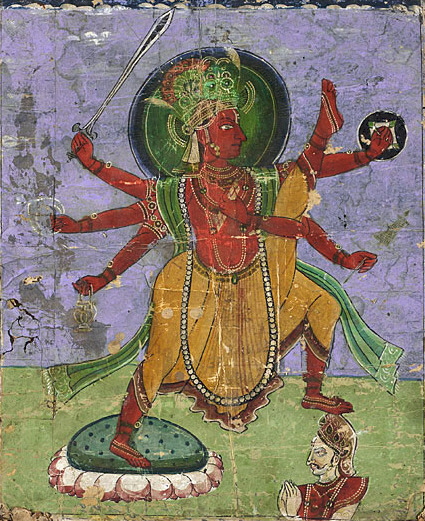
சண்டிகையை வழிபட்டால், நோய்களைத் தவிர்க்கலாம். சண்டிகை என்பவள் சாதாரணமானவள் அல்ல. 18 கைகளை உடையவள்; ஆயுதம் தரிப்பவள். மகா வீரியம் கொண்டவள். எப்பேற்பட்ட துக்கங்களையும் துாக்கி எறிபவள். இவளை வழிபடுவதற்கான காலமாகவே, நவராத்திரி ஏற்படுத்தப்பட்டது. மகாளய பட்சம் முடிந்த அடுத்த தினத்திலிருந்து கொண்டாடினால், நோய் வரும் முன் விரட்டலாம்.

வட மாநிலங்களில் நவராத்திரி, துர்கா பூஜையாகக் கொண்டாடப்படுகிறது. கல்வியில் சிறந்து விளங்க விரும்புபவர்கள், எதிலும் வெற்றி வாகை சூட விரும்புபவர்கள், அதிகாரத்தில் தொடர்ந்து இருக்க விரும்புபவர்கள், சுக வாழ்வு வாழ விரும்புபவர்கள், நவராத்திரியைக் கொண்டாட வேண்டும் என, வியாசர் சொல்கிறார்.நவராத்திரி, பெண்களுக்கு மட்டுமே உரிய பண்டிகை என நம்பப்படுகிறது. ஆனால், மேலே சொன்ன பராக்கிரமங்களை பெரும்பாலும் விரும்புபவர்கள் ஆண்களே. எனவே, அவர்களுக்கு இந்த பண்டிகை மிகவும் முக்கியம்.

நவராத்திரி விரதம், பிரதமையில் துவங்கி நவமியில் முடிகிறது. இந்த நாட்களில், அம்பிகையை பூஜித்தால், அம்மை நோய் வராது என்றும், கிரக தோஷங்கள் நீங்கும் என்றும் சொல்லப்படுகிறது. எதிர்மறையான விளைவுகள் எதுவும் வாழ்க்கையில் அண்டாது.

அழகு, அன்பு, ஆற்றல், அருள், அறிவு ஆகியவற்றை, பெண் வடிவமாக கருதுவது நம் மரபு. கல்லையும், பெண்ணுருவாக்கி வழிபடுவது, நம் கலாசாரம். இவை இப்படி இருக்க, பெண் என்றால் பலவீனம் என நினைத்து, சுயஅழிவை தேடிக் கொண்ட மகிஷாசுரனின் கதை தான், நவராத்திரி விழாவின் துவக்கம். அன்னை பராசக்திக்காக, ஒன்பது நாட்கள் இரவில் தொடர்ந்து செய்யப்படும் பூஜையாகும். பொதுவாக, நவராத்திரி பூஜை, ஆண்டிற்கு நான்கு முறை கொண்டாடப்பட வேண்டும் என்பது புராண வரலாறு.

நான்கு வகை நவராத்திரி

ஆடி மாத அமாவாசைக்கு அடுத்து வரும் பிரதமை முதல் ஒன்பது நாட்கள் – வராஹி நவராத்திரி

புரட்டாசி மாத அமாவாசைக்கு அடுத்து வரும் பிரதமை முதல் நவமி வரை ஒன்பது நாட்கள் – சாரதா நவராத்திரி

தை மாத அமாவாசைக்கு அடுத்து வரும் பிரதமை முதல் ஒன்பது நாட்கள் கொண்டாடப்படும் நவராத்திரி – சியாமளா நவராத்திரி

பங்குனி மாத அமாவாசைக்கு அடுத்து வரும் பிரதமை முதல் ஒன்பது நாட்கள் – வசந்த நவராத்திரி

இந்தியாவில், புரட்டாசி மாத மகாளய அமாவாசைக்கு பின் வரும், பிரதமை நாள் முதல் ஆரம்பிக்கும் சாரதா நவராத்திரி பெரும்பாலானோரால் கொண்டாடப்படுகிறது. புரட்டாசி மாதம் பிறந்தால், புது வாழ்வு அமையும் என்பது புதுமொழி.

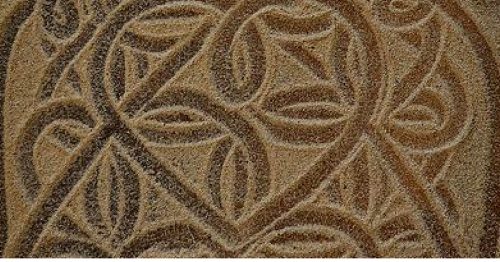
அரிசி மாவு கோலம்

சுண்ணாம்பு மாவு பயன்படுத்தாமல், அரிசி மாவு மற்றும் செம்மண் கோலமிட்டால், குடும்ப ஒற்றுமையும், செல்வமும் வளரும். நவக்கிரக கோலம் போட்டால், அம்பாள் அனுக்கிரகமும், நவக்கிரகப் பலன்களும் கிடைக்கும்.இரவு, 7:00 மணி முதல், 9:30 மணி வரை தேவி வழிபாடு செய்ய உகந்த நேரமாகும்.

பூஜையில் கலந்து கொள்ளும் கன்னிப் பெண்களுக்கு புதிய ஆடை, பல விதமான மங்கலப் பொருட்கள், மஞ்சள், குங்குமம், வளையல், ரிப்பன், பொட்டு என, அளிப்பது நன்மை தரும்.

ஒன்பது நாட்களின் மகிமை

இந்த ஒன்பது நாட்களும், பராசக்தி, ஒவ்வொரு தேவியின் வடிவில், ஒரு வயது முதல் 10 வயது கன்னிப்பெண் வடிவில் அவதாரம் செய்கிறாள்.கன்னியின் வயதிற்கேற்ப, ஒவ்வொரு நாளும் ஒரு கன்னிகையாக ஒன்பது நாள் ஒன்பது கன்னிகைகளையும், ஒன்பது சுமங்கலிகளையும் பூஜை செய்வது, அளவிட முடியாத புண்ணியம் உண்டாகும்

குமாரி, திருமூர்த்தி, கல்யாணி, ரோகிணி, காளி, சாண்டிகா, சாம்பவி, துர்க்கா, சுபத்திரா
என்ற பெயர்களால் ஒன்பது நாட்களும் பூஜிக்கப்பட வேண்டும்.அனைத்திலும் தேவியே உள்ளாள் என்பதை, உலகுக்கு உணர்த்தவே நவராத்திரி நாட்களில் கொலு வைக்கப்படுகிறது. பராசக்தி, அசுரர்களுடன் சண்டையிட்ட போது, தேவர்கள், பொம்மை மாதிரி நின்று கொண்டிருந்ததைக் காட்டத்தான், ‘பொம்மை கொலு’ வைப்பதாகவும் சொல்வதுண்டு.

இந்த ஒன்பது நாட்களில், தினமும், பகலில் சிவ பூஜையும், இரவில் அம்பிகை பூஜையும் செய்வதே சரியான வழிபாடாகும். பகலில், 1008 சிவ நாமாவளிகளை ஜெபித்து வழிபட்டால் பலன்கள் கிடைக்கும்.தசரதனின் மகன் ராமர் தான், முதன்முதலில் கொண்டாடினார். அதன் பின் தான், அவருக்கு சீதை இருக்குமிடம் தெரிந்தது என்று கூறப்படுவதும் உண்டு.

Source….www.dinamalar.com

Natarajan
Puzzling Gravestones….

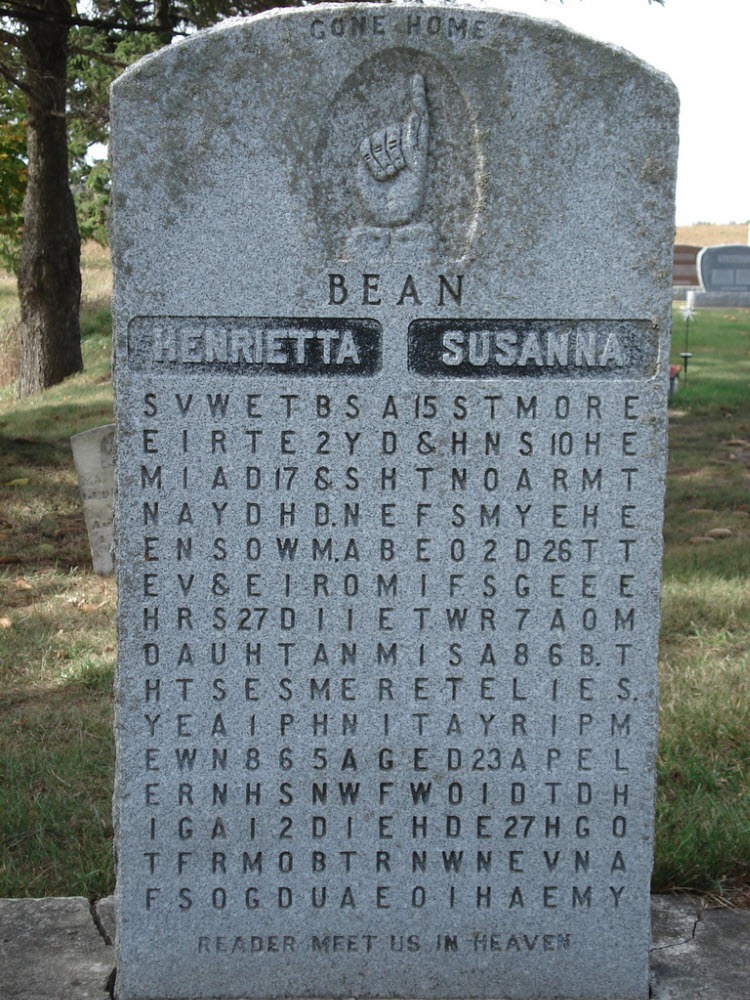
When Canadian doctor Samuel Bean lost his first two wives, Henrietta and Susanna, within 20 months of each other, he decided that the was best way to honor them would be to create a tombstone dedicated to a hobby they both enjoyed —solving puzzles. The doctor had them buried side by side in Rushes Cemetery near Crosshill, Wellesley Township, Ontario, and a single gravestone was placed over their graves. The gravestone bore a puzzle, one that had kept historians stumped and amateur cryptologists busy for the next eighty years.

A replica of the gravestone can still be seen in Rushes Cemetery. The original stone was badly weathered and was replaced with this durable granite replica in 1982. The stone is about 3 feet high, and features a finger pointed skyward with the words “Gone Home” above the two women’s names. Underneath the names is a grid carved with 225 seemingly random numbers and letters.

Without doubt, Dr. Samuel Bean must have received many requests to reveal the meaning of the cryptic message, but he would have none. Then in 1904, while holidaying in Cuba, Dr. Bean fell overboard from a sailboat and drowned. The secret of the coded gravestone was forever lost.

It was in 1947, some eighty years after Dr. Bean’s wives were buried, that the puzzle was first deciphered by the cemetery caretaker John L. Hammond, whose own grave is nearby. Hammond had copied the inscription, took it home and over the course of several months figured it out.

To solve the puzzle, start at the seventh column from the left and at the seventh letter from the top and read in a zig-zag way. If solved correctly, it should read:

IN MEMORIAM
HENRIETTA 1ST WIFE OF S BEAN M. D.
WHO DIED 27TH SEP 1865 AGED 23 YEARS 2 MONTHS & 17 DAYS
& SUSANNA HIS 2ND WIFE
WHO DIED 27TH APRIL 1867 AGED 26 YEARS 10 MONTHS & 15 DAYS
2 BETTER WIVES 1 MAN NEVER HAD
THEY WERE GIFTS FROM GOD BUT ARE NOW IN HEAVEN
MAY GOD HELP ME S. B. TO MEET THEM THERE

However, the puzzle appears to have a few errors, as TheRecord.com observes:

There is a single letter-discrepancy between the two stones. In line 7, column 8, the original’s “D” became an “E” on the replica — as it should be. However, there remains one seeming error: in line 8, column 14, each stone shows “B” but this has no place in the puzzle. If made an “O” it completes the word “SO” in the puzzle’s final phrase. I like to think that Samuel had these false letters engraved into the original marble to have the last laugh on his township neighbours.

Photo credit: Mac Armstrong/Flickr

Dr. Bean wasn’t the first to incorporate puzzles into headstones.

At the eastern end of the churchyard of St Mary’s Priory Church, in Monmouth, Wales, there is the gravestone of John Renie, a house painter who died in 1832. Renie’s gravestone comprises a rectangular carved 285-letter acrostic puzzle. From the larger H on the center square the sentence “Here lies John Renie” may be read in any direction. It is claimed that the sentence may be read a total of 46,000 different ways. It is believed that Renie carved the stone himself, possibly in a bid to confuse the Devil, so ensuring Renie a safe passage to heaven.

Source….Kaushik in http://www.amusingplanet.com

Natarajan

வாரம் ஒரு கவிதை… ” பிஞ்சு மனங்களும் செல்ல மழையும் “


பிஞ்சு மனங்களும்  செல்ல மழையும் 
…………………………………………………………………
 
என் பிஞ்சு கைகளை ஆட்டி  கொஞ்சும்
மழலையில் நான் சொல்லிவிடுவேன் என்ன
வேண்டும் எனக்கு என்று !
எந்த மொழி பேசினாலும்  என் மழலை
மொழி புரியனுமே    என் அம்மாவுக்கும்
அப்பாவுக்கும் !
என் மழலை கேட்டு அம்மா  அப்பா கொட்டும்
செல்ல மழையில்  நனையனும் நான் எப்போதும் !
என் மழலை வயதில் உங்க செல்ல மழை
மட்டுமே  வேண்டும் எனக்கு அம்மா …. அது ஒரு
இனிய தூறல் மழை ! பாசத்தின் சாரல் மழை !
இடி  மழை  எனக்கு வேண்டவே வேண்டாமே
இந்த பிஞ்சு வயதில் …தாங்க முடியுமா நான்
ஒரு இடி முழக்கத்தை இந்த வயதில் ?
புரிஞ்சுக்கணும் ஒரு பிஞ்சின் மனதை நீங்க
செல்ல மழை  பெய்ய வேண்டிய நேரத்தில்
தப்பாமல் பெய்ய வேண்டும் செல்ல மழை !
உங்க மனசு நான் புரிஞ்சு நடக்கும் காலம்
மலரும் நேரம்…. சொல்லாமல்
கொள்ளாமல்  ஓய்ந்து விடும் செல்ல மழை !
My Kavithai in http://www.dinamani.com  on 17th Sep 2017
Natarajan

வாரம் ஒரு கவிதை…” நிலைக்கும் என்றே ….”


நிலைக்கும் என்றே …
———————
மாற்றம்  ஒன்றே நிரந்தரம் …அது ஒன்றே
நிலைக்கும் என்றென்றும் என்ற ஆன்றோர்
வாக்கு பொய்க்காதே தம்பி …
ஆன்றோர் சான்றோர் சொல் மறந்து என்றும்
நிலைக்கும் என் பதவியும் பணமும் என்று
நீ நினைக்க வேண்டாம் தம்பி !
மாற்றம் கொடுக்கும் ஏற்றம் ஒருவனுக்கு !
அதே மாற்றம் ஒருவனுக்கு ஏமாற்றம் !
இது உலக நியதி !  விதி விலக்கு ஏதும்
இல்லையே இதில் !
வாழ்வில் சுகமும் துக்கமும் என்றும் உன் வாழ்வில்
நிலைக்கும் என்றே எண்ணி விடாதே தம்பி !
“இதுவும் எதுவும்  கடந்து போகும்” என்று சொல்லி
நீ நேர்  வழி நடந்தால் உன் பெயர் மற்றவர்
மனதில் நிலைத்து நிற்கும் இன்றும் என்றும்
என்றென்றும் !
My Kavithai in http://www.dinamani.com dated 3rd Sep 2017
Natarajan

Legends of Onam: Let us all welcome Maveli, the righteous king!…


Onam is one the most anticipated festivals celebrated with much fanfare and merriment by the people in Kerala, irrespective of one’s caste or creed.

Usually coinciding with crop harvests in the region, the story behind how the festival came into being goes all the way back to Vedic and Puranic ages.

The mythical King Mahabali, considered to be one of the greatest kings to have ever ruled Kerala, is believed to ascend to Earth from the netherworld to meet his subjects once every year.

It is his homecoming that is celebrated as the festival of Onam, as we know it today.

The king remains quite popular in Kerala even to this day, as testified by the folk song, Maaveli Naadu Vannidum Kaalam (When Maveli, our King, ruled the land), that speaks of his reign being one where all were equal.

According to the traditional legend, the king’s growing popularity amidst the common people became a rising concern for the jealous gods, Indra in particular.

According to Hindu beliefs, when a king or an emperor has a considerable number of fair and just deeds to his credit, he has the power to dethrone even Indra, who is the god of the gods.

Threatened by Mahabali’s rising greatness, they decided to hatch a scheme against the king and rope in the supreme god Vishnu.

Taking the form of a poor Brahmin monk named Vamana, Vishnu approached the king and asked to be granted a boon. Mahabali, who was known for his altruistic qualities, readily agreed to the monk’s request. 

An ancient illustration depicting Vamana casting the king to netherworld. Source: Wikimedia
Vamana wished for a parcel of land that he could cover in three paces or steps. Amused by such a trivial request, the king granted his wish. However, the ‘simple’ monk soon transformed into a giant – and covered all of the king’s lands in just two steps.

Where to put the third step? The king could not go back on his word. Having nothing left that he could pledge, Mahabali offered his head to the monk as the third step. Vamana’s final step pushed the king to the netherworld, thus robbing him of his earthly commitments and his throne to heaven.

Vishnu offered the king a chance to visit his kingdom once every year, for his attachment to his subjects was well known even amidst the gods.

And thus, the festival of Onam came into being, marking the homecoming of the noble king, who is lovingly called Maaveli by his people.

Different rituals are practised even today that celebrate the reign of the king, which is considered to be a golden era in the history of Kerala.

Interestingly, despite the role that Vamana had in the banishment of Mahabali, he is not written off as a villainous character in the state.

In fact, one of the major instalments of the festivities includes statues of both figures. These are circulated in homes of people as a representation of the king’s visit as well as the god’s.

While the statue of Mahabali is known as Onathappan, Vamana’s form goes by the name of Thrikkarayappan, the lord of the land covered in three paces. And both make way into the floral arrangement of Pookalam on Pooradam, the eighth day of Onam.

And as the month of Chingam falls by year after year, the people of Kerala continue to await the visit of their beloved king and seek his blessings.

Source….LekshmiPriya .S in http://www.betterindia.com

Natarajan


வாரம் ஒரு கவிதை…” கண்ணால் காண்பதும் …”


கண்ணால் காண்பதும் …
——————–
கண்ணால் காண்பதும் பொய் …காதால்
கேட்பதும் பொய்… தீர விசாரிப்பதே மெய் !
இது சான்றோர் வாக்கு !
பதவியும் பணமும் இருக்கும் வரை உன்னை சுற்றி
ஒரு கூட்டம் இருக்கும் எப்போதும் !…நீ உன் கண்ணால்
பார்த்தாலும்  அந்த கூட்டம் ஒரு பொய் !
நீ உன் காதால் கேட்டாலும் உன் புகழ் பாடும்
அந்த கூட்டத்தின் பாட்டும் ஒரு பொய்தான் !
மயங்கி விடாதே தம்பி  நீ …ஒரு பொய்யின்
அழகில் ! மதி மயங்கி உன்னை இழந்து விடாதே
ஒரு மாய வலையில் சிக்கி !
கண் கொண்டு எதை நீ பார்த்தாலும் , உன்
காதால் எதை நீ கேட்டாலும்
உன் கண்ணுக்கு தெரியாத உன் மனம் மட்டும்
சொல்லும் நீ செய்வது சரியா இல்லை தவறா என்று !
உன் மனது சொல்லும் வாக்கே மெய் வாக்கு !
கண்ணுக்கு தெரியாத உன் மனத்தின் மெய் வாக்கை
நீ காது கொடுத்து கேட்கவேண்டும் தம்பி …
கேட்டு உன் மனம் காட்டும் நல் வழியில் நீ நடந்தால்
கூட்டத்தில் ஒருவனாய் நீ இருக்க மாட்டாய் தம்பி !
உன் வீட்டையும்  நாட்டையும் நல்  வழி நடத்தும்
ஒரு நல்ல தலைவனாய் நீ மிளிர்வாய்  தம்பி !
உன் மனம் சொல்லும் மெய் வாக்கு  கேட்டு  நீ நடந்தால்
நீ சொல்லும் ஓவ்வொரு சொல்லும் ஒரு
வேத வாக்கு …அதுவே உன் செல்வாக்கு !
K.Natarajan
as appeared in http://www.dinamani.com dated 27th august 2017

12 of the Late Jerry Lewis’ Funniest Sketches….


Many people will have a heavy heart having heard the sad news that comedy legend, Jerry Lewis, has passed away at the age of 91. Although he fell in and out of favor with his adoring public throughout his career, there’s no denying that he was both immensely talented and incredibly generous – he ran a Labor Day telethon each year from 1966 to 2010 in order to raise money for the Muscular Dystrophy Association, raising some $2.5 billion in the process. Enjoy 12 of the most famous sketches and songs from his career below:

Source….www.ba-bamail.com

natarajan

THE MAN WHO ACCURATELY ESTIMATED THE CIRCUMFERENCE OF THE EARTH OVER 2,000 YEARS AGO….


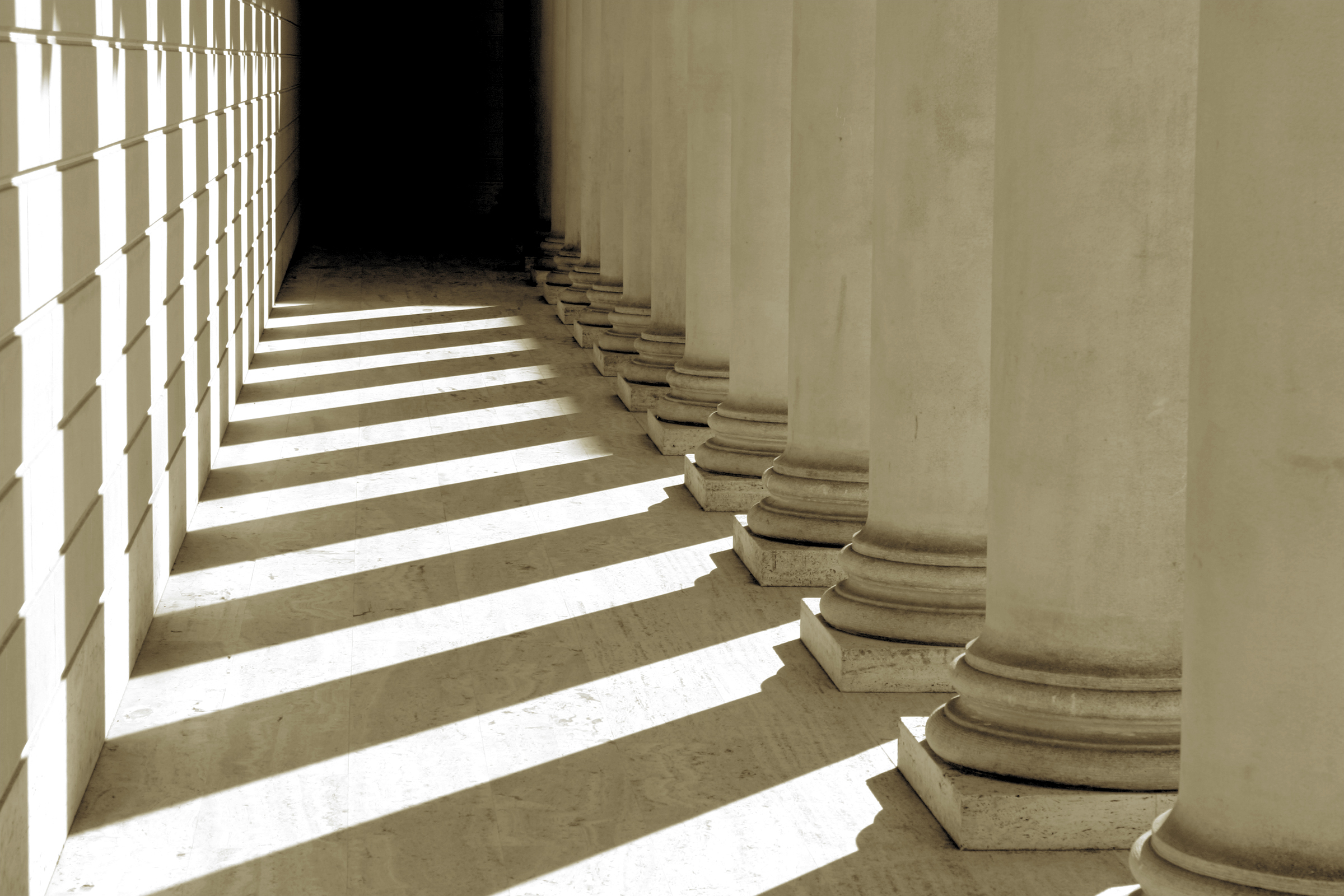
pillars

Today I found out about a man who fairly accurately estimated the circumference of the Earth well over 2,000 years ago: Eratosthenes of Cyrene.

Born around 276 B.C. in Cyrene, Libya, Eratosthenes soon became one of the most famous mathematicians of his time. He is best known for making the first recorded measurement of the Earth’s circumference, which was also remarkably accurate.  (And, yes, people at that point had known for some time that the world wasn’t flat, contrary to popular belief.)

Eratosthenes was able to accomplish this in part because of his education in Athens. There, he became known for his achievements in many different fields, including poetry, astronomy, and scientific writing. His activities became so talked about, in fact, that Ptolemy III of Egypt decided to invite him to Alexandria to tutor his son. Later, he would become the head librarian of the Library of Alexandria.

The mathematician must have been thrilled to have this opportunity. The Library of Alexandria was a hub of learning at the time, attracting scholars from across the known world. Eratosthenes was able to rub shoulders with the likes of Archimedes while continuing his own learning.

It was probably in the Library of Alexandria that he read about a curious event that took place in Syene (now Aswan, Egypt) at the summer solstice. Syene sat to the south of Alexandria. At high noon, the sun would shine directly overhead and there would be no shadows stemming from the columns. However, Eratosthenes realized that at the same moment in Alexandria, columns clearly did have shadows. Being a good mathematician, he decided to use this knowledge to do a few calculations to figure out the circumference of the Earth.

To do this, Eratosthenes measured the shadow of an obelisk on June 21 at noon. He discovered that the sun was about 7°14’ from being directly overhead. He realized that, because the Earth is curved, the greater the curve, the longer the shadows would be.

Based on his observations, he hypothesized that Syene must lie 7°14’ along a curve from Alexandria. Furthermore, he knew that a circle contained 360°, which meant that his calculation—7°14’—was roughly one fiftieth of a circle. Therefore, Eratosthenes thought, if he multiplied the distance between Syene and Alexandria by 50, he would have the circumference of the Earth.

The missing information was simply how far away Syene was from Alexandria. He measured the distance in stadia. There isn’t an exact modern day conversion to stadia, and it isn’t perfectly clear which version of the stadia Eratosthenes was using, but regardless, from what is known, his estimation was remarkably accurate.

There are two theories as to how Eratosthenes figured out the distance: first, that he hired a man to walk there and count the steps. Second, that he heard a camel could travel 100 stadia a day, and it took a camel about 50 days to travel to Syene. Whatever the case, he estimated the distance between Syene and Alexandria was 5,000 stadia. If that was the case, then using his formula, the earth was 250,000 stadiaaround.

Due to the uncertain distance that stadia represents (and particularly which stadia he was using), historians believe that Eratosthenes’ conclusion was between .5% and 17% off the mark. Even if the latter case was true, it was astoundingly accurate given the limited technology he was dealing with at the time. But many scholars think it likely that he was using the Egyptian stadia (157.5 m), being in Egypt at the time. This would make his estimate only about 1% too small.

There had been previous attempts at discovering the Earth’s circumference (which don’t count as “first recorded” because their methods didn’t survive, though we have references to them) which resulted in a 400,000 stadia figure, 150,000 more than Eratosthenes’—obviously far from accurate.

While finding the approximate circumference of the Earth was probably Eratosthenes’ largest contribution to scholarship at the time, it was by no means the only one. Eratosthenes is also credited with coming up with a way to map out the known world by drawing lines north-south and east-west—early latitude and longitude lines. However, these lines were irregular and often drawn through known places, meaning they weren’t entirely accurate. Nevertheless, it provided a precursor for maps we know today.

He is also remembered for the Sieve of Eratosthenes, a simple algorithm that makes it easy to find all prime numbers up to a certain limit. Though none of Eratosthenes’ personal work on the sieve survives, he was credited with the creation of the algorithm by Nicomedes in his Introduction to Arithmetic.

Not only that, but Eratosthenes estimated the distance to both the sun and the moon, and measured the tilt of the Earth’s axis all with amazing accuracy.

He also wrote the poem Hermes, correctly sketched the route of the Nile, and even gave a more-or-less accurate account of why the Nile flooded, something that had baffled scholars for centuries. He worked on a calendar that included leap years and he also estimated and corrected the dates of various historical events beginning with the Siege of Troy.

Despite these accomplishments and many more like them, Eratosthenes was often nicknamed “Beta.” Beta is the second letter in the Greek alphabet and referred to Eratosthenes being second-best in everything he did.

Eratosthenes died around 194 B.C. and is thought to have starved himself to death. It is believed that he started going blind in his later years and, unable to continue his work, he simply stopped eating.

Bonus Fact:

  • A man named Posidonius copied Eratosthenes’ basic method about a century later, using the star Canopus, Rhodes, and Alexandria as starting points. However, he didn’t measure the distance between Rhodes and Alexandria correctly, resulting in a circumference that was smaller than Eratosthenes’ estimation. It was this circumference that was recorded by Ptolemy in his geography treatise and later used by explorers looking for a quicker way to the Indies.

Source…www.todayifoundout.com

Natarajan

12-Year-Old Indian-Origin Boy Becomes an Overnight Sensation….


Do you know the scientific name for apricot?

We didn’t think so.

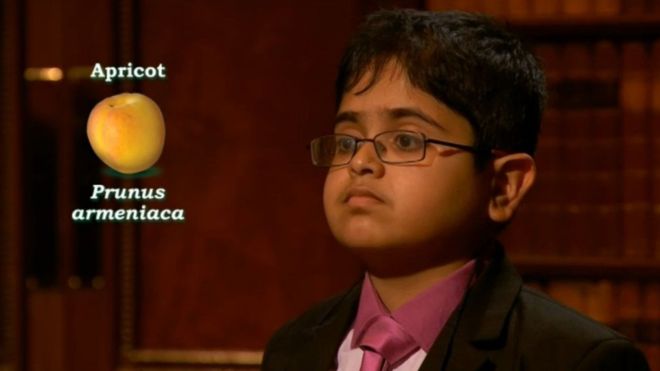
But a 12-year-old boy Rahul from Barnet in North London does. A contestant on the latest series of Child Genius, the Indian-origin boy became an overnight sensation after correctly answering every question he was asked on the show, including the scientific name for apricot.

The British reality competition series has children aged 8 to 12 battling against one another in intelligence tests.

Rahul, who is competing against 20 contestants, has already become a hero on the show.

He has an IQ of 162, which qualifies him to become a member of Mensa, the largest and oldest high IQ society in the world, reports BBC.

He received full marks in a spelling test, and scored higher than any contestant in a timed memory round. Competing for the ‘Child Genius’ title, Rahul already thinks he’s a genius. “I always want to do the best, and I’ll do that no matter what the cost. I think I’m a genius. I’m good at mental maths, general knowledge and I find it quite easy to memorise stuff,” he told BBC.

Social media was flooded with appreciation from the viewers of the show, with one of them calling Rahul his “new favourite person.”

Rahul’s father, IT manager Minesh, says he’s no less than Einstein. “As a comparison Rahul is as clever as Albert Einstein or Stephen Hawking,” he said.

The finale of the show will be held over the weekend where they will crown UK’s ‘child genius’.

Source….Deepika Bharadwaj in http://www.the betterindia,com

Natarajan

Hiding in plain sight; Rangoli, Kolam designs and what they mean…


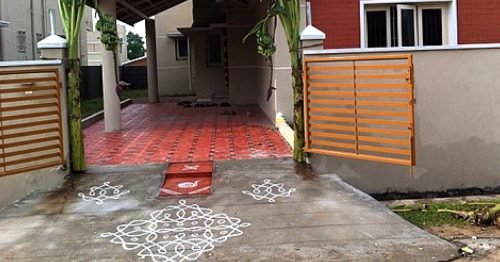
Every day, my mother religiously performed a ritual. Rain or shine, she never skipped this ritual even for a day. Every day, she drew enchanting kolam patterns using rice flour.

On special occasions, the white kolam designs were made with wet rice flour paste accompanied by thick strips of earth colored borders made with red sand mixed with water.

My mother is proud of her kolam design skills. She is not alone. It seems no self-respecting South Indian woman will tolerate anyone questioning her ability to conjure up kolam designs at will.

Millions of women from different communities in South India practice this art form every day.

For over 38 years, I considered Kolam to be just another ritual among the long list of rituals Indian women seem to follow. However, when I decided to dig deeper to understand the significance of kolam designs, I was surprised at what I discovered.

The threshold is a key concept in Tamilian culture. Even historical Tamil literature such as the Sangam literature (Tamil literature in the period spanning 300BC to 300 CE) is divided into the akam (inner field) and the puram (outer field).

That’s not all.

In one of Nammalvar’s (the fifth among the 12 Alwar saints who espoused Vaishnavism) hymns, the God in the poem is the God of the threshold. Of course, every newly married bride formally becomes a part of the household when she steps overs the threshold.

Should we then conclude that kolam designs are a celebration of the threshold?

Different interpretations of the significance of kolam designs

Here are a few explanations I came across in my quest to unearth the real significance of the kolam ritual.

The most common understanding has been that the idea of using rice flour is to provide food to ants, insects and small birds.

If that is the case, what’s stopping men from participating in this noble deed?

While I did not find an answer, a common sense reasoning is that women have traditionally carried the burden of maintaining the home and the kolam ritual automatically became a part of the woman’s domain.

That’s also a reason why my mother and my aunts believe that women see it as a key ritual that helps them improve their concentration and patience, two key components needed to run a household!

Here is another interpretation recorded in Lance Nelson’s study of Kolam.

“Bhumi Devi [earth goddess] is our mother. She is everyone’s source of existence. Nothing would exist without her. The entire world depends on her for sustenance and life. So, we draw the kolam first to remind ourselves of her. All day we walk on Bhumi Devi. All night we sleep on her. We spit on her. We poke her. We burden her. We do everything on her. We expect her to bear us and all the activities we do on her with endless patience. That is why we do the kolam.”

According to Devdutt Pattnaik, author and mythologist –

“A downward pointing triangle represented woman; an upward pointing triangle represented man. A circle represented nature while a square represented culture. A lotus represented the womb. A pentagram represented Venus and the five elements.”

Kolams connects the dots in more than one way.

Cultural practices are common across the length and breadth of India. They also transcend regions.

The concept of Kolam is definitely not unique to Tamil speaking community in India. For example, in the Telugu language, it is called ‘Muggulu’, and it’s known as ‘Rangoli’ in the Kannada language.

But the idea of drawing patterns on the ground transcends India and can be found in other cultures as well!

Anil Menon, a computer scientist, and a speculative novelist has compiled findings from his research on similar practices among cultures separated by oceans. Here are some tidbits from Menon’s work.

British anthropologist, John Layard, found that the patterns drawn on the sand by the tribal population of Malekula (an island that’s a part of The Republic of Vanuatu, situated 1000 miles east of Australia) are similar to the kolam patterns popular in Tamil Nadu!

Here is the proof.


There is also a possibility that kolam designs were an early form of pictorial language!

Dr Gift Siromani, through his path-breaking work, has proved that it is possible to create any kolam pattern using a combination of strokes.

Rituals and cultural practices are to be cherished

I did not think much of the kolam designs my mom drew every day. But a sudden spark of curiosity led me to unexpected findings and the joy of discovering human beings are connected to each other in more ways than we can imagine.

Physical boundaries, cultural differences, and racial definitions are just imaginary barriers we have erected over a period of time. Our lives are always connected just like the dots of the kolam my mom draws.

SOURCE….Srinivas Krishnaswamy in http://www.the betterindia.com

Natarajan