வாரம் ஒரு கவிதை…” காகிதங்கள் ” !!!


காகிதங்கள்
………..
Natarajan….My Kavithai in http://www.dinamani.com ….published on 1st August 2016

WHY “HANK” IS SHORT FOR “HENRY,” WHY “COLONEL” IS PRONOUNCED “KERNEL,” AND WHY WE SAY “STAT” WHEN WE WANT SOMETHING DONE QUICKLY


Why “Hank” is Short for “Henry”

This is thought to be thanks to the one time popular suffix “-kin,” which is also how “Jack” originally derived from the name “John.” Specifically, the suffix “-kin,” simply indicated “little,” so Robin Hood’s “Little John” would have been aptly named “Jockin,” which later gave rise to “Jenkin,” then “Jakin,” and then “Jack,” with the former forms literally meaning “Little John.”

Similarly, we have “Little Henry” becoming “Henkin,” which later gave rise to “Hankin,” which was then shortened to just “Hank.”

Why “Colonel” is Pronounced “Kernel”

Believe it or not, “colonel” was pronounced more or less the way it originally looked when it was introduced to English. The spelling changed over time to “colonel”, while the pronunciation stayed the same as it was before.

“Colonel” ultimately derives from the Latin “columna,” meaning “pillar.” This gave rise to the Old Italian “compagna colonnella,” meaning “little-column company.”  This, in turn, gave us the rank of “colonnello” -the leader of a column.

Other nations adopted this ranking giving us the Middle French “Coronel.” This was pronounced pretty much like it looks at first, then later slurred down to “Kernel” by the English, but using the same spelling.

However, starting with the French around the 1540s, the spelling was changed back closer to the Italian spelling, which gave us “Colonel” in French.

Within a few decades, the English also followed suit and by the mid-seventeenth century, “colonel” was the most common way to spell the word in English. At that time, the common pronunciation was mixed between the older “kernel” and the new “colonel,” with the former winning out in the end, despite the way it’s spelled.

Why We Say “Stat” When We Want Something Done Quickly

This may seem odd at first glance. After all, common usage of “stat” outside of these instances is referring to statistics. In this case, though, “stat” is not short for “statistics,” but rather is from the Latin “statim,” meaning “immediately” or “at once.”

The first references of the practice of shortening “statim” to “stat” came to us from physicians in the nineteenth century, with the first known documented instance of this appearing in Lessons on Prescriptionsby W.H. Griffith (1875).

Bonus Facts:

  • Another interesting nickname derivation is how we got “Dick” from “Richard.” This is another one of those “knee bone connected to the thigh bone” type progressions. Due to people having to write everything by hand, shortened versions of Richard were common, such as ‘Ric’ or ‘Rich’. This in turn gave rise to nicknames like ‘Richie’, ‘Rick’, and ‘Ricket’, among others. People also used to like to use rhyming names. Thus, someone who was nicknamed Rich might further be nicknamed Hitch. Thus, Richard -> Ric -> Rick gave rise to nicknames like Dick and Hick around the early 13th century.
  • “Wiki” as used in “Wikipedia,” means “quick.” Howard G. Cunningham, the developer of the first wiki which was launched in 1995 called “WikiWikiWeb,” upon his first visit to Hawaii was informed by an airport employee that he needed to take the “wiki wiki” bus between the airport’s terminals. Not understanding what the person was telling him, he inquired further and found out “wiki” means “quick” in Hawaiian; by repeating the word, it gives additional emphasis and thus means “very quick.” He later decided to use this as the name for his new web platform.
  • It should also be noted that the proper pronunciation of “wiki” is technically “we-key”, rather than “wick-ee”. However, given the popularity of the mispronunciation of the word, Cunningham and others have long since stopped trying to correct people on the matter.

Source….www.today i foundout.com

Natarajan

” நீங்களும் கபாலி ஆகலாம் …” !!!


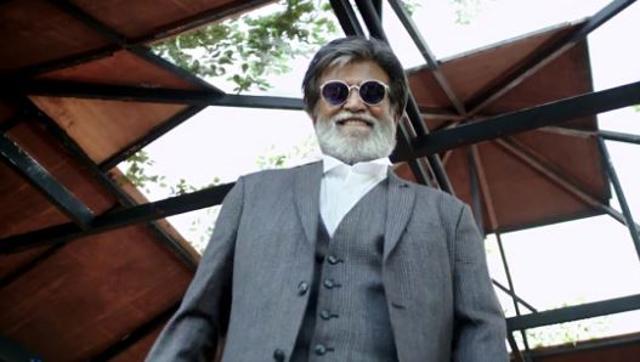
Kabali: Rajinikanth is still the only boss of Tamil cinema…!!!

_314ef876-4e6c-11e6-a5f1-138dd21979a8

If you live in Chennai and aren’t familiar with the frenzy surrounding Rajinikanth’s films, July 22 might come as a shock to you. The undisputed superstar of southern cinema is ready to enthrall his fans with his new film, Kabali, on Friday.

There’s no stopping Rajinikanth even at 65. Though his last two films – Lingaa and Kochadaiyaan – didn’t hit the bull’s eye at the box office, he is ready to reinvent himself. Probably the only superstar in the world who isn’t afraid of showing his balding head, Rajinikanth is a people’s man. From setting up retirement funds for his director friends to obliging politicians, he has done it all. And now his fans are ready to pay the star back for his courtesies.

With a fifteen-minute role in Apoorva Raagangal (1975), Rajinikanth launched a scintillating career that was to become synonymous with charisma, magic and miracles. The tricks learnt during his stint with the Karnataka State Transport Corporation turned Shivaji Rao Gaekwad aka Rajinikanth into the actor every fan of Tamil cinema was waiting for. With that style, that ruggedness, that majestic gait and that enchanting persona, things had little choice but to fall in place. By now, we have heard and read so much about the man that we almost believe Rajinikanth was born to be a superstar.

His Hindi films didn’t work, and even if they did, somebody else ended up taking the limelight. But then, he was not the same man then. Had the movies been released today, many of them would have crossed the Rs 100-crore mark. The things Rajinikanth can do naturally, contemporary stars cannot hope to achieve even with the help of technically adept camera crews and state-of-the-art editing softwares.

The recently released Robot (Enthiran) was also successful in Hindi. Shivaji the Boss and Chandramukhi are shown regularly on some film channels, and nobody objects to him romancing the likes of Shriya Sharan, Aishwarya Rai Bachchan, Deepika Padukone and Sonakshi Sinha. In fact, some die-hard fans would go to the extent of saying that these heroines can’t match up to Rajinikanth’s dancing, screen presence and looks.

Research scholars could do entire projects on the reasons behind Rajinikanth’s mass popularity in North India, a region where he hasn’t done any ‘original’ film since Bulandi in 2000. And, mind you, those who remember Bulandi do so only for this man and how Anil Kapoor copied him in the second half. In case you’re trying to remember, his name was Gajraj Thakur in the film.

Rajinikanth was initially all about jokes of the ‘Chuck Norris’ kind, but everything turned into respect for the thespian before anybody even realised it. Be it his pictures with ailing children or be it his photographs from the sets of his films, he always comes across as a genuine person. His personal life reflects the same. Unlike some other Southern superstars, who used stardom to destroy their own superstar status, Rajinikanth’s never entangled into any controversy that was personal. Whenever he spoke for a cause or about something political, he cared to keep his personal away from it.

It’s difficult for big stars to keep away from politics in Tamil Nadu and other South Indian states. The alluring seats of power attract with so much force that one lets go of legacy and jumps on to the favouring tides without thinking much of the people who made them the stars and masters of the local spheres.

We know of other actors who are desperately trying to fit into the shoes of Thalaiva. It’s so in-our-face yet the audience is making these ventures successful. You think it’s happening without Rajinikanth’s unseen help. He may not have asked for it, but the fans know their duty. They simply can’t see Thalaiva going out of prominence. Now, you understand why that Chennai Express song was such a perfect marketing gimmick.

The boss of Tamil cinema is ready to reclaim his throne with Kabali. Will the fans help him this time?

Follow the author at Twitter/@nawabjha

source….

  • Rohit Vats, Hindustan Times, New Delhi …www.hindustantimes.com

Natarajan

” ஹைகூ: தமிழ்க் கவிதையின் கம்பீரம்…” !!!


“ஹைகூ ஒவ்வொன்றும் ஒரு தனிவார்ப்பு, பிசிறில்லாத சிறுசிற்பம், அலாதியான அழகு, கம்பீரம்” என ஹைகூ கவிதையின் திறத்தினைப் பறைசாற்றுவார் கவிஞர் தமிழ்நாடன். தமிழ்க் கவிதை உலகில் புதுக்
கவிதை அமைத்துத் தந்த தோரண வாயில் வழியாக 1984ல் தொடங்கிய ஹைகூ பயணம், இன்றளவும் தொடர்ந்து கொண்டிருக்கின்றது. வாழையடி வாழையெனப் புதுப்புதுக் கவிஞர்கள் தோன்றி, ஹைகூவின் வளர்ச்சிக்குத் தங்களின் பங்களிப்பினை நல்கி வருகின்றனர்.
நெல்லை சு.முத்துவின் பார்வையில்,
“மூன்றடிச் சொற்செட்டுநேரடி அனுபவ வெளிப்பாடு
மூன்றாவது அடி மின்தாக்கு”
– என்னும் மூன்று பண்புகளும் பொருந்தியதே சிறந்த ஹைகூ கவிதை. பாடுபொருளாலும் பாடும்முறையாலும் சிறந்து விளங்கும் ஒரு சில ஹைகூ
கவிதைகள் குறித்து காண்போம்.

விலகி இருக்கும் மனித உறவுகள்

‘வெறுங்கை என்பது மூடத்தனம் – விரல்கள் பத்தும் மூலதனம்’
என்னும் எழுச்சி மிகு வைர வரிகளுக்குச் சொந்தக்காரர் கவிஞர் தாராபாரதி. அவரது உடன்பிறப்பு மலர்மகன். அவரும் ஒரு சிறந்த மரபுக் கவிஞர் ஆவார். ‘தொடர்பு எல்லைகளுக்கு அப்பால்…’ என்பது அவர் வெளியிட்டுள்ள ஹைகூ
கவிதை தொகுப்பு. அதில் இடம் பெற்றுள்ள ஹைகூ இது: “ தொடர்பு எல்லைக்கு அப்பால் -உறவுகள்”
இன்று உலகின் எந்த மூலையில் இருந்தாலும் உடனுக்குடன் மனிதனால் தொடர்பு கொள்ள முடிகின்றது. தொடர்பியல் அந்த அளவிற்கு இமாலய வளர்ச்சி அடைந்துள்ளது. ஆனால், தொடர்பு எல்லைக்குள் வாழும் மனித உறவுகளோ விலகி இருக்கின்றன.
குடும்ப உறுப்பினர்கள் இடையே இடைவெளியும் விரிசலும் மிகுந்து காணப்படுகின்றன என்பதை நயமாகப் பதிவு செய்துள்ளார் மலர்மகன். இல்லற வாழ்வின் பதிவு
இல்லற வாழ்வில் நிம்மதியும் மகிழ்ச்சியும் நிலவ வேண்டுமானால், கணவன்–மனைவி ஒருவரை ஒருவர் புரிந்து கொண்டு, ஒருவருக்காக மற்றவர் விட்டுக் கொடுத்துப் போவது தான் முக்கியம். ‘ஒருவர் பொறை இருவர் நட்பு’ என்னும் ஆன்றோர் அமுத மொழி. தங்கம் மூர்த்தி நகைச்சுவை உணர்வுடன் இல்லற வாழ்வின் இன்றியமையாத பக்கம் குறித்து இங்ஙனம் பாடியுள்ளார்:
“பட்டிமன்றம் முடிந்துதாமதமாய் வீடு திரும்பினேன்
வழக்காடு மன்றம்”
கள்ளங்கரவு கொஞ்சமும் இல்லாத – சூதுவாது சிறிதும் அறியாத – வஞ்சமோ சூழ்ச்சியோ துளியும் தெரியாத – குழந்தைகள் உலகினைப் பற்றிய அற்புதமான ஹைகூ கவிதைகளின் தொகுப்பு வசீகரனின் ‘குட்டியூண்டு.’ கவிதைத் தொகுப்பின் தலைப்பிலேயே கவித்துவம் கொலுவிருக்கக் காண்கிறோம். குழந்தைகள் உலகினை நடப்பியல் பாங்கில் வசீகரன் உள்ளது உள்ளபடி படைத்துக் காட்டியுள்ள ஹைகூ:
“ தனித்து நின்ற குழந்தையிடம்யார்நீ என்றதும் சொன்னது:
‘எங்க அப்பாவுக்கு நான் பொண்ணு!’”

ஹைகூவின் உயிர்ப் பண்பு

ஹைகூவுக்கு வலிமையையும் வனப்பையும் சேர்ப்பது அதன் ஈற்றடியே. இதனை, ‘படுத்துக் கொண்டே படித்தேன், துாக்கி நிறுத்தியது, ஹைகூவின் கடைசி வரி’ என ஹைகூ வடிவிலேயே படம்பிடித்துக் காட்டுவார் தெ.வெற்றிச்செல்வன்.
“ சுதந்திர தினம்மனதிற்குள் துக்கம்வந்தது ஞாயிற்றுக்கிழமை”
சுந்திர தினம் ஞாயிற்றுக்கிழமை வந்தால், ஒரு நாள் விடுமுறை அல்லவா இல்லாமல் போகும்? மனத்திற்குள் துக்கம் பொங்கி வராதா என்ன? என்கிறார் கவிஞர் நவதிலக். இல்லாவிட்டால் கவிஞர் மீராவும் காதலியைக் குறித்து, ‘கிழமைகளில் அவள் ஞாயிறு’ என்று பாடி இருப்பாரா? தமிழனின் விடுமுறை மோகத்தினை மென்மையாகச் சாடும் கவிதை இது!

வாசகரும் கூட்டுப் படைப்பாளி

‘கவிஞன் இறங்கிக் கொள்ள, வாசகன் அதன் மீது பயணம் தொடர்வான். அதுதான் ஹைகூ’ என்பர் அறிஞர். வேறு சொற்களில் குறிப்பிடுவது என்றால்,
‘ஹைகூ ஓர் உணர்வு நிலை, வாசகனைக் கவிஞனின் நிலைக்கு உந்தி உயரத் தள்ளும் மிகச் சிறந்த வடிவம் அது.’ இவ்விலக்கணத்திற்குக் கட்டியம் கூறும் பா.உதயகண்ணனின் ஹைகூ…
“காரைத் துடைத்துக்காசு கேட்டான்
எட்டிப் பார்த்தது நாய்”
இங்கே காரைத் துடைத்து விட்டுக் காசு கேட்பது ஒரு குழந்தைத் தொழிலாளி என்று தெளிவாகத் தெரிகிறது. ஆயின், ‘எட்டிப் பார்த்தது நாய்’ என்னும் ஈற்றடியில் இடம் பெறும் ‘நாய்’ என்பது யார்? புதியவர் எவரையேனும் கண்டால் குரைப்பது நாயின் இயல்பு. அது போல், சிறுவனிடம் தனது வெறுப்பை உமிழும் – விரட்டி அடிக்கும் – காரின் உரிமையாளரும் ஒரு வகையில் பார்த்தால் ‘நாய்’ தான்! கூர்மையாகச் சிந்தித்துப் பார்த்தால் கவிதையில் ஆழ்ந்திருக்கும் கவிஞரின் உள்ளம் புலனாகின்றது.
“எவன் கண்பட்டதுவிற்கவே இல்லை
திருஷ்டி பொம்மைகள்”
என்பது வித்தியாசமான பாடுபொருளைத் தன்னகத்தே கொண்ட செ.ஆடலரசனின் ஹைகூ.
‘திருநெல்வேலிக்கே அல்வா’ என்பது போல், ‘திருஷ்டி பொம்மைகளுக்கே’ திருஷ்டியாம்!

காலத்திற்கு ஏற்ற பாடுபொருள்

ஹைகூ கவிதையின் தனித்தன்மை காலத்திற்கு ஏற்ற, குறிப்பாக, இந்த நுாற்றாண்டிற்கே உரிய பாடுபொருட்களைக் கையாளுவதாகும். அவற்றுள் ஒன்று விளைநிலங்கள் இன்று விலைநிலங்கள் ஆகி வரும் கொடுமை ஆகும். பச்சைப் பசேல் எனத் திகழ்ந்த நெல் வயல்கள் எல்லாம், இன்று வானளாவ உயர்ந்து நிற்கும் அடுக்கு மாடிக் கட்டிடங்களாக உருமாறிவிட்டன. இதனை ரத்தினச் சுருக்கமான
மொழியில் பதிவு செய்துள்ளது செந்தமிழினியனின் ஹைக்கூ:
“ விளை நிலங்கள்விலை நிலங்களாயினவீடுகள்”
‘எங்கும் தமிழ், எதிலும் தமிழ்’ என்பது பல்லாண்டு காலமாக அரசியல்வாதிகள் முதலாக தமிழ் ஆர்வலர்கள் வரை அயராது பறைசாற்றி வரும் கொள்கை முழக்கம். ஆயினும், நடைமுறையில் இன்னும் அந்தக் கனவு நனவாகவில்லை. இந்த கசப்பான உண்மையை – அய்யாறு ச.புகழேந்தி ஹைகூ கவிதை ஒன்றில் வெட்டு ஒன்று துண்டு இரண்டு என்றாற் போல், காரசாரமாகப் பதிவு செய்துள்ளார்:
“ எங்கும் தமிழ்எதிலும் தமிழ்இல்லை”

வாழ்வியல் பதிவு

எட்டு மணி நேரம் துாங்கும் மனிதன் – எட்டு மணி நேரம் உழைக்கும் மனிதன் – ஒரு நாளில் எத்தனை மணி நேரம் வாழ்கிறான் என்று கேட்டால், அவனால் பதில் சொல்ல முடியாது. இந்த வாழ்வியல் உண்மையைப் பொட்டில் அடித்தாற் போல் எடுத்துரைக்கிறது இ.பரிமளாவின் ஹைகூ ஒன்று:
“ வாழ்நாளில்வாழ்ந்த நாள்?
விரல்களுக்குள்”
வாடிய பயிரைக் கண்ட போதெல்லாம் வாடும் மென்மையான கருணை மனத்துக்குச் சொந்தக்காரர்கள் ஹைகூ கவிஞர்கள். பஞ்சு நெஞ்சு படைத்த அவர்கள், இலையுதிர் காலத்தில் உதிரும் இலைகளுக்காகக் கூட அழுகின்ற இயல்பினர். இவ் வகையில் நினைவுகூரத் தக்க ரமா ராமநாதனின் ஹைகூ இதோ:
“அடித்துத் துவைக்கமனமில்லை
சட்டையில் பூக்கள்!”
நிறைவாக ஈழத்து அறிஞர் கார்த்திகேசு சிவத்தம்பி குறிப்பிடுவது போல்,
“தமிழ்க் கவிதை என்ற நதி வற்றாது ஓடுகிறது. தமிழை வளப்படுத்துகிறது, தமிழால் வளம் பெறுகிறது.”
அவரது இக் கூற்று இன்றைய ஹைகூ கவிதைக்கும் பொருந்தி வரும்

உண்மையே.-   பேராசிரியர் இரா.மோகன்எழுத்தாளர், மதுரைeramohan@gmail.com

Source….www.dinamalar.com

Natarajan

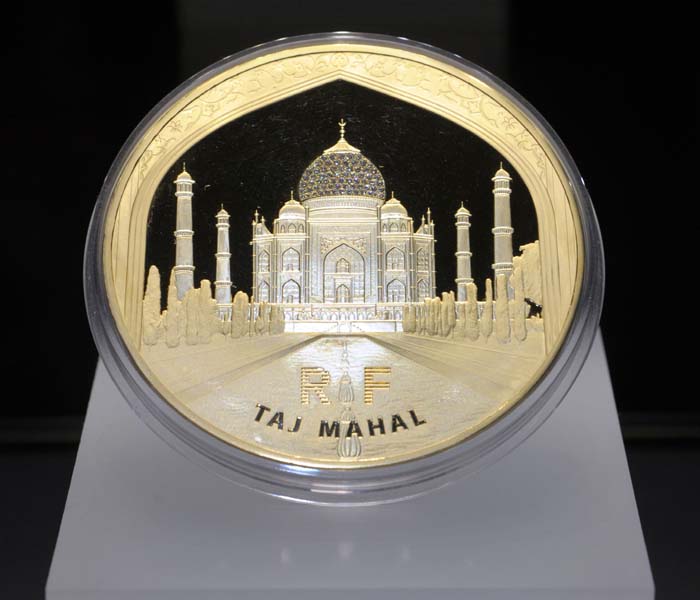
France mints Rs. 65 lakh gold coin with Taj Mahal….!


The world-renowned Monnaie de Paris (Paris Mint) has unveiled a rare work of artistry – a gold coin bearing a Taj Mahal engraving – at their Manhattan showroom. The limited edition gold coin weighs one kilo and is priced at Rs. 65 lakh. Each coin, which is minted in .999 pure gold and measures 37mm in diameter, is the world’s first coin to include 68 hand-set Cartier diamonds. Here’s a look at the limited edition Taj Mahal coin that was issued on November 17, 2010.

taj1

A picture taken on November 17, 2010 in Paris, shows the world’s first one-kilo gold coin to feature 68 hand-set Cartier diamonds, bearing a Taj Mahal engraving. The coin is released in a limited edition of only 29 pieces with a price tag of 100,00 euros. The Taj Mahal, built in the 17th Century by Mughal emperor, Shah Jahan, in memory of his third wife, Mumtaz Mahal, has been a symbol of eternal lover for centuries. (Photo: AFP)

In India the collection will be marketed by the Taj Association for Art, Culture and Heritage (TAACH). Walter J. Kole, Chief Numismatist for The Franklin Mint, said the Taj Mahal gold coins offer a unique opportunity to buy a piece of history for any collector who is looking to buy gold.

The Taj Mahal gold coin, especially designed to appeal to specialty collectors, is one of the largest coins of its type in the world.

Founded in 1964, The Franklin Mint is an American icon which is renowned for its innovative design, meticulous attention to detail and creation of the highest-quality collectibles in the world.

The eye-catching coin is housed inside a custom leather display handcrafted by the makers of the finest luggage in the world, Goyard

Source…..www.ndtv.com

Natarajan

மூனுசுழி “ண” , ரெண்டுசுழி “ன” என்ன வித்தியாசம்…? தெரியுமா உங்களுக்கு ?


மூனுசுழி “ண” , ரெண்டுசுழி “ன” என்ன வித்தியாசம்?

படிக்காதவர்க்கும் நல்ல தமிழைக் கற்றுத்தந்த
நடிகர்திலகம் சிவாஜி கணேசன்.
கண்ணப்பன் னு எழுதச்சொன்னா ஒருத்தன்
4சுழி 5சுழி போட்டானாம்!
என்னப்பா னு கேட்டதுக்கு அவன் கேட்டானாம்-
“தமிழ் வளரவே கூடாதாய்யா?
ரெண்டு சுழி மூனு சுழி இருக்கலாம்
4சுழி 5சுழி இருக்கக் கூடாதா?

தமிழ் எழுத்துகளில் –
ரெண்டுசுழி ன என்பதும் தவறு!
மூனுசுழி ண என்பதும் தவறு!

ண இதன் பெயர் டண்ணகரம்,
ன இதன் பெயர் றன்னகரம் என்பதே சரி.

மண்டபம், கொண்டாட்டம் – என எங்கெல்லாம் இந்த மூனு சுழி ணகர ஒற்றெழுத்து வருதோ, அதையடுத்து வர்ர உயிர்மெய் எழுத்து ட வர்க்க எழுத்தாகத்தான் இருக்கும். இதனால இதுக்கு டண்ணகரம் னு பேரு. (சொல்லிப் பாருங்களேன்?)

தென்றல், சென்றான் – என எங்கெல்லாம் இந்த ரெண்டு சுழி னகரஒற்றெழுத்து வருதோ, அதையடுத்து வர்ர உயிர்மெய் எழுத்து ற வர்க்க எழுத்தாகத்தான் இருக்கும். இதனால இதுக்கு றன்னகரம் னு பேரு. (சும்மா சொல்லிப்பாருங்க?)

இது ரெண்டும் என்றுமே மாறி வராது..
(இதுல கூட பாருங்களேன்? பிரியாத காதலர்கள் மாதிரிச் சேர்ந்து சேர்ந்தே வருகிறதப் பாருங்களேன்! இது புரியாம இதுகளை நாம பிரிச்சுடக் கூடாதுல்ல?)

வேற மாதிரி சொன்னா
இதுவும் வர்க்க ஒற்றுமைதான்!
(வர்க்க எழுத்து-ன்னா,
சேர்ந்து வர்ர எழுத்து! அவ்ளோதான்)

இந்தப் பெயரோடு (டண்ணகரம், றன்னகரம்)
இந்த ண, ன எழுத்துகளை அறிந்து கொண்டால்
எழுத்துப் பிழையும் குறையும்.

எப்புடீ?

மண்டபமா? மன்டபமா? சந்தேகம் வந்தா…
பக்கத்துல ட இருக்கா,
அப்ப இங்க மூனு சுழி ண தான் வரும்.
ஏன்னா அது டண்ணகரம்.

கொன்றானா? கொண்றானா? சந்தேகம் வந்தா…
பக்கத்துல ற இருக்கா
அப்ப இங்க ரெண்டு சுழி ன தான் வரும்.
ஏன்னா அது றன்னகரம்.
என்று புரிந்து கொள்ளலாம்.

Source…..input from Facebook share

Natarajan

Beauty of English Language …!!!


Beauty of English language :

Professor Ernest Brennecke of Columbia is credited with inventing a sentence that can be made to have eight different meanings by placing ONE WORD in all possible positions in the sentence:
“I hit him in the eye yesterday.”

The word is “ONLY”.

The Message:

1. ONLY I hit him in the eye yesterday. (No one else did.)
2. I ONLY hit him in the eye yesterday. (Did not slap him.)
3. I hit ONLY him in the eye yesterday. (I did not hit others.)
4. I hit him ONLY in the eye yesterday (I did not hit outside the eye).
5. I hit him in ONLY the eye yesterday (Not other organs).
6. I hit him in the ONLY eye yesterday (He doesn’t have another eye).
7. I hit him in the eye ONLY yesterday (Not today).
8. I hit him in the eye yesterday ONLY (Did not wait for today).

This is the beauty and complexity of the English language.

Source …facebook share

Natarajan

” அது ஒரு காலம் …” !!!


💥ஒரு காலம் இருந்தது.

💥மனிதாபிமானத்தையும்
மனச்சாட்சியையும்
எம்மில் பெரும்பாண்மையினர்
நேசித்த ஒரு காலம் இருந்தது.

💥கடவுளுக்கு பணிந்த காலம்.
💥சத்தியத்தை மதித்த காலம்.
💥நம்பிக்கையை காப்பாற்றிய காலம்.
💥வாக்குறுதிகளை பறக்கவிடாத காலம்.
💥அகிம்சைக்கு அடிபணிந்த காலம்.
💥பெண்களை போற்றிய காலம்.
💥நீதியை நிலைநாட்டிய காலம்.
💥நியாயத்தை துணிந்து கேட்ட காலம்.
💥பணத்துக்கு மதிப்பிருந்த காலம்.
💥பாசத்துக்கு கட்டுப்பட்ட காலம்.

💥நாடகக்கலை வளர்ந்த காலம்.
💥நடிப்புக்கு இலக்கணமிருந்த காலம்.
💥பயபக்தி என்ற சொல்லையே வணங்கிய காலம்.
💥சுவாமிமாரை கடவுள்களாய் பார்த்த காலம்.
💥வானொலிப் பாடல்களில் சுகித்திருந்த காலம்.
💥பழஞ்சோற்று உருண்டையை ருசித்த காலம்.
💥பனம்பாயில் படுத்துறங்கிய காலம்.

💥ஆறுகளில் எப்போதும் நீர் இருந்த காலம்.
💥முழுநிலவை சனங்கள் ரசித்த காலம்.

💥பத்திரிகைகைள் உண்மைகளை மட்டுமே சொன்ன காலம்.
💥கட்சிகள் மக்களுக்காய் உழைத்த காலம்.
💥கோயில்கள் சேவை செய்த காலம்.
💥மழை தவறாமல் பொழிந்த காலம்.
💥மலிவு விலையில் எல்லாம் கிடைத்த காலம்.
💥ஊழல் என்ற சொல் அறியாத காலம்.
💥தண்ணீர் விற்கப்படாத காலம்.
💥வயல்களில் கட்டிடங்கள் எழுப்பப்படாத காலம்.
💥கடிதங்கள் மட்டுமே இருந்த காலம்.

💥மீதிப் பணத்திற்கு மிட்டாய்களைத் தராத காலம்.
💥ஆபாசங்களை நம்பியிராத நடிகைகளின் காலம்.
💥பாடகிகள் நிலைத்து நின்று பாடிய காலம்.
💥மருந்தில் பழுக்காத மாம்பழங்கள் கிடைத்த காலம்.
💥நகைக்கடன் கடைகள் அதிகமிராத காலம்.
💥இராப் பிச்சைக்காரர்கள் வீடுதேடி வந்த காலம்.
💥விபத்துக்கள் அரிதாக இருந்த காலம்.
💥வீட்டு வாசல்களில் குடிதண்ணீர் வைத்திருந்த காலம்.

💥எல்லோரையும் கள்வர்களாய் பார்க்காத காலம்.
💥மருந்துக் கடைகள் குறைவாய் இருந்த காலம்.
💥புற்றுநோய் அதிகம் உயிரெடுக்காத காலம்.
💥உடலுழைப்பு அதிகமாய் இருந்த காலம்.
💥மின்வெட்டு பற்றி யாருமறியாத காலம்.
💥வண்ணத்துப் பூச்சிகளை இலகுவாய் பிடித்த காலம்.
💥வழுக்கல் இளநீரை மிகமலிவாய் குடித்த காலம்.

💥சிட்டுக்குருவிகள் முத்தத்துக்கு வந்த காலம்.
💥வாகன நெரிசல் இல்லாத காலம்.
💥இலவசங்கள் ஏதும் தரப்படாத காலம்.
💥அர்த்தமுள்ள பாடல்கள் எழுதப்பட்ட காலம்.
💥வார்த்தைகள் விளங்கும் சங்கீதம் வாழ்ந்த காலம்.
💥கலப்பில்லாத அழகுத் தமிழ் பேசிய காலம்.
💥வேப்பமரங்களும்,குயில்களும் நிறைந்திருந்த காலம்.
💥எல்லோருக்கும் நேரமிருந்த காலம்.
💥ஊர்கூடி தேர் இழுத்த காலம்.

💥இனிமேல் யாருக்கும் கிடைக்கவே கிடைக்காத
ஒரு காலமிருந்தது
ஒரு காலமிருந்தது.

💥அது நாங்களெல்லோரும்
அன்பில் திளைத்திருந்த காலம்.

Source….. input from a friend of mine

Natarajan

Few commonly mispronounced words in English … !!!


20 commonly mispronounced English words!
In India most of our languages are pronounced differently at various places across our nation with their native slang. 
But very rarely we get info about the correct pronunciation of each word.
You can find 20 common words in this message.

20 commonly mispronounced English words!

If using English properly interests you, and you are afraid you might be mispronouncing some words, you can check this list of commonly mispronounced words…

  1. Cabin: This word for a private office area is often heard mispronounced as kay-bin. It should be pronounced as Cab-in(cab as in taxicab). In offices around the country you can find people at all levels using this massive distortion, but once you get used to the proper spelling it’s an easy transition. 
  2. Data: should be day-ta not daa-taa which is also usually heard in offices. Surprisingly people from the IT sector and database consultants also sometimes also mispronounce this word which is so fundamental to their work.
  3. Dengue: This disease is pronounced as Deng-ee(pronunciation of ‘gee’ as in geese). It is not Deng-goo. People all over the world mispronounce this word – after all it is not indigenous to most of us. But there have been so many cases in India recently (unfortunately) that this is good to know.
  4. Dessert: It is pronounced dizz-urt, (pronunciation of u as in sun). You would order dessert at a restaurant. It sounds different from desert (with one s) which is the pronounced dez-ert (as in Thar desert).
  5. Bowl: It is pronounced bol (rhyming with pole). Not asba-ool which sounds very funny (and in fact sounds too much like bowel).
  6. Truth: It is pronounced true-th and not tru-th (long ‘oo’ not short ‘u’). The same actually goes for the word tooth (it’s not tu-th)
  7. Epitome: The correct pronunciation is ep-i-tummy, instead of what people, and again this is people everywhere, usually end up saying, epi-tome (rhyming with Rome).
  8. Executive: Should be pronounced eggs-eck-uh-tiv, notexe-cute-tiv which is commonly heard. If you especially want to be a top executive at a major corporation – saying this word correctly would seem quite important.
  9. Develop: The correct pronunciation is dih-vel-up, and not as day-vuh-lupp. Extending that to
  10. Pizza: The correct pronunciation is peed-zuh, (peed pronounced as in weed). And not pi-za.
  11. Wednesday: wen’s day is the correct way of saying the name of this day (the D is usually silent).
  12. Opposite: Instead of uh-pose-it it should be pronouncedawp-uh-zit. The emphasis is on the first syllable ‘opp’. The same goes for the word ‘opportunity’ which is notup-port-unity but awp-urt-tune-ity
  13. Biology: Once again, the first syllable ‘bi’ gets emphasis. Where we usually say bio-logy, it is instead more proper to say bai-awe-lojy. Other ‘ology’ words are the same – geology is jee-awe-logy, cosmology is cos-maw-logy, even the made-up word fakeology or phekologyshould be pronounced phek-awe-logy, not pheko-logy.
  14. Monk: It should be pronounced munk (rhyme with drunk). It is often mispronounced mawnk (rhyme with donk from donkey).
  15. Genre: The correct pronunciation has a soft j, like the French say it. jon-ruh, (j is the sound as in vision). It is often mispronounced as jen-ner.
  16. Quote: The correct pronunciation is kwo-te. It is often pronounced as coat.
  17. Salon: It should be pronounced as sa-lawn, (sa as in apple, lon as in John) It is often pronounced as suh-loon which is incorrect.
  18. Police: The correct pronunciation is puh-leece. It is often mispronounced as pu-liss. Like Chulbul Pandey is a pu-liss wallah.
  19. Gauge: The correct pronunciation is gay-j. It is often mispronounced as gauj.
  20. Pronunciation : Ironically, the word ‘pronunciation’ itself is often mispronounced as pro-noun-ciation (the second syllable should be ‘nun‘ not noun).


Interestingly, I read somewhere the only English word understood and used universally across the world is ‘taxi’. I wonder where that came from… but now you know wherever in the world you end up you will always be able to get a taxi.

In the meanwhile if you want to hear any of the pronunciations of these words my favourite website to listen to them is www.howjsay.com, a free online dictionary for English pronunciations.

Source……….input from a friend of mine

Natarajan