மாமலராள் நோக்குண்டாம், மேனி நுடங்காது….
பூக்கொண்டு துப்பார் திருமேனி
தும்பிக்கையான் பாதம்
தப்பாமற் சார்வார் தமக்கு!…..”

What is important is not the acquisition of argumentativeness but the acquisition of single-mindedness, equanimity, and freedom from likes and dislikes. Why does one undertake these spiritual disciplines, this chanting, meditation, devotional singing, etc.? Isn’t it for acquiring single-mindedness and one-pointedness? Once that one-pointedness has been earned, human effort becomes unnecessary; the inner significance of life gets revealed. So those eager to become spiritual aspirants, should not yield to arguments and counterarguments. They should not be enticed by the wiles of bad feeling. They should see their own faults and not repeat them again. They should guard and protect the one-pointedness they have acquired, with their eyes fixed on the goal they are after, dismissing as trash whatever difficulties, defeats, and disturbances they encounter on their path. They must dwell on subjects that would give enthusiasm and joy, and not waste valuable time building up doubts regarding all things, big and small.

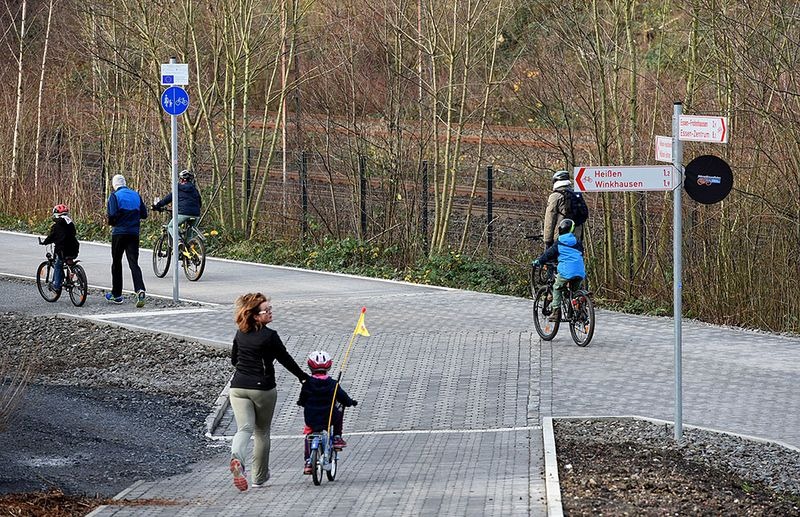
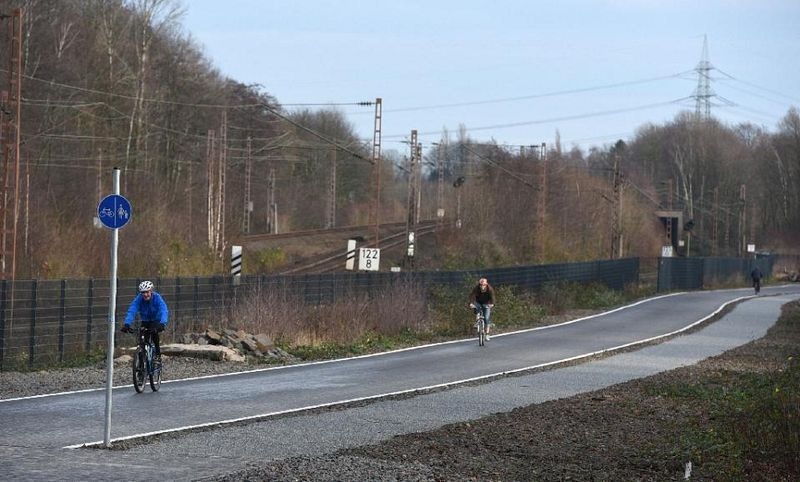
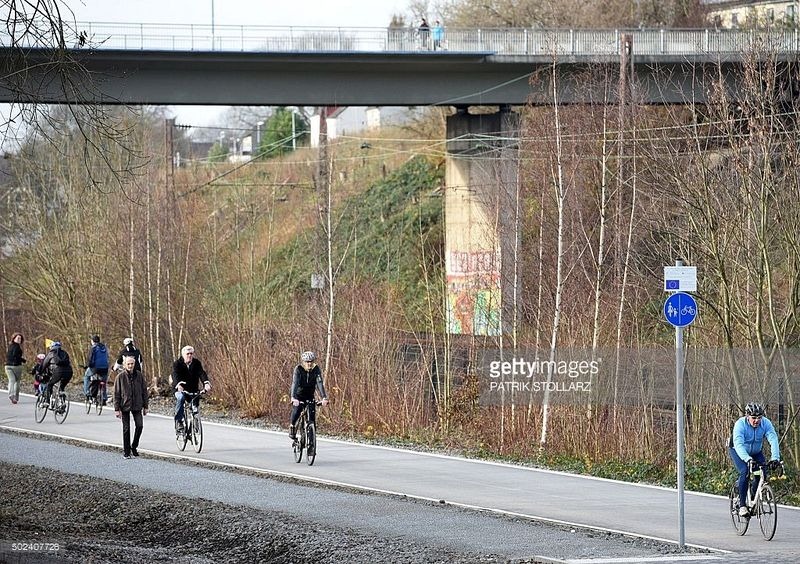
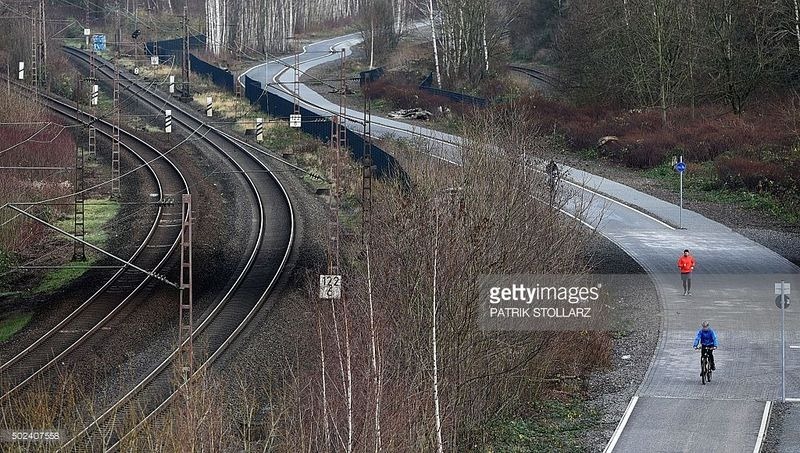
Intercity travelling by bicycles is about to become a reality in Europe, as Germany opens the first ever superhighway for bicycle-only traffic. The Autobahn is not yet ready —just the first five kilometer of the bicycle highway has opened to the public, but when it’s done it will span over 100 kilometers and connect 10 western cities including Duisburg, Bochum and Hamm and four universities. The highway will run largely along disused railroad tracks in the crumbling Ruhr industrial region, and is hoped to benefit almost two million people who live within two kilometers of the route. These people will be able to use sections of the highway for their daily commutes, avoiding urban traffic jams and air pollution. The new track is predicted to take 50,000 cars off the roads every day.

Photo credit: PATRIK STOLLARZ/AFP/Getty Images
Bicycle highways are taking shape elsewhere around Europe too, such as in the Netherlands and Denmark, where the idea was first pioneered. The banking centre of Frankfurt is working on a 30-kilometer path south to Darmstadt, while the Bavarian capital of Munich is plotting a 15-kilometer route into its northern suburbs. Nuremberg is already studying the possibility of a track linking four cities. In the capital Berlin, the city administration in early December gave the green light to a feasibility study on connecting the city centre with the southwestern suburb of Zehlendorf.
Germany is already familiar with bicycle lanes, but unlike the ageing single-lane bike paths, where tree roots often create irregular speed bumps, or a lane can abruptly end in a busy intersection, the new superhighways will be a luxurious four meters wide, have overtaking lanes and cross roads via overpasses and underpasses. The paths will be lit and cleared of snow in winter.
Martin Toennes of the development group RVR, is trying to raise 180 million euros ($196 million) so that the entire 100-kilometre route could be completed. Aside from that, he will have to come up with money for maintenance, lighting and snow clearance. “Without (state) support, the project would have no chance,” Toennes observed.

Photo credit: PATRIK STOLLARZ/AFP/Getty Images


Photo credit: PATRIK STOLLARZ/AFP/Getty Images
Acceptance is always one of the hardest things we face in life. There are so many things we have to learn to accept on a regular basis, including our flaws, our failures, our disappointments, our regrets, and our mistakes. And as the year draws to a close, I’d like to come to terms with these small things and make sure I let go of them before the new year crashes in. Free yourself from what is keeping you dwelling in the past, and start the year with a fresh motivation to move on. I’m convinced that most of us can relate to some of the following affirmations…


H/T: thoughtcatalogue.com
Source……www.ba-bamail.com
Natarajan
![]() |
|
|
|

(முன்பு நாம் எல்லோரும் ஒரு விதத்தில் மூட்டை தூக்கிகளாக இருந்ததால்தான் இந்த வியாதிகள் வந்திருக்கின்றன. நாம் செய்கிற ஒவ்வொரு தப்புக் காரியமுமாகச் சேர்ந்து மூட்டையாகி விடுகிறது. இந்தப் பிறப்புக்கு முன்னால் இன்னொரு பிறப்பில் தப்புக் கள் செதோம். அதனால்தான் இப்போது இந்த உடம்பு என்கிற மூட்டை வந்திருக்கிறது. இதில் பழைய தப்புகளின் வாசனையும் இருக்கிறது. அதனால்தான் ஆசை, கோபம் எல்லாம் நமக்கு இருக்கின்றன.
அது போவதற்காகத்தான் குழந்தையாக இருக்கும்போது பள்ளிக் கூடத்துக்குப் போகிறோம். அறியாமை என்கிற வியாதி, படிப்பு என்கிற மருந் தினால் போகிறது. )
கல்கியில் வந்த அருள் வாக்கு.
உங்கள் வீடு ஒரு குடும்பம். இதற்கு அப்பாவும் அம்மாவும் தலைவர்கள். உங்கள் குடும்பத்துக்கு நடுவில் பள்ளிக்கூடம் என்கிற ஒரு குடும்பம் இருக்கிறது. உங்களுடன் படிக்கிறவர்களெல்லாம் உங்கள் குடும்பத்தில் உடன் வாழ்கிற சகோதரர்கள் மாதிரி. இந்தப் பள்ளிக் குடும்பத்தின் தலைவர் உபாத்தியாயர் ‘வாத்தியார்’ என்கிற ஆசிரியர். அவரையும் ஓர் அப்பா அம்மாவாக நீங்கள் மதித்து வணங்க வேண்டும்.
பள்ளிக் காலத்தில் உங்கள் கடமை படிப்பது ஒன்றுதான். உங்களுடைய கவனம் முழுவதும் படிப்பதிலேயே இருக்க வேண்டும். மற்ற விஷயங்களிலெல்லாம் நீங்கள் ஈடுபட இது சமயம் அல்ல. வேறு எத்தனையோ நல்ல விஷயங்கள் இருந்தாலும்கூட அவற்றையும் நீங்கள் படிப்பு முடிந்த பின்தான் கவனித்து ஈடுபடலாம். ‘இப்போதே எனக்கு அவற்றில் ஈடுபடச் சிறிது சக்தியும், புத்தியும் இருக்கிறதே; எனவே உலகத்துக்கு நல்லது செய்கிற அந்தச் சமாசாரங்களில் இப்போதே பிரவேசிப்பேன்’ என்று போகக்கூடாது.
சின்ன வயசில் உங்கள் உள்ளத்துக்குப் போதிய சக்தி ஏற்படுகிற முன்பே, படிப்பு தவிர மற்ற விஷயங்களை மேற்கொண்டால், உள்ளத்துக்கு வியாதிதான் உண்டாகும்.
ஏற்கெனவே நம் உள்ளத்தில் ஆசை, கோபம் முதலிய பல வியாதிகள் இருக்கின்றன. முன்பு நாம் எல்லோரும் ஒரு விதத்தில் மூட்டை தூக்கிகளாக இருந்ததால்தான் இந்த வியாதிகள் வந்திருக்கின்றன. நாம் செகிற ஒவ்வொரு தப்புக் காரியமுமாகச் சேர்ந்து மூட்டையாகி விடுகிறது. இந்தப் பிறப்புக்கு முன்னால் இன்னொரு பிறப்பில் தப்புக் கள் செதோம். அதனால்தான் இப்போது இந்த உடம்பு என்கிற மூட்டை வந்திருக்கிறது. இதில் பழைய தப்புகளின் வாசனையும் இருக்கிறது. அதனால்தான் ஆசை, கோபம் எல்லாம் நமக்கு இருக்கின்றன. அது போவதற்காகத்தான் குழந்தையாக இருக்கும்போது பள்ளிக் கூடத்துக்குப் போகிறோம். அறியாமை என்கிற வியாதி, படிப்பு என்கிற மருந் தினால் போகிறது. அதோடு நம் கெட்ட குணங்களும் போக வேண்டும்.
இதற்குப் படிப்பு மட்டும் போதாது. பணிவு வேண்டும். பணிந்து கிடந்தால் கெட்ட குணங்கள் ஓடிப் போகும். தா, தந்தை, ஆசிரியர், தெவம் ஆகியவர்களிடம் பக்தியோடு, படிப்பில் கவனம் செலுத்தி வந்தால் அறிவும் வரும், குணமும் வளரும்.
Read more: http://periva.proboards.com/thread/10842/#ixzz3vxxbQliu
source……www.periva.proboards.com
Natarajan
“…And when all the wars are over, a butterfly will still be beautiful,” wrote Ruskin Bond.
As we approach the end of 2015, it is quite natural to look back and search for the kind of beauty he was talking about – the beauty amidst chaos that helped us throughout the year and also gave hope for the next one. No matter the dark times and the harsh memories, everybody seeks that hope to wake up with each day. And on several occasions this year, India helped us believe in that hope, and in happiness, humanity and pride.
Many times this year, different people and incidents made Indians proud of being a part of this country. Here are the 22 best ones:

Mr. Dhananjay Chakraborty, a taxi driver in Kolkata, has a garden on the roof of his cab, and many potted plants in the trunk. He calls his car the green chariot, and it is a great way of promoting the message of green living while driving around the city.

T Sriramanujam, a visually impaired student of Class 5, fulfilled his childhood dream of becoming a TV news anchor. He read his first live news bulletin for 22 minutes with the help of Braille.

On a WhatsApp group named ‘Baliraja’, over 400 farmers from various villages in Maharashtra are seeking and sharing agriculture advice, connecting with experts in various fields and learning new practices. The group simply rocks!

Suman More, a 50-year-old waste picker from Pune, runs a 9,000 member organization named Kagad Kach Patra Kashtakari Panchayat, and has been giving a new identity to ragpickers. This year, she spoke before more than 2,000 experts from across the world at a conference organized by the International Labour Organisation in Geneva.

Waseem Memon and his group of over 25,000 people are fighting for our right to use our cars all across the country, challenging the existing laws regarding registration. He started the Drive Without Borders campaign to protest against the injustice meted out by road transport officials of various states while checking non-state vehicles.

Parents across India proudly took pictures with their daughters and sent them to Sunil Jaglan, the sarpanch of Bibipur village in Haryana, who started a WhatsApp contest named ‘Selfie with Daughter’. He received more than 500 entries in just a few days.

Maryam Siddiqui won a Bhagwad Gita competition and was felicitated by many political figures across the country. She politely returned all the money received in the form of rewards, with a note that the money should be utilised for a scheme or something related to providing better education for girls.

The Muslim man who performed the last rights of his Hindu friend, the Hindus who opened up a Ganesha pandalfor Muslims to celebrate Eid, and the Hindu man who wrote Prophet Muhammad’s biography in Marwari – all helped break the shackles of narrow religious confines.

Gangadhara Tilak Katnam, a 67-year-old retired Railway employee, quit his job to single-handedly fill up potholes in Hyderabad. He used his pension money to fill over 1,125 potholes in two and half years.

Nikhiya Shamsher started a project named Bags, Books and Blessings. She collected around 2,500 books, about 150 bags, water bottles, a lot of stationery, and more from the students in her school, and donated all of it to an orphanage in Bangalore. She stood out as an inspiration for many students of her age.

Gaurang Damani, an electrical engineer, adopted the King’s Circle railway station in Mumbai and transformed it into a very beautiful and clean place in just four months. Find more about his work here.


When Eshan Balbale saw that students in Sathe Nagar had to walk through a 1.5 km long, filthy, sewage-filled stretch to reach school every day, he made a 4-feet-wide and 100-feet-long bamboo bridge for them in just eight days.

65-year-old Kishan Kumar lost his typewriter when a police official kicked it in his attempt to evict footpath dwellers and vendors. When Indians on Twitter came to know about this incident, they simply made sure that he got his typewriter back.

A 24-year-old policeman, Manoj Barahate, did not think of his own life before diving off a 20-feet high bridge to save the life of a man who had jumped into the water during Kumbh Mela. Had it not been for this quick-thinking brave cop, the man would have lost his life.

Of the 60 people who were honoured with the prestigious Karnataka Rajyotsava Award this year, one is a transgender – Akkai Padmashali – who has been fighting for the rights and acceptance of her community for years. This was the first time that a transgender won this award.

“It looks like this is the beginning of a beautiful new tradition in our family, which I hope we will only enhance as time goes on. It touched and opened my heart in many ways,” wrote her daughter.

All of these tweets were answered, and help reached the passengers in almost no time.


We are all Indians at the end of the day. And we stand by each other.
Source…….www.the betterindia.com
Natarajan

|
Look at the blossoms in the garden! When the gardener plucks the flowers, the buds exult that tomorrow is their turn to be gathered into the gardener’s hands, and their faces are full of joy when they unfold in that hope. Do they feel any sadness? Do their faces droop? Are they any the less bright? No. The moment they know that the next day is their turn, they make themselves ready with great gusto and excitement. In the same way, you must be ready on the path of spiritual practice! Enthusiastically remember the name of the Lord every minute, without worrying and feeling sad that your turn is tomorrow or because someone died today. For people who transformed themselves into spiritual aspirants, their mind (manas)is Mathura, the birthplace of Lord Krishna), their heart is Dwaraka (Lord Krishna’s playground), and their body is Kashi (holiest land of Lord Shiva). |
Because Julius Caesar said so.
Early Roman Calendar
Since long before Caesar’s time, date keeping was dicey. In fact, the 355-day Roman calendar that immediately preceded Caesar’s Julian, worked on a four year cycle where every other year, an additional month was inserted between February (Februarius), the last month of that calendar year, and March (Martius), the first month of the year; this was done in order to catch the calendar up with the Earth’s orbit of the Sun. That additional month, called the Mensis intercalaris, brought in the missing 22 or 23 days, and to even things up, took another five days from February in the years it was present.
Since the calendar had been designed to ensure the proper observance of religious dates, priests, calledpontifices, were responsible for declaring when theinterclaris month should begin and end. Since these priests were also involved with politics, they sometimes:

Misused their power by intercalating days or not intercalating them, merely in order to lengthen or shorten some magistrate’s year of office, or to increase the gains of some government contractor, or to inflict loss upon him.
By the time Caesar came around, the Roman calendar was in shambles, and in 46 BC, Julius Caesar commanded that it be changed.
Julian Calendar
The Julian calendar’s beginnings were as crazy as the old Roman calendar at its worst:
In order to wipe out the consequences of past neglect, it was necessary that the year 46 BC (called by Macrobius the annus confusionis) should extend to 445 days. The normal number of 355 days had already been increased by the addition of the ordinary 23 days, inserted after Feb. 23. As many as 67 days, divided into two menses intercalares . . . were now interposed between November and December. . . . This year thus consisted of 15 months.
After this “year of confusion,” the new calendar really started. Intercalation was abolished, and each year was increased to 365 days, with a leap year added every fourth year (quarto quoque anno) to February. The months of the calendar after Caesar’s shake-up followed the old Roman calendar closely and most are familiar to us even today: Ianuarius, Februarius, Martius, Aprilis, Maius, Iunius, Guintilis, Sextilis, September, October, November and December.
Along with these changes, Caesar set the New Year to January 1. Why? Since 153 BC, January 1 was the day new consuls in Rome took office and Romans had commonly used the name of the two consuls to identify a specific year in question. Thus, by officially making January 1 start the New Year, it simply lined up with the consular year.
As to why the consular year started on January 1 instead of the original Roman Calendar New Year’s day of March 1, this isn’t known. That said, there are references that seem to imply that January 1 may have begun marking the New Year as early as 189 BC, which precedes when the consular year started beginning on that day.
One proposed reason for this switch is that January is thought by most to have been named after the god of transitions and beginnings, Janus, during the reign of the second King of Rome, Numa Pompilius, who lived from 753-673 BC. Thus, it was naturally enough for the Romans to eventually decide to make the switch. However, whether this is the reason or not is very much up for debate.
Gregorian Calendar
Although the Julian Calendar was relatively accurate, its use of 365.25 days in a calendar year, as opposed to the precise 365.2425 days, over centuries, created a discrepancy in the calendar. In fact, by the time Pope Gregory XIII (1572-1585) became the Bishop of Rome, the Julian calendar had lost 10 days.
It was this discrepancy that brought about the reformed calendar. Actually beginning 20 years before the calendar took effect with the Council of Trent in 1563, church leaders wanted to restore the spring equinox to the date it was when the First Council of Nicaea was convened in 325 (by 1563, the equinox was falling on March 11, rather than March 21).
As simple as making a Papal decree, Gregory issued the Inter gravissimas on February 24, 1582, and nearly eight months later, the last day of the Julian calendar, October 4, 1582, was followed by the first day of the Gregorian calendar, October 15, 1582. Voila!
Today, the Gregorian calendar is the unofficial calendar of the United States and the United Nations, as well as most countries in the world.
New Year’s Day
Since before even Caesar’s time, people celebrated the New Year. In ancient Babylon, this began after the spring equinox in March, and part of the celebration including subjecting the king to ritual humiliation. In fact, “if royal tears were shed, it was seen as a sign that Marduk [a god] was satisfied and had symbolically extended the king’s rule.”
After he was murdered by a small group of his “friends” (“Et tu, Brute?”), the Roman Senate made Caesar a god on January 1, 42 BC, a date which coincided with the time-honored practice of making offerings to Janus in the hope of having good fortune throughout the year.
Throughout the Middle Ages in Europe, January 1st’s New Year’s celebrations were discouraged, as they were seen by church leaders as a pagan practice. Instead, other days were often used as a substitute varying from nation to nation. This changed when the Gregorian calendar was instituted and, at least in the Catholic nations, January 1 once again became the official New Year, and it slowly spread from there with the Gregorian calendar.
Bonus Facts:
Every year that is exactly divisible by four is a leap year, except for years that are exactly divisible by 100, but these centurial years are leap years if they are exactly divisible by 400. For example, the years 1700, 1800 and 1900 are not leap years, but the year 2000 is.
source….www.today i foundout.com
Natarajan
This is really worth reading. I hope you enjoy it.
An interesting perspective – One never might have really looked at it this way –
Imagine that you had won the following *PRIZE* in a contest: Each morning your bank would deposit $86,400 in your private account for your use. However, this prize has rules:
The set of rules:
1. Everything that you didn’t spend during each day would be taken away from you.
2. You may not simply transfer money into some other account.
3. You may only spend it.
4. Each morning upon awakening, the bank opens your account with another $86,400 for that day.
5. The bank can end the game without warning; at any time it can say,“Game Over!”. It can close the account and you will not receive a new one.
What would you personally do?
You would buy anything and everything you wanted right? Not only for yourself, but for all the people you love and care for. Even for people you don’t know, because you couldn’t possibly spend it all on yourself, right?
You would try to spend every penny, and use it all, because you knew it would be replenished in the morning, right?
ACTUALLY, This GAME is REAL …
Shocked ??? YES!
Each of us is already a winner of this *PRIZE*. We just can’t seem to see it.
The PRIZE is *TIME*
1. Each morning we awake to receive 86,400 seconds
as a gift of life.
2. And when we go to sleep at night, any remaining time is Not credited to us.
3. What we haven’t used up that day is forever lost.
4. Yesterday is forever gone.
5. Each morning the account is refilled, but the bank can dissolve your account at any time WITHOUT WARNING…
SO, what will YOU do with your 86,400 seconds?
Those seconds are worth so much more than the same amount in dollars. Think about it and remember to enjoy every second of your life, because time races by so much quicker than you think.
So take care of yourself, be happy, love deeply and enjoy life!
Here’s wishing you a wonderful and beautiful day. Start “spending”….
“DON’T COMPLAIN ABOUT GROWING OLD…!”
SOME PEOPLE DON’T GET THE PRIVILEGE.!
Source….Input from a friend of mine
natarajan