படித்து ரசித்தது ….நீங்களும் படித்து ரசிக்க …!


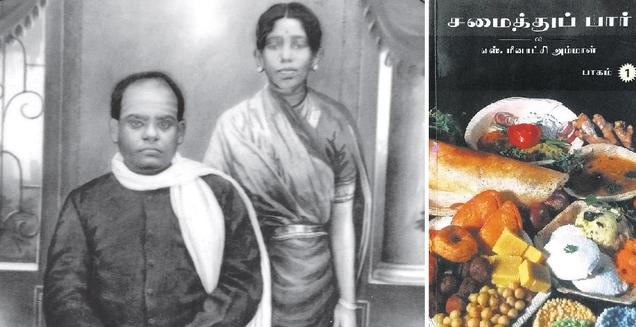
மீனாட்சி அம்மாள்: சமையல் குறிப்புகளின் முன்னோடிக் கலைஞர்!

samayal_3062043f

இது என்ன அநியாயம்? சமையல் கலையைப் புத்தகத்திலிருந்து தெரிந்துகொள்ள வேண்டுமா? சமையல், பெண்களின் இயல்பான குணங்களில் ஒன்று என்றுதானே நினைத்திருந்தோம். சமையல் தெரியாத பெண்களும் இருக்கிறார்களா என்று அதிர்ந்துபோனார்கள் அன்றைய மக்கள். 70 ஆண்டுகளுக்கு முன்பு சொப்பு வைத்து விளையாடும் பருவத்திலேயே சிறுமிகள், சமையலைக் கற்க ஆரம்பித்துவிடுவார்கள். அப்படிச் சமையலைக் கற்றவரில் ஒருவர்தான் மீனாட்சி அம்மாள்.

19 வயதில் திருமணம். 22 வயதில் கணவரை இழந்தார். தனியாளாகக் கைக்குழந்தை, மச்சினர், மாமியார் என்று குடும்பத்தைப் பராமரித்துவந்தவர், சமையலிலும் பிரமாதப் படுத்தினார். மீனாட்சி அம்மாளின் கைப்பக்குவத்துக்கு மிகப் பெரிய ரசிகர் வட்டம் இருந்தது. இந்தியாவின் வெவ்வேறு பாகங்களில் பரவியிருந்த அவரது உறவினர்கள், மீனாட்சி அம்மாளிடம் சமையல் குறிப்புகளைக் கேட்டுக் கொண்டே இருப்பார்கள். ஒவ்வொருவருக்கும் சளைக்காமல் எழுதிக் கொடுத்துக்கொண்டே இருப்பார்.

இவரது உறவினர் கே.வி.கிருஷ்ண சாமி ஐயர், இப்படி ஒவ்வொருவருக்கும் சமையல் குறிப்பு எழுதிக் கொடுப்பதற்குப் பதில், ஒரு புத்தகமாகக் கொண்டு வந்தால் எல்லோருக்கும் பயன்படுமே என்று ஆலோசனை வழங்கினார். மீனாட்சி அம்மாளும் புத்தகம் எழுதினார். சமையல் புத்தகம் என்றதும் பலரும் இதை யார் வாங்கப்போகிறார்கள் என்று கிண்டல் செய்தார்கள். பதிப்பகங்கள் எதுவும் புத்தகம் வெளியிட முன்வரவில்லை. தானே புத்தகத்தைக் கொண்டுவர முடிவு செய்தார் மீனாட்சி அம்மாள். தன் நகைகளை விற்றார். தானே புத்தகத்தைப் பதிப்பித்தார்.

1951-ம் ஆண்டு தமிழின் முன்னோடி சமையல் புத்தகம், ‘சமைத்துப் பார்’ வெளிவந்தது. புத்தகத்துக்கு இவ்வளவு வரவேற்பு இருக்கும் என்று மீனாட்சி அம்மாளே எதிர்பார்க்கவில்லை. புத்தகம் குறித்துப் பலரும் சிலாகித்துப் பேச ஆரம்பித்தனர். விற்பனை பெருகியது. திருமணமாகி வெளிநாடு செல்லும் பெண்கள், விசாவை மறந்தாலும் மீனாட்சி அம்மாள் புத்தகத்தை மறக்கவில்லை. ஐந்தே ஆண்டுகளில் தன் புத்தக வருமானத்தை வைத்து, மயிலாப்பூரில் ஒரு வீட்டை வாங்கினார் மீனாட்சி அம்மாள்.

மிளகாய்த் தூள், சாம்பார்ப் பொடி என்று சொன்னால் ஒவ்வொருவரும் ஒவ்வொரு பக்குவத்தில் வைத்திருப்பார்கள். அவற்றால் மீனாட்சி அம்மாளின் சுவையைக் கொடுக்க முடியாது. அதனால் பொடி வகைகள் எல்லாவற்றையும் சேர்த்து அடுத்த புத்தகத்தைக் கொண்டுவந்தார். அதற்கும் அமோக வரவேற்பு! விழாக்கள், திருமணம் போன்றவற்றுக்கு எப்படித் தயாராவது, பண்டிகைக் கால உணவுகள் போன்ற பல விஷயங்களை வைத்து, அவர் மறைவுக்குப் பின்பு மூன்றாவது புத்தகம் வெளிவந்தது.

அதற்குப் பிறகு சமையல் புத்தகங்களைப் பலரும் எழுத ஆரம்பித்தனர். விதவிதமான சமையல் புத்தகங்கள் வெளிவந்தன. சைவச் சமையல், அசைவச் சமையல், வட்டாரச் சமையல், கிராமத்துச் சமையல், மாநிலச் சமையல், அயல்நாட்டுச் சமையல், மைக்ரோவேவ் சமையல், சிறுதானியச் சமையல் என்றெல்லாம் தினுசு தினுசாக உணவு வகைகள் உருவாகிக்கொண்டும், புத்தகங்கள் வெளிவந்துகொண்டும் இருக்கின்றன.

இன்றளவும் ‘சமையல் புத்தகமா?’ என்று இளக்காரமாகப் பார்க்கப்பட்டாலும் விற்பனையில் முதலிடம் சமையல் புத்தகங்களுக்குத்தான். சமையல் குறிப்புகளை இணைப்புப் புத்தகங்களாக வழங்கும்போது பத்திரிகைகளின் விற்பனை கணிசமாக அதிகரிப்பதால் சமையலுக்குத் தொடர்ந்து முக்கியத்துவம் அளித்துவருகிறார்கள். தொலைக்காட்சி, யூ டியூப், ஃபேஸ்புக் என்று சமையல் கலை அடுத்தடுத்த பரிணாமங்களை அடைந்துவருகிறது. அதே போல மீனாட்சி அம்மாளின் புத்தகங்களும் மாற்றத்தை ஏற்று, நவீனமாகிக்கொண்டே வருகின்றன.

மீனாட்சி அம்மாள் காலத்தில் கூட்டுக் குடித்தனமாக இருந்தனர். ஒரு வீட்டில் ஏராளமானவர்கள் இருப்பார்கள். அவர்களுக்கு ஏற்ப அளவுகளை அவர் கொடுத்திருக்கிறார். கொட்டைப் பாக்கு அளவு புளி, குழிக் கரண்டி எண்ணெய், ஓர் ஆழாக்கு அரிசி போன்ற பதங்கள் எல்லாம் இப்போது வழக்கில் இல்லை. நான்கு பேர் கொண்ட குடும்பத்துக்கான அளவுகள், தற்காலத்தில் இருக்கும் சொற்களைப் பயன்படுத்தி, புத்தகங்களை நவீனப்படுத்தி, கொண்டுவந்திருக்கிறார் அவரது பேத்தி ப்ரியா ராம்குமார்.

“சமைத்துப் பார் ஆங்கிலத்தில் வெளிவந்து 48 ஆண்டுகள் ஆகிவிட்டன. தமிழ், ஆங்கிலம் தவிர, மலையாளம், இந்தி, கன்னடம், தெலுங்கு மொழிகளிலும் புத்தகங்கள் கொண்டுவந்தோம். நாங்கள் விளம்பரம் எதுவும் செய்வதில்லை. வாங்கிப் பயன்படுத்தியவர்களின் வாய்மொழி மூலமாகவே 65 ஆண்டுகளாக விற்பனையில் முன்னிலையில் இருக்கின்றன. இதுவரை 45 பதிப்புகளைக் கண்டுவிட்டன. அடுத்து மின்புத்தகங்களாகக் கொண்டுவரும் திட்டத்தில் இருக்கிறோம்” என்கிறார் ப்ரியா ராம்குமார்.

“சித்திரம், சிற்பம், சங்கீதம் போல சமையலும் உயரிய கலை. பல வண்ணங்களைக் குழைத்து, அற்புதமான சித்திரத்தைத் தீட்டுவது போல பல பொருட்களைச் சேர்த்து, பக்குவப்படுத்தி, ஒப்பற்ற உணவுப் பண்டத்தை உருவாக்குகிறார்கள் சமையல் கலை வல்லுனர்கள்” என்று சொன்ன மீனாட்சி அம்மாள், சமையல் கலைஞராகவும் எழுத்தாளராகவும் பதிப்பாளராwகவும் வெற்றி பெற்று, பிறருக்கும் வழிகாட்டியிருக்கிறார்.

மனிதர்களுக்குப் பசியும் ருசிக்கான தேடுதலும் இருக்கும் வரை சமையல் கலைக்கான தேவையும் இருந்துகொண்டே இருக்கும். காலத்துக்கு ஏற்ப மாறிக் கொண்டுவரும் மீனாட்சி அம்மாளின் புத்தகங்கள், இன்னும் பல தலைமுறை களுக்குச் சமையல் கலையைச் சொல்லிக் கொடுத்துக் கொண்டிருக்கும்!

Source….S.Sujatha…in http://www.tamil.thehindu.com

Natarajan

2 lakh to 3300 crore: The BYJU’s Classes success story…Meet Byju Raveendran!


‘A business cannot be driven by the passion to make money, the passion to change society is far more important.’
‘After a certain point, what value has money to a person?’

30byjus-classes-2

A son of teachers, teaching never fascinated Byju Raveendran when he was young. His passion was sports.

After working for a couple of years as a globetrotting service engineer for a shipping firm, Byju became a teacher by accident.

On holiday, he helped some friends pass the Common Aptitude Test entrance examination.

From then on, requests started pouring in from friends of friends, and their friends. In no time, ‘Byju’s classes’ became so popular that he quit his job and flying from one city to another to take classes.

His classrooms grew from a single room, to a hall, and then an auditorium and at one point even a stadium!

He launched the BYJU’s Learning App for school students in 2015. The learning app also coaches for CAT, the civil services examination, the Joint Entrance Examination (JEE), the National Eligibility and Entrance Test (NEET), the Graduate Record Examination (GRE) and the Graduate Management Admission Test (GMAT).

The idea appealed to many investors and in 2016 alone, venture capital firm Sequoia Capital and Belgian investment firm Sofina invested $75 million (approximately Rs 500 crore/Rs 5 billion) into the firm. This was the largest fundraising in the education start-up segment in India.

The latest investment into Byju’s firm (September 2016) is the $50 million (Rs 332 crore/Rs 3.32 billion) from the Chan Zuckerberg Initiative, the philanthropic organisation created by Facebook founder Mark Zuckerberg and his wife Dr Priscilla Chan in 2015.

Byju spoke with Rediff.com‘s Shobha Warrier about his wonderful journey from mechanical engineer to successful entrepreneur.

Growing up in a village in Kerala

I grew up in Azhikode, a small village in Kannur, Kerala, the bastion of Communism.

I do not know whether it was the influence of Communism or the face of any typical village, the social fabric was very closely knit and people were politically and socially active.

Both my parents were teachers at the school I studied. My father Raveendran was a physics teacher and my mother Shobhanavalli taught maths. I grew up in a joint family where my father’s brother and sister and their children also lived.

Normally, children of teachers are pressured to concentrate on academics, but my parents were so open minded that they let me participate and excel in sports which was my major passion as a student.

Other than life skills, they never gave me any coaching in any subject. Though some of my teachers used to complain to my parents that I was missing a lot of classes due to my sports activities, they supported me to pursue what I liked.

In Kannur, football is a passion for everyone, but I played almost every sport available when in school, and football, cricket and table tennis at the university level.

‘I had my education in a Malayalam medium school and I learnt English on my own, mainly by listening to cricket commentary.’

It was quite common that many students who studied in Malayalam medium schools felt inferior in front of those who studied in English medium schools while in college.

My father’s influence was tremendous in my life as he let me be free of the confinement of classrooms and I feel you learn a lot more outside the classrooms than inside.

The biggest lessons I learnt from my sporting days were how to lead a team, teamwork, and how to perform under pressure. All these helped me immensely when I became an entrepreneur.

In addition, I learnt the value of controlled aggression, how to be extremely positive and that losing and winning are both part of the game.

We played games for fun and not in the structured way most kids play these days. Unlike children who play video games inside their homes, those who run around and played outdoor games learn a lot more life skills.

There is no substitute for playing outdoor games with other children.

Though I played sports well, I did not have any ambition to be a cricketer or a football player. I played games because I enjoyed playing them. In fact, I enjoy every moment of my life; I do not do anything expecting anything in return. Maybe I inherited this attitude from my father who is super cool about everything in life.

The choices in front of all the students at that time were either be an engineer or a doctor, and I chose to study engineering. One reason why I chose engineering was I knew I would get more time to play as medicine students hardly got time to play sports.

From a village in Kerala to travelling around the world

After studying mechanical engineering, I got a job in a multinational shipping firm and started travelling all around the world as a service engineer.

It was a very challenging and exciting job and as I travelled to new places, I became more and more aspirational.

If anyone had asked me at that time whether I would be an entrepreneur in the future, I would have said, no. The desire to be an entrepreneur never even crossed my mind.

After two years of working, I was on holiday in Bangalore, where many of friends worked. It so happened that they were preparing for the CAT exam then and as I was good at maths, they asked for my help.

While I helped them prepare, I also wrote the exam just for fun and see how I fared. To my surprise, I scored in the 100th percentile, but I had no plans to do an MBA in an IIM. My friends also did well and some of them even got admission at the IIMs.

I was back in India again in 2005 on holiday. This time, more friends of my friends came to me for help to prepare for the CAT exams. I was in Bangalore for six weeks and I might have trained more than 1,000 students during the period.

‘As the numbers grew, the venue moved from the terrace of a friend’s house to a classroom, and then to an auditorium.’

The initial workshops were free and students paid for advanced workshops once they liked it.

Because of the enormous response to my teaching, I didn’t go back to my job after that.

Once I started teaching, I realised that I enjoyed teaching tremendously which I was not aware of till then.

Becoming a full time teacher

When I decided to resign from my highly paid job and start teaching, my parents supported me. Never once did they question me. They supported all the decisions I took, like not joining an IIM, quitting my job to start teaching while there were many people who questioned my parents’ indulgence of me.

In those days, I taught CAT aspirants on weekends while I prepared myself on weekdays by trying to come up with innovative ways to solve problems.

I travelled to Pune, Delhi, Chennai and Mumbai during the weekends and in no time I had to add five more cities on weekdays due to constant demand.

Wherever I went, I addressed packed auditoriums; a few times, I ran classes in a stadium. As time passed by, I even took maths workshops for 20,000 students at one time.

I became a popular teacher and I was doing this all by myself. It was an overwhelming experience when thousands of students wait eagerly in various cities for your classes.

Sometimes I wondered whether I deserved the kind of respect and importance they gave me.

Funnily, a person who had never addressed any group of even ten during my school or college days was taking classes to thousands of them in auditoriums.

‘When you take classes in stadiums, teaching gets elevated to become almost like a performance art.’

Soon I started making lots of money, much more than I ever thought I would make as a teacher. As I was a one-man army then, I didn’t have to spend any money on anything except my own efforts.

In 2009, I made videos of my lectures and used V-SAT to beam them to students in 45 cities where I could not travel to.

Byju’s Classes becomes a brand

My classes were referred to as Byju’s Classes from the time my classes became popular.

In 2007, without me knowing, the brand name Byju’s Classes was created by my students and I decided to capitalise on the brand name later. I didn’t want to lose the popularity and the good name the brand had achieved.

In 2011, the idea to form a team came from some of my students who contacted me after finishing their courses at various IIMs. We started the company Think and Learn with 25 to 30 people, but the team grew in numbers every month to more than 1,000 today.

The product our company planned to create was content for school students and the decision to move from CAT to creating content for school students came from my observation of the students I taught.

I felt that most of the students lacked conceptual clarity and a proper foundation. I found that there was a huge gap in how the subjects could be learnt and how they were taught. That is why I wanted to create something that could fill the gap.

Looking back, I feel I excelled in exams because I wrote exams for fun, the same way I played games.

‘Exams never intimidated me. There was no stress or pressure to perform well in the exams. I looked at exams as a part of the learning process.’

Instead of memorising stuff, I used to learn the concepts well, something I found was lacking in many of my students. So, I decided to target the crucial years in a student’s life from the 8th to the 12th standard.

Today, my classes begin for 4th standard children; they are in maths, physics, chemistry and biology.

Maths and science are two subjects for which I had special attitude and I enjoyed both, especially solving maths problems. I never learnt maths and science to write exams. I loved learning on my own and understanding the concepts.

I noticed then and even now that majority of the students learn a subject to score good marks. You lose the pleasure you derive from solving, say a maths problem, by studying for the exam. These students don’t realise the fun they are losing out on by studying only to score high marks.

I was a Maths Olympiad winner in school only because I enjoyed solving maths problems.

The problem with our education system is that it gives more importance to breadth than depth.

We tend to create many generalists and very few specialists.

They tell you to work hard on your weaknesses.

On the contrary, I would argue that you should also build on your strengths!

Asking questions is the key to a student’s success. You see 2-3-year-olds learning things by asking questions all the time, but as they grow, adults discourage them from asking questions.

‘I feel all schools should encourage students to ask questions. Your thought process is alive only when you ask the right questions.’

I love maths and sports equally and it’s tough for me to choose one. My love for maths has helped me a lot in life. For example, I used my strength in solving maths problems to start my own company, attract investors and on a lighter note, even impress the girl I loved to become my wife.

From 2011 to 2015, we immersed ourselves in creating content mainly for school students from classes 6 to 12.

Our content is very contextual and visual. Instead of focusing on the whats of learning, we pay attention to the whys and hows as well.

We created each chapter in a subject like a movie. And it’s not just me; a lot more teachers take classes these days.

We have a 150 strong content team, a 200 member media team to make it into interesting videos and a technology team of 150 to personalise it. In all, we are a 500-member product development team now.

By August 2015, Byju’s Learning App was ready to be launched, and in one year, we have had 5.5 million downloads with 250,000 plus students using it on an annual subscription basis.

We have also found that students spend an average of 40 minutes per session and more than 90 per cent of the students who came on board last year renewed their subscription, acknowledging the fact that they benefited from the learning programme.

Investment over the years


We didn’t invest much initially; the Rs 2 lakh (Rs 200,000) I invested first came from what I made from my classes.

The first investment came in 2013 when Mohandas Pai and Ranjan Pai decided to invest Rs 50 crore (Rs 500 million) in Byju’s Classes.

It was after Ranjan Pai saw how students at the Manipal Institute of Technology attended our video classes in large numbers. We used the money to scale up the team and accelerate product development.

The latest and the most publicised investment was the $50 million invested by the Chan Zuckerberg Initiative. I do not know how we came on to their radar. I assume it must be through some reference.

Two things got them excited in our company: The first was how we use technology to personalise learning and the second was the impact our app has had on students not just in cities, but also in small towns.

Naturally, I was very excited to be noticed by one of the world’s most dynamic young entrepreneurs.

Social impact

With a father who is a Communist, and having grown up in a village in Kannur, money is not really important to me. I am more concerned and interested in seeing our app make a strong social impact.

I didn’t have any drive or passion to start a business, but when I started teaching, I realised that it was my passion and it gave me a lot of satisfaction and enjoyment.

When my classes started creating an impact, it became a business proposition.

‘In the sector that we are in, the real fun is not in creating a billion dollar company but changing the way millions of students learn.’

The most satisfying aspect for me is that we are able to reach out to tens of thousands of students.

I always say I am a teacher by choice and an entrepreneur by chance.

Making money has never been a priority for me, but giving something back to society is. That’s why I take care of the education and healthcare of the underprivileged in my village.

I grew up there and I feel it is my duty to help others come up in life.

I am of the opinion that a business cannot be driven by the passion to make money. The passion to change society is far more important.

After a certain point, what value has money to a person?

Shobha Warrier / Rediff.com

Natarajan


ஏரி காத்த அருண்…….!!!

e_1475133384

சென்னை மாம்பலம்வாசிகளுக்கு மேட்லி சாலை சப்வேவை ஒட்டி இருக்கும் கோதண்டராமர் கோயில் குளம் வெகு பிரபலம். அதன் புகழுக்கு தன் அசுத்தமும் ஒரு காரணம். இப்போதுபோய் பாருங்கள். குப்பைகளும் கழிவுகளும் நீக்கப்பட்டு, ஆகாயத் தாமரைகள் அகற்றப்பட்டு, கரைகள் உயர்த்தப்பட்டு, திடீரென்று புதுப்பொலிவோடு புனிதமும் காக்கப்பட்டுள்ளது. இந்த அசத்தல் மாற்றத்துக்கு அசல் காரணம், 26 வயதான அருண் கிருஷ்ணமூர்த்தி. கூகுள் நிறுவன வேலையை விட்டுவிட்டு ஏரி, குளங்களைக் காப்பதில் ஒன்பது வருடங்களாகக் கலக்கிக் கொண்டிருக்கிறார் அருண். இதற்கெனவே ‘என்விரான்மென்டலிஸ்ட் பௌண்டேஷன் அஃப் இந்தியா’ என்ற அமைப்பை நிறுவியுள்ளார். அவரிடம் பேசினோம்:

மொத்தம் எத்தனை ஏரி, குளங்களை மீட்டிருப்பீர்கள்?
சென்னை, கோவை, ஹைதராபாத், தில்லி, புதுச்சேரி ஆகிய ஊர்களில் மொத்தம் 39 ஏரிகளையும் 41 குளங்களையும் சுத்தப்படுத்தி இருக்கோம். இதை நான் மட்டுமே செய்யலை. என்னோட கிட்டத்தட்ட 900 வாலண்டியர்கள் இருக்காங்க. அவங்கதான் எல்லாத்தையும் செய்யறாங்க…

எப்படி இதையெல்லாம் ஆரம்பிச்சீங்க?
சின்ன வயசிலேர்ந்தே பறவைகள் மீது ஆர்வம் அதிகம். ஆந்திரா பூர்வீகம். ஆனால், சென்னை முடிச்சூரில்தான் வளர்ந்தேன். கீழ்க்கட்டளை பகுதியில் உள்ள பள்ளிக்கரணை சதுப்பு நிலப் பகுதியின் இயற்கை எழில் கொஞ்சும் அழகைப் பார்த்து வளர்ந்தவன். இதற்குக் கீழ்க்கட்டளை ஏரி தான் நீராதாரம். ஏரி நிறைந்து வழியும்போது ஏகப்பட்ட பறவைகளும் மீன்களும் ஆமைகளும் கண்ணில் படும். சின்ன வயதில் பார்த்த காட்சிகள் தற்போது இல்லை. ஏரி இருந்த இடத்தில் குப்பைகள் மண்டிக் கிடக்கின்றன.
இதைச் சுத்தப்படுத்தி மீண்டும் எழில் கொஞ்சும் ஏரியாகப் பார்க்கவேண்டும் என்ற எண்ணத்தில்தான் இயற்கை ஆர்வம் என்னும் முளைவிட்டது. ஹைதராபாத்துல கூகுள் வேலை செஞ்சுக்கிட்டு இருந்தப்பவே ஒரு ஏரியைத் தூர்வாரினோம். அப்புறம் அதையே ஏன் எல்லா இடங்களிலேயும் செய்யக் கூடாதுன்னு தோணுச்சு. வேலையை விட்டுட்டு நண்பர்களின் உதவியோடு இதைச் செய்யறேன்.

எப்படி திட்டமிடறீங்க?
ரொம்ப மோசமா இருக்கற ஏரி, குளங்களையோ, ஆக்கிரமிப்பு, கேஸுன்னு இருக்கக்கூடிய இடங்களையோ தொடறதில்லை. தூர்வாரி கிளீன் செஞ்சா காப்பாத்த முடியும்னு தோணக்கூடிய ஏரி, குளங்களை எடுத்துக்கறோம். அதுவும் அந்த நீர்நிலைகளைச் சுத்தி இருக்கிற மக்களே எங்ககிட்ட கேட்டாங்கன்னா உடனடியா எடுத்துக்கறோம்.
முதல்ல நேரா போய்ப் பார்த்துட்டு, என்னவிமான வேலைகள் செய்யணும்னு அசெஸ் பண்ணுவோம். அப்புறம், எங்களோட ஃபேஸ்புக் பேஜ்ல, வெப்சைட்டுல, மொபைல் ஆப்கள்ல புதன்கிழமை தோறும் விவரங்களைப் போட்டுடுவோம். யார் யாரெல்லாம் ஆர்வமாக இருப்பாங்களோ, அவங்க எல்லாரும் அந்தந்த ஸ்பாட்டுக்கு வந்துடுவாங்க.

வாலண்டியர்களுக்கு என்ன வசதி செய்து தர்றீங்க?
ஒண்ணுமே இல்ல. விருப்பப்படறவங்க தங்களோட சொந்தச் செலவுல நேரே ஸ்பாட்டுக்கு வந்துடுவாங்க. அவங்களுக்கு முகத்துல போட்டுக்கிற மாஸ்க், கிளவுஸ், சுத்தப்படுத்தத் தேவையான கருவிகள்தான் நாங்க கொடுக்கறோம். உள்ளூர் அதிகாரிகள் கிட்ட சொல்லி, சுத்தப்படுத்தத் தேவையான பர்மிஷனை வாங்கறது மட்டும்தான் எங்க பொறுப்பு.
காலையில் ஏழு மணியிலேருந்து பதினோரு மணி வரை வேலை, பப்ளிசிட்டி இல்லை, சின்சியரா, கௌரவம் பார்க்காமல், சுத்தமான சேவை மனப்பான்மையோட வர்றவங்க மட்டும்தான் இங்கே இருக்காங்க.

யாரெல்லாம் ஆர்வம் காட்டறாங்க?
நிறைய பேருக்கு இதுபோன்ற வேலைகளில் ஈடுபடணும்கற ஆசை இருக்கு. ஸ்கூல், காலேஜ் ஸ்டூடண்ட்ஸ் வராங்க; காக்னிஸண்ட், போர்டு நிறுவன ஊழியர்கள் வராங்க, இளைஞர்கள் முதல் முதியவர்கள் வரை வராங்க, நம்ம ஊர், நம்ம தண்ணீர், நாமதான் இதைக் காப்பாத்தணுங்கற உத்வேகத்தோட வருவாங்க. பல பேர், வெளியூர்லேருந்தெல்லாம் கூட வந்து வேலை செய்வாங்க. அவங்களுக்குள்ள அப்படியொரு நட்பும் பந்தமும் ஏற்பட்டுப் போச்சு. ஒவ்வொரு ஸ்பாட்லேயும் சுமார் நாற்பது முதல் ஐம்பது பேர் கூடிடுவாங்க.

வெளியூர், வெளி மாநிலங்கள்ளேயும் வேலை செய்றீங்களா?
ஆமாம், முதல்ல, ஒவ்வொரு ஞாயிற்றுக் கிழமையும் ஒரே ஒரு ஏரி அல்லது குளத்தை கிளீன் செய்யற வேலையைப் பார்ப்போம். படிப்படியா, இப்போ ஒவ்வொரு ஊர்லேருந்தும் ஆர்வலர்கள் வந்து எங்களோட இணைஞ்சுக்கிட்டாங்க. இப்ப ஞாயிறு மட்டுமல்லாமல் சனிக்கிழமையும் வேலை செய்யறோம். ஒரு ஊர்ல மட்டுமல்ல, ஒரே சமயத்துல பல ஊர்கள்ல வேலை செய்யறோம். இவர்களையெல்லாம் ஒருங்கிணைக்கறதே எனக்கு முக்கிய வேலை.

அரசு ரீதியான உதவிகள் கிடைக்குதா?
தாராளமா, இதோ இந்த மாம்பலம் குளத்துல ஏராளமான ஆகாயத் தாமரைச் செடிகள். சென்னை மாநகராட்சிதான் லாரிகள் கொடுத்தாங்க, அவங்க தான் எடுத்துக்கிட்டுப் போனால்க. அதேபோல் பல ஊர்கள்ல பஞ்சாயத்துப் போர்டுகள் உதவியிருக்கு. தலைவர்கள் உதவியிருக்காங்க.

கிளீன் பண்ணிட்டு வந்துட்டா மட்டும் போதுமா?
போதாது. அதனாலதான், உள்ளூர் மக்களுடைய உதவியை நாடறோம். அவங்கதான் தொடர்ந்து குப்பை போடாமலும், அசுத்தங்கள் சேராமலும் பார்த்துக்கணும். அதுக்கு என்ன செய்யணும்ங்கறதையும் அவங்களுக்கு சொல்லிக் கொடுக்கறோம்.

அடுத்தடுத்த திட்டங்கள்?
ஏற்கெனவே இருக்கிற நகரங்களோடு புதிய ஊர்களிலேயும் ஏரி, குளங்களைச் சுத்தப்படுத்த மக்கள் கூப்பிட்டுக்கிட்டே இருக்காங்க. தஞ்சாவூர், வல்லம், கும்பகோணம், ஒரத்தநாடு ஆகிய ஊர்களைச் சேர்ந்த விவசாயச் சங்கங்கள் எங்களைக் கூப்பிட்டு இருக்காங்க. அவங்க ஒத்துழைப்போட அங்கே இரக்கிற நீர்நிலைகளைக் காப்பாத்தணும். திருவனந்தபுரம், குறிஞ்சிப்பாடியிலேர்ந்தும் அழைப்பு வந்திருக்கு.

பிரச்னைகளைச் சந்திச்சதில்லையா?
அப்படிச் சொல்லமாட்டேன். அதையெல்லாம் தடைகளா நினைக்கிறதில்ல. பாடங்களா எடுத்துக்கறேன். சமூகத்திலிருந்துதான் மாற்றங்கள் ஏற்படணும். அதுவும் நீர்நிலைகளை அசுத்தப்படுத்தாமல் காப்பாற்ற வேண்டியது நம்மோட பொறுப்பு பல பள்ளிகள், கல்லூரிகளுக்கப் போய் இதைப் பற்றிப் பேசறேன். தொண்டர்களின் பலம் கூடக்கூட, இன்னும் பல ஏரிகளையும் குளங்களையும் காப்பாற்ற முடியுங்கற நம்பிக்கை எனக்கு இருக்கு

ஆர். வெங்கடேஷ்  in http://www.dinamalar.com  based  on  an input from Kalki 

Natarajan


படித்து ரசித்தது …” என்னுடன் இருக்கிறார் மகாகவி பாரதி!”


TM-6

எங்கள் குடும்பத்தினர் அனைவரும் 1986ஆம் ஆண்டு ஜூன் 6ஆவது நாள் பட்டினப்பாக்கம், வீட்டுவசதி வாரியக் குடியிருப்பில், பால் காய்ச்சிக் குடியேறினோம். அடிப்படையில் நானோர் ஓவியன் என்பதால், இல்லத்தின் வரவேற்பறையில் என்னுடைய ஓவியங்கள் அழகுற அமைகின்றன. நான் ஓவியன் என்பதோடு கவிஞனும் என்பதால், வீட்டின் முகப்பில் மகாகவி பாரதியாரின் படத்தை மாட்டுகிறேன்.
புது வீட்டில் குடியேறிய மூன்றாம் நாள் எனக்கோர் வியப்பு! ஆமாம், வீட்டுக்குள் நான் வரைந்த வண்ணப் படங்களும் விழாவில் எடுத்த ஒளிப்படங்களும் சட்டமிட்டு மாட்டியிருக்க, அவற்றை விட்டுவிட்டு, வீட்டின் முகப்பில் அணிசெய்த மகாகவி பாரதியின் படத்திற்குப் பின்புற இடைவெளியில் சிட்டுக் குருவிகள் கூடுகட்டியிருந்தன! அசந்து போனேன் நான்! “”காக்கை குருவி எங்கள் ஜாதி” என்று பாடிய கவிஞனின் படத்தின் பின்புற இடைவெளியில் குருவிக்கூடு! அடடா என்ன பொருத்தம்!
இன்னொரு நிகழ்ச்சி… தமிழ்நாடு வீட்டுவசதி வாரிய அடுக்குமாடிக் குடியிருப்பில், ஒவ்வொரு தளமாக ஏறிச்சென்று கடிதம் கொடுக்க முடியாததால் அஞ்சல் துறையினர், அனைத்து ஊடகங்களின் வாயிலாகவும் ஓர் அறிவிப்பினைச் செய்திருந்தார்கள்:
“குடியிருப்பாளர்கள் அனைவரும் தரைத்தளத்தில், படியேறும் முன்பாகவே, சுவரில் அவரவர்க்கான அஞ்சல் பெட்டிகளைப் பொருத்துதல் நலம் பயக்கும்’ என நயமாகவும் அழுத்தமாகவும் அறிவித்திருந்தார்கள். அதன்படி எங்கள் குடியிருப்பில் இருந்த அனைவரும் அவரவர்க்கான அஞ்சல் பெட்டிகளைச் சுவரில் பொருத்தி விட்டோம்.
ஆச்சரியம் பாருங்கள்! மூன்றாம் நாள். மற்றவர்களின் அஞ்சல் பெட்டிகளை விட்டுவிட்டு, எமது அஞ்சல் பெட்டியில் மட்டும் குருவிகள் கூடு கட்டிவிட்டன! அடடே! எனது பெயரில் “பாரதி’யாரின் பெயரும் இணைந்திருக்கிறதல்லவா! பாரதி என்றாலே குருவிகளுக்குக் கொண்டாட்டந்தான் போலும்! எனக்குச் சிலிர்ப்பாயிற்று. உடனே நான் ஒரு செயலைச் செய்தேன்.
அஞ்சல் பெட்டியின் குருவிக் கூட்டுக்குத் தொல்லை நேராமல் இருக்கவும், அஞ்சல்காரருக்கு வசதியாகவும், அஞ்சல் பெட்டியின் கீழே, ஒரு பையைக் கட்டித் தொங்கவிட்டேன். பெட்டியின் மேற்பகுதியில், ஓர் அட்டையில், “”பெட்டியில் குருவிக் கூடு; அஞ்சலைப் பையில் போடு” என எழுதி மாட்டிவிட்டேன். அதனைப் படித்த அஞ்சல்காரரும் ரசித்துப் புன்னகைத்தார்.
“மகாகவி பாரதி என்னுடன் இருக்கிறார்’ என்பதற்கு மேலும் ஓர் எடுத்துக்காட்டு தருகிறேன்.2012-ஆம் ஆண்டு ஏப்ரல் 16ஆம் தேதி நானும் என் துணைவியார் திருமதி ராணியும் காசி நகர்ப் பயணம் செல்ல வாய்த்தது. பல இடங்களைப் பார்த்துவிட்டு, 19ஆம் தேதி காலை காசி நகர் போய்ச் சேர்ந்தோம். சுற்றுப் பயணக் குழுவில் எங்கள் பகுதியினர் தங்க வேண்டிய இடம் வேறு. ஆனால், நாங்கள் “அனுமன் காட்’ எனும் தெருவில் உள்ள விடுதியில் வந்து தங்கிவிட்டோம். சுற்றுலா ஏற்பாட்டாளர்களும் “”பரவாயில்லை, இங்கேயே தங்கிக் கொள்ளுங்கள்” எனக் கூறிவிட்டனர். மறுநாள் காலை ஒன்பது மணிக்கு மேல் கங்கையில் நீராடக் கிளம்பினோம்.
வெளியே பக்கத்து வீட்டுத் திண்ணையில் சுமார் அறுபது வயது மதிக்கத்தக்க அம்மையார் ஒருவர் அமர்ந்திருந்தார். அவரிடம், “”அம்மா! பாரதியார் தன் இளம் வயதிலே காசியிலே இருந்ததா வரலாறுண்டு. அவர் எந்தத் தெருவிலே, எந்தப் பகுதியிலே இருந்தாருன்னு உங்களுக்குத் தெரியுமா?” என்று பொதுவாகக் கேட்டேன்.
“”தெரியுமே! இதோ, இந்த எதிர்வீட்டில்தான் அவர் இருந்தார். அவரோட ஒன்றுவிட்ட மருமகன்கூட அங்க இருக்கார். டி.என்.கிருஷ்ணன்னு பேரு, போய்ப் பாருங்க” என்று அந்த அம்மையார் கூறியதைக் கேட்டதும் அசந்து போனேன் நான்!
எதேச்சையாக எங்கள் குழு இடம் மாறித் தங்கிடப் போக, அந்த இடத்தின் எதிர் வீடுதான் பாரதியார் தங்கியிருந்த “சிவமடம்’ என்கிற வீடு என்றால்… எப்படி இருக்கும் எனக்கு? “இது ஒரு தற்செயல் நிகழ்ச்சிதான்’ என்று சிலர் சொல்லக்கூடும். ஆனால், அப்படியில்லை; ஆத்மார்த்தமாக பாரதியாரை நேசிக்கும் எனக்கு அப்படிக் கருத முடியவில்லை.
அருவமாக முன்னின்று அவரே எம்மை, அவர் வாழ்ந்த சிவமடத்துக்கு இழுத்துச் சென்றுவிட்டதாகவே நம்புகிறேன். ஆமாம், “”என்னுடன் இருக்கிறார் மகாகவி பாரதி!”

Source……….ஓவியக் கவிஞர் அமுதபாரதி in http://www.dinamani.com on Sep 11 2016

Natarajan

Paralympics Gold Medallist Mariyappan Thangavelu’s Story Is A Lesson In Grit…

http-%2f%2fo-aolcdn-com%2fhss%2fstorage%2fmidas%2ff79efe9e062cbc45337168c7ca47d3b6%2f204309037%2f601342684


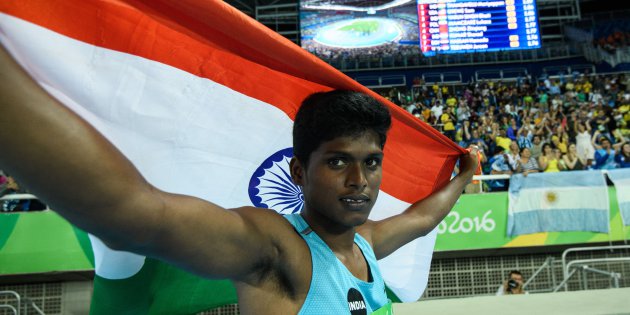
In May this year, Mariyappan Thangavelu said during an interview, “It’s not beyond me.” India’s rising star in para-athletics had just cleared a distance of 1.78m in the men’s high jump T42 event at the IPC Grand Prix in Tunisia. So what was not beyond him? A gold at the Paralympics, he said.

Three months later Thangavelu has showed the country what walking the talk is supposed to look like.

Not only is he the first athlete to bag a gold in this year’s Paralympics, he is also the first Indian high jumper to win a gold in the history of Paralympics.

According to NDTV, ‘T-42 is a disability sport classification for differently-abled track and field athletes with single ‘above the knee’ amputations or a disability that is comparable’.

Born in a small village of Periavadagampatti, 50km from Salem, in Tamil Nadu, Mariyappan’s brush with unpredictability of life, occurred at a tender age of five. Fifteen years ago, Mariyappan was on his way to school in his village, when he met with a terrifying accident. A bus took a wrong turn, spun out of control and hit the five-year-old, running over his right leg and crushing it in process.

Later, when he was old enough to comprehend the tragedy that had hit him, he was told that the driver of the bus was drunk. However, that information did nothing to comfort him or ease the difficult road that lay ahead of him. In an interview to The Hindu, Mariyappan said, “It doesn’t matter. My right leg is now stunted — it is still a five-year-old’s leg; it has never grown or healed.”

A report on Sportskeeda states that Mariyappan’s mother had then taken a loan of Rs 3 lakh to pay for his treatment. Years later, the vegetable vendor is still repaying the money.

The same article traces Mariyappan’s interest in sports back to his physical education teacher, who encouraged him to take up athletics and nurtured his interest in high jump. He also played volleyball.

“His coach Satyanarayana spotted him at the National Para-Athletics Championship when he was just 18. After rigorous training in Bengaluru, he became the World Number 1 in 2015, his first year of senior-level competition,” Sportskeeda reports.

His first competitive event was when he was 14 years old and participated in an athletics meet with other able-bodied students. He finished second.

“At first, my classmates didn’t believe I could do it. But once I made that first jump, they were all excited. After that day, a lot of people came to support me whenever I competed in the district,” he told The Hindu. 

Source…..www.huffingtonpost.com

Natarajan

How the Five Day week work became popular ?


On September 25, 1926, the Ford Motor Company instituted a five-day, 40-hour work week for its factory employees. While Ford wasn’t the first to do this, they were arguably one of the most influential.

This action, at least initially, did not win Ford many friends among his fellow business owners, some of whom believed giving the working man any time off just encouraged them to indulge in drink even more than they already did. (To be fair, that was a real problem around this era. It was not from nothing that excessive drink was blamed for many of society’s woes at the time, ultimately inspiring Prohibition, which even a very large percentage of said drinkers supported in the beginning. But, of course, if you had to work 14-16 hour days, 6 days per week from your very early teen years on- for reference in 1890 the average work week in the United States for a blue-collar factory worker was 90-100 hours- you might be driven to drink excessively too. ;-))

Beyond this, many competing employers were still miffed at Ford for raising his (male) workers’ salaries up to five dollars per day (about $116 today) back in 1914, double the former going rate, and around the same time cutting the typical work week down to 48 hours at his factories. (Women had to wait until 1916 to command the same wage.) But since Ford was one the world’s largest manufacturers, most in the industry were compelled for various reasons to follow their example, like it or not.

Ford stated in his company’s newsletter,

“Just as the eight-hour day opened our way to prosperity in America, so the five-day work week will open our way to still greater prosperity … It is high time to rid ourselves of the notion that leisure for workmen is either lost time or a class privilege.”

Of course, Ford wasn’t just doing this out of the goodness of his heart. He understood that a five-day work week with “eight hours labour, eight hours recreation, eight hours rest” would encourage working people to vacation on weekends, shop on Saturdays, and have ample free time to fill during their daily 8 hour recreation time. (See: Why a Typical Work Day is Eight Hours Long) People with more leisure time required more clothing, ate a greater variety of food and, of course, were far more likely to be in the market to buy an automobile to travel around in. Workers who were paid more also were more likely to be able to afford such an automobile.

Beyond benefiting sales as other companies followed suit, he had also observed that happy workers (both in their home and work life) meant better and more efficient workers.

Now, Ford expected his workers to produce in those shorter working hours, but with the higher pay and weekends off, there were very few complaints from any of his employees. They were happy to put the pedal to the metal Monday through Friday for their excellent salary and five-day, 40 hour work week.

As Ford had thought, after instituting these changes, productivity skyrocketed, meaning he was getting more results from significantly fewer work hours and company loyalty and pride among Ford employees was equally boosted. Beyond low-skilled laborers banging down the doors to get work at Ford, he also now had the luxury of having the top talent in each of the high-skilled fields he needed workers for applying in droves. Needless to say, manufacturers all over the world would soon follow Ford’s example, which played right into his hands.

Edsel Ford, Henry’s son and then company president, was quoted in March of 1922 in the New York Times as saying of all this, “Every man needs more than one day a week for rest and recreation….The Ford Company always has sought to promote [an] ideal home life for its employees. We believe that in order to live properly every man should have more time to spend with his family.”

Ford himself laid it all out in black and white:

“The harder we crowd business for time, the more efficient it becomes. The more well-paid leisure workmen get, the greater become their wants. These wants soon become needs. Well-managed business pays high wages and sells at low prices. Its workmen have the leisure to enjoy life and the wherewithal with which to finance that enjoyment.”

Bonus Fact:

  • In the early 19th century in Britain, a series of “Factories Acts” were passed meant to help improve working conditions for workers, particularly for children. One of the first of these was in 1802 and stipulated children under the age of 9 were not to be allowed to work and, rather, must attend school. Further, children from the ages of 9-13 were only allowed to work eight hours per day and children from 14-18 could only work a maximum of 12 hours per day. Unfortunately, this law was largely ignored and almost never enforced in any way. Further, even when it rarely was enforced, the fines were small enough that it was more profitable for factory owners to break this law and pay the fine, than to follow it. The act also did nothing for adults except require that factories be well ventilated, though it did not stipulate what defines “well ventilated”, so factory owners could easily ignore this part of the act as well.

Source….www.today i foundout.com

Natarajan

படித்ததில் பிடித்தது…” இயற்கை கற்பிக்கும் பாடம் …” !!!


ஞானத்தை யாரிடம் கற்பது ?
”குரங்கு சாவதற்கு ஒரே ஒரு புண் போதும்
முட்டாள் சாவதற்கு ஒரே ஒரு பிரச்சினை போதும்” என்று கிராமத்தில் ஒரு உவமான வாக்கியம் உண்டு.
காடுகளில் வாழும் குரங்குகள் பெரும்பாலும் நோய் வாய்ப்படுவதில்லை.
ஆனால் அவைகளுக்கு ஒரே ஒரு புண் வந்துவிட்டால் போதும். அதை நோண்டி நோண்டிப் பெரிதாக்கித் தன்னை அழித்துக் கொள்ளும்.
அதுபோலத்தான் மனித வாழ்க்கையில் ஏற்படும் பிரச்சினைகளை மனதிற்குள் போட்டு நோண்டி நோண்டிப் அதைப் பெரிதாக்கிக் கொள்வதும்.
அந்தக் குரங்கு கொஞ்சம் பொறுமையாய் புண்ணை நோண்டாமல் இருந்தாலே போதும், புண் விரைவில் ஆறிவிடும்.
இதை குரங்குக்குச் சொன்னாலும் புரியாது. அது புண்ணை நோண்டுவதை நிறுத்தப்போவதில்லை.
ஆனால்,
மனிதன் புரிந்து கொள்ள முடியும் தானே?
மனித வாழ்க்கையில் ஏற்படும் பிரச்சினைகளை மனதிற்குள் போட்டு நோண்டி நோண்டிப் அதைப் பெரிதாக்கிக் கொள்ளாமல் வாழமுடியும் தானே?
மனித மனம் வெறும் “மனம்” மட்டுமே… மனித மனம் குரங்கு அல்ல…
என்ற புரிந்து கொள்ளுதல்தான் ”ஞான உதயம்”.
இந்த புரிதல் எப்போதும் இயற்கையில் எதிர்பாராத தருணங்களில் நடந்து கொண்டேதான் இருக்கிறது.
இதில் புரிந்து கொள்வது எல்லாமே சீடர்கள். புரிய வைப்பவை எல்லாமே குரு. இந்த மொத்த நிகழ்வும் ”ஆன்மிகம்” எனப்படுகிறது, அவ்வளவுதான்.
தத்தாத்ரேயர் எனும் அவதூதர் காட்டில் சுற்றிக் கொண்டிருந்த போது, ஒரு நாட்டின் மன்னனைச் சந்தித்தார்.
தத்தாத்ரேயர் மிக மகிழ்ச்சியாக இருந்ததைக் கண்ட அரசன், அவரது மகிழ்ச்சிக்கான காரணத்தையும், அவரது குரு யார்? என்பதையும் கேட்டான்.
‘எனக்கு 24 குருமார்கள் இருக்கின்றனர்…’ என்றார் தத்தாத்ரேயர்.
இந்தப் பதிலைக் கேட்டு ஆச்சரியப்பட்ட அரசன், “சுவாமி! ஒருவருக்கு ஒரு குரு தானே இருக்க முடியும்? தங்கள் பதில் வித்தியாசமாக உள்ளதே…’ என்றான்.
அவனிடம், “பஞ்சபூதங்களான ஆகாயம், நீர், நிலம், நெருப்பு, காற்று,
“சந்திரன், புறா, மலைப்பாம்பு, கடல், விட்டில்பூச்சி, வண்டு,
“தேனீ, குளவி, சிலந்தி, யானை, மான், மீன், பருந்து, பாம்பு
ஆகியவையும்,
“நாட்டியக்காரி பிங்களா, ஒரு குழந்தை, ஒரு பணிப்பெண், அம்பு தயாரிப்பவன்,
சூரியன் ஆகியோரும் என் குருக்கள் ஆவர்…“ என்றார் தத்தாத்ரேயர்.
மன்னன் ஏதும் புரியாமல் நின்றதைக் கண்ட தத்தாத்ரேயர் இதற்கு விளக்கமளித்தார்…
“மன்னா! பொறுமையை பூமியிடம் கற்றேன்;
“தூய்மையை தண்ணீரிடம் தெரிந்து கொண்டேன்.
“பலருடன் பழகினாலும், பட்டும், படாமல் இருக்க வேண்டும் என்பதைக் காற்றிடம் படித்தேன்.
“எதிலும் பிரகாசிக்க வேண்டும் என்பதை தீ (நெருப்பு)உணர்த்தியது.
“பரந்து விரிந்த எல்லையற்ற மனம் வேண்டும் என்பதை ஆகாயம் – தெரிவித்தது.
“ஒரே சூரியன் இருந்தாலும் பல குடங்களில் உள்ள தண்ணீரில் பிரதிபலிப்பது போல மெய்ப்பொருள் ஒன்றாக இருந்தாலும் மனம் பலவாறாக சிந்திப்பதை உணர்ந்தேன்.
“வேடன் ஒருவன் புறாக்குஞ்சுகளைப் பிடித்தான். அவற்றின் மீது அன்பு கொண்ட தாய்ப்புறா தானும் வலியச் சென்று வலையில் சிக்கியது.
இதில் இருந்து பாசமே துன்பத்திற்கு காரணம் என்பதை உணர்ந்தேன்.
“எங்கும் அலையாமல் தன்னைத் தேடி வரும் உணவைப் பிடித்துக் கொள்வது போல, கிடைப்பதை உண்டு பிழைக்க வேண்டும் என்பதை மலைப்பாம்பிடம் கற்றேன்.
“பல்லாயிரம் நதிகளை ஏற்றுக்கொள்ளும் கடல் போல, எவ்வளவு துன்பம் வந்தாலும் ஏற்கும் பக்குவத்தை கடலிடம் படித்தேன்.
“பார்வையை சிதற விடாமல் ஒரே இடத்தில் மனதை செலுத்துவதை விட்டில் பூச்சி கற்றுத் தந்தது.
“எல்லாவற்றையும் மறந்து மகிழ்ச்சியாயிருப்பதை தாயிடம் பால் குடிக்கும் குழந்தையிடம் கற்றேன்.
“பணிப்பெண் ஒருத்தி அரிசி புடைக்கும்போது வளையல்கள் உரசி ஒலி எழுப்பின; இரண்டு வளையல்களில் ஒன்றை அவள் கழற்றியதும், ஒலி அடங்கியது.
“இதில் இருந்து இரண்டு பேர் இருந்தாலும் தேவையற்ற விவாதம் ஏற்படும் என்பதைப் புரிந்து கொண்டு, தனிமையே சிறந்ததென்ற முடிவுக்கு வந்தேன்.
“புற்களால் குழிக்குள் மாட்டிக்கொண்ட பெண் யானையைப் பார்த்த ஆண் யானை, அதன் மேல் ஆசை கொண்டு அதுவும் வீழ்ந்தது. இதில் இருந்து, பெண்ணாசையும் துன்பத்துக்கு காரணம் என்பதை உணர்ந்தேன்… ”
என்று ஒவ்வொரு பொருளுக்கும் விளக்கமளித்தார்.
இதைக் கேட்ட அரசன், பூரண அமைதி அடைந்தான்.
தத்தாத்ரேயர் இயற்கையிடம் கற்ற இந்த உயர்ந்த பாடம் நம் எல்லாருக்குமே பொருந்தும் தானே..
தத்தாத்ரேயரின் ”அவதூதகீதை” பகவான் ராமகிருஷ்ணர், ரமண மகரிஷி போன்ற பல மஹான்களால் சீடர்களுக்கு பரிந்துரைக்கப்பட்ட அத்வைத கிரந்தமாகும்.


நல்ல சீடனுக்கு எல்லாமே குருதான்.

Source…..FaceBook Post from  Sridharan  Sivaraman

Natarajan

சென்னை டா! …. இது நம்ம சென்னை டா!!!!

chennai day

கி.பி. 1639 ல் இதே ஆகஸ்டு 22 ஆம் நாள் தான் பிரான்சிஸ் டே  மதராஸபட்டினத்தை விஜயநகர மன்னரின் ஆளுகையின் கீழிருந்த வந்தவாசி பகுதியின் பிரதிநிதி  தாமர்ல வேங்கடபதியிடம் இருந்து சொற்பத்  தொகைக்கு விலைக்கு வாங்கினார். சென்னைப்பட்டினம் விலைக்கு வாங்கப் பட்ட அந்த நாளை  ஒட்டி  அடிப்படையில் சென்னைவாசியான பத்திரிகையாளர் வின்சென்ட் டிசோசா மற்றும் வரலாற்று ஆசிரியர் எஸ்.முத்தையா இருவரது முயற்சியால் ‘சென்னை ஹெரிடேஜ் பவுண்டேஷன்’ மூலமாக 2004 ஆம் ஆண்டு ஆகஸ்டு 22 ஆம் நாள் ’சென்னை டே’ வாக அறிவிக்கப் பட்டு ஒவ்வொரு வருடமும் ’சென்னை டே’ கொண்டாடப்பட்டு வருகிறது.

இந்த வருடமும் சென்னை மக்கள் ‘சென்னை டே’ வைத் தங்களுக்குப் பிடித்தமான விதவிதமான வகைகளில் கொண்டாடித் தீர்த்து விட்டார்கள். சென்னைக்குள் கொண்டாட சென்னையைக் கொண்டாட விஷயங்களா இல்லை?! ஒன்றா இரண்டா நினைத்து நினைத்து ரசிக்க எத்தனை எத்தனை விஷயங்கள்!

50 களின் பழைய ஓரணா நாணயங்கள் முதல் 60 களின் கிராமஃபோன் ரிகார்டுகள், பிரிட்டிஷ் காலத்தில் கட்டப்பட்டு இன்று வரை பயன்பாட்டில் இருக்கும் சென்னை கார்ப்பரேஷன் ரிப்பன் மாளிகை, இன்றும் பழமை விரும்பிகளின் புராதன சேகரிப்பில் பெருமிதம் காட்டும் கிரஹாம்பெல் காலத்திய கையால் சுழற்றப்படும் டயல் டெலிபோன்கள், காசிமேட்டின் கட்டுமரங்கள்,மோட்டார் போட்டுகள், சென்னை வாழ் மக்களின் சந்தோசம், துக்கம், வருத்தம், கொண்டாட்டம் அனைத்துக்கும் தோன்றாத்துணை நிற்கும் ஈடு இணையற்ற மெரினா பீச், சற்று முரட்டுத்தனமாக தோற்றமிருப்பினும் பெரும்பாலும் நட்பு முகம் காட்டும்  சென்னை ஆட்டோக்காரர்கள், ஒவ்வொரு நாளின் அதிகாலையிலும் சென்னைத் தெருக்களை நிரப்பி அவசர அவசரமாக சைக்கிளிலிருந்தவாறு  செய்தித்தாள்களை விசிறியடித்துச் செல்லும் பேப்பர் பையன்கள், சரவண பவன் சாம்பர் இட்லி, நெய் ரோஸ்ட்,  கிருஷ்ணா சுவீட்ஸ் மைசூர் பாகு அடடா  சொல்லித் தீராது இன்னுமிருக்கிறது!

மக்கள் கூடும் இடமெங்கும் குளுமையாய்  கடை விரிக்கும்  இளநீர் வியாபாரிகள், சுடச் சுட ஃபில்டர் காப்பி, இனிக்க இனிக்க கரும்பு ஜூஸ், நினைவுகளை கிளறிச் செல்லும் அண்ணா மேம்பாலம், ஜெமினி மேம்பாலம், சதா காதோடு உரசியவறு கதை பேசிக் கடக்கும் எலக்ட்ரிக் டிரெயின் சகட ஓசைகள், அத்தனைக்கும் அப்பால் என்றென்றைக்கும் சென்னைக்கு அதன் உயிர்ப்பான வண்ணம் அளிக்கத் தயங்காத குடிசை மாற்று வாரிய பகுதிகளின் குஷியான குழந்தைப் பட்டாளங்கள்.

இன்னும்…இன்னும் இன்னுமிருக்கிறதே சொல்ல… சென்னைச் சாலைகளின் மீன்பாடி வண்டிகள், இந்தியாவின் அத்தனை மாநிலங்களில் இருந்தும் இங்கே பிழைப்பிற்காக வந்தாலும் தமது மரபை விடாது தினுசு தினுசாக தலைப்பாகை கட்டிய பல இனத்து இளையவர்கள், முதியவர்கள், எப்போதும் ஜனங்களின் சல சலப்பில் திருவிழா மூடில் கல கலக்கும் தி.நகர் ரங்கநாதன் தெரு, வெளிநாட்டினரும் வந்து கைகளால் பிசைந்து அள்ளி உண்வருந்த விரும்பும் திருவல்லிகேணி காசி விநாயகா மெஸ், பூ கட்டும் வித்தை கற்க விரும்பும் மயிலை கபாலி கோயில், இன்றைக்கு இடிக்கப்பட்டு விட்டாலும் சென்னையின் அடையாளங்களில் ஒன்றாக எப்போதும் மக்களின் மனதில் மறவாது இடம் பிடிக்கும் கடற்கரை சீரணி அரங்கம். எல்.ஐ.சி கட்டிடம், சாந்தோம் சர்ச்… கடவுளே!

லிஸ்ட் இன்னும் முடிந்தபாடில்லை சென்னை என்றதும் பழமையும் புதுமையாக நம் மனம் நிறைக்கும் ஞாபகங்கள் தான் எத்தனை எத்தனை?! சென்னை வாழ் மக்களுக்கும் சரி இங்கே வந்து செல்லும் அயல் மாநிலத்து  அல்லது அயல் நாட்டு விருந்தினர்களுக்கும் சரி சென்னை எப்போதும்  தன் கலாச்சார அடையாளங்களை இழக்க விரும்பாத அதே சமயம் புதுமைகளையும் பெருமிதத்தோடு  அரவணைத்துக் கொள்ளும் நவ நாகரீக யுவதியாகவே காட்சியளிக்கிறது. இந்த நகரத்துக்குள் ஒரு முறையேனும்  வந்து போன ஒவ்வொருவருக்குள்ளும் உள்ளன்போடு கூடிய தோழமையை, இதுவும் எனது சொந்த வீடென எண்ணிக் கொள்ளும் நெருக்கத்தை இந்த நகரம் தன் இரு கரங்களிலும் அள்ளி அள்ளி வழங்கி இருக்கிறது என்பதற்கு நீடித்த சாட்சியங்களாக நிற்பவை தான் மேலே சொல்லப்பட்ட அத்தனை அடையாளங்களும். அதனால் மட்டுமே கடும் போக்குவரத்து நெரிசல், சுழற்றி அடித்த சுனாமி, மீட்டெடுக்க முடியாத மழைக்கால கோர இழப்புகள் போன்ற சென்னையின் சில விரும்பத் தகாத அம்சங்களையும் கூட மக்கள் சகித்துக் கொள்ளப் பழகி விட்டனர். அந்தக் குறைகளும் நிவர்த்தி செய்யப்படுமானால் சென்னை எப்போதும் சிங்காரச் சென்னை தான். கபாலி ஸ்டைலில் சொல்ல வேண்டுமென்றால் “இது சென்னை டா! நம்ம சென்னை டா” .

சென்னையின் பல்வேறு வண்ணம் காண  கீழே உள்ள வீடியோ இணைப்புகளை கிளிக்குங்கள்…

சர்ஃப் எக்ஸெல் விளம்பரத்தில் வரும் பாட்டி சொல்வது போல குளிக்க, துவைக்க, சாப்பிட, சுத்தம் செய்ய என  எல்லா வேலைகளுக்கும் இந்தியர்களான  நாம் நமது கைகளையே பயன்படுத்துகிறோம், இது வெளிநாட்டினருக்கு எப்போதும் ஆச்சர்யம் தரும் விசயம். கீழே உள்ள வீடியோ இணைப்பில் சென்னை டே வை முன்னிட்டு திருவல்லிக்கேணி காசி விநாயகா மெஸ்ஸில்  வெளிநாட்டுக் குடும்பம் ஒன்று நமது இந்தியச் சாப்பாட்டை கைகளால்  பிசைந்து ரசித்து ருசித்து உண்பதைப் பாருங்கள்.

மயிலை கபாலி கோயிலில் பூ கட்ட கற்றுக் கொள்ளும் வெளிநாட்டுப் பெண்.


Source….By கார்த்திகா வாசுதேவன்  in  www.dinamani.com

Natarajan