வாரம் ஒரு கவிதை… ” பிஞ்சு மனங்களும் செல்ல மழையும் “


பிஞ்சு மனங்களும்  செல்ல மழையும் 
…………………………………………………………………
 
என் பிஞ்சு கைகளை ஆட்டி  கொஞ்சும்
மழலையில் நான் சொல்லிவிடுவேன் என்ன
வேண்டும் எனக்கு என்று !
எந்த மொழி பேசினாலும்  என் மழலை
மொழி புரியனுமே    என் அம்மாவுக்கும்
அப்பாவுக்கும் !
என் மழலை கேட்டு அம்மா  அப்பா கொட்டும்
செல்ல மழையில்  நனையனும் நான் எப்போதும் !
என் மழலை வயதில் உங்க செல்ல மழை
மட்டுமே  வேண்டும் எனக்கு அம்மா …. அது ஒரு
இனிய தூறல் மழை ! பாசத்தின் சாரல் மழை !
இடி  மழை  எனக்கு வேண்டவே வேண்டாமே
இந்த பிஞ்சு வயதில் …தாங்க முடியுமா நான்
ஒரு இடி முழக்கத்தை இந்த வயதில் ?
புரிஞ்சுக்கணும் ஒரு பிஞ்சின் மனதை நீங்க
செல்ல மழை  பெய்ய வேண்டிய நேரத்தில்
தப்பாமல் பெய்ய வேண்டும் செல்ல மழை !
உங்க மனசு நான் புரிஞ்சு நடக்கும் காலம்
மலரும் நேரம்…. சொல்லாமல்
கொள்ளாமல்  ஓய்ந்து விடும் செல்ல மழை !
My Kavithai in http://www.dinamani.com  on 17th Sep 2017
Natarajan

வாரம் ஒரு கவிதை…” சேர்த்து வைத்த கனவு “


சேர்த்து வைத்த கனவு…
———————–
காணலாம் கனவு …நீ ..தம்பி.! சேர்த்து வைக்க மட்டும் அல்ல
உன் கனவு ! கனவு நனவாக நீ கட்ட வேண்டும் ஒரு
படிக்கட்டு ..திட்டமிட்டு நீ தாண்டவேண்டும் படிகள் அத்தனையும் !
பெரிதாக யோசி என்று சும்மாவா சொன்னார்கள் நம்
ஆன்றோர்  சான்றோர் ! வானமே உனக்கு எல்லை !
விண்ணில் வெற்றிக்கொடி நாட்ட வேண்டிய  நீ
இந்த மண்ணில் ஒரு வட்டத்தில் மட்டும் சுழல வேண்டுமா ?
தன் கூடுதான் தன் உலகம் என்று ஒரு பறவை நினைத்தால்
இந்த மண்ணிலிருந்து விண்ணில்  அது பறப்பது எப்படி ?
சிறகடித்து பறக்கும் அந்த பறவையைப் பார்த்து நீ
கற்றுக்கொள்  தம்பி..இந்த மண்ணில் மட்டும் அல்ல
விண்ணிலும் வெற்றிக் கொடி நாட்டப் பிறந்தவன் நீ என்று !
உன் கனவு எல்லாம் நனவாக வேண்டுமே அல்லாமல்
சேர்த்து வைத்து மறக்க அல்ல  உன் கனவு !  பார்த்து
நடக்க வேண்டும் தம்பி நீ ! கடக்க வேண்டும் தடைக்
கற்களையும் உன் வெற்றிப் படிகளாக்கி !
வானமே உனக்கு எல்லை …இல்லை உனக்கு
எதுவும் தொல்லை என்று நடுவில் !
My Tamilkavithi in www. dinamani.com  dated 10th Sep 2017
Natarajan

வாரம் ஒரு கவிதை…” நிலைக்கும் என்றே ….”


நிலைக்கும் என்றே …
———————
மாற்றம்  ஒன்றே நிரந்தரம் …அது ஒன்றே
நிலைக்கும் என்றென்றும் என்ற ஆன்றோர்
வாக்கு பொய்க்காதே தம்பி …
ஆன்றோர் சான்றோர் சொல் மறந்து என்றும்
நிலைக்கும் என் பதவியும் பணமும் என்று
நீ நினைக்க வேண்டாம் தம்பி !
மாற்றம் கொடுக்கும் ஏற்றம் ஒருவனுக்கு !
அதே மாற்றம் ஒருவனுக்கு ஏமாற்றம் !
இது உலக நியதி !  விதி விலக்கு ஏதும்
இல்லையே இதில் !
வாழ்வில் சுகமும் துக்கமும் என்றும் உன் வாழ்வில்
நிலைக்கும் என்றே எண்ணி விடாதே தம்பி !
“இதுவும் எதுவும்  கடந்து போகும்” என்று சொல்லி
நீ நேர்  வழி நடந்தால் உன் பெயர் மற்றவர்
மனதில் நிலைத்து நிற்கும் இன்றும் என்றும்
என்றென்றும் !
My Kavithai in http://www.dinamani.com dated 3rd Sep 2017
Natarajan

Legends of Onam: Let us all welcome Maveli, the righteous king!…


Onam is one the most anticipated festivals celebrated with much fanfare and merriment by the people in Kerala, irrespective of one’s caste or creed.

Usually coinciding with crop harvests in the region, the story behind how the festival came into being goes all the way back to Vedic and Puranic ages.

The mythical King Mahabali, considered to be one of the greatest kings to have ever ruled Kerala, is believed to ascend to Earth from the netherworld to meet his subjects once every year.

It is his homecoming that is celebrated as the festival of Onam, as we know it today.

The king remains quite popular in Kerala even to this day, as testified by the folk song, Maaveli Naadu Vannidum Kaalam (When Maveli, our King, ruled the land), that speaks of his reign being one where all were equal.

According to the traditional legend, the king’s growing popularity amidst the common people became a rising concern for the jealous gods, Indra in particular.

According to Hindu beliefs, when a king or an emperor has a considerable number of fair and just deeds to his credit, he has the power to dethrone even Indra, who is the god of the gods.

Threatened by Mahabali’s rising greatness, they decided to hatch a scheme against the king and rope in the supreme god Vishnu.

Taking the form of a poor Brahmin monk named Vamana, Vishnu approached the king and asked to be granted a boon. Mahabali, who was known for his altruistic qualities, readily agreed to the monk’s request. 

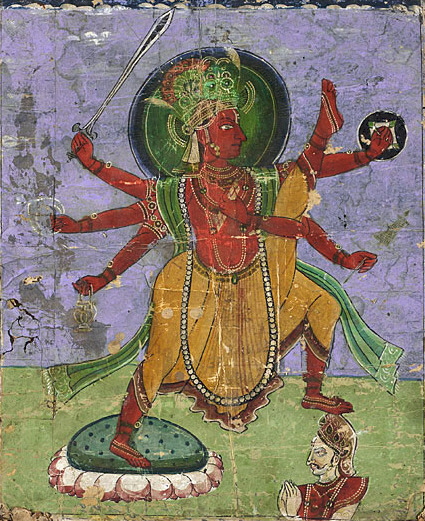
An ancient illustration depicting Vamana casting the king to netherworld. Source: Wikimedia
Vamana wished for a parcel of land that he could cover in three paces or steps. Amused by such a trivial request, the king granted his wish. However, the ‘simple’ monk soon transformed into a giant – and covered all of the king’s lands in just two steps.

Where to put the third step? The king could not go back on his word. Having nothing left that he could pledge, Mahabali offered his head to the monk as the third step. Vamana’s final step pushed the king to the netherworld, thus robbing him of his earthly commitments and his throne to heaven.

Vishnu offered the king a chance to visit his kingdom once every year, for his attachment to his subjects was well known even amidst the gods.

And thus, the festival of Onam came into being, marking the homecoming of the noble king, who is lovingly called Maaveli by his people.

Different rituals are practised even today that celebrate the reign of the king, which is considered to be a golden era in the history of Kerala.

Interestingly, despite the role that Vamana had in the banishment of Mahabali, he is not written off as a villainous character in the state.

In fact, one of the major instalments of the festivities includes statues of both figures. These are circulated in homes of people as a representation of the king’s visit as well as the god’s.

While the statue of Mahabali is known as Onathappan, Vamana’s form goes by the name of Thrikkarayappan, the lord of the land covered in three paces. And both make way into the floral arrangement of Pookalam on Pooradam, the eighth day of Onam.

And as the month of Chingam falls by year after year, the people of Kerala continue to await the visit of their beloved king and seek his blessings.

Source….LekshmiPriya .S in http://www.betterindia.com

Natarajan


வாரம் ஒரு கவிதை…” கண்ணால் காண்பதும் …”


கண்ணால் காண்பதும் …
——————–
கண்ணால் காண்பதும் பொய் …காதால்
கேட்பதும் பொய்… தீர விசாரிப்பதே மெய் !
இது சான்றோர் வாக்கு !
பதவியும் பணமும் இருக்கும் வரை உன்னை சுற்றி
ஒரு கூட்டம் இருக்கும் எப்போதும் !…நீ உன் கண்ணால்
பார்த்தாலும்  அந்த கூட்டம் ஒரு பொய் !
நீ உன் காதால் கேட்டாலும் உன் புகழ் பாடும்
அந்த கூட்டத்தின் பாட்டும் ஒரு பொய்தான் !
மயங்கி விடாதே தம்பி  நீ …ஒரு பொய்யின்
அழகில் ! மதி மயங்கி உன்னை இழந்து விடாதே
ஒரு மாய வலையில் சிக்கி !
கண் கொண்டு எதை நீ பார்த்தாலும் , உன்
காதால் எதை நீ கேட்டாலும்
உன் கண்ணுக்கு தெரியாத உன் மனம் மட்டும்
சொல்லும் நீ செய்வது சரியா இல்லை தவறா என்று !
உன் மனது சொல்லும் வாக்கே மெய் வாக்கு !
கண்ணுக்கு தெரியாத உன் மனத்தின் மெய் வாக்கை
நீ காது கொடுத்து கேட்கவேண்டும் தம்பி …
கேட்டு உன் மனம் காட்டும் நல் வழியில் நீ நடந்தால்
கூட்டத்தில் ஒருவனாய் நீ இருக்க மாட்டாய் தம்பி !
உன் வீட்டையும்  நாட்டையும் நல்  வழி நடத்தும்
ஒரு நல்ல தலைவனாய் நீ மிளிர்வாய்  தம்பி !
உன் மனம் சொல்லும் மெய் வாக்கு  கேட்டு  நீ நடந்தால்
நீ சொல்லும் ஓவ்வொரு சொல்லும் ஒரு
வேத வாக்கு …அதுவே உன் செல்வாக்கு !
K.Natarajan
as appeared in http://www.dinamani.com dated 27th august 2017

Meet the Kerala family that has been creating ‘Onavillu’ for Onam for centuries …!

The Vilayil Veedu family is the only family entrusted to make the ‘Onavillu’ that is offered to the deity at Sri Padmanabhaswamy Temple.

For the Vilayil Veedu family at Karamana it is a busy time of the year. The family of traditional craftsmen is the only family entrusted to make the ‘Onavillu’, a ceremonial bow that is offered to the deity at Sri Padmanabhaswamy Temple here as part of the annual rituals during the Onam festival season.

Their house wears a festive look, as all the five male members of the family, including a 12-year-old, immerse themselves in the task of crafting these colourful bows.

“In these bows, we paint all the avatars of Vishnu. 12 of them are offered in the temple as a part of the ritual. Nowadays, even more, numbers are being offered at the temple. They consider it holy and keep it in their pooja rooms as well,” Binukumar, one of the craftsmen from the family, told TNM.

The bow is a broad piece of wood, tapering on both sides, on which miniature paintings of the Ananthasayanam, Dasavatharam, Sreerama Pattabhishekam and the Sreekrishnaleela are portrayed.

Earlier the ‘villus’ were 3.5-4.5 feet long and 4-6 inches wide. But, now the family have introduced 1.5 feet long small bows that can be used by everyone.

The making of the Onavillu is an age-old tradition that has continued over the years from the 16th century. The family members observe a 41-day penance prior to the commencement of the work.

“We have to be pure while we make this. We are vegetarians and follow certain other norms while making it. There are certain mantras to be chanted while carving and drawing each Onavillu,” he added.

Earlier the making would take place only during the Onam season but now with people buying for their home, the craftsmen work throughout the year.

The red tassels used to adorn the ‘villu’, which is known as ‘Kunjalam’, are made by the convicts of the Central Jail at Poojappura here.

Last week the jail authorities handed over this year’s required ‘Kunjalam’ to the Vilayil family.

“Kunjalam making was started decades ago by the jail inmates. There is a weaving unit in the jail.  The Kunjalam was prepared under the guidance of the instructor. We make it as per the order given by the temple,” S Santhosh, Poojappura jail superintendent told TNM.

He also says that even the prisoners observe penance before and while weaving the Kunjalam.

“They don’t take any non-vegetarian food, make themselves clean before starting the work and also do certain prayers,” he added.

Binukumar said that at prison these ‘Kunjalams’ are made by the inmates irrespective of caste or religion. “People belonging to all religion are involved in the making of Kunjalam. Surprisingly they all observe the penance so that the Onavillu’s holiness is not lost,” he added.

The ‘villus’ are first offered to the family deity at the Valiya Veedu for three days. They are then taken to Sri Padmanabhaswamy Temple on Thiru Onam day and displayed at the Natakasala before being offered to the deity.

Edited by Kannaki Deika

Source….Haritha John in http://www.thenewsminute.com

Photos : Sreekesh Raveendran Nair

வாரம் ஒரு கவிதை ….


என்ன தவம் செய்தேன்…
———————-
அம்மா என்னும் பதவி கிட்டியது எனக்கு
உன்னால்தானே என் செல்லமே ! என்ன
தவம் நான் செய்தேன் செல்லமே நீ வந்து
என் கையில் தவழ !
உன் ஒருவன் வரவில்  எத்தனை பேருக்கு
பதவி உயர்வு ஒரு குடும்பத்தில் !
உன் அப்பாவுக்கு தந்தை என்னும் உயர்வு…
பாட்டி தாத்தாவுக்கும் பதவி உயர்வு …
அம்மா அப்பா என்னும் நிலையிலிருந்து !!!
தம்பி பாப்பா நீ வந்ததால் இந்த வீட்டுக் குட்டி
பாப்பாவுக்கும்  அக்கா என்னும் ப்ரோமோஷன் !
இத்தனை பேருக்கும் பதவி உயர்வு ஒரே நாளில்
உன் வரவால் !…
என்ன தவம் செய்தேன் நான் இத்தனை “சக்தி “
பெற்ற உன்னை நான் பெற்றெடுக்க !
Natarajan ….in http://www.dinamani.com dated 20th August 2017

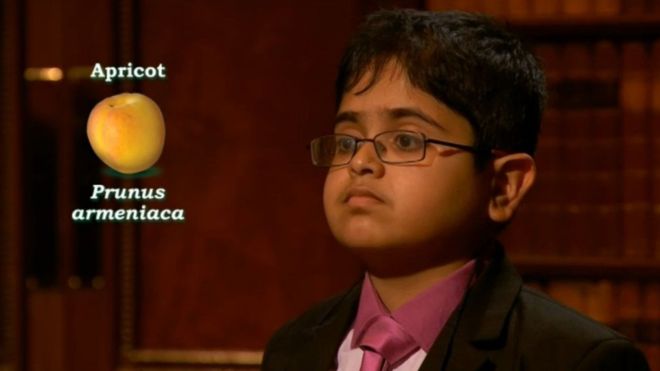
12-Year-Old Indian-Origin Boy Becomes an Overnight Sensation….


Do you know the scientific name for apricot?

We didn’t think so.

But a 12-year-old boy Rahul from Barnet in North London does. A contestant on the latest series of Child Genius, the Indian-origin boy became an overnight sensation after correctly answering every question he was asked on the show, including the scientific name for apricot.

The British reality competition series has children aged 8 to 12 battling against one another in intelligence tests.

Rahul, who is competing against 20 contestants, has already become a hero on the show.

He has an IQ of 162, which qualifies him to become a member of Mensa, the largest and oldest high IQ society in the world, reports BBC.

He received full marks in a spelling test, and scored higher than any contestant in a timed memory round. Competing for the ‘Child Genius’ title, Rahul already thinks he’s a genius. “I always want to do the best, and I’ll do that no matter what the cost. I think I’m a genius. I’m good at mental maths, general knowledge and I find it quite easy to memorise stuff,” he told BBC.

Social media was flooded with appreciation from the viewers of the show, with one of them calling Rahul his “new favourite person.”

Rahul’s father, IT manager Minesh, says he’s no less than Einstein. “As a comparison Rahul is as clever as Albert Einstein or Stephen Hawking,” he said.

The finale of the show will be held over the weekend where they will crown UK’s ‘child genius’.

Source….Deepika Bharadwaj in http://www.the betterindia,com

Natarajan

Hiding in plain sight; Rangoli, Kolam designs and what they mean…


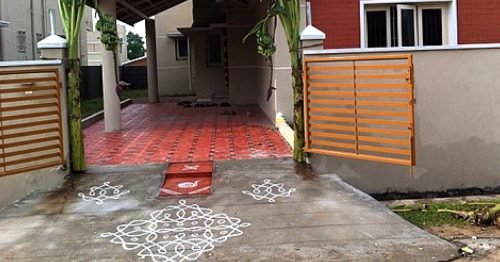
Every day, my mother religiously performed a ritual. Rain or shine, she never skipped this ritual even for a day. Every day, she drew enchanting kolam patterns using rice flour.

On special occasions, the white kolam designs were made with wet rice flour paste accompanied by thick strips of earth colored borders made with red sand mixed with water.

My mother is proud of her kolam design skills. She is not alone. It seems no self-respecting South Indian woman will tolerate anyone questioning her ability to conjure up kolam designs at will.

Millions of women from different communities in South India practice this art form every day.

For over 38 years, I considered Kolam to be just another ritual among the long list of rituals Indian women seem to follow. However, when I decided to dig deeper to understand the significance of kolam designs, I was surprised at what I discovered.

The threshold is a key concept in Tamilian culture. Even historical Tamil literature such as the Sangam literature (Tamil literature in the period spanning 300BC to 300 CE) is divided into the akam (inner field) and the puram (outer field).

That’s not all.

In one of Nammalvar’s (the fifth among the 12 Alwar saints who espoused Vaishnavism) hymns, the God in the poem is the God of the threshold. Of course, every newly married bride formally becomes a part of the household when she steps overs the threshold.

Should we then conclude that kolam designs are a celebration of the threshold?

Different interpretations of the significance of kolam designs

Here are a few explanations I came across in my quest to unearth the real significance of the kolam ritual.

The most common understanding has been that the idea of using rice flour is to provide food to ants, insects and small birds.

If that is the case, what’s stopping men from participating in this noble deed?

While I did not find an answer, a common sense reasoning is that women have traditionally carried the burden of maintaining the home and the kolam ritual automatically became a part of the woman’s domain.

That’s also a reason why my mother and my aunts believe that women see it as a key ritual that helps them improve their concentration and patience, two key components needed to run a household!

Here is another interpretation recorded in Lance Nelson’s study of Kolam.

“Bhumi Devi [earth goddess] is our mother. She is everyone’s source of existence. Nothing would exist without her. The entire world depends on her for sustenance and life. So, we draw the kolam first to remind ourselves of her. All day we walk on Bhumi Devi. All night we sleep on her. We spit on her. We poke her. We burden her. We do everything on her. We expect her to bear us and all the activities we do on her with endless patience. That is why we do the kolam.”

According to Devdutt Pattnaik, author and mythologist –

“A downward pointing triangle represented woman; an upward pointing triangle represented man. A circle represented nature while a square represented culture. A lotus represented the womb. A pentagram represented Venus and the five elements.”

Kolams connects the dots in more than one way.

Cultural practices are common across the length and breadth of India. They also transcend regions.

The concept of Kolam is definitely not unique to Tamil speaking community in India. For example, in the Telugu language, it is called ‘Muggulu’, and it’s known as ‘Rangoli’ in the Kannada language.

But the idea of drawing patterns on the ground transcends India and can be found in other cultures as well!

Anil Menon, a computer scientist, and a speculative novelist has compiled findings from his research on similar practices among cultures separated by oceans. Here are some tidbits from Menon’s work.

British anthropologist, John Layard, found that the patterns drawn on the sand by the tribal population of Malekula (an island that’s a part of The Republic of Vanuatu, situated 1000 miles east of Australia) are similar to the kolam patterns popular in Tamil Nadu!

Here is the proof.
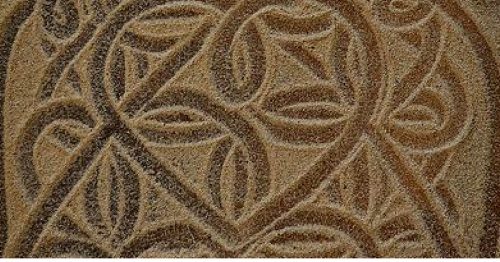


There is also a possibility that kolam designs were an early form of pictorial language!

Dr Gift Siromani, through his path-breaking work, has proved that it is possible to create any kolam pattern using a combination of strokes.

Rituals and cultural practices are to be cherished

I did not think much of the kolam designs my mom drew every day. But a sudden spark of curiosity led me to unexpected findings and the joy of discovering human beings are connected to each other in more ways than we can imagine.

Physical boundaries, cultural differences, and racial definitions are just imaginary barriers we have erected over a period of time. Our lives are always connected just like the dots of the kolam my mom draws.

SOURCE….Srinivas Krishnaswamy in http://www.the betterindia.com

Natarajan
வாரம் ஒரு கவிதை ….” மழை நீர் போல …”


மழை நீர் போல …
——————–
வறண்டு கிடக்கும் பூமி …வானம் திறக்குமா கண் ?
மேலும் கீழும் பார்ப்பது உழவன் மட்டுமல்ல இன்று !
அடுக்கு மாடி கட்டிடக் குவியல் கூட்டில் குடி இருக்கும்
நகரத்துப் “பறவைகளும்” மழை தேடி வானிலை
அறிக்கையை காலையும் மாலையும் அலசும் அவலம் இன்று !
மழை நீரை முத்தமிட துடிக்கும்  வறண்ட பூமி நனையுது
மழை நீர் போல பெருகி வரும் உழவன் அவன் கண்ணீரில் !
குடிக்க நீர் இன்றி தவிக்கும் அடுக்கு மாடி “பறவைகள்”
வழி மேல் விழி வைத்து காத்திருக்குது  தினமும் ஒரு
லாரி தண்ணீருக்கு !
தண்ணீரும் பணமாக மாறும் காலம் இது ..மழை
நீர் சேமிப்பின் மதிப்பு உணராத மனிதன் கொடுக்கிறான்
நீருக்கு ஒரு விலை இன்று !
மழை வெள்ளம் வரும் நேரம் “இது என்ன பேய் மழை”
என்று அலறிய மனிதன் குரல் கேட்டு வானமும்
மனம் உடைந்து “கண்ணீர் ” விடவும் மறந்து போனதோ ?
தினம் தினம் தண்ணீர் தண்ணீர்  என்று மனிதன்
கண்ணீர் விட்டு என்ன பயன் இன்று ?
மாற வேண்டும்  மனிதன்… மாற்றி யோசிக்கவும்
வேண்டும் …வானமும் மகிழ்ந்து  தன் ஆனந்தக்
கண்ணீரால்  நனைக்க வேண்டும் இந்த பூமியை !
மனிதனுக்கும் புரிய வேண்டும்  எந்த நீர்
ஆனாலும்  மழை நீர் போல ஆகுமா  என்று !
Natarajan….
in http://www.dinamani.com dated  13th August 2017