This Guy Spent 4 Years Growing A Church From Trees…!!!

The enchantingly beautiful live-tree church in New Zealander Brian Cox’s backyard is already impressive enough, but it’s even more amazing when you learn that it took him only 4 years to create!

Cox carefully selected from a wide variety of trees for his beautiful church. Some have stone-colored trunks, while, others, with sparse foliage, ensure that his church will always be illuminated by sunlight. His secret is that he owns a gardening company called Treelocations, which replants whole, live trees using enormous mechanized spades. This allowed him to plant live trees in any way he wanted, completing this church (and the iron frame supporting it) in only 4 years.

Cox was inspired by the years he spent traveling abroad and observing churches around the world; “I walked out my back door one day and thought, ‘That space needs a church’ – and so it began. I cleared the area in April 2011 and made the iron frame, drawing on all the research I had done over the years of studying churches,” he told stuff.co.nz.

tree-church-nature-installation-barry-cox-new-zealand-12

tree-church-nature-installation-barry-cox-new-zealand-1

tree-church-nature-installation-barry-cox-new-zealand-3

tree-church-nature-installation-barry-cox-new-zealand-8

tree-church-nature-installation-barry-cox-new-zealand-7

Image credits: Sally Tagg

tree-church-nature-installation-barry-cox-new-zealand-6

tree-church-nature-installation-barry-cox-new-zealand-10

tree-church-nature-installation-barry-cox-new-zealand-2tree-church-nature-installation-barry-cox-new-zealand-4

Source…….www.boredpanda.com

Natarajan

Image of the Day….Meteor Crater , Arizona …

Meteor Crater, Arizona, from the air

An aerial view of Meteor Crater, Arizona, the result of an impact 50,000 years ago.

View larger. | Photo by Manish Mamtani Photography.  Visit him on Facebook.

View larger. | Meteor crater, via EarthSky community member Manish Mamtani Photography. Visit him on Facebook.

Manish Mamatani posted this photo to EarthSky Facebook. It’s wonderful Meteor Crater near Winslow, Arizona, sometimes said to be the best preserved meteorite impact site in the world. It is an impressive thing to see … worth taking the kids!

The mile-wide crater is the result of a collision between Earth and an asteroid, believed to have occurred only about 50,000 years ago.

Source……Posted by

in http://www.earthsky .org

Natarajan

This car was transformed into a huge ice sculpture after its owner parked it by a freezing lake overnight…!

ice car

The owner of this car is going to need more than a scraper to remove the sheet of ice that wrapped itself around the vehicle after it was parked by Lake Eeerie in New York.Justin Yelen, 24, parked it by the lake in the Buffalo area on Sunday night. However, sub-zero temperatures and strong winds meant water blowing over the vehicle turned it into this remarkable ice sculpture.

Matthew Bove, a reporter for Buffalo’s local news channel WKBW,tweeted the image and posted it on Facebook, where it has received over 5,000 likes and 7,000 shares. Bove said: “I don’t even know if pictures do it justice. .. it seems like there are several inches of thick ice surrounding the car.”

“I really don’t know how they’re eventually going to move this car. This is an image that’ll stick with me for years and years to come,” he said.

The Buffalo area has been hit by severe weather conditions as gusts of up to 45mph and temperatures as low as -8 Celsius (17 Fahrenheit) grip the region.

Yelen will probably have to wait a while before retrieving his frozen car as more harsh weather is forecast.

Source….www.businessinsider.com

Natarajan


The Corn Palace of South Dakota………

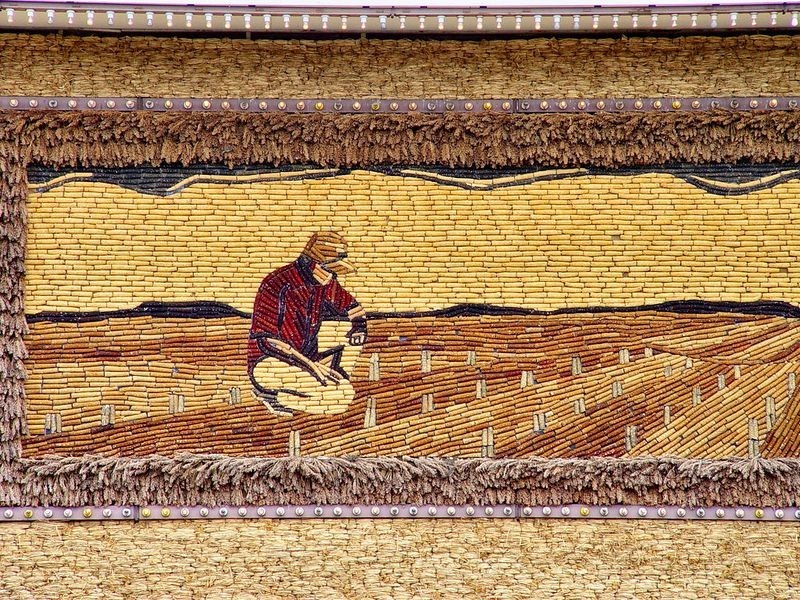
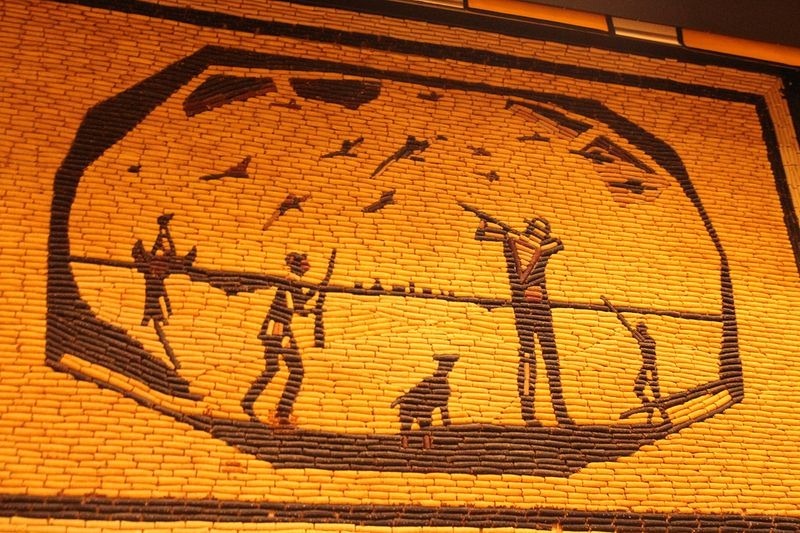
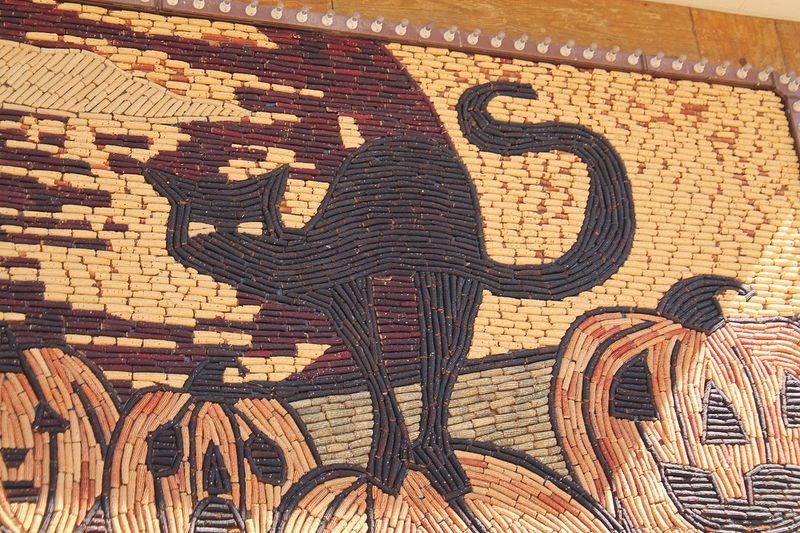
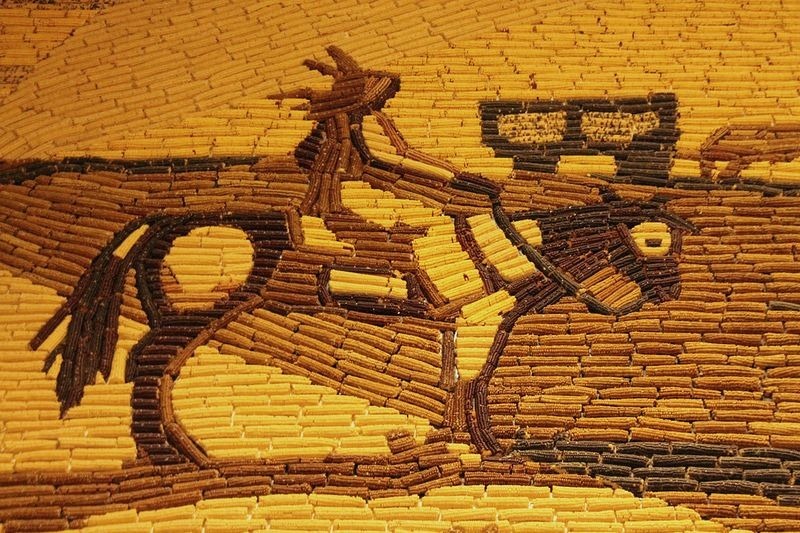
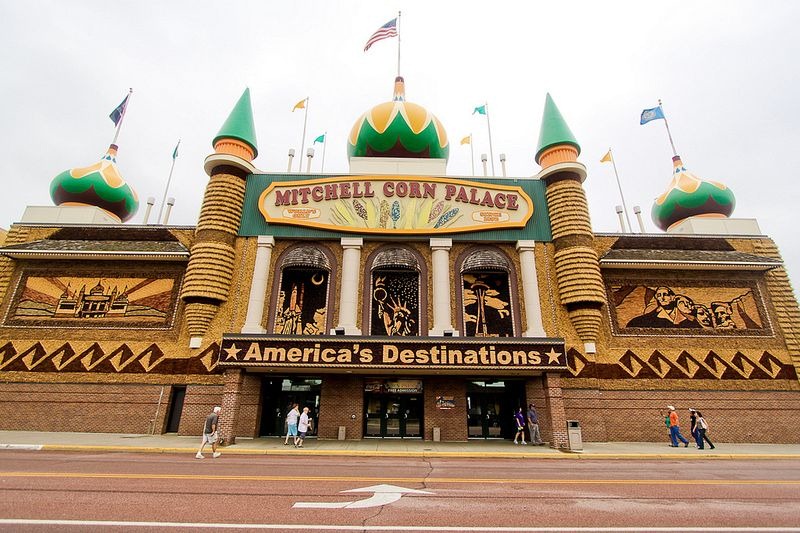
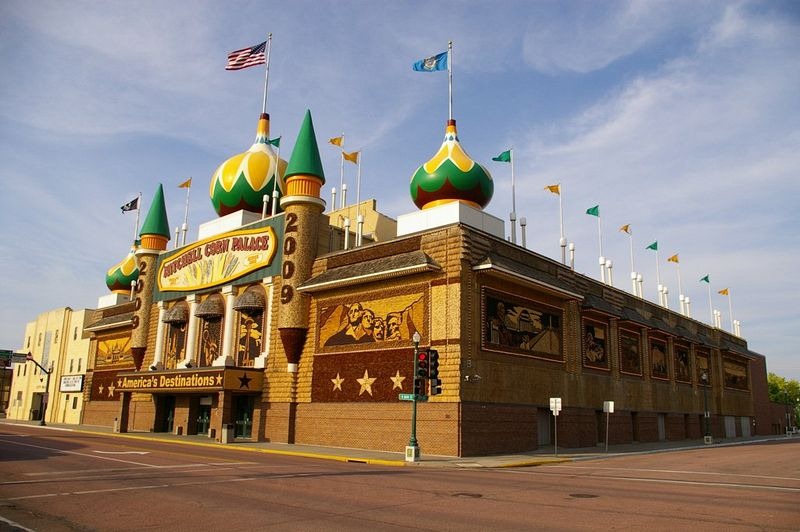
The Corn Palace in Mitchell, South Dakota, is one of America’s corniest attraction. The palace is a regular building built of out of reinforced concrete and bricks, but every spring, during the time of harvest, its exterior is completely covered with thousands of bushels of native South Dakota corn, grain and grasses that are arranged into large murals. Each year there is a different theme, and the palace is decorated accordingly. Hundreds of thousands of tourists come to see the crop art every year.

At other times of the year, to sustain the flow of tourist and revenue, “the World’s Only Corn Palace” —as it likes to call itself, hold popular events such as the Corn Palace Stampede Rodeo in July, the Corn Palace Festival in August and the Corn Palace Polka Festival in September. The Corn Palace also has an auditorium for touring celebrities and a sports arena for various school and college basketball teams.
corn-palace-mitchell-8

Photo credit: Matt Hintsa/Flickr

The original Corn Palace was built in 1892 as part of a six-day festival at the height of harvest season. It was a wooden castle structure built on donated land on Mitchell’s Main Street, whose exterior was decorated with corn. The idea was to showcase the rich soil of South Dakota and encourage people to settle in the area. The success of the Corn Palace and the annual festival encouraged the townsfolk to invest in a better building in 1905, but soon this building became too small for Mitchell’s growing population. A more permanent structure, replacing a second corn palace, was erected and opened in time for the 1921 festival. This is the present Corn Palace, but the Russian-style onion domes and Moorish minarets were added later in 1937.

Every year, local artists redecorate the Palace with naturally colored corn and other grains and native grasses such as flax, rye, wheat, oats, and millet as well as bromegrass, bluegrass, and straw. Thirteen different colors or shades of corn are available for artists to work on.

Besides the annual corn festival, the palace building is used for various events including exhibits, dances, stage shows, meetings, banquets, proms, graduations arena for Mitchell High School and Dakota Wesleyan University as well as district, regional and state basketball tournaments.
corn-palace-mitchell-3

Photo credit: Mike Ault/Flickr

corn-palace-mitchell-1


Photo credit: Scott Robinson/Flickr

corn-palace-mitchell-4

Photo credit: Mike Ault/Flickr

corn-palace-mitchell-15

Photo credit: Robin Zebrowski/Flickr

corn-palace-mitchell-10

Photo credit: Robin Zebrowski/Flickr

corn-palace-mitchell-11

Photo credit: Robin Zebrowski/Flickr

corn-palace-mitchell-12

Photo credit: Robin Zebrowski/Flickr

corn-palace-mitchell-13

Photo credit: josephbergen/Flickr

Source……..www.amusingplanet.com

Natarajan

Tarr Steps: An Ancient ‘Clapper Bridge’ in Somerset…

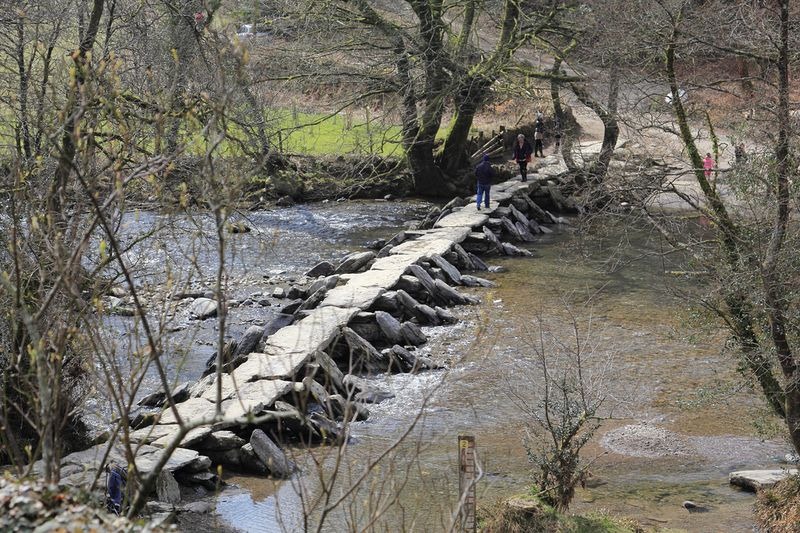
In the lonely moors of Devon and in other upland areas of the United Kingdom, the ancient people had built stone bridges by placing large flat slabs of stones over piles of stones, without mortar or cement, to cross narrow streams. These bridges are called clapper bridges. The name is derived from the Anglo-Saxon word “cleaca” which means “bridging the stepping stones”, suggesting that the first clapper bridges might have been stone slabs laid across the top of existing stepping stones. Most clapper bridges were built during the medieval times, although some of them age much much more.

tarr-steps-3

Photo credit: j.e.mcgowan/Flickr


One of the most famous clapper bridge is Tarr Steps, located in the Exmoor National Park, in Somerset, across the River Barle. It is also the longest clapper bridge in Britain with 17 spans and measuring 55 meters in length.The bridge lies very low in the water, less than a meter over the river’s normal water level. Over the last century, the river has silted so much that during flood it often flows over the stones. Several times in recent years, the slabs of stones, which weigh up to two tons each, have been washed up to 50 meters downstream. The bridge was repaired each time.

The age of Tarr Steps is unknown with several theories claiming that it dates from the Bronze Age, but others put them around 1400 AD. According to local legend, the Devil himself built it so that he could sunbath on. A more elaborate story says that the Devil never fully completed building the bridge, because his apron strings broke and he dropped the stones he was carrying. The Devil then denounced destruction on the first creature to venture across, so the villagers sent a cat across. The poor creature was torn to pieces. The parson then crossed the bridge without harm, and traded insults with the Devil.

The Tar Steps has been a tourist attraction for at least two hundred years.

tarr-steps-1

Photo credit: James Morley/Flickr

tarr-steps-2

Photo credit: Matt Neale/Flickr

tarr-steps-4

Photo credit: Exmoor NP/Flickr

tarr-steps-8

Photo credit: lee roberts/Flickr

Sources: Wikipedia / Theaa.com / www.everythingexmoor.org.uk

Source……www.amusingplanet.com
Natarajan

Image of the Day….Double rainbow !!!

Double rainbow, Brooklyn Bridge, NYC

EarthSky community member Jennifer Khordi caught this spectacular double rainbow on Sunday, after storms passed over Manhattan.

View larger. | Photo taken January 10, 2016 by Jennifer Khordi of Matawan, New Jersey. Visit Jennifer’s Facebook page.

Source….www.earthsky.org

Natarajan

Image of the Day….” Light Pillars…” !

Light pillars and aurora over Montana

In one night, nature photographer John Ashley caught contrasting images of two very different light displays in the sky.

More light pillars later that same night - January 3, 2016 - by John Ashley.

Light pillars above a gas station in Columbia Falls, Montana by John Ashley, January 3, 2016. He used a Nikon D750 to capture this image. Visit johnashleyfineart.com

John Ashley in northwestern Montana caught a beautiful display of light pillars (above) – after capturing an aurora earlier that night (below) – on January 3, 2016. He wrote:

Two very different pillars of light showed up to bookend my comet chasing trip during the wee hours this morning. Before Comet Catalina appeared, the northern lights rose over Glacier National Park and reflected nicely in the icy North Fork River, at a balmy minus 4 degrees Fahrenheit [-15 Celsius]. The aurora was visible for less than an hour, faint enough that I could not detect any color with my old eyes. Camera picked up yellow and magenta but none of our most common color, green.

On my 04:30 a.m. drive home, I just had to pull over and photograph the light pillars over a local gas station.

From the Atmospheric Optics website:

Columns of light apparently beaming directly upwards from unshielded (and wastefully polluting) lights are sometimes visible during very cold weather. Plate shaped ice crystals, normally only present in high clouds, float in the air close to the ground and their horizontal facets reflect light back downwards. The pillars are not physically over the lights or anywhere else in space for that matter ~ like all halos they are purely the collected light beams from all the millions of crystals which just happen to be reflecting light towards your eyes or camera.

Perhaps even more commonly than light pillars from artificial lights, people also see sun pillars. Read more and see photos of light pillars and sun pillars here.

Aurora over Glacier National Park, Montana, by John Ashley. January 3, 2016.
Bottom line: Light pillars over Columbia Falls, Montana, and an aurora over Glacier National Park, Montana, on January 3, 2016.
Source…www.earthsky.org
Natarajan

தை பிறந்தால் வழி பிறக்கும்….!!!

பொங்கல் திருநாளை, மகர சங்கராந்தியன்று கொண்டாடுகின்றனர். காரணம், அன்று தான், மகர ராசியில் நுழைகிறான் சூரியன். சங்கராந்தியை, சங்+கராந்தி என, பிரித்து பொருள் காண வேண்டும். ‘சங்’ என்றால், நல்ல முறை; ‘கிராந்தி’ என்றால், மாறுதல்! கிராந்தி என்ற சொல்லே, கராந்தி என மருவியுள்ளது. ‘சங்கராந்தி’ என்ற சொல்லுக்கு, நல்ல முறையிலான மாற்றம் என்று பொருள்.
பொதுவாக, தை மாதம் முதல் தேதியில், மகர சங்கராந்தி வரும். இந்நாளில், வடதிசை பயணத்தை துவக்குகிறது சூரியன். வடக்கு திசையை, ‘குபேர திசை’ என்பர். இதனால் தான், தை முதல், ஆனி வரையுள்ள ஆறு மாதங்களை சுப மாதங்களாக கருதி, திருமணம் உள்ளிட்ட அனைத்து சுப நிகழ்ச்சிகளையும் செய்கிறோம்.
ஒருசமயம், குந்திபோஜன் என்ற மன்னனின் அரண்மனைக்கு வந்தார் துர்வாச முனிவர். அவர், அங்கு சாதுர்மாஸ்ய விரதம் மேற்கொள்ள இருப்பதாக தெரிவித்தார். அவருக்கு பணிவிடை செய்ய, தன் மகள் குந்தியை அனுப்பி வைத்தான் குந்திபோஜன்.
முனிவருக்கு முறையாக பணிவிடைகளை செய்து, அவரது ஆசியைப் பெற்றாள் குந்தி. முக்காலமும் உணர்ந்த முனிவரான துர்வாசர், வருங்காலத்தில் குந்தியின் கணவன் பாண்டுவுக்கு குழந்தை பாக்கியம் கிடைக்காது என்பதை, தன் ஞான திருஷ்டியால் அறிந்தார். அதனால், மகப்பேறு அளிக்கும், ‘புத்திர லாபம்’ எனும் மந்திரத்தை அவளுக்கு உபதேசித்தார்.
அந்த மந்திரத்தின் தன்மையை சோதித்துப் பார்க்க விரும்பிய குந்தி, சூரிய பகவானை மனதில் எண்ணி, மந்திரத்தை ஜெபித்தாள். அடுத்த நிமிடம் அவள் முன் தோன்றிய சூரிய பகவான், தன் அம்சமாக ஆண் குழந்தையை, அவளுக்கு அளித்தார். அப்பிள்ளையே கொடை வள்ளல் என்று போற்றப்பட்ட கர்ணன்!
குழந்தை இல்லாத தம்பதியர், இப்பொங்கல் நாளிலிருந்து அடுத்த பொங்கல் வரை தொடர்ந்து சூரியோதய வேளையில் சூரிய வழிபாடு செய்தால், குழந்தை பிறக்க வாய்ப்புண்டு; இதற்காக விரத நியமங்கள் எதுவும் தேவையில்லை.
சூரியனுக்குரிய வாகனம் குதிரை; அதற்கு, ‘சப்தா’ என்று பெயர். ஏழு குதிரைகள் சூரியனின் தேரை இழுத்துச் செல்கின்றன. மாதம் ஒருமுறை ராசி விட்டு ராசி மாறி சஞ்சாரம் செய்வது சூரியனின் தொழில். இதனாலேயே இவர், குதிரையை வாகனமாகக் கொண்டுள்ளார்.
சூரியன் ஒவ்வொரு ராசியிலும் நுழையும் நாளே, தமிழ் மாத பிறப்பாக உள்ளது.
உலகிலுள்ள உயிர்களுக்கு உணவளிக்கும் கடமை சூரியனிடமே உள்ளது. இதனால் தான், உழவர்கள் அறுவடை முடிந்ததும் கிடைக்கும் முதல் நெல்லை, குத்திய பச்சரிசியால் பொங்கலிட்டு, சூரியனுக்கு படைத்து நன்றி தெரிவிக்கின்றனர்.
இந்த தை மாதத்தில், சூரிய பகவான் நம் அனைவருக்கும் நல்வழி காட்டட்டும்!

Source……..

தி.செல்லப்பா  in http://www.dinamalar.com

Natarajan


9 of the Most Remote Inhabited Islands in the World…!!!

I can’t get my head around how far away the inhabitants of these islands live from civilization! They are hundreds, if not thousands, of miles from the nearest continental land mass – it’s truly astonishing to think they’re even inhabited at all. Would you dare to visit somewhere so remote? These are 9 of the world’s most remote inhabited islands:
Saint Helena 

The Most Remoted Inhabited Islands in the World

Image Source

Distance from Civilization: 1,200 miles from Angolan coast


Saint Helena is widely believed to have been discovered by the Portuguese at the turn of the 15th Century. Various European powers staked different claims to the island during the 17th Century. It’s probably most well-known as the place that Napoleon Bonaparte was exiled to, following his defeat by the British. It is home to 4,255 people.

Ascension Island

The Most Remoted Inhabited Islands in the World

Distance from Civilization: 1,000 miles from African coast


Located in the South Atlantic Ocean, Ascension Island is home to approximately 880 people. It is not thought to have had an indigenous population, and it was first settled in 1815. Prior to that, it was sporadically used as an open prison. Its principle settlement and capital city is Georgetown.

Easter Island

The Most Remoted Inhabited Islands in the World

Distance from Civilization: 2,000 miles from Chilean coast


Easter Island is instantly recognizable due to the Moai, or giant statues, which dot the island. They were carved by the native Rapa Nui people between the 13th and 16th Centuries. In the present day, the island is populated by a little over 6,000 people. It’s said to overwhelm first-time visitors with the sheer sense of isolation they feel upon arrival.

Tristan da Cunha

The Most Remoted Inhabited Islands in the World

Image Source

Distance from Civilization: 1,750 miles from South African coast


Lying all alone in the middle of the South Atlantic Ocean, Tristan da Cunha was first inhabited in 1816. Its main settlement, Edinburgh of the Seven Seas, is widely considered to be the most remote permanent settlement on earth.

Pitcairn Island

The Most Remoted Inhabited Islands in the World

Image Source

Distance from Civilization: 1,800 miles from New Zealand


Most of the 56 people that currently live on Pitcairn Island descended from the Bounty mutineers and the Tahitians that accompanied them. The island is the least populous natural jurisdiction in the world.

South Keeling/Cocos Islands

The Most Remoted Inhabited Islands in the World

Distance from Civilization: 620 miles from Java, Indonesia


This island chain consists of two atolls and 27 coral islands. Just two of the latter are inhabited. West Island is home to approximately 120 people, while Home Island is home to about 500 people. The islands are a territory of Australia.

Floreana

The Most Remoted Inhabited Islands in the World

Distance from Civilization: 620 miles from Ecuador


Taking its name from the first president of Ecuador, Floreana is part of the Galapagos Islands. While it’s true that there are some 26,000 people living throughout this archipelago in the present day, Floreana is the most remote island within it. It’s home to just 100 people.

Niue

Image Source

Distance from Civilization: 1,500 miles from New Zealand


Although Niue is an independent island country, it is in free association with New Zealand, which conducts diplomatic affairs on its behalf. It was the first nation in the world to provide free WiFi to all of its 1,600 citizens.

St. George’s Island

The Most Remoted Inhabited Islands in the World

Distance from Civilization: Approx. 500 miles from Alaska

Located in the frigid Bering Sea between Russia to the west and Alaska to the east, St. George’s Island features one settlement that encompasses the entire 35 square miles of the island. Just 100 people live on the island.

Written by: Jake Schembri

Source……www.ba-bamail.com

Natarajan

The Wedding Cake Rock, Australia…

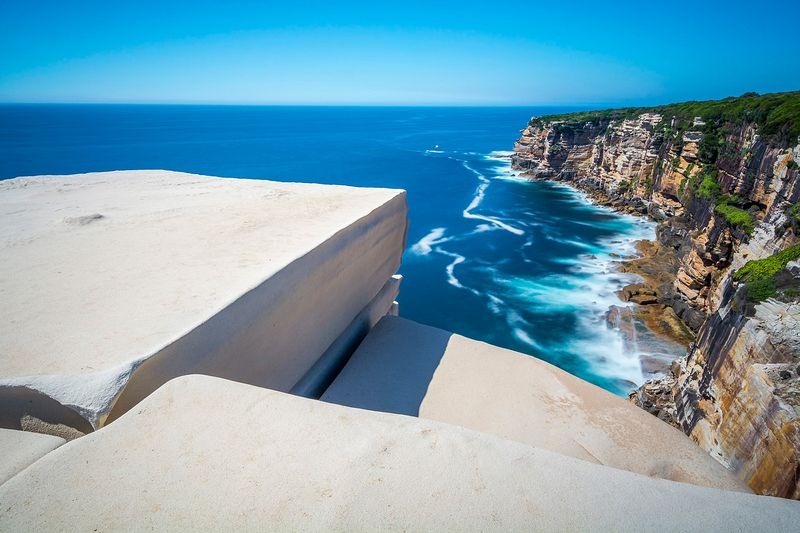
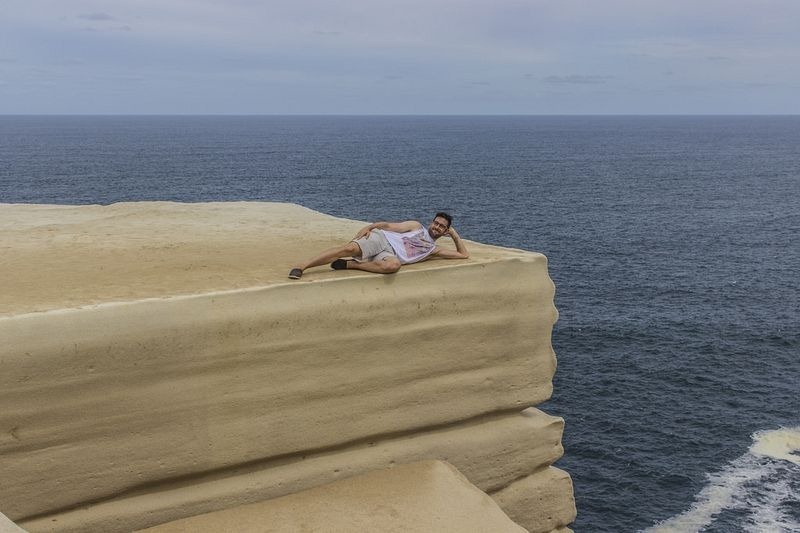
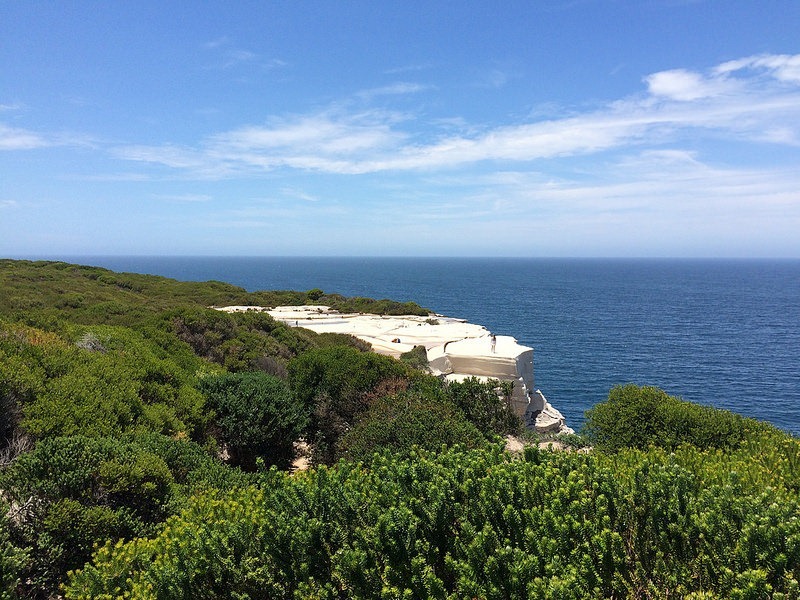
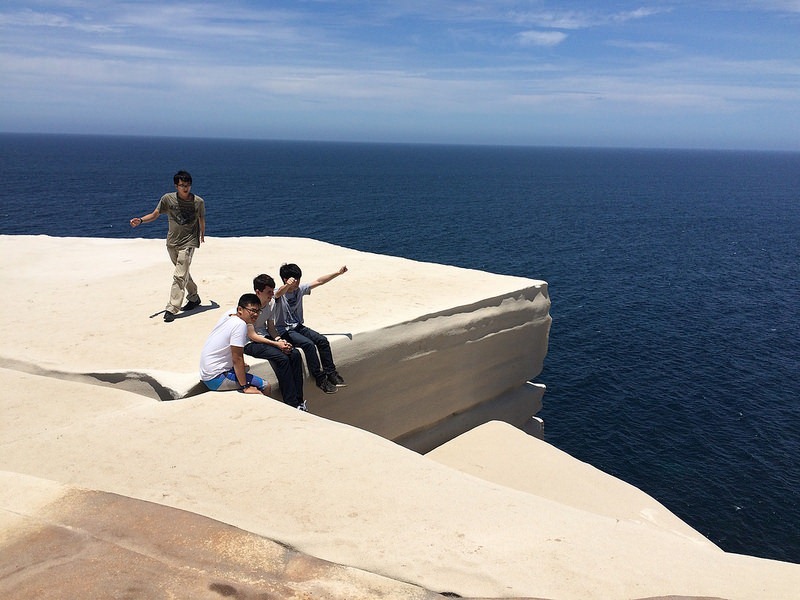
The Wedding Cake Rock is an unusual geological formation located just north of Marley Beach near Bundeena within the Royal National Park, in New South Wales. The dazzling white sandstone rock has a perfect 90° corner and a flat top, as if it has been curved by a knife. Some say, it resembles a sliced wedding cake. Others see a block of tofu or cheese.

The Wedding Cake Rock is one of many limestone formations along the Royal Coastal Walk track —a 26km long track along the cliffs of the Royal National Park from Bundeena to Otford. The landscape consist of steep valleys, ridges and rocky outcrops with panoramic views of the ocean stretching for miles around. Along the way you’ll encounter streams, waterfalls and pools. Wedding Cake Rock is situated 5.1 kilometers from the start of the trail at Bundeena.

wedding-cake-rock-1

Photo credit: photographyhotspots.com.au


In early 2015, Wedding Cake Rock saw a sharp increase in popularity. The New South Wales National Parks and Wildlife Service reported that the number of visitors per month on the Royal National Park Coast Track rose from the average of 2,000 per month to over 10,000. This turned out not to be good thing. These visitors had come after they saw pictures of the rock on the social media site Instagram. They sat on the rock or dangled from it, and took selfies while performing dangerous stunts. And worse — some vandals wrote over the perfectly white formation with chalk.

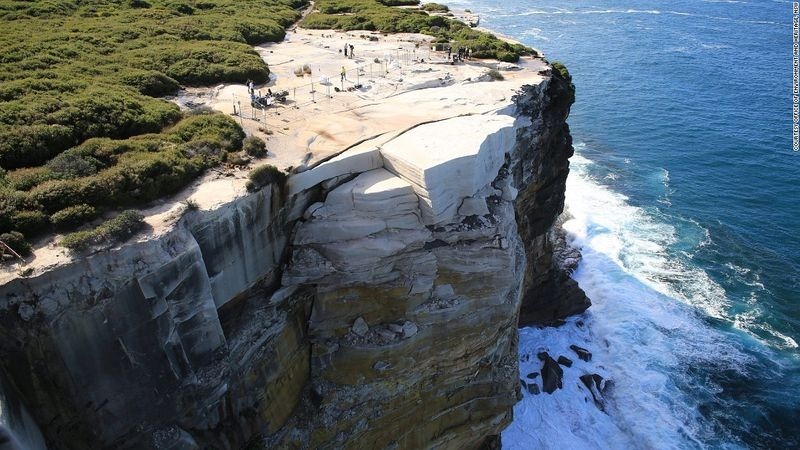
Park officials became concerned, not only for the safety of the visitors, but for the safety of the rock itself. They feared that the weight of 30 or 40 people standing on the rock might damage it or tip the rock to one side. The site was eventually closed off in May 2015. A subsequent evaluation of the rock revealed, to the Park’s surprise, that the formation was not only unstable, but was certain to collapse at anytime within the next ten years. The study found that the entire structure was precariously balancing on the edge of the cliff, and severely undercut. The rock is now permanently cordoned off to the public.

wedding-cake-rock-2

Photo credit: Danijel James/Flickr

wedding-cake-rock-4

Photo credit: CNN

wedding-cake-rock-5

Photo credit: Philip Terry Graham/Flickr

wedding-cake-rock-6

Photo credit: Philip Terry Graham/Flickr

Sources: Wikipedia / Weekend Notes

Source….www.amusingplanet.com

natarajan