“ஆழமான இடத்தில் அதிக நீர் தங்கும் …ஆத்மார்த்தமான உள்ளத்தில் பகவான் தங்குவார் …”

album1_22கடமையைச் செய்… பலனை எதிர்பார்க்காதே.’

– இது பகவான் கிருஷ்ணன் சொன்னது.

அதுபோல் தெய்வங்களிடமும், மகான்களிடமும் பிரார்த்தனைகளை வைப்பதோடு நம் வேலை முடிந்து விட்டது. ‘பிரார்த்தனை வைத்தோமே… நாம் வணங்குகிற கடவுள் இதை எப்போது நிவர்த்தி செய்வார்? நாம் கும்பிடுகிற மகான் இதை எப்போது நிறைவேற்றி வைப்பார்?’ என்று எதிர்பார்த்துக் கொண்டிருக்கக் கூடாது.

ஆழமான இடத்தில்தான் நீர் அதிகம் தங்கும்.

ஆத்மார்த்தமான உள்ளத்தில்தான் பகவான் தங்குவார்.

நம் பிரார்த்தனை நியாயமாக இருந்தால், அவற்றை தெய்வங்களிடமோ மகான்களிடமோ சொல்ல வேண்டும் என்கிற அவசியம் இல்லை. அதை அவர்களாகவே தங்களது தீர்க்க தரிசனத்தின் மூலம் உணர்ந்து எப்போது நிறைவேற்ற வேண்டுமோ, அப்போது நிறைவேற்றி விடுவார்கள்.

காஞ்சி மகா பெரியவாளின் அனுக்ரஹத்துக்கு உள்ளான பக்தர்களுக்கு இது நன்றாகவே தெரியும்.

அந்த மகானின் அன்புக்கும், கருணைக்கும் கட்டுப்பட்ட பக்தகோடிகள் இவரது தரிசனத்தையே மாபெரும் வரப்ரசாதமாக எண்ணுவார்கள்.

அது 1991-ஆம் வருடம்… மகா பெரியவா முதுமைக் காலத்தில் இருந்தார். பக்தர்களுக்கு அதிக தரிசனம் அப்போது இல்லை.

அன்றைய தினம் விசேஷமாக மகா பெரியவா பக்தர்களுக்கு தரிசனம் தந்து கொண்டிருந்தார்.

ரொம்ப நாள் கழித்துப் பெரியவா தரிசனம் தரப் போகிறார் என்பதற்காக அன்றைய தினம் மகா பெரியவாளைத் தரிசிக்க எண்ணற்ற பக்தர்கள் வந்திருந்தனர்.

குழந்தைகளில் இருந்து முதியோர் வரை எல்லா தரப்பினரும் ஸ்ரீமடத்தில் திரண்டிருந்தனர்.

பிரார்த்தனை எதுவும் இல்லாமல் இன்றைக்குக் கோயில்களுக்குச் செல்வோரையும், மகான்களின் அதிஷ்டானம் செல்வோரையும் காண்பது மிகவும் அரிதாகி விட்டது.

அன்றைய தினமும் அப்படித்தான். மகா பெரியவாளைத் தரிசிக்கக் கூடி இருந்த பக்தர்களுள் பலரது முகத்தில் ஏதோ எதிர்பார்ப்புகள். வேண்டுதல்கள்.

அவரவர்கள் தங்களால் இயன்ற காணிக்கைகளைக் குருவுக்கு சமர்ப்பிக்க வேண்டும் என்று வாங்கிக் கொண்டு வந்திருந்தார்கள். அவற்றில் பழங்கள், உலர்வகை பழங்கள், முந்திரி, வில்வ மற்றும் துளசி மாலைகளும் அடங்கும்.

பக்தர்களோடு பக்தராக அங்கே கலந்து ஓர் ஓரமாக நின்று கொண்டிருந்தனர், நாராயணன் – வைதேகி தம்பதியர். சென்னையில் வசிப்பவர்கள். நாராயணன் உத்தியோகஸ்தர்.
நாராயணனது இடுப்பில் அவர்களது ஒண்ணரை வயது பெண் குழந்தை நிதர்சனா அப்பாவின் கழுத்தைக் கட்டிக் கொண்டிருந்தது.

விழிகளை உருட்டி உருட்டி அங்குமிங்கும் பார்த்துக் கொண்டிருந்தாள். புதுப் புது மனிதர்களே எங்கும் தென்பட்டதால், குழந்தையின் முகத்தில் ஒரு மிரட்சி தெரிந்தது.

‘மகா பெரியவா அருகே செல்ல வேண்டும்… அந்த மகானிடம் தங்களது பிரார்த்தனையைச் சொல்ல வேண்டும்’ என்பது இந்தத் தம்பதியர்களின் விருப்பமாக இருந்தது.

ஆனால், அன்றைக்குக் கூடி இருந்த பக்தர்கள் கூட்டத்தில் இவர்களால் ஒரு இஞ்ச் கூட முன்னேறிச் செல்ல முடியாத சூழ்நிலை.

எனவே, தாங்கள் இருந்த இடத்தில் இருந்தபடியே மகா பெரியவாளின் திருமுக தரிசனத்தை எம்பி எம்பிப் பார்த்து கன்னத்தில் போட்டபடி இருந்தனர்.

‘‘ஏங்க, கூட்டம் இவ்ளோ இருக்கே… நிதர்சனாவைப் பெரியவாகிட்ட கூட்டிண்டு போய் காட்ட முடியுமாங்க? அந்த தெய்வத்தின் அனுக்ரஹப் பார்வை இவ மேல் திரும்புமாங்க?’’ என்று வைதேகி, நாராயணனைப் பார்த்து ஏக்கத்துடன் கேட்டாள்.

‘‘இன்னிக்கு அந்த மகானோட அனுக்ரஹம் கிடைக்கணும்னு நமக்கு விதி இருந்தா கிடைக்கும். பார்ப்போம், குருவோட பார்வை நம்ம மேல திரும்பறதானு…’’ என்று மகா பெரியவாளையே வைத்த கண் வாங்காமல் பார்த்தபடி உருக்கத்துடன் சொன்னார் நாராயணன்.


‘‘ஏங்க, கூட்டம் இவ்ளோ இருக்கே… நிதர்சனாவைப் பெரியவாகிட்ட கூட்டிண்டு போய் காட்ட முடியுமாங்க? அந்த தெய்வத்தின் அனுக்ரஹப் பார்வை இவ மேல் திரும்புமாங்க?’’ என்று வைதேகி, நாராயணனைப் பார்த்து ஏக்கத்துடன் கேட்டாள்.

‘‘இன்னிக்கு அந்த மகானோட அனுக்ரஹம் கிடைக்கணும்னு நமக்கு விதி இருந்தா கிடைக்கும். பார்ப்போம், குருவோட பார்வை நம்ம மேல திரும்பறதானு…’’ என்று மகா பெரியவாளையே வைத்த கண் வாங்காமல் பார்த்தபடி உருக்கத்துடன் சொன்னார் நாராயணன்.

வந்திருந்த பக்தர்கள் ஒவ்வொருவருக்கும் அவரவர்களது பிரார்த்தனையை மகானிடம் சென்று சொல்ல வேண்டும்… இதற்கு சாதகமாக ஒரு அருளாசி அவரிடம் இருந்து பெற வேண்டும் என்று இருந்ததே தவிர, தரிசனத்துக்காகக் காத்திருக்கும் குழந்தைகளுக்கோ, பெரியோர்களுக்கோ ஒரு முன்னுரிமை கொடுத்து அவர்களை முதலில் அனுப்ப வேண்டும் என்று யாருக்கும் கவலை இல்லை. அப்படிப்பட்ட எண்ணமும் இல்லை.

மகானின் சந்நிதி முன்னாலும், எல்லோரும் சுய நலத்துடன் காணப்பட்டார்கள்.

மகா பெரியவா அருகே வரும் பக்தகோடிகளை அவரது சிஷ்யர்கள் கட்டுப்படுத்தி, அனுப்பிக் கொண்டிருந்தார்கள்.

வழக்கம்போல் மகா பெரியவா அங்கே திரண்டிருந்த பக்தகோடிகளைத் தன் அனுக்ரஹப் பார்வையால் ஒரு முறை அலசினார்.

தன்னைத் தரிசிக்க ஆத்மார்த்தமாக வந்திருக்கும் நாராயணன் – வைதேகி தம்பதியருக்கு அன்றைய தினம் யோகம் அடித்தது.

அடுத்த விநாடி ஒரு சிப்பந்தியை ஜாடை காட்டித் தன் அருகே அழைத்தார் மகா பெரியவா. குழந்தை நிதர்சனாவை இடுப்பில் சுமந்து கொண்டிருக்கும் நாராயணனை அடையாளம் காண்பித்து, ‘அவாளைக் கொஞ்சம் கிட்டக்கக் கூட்டிண்டு வா’ என்று சைகை செய்தார் மகான்.

அந்த சிப்பந்தி கூட்டத்தை விலக்கிக் கொண்டு நாலடி பாய்ச்சலில் ஓடிப் போய் நாராயணன் – வைதேகி தம்பதியரிடம் விஷயத்தைச் சொல்ல… அவர்கள் ஆனந்த அதிர்ச்சியில் திறந்த வாயை மூட மறந்தார்கள். ‘‘என்னது… மகா பெரியவா எங்களைக் கூப்பிடறாரா?’’

‘ஆமா… வாங்கோ, சீக்கிரம். உங்களுக்குத்தான் உத்தரவு ஆகி இருக்கு.’’

கணவன், மனைவி இருவரின் விழியோரங்களும் நெகிழ்வின் காரணமாக கண்ணீர் சொரிந்தன.

குழந்தையை இடுப்பில் வைத்துக் கொண்டே இரு கரங்களையும் கூப்பிய வண்ணம் மகா பெரியவாளை வணங்கியபடியே நடந்தார் நாராயணன்.

‘‘வழி விடுங்கோ… வழி விடுங்கோ…’’ என்று உரக்கக் கூவிக் கொண்டே சிப்பந்தி முன்னால் செல்ல… பின்னால் நாராயணனும் வைதேகியும் நடந்தனர்.

மகா பெரியவா அருகே இவர்களைக் கூட்டிக் கொண்டு வந்து நிறுத்திய சிப்பந்தி, பெரியவாளுக்குத் தகவல் தெரிவித்தார்.

கலியுக தெய்வத்தின் பார்வை தம்பதியின் மேல் விழுந்தது. ‘‘இடுப்புல வெச்சிண்டு இருக்காளே… அது அவாளோட குழந்தையானு கேளு…’’ – தன் பக்கத்தில் இருந்த சிப்பந்திக்கு பெரியவா உத்தரவு!

இந்தக் கேள்வி அப்படியே ஓவர் டூ தம்பதியர்.

வந்த பிரார்த்தனையே அதுதானே!

குழந்தையை முன்னிறுத்தித்தானே இன்றைக்கு மகா பெரியவாளைத் தரிசிக்க வந்திருக்கிறார்கள் இவர்கள்!

இவ எங்க கொழந்தைதான் பெரியவா…’’ – நாராயணன் நெக்குருகச் சொன்னார். அதை ஆமோதிப்பதுபோல் வைதேகியும் கண்கள் கலங்க… பெரியவாளையும் நிதர்சனாவையும் மாறி மாறிப் பார்த்துக் கொண்டிருந்தாள்.

குழந்தையைப் பார்த்துப் பெரியவா புன்னகைத்தார்.

குழந்தையும் பதிலுக்குப் புன்னகைத்தது.

அதன்பின் மகா பெரியவா தனக்கு அருகில் இருந்த ஒரு மூங்கில் தட்டில் இருந்து சிறிது உலர் திராட்சைகளை அள்ளி, சிப்பந்தியிடம் கொடுத்தார். ‘‘அந்தக் கொழந்தைகிட்ட கொடு.’’
திராட்சை இடம் மாறியது.

தன் பிஞ்சுக் கைகளை நீட்டியபடி அத்தனை திராட்சைகளையும் இரண்டு உள்ளங்கைகளுக்குள் அடக்க முற்பட்டது குழந்தை. அம்மாவும் இதற்கு உதவினார்.

மகா பெரியவா திருச்சந்நிதியிலேயே அந்த திராட்சைகளில் இருந்து இரண்டை எடுத்துத் தன் வாயில் போட்டுக் கொண்டது குழந்தை.

நாராயணனுக்கும் வைதேகிக்கும் கண்கள் குளமாயின என்று சொன்னால், அது சாதாரணம்.

இருவரும் குழந்தையை வைத்துக் கொண்டு தேம்புகிறார்கள்.

வந்த கார்யம் முடிந்து விட்டது. அந்தப் பரப்பிரம்மம் தன் வலக் கையை உயர்த்தி, இவர்களுக்கு விடை கொடுத்தது.

இத்தனை பக்தகோடிகள் கூடி இருக்கிற இடத்தில், மிகவும் ஆத்மார்த்தமாக வந்திருக்கிற ஒரு ஜோடியைத் தேர்ந்தெடுத்துத் தன் அருகே வரவழைத்து அவர்களுக்குத் தேவையானதைக் கொடுத்து விட்டார் மகா பெரியவா.

அடுத்து, மகானது பார்வை கூட்டத்தைத் துழாவியது.

அடுத்த அதிர்ஷ்டம் யாருக்கோ?!

காஞ்சி ஸ்ரீமடத்தை விட்டு வெளியே வந்தார்கள் நாராயணனும் வைதேகியும்!

இன்னமும் இடுப்பிலேயே இருந்தாள் நிதர்சனா!

இதுவரை அநேகமாக ஏழெட்டு திராட்சையை சாப்பிட்டிருப்பாள்.

மகா பெரியவா பிரசாதம் இன்னமும் அவள் கையில் இருந்தது.

காஞ்சிபுரம் பஸ் ஸ்டாண்ட் வந்து சென்னைக்குச் செல்லும் பஸ்ஸில் ஏறினார்கள் மூவரும்.

மிதமான கூட்டத்தோடு பஸ் புறப்பட்டது.

மூவர் அமரக் கூடிய ஒரு இருக்கையில் ஜன்னல் ஓரமாக நிதர்சனாவும், அவளுக்கு அருகில் நாராயணனும் வைதேகியும் அமர்ந்தார்கள்.

பஸ் புறப்பட்டு ஐந்து நிமிடம் ஆகி இருக்கும்

திடீரென நாராயணனின் கன்னத்தையும், சற்று எம்பி வைதேகியின் கன்னத்தையும் தடவி, ‘‘அம்மாமா… அப்பாபா…’’ என்று குரல் உயர்த்திக் குழந்தை பேச ஆரம்பித்தபோது, தாயும் தகப்பனும் போட்ட விநோதக் கூச்சலில் ஒரு விநாடி அதிர்ந்து சடன் பிரேக் போட்டு பேருந்தை நிறுத்தினார் டிரைவர்.

‘என்ன பிரச்னையோ?’ என்று டிரைவர், தன் இருக்கையில் இருந்தே திரும்பிப் பார்க்க… கண்டக்டர் ஓடி வந்து, ‘‘என்னம்மா…’’ என்று கரிசனத்துடன் விசாரிக்க…
கண்களில் உடைப்பெடுத்துப் பெருகும் நீருடன் எல்லோரையும் பார்த்து வைதேகி சொன்னாள்: ‘‘எங் குழந்தை பேச ஆரம்பிச்சிடுச்சுங்க. எங் குழந்தை பேச ஆரம்பிச்சிடுச்சுங்க… ஒண்ணரை வருஷமா பேசாம இருந்த கொழந்தை இப்ப பேசுது. இவளோட மழலை மொழியை இப்பதான் கேக்கறேன்.’’

பஸ்ஸில் இருந்த அத்தனை பேரும் எழுந்து வந்து குழந்தையின் கன்னம் தொட்டுக் குதூகலித்தனர்.

ஆம்! நிதர்சனா பிறந்தது முதல் தற்போது வரை (ஒண்ணரை வயது) எந்த ஒரு வார்த்தையும் பேசியதில்லை.

வேண்டாத தெய்வம் இல்லை. போகாத கோயில் இல்லை. செய்யாத பரிகாரம் இல்லை.

ஆனால், அத்தனையும் தாண்டி, ஒரு கலியுக தெய்வம் தனக்கு பிக்ஷையாக வந்த திராட்சையைக் கொண்டே இவர்களின் பிரச்னையைத் தீர்த்து விட்டது.

குடும்பத்துக்கே பிரசாதமாக வந்த திராட்சை குழந்தை நிதர்சனாவுக்கு மட்டுமில்லை.

நாராயணன் அவர் புரிந்து வரும் உத்தியோகத்தில் அடுத்தடுத்து நல்ல மாற்றங்கள். பிரமோஷன், சம்பள உயர்வு என்று எல்லாம் கிடைத்தன.

மகா பெரியவாளுக்கு சுமார் 97 வயது இருக்கும்போது நடந்த அற்புதங்களில் இதுவும் ஒன்று.

ராகவேந்திரரும், ஷீர்டி பாபாவும் காலங்களைக் கடந்தும் தங்களது பக்தர்களுக்கு – தங்களை நம்பியவர்களுக்கு அபயம் அளித்துக் கொண்டுதான் இருக்கிறார்கள்.

நம் பக்கத்திலேயே வெண்ணெயை வைத்துக் கொண்டு நெய்க்கு அலைந்து கொண்டிருக்கிறோம் நாம்!

மகானின் திருச்சந்நிதி தேடி காஞ்சிக்கு ஒரு முறை போய் வாருங்கள்!

உங்கள் உதடுகள் பேச வேண்டாம். மனம் அவரோடு பேசட்டும்.

உணர்வுகளைப் புரிந்து கொள்வார். உள்ளத்தை அறிந்து கொள்வார்.

‘குருவே சரணம்’ என்று அவரது திருப்பாதங்களைப் பற்றிக் கொள்ளுங்கள்.

உங்களை ஆசிர்வதித்து அருள அவர் தயாராக இருக்கிறார்.

கட்டுரையாளர்: பி. சுவாமிநாதன்

Source …….Mail input from my friend Shri . Swaminathan

Natarajan


The Rock Garden of Chandigarh….

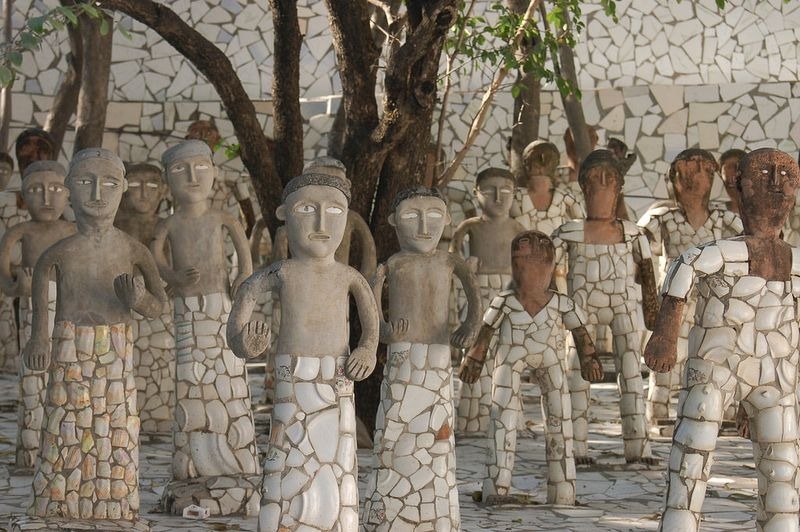
It took years of planning and millions of Rupees to design one of India’s first planned cities, but Chandigarh’s biggest tourist attraction was not on the master plan of Swiss-French architect Le Corbusier. It was the product of creative imagination and fifty years of labor by a humble government official Nek Chand.

Nek Chand was a road inspector in the Engineering Department of Chandigarh Capital Project, in 1957, the year he started working on his secret sculptural project. Nek Chand would cycle to a gorge near Sukhna Lake, at the foothills of Shivalik hills, that was used as dumping ground for urban and industrial waste, and spend hours collecting discarded pieces of broken pottery, bottles, auto parts, plumbing materials, street lights, electrical fittings, broken sanitary ware and so on. He would carry the pieces to a nearby PWD (Public Works Department) warehouse and fashion them into artistic forms resembling humans and animals.

rock-garden-chandigarh-106

Photo credit: Kirk Kittell/Flickr

Nek Chand worked at night because he was afraid of being discovered. For eighteen years, he kept it this site a secret. By the time it was discovered, it had grown into a 12-acre complex of interlinked courtyards, each filled with hundreds of pottery-covered concrete sculptures of dancers, musicians, and animals. The Rock Garden, as it is called now, mesmerizes everyone who sees it. Today it is spread over an area of 40 acres, and is completely built out of trash.

At one point, soon after its discovery, the authorities wanted to demolish the park because Nek Chand didn’t have permission to build it, but the public intervened. In 1976 the park was officially inaugurated as a public space. Nek Chand was given a salary, a title (“Sub-Divisional Engineer, Rock Garden”), and 50 laborers so that he could concentrate full-time on his work.

In recognition of his work, Nek Chand was awarded the Padma Shri, the fourth highest civilian award in India. The Rock Garden also appeared on an Indian stamp in 1983.

rock-garden-chandigarh-22


Photo credit: Ian Brown/Flickr

rock-garden-chandigarh-32


Photo credit: Carlos Zambrano/Flickr


Photo credit: Ramnath Bhat/Flickr

Sources: Wikipedia / citcochandigarh.com / The Wire


The Pyramid of Austerlitz…

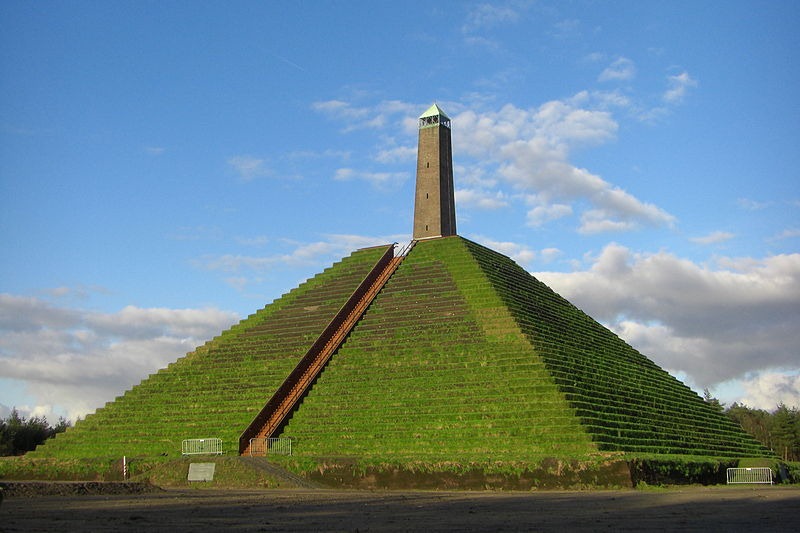
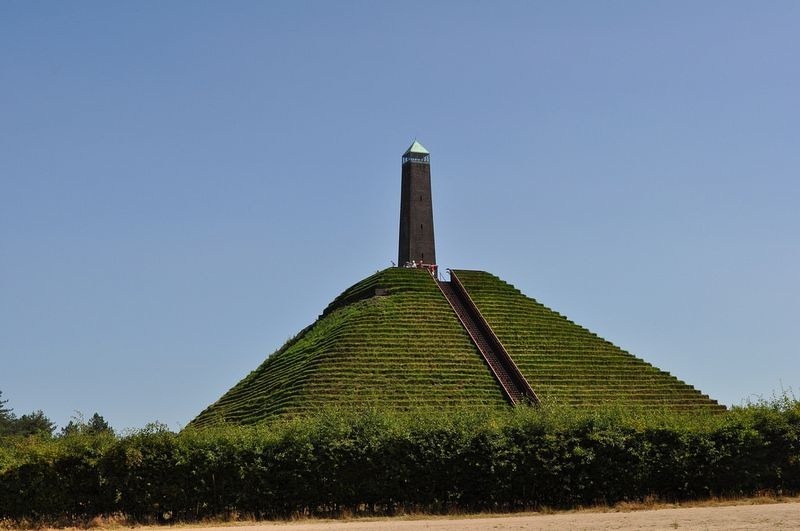
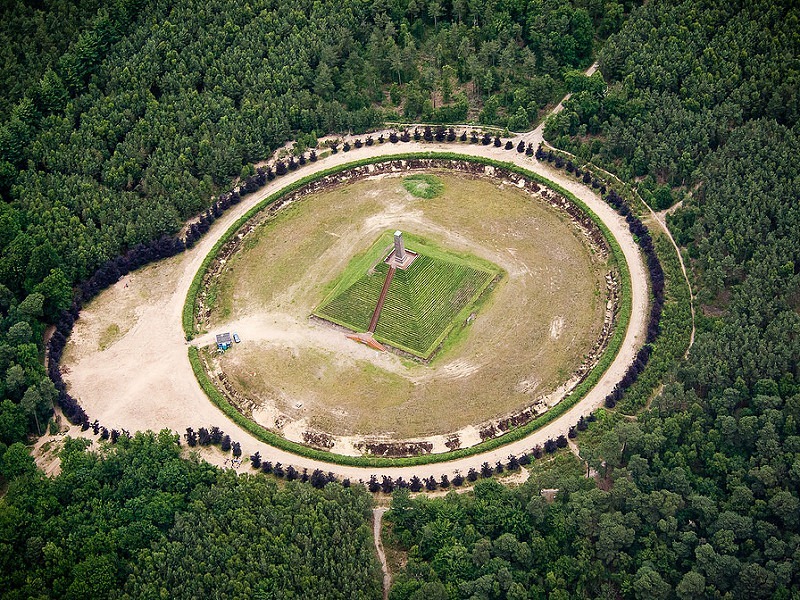
At the highest point of the Utrecht Ridge, in the Dutch village of Woudenberg, stands Europe’s only pyramid. The 36-meter-tall earthen hill was built in 1804 by Napoleon’s soldiers, under the direction of General Marmont as a tribute to his friend and example Napolean Bonaparte (although Marmont betrayed Napolean later). Marmont called it “Mont Marmont”. But in 1806, despite protest from General Marmont, Louis Napoleon, the new king of Holland, renamed the hill the Pyramid of Austerlitz in memory of the Battle of Austerlitz in which Napoleon decisively defeated the Russians and Austrians.

pyramid-of-austerlitz-4

Photo credit: Kattjosh/Flickr

In 1804 the French General Auguste de Marmont established an army camp in this central location in the Batavian Republic, the present Netherlands, where over a period of several months he managed to forge together various battalions into a large, well-trained army, capable of beating the British enemy should there be any repetition of the invasion of 1799. Satisfied with the military power of the new army, and to occupy his bored soldiers, in the autumn of 1804 Marmont had his soldiers build an earth and turf monument inspired by the pyramid of Giza, which Marmont had seen in 1798 during Napoleon’s Egyptian campaign. Even the erosion-exposed stepped surface was imitated.

Construction took a mere 27 days and the structure rose to 36 meters. The apex of the pyramid was flat where was erected a 13-meter-tall wooden obelisk. Marmont was, however, too haste in its construction. There wasn’t even a proper foundation to the structure. It was simply a pile of earth and sand. Naturally, the pyramid started to collapse not too long after it was built. Marmont struggled to keep it in good repair, but when locals vandalized it by removing the stone plaques, the frustrated General sold the pyramid and the surrounding land to the Hubert M.A.J. van Asch van Wijk, who would later become mayor of the nearby city of Utrecht.

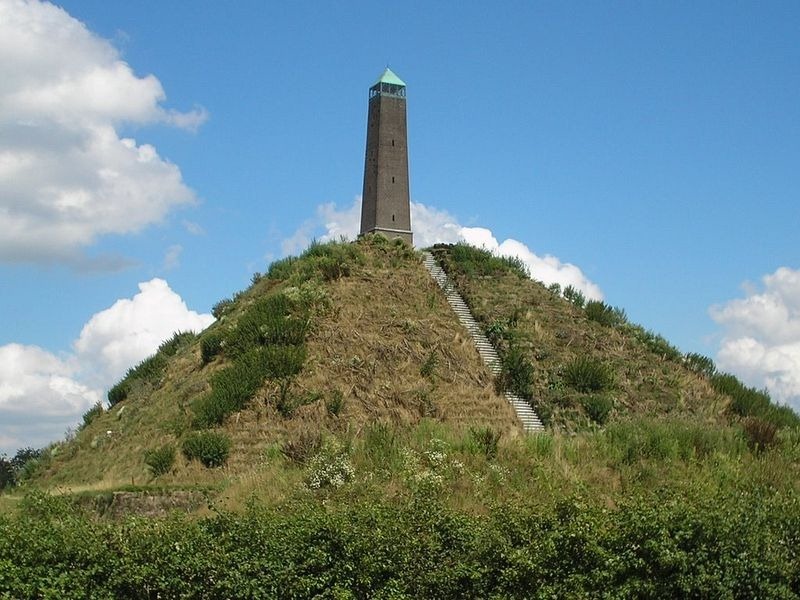
The pyramid remained neglected throughout the 20th century, until its restoration in 2004. The Pyramid and the surrounding area is now a popular tourist attraction and recreation spot.

pyramid-of-austerlitz-1

The Pyramid before it was restored. Photo credit: Fernambukk/Panoramio

pyramid-of-austerlitz-2

Photo credit: Traveling Tourist/Flickr

pyramid-of-austerlitz-3

Photo credit: Traveling Tourist/Flickr

pyramid-of-austerlitz-5

Photo credit: Marc Rauw/Flickr

Source…www.amusingplanet.com

natarajan

Image of the Day… Morning Sunglint Over the Pacific…!!!

Sunglint and clouds over the ocean photographed from low Earth orbit

This Earth observation composite image from the International Space Station captures morning sunglint and low clouds over the central Pacific Ocean. The image was put together at the Johnson Space Center in Houston, from a series of photographs taken by Expedition 47 Commander Jeff Williams on March 25, 2016.

Image Credit: NASA

source….www.nasa.gov

Natarajan

The story of the World War II gunner who fell 22,000 feet without a parachute and lived…

Paratroopers make a big deal about jumping out of planes from 800 feet, but U.S. Army Air Force Staff Sgt. Alan Magee fell out of a plane at 22,000 feet without a parachute while the plane was on fire.

And he lived.

ball turret gunner

Magee was a ball turret gunner in a B-17 named “Snap! Crackle! Pop!” after the three mascots for Rice Krispies cereal. That plane, along with others from the 360th Squadron, was sent to bomb German torpedo stores in St. Nazaire, France on Jan. 3, 1943.

During the mission, the plane was shot by anti-aircraft guns and became a ball of flames. Magee climbed into the fuselage to get his chute and bail out, but it had been shredded by the flak. As Magee was trying to figure out a new plan, a second flak burst tore through the aircraft and then a fighter blasted it with machine gun fire.

b17 bomber liberty belle


Magee was knocked unconscious and thrown from the aircraft. When he woke up, he was falling through the air with nothing but a prayer.

Magee told God, “I don’t wish to die because I know nothing of life,” according to reports from the 303rd Bomb Group.

Magee, struggling with a shortage of oxygen and likely in shock from the events of the past few minutes, passed out again and God seemingly answered his prayer. The young noncommissioned officer fell into the town of St. Nazaire and through the glass roof of the train station. He was later found dangling on the steel girders that supported the ceiling.

The glass had slowed his fall and he regained consciousness as German soldiers took him to medical care. Magee’s right leg and ankle were broken, he had 28 wounds from shrapnel and glass, and his right arm was cut nearly the whole way off. He had also suffered numerous internal injuries.

“I owe the German military doctor who treated me a debt of gratitude,” Magee said. “He told me, ‘we are enemies, but I am first a doctor and I will do my best to save your arm.'”

GErman prison camp wwii

French POWs at work at a farm in Westscheid bei Mennighüffen.

Magee was able to keep his arm and eventually made a full recovery. He spent most of the rest of the war as a POW.

In 1995, Magee was invited back to France as part of a ceremony sponsored by French citizens to thank Allied service members for their efforts in the war. Magee was able to see monuments to the crew of Snap! Crackle! Pop!, including the nose art which had been used as a Nazi trophy until after the war when a French man recovered it. It was restored in 1989.

Magee died in 2003.

Read the original article on We Are The Mighty. Copyright 2016. Follow We Are The Mighty on Twitter.

Source….www.businessinsider.com

Natarajan

Image of the Day…” Liftoff at NASA’s 16th Annual Student Launch Challenge…”

Liftoff of one of dozens of high-powered rockets during the 16th annual Student Launch challenge, April 16, near NASA Marshall

One of dozens of high-powered rockets lifts off on April 16, 2016, during NASA’s 16th annual Student Launch challenge, held near Marshall Space Flight Center in Huntsville, Alabama from April 13-16.

Nearly 50 middle and high school, college and university teams from 22 states competed in the challenge, demonstrating advanced aerospace and engineering skills related to real-world activities and programs on NASA’s Journey to Mars. Teams spent the past eight months building and testing rockets designed to fly to an altitude of one mile, deploy an automated parachute system, and land safe enough for reuse, while other teams also designed scientific payloads for data collection during flight.

Preliminary winners for Student Launch were announced during an awards ceremony April 16, at the U.S. Space & Rocket Center in Huntsville, and hosted by Orbital ATK. The overall winners of Student Launch will be announced in early May, as the final calculations are still under review for accuracy.

Image Credit: NASA/MSFC/Charles Beason

 Source……..www.nasa.gov
Natarajan

Can You Draw a Bicycle From Memory….? !!!

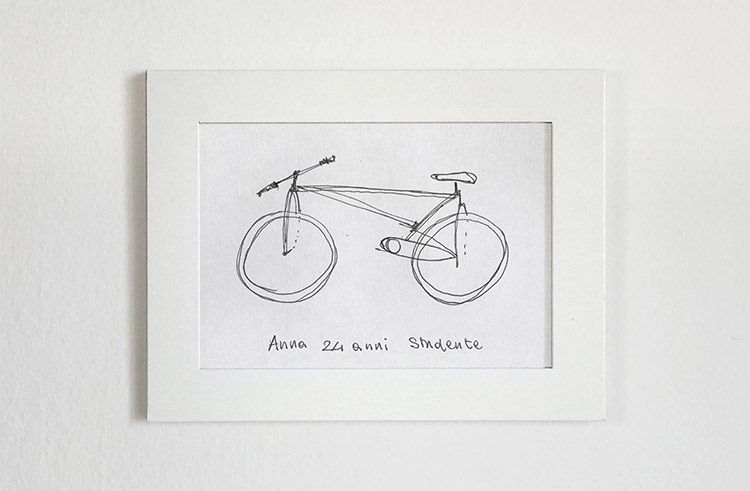
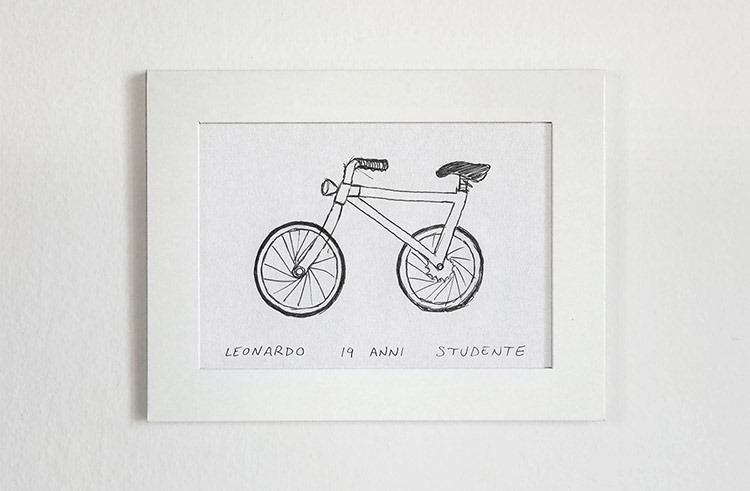
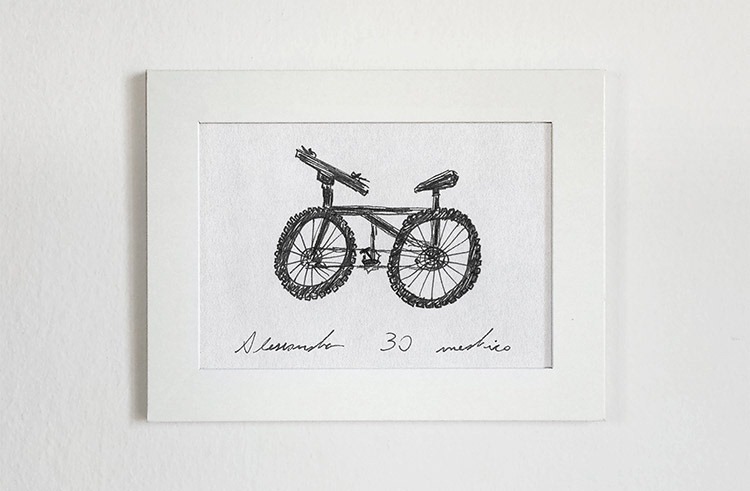
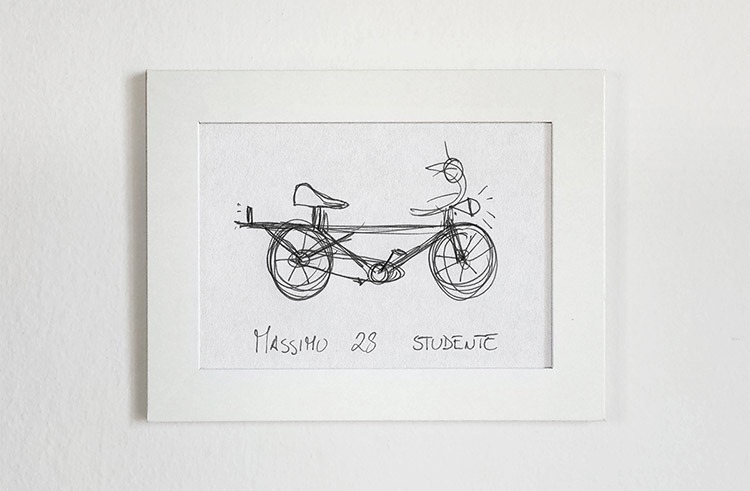
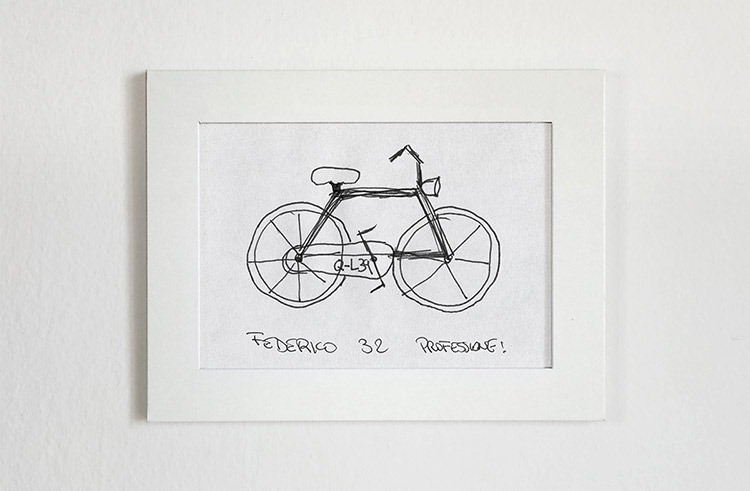
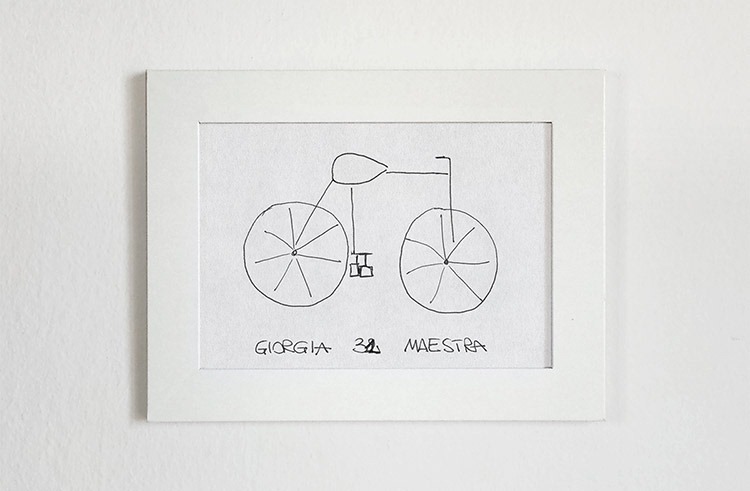
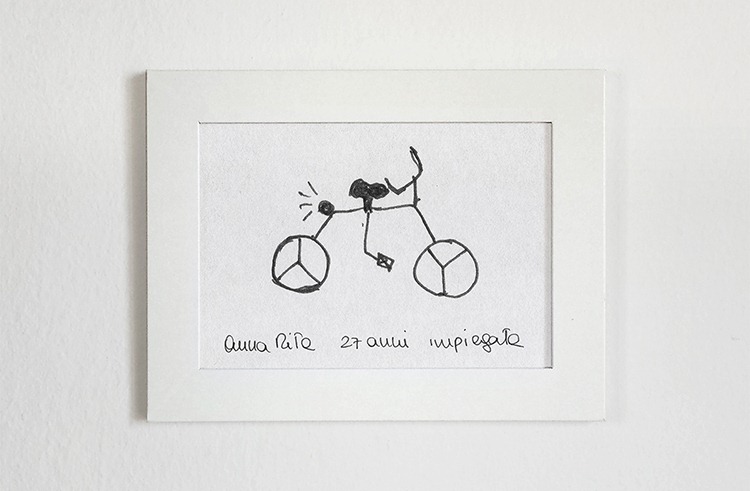
In 2009, Italian/American designer Gianluca Gimini walked up to random strangers and friends and asked them to draw a bicycle from heart. Sounds easy, right? After all, everybody has ridden bicycles, most from a very young age. It is impossible to not remember how a bicycle looks like. Well then, go grab a pencil and try it.

“Soon I found out that when confronted with this odd request most people have a very hard time remembering exactly how a bike is made,” says Gianluca Gimini.

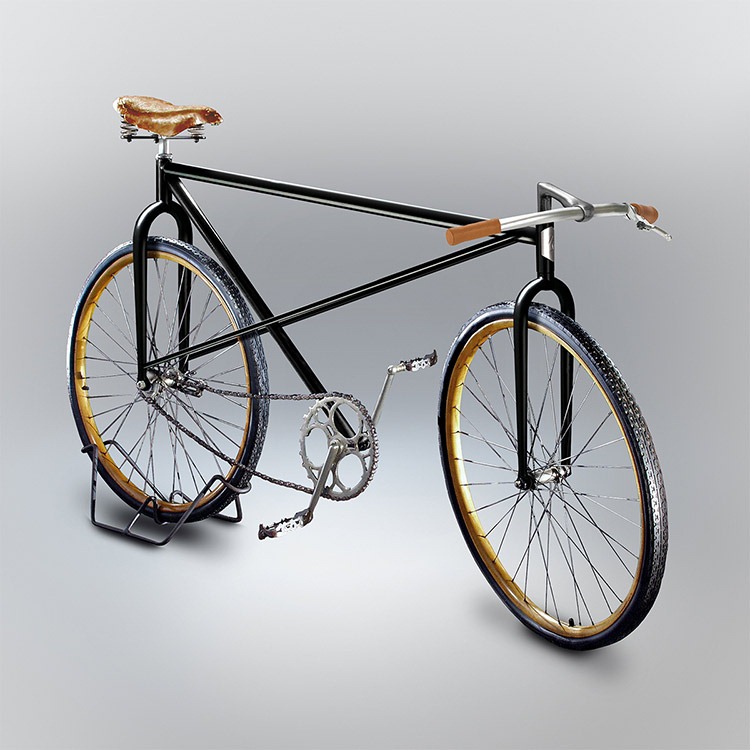
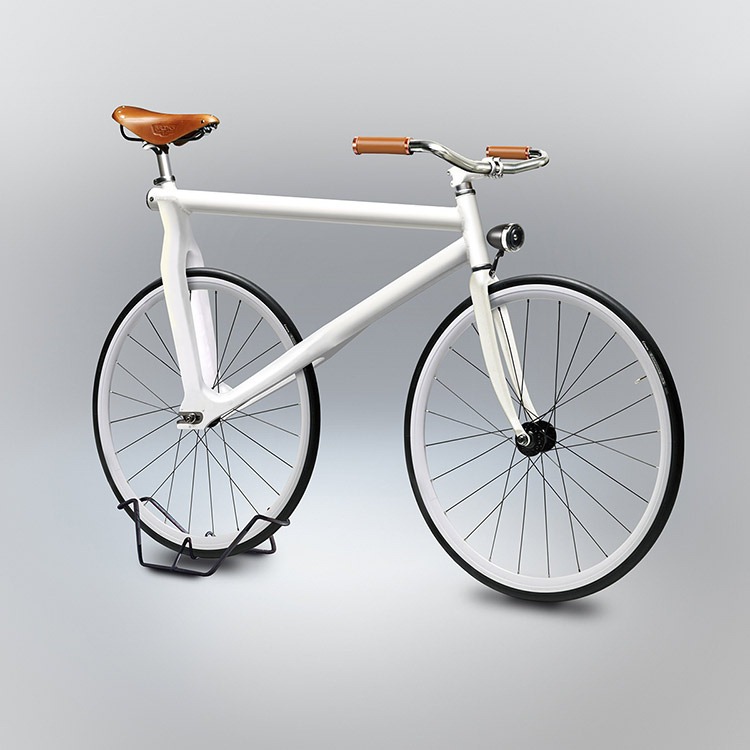
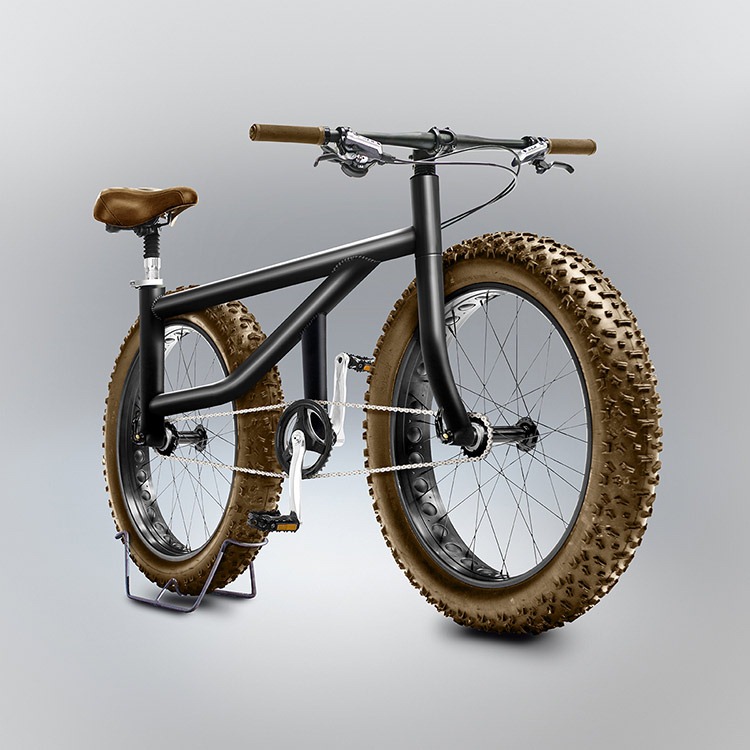
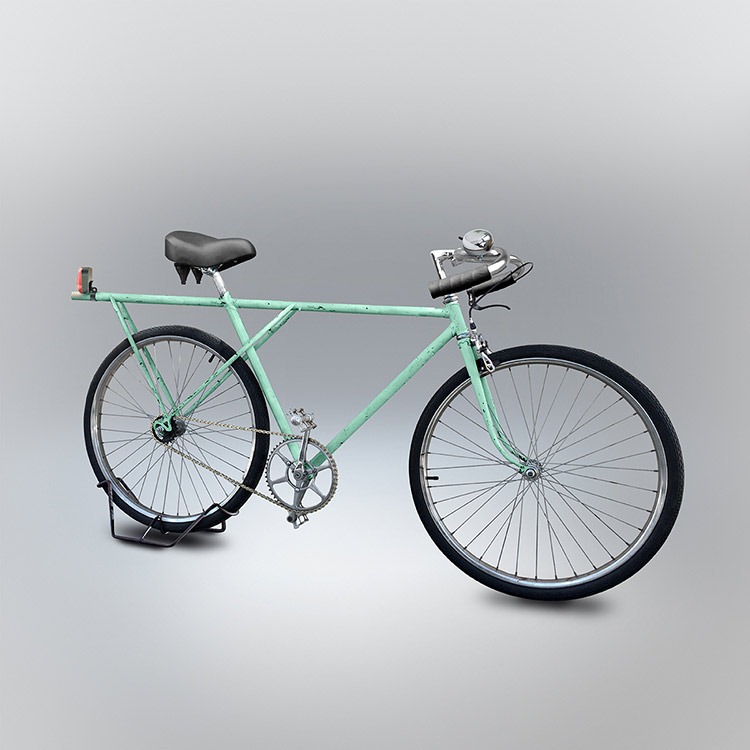
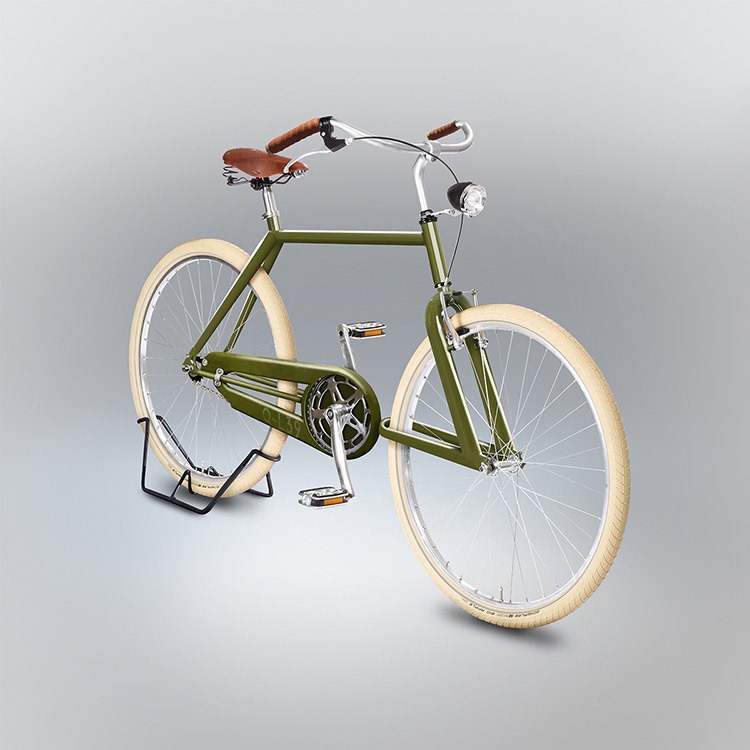
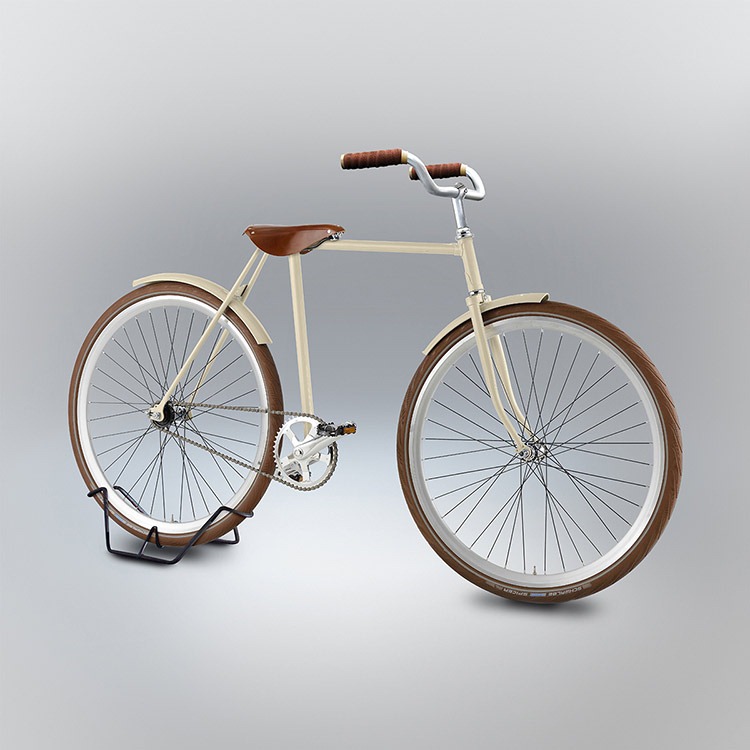
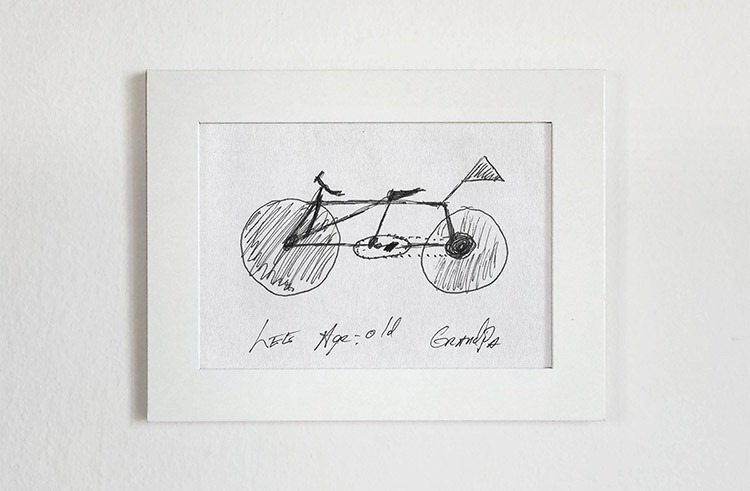
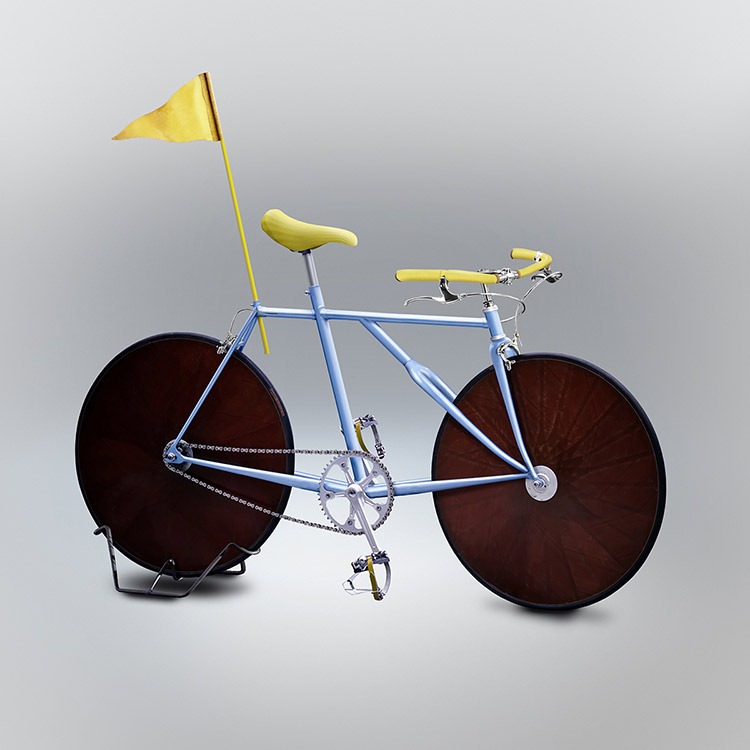
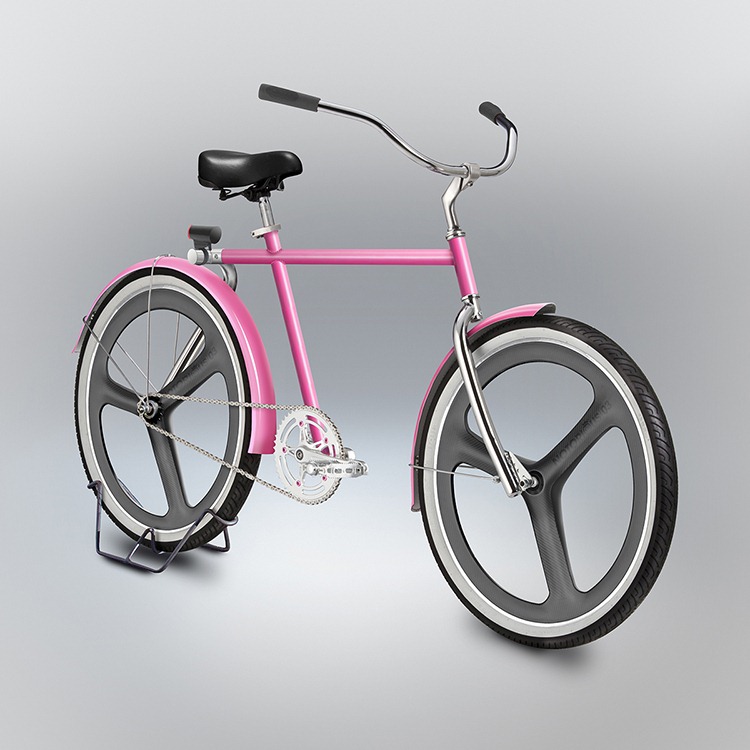
Of the 376 people who responded to his interview, only 25 percent managed to make an accurate sketch. Some did get close, but most ended up drawing something that was pretty far off from a regular men’s bicycle. Gimini then took the most impractical designs and digitally rendered them, for his project titled “Velocipedia”.

Gianluca_Gimini-Velocipedia-4\

Gianluca_Gimini-Velocipedia-3

Gimini’s participants came from across seven different nationalities. The youngest one is aged at 3, and the oldest at 88. Nearly 90% of drawings in which the chain is attached to the front wheel (or both to the front and the rear) were made by females. On the other hand, while men generally tend to place the chain correctly, they are more keen to over-complicate the frame when they realize they are not drawing it correctly. The most unintelligible drawing was made by a doctor.

“There is an incredible diversity of new typologies emerging from these crowd-sourced and technically error-driven drawings. A single designer could not invent so many new bike designs in 100 lifetimes and this is why  I look at this collection in such awe,” said Gimini.

The idea started in a bar in Bologna, Italy, during a conversation with a friend. Gimini was recounting a childhood memory about a classmate who was asked to draw a bicycle, on the spot, in front of the entire class. He couldn’t, which seemed laughable. Both Gimini and his friend agreed that everyone knows how a bike is made, but when his friend tried to draw one on a napkin, he failed.

Later Gimini learned that he was not the first one to conduct this experiment. A psychologist from the University of Liverpool once challenged people to draw a bicycle from memory to demonstrate how our brain sometimes tricks us into thinking we know something even though we don’t.

Gianluca_Gimini-Velocipedia-6

Gianluca_Gimini-Velocipedia-5

Gianluca_Gimini-Velocipedia-8

Gianluca_Gimini-Velocipedia-7

Gianluca_Gimini-Velocipedia-10

Gianluca_Gimini-Velocipedia-9

Gianluca_Gimini-Velocipedia-12

Gianluca_Gimini-Velocipedia-11

Gianluca_Gimini-Velocipedia-14

Gianluca_Gimini-Velocipedia-13

Gianluca_Gimini-Velocipedia-18

Gianluca_Gimini-Velocipedia-17

Gianluca_Gimini-Velocipedia-24

Gianluca_Gimini-Velocipedia-23

via Wired

Source…www.amusingplanet.com

Natarajan

Sulabh International Museum of Toilets….!!!

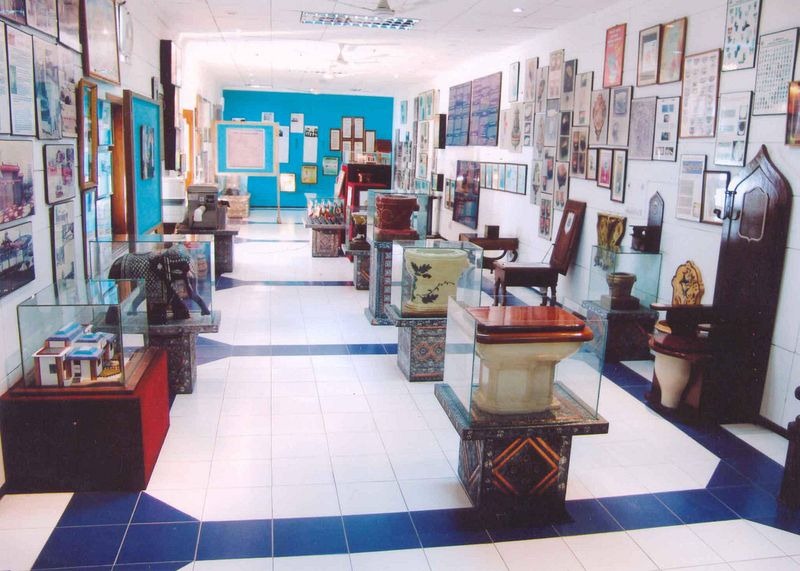
In a quiet courtyard in the suburbs of New Delhi, inside a low-slung concrete building, the assistant curator and guides of Sulabh International Museum of Toilets eagerly awaits for visitors. The museum is small, with just one long room, but it’s possibly the world’s only toilet museum, and it’s location in the Indian capital is all the more important.

Hygiene and sanitation is one of India’s most pressing issues. An astonishing 60% of the country’s 1.2 billion people defecate in the open because they do not have access to safe and private toilets. The numbers were probably worse in 1970 when Dr. Bindeshwar Pathak, a humanitarian and social worker, introduced pay-to-use public toilets in a small village in Patna, Bihar. At first the people laughed at his idea, but now over 15 million people across the country use public toilets constructed by Sulabh International, a non-profit he founded.

sulabh-international-museum-of-toilets-7

Photo credit: http://www.sulabhtoiletmuseum.org

Sulabh International’s mission is to promote safe sanitation habits and provide public toilet facilities throughout India. It builds and maintains hundreds of public toilets in major cities, including those outside tourist attractions such as the Red Fort in Delhi and the Taj Mahal in Agra, as well as towns and villages across the vast nation. With 50,000 volunteers devoted to the cause, Sulabh International is India’s largest nonprofit organization.

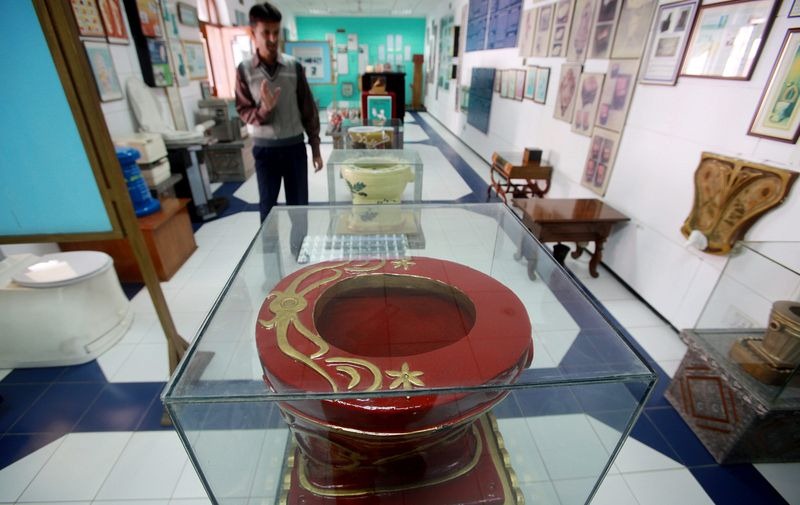
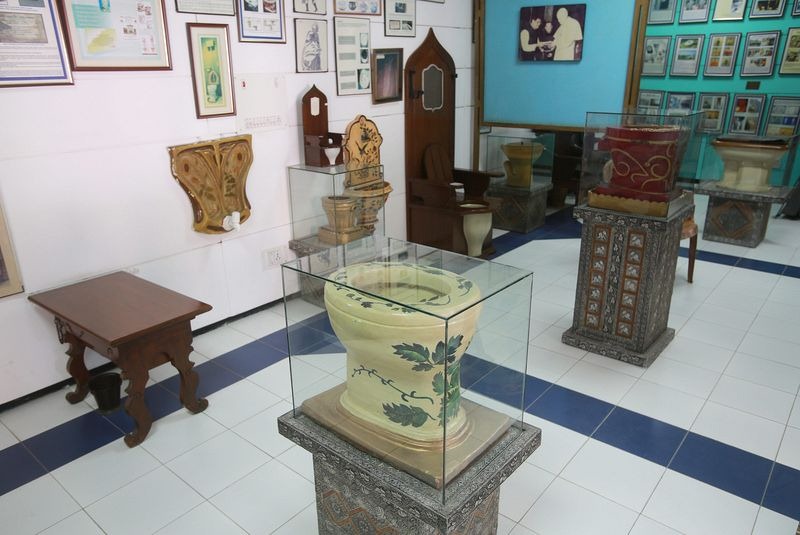
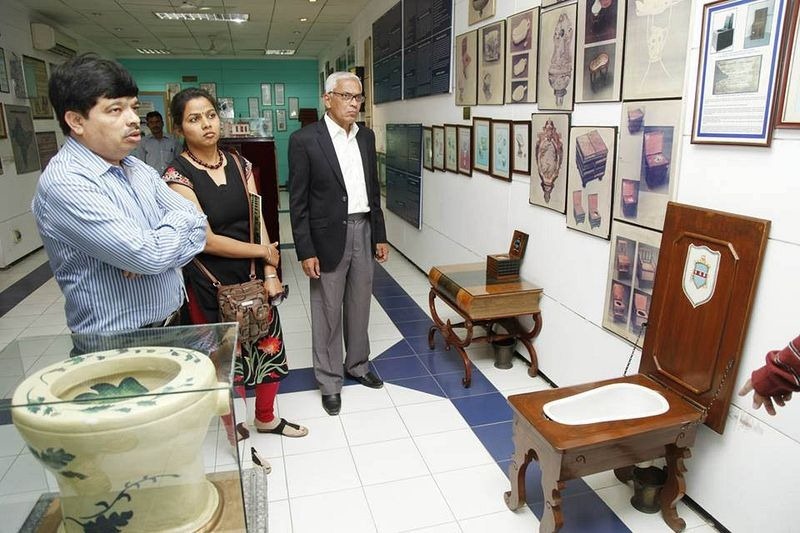
The museum, located in the offices of the organization, traces the history and development of toilet system around the world from the brick commodes of the ancient Harappan settlement near Pakistan, five thousand years ago, through the Middle Ages to the modern day toilet with electrically controlled flush system, through a series of privies, chamber-pots, toilet furniture, bidets and water closets, accompanied by a healthy number of images, drawings, photographs, and graphics. The museum also provides a chronological account of developments relating to technology, toilet related social customs, toilet etiquettes, prevailing sanitary conditions and legislative efforts of the times.

Among its most prized possessions is a flush pot devised in 1596 by Sir John Harrington, a courtier of Queen Elizabeth I, a gem-studded bided of Queen Victoria, table-top toilets from England and a couple of highly decorated commodes from Austria. Some of the toilets of these period were disguised. There is a French one that looks like a stack of books, and an English one which resembles a treasure chest.

Hanging on the walls are display boards with poems, comics, jokes and cartoons related to toilet humor. But one of its most amusing displays is a full-size replica throne from the court of the French King, Louis XIII, with a hidden commode underneath it. The King used it to relive himself while still in court.

The Sulabh International Museum of Toilets was opened in 1992, and since then it has welcomed some 100,000 visitors.

sulabh-international-museum-of-toilets-5

Photo credit: Metro.co.uk

sulabh-international-museum-of-toilets-6

Photo credit: Metro.co.uk

sulabh-international-museum-of-toilets-1

Photo credit: http://www.sulabhtoiletmuseum.org

sulabh-international-museum-of-toilets-2

Photo credit: http://www.sulabhtoiletmuseum.org

Sources: www.sulabhtoiletmuseum.org / Wikipedia / PRI.org

Source….www.amusingplanet.com

Natarajan

Image of the Day…Mars Rover Opportunity up high ….!!!

Mars rover up high, spies a dust devil

After making the steep-ever climb of any rover on Mars, Opportunity looked back along its own tracks toward a swirling Martian dust devil in the valley below.

From its perch high on a ridge, NASA's Mars Exploration Rover Opportunity recorded this image of a Martian dust devil twisting through the valley below. The view looks back at the rover's tracks leading up the north-facing slope of

View larger. | From high on a ridge, NASA’s Mars rover Opportunity recorded this image of a swirling Martian dust devil on March 31. Image via NASA/JPL-Caltech.

During its recent uphill drive to the top of Knudsen Ridge on Mars, the tilt of the Mars Opportunity rover reached 32 degrees, the steepest-ever for any rover on Mars. In this image – taken on March 31, 2016, the 4,332nd Martian day, or sol, of the rover’s work on Mars – you’re looking backwards along the rover’s tracks, with its camera aimed toward a dust devil twisting through the valley below.

In the image, the rover – which was launched from Earth in 2003 – has just climbed the north-facing slope of Knudsen Ridge on Mars. The ridge forms part of the southern edge of Marathon Valley.

Why is NASA’s image in black and white, by the way? It’s because it was taken with the Navcam on Opportunity, a camera that’s essential for enabling the rover to make its way across the surface of this alien world … but which doesn’t have a color camera.

Look below to see how artist Don Davis remedied the lack of color with some processing here on Earth:

Color-processed view of Opportunity's great dust devil shot, by artist Don Davis.  Read more about this image on Davis' Facebook page.

Color view of Opportunity’s great dust devil shot, by artist Don Davis. Read more on Davis’ Facebook page.

NASA commented:

Dust devils were a common sight for Opportunity’s twin rover, Spirit, in its outpost at Gusev Crater, but Opportunity has seen them only rarely.

Just as on Earth, a dust devil is created by a rising, rotating column of hot air. When the column whirls fast enough, it picks up tiny grains of dust from the ground, making the vortex visible.

Artist's concept of the rover Opportunity on Mars. This rover - and its twin rover Spirit - were launched from Earth in 2003. Image via NASA

Artist’s concept of the rover Opportunity on Mars. This rover – and its twin rover Spirit – were launched from Earth in 2003. Image via NASA

Bottom line: Mars Opportunity rover image of a dust devil, from a perch on Knudsen Ridge on Mars, part of the southern edge of Marathon Valley, acquired on March 31, 2016, the 4,332nd Martian day, or sol, of the rover’s work on Mars.

Source….www.earthsky.org

Natarajan

How to Boost Your Self Confidence…. ?

When I was young, I was a very happy kid. I played around with other children, had many friends, and while I was slightly shy, I still had no problem talking to people. As I grew up, I learned that being chubby and smart made people dislike me for my appearance and envy me for my intelligence. As they began to shun me, I became quite lonely and withdrew to my room and my computer to ease the pain.

I had a few friends, and they made life a little brighter, but I was still unhappy and felt so bad about how I looked, also dumbing myself down so people would like me. By the time I was 18, nature helped me out. I grew into my body, and suddenly I wasn’t fat anymore, but that chubby little kid was still there in the back of my mind.

The young, hurt child inside of me kept me insecure about my looks, as well as forced me to play dumb, with the fear that I’ll lose friends and be lonely again if I was perceived to be too smart. I was failing school because I didn’t want to seem smart, I was failing at my love life because I had no self-confidence, and I started to believe that nothing other than bleakness awaited me in my future.

Lucky for me, I managed to pull myself out of the mire and learned a few ways to boost my self-confidence. I’m now happy, married and have a career that I love. I’m also blessed with many friends who love me for who I am. It’s now my turn to help those who might still be having problems with their own self-confidence by showing you a few methods to boost it.

First, you should identify what you’re good at: We are all good at one thing at least, so find what you can do well. You might not be the best in that field, but as long as you do what you do well, you can improve and take pride in your expertise.

Try expressing yourself through a form of art you like – this is a real confidence booster and a great way to meet like-minded people. Friends who share your interests can make you feel more accomplished and push you forward.

If you can’t think of anything you’re good at, think of something you’d like to do – then go and do it! It doesn’t matter if you succeed or fail, trying is the most important step!

Once you’ve taken that first step, you’ll be amazed at how much better you feel, and your confidence will start to grow.

Second, you must take pride in your good qualities: Yes, being humble is important, but if you’re good at something, don’t be embarrassed about it. Celebrate it and be happy that you possess such qualities – they make you a better person. Remember – you can take pride in your accomplishments and behavior while still retaining your humility.

If you start doubting yourself because of one weakness or another, remember that you have good qualities and strengths, and those are the things that define you, rather than your weaknesses.


Third, identify your insecurities: What do you think is holding you back? Is it that little voice in the back of your head? The way you look? Something you’re ashamed of? Find whatever it is that’s dragging you down and write it on a piece of paper. By giving it a name and writing it down on a piece of paper, you make it a tangible object. Next, TEAR THE PAPER UP! This is a psychological trick that makes your brain think that you’re ripping up the actual weakness.

Next, talk about it: Find a loved one or a friend that you trust and bare your soul. Sharing lightens the burden, and another person can offer perspective, pointing out things you might have missed. This is what friends and family are for! Even if that person can’t help you solve the problem, just talking about it can help.

Don’t let past mistakes bring you down: We all make mistakes constantly, but wallowing in self-pity after you make one only serves to make you feel bad about yourself. It’s a crippling behavior that ruins self-confidence and prevents you from actually learning from the mistake (believe me, I’ve been there too many times!). Remember that most billionaires had several failed business and moments when they thought it was all over for them, but they never let it stop them getting to where they wanted to be.


Turn negative into positive: The song goes: “when you’re smiling – the whole world smiles with you”, and it can’t be more accurate. Avoid the Debbie Downers and Negative Nancys. When you surround yourself with negative thoughts and people, you dictate the conversation of your life. If you keep telling yourself ‘no’ – you’ll never hear a ‘yes.’ Look for the silver lining in every situation. Finding a positive spin in a negative situation will help you get through hard times and identify opportunities in bad situations.

Avoid comparisons: Yes, there’s always someone better – they can be richer, prettier, in better shape, etc. That doesn’t mean you can’t strive to improve – instead of looking at people you think are “better” than you, look at how you can improve. You might not be as fit as that person in the gym, but if you keep exercising, you’ll lose weight, look better and feel better. Don’t be jealous of that person at work who seems smarter than you – find what you might be doing that needs improvement and work on that. Strive for improvement, not perfection.


Be grateful: When someone compliments you, take the compliment and thank the person. There’s nothing wrong with it and it doesn’t make you seem boastful. Usually, when someone compliments you, they’re showing appreciation of you. When you refuse to accept the compliment, you’re rejecting someone’s honest appreciation .

Help others: Many studies have shown that when we help others, it releases dopamine in our brain, making us happier. When you help other people, it gives you a sense of control, purpose and benevolence, and all three are amazing confidence-boosters.


Make eye contact: When you’re talking to another person, avoid looking at the ground or away. It sends a message that your confidence is low or that you don’t want to talk to them. Make eye contact instead – it shows them that you value them and makes them respond in kind, creating a positive cycle that builds confidence.


Take care of yourself: Personal grooming is a huge factor in confidence building. When you groom yourself and dress well, people say you “look like a million dollars”. Whether we admit it or not, our self-worth is influenced by our looks, so looking better makes us feel better!

Spend time with loved ones: Avoid people who make you feel negativity and spend more time with those who encourage and support you. These people build you up, push you on and help you grow confidence in yourself and in your actions.


Don’t fear the unknown:

Sticking to what you know will make your world a small and gray place. Try new things instead – take on new challenges, meet new people and try new food. It might not all work out perfectly, but you’ll gain experience, knowledge and maybe pick up a few new friends along the way.

Source….Jonathan P. in www. ba-bamail.com

Natarajan


    •