Rice could be the answer to China’s pollution problem…..

china rice paddies

China has long had an issue with pollution. It is claimed to contain the greatest amount of pollution, with that over 1 million deaths in 2010 as a result.

Beijing is widely reported to be one of the most polluted cities in the world. With China’s industrial economy, this is perhaps not so surprising.

However, a large amount of pollution comes from an area which one might not expect: agriculture. The use of nitrogen-based fertilizers has had dramatic effects on air, water, and soil quality in China.

“With only 7% of the world’s farmland, China uses 35% of all the world’s nitrogen fertilisers. This is beginning to have severe environmental consequences.”


Rice: Nitrogen Related Pollution

Excess nitrogen can have a number of negative effects on the environment. It can kill fish and other marine life, reduce crop productivity, and poison the water supply.

A major consequence of nitrogen fertilisers has been air pollution. When nitrogen oxides react in the air, they interact with industrial pollution to form a dense fog known as smog. Not only can smog cause health problems such as asthma, its presence in the air promotes global warming.

Rice is a staple of the Chinese diet. It needs nitrogen-based fertilisers in order to grow effectively. However, this may soon be about to change.

Traditionally, a great deal of Chinese rice is grown in the northern provinces. The genetic make-up of the rice grown in northern China means that it cannot easily absorb nitrogen-based substances from the soil. Because of this, Nitrogen-based fertilisers are used to provide these vital nutrients.

However, with genetic modification, this could no longer be the case. Scientists have proposed cloning a gene from indica rice, and placing it into the native species. The gene is known as a ‘nitric booster’, and it improves the ability for plants to absorb nitrogen-based nutrients from the soil. As a result, much lower levels of fertilizer need to be used.

“Researchers at the Chinese Academy of Sciences found that when genetically modified, the rice species could achieve the same yield with only half as much fertiliser. Thus, reducing related pollution by half.”

This scientific breakthrough could have a significant effect on pollution.  By reducing fertiliser usage, nitrogen pollution will decrease. This will contribute towards a reduction in smog, reducing the incidence of pollution-related health complications.

Also, China’s contribution to global pollution will decrease, and marine life will be less at risk. Although this is only the beginning, developments like this may help promote a shift towards a greater desire to tackle pollution in China.

Though it has yet to be implemented, it shows steps in the right direction. With a rapidly aging population, even small pollution prevention suggestions are better than nothing.

Read the original article on BRIC+. For more news, views and insights into culture and commerce from the emerging world, BRIC+. BRIC+ is also available on Facebook. Copyright 2015. Follow BRIC+ on Twitter.

Source……www. businessinsider.com

Natarajan

” Chennai floods: Saved by Muslim man, Hindu couple names Newborn after Rescuer…”

Among tales of humanity emerging from rain-battered Chennai is a story of a Hindu couple who have named their newborn after a Muslim who came to their rescue when the crisis blew them over.

Chitra and Mohan, hailing from Urapakkam which suffered one of the worst flooding in the city’s southern neighbourhood, named their daughter Yunus after the MBA graduate, who rescued the pregnant woman from neck-deep waters and moved her to a hospital.

The couple thanked Yunus by naming their daughter after him, with the businessman now promising to take care of his namesake’s educational expenses.

Narrating the experience, Yunus said, “I hail from Nungambakkam and I realised on the night of December 2 something is not right and I thought of helping my friends in Urapakkam area, which was one of the worst-hit areas due to the heavy rainfall.”

The screams of a woman in the area initially sounded like a frightened reaction to Yunus and his friends, but “later I realised she was undergoing labour pain”, Yunus told PTI.

At first, my objective was to take her and the family to a safer place and we moved her to nearby Perungalathur by boat. That 15-minute journey is unforgettable,” he said.

However, he got the surprise of his life when Mohan informed him that he has named his daughter Yunus.

In a text message to Yunus, Mohan informed him of the birth of his daughter and his decision to name her after the Muslim postgraduate.

“We take pride in this,” Mohan had told him.

Having himself been a victim of a disaster, Mohan has vowed to contribute 50 per cent of his salary for the needy.

Asked whether he had time to pay a visit to the child, Yunus said he was still helping those affected with his 15-member team.

“The full credit goes to the team, my friends and the fishermen from Besant Nagar beach. They were there with me always and still helping to take part in the relief efforts”, he said.

“As far as the child is concerned, I will definitely pay a visit soon. Through you, I wish to inform them that the child’s education fees would be fully borne by me,” he said.

Source…..www.rediff.com

Natarajan

” : I Lost Everything in the #ChennaiFloods but It Still Left Me with Gratitude…”

Our home was destroyed. We were stranded. But wave upon wave of humanity kept our spirits high and our belief in the Indian people afloat.

It was Tuesday morning. I woke up at 6 am, made breakfast and bid goodbye to my husband who left for office at 7:15 am. I was still trying to get my house back in order since the first wave of floods had hit us the week before. The cleaning and washing seemed to be never ending. I started the washing machine and lay down next to my 5-year-old daughter, checking to see if there was anything about the incessant rains in the news. There was nothing – the media seemed to be obsessed with how Aamir Khan had the right to be afraid of living in India, and the twists in the Sheena Bora case.

The rain was still at its peak. At 8 am, I looked outside. The water level had reached the main gate. I knew my maid wouldn’t come now, so I thought I’d clean the dishes first. I had barely done two dishes when I felt the urge to look out again.

The water had touched the porch now.

Chennai

I left the dishes and started putting our clothes in a travel bag. Thankfully, I had the keys to an empty second floor flat. I went upstairs and left our clothes there, then packed the induction cook top, electric kettle, a few utensils, my laptop, a couple of rice and daal packets, and biscuits. After carrying this bag upstairs, I thought I’d wake up my baby and give her breakfast. But by the time I came back to the ground floor, water had started entering the verandah. I woke up my kid, took six bottles of water and her brush and toothpaste, and rushed her to the second floor.

After settling her there, I came back and tried to put as many of our belongings as I could on the beds and on the top shelves of the cupboards. By this time the water was about to enter the house. I thought I’d drag a mattress and a few blankets upstairs but suddenly the power went off. I got worried that my daughter would get scared in the dark, so I just picked up three blankets and rushed to the second floor. Around this time my husband called and said he was leaving office to come back home. His office is an hour away so I was praying that he would reach us safely.

I kept trying to call for help. Taxi services were busy. Rescue teams assured me that they would send help. But none was forthcoming as yet.

Chennai

My daughter was hungry by now. I had raw food but no resources to cook it. I kept standing near the window, waiting for my husband. Suddenly, I saw four young men going through the water on the other side of the road. I thought they were the rescue people sent for me. I called out for help. At first they did not hear me but when they passed by a second time they did. I asked if they were from the rescue team.

“We are not a rescue team ma’am but we will help. Tell us what you want,” said one of them.

These were four unknown boys. I was not sure if I was doing the right thing but I called them in. My husband was stuck in a water wave in the lane next to our house. His phone was not reachable now.

The boys came in. I asked if they could get the gas stove and cylinder to the second floor. Without wasting a second, they started helping me.

Chennai

I gathered more food while they were trying to take the stove upstairs. They also helped me get the drinking water can to the second floor.

After ensuring that my daughter and I were alright, they left, smiling and giggling.

Chennai

The four boys who helped without expecting anything in return – Sagar, Suresh, Jagan and Gopal

The water was rising so fast, that by this time it had reached knee level inside my house. Thankfully, my husband reached home by 2 pm and started rescuing as many of our belongings as he could. Things like the fridge, washing machine, sofa and bed had started floating.

By 5:30 pm, it was so dark that it was impossible to see anything inside the house. We went back up to the second floor, waiting for the rain to stop. But it kept raining…

Next morning.

Chennai

The entire ground floor was under water!

A few families from the ground floor flats had shifted to their neighbours’ homes on the first floor. But this morning they just wanted to get out of there. It was only a matter of a few hours before the water would reach this floor too.

We finally saw a boat at the entrance of our area at 9 am. The boat rescued just one family and went away. People kept whistling, clapping and calling out for help. Later on, I came to know that it was the family of the municipality head of our area. No helplines were working. The next boat came at 1 pm. It did not stop anywhere else but only at a house next to our flats. The family was rescued. We pleaded with the boatman to come back, and he said he would, but never did!

I could see from our terrace that a couple on the terrace behind ours was desperate to leave. I asked them if they were alright and they said they had climbed up to the first floor without any food or water. We started sharing food with them. But water was too limited!

By 5:30 pm it was almost dark and we lost hope of getting any help now. Several helicopters had flown by during the day but food and water had not yet been distributed.

Next morning.

Chennai

The water level was going down. We could see the boundary walls of the ground floor houses now. Our neighbours decided to walk through the water once it came down to hip level. We were in a dilemma whether to do the same but finally decided to go ahead. We were about to leave when a small boat carrying two elderly ladies passed us from the backyard. We called out for help. When we told them that we have a kid with us, they allowed us to get in.

The boat left us till the main road where an ambulance was ready to take people to a government school. All this was being done by an organization called TMMK.

When we asked them where we should go, one of them offered us his own home.

Chennai

We kept looking for hotels and finally got a room in one. Once our family was safe, my husband went back to our area to help others.

In the meantime, my friends were using social media to the fullest extent possible to help me. Some had tagged as many as they could on Twitter. Others had posted my address on Facebook. One friend had even arranged for us to join her relative in his hotel room.

There were friends who kept calling helpline numbers and sending me the same too. My employers ordered food for us, called up the disaster management team, and managed to speak to a boat guy to come rescue us.

All this time, I don’t know why, but I was pretty relaxed. We were happy about all the positive things that were happening with us amongst all the chaos.

Here are 6 lessons I learnt:

Chennai

1. The water level in our area rose so suddenly, not due to rain, but because the canal water had to be opened by the government. We don’t know why this decision was made but perhaps we could have been alerted.

2. When the lady from the balcony opposite ours came out and saw me on the second floor, she exclaimed: “Thank God, you are safe.” She is Tamilian and I am North Indian (as she knows). Yes, Tamilians and North Indians feel happy when they see each other safe!

3. The four young boys who helped me did not know my name, status or religion. Yes, young boys are good people too. And there are still people who will help without expecting anything in return.

4. My husband risked his life to reach us and kept struggling till the end to save our belongings. Yes, though men don’t show their emotions, they can go to any extent to save their families.

5. I have always understood the plight of farmers and tried to help them. But this time, when my house was sinking with all the little things inside it that my husband and I had put together through our efforts in the past seven years, I could feel the pain that a farmer goes through every year his crop is destroyed.

6. When government boats decided to rescue only important people, a common man’s organization came forward to help the needy. Do you know what TMMK stands for? Tamil Nadu Muslim Munnetra Kazagham. They did not ask if we were Hindus or Muslims or Christians. So this whole debate about India being intolerant is just a news and social media creation. During the three days, whenever I switched on my phone to check for important messages, all I saw was that my Hindu, Muslim and Christian friends were equally concerned about me. I did not see any intolerance anywhere.

When actors say they don’t feel safe in our country… I just pity their thinking.


Jai Hind!

Source….” My Story ” of a Chennai Resident as reported by  Manabi Katoch in http://www.the betterindia.com

Natarajan

ஒரு வானொலி இருந்திருந்தால்…

வெள்ள நாட்களில் சென்னையில் யாரும் யாருடனும் செல்பேசி/தொலைபேசி ஊடாகத் தொடர்புகொள்ள முடியவில்லை. நிமிடத்துக்கு ஒரு முறை செல்பேசி மூலம் ‘அப்டேட்’ கொடுப்பவர்கள் அன்றைக்கு யார் பாதுகாப்பாக இருக்கிறார்கள் என்றுகூட அறிந்துகொள்ள முடியாத சூழலில், பித்துப்பிடித்தவர்கள்போல் ஆயினர்.

எனக்கு வானொலிகளின் காலம் ஞாபகத்துக்கு வந்தது. எனக்குத் தெரிந்து இன்றைக்கு எந்த அலுவலகத்திலும் வானொலிப் பெட்டிகள் இல்லை. இப்போது செல்பேசிகள் டார்ச், வானொலி என்று எல்லா வசதிகளையும் உள்ளடக்கியவையாக மாறிவிட்டன. ஆனால், வீட்டுக்கு ஒரு சின்ன வானொலி இருந்திருந்தாலும் மழை பாதித்த நேரத்தில் பேட்டரியில் இயங்கவைத்து வெளியில் என்ன நிலவரம் என்பதை அறிந்துகொண்டிருக்கலாம். ‘இப்போது மட்டும் வானொலி இருந்திருந்தால்’ என்ற ஏக்கத்தில் இருந்தவர்களை அந்த நேரத்தில் பார்க்க முடிந்தது.

வானொலி நண்பன்

கடந்த ஒரு வார காலமாக சென்னை மக்கள் வெள்ளத்தால் பெரிதும் அவதிப்பட்டு வருவதை நாம் அறிவோம். நகர் முழுவதும் வெள்ளக்காடாக இருக்கிறது. கான்கிரீட் காடுகள் வெள்ளத்தில் மிதக்கின்றன. வெளியே எங்கும் செல்ல முடியவில்லை. மின்சாரம் இல்லை. அத்தியாவசியப் பொருட்களும் கிடைப்பதில் பெரும் தட்டுப்பாடு. தொலைத்தொடர்பு சாதனங்கள் அனைத்தும் செயலிழந்துவிட்டன.

இப்படியான சூழலுக்கு வானொலி மிகச் சிறந்த நண்பன். காரணம், அதற்கு குறைந்த சக்தி மின்சாரம் இருந்தால் போதும். இன்றைய தொழில்நுட்ப உலகத்தில் டைனமோ வானொலிப் பெட்டிகள் எல்லாம் சந்தையில் கிடைக்கின்றன. பத்து முறை சுற்றினால் பேட்டரி சார்ஜ் ஆகி இரண்டு மணி நேரம் பாடும். ஆனால், நாம் அதை மறந்துவிட்டோமே!

எனக்கு 75 வயது மதிக்கத்தக்க ஒரு வானொலி நண்பர் இருக்கிறார். செல்பேசி சேவை கிடைத்த பிறகு, நேற்று பேசினேன். பதற்றத்தோடு, எப்படி இருக்கிறீர்கள் என்று கேட்டேன். அகில இந்திய வானொலியில் வானிலை அறிக்கையைத் தொடர்ந்து கேட்டதன் பயனாக தனக்கு ஒரு வாரத்துக்குத் தேவையான பொருட்களை எல்லாம் வாங்கி வைத்துக்கொண்டதைச் சொன்னார். பாதுகாப்பான இடம் நோக்கி நகர்ந்துவிட்டதையும் சொன்னார்.

ஹாம் ரேடியோ தெரியுமா?

வானொலிப் பெட்டியைப் பற்றிப் பேசும்போது இன்னும் ஒன்று எனக்கு நினைவுக்கு வருகிறது. நம்மில் எத்தனை பேருக்கு ஹாம் அல்லது அமெச்சூர் வானொலிகளைப் பற்றித் தெரியும்? போலீஸாரின் கைகளில் உள்ள வயர்லெஸ் வாக்கி டாக்கிகளைப் பார்த்திருப்பீர்கள். அதனை ‘வாக்கி டாக்கி’ என்று கூறுவதே தவறு. ‘வாக்கி டாக்கி’ என்பது நகரின் பெரிய மால்களிலும் தியேட்டர்களிலும் உள்ள பணியாளர்கள் பயன்படுத்துவார்களே, அதைத்தான் வாக்கி டாக்கி என்பர். போலீஸ் வைத்திருப்பது வயர்லெஸ் வானொலிகள்.

வாக்கி டாக்கி என்பவை 500 மீட்டர் முதல் ஒரு கி.மீ. சுற்றளவு மட்டுமே தனது சக்தியைப் பொருத்து எடுக்கும் திறன் கொண்டது. ஆனால், போலீஸார் வைத்திருப்பது 10 கி.மீ. சுற்றளவு வரை எடுக்கக் கூடியது. ‘ரிப்பீட்டர்கள்’ கிடைத்தால் மேலும் 50 முதல் 100 கி.மீ வரை கூடத் தொடர்புகொள்ளலாம்.

ஜப்பானியர்களின் பயன்பாடு

எதற்காக இதைச் சொல்கிறேன் என்றால், காவலர்கள் வைத்திருக்கும் இதே போன்ற கருவியை நீங்களும் வைத்துக்கொள்ள அரசு அனுமதி அளிக்கிறது. நான் வைத்திருக்கிறேன், உரிமத்துடன். யாருடன் பேச? உலகம் முழுவதும் நம்மைப் போல் உரிமம் வாங்கி வைத்துள்ள அனைவருடனும். இப்படி உரிமம் வாங்கிப் பயன்படுத்துபவர்களைத்தான் நாம் ஹாம் வானொலி உபயோகிப்பாளர்கள் என்கிறோம். இதுபோன்ற ஆபத்துக் காலங்களில் இந்த ஹாம் வானொலிதான் தகவல் தொடர்புக்கு உலகெங்கும் கை கொடுத்தது, கொடுத்தும்வருகிறது.

உலகிலேயே அதிகம் ஹாம் ரேடியோக்களைப் பயன்படுத்துபவர்கள் ஜப்பானியர்கள். அவர்கள் அதிக பேரிடர்களை எதிர்கொள்வதே இதற்குக் காரணம்.

ஹாம் வானொலியைப் பயன்படுத்த எந்த ஒரு செல்பேசி கோபுரமும் தேவையில்லை. மின்சாரமும் குறைந்த அளவே தேவை. எங்கே இருக்கிறோமோ அந்த நொடியில் அங்கு இருந்து உலகம் முழுவதும் தொடர்புகொள்ள முடியும். மாதம் ஆனதும் சர்வதேச அழைப்புகளுக்குப் பில் தொகை எகிருமே என்ற கவலையும் வேண்டாம். தனிநபர்களால் வாங்க முடியாத சூழலில் ஒவ்வொரு பகுதியிலும் தொடர்புகள் தெரிவிக்கும் வகையில் அமைப்புகளேனும் வாங்கிப் பயன்படுத்தலாம்.

எனக்குத் தெரிந்து சென்னையில் உள்ள எந்த ஊடகமும் ஹாம் வானொலிப் பிரிவைத் தன்னகத்தே கொண்டதாகத் தெரியவில்லை. இனியேனும் யோசிப்போமா?

– தங்க. ஜெய்சக்திவேல், உதவிப் பேராசிரியர், இதழியல் மற்றும் தொடர்பியல் துறை, சென்னைப் பல்கலைக்கழகம்.

தொடர்புக்கு: ardicdxclub@yahoo.co.in

Source….தங்க.ஜெய்சக்திவேல் in http://www.tamil.thehindu.com

Natarajan

” Humanity Amidst Calamity in Chennai…”


Jaw-dropping photos of Brazil’s worst environmental disaster that unleashed 50 million tons of toxic mud….

Last month, a dam burst at an iron ore mine in southeastern Brazil, unleashing 50 million tons of highly toxic mud and mining waste, covering an area the size of 25,000 Olympic pools.

Brazil is calling it the worst environmental disaster in its history. “It is not a natural disaster,” Brazil’s environment minister said. “It is a disaster prompted by economic activity but of a magnitude equivalent to those disasters created by forces of nature.”

A general view of Bento Rodigues district which was covered with mud after a dam owned by Vale SA and BHP Billiton Ltd burst, in Mariana, Brazil, in this file picture taken November 10, 2015. REUTERS/Ricardo Moraes/Files

A general view of Bento Rodigues district which was covered with mud after a dam owned by Vale SA and BHP Billiton Ltd burst, in Mariana.

The search for bodies and survivors was slow. Mudslides knocked out roads and cellular towers, covered houses, upturned cars, smothered wild and farm animals in their paths, cut off drinking water for a quarter-of-a-million people, and raised health and environmental concerns in cities more than 186 miles downstream.

Brazil’s environmental officials warn the damages to aquatic flora and fauna could last a generation. The contaminated waters have both surged upstream and reached the Atlantic by now, killing thousands of fish and turtles in the process. Depending on the tides, they could reach a system of islands and reefs that are a safe haven for endangered sea turtles and dolphins to breed.

During the climate conference in Paris this week, president Dilma Rousseff blamed the disaster on the “irresponsible action of a company,” Samarco, which operates the site and is owned by two mining giants, Vale of Brazil and BHP Billiton of Australia. Brazil will sue the companies for $7.2 billion in damages.

BHP Billiton is helping in Brazil’s damage control efforts, particularly with Operation Noah’s Ark, an effort to rescue and relocate aquatic life, but it denies the U.N.’s claims that the residue is highly toxic.

Residents observe the Bento Rodrigues district covered with mud after a dam owned by Vale SA and BHP Billiton Ltd burst in Mariana, Brazil, November 6, 2015.

Residents observe the Bento Rodrigues district covered with mud after a dam owned by Vale SA and BHP Billiton Ltd burst in Mariana, Brazil, November 6, 2015.

An aerial view of the flooded Rio Doce (Doce River).

An aerial view of the flooded Rio Doce (Doce River).

The mud which flooded the Rio Doce joins the sea on the coast of Espirito Santo.

The mud which flooded the Rio Doce joins the sea on the coast of Espirito Santo.

The sea (left) and Rio Doce on the coast of Espirito Santo in Povoacao Village, Brazil.

The sea (left) and Rio Doce on the coast of Espirito Santo in Povoacao Village, Brazil.

Debris of a house is pictured at Bento Rodrigues district, covered in mud.

Debris of a house is pictured at Bento Rodrigues district, covered in mud.

A firefighter stands on the roof of a destroyed house.

A firefighter stands on the roof of a destroyed house.

Children play at a hotel housing people displaced of Bento Rodrigues district.

Children play at a hotel housing people displaced of Bento Rodrigues district.

A rescue worker touches the face of a horse as they try to save it.

A rescue worker touches the face of a horse as they try to save it.

Albertino Damasceno walks next to a rescue worker in Bento Rodrigues district after spending nine hours with the firefighters working on the search of Tiago Damasceno, 7.

The swings of the municipal school of Bento Rodrigues district.

The swings of the municipal school of Bento Rodrigues district.

A boat is seen on the mouth of Rio Doce.

A boat is seen on the mouth of Rio Doce.

Another aerial view of the Rio Doce.

Another aerial view of the Rio Doce.

The mouth of the Rio Doce.

Source…..

Natarajan

” you know what, “People who have to perform, will perform. They won’t let any excuse interfere in their duty…”

I have seen people perform badly in their jobs and later blamed it on their personal life and issues. Things like,

“I wasn’t in the right state of mind.”
“I was pissed off.”
“I had a bad mood.”

…and many other such excuses are commonly heard.

Yet, you know what, people who have to perform, will perform. They won’t let any excuse interfere in their duty.

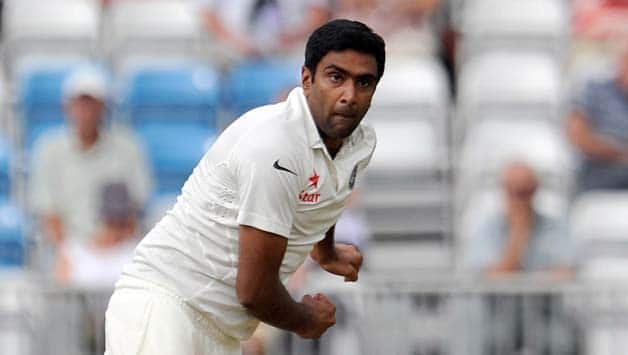
The apt example of it is the cricketer R. Ashwin who is currently playing in the India v South Africa series.

Image source

With #ChennaiRains have disrupted complete life in Tamil Nadu, people are distressed and life is yet to return to normal. Amidst the chaos, many people are missing and no contact can be established with them.

Among them were R. Ashwin’s parents who were missing and out of contact for the past 24 hours.

R. Ashwin’s wife expressed in her tweet how worried they were about them and called for help. Any child would be stressed fearing for his/her parents. However, R. Ashwin not just kept his personal life aside but also showed any exemplary performance by scoring a half century.

He went ahead to prove that a strong man can face any obstacle in life to reach where he must.


Further tweets from Ashwin’s wife informed that his parents had been found and they were both safe and sound.

Image source

Thank God for that and a deep bow down to R. Ashwin who showed us what professionalism means.

Cover Image Source

Source….Shubhi Dixit ….www.storypick.com

Natarajan

” “We don’t stop playing because we grow old; we grow old because we stop playing.” !!!


This wonderful video reminds me of an old saying: “We don’t stop playing because we grow old; we grow old because we stop playing.”

Arman Foisy was driving his 101-year-old mother into town when she asked him to pull over to the side of the road. When she hopped out of the car, she started playing in the snow, making a snowball and giggling all the while.

This is proof that if you find pure joy in the simple things, you can live for more than 100 happy years!

Source….. DECEMBER 2, 2015  —  By Binny Gudjonsson in http://www.viralnova.com

Natarajan