” ” அச்சு இற்று முறிந்த இடம் … அச்சரப்பாக்கம்…” !!!

“இளையாத்தங்குடிப் பிள்ளையாருக்குத் தாமே

தள்ளாத வயதில் துள்ளும் பாலகனைப் போல்

முட்டிக்கால் தோப்புக்கரணம் போடுகிறார்பெரியவா”

(கைலாஸ சங்கரனின் மறு அவதாரமோ!)

734324_514749501889171_935875765_n.jpg

ராமேச்வரத்தில் அப்போது நிர்மாணமாகி வந்த

ஸ்ரீ சங்கரமடத்துக்குச் சென்னையிலிருந்து சிலர்

விக்கிரகங்களுடன் சென்ற லாரி வழியே ‘ஆக்ஸில்’

உடைந்து நின்று விட்டது. இளையாத்தங்குடியிலிருந்த

பெரியவாளுக்குத் தகவல் தெரிவிக்கப்பட்டது.

“எந்த இடத்தில் நின்று விட்டது” என்று வினவுகிறார்.

“அச்சரப்பாக்கத்தில்” என்று பதில் வருகிறது.

பெரியவாள் முகத்தில் புன்னகை விரிகிறது.

இடுக்கண் வருங்கால் நகைக்கிறார்.

இளையாத்தங்குடிப் பிள்ளையாருக்குத் தாமே

தள்ளாத வயதில் துள்ளும் பாலகனைப் போல்

முட்டிக்கால் தோப்புக்கரணம் போடுகிறார்.

ராமேச்ர விஷயம் விக்கினமின்றி நடைபெறவே

விக்னேஸ்வர வழிபாடு என்பது வெளிப்படை.

மூர்த்தி வழிபாட்டுக்கு மேம்பட்ட முற்றிய அருள்

நிலையில் இருந்து இவரே இடையூற்றைத்

தீர்த்துவிடலாம்.ஆயினும் விக்கினம் தீர்க்கவே

ஏற்பட்ட தெய்வத்தை, மானுடருக்கு முன்னுதாரணமாகத்

தாமே வழிபட்டுக் காட்டுகிறார்.அதைச் சொல்லாமல்

சொல்லுகிறார்.

“பரமசிவன் பிள்ளையாரை வேண்டிக் கொள்ளாமலே

திரிபுர தகனத்துக்குப் புறப்பட்டார். ‘எந்தக் காரியம்

ஆரம்பித்தாலும் பிள்ளையாரை முதலில் பூஜிக்க வேண்டும்

என்று லோகத்துக்கு ஏற்பட்ட சம்பிரதாயத்தை ஈஸ்வரனே

செய்து காட்டினால்தானே, மற்ற ஜனங்களும் அப்படிச்

செய்வார்கள்? அதனால், ஈஸ்வரன் இப்படிப் பண்ணாத போது

அவர் புறப்பட்ட ரதத்தின் அச்சு முறிந்து போயிற்று.அப்புறம்

அவர் விக்னேஸ்வரரைப் பிரார்த்தனை செய்து கொண்ட பிறகு

தான் அது புறப்பட்டது.

அச்சு இற்று முறிந்த போன இடம்தான் ‘அச்சரப்பாக்கம்’ என்று

இப்போது சொல்லும் அச்சிறுப்பாக்கமான ஊர்.அங்கேயேதான்

நம் லாரியும் அச்சு முறிந்து நின்றிருக்கிறது.!”

எப்பேர்ப்பட்ட பொருத்தம்! பொருந்தாமல் இடையூறு

ஏற்பட்டதிலேயே ஒரு பொருத்தம் கண்டுவிட்டார்.

“கைலாஸ சங்கரன் ரதத்தில் போனபோது எங்கே அச்சு

முறிந்ததோ, அதே ஊரில் காலடி சங்கரர் லாரியில்

போகிறபோது ஆக்ஸில் உடைந்திருப்பதால் இவர்

அவனுடைய அவதாரமே என்றும் நிரூபணம் ஆகிறது!”

என்று பின்னரும் ஒரு பொருத்தம் காட்டிவிட்டார்

Read more: http://periva.proboards.com/thread/8611/#ixzz3RUElITvx

SOURCE:::: http://www.periva.proboards.com

Natarajan

Message For the Day…” Character is Power…No Knowledge is Higher than a Virtuous Character…”

As all objects and individuals, rites and activities are transitory, they suffer from decay and destruction. They can at best help the cleansing of the mind. Activity(karma) cannot liberate one from the basic ignorance or award the awareness of the reality as Brahman. Be conscious of this limitation in order to win the right of inquiry into the mystery of the Brahman, the source and core of the cosmos. The one who devotes life to earn the knowledge of the Atma must possess holy virtues and good character. Character is power. No knowledge is higher than a virtuous character. For the person who has dedicated one’s years to the acquisition of higher learning, ever good character is an indispensable qualification. Every religion emphasises the same need; virtuous character is the very foundation of spiritual life. Those who lead lives on these lines can never come to harm. They will be endowed with sacred merit.

Sathya Sai Baba

The Incredible Live Bridges of Meghalaya, India…!!!

Meghalaya, North India, where villagers have come up with a unique construction technique that harnesses nature in its purest form – they grow their own living bridges! Using the roots of the rubber fig tree, the natives have created an amazingly elaborate network living bridges, some of which, both researchers and natives believe, are over 500 years old! These extraordinary examples of living architecture are also lessons in patience, since they take about 15 years to grow, and are often continued by the sons and daughters of the original builders. With age, though, the living root bridges grow stronger and can often support the weight of 50 or more people at a time!

SOURCE:::: http://www.ba-bamail.com

Natarajan


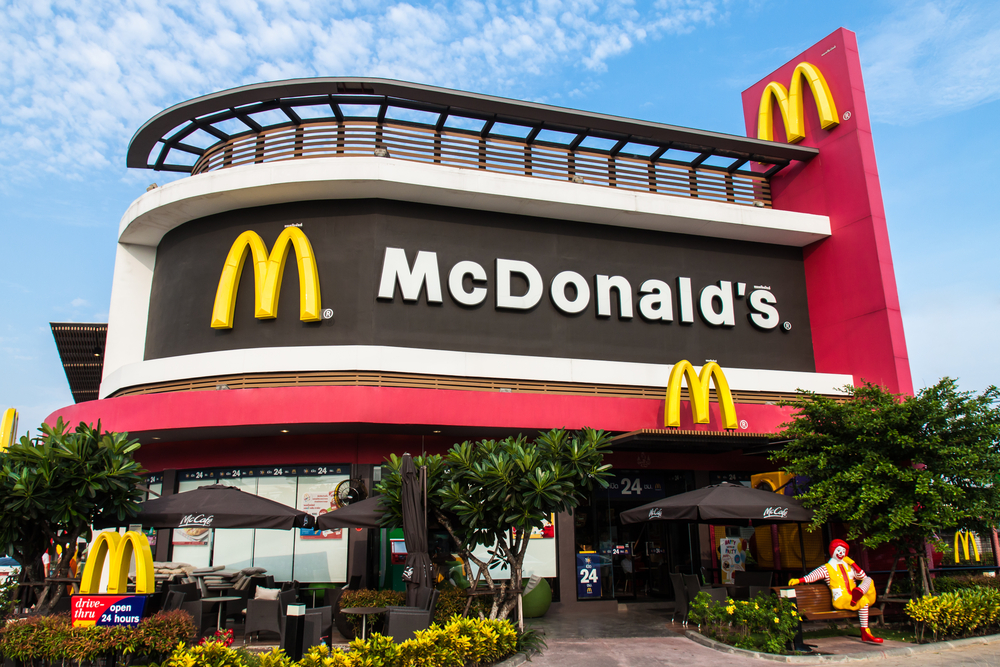
Who is McDonald in McDonald’s Restaurant ?….

McDonaldsMcDonald’s is, without question, the most successful, popular, and influential fast-food restaurant chain in recorded history. The name most commonly associated with McDonald’s is Ray Kroc.  Kroc was the entrepreneur who founded the McDonald’s corporation.  So how did it come to be named “McDonald’s”? You see, contrary to what you’ll often read, to suggest Kroc created McDonald’s is, well, a crock.

As is sometimes the case with amazingly successful businesses, the early part of the McDonald’s story includes the people who came up with the ideas and created the thing, and the person who figured out how to sell the idea to the rest of the world. Ray Kroc was most definitely in the latter camp, essentially, theSteve Jobs of fast food, coming up with exceptionally few ideas himself and getting most of the credit, but ultimately one heck of a salesman.

In the early 1950s, Kroc was employed selling milkshake machines. One of his clients was a chain of restaurants in Southern California run by a pair of brothers, Richard and Maurice McDonald.

Born in New Hampshire, the McDonald brothers moved to California in the 1920s where they found work, among other places, as set movers for various movie studios. They switched to the restaurant industry in the late 1930s thanks to their dad, Patrick McDonald, who started “The Airdome” food-stand in 1937, which principally sold hamburgers and hot dogs.

In 1940, the brothers branched out opening McDonald’s barbeque drive-in restaurant in nearby San Bernardino. It did well, but more importantly it taught the pair some important lessons about the fast-food service industry, particularly that hamburgers are among the most profitable food item to sell and that the carhop employees bringing food to customers were completely unnecessary. (They had about 20 such employed at the time). They also came up with a bunch of ideas on how to speed up the process from raw patty to putting the burger in the customer’s hands, including a complete re-design of the kitchen and the creation of an assembly line process of cooking. With these lessons learned, the McDonald brothers shut down the barbeque restaurant for three months in 1948 to re-tool it. With a slimmed-down menu and an emphasis on serving the chow as quickly and as cheaply as possible, the highly-mechanized drive-in began churning out 15-cent hamburgers (about $1.30 today) with unprecedented speed.

By 1954, the McDonald brothers were operating nine outlets and had sold 21 franchises, initially simply franchising their process, rather than the brand name.

It was then that a 52 year old Ray Kroc came calling. At this point in his life, Kroc had served in the army in the same regiment as Walt Disney (with Kroc lying about his age to get in- he was 15 at the time) and, later, he worked as a jazz musician, paper cup salesmen, radio DJ, restaurant employee, and ultimately a salesman of milkshake machines, which unfortunately were at this point getting harder and harder to sell. You see, the brand he was selling (Prince Castle) was significantly more expensive than the increasingly popular Hamilton Beach milkshake machine. Needless to say, despite being at the age when many are loath to start a new career (52), he was on the lookout for a new venture.

Having some experience in his past working at restaurants and having observed many restaurants across the nation while peddling his wares, he knew a good restaurant system when he saw one.  Around this time, the McDonald’s brothers had just lost their franchising agent, Bill Tansey, due to poor health. Thus, Kroc was able to convince the McDonald brothers to hire him as their new agent. However, unlike the brothers, he had much bigger goals than a local fast-food chain, wanting to take the company nationwide.

With a deal in hand, Kroc founded the McDonald’s corporation and opened his first franchise in Des Plaines, Illinois, on April 15, 1955, with the brothers slated to receive half a percent of gross sales. Within five years, McDonald’s had opened 100 franchises.

So how did the McDonald’s brothers get phased out of the operation and popular consciousness, with Ray Kroc being the only one most have heard of? In 1961, the brothers were perfectly happy with their chain of restaurants and had little interest in the much more rapid expansion that Kroc heavily advocated. Kroc then went about gathering investors and bought the business from the McDonald brothers for $2.7 million dollars (about $21 million today), which was enough to give them each about $1 million after taxes. At the ages of 52 and 59, the pair were set for semi-retirement. However, they were also supposed to receive continual royalties from the deal, but had kept that part out of the paperwork on Kroc’s insistence, as he felt it wouldn’t go over well with the investors.  Of course, as it wasn’t in writing, he didn’t honor that part of the deal. (Yep, the Steve Jobs of fast food; see Bonus Facts here)

From here, Kroc was finally able to implement his rapid expansion plan. Fast-forward a little over 50 years and the company is presently boasting about 35,000 different locations in 118 countries across the globe, employing about 1.7 million individuals who serve about 68 million people every day, all the while profiting over $5 billion annually.


Bonus Facts:

  • An average beef cow (200 kg of usable meat) produces enough meat to make about 4,500 hamburgers at McDonald’s.
  • About 3 billion pounds of potatoes are used to make McDonald’s fries every year, this is about 8% of all potatoes grown in the United States or a half a percent of all potatoes grown in the world per year. (If you’re curious: A Brief History of French Fries)
  • When the McDonald brothers sold the business to Kroc, they withheld the original restaurant, giving it instead, free of charge, to their original employees who worked there. Kroc later managed to force this restaurant out of business by opening a McDonald’s extremely close by.

SOURCE::::: http://www.today i foundout.com

Natarajan

A ” Village ” with a Difference …

At first glance, the village of Hogeweyk in the Dutch town of Weesp looks like an ordinary place. There are shops and residences, parks and restaurants, and even a theater. There are only 152 people living here, though, and you might notice that all of them are elderly. The younger people here are actually staff–nurses, doctors, and specialists–who work around the clock.

The village is actually a pioneering step in the future of elder and dementia care. Each of the 152 residents are eldery folks living with severe Alzheimer’s and/or dementia, and need nursing home facilities. However, instead of confining them to a depressing room in an institution-like setting, the residents Hogeweyk enjoy complete freedom as well as privacy and autonomy.

And it seems to be working. According to a study, the patients at Hogeweyk are more active and need less medication than patients elsewhere.

Residences come in a few different styles, and can be chosen on what makes the patient happiest, or is most like their home life.
The grocery store allows residents to shop and cook as they would normally, but more importantly, it allows them to continue making their own choices and functioning as adults.
The apartments provide comfort and a sense of dignity to the patients, while the 250-person staff is on hand to ensure care and safety. You can find the staff posing as everyday people in the town, as clerks, cashiers, and store attendees. The only thing the village lacks is money, because finances are difficult for people with dementia and Alzheimer’s. Everything is included in the payment plan.
The staff dresses in regular street clothes rather than a clinical-looking uniform to help residents feel comfortable. The residents, like the woman on the right, do their own shopping with assistance, as needed, from the staff.
The staff is careful to balance residents’ comfort with honesty. They’ll never lie about where they are, or that Hogeweyk is a care facility, but they keep things friendly and informal to make residents feel at ease. They’ll also never correct anyone who might mix up their memories.
Hogeweyk includes restaurants, a bar, gardens, and a theater so residents can enjoy activities and socializing while getting care.
A layout of Hogeweyk. The white areas are buildings.

Hogeweyk opened in 2009 and has been successful in its treatment plan. Despite its fancy appearance, the cost is actually comparable to other, more traditional care facilities in the Netherlands. And more importantly, it gives people living with dementia and Alzheimer’s a chance to live out their lives in a pleasant, safe, and happy environment.

SOURCE:::::www.viralnova.com

Natarajan

Message For the Day…” Never be Afraid of Anyone Nor Should You Cause Fear to Others…”

Within humans there is some residual animal nature and this nature must be refined and transformed. One who is able to transform this animal nature in man is Govinda. For an animal, human nature is inaccessible as a goal, but for human, Divinity is accessible as a goal. When green grass is shown to a herbivorous animal, it is attracted, comes close and expresses its pleasure by moving its tail. The same animal runs away if you take a stick to hurt it. Human beings today are attracted and come closer when they see wealth, but if someone is angry and shouts at them, they stay away from them. Is this not displaying animal nature? As human beings, never be afraid of anyone nor should you cause fear to others. Bhaja Govindam exhorts you to control your animal nature within and attain Divine proximity. Chant the loving Name of God daily and grow in faith and confidence in Him. 

Sathya Sai Baba


Why We Do Not Feel the Earth Spin …?

Why can’t we feel Earth’s spin?

We can’t feel Earth’s rotation or spin because we’re all moving with it, at the same constant speed.

Earth spins on its axis once in every 24-hour day. At Earth’s equator, the speed of Earth’s spin is about 1,000 miles per hour (1,600 kph). The day-night has carried you around in a grand circle under the stars every day of your life, and yet you don’t feel Earth spinning. Why not? It’s because you and everything else – including Earth’s oceans and atmosphere – are spinning along with the Earth at the same constant speed.

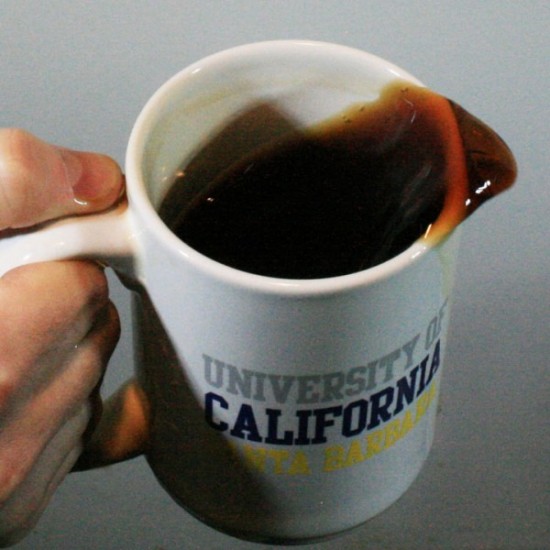
Think about riding in a car or flying in a plane. As long as the ride is going smoothly, you can almost convince yourself you’re not moving. A jumbo jet flies at about 500 miles per hour (about 800 km per hour), or about half as fast as the Earth spins at its equator. But, while you’re riding on that jet, if you close your eyes, you don’t feel like you’re moving at all. And when the flight attendant comes by and pours coffee into your cup, the coffee doesn’t fly to the back of the plane. That’s because the coffee, the cup and you are all moving at the same rate as the plane.

Now think about what would happen if the car or plane wasn’t moving at a constant rate, but instead speeding up and slowing down. Then, when the flight attendant poured your coffee … look out!

If you're drinking coffee in a steadily moving car or airplane, no problem.  But if the car or plane speeds up or slows down, your coffee sloshes and maybe spills.  Likewise, as long as Earth spins steadily, we can't feel it move.  Image by H.C. Mayer and R. Krechetnikov, via Science.

If you’re drinking coffee in a steadily moving car or airplane, no problem. But if the car or plane speeds up or slows down, your coffee sloshes and maybe spills. Likewise, as long as Earth spins steadily, we can’t feel it move. Image by H.C. Mayer and R. Krechetnikov, via Science.
Likewise, Earth is moving at a fixed rate, and we’re all moving along with it, and that’s why we don’t feel Earth’s spin. If Earth’s spin were suddenly to speed up or slow down, you would definitely feel it.

The constant spin of the Earth had our ancestors pretty confused about the true nature of the cosmos. They noticed that the stars, and the sun and the moon, all appeared to move above the Earth. Because they couldn’t feel Earth move, they logically interpreted this observation to mean that Earth was stationary and “the heavens” moved above us.

With the notable exception of the early Greek scientist Aristarchus, who first proposed a heliocentric (sun-centered) model of the universe hundreds of years B.C.E., the world’s great thinkers upheld the geocentric (Earth-centered) idea of the cosmos for many centuries.

It wasn’t until the 16th Century that the heliocentric model of Copernicus began to be discussed and understood. While not without errors, Copernicus’ model eventually convinced the world that Earth spun on its axis beneath the stars … and also moved in orbit around the sun.

Sky wheeling around Polaris, the North Star.

Sky wheeling around Polaris, the North Star.
A time exposure of the northern sky, revealing the apparent motion of all the stars around Polaris. In fact, this apparent motion is due to Earth’s spin. Image via Shutterstock
Bottom line: Why don’t we feel Earth rotating, or spinning, on its axis? It’s because Earth spins steadily – and moves at a constant rate in orbit around the sun – carrying you as a passenger right along with it.

SOURCE::::www.earthskynews.org

Natarajan


Joke of the Day…” Do You Want to go to Heaven … ” ?


Do you want to go to heaven !!!!

Father Murphy walked into a pub in Donegal, and said to the first man he meets, “Do you want to go to heaven?”

The man said, “I do Father.”

The priest said, “Then leave this pub right now!” and approached a second man. “Do you want to got to heaven?”

“Certainly, Father,” was the man’s reply.

“Then leave this den of Satan,” said the priest, as he walked up to O’Toole.

“Do you want to go to heaven?”

“No, I don’t Father,” O’Toole replied.

The priest looked him right in the eye, and said, “You mean to tell me that when you die you don’t want to go to heaven?”

O’Toole smiled, “Oh, when I die, yes, Father. I thought you were getting a group together to go right now.”

SOURCE:::: http://www.joke a day.com

Natarajan