மார்கழியின் மஹிமை …மஹாபெரியவா சொன்னது …

மார்கழி மாதத்தின் சிறப்புகள் பற்றி காஞ்சி மகாபெரியவர் சொல்வதைக் கேட்போமா!

மிருகசீரிடம் என்ற ஒரு நட்சத்திரம் இருக்கிறது. அதற்கு அடுத்த நட்சத்திரம் ஆருத்ரா எனப்படும் திருவாதிரை. “ஆருத்ரா’ என்றால் “நனைந்து’ என்று பொருள். மிருகசீரிஷத்திற்கும், திருவாதிரைக்கும் இடையில் பவுர்ணமி சந்திரன் இம்மாதத்தில் வருகிறார். ஆதலால் தான், இந்த மாதத்தை சமஸ்கிருதத்தில் “மார்க்கசீர்ஷம்’ என்று அழைக்கிறார்கள். மார்க்கசீர்ஷி என்றும் சொல்வர்.

இம்மாதத்தில் திருவாதிரை அன்று பவுர்ணமி சந்திரன் சேரும் போது, பனியுடன் கூடிய மதியின் கிரணங்களால் பூமி குளிர்கிறது. இம்மாதத்தில் தான் மேகங்கள் கருவுறுகின்றன. கோடைகாலத்தில் காய்ந்த உலகம், மார்கழியில் தாபத்தை எல்லாம் போக்கிக் கொள்கிறது.

இந்த மாதத்தில் சிவபெருமான், அம்பாள், திருமால் என்ற மூன்று ஜோதிகளாய் பிரிந்த பரம்பொருளை வழிபட வேண்டும். அதிகாலையில் இவர்களுக்கு பொங்கல் நைவேத்யம் செய்ய வேண்டும். இதனால் மனசுத்தம் ஏற்படும்.

கேரளாவில், இளம்பெண்கள் தினமும் காலை 3 மணிக்குள் எழுந்து, கையில் குருத்துகளை ஏந்தி கூட்டம் கூட்டமாக குளிரில் நடுங்கியபடியே, ஆறு குளங்களை அடைந்து நீராடி, கண்ணனின் திருஅவதாரப் பாடல்களை உயர்ந்த குரலில் பாடுவார்கள்.

இந்த மாதத்திற்கு “ஆக்ரஹாயணீயம்’ என்று நிகண்டு ஒன்றில் சொல்லப்பட்டுள்ளது.

அப்படி பார்த்தால், இதுவே வருடத்தின் முதல்மாதம் என்று ஆகிறது.

“ஹாயணீயம்’ என்றால் “வருடம்’. அக்ரம் என்றால் என்றால் “முதல்’ என்று பொருள். ஆங்கிலப் புத்தாண்டின் முதல் மாதமான ஜனவரியும், இந்த மார்கழியிலேயே பிறக்கிறது.
தேவர்களுக்கு ஆறுமாதம் பகல், ஆறுமாதம் இரவு. பகல்பொழுதின் முதல் மாதமே மார்கழி. அதுவே அவர்களுக்கு விடியற்காலை. தை மாதம் அவர்களுக்கு சூரிய உதயம். இதனால் தான் நம்முடைய மார்கழி மாதத்தின் ஒவ்வொரு நாளும், தேவர்களுக்குரிய மார்கழி மாதமும் மிகுந்த சிறப்பு பெறுகிறது.

இதன் அடிப்படையிலேயே, “”மாஸானாம் மார்க சீர்ஷோஸ்மி’ என்று பகவான் கண்ணனும் கீதையில் கூறுகிறான். அதாவது மாதங்களில் நான் மார்கழி என்றும், அதுவே சிறந்த மாதம் என்றும் பொருள்படுகிறது. இதனால் தான் தோழியருடன் ஆண்டாள் திருப்பாவை பாடி, இந்த மாதத்தில் நோன்பிருந்தாள். மாணிக்கவாசகரின் திருவெம்பாவை இந்த மாதத்தில் பாடப்படுகிறது.

இந்த மாதத்தின் புனித நாட்கள் திருவாதிரையும், மகாவியதிபாதமும் ஆகும். இந்நாட்களில் சிவாலயங்களில் அபிஷேக ஆராதனை நடக்கும். அன்று தீர்த்தக்கரைகளுக்குச் சென்று முன்னோர்களுக்கு தர்ப்பணம் செய்ய வேண்டும். இந்த அனுஷ்டானத்தால், நமது பித்ருக்களுக்கு (முன்னோர்) விசேஷ திருப்தி ஏற்படுகிறது. மேலும், அகம்பாவ தோஷம் அழிவதுடன், பேராசையால் ஏற்பட்ட தோஷமும் போய்விடுகிறது.

Read more: http://periva.proboards.com/thread/8404/#ixzz3NGs3c36i

SOURCE:::: http://www.periva proboards.com

Natarajan

What Happened to Air Asia Flight QZ 8501 ?

The first aircraft to land at the newly-launched Low Cost Carrier Terminal-KLIA (LCCT-KLIA) sits on the tarmac in Sepang outside Kuala Lumpur March 23, 2006. 
AirAsia plane

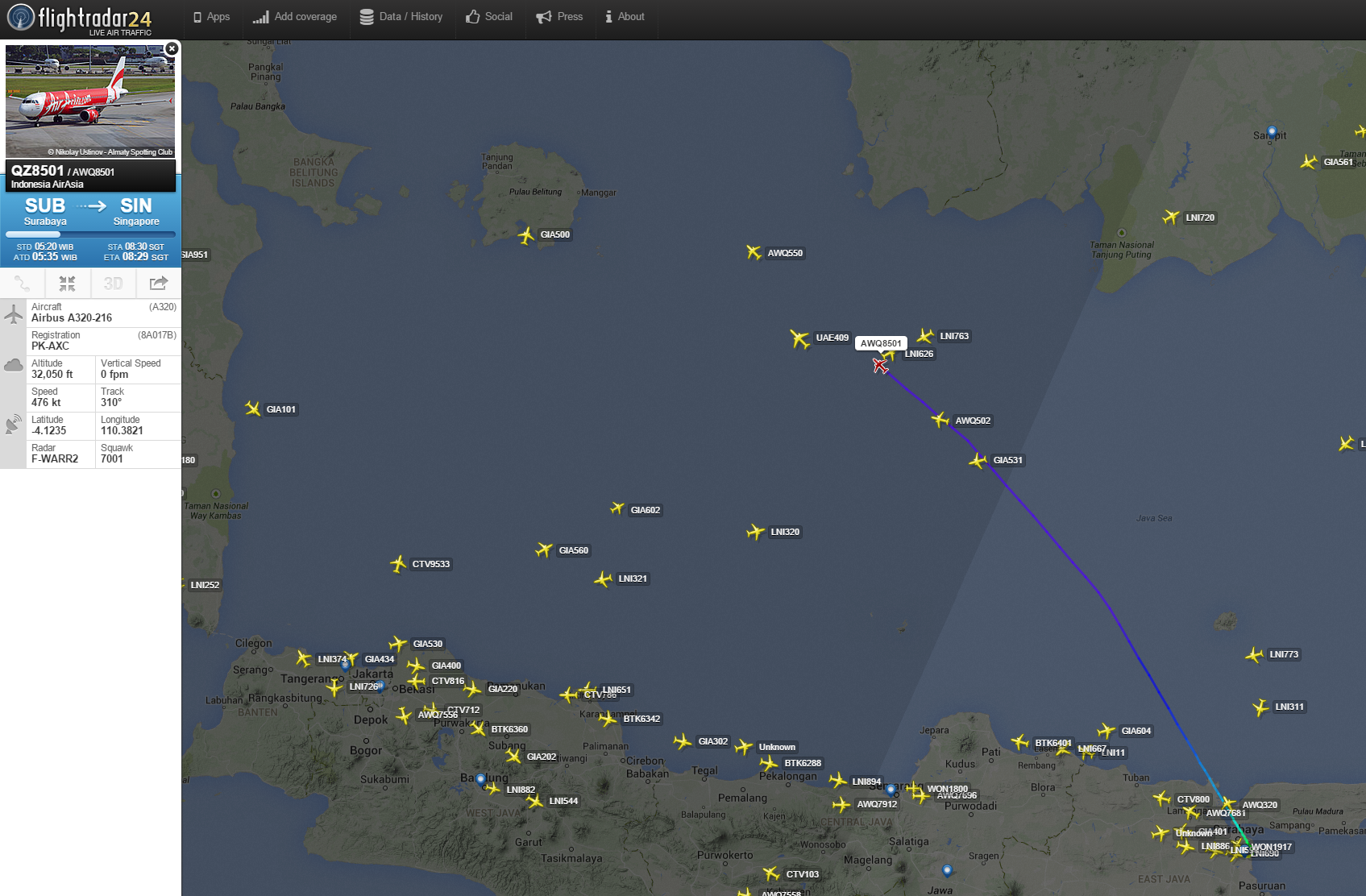
An AirAsia plane went missing during a flight to Singapore shortly after asking to deviate from its planned flight path because of bad weather.

AirAsia flight QZ 8501 lost contact with air traffic control at about 6:17 a.m. on Sunday, about halfway through the flight from Surabaya, Indonesia to Singapore. The plane is thought to have crashed near the Indonesian island of Belitung, but search and rescue teams have yet to find any wreckage.

Satellite imagery from the area where the plane went missing showed severe thunderstorms around the time it disappeared:

View image on Twitter


CNN meteorologist Derek Van Dam said “lines of very heavy thunderstorms” were present when the plane was in the air, but also pointed out that “turbulence doesn’t necessarily bring down aeroplanes.”

The search and rescue operation has been suspended overnight. Singapore’s air force and navy is helping with the operation to locate the plane.

Here’s where it lost contact with air traffic control:

AirAsia plane map

155 Indonesians are on board the plane, along with three people from South Korea, and one from Singapare, Britain, Malaysia, and France. Of those passengers, 16 are children and one is an infant.

The missing plane is an Airbus A320-200, a popular and generally reliable model. The plane is about six years old and is operated by AirAsia’s Indonesian affiliate, which the Malaysia-based company holds a 48.9% stake in, CNN reports


SOURCE::: PAMELA ENGEL in http://www.busionessinsider.com.au

Natarajan

Image of the Day…Sliding or Moving Stone In Death Valley…

The Racetrack, Death Valley National Park

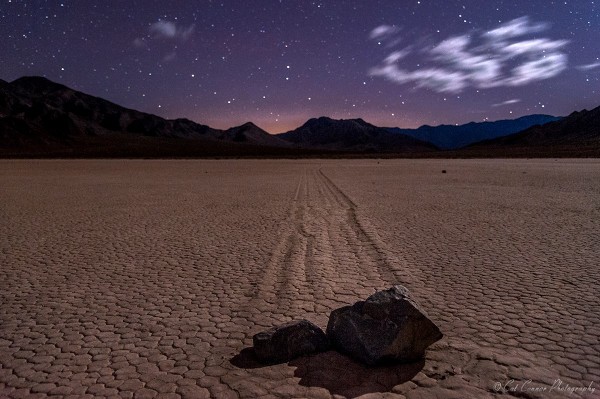
A famous Death Valley sliding stone. The movement of these stones – and their long tracks across the desert floor – are an old mystery that’s now been solved.

A sliding stone at Death Valley's famous Racetrack Playa.  Cat Connor captured this photo on Christmas Day - December 25, 2014.  Visit Cat Connor's website.

Cat Connor captured this beautiful image of a sliding (or sailing or slithering) stone at Death Valley’s famous Racetrack Playa on Christmas Day – December 25, 2014. These stones are known to leave tracks in the desert floor. They clearly do move, but, until recently, no one knew what caused their movement. Want to know? Click here to find out and see a video of the sliding stones in motion.

What causes Death Valley’s sliding stones to move?

Sliding rock tracks, via PLOS ONE.

“பாலனாக வந்தார்; நல்ல பாதை நடத்த வந்தார்”: இன்று கிறிஸ்துமஸ்…

கிறிஸ்துமஸ் நாளன்று பாடப்பட்ட முதல் பாடலில், “இப்புவி மாந்தரில் பிரியம்’ என்ற ஒரு வரி வருகிறது. இப்போது, பிரியம் என்றால், கிறிஸ்துமஸ் அன்று கேக் வாங்கிக் கொடுப்பது, பிரியாணியை பகிர்ந்து கொள்வது என்ற அளவில் நின்று விட்டது. இத்துடன், வீடுகளில் நட்சத்திரங்கள் தொங்க விடுவதும், கிறிஸ்துமஸ் தாத்தா பரிசளிப்பதும் மட்டும் கிறிஸ்துமஸ் ஆகாது. அப்படியானால், பைபிளில், “”பசியுள்ளவனாயிருந்தேன், எனக்கு உணவு கொடுத்தீர்கள். அன்னியனாய் இருந்தேன், என்னை ஏற்றுக் கொண்டீர்கள், ஆடையில்லாது இருந்தேன், எனக்கு ஆடை கொடுத்தீர்கள்,” என்று சொல்லி இருக்கிறதே! அதைத் தானே நாம் செய்கிறோம் என்ற கேள்வி எழும். இதையெல்லாம் விட, “மனுஷன் எவ்வளவு விசேஷமானவன்’ (மத்.12:12) என்ற வசனமே மனதில் நிற்க வேண்டும். அதாவது, மனித இனத்தைப் பாதுகாக்க வேண்டும் என்பது மிக மிக முக்கியம். இதற்கு தானம் தருவதை விட, எல்லாருக்கும் எல்லாம் கிடைக்க வேண்டும் என்ற சமத்துவத்தை உருவாக்கப் பாடுபட வேண்டும். அதாவது, ஏழ்மை அகன்று விட்டால் அங்கே தானத்திற்கு இடமில்லை. வன்முறைகளால் மனித இனம் அழியக்கூடாது. காற்றின் பரிசுத்தத்தைப் பாதுகாக்க ஏற்பாடு செய்ய @வண்டும். ஆண்டவர் நமக்கு கற்றுத்தந்த வன்முறையற்ற, அன்பான சமுதாயம் என்று உருவாகிறதோ, அன்று தான் நமக்கு நிஜமான கிறிஸ்துமஸ்.

இரண்டு வித நம்பிக்கை:

இங்கிலாந்தில் குழந்தைகளுக்கு சுகமில்லாமல் போனால், கிறிஸ்துமஸ் அன்று நள்ளிரவில் குழந்தையை எடுத்துக் கொண்டு வெளியே வருகிறார்கள். அன்று மேரிமாதா குழந்தை இயேசுவுடன் செல்வதாகவும், இயேசு தங்கள் குழந்தையைத் தொட்டு ஆசிர்வதித்து நோயைக் குணமாக்குவார் என்றும் நம்புகிறார்கள். ஒருவேளை, குழந்தை இறந்து போனால், குழந்தை இயேசு தன்னோடு விளையாட தங்கள் குழந்தையையும் அழைத்துச் சென்று விட்டதாக ஆறுதலடைகிறார்கள்.

காலமெல்லாம் நம்மைக்காக்கும் கர்த்தராக வந்தவர்

இயேசுபாலன் வந்தார்-நம்மை

இரட்சித்து இன்பம் தந்தார்

தாசரான நம்மை-என்றும்

தாங்கி நடத்தி நன்மை

வாசமளிக்க வந்தார்-மோட்ச

வாசல் திறந்து தந்தார்!

குழந்தையாக வந்தார்-நமது

குறையைத் தீர்க்க வந்தார்

அழுந்தும் பாவஉலகை மீட்டு

ஆதரிக்க வந்தார்!

பாலனாக வந்தார்-நமது

பாவம் தீர்க்க வந்தார்

காலமெல்லாம் நம்மைக்காக்கும்

கர்த்தராக வந்தார்.

பிள்ளையாக வந்தார்-கன்னிப்

பெண்ணின் மகனாய் வந்தார்

தள்ளப்பட்டு நொந்தார்-நம்மை

தழுவிக் கொள்ள வந்தார்!

குமாரனாக வந்தார்-நம்மைக்

கூட்டிச் செல்ல வந்தார்

சமாதானம் தந்தே-என்றும்

சார்ந்திருக்க வந்தார்.

கிறிஸ்துமஸ் தாத்தா:

Photo Gallery

கிறிஸ்துமஸ் காலத்தில், கிறிஸ்துமஸ் தாத்தா வேடமிட்டு வீடு. வீடாகச் சென்று இனிப்பு, பொம்மை உள்ளிட்ட பரிசுகள் தரும் வழக்கம் எப்படி வந்தது தெரியுமா? கி.பி.4ம் நூற்றாண்டில், ஒரு ஏழைக் குடும்பத்தில் மூன்று பெண் குழந்தைகள் திருமண வயதில் இருந்தார்கள். அவர்களைக் கட்டிக் கொடுக்க பணவசதியில்லை. அந்தத் தந்தை திகைத்துக் கொண்டிருந்தார். ஒருநாள், காலை வாசல் கதவை திறந்த மூத்த மகள் திடீரெனக் கத்தினாள். “”அப்பா! இங்கே வாங்க! ஒரு பை நிறைய தங்கக் கட்டிகள் கிடக்குது” என்றாள். அந்தத் தந்தையும், மற்ற சகோதரிகளும் அரக்க பரக்க ஓடிவந்தனர். அவர்களுக்கு சந்தோஷம். அதைக் கொண்டு அந்தத் தந்தை முதல் மகளுக்கு சிறப்பாக திருமணத்தை நடத்தி வைத்தார். அந்தக் காலத்தில், மாப்பிள்ளைகள் ஏராளமாக தங்கம் கேட்பார்கள். அதனால், கண்டெடுத்த தங்கம் முதல் மகளுக்கே சரியாகி விட்டது. அடுத்து, இரண்டாவது மகள் பற்றிய கவலை தந்தைக்கு ஏற்பட்டது. என்ன அதிசயம்! இதே போல இன்னொரு பை நிறைய வாசலில் தங்கக்கட்டிகள் கிடந்தன. அது அவளுக்கு போதுமென்றாகி விட்டது. அடுத்து, மூன்றாவது மகளுக்கும் இதே போல வழி பிறக்குமென காத்திருந்த தந்தை, இதைத் தங்களுக்கு யார் தருகிறார்கள் என்று அறிவதிலும் விழிப்புடன் இருந்தார். ஒருநாள் அதிகாலை, விடிந்தும் விடியாததுமாக இருந்த பொழுதில், ஒரு முதியவர் குதிரையில் வந்து வாசலில் தங்கப்பையை போட்டு விட்டு நிற்காமல் சென்று விட்டார். ஆனாலும், ஏழை விடவில்லை. இன்னொரு குதிரையில் ஏறி முதியவரை விரட்டிப் பிடித்து விட்டார். அருகில் சென்ற பிறகு தான், அவர் தங்கள் பகுதி பிஷப் புனித நிக்கோலஸ் என்பதைத் தெரிந்து கொண்டார். (செயின்ட் நிக்கோலஸ் என்ற பெயர் மருவி தான் சாண்டாகிளாஸ் என்று ஆகி விட்டது) “வலதுகை கொடுப்பது இடதுகைக்கு தெரியக்கூடாது’ என்ற வேத வசனத்தின்படி அவர் நடந்து கொண்டதைக் கண்ட ஏழை, அதுபற்றி விசாரித்தார். “”ஒவ்வொரு வீட்டின் கஷ்டத்தையும் தெரிந்து கொண்டு, அவர்களுக்கு அதன்படி உதவும் விஷயம் தெரிந்தது. அவர் மறைந்தது டிச.6ல். இந்தநாளில், இவர் பற்றி அறிந்தவர்கள் தாத்தா வேடமிட்டு வந்து, குழந்தைகள் தூங்கும் போது, அவர்களே அறியாமல் பரிசுப் பொருட்களை தலையணை அருகில் வைத்து விட்டு சென்று விடுவார்கள். குழந்தைகள் எழுந்ததும் அதைப் பார்த்து சந்தோஷப்படுவார்கள். இந்த வழக்கம் பிற்காலத்தில் கிறிஸ்துமஸ் தினத்துக்கு மாறி விட்டது.

டிச.,25 அன்று பிறந்த குழந்தையா?

உங்கள் வீட்டில் கிறிஸ்துமஸ் அன்று குழந்தை பிறந்திருக்கிறதா? பிரான்ஸ் மக்கள், கிறிஸ்துமஸ் அன்று குழந்தை பிறக்க வேண்டுமென்று பிரார்த்திக்காத நாளே இருக்காது. காரணம் அன்று பிறக்கும் குழந்தைகள் அறிவாளிகளாகவும், எதிர்காலத்தை அறிபவர்களாகவும் இருப்பர் என்பது அவர்களின் நம்பிக்கை. அதிலும், பெண் குழந்தை பிறந்தால், அவள் நல்ல குணமுள்ளவளாக விளங்குவாள் என்பதும் ஒரு நம்பிக்கை. ஸ்காட்லாந்து மக்களோ, கிறிஸ்துமஸ் அன்று பிறக்கும் குழந்தைகள் ஆவிகளைப் பார்க்கும் சக்தி உடையவை என்றும், அவர்களால் ஆவிகளுக்கு கட்டளையிட்டு அடக்கி வைக்க முடியும் என்றும் நம்புகிறார்கள்.

சாண்டா கிளாஸ் வாழ்ந்த காலம் எது தெரியுமா?

கி.பி.300.கிறிஸ்துமஸ் தாத்தா வடதுருவத்தில் வசித்ததாக வடஅமெரிக்க குழந்தைகள் நம்பினர். நியூயார்க்கில் அவர் வாழ்ந்ததாகவும் ஒரு தகவல் உண்டு. 1822ல், கிறிஸ்துமஸ் தாத்தா பற்றி நியூயார்க் குருமார்கள் ஒரு புத்தகம் வெளியிட்டனர். கிறிஸ்துமஸ் தாத்தாக்கள் சங்கம் ஒன்றும் அமைக்கப்பட்டு, ஒரு சர்ச் கட்டவும், கிறிஸ்துமஸ் கலைக்கூடம் கட்டவும் நிதி திரட்டப்பட்டது.

முதல் கிறிஸ்துமஸ் கேரல்:

கிறிஸ்துமஸ் துவங்கிய காலத்தில் முதன் முதலாக பாடப்பட்ட கேரல் (குழுப்பாடல்) என்ன தெரியுமா!

இறைவனுக்கு மகிமை

இப்புவிக்கு சமாதானம்

இப்புவி மாந்தரில் பிரியம் என்பது தான். கிறிஸ்துமஸ் நாளின் முதல் நற்செய்தியும் இதுதான்.


SOURCE:::::இளங்கோவன் in http://www.dinamalar.com

Natarajan

This Day In Space Science… Establishment of NASA Ames on 20 Dec 1939…

75th Anniversary of NASA Ames

December 20, 2014 marks NASA Ames Research Center’s 75th Anniversary. The center was established in 1939 as the second laboratory of the National Advisory Committee for Aeronautics, and was named for the chair of the NACA, Joseph S. Ames. It was located at Moffett Field in Sunnyvale, California, now at the heart of Silicon Valley. The Laboratory was renamed the NASA Ames Research Center with the formation of NASA in 1958.

This June 2, 1943 photograph shows the construction of the Ames full-scale 40- by 80-foot wind tunnel, with a side view of the entrance cone and a blimp in the background.

Image Credit: NASA 

SOURCE::::www.nasa.gov

Natarajan

This Day in Science… Wright Brothers’ First Flight !!!

December 17, 1903. On this date, two Ohio brothers – Wilbur and Orville Wright – made the first bonafide, manned, controlled, heavier-than-air flight. It was the first airplane, and it took off at 10:35 a.m. with Orville Wright on board as pilot. He flew their vehicle, called theFlyer, for 12 seconds over 120 feet (about 37 meters) of sandy ground just outside Kitty Hawk, North Carolina.

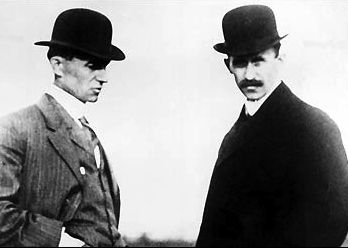
One of the world’s most famous early photographs serves to commemorate the flight.

The Wright brothers' airplane on its first powered flight on December 17, 1903.  Via Library of Congress.

Wilbur and Orville Wright.

Two years later, the Wrights wrote in a patent application that their airplane design:

… provide[s] means for guiding the machine both vertically and horizontally … combining lightness, strength, convenience of construction, and certain other advantages.

Were the Wright brothers always destined for the skies? It’s known that their father gave them a rubber-band-powered flying toy when they were still children. The toy was made of cork and bamboo, with a paper body.

By 1899 – when Wilbur was 33 years old and Orville was 28 – the brothers were already learning everything they could about the science of aeronautics and the history of attempted human flight. Their first airplane were gliders, which they tested on the long, isolated beaches of Kitty Hawk. By 1902, they had built a glider that could be manned and controlled by a human pilot. It held a world record for gliding over 600 feet (nearly 200 meters).

Their first powered aircraft had a 40-foot (12-meter) wingspan, weighed 750 lbs, and had a 12-horsepower engine.

That first flight in December 1903 marked the beginning of a new era of global travel and relatedness.

By the way, at the time they received their patent for their airplane in 1906, several other aviators of the day claimed to have been the first to use the Wrights’ method of turning the airplane by warping or twisting the wings. But this part of the design, too, was included in the Wrights’ patent. In 2013, a story came to light about another would-be aviator, Gustave Whitehead, whose first flight supposedly beat the Wright brothers by two years. Thus far, that story has not been supported and is not accepted by aviation scholars.

Bottom line: The first airplane soared for 12 seconds over 120 feet (about 37 meters) of sandy ground just outside Kitty Hawk, North Carolina on December 17, 1903.

SOURCE:::: http://www.earthsky.org

Natarajan

” திருப்பாவை , திருவெம்பாவை தெரியுமா …” ?

திருப்பாவை- திருவெம்பாவை பத்தி தெரியுமா?”

நன்றி-சக்தி விகடன் & பால ஹனுமான்.

ஒருநாள், பிரதோஷம் மாமா மடத்துக்குச் செல்லும்போது, திருவரத ஓதுவார் என்பவரும் தெருவில் தன் பரிவாரங்கள் புடைசூழ வந்தாராம். வழிநெடுக, தேவார- திருவாசகப் பாடல்களைப் பாடிக்கொண்டும், ‘நமசிவாய வாழ்க! நாதன்தாள் வாழ்க!’ என்று கோஷம் இட்டுக்கொண்டும் ஓதுவாரும் அவருடன் வந்தவர்களும் வர, பிரதோஷம் மாமாவுக்குச் சின்னதாக ஒரு வருத்தம். அவர், ‘அருணாசல சிவ’ எனும் நாமத்தைச் சொல்லியபடியே வருவது வழக்கம். ஆனால், அன்றைக்கு ஓதுவார் பாடியதால், அவர் சொல்வது தடைப்பட்டது.

ஸ்ரீரமணரிடம் அதீத ஈடுபாடுகொண்ட பிரதோஷம் மாமா, ஸ்ரீரமணர் அருளிய ‘அருணாசல சிவ’ எனும் திருநாமத்தை, எல்லோரையும் சொல்லச் சொல்வார். அதேபோல், ஓதுவார் உட்பட அங்கிருந்தவர்களிடம், ‘அருணாசல சிவ’ என்று சொல்லும்படி வலியுறுத்தினார். அதேநேரம் மனதுள் ஒரு எண்ணம்… ‘நமசிவாயமும் அருணாசல சிவமும் வேறு யார்? மகாபெரியவாள்தானே?!’

அனைவரும் மடத்துக்கு வந்து பெரியவாளைத் தரிசித்தனர். ஓதுவார் விடைபெற்றுச் சென்ற சிறிது நேரத்தில், ‘ஓதுவார் எங்கே?’ என்று கேட்டார் காஞ்சி மகான். அங்கிருந்தவர்கள், ஓதுவார் சென்றுவிட்டதைத் தெரிவித்தனர். உடனே, பிரதோஷம் மாமாவை அழைத்துப் புத்தகம் ஒன்றைக் கொடுத்த மகாபெரியவர், ”இந்தப் புத்தகம் எந்த வருஷம் வெளியானதுன்னு ஓதுவாரைக் கேட்டுத் தெரிஞ்சுண்டு வா!” என்றார். அந்தப் புத்தகம், திருவாசகம்!

காஞ்சிபுரத்தைவிட்டு வேறெங்கும் செல்வதில்லை என்றிருந்த பிரதோஷம் மாமா,மகானின் கட்டளையை நிறைவேற்ற சென்னை செல்லவேண்டிய நிலை. சென்னையில் ஓதுவாரைத் தேட, ஒரு துணை தேவையாக இருந்தது. தன் மீது அன்பு கொண்டிருந்த அன்பர் ஒருவரை உதவிக்கு அழைக்க நினைத்தார். அன்ப ரைச் சந்திக்கும் பொருட்டு, தான் ஏற்கெனவே வேலை பார்த்த அலுவலகத்துக்குச் சென்றார்.ரிடையர்டு ஆனபிறகு இவர் அங்கு செல்வது இதுவே முதல் முறை.

மாமாவைப் பார்த்ததும், அங்கிருந்த வேறொரு நண்பர், ”ஆச்சரியமா இருக்கு சார்! கடிதம் எழுதிப்போட்டு உங்களை வரச்சொல்லணும்னு நினைச்சுட்டிருந்தேன். உங்களுக்குச் சேர வேண் டிய அரியர்ஸ் பணம் ஆயிரம் ரூபாய்க்கும் மேலே வந்திருக்கு. நீங்க இன்னிக்கு வரலேன்னா, திரும்பவும் அக்கவுன்ட்ஸ் செக்ஷனுக்கே போயிருக்கும். அப்புறம் வாங்கறது கொஞ்சம் கஷ்டம்தான்!” என்றார்.

அந்தக் காலத்தில் ஆயிரம் ரூபாய் என்பது மிகப்பெரிய தொகை. இந்தத் தொகை கிடைப்பதற்கு, மகாபெரியவா சிறிதாக விளையாடி, அருளியிருக்கிறார் எனச் சிலிர்த்தார் பிரதோஷம் மாமா.

ஆனால், இத்தோடு முடியவில்லை ஆச்சரியம்!

பிறகு, சென்னையில் அந்த ஓதுவாரைக் கண்டுபிடித்து, நூல் வெளியிடப்பட்ட விவரத்தைக் கேட்க, ‘தெரியாது’ என்று ஓதுவார் சொல்ல, வேறு சிலர் மூலமாக விவரங்களைச் சேகரித்துக்கொண்டு, மடத்துக்குச் சென்றார் பிரதோஷம் மாமா. அங்கே, இவர் கூறியதையெல்லாம் செவிமடுத்த மகாபெரியவா, திருவாசகப் புத்தகத்தை நீட்டி, ”முதல்லேருந்து சில பக்கங்களைப் படி” என்றார்.

புத்தகத்தை வாங்கிப் பிரித்ததும், ஆடிப் போனார் பிரதோஷம் மாமா. எடுத்ததும், ‘நமசிவாய வாழ்க!’ என்று துவங்கும் சிவ புராணம்தான் தென்பட்டது.

‘அருணாசல சிவனும் நமசிவாயமும் வெவ்வேறல்ல’ என்பதைப் பிரதோஷம் மாமாவுக்கு சூசகமாக உணர்த்தி விட்டார் மகாபெரியவா!

திருப்பாவை- திருவெம்பாவை பற்றிய சம்பவம் ஒன்றையும் தெரிவித்தார் அகிலா கார்த்திகேயன்.

அது 1949-ஆம் வருடம். மகாபெரியவா திருவிடை மருதூரில் இருந்தார். ஆச்சி அம்மையார் ஒருவர், தினமும் புத்தகம் ஒன்றை எடுத்து வந்து,பெரியவாளுக்கு முன்னே பாடிவிட்டுச் செல்வார். ஒருநாள் ராமமூர்த்தி என்பவரிடம், ”அந்த அம்மையார் பாடற திருப்பாவை- திருவெம்பாவை பத்தி தெரியுமா?” என்று கேட்டார் பெரியவா.

அவருக்கு ஒன்றும் தெரியவில்லை. உடனே அவரை, தேவராஜ பாகவதர் என்பவரிடம் அனுப்பி, ‘திருப்பாவை- திருவெம்பாவைப் பாடல்களை வெளியில் பாடச் சொன் னால், எல்லாரும் பாடுவார்களா?’ என்று கேட்டு வரச் சொன்னார். ராமமூர்த்தியும் பாகவதரைச் சந்தித்தார். அவரோ, ”இந்தப் பாட்டுக்கள் யாருக்குத் தெரியும்? ஒருத்தரும் பாடமாட்டாங்க” என்று சொல்லிவிட்டார்.

இதை அப்படியே வந்து மகாபெரியவாளிடம் தெரிவித் தார் ராமமூர்த்தி. உடனடியாக திருப்பாவை- திருவெம்பாவை மாநாடு நடத்துவதற்கான ஏற்பாடுகளைச் செய்தார்காஞ்சி மகான்!

மார்கழி பிறந்ததும் ராமமூர்த்தி என்பவரையும் கண்ணன் எனும் அன்பரையும் அழைத்து, கையில் விளக்கும் புத்தகமுமாக யானையின் மீது உட்கார்ந்தபடி, ஸ்ரீமகாலிங்க ஸ்வாமி திருக்கோயிலின் நான்கு வீதிகளிலும், திருப்பாவை- திருவெம்பாவை பாடல்களைப் பாடும்படி உத்தரவிட்டார். பிறகு, பெரியவாளின்ஆசியுடன், திருப்பாவை- திருவெம்பாவை மாநாடும் சிறப்புற நடைபெற்றது.

அதையடுத்து, சங்கீதக் கச்சேரிகளிலும் திருப்பாவை- திருவெம்பாவைப் பாடல்களையும் வித்வான்கள் பாடத் துவங்கினர். கி.வா.ஜ. போன்ற தமிழறிஞர்கள், இந்தப் பாடல்களை விளக்கிச் சொற்பொழிவாற்ற ஆரம்பித்தனர். அதுமட்டுமா? அப்போதைய இந்து சமய அறநிலையத் துறையின் ஆணையராக இருந்த உத்தண்டராமன் என்பவரிடம், ”மார்கழியில், எல்லாக் கோயில்களிலும் திருப்பாவை- திருவெம்பாவை மாநாடு நடத்த ஏற்பாடு செய்யுங்கள்” என்று அருளினார்மகாபெரியவா.

அதே போல், சுவாமிகளின் உத்தரவை சிரமேற்கொண்ட டி.கே.பட்டம்மாள், எம்.எல்.வசந்தகுமாரி, அரியக்குடி ராமானுஜ ஐயங்கார் போன்றவர்கள், திருப்பாவை- திருவெம்பாவை பாடல்களைப் பாடிப் பரப்பினார்கள்!

சில காலம் கழித்து, ராமமூர்த்தியிடம்… ”அந்த ஆச்சி அம்மையார் பாடின பாட்டுக்களை, யாரும் பாடமாட்டானு சொன்னேளே… இப்ப யாராவது பாடறாளா?” என்று குறுஞ் சிரிப்புடன் கேட்டார் காஞ்சிப் பெரியவா. இதில் நெக்குருகிப் போன ராமமூர்த்தி, ”பெரியவா ஈஸ்வர ஸ்வரூபம். அவா நினைச்சா நடக்காததே இல்லை” என்று சொல்லிச் சிலாகித்தாராம்.

பிறகு ஒருமுறை, தஞ்சாவூரில் யாரிடமோ பேசிக் கொண் டிருக்கும்போது, ”இப்ப திருப்பாவை- திருவெம்பாவைப் பாடல்களை, எல்லா இடத்துலயும் எல்லாரும் பாடறான்னா, அது இவனாலதான்!” என ராமமூர்த்தியைச் சுட்டிக் காட்டிச் சிரித்தாராம்பெரியவா.!

நன்றி – சக்தி விகடன்

Attachments:

1380411_805270559515167_8265340876734836171_n.jpg

SOURCE::::www.periva.proboards.com

Natarajan

Read more: http://periva.proboards.com/thread/8375/#ixzz3M4thYdDg

” Early Mona Lisa ” …Identical Twin of the One in Louvre !!!

‘Early Mona Lisa’: Unveiling the one-in-a-million identical twin to Leonardo da Vinci painting

Scientific tests suggest Da Vinci started working on the ‘Early Mona Lisa’ in 1503, ten years before the one in the Louvre

A second painting of the Mona Lisa thought to be produced a decade earlier than the one on display in the Paris Louvre has been unveiled in Singapore.

Scientific tests suggest that Leonardo da Vinci started working on the “Early Mona Lisa” in 1503, ten years before the one in the Louvre, but left it unfinished.

It was acquired by an English nobleman in 1778. But it was not until 1913 that Hugh Blaker, an art connoisseur, rediscovered the portrait. He brought the artwork back to his studio in Isleworth, south-west London, to restore it.

The work, which shows a younger woman against a different backdrop from the more familiar version, changed hands several times before it was passed to an international consortium in 2008.

The painting was presented to the media in 2012 by the Mona Lisa Foundation, which had compiled 35 years of research and tests. It published more findings the following year, leading most da Vinci scholars to believe that the second Mona Lisa is indeed the Italian’s work of art.

The painting will be on exhibit at Singapore’s Arts House until February 11 next year and is expected to reach Europe later in the year.

SOURCE:::: Kunal Dutta in http://www.independent.co.uk

Natarajan

Story of Rock Garden as Revealed by its Creator Nek Chand Who Has Turned 90 !!!…

His statues have ended up in museums around the world. AFP PHOTO/NARINDER NANU.

His statues have ended up in museums around the world. AFP PHOTO/NARINDER NANU. Source: AFP

DEEP inside his massive garden of handmade waterfalls and sculptures, Nek Chand recalls toiling away secretly in the dead of night for a staggering 18 years to create his wonderland in north India.

Riding his bicycle after dark to a state-owned forest, Chand spent night after night clearing patches of ground and transforming the landscape into a majestic garden that would eventually cover eight hectares.

Waterfalls, gardens and sculptures dot the serene environment. Source: AFP/NARINDER NANU

Waterfalls, gardens and sculptures dot the serene environment. Source: AFP/NARINDER NANU Source: AFP

“I started building this garden as a hobby” in the 1950s, Chand told AFP in a rare interview on the eve of his 90th birthday on Monday.

“For 18 years nobody came to know. There was a forest here, who would come here and what for? There were no roads to come and go,” Chand said nostalgically, seated in the garden that has become a major tourist attraction, drawing thousands of visitors a day.

Indian visitors in the Rock Garden, built by self-taught Indian artist Nek Chand Saini ov

Indian visitors in the Rock Garden, built by self-taught Indian artist Nek Chand Saini over the course of 18 years AFP/NARINDER NANU. Source: AFP

After the deadly violence and upheaval of partition in 1947, India set about building a capital for Punjab state, carved out of a region that stretched across the border into newly formed Pakistan.

From the tonnes of building materials and rubbish that followed, Chand carefully collected what he considered gems while working as a lowly roads inspector in the upcoming Chandigarh city.

Pottery pieces, glass, tiles and even broken bathroom sinks were used to make sculptures of men and women, fairies and demons, elephants, monkeys and gods.

Pottery pieces, glass, tiles and broken household items wre used to create this wonderlan

Pottery pieces, glass, tiles and broken household items wre used to create this wonderland. AFP PHOTO/NARINDER NANU Source: AFP

“I had many ideas, I was thinking all the time. I began carrying all the material on my bicycle and collecting it here,” Chand said of his garden of mosaic pathways, hidden chambers and courtyards.

“I did three to four rounds on my cycle each day. I saw beauty and art in what people said was junk.”

‘Like reliving Willy Wonka’

When his secret was finally discovered in 1976, authorities threatened demolition, claiming Chand had violated strict land laws.

But an amazed public rallied behind him, leading to his appointment as head of the newly opened Rock Garden of Chandigarh.

Chand stepped up his creation of hundreds of sculptures — mostly made from broken household material and discarded personal items including electric sockets, switches, bangles and bicycle frames.

Riding his bicycle after dark to a state-owned forest, Chand spent night after night clea

Riding his bicycle after dark to a state-owned forest, Chand spent night after night clearing patches of ground and transforming the landscape into a majestic garden AFP/NARINDER NANU. Source: AFP

Some made of broken glass bangles show girls dancing, others of ceramic pieces depict men at a party pouring glasses of whiskey.

Ticket sales grew as word of the secret garden spread, with some 3,000 people from across the country and overseas now wandering through daily.

“It’s so amazing. It’s something like reliving Willy Wonka and the Chocolate Factory,” Jasmine Paul, a resident of Vancouver who was holidaying in India, told AFP.

“It is just like the fairy tales that you grow up reading.” With no formal education in art or sculpture, Chand drew inspiration from his childhood when he played near a river flowing through his village in what is now Muslim-majority Pakistan.

Sculptures made from discarded household items. AFP PHOTO/NARINDER NANU

Sculptures made from discarded household items. AFP PHOTO/NARINDER NANU Source: AFP

Chand and his family were forced to flee across the border during partition because they were Hindus, finally settling in Chandigarh, the shared capital of Punjab and Haryana states.

“That is why there is a childlike quality to the sculptures,” said Alan Cesarno, a British volunteer with the Nek Chand Foundation that was set up in 1997 to raise funds for the garden’s upkeep.

“When you look around you realise that it is actually a child’s version of a fantasy kingdom,” he told AFP standing next to one of the several waterfalls.

Self-taught Indian artist Nek Chand Saini on the eve of his 90th birthday. AFP PHOTO/NARI

Self-taught Indian artist Nek Chand Saini on the eve of his 90th birthday. AFP PHOTO/NARINDER NANU. Source: AFP

Conservation challenges

Chand’s statues have found their way into museums across the world, including at the National Children’s Museum in Washington, the American Folk Art Museum in New York and the RIBA gallery in Liverpool in 2007.

Back home, the garden is facing conservation challenges, including a lack of funds from the state government which takes the ticket sales, according to volunteers.

Vandalism has been reported more than once and enthusiastic visitors often climb or lean on the structures, damaging their fragile pieces.

“In a country known more for slums and garbage dumps, the rock garden stands as an exceptional example,” said Mani Dhillon, a volunteer involved in the garden’s upkeep.

“It is perhaps the only place of its kind in the entire world. The administration and the people must realise its importance, they must come forward and save it before it’s too late,” she told AFP.

Magical waterfalls enchant its visitors. AFP PHOTO/NARINDER NANU

Magical waterfalls enchant its visitors. AFP PHOTO/NARINDER NANU Source: AFP

While Chand still oversees the garden as its founding head with near daily visits, his age and failing eyesight mean he can no longer spend the long hours needed to create new sculptures.

He is however undaunted by the challenges facing his more than half a century’s work, saying he has faith in God from which he draws his strength.

“I am not scared of anything. Had I been scared, how would I have worked in the dead of the night in the jungle?”

SOURCE:::: http://www.news.com.au

Natarajan

” Origin of Filter Coffee … Not From India “… Surprising !!!… Read More !!!

The Heartbreaking Truth About Indian Foods That Are Not Indian at All !!!

You’ve been eating and drinking them all your life without knowing the actual origins! We bet you never knew these Indian foods are not Indian at all but are a gift of foreign influences.

1. Samosa

Samosa

Getty

That delicious samosa you always munch on as a tea-time snack or when sudden hunger-pangs hit is not Indian at all! The triangular potato/meat-filled savoury dish that is easily found on every street-corner actually has origins in the Middle East. Originally called ‘sambosa‘, the Indian samosa was actually introduced to the country sometime between the 13th and 14th century by traders of the Middle East. But whatever, we’re just happy we get to hog these yummy yummy snacks!

2. Gulab Jamuns

Gulab Jamuns

Getty

Ooh. We’re sure your mouth is already watering. The very thought of these calorie-filled dough balls, deep-fried and then soaked is enough to send anyone to food heaven. And what’s more, this dish is so versatile that you can enjoy it hot, cold or simply at room temperature. But the favourite Indian dessert originated in the Mediterranean and Persia. Though the original form of the dessert is called luqmat al qadi and made of dough balls deep fried, soaked in honey syrup and sprinkled with sugar, once it reached India, the recipe was modified. How we wish it was lunch-time already!

3. Vindaloo

Vindaloo

Getty

The very sound takes you to the beaches of Goa and a relaxed family lunch. But the very spicy meat curry is not Goan at all! Vindaloo has it’s roots in Portuguese cuisine and it has been adapted from the very famous carne de vinha d’alhos which is the Portuguese name for Vindaloo. Originally, Vindaloo was made of wine, pork and garlic and that is how it derived it’s name (vin – wine, alhos – garlic) though Indians modified it by using palm vinegar, pork/beef/chicken and multiple spices. Though the original recipe does not use potatoes, Indians modified the recipe further by using potatoes as the word “aloo” in Vindaloo means potato in Hindi. Now you know where that sudden piece of potato popped up from between those meat chunks.

4. Shukto

Shukto

Mix and Stir

This mouth-watering Bengali delicacy is another surprise which has it’s origins in Portuguese cuisine. The Portuguese influence extended all the way from Goa to Eastern Bengal or Bangladesh and the influences are visible in Bengali food even today. Shukto is prepared from Karela or Bitter Gourd which is Indian in origin but was prepared by the Portuguese in olden days. Slowly, Indian influences like multiple other vegetables and a dash of milk/sweet to cut the spice were added to the dish. Just be happy you get to savour this amazing dish today!

5. Chai

Chai

Getty

The unassuming comfort drink of almost every Indian is in no way true desi. Famous the world over as chai (Starbucks has a Chai Latte on their menu), tea has it’s origins in China. While the Chinese used it as a medicinal drink, the Britains soon discovered it and loved it’s versatile nature. Now, the British being British wanted to cut China’s monopoly in the tea market. So, they brought the humble ‘chai’ to India (by teaching cultivation techniques to the tribals in North-East India plus offering incentives to Britons who wanted to cultivate in India). And it has been a part of India ever since! In fact, it was only in the 1950s that tea became so popular. Now, don’t suddenly look down into that cup you’re sipping from while reading this!

6. Dal Bhaat

Dal Rice

Getty

Dal Bhaat or Dal-rice is a comfort food all over India. There are even variations of this food like the Khichdi which are very popular among Indians. Though dal bhaat seems like a very simple, Indian dish, it is not Indian at all. Dal bhaat is actually of Nepali origin and it was through North Indian influences that the dish entered India and spread throughout the region. We’re sure you’re going to dream of the Himalayas the next time you’re eating this simple food!

7. Rajma

Rajma

Getty

Rajma chawal has quickly spread from being a North Indian staple to being loved by most Indians. The dish which is as popular as the North Indian chole-bhature is a wholesome meal in itself. However, the preparation of Rajma or the kidney bean in Rajma chawal is not Indian. The bean was brought to India through Central Mexico and Guatemala. The initial preparation or soaking and boiling the beans and adding a few spices is adapted from Mexican recipes. Rajma is a staple in Mexican diet even today though it’s Indian variants are quite different from the Mexican preparations. The bean and recipes prepared using Rajma are famous in North India and the locals often add Indian spices and vegetables like onions and tomatoes to make it tangy. Cool, isn’t it?

8. Bandel Cheese

Bandel Cheese

Getty

This is another staple Bengali dish which has Portuguese influences. While the cheese was developed in India and has it’s origins in Eastern India, it was created by the Portuguese using their own techniques for making cheese and breads. The cheese which has developed into a wide variety today was originally available in just one variety. Over time, people experimented and created the smoked flavor of Bandel cheese. It was the fermentation techniques of the Portuguese that helped developed this cheese and in the olden days, it was made by Burmese cooks under Portuguese supervision.

9. Naan

Naan

Getty

This is one dish that is loved all over the world. A type of leavened bread, Naan is a staple of North India and is available in almost all North Indian restaurants across the country. The Americans and Europeans have recently discovered the joys of this bread and love pairing it with their chicken tikka. However, naan is not Indian but was brought to India during the Mughal era. Naan has it’s roots in Persian cuisine though the form of leavened bread is actually Iranian. The soft, melt-in-the-mouth bread is surely a favourite but trying different forms with rose-water, khus or stuffed naan might actually tingle your taste buds!

10. Jalebi

jalebi

We even have an item number associated with this delicious sweet! How can it not be Indian? But it isn’t. Jalebi is actually from the Middle East though different variations of the sweet were found across different Asian regions. Originally called zalabiya (Arabic)or the zalibiya (Persian), the dish was brought to India by Persian invaders. Today, the dessert Jalebi is famous all over the country in different forms. While North India loves their thin and crispy jalebis, the South Indian version consists of thicker and have a slightly different shape. Jaangiri and Imartee are variations of the Jalebi. Wow! So many variations of just one sweet. No wonder you thought it was Indian!

11. Filter Coffee

Filter Coffee

“What?”, you say, “How can Filter coffee not be Indian? Well, filter coffee became popular in India pretty late, in the 1950s, around the same time Chai began to get traction. Coffee was not a part of India till the 16th century when it was smuggled into the country, by Baba Budan, on his pilgrimage to Mecca. On returning, he cultivated coffee and the drink soon became popular. Indians would drink coffee without milk or sugar in place of liqueur. Filter coffee was popularised by Coffee Cess Committee when they set up their first Coffee House in then Bombay in 1936. So much information! Time for a kaapi break?

source:::: http://www.indiatimes.com

Natarajan