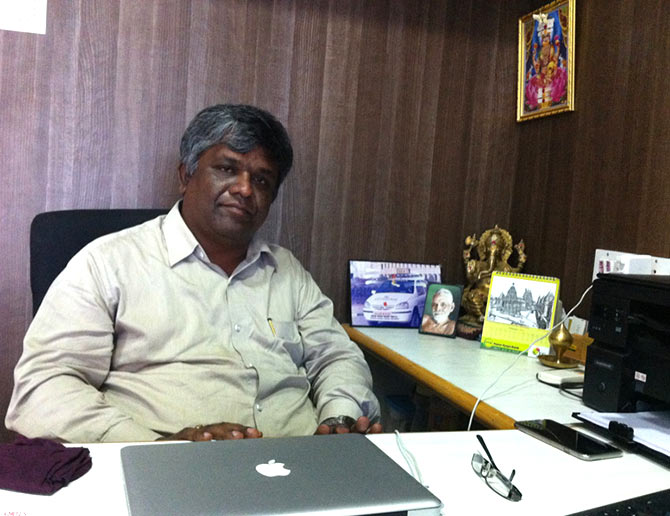
From Digitally Illiterate to Networking Guru… Story of Mudassir Ansari, Chanderi Madhya Pradesh…


Mudassir Ansari had not seen a computer till he turned 18. Today, he uses technology to bring internet connectivity to rural India and empower thousands with digital literacy.

Coming from a long line of weavers, Mudassir Ansari grew up to the rhythmic clacking of handloom machines in his hometown of Chanderi, Madhya Pradesh. For the Ansari family, weaving was more than just a means to earn a living – it was a legacy shared with their children, generation after generation.

By the 1990s however, most of their machines fell silent. Globalisation and easy access to cheap, printed material meant that many weavers across India were out of work.

BIDDING GOODBYE TO A BYGONE ERA
In a bid to cope with the changing world around him, Mudassir’s father became a tourist guide. The family even went on to set up a phone booth. Despite this, making ends meet continued to be a challenge.

Thoughts of the future weighed heavily on Mudassir’s mind and he came to the conclusion that something radical had to be done to change the status quo: “I realised that every generation brings with it its own set of changes. If you don’t change with the times, you will be left behind.”

Providing for his family and securing their future gave Mudassir sleepless nights, till he hit upon a solution.

“I noticed that PCs were fast becoming an integral part of all aspects of life. From government and corporate offices to hospitals, schools and colleges, PCs were making their presence felt in all fields. I understood that if we didn’t make an attempt to learn computing, we would be confined to our small town and to our limited income. There would be no change and that would prove detrimental for the family. Learning how to use this device was our ticket to a better life,” he said.

“In the 1990s, knowing how to operate a computer was a big deal in our town, especially since there were no institutes or classes that imparted the skill. People who wished to learn computing had to travel to other cities and attend classes there. The nearest city was just 30 kilometres away but I had never been there. When I decided to learn how to work on a PC, my life changed,” he added.

Mudassir attended classes and, through continued practice, became proficient in using the PC.

“My father was overjoyed. He would tell everyone he met that his son knew how to use a PC. It became a sign of progress, of a higher social status even,” he recalled with a smile.

In 2006, confident about the value that owning a PC would add to his son’s life, Mudassir’s father bought him his very first computer. “We travelled all the way to Bhopal to buy the computer. It was the first time I had ever been to such a big city. Once again, I had technology to thank for helping me explore the world,” he said.

In 2009, the Digital Empowerment Foundation (DEF), an NGO dedicated to promoting connectivity in rural India, set up an Internet Resource Centre in Chanderi.

Impressed by Mudassir’s hard work and resolve to learn how a computer works, the organisation took him in and began to instruct him. In addition to being trained in basic computer skills, he learnt about wireless networking.

After completing his training, Mudassir joined DEF as a networking engineer.

“In 2010, DEF decided to bring Wifi connectivity to Chanderi. I played an integral role in ensuring that the railway station, the hotels and numerous monuments became Wi-Fi zones. I was ecstatic to help the entire city get connectivity. We were among the first few cities in India to have this facility,” he said with justified pride. From thereon, there was no looking back for Mudassir.

“Guna, Shivpuri, Alwar, Nagaon, Sonapur…,” Mudassir rattled off the list of towns he had helped bring Internet connectivity to. To date, he has helped more than 50 towns and villages get online

His work doesn’t end with just ensuring connectivity either. “When we brought connectivity to a zilla in Madhya Pradesh, I helped set up a two-month course for the local women. I taught close to 2,500 rural women basic computing skills so that tomorrow they are able teach their children. My hope is that once they realise how important PCs are, regardless of their economic status, they will ensure their children learn basic computing. After all, it is a tool that can lift them out of poverty.”

In yet another village, Mudassir helped hire an instructor to impart computer training to 20 children:

“Today, ten of those children are using PCs to earn a living. These are girls who were not allowed to step out of the house, but now, working from the comfort of their homes, they are able to support their families. That’s something!”

In this day and age, when people have moved from desktops to portable computing devices like laptops, there are still places in India where people have never even seen a computer, much less worked on one. I get immense satisfaction from knowing I am able to introduce such people to this magic machine. When I see the joy on their faces, I know what I am doing is good,” he said.

PCs have brought a sea-change in Mudassir’s personal and professional life. “I did not study beyond the 12th standard and don’t have a university degree, so just based on my qualifications, my prospects for a job were limited. And yet, today, thanks to my computer skills, I am able to work as a networking engineer and earn more than Rs. 20,000 a month. I have also had the opportunity to lead a team of 20 engineers. Thanks to my job, I have even travelled to different parts of the country – remarkable considering I had not stepped out of the village until I turned 18!” exclaimed Mudassir.

The PC was also an invaluable tool for him to learn English.

“When I started working, I realised that all emails I received were in English. I didn’t like the idea of replying in Hindi, so I started using Google Translate. I would translate the mail that was sent to me, understand the context, and then compose a reply in Hindi. I’d then use Google Translate to translate it into English. That’s how I picked up English!” he revealed.

His success at work has translated to financial security for his entire family, “I am able to fund my younger brother’s education, and I am confident I will be able to give my three children access to quality education,” he added with satisfaction.

“If it weren’t for the PC, I would probably still be manning a small phone booth in a small town in a corner of the country,” concluded Mudassir.

Source…. Anandita Jumde in http://www.the betterindia.com

Natarajan

World’s Largest Camera Museum to Come Up in Gurugram, India…


Gurugram is all set to become home to the world’s largest camera museum this World Photography Day.

Untitled-design-37

On August 19th, the Municipal Corporation of Gurgaon along with acclaimed photographer Aditya Arya, of the Vintage Camera Museum fame, will launch ‘The Museo Camera – Centre of Photography.’

The Museum will trace the art of photography through the evolution of cameras, various photography processes as well as photography paraphenlia. Pinhole cameras, the camera obscura, daguerreotypes, dry plates, the birth of film, polaroid and digicams will be on display in the Museum.

Close to 700 cameras, of different shapes, sizes and models, will be displayed. These are a part of the collection painstakingly curated by Arya.

Around 800 original patents of cameras from the 1800s will also be displayed at the Museum. These have been collected by Arya during his many travels.

The Museum will also be home to a collection of vintage camera ads.

In addition to displaying the wonderful and fascinating history of photography, the Museum will also function as a place of learning: “I want to create an institution, a physical space that should also be state-of-the-art,” Arya toldThe Times of India.

The Museum will be spread across 15,000 square feet in Chakkarpur village of New Gurgaon.

Says Vivek Kalia, joint commissioner of the Muncipal Corporation of Gurgaon, “We want this to be world-class, a symbol of excellence.”

Source….. Anandita Jumde in http://www.thebetterindia.com

Natarajan

How a Class 7 Indian-Origin Girl in Texas Raised Rs. 13 Lakh to Distribute Free LED Bulbs in Delhi…?


This Class 7 student in the US raised funds to buy and distribute LED bulbs for free to poor people in India. This is the story of her determination to do something concrete for the future of the planet.

meera2

“Small things can make a difference – provided all of us do our part. I am asking you to join me in the effort of replacing 77 crore incandescent bulbs in India with energy efficient LED bulbs. This will go a long way in reducing energy consumption and carbon emission along with the electricity bills of those who can least afford these bulbs. For the sake of India and for the sake of this planet, let’s all change our future, one bulb at a time.” – This is 13-year-old Meera Vashisht’s message to children of her age around the world.

An Indian-origin girl who was born and raised in the US and lives in Sugar Land, Texas, Meera will soon be in Delhi to distribute LED bulbs for free to those who cannot afford them.

Meera’s interest in the project came about when she was researching a project in school. She stumbled across a news article about the LED revolution in India. The Indian government is in the process of replacing 77 crore incandescent bulbs with LED bulbs, as a part of the Unnat Jyoti by Affordable LEDs for All (UJALA) scheme. She was intrigued to learn that simply changing a bulb at home can not only change the lives of people by offering increased energy savings, but reduce our carbon footprint as well.

Under the UJALA scheme, the Indian government is distributing LED bulbs across 16 states, in the price range of Rs. 75-95.

“But even at these subsidised rates, people belonging to the poorest sections of society would find it difficult to afford these bulbs,” Meera concluded.

“This was my moment of reckoning. After all those days when I had thought of doing something for India but didn’t know what to do, I suddenly discovered something that I could actually do and make a difference,” she wrote in an essay.

Meera’s first thought was to save her allowance money and send it to India as her contribution to the UJALA scheme. But that wouldn’t be enough she realized, so she thought of something else: “Let’s distribute the bulbs for free!” Her parents encouraged her to develop the idea further and it was then that she came up with the idea of a fundraiser.

She picked up a telephone directory and started writing letters to random people in the US, asking for help in making LED bulbs available to those who need them the most in India.

The challenge here was – why would anyone in the US want to fund something that was going on in India? But Meera was willing to take on this challenge. She told us – ‘The planet is one. We all share this planet. Whatever happens in India affects everyone. So let me try and draft this letter,’” says her mother Sunanda Vashisht, who works as a writer and columnist.

To everybody’s surprise, the first cheque arrived for Meera in just a few days, and the money kept coming in after that. Meera sent 500 letters and collected $ 2,000 (approximately Rs. 1,40,000) over the span of a year.

“In my letter, I explained why an LED revolution in India can save the whole planet and why we all should participate and contribute. I explained that a simple action of switching a light bulb in India could help achieve the goal of providing 24/7 electricity across the country. What most of us don’t understand is that electricity is empowerment. In rural areas it helps kids study after dusk, it helps ease the workload of people, it improves agricultural output, it helps set up small scale industries and connects remote areas with the world at large via the Internet and smartphones. This is empowerment in its truest sense and real democracy in action,” she wrote.

Now Meera had to find a way to reach those people who would need these bulbs the most. Sunanda contacted India’s Ministry of Power, informing them about Meera’s desire to visit and contribute to their mission, and the authorities were more than willing to help.

Sunanda and Meera will reach Delhi in the first week of July, and the Ministry will help them identify the underprivileged families that need these bulbs.

Meera’s father is an engineer and her family’s ancestral home is in Punjab. “We have family in India and we keep going back to visit them all the time. We are inculcating affection for India in Meera. She always says that she wants to work for people there,” says Sunanda. Through this distribution drive, Meera also wants to create awareness about the use of LED bulbs among people who might think that giving Rs. 75 for a bulb is a waste of money.

The teenager also stays connected to her roots through music and dance. She learns Hindustani classical vocal music and has been learning Bharat Natyam since she was four years old. Her grandfather’s passion for environmental causes has inspired Meera to work for the environment as well.

“He is an avid lover of nature, an artist, and an environmentalist. He is very considerate and compassionate. From him I have learnt to respect all life…I am so glad to be finally able to now come to India and make a contribution to the cause of cleaning the environment in a tangible way. I couldn’t be happier,” she says.

Here’s hoping this young environment enthusiast finds success in all her endeavours towards making the planet greener and more compassionate towards the less fortunate.


You can contact Sunanda by writing to her at sunanda_vashisht@yahoo.com.

Source….TanayaSingh in www. the betterindia .com

Natarajan

A Must Read….” Values of Punniyam & Paapam” …!

Featured Image -- 20447

Jaya Jaya Shankara Hara Hara Shankara – Actually Sri Periyava narrates this incident under Deivathin Kural Volume 1 Madham Section reiterating Karma theory. It is a foreign lady and not a man but the gist is more important to take here. Thanks to TV Shivram for sharing it in Whatsapp. Ram Ram
Values of Punniyam & Paapam

Once a foreigner interested in the philosophy of Hinduism was waiting for Darshan of Mahaperiva ( Most revered Mahaswami) at Sri Madam to clarify his doubt. Shortly, he got his appointment and without wasting time, he put forth his question.
Swamiji, I understand all your concepts, value them but for one particular faith (i.e.) same soul taking various births, papa, punya being carried forward to the next births etc. Can you please make me comfortable on this aspect? Because, in all our religions, we get the reward for what we do in this birth  only. (i.e.) if we are honest, God is pleased and blesses us with benefits and we are dishonest, we get punished by Him.
At this point, Periva asked him, whether he owns a car and if he could do a favour of collecting some statistical information within Kancheepuram using his vehicle. The guest readily agreed, at the same time wondering why his question was not answered spontaneously.
Please, Swamiji, go ahead, What is the service you expect me to do now?
Periva said, Please go around 10 maternity centres within Kancheepuram and collect the data of children born within the last 2 days – Child’s gender, health condition, parents name, status, educational qualification, time of birth.
The man said – Fine, this is nothing, – immediately rushed in his car like Lord Muruga goes in Thiruvilayadal and within a day he was back in the matam with exact statistics in front of Mahaperiva. He went through the statistics, about 15 children were born in 10 hospitals, 8 female and 7 male infants, out of which 3 children had malnutrition defects, 2 children were the first child of highly rich parents born in luxury hospitals, while 4 were children of coolie labourers who already had few children.
Maha Periva now looked at the gentleman and started asking few questions:
Do you think any of these children have been honest / dishonest within 2 days of their birth? Probably they could not even recognize their own mother. So, they have neither earned papa or punya in this birth.
According to your concepts, all these children should be living exactly identical to each other, but not so practically, some are ill, some are healthy, some are born to rich parents, some are born to poor parents. Remember all children born in the same day, same longitude, latitude, you can’t blame their horoscope which is going to be almost identical.
The gentleman was dumbfounded!
It is here the concept of previous birth erupts! All these children have taken their present birth according to their deeds (karma) and the resultant papa, punya which they have assimilated in their previous births.
Hara Hara Shankara Jaya Jaya Shankara
Source….input from a friend of mine….
Natarajan

Shakuntala Railways: The Only Train Line In India That Is Still Not Owned By India !!!


The Indian Railways is India’s lifeline. Every day millions of passengers avail its facilities.

It has become such an integral part of our lives that we cannot imagine a life without it. The Indian railways were nationalized way back in the year 1951. But today, we are not going to talk about the Indian railways but we are going to talk about of its long forgotten relative ‘The Shakuntala Railways’. I am sure that for most of you this sounds a bit alien. Hearing the name you might think of it as a name of some train or maybe a little-known rail zone.

Shakuntala Railways is one of only a few operational railway lines in India that remains with private owners and perhaps the only one that belongs to a British firm.

Beyer.Garrett

But Shakuntala is neither one of them. In fact, it is an independent railway which does not come under the Indian Railways. So, technically the Indian Railways does not enjoy a monopoly. When Nationalization happened in 1951, Strangely this line was left alone. Interestingly till date, nobody knows the exact reason why this line was never de-privatised.

The birth of Central Province Railway Company (CPRC) or The Shakuntala railways took place way back in 1910. It was founded by a British Firm called Killick-Nixon.

11travel-kalka

It was formed during the British Raj. During those times, most of the rail lines were operated by individual firms. The location of the track was quite strategical as this route was used to transport cotton from Vidharba. This cotton then made its way to Manchester.

During those times, there was a deal between the CPRC and the Great Indian Peninsular Railway (GIPR). This deal stayed in place even after GIPR became Central Railways.

Soon, not only cotton but the line was used even to ferry passengers. The GIPR used CPRC’s lines to run its trains and paid a compensation or rent to the company. The deal continued even after GIPR was replaced by the Central Railways. To this day, the Central Railways pays the British firm a compensation for using its lines. Interestingly, in recent times, the Indian Railways has not paid the decided rent instead has been adjusting it from the cost of repairs and maintenance.

Unlike most train lines in India, this train line still uses a narrow gauge.

The rail line itself is quite unique as the unlike most of the rail lines that are broad gauge lines, Shankuntala railways still use narrow gauge lines. The British company still gets more than 1 crore rupees from the Indian Railways for running a train on its tracks called the Shakuntala Express.

The Shakuntala Express is a passenger train that runs from the towns of Yavatmal to Murtijapur

Shakuntala-Express-yavatmal-train-service-suspended

The train runs through the beautiful cotton growing areas of Achalpur, which falls under Amravati division. If you are ever lucky enough to board this train then this train journey is sure to take you back to the 19th century. Everything about it is old school. It seems that when modernisation happened everywhere it forgot about poor Shakuntala.

Every day it covers just one return journey and even today it is a lifeline for hundreds of poor people, who cannot afford to take the road, as it almost 5-6 times the train’s fare

It covers a journey of almost 190Km in about 4 hours.  For these people, it is the cheapest means of transport and they can’t imagine their lives without it. The train runs through a narrow gauge which itself gives it a very toy- train kind of feeling.

It still runs on a steam engine and the rail signals have been there right from the British Raj

Most of the official works are also done manually. In times when our trains run on electric engines ,  Shakuntala Express still uses an old steam engine. Another interesting thing that you would find when you board this train is that all the existing rail signals are still from the British era with the words ‘made in Liverpool’inscribed on it.

This journey literally takes you on a trip down the memory lane.

Source….Abir Gupta in http://www.storypick.com

Natarajan

An Inspiring Story…. Meet Renuka Aradhya of Bengaluru …

When he was young, Renuka Aradhya would beg for foodgrains, which he’d sell for a living.

Today, he owns a company that employs 150 people and directs three start-ups.

This is his inspiring story.18renuka-aradhya1


IMAGE: Renuka Aradhya grew up in poverty and had to take up several odd jobs to run his family.

Renuka Aradhya’s company today has a turnover of Rs 30 crore and employs 150 people.

This by no means is the finishing line even though the 50-year-old entrepreneur started life’s race with a major handicap.

Renuka was born poor. Very poor. He has seen the kind of poverty that put him on the streets to beg. The poverty that kept him hungry both literally and metaphorically.

Where does one begin to tell this entrepreneur’s story?

From pushing a handcart under a blazing sun to now owning a fleet of 1000 plus cars? Or from transporting 300 dead bodies to ferrying foreign tourists who left tips in dollars? Or from failing to clear Class X exams to now rubbing shoulders with the industry’s who’s who?

Or the fact that with his foresight he was able to ward off Uber and Ola poaching his business, and is making the next generation ready to dream big by bringing his daughter-in-law (who comes from a poor family) into the business.

Ernest Hemingway wrote a long time ago, “It is good to have an end to journey toward; but it is the journey that matters, in the end.”

Here’s Renuka’s roller coaster journey in his own words because no other words will do it justice.

Every day is a winding road

I belong to a village called Gopasandra, in Anekal taluk near Bengaluru.

My father was a pujari at a temple allotted by the state government though he did not get any fixed salary.

After conducting the puja, he would go to nearby villages to beg for ragi, jowar, or rice. He would then sell the grains in the market and with the money that he got from the sale he would take care of us. We were three children — two boys and one girl.

I would go begging with my father to these neighbouring villages, which is now Electronic City.

After I finished Class VI, my father thought he would put me in somebody’s home as a domestic help to make ends meet. My school fee till Class X was taken care of by my teachers because they would get me to do their domestic work like washing utensils, dusting and sweeping.

I started working for an old man who had a severe skin ailment. I would tend to him, give him a bath, and apply skin ointment all over his body.

Since I belonged to the pujari clan, I also had to perform puja at a nearby temple. After that, I would go to school. I lived there for one whole year.

Soon after, my father admitted me to a boys’ ashram in Chickpet, where I remained for three years.

The hostel would give us two meals a day, one at 8 am and the other at 8 pm and nothing in between.

I remember I was always hungry. I could not focus on my studies at all and my mind was occupied with trying to find how I could lay my hands on some food.

It was mandatory in this ashram to learn Sanskrit and the Vedas. I quickly picked this up because I realised that if I could accompany the seniors in some naming ceremony, weddings, or pujas I could eat at those events. But it was not very easy to get hold of these opportunities. I had to placate my seniors by offering to do their personal chores like washing their clothes.

As a result, I failed in Class X, passing only in Sanskrit. I then had to return home as my father passed away and the responsibility of my mother fell on me. My older brother was married and not keen on taking care of her or my sister and me.

In poverty, there is no unity. Lack of money can make people selfish and mean. If people lived happily together in the midst of poverty then they are gods.

I soon started working in a factory in Audgodi. I was there for a year.

This was followed by a stint in a plastic manufacturing company and then an ice-making factory.

I then found a job as a sweeper in an AdLabs branch.

My mind is sharp. I soon got a hang of printing and helping out with the work.

I was there for three years and had to quit because I was getting drawn into nefarious activities by some employees, who expected me to join them as well.

I am glad I quit because I heard later that they were found out and sacked.

I joined Shyam Sunder Trading Company where I started working as a helper.

The company was into making and trading in bags and suitcases. I had to load a handcart with suitcases. Another helper and I took turns pushing and pulling it through the city roads and transported them from the factory to the shop. Soon, I was promoted to a sales position.

After working there for a few months, I thought ‘why not start my own business?’

Since I was familiar with this business, I decided to make covers for suitcases and vanity bags.

I would take my bicycle and go around the city shouting for customers who wanted covers stitched for their suitcases and bags. It did not work out well for me and I lost Rs 30,000.

I was back to square one. My brother, who was a security guard, found me a job as one.

The reason I kept moving and starting all over again is because I wanted to achieve something. I did not have any educational background. I was not even a high-school pass. I had no money and no family connection. I did not have any mentors, no one to guide me. But I was always in search of opportunities.

I was around 18 when I got into bad company — drinking and gambling. Thankfully, the older boys I used to hang out with moved out and I escaped a life that would not have taken me anywhere.

When I turned 20, I told my mother I wanted to get married.

I thought that marriage would make me more responsible and focussed. I was earning Rs 600 as a security guard, so to make a few extra bucks I started taking on odd jobs like that of mali (gardener), or climbing coconut trees.

I remember that I charged Rs 15 per tree and I would climb 20 trees per day.

Not satisfied with what I was doing, I decided to become a driver, though I did not know how to drive.

I did not have any money to learn driving and to get a driver’s licence. So I borrowed some money from my brother-in-law and pawned my wedding ring.

All went well and I got my driving licence. But the first day of my driving job was a big nightmare.

I was meant to reverse the car and park it, instead, I banged it into the gate. That job lasted only a few hours. I was back to being a security guard.

It was very depressing. I would go to the temple and bang my head on the steps lamenting my destiny and how God was being so unkind to me. I wanted to drive and yet here I was going back to doing what I thought I had come out of.

Since I was always looking out for an opportunity, I met a taxi operator who decided to give me a break.

He told me not to worry if I banged the car. ‘Just run away from there,’ he told me.

I was so grateful that I told him he needn’t pay me till I can prove myself. I’ll manage with the driver ‘batha’ (per day charges on an outstation trip), I told him.

I remember carrying large stones in the car. Whenever I had to halt at an incline, I would pull the handbrakes and quickly place the stones next to the rear wheels to prevent the car from rolling back.

Imagine how many stones I must have left behind me in a trail (laughs).

I was determined not to go back to being a security guard this time. In the nights, I would practice reversing the car, parking it, and managing inclines on the road without the stones. Slowly, my confidence grew.

My first outstation trip was to Gokarna. I learnt that if you drive slow and steady then everything works out well. So that’s what I did.

I was so nervous that I did not dare press on the accelerator too hard. Imagine my surprise when I got this feedback from the guests saying that I was a very good driver (laughs).

One more thing I learnt was that if you take care of your customers, then you’ve won the battle. I got very good reviews from my customers and because of this, I was always in demand.

I worked at a transport company for four years. Besides ferrying passengers, the company also provided vehicles to hospitals like Nimhans to transport dead bodies back to their homes for the last rites.

I have transported approximately 300 dead bodies across India. And many times, I have done so alone because there was no one from the deceased family to accompany the body.

And look at the irony, immediately after I came back from one of these trips there would be a group waiting to go on a pilgrimage to Sabarimala. I would sprinkle some holy water on the vehicle and get on with the next journey.

This also taught me the impermanence of life. That nothing is enduring. That life and death are nothing but two ends of a long journey.

You know the most important learning for me in my journey has been that to earn money you must have a vision. And to make that happen, you must make the best of opportunities that come your way. You must do whatever you are doing with total dedication and keep a good track record.

One day, fortune will surely smile upon you.

Two-way street


My wife used to work in the garment industry. First, she was a helper and then she went on to become a tailor. Together, we would earn Rs 900.

I was soon upgraded to another travel company. Here I got an opportunity to drive foreign tourists.

I would get good tips in dollars. Over the four years that I worked there I had a neat sum saved up from these tips.

I got my wife to withdraw her PF money, and together with the amount I had saved I started a company called City Safari with some other people.

Once the company started doing well, I was made the manager.

When I was only a driver, I would often think that one day instead of submitting a trip sheet I should be the one collecting it. And that dream came true with my new post as manager (smiles).

Around this time, I bought my first car. It was an Indica.


I had to take a loan from the bank. My older brother refused to be a guarantor, and I had to seek someone else’s help.

In another year-and-a-half, I bought one more car. With these cars, I went to work for two years with Spot City Taxi.

As you can gather, I wanted to build my own travel/transport company.

A company called Indian City Taxi was on a distress sale. I did not have any knowledge of merger and acquisition, justpaisa de do, company le lo (give money, buy the company).

I bought that company in 2006 with Rs 6.5 lakh. I had to sell all the cars that I had by then to produce this money. The company had 35 cabs attached to it and they would make Rs 1000 commission per vehicle, so in a month Rs 35,000 was assured.

I took a lot of risks, which thankfully paid off.

I had earlier registered the name ‘Pravasi Cabs’ when I had three cars of my own. So I called my new company that.

I was an entrepreneur now. The name came to me from the foreign tourists and expatriates I drove around. Pravasi is the Sanskrit word for expatriates.

However, it was not all that easy. There were a lot of complications.

Anyway, to cut a long story short I soon got my first client — Amazon India. When they were setting up their Chennai office, they also helped me expand my business there.

Now the thing with corporates is they pay after three months, and I did not get my payments even after six months. So I took loans, and through the years have ended up paying lakhs as interest.

But mind you, the money was not for me. I would give my wife Rs 20,000 every month to run the house. The rest was all for the company.

I poured my days and nights with hard work. Slowly, revenue started coming in.

I thought of expanding my business and getting more clients.

What if Amazon withdrew? I would end up on the streets. Hence, I slowly got more clients like Walmart, Akamai, General Motors, and others. I did not have a sales team, no marketing team, nothing.

I never lost an opportunity even if my cut was three percent, I did not care. I just wanted to get into operations.

I had to increase my turnover, only then would I get funding from the market or banks. But if I concentrated only on profits, my turnover would decrease.

At this time, we were in on-call service, employee transport service (ETS), and train/bus ticketing (which I left after a year). I owe a lot to Amazon for supporting my growth.

I do not have any barrier to starting operations. I just look for three things: the attitude of the local drivers, their behaviour towards customers, and vehicle availability.

Are we nearly there, yet?

I learnt English by conversing with tourists.

When the car would be parked while the tourists did the sightseeing I would wait in the car either trying to read from an English newspaper or write passages from it.

I did not waste time gossiping with other drivers or smoking. I would either read or catch up on my sleep.

As my business grew, I felt the need to attend networking sessions, workshops and talks on marketing, customer retention or economics of running a business.

A lot of my personal growth happened this way. The other advantage I had was that I am very tech-savvy; I can work any gadget.

Three years ago, I started providing buses to schools.

Initially, the understanding was that we had to manage with the transport fee that the school charged.

The first year, I lost Rs 10 lakh. I made an agreement with the school that I would give them 35 percent for the next 10 years. So I would invest in the buses. This is the first year that I am going to break-even. I started this because I could not rely on only ETS.

And, surely, when Ola and Uber came along, it impacted the taxi industry greatly.

But I escaped because I had around 700 cabs attached to me. I lost about 200 to them. But I was still left with 500.

My idea was if I had more than 500 vehicles then no one can touch me. But if I had 100, 200 cars, then certainly I would have had reason to panic. In fact, many taxi operators had to shut shop when Ola and Uber speed chased them.

I believe that because I dreamt big, I managed to escape. If I had a small cab agency and was satisfied with earning Rs 40,000 a month, my business would certainly have been punctured.

I realised the best solution was to have a new scheme for my drivers, which was an owner-cum-driver scheme.

The deal was that for an advance of Rs 50,000, I would buy them a new car. He had to work for 36 months, and after that, the car would be transferred to his name. Whatever he earns, he keeps, we just deduct the EMI for the vehicle. We now have 300 vehicles like that, and I have the liability of all those vehicles on my head.

Besides this, we also provide training to the drivers regarding behaviour and how to manage their finances.

You know, my growth has been only this much because I wasn’t educated enough. I do not know the planning and strategies like the IIT and IIM guys.

I am also a director in three start-ups. Along with six other directors, I sit on the board of loaddial.com.

It is an aggregator of goods vehicles. I am also a director in a company that will provide affordable housing to people like drivers and garment workers.

I have a few other concepts like having a Foodpanda like app for smaller cities and towns.

In three years, once I cross Rs 100 crore I will go for an IPO.

As a social responsibility, I want to encourage women drivers.

I am ready to even waive the Rs 50,000 advance if women come forward saying they want to become owner-cum-drivers. We have also created an all-women call centre for Pravasi in Karwar.

I believe in the power of the mind. What we think, we become.

How many times will you say ‘I do not have any experience so how will I do this?’

Initially, there will be more criticism and less goodwill.

But slowly the criticism will fade away.

Whatever God has given me, I have shared with everyone. And I firmly believe that because of this I have managed to get myself educated and get rich.

I took my chances and during all those times when I picked up an opportunity even though it was not financially viable, I firmly believed that one day God would give me back double. Otherwise how else can a security guard today drive a Rs 23-lakh car?


Ad Choices


Image of the Day…Lotus Flower !


“The lotus flower blooms most beautifully from the deepest mud” –Buddhist Proverb
The lotus flower is one of the most remarkable creations of nature. Its beauty lies in its purity, because this magnificent flower emerges from the dirty and muddy bottom of a pond, yet still remains untouched and unstained by its soiled surroundings.

img source: Source: Flickr.com Jennifer

This notable feat has ensured that the lotus is considered an embodiment of perfection in various Asian religions and cultures, with particular reference to Buddhism and Hinduism. This unique quality is said to symbolize the human who rises from the darkness of the world into a new way of thinking and living.

 Source…www.ba-bamail.com
natarajan
af80adc2-4280-41d5-8c5d-f40715a844a6

“ஆழமான இடத்தில் அதிக நீர் தங்கும் …ஆத்மார்த்தமான உள்ளத்தில் பகவான் தங்குவார் …”

album1_22கடமையைச் செய்… பலனை எதிர்பார்க்காதே.’

– இது பகவான் கிருஷ்ணன் சொன்னது.

அதுபோல் தெய்வங்களிடமும், மகான்களிடமும் பிரார்த்தனைகளை வைப்பதோடு நம் வேலை முடிந்து விட்டது. ‘பிரார்த்தனை வைத்தோமே… நாம் வணங்குகிற கடவுள் இதை எப்போது நிவர்த்தி செய்வார்? நாம் கும்பிடுகிற மகான் இதை எப்போது நிறைவேற்றி வைப்பார்?’ என்று எதிர்பார்த்துக் கொண்டிருக்கக் கூடாது.

ஆழமான இடத்தில்தான் நீர் அதிகம் தங்கும்.

ஆத்மார்த்தமான உள்ளத்தில்தான் பகவான் தங்குவார்.

நம் பிரார்த்தனை நியாயமாக இருந்தால், அவற்றை தெய்வங்களிடமோ மகான்களிடமோ சொல்ல வேண்டும் என்கிற அவசியம் இல்லை. அதை அவர்களாகவே தங்களது தீர்க்க தரிசனத்தின் மூலம் உணர்ந்து எப்போது நிறைவேற்ற வேண்டுமோ, அப்போது நிறைவேற்றி விடுவார்கள்.

காஞ்சி மகா பெரியவாளின் அனுக்ரஹத்துக்கு உள்ளான பக்தர்களுக்கு இது நன்றாகவே தெரியும்.

அந்த மகானின் அன்புக்கும், கருணைக்கும் கட்டுப்பட்ட பக்தகோடிகள் இவரது தரிசனத்தையே மாபெரும் வரப்ரசாதமாக எண்ணுவார்கள்.

அது 1991-ஆம் வருடம்… மகா பெரியவா முதுமைக் காலத்தில் இருந்தார். பக்தர்களுக்கு அதிக தரிசனம் அப்போது இல்லை.

அன்றைய தினம் விசேஷமாக மகா பெரியவா பக்தர்களுக்கு தரிசனம் தந்து கொண்டிருந்தார்.

ரொம்ப நாள் கழித்துப் பெரியவா தரிசனம் தரப் போகிறார் என்பதற்காக அன்றைய தினம் மகா பெரியவாளைத் தரிசிக்க எண்ணற்ற பக்தர்கள் வந்திருந்தனர்.

குழந்தைகளில் இருந்து முதியோர் வரை எல்லா தரப்பினரும் ஸ்ரீமடத்தில் திரண்டிருந்தனர்.

பிரார்த்தனை எதுவும் இல்லாமல் இன்றைக்குக் கோயில்களுக்குச் செல்வோரையும், மகான்களின் அதிஷ்டானம் செல்வோரையும் காண்பது மிகவும் அரிதாகி விட்டது.

அன்றைய தினமும் அப்படித்தான். மகா பெரியவாளைத் தரிசிக்கக் கூடி இருந்த பக்தர்களுள் பலரது முகத்தில் ஏதோ எதிர்பார்ப்புகள். வேண்டுதல்கள்.

அவரவர்கள் தங்களால் இயன்ற காணிக்கைகளைக் குருவுக்கு சமர்ப்பிக்க வேண்டும் என்று வாங்கிக் கொண்டு வந்திருந்தார்கள். அவற்றில் பழங்கள், உலர்வகை பழங்கள், முந்திரி, வில்வ மற்றும் துளசி மாலைகளும் அடங்கும்.

பக்தர்களோடு பக்தராக அங்கே கலந்து ஓர் ஓரமாக நின்று கொண்டிருந்தனர், நாராயணன் – வைதேகி தம்பதியர். சென்னையில் வசிப்பவர்கள். நாராயணன் உத்தியோகஸ்தர்.
நாராயணனது இடுப்பில் அவர்களது ஒண்ணரை வயது பெண் குழந்தை நிதர்சனா அப்பாவின் கழுத்தைக் கட்டிக் கொண்டிருந்தது.

விழிகளை உருட்டி உருட்டி அங்குமிங்கும் பார்த்துக் கொண்டிருந்தாள். புதுப் புது மனிதர்களே எங்கும் தென்பட்டதால், குழந்தையின் முகத்தில் ஒரு மிரட்சி தெரிந்தது.

‘மகா பெரியவா அருகே செல்ல வேண்டும்… அந்த மகானிடம் தங்களது பிரார்த்தனையைச் சொல்ல வேண்டும்’ என்பது இந்தத் தம்பதியர்களின் விருப்பமாக இருந்தது.

ஆனால், அன்றைக்குக் கூடி இருந்த பக்தர்கள் கூட்டத்தில் இவர்களால் ஒரு இஞ்ச் கூட முன்னேறிச் செல்ல முடியாத சூழ்நிலை.

எனவே, தாங்கள் இருந்த இடத்தில் இருந்தபடியே மகா பெரியவாளின் திருமுக தரிசனத்தை எம்பி எம்பிப் பார்த்து கன்னத்தில் போட்டபடி இருந்தனர்.

‘‘ஏங்க, கூட்டம் இவ்ளோ இருக்கே… நிதர்சனாவைப் பெரியவாகிட்ட கூட்டிண்டு போய் காட்ட முடியுமாங்க? அந்த தெய்வத்தின் அனுக்ரஹப் பார்வை இவ மேல் திரும்புமாங்க?’’ என்று வைதேகி, நாராயணனைப் பார்த்து ஏக்கத்துடன் கேட்டாள்.

‘‘இன்னிக்கு அந்த மகானோட அனுக்ரஹம் கிடைக்கணும்னு நமக்கு விதி இருந்தா கிடைக்கும். பார்ப்போம், குருவோட பார்வை நம்ம மேல திரும்பறதானு…’’ என்று மகா பெரியவாளையே வைத்த கண் வாங்காமல் பார்த்தபடி உருக்கத்துடன் சொன்னார் நாராயணன்.


‘‘ஏங்க, கூட்டம் இவ்ளோ இருக்கே… நிதர்சனாவைப் பெரியவாகிட்ட கூட்டிண்டு போய் காட்ட முடியுமாங்க? அந்த தெய்வத்தின் அனுக்ரஹப் பார்வை இவ மேல் திரும்புமாங்க?’’ என்று வைதேகி, நாராயணனைப் பார்த்து ஏக்கத்துடன் கேட்டாள்.

‘‘இன்னிக்கு அந்த மகானோட அனுக்ரஹம் கிடைக்கணும்னு நமக்கு விதி இருந்தா கிடைக்கும். பார்ப்போம், குருவோட பார்வை நம்ம மேல திரும்பறதானு…’’ என்று மகா பெரியவாளையே வைத்த கண் வாங்காமல் பார்த்தபடி உருக்கத்துடன் சொன்னார் நாராயணன்.

வந்திருந்த பக்தர்கள் ஒவ்வொருவருக்கும் அவரவர்களது பிரார்த்தனையை மகானிடம் சென்று சொல்ல வேண்டும்… இதற்கு சாதகமாக ஒரு அருளாசி அவரிடம் இருந்து பெற வேண்டும் என்று இருந்ததே தவிர, தரிசனத்துக்காகக் காத்திருக்கும் குழந்தைகளுக்கோ, பெரியோர்களுக்கோ ஒரு முன்னுரிமை கொடுத்து அவர்களை முதலில் அனுப்ப வேண்டும் என்று யாருக்கும் கவலை இல்லை. அப்படிப்பட்ட எண்ணமும் இல்லை.

மகானின் சந்நிதி முன்னாலும், எல்லோரும் சுய நலத்துடன் காணப்பட்டார்கள்.

மகா பெரியவா அருகே வரும் பக்தகோடிகளை அவரது சிஷ்யர்கள் கட்டுப்படுத்தி, அனுப்பிக் கொண்டிருந்தார்கள்.

வழக்கம்போல் மகா பெரியவா அங்கே திரண்டிருந்த பக்தகோடிகளைத் தன் அனுக்ரஹப் பார்வையால் ஒரு முறை அலசினார்.

தன்னைத் தரிசிக்க ஆத்மார்த்தமாக வந்திருக்கும் நாராயணன் – வைதேகி தம்பதியருக்கு அன்றைய தினம் யோகம் அடித்தது.

அடுத்த விநாடி ஒரு சிப்பந்தியை ஜாடை காட்டித் தன் அருகே அழைத்தார் மகா பெரியவா. குழந்தை நிதர்சனாவை இடுப்பில் சுமந்து கொண்டிருக்கும் நாராயணனை அடையாளம் காண்பித்து, ‘அவாளைக் கொஞ்சம் கிட்டக்கக் கூட்டிண்டு வா’ என்று சைகை செய்தார் மகான்.

அந்த சிப்பந்தி கூட்டத்தை விலக்கிக் கொண்டு நாலடி பாய்ச்சலில் ஓடிப் போய் நாராயணன் – வைதேகி தம்பதியரிடம் விஷயத்தைச் சொல்ல… அவர்கள் ஆனந்த அதிர்ச்சியில் திறந்த வாயை மூட மறந்தார்கள். ‘‘என்னது… மகா பெரியவா எங்களைக் கூப்பிடறாரா?’’

‘ஆமா… வாங்கோ, சீக்கிரம். உங்களுக்குத்தான் உத்தரவு ஆகி இருக்கு.’’

கணவன், மனைவி இருவரின் விழியோரங்களும் நெகிழ்வின் காரணமாக கண்ணீர் சொரிந்தன.

குழந்தையை இடுப்பில் வைத்துக் கொண்டே இரு கரங்களையும் கூப்பிய வண்ணம் மகா பெரியவாளை வணங்கியபடியே நடந்தார் நாராயணன்.

‘‘வழி விடுங்கோ… வழி விடுங்கோ…’’ என்று உரக்கக் கூவிக் கொண்டே சிப்பந்தி முன்னால் செல்ல… பின்னால் நாராயணனும் வைதேகியும் நடந்தனர்.

மகா பெரியவா அருகே இவர்களைக் கூட்டிக் கொண்டு வந்து நிறுத்திய சிப்பந்தி, பெரியவாளுக்குத் தகவல் தெரிவித்தார்.

கலியுக தெய்வத்தின் பார்வை தம்பதியின் மேல் விழுந்தது. ‘‘இடுப்புல வெச்சிண்டு இருக்காளே… அது அவாளோட குழந்தையானு கேளு…’’ – தன் பக்கத்தில் இருந்த சிப்பந்திக்கு பெரியவா உத்தரவு!

இந்தக் கேள்வி அப்படியே ஓவர் டூ தம்பதியர்.

வந்த பிரார்த்தனையே அதுதானே!

குழந்தையை முன்னிறுத்தித்தானே இன்றைக்கு மகா பெரியவாளைத் தரிசிக்க வந்திருக்கிறார்கள் இவர்கள்!

இவ எங்க கொழந்தைதான் பெரியவா…’’ – நாராயணன் நெக்குருகச் சொன்னார். அதை ஆமோதிப்பதுபோல் வைதேகியும் கண்கள் கலங்க… பெரியவாளையும் நிதர்சனாவையும் மாறி மாறிப் பார்த்துக் கொண்டிருந்தாள்.

குழந்தையைப் பார்த்துப் பெரியவா புன்னகைத்தார்.

குழந்தையும் பதிலுக்குப் புன்னகைத்தது.

அதன்பின் மகா பெரியவா தனக்கு அருகில் இருந்த ஒரு மூங்கில் தட்டில் இருந்து சிறிது உலர் திராட்சைகளை அள்ளி, சிப்பந்தியிடம் கொடுத்தார். ‘‘அந்தக் கொழந்தைகிட்ட கொடு.’’
திராட்சை இடம் மாறியது.

தன் பிஞ்சுக் கைகளை நீட்டியபடி அத்தனை திராட்சைகளையும் இரண்டு உள்ளங்கைகளுக்குள் அடக்க முற்பட்டது குழந்தை. அம்மாவும் இதற்கு உதவினார்.

மகா பெரியவா திருச்சந்நிதியிலேயே அந்த திராட்சைகளில் இருந்து இரண்டை எடுத்துத் தன் வாயில் போட்டுக் கொண்டது குழந்தை.

நாராயணனுக்கும் வைதேகிக்கும் கண்கள் குளமாயின என்று சொன்னால், அது சாதாரணம்.

இருவரும் குழந்தையை வைத்துக் கொண்டு தேம்புகிறார்கள்.

வந்த கார்யம் முடிந்து விட்டது. அந்தப் பரப்பிரம்மம் தன் வலக் கையை உயர்த்தி, இவர்களுக்கு விடை கொடுத்தது.

இத்தனை பக்தகோடிகள் கூடி இருக்கிற இடத்தில், மிகவும் ஆத்மார்த்தமாக வந்திருக்கிற ஒரு ஜோடியைத் தேர்ந்தெடுத்துத் தன் அருகே வரவழைத்து அவர்களுக்குத் தேவையானதைக் கொடுத்து விட்டார் மகா பெரியவா.

அடுத்து, மகானது பார்வை கூட்டத்தைத் துழாவியது.

அடுத்த அதிர்ஷ்டம் யாருக்கோ?!

காஞ்சி ஸ்ரீமடத்தை விட்டு வெளியே வந்தார்கள் நாராயணனும் வைதேகியும்!

இன்னமும் இடுப்பிலேயே இருந்தாள் நிதர்சனா!

இதுவரை அநேகமாக ஏழெட்டு திராட்சையை சாப்பிட்டிருப்பாள்.

மகா பெரியவா பிரசாதம் இன்னமும் அவள் கையில் இருந்தது.

காஞ்சிபுரம் பஸ் ஸ்டாண்ட் வந்து சென்னைக்குச் செல்லும் பஸ்ஸில் ஏறினார்கள் மூவரும்.

மிதமான கூட்டத்தோடு பஸ் புறப்பட்டது.

மூவர் அமரக் கூடிய ஒரு இருக்கையில் ஜன்னல் ஓரமாக நிதர்சனாவும், அவளுக்கு அருகில் நாராயணனும் வைதேகியும் அமர்ந்தார்கள்.

பஸ் புறப்பட்டு ஐந்து நிமிடம் ஆகி இருக்கும்

திடீரென நாராயணனின் கன்னத்தையும், சற்று எம்பி வைதேகியின் கன்னத்தையும் தடவி, ‘‘அம்மாமா… அப்பாபா…’’ என்று குரல் உயர்த்திக் குழந்தை பேச ஆரம்பித்தபோது, தாயும் தகப்பனும் போட்ட விநோதக் கூச்சலில் ஒரு விநாடி அதிர்ந்து சடன் பிரேக் போட்டு பேருந்தை நிறுத்தினார் டிரைவர்.

‘என்ன பிரச்னையோ?’ என்று டிரைவர், தன் இருக்கையில் இருந்தே திரும்பிப் பார்க்க… கண்டக்டர் ஓடி வந்து, ‘‘என்னம்மா…’’ என்று கரிசனத்துடன் விசாரிக்க…
கண்களில் உடைப்பெடுத்துப் பெருகும் நீருடன் எல்லோரையும் பார்த்து வைதேகி சொன்னாள்: ‘‘எங் குழந்தை பேச ஆரம்பிச்சிடுச்சுங்க. எங் குழந்தை பேச ஆரம்பிச்சிடுச்சுங்க… ஒண்ணரை வருஷமா பேசாம இருந்த கொழந்தை இப்ப பேசுது. இவளோட மழலை மொழியை இப்பதான் கேக்கறேன்.’’

பஸ்ஸில் இருந்த அத்தனை பேரும் எழுந்து வந்து குழந்தையின் கன்னம் தொட்டுக் குதூகலித்தனர்.

ஆம்! நிதர்சனா பிறந்தது முதல் தற்போது வரை (ஒண்ணரை வயது) எந்த ஒரு வார்த்தையும் பேசியதில்லை.

வேண்டாத தெய்வம் இல்லை. போகாத கோயில் இல்லை. செய்யாத பரிகாரம் இல்லை.

ஆனால், அத்தனையும் தாண்டி, ஒரு கலியுக தெய்வம் தனக்கு பிக்ஷையாக வந்த திராட்சையைக் கொண்டே இவர்களின் பிரச்னையைத் தீர்த்து விட்டது.

குடும்பத்துக்கே பிரசாதமாக வந்த திராட்சை குழந்தை நிதர்சனாவுக்கு மட்டுமில்லை.

நாராயணன் அவர் புரிந்து வரும் உத்தியோகத்தில் அடுத்தடுத்து நல்ல மாற்றங்கள். பிரமோஷன், சம்பள உயர்வு என்று எல்லாம் கிடைத்தன.

மகா பெரியவாளுக்கு சுமார் 97 வயது இருக்கும்போது நடந்த அற்புதங்களில் இதுவும் ஒன்று.

ராகவேந்திரரும், ஷீர்டி பாபாவும் காலங்களைக் கடந்தும் தங்களது பக்தர்களுக்கு – தங்களை நம்பியவர்களுக்கு அபயம் அளித்துக் கொண்டுதான் இருக்கிறார்கள்.

நம் பக்கத்திலேயே வெண்ணெயை வைத்துக் கொண்டு நெய்க்கு அலைந்து கொண்டிருக்கிறோம் நாம்!

மகானின் திருச்சந்நிதி தேடி காஞ்சிக்கு ஒரு முறை போய் வாருங்கள்!

உங்கள் உதடுகள் பேச வேண்டாம். மனம் அவரோடு பேசட்டும்.

உணர்வுகளைப் புரிந்து கொள்வார். உள்ளத்தை அறிந்து கொள்வார்.

‘குருவே சரணம்’ என்று அவரது திருப்பாதங்களைப் பற்றிக் கொள்ளுங்கள்.

உங்களை ஆசிர்வதித்து அருள அவர் தயாராக இருக்கிறார்.

கட்டுரையாளர்: பி. சுவாமிநாதன்

Source …….Mail input from my friend Shri . Swaminathan

Natarajan


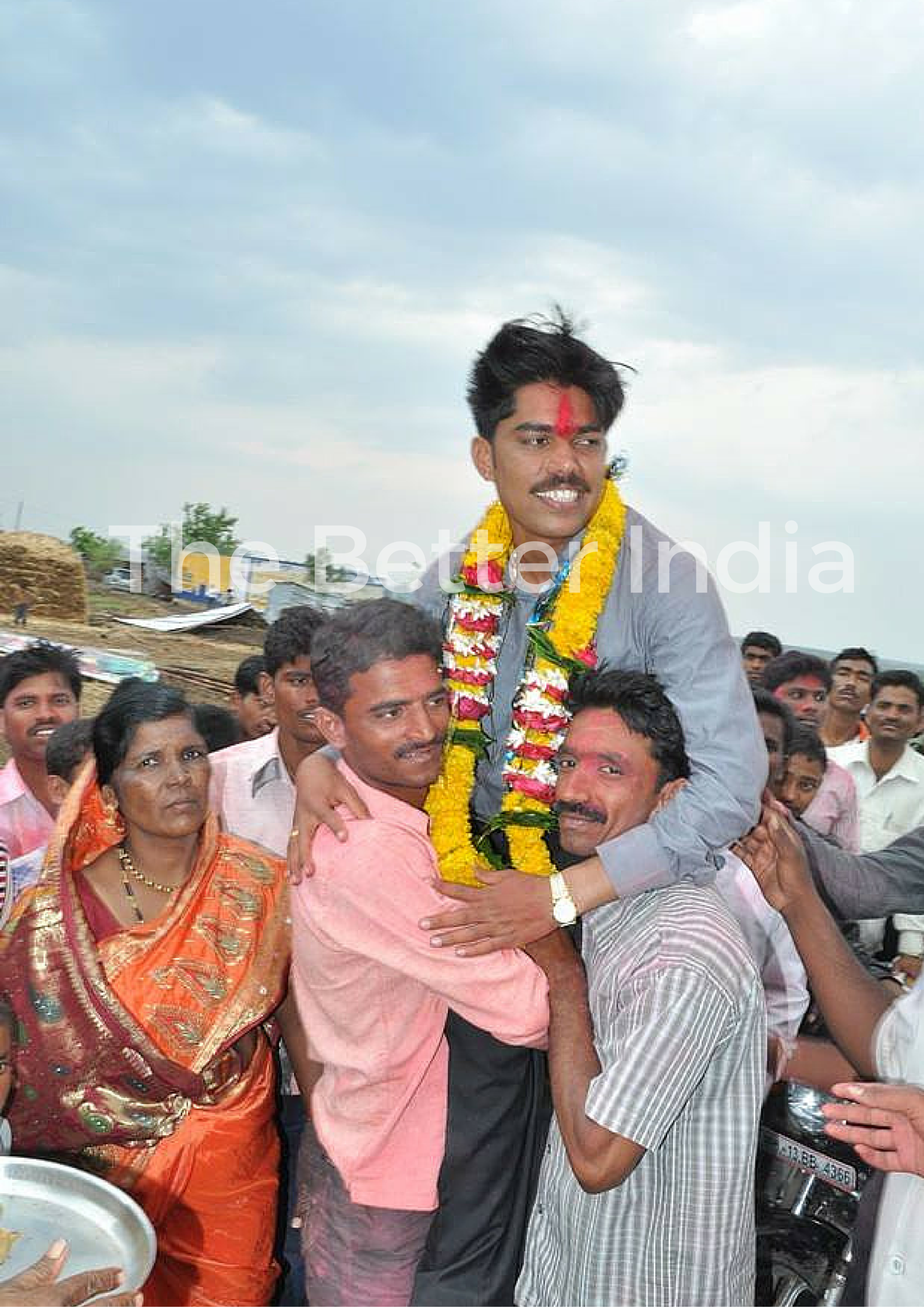
Ramu to IAS Ramesh: The Story of a Disabled Bangle Seller Who is Now an IAS officer….

From selling bangles to becoming an IAS officer – who says hard work and determination don’t pay off? This is the inspiring story of Ramesh Gholap.

Ramesh Gholap, known as Ramu in his village Mahagoan in Barshi district of Maharashtra, was a bright child. His father Gorakh Gholap ran a cycle repair shop, enough to provide an income for his family of four, but the business did not last long as his health suffered from constant drinking.

It was then that Ramu’s mother Vimal Gholap started selling bangles in nearby villages to support the family. And though Ramu’s left leg was affected by polio, he and his brother joined their mother in her little venture. Ramu and his brother would yell out loud, “Bangde ghya bangde (Buy bangles!),” and their mother would help the women try them on.

As Mahagaon had just one primary school, Ramu later went to stay in Barshi with his uncle to study further.

He knew education was the only way out of the poverty his mother and family were facing, so he worked as hard as he could.

Ramu’s sincerity and dedication made him a star among his teachers. But, in the year 2005, when he was in Class 12 and his college model exams were going on, he got news of his father’s death. The bus fare from Barshi to Mahagaon was Rs.7 those days. And since he received a bus pass for the disabled, the fare for him was just Rs. 2. But Ramu did not even have that.

His neighbours helped him with the money and only then could Ramu go for the last rites of his father.

Just four days after his father’s death, Ramu had a chemistry model exam in his college. On his mother’s insistence he went and appeared for the exam but, after that, he skipped the other model exams. He did not even submit his journals. The final exam for Class 12 was just a month away when he received a letter from his teacher that he had scored 35 marks out of 40 in chemistry. The teacher wanted to meet him. With help and encouragement from his teacher, Ramu took his final exams and scored 88.5%.

Ramu chose to do D.Ed (Diploma in Education) in spite of scoring so well, because this was the cheapest course he could afford to do to get a job as a teacher and support his family. He completed his D.Ed and also pursued a graduate degree in Arts from an open university simultaneously. And finally, he was able to start working as a teacher in 2009. This was like a dream come true for his family. But, deep down, it was not what Ramu really wanted to do.

Ramu lived with his mother and brother in a small room provided by his aunt, who had got her two-room home through a government scheme called Indira Awas Yojna. He saw his mother making visit after visit to government offices to get a house for herself too under the same scheme, but she was turned away because her BPL (below poverty line) card wasn’t eligible.

Ramu was angry with the ration shop owner too, who sold kerosene in the black market instead of providing it to needy families like his.

He had already been through the frustration of seeing his father not get adequate attention when he was admitted for tuberculosis in a government hospital.

He saw his mother and other widows being manipulated by an officer who collected money from them and made false promises to get them their pensions.

During his college days, Ramu had been a member of the student’s union and consequently had to go thetehsildar’s office often to get approval for various college issues. He saw the tehsildar as being the most influential and powerful government official he had ever come across. Ramu decided he wanted to become a tehsildar too in order to solve all the problems he and his family faced.

In September 2009, he took the first step towards his dream. Using the loan that his mother had taken from a self-help group in his village, Ramu went to Pune to prepare for the UPSC exam, taking a leave of six months from his job.

“I did not even know the meaning of MPSC and UPSC since I had always lived in small villages. I did not have money to take coaching classes either. So, the first thing I did was to meet one of the teachers of these coaching classes, just to understand if I was eligible to take the UPSC exam. The first teacher who met me was Mr. Atul Lande. I requested him to write down the answers to a few of my questions, like what is UPSC, can it be taken in Marathi, am I eligible for it, etc. And he told me there was nothing to stop me from taking the UPSC. It is only because of that one statement that I finally did it,” says Ramesh Gholap.

Ramu appeared for the UPSC exams in May 2010 but unfortunately didn’t make the cut. In the meantime, he had also formed a political party with the help of some friends in his village of Mahagaon to fight the local panchayat elections. His mother stood as a candidate for sarpanch. The mission of the party was simple – to come to power and help the distressed. On October 23, 2010, the results of the panchayat elections were out. Ramu terms this date as the biggest turning point of his life in his autobiography, Ithe Thambne Nahi (I Won’t Stop Here).

Ramu’s mother, Vimal Gholap lost the elections by a few votes but the loss did not break Ramu. Instead, it gave him the strength to stand up and fight back again against the system. On the same day, he announced in front of all the villagers that he was leaving the village and would come back only when he became a powerful officer.

After this, no one could stop Ramu. He left his job and cleared the State Institute of Administrative Careers (SIAC) exam – this gave him a hostel to stay in and a stipend as scholarship. He painted posters to take care of his expenditures. And finally, this son of illiterate parents, who studied in a zilla parishad school and by correspondence with open universities, cleared the UPSC examination with an all-India rank of 287, without any coaching.

Ramu was selected for the IAS in the year 2012. And, as per his promise, he came back to his village on May 12, 2012, after finishing a long journey from being Ramu to becoming Ramesh Gorakh Gholap, IAS.

 
5

In the next couple of months, the MPSC results were also out and this time Ramu broke all records. He topped the Maharashtra Public Service Commission (MPSC) exam in the year 2012, scoring the highest ever marks of 1,244 out of 1,800.

Ramesh Gholap is now posted in Jharkhand as Joint Secretary in the Energy Department.

2-2

Mala swatala shikta nahi aala pan porala khup shikwaycha asa tharwila hota…Aaj majha mulga itka motha sahib zalay he baghun khup anand hoto…pang fedala porane (I couldn’t get an education but I had decided that I would educate my sons. Today, my son has become such a big officer and that makes me so happy…. my boy has returned all my debts!),” says Vimal Gholap.

Ramesh Gholap has given more than 300 informational and motivational talks to youngsters aspiring to take the MPSC or UPSC exams. He is also fulfilling his dream of helping the poor and distressed through his work.

“Whenever I cancel the licence of a PDS shop owner who has been black marketing kerosene, I remember my days when I had to turn off the lantern for lack of kerosene. Whenever I help a widow, I remember my mother begging for a house or for her pension. Whenever I inspect a government hospital, I remember my father’s words when he had left drinking and just wanted better treatment. He would ask me to become a big man and take him to a private hospital. Whenever I help a poor child, I remember myself, I remember Ramu,” says Ramesh Gholap, IAS.

Source….Manabhi Katoch in http://www.the betterindia.com

natarajan

படித்து ரசித்தது …” கண்ணதாசனின் எண்ணங்கள் ஆயிரம் …”

கண்ணதாசன் எழுதிய, ‘எண்ணங்கள் ஆயிரம்’ நூலிலிருந்து: நல்ல உள்ளமும், ஞாபக மறதியும் படைத்த பொதுமக்களே…
உங்களை வணங்குகிறோம்; தெய்வம் வரம் கொடுப்பது போல, எங்களுக்கு பதவி கொடுத்து, உங்களை வாழ வைக்க வந்த எங்களை, வாழ வைக்கிறீர்கள் என்பதால், உங்களை மதிக்கிறோம்.
அரசியல்வாதிகளான நாங்கள் அன்று எப்படி இருந்தோம், இன்று எப்படி இருக்கிறோம் என்று நீங்கள் ஆராயக் கூடாது. அன்று பட்டுக்கோட்டைக்கும், தஞ்சாவூருக்கும் போய் கொண்டிருந்தோம்; இன்று பாரீசுக்கும், நியூயார்க்குக்கும் சென்று வருகிறோம்.
இந்த முன்னேற்றத்தை, நீங்கள் விஞ்ஞான ரீதியாகக் கணக்கிட வேண்டுமே தவிர, வேறு காரணங்களை ஆராயக் கூடாது.
நாங்கள் சிரிப்பதே, உண்மையான சிரிப்பென்றும், அழுவதே உண்மையான அழுகை என்றும் நீங்கள் நம்புகிறீர்கள்; நன்றி!
அந்த நம்பிக்கை மேலும் தொடர வேண்டுமே தவிர, இடையில் தளரக் கூடாது.
நாங்கள் மேடையில் பேசும் போது நீங்கள் ஆரவாரம் செய்கிறீர்கள். உண்மையில், நீங்கள் ஆரவாரம் செய்வீர்கள் என்று நம்பித்தான் பேசுகிறோம். உங்களுடைய புத்திக்கூர்மையில் எங்களுக்கு அவ்வளவு நம்பிக்கை!
சில நேரங்களில் நாங்கள் உண்மையும் பேசுவதுண்டு; ஆனால், எப்போது உண்மை பேசுகிறோம் என்பது, எங்களுக்கு மட்டுமே தெரியும்.
எதிர்க்க முடியாத சூழ் நிலையில், தப்பித் தவறி பேசுகிற அந்த உண்மையை போல் தான், எங்களுடைய எல்லாப் பேச்சுகளும் இருப்பதாக நீங்கள் நம்ப வேண்டும்.
நாங்கள் மேலே போட்டிருக்கும் துண்டின் நீளத்தை விட, எங்கள் நாக்கின் நீளம் அதிகம்.
வாக்காளர்களே… நீங்கள், எங்களை எந்த நேரமும் கை விட்டு விடக் கூடாது.
எங்களுக்கு வேறு தொழில் தெரியாததால் தான், இத்தொழிலுக்கு வந்துள்ளோம்.
நாட்டிலுள்ள வேலையில்லாத திண்டாட்டத்தை எங்களால் ஒழிக்க முடிகிறதோ இல்லையோ, எங்களுடைய வேலையில்லாத் திண்டாட்டம் உங்களால் ஒழிந்து விட்டது.
நாங்கள் ஜனநாயகத்தால் நியமிக்கப்பட்ட சாதாரண ஊழியர்கள்.
‘மக்கள் சேவையே மகேசன் சேவை; மக்கள் குரலே மகேசன் குரல்’ என்று வாழ்ந்து வருபவர்கள்.
நாங்கள் அழகான புதிய கார்களில் செல்லும் போது, அவற்றை எங்களுடைய கார்களாக நீங்கள் எண்ணி விடக் கூடாது. நாங்கள் ஏழைகள்; கார் வாங்கக் கூடிய சக்தி எங்களுக்கு ஏது… அவை, எங்கள் மனைவிமார்களின் கார்கள்!
அவர்களுக்கு எப்படி வந்ததென்று நீங்கள் கேட்கக் கூடாது. குடும்பக் கணக்கு ரகசியங்களை ஆராய்வது, அரசியலுக்கு அழகல்ல.
சென்ற தலைமுறையில் நாங்கள் செய்த புண்ணியம், இந்த தலைமுறையில், எங்களை தலைவர்களாக்கியிருக்கிறது.
நம் அரசியல் சட்டத்தின் அடிப்படை மிகவும் பரவலானது. ஒரு அரசியல்வாதிக்கோ, அவன் பதவி வகிப்பதற்கோ, இன்னின்ன தகுதிகள் வேண்டுமென்று, அது கட்டாயப்படுத்தவில்லை.
‘அப்படி இருந்தவனா இப்படி இருக்கிறான்…’ என்று நீங்கள் ஆச்சரியப்படக் கூடாது. நதிமூலம், ரிஷிமூலம் மற்றும் அரசியல்வாதி மூலம் மூன்றும் ஆராய்ச்சிக்கு அப்பாற்பட்டவை.
பதவிக்கு தகுதி எப்படி நிர்ணயமில்லையோ, அப்படியே பணம் சேர்வதற்கும் தகுதி நிர்ணயமில்லை.
ஆகவே, எங்களுக்கு பதவியுடன் கூடவே பணமும் வருகிறது.

‘கடைசியாக பாம்புக்கும், கீரிக்கும் சண்டை…’ என்று சொல்லியே பணத்தை வசூல் செய்து, சண்டையை காட்டாமலேயே, மூட்டை கட்டும் மந்திரவாதியைப் போல், நாங்கள் நடந்து கொள்ள மாட்டோம்.
நாங்கள், ‘வரும் வரும்…’ என்று சொல்கிற நல்வாழ்வு, ஏதோவொரு நூற்றாண்டில், ஏதோ ஒரு தலைமுறையில் வரும்.
அது வரும் போது, எங்களால் தான் வந்தது என்று, நீங்கள் நினைத்துக் கொள்ள வேண்டும் அவ்வளவுதான்!
‘ஊழல் ஊழல்…’ என்று மற்றவர்கள் கூறுவர். அது குறித்து நீங்கள் கவலைப்படக்கூடாது. எந்த நாட்டில் தான் ஊழலில்லை?
நீங்கள் தலையால் இடும் வேலையை காலால் உதைக்க, மன்னிக்க வேண்டும்… நாக்கு குழறி விட்டது. நீங்கள் காலால் இடும் வேலையை, தலையால் உழைக்க, நாங்கள் எப்போதும் தயாராக இருக்கிறோம்.
ஆகவே, இந்தத் தேர்தலிலும், நீங்கள் எங்களுக்கு ஓட்டளிக்க வேண்டும்.
மறவாதீர்கள்… எங்கள் நரிக்குட்டி சின்னத்தை!
நரிக்குட்டி, ஏழைகளின் பணப்பெட்டி; வாழ்க நரிக்குட்டி; வாழ்க நாங்கள்!
இப்படிக்கு,
ஜனநாயகம் மறவா அரசியல்வாதிகள்.

Source…..www.dinamalar.com

Natarajan