Visual delights take flight…

The latest installations in the arrival and departure halls add to the ever-growing list of artwork in Chennai’s international and domestic terminals

Flight delayed by a few hours? It won’t be as much a waste of time, if you considered taking a mini art tour across Chennai Airport. Over the course of the last couple of years, ever since the new airport was opened in 2013, 37 murals and four sculptures have been installed in both the domestic and international terminals — the most recent ones being those of a Nataraja in Thandavam pose and Yudhisthira’s ratha.

“We were asked to make two sculptures that are reminiscent of Tamil Nadu culture, by the Airport Chairman (R. K. Srivastava), for the Global Investors Meet, which took place in September. So, after a lot of brainstorming, we thought, why not bring out Nataraja and Yudhisthira’s ratha, which people can immediately associate with the heritage here,” says Neelam Dhanda, co-owner of the 12-year-old Sunny Sistems — The Art Gallery, which has executed all the installations at the airport.

The two installations were set up just a few days ahead of the investors meet, on August 30. “The 12-and-a-half-foot-high Nataraja is visible from everywhere in the arrival hall. It’s made of fibre, and has been made to look as if it has been made out of wood, and coloured in the way wooden sculptures are coloured traditionally,” says Uday Dhanda, son of Neelam, who coordinated with 18 artisans to create the works in 55 days.

Yudhisthira’s ratha, one of the five rathas which can be seen in Mahabalipuram, has Arjuna’s Penance (a stone carving at Mahabalipuram) etched on three sides, and the guardians of heaven, or dwarpals, on the back. Placed at the departure section, the 16-foot-high installation, which looks like a slice out of the Shore Temple, is also lit up with 102 lights. “I wouldn’t be surprised if a few people took snaps in front of it and told their friends that they actually visited the site at Mahabalipuram. It is that real,” Uday says with a laugh.

The challenge for the team was to bring out an imposing installation that stands out in the busy venue, but at the same time doesn’t eat into the space that sees thousands of people per day. “So, we had to take care that we consumed only a limited footprint. At first glance, people should be able to connect with it; that was our intention,” says Neelam. “Not everyone is going to take the effort or have the time to visit a gallery or tourist spots here, so the installations are a reflection of what the city has in store for them,” she adds.

The previous installations done by the team include those that depict Tamil festivals, dances and processions, besides those of a horse that’s been hand-made with brass and copper sheets and of a boat that depicts the city’s dependence on the ocean. As far as the International Terminal is concerned, there are swans, peacocks, horses and a separate series on the Indian dance forms.

Keywords: Chennai airportart installations, Chennai art
Source….

  • NAVEENA VIJAYAN  ….www.thehindu.com

Natarajan

Are these the Most Magical Settlements in the World … ?

Nestled in some of the most beautiful corners of the world, are tiny settlements of people who have adapted to live around nature.

From villages under boulders in Portugal, to floating villages in Peru, these dwellings are hidden away from the rest of the world.

The secluded settlements are often cut off from the surrounding areas, but are each set in their own natural paradises.

Bravest village ever? The settlement of Aogashima in the Philippine Sea, has 200 inhabitants who live in the middle of a volcanic crater

Bravest village ever? The settlement of Aogashima in the Philippine Sea, has 200 inhabitants who live in the middle of a volcanic crater

Aogashima, Philippine Sea

Perhaps the last place you would expect to find a living community would be inside a tropical volcanic island in the Philippine Sea.

The last time the Class-C volcano erupted was in the 1780s, and it proved fatal for half of the people living on the island.

Over fifty years later, the inhabitants who had escaped the island returned, and now there are 200 brave villagers living there.

Hidden behind a rock! This tiny settlement is concealed from the Greek coastline behind a giant rock on the island 

Hidden behind a rock! This tiny settlement is concealed from the Greek coastline behind a giant rock on the island

Monemvasia, Greece 

Monemvasia is a little settlement concealed behind a huge rock face in Laconia in Greece.

The island was separated from the mainland in 375 AD by an earthquake, although a small walkway has been created since for easy access to the mainland.

Inhabitants are hidden away from the rest of the world, with spectacular views of the Palaia Monemvasia bay.

Giant honeycomb! The Phugtal Monastery in India is hidden on a cliff on the entrance to a cave in the Zanskar region

Giant honeycomb! The Phugtal Monastery in India is hidden on a cliff on the entrance to a cave in the Zanskar region

Phugtal Monastery, India

The hidden cliff face village of Phuktal or Phugtal Monastery is one of the most isolated monasteries in northern India.

Constructed from mud and timber, it is located at the entrance to a cave on a cliff face in the south-eastern Zanskar region in Ladakh district.

Looking like a giant honeycomb it was founded in the early 12th century, but remained a hidden treasure until the 1800s when Alexander Cosmo de Koros visited the place, and stayed there for a year.

The remote east Greenland village of Isortoq includes a supermarket, the large red building (pictured front)

The remote east Greenland village of Isortoq includes a supermarket, the large red building (pictured front)

Isortoq, Greenland  

On 64 people reside on Greenland’s Isortoq village, which is set in the middle of miles of snow and ice.

The Inuit inhabitants used to be forced to survive on only meat, as the harsh landscape didn’t allow for plants to be grown.

They do have a red supermarket nowadays, which offers a variety of other produce.

There is even ketchup and mayonnaise available for eating with seal.

Long way to the corner shop! Only 16 people live in this tiny village nestled high on the cliffs near the coast of the Faroe Islands

Long way to the corner shop! Only 16 people live in this tiny village nestled high on the cliffs near the coast of the Faroe Islands

Gásadalur Village, Denmark 

The isolated village of Gásadalur situated on the west side of Vágar in the Faroe Islands.

Only 16 residents live in the peaceful settlement, with stunning views of tumbling cliffs overlooking the North Atlantic’s Gulf Stream.

A tunnel was built through the mountains in 2004, but before that, a walk to the next village would have meant a strenuous hike or horseback ride over the 400m high mountain.

Nestled in one of the driest locations on earth, is Huacachina; a town complete with trees, hotels, shops and even an oasis library - tranquil!

Nestled in one of the driest locations on earth, is Huacachina; a town complete with trees, hotels, shops and even an oasis library – tranquil!

Huacachina, Peru 

In the midst of one of the driest climates in the world is an oasis town with lush palm trees, flourishing foliage, and a tranquil lagoon which is said to have curative properties.

The magical town is called Huacachina, and it can be found not only on adventurers’ bucket lists, but also in a barren desert in Peru.

Visitors can visit the surreal settlement and the 96 residents who thrive on running small businesses on their greatest resource; sand.

The incredible Cliff of Bandiagara in Mali is an impressive series of clay structures, which are home to the Dogon people

The incredible Cliff of Bandiagara in Mali is an impressive series of clay structures, which are home to the Dogon people

The Cliff of Bandiagara, Mali 

It looks like a model village created by clay, but it is actually a real village in West-Africa, home to the Dogon people.

The Cliff of Bandiagara is zone of tablelands, gorges and plains which has been constructed out of red-coloured clay.

The series of fascinating clay chambers consists of houses, granaries, altars, sanctuaries and, or communal meeting-places, which look perfect for exploring.

Fairytale village! Undredal is hidden in a narrow valleyin the Aurlandsfjord in Norway, and looks like something out of Disney movie

Fairytale village! Undredal is hidden in a narrow valleyin the Aurlandsfjord in Norway, and looks like something out of Disney movie

Undredal, Norway 

The small village of Undredal is home to approximately 100 people and 500 goats, and is a popular tourist destination along the Aurlandsfjorden.

Undredal is famous for the brown goat cheese, and even produces goat sausages.

Before 1988, Undredal was only accessible by boat, but now a road connection has been made by constructing two tunnels as part of the European route E16.

A village in a Fjord! Furore in Italy is a brightly coloured settlement tucked away in the mouth of the fjord 

A village in a Fjord! Furore in Italy is a brightly coloured settlement tucked away in the mouth of the fjord

Furore, Italy 

Tucked away in a Fjord is a quaint Italian village, completed with brightly coloured houses decorated with murals.

Furore can be discovered in the Campania region of south-western Italy, although it used to be practically hidden from travellers.

Following Furore being dubbed ‘the village that doesn’t exist,’ the mayor decided it was time for action, and sought to put the minuscule commune on the map.

He ordered that the tiny buildings should be painted in vibrant colours so the picturesque village could be viewed from the coastal road.

Green haven! Sapa is one of the most beautiful places in earth, and is home to villagers who farm the rice fields and sell trinkets to visitors 

Green haven! Sapa is one of the most beautiful places in earth, and is home to villagers who farm the rice fields and sell trinkets to visitors

Sapa, Vietnam 

Cascading vibrant green rice fields line the hills in the Sapa region of North Vietnam.

Hill-tribe people fill the mountains with colour, and open their homes to tourists who flock to take in the incredible views across the region.

Visitors can trek through the hills and buy colourful trinkets from the tribes people, who accompany them on the walk to help.

Giant mole hills? An entire population of over a thousand residents live underground in dugouts at Coober Pedy in northern South Australia

Giant mole hills? An entire population of over a thousand residents live underground in dugouts at Coober Pedy in northern South Australia

Coober Pedy is built underground to withstand the daytime heat, and even has an underground chapel  Miners who live in the area to collect opals, stay in dugouts underground

There is even an underground chapel and houses that come with lounges, kitchens and dining rooms

Coober Pedy, Australia

From first glance you would think that Coober Pedy in northern South Australia, is a series of giant mole hills.

It is, in fact, a town concealed underground in dugouts which were built to withstand the blazing daytime heat.

According to the 2011 census, its population was 1,695 (953 males, 742 females), who live in the area to mine the precious opals that lie there.

Gorge-ous views! Tiny hilltop village, Rougon, boasts panoramic views of the surrounding Verdon Gorge in the south of France 

Gorge-ous views! Tiny hilltop village, Rougon, boasts panoramic views of the surrounding Verdon Gorge in the south of France

Rougon, France 

After winding your way through the picturesque mountain views in Alpes-de-Haute-Provence in France, you will stumble on a preserved, peaceful village called Rougon.

Sitting under a large rocky outcrop, the hidden village is perfectly situated for panoramic views of the Verdon gorge.

Visitors can explore the Saint Christophe chapel, the Huguenote church, the remains of its feudal castle and enjoy the local fair occurring in the last Sunday in June.

If you are feeling adventurous, guests can camp at the village all year round.

The Havasupai tribe are the smallest Indian nation in America, with just over 600 village inhabitants. It is so remote that mail is delivered by mule

The Havasupai tribe are the smallest Indian nation in America, with just over 600 village inhabitants. It is so remote that mail is delivered by mule

Supai, Arizona 

Millions travel to witness the spectacular Grand Canyon every year, but few know that this Arizona landscape is home to a secret tribe, hidden away in its depths.

More than 600 people are part of the Havasupai tribe, which is the smallest Indian nation in America.

Visitors can reach the mysterious tribe on foot or by helicopter or mule, and experience life in the village of Supai, which has a cafe, general stores, a lodge, post office, school, LDS chapel, and a small Christian church.

The most remote location in the world: Tristan da Cunha is situated over a thousand miles from the nearest land and has 300 residents 

The most remote location in the world: Tristan da Cunha is situated over a thousand miles from the nearest land and has 300 residents

Tristan da Cunha, Saint Helena

Taking the prize for the most remote village is Tristan da Cunha, which is only accessible by a six-day boat journey from South Africa or as part of epic month-long cruises through the South Atlantic Ocean.

The inhabited archipelago stands 1,243 miles from Saint Helena, 1,491 miles from South Africa and 2,088 miles from South America in the middle of ocean.

It’s just seven miles long and 37.8 square miles in area, and has but one settlement at the foot of the 6,765-foot Queen Mary’s Peak, with 300 residents all of whom farm for a living.

Floating village! The Uros live on islands made by interwoven reeds which sit in Lake Titicaca Puno. The tribe have been living on the lake for hundreds of years, since Incas expanded onto their land forcing them out

Floating village! The Uros live on islands made by interwoven reeds which sit in Lake Titicaca Puno. The tribe have been living on the lake for hundreds of years, since Incas expanded onto their land forcing them out

Uros Floating Islands, Lake Titicaca Puno, Peru and Bolivia

Secluded from the world are the Uros Islands in Lake Titicaca Puno which sits on the border of Peru and Bolivia.

The pre-Incan Uru tribe live on forty-two floating islands that are made out of totora reeds.

Reeds must be constantly added to the islands, as the bottom rots away in the water.

The Uros also use these reeds for a big part of their diets, and consume the white bottom of the reeds as they are pulled from the bottom of the islands.

The village under a rock! Monsanto in Portugal has built its homes around the 200-tonne rocks in the area. Some of its 828 brave residents even sleep under gigantic boulders

The village under a rock! Monsanto in Portugal has built its homes around the 200-tonne rocks in the area. Some of its 828 brave residents even sleep under gigantic boulders

Monsanto, Portugal

Residing under a roof that weighs more than the average cruise ship may make some people anxious.

Residents in the Portuguese village of Monsanto, have adapted their homes around the gigantic granite boulders.

In the mountaintop village, homes are sandwiched between, under and even in the 200-tonne rocks.

BECKY PEMBERTON FOR MAILONLINE

Source….www.dailymail.co.uk

Natarajan

India’s global ad giant taking on Google and Facebook…

“I am a very proud Indian and I want to see our country succeed,” says Naveen Tewari, chief executive of mobile advertising giant InMobi.

“I thought if I could do something from here that can be successful, maybe I’ll have a small role in creating great companies out of India that can compete with the iconic companies in Silicon Valley.”

It’s fair to say that eight years after starting the company with three co-graduates from the prestigious Indian Institute of Technology, Kanpur, Mr Tewari has done just that.

Today InMobi, based in Bangalore, India, is the third largest player in the fast-growing mobile advertising industry, with only Facebook and Google outstripping it.

The company has 24 offices in 17 countries and employs more than 900 people. Last year it posted 720 billion mobile adverts on the phones of more than a billion users.

In just a few years he hopes they will send adverts to 2.5 billion people every day.

Naveen Tewari, Chief Executive of InMobi

Naveen Tewari’s family hoped he would pursue a career in academia

”That level of ability for us to touch so many lives and impact their decision-making is a huge responsibility,” says Mr Newari.

“I want to ensure we deliver value to them.”

Smartphone revolution

The advertising giant has grown quickly because of the fast proliferation of smartphones and tablets across the world.

“InMobi creates audience networks for advertisers to reach through mobile devices,” explains Ian Maude, the director of digital media at Enders Analysis.

A screen of a game on which InMobi sells advertising

InMobi places adverts on smartphone content apps such as games

“These companies sign up digital publishers, like app makers, so they can access their audiences, package them up and sell them on to advertisers.”

India is the world’s third-largest smartphone market and many users are upgrading to smartphones for the first time from basic handsets.

Chinese mobile companies, like Xiaomi, OnePlus and Coolpad, are now investing in India, providing competition for home-grown brands, such as Micromax and Karbonn, as well as for global giants Samsung and Apple.

”InMobi is directly relevant to what is happening in India at a macro point of view because of its distribution and ability to access people on mobile devices, which people in India are adopting very quickly,” says Eileen Burbidge, who invests in technology companies for Passion Capital.

Global gamble

It has not been a clear road to global success for Mr Tewari and co-founders Abhay Singhal, Amit Gupta and Mohit Saxena.

The company was originally called mKhoj and offered a search engine that worked via text message.

In 2009, with mKhoj failing to take off, they rebranded as InMobi, funding the new business with credit card debt.

The gamble quickly paid off – that year InMobi became the largest mobile ad network in South Africa and opened offices in Europe, expanding to North America the following year.

A meeting of young people in a colourful InMobi office

InMobi has 24 offices around the world but is headquartered in Bangalore

“People asked us why are you building this as a global business when there is no past success like this,” Mr Tewari says.

“But we said we think we can make it happen; we have a great product and there is a market for it. Logic suggested that if we looked at the past we shouldn’t go for it, but my gut suggested that we should. We went for it and we are successful.

”You have to make decisions with 10% of the available information. If you had 100% information then decision-making would be very easy,” he adds.

Tech ambition

Mr Tewari says the turning point in his career was when he got to work with a venture capital firm in Silicon Valley during his summer breaks from his MBA [Master of Business Administration] at Harvard Business School.

”It was my first introduction to the world of start-ups and I learnt that I could make a difference, define the vision and actually make things happen.”

His chosen career path was a disappointment to some of his more academic family members.

”Everyone was disappointed when I did not go down the path of doing a PhD and taking up something with potential at the Indian Institutes of Technology.

“Now what I do is very different and it’s a big change,” he says.

Pl watch this video clip from you tube too….

Source….www. bbc.com  and http://www.youtube.com

Natarajan

” எப்போ நீங்க திரும்ப வருவீங்க எங்க வீட்டுக்கு …” ?

நீங்க வந்து எங்களுடன்  இருந்த இந்த ஒம்பது  நாளும் எங்களுக்கு
ஒரே கொண்டாட்டம்..சந்தோஷம் … உங்க பேர் சொல்லி நாங்களும்
சாப்பிட்டோம் தினம் தினம்  ஒரு இனிப்பு …சுண்டல் !!!
கூப்பிட்டு கூப்பிட்டு வீட்டுக்கு வந்த சொந்த பந்த உறவுக்கும்
ஒரே சந்தோஷம் …விருந்தாளி உங்களை எல்லாம் பார்க்க …அவங்க
சந்தோஷத்தில் பிறந்தது தினம் பல பாட்டும் , பஜனையும்
எல்லாமே உங்களுக்காக …
எங்களுக்கு இன்று ‘பொக்’கென்று போய் விட்டது
உங்களுக்கு தெரியுமா ஏன்  என்று ?
விஜய தசமி சுண்டல் இனிப்புடன் நீங்க எல்லாம்
உங்க உங்க ஊருக்கு கிளம்பி விடுவீர்களாம்
எங்க அம்மா சொன்னாங்க …
பிள்ளையாரப்பா , முருகன் மாமா  , சிவன் தாத்தா
பார்வதி பாட்டி , பெருமாள் தாத்தா , லக்ஷ்மி பாட்டி
குட்டி கிருஷ்ணா , நீங்க எல்லாம் எப்போ மறுபடி
எங்க வீட்டுக்கு வருவீங்க ? சீக்கிரமா வாங்க …
நாங்க உங்களையே நினைத்துக் கொண்டிருப்போம்
நீங்க திரும்ப  எங்க வீட்டுக்கு வரும்  வரைக்கும் !!!
………………
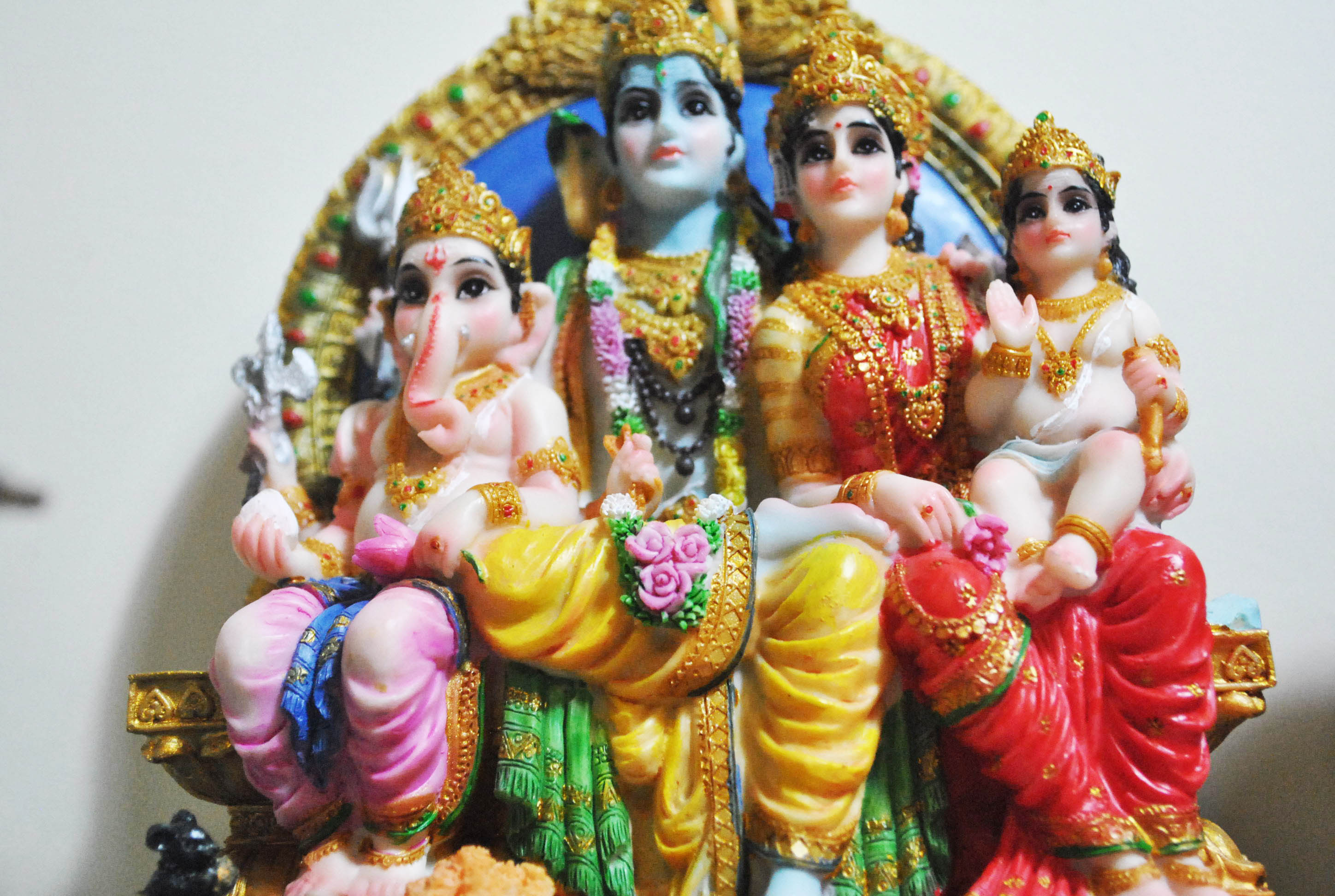
 நவராத்திரி கொலு நிறைவுற்றது …பொம்மைகள் எல்லாம் மீண்டும் பரண் மேலே செல்லும்…

வீட்டு குழந்தைகள் விஜயதசமி அன்று பொம்மைகளுடன் பேசுவதாக வடிக்கப்பட்ட ஒரு சிறு கவிதை.

நடராஜன்

22 OCT 2015
DSC_1014

Amazing Animal facts…!!!

The Animal world is awe-inspiring and full of surprises, I collected some animal facts that will amaze, amuse & teach you something new. Plus – super cute photos!
1. Did you know that Turtles can breathe through their anus?!

Cute & Surprising Animal Facts

2. If a Squirrel finds a baby squirrel without parents, it will immediately adopt it!

Cute & Surprising Animal Facts

3. Bees communicate through a complex dance.

Cute & Surprising Animal Facts

4. Did you know that Dolphins actually have specific names for each other?

Cute & Surprising Animal Facts

5. In Japan, Macaques search for lost coins, as they learned to use vending machines!

Cute & Surprising Animal Facts

6. Humpback Whales can get a song stuck in their head!

Cute & Surprising Animal Facts

7. Did you know that a group of Pugs is called a “Grumble”?

Cute & Surprising Animal Facts

8. Baby Chimpanzees will pick up and play with rocks and sticks, just like human infants.

Cute & Surprising Animal Facts

9. This surprised me too, but apparently, rats & mice are ticklish and can actually laugh!

Cute & Surprising Animal Facts

10. Ever seen an excited bunny do this? It’s called a “Binky”..

bunny gif

11. So a group of bunnies is called a “Fluffle” and that’s just too adorable!

Cute & Surprising Animal Facts

12. Shaved Guinea Pigs look remarkably like baby Hippos!

Cute & Surprising Animal Facts

13. When passing by another, an ant will bow its head in greeting. Aren’t these little fellas polite?

Cute & Surprising Animal Facts

14. Did you know that the Norwegian Army has a Knighted Colonel who’s a Penguin?! His name is Colonel-in-Chief, Sir Nils Olav!

Cute & Surprising Animal Facts

15. Goats from different parts of the world actually have different accents!

Cute & Surprising Animal Facts

16. Pom-Pom Crabs aren’t the ocean’s cheerleaders, they actually pick poisonous anemones and wave them to defend themselves from predators.


Cute & Surprising Animal Facts
17. Speaking of Macaques again, when they’re young – these guys make snowballs for fun! (but unlike us, they don’t throw them at each other…)

Cute & Surprising Animal Facts

18. Ever seen dogs play around, then suddenly sneeze? That’s how they tell each other that this is a game and not real aggression.

Cute & Surprising Animal Facts

19. Fennec Foxes have extra-hairy feet, they act like snow boots – but for sand, making sure the fox can run faster and doesn’t get burns on its little fluffy feet.

Cute & Surprising Animal Facts

20. When Otters go to sleep at night, they hold hands so they don’t get separated.

Cute & Surprising Animal Facts

Does your cat bump its head against you? Its their way of showing that they trust you!

Cute & Surprising Animal Facts

In Sweden, they have an actual bunny-jumping show, called “Kaninhoppning” (Seriously!)

Cute & Surprising Animal Facts

Crows are known for being intelligent, but did you also know that they’re such rascals that they play pranks on each other, just for fun?

Cute & Surprising Animal Facts

Cows choose other cows as best-friends and spend all their time together.

Cute & Surprising Animal Facts

Squirrels hide some of their nuts by burying them, but they’re also forgetful and these forgotten nuts lead to hundreds of new trees each year!

Cute & Surprising Animal Facts

Did you know that Elephant Shrews are actually related to Elephants, not Shrews?

Cute & Surprising Animal Facts

You probably heard that Otters use rocks to break-open molluscs, but did you know that they have a “favorite” rock, which they keep in a special pocket made of a skin-flap?

Cute & Surprising Animal Facts

Source…..www.ba-bamail.com

Natarajan


Image of the Day… Car Light and Starlight…!!!

Car lights, starlight

Have you ever driven along a mountain road in Colorado? How about at night?

Photo by Joe Randall.  Visit Joe on Facebook.

Here’s a time-exposure photograph, posted to Earthsky Facebook yesterday (October 20, 2015) by Joe Randall in Colorado Springs, Colorado. It captures the headlights of cars moving along a highway, plus the movement of stars at night, as Earth turns under the sky. The starry streaks are called star trails.

Source……..www.earthsky.org

Natarajan

Joke of the Day….” Over Smart Pug….” !!!

A rich man decided to go on a vacation . He took his faithful pet pug along for company. One day, the pug starts chasing butterflies and before long discovers that he is lost.
So, wandering around, he notices a tiger heading rapidly in his direction with the obvious intention of having him for lunch. The pug thinks, “I’m in trouble!” Then he noticed some bones on the ground close by, and immediately settles down to chew on the bones with his back to the approaching cat. Just as the tiger is about to leap, the pug exclaims loudly, “Boy, that was one delicious tiger. I wonder if there are any more around here!”
poodle
Hearing this, the tiger halts his attack in mid-stride, as a look of terror comes over him, and slinks away into the trees. “Whew,” grunts the tiger. “That was close. That weird creature nearly had me.” Meanwhile, a monkey, who had been watching the whole scene from a nearby tree, figures he can put this knowledge to good use and trade it for protection from the tiger. So, off he goes.
But the pug saw him heading after the tiger with great speed, and figured that something must be up.
The monkey soon catches up with the tiger, spills the beans and strikes a deal for himself with the tiger. The tiger, furious at being made a fool of, says, “Here monkey, hop on my back and see what’s going to happen to that conniving little thing.”
Now the pug sees the tiger coming with the monkey on his back, and thinks, “What am I going to do now?” But instead of running, the dog sits down with his back to his attackers, pretending he hasn’t seen them yet… and, just when they get close enough to hear, the pug says: “Where’s that darn monkey? I sent him off over an hour ago to bring me another tiger!”
When he turned around… he was alone.!!!!!
Source….www.ba-bamail.com
Natarajan

A Couple in Mumbai Provides Free Food to the Needy Every Day. The Reason Will Melt Your Heart …

He was a photographer with a heart — always caring, compassionate and kind towards those in need. Now his family has chosen to honour his legacy in a unique way.

On a fateful day in August 2011, Nimesh Tanna, a 22-year-old photographer, boarded a crowded local train to make his way to a meeting in Mumbai. He never made it to the meeting or to his home that day. A pole, located dangerously close to the tracks, hit him hard the moment he put his head out of the train. Nimesh fell off the fast moving train and died on the spot.

“We were best friends since childhood. We went to the same school and attended the same college. We even worked together in the same company before he decided to pursue his passion for photography. We had decided to go for a movie that night but I didn’t know Nimesh would never return,” says Kintan Parekh, Nimesh’s friend, with a heavy heart.

It’s been four years and one can still hear the pain in Kintan’s voice. He recalls that day when he received a call from the railway authorities about a dead body lying on the side of the tracks near CST railway station.

“I was with his parents at the time they got the call. They were worried as Nimesh’s phone was not reachable. His father was a heart patient so I didn’t tell him exactly what had happened. I just told him that Nimesh had met with an accident but was fine. But when we reached the accident site, his father broke down. He couldn’t believe what had happened. It was such a tough thing to accept for everyone. We took the dead body home where hundreds of Nimesh’s friends were waiting along with his mother. He was a well-known boy and every one loved him,” recalls Kintan.

Coping with this loss was even more difficult for Mr. Pradeep Tanna and Mrs. Damyanti Tanna, as Nimesh was their only child.

Nimesh Tanna was a passionate photographer with a compassionate soul.

The couple’s life came to a complete halt as they would sit the entire day in front of Nimesh’s photo, remembering him. Barely able to recover from this huge loss, Pradeep faced another setback when he lost the sweet shop he owned in Mulund because his partners cheated him in the business.

Kintan, who had always been there for the family during their tough times, yet again provided a helping hand. He advised Pradeep to start a new venture and he quit his own family business to support the Tanna family. Kintan, along with Pradeep, started a new sweet shop in Mulund.

The family was finally getting back on its feet and decided to honour their lost son in an extraordinary way.

“Nimesh was always socially inclined. He would help people in need, donate money, do volunteer work — he was very compassionate. His parents thought that starting an NGO under his name would be the perfect way to pay a tribute to their son,” says Kintan.

The Tanna couple registered the Shri Nimesh Tanna Charitable Trust (SNTCT) on January 26, 2013.

SNTCT was started with the goal of providing free tiffin service to the needy.

Nimesh's parents started a free tiffin service for the needy in his memory.

Nimesh’s parents started a free tiffin service for the needy in his memory. –

The Tannas started by making food in their small kitchen for about 30 people. SNTCT now provides lunch to about 100 underprivileged families in Mumbai every day.

It’s been over two years and the Tanna family has not skipped even a single day of their service. They have a new kitchen in a small space near their house in Mulund, where a staff of seven people makes healthy meals for the poor.

To make sure the tiffins reach the beneficiaries on time, the couple has partnered with the famous dabbawalas of Mumbai who do the delivery every day.

“Earlier, it was very challenging to deliver the tiffins on time. Sometimes, uncle and I would personally go to deliver the tiffins but this was not feasible every day since I had my own office then and uncle too had a shop to take care of,” says Kintan.

In time, SNTCT has also started working with a tribal community near Mumbai.

The trust provides food kits to the tribal community around Mumbai.

Since tribals are often disconnected from mainstream society and do not have the means to earn a proper livelihood, SNTCT provides them with ‘food kits.’

The kits contain necessary cooking ingredients like foodgrains, oil, sugar, flour, etc., for the entire month. The Trust distributes these rations to 50 adivasi families on the first Sunday of every month.

In addition, SNTCT also runs a ‘Kids Bank’ that supplies clothes, toys, books, cycles, etc., to needy children, and has a senior citizens’ initiative to supply medicines to the elderly.

SNTCT is run mainly with the money that the Tanna family earns from their sweet shop business in Mulund. However, the family also now gets support from other donors who are impressed with the work that they are doing.

“There couldn’t be a better tribute to Nimesh. He was a person with a golden heart and we are trying to keep him alive through the Trust,” says Kintan.

Loved by all, Nimesh may not be in this world anymore, but his friends and family are keeping him alive through a great cause. To know more about the Trust and to extend your support, contact Kintan at – tfpckintan@gmail.com or check out their website.

Source….Shreya Pareek… http://www.thebetterindia.com

Natarajan


“When you are in the ring you know no fear”…

From the humble boxing ring of Dighwara village comes the amazing story of girl boxers who have started a revolution of sorts in Bihar’s rural hinterland.lead

Archana Masih met the boxing champs and their dedicated coaches as Rediff.com looks at poll-bound Bihar through the lives of its people.

Mona one of the champions

IMAGE: Mona sorts her many medals. Photographs: Archana Masih/Rediff.com

I am standing before some of the brightest stars of Bihar. Girls who have come from neighbouring villages and wait under a mango tree — their medals gleaming under the afternoon sun.

They are the boxing champions of Dighwara, young girls that have trained in a grossly sub-standard boxing ring made of brick and sand in a village school. But this is their hallowed ground. They reverently touch each of its three steps with their hands and then touch their foreheads before stepping on to it.

Burnt and burnished in this pit of sand, where they practice for two-and-half hours every day, they have gone on to win medals at the district, state and national level.

Priyanka and Mona, with three medals each at the national level, are about to leave for another national championships in Guwahati in a couple of days. They have a host of other medals, they say, that can fill up an entire wall in their homes.

“The girls have graduated from salwar suits to track suits and are our pride,” says coach Roshan Singh, a young army man who is the force behind Dighwara’s boxing revolution that began in 2008.

The girl boxers of neighbouring villages

IMAGE: Girl boxers who have assembled from three schools that have started boxing classes. One is a government school. Coaches Roshan Singh, right and Dheeraj Kant, left.

It had started with 6, 8 girls; now 20 of them stand in front of me. In rural Bihar where parents send their girls to school or college to study and not much for sport — and marry them soon after — the interest in boxing is no ordinary achievement.

“It has made us confident and opened our minds,” says Priyanka, who was among the first batch of boxers, “I want to continue boxing and then train to be a referee or a coach.”

All set to travel for her next competition, she had jogged four kilometres from her village of Aami to the boxing ring in Dighwara at 4 am last morning.

For their practice coach Roshan Singh makes them box with boys as well. When I ask Priyanka if it is tough to fight the boys, she brushes it off lightly, “Nahin, there’s no difference. It’s the technique that matters.”

The club is also a rural melting pot of sorts — an ideal learning ground for young athletes. It has children from different castes, religions and backgrounds. Young Sabiya Khatoon is the junior-most in the group.

The ring was made by a sports enthusiast Ashok Singh who is contesting the assembly election as an Independent candidate. When he started it he says little did he imagine that it would become such a hit with the girls.

It is holiday time in Bihar. The schools are closed and there is a festive air, but the girls have come to a college near the boxing ring (which is on a school campus). Some have come from a government school in Amnaur two hours away. The teacher accompanying them says that encouraged by the girls in Dighwara, he wanted his school girls to also learn boxing. Now they have a coach of their own.

Mona and Priyanka, star boxers of Dighwara

IMAGE: Mona and Priyanka, star boxers of the club, who come from villages nearby.

Another school owner had brought students in an autorickshaw from another village. None of the girls are city or town-bred neither do they have access to facilities that boxers in states like Punjab, Haryana and Delhi have, but they are raring to go.

When I ask coaches Roshan and Dheeraj, what they need most — they say a good boxing ring, which would cost around Rs 250,000. The district or state has not helped them enhance their facility, some netas have made some promises, but they have remained just promises, they say.

The girls are confident — a precocious bunch of youngsters, like you may find anywhere in this country — and say that they love to pack a punch.

“There may be some nervousness initially, but when you are in the ring, you know no fear,” says Priyanka, the youngest of her siblings who lives in a large joint family.

Sudha at her home

IMAGE: Sudha Kumari has got a discount at the club because her mother is a daily wage earner. She stands at the entrance of her home.

Sitting in the drawing room where they offer rasgullas from their sweet shop, her mother Sona Devi, a former municipal office bearer, says, “People here still don’t encourage their girls, but I am determined to support mine. My older daughter has completed her PhD and people are pressing me to get her married, but I think what’s the hurry.”

The girls pay Rs 300 to enrol in the boxing club. A price too high for Sudha Kumari, who has borrowed her friend’s cycle to come to the ring.

She could only pay Rs 200 and was provided her track suit, shoes and gloves by the club. The club often waives the fees of girls who cannot afford it.

Sudha is a quiet girl who is in Class 11. Her mother Mamta is a daily wage worker and her father is no more. Mamta earns around Rs 100 a day.

Coach Roshan with Sudha's grandparents

IMAGE: Coach Roshan with Sudha’s grandparents.

I ask Sudha to take me to her home because I want to meet her mother and she agrees without hesitation. On the way, she tells me she walks to the boxing club which takes 5 minutes by a short cut. She also tells me that the cycle she received as part of Chief Minister Nitish Kumar’s cycle scheme had broken down and she did not have the means to get it repaired.

You make your way past two cows and three goats to go into the small house that is shared by her four younger siblings, mother and grandparents. The small room has a bed that occupies the whole room, leaving just enough room for two people to stand. A small TV is wedged in a corner where Sudha has watched Mary Kom, who is an idol to all these girls.

“I did not know what boxing was when she told me she wanted to join the club, but I let her because she wanted to. It is eight months now,” says her mother. Sudha will leave for Delhi to compete in her first competition in December.

In the courtyard, coach Roshan is standing with the grandparents. “Dadaji, this girl is better than boys,” he tells Sudha’s old grandfather. “She will make your family proud.”

The old man weeps with tears of joy.

If you want to help Dighwara’s boxing club, you can contact coach Dheeraj Kant at 9852994629.

Source….Archana Masih / Rediff.com 

Natarajan


Image of the Day…” Sunset and Windmill”…

Photo by John Ashley.

Sunset and windmill

A slightly squashed pumpkin sunset in Montana …

John Ashley submitted this photo to EarthSky, of a beautiful sunset captured on October 16, 2015. He wrote:

Even a seasoned windmill stopped to watch tonight’s pumpkin sun setting through layered clouds near Malta, Montana.

Source….www.earthsky.org

Natarajan