GOOGLE …. WINDOW….Do you know the Meaning ? …..!!!

DO YOU KNOW THE MEANING OF THE FOLLOWING WORDS–
Very Useful Information … 
1.) GOOGLE : Global Organization Of Oriented Group Language Of Earth.
2.) YAHOO : Yet Another Hierarchical Officious Oracle .
3.) WINDOW : Wide Interactive Network Development for Office work Solution
4.) COMPUTER : Common Oriented Machine Particularly United and used under 
Technical and Educational Research.
5.) VIRUS : Vital Information Resources Under Siege .
6.) UMTS : Universal Mobile Telecommunications System .
7.) AMOLED : Active-matrix organic light-emitting diode
8.) OLED : Organic light-emitting diode
9.) IMEI: International Mobile Equipment Identity .
10.) ESN: Electronic Serial Number .
11.) UPS: uninterruptible power supply .
12. HDMI: High-DefinitionMultimedia Interface
13.) VPN: virtual private network
14.)APN: Access Point Name
15.) SIM: Subscriber Identity Module
16.) LED: Light emitting diode.
17.) DLNA: Digital Living Network Alliance
18.) RAM: Random access memory.
19.) ROM: Read only memory.
20.) VGA: Video Graphics Array
21.) QVGA: Quarter Video Graphics Array
22.) WVGA: Wide video graphics array.
23.) WXGA: Widescreen Extended Graphics Array
24.)USB: Universal serial Bus
25.) WLAN: Wireless Local Area Network
26.) PPI: Pixels Per Inch
27.) LCD: Liquid Crystal Display.
28.) HSDPA: High speed down-link packet access.
29.) HSUPA: High-Speed Uplink Packet Access
30.) HSPA: High Speed Packet Access
31.) GPRS: General Packet Radio Service
32.) EDGE: Enhanced Data Rates for Global Evolution
33.)NFC: Near field communication
34.) OTG: on-the-go
35.) S-LCD: Super Liquid Crystal Display
36.) O.S: Operating system.
37.) SNS: Social network service
38.) H.S: HOTSPOT
39.) P.O.I: point of interest
40.)GPS: Global Positioning System
41.)DVD: Digital Video Disk
42.)DTP: Desk top publishing.
43.) DNSE: Digital natural sound engine .
44.) OVI: Ohio Video Intranet
45.)CDMA: Code Division Multiple Access
46.) WCDMA: Wide-band Code Division Multiple Access
47.)GSM: Global System for Mobile Communications
48.)WI-FI: Wireless Fidelity
49.) DIVX: Digital internet video access.
50.) .APK: authenticated public key.
51.) J2ME: java 2 micro edition
52.) SIS: installation source.
53.) DELL: Digital electronic link library.
54.)ACER: Acquisition Collaboration ExperimentationReflection
55.)RSS: Really simple syndication
56.) TFT: thin film transistor
57.) AMR: Adaptive Multi-Rate
58.) MPEG: moving pictures experts group
Source…..Input from a friend of mine
Natarajan

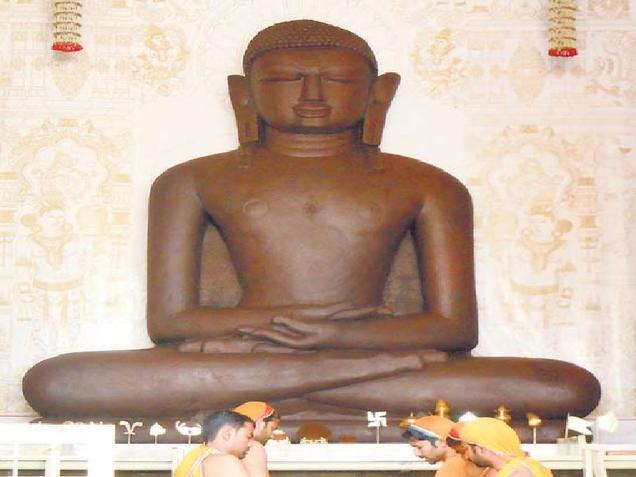
Image of the Day….”Airplane crossing Sun’s face …” !!!


While preparing on Sunday to watch today’s transit – an event Mercury crosses the face of our sun – Helio C. Vital caught an airplane doing the same.

Photo taken May 8, 2016 by Helio C. Vital.

Helio C. Vital in Rio de Janeiro, Brazil, wrote late Sunday night:

Brazil will be in the front row to watch the whole transit of Mercury on Monday.

This photo shows the sun less than 16 hours before Mercury starts to pass in front of our vital star. To make things even more exciting, as I was filming the sun in preparation for Monday’s rare event, a plane just happened to transit it, like Mercury will be doing. How nice!

Source……..www.earthsky.org

Natarajan


888ae0af-febf-4073-8f12-78d41f0fe638

அட்சய திருதியை அன்று ஆகார தானம்….

ஆதிபகவனான விருஷபநாதர் மேருமலை போல் அசையாமலும், கடல்போல் கலக்கமற்றும் காற்றைப் போல் எதிலும் பற்றற்றும், ஆகாயம் போல் மாசின்றியும் தவத்திலிருந்தார். ஆறுமாதம் சென்றது. அவர் முனிவர்களுக்கு சர்யா மார்க்கமாகிய ஆகாரம் ஏற்கும் முறைகளையும் இல்லறத்தாருக்கு ஆகார தானம் அளிக்கும் வழிகளையும் விளக்க விரும்பினார்.

விருஷபநாதர் எல்லா இடங்களிலும் எழுந்தருளினார். அசுவினி நட்சத்திரத்தின் போது வரிசையாக வரும் நிலவு போல எல்லா வீதிகளிலும் வீடுகளிலும் முறையாக மவுனமாக எழுந்தருளினார்.

Munivar_5_2840725f (1)

மக்களுக்கோ விருஷபநாதரின் எண்ணம் புரியவில்லை. அவர்களுக்கு எதிர்கோடல் முதலிய ஒன்பதுவகைப் புண்ணிய வழிமுறைகள் தெரியவில்லை. எனவே சிலர் யானை குதிரை போன்றவற்றையும், சிலர் பட்டாடைகளையும் சிலர் உயர்ந்தரக அணிகலன்களையும் காட்டினர். ஆனால் எவருக்கும் ஆதிநாதருக்கு ஆகார தானம் செய்யும் எண்ணம் தோன்றவில்லை. எனவே பகவான் மேலும் ஆறுமாதம் உபவாசம் மேற்கொண்டார்.

மன்னனுக்கு வந்த கனவு

அஸ்தினாபுரத்து அரசன் சிரேயான்சன் கனவில் மகாமேரு, கற்பகத்தரு, சிங்கம், விருஷபம், சூரியன், சந்திரன், சமுத்திரம், எண்வகை மங்கலங்களை ஏந்திய தேவதைகள் தோன்றினர். அவன் மறுநாள் புரோகிதனை அழைத்து தன் கனவுக்கு விளக்கம் கேட்டான்.

புரோகிதன் அரசனிடம், மகாமேரு கனவில் வந்ததால், விருஷபதேவர் சர்யா மார்க்கமாக இந்நகரத்துக்கு எழுந்தருளுவார். மற்றவை இறைவனின் குணநலன்களையும் நமக்கு வரும் சிறப்புகளையும் குறிக்கும் என்றான். அதைக் கேட்ட அரசன் மகிழ்வுற்றான்.

மறுநாளே சுவாமி வந்தார். சிரேயாம்சன் அவரை எதிர் கொண்டு அழைத்தான். பகவானை வலம்வந்து வணங்கினான். சிரேயாம்சனுக்கு முற்பிறவி ஞானம் வந்தது.

முற்பிறவியில் முனிவருக்கு ஆகார தானம் கொடுத்ததும் அதன் வழிமுறைகளும் அவனுக்குத் தோன்றின. உடனே இது பகவானுக்கு ஆகார நேரமென உணர்ந்தான். தானம் செய்பவருக்கான முறைகளோடு சுவாமியை அரண்மனைக்கு அழைத்துச் சென்று உயர்ந்த இருக்கையில் அமரச்செய்தான். அவரின் பாதங்களைத் தூய நீரால் கழுவி, அந்தப் புனிதநீரைத் தன் தலையில் தெளித்துக்கொண்டான். மனம்,மெய்,மொழிகளால் தூயவனாகி வணங்கினான்.

தூய கருப்பஞ்சாற்றால் பகவானின் திருக்கரமான பாத்திரத்தில் நிரப்பினான். அவரும் அருந்தினார். தேவர்கள் பூமாரி பொழிந்தனர்.தேவ வாத்தியங்கள் முழங்கின. நறுமண மந்தமாருதம் வீசியது.

பகவான் ஆகாரம் ஏற்றார். இவ்வாறு முனிவர்களுக்கான ஆகாரம் ஏற்கும்

முறையையும் இல்லறத்தாரின் ஆகார தானம் அளிக்கும் முறைகளையும் நடத்திக்காட்டி மீண்டும் மவுனமாக வனத்தில் எழுந்தருளினார்.

இம்முறைப்படியே இன்றும் சமண இல்லறத்தார்களும் முனிவர்களும் பின்பற்றி போற்றி வருகின்றார்கள். அட்சய திருதியை அன்றுதான் பகவான் ஆகாரம் ஏற்றப் புனிதநாளாகும்.

Source…..விஜி சக்கரவர்த்தி in http://www.tamil.the hindu.com

Natarajan

Why are Bureaucratic Obstacles Referred to as Red Tape….?


The practice of referring to “excessive bureaucratic rigmarole” as red tape dates back more than 400 years to the court of the Holy Roman Emperor and King of Spain, Charles V (1500-1558). As heir to three of Europe’s most powerful dynasties (Habsburg, Valois-Burgundy and Trastámara), at the height of his power, Charles’ empire stretched from Spain in the west to Hungary in the east, and from the Netherlands in the north to Sicily in the south. In addition, Charles had significant holdings in the New World, and an enormous administration to manage his vast empire

At the time, administrative documents were bound in some fashion, either with rope, string, ribbon or cloth. Sometime during the early 16th century, in order to distinguish the most important documents that required immediate discussion at the highest levels of government (such as the Council of State), from those of less significance, Charles’ ministers began tying important papers together with red string or ribbon.

Seeing the efficacy of such a system, the method was soon adopted across Europe, and in fact, England’s Henry VIII used red string, ribbon or cloth to secure the petitions he sent to Pope Clement VII requesting annulment of his marriage to Catherine of Aragon in 1527.

Note that well before this time, tæppe had been an Old English word that meant “narrow strip of cloth used for typing, measuring, etc.” and its use dates back to at least the late 16th century. So, while it’s not clear that Henry’s court called it red tape, it is possible.

As for the term “red tape, reference to this string for important papers dates back to the late 17th century where it was written in Maryland Laws: “The Map . . . upon the Backside thereof sealed with his Excellency’s Seal at Arms on a Red Cross with Red Tape.”

The Oxford English Dictionary dates its current meaning to 1736 and John Hervey’sPoetical Epistle to the Queen: “Let Wilmington, with grave, contracted brow, Red tape and wisdom at the Council show.”

Another early instance of its metaphorical meaning is seen more clearly in Catherine Gore’s Stokeshill Place (1837): “My dear, you mistake John Barnsley. Dearly as he loves a bit of red tape, you never saw him try to inspire any other man with the love of business.”

Shortly thereafter, the term became widely used, including in Charles Dickens’ David Copperfield (1849-1850): “Britannia, that unfortunate female, is always before me, like a trussed fowl: skewered through and through with office-pens, and bound hand and foot with red tape.”

Bonus Fact:

  • Documents important to veterans of the American Civil War were bound in red tape, including those necessary to obtain pensions, as well as those holding the verdicts of soldiers facing criminal trial. In an episode of The West Wing, Martin Sheen as President Bartlet mistakenly attributes the phrase to this era.

Source………www.today i foundout .com

Natarajan

“ஆழமான இடத்தில் அதிக நீர் தங்கும் …ஆத்மார்த்தமான உள்ளத்தில் பகவான் தங்குவார் …”

album1_22கடமையைச் செய்… பலனை எதிர்பார்க்காதே.’

– இது பகவான் கிருஷ்ணன் சொன்னது.

அதுபோல் தெய்வங்களிடமும், மகான்களிடமும் பிரார்த்தனைகளை வைப்பதோடு நம் வேலை முடிந்து விட்டது. ‘பிரார்த்தனை வைத்தோமே… நாம் வணங்குகிற கடவுள் இதை எப்போது நிவர்த்தி செய்வார்? நாம் கும்பிடுகிற மகான் இதை எப்போது நிறைவேற்றி வைப்பார்?’ என்று எதிர்பார்த்துக் கொண்டிருக்கக் கூடாது.

ஆழமான இடத்தில்தான் நீர் அதிகம் தங்கும்.

ஆத்மார்த்தமான உள்ளத்தில்தான் பகவான் தங்குவார்.

நம் பிரார்த்தனை நியாயமாக இருந்தால், அவற்றை தெய்வங்களிடமோ மகான்களிடமோ சொல்ல வேண்டும் என்கிற அவசியம் இல்லை. அதை அவர்களாகவே தங்களது தீர்க்க தரிசனத்தின் மூலம் உணர்ந்து எப்போது நிறைவேற்ற வேண்டுமோ, அப்போது நிறைவேற்றி விடுவார்கள்.

காஞ்சி மகா பெரியவாளின் அனுக்ரஹத்துக்கு உள்ளான பக்தர்களுக்கு இது நன்றாகவே தெரியும்.

அந்த மகானின் அன்புக்கும், கருணைக்கும் கட்டுப்பட்ட பக்தகோடிகள் இவரது தரிசனத்தையே மாபெரும் வரப்ரசாதமாக எண்ணுவார்கள்.

அது 1991-ஆம் வருடம்… மகா பெரியவா முதுமைக் காலத்தில் இருந்தார். பக்தர்களுக்கு அதிக தரிசனம் அப்போது இல்லை.

அன்றைய தினம் விசேஷமாக மகா பெரியவா பக்தர்களுக்கு தரிசனம் தந்து கொண்டிருந்தார்.

ரொம்ப நாள் கழித்துப் பெரியவா தரிசனம் தரப் போகிறார் என்பதற்காக அன்றைய தினம் மகா பெரியவாளைத் தரிசிக்க எண்ணற்ற பக்தர்கள் வந்திருந்தனர்.

குழந்தைகளில் இருந்து முதியோர் வரை எல்லா தரப்பினரும் ஸ்ரீமடத்தில் திரண்டிருந்தனர்.

பிரார்த்தனை எதுவும் இல்லாமல் இன்றைக்குக் கோயில்களுக்குச் செல்வோரையும், மகான்களின் அதிஷ்டானம் செல்வோரையும் காண்பது மிகவும் அரிதாகி விட்டது.

அன்றைய தினமும் அப்படித்தான். மகா பெரியவாளைத் தரிசிக்கக் கூடி இருந்த பக்தர்களுள் பலரது முகத்தில் ஏதோ எதிர்பார்ப்புகள். வேண்டுதல்கள்.

அவரவர்கள் தங்களால் இயன்ற காணிக்கைகளைக் குருவுக்கு சமர்ப்பிக்க வேண்டும் என்று வாங்கிக் கொண்டு வந்திருந்தார்கள். அவற்றில் பழங்கள், உலர்வகை பழங்கள், முந்திரி, வில்வ மற்றும் துளசி மாலைகளும் அடங்கும்.

பக்தர்களோடு பக்தராக அங்கே கலந்து ஓர் ஓரமாக நின்று கொண்டிருந்தனர், நாராயணன் – வைதேகி தம்பதியர். சென்னையில் வசிப்பவர்கள். நாராயணன் உத்தியோகஸ்தர்.
நாராயணனது இடுப்பில் அவர்களது ஒண்ணரை வயது பெண் குழந்தை நிதர்சனா அப்பாவின் கழுத்தைக் கட்டிக் கொண்டிருந்தது.

விழிகளை உருட்டி உருட்டி அங்குமிங்கும் பார்த்துக் கொண்டிருந்தாள். புதுப் புது மனிதர்களே எங்கும் தென்பட்டதால், குழந்தையின் முகத்தில் ஒரு மிரட்சி தெரிந்தது.

‘மகா பெரியவா அருகே செல்ல வேண்டும்… அந்த மகானிடம் தங்களது பிரார்த்தனையைச் சொல்ல வேண்டும்’ என்பது இந்தத் தம்பதியர்களின் விருப்பமாக இருந்தது.

ஆனால், அன்றைக்குக் கூடி இருந்த பக்தர்கள் கூட்டத்தில் இவர்களால் ஒரு இஞ்ச் கூட முன்னேறிச் செல்ல முடியாத சூழ்நிலை.

எனவே, தாங்கள் இருந்த இடத்தில் இருந்தபடியே மகா பெரியவாளின் திருமுக தரிசனத்தை எம்பி எம்பிப் பார்த்து கன்னத்தில் போட்டபடி இருந்தனர்.

‘‘ஏங்க, கூட்டம் இவ்ளோ இருக்கே… நிதர்சனாவைப் பெரியவாகிட்ட கூட்டிண்டு போய் காட்ட முடியுமாங்க? அந்த தெய்வத்தின் அனுக்ரஹப் பார்வை இவ மேல் திரும்புமாங்க?’’ என்று வைதேகி, நாராயணனைப் பார்த்து ஏக்கத்துடன் கேட்டாள்.

‘‘இன்னிக்கு அந்த மகானோட அனுக்ரஹம் கிடைக்கணும்னு நமக்கு விதி இருந்தா கிடைக்கும். பார்ப்போம், குருவோட பார்வை நம்ம மேல திரும்பறதானு…’’ என்று மகா பெரியவாளையே வைத்த கண் வாங்காமல் பார்த்தபடி உருக்கத்துடன் சொன்னார் நாராயணன்.


‘‘ஏங்க, கூட்டம் இவ்ளோ இருக்கே… நிதர்சனாவைப் பெரியவாகிட்ட கூட்டிண்டு போய் காட்ட முடியுமாங்க? அந்த தெய்வத்தின் அனுக்ரஹப் பார்வை இவ மேல் திரும்புமாங்க?’’ என்று வைதேகி, நாராயணனைப் பார்த்து ஏக்கத்துடன் கேட்டாள்.

‘‘இன்னிக்கு அந்த மகானோட அனுக்ரஹம் கிடைக்கணும்னு நமக்கு விதி இருந்தா கிடைக்கும். பார்ப்போம், குருவோட பார்வை நம்ம மேல திரும்பறதானு…’’ என்று மகா பெரியவாளையே வைத்த கண் வாங்காமல் பார்த்தபடி உருக்கத்துடன் சொன்னார் நாராயணன்.

வந்திருந்த பக்தர்கள் ஒவ்வொருவருக்கும் அவரவர்களது பிரார்த்தனையை மகானிடம் சென்று சொல்ல வேண்டும்… இதற்கு சாதகமாக ஒரு அருளாசி அவரிடம் இருந்து பெற வேண்டும் என்று இருந்ததே தவிர, தரிசனத்துக்காகக் காத்திருக்கும் குழந்தைகளுக்கோ, பெரியோர்களுக்கோ ஒரு முன்னுரிமை கொடுத்து அவர்களை முதலில் அனுப்ப வேண்டும் என்று யாருக்கும் கவலை இல்லை. அப்படிப்பட்ட எண்ணமும் இல்லை.

மகானின் சந்நிதி முன்னாலும், எல்லோரும் சுய நலத்துடன் காணப்பட்டார்கள்.

மகா பெரியவா அருகே வரும் பக்தகோடிகளை அவரது சிஷ்யர்கள் கட்டுப்படுத்தி, அனுப்பிக் கொண்டிருந்தார்கள்.

வழக்கம்போல் மகா பெரியவா அங்கே திரண்டிருந்த பக்தகோடிகளைத் தன் அனுக்ரஹப் பார்வையால் ஒரு முறை அலசினார்.

தன்னைத் தரிசிக்க ஆத்மார்த்தமாக வந்திருக்கும் நாராயணன் – வைதேகி தம்பதியருக்கு அன்றைய தினம் யோகம் அடித்தது.

அடுத்த விநாடி ஒரு சிப்பந்தியை ஜாடை காட்டித் தன் அருகே அழைத்தார் மகா பெரியவா. குழந்தை நிதர்சனாவை இடுப்பில் சுமந்து கொண்டிருக்கும் நாராயணனை அடையாளம் காண்பித்து, ‘அவாளைக் கொஞ்சம் கிட்டக்கக் கூட்டிண்டு வா’ என்று சைகை செய்தார் மகான்.

அந்த சிப்பந்தி கூட்டத்தை விலக்கிக் கொண்டு நாலடி பாய்ச்சலில் ஓடிப் போய் நாராயணன் – வைதேகி தம்பதியரிடம் விஷயத்தைச் சொல்ல… அவர்கள் ஆனந்த அதிர்ச்சியில் திறந்த வாயை மூட மறந்தார்கள். ‘‘என்னது… மகா பெரியவா எங்களைக் கூப்பிடறாரா?’’

‘ஆமா… வாங்கோ, சீக்கிரம். உங்களுக்குத்தான் உத்தரவு ஆகி இருக்கு.’’

கணவன், மனைவி இருவரின் விழியோரங்களும் நெகிழ்வின் காரணமாக கண்ணீர் சொரிந்தன.

குழந்தையை இடுப்பில் வைத்துக் கொண்டே இரு கரங்களையும் கூப்பிய வண்ணம் மகா பெரியவாளை வணங்கியபடியே நடந்தார் நாராயணன்.

‘‘வழி விடுங்கோ… வழி விடுங்கோ…’’ என்று உரக்கக் கூவிக் கொண்டே சிப்பந்தி முன்னால் செல்ல… பின்னால் நாராயணனும் வைதேகியும் நடந்தனர்.

மகா பெரியவா அருகே இவர்களைக் கூட்டிக் கொண்டு வந்து நிறுத்திய சிப்பந்தி, பெரியவாளுக்குத் தகவல் தெரிவித்தார்.

கலியுக தெய்வத்தின் பார்வை தம்பதியின் மேல் விழுந்தது. ‘‘இடுப்புல வெச்சிண்டு இருக்காளே… அது அவாளோட குழந்தையானு கேளு…’’ – தன் பக்கத்தில் இருந்த சிப்பந்திக்கு பெரியவா உத்தரவு!

இந்தக் கேள்வி அப்படியே ஓவர் டூ தம்பதியர்.

வந்த பிரார்த்தனையே அதுதானே!

குழந்தையை முன்னிறுத்தித்தானே இன்றைக்கு மகா பெரியவாளைத் தரிசிக்க வந்திருக்கிறார்கள் இவர்கள்!

இவ எங்க கொழந்தைதான் பெரியவா…’’ – நாராயணன் நெக்குருகச் சொன்னார். அதை ஆமோதிப்பதுபோல் வைதேகியும் கண்கள் கலங்க… பெரியவாளையும் நிதர்சனாவையும் மாறி மாறிப் பார்த்துக் கொண்டிருந்தாள்.

குழந்தையைப் பார்த்துப் பெரியவா புன்னகைத்தார்.

குழந்தையும் பதிலுக்குப் புன்னகைத்தது.

அதன்பின் மகா பெரியவா தனக்கு அருகில் இருந்த ஒரு மூங்கில் தட்டில் இருந்து சிறிது உலர் திராட்சைகளை அள்ளி, சிப்பந்தியிடம் கொடுத்தார். ‘‘அந்தக் கொழந்தைகிட்ட கொடு.’’
திராட்சை இடம் மாறியது.

தன் பிஞ்சுக் கைகளை நீட்டியபடி அத்தனை திராட்சைகளையும் இரண்டு உள்ளங்கைகளுக்குள் அடக்க முற்பட்டது குழந்தை. அம்மாவும் இதற்கு உதவினார்.

மகா பெரியவா திருச்சந்நிதியிலேயே அந்த திராட்சைகளில் இருந்து இரண்டை எடுத்துத் தன் வாயில் போட்டுக் கொண்டது குழந்தை.

நாராயணனுக்கும் வைதேகிக்கும் கண்கள் குளமாயின என்று சொன்னால், அது சாதாரணம்.

இருவரும் குழந்தையை வைத்துக் கொண்டு தேம்புகிறார்கள்.

வந்த கார்யம் முடிந்து விட்டது. அந்தப் பரப்பிரம்மம் தன் வலக் கையை உயர்த்தி, இவர்களுக்கு விடை கொடுத்தது.

இத்தனை பக்தகோடிகள் கூடி இருக்கிற இடத்தில், மிகவும் ஆத்மார்த்தமாக வந்திருக்கிற ஒரு ஜோடியைத் தேர்ந்தெடுத்துத் தன் அருகே வரவழைத்து அவர்களுக்குத் தேவையானதைக் கொடுத்து விட்டார் மகா பெரியவா.

அடுத்து, மகானது பார்வை கூட்டத்தைத் துழாவியது.

அடுத்த அதிர்ஷ்டம் யாருக்கோ?!

காஞ்சி ஸ்ரீமடத்தை விட்டு வெளியே வந்தார்கள் நாராயணனும் வைதேகியும்!

இன்னமும் இடுப்பிலேயே இருந்தாள் நிதர்சனா!

இதுவரை அநேகமாக ஏழெட்டு திராட்சையை சாப்பிட்டிருப்பாள்.

மகா பெரியவா பிரசாதம் இன்னமும் அவள் கையில் இருந்தது.

காஞ்சிபுரம் பஸ் ஸ்டாண்ட் வந்து சென்னைக்குச் செல்லும் பஸ்ஸில் ஏறினார்கள் மூவரும்.

மிதமான கூட்டத்தோடு பஸ் புறப்பட்டது.

மூவர் அமரக் கூடிய ஒரு இருக்கையில் ஜன்னல் ஓரமாக நிதர்சனாவும், அவளுக்கு அருகில் நாராயணனும் வைதேகியும் அமர்ந்தார்கள்.

பஸ் புறப்பட்டு ஐந்து நிமிடம் ஆகி இருக்கும்

திடீரென நாராயணனின் கன்னத்தையும், சற்று எம்பி வைதேகியின் கன்னத்தையும் தடவி, ‘‘அம்மாமா… அப்பாபா…’’ என்று குரல் உயர்த்திக் குழந்தை பேச ஆரம்பித்தபோது, தாயும் தகப்பனும் போட்ட விநோதக் கூச்சலில் ஒரு விநாடி அதிர்ந்து சடன் பிரேக் போட்டு பேருந்தை நிறுத்தினார் டிரைவர்.

‘என்ன பிரச்னையோ?’ என்று டிரைவர், தன் இருக்கையில் இருந்தே திரும்பிப் பார்க்க… கண்டக்டர் ஓடி வந்து, ‘‘என்னம்மா…’’ என்று கரிசனத்துடன் விசாரிக்க…
கண்களில் உடைப்பெடுத்துப் பெருகும் நீருடன் எல்லோரையும் பார்த்து வைதேகி சொன்னாள்: ‘‘எங் குழந்தை பேச ஆரம்பிச்சிடுச்சுங்க. எங் குழந்தை பேச ஆரம்பிச்சிடுச்சுங்க… ஒண்ணரை வருஷமா பேசாம இருந்த கொழந்தை இப்ப பேசுது. இவளோட மழலை மொழியை இப்பதான் கேக்கறேன்.’’

பஸ்ஸில் இருந்த அத்தனை பேரும் எழுந்து வந்து குழந்தையின் கன்னம் தொட்டுக் குதூகலித்தனர்.

ஆம்! நிதர்சனா பிறந்தது முதல் தற்போது வரை (ஒண்ணரை வயது) எந்த ஒரு வார்த்தையும் பேசியதில்லை.

வேண்டாத தெய்வம் இல்லை. போகாத கோயில் இல்லை. செய்யாத பரிகாரம் இல்லை.

ஆனால், அத்தனையும் தாண்டி, ஒரு கலியுக தெய்வம் தனக்கு பிக்ஷையாக வந்த திராட்சையைக் கொண்டே இவர்களின் பிரச்னையைத் தீர்த்து விட்டது.

குடும்பத்துக்கே பிரசாதமாக வந்த திராட்சை குழந்தை நிதர்சனாவுக்கு மட்டுமில்லை.

நாராயணன் அவர் புரிந்து வரும் உத்தியோகத்தில் அடுத்தடுத்து நல்ல மாற்றங்கள். பிரமோஷன், சம்பள உயர்வு என்று எல்லாம் கிடைத்தன.

மகா பெரியவாளுக்கு சுமார் 97 வயது இருக்கும்போது நடந்த அற்புதங்களில் இதுவும் ஒன்று.

ராகவேந்திரரும், ஷீர்டி பாபாவும் காலங்களைக் கடந்தும் தங்களது பக்தர்களுக்கு – தங்களை நம்பியவர்களுக்கு அபயம் அளித்துக் கொண்டுதான் இருக்கிறார்கள்.

நம் பக்கத்திலேயே வெண்ணெயை வைத்துக் கொண்டு நெய்க்கு அலைந்து கொண்டிருக்கிறோம் நாம்!

மகானின் திருச்சந்நிதி தேடி காஞ்சிக்கு ஒரு முறை போய் வாருங்கள்!

உங்கள் உதடுகள் பேச வேண்டாம். மனம் அவரோடு பேசட்டும்.

உணர்வுகளைப் புரிந்து கொள்வார். உள்ளத்தை அறிந்து கொள்வார்.

‘குருவே சரணம்’ என்று அவரது திருப்பாதங்களைப் பற்றிக் கொள்ளுங்கள்.

உங்களை ஆசிர்வதித்து அருள அவர் தயாராக இருக்கிறார்.

கட்டுரையாளர்: பி. சுவாமிநாதன்

Source …….Mail input from my friend Shri . Swaminathan

Natarajan


Ramu to IAS Ramesh: The Story of a Disabled Bangle Seller Who is Now an IAS officer….

From selling bangles to becoming an IAS officer – who says hard work and determination don’t pay off? This is the inspiring story of Ramesh Gholap.

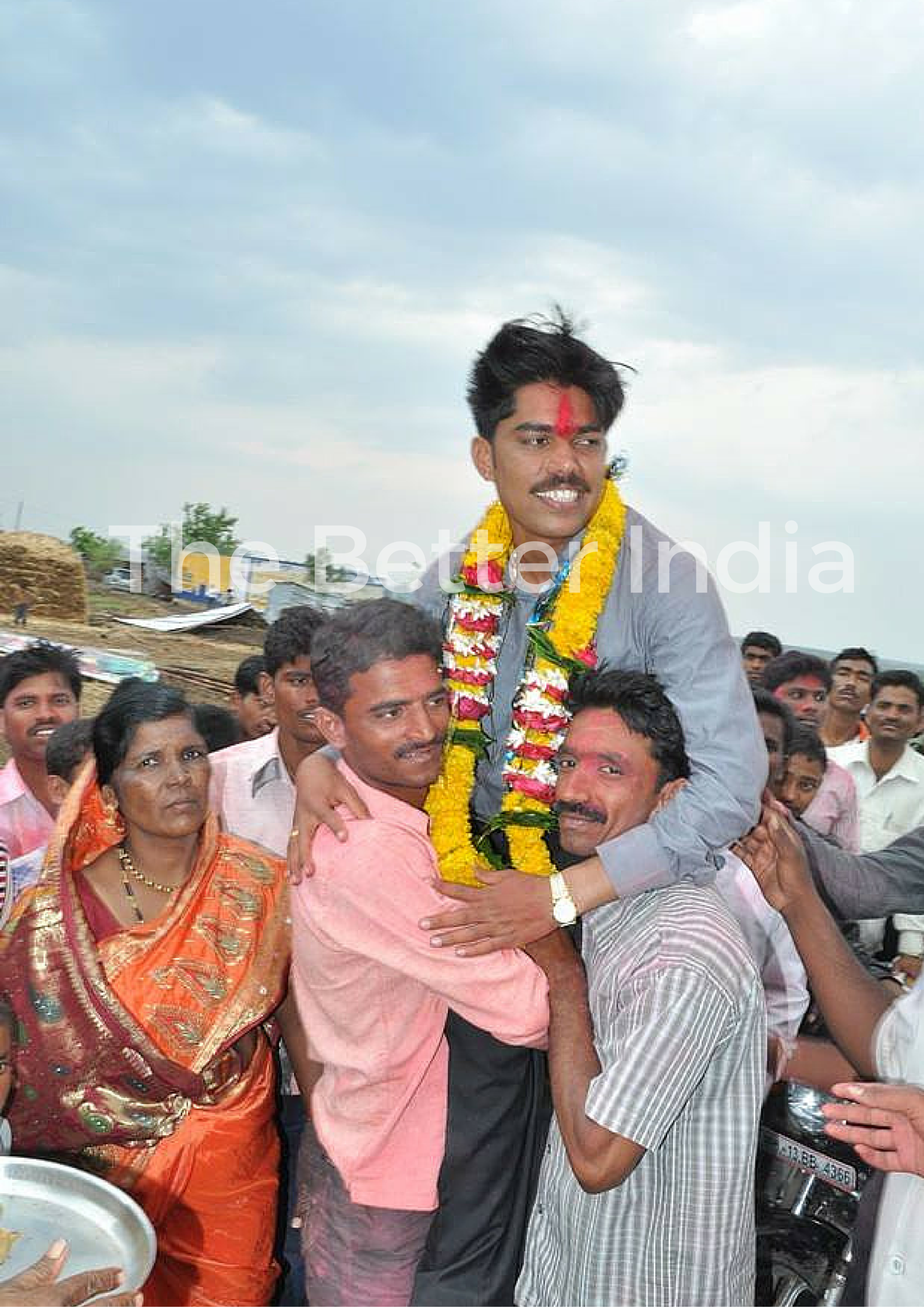
Ramesh Gholap, known as Ramu in his village Mahagoan in Barshi district of Maharashtra, was a bright child. His father Gorakh Gholap ran a cycle repair shop, enough to provide an income for his family of four, but the business did not last long as his health suffered from constant drinking.

It was then that Ramu’s mother Vimal Gholap started selling bangles in nearby villages to support the family. And though Ramu’s left leg was affected by polio, he and his brother joined their mother in her little venture. Ramu and his brother would yell out loud, “Bangde ghya bangde (Buy bangles!),” and their mother would help the women try them on.

As Mahagaon had just one primary school, Ramu later went to stay in Barshi with his uncle to study further.

He knew education was the only way out of the poverty his mother and family were facing, so he worked as hard as he could.

Ramu’s sincerity and dedication made him a star among his teachers. But, in the year 2005, when he was in Class 12 and his college model exams were going on, he got news of his father’s death. The bus fare from Barshi to Mahagaon was Rs.7 those days. And since he received a bus pass for the disabled, the fare for him was just Rs. 2. But Ramu did not even have that.

His neighbours helped him with the money and only then could Ramu go for the last rites of his father.

Just four days after his father’s death, Ramu had a chemistry model exam in his college. On his mother’s insistence he went and appeared for the exam but, after that, he skipped the other model exams. He did not even submit his journals. The final exam for Class 12 was just a month away when he received a letter from his teacher that he had scored 35 marks out of 40 in chemistry. The teacher wanted to meet him. With help and encouragement from his teacher, Ramu took his final exams and scored 88.5%.

Ramu chose to do D.Ed (Diploma in Education) in spite of scoring so well, because this was the cheapest course he could afford to do to get a job as a teacher and support his family. He completed his D.Ed and also pursued a graduate degree in Arts from an open university simultaneously. And finally, he was able to start working as a teacher in 2009. This was like a dream come true for his family. But, deep down, it was not what Ramu really wanted to do.

Ramu lived with his mother and brother in a small room provided by his aunt, who had got her two-room home through a government scheme called Indira Awas Yojna. He saw his mother making visit after visit to government offices to get a house for herself too under the same scheme, but she was turned away because her BPL (below poverty line) card wasn’t eligible.

Ramu was angry with the ration shop owner too, who sold kerosene in the black market instead of providing it to needy families like his.

He had already been through the frustration of seeing his father not get adequate attention when he was admitted for tuberculosis in a government hospital.

He saw his mother and other widows being manipulated by an officer who collected money from them and made false promises to get them their pensions.

During his college days, Ramu had been a member of the student’s union and consequently had to go thetehsildar’s office often to get approval for various college issues. He saw the tehsildar as being the most influential and powerful government official he had ever come across. Ramu decided he wanted to become a tehsildar too in order to solve all the problems he and his family faced.

In September 2009, he took the first step towards his dream. Using the loan that his mother had taken from a self-help group in his village, Ramu went to Pune to prepare for the UPSC exam, taking a leave of six months from his job.

“I did not even know the meaning of MPSC and UPSC since I had always lived in small villages. I did not have money to take coaching classes either. So, the first thing I did was to meet one of the teachers of these coaching classes, just to understand if I was eligible to take the UPSC exam. The first teacher who met me was Mr. Atul Lande. I requested him to write down the answers to a few of my questions, like what is UPSC, can it be taken in Marathi, am I eligible for it, etc. And he told me there was nothing to stop me from taking the UPSC. It is only because of that one statement that I finally did it,” says Ramesh Gholap.

Ramu appeared for the UPSC exams in May 2010 but unfortunately didn’t make the cut. In the meantime, he had also formed a political party with the help of some friends in his village of Mahagaon to fight the local panchayat elections. His mother stood as a candidate for sarpanch. The mission of the party was simple – to come to power and help the distressed. On October 23, 2010, the results of the panchayat elections were out. Ramu terms this date as the biggest turning point of his life in his autobiography, Ithe Thambne Nahi (I Won’t Stop Here).

Ramu’s mother, Vimal Gholap lost the elections by a few votes but the loss did not break Ramu. Instead, it gave him the strength to stand up and fight back again against the system. On the same day, he announced in front of all the villagers that he was leaving the village and would come back only when he became a powerful officer.

After this, no one could stop Ramu. He left his job and cleared the State Institute of Administrative Careers (SIAC) exam – this gave him a hostel to stay in and a stipend as scholarship. He painted posters to take care of his expenditures. And finally, this son of illiterate parents, who studied in a zilla parishad school and by correspondence with open universities, cleared the UPSC examination with an all-India rank of 287, without any coaching.

Ramu was selected for the IAS in the year 2012. And, as per his promise, he came back to his village on May 12, 2012, after finishing a long journey from being Ramu to becoming Ramesh Gorakh Gholap, IAS.

 
5

In the next couple of months, the MPSC results were also out and this time Ramu broke all records. He topped the Maharashtra Public Service Commission (MPSC) exam in the year 2012, scoring the highest ever marks of 1,244 out of 1,800.

Ramesh Gholap is now posted in Jharkhand as Joint Secretary in the Energy Department.

2-2

Mala swatala shikta nahi aala pan porala khup shikwaycha asa tharwila hota…Aaj majha mulga itka motha sahib zalay he baghun khup anand hoto…pang fedala porane (I couldn’t get an education but I had decided that I would educate my sons. Today, my son has become such a big officer and that makes me so happy…. my boy has returned all my debts!),” says Vimal Gholap.

Ramesh Gholap has given more than 300 informational and motivational talks to youngsters aspiring to take the MPSC or UPSC exams. He is also fulfilling his dream of helping the poor and distressed through his work.

“Whenever I cancel the licence of a PDS shop owner who has been black marketing kerosene, I remember my days when I had to turn off the lantern for lack of kerosene. Whenever I help a widow, I remember my mother begging for a house or for her pension. Whenever I inspect a government hospital, I remember my father’s words when he had left drinking and just wanted better treatment. He would ask me to become a big man and take him to a private hospital. Whenever I help a poor child, I remember myself, I remember Ramu,” says Ramesh Gholap, IAS.

Source….Manabhi Katoch in http://www.the betterindia.com

natarajan

படித்து ரசித்தது …” கண்ணதாசனின் எண்ணங்கள் ஆயிரம் …”

கண்ணதாசன் எழுதிய, ‘எண்ணங்கள் ஆயிரம்’ நூலிலிருந்து: நல்ல உள்ளமும், ஞாபக மறதியும் படைத்த பொதுமக்களே…
உங்களை வணங்குகிறோம்; தெய்வம் வரம் கொடுப்பது போல, எங்களுக்கு பதவி கொடுத்து, உங்களை வாழ வைக்க வந்த எங்களை, வாழ வைக்கிறீர்கள் என்பதால், உங்களை மதிக்கிறோம்.
அரசியல்வாதிகளான நாங்கள் அன்று எப்படி இருந்தோம், இன்று எப்படி இருக்கிறோம் என்று நீங்கள் ஆராயக் கூடாது. அன்று பட்டுக்கோட்டைக்கும், தஞ்சாவூருக்கும் போய் கொண்டிருந்தோம்; இன்று பாரீசுக்கும், நியூயார்க்குக்கும் சென்று வருகிறோம்.
இந்த முன்னேற்றத்தை, நீங்கள் விஞ்ஞான ரீதியாகக் கணக்கிட வேண்டுமே தவிர, வேறு காரணங்களை ஆராயக் கூடாது.
நாங்கள் சிரிப்பதே, உண்மையான சிரிப்பென்றும், அழுவதே உண்மையான அழுகை என்றும் நீங்கள் நம்புகிறீர்கள்; நன்றி!
அந்த நம்பிக்கை மேலும் தொடர வேண்டுமே தவிர, இடையில் தளரக் கூடாது.
நாங்கள் மேடையில் பேசும் போது நீங்கள் ஆரவாரம் செய்கிறீர்கள். உண்மையில், நீங்கள் ஆரவாரம் செய்வீர்கள் என்று நம்பித்தான் பேசுகிறோம். உங்களுடைய புத்திக்கூர்மையில் எங்களுக்கு அவ்வளவு நம்பிக்கை!
சில நேரங்களில் நாங்கள் உண்மையும் பேசுவதுண்டு; ஆனால், எப்போது உண்மை பேசுகிறோம் என்பது, எங்களுக்கு மட்டுமே தெரியும்.
எதிர்க்க முடியாத சூழ் நிலையில், தப்பித் தவறி பேசுகிற அந்த உண்மையை போல் தான், எங்களுடைய எல்லாப் பேச்சுகளும் இருப்பதாக நீங்கள் நம்ப வேண்டும்.
நாங்கள் மேலே போட்டிருக்கும் துண்டின் நீளத்தை விட, எங்கள் நாக்கின் நீளம் அதிகம்.
வாக்காளர்களே… நீங்கள், எங்களை எந்த நேரமும் கை விட்டு விடக் கூடாது.
எங்களுக்கு வேறு தொழில் தெரியாததால் தான், இத்தொழிலுக்கு வந்துள்ளோம்.
நாட்டிலுள்ள வேலையில்லாத திண்டாட்டத்தை எங்களால் ஒழிக்க முடிகிறதோ இல்லையோ, எங்களுடைய வேலையில்லாத் திண்டாட்டம் உங்களால் ஒழிந்து விட்டது.
நாங்கள் ஜனநாயகத்தால் நியமிக்கப்பட்ட சாதாரண ஊழியர்கள்.
‘மக்கள் சேவையே மகேசன் சேவை; மக்கள் குரலே மகேசன் குரல்’ என்று வாழ்ந்து வருபவர்கள்.
நாங்கள் அழகான புதிய கார்களில் செல்லும் போது, அவற்றை எங்களுடைய கார்களாக நீங்கள் எண்ணி விடக் கூடாது. நாங்கள் ஏழைகள்; கார் வாங்கக் கூடிய சக்தி எங்களுக்கு ஏது… அவை, எங்கள் மனைவிமார்களின் கார்கள்!
அவர்களுக்கு எப்படி வந்ததென்று நீங்கள் கேட்கக் கூடாது. குடும்பக் கணக்கு ரகசியங்களை ஆராய்வது, அரசியலுக்கு அழகல்ல.
சென்ற தலைமுறையில் நாங்கள் செய்த புண்ணியம், இந்த தலைமுறையில், எங்களை தலைவர்களாக்கியிருக்கிறது.
நம் அரசியல் சட்டத்தின் அடிப்படை மிகவும் பரவலானது. ஒரு அரசியல்வாதிக்கோ, அவன் பதவி வகிப்பதற்கோ, இன்னின்ன தகுதிகள் வேண்டுமென்று, அது கட்டாயப்படுத்தவில்லை.
‘அப்படி இருந்தவனா இப்படி இருக்கிறான்…’ என்று நீங்கள் ஆச்சரியப்படக் கூடாது. நதிமூலம், ரிஷிமூலம் மற்றும் அரசியல்வாதி மூலம் மூன்றும் ஆராய்ச்சிக்கு அப்பாற்பட்டவை.
பதவிக்கு தகுதி எப்படி நிர்ணயமில்லையோ, அப்படியே பணம் சேர்வதற்கும் தகுதி நிர்ணயமில்லை.
ஆகவே, எங்களுக்கு பதவியுடன் கூடவே பணமும் வருகிறது.

‘கடைசியாக பாம்புக்கும், கீரிக்கும் சண்டை…’ என்று சொல்லியே பணத்தை வசூல் செய்து, சண்டையை காட்டாமலேயே, மூட்டை கட்டும் மந்திரவாதியைப் போல், நாங்கள் நடந்து கொள்ள மாட்டோம்.
நாங்கள், ‘வரும் வரும்…’ என்று சொல்கிற நல்வாழ்வு, ஏதோவொரு நூற்றாண்டில், ஏதோ ஒரு தலைமுறையில் வரும்.
அது வரும் போது, எங்களால் தான் வந்தது என்று, நீங்கள் நினைத்துக் கொள்ள வேண்டும் அவ்வளவுதான்!
‘ஊழல் ஊழல்…’ என்று மற்றவர்கள் கூறுவர். அது குறித்து நீங்கள் கவலைப்படக்கூடாது. எந்த நாட்டில் தான் ஊழலில்லை?
நீங்கள் தலையால் இடும் வேலையை காலால் உதைக்க, மன்னிக்க வேண்டும்… நாக்கு குழறி விட்டது. நீங்கள் காலால் இடும் வேலையை, தலையால் உழைக்க, நாங்கள் எப்போதும் தயாராக இருக்கிறோம்.
ஆகவே, இந்தத் தேர்தலிலும், நீங்கள் எங்களுக்கு ஓட்டளிக்க வேண்டும்.
மறவாதீர்கள்… எங்கள் நரிக்குட்டி சின்னத்தை!
நரிக்குட்டி, ஏழைகளின் பணப்பெட்டி; வாழ்க நரிக்குட்டி; வாழ்க நாங்கள்!
இப்படிக்கு,
ஜனநாயகம் மறவா அரசியல்வாதிகள்.

Source…..www.dinamalar.com

Natarajan

Image of the day….” Late April Sun Pillar…”

cropped-sun-pillar-austin-jesse-j-media

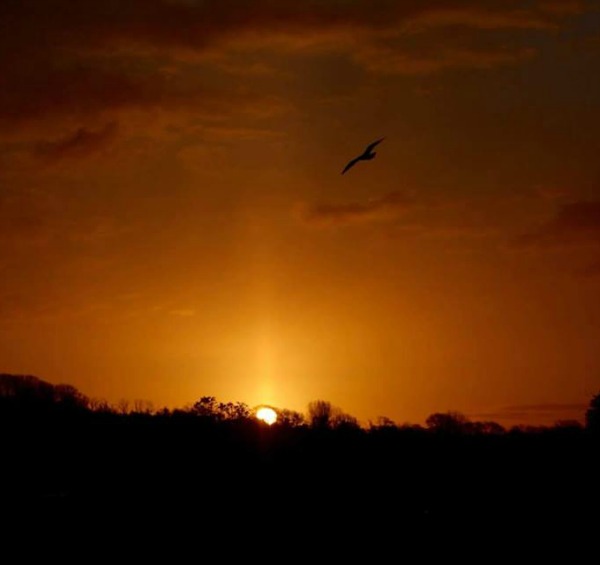
Jesse Jackson saw this sun pillar near Tucson, Arizona. “Talk about a ray of sunshine,” he said .


Jesse Jackson shared his photo with us. Jesse wrote:

Talk about a ray of sunshine. I was near Sentinel Peak [southwest of Tucson, Arizona] when the sun was about to set, and decided to take a brief detour before the end of my day. It was a cloudy evening but the horizon was clear, so I knew it had to be promising. I took the chance, and I was fortunate to have a rare sighting of a sun pillar!

Sun pillars, or light pillars, are shafts of light extending from the sun or other bright light source. They’re caused by ice crystals drifting in Earth’s air. More info (and pics!) here.

Here’s another April 2016 sun pillar. This one was taken in southwest England by Jacquie Russell.

Photo credit…Jacquie Russell

sun-pillar-Jacquie-Russell


Source….www.earthsky.org

Natarajan


Joke of the Day….” What is the moral of this story ….? ” !!!

A teacher told her young class to ask their parents for a family story with a moral at the end of it, and to return the next day to tell their stories.

In the classroom the next day, Joe told his story first, “My dad is a farmer and we have chickens. One day we were taking lots of eggs to market in a basket on the front seat of the truck when we hit a big bump in the road; the basket fell off the seat and all the eggs broke. The moral of the story is not to put all your eggs in one basket.
Very good,” said the teacher.
Next, Mary said, “We are farmers too. We had twenty eggs waiting to hatch, but when they did we only got ten chicks. The moral of this story is not to count your chickens before they’re hatched.
Excellent!” said the teacher again, very pleased with the response so far.
Next it was Barney’s turn to tell his story: “My dad told me this story about my Aunt Karen … Aunt Karen was a flight engineer in the war and her plane got hit. She had to bail out over enemy territory and all she had was a bottle of whisky, a machine gun and a machete.
Go on,” said the teacher, intrigued
Aunt Karen drank the whisky on the way down to prepare herself; then she landed right in the middle of a hundred enemy soldiers.
She killed seventy of them with the machine gun until she ran out of bullets. Then she killed twenty more with the machete till the blade broke. And then she killed the last ten with her bare hands.
 
Good heavens,” said the horrified teacher. “What did your father say was the moral of that frightening story?
Stay away from Aunt Karen when she’s drunk.”
Source…..www.ba-bamail.com
Natarajan