A Must Read….” Values of Punniyam & Paapam” …!

Featured Image -- 20447

Jaya Jaya Shankara Hara Hara Shankara – Actually Sri Periyava narrates this incident under Deivathin Kural Volume 1 Madham Section reiterating Karma theory. It is a foreign lady and not a man but the gist is more important to take here. Thanks to TV Shivram for sharing it in Whatsapp. Ram Ram
Values of Punniyam & Paapam

Once a foreigner interested in the philosophy of Hinduism was waiting for Darshan of Mahaperiva ( Most revered Mahaswami) at Sri Madam to clarify his doubt. Shortly, he got his appointment and without wasting time, he put forth his question.
Swamiji, I understand all your concepts, value them but for one particular faith (i.e.) same soul taking various births, papa, punya being carried forward to the next births etc. Can you please make me comfortable on this aspect? Because, in all our religions, we get the reward for what we do in this birth  only. (i.e.) if we are honest, God is pleased and blesses us with benefits and we are dishonest, we get punished by Him.
At this point, Periva asked him, whether he owns a car and if he could do a favour of collecting some statistical information within Kancheepuram using his vehicle. The guest readily agreed, at the same time wondering why his question was not answered spontaneously.
Please, Swamiji, go ahead, What is the service you expect me to do now?
Periva said, Please go around 10 maternity centres within Kancheepuram and collect the data of children born within the last 2 days – Child’s gender, health condition, parents name, status, educational qualification, time of birth.
The man said – Fine, this is nothing, – immediately rushed in his car like Lord Muruga goes in Thiruvilayadal and within a day he was back in the matam with exact statistics in front of Mahaperiva. He went through the statistics, about 15 children were born in 10 hospitals, 8 female and 7 male infants, out of which 3 children had malnutrition defects, 2 children were the first child of highly rich parents born in luxury hospitals, while 4 were children of coolie labourers who already had few children.
Maha Periva now looked at the gentleman and started asking few questions:
Do you think any of these children have been honest / dishonest within 2 days of their birth? Probably they could not even recognize their own mother. So, they have neither earned papa or punya in this birth.
According to your concepts, all these children should be living exactly identical to each other, but not so practically, some are ill, some are healthy, some are born to rich parents, some are born to poor parents. Remember all children born in the same day, same longitude, latitude, you can’t blame their horoscope which is going to be almost identical.
The gentleman was dumbfounded!
It is here the concept of previous birth erupts! All these children have taken their present birth according to their deeds (karma) and the resultant papa, punya which they have assimilated in their previous births.
Hara Hara Shankara Jaya Jaya Shankara
Source….input from a friend of mine….
Natarajan

Revisiting History …A Harappa in Tamilnadu …!!!


Brick buildings, the drainage system excavated in Keezhadi village are on par with those found in Harappa, reports A Ganesh Nadar/Rediff.com

OLYMPUS DIGITAL CAMERA

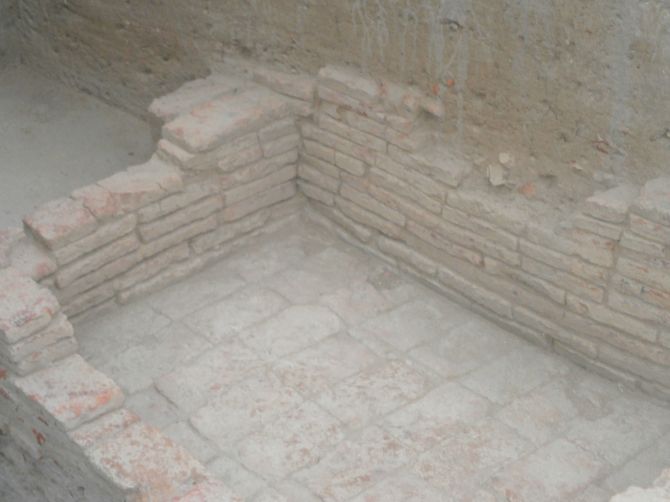
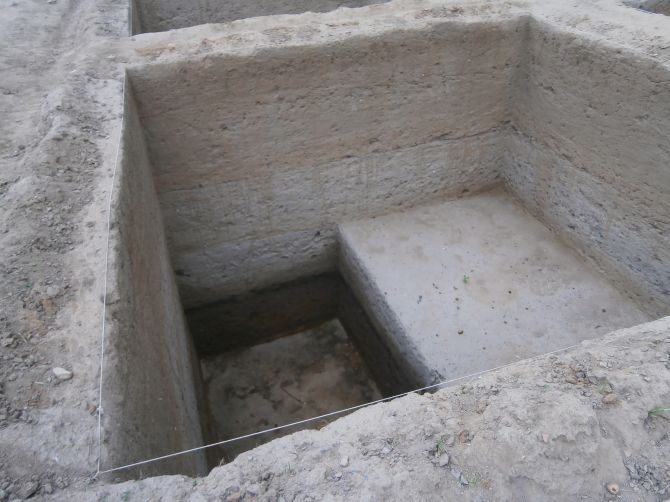
IMAGE: A water tank with feeder channels discovered during excavation at Keezhadi village in Sivaganga district, Tamil Nadu. All photographs: A Ganesh Nadar/Rediff.com

A major excavation by the Archaeological Survey of India of a Sangam era settlement is making big news with its amazing discoveries.

About 12 km from Madurai on the highway to Rameswaram, a large coconut field on the banks of the Vaigai river in Keezhadi village of Sivaganga district is being excavated, where Roman artefacts and vessels with writings in the Brahmi script have been discovered.

Brahmi is the earliest script which the Tamils used during the Sangam period, which roughly extended from the 3rd century BC to the 3rd century AD. There were three dynasties during this period: The Cheras, the Cholas and the Pandyas who traded with the Romans. After the 6th century AD, the Grantha script replaced Brahmi.

In the 13th century AD, this area was called Kuntidevi Chaturdevi Mangalam and there are no records from before that period. This area is spread over about 80 acres and covers a radius of about 3.5 km.

Since the ASI, to seek permission for the excavation, had to give the owners of the land a written assurance that they will get it back in the same condition, ASI staff refill the digs after photographing and collecting the artefacts.

The first survey in the area commenced in 2013, the excavation was conducted in 2015 and again in 2016. The ASI plans another excavation next year, but that has to be sanctioned by the Survey’s headquarters in New Delhi. Students from Chennai University and the Krishna Arts College helped the ASI in the current round of digs.

OLYMPUS DIGITAL CAMERA

IMAGE: Burnt tile pieces recovered from the site.

In the present phase of excavation — apart from the Roman artefacts and vessels with Brahmi text — relics confirming the presence of handicrafts like weaving, ship-building, metal working, carpentry, rope-making, ornament-making, making of ivory products, tanning etc during the Sangam period have been found.

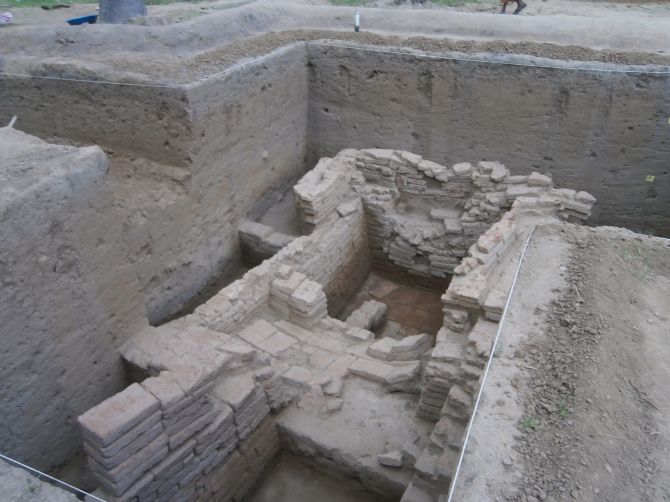
Nails and other iron and ivory products have been found, which confirm the presence of this town during the Sangam period. Structures built with bricks and mortar have also been unearthed.

A team of ASI experts — including Superintendent K Amarnath Ramakrishna, Assistant Archaeologists Rajesh and Veeraraghavan — is involved in the excavation work, which began on January 18 and is likely to continue till September.

The ASI officials say the settlement was more than 2,000 years old, and dates to the Sangam era.

So far, about 3,000 ancient artefacts, including a signet made of clay with an ornamental design, have been excavated.

According to the ASI officials, the ancient settlement had an underground drainage system which was on par with the Harappan system. The sewage drains had been laid with baked clay pipelines, which are still visible.

The drainage system is similar to the one that was found in Harappa, the ASI officials said.

Apart from signets, arrows, weapons made of iron and copper, rare ornaments have been found, ASI Superintendent Ramakrishna said.

“It is very rare to find the constructions intact. The findings threw more light on the Sangakaala (Sangam era) Tamil civilisation,” he added.

OLYMPUS DIGITAL CAMERA

IMAGE: ASI archaeologists have excavated rare Sangam-era brick buildings at Keezhadi village.

This town was a residential area, Assistant Archaeologist Rajesh said, and they have discovered brick buildings in it, which were very rare during that time.

The ASI team surveyed the banks of the Vaigai in 2013-2014, checked out 293 sites for excavation, and chose the present site.

As many as 43 excavations were conducted last year and 1,800 artefacts found. This year, 53 excavations have been conducted and 3,000 items discovered and preserved.

Among the artefacts were semi-precious stones, glass, shells, burnt bricks, tusk, and iron. Products used by people in their day-to-day lives were recovered.

There were plenty of small water tanks made of bricks and mud. The water tanks were fed through well-laid channels, which are still present. Though most of the place looks residential, some business centres were also found.

They have found roof tiles and nails which suggest that the buildings were storied. Vessels with names written in the Brahmi script have been found, names like ‘Sattan, Thisan, Chandan, Inavadan, Muyan’ and ‘Udhiran’.

“The date we are looking at is between the 3rd century BC and the 3rd century AD, which was the Sangam period. Carbon dating is still to be done,” Rajesh said.

OLYMPUS DIGITAL CAMERA

IMAGE: A water tank unearthed in the excavations.

This is the second phase of the ASI excavation and the team has sought permission for another one.

“There has been no important excavation in south Tamil Nadu, so we want to do this extensively,” Ramakrishna said. “The history of this area has not been properly understood. In the third phase, we will learn more.”


A Ganesh Nadar / Rediff.com

Source…www.rediff.com

Natarajan

படித்து மெய் சிலிர்த்தது ….!


“இன்று மாலை காஞ்சிபுரம் மகா பெரியவா பிருந்தாவனம் சென்றிருந்தேன். அற்புதமான தரிசனம் (இரவு ஆரத்திக்குப் பின் எடுக்கப்பட்ட படத்தை இணைத்துள்ளேன்). மகா பெரியவா சரணம்.
கடந்த 5.6.2016 ஞாயிறன்று கோவைப்புதூர் பிராமண சேவா சங்கத்தின் சார்பாக அங்குள்ள சுந்தர விநாயகர் ஆலயத்தில் ‘ஷீர்டி பாபா மகிமை’ என்ற தலைப்பில் சொற்பொழிவு நிகழ்த்தினேன்.
எனது நிகழ்ச்சிகள் குறித்து முகநூலிலும், மெயிலிலும் முன்கூட்டியே பதிவிடுவது வழக்கம். அந்தந்த ஏரியாவில் உள்ள பக்தர்கள் கலந்து கொள்வதற்கு வசதியாக இருக்கும் என்பதால் இப்படி. சமீப நாட்களில் முக்கியமான எனது சொற்பொழிவு விவரங்களை வாட்ஸப்பில் சில குரூப்களிலும் நானே பதிவிடுவது வழக்கம்.
அதுபோல் ஒரு வாட்ஸப் குரூப்பில் கோவை நிகழ்ச்சிகள் குறித்துப் பதிவிட்டேன். அதில் ‘ஷீர்டி பாபா மகிமை’ குறித்து நான் சொற்பொழிவு நிகழ்த்தப் போவது குறித்து அதே குரூப்பில் ஒரு அன்பர் தனது கண்டனத்தைத் குரல் வாயிலாகவே பதிவு செய்திருந்தார். அதன் சாராம்சம் – ‘மகா பெரியவா மகிமை பற்றிப் பேசி வரும் தாங்கள் ஷீர்டி பாபா பற்றி பேசுவது சரியல்ல. இதை ஏற்றுக் கொள்ள முடியவில்லை. கண்டனத்துக்குரியது’ என்பது போல் பதிவு செய்திருந்தார்.
நான் இதைக் கேட்டு விட்டு, எல்லாம் மகா பெரியவா லீலையே என்று விட்டு விட்டேன். காரணம் – ஷீர்டி பாபா பற்றிப் பேசுவது இது முதல் முறை அல்ல. மயிலாப்பூர் ஷீர்டி சாய்பாபா ஆலயத்தில் பாபா பற்றிப் பேசி இருக்கிறேன். பொதிகை ‘குரு மகிமை’ நிகழ்ச்சியில் அவ்வப்போது பாபா பற்றிப் பேசியும் வருகிறேன். எனவே, இவரது கருத்துக்கு முக்கியத்துவம் கொடுக்காமல் விட்டு விட்டேன். என்றாலும், அவர் ஏன் இப்படிப் பேசினார் என்று எனக்குள் ஒரு கேள்வி அவ்வப்போது எழுந்து கொண்டே இருந்தது.
இன்று பெரியவா பிருந்தாவனத்தில் அவரது சந்நிதிக்கு நேர் எதிரில் நான் அமர்ந்திருக்கும்போது இதற்கு பதில் கிடைத்தது, சிலிர்க்க வைத்த ஓர் அனுபவம்.
காஞ்சிபுரத்தில் வசிக்கும் பாரதி என்ற பெண் மகா பெரியவாளின் அத்யந்த பக்தை. இவர் ஒரு மாற்றுத் திறனாளி. என்றாலும், சிரமத்தைப் பற்றிச் சற்றும் பொருட்படுத்தாமல் வீல் சேரில் மடத்துக்கு வந்து விடுவார்.
அவர் இன்று பெரியவா சந்நிதிக்கு எதிரே அமர்ந்திருந்தார். பக்கத்தில் நான் அமர்ந்திருந்தேன். அப்போது, ‘‘உங்ககிட்ட ஒரு விஷயம் சொல்லணும். இங்கே சின்ன காஞ்சிபுரத்துல அமுதானு என் ஃப்ரெண்டு இருக்கா. அவகிட்ட பெரியவா ஒரு அற்புதம் பண்ணி இருக்கா. தோ, அவளே வந்து சொல்லுவா. இங்கேதான் பிரதட்சிணம் பண்ணிண்டிருக்கா’’ என்று ஆரம்பித்தார் பாரதி.
அடுத்த ஒரு சில நிமிடங்களில், பிரதட்சிணத்தைப் பாதியில் நிறுத்தி விட்டு வந்த அமுதாவும் அருகே அமர்ந்தார். அமுதாவே ஆரம்பித்தார். ‘‘எனக்கு மகா பெரியவாதான் எல்லாம். எங்க வீட்டுல தினமும் பூப்பறிச்சு மகா பெரியவா உள்ளிட்ட எல்லா சாமிங்களுக்கும் வைப்பேன். சமீபத்துல ஒருத்தர் என்கிட்ட ஷீர்டி சாய்பாபா விக்கிரகம் ஒன்றைக் கொடுத்தார். அதையும் வீட்டு பூஜையறையில வெச்சிருந்தேன். ஏனோ தெரியலை… அதற்கு பூ வெச்சதில்லை. ஆனா, பிரார்த்திப்பேன்.
திடீர்னு ஒரு நாள் பெரியவாளே என்கிட்ட ‘தினமும் ஷீர்டி பாபாவுக்கும் பூ வை. அவரும் நானும் வேறில்லை’ சொல்றதைப் போல் இருந்திச்சு. ஷாக் ஆகி அடுத்த நாள் முதல் ஷீர்டி பாபாவுக்கும் பூ வெச்சு பிரார்த்தனை பண்றேன்’’ என்றார்.
வாட்ஸப் குரூப்பில் அந்த அன்பர் கேட்டதற்கான பதிலை, இதைவிட வேறு எப்படித் தெளிவாக மகா பெரியவாளால் தர முடியும்?!
என்னைப் பொறுத்தவரை – மகான்களுக்குள் பேதமே இல்லை. என்னைப் பொறுத்தவரை ஆதி சங்கரரும் ஒன்றுதான். ராமானுஜரும் ஒன்றுதான். காவாங்கரை கண்ணப்ப ஸ்வாமிகளும் ஒன்றுதான். என்றைக்குமே நான் பேதம் பார்த்ததில்லை.
மகா பெரியவா சரணம்.
அன்புடன் .
சுவாமிநாதன்  “
Source…. Input from My friend Shri Swaminathan , Chennai thro his mail to me today.
Natarajan

An Inspiring Story…. Meet Renuka Aradhya of Bengaluru …

When he was young, Renuka Aradhya would beg for foodgrains, which he’d sell for a living.

Today, he owns a company that employs 150 people and directs three start-ups.

This is his inspiring story.18renuka-aradhya1


IMAGE: Renuka Aradhya grew up in poverty and had to take up several odd jobs to run his family.

Renuka Aradhya’s company today has a turnover of Rs 30 crore and employs 150 people.

This by no means is the finishing line even though the 50-year-old entrepreneur started life’s race with a major handicap.

Renuka was born poor. Very poor. He has seen the kind of poverty that put him on the streets to beg. The poverty that kept him hungry both literally and metaphorically.

Where does one begin to tell this entrepreneur’s story?

From pushing a handcart under a blazing sun to now owning a fleet of 1000 plus cars? Or from transporting 300 dead bodies to ferrying foreign tourists who left tips in dollars? Or from failing to clear Class X exams to now rubbing shoulders with the industry’s who’s who?

Or the fact that with his foresight he was able to ward off Uber and Ola poaching his business, and is making the next generation ready to dream big by bringing his daughter-in-law (who comes from a poor family) into the business.

Ernest Hemingway wrote a long time ago, “It is good to have an end to journey toward; but it is the journey that matters, in the end.”

Here’s Renuka’s roller coaster journey in his own words because no other words will do it justice.

Every day is a winding road

I belong to a village called Gopasandra, in Anekal taluk near Bengaluru.

My father was a pujari at a temple allotted by the state government though he did not get any fixed salary.

After conducting the puja, he would go to nearby villages to beg for ragi, jowar, or rice. He would then sell the grains in the market and with the money that he got from the sale he would take care of us. We were three children — two boys and one girl.

I would go begging with my father to these neighbouring villages, which is now Electronic City.

After I finished Class VI, my father thought he would put me in somebody’s home as a domestic help to make ends meet. My school fee till Class X was taken care of by my teachers because they would get me to do their domestic work like washing utensils, dusting and sweeping.

I started working for an old man who had a severe skin ailment. I would tend to him, give him a bath, and apply skin ointment all over his body.

Since I belonged to the pujari clan, I also had to perform puja at a nearby temple. After that, I would go to school. I lived there for one whole year.

Soon after, my father admitted me to a boys’ ashram in Chickpet, where I remained for three years.

The hostel would give us two meals a day, one at 8 am and the other at 8 pm and nothing in between.

I remember I was always hungry. I could not focus on my studies at all and my mind was occupied with trying to find how I could lay my hands on some food.

It was mandatory in this ashram to learn Sanskrit and the Vedas. I quickly picked this up because I realised that if I could accompany the seniors in some naming ceremony, weddings, or pujas I could eat at those events. But it was not very easy to get hold of these opportunities. I had to placate my seniors by offering to do their personal chores like washing their clothes.

As a result, I failed in Class X, passing only in Sanskrit. I then had to return home as my father passed away and the responsibility of my mother fell on me. My older brother was married and not keen on taking care of her or my sister and me.

In poverty, there is no unity. Lack of money can make people selfish and mean. If people lived happily together in the midst of poverty then they are gods.

I soon started working in a factory in Audgodi. I was there for a year.

This was followed by a stint in a plastic manufacturing company and then an ice-making factory.

I then found a job as a sweeper in an AdLabs branch.

My mind is sharp. I soon got a hang of printing and helping out with the work.

I was there for three years and had to quit because I was getting drawn into nefarious activities by some employees, who expected me to join them as well.

I am glad I quit because I heard later that they were found out and sacked.

I joined Shyam Sunder Trading Company where I started working as a helper.

The company was into making and trading in bags and suitcases. I had to load a handcart with suitcases. Another helper and I took turns pushing and pulling it through the city roads and transported them from the factory to the shop. Soon, I was promoted to a sales position.

After working there for a few months, I thought ‘why not start my own business?’

Since I was familiar with this business, I decided to make covers for suitcases and vanity bags.

I would take my bicycle and go around the city shouting for customers who wanted covers stitched for their suitcases and bags. It did not work out well for me and I lost Rs 30,000.

I was back to square one. My brother, who was a security guard, found me a job as one.

The reason I kept moving and starting all over again is because I wanted to achieve something. I did not have any educational background. I was not even a high-school pass. I had no money and no family connection. I did not have any mentors, no one to guide me. But I was always in search of opportunities.

I was around 18 when I got into bad company — drinking and gambling. Thankfully, the older boys I used to hang out with moved out and I escaped a life that would not have taken me anywhere.

When I turned 20, I told my mother I wanted to get married.

I thought that marriage would make me more responsible and focussed. I was earning Rs 600 as a security guard, so to make a few extra bucks I started taking on odd jobs like that of mali (gardener), or climbing coconut trees.

I remember that I charged Rs 15 per tree and I would climb 20 trees per day.

Not satisfied with what I was doing, I decided to become a driver, though I did not know how to drive.

I did not have any money to learn driving and to get a driver’s licence. So I borrowed some money from my brother-in-law and pawned my wedding ring.

All went well and I got my driving licence. But the first day of my driving job was a big nightmare.

I was meant to reverse the car and park it, instead, I banged it into the gate. That job lasted only a few hours. I was back to being a security guard.

It was very depressing. I would go to the temple and bang my head on the steps lamenting my destiny and how God was being so unkind to me. I wanted to drive and yet here I was going back to doing what I thought I had come out of.

Since I was always looking out for an opportunity, I met a taxi operator who decided to give me a break.

He told me not to worry if I banged the car. ‘Just run away from there,’ he told me.

I was so grateful that I told him he needn’t pay me till I can prove myself. I’ll manage with the driver ‘batha’ (per day charges on an outstation trip), I told him.

I remember carrying large stones in the car. Whenever I had to halt at an incline, I would pull the handbrakes and quickly place the stones next to the rear wheels to prevent the car from rolling back.

Imagine how many stones I must have left behind me in a trail (laughs).

I was determined not to go back to being a security guard this time. In the nights, I would practice reversing the car, parking it, and managing inclines on the road without the stones. Slowly, my confidence grew.

My first outstation trip was to Gokarna. I learnt that if you drive slow and steady then everything works out well. So that’s what I did.

I was so nervous that I did not dare press on the accelerator too hard. Imagine my surprise when I got this feedback from the guests saying that I was a very good driver (laughs).

One more thing I learnt was that if you take care of your customers, then you’ve won the battle. I got very good reviews from my customers and because of this, I was always in demand.

I worked at a transport company for four years. Besides ferrying passengers, the company also provided vehicles to hospitals like Nimhans to transport dead bodies back to their homes for the last rites.

I have transported approximately 300 dead bodies across India. And many times, I have done so alone because there was no one from the deceased family to accompany the body.

And look at the irony, immediately after I came back from one of these trips there would be a group waiting to go on a pilgrimage to Sabarimala. I would sprinkle some holy water on the vehicle and get on with the next journey.

This also taught me the impermanence of life. That nothing is enduring. That life and death are nothing but two ends of a long journey.

You know the most important learning for me in my journey has been that to earn money you must have a vision. And to make that happen, you must make the best of opportunities that come your way. You must do whatever you are doing with total dedication and keep a good track record.

One day, fortune will surely smile upon you.

Two-way street


My wife used to work in the garment industry. First, she was a helper and then she went on to become a tailor. Together, we would earn Rs 900.

I was soon upgraded to another travel company. Here I got an opportunity to drive foreign tourists.

I would get good tips in dollars. Over the four years that I worked there I had a neat sum saved up from these tips.

I got my wife to withdraw her PF money, and together with the amount I had saved I started a company called City Safari with some other people.

Once the company started doing well, I was made the manager.

When I was only a driver, I would often think that one day instead of submitting a trip sheet I should be the one collecting it. And that dream came true with my new post as manager (smiles).

Around this time, I bought my first car. It was an Indica.


I had to take a loan from the bank. My older brother refused to be a guarantor, and I had to seek someone else’s help.

In another year-and-a-half, I bought one more car. With these cars, I went to work for two years with Spot City Taxi.

As you can gather, I wanted to build my own travel/transport company.

A company called Indian City Taxi was on a distress sale. I did not have any knowledge of merger and acquisition, justpaisa de do, company le lo (give money, buy the company).

I bought that company in 2006 with Rs 6.5 lakh. I had to sell all the cars that I had by then to produce this money. The company had 35 cabs attached to it and they would make Rs 1000 commission per vehicle, so in a month Rs 35,000 was assured.

I took a lot of risks, which thankfully paid off.

I had earlier registered the name ‘Pravasi Cabs’ when I had three cars of my own. So I called my new company that.

I was an entrepreneur now. The name came to me from the foreign tourists and expatriates I drove around. Pravasi is the Sanskrit word for expatriates.

However, it was not all that easy. There were a lot of complications.

Anyway, to cut a long story short I soon got my first client — Amazon India. When they were setting up their Chennai office, they also helped me expand my business there.

Now the thing with corporates is they pay after three months, and I did not get my payments even after six months. So I took loans, and through the years have ended up paying lakhs as interest.

But mind you, the money was not for me. I would give my wife Rs 20,000 every month to run the house. The rest was all for the company.

I poured my days and nights with hard work. Slowly, revenue started coming in.

I thought of expanding my business and getting more clients.

What if Amazon withdrew? I would end up on the streets. Hence, I slowly got more clients like Walmart, Akamai, General Motors, and others. I did not have a sales team, no marketing team, nothing.

I never lost an opportunity even if my cut was three percent, I did not care. I just wanted to get into operations.

I had to increase my turnover, only then would I get funding from the market or banks. But if I concentrated only on profits, my turnover would decrease.

At this time, we were in on-call service, employee transport service (ETS), and train/bus ticketing (which I left after a year). I owe a lot to Amazon for supporting my growth.

I do not have any barrier to starting operations. I just look for three things: the attitude of the local drivers, their behaviour towards customers, and vehicle availability.

Are we nearly there, yet?

I learnt English by conversing with tourists.

When the car would be parked while the tourists did the sightseeing I would wait in the car either trying to read from an English newspaper or write passages from it.

I did not waste time gossiping with other drivers or smoking. I would either read or catch up on my sleep.

As my business grew, I felt the need to attend networking sessions, workshops and talks on marketing, customer retention or economics of running a business.

A lot of my personal growth happened this way. The other advantage I had was that I am very tech-savvy; I can work any gadget.

Three years ago, I started providing buses to schools.

Initially, the understanding was that we had to manage with the transport fee that the school charged.

The first year, I lost Rs 10 lakh. I made an agreement with the school that I would give them 35 percent for the next 10 years. So I would invest in the buses. This is the first year that I am going to break-even. I started this because I could not rely on only ETS.

And, surely, when Ola and Uber came along, it impacted the taxi industry greatly.

But I escaped because I had around 700 cabs attached to me. I lost about 200 to them. But I was still left with 500.

My idea was if I had more than 500 vehicles then no one can touch me. But if I had 100, 200 cars, then certainly I would have had reason to panic. In fact, many taxi operators had to shut shop when Ola and Uber speed chased them.

I believe that because I dreamt big, I managed to escape. If I had a small cab agency and was satisfied with earning Rs 40,000 a month, my business would certainly have been punctured.

I realised the best solution was to have a new scheme for my drivers, which was an owner-cum-driver scheme.

The deal was that for an advance of Rs 50,000, I would buy them a new car. He had to work for 36 months, and after that, the car would be transferred to his name. Whatever he earns, he keeps, we just deduct the EMI for the vehicle. We now have 300 vehicles like that, and I have the liability of all those vehicles on my head.

Besides this, we also provide training to the drivers regarding behaviour and how to manage their finances.

You know, my growth has been only this much because I wasn’t educated enough. I do not know the planning and strategies like the IIT and IIM guys.

I am also a director in three start-ups. Along with six other directors, I sit on the board of loaddial.com.

It is an aggregator of goods vehicles. I am also a director in a company that will provide affordable housing to people like drivers and garment workers.

I have a few other concepts like having a Foodpanda like app for smaller cities and towns.

In three years, once I cross Rs 100 crore I will go for an IPO.

As a social responsibility, I want to encourage women drivers.

I am ready to even waive the Rs 50,000 advance if women come forward saying they want to become owner-cum-drivers. We have also created an all-women call centre for Pravasi in Karwar.

I believe in the power of the mind. What we think, we become.

How many times will you say ‘I do not have any experience so how will I do this?’

Initially, there will be more criticism and less goodwill.

But slowly the criticism will fade away.

Whatever God has given me, I have shared with everyone. And I firmly believe that because of this I have managed to get myself educated and get rich.

I took my chances and during all those times when I picked up an opportunity even though it was not financially viable, I firmly believed that one day God would give me back double. Otherwise how else can a security guard today drive a Rs 23-lakh car?

 

Ad Choices


“ஆழமான இடத்தில் அதிக நீர் தங்கும் …ஆத்மார்த்தமான உள்ளத்தில் பகவான் தங்குவார் …”

album1_22கடமையைச் செய்… பலனை எதிர்பார்க்காதே.’

– இது பகவான் கிருஷ்ணன் சொன்னது.

அதுபோல் தெய்வங்களிடமும், மகான்களிடமும் பிரார்த்தனைகளை வைப்பதோடு நம் வேலை முடிந்து விட்டது. ‘பிரார்த்தனை வைத்தோமே… நாம் வணங்குகிற கடவுள் இதை எப்போது நிவர்த்தி செய்வார்? நாம் கும்பிடுகிற மகான் இதை எப்போது நிறைவேற்றி வைப்பார்?’ என்று எதிர்பார்த்துக் கொண்டிருக்கக் கூடாது.

ஆழமான இடத்தில்தான் நீர் அதிகம் தங்கும்.

ஆத்மார்த்தமான உள்ளத்தில்தான் பகவான் தங்குவார்.

நம் பிரார்த்தனை நியாயமாக இருந்தால், அவற்றை தெய்வங்களிடமோ மகான்களிடமோ சொல்ல வேண்டும் என்கிற அவசியம் இல்லை. அதை அவர்களாகவே தங்களது தீர்க்க தரிசனத்தின் மூலம் உணர்ந்து எப்போது நிறைவேற்ற வேண்டுமோ, அப்போது நிறைவேற்றி விடுவார்கள்.

காஞ்சி மகா பெரியவாளின் அனுக்ரஹத்துக்கு உள்ளான பக்தர்களுக்கு இது நன்றாகவே தெரியும்.

அந்த மகானின் அன்புக்கும், கருணைக்கும் கட்டுப்பட்ட பக்தகோடிகள் இவரது தரிசனத்தையே மாபெரும் வரப்ரசாதமாக எண்ணுவார்கள்.

அது 1991-ஆம் வருடம்… மகா பெரியவா முதுமைக் காலத்தில் இருந்தார். பக்தர்களுக்கு அதிக தரிசனம் அப்போது இல்லை.

அன்றைய தினம் விசேஷமாக மகா பெரியவா பக்தர்களுக்கு தரிசனம் தந்து கொண்டிருந்தார்.

ரொம்ப நாள் கழித்துப் பெரியவா தரிசனம் தரப் போகிறார் என்பதற்காக அன்றைய தினம் மகா பெரியவாளைத் தரிசிக்க எண்ணற்ற பக்தர்கள் வந்திருந்தனர்.

குழந்தைகளில் இருந்து முதியோர் வரை எல்லா தரப்பினரும் ஸ்ரீமடத்தில் திரண்டிருந்தனர்.

பிரார்த்தனை எதுவும் இல்லாமல் இன்றைக்குக் கோயில்களுக்குச் செல்வோரையும், மகான்களின் அதிஷ்டானம் செல்வோரையும் காண்பது மிகவும் அரிதாகி விட்டது.

அன்றைய தினமும் அப்படித்தான். மகா பெரியவாளைத் தரிசிக்கக் கூடி இருந்த பக்தர்களுள் பலரது முகத்தில் ஏதோ எதிர்பார்ப்புகள். வேண்டுதல்கள்.

அவரவர்கள் தங்களால் இயன்ற காணிக்கைகளைக் குருவுக்கு சமர்ப்பிக்க வேண்டும் என்று வாங்கிக் கொண்டு வந்திருந்தார்கள். அவற்றில் பழங்கள், உலர்வகை பழங்கள், முந்திரி, வில்வ மற்றும் துளசி மாலைகளும் அடங்கும்.

பக்தர்களோடு பக்தராக அங்கே கலந்து ஓர் ஓரமாக நின்று கொண்டிருந்தனர், நாராயணன் – வைதேகி தம்பதியர். சென்னையில் வசிப்பவர்கள். நாராயணன் உத்தியோகஸ்தர்.
நாராயணனது இடுப்பில் அவர்களது ஒண்ணரை வயது பெண் குழந்தை நிதர்சனா அப்பாவின் கழுத்தைக் கட்டிக் கொண்டிருந்தது.

விழிகளை உருட்டி உருட்டி அங்குமிங்கும் பார்த்துக் கொண்டிருந்தாள். புதுப் புது மனிதர்களே எங்கும் தென்பட்டதால், குழந்தையின் முகத்தில் ஒரு மிரட்சி தெரிந்தது.

‘மகா பெரியவா அருகே செல்ல வேண்டும்… அந்த மகானிடம் தங்களது பிரார்த்தனையைச் சொல்ல வேண்டும்’ என்பது இந்தத் தம்பதியர்களின் விருப்பமாக இருந்தது.

ஆனால், அன்றைக்குக் கூடி இருந்த பக்தர்கள் கூட்டத்தில் இவர்களால் ஒரு இஞ்ச் கூட முன்னேறிச் செல்ல முடியாத சூழ்நிலை.

எனவே, தாங்கள் இருந்த இடத்தில் இருந்தபடியே மகா பெரியவாளின் திருமுக தரிசனத்தை எம்பி எம்பிப் பார்த்து கன்னத்தில் போட்டபடி இருந்தனர்.

‘‘ஏங்க, கூட்டம் இவ்ளோ இருக்கே… நிதர்சனாவைப் பெரியவாகிட்ட கூட்டிண்டு போய் காட்ட முடியுமாங்க? அந்த தெய்வத்தின் அனுக்ரஹப் பார்வை இவ மேல் திரும்புமாங்க?’’ என்று வைதேகி, நாராயணனைப் பார்த்து ஏக்கத்துடன் கேட்டாள்.

‘‘இன்னிக்கு அந்த மகானோட அனுக்ரஹம் கிடைக்கணும்னு நமக்கு விதி இருந்தா கிடைக்கும். பார்ப்போம், குருவோட பார்வை நம்ம மேல திரும்பறதானு…’’ என்று மகா பெரியவாளையே வைத்த கண் வாங்காமல் பார்த்தபடி உருக்கத்துடன் சொன்னார் நாராயணன்.


‘‘ஏங்க, கூட்டம் இவ்ளோ இருக்கே… நிதர்சனாவைப் பெரியவாகிட்ட கூட்டிண்டு போய் காட்ட முடியுமாங்க? அந்த தெய்வத்தின் அனுக்ரஹப் பார்வை இவ மேல் திரும்புமாங்க?’’ என்று வைதேகி, நாராயணனைப் பார்த்து ஏக்கத்துடன் கேட்டாள்.

‘‘இன்னிக்கு அந்த மகானோட அனுக்ரஹம் கிடைக்கணும்னு நமக்கு விதி இருந்தா கிடைக்கும். பார்ப்போம், குருவோட பார்வை நம்ம மேல திரும்பறதானு…’’ என்று மகா பெரியவாளையே வைத்த கண் வாங்காமல் பார்த்தபடி உருக்கத்துடன் சொன்னார் நாராயணன்.

வந்திருந்த பக்தர்கள் ஒவ்வொருவருக்கும் அவரவர்களது பிரார்த்தனையை மகானிடம் சென்று சொல்ல வேண்டும்… இதற்கு சாதகமாக ஒரு அருளாசி அவரிடம் இருந்து பெற வேண்டும் என்று இருந்ததே தவிர, தரிசனத்துக்காகக் காத்திருக்கும் குழந்தைகளுக்கோ, பெரியோர்களுக்கோ ஒரு முன்னுரிமை கொடுத்து அவர்களை முதலில் அனுப்ப வேண்டும் என்று யாருக்கும் கவலை இல்லை. அப்படிப்பட்ட எண்ணமும் இல்லை.

மகானின் சந்நிதி முன்னாலும், எல்லோரும் சுய நலத்துடன் காணப்பட்டார்கள்.

மகா பெரியவா அருகே வரும் பக்தகோடிகளை அவரது சிஷ்யர்கள் கட்டுப்படுத்தி, அனுப்பிக் கொண்டிருந்தார்கள்.

வழக்கம்போல் மகா பெரியவா அங்கே திரண்டிருந்த பக்தகோடிகளைத் தன் அனுக்ரஹப் பார்வையால் ஒரு முறை அலசினார்.

தன்னைத் தரிசிக்க ஆத்மார்த்தமாக வந்திருக்கும் நாராயணன் – வைதேகி தம்பதியருக்கு அன்றைய தினம் யோகம் அடித்தது.

அடுத்த விநாடி ஒரு சிப்பந்தியை ஜாடை காட்டித் தன் அருகே அழைத்தார் மகா பெரியவா. குழந்தை நிதர்சனாவை இடுப்பில் சுமந்து கொண்டிருக்கும் நாராயணனை அடையாளம் காண்பித்து, ‘அவாளைக் கொஞ்சம் கிட்டக்கக் கூட்டிண்டு வா’ என்று சைகை செய்தார் மகான்.

அந்த சிப்பந்தி கூட்டத்தை விலக்கிக் கொண்டு நாலடி பாய்ச்சலில் ஓடிப் போய் நாராயணன் – வைதேகி தம்பதியரிடம் விஷயத்தைச் சொல்ல… அவர்கள் ஆனந்த அதிர்ச்சியில் திறந்த வாயை மூட மறந்தார்கள். ‘‘என்னது… மகா பெரியவா எங்களைக் கூப்பிடறாரா?’’

‘ஆமா… வாங்கோ, சீக்கிரம். உங்களுக்குத்தான் உத்தரவு ஆகி இருக்கு.’’

கணவன், மனைவி இருவரின் விழியோரங்களும் நெகிழ்வின் காரணமாக கண்ணீர் சொரிந்தன.

குழந்தையை இடுப்பில் வைத்துக் கொண்டே இரு கரங்களையும் கூப்பிய வண்ணம் மகா பெரியவாளை வணங்கியபடியே நடந்தார் நாராயணன்.

‘‘வழி விடுங்கோ… வழி விடுங்கோ…’’ என்று உரக்கக் கூவிக் கொண்டே சிப்பந்தி முன்னால் செல்ல… பின்னால் நாராயணனும் வைதேகியும் நடந்தனர்.

மகா பெரியவா அருகே இவர்களைக் கூட்டிக் கொண்டு வந்து நிறுத்திய சிப்பந்தி, பெரியவாளுக்குத் தகவல் தெரிவித்தார்.

கலியுக தெய்வத்தின் பார்வை தம்பதியின் மேல் விழுந்தது. ‘‘இடுப்புல வெச்சிண்டு இருக்காளே… அது அவாளோட குழந்தையானு கேளு…’’ – தன் பக்கத்தில் இருந்த சிப்பந்திக்கு பெரியவா உத்தரவு!

இந்தக் கேள்வி அப்படியே ஓவர் டூ தம்பதியர்.

வந்த பிரார்த்தனையே அதுதானே!

குழந்தையை முன்னிறுத்தித்தானே இன்றைக்கு மகா பெரியவாளைத் தரிசிக்க வந்திருக்கிறார்கள் இவர்கள்!

இவ எங்க கொழந்தைதான் பெரியவா…’’ – நாராயணன் நெக்குருகச் சொன்னார். அதை ஆமோதிப்பதுபோல் வைதேகியும் கண்கள் கலங்க… பெரியவாளையும் நிதர்சனாவையும் மாறி மாறிப் பார்த்துக் கொண்டிருந்தாள்.

குழந்தையைப் பார்த்துப் பெரியவா புன்னகைத்தார்.

குழந்தையும் பதிலுக்குப் புன்னகைத்தது.

அதன்பின் மகா பெரியவா தனக்கு அருகில் இருந்த ஒரு மூங்கில் தட்டில் இருந்து சிறிது உலர் திராட்சைகளை அள்ளி, சிப்பந்தியிடம் கொடுத்தார். ‘‘அந்தக் கொழந்தைகிட்ட கொடு.’’
திராட்சை இடம் மாறியது.

தன் பிஞ்சுக் கைகளை நீட்டியபடி அத்தனை திராட்சைகளையும் இரண்டு உள்ளங்கைகளுக்குள் அடக்க முற்பட்டது குழந்தை. அம்மாவும் இதற்கு உதவினார்.

மகா பெரியவா திருச்சந்நிதியிலேயே அந்த திராட்சைகளில் இருந்து இரண்டை எடுத்துத் தன் வாயில் போட்டுக் கொண்டது குழந்தை.

நாராயணனுக்கும் வைதேகிக்கும் கண்கள் குளமாயின என்று சொன்னால், அது சாதாரணம்.

இருவரும் குழந்தையை வைத்துக் கொண்டு தேம்புகிறார்கள்.

வந்த கார்யம் முடிந்து விட்டது. அந்தப் பரப்பிரம்மம் தன் வலக் கையை உயர்த்தி, இவர்களுக்கு விடை கொடுத்தது.

இத்தனை பக்தகோடிகள் கூடி இருக்கிற இடத்தில், மிகவும் ஆத்மார்த்தமாக வந்திருக்கிற ஒரு ஜோடியைத் தேர்ந்தெடுத்துத் தன் அருகே வரவழைத்து அவர்களுக்குத் தேவையானதைக் கொடுத்து விட்டார் மகா பெரியவா.

அடுத்து, மகானது பார்வை கூட்டத்தைத் துழாவியது.

அடுத்த அதிர்ஷ்டம் யாருக்கோ?!

காஞ்சி ஸ்ரீமடத்தை விட்டு வெளியே வந்தார்கள் நாராயணனும் வைதேகியும்!

இன்னமும் இடுப்பிலேயே இருந்தாள் நிதர்சனா!

இதுவரை அநேகமாக ஏழெட்டு திராட்சையை சாப்பிட்டிருப்பாள்.

மகா பெரியவா பிரசாதம் இன்னமும் அவள் கையில் இருந்தது.

காஞ்சிபுரம் பஸ் ஸ்டாண்ட் வந்து சென்னைக்குச் செல்லும் பஸ்ஸில் ஏறினார்கள் மூவரும்.

மிதமான கூட்டத்தோடு பஸ் புறப்பட்டது.

மூவர் அமரக் கூடிய ஒரு இருக்கையில் ஜன்னல் ஓரமாக நிதர்சனாவும், அவளுக்கு அருகில் நாராயணனும் வைதேகியும் அமர்ந்தார்கள்.

பஸ் புறப்பட்டு ஐந்து நிமிடம் ஆகி இருக்கும்

திடீரென நாராயணனின் கன்னத்தையும், சற்று எம்பி வைதேகியின் கன்னத்தையும் தடவி, ‘‘அம்மாமா… அப்பாபா…’’ என்று குரல் உயர்த்திக் குழந்தை பேச ஆரம்பித்தபோது, தாயும் தகப்பனும் போட்ட விநோதக் கூச்சலில் ஒரு விநாடி அதிர்ந்து சடன் பிரேக் போட்டு பேருந்தை நிறுத்தினார் டிரைவர்.

‘என்ன பிரச்னையோ?’ என்று டிரைவர், தன் இருக்கையில் இருந்தே திரும்பிப் பார்க்க… கண்டக்டர் ஓடி வந்து, ‘‘என்னம்மா…’’ என்று கரிசனத்துடன் விசாரிக்க…
கண்களில் உடைப்பெடுத்துப் பெருகும் நீருடன் எல்லோரையும் பார்த்து வைதேகி சொன்னாள்: ‘‘எங் குழந்தை பேச ஆரம்பிச்சிடுச்சுங்க. எங் குழந்தை பேச ஆரம்பிச்சிடுச்சுங்க… ஒண்ணரை வருஷமா பேசாம இருந்த கொழந்தை இப்ப பேசுது. இவளோட மழலை மொழியை இப்பதான் கேக்கறேன்.’’

பஸ்ஸில் இருந்த அத்தனை பேரும் எழுந்து வந்து குழந்தையின் கன்னம் தொட்டுக் குதூகலித்தனர்.

ஆம்! நிதர்சனா பிறந்தது முதல் தற்போது வரை (ஒண்ணரை வயது) எந்த ஒரு வார்த்தையும் பேசியதில்லை.

வேண்டாத தெய்வம் இல்லை. போகாத கோயில் இல்லை. செய்யாத பரிகாரம் இல்லை.

ஆனால், அத்தனையும் தாண்டி, ஒரு கலியுக தெய்வம் தனக்கு பிக்ஷையாக வந்த திராட்சையைக் கொண்டே இவர்களின் பிரச்னையைத் தீர்த்து விட்டது.

குடும்பத்துக்கே பிரசாதமாக வந்த திராட்சை குழந்தை நிதர்சனாவுக்கு மட்டுமில்லை.

நாராயணன் அவர் புரிந்து வரும் உத்தியோகத்தில் அடுத்தடுத்து நல்ல மாற்றங்கள். பிரமோஷன், சம்பள உயர்வு என்று எல்லாம் கிடைத்தன.

மகா பெரியவாளுக்கு சுமார் 97 வயது இருக்கும்போது நடந்த அற்புதங்களில் இதுவும் ஒன்று.

ராகவேந்திரரும், ஷீர்டி பாபாவும் காலங்களைக் கடந்தும் தங்களது பக்தர்களுக்கு – தங்களை நம்பியவர்களுக்கு அபயம் அளித்துக் கொண்டுதான் இருக்கிறார்கள்.

நம் பக்கத்திலேயே வெண்ணெயை வைத்துக் கொண்டு நெய்க்கு அலைந்து கொண்டிருக்கிறோம் நாம்!

மகானின் திருச்சந்நிதி தேடி காஞ்சிக்கு ஒரு முறை போய் வாருங்கள்!

உங்கள் உதடுகள் பேச வேண்டாம். மனம் அவரோடு பேசட்டும்.

உணர்வுகளைப் புரிந்து கொள்வார். உள்ளத்தை அறிந்து கொள்வார்.

‘குருவே சரணம்’ என்று அவரது திருப்பாதங்களைப் பற்றிக் கொள்ளுங்கள்.

உங்களை ஆசிர்வதித்து அருள அவர் தயாராக இருக்கிறார்.

கட்டுரையாளர்: பி. சுவாமிநாதன்

Source …….Mail input from my friend Shri . Swaminathan

Natarajan


Operation Sulaimani: A District Collector’s Mind Blowing Initiative to Feed the Hungry in Kozhikode…!!!

The people of Kozhikode are silently funding an initiative that feeds anyone who is hungry for free, with utmost dignity.

“Nalla Manushyar Aanu” – “They are good people.” This is a default comment that you will hear about the people of Kozhikode, Kerala. From its fabled auto drivers who return every penny of change, to its palliative clinic that provides free care for the terminally ill, to simple heart-warming selfless conversations, the tales of Kozhikode’s good hearted people are greatly cherished.

Now here is a reason why you will also chime in with some words of praise – Kozhikode makes sure no one in the city goes hungry! Be it the poorest, the not so poor, be it you or me – the hungry will be served food for free, with utmost dignity.

People in need can collect a free meal coupon from any of the distribution centres and walk into any restaurant in the city – a meal will be served, no questions asked, no explanations sought.

K2

Restaurants in Kozhikode serve meals to the hungry in exchange for free coupons given away by the authorities.

Pic for representation purposes only: kerala.in

“We cannot ask a hungry person to get his hunger attested by a certified gazetted officer! That is why we insisted on the philosophy that ‘no questions will be asked’. If you ask for a food coupon, you will get it, it is as dignified as that,” says District Collector of Kozhikode, Prashant Nair, the chief architect of this project called ‘Operation Sulaimani’, eponymous of Kozhikode’s very own local black tea, served with a dash of lemon and cardamom.

The project was launched by Kozhikode’s District Collector, Prashant Nair, who envisaged this as a community owned and community driven initiative in its entirety. The Collector’s office initiated it and the Kerala State Hotel and Restaurants Association roped in over 125 city restaurants to become a part of this.

But, there are no big sponsors nor do any government funds flow in. The small and big contributions by the citizens are dropped into little boxes with ‘Operation Sulaimani’ inscribed on them.

K4

The volunteer team has placed the boxes across the city, into which nameless donations are made. This money is used to reimburse the meal coupons that are collected at the restaurants. Interestingly, Team Sulaimani does not take a penny from the collected money to meet its administrative costs. This money is meant only to feed the hungry, they insist.

In April 2015, Operation Sulaimani made the free meal coupons available at the Collectorate, Village and Taluk offices. Coupons were also distributed along with newspapers with the intent that people who read newspapers can offer the coupons to those in need. An army of volunteers went around the city to spread the word and distributed the coupons.

Just two days after the launch of Operation Sulaimani, the Collector got a massive one crore donation offer, which he refused. Yes, he refused!

Kozhikode Collector, Prasanth Nair

Kozhikode Collector, Prasanth Nair

The team believe that the spirit of Operation Sulaimani lies in the collective responsibility taken by the people to care for each other rather than an act of benevolence by any individual or organization.

This collective spirit has proved to be indeed powerful by feeding 9000 people in the last one year, not running out of funds, and not showing signs that the city’s good spirit will allow them to run out too.

One of the striking aspects of Operation Sulaimani is the fact that it gets fulfilled within the capabilities of existing systems. No big kitchens to feed the hungry were built and no massive funds were sought in the name of hunger eradication. By leading people to any restaurant in any part of the city, it blended the cause into the everyday function of Kozhikode’s restaurants.

The District Collector adds, “There is no food wastage nor do we have to worry about the safety of the food. If we had chosen to build a large kitchen to supply free food, we would have all these problems. But we just decided to use the existing system and make the best use of it.”

One of the restaurants in the vicinity of the city mental hospital feeds several people who come in with coupons. The restaurant owner says his life has never before felt so blessed.

sulaimani1

Coupons can be exchanged at local restaurants for free meals.

Many restaurant owners like him do not want to take the reimbursements but Team Sulaimani insists that they are paid.

Some people doubt if such a facility will be misused, but the team is not worried about that. Rather, it is finding it challenging to reach more people who are in need. The members found that hunger is not just about the people on the streets, the homeless, it is also discreetly present within our communities. Reaching these people and making them aware that food is the last thing they need to worry about is what the team is obsessed with.

If you noticed, we haven’t got any quotes from any beneficiary of Operation Sulaimani nor put up their photos. Team Sulaimani believes that the dignity of the people should not be infringed on, and we salute that spiri

Source…..Ranjini Sivaswany in http://www.the betterindia.com

Natarajan

படித்து நெகிழ்ந்தது ….” பெரியவா பிரசாதம் …என்ன செய்தீர்கள் …” ?

எனது நண்பர் திரு. சுவாமிநாதன் ( ஜீ டிவி } அவர்களின் அனுபவம் … இமெயிலில் அவர் என்னுடன் பகிர்ந்து கொண்டதை நான் உங்களுடன் பகிர்ந்து கொள்கிறேன் .

நடராஜன்

12 04 2016

துபாயில் நடந்த 151-வது அனுஷ சிறப்பு வைபவத்தில் கலந்து கொள்வதற்காக சமீபத்தில் அங்கு சென்றிருந்தேன். மார்ச் 28 அன்று அனுஷம். அன்றைக்கு மாலை அங்கே நடந்த சிறப்பு பூஜையில் கலந்து கொண்டேன். துபாயில் இந்த வைபவத்தைத் தொடர்ந்து நடத்தி வருகிற என் அன்பு நண்பர் சூர்யா அவர்களின் அழைப்பின்பேரில் இந்தப் பயணம் வெகு சிறப்பாக அமைந்திருந்தது.

அனுஷ தினத்தன்று சூர்யா அவர்கள் எனக்கு ஒரு வேஷ்டி – புடவை வழங்கினார். இது அவர்கள் வழக்கமாம். ஒவ்வொரு அனுஷத்தின்போதும் ஒரு தம்பதிக்கு அவர்கள் இதை வழங்குவார்கள். துபாயிலும், உலகின் பிற இடங்களிலும் இருக்கிற மகா பெரியவா பக்தர்கள் போட்டி போட்டுக் கொண்டு இந்த வஸ்திரங்களை சூர்யாவுக்கு அனுப்பி, ‘இந்த பாக்கியத்தை இந்த முறை எங்களுக்குத் தாருங்கள்’ என்று அன்புடன் போட்டி போடுவார்களாம். அந்த வகையில், சிறப்பு அழைப்பாளனாக நான் அங்கு சென்றிருந்ததால், இவற்றை எனக்கு வழங்கியதாக சூர்யா அவர்கள் அந்த பூஜையிலேயே அறிவித்தார்.

துபாய் பயணம் முடிந்து சென்னையும் திரும்பி விட்டேன். ஒரு வாரம் கழித்து, சூர்யா எனக்கு ‘வாட்ஸப்’பில் ஒரு தகவல் அனுப்பி இருந்தார். ‘உங்களுக்கு ஒரு வேஷ்டி – புடவையும் பெரியவா பிரசாதமாக வழங்கினோமே… அதை என்ன செய்தீர்கள்? இப்படிக் கேட்கிறேன் என்று என்னை தவறாக நினைத்துக் கொள்ள வேண்டாம்’ என்று கேட்டிருந்தார்.

நான் பதிலுக்கு, ‘இதில் தவறு ஒன்றும் இல்லை. மகா பெரியவா பிரசாதமாக அனுஷ தினத்தன்று வழங்கி இருக்கிறீர்கள். எனவே, அவற்றை நானும் என் மனைவியும் எங்களது பயன்பாட்டுக்காக வைத்துக் கொள்ளலாம் என்று தீர்மானித்திருக்கிறோம்’ என்று செய்தி அனுப்பிய அடுத்த விநாடியே, ‘உங்களுடன் இப்போது பேசலாமா?’ என்று செய்தி அனுப்பினார்.

ஜீ தமிழ் படப்பிடிப்பு முடித்துத் திரும்பிக் கொண்டிருந்தேன். ‘பேசுங்களேன். நான் ஃப்ரீதான்’ என்று பதில் அனுப்பினேன்.

சூர்யா பேசத் துவங்கியபோதே அவரது நா தழுதழுத்தது. ‘கடந்த மார்ச் 25-ஆம் தேதி வெள்ளிக்கிழமை சென்னை சாலிகிராமத்தில் ஒரு திருமணத்துக்குச் சென்றிருந்தீர்களா?’ என்று கேட்டார்.

நான் ரொம்ப ஞாபக மறதி பேர்வழி. யோசித்தேன். சூர்யாவே ஆரம்பித்தார். ‘அன்றைக்கு அந்தப் பெண் வீட்டுக்காரர் உங்களுக்குச் சொந்தம்’ என்று எடுத்துக் கொடுத்தார்.

எனக்கு நினைவு வந்தது. என் மனைவியின் குடும்பத்துக்குச் சொந்தமான நண்பர் ரமானந்த் அவர்களின் மகள் திருமணம் அது. ‘ஆமாம்… நான் போயிருந்தேன்’ என்றேன் நினைவுக்கு வந்தவனாக.

சூர்யா ஆரம்பித்தார். ‘கல்யாணத்துக்குப் போனபோது மணமகன் வீட்டாரை நீங்கள் சந்திக்கவில்லை போலிருக்கிறது. மணமகனின் தாயார் பெயர் பட்டு சீனிவாசன். அவர்கள் எங்கள் துபாய் அனுஷ குரூப்பில் இருந்து வருகிறார். அவரிடம் ஓரிரண்டு நாட்களுக்கு முன் யதேச்சையாக பேசும்போது, ‘பையன் கல்யாணம் நல்ல விதமாக முடிந்ததா?’ என்று கேட்டேன். ‘எல்லாம் நன்றாக முடிந்தது. ஆனால், ஒரே ஒரு வருத்தம். அன்றைக்கு சொற்பொழிவாளர் சுவாமிநாதன் இந்தக் கல்யாணத்துக்கு மனைவியுடன் வந்திருக்கிறாராம். எனக்குத் தெரியவே இல்லை. அவர் வந்து விட்டுச் சென்ற பின்தான் எனக்குத் தெரிய வந்தது. ஆஹா… அவரை நாம் பார்த்திருந்தால் ஒரு வேஷ்டி – புடவை வைத்துக் கொடுத்து நமஸ்கரித்திருக்கலாமே என்று தோன்றியது. எனக்கு ஏனோ கொடுத்து வைக்கவில்லை’ என்று வருத்தத்துடன் சொன்னார்.

பிறகு என்னிடம் பட்டு சீனிவாசன் கேட்டார்: ‘இந்த அனுஷத்தில் ஒரு தம்பதிக்கு வழங்குவதற்காக வேஷ்டி மற்றும் புடவை அனுப்பி இருந்தேனே… வந்து சேர்ந்ததா?’ என்று கேட்டார்.

‘வந்து சேர்ந்தது. அதை வழங்கியும் விட்டேன். யாருக்குக் கொடுத்தேன் என்று சொன்னால் நீங்கள் ஆச்சரியப்படுவீர்கள்’ என்று சொல்லி இருக்கிறார் சூர்யா.

‘சொல்லுங்கள்… யாருக்கு?’ என்று பட்டு ஆர்வத்துடன் கேட்க…

‘25-ஆம் தேதி சென்னையில் நீங்கள் கொடுக்க முடியவில்லையே என்று கவலைப்பட்ட சுவாமிநாதனுக்கு 28-ஆம் தேதி துபாயில் கொடுத்து விட்டேன். நீங்கள் சென்னையில் விருப்பப்பட்டதை மகா பெரியவா இங்கே முடித்து விட்டார். நீங்கள் அனுப்பிய வஸ்திரம் பெரியவா கிருபையால் இப்போது அவரிடம் போய்ச் சேர்ந்திருக்கிறது’’ என்று சொல்ல… பட்டு சீனிவாசனுக்கு ஆனந்தம்.

இதனால்தான், ‘அந்த வஸ்திரத்தை என்ன செய்தீர்கள்?’ என்று சூர்யா கேட்டிருக்கிறார்.

மகா பெரியவா பக்தர்கள் என்றைக்கு எதை விரும்பினாலும், நினைத்தாலும் அதை அந்த மகானே முடித்துத் தருவார் என்பதற்கு இதை விட என்ன சாட்சி வேண்டும்?!

நன்றி திரு சூர்யா, திருமதி பட்டு சீனிவாசன்.

மகா பெரியவா சரணம்.

அன்புடன்,
பி. சுவாமிநாதன்

காருக்குறிச்சியின் நாத சுகம்…


இடதுபுறம் காருக்குறிச்சி அருணாசலம், வலதுபுறம் கே.எம். அருணாசலம்

  • இடதுபுறம் காருக்குறிச்சி அருணாசலம், வலதுபுறம் கே.எம். அருணாசலம்
  • காருக்குறிச்சி அருணாசலத்தின் குடும்ப ஒளிப்படம்
    காருக்குறிச்சி அருணாசலத்தின் குடும்ப ஒளிப்படம்

நினைவு தினம் ஏப்ரல் 8

தமிழகத்தில் அண்மைக்காலத்தில் மிகவும் புகழ்பெற்று விளங்கிய நாகஸ்வரக் கலைஞர் காருக் குறிச்சி அருணாசலம். திருநெல்வேலி மாவட்டத்திலுள்ள காருக்குறிச்சி எனும் ஊரில் 1907-ம் ஆண்டில் இவர் பிறந்தார். இவருடைய தந்தை பலவேசம் நெல்தானிய அளவை செய்யும் பணியைச் செய்துவந்தவர்.

ஒரு முறை காருகுறிச்சியிலுள்ள பெரும் பண்ணையார் ஒருவர் இல்லத் திருமணத்துக்கு கூறைநாடு நடேசபிள்ளை எனும் பிரபல நாகஸ்வர வித்வான் நாகஸ்வரம் வாசிக்கச் சென்றிருந்தார், அப்போது அருணாசலத்தின் தந்தை பலவேசம், அந்த நாகஸ்வர வித்வான் தங்கியிருந்த வீட்டுத் திண்ணையில் அமர்ந்து மாலைகள் கட்டிக்கொண்டிருந்தார். “மாப்பிள்ளை புறப்படத் தயார், உங்களை அழைத்துவரச் சொல்கிறார்கள்” என்று நடேசபிள்ளைக்கு ஆள் வந்தது. “பத்து நிமிடங்களில் கிளம்பி வருகிறோம் என்று சொல்” என்று அவர் வந்த ஆளிடம் சொல்லியனுப்பினார்.

இதுபோலப் பல ஆட்கள் வந்தழைப்பதும், “இதோ கிளம்பிவிட்டோம்” என்று நடேசபிள்ளை சொல்வதுமாகவே இருந்தது. அந்தப் பண்ணையார் தனது வார்த்தைக்கு யாரும் கட்டுப்படவில்லையென்றால் அவர்களைக் கொன்றுபோடக் கூடத் தயங்க மாட்டார். “இந்த நாகஸ்வரக்காரர் இப்படி அலட்சிய மாகயிருக்கிறாரே, என்ன ஆகப் போகிறதோ” என்ற கவலை மிகந்தது பலவேசத்துக்கு இறுதியாகப் பண்ணையாரே நேரில் வந்துவிட்டார். “இதோ வந்துகொண்டே இருக்கிறோம், நீங்கள் முன்னால் போய்க்கொண்டிருங்கள்” என்று அப்போதும் நடேசபிள்ளை கூறியபோது, “அதற்கென்ன, தங்கள் சௌகரியம் போல் வாருங்கள்” என்று சிறிதும் கோபமற்றவராகப் பண்ணையார் கூறிச் சென்றதைக் கண்ட பலவேசத்துக்கு இது மிகவும் ஆச்சரியத்தை உண்டாக்கியது.

‘ஆஹா! இவர் ஒரு பெரிய நாகஸ்வர வித்வான்; இவரிடமுள்ள கலை எவ்வளவு மதிப்புடையதாயிருந்தால் நமது பண்ணையார் இவ்வாறு சிறிதும் கோபம் கொள்ளாதிருப்பார்! இந்தக் கலையைப் பயில வேண்டும், அப்போதுதான் நமக்கும் மதிப்பு கிடைக்கும்’ என்ற முடிவு செய்த பலவேசம், சேரன்மகாதேவியிலிருந்த நாகஸ்வரக் கலைஞர் ஒருவரிடம் சீடரானார். வயதும் இதரச் சூழ்நிலைகளும் அவரது ஆசைக்கு இடையூறாக இருந்தன. தன்னால் சாதிக்க முடியாதவொன்றைத் தன் மகன் அருணாசலமாவது செய்ய வேண்டுமென்ற எண்ணம் அவருக்கு.

அருணாசலத்தை, சுத்தமல்லி சுப்பையா கம்பரிடம் நாகஸ்வரமும், களக்காடு சுப்பையா பாகவதரிடம் வாய்ப்பாட்டும் கற்றுக்கொள்வதற்காகச் சேர்த்துவிட்டார். ஓரளவு தேர்ந்த பின், அங்கொன்றும் இங்கொன்றுமாய்க் கச்சேரிகளும் அருணாசலத்துக்குக் கிடைத்தன. எனினும், உலகிலேயே நாகஸ்வரத்தில் ஈடிணையற்ற சக்கரவர்த்தியாக விளங்கும் திருவாவடுதுறையார் போன்ற ஒருவரிடம் சீடனாக ஆனால் தனது கலை மேன்மை பெறும் என்றும், அப்படியொரு நல்வாய்ப்பு தனக்குக் கிட்டுமா? என்றும் சிந்தனைவயப்பட்டார் அருணாசலம்.

ஈடேறிய கனவு

ஒருமுறை காருக்குறிச்சியிலுள்ள ஒரு பண்ணையில் நாகஸ்வரம் வாசிக்க வந்திருந்தார் திருவாவடுதுறை ராஜரத்தினம் பிள்ளை. அவருடன் வாசித்து வந்த ‘கக்காயி’ நடராஜசுந்தரத்துக்கு உடல்நலமில்லை. “யாரேனுமொரு பையன், அவன் சும்மா சத்தம் கொடுத்தால் போதும். ஒத்தாசைக்குக் கிடைப்பானா?” என்று தம் நண்பர்களிடம் கேட்டார் திருவாவடுதுறையார். மணிசர்மா என்பவர் உடனே ஓடிச் சென்று அருணாசலத்தை அழைத்து வந்து அறிமுகம் செய்வித்தார்.

“பையன் தேவலாமே. இவன் சில காலம் என்னோடு இருக்கட்டும்” என்று ராஜரத்தினம் பிள்ளை கூறினார். இவ்வாறு 26.6.1935 அன்று ராஜரத்தினம் பிள்ளையின் சீடராக ஆனார் அருணாசலம். தனித்து, அமர்ந்து, முறைப்படியெல்லாம் கற்பிப்பவரல்ல திருவாவடுதுறையார். வீட்டில் இருக்கும்போதெல்லாம் வாசித்துக்கொண்டிருப்பார். அதைக் கவனமாகக் கேட்பது, கச்சேரிகளில் கூட அமர்ந்து கேட்பது இவைதான் பயிற்சி. கற்பதைக் காட்டிலும், இசையில் ‘கேள்வி’ பெரும் பயனைத் தரும்.

இப்படியாக, ராக ஆலாபனை செய்வது, அழகாகக் கீர்த்தனைகளை வாசிப்பது போன்ற பல அம்சங்களில் நிகரற்றவராக ஆனார் அருணாசலம். பாராட்டுகளும் பட்டங்களும் சன்மானங்களும் வந்து குவிந்தன. ராஜரத்தினம் பிள்ளைக்குப் பின்பு, மிக உயர்வான ஸ்தானம் அவருக்குக் கிடைத்தது. அப்படிப்பட்ட நிலையிலும் சிறிதும் கர்வமில்லாமல், எல்லோரிடத்தும் அன்புடனும் பண்புடனும் பழகிவந்தார் அருணாச்சலம்.

தன்னை மறக்கும் கலை

ஒருமுறை சென்னை பனகல் பார்க் அருகே திருமண விழா ஒன்றில் முதல் நாள் மாப்பிள்ளை அழைப்புக்கு நாகஸ்வர சக்கரவர்த்தி டி.என். ராஜரத்தினம் பிள்ளையின் நாகஸ்வர கச்சேரி. சமூகத்தின் பலதரப்பட்ட மக்களிடமும் அவருக்கு அமோக செல்வாக்கு. ராஜரத்தினம் பிள்ளை நாகஸ்வரம் வாசிக்கும்போது அநேகமாகத் தன்னை மறந்து கண்களை முடிக்கொள்வார். தன்னை மறந்த அந்த நிலையிலேயே, மிக எளிதில் சில ஸ்வரங்களை உதவியாகக் கொண்டு வாசித்துக்கொண்டிருப்பார்.

இந்தத் திருமண நிகழ்விலும் அவர் தன்னை மறந்த நிலையில் வாசித்துக்கொண்டிருந்தார். திடீரென அவரது வாசிப்பு நின்றது. ஆனால், கண்களை மட்டும் திறக்கவில்லை. அருகிலேயே அவரது சிஷ்யப்பிள்ளை காருக்குறிச்சி தொடர்ந்து வாசித்துக்கொண்டிருந்தார். அருகில் இருந்து வாசித்துக்கொண்டிருந்த அருணாச்சலத்துக்கு கை, கால் உதறல் எடுக்கத் தொடங்கிவிட்டது. வாசிப்பில் தான் ஏதாவது தவறு செய்துவிட்டோமோ என்று அவருக்குள் ஒரு பயம். பயந்தபடியே தனது குருநாதரை ஏறிட்டுப் பார்த்தார். குருநாதரோ ரசித்துக்கொண்டிருந்தார்.

தேடிவந்த பிராபல்யம்

ரசிகர்களுக்குக் காருக்குறிச்சியாரிடம் இருந்த மதிப்புக்கும் அன்புக்கும் ஈடுகூற முடியாது. ஒருமுறை, சென்னைத் தமிழிசைச் சங்கத்தின் இசை விழாவில் நடைபெற்ற அருணாசலத்தின் நாகஸ்வரக் கச்சேரியை வானொலி நிலையத்தினர், வழக்கத்துக்கு மாறாக, நள்ளிரவு 12 மணி வரையிலும் நேரடியாக ஒலிபரப்பினார்கள் என்றால், மக்களுக்கு அருணாசலத்தின் இசையின் மீது இருந்த மதிப்பே காரணமாகும்.

காருக்குறிச்சியாரிடம் புகழ்பெற்ற தவில் கலைஞர்கள் பலர் வாசித்து வந்தனர். திருமுல்லைவாயில் முத்துவீர் பிள்ளை, நீடாமங்கலம் சண்முகவடிவேல் பிள்ளை, யாழ்ப் பாணம் தட்சிணாமூர்த்தி பிள்ளை போன்றோரை முக்கியமாகக் குறிப்பிடலாம்.

அருணாசலம் தனது நாகஸ்வர இசையைக் கிராமபோன் இசைத்தட்டுகளில் பதிவு செய்திருப்ப தோடு, சில திரைப்படங்களிலும் வாசித்துள்ளார். ‘கொஞ்சும் சலங்கை’ என்ற திரைப்படத்தில் எஸ். ஜானகி பாட அருணாச்சலம் நாகஸ்வரம் வாசித்துள்ள ‘சிங்கார வேலனே தேவா’ என்ற பாடல் மிகவும் பிரபலமானது. ‘அனார்கலி’ என்ற இந்திப் படத்தில் லதா மங்கேஷ்கர் ஒரு பாட்டு பாடுவார். அந்தப் பாடலை காருக்குறிச்சி தனது நாகஸ்வரத்தில் இசைத்திருப்பார்.

புகழேணியின் உச்சியை எளிதாகவும், விரைவாகவும் எட்டிப்பிடித்த சிறந்த நாகஸ்வர விற்பன்னரான காருக்குறிச்சி அருணாச்சலம் 8.4.1964 அன்று தன் கோவில்பட்டி இல்லத்தில், இயற்கையைத் தழுவி, இசை ரசிகர்களுக்குப் பேரிழப்பை உண்டாக்கினார்.

காருக்குறிச்சி வாசிப்பில் உள்ள சுகம் ரசிகர்களுக்கு ஒரு போதை. நாகஸ்வரம் இருக்கின்ற வரையில், இசை இருக்கின்ற வரையில் அவருடைய பெயர் நிலைத்திருக்கும். அப்படிப்பட்ட ஒரு மகா வித்வான் அவர்!

Source….www.thehindu.com

natarajan

Students at This School Cannot See. But They Can Dance, in a Group, with Perfect Coordination!

At Bengaluru’s Shree Ramana Maharishi Academy for the Blind, visually impaired children learn how to dance.

Rohini, a Class 9 student, has been learning dance from the age of six. Her dance training includes rigorous practise for coordination and flexibility, through a unique touch-and-feel style of teaching. Passionate about Kuchipudi, her ears are attuned to the rhythm of this dance form and its music. Her hands take up their positions automatically and her feet thump loudly. The fact that she can’t see the audience, the stage, or her fellow performers, does not stop her from following her dream of wanting to become a professional dancer.

She is one of the many blind students in Bengaluru who are learning to dance at the Shree Ramana Maharishi Academy for the Blind (SRMAB).

A holistic centre that provides education for the blind, this academy is one of the first of its kind in India to teach dance to visually impaired students.

SRMAB dance

In 1969, T V Srinivasan and his friend Thirumoorthi began SRMAB in a small room with one blind student and many big dreams. “I once visited Tiruvannamalai along with my friend, Thirumoorthi. While meditating we received a distinct vision that we should serve the disabled. This inspired us to start the academy.”

Srinivasan, who was trained in special education at Narendrapur, Kolkata, started the school to ensure those who are blind recognise their own potential and live their lives fully. Almost 200 students are enrolled annually. They are given free lodging and medical facilities.

Since its inception, more than 5000 students have passed Class 10 from the school, with Braille as their language.

Vocational training and extracurricular activities, such as dance, music and sports, are considered essential at SRMAB. “We always motivated the disabled, and encouraged, trained them in various fields like agro-based farming, poultry, vocational training, yoga, dance, table, and more,” says Srinivasan.

In 1973, dance and music were initiated into the school as an extracurricular activity.

But it was only in 1982 that the unique technique of touch and feel teaching was introduced by Gurus Sharadha Natarajan and Ambica Natarajan.

SRMAB

Besides opening up new possibilities for the students, such activities give them confidence and purpose. “Dance helps them feel motivated, empowers them with confidence to meet challenges. They are exposed to different places, people and society, which educates them to live life with dignity and self-esteem,” adds Srinivasan.

Dharmaraju, 29, is an ex-student of SRMAB and has been teaching dance at the academy since 2009. He had joined the school as a student in 1994, at the age of nine. His talent for dance was recognised at the academy right from the beginning. In 1997, he began taking classical dance lessons from Guru Shri K. Narayan.

While it was challenging to follow rhythm and postures owing to his visual impairment, the dedicated efforts by the guru paid off. The same year, in his first stage performance at Chennai, the audience showered him with praise about his precision and grace. That was all the appreciation that he needed. After school, he completed a diploma in dance and performed across the globe. “Among my most cherished moments was my first stage performance abroad in 1999,” he says, “It was in Adelaide, Australia, and I was representing India at a folk festival. A few years later, in 2008, I performed for Akka Sammelan in Chicago, USA. They were both exhilarating performances.”

Today, he teaches students like himself and choreographs classical dance routines for them to perform around the globe.

SRMAB

With Dancemaster Dharmaraju (Left picture, at the centre)

Srinivasan, who was awarded with the Karnataka State Award for Social Worker of the Year 2008, is more than proud of his students.

“As ambassadors of Indian culture and the abilities of people with disabilities, the group has been regularly sponsored to tour UK, USA, Australia, and Italy,” he says. “Tours like these raise awareness on the issues faced by persons with disabilities, while highlighting their abilities in delighting audiences with their spectacular performances.”

But, how do the visually impaired learn dance without watching someone perform? Srinivasan elucidates, “First, the concept is explained to students. The gurus make them understand the bhaavam and they visualise the whole situation before they start learning the dance.” Adds Dharmaraju, “Coordinating the movements in a group is quite challenging and it takes a longer time to learn to perfection.”

SRMAB is involved in several other activities that are all aimed at empowering the visually impaired and their families.

TV Srinivasan SRMAB

For instance, the Community Based Rehabilitation (CBR) programme was started in 1990 in Kanakapura Taluka, and later in Malavalli, Hubli, Ramnagara, and Mandya districts. Severely disabled farmers and their families are provided CBR. Through self-help groups, training and school-based intervention, CBR aims to raise awareness about health, education and economic betterment. It also organises health and nutrition camps.

In 2013, Rohini performed Kuchipudi at the Kanteerava stadium in Bengaluru. The performance bagged a Guinness record, with 1054 dancers, of which 20 were visually challenged. This is only one of the many awards and performances by the students of SRMAB. As Srinivasan puts it, “Through the universal language of art, young, visually impaired dancers send out a strong message: the light, extinguished in their own eyes, is relit in the dance, affirming that there are no people with disabilities, only those who are differently abled.”

Source….Neeti Vijaykumar in http://www.the betterindia.com

natarajan

How a Railway Officer from Chennai Became Foster Father to 200 Children of Farmers from Maharashtra…

Meet Ajeet Saxena – foster father to over 200 children of farmers in Maharashtra. This railway official has dedicated his life to the welfare of these kids, who are all known as Ajeet Saxena’s children wherever they go.

In 2008, a farmer in the Vidarbha region of Maharashtra committed suicide. He was survived by his wife, four children, and his very old father. Three of the four children were girls. The eldest daughter, Deepa, was 14 at the time. Sapna was 11, and Swati was about 7 years old. The family was thoroughly shaken by their loss. They had no hopes for the future, no prospects and no dreams. But what happened next was something they never expected.

Today, Deepa is 22 years old and is working in a hospital after finishing her diploma in nursing. Sapna recently completed the same and Swati is in the second year of a BSc Yoga Education course in Bengaluru. They are educated, confident, and completely aware of how they want to plan their futures. The one person who made it all possible for them is Ajeet Saxena – a man who refers to these three girls and 200 other children from the region as his own.

He is their foster father, a philanthropist who is hand-holding and mentoring children of farmers in Vidarbha, while providing also financial support for their education.

ajeetsaxena3

After seeing these girls for the first time, I sat inside their hut and cried, thinking of what would happen to them. They had nothing to look forward to,” he says.

Ajeet, who is currently posted as the Chief Commercial Manager of Southern Railways in Chennai, embarked on this journey with a desire to help farmers and stop them from committing suicide. It started with the many stories of farmer suicides that were all over the news in those days. Ajeet was deeply moved. He saw two options before him – to go home, watch the news and feel sorry, or to get up and do something sustainable. Choosing the latter, he took 10 days of leave from work and headed to Vidarbha. There, with the help of some volunteers of the Sarvodaya Movement in Sevagram village, he met 29 families of farmers in about 15 villages.

“The highest amount of money for which a farmer had committed suicide in the area was about Rs. 45,000. And the average amount was Rs. 15,000. I was completely heartbroken. But I felt that the situation could be handled if more people came on board. With farmers giving up their lives for just Rs. 15,000, I was sure people would be willing to step in and help,” he recalls. With that thought in mind, Ajeet returned to Chennai after giving the farmers his phone number and asking them to call him in case they felt depressed.

Being a regular speaker on spirituality, he addressed many people in a Rotary Club in Chennai, a few days after he returned. To his surprise, when he told the listeners about the devastating condition he had witnessed, there were many who came forward asking what they could do to help:

“I saw the inherent goodness in people and realised that everybody wants to do their bit but they just don’t know how to move forward.”

ajeetsaxena1

Ajeet Saxena with 10 nursing students in Chennai and his 6-year-old daughter Sharanya

By this time, Ajeet was sure he wanted to do something for the farmers to augment their incomes. But this was before he received the news that another farmer had committed suicide. This farmer’s daughter was a student of Class 11 and he had taken some loans to support her education. And now, suddenly, the young girl was left in the lurch.

“It was after this incident that I reached a final decision – I didn’t want any children from the region to drop out of school and wanted to support their education.”

ajeetsaxena2

Meeting at Sewagram Ashram

He opened bank accounts in the villages for some of these children and started talking to various people he knew to find someone who would be willing to help. One of his friends agreed to sponsor the education of 15 children, some others said they would sponsor three or four kids, and so on. The amounts were set – Rs. 250 per month for children studying up to Class 5, Rs. 400 for those between Classes 6-9, and Rs. 500 for children in Classes 9-12. Each person who agreed to sponsor the education of a child could transfer the amount directly to the child’s bank account. “I know that education for school children in the age group of 6-14 is already free. But this money acts as an incentive for their parents or relatives to not push them into child labour,” says Ajeet.

Within two months, a girl named Rajni called Ajeet and said – “After meeting you, I have a lot of hope that I can do something in life. I want to take up a course in nursing and I am in a bus to Amravati right now.” Rajni found that the fee for that course was Rs. 2 lakh. When she informed Ajeet, he just asked if she was willing to study in any other college, and then talked to the authorities at a nursing school in Chennai. They agreed to enrol her and told Ajeet he could pay the fee later. In this way, Rajni became the first girl from the village to travel outside and finish her education.

She learnt Tamil and English, finished her course, worked in Global Hospital in Chennai for about a year, and has now shifted to Nagpur.

ajeetsaxena5

“All children in the region were very hopeful after this development. And that was when a college named Mahila Maha Vidyalay in Nagpur came to know about us. They were willing to accommodate 10 girls to study there and live in their hostel. They were also ready to take the fee at a later stage,” says Ajeet.

Today, all 200 children, a majority of whom are girls, are known as Ajeet Saxena’s children in Vidarbha. Three girls have moved to Latur for teachers’ training courses, 10 girls are in nursing and four are completing BSc Yoga Education in Bengaluru.

ajeetsaxena4

The four girls (left and right) studying BSc Yoga

Ajeet arranges the funds by writing to his friends, well-wishers and several organizations, seeking sponsors. His intervention is no longer limited to children of farmers who have committed suicide, but all children in the region who come from financially weaker backgrounds.

He is also setting up a trust named Sharnagat Foundation in Nagpur to take this initiative forward at a larger scale. Ajeet visits Sevagram once every three months and lives there for two days to ensure that children are receiving their money on time and nothing is being misused by their parents or relatives.

“The amount of difference I have been able to make in the lives of these children with zero investment from my side is what keeps me moving forward. I feel that all of us should start thinking beyond our own families and handhold at least one child who cannot afford his/her education. All my children are very confident now. They are not at anyone’s mercy. And seeing them succeed gives me immense satisfaction,” he concludes.

You can contact Ajeet by writing to him at ajeet_samadhi@hotmail.com.

Source….Tanaya Singh in http://www.the betterindia.com

Natarajan