October 24 1946…. This Date in Science…First Ever Photo of Earth From Space !!!

This date in science: First-ever photo of Earth from space

White Sands Missile Range/Applied Physics Laboratory
On October 24, 1946, a movie camera on board the V-2 rocket captured the first photo of Earth from outer space.

October 24, 1946. Were you alive at a time when we’d never seen Earth from space? Not many of us were, and it’s hard to imagine. But if you can imagine it, think how you’d have felt seeing this first-ever photograph of Earth from outer space, taken on today’s date in 1946. On this date, a group of soldiers and scientists in the New Mexico desert launched a V-2 rocket – fitted with a 35-millimeter motion picture camera – to a suborbital altitude of 105 kilometers (65 mi). The camera was destroyed after being dropped back to Earth, but the film survived.

Photo credit: White Sands Missile Range/Applied Physics Laboratory

First photo of Earth from space, October 24, 1946  via White Sands Missile Range/Applied Physics Laboratory
Air & Space magazine tells the story of this major event in space history:

Snapping a new frame every second and a half, the rocket-borne camera climbed straight up, then fell back to Earth minutes later, slamming into the ground at 500 feet per second. The camera itself was smashed, but the film, protected in a steel cassette, was unharmed.

Fred Rulli was a 19-year-old enlisted man assigned to the recovery team that drove into the desert to retrieve film from those early V-2 shots. When the scientists found the cassette in good shape, he recalls, “They were ecstatic, they were jumping up and down like kids.” Later, back at the launch site, “when they first projected [the photos] onto the screen, the scientists just went nuts.”

Before 1946, the highest pictures ever taken of the Earth’s surface were from the Explorer II balloon, which had ascended 13.7 miles in 1935, high enough to discern the curvature of the Earth. The V-2 cameras reached more than five times that altitude, where they clearly showed the planet set against the blackness of space. When the movie frames were stitched together, Clyde Holliday, the engineer who developed the camera, wrote in National Geographic in 1950, the V-2 photos showed for the first time “how our Earth would look to visitors from another planet coming in on a space ship.”

.

V-2 #21, launched on March 7, 1947, took this picture from 101 miles up. The dark area at the upper left is the Gulf of California. White Sands Missile Range/Naval Research Laboratory.

V-2 #21, launched on March 7, 1947, took this picture from 101 miles up. The dark area at the upper left is the Gulf of California. White Sands Missile Range/Naval Research Laboratory.
Scientists quickly got better at taking Earth’s picture. Here’s one from about six months later, taken from V-2 #21, launched on March 7, 1947. This picture is also from 101 miles up. The dark area at the upper left is the Gulf of California. Image via White Sands Missile Range/Naval Research Laboratory.
Bottom line: On October 24, 1946, a movie camera on board the V-2 rocket captured the first photo of Earth from outer space.


SOURCE::::::EARTH SKY NEWS SITE

Natarajan

” வாழ்வில் ஒருமுறை காசி யாத்திரை அவசியம் …”

காஞ்சிப்பெரியவர் 1932ல் ராமேஸ்வரம் வந்தார். கடலில் ஸ்நானம் செய்த அவர் சிறிதளவு மணலைச் சேகரித்துக் கொண்டார். அதை அலகாபாத்திலுள்ள பிரயாகை திரிவேணி சங்கமத்தில் சேர்ப்பிக்க வேண்டும் என்பது அவரது எண்ணம். அது மட்டுமல்ல! தீபாவளி கொண்டாடப்படும் அக்டோபர் மாதத்தில் காசிக்கு சென்று கங்கா ஸ்நானம் செய்யவும் அவர் முடிவெடுத்திருந்தார். இதற்காக, அவர் வாகனங்கள் எதுவும் ஏற்பாடு செய்யவில்லை. நடந்தே செல்ல திட்டமிட்டார். அப்போது பெரியவருக்கு வயது 39 தான்.

இந்த திட்டத்தை செயல்படுத்தும் பொறுப்பு, தென்காசியைச் சேர்ந்த அனந்த கிருஷ்ண சர்மாவிடம் ஒப்படைக்கப்பட்டது. அவர் முன்னதாகவே காசிக்கு நடந்தே புறப்பட்டார். எந்தெந்த ஊர்களில் பெரியவர் தங்கிச் செல்ல வேண்டும் என்பதை செல்லும் வழியில் குறித்துக் கொண்டார். அவ்வாறு அவர் நடந்து செல்ல ஆறு மாதங்கள் பிடித்தன.

அவர் திரும்பி வந்து பயணத்திட்டத்தை பெரியவரிடம் அளித்தார். பெரியவரும் சிஷ்யர்களும் 1933 செப்டம்பர் இரண்டாவது வாரத்தில் தஞ்சாவூரிலிருந்து பயணத்தைத் துவக்கினர். செல்லும் வழியில் இந்தியாவின் முக்கிய நகரங்களில் பெரியவர் தங்கினார். அங்கெல்லாம் ஏராளமான பக்தர்கள் வந்து ஆசி பெற்றனர். அனந்தசர்மா வேகமாகச் சென்று திரும்பியதால் ஆறுமாதங்கள் தான் பிடித்தன. ஆனால், மகாபெரியவர் பல ஊர்களில் தங்கியதால், பிரயாகையை அடைய 1934 ஜூலை 23ம் தேதி ஆகி விட்டது. அங்கு தான் கொண்டு சென்ற ராமேஸ்வரம் மணலை, திரிவேணி சங்கமத்தில் சேர்ப்பித்தார். அங்கேயே செப்டம்பர் மாதம் வரை தங்கி விட்டார். செப்டம்பர் இறுதியில் காசி கிளம்பினார்.

அவரிடம் பக்தர்கள்,””இப்போதே நீங்கள் வெகு தூரம் நடந்து வந்து விட்டீர்கள். இனியும் நடக்க வேண்டாம். சாலை வசதி நன்றாக இருக்கிறது. வாகனத்தில் வாருங்கள்,” என கோரிக்கை வைத்தனர். மகாபெரியவர் அதை ஏற்கவில்லை. தொடர்ந்து நடந்தே காசியாத்திரையைத் தொடர்ந்தார். பிரயாகையில் இருந்த பக்தர்கள் பலரும் அவருடன் சென்றனர். அக்டோபர் 3ம் தேதி காசி எல்லையை அடைந்த சுவாமிகளை காசி மகாராஜா உள்ளிட்டோர் பூர்ண கும்ப மரியாதையுடன் வரவேற்றனர்.

வரவேற்பு விழாவில் 25 ஆயிரத்துக்கும் மேற்பட்டோர் பங்கேற்றனர். அக்டோபர் 7ல் மகாபெரியவர் கங்கையிலுள்ள மணிகர்ணிகை உள்ளிட்ட தீர்த்தக்கட்டங்களில் தீர்த்தமாடினார். பண்டித மதன்மோகன் மாளவியாவின் அழைப்பை ஏற்று காசி இந்து சர்வகலாசாலையில் (பல்கலைக்கழகம்) உரையாற்றினார்.

ஒவ்வொரு இந்துவும் வாழ்வில் ஒரு முறையேனும் காசி யாத்திரை செய்ய வேண்டும் என வலியுறுத்தினார்.

நாமும் மகாபெரியவர் ஆசியுடன், அடுத்த தீபாவளிக்குள் ஒருமுறை காசி யாத்திரை சென்று திரும்புவோம்.

Rea d more: http://periva.proboards.com/thread/8187/#ixzz3H3oLJzUS


Source::::www.periva.proboards.com

Natarajan

Message For the Day…” When HE is there Inside your Heart Why do You Worry … “

With the Lord’s name as the very breath of your life, engage in all life’s activities, with no fear of fall. When the mind weds worldly activity (pravrithi), the progeny is bondage; when it weds spiritual renunciation (nivrithi), the progeny is freedom. Nivrithi confers fearlessness, and grants strength and courage, for it is desire that weakens man and makes one cringe. Detachment endows you with self-respect, and the capacity to stand up to slander and calumny. There are some who weep at the slightest sign of defeat or disappointment. This is despicable behaviour. When the Lord is installed in the altar of your heart why should you have fear or sorrow? Do you not know He is there, guarding you and guiding you? He is in all beings, always. Remember this fact wherever you are and whatever you may do. If only you do not give up the recitation of His Name you will succeed.  

Sathya Sai Baba

” Satellite Image of India During Diwali” …Real and Fake !!!

The Hindu festival of Diwali celebrates the victory of Good over the Evil and Light over Darkness. It also marks the beginning of the Hindu New Year. This year, Diwali falls on October 23. Lighting lamps, candles, and fireworks are a big part of Diwali. It’s a celebration of light! But can you see those celebratory lights from space? The answer is no. NASA saysthe extra light produced during Diwali is so subtle that space images don’t show it. This post is about a real satellite image of India during Diwali, versus a false one that’s been circulating on the Internet for a few years, especially around the time of the Diwali festival.

First, a real image:

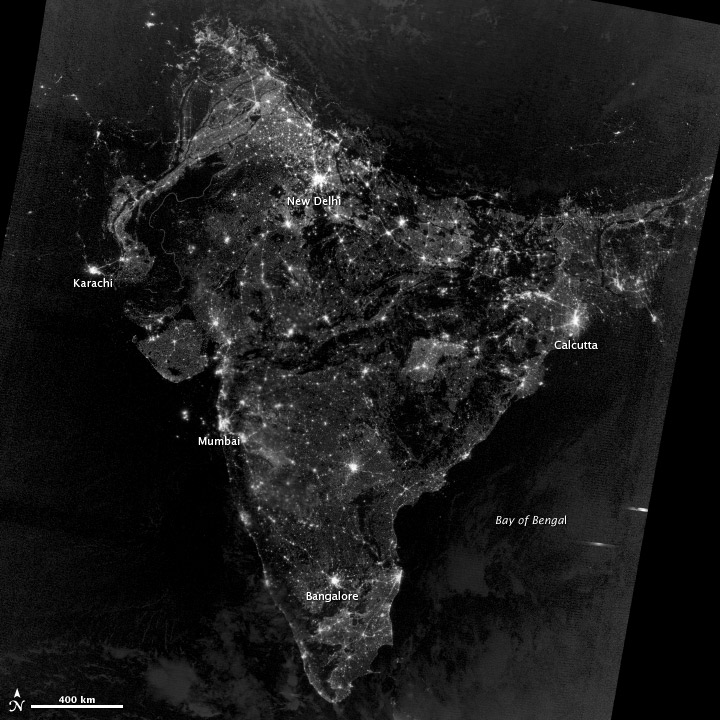
The image above – which has been artificially brightened – shows what India looked like from space on the night during Diwali in November, 2012. It’s what India looks like from space onany night, according to NASA.

This image is from a NASA satellite known as Suomi NPP, for National Polar-orbiting Partnership. An instrument carried on this satellite – which detects light in a range of wavelengths from green to near-infrared – acquired this image in a single night. The image has been brightened to make the city lights easier to distinguish.

Most of the bright areas are cities and towns in India, which is home to more than 1.2 billion people and has at least 30 cities with populations over 1 million. Cities in Bangladesh, Nepal, and Pakistan are also visible near the edges of the image.

Now, the fake one:

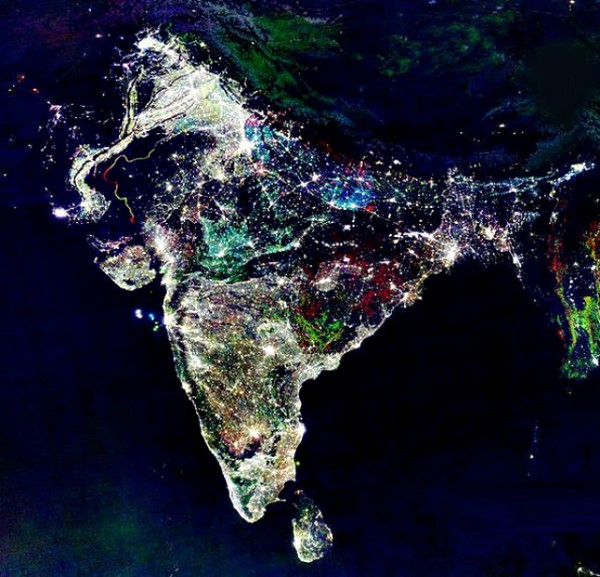
In contrast, here is the false Diwali image, which has been circulating via the Internet for some years. It doesn’t show what it claims to show; that is, it doesn’t show India on a single night during the Diwali festival.

This image comes from satellite data, too, but not a single satellite on a single night. It’s based on data from U.S. Defense Meteorological Satellite Program (DMSP) satellites, and it’s a color-composite created in 2003 by NOAA scientist Chris Elvidge to highlight population growth over time. In this image, white areas show city lights that were visible prior to 1992, while blue, green, and red shades indicate city lights that became visible in 1992, 1998, and 2003 respectively.

Bottom line: This post contains a real space image of India, taken during the 2012 Diwali festival. The image is shown in contrast to another space image – a composite, put together with data taken over many years – which has circulated in recent years. The composite image does not show India during Diwali. NASA says the extra light so many enjoy during Diwali would not be visible from space.

SOURCE::::earthskynews

Natarajan

” அவ்வையாரின் விநாயகர் அகவல் …”


Avaiyar (meaning a very Old mother) was one of the very great women poets of ancient Tamil Nadu.(In telugu even today mother is called Avva) Apart from being a great poet, she played a very great role in the politics of those days, by making the great kings obey her.There are many references to her being a great Devotee of Lord Subrahmanya. Her well known work is AthiChoodi, which was written foer easy learning by Tamil Children. It is interesting to note that even today, Athichoodi shows the simple path to live well, for all children. Vinayagar Agaval is another one of her great works. Agaval means blank poetry and it is a song addressed to Lord Ganapathy . He is addressed as Vinayagar (he who removes obstacles) or Pillayar in Tamil. This prayer is an extremely popular one in Tamil Nadu. It clearly brings out the mastery of Avvaiyar in the Yoga, thathric practices and Saivism, possibly derived from the contribution of Sidhas in Tamil Nadu and the Tamil Nadu Saivism

SOURCE::::www.periva.proboards.com and You Tube

Natarajan


Message For the Day…” Signifacance of Genuine Deepawali …”

The festival of Deepavali is to express gratitude at the defeat of the Naraka (demonic) tendencies in man, which drags one down from Divinity. Naraka, whose death at the hands of Krishna is celebrated today, signifies hell. Narakaasura is the personification of all the traits of character that obstruct the upward impulses of man. The human being is a composite of man, beast and God, and in the inevitable struggle among the three for ascendency, you must ensure that God wins, suppressing the merely human and the lowly beast. The griha (home) where the Name of the Lord is not heard is a guha (cave), and nothing more. As you enter it, as you leave it and while you are in it, regularly perfume it, illumine it and purify it with the Name. Light it as a lamp at dusk and welcome it at dawn, as you welcome the Sun. That is the genuine Deepavali, the Festival of Lamps.

Sathya Sai Baba

Picture of the Day…. View From Eiffel Tower Thro the Eyes of an Eagle !!!

Still from a video filmed from the back of an eagle as it soars over Paris after taking off from the Eiffel tower. In a world's first, a white-tailed eagle soared from the top of the Eiffel Tower in Paris and flew over the Seine down into the Trocadero Gardens with a camera mounted on its back.

Still from a video filmed from the back of an eagle as it soars over Paris after taking off from the Eiffel tower. In a world’s first, a white-tailed eagle soared from the top of the Eiffel Tower in Paris and flew over the Seine down into the Trocadero Gardens with a camera mounted on its back.Picture: Sony/SWNS 

SOURCE:::The Telegraph UK

Natarajan

” When there is a Turbulence During your Flight …”

plane stormShutterstock

[Editorial note: This is an updated version of an earlier post. Turbulence is once again the news, after a Singapore Airlines flight encountered rough conditions while landing in Mumbai. recently. 

Turbulence is far and away the No. 1 concern of nervous flyers.

If you’re among those seeking reassurance, please refer to my earlier essay on the topic, a version of which also appears in chapter two of the my book. Many anxious passengers have found this discussion helpful.

READ IT HERE.

In the meantime, I’ll go ahead and reiterate some points:

1. First and foremost, turbulence is, for lack of a better term, normal. Every flight, every day, will encounter some degree of rough air, be it a few light burbles or a more pronounced and consistent chop that sometimes gets your coffee spilling and the plates rattling in the galley. From a pilot’s perspective, garden-variety turbulence is seen as a comfort and convenience issue, not a safety issue per se. It’s annoying, but it is not dangerous.

2. In rare circumstances, however, it’s worse, to the point where a plane’s occupants can be injured or, even more uncommonly, aircraft components can be damaged. How rare? Put it this way: The type of encounter that United and Cathay ran into is the sort of thing even the most frequent flyer will not experience in a lifetime. And of the small number of passengers injured each year, the vast majority of them are people who did not have their seat belts on when they should have.

3. Can turbulence occur unexpectedly — or, as the news people have been embellishing it, “out of nowhere”? Yes. Pilots receive weather and turbulence forecasts prior to flight; once aloft we get periodic updates from our dispatchers and meteorologists on the ground. We have weather radar in the cockpit, as well as our eyes to see and avoid the worst weather. And perhaps most helpful of all, we receive real-time reports from nearby aircraft. With all of these tools at our disposal, we have a pretty good idea of the where, when, and how bad of the bumps. But every so often they happen without warning. Almost always it’s a mild nuisance, but the lesson here is to always have your belt fastened, even when conditions are smooth.

4. Do pilots keep their belts fastened in the cockpit? Yes, always. Is this one of those things that, well, hey, we sometimes ignore and get lackadaisical about? No, and neither should you.

5. For what it’s worth, thinking back over the whole history of modern commercial aviation, I cannot recall a single jetliner crash caused by turbulence, strictly speaking. Maybe there have been one or two, but airplanes are engineered to withstand an extreme amount of stress, and the amount of turbulence required to, for instance, tear off a wing, is far beyond anything you’ll ever experience.

6. During turbulence, the pilots are not fighting the controls. Planes are designed with what we call positive stability, meaning that when nudged from their original point in space, by their nature they wish to return there. The best way of handling rough air is to effectively ride it out, hands-off. (Some autopilots have a turbulence mode that desensitizes the system, to avoid over-controlling.) It can be uncomfortable, but the jet is not going to flip upside down.

7. Be wary of analogies. You might hear somebody compare turbulence to “driving over a rough road,” or to “a ship in rough seas.” I don’t like these comparisons, because potholes routinely pop tires, break axles and ruin suspensions, while ships can be capsized or swamped. There are no accurate equivalents in the air.

8. Be wary of passenger accounts in news stories. Not to insult anyone’s powers of observation, but people have a terrible habit of misinterpreting and exaggerating the sensations of flight, particularly if they’re scared. Even in considerably bumpy air — what a pilot might call “moderate turbulence,” a plane is seldom displaced in altitude by more than 20 feet, and usually less. Passengers might feel the plane “plummeting” or “diving” — words the media can’t get enough of — when in fact it’s hardly moving.

9. Will climate change increase the number of severe turbulence encounters? Possibly, but in the meantime remember there are also more airplanes flying than ever before. The worldwide jetliner fleet has more than doubled in the past 20 years, and it continues to grow. It stands to reason that as the number of flights goes up, the number of incidents will also go up, regardless of changes in the weather.

SOURCE:::: http://www.businessinsider.com

Natarajan

Kindly have a look at my earlier blog post on this subject…pl click the following link and read further…


https://natarajank.com/2013/08/30/what-causes-turbulance-is-it-dangerous/

natarajan

Read more: http://www.businessinsider.com/Here’s What It Really Means When There’s Turbulence During A Flight, According To A Pilot#ixzz3GqakAfaI