Siachen Miracle – Army Jawan Found Alive, Buried Under 25 Feet of Snow for 6 Days!

Miracles happen! And the Army jawan who was found alive after remaining buried under 25 feet of snow for six days, is a living example of an amazing miracle.

Lance Naik Hanaman Thappa was found in a critical condition after six days of rescue efforts on the Siachen glacier.

siachen2

Source: Twitter

10 Army personnel including a Junior Commissioned Officer (JCO) and nine other ranks of Army’s 19 Madras Regiment were stationed at an altitude of 19,600 feet on the Siachen Glacier in Jammu and Kashmir. On February 3, they were hit by a massive avalanche, and rescue operations have been on since then. The base was located on the Saltoro ridge, close to the Line of Control (LoC) with Pakistan.

On February 4, a Defence Spokesperson had said that the hopes of finding anyone alive were “very remote”. And later, the Indian Army had declared them presumed dead.

After probable locations of the incident were identified by the rescue team with the help of specialised equipment, they had to cut through up to 40 feet of ice at multiple locations. Frequent snow blizzards, extreme freezing temperatures and low visibility made the search operation very difficult.

Army teams have been sifting through huge mass of ice in the hazardous region where temperatures range between minus 42 and minus 25 degrees Celsius.

siachen1

Source: Twitter

“It was a miraculous rescue, all efforts are being made to evacuate Lance Naik Hanaman Thappa to the RR hospital in the morning,” Lt Gen D S Hooda, Northern Army Commander, told PTI.

Five bodies have been recovered so far, and four of them have been identified.

“The teams are working round the clock and observing all precautions since the unstable ice and snow in the region could trigger fresh avalanches. Rescue efforts will continue till all our soldiers are found,” said an Army spokesperson.

On Friday, the Ministry of Defence had released the names of all 10 soldiers who were hit by the avalanche:

1. Subedar Nagesha TT – village Tejur, Hassan district, Karnataka.
2. Havildar Elumalai M – village Dukkam Parai, Vellore district, Tamil Nadu.
3. Lance Havildar S Kumar – village Kumanan Thozhu, Teni district, Tamil Nadu.
4. Lance Naik Sudheesh B – village Monroethuruth, Kollam district, Kerala.
5. Lance Naik Hanamanthappa Koppad – village Betadur, Dharwad district, Karnataka.
6. Sepoy Mahesha PN – village HD Kote, Mysore district, Karnataka.
7. Sepoy Ganesan G – village Chokkathevan Patti, Madurai district, Tamil Nadu.
8. Sepoy Rama Moorthy N – village Gudisatana Palli, Krishna Giri district, Tamil Nadu.
9. Sep Mustaq Ahmed S – village Parnapalle, Kurnool district, Andhra Pradesh.
10. Sepoy Nursing Assistant Suryawanshi SV – village Maskarwadi, Satara district, Maharashtra

The survivor is a resident of Betadur village in Dharwad district of Karnataka.

“We are happy. The entire village is happy and relieved. We were eagerly waiting for some news for past few days. It was difficult to even believe that he was saved. Now, we need everyone to pray for his survival,” his uncle told The News Minute.

Source…….Tanaya Singh in http://www.the betterindia.com

Natarajan

This Auto Driver Mortgaged His Auto to Pay for the Medical Expenses of a Passenger…

K Ravichandran, a 48-year-old auto driver from Chennai, mortgaged his auto to pay for the medical expenses of his passenger who suffered a cardiac arrest during the ride.

It happened a few months ago when a passenger boarded his auto to go from Ramapuram to Triplicane. They had reached Mount Road, when the passenger, who was about 57 years old, complained of chest pains. The Good Samaritan took the passenger to a nearby clinic, where he was referred to the Rajiv Gandhi Government General Hospital.

Doctors there informed Ravichandran that the patient had three blocks in his heart’s blood vessels, and they would have to place a pace-maker for his recovery.

chennai auto

PIcture for representation only. Source: Angus/Flickr

On informing his family, the passenger’s son arrived from Kolkata that night. The cost of treatment was about Rs. 1 lakh. They spoke with the hospital’s Dean and got the cost reduced to Rs. 47,000. But his son was left with Rs. 15,000 only after spending on flight tickets.

“I decided to pledge my auto rickshaw, the only property I owned and managed to pay the balance,” Ravichandran told The New Indian Express.

This Sunday, Ravichandran was rewarded by the Anna Auto Welfare Trust – an organisation that was started to motivate auto rickshaw drivers and acknowledge them for such laudable deeds. 16 other auto drivers including three women were also awarded.

Anil Khicha founded Anna Auto Trust with the view that people who visit Chennai, meet auto rickshaw drivers first. And the kind of behaviour they experience, forms their impression about the city. If the good work of drivers is appreciated, it will encourage them to do better.

According to the report, the trust has printed stickers asking passengers to send their feedback to 9243000111. Based on this feedback, they call drivers who have behaved well and honour them every month.

Featured image credit: The New Indian Express

Source…..Tanaya Singh in http://www.the better india .com

natarajan

Zika Virus – All You Need to Know…

The ongoing Zika virus outbreak has created fear and uncertainty throughout the world because no-one knows how to contain it or cure it as yet. With that being said, I figured that the best way to protect myself from infection was to inform myself. Here are the five W’s of the Zika virus, and how to protect yourself from contracting it:

Who discovered the Zika virus?

Image Source

Zika was first discovered by scientists in 1947, when a rhesus monkey (pictured) living in Uganda’s Zika forest developed an unknown febrile illness. They were able to isolate a new transmissible agent from the sick monkey, and, in 1952, named it Zika after the forest in which it was discovered.

The first recording of human infection was also made in 1954 after a serological (the study of bodily fluids) survey was conducted on people in Uganda and neighboring Nigeria. Some 50 out of 84 people tested were found to have developed antibodies.

Another study conducted in India around the same time showed that a significant number of the people tested had developed Zika-specific antibodies, indicating the likelihood that the virus has long been present in various human populations.

What is the Zika virus?

The Zika virus is a virus that’s spread by daytime-active mosquitoes that are part of the Aedes genus. They originated in tropical and subtropical zones, however they have now spread around the world. The only place they cannot be found is in Antarctica. Human activity has been in part to blame for the spread of Aedes mosquitoes. An example of this can be seen in how the Asian tiger mosquito made it to the Americas thanks to the used tire trade.

Some 1 in 5 people that are infected with the Zika virus through a mosquito bite actually become ill, and the symptoms they exhibit include fevers, rashes, joint pains, conjunctivitis (redness in the eye), muscle pain and headaches.

The incubation period for the virus is unknown, however it is believed to range from a few days to one week. Its symptoms usually last for the same period. People do not usually get sick enough to go to hospital if infected with the Zika virus, and it is very rare to hear of a death from the virus too.

Zika is related to dengue and yellow fevers, as well as the Japanese encephalitis (inflammation of the brain) and West Nile viruses. It is diagnosed with a specialized blood test, however there is no known cure or vaccine. There have been some media reports of the virus being transmitted sexually, however more evidence is needed to confirm whether this is a cause for widespread concern. Even if it is, the likelihood of this taking place remains very low.

Where did the current Zika virus outbreak start?

While Zika spread through equatorial Africa and Asia between 1951 and 1981, a bona-fide Zika outbreak wasn’t reported until 2007. That took place on the Pacific island of Yap, and thus remained relatively contained.

The current Zika outbreak first began last year in Brazil. Researchers suggested that the virus arrived in the country from French Polynesia sometime during 2014. In May 2015, a dengue-like disease outbreak took hold in northern, northeastern and southeastern Brazil. Many patients were exhibiting flu-like symptoms, followed by rashes and joint pain.

The outbreak reached Colombia by October 2015, before reaching other South American countries, as well as the Caribbean in November and December. At the time of writing, there were also confirmed cases in Central America, the United States, Australia and Europe. In fact, the World Health Organization has said that it expects Zika to spread throughout the entire Americas in the coming weeks.

When should you be concerned about the Zika infection?

Zika is said to have the most severe effects on pregnant women and children, however anyone is vulnerable to infection. If you have visited one of the affected countries and are exhibiting any of the symptoms mentioned in this article, see a doctor as soon as possible. He or she may prescribe blood tests to conduct further investigations should there be suspicion of you having contracted the virus.


Why has Zika become an international health concern?


As aforementioned, the ongoing Zika outbreak commenced in Brazil in May 2015. The main cause for concern over the virus is the fact that there has been a huge spike in births of babies with microcephaly in the affected regions of that country. That is why the virus’ movement is being tracked and reported on all over the world.

Microcephaly is a condition where a baby’s head is much smaller than expected. It occurs because a baby’s brain has not developed properly during pregnancy, or because it stops growing after birth, resulting in a smaller head size. While it can be an isolated birth defect, it can also occur in combination with other major defects, such as developmental delay, intellectual disability and proneness to seizures.

In a nutshell, the World Health Organization is doing what it can to halt Zika’s progress in order to protect unborn children. Currently the biggest fear is that there will be an explosion of microcephaly cases around the world.

How to Protect Yourself From Contracting Zika


– Avoid traveling to countries where the virus has been confirmed.

– If you must, wear long-sleeved shirts and pants.

– Stay somewhere air-conditioned or use windows and door screens to keep any mosquitoes outside.

– Sleep under a mosquito bed net if possible.

– Use insect repellent.

– If you have a child, dress in clothing that covers the arms and legs and use mosquito netting to cover cribs or strollers.

– Treat your clothing with permethrin (a synthetic insecticide), or purchase permethrin-treated items.

–  Use protection if you intend to sleep with someone who has just returned from traveling in a Zika-affected region.

Source……….www.ba-bamail.com

Natarajan

Message for the Day…” True Living consists in the Realisation of God …”

Education and other things that make one grow and become big are of no use for spiritual progress; they bring about only spiritual downfall. That is why the world is called the ‘illusory universe’ (maya-prapancha). Truth, in whatever illusion it is immersed, will only shine more effulgently, for such is the nature of truth. How can we say that the objective world, which undergoes modifications every minute, waning and waxing with the waywardness of appearing and disappearing, is eternal truth? The characteristic of a spiritual aspirant is the attainment of Truth, not the search of the unreal in this evanescent world. In this false world, there can be no true living(satya-achara). There can be only false living (mithya-achara). True living consists in the realisation of the Lord. This must be borne in mind by everyone every moment of one’s life.

Sathya Sai Baba

The Coconut Palace, Philippines…!!!

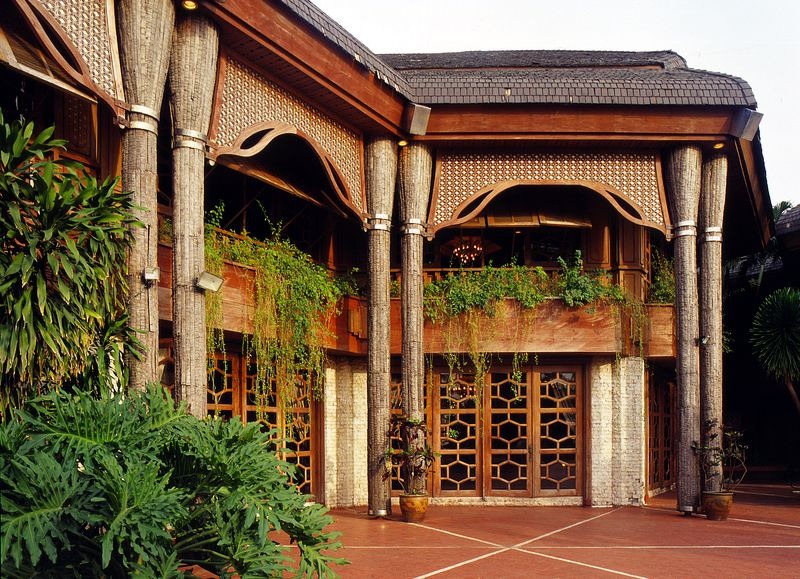
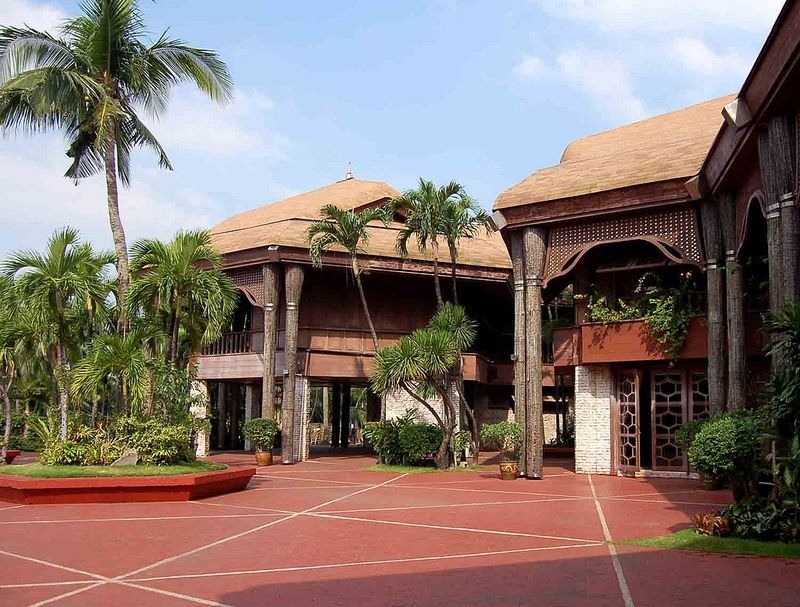
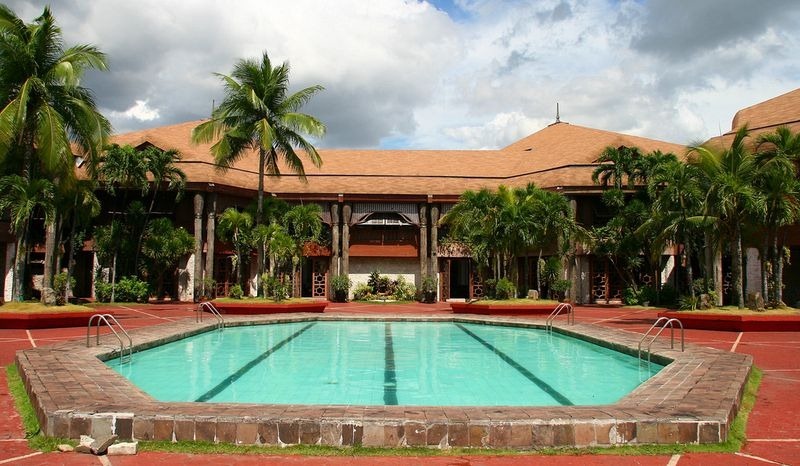
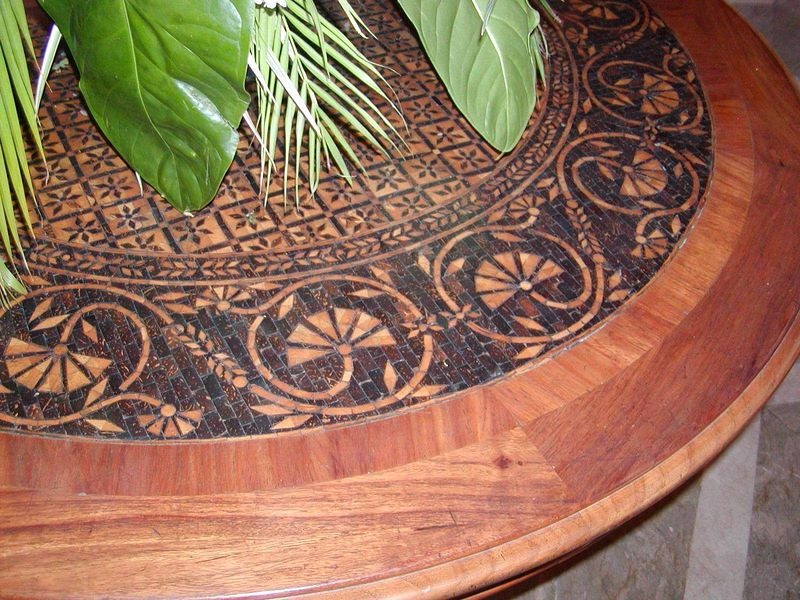
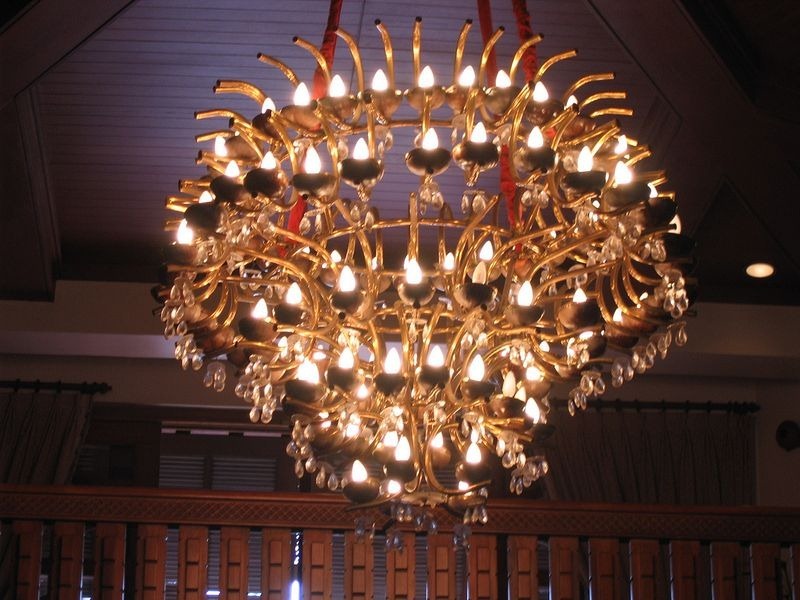
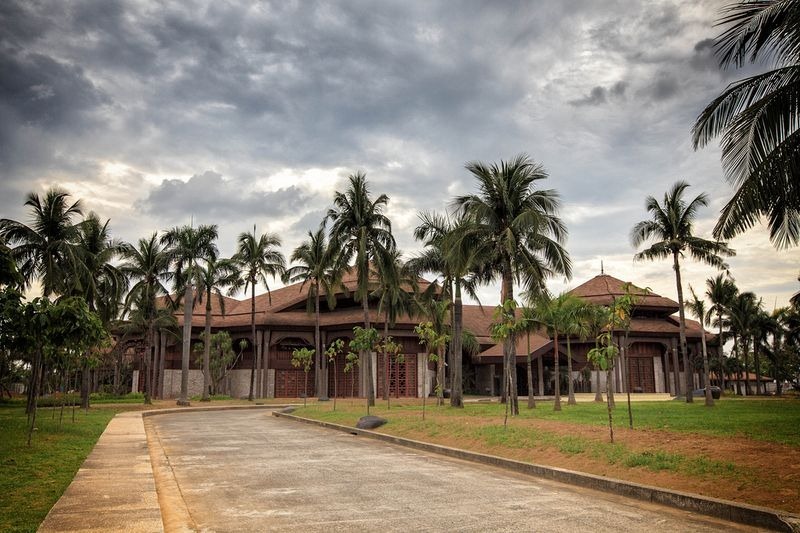
The official residence and workplace of the Vice President of the Philippines, in Manila, is a curious attraction. The building is called Coconut Palace, or Tahanang Pilipino, because of the extensive use of coconut lumber and various parts of the coconut tree in its construction. The roof is made from coconut wood shingles, while the columns are inverted coconut trunks, with their distinctive bulge at the root end forming the capitals. Coconut wood parquetry covers the floors, carpets are made of coconut fiber and wallpaper from the fibrous sheath. The massive chandelier made from 101 coconut shells is worth seeing, and so is the dining table of 40,000 tiny pieces of inlaid coconut shells.

coconut-palace-1

Photo credit: www.manosa.com

It is said that nearly 70% of the structure is made from the coconut tree. Everything from the tree’s roots to its trunk, bark, fruit, flower and shell were used to design and decorate the palace as a demonstration of the versatility of the humble coconut. No wonder the Philippines call the coconut tree the “tree of life”.

The Coconut Palace also has a certain notoriety. It was built during the regime of President Ferdinand Marcos who along with his wife First Lady Imelda Marcos, looted the Philippine treasury of at least USD 10 billion before he was ousted from his position. With the illegally accumulated wealth, the couple bought several palatial homes in the United States and Philippines, more than a hundred expensive paintings by old masters such as Van Gogh, Rembrandt, Rafael and Michelangelo, silver tableware, gold necklaces, diamond tiaras and all the best and precious the world had to offer.

imelda-marcos-shoes-1

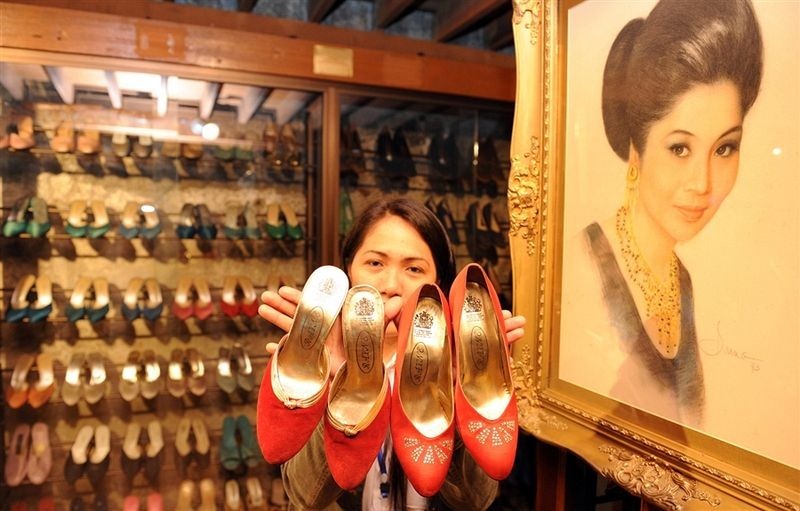
A museum employee displays some of the shoes of former Philippine first lady Imelda Marcos, next to her portrait at the shoe museum in Manila. Photo credit: Ted Aljibe

Imelda Marcos lived a famously extravagant lifestyle and was known to have a massive wardrobe featuring at least a thousand pairs of shoes. (Her shoe collection are now on display at the Marikina Shoe Museum in Manila). It was Imelda Marcos who came up with the wacky idea of building an elegant guest house, the Coconut Palace, in order to receive Pope John Paul II when he visited the Philippines in 1981. But when the Pope learned that it was built at the cost of 37 million Philippine pesos, or USD 10 million at that time, he refused to set foot in the palace because he knew the opulent place was built at the expense of the country’s citizens who still lived in poverty.

Surprised and possibly embarrassed at the Pope’s refusal, Imelda seized a couple of average Hollywood celebrities like Brooke Shields and George Hamilton for a gala opening. Later, the palace was turned into a venue for weddings and parties before it became the Vice President’s office and official residence. The Coconut Palace was opened for public tours on 2011.

coconut-palace-2

Photo credit: Paul Shaffner/Flickr

coconut-palace-3

coconut-palace-7

Coconut inlaid onto a table. Photo credit: hoagland.org

coconut-palace-5

The coconut chandelier. Photo credit: bigbark/Flickr

coconut-palace-6

Photo credit: Adam Brill/Flickr

Sources: Wikipedia / Philippines Travel Guide / Lonely Planet / BBC / www.manosa.com

Source……www.amusing planet.com

Natarajan

Inca Tern: The Bird With A Magnificent Moustache…!!!

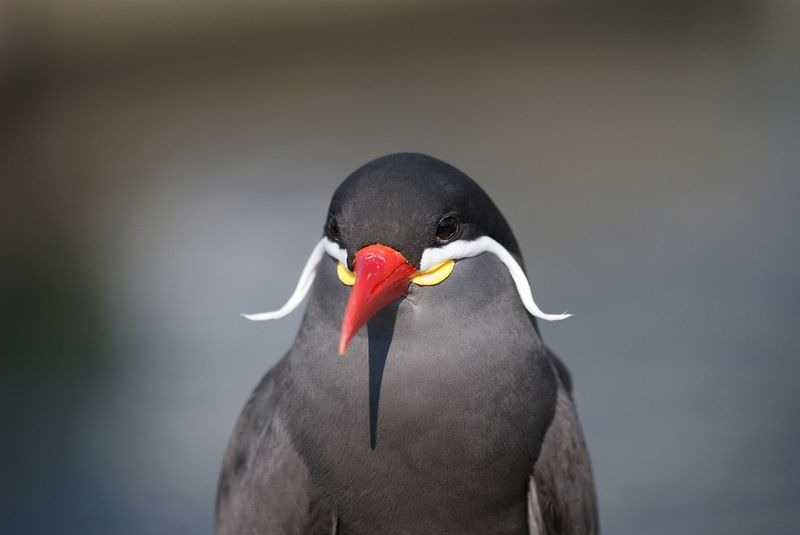
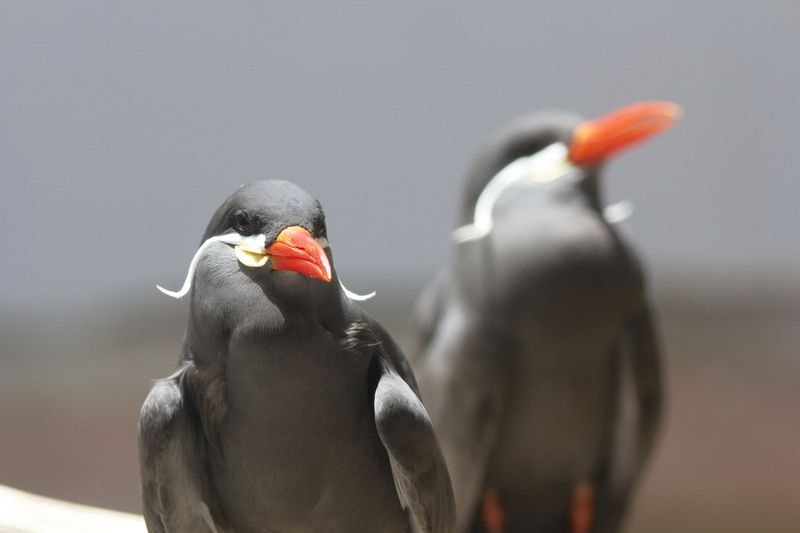
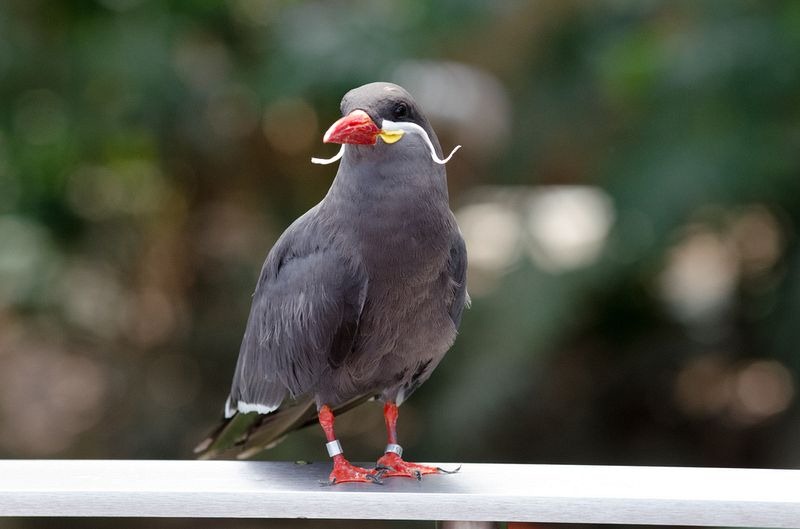
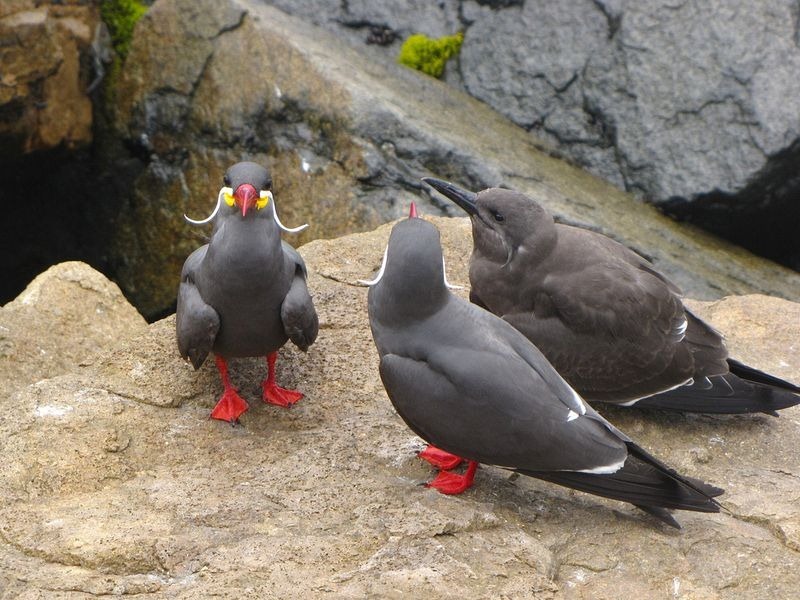
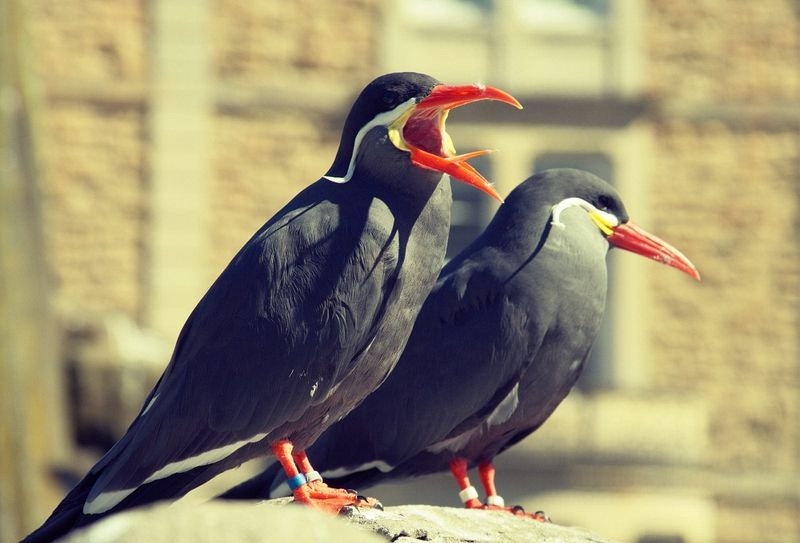
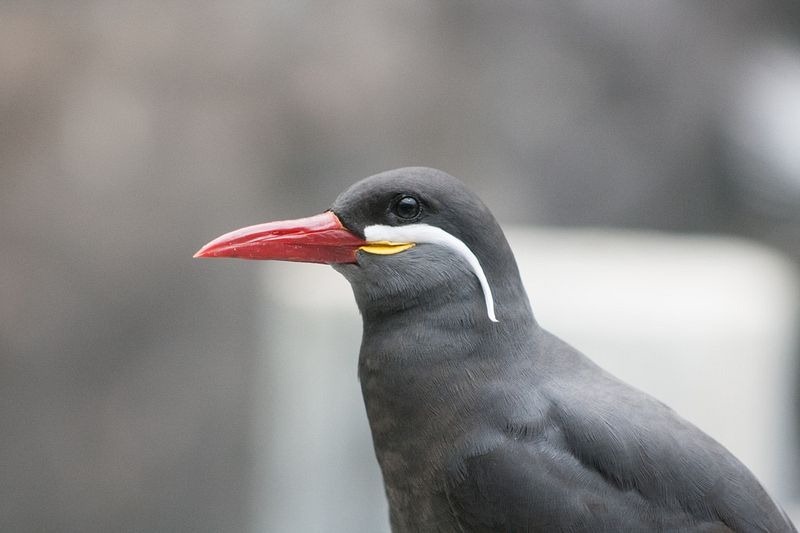
The Bougainville moustached kingfisher might be the one with word “moustache” in its name but it’s the dark grey plumaged Inca tern of the family Sternidae that sports the most magnificent whiskers.

The Inca tern features a pair of striking Dali-like white handlebar moustache of specialized feathers that grow out from the fleshy yellow gape at the corners of its brilliant red beak. The moustache is not male exclusive, it’s shared by the females as well. Aside from being an unusual ornament and a matter of pride, the length of the bird’s moustache is also a reliable signal of its body condition —the longer the moustache, the healthier the birds. Inca terns with longer moustaches tend to mate together and have more and larger chicks.

inca-tern-1

Photo credit: one_green_star/Flickr

Inca terns breed along the west coast of South America from northern Peru to central Chile, a region once ruled by the mighty Inca Empire which gives the species its name. This is where the cold nutrient-rich Humboldt current flows just off-shore, carrying with it swarms of small ocean fish such as anchovies which the bird feeds on. It spots its prey from the air, and then dives into the water to grab meals with its pointed beak. The birds also scavenge scraps from sea lions, dolphins, and fishing boats, but small fishes are its staple diet.

Reduction of anchovy stocks due to commercial fishing and excessive guano harvesting which destroys breeding ground has led to major decline in population of the Inca tern. Once numbering in the millions, the current population estimate is just over 150,000 birds, and the species is now listed as near threatened by the International Union for the Conservation of Nature. Although fishing for anchovies has been banned in Peru, and guano harvesting is also regulated, natural factors such as recurring cyclones and predators such as rats and cats on some islands can also prevent nesting or reduce breeding success.

inca-tern-4

Photo credit: Henry T. McLin/Flickr

inca-tern-5

Photo credit: Rob Albright/Flickr

inca-tern-2

Photo credit: Cristóbal Alvarado Minic/Flickr

inca-tern-6

inca-tern-8

Photo credit: Pete/Flickr

inca-tern-9

Photo credit: Phera Laster/Flickr

Sources: Birdlife.org / ABCBirds.org / Post-Gazette

Source….www.amusing planet.com

Natarajan

வாரம் ஒரு கவிதை …” இழப்புகள் தரும் வலி ” …

இழப்புகள் தரும் வலி
………………..
இருப்பதை  இழந்தால் உறுத்தும் மனசு …வலிக்கும்   இதயம்
பிறப்பும் இறப்பும் இயற்கையின் நியதி என்றால்
இருப்புக்கும் இழப்புக்கும் அதே நியதிதானே…பின்னர் ஏன்
 இருப்பதை இழக்கும் நேரம் வலிக்குது இதயம் ?
விடை இதுதான் …நம்மிடை ஒன்று இருக்கும் சமயம் தெரிவதில்லை
நம்முடன் இருப்பதன் அருமையும் பெருமையும் !
இழந்தது பொருளானால்  மீட்கலாம் அதை  கடும்  உழைப்பால்!
இழந்தது நட்பானாலும் மீண்டும் மலர்ந்து தொடரும் அதே நட்பு
நடந்ததை நண்பர்கள் மறந்தால் !
இழந்தது நெருங்கிய உறவானால் நிச்சயம் நொறுங்கும் இதயம் !
இந்த இழப்பினால் வரும்  வலி, ” நான் ”  ” எனது ” என்னும் நம்
குறுகிய உணர்வை  துறக்க ஒரு  வழியையும் திறக்கும் !
இழப்புகள் தரும் வலியால் பிறக்கும் ஒரு நல் வழியும்  இதுவே !
Natarajan

The World’s Only Floating National Park Is Located in India. And It Is Amazing….!!!

Imagine standing on a piece of land that floats on water. No, not for some fictitious narration or a movie scene, but in real life – this is something that’s actually possible in Manipur.

Welcome to Loktak Lake, the largest freshwater lake in Northeast India. This iconic lake, located in Bishnupur district, at a distance of 53 km from Imphal, is known for its circular floating swamps (called phumdis in the local language).

loktak lake1

Source: Wikimedia

The term phumdis refers to a collection of heterogeneous mass of vegetation, soil, and organic matter at various stages of decomposition. Resembling miniature islands, these phumdis are found in various forms, floating on the lake.

Covering an area of 300 square metres, the lake is a lifeline for many people. It serves as a source of water for hydropower generation, irrigation and drinking water supply in the region, other than being the source of income for many fishermen who largely depend on it. Children of the fishermen can even be seen playing and running around on these phumdis.

“Loktak is our mother. Since time immemorial, the lake has been feeding the people of Manipur and nourishing us”, a fisherwoman told The Northeast Today.

The Sendra Tourist Home, located on a large phumdi island, also makes for an ideal tourist spot.

The lake is home to 233 species of aquatic plants, more than 100 species of birds, and 425 species of animals, including the Indian python and sambhar.

loktak3

Photo: Flickr/Zehawk

What makes the Loktak Lake even more special is the Keibul Lamjao National Park located at the south western part of the lake. It is the world’s only floating national park and is home to the endangered Manipuri brow-antlered deer, Sangai.

Sangai is the state animal of Manipur. Its hooves are adapted to walk on the phumdis.

loktak lake2

Source: Wikimedia

This park, which was initially declared as a Sanctuary in 1966, was subsequently declared a National Park in 1977.

16495734198_148f6a99c9_b

Photo: Flickr/Zehawk

Loktak is a birder’s paradise. The most commonly sighted birds in the region include black kite, northern hill myna, East Himalayan pied kingfisher, lesser skylark, lesser eastern jungle crow, Burmese pied myna, and more.

The lake is now endangered, with innumerable threats like pollution, decline in diversity of avifauna and thinning of phumdis.  All this, in turn, threatens the Sangai deer. Phum Shang, an investigative documentary directed by Hao Bam Pabankumar, which examines the serious environmental concerns facing Loktak Lake, won the Golden Conch award for Best Documentary in the Mumbai International Film Festival recently.

Source…….www.the betterindia.com

Natarajan

This Solar Powered Marvel of Engineering Lets a Person with Disabilities Earn a Living Anywhere!

Sunny Splendor is a great piece of engineering – a solar vehicle that works as a mobile shop for people with disabilities to start up small businesses and earn a living. It was designed by Hari Vasudevan of Ostrich Mobility, and this is how it works.

“I earn more than Rs. 4,000 a day now and can even think of sending my children to a good school,” says Umesh, a street vendor from Bangalore who lost both his legs in a road accident. Umesh used to work as a driver earlier but his life came to a standstill for about five years after the accident. He could not find any suitable source of income and things became increasingly difficult for his family. So he set up a small cart and started selling items like tea, coffee, bread, biscuits, and chocolates. But business was never very lucrative because he couldn’t move around with his cart and had to remain stationary at the same spot all day long.

After struggling for a long time to make ends meet, Umesh received the most amazing gift a few months back. He was introduced to Sunny Splendor – a mobile shop meant for people with disabilities to run petty businesses from wherever they want.

Earning more than double of what he would make earlier, Umesh has now left hard times far behind and is extremely happy with his new shop on wheels.

people with disabilities

Umesh at work

Sunny Splendor was developed by Hari Vasudevan, Founder and Managing Director of Ostrich Mobility, a company that excels in manufacturing personal mobility appliances for people with disabilities.

people with disabilities

The team at Ostrich Mobility

“Umesh was able to increase his profits only because he got the chance to roam around with his shop. If one place is less crowded he moves on to the next, and keeps moving to the more crowded areas of the city,” says Hari.

For Umesh, the best thing about Sunny Splendor is that it needs zero maintenance and customers are often attracted to his shop just to find out how it works. This adds to his business and he has some very loyal customers who are amazed by his story and keep coming back to his shop.

Hari says he was inspired to design this vehicle in 2013 when K.S. Rajanna, a differently-abled man, was appointed the State Commissioner for Persons with Disabilities in Karnataka.

people with disabilities

When Rajanna sir became the commissioner, he visited my office to see the kind of things we manufacture. He asked me a simple question: ‘Why don’t you hire people with physical disabilities?’ I told him that we deal with heavy objects and it would be difficult to find a person with disability who would want to do this kind of work. Moreover, we are not some big corporate firm and it won’t be easy for us to change the complete infrastructure of the office building to make it suitable for differently abled people.”

But the question remained with Hari. He found himself thinking about developing a way to help people with disabilities find a source of income. “And the idea suddenly struck me – I decided to design an electric wheelchair in a way that it would work as a mobile shop to help people run small businesses,” he says.

The mobile shop is called Sunny Splendor because there is a solar panel attached to its roof, which helps charge the batteries it operates on.

people with disabilities

Sunny Splendor is basically an electric wheelchair designed like a three-wheeler, with a lot of space to display the items for selling. The wheelchair’s batteries can be charged with the help of electricity as well as solar energy. Eight hours of sunlight are enough to get the vehicle fully charged, and it can run for about 45km at a speed of 15km/hr after one charge. Even those who don’t have access to electricity can use it with the help of solar charging only.

There is a joystick to control the direction in which it moves and disabled people can use the vehicle to sell all kinds of things like magazines, food, toys, vegetables, and more.

Sunny Splendor is available in the market for Rs. 1.5 lakh. But many people who need it the most don’t usually have the required money to make the purchase. So Hari and his team are talking to NGOs and other organizations to make it available to people with disabilities. As of now, two people in Karnataka are using the mobile shops gifted to them by Mahindra & Mahindra (as a part of the organization’s CSR activities). Three other people have received them from the Kerala government.

Hari, who is 44 years old, founded Ostrich Mobility after completing his M.Tech course in product design and manufacturing. Prior to that, he did his BSc in Physics and BE in Mechanical Engineering, followed by seven years of work in the field of manufacturing automobiles.

“Engineering is my passion…I got a chance to meet many kids with disabilities during college because my final year project was related to making a device to help them walk. And after a visit to a school for children with disabilities, I decided that I will do something to help such people with whatever engineering I know. In 2005, I got four orders for wheelchairs from a school, and I decided to continue from there,” he recounts.

In 2007, Hari started Ostrich Mobility with the idea of making electric wheelchairs. Today, the company sells more than 22 products, including various electric wheelchairs, mobility scooters, hospital beds, and more. All the products are designed by Hari.

Hari feels that anyone buying Sunny Splendor is actually buying a business that can grow much beyond the initial investment. However, it is difficult for someone who is poor to make that investment so Hari is looking for micro-financing companies to help people purchase the vehicle.

Source……Tanaya Singh in http://www.the better india.com

Natarajan
Message for the Day…” Only God’s Love is totally Free from the taint of Selfishness …”

Embodiments of Love! The hallmark of love is selfless sacrifice(thyaga). Love seeks nothing from anyone. It bears no ill-will towards anyone. It is utterly selfless and pure. Failing to understand the true nature of love, people yearn for it in various ways. Love must be cherished with feelings of selflessness and sacrifice. In what is deemed as love in the world – whether it be maternal love, brotherly love, or friendship – there is an element of selfishness. Only God’s love is totally free from the taint of selfishness. Divine love reaches out even to the remotest being. It brings together those who are separate. It raises man from animality to Divinity. It transforms gradually all forms of worldly love to Divine love. Even the feeling of universal brotherliness is not the same as the experience of ekatvam(oneness). Even in such a fraternal feeling there is an element of self-interest. Those who really wish to promote universal brotherhood too should develop the consciousness of the one Spirit dwelling in all beings.

Sathya Sai Baba