Red Letter Days…


Why are Special Days Called “Red Letter Days”?

While it’s commonly stated that the practice of marking important dates in red didn’t begin until the Middle Ages, in fact, in ancient Rome red ink was sometimes used on calendars to identify significant dates, as well as occasionally used on important text in documents, with the underlying reason in both cases seemingly being the same as today- to make the text stand out, in the case of the calendar marking a noteworthy day.

Through the years this practice continued, and in particular with medieval scribes who used red ink in much the same fashion for initial capital letters and certain important words (called rubrics) in their illuminated manuscripts.

As writing became more widespread, others quickly adopted the use of red ink in their writing, too, as noted by John Trevisa in Polychron (1387): “we writep capital letters wip reed colour.”

Likewise, particularly important days, such as a saints’ feast or one of the holy days, were identified on medieval church calendars with the color red. It was first identified in English by William Caxton in The boke yf Enyeydos (1490): “We wryte yet in oure kalenders the hyghe festes wyth red lettres of colour of purpre.”

In 1549, the first Book of Common Prayer included a calendar with the holy days marked in red, thus spurring use of the phrase; however, the first print reference to red-letter day is not seen until 1663, when Edmund Gayton wrote in The religion of a physician: “the Red-letter daies being the Ornament of her Year.”

Using the term in reference to a secular day is first seen in The Journals of Madam Knight in which Sarah Kemble Knight (1666-1727) wrote: “Their Chief Red Letter day is St. Election, wch is annually Observed according to Charter, to choose their Govnr.”

Notably, even today in England there remains an official practice of recognizing certain special days as “Red Letter days,” such as the Queen’s birthday and some saints’ days, at least with its High Court; on these days, all High Court judges wear scarlet robes, while on ordinary days, only judges hearing criminal cases wear the long red garments.

Bonus Fact:

  • Because the rest of the calendar was written in black ink, ordinary days used to commonly be referred to as black-letter days; for example, Tobias Smollett wrote in The tars of old England. A Comedy (1757): “O! the month of November, She’ll have cause to remember As a black letter day all the days of her life.”

Source….www.today i found out .com

Natarajan

வாரம் ஒரு கவிதை …” மல்லுக்கட்டும் ஜல்லிக்கட்டு “


மல்லுக்கட்டும்  ஜல்லிக் கட்டு …
……………………………………………………
துள்ளி வரும் காளை …அதை அடக்கும்
துடிப்புடன்  களத்தில் இளம் காளையர் !
இது போர்க்களம் இல்லையே…ஒரு
வீர விளையாட்டுக்களம்  தானே !
ஜல்லிக்கட்டு …இந்த ஒரு பெயரே
உசுப்பிவிடுமே  தூங்கும் இளைஞரை !
காளை மாட்டுடன் மல்லுக்கட்டிய  ஒரு
வீரர் கூட்டம் இன்று ஜல்லிக்கட்டுக்காகவே
மல்லுக்கட்டும் ஒரு அவலம் !  ஜல்லிக்கட்டு
நடக்குமா நடக்காதா ..இந்த கேள்விக்குறி
ஜல்லிக்கட்டுக்கு மாத்திரம் அல்ல …ஒரு
கூட்டத்தின் குறி நம் ஜல்லிக்கட்டு மாட்டின் மீதே !
ஆடு நனையுதே என்று ஓநாய் அழுத கதை
படித்ததில்லையா நாம் ?  அதே கதைதான்
மீண்டும் அரங்கேற்றம் இன்று  ஜல்லிக்கட்டில் !
ஜல்லிக்கட்டு மாட்டினத்தின் சந்ததிக்கு
சத்தமில்லாமல் ஒரு முற்றுப்புள்ளி வைக்கத்
துடிக்கிறது ஒரு கூட்டம் இன்று… அவர்
ஆடும் ஆட்டம் ஒரு “சோதனை  ஓட்டம் “
இன்று… கேட்கவே வேதனை நமக்கு !
சோதனை எது  வந்தாலும்  சாதிக்க வேண்டும்
நாம் ! மல்லுக்கட்டி  மீட்க வேண்டியது வெறும்
ஜல்லிக்கட்டு போட்டியை  மட்டுமல்ல !
நம்  ஜல்லிக்கட்டு மாட்டினத்தின் வாழ்வையும்  அதன்
இன வளர்ச்சியையும்  சேர்த்துதான் !
மல்லுக்கட்டுவோம்  ஜல்லிக்கட்டுக்கு …ஜெயித்துக்
காட்டுவோம் இந்த  உலகுக்கு நாம் யார் என்று !
My Tamil Kavithai  as published  in  www.dinamani.com
Natarajan

Hoover and Their Disastrous Free Flight Promotion…

world-travelGiving away free stuff with a purchase is a good way to bolster sales and can result in a tidy increase in profits, provided you follow the general rule of making sure the long term projected profit from the promotion is greater than the cost of the giveaway. Appliance giant Hoover learned this seemingly obvious lesson first hand in 1992 when they inexplicably decided to give away free flights worth several times more than most of the products they were selling as part of what has become known as Hoovergate- one of the most disastrous marketing campaigns of all time, today taught in marketing text books the world over.

Though Hoover sells a multitude of appliances and domestic goods, the company is known mostly for its vacuum cleaners. (And if you’re curious, see: Who Invented the Vacuum Cleaner?) So much so in fact that over in Blighty the word “hoover” is an accepted synonym for the device, much to the annoyance of Hoover who, like other companies, fought hard not to have their brand become genericized like Aspirin and Thermos. This generalizing of their brand name largely rose from the near total monopoly Hoover had over vacuum sales in the UK throughout much of the 1950s to 1970s. However, as the end of the 20th century approached, the British arm of Hoover found that sales were beginning to lag considerably from their heyday, with their marketing share steadily declining and warehouses slowly filling with old stock nobody wanted to buy.

In the early 1990s, Hoover’s British arm was approached by a now-defunct travel agent called JSI Travel with a rather intriguing offer to help shift some of this old stock out of the warehouses and into the hands of customers. The idea was to offer two free return flights to Europe with every purchase of any Hoover product worth more than £100 (about £190 today or $235), all arranged through this travel agency. Beyond revenue from sales, much of the cost for the tickets themselves from those who jumped through the many, many hoops to actually get the tickets would be subsidized by JSI Travel selling additional services like travel insurance and hotel packages. JSI Travel also thought it would provide a long term benefit for their small company as it would introduce tens of thousands of people to their travel agency’s services.

Hoover liked the sound of the arrangement and in 1992 launched their free flights campaign, advertising it on TV and in papers across the country with the simple caption: “Two Return Flight Tickets. Unbelievable.”

The offer saw sales of Hoover product explode because, hey, free flights. Slowly, but surely, Hoover’s warehouses began to empty.

Now, if Hoover had chosen to quit here, we wouldn’t really have much to say other than kudos to them on a smart business decision. (And if you’re wondering, see What’s a Kudo?) Unfortunately for them, they got too greedy and hilarity ensued.

After examining the numbers linked to the campaign and realising that only a fraction of the people who’d bought a qualifying product as part of the campaign actually jumped through all the hoops to redeem for the tickets, Hoover decided to extend the promotion and get a little more international, hoping to boost sales even further in the process.

This was despite Hoover having approached various risk management companies to evaluate the promotion and being summarily told it was a horrible idea. For instance, risk management advisor Mark Kimber from PIMS-SCA would late note,

“I advised Hoover of the potential pitfalls of the promotion. Having looked at the details of the promotion along with attempting to calculate how it could actually work I declined to even offer risk management coverage based upon the information presented. With such a high value offer for only a relatively small cost to the consumer, to me it made no logical sense.

…nevertheless Hoover chose to completely ignore both mine and the industry’s advice and continue on its calamitous crusade without considering the potential cost or consequences…”

Head firmly in the sand, Hoover approached three of the biggest airlines of the day, British Airways, Virgin Atlantic and American Airlines, along with various travel agencies, and entered into negotiations to offer a similar deal as they had previously, only this time offering free flights to either New York or Florida from the UK.

After terms were set and contracts signed, Hoover once again launched a massive ad campaign to tell the public about the promotion, which still inexplicably offered the free flights if the customer spent a minimum of just £100. This is an important fact because, at the time, a flight to either destination would have set you back on average about £600 (nearly £1,200 or $1,500 today) making the promotion infinitely more desirable than a pair of free flights to a European destination that cost a fraction of that.

According to news reports after the fact, its purported that Hoover expected that the value of the flights to America would encourage people to perhaps buy a more expensive product. Whether that’s true or not, customers flocked to stores and predictably bought the absolute cheapest qualifying product possible (the Turbopower Total System which clocked in at a reasonable £119.99)  before sending off for their free tickets to the land of freedom and cheese that comes in a can.

This resulted in massive backlogs in Hoover’s offices as they only anticipated about a tenth of the eventual response. Thanks to their status as a trusted, well-established brand known for their quality, Hoover’s reputation wasn’t initially hurt by the delays that resulted until a reporter for the Daily Record claimed that not a single airline had received a booking to America from a Hoover voucher holder. Whether accurate or not, this story raised the hackles of the customers who up to this point had been waiting patiently.

Along with being one of the most popular articles the Daily Record ever published, it had the side-effect of alerting millions of people that the promotion existed, resulting in tens of thousands of additional sales.

It was soon after reported that local travel agencies wanting to avoid the loss of income from their part of the deal began trying to dissuade customers by abusing the offer’s small print- doing things like offering flights from airports that were across the country from the person trying to fly. According to a contemporary BBC report, one agency, Free Flights Europe, seemed to require customers to buy about £300 of add-ons to their “free” tickets before they’d stop hassling them and finally give them their tickets.

During the ensuing media firestorm, Hoover blamed the delays on the airlines and travel agencies they’d contracted with for being unable to meet the demand. Whoever’s fault it was, their customers weren’t happy.

One particularly irate customer was one Harry Cichy who decided that he was going to get his flight no matter what, organising a group of likeminded customers who doggedly pursued their tickets from Hoover in and out of court. The aptly named Hoover Holiday Pressure Group, spearheaded by Cichy, refused to allow Hoover to worm their way out of their obligation, with Cichy himself going as far as travelling to the company’s American headquarters (a trip that was ironically paid for by Hoover) to argue his case in front of their executives.

Despite Cichy’s best efforts, it’s estimated that only 220,000 of the half million or so (Hoover never released the official figures) people who applied for the promotion were able to ever claim their free flights, with those who didn’t either suing for the value of the flights in small claims court or moving on and swearing off the brand forever. This latter point turned out to be the heaviest blow to the company.

As to that aftermath, three top executives, director of marketing services Michael Gilbey, vice president of marketing Brian Webb, and Hoover’s European president William Foust, were summarily fired by the company’s American owners, Maytag.

Beyond the major firings, the company spent about £50 million (around £100 million today or $125 million) for the tickets for the free flights compared to about £30 million in gross revenue generated from sales during the promotion. But the ultimate cost was far greater.

To begin with, hundreds of thousands of people in the UK now had Hoover products that in many cases they didn’t actually want or need. The result from this was a massive sell off of these items on the second-hand market, meaning potential future customers could easily buy brand new Hoover products for a fraction of the price Hoover was selling them for in the stores.

On top of that, the company took a major hit to their reputation, meaning even those customers who might have still purchased something from Hoover were now avoiding the brand. To try to fix this, Hoover launched an advertising campaign costing about £7 million to help restore their image, with little affect.

Unsurprisingly, the Hoover brand in the UK took a major hit, with their market share dropping from about 50% in 1992 to just 20% in 1995. Cutting their losses, the entire European arm of Hoover was sold by Maytag to an Italian manufacturer called Candy at a significant loss from what they’d paid for it just six years before in 1989.

Source….www.today i foundout.com

Natarajan

Origin of the word ” Boycott” in English !!!


The Origin of the Term “Boycott”

This term was named after a nineteenth century Englishman, Captain Charles C. Boycott (who originally had the surname “Boycatt,” but the family changed the spelling when he was nine years old). If you guessed that at a certain point Captain Boycott became quite unpopular with the masses, you’re correct.

Shortly before Boycott would find himself boycotted, the situation in Ireland was that just 0.2% of the population owned almost every square inch of land in Ireland. Most of the owners of the land also didn’t live in Ireland but simply rented their land out to tenant farmers, generally on one-year leases.

In the mid-nineteenth century, many of these tenant farmers banded together with three goals: “Fair Rent, Fixity of Tenure, and Free Sale”. One particular organization that emerged in the 1870s pushing these “Three F’s,” among other things, was the Irish National Land League.

This brings us to September of 1880. The leader of the Land League, Parliament member Charles Stewart Parnell, was giving a speech to many of the members of that organization. During the speech, after the crowd, in true mob-like fashion, expressed that any tenant farmer who bids on an evicted neighbor’s land should be killed, Parnell humbly suggested that another tact should be used.

Rather than murder the individual, he proposed it would be more Christian to simply

“…shun him on the fair green and in the market place, and even in the place of worship, by leaving him alone, by putting him in moral Coventry, by isolating him from the rest of the country, as if he were the leper of old – you must show him your detestation of the crime he committed.”

Essentially, they were to be boycotted, but they didn’t have that term yet, though they wouldn’t have to wait long. The first documented reference of “Boycott” being used as a verb was just two weeks after that speech.

At the time, Captain Charles Boycott, now retired from the military, was working as a land manager for the third Earl of Erne, John Crichton. The harvest that year wasn’t turning out well for many farmers, so as a concession to tenants, Boycott decided to reduce their rent by 10%. Rather than accept this, his tenants demanded a 25% reduction, which Boycott’s boss, the Earl of Erne, refused. In the end, 11 of the Earl’s tenants didn’t pay their rent.

Thus, a mere three days after this speech, Boycott began the process of serving eviction notices to those who hadn’t paid, sending out the Constabulary to do this. Needless to say, this did not go over well with the already riled up masses.

Upon the tenants realizing eviction notices were going out, the women of the area began throwing things such as rocks and manure at those delivering the notices until the Constabulary left without being able to serve all the notices to the head of the households, which was required by law for the eviction notice to be considered served. Without the notices delivered, nobody had to leave their homes.

Next, the teaming masses decided to use Parnell’s proposed social ostracism against Boycott and anyone who worked under him. Soon, those who worked under Boycott began leaving his service, often with those workers being coerced and threatened by others until they, too, joined in the ostracizing of Boycott.

This ultimately left Boycott with a large estate to manage, but no workers to farm the remainder of the crops. Other businesses also stopped being willing to do business with Boycott; he couldn’t even buy food locally and getting it from afar was difficult as carriage drivers, ship captains, and letter handlers on the whole wouldn’t work with him.

In late November, this led to Boycott being forced to leave his home, fleeing to Dublin. Even there, he was met with hostility and businesses that were willing to serve him were threatened with being “boycotted.”

The practice of boycotting spread, and within a decade whenever a business did something to the dislike of the Irish National Land League, the business would quickly find themselves boycotted, with the name for the practice sticking due to the wide publication of Boycott’s plight in the news.  By 1888, just eight years after Boycott was first boycotted, the word even made it into the New English Dictionary on Historical Principles, better known today as the Oxford English Dictionary.

The word spread to other European languages and quickly made it over to America when Captain Boycott visited friends in Virginia, attempting to do so in secret -registering under the name “Charles Cunningham.” The newspapers caught wind of his arrival anyway and widely publicized his history, which got the term firmly planted in American English as well.

Source……..www.today i foundout.com

Natarajan

வாரம் ஒரு கவிதை… ” புதையல் ” !


புதையல்
……….
கையில் இருக்கும் பொருளின் மதிப்பு தெரியாது நமக்கு
அது மண்ணுக்குள் புதையும் வரை … உறவுகளும்
இதில் அடங்கும் !  அன்பும் ஆதரவும்  தேடும்
முதியோரை உனக்கு கிடைத்த  புதையலாக
நினைத்து அரவணைத்தால் வேறு  எந்த ஒரு புதையலையும்
தேடி என்றும் அலைய வேண்டாம் தம்பி நீ !
காலம் மாறும்!  காட்சியும் மாறும்!  நீயும் ஒரு
புதையலாக தெரிய வேண்டும் ஒரு நாள் உன் பிள்ளைக்கு!..இந்த
புதையல் மட்டும் மண்ணில்  புதையாமல் வளர வேண்டும்
ஒரு மரமாக உன் வீட்டில் என்றும் ! புதையல் மரம்
துளிர்த்து தளிர்த்து வளர விதைத்திடு ஒரு விதை  நீ இன்று !
Natarajan
http://www.dinamani.com  dated 28th Nov 2016

சஷ்டி கவசம் பிறந்த கதையை தெரிஞ்சுக்கோங்க! …

Source..    Valaiyapettai R. Krishnan in http://www.vikatan.com

Natarajan
உலகம் முழுவதும் உள்ள தமிழ் அறிந்த பெரும்பாலான இந்து மக்கள் இல்லங்களிலும், திருக்கோயில்களிலும் தினமும் ஒலிக்கும் திருமுருகனின் தெய்வீகத் தமிழ்ப்பாடல் அது. படிப்போரையும், கேட்போரையும் பரவசப்படுத்தி, மன நிம்மதி தரும் மந்திர மறை நூல்! அது என்னவென்று உங்களுக்குப் புரிந்திருக்குமே!

mur_1_18161

சஷ்டியை நோக்கச் சரவண பவனார்
சிஷ்டருக்கு உதவும் செங்கதிர் வேலோன்
பாதம் இரண்டில் பன்மணிச் சதங்கை
கீதம் பாடக் கிண்கிணி ஆட…

என்று தொடங்கி கேட்கும் இடங்களிலெல்லாம் நம்மைத் திரும்ப உச்சரிக்கவைக்கும்; உள்ளத்திலும் உடலிலும் அதிர்வு தரும் ஆற்றல் மிக்க அழகு முருகனின் அருந்தமிழ்ப் பாமாலை. அதுதான் அனைவரும் அறிந்த கந்தர் சஷ்டி கவசம். இதனைப் பாடியவர் தேவராய சுவாமிகள் என்னும் அருளாளர். அவர் இக்கவசத்தைப் பாடிய பின்னணி மிகவும் சுவாரஸ்யமானது.

ஒருமுறை, பழநி தண்டாயுதபாணி திருக்கோயிலுக்குச் சென்றார் தேவராயர். மலையைச் சுற்றி கிரிவலம் வந்தார். அங்குள்ள மண்டபங்களில் உடல்நோயால் பீடிக்கப்பட்டவர்கள். மனநோயால் வருந்துவோர், வறுமையால் வாட்டமுற் றோர் எனப் பலர் அழுவதும் அரற்றுவதும் கண்டு மனம் வருந்தினார். அவர்கள் அனைவரும் நலம்பெற ஞானபண்டிதன் வழிகாட்ட வேண்டும் என்று மனத்தில் உறுதிகொண்டார். பழநியாண்டவர் கோயில் மண்டபத்தில் துயில் கொண்டார். அன்றிரவு அவரது கனவில் பழநியப்பரமன் பிரசன்னமானார்.

mur_2_18409

‘உன் எண்ணம் ஈடேற அருளினோம்.பிணிகள் முதலான அனைத்து உபாதைகளும் நீங்கும். அதற்கு வழி உன்னிடம் உள்ளது. உலகிலுள்ளோர் அனைவரும் மந்திரமாக ஓதி இன்புற்று வாழ்வுறும் வகையில் செந்தமிழில் பாடு!’’ என்று ஆசியளித்து கந்தவேள் மறைந்தார்.

உடனே பரவசத்துடன் எழுந்தார் தேவராயர். ‘‘அரஹரா போற்றி! அடியார்க்கு எளியாய் போற்றி! சண்முகா போற்றி! சரவணபவனே போற்றி!’’ என்று ஆடிப்பாடி மகிழ்ந்தார். மயில்மேல் வலம் வரும் அயில் வேலனைப் போற்றுவோர்பால் மறலியும் அணுகமாட்டான் என்று முருகன் திருவருளை வியந்து போற்றி பாமாலை சூட்டியருளினார். அதுதான் 238 அடிகளைக் கொண்ட கந்தர் சஷ்டி கவசம் என்னும் புகழ்பெற்ற தோத்திரம்.

mur_6_18306

mur_3_18027

பாலதேவராய சுவாமிகள்

கந்தர் சஷ்டி கவசம் பாடிய தேவராய சுவாமிகள் தொண்டை மண்டலத்து வல்லூர் என்ற ஊரைச் சேர்ந்தவர், அவருடைய தந்தையார் வீரசாமிப்பிள்ளை என்றும், அவர் கணக்கர் வேலை பார்த்தவர் என்றும் 19-ஆம் நூற்றாண்டில் வாழ்ந்தவர் என்றும் சில நூல்களில் குறிப்புகள் உள்ளன.

வீராசாமிக்கு நீண்ட நாட்களாகக் குழந்தை செல்வம் இல்லாமல் முருகன் திருவருளால் தேவராயர் பிறந்தார். நன்கு கல்வி கற்று வியாபார நிமித்தமாக பெங்களூரு சென்று அங்கு தமது வணிகத் தொழிலை மேற்கொண்டார். திருவாவடுதுறை ஆதினத்தில் பெரும் புலவராகத் திகழ்ந்த திரிசிரபுரம் மகாவித்வான் மீனாட்சி சுந்தரம் பிள்ளையவர்கள் பெங்களூர் வந்தபோது தேவராயர் அவரைத் தமது இல்லத்துக்கு அழைத்து உபசரித்து மகிழ்ந்தார்.

பிள்ளையவர்களிடம் தமிழ் இலக்கிய அறிவை வளர்த்துக் கொண்டார். தாம் இயற்றிய கவிதைகளை மகாவித்வானிடம் காட்டி பிழை திருத்தம் செய்துகொள்வாராம். தணிகாசல மாலை, பஞ்சாக்ர தேசிகர் பதிகம், சேட மலை மாலை முதலிய நூல்களை தேவராயர் இயற்றியதாகக் குறிப்பிடுகின்றனர். ஆனால் டாக்டர் உ.வே.சாமிநாதய்யர் அவர்கள் எழுதியுள்ள மகாவித்வான் மீனாட்சி சுந்தரம் பிள்ளையவர்கள் வரலாற்றில் தேவராயர் அவரது மாணவர் என்பதற்கான குறிப்பு எதுவும் காணப்பெறவில்லை.

mur_4_18407

சஷ்டிக்கவசம் பாடப்பட்டது எந்த ஊரில்?

தேவராய சுவாமிகள் திருப்பரங்குன்றம், திருச்செந்தூர், பழநி, திருவேரகம், குன்று தோறாடல், பழமுதிர்ச்சோலை ஆகிய ஆறு பதிகளுக்கும் தனித்தனியே ஆறு கவசம் பாடியுள்ளார் என அறிய முடிகிறது. தற்போது அனைவரும் பாராயணம் செய்யும் கவசம் திருச்செந்தூரில் பாடப்பட்டது என்று கூறிகிறார்கள். ஆயினும் இக்கவசத்தின் நிறைவுப் பகுதியில் ‘பழநிமலையின் மீது’ கோயில் கொண்டு எழுந்தருளியிருக்கும் சிறு  குழந்தை வடிவாகிய முருகப் பெருமானது செம்மையான திருப்பாதங்களைப் போற்றுகின்றேன்’ (பழநிக் குன்றினில் இருக்கும் சின்னக் குழந்தை சேவடி போற்றி (225, 226) என்று பாடியுள்ளார். எனவே இக்கவசம் பழநியில் பாடப்பெற்றது என்பதற்கு மேலே குறிப்பிட்டுள்ள வரலாற்றையும், இவ்வரிகளையும் ஆதாரமாகக் கொள்ளலாம்.

மேலும் ‘எல்லாப் பிணியும் எந்தனைக் கண்டால் நில்லாதோட நீ எனக்கு அருள்வாய் (156, 157) மைந்தன் என்மீது உன் மனமகிழ்ந்து அருளித் தஞ்சமென்று அடியார் தழைத்திட அருள்செய்! (198, 199) எனைத்தடுத்து ஆட்கொள் எந்தனது உள்ளம் மேவிய வடிவுறும் ‘வேலவா போற்றி’ (227,228) என்ற வரிகள் மூலம் பழநிப் பரமன் ஆட்கொண்டு இக்கவசம் பாட வைத்ததை உறுதியாகக் கூறலாம். இப்பாமாலையை சிரகிரி எனப்படும் சென்னிமலையில் அரங்கேற்றியதாகச் சிலர் கூறுவர். ஆனால் அதற்கு ஆதாரம் எதுவும் காணப்பெறவில்லை.

mur_5_18101

கவலைகள் தீர்க்கும் கந்தசஷ்டி கவசம்

இதனைச் சிந்தை கலங்காது தியானிப்பவர்கள் ஒருநாள் முப்பத்தாறு முறை ஓதி ஜபம் செய்து திருநீறணிய எல்லா நோயும் நீங்கும்; நவக்கிரகங்கள் மகிழ்ந்து நன்மை செய்வர்; என்றும் இன்பமுடன் வாழ்வர் என்று அறுதியிட்டுக் கூறுகிறார் தேவராயர்.
‘சரவணபவ’ எனும் திருநாமம் இந்த கந்தர்சஷ்டி கவசத்தின் மூல மந்திரமாகும். இந்நூலின் முதல், இடை, கடை (1, 16, 162, 237) பகுதிகளில் இந்த மூலமந்திரத்தைப் பொருத்தி இதனைப் பாடியுள்ளார் என்று கருத முடிகிறது. முருகனடியார்கள் அனைவரும் விரும்பிப் படிக்க வேண்டும் என்பதற்காக வள்ளியம்மையாரின் குழந்தையாகிய தேவராயன் இயற்றியதாகக் (கந்தர் சஷ்டி கவசம் விரும்பிய பாலன் தேவராயன் பகர்ந்ததை) குறிப்பிடுகிறார். கவசத்தின் ஒவ்வோர் அடியும் கந்தசுவாமியின் திருக்கையிலுள்ள வேலைப் போன்றது.
ஞானாசாரியார் ஒருவரின் மூலம் அந்த அடிகளின் உண்மைப் பொருள்களைத் தெளிவாக உணரலாம். உடல், உள்ளம், உயிர் அனைத்துக்கும் வேலே கவசமாக உள்ளது. கந்தர் சஷ்டி கவசம் மந்திர மறை நூல் என்பது, பாராயணம் செய்து பலன் அடைந்தவர்களது அனுபவ உண்மையாகும்.

mur_7_18532


படித்து ரசித்தது ….நீங்களும் படித்து ரசிக்க …!


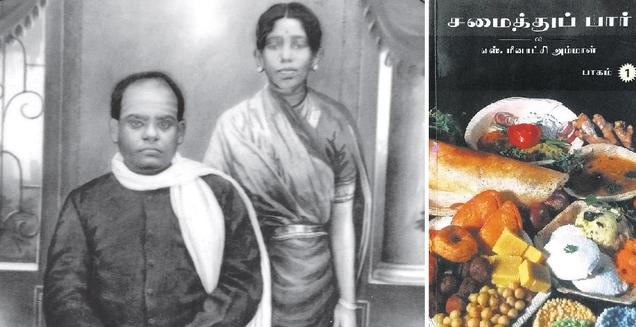
மீனாட்சி அம்மாள்: சமையல் குறிப்புகளின் முன்னோடிக் கலைஞர்!

samayal_3062043f

இது என்ன அநியாயம்? சமையல் கலையைப் புத்தகத்திலிருந்து தெரிந்துகொள்ள வேண்டுமா? சமையல், பெண்களின் இயல்பான குணங்களில் ஒன்று என்றுதானே நினைத்திருந்தோம். சமையல் தெரியாத பெண்களும் இருக்கிறார்களா என்று அதிர்ந்துபோனார்கள் அன்றைய மக்கள். 70 ஆண்டுகளுக்கு முன்பு சொப்பு வைத்து விளையாடும் பருவத்திலேயே சிறுமிகள், சமையலைக் கற்க ஆரம்பித்துவிடுவார்கள். அப்படிச் சமையலைக் கற்றவரில் ஒருவர்தான் மீனாட்சி அம்மாள்.

19 வயதில் திருமணம். 22 வயதில் கணவரை இழந்தார். தனியாளாகக் கைக்குழந்தை, மச்சினர், மாமியார் என்று குடும்பத்தைப் பராமரித்துவந்தவர், சமையலிலும் பிரமாதப் படுத்தினார். மீனாட்சி அம்மாளின் கைப்பக்குவத்துக்கு மிகப் பெரிய ரசிகர் வட்டம் இருந்தது. இந்தியாவின் வெவ்வேறு பாகங்களில் பரவியிருந்த அவரது உறவினர்கள், மீனாட்சி அம்மாளிடம் சமையல் குறிப்புகளைக் கேட்டுக் கொண்டே இருப்பார்கள். ஒவ்வொருவருக்கும் சளைக்காமல் எழுதிக் கொடுத்துக்கொண்டே இருப்பார்.

இவரது உறவினர் கே.வி.கிருஷ்ண சாமி ஐயர், இப்படி ஒவ்வொருவருக்கும் சமையல் குறிப்பு எழுதிக் கொடுப்பதற்குப் பதில், ஒரு புத்தகமாகக் கொண்டு வந்தால் எல்லோருக்கும் பயன்படுமே என்று ஆலோசனை வழங்கினார். மீனாட்சி அம்மாளும் புத்தகம் எழுதினார். சமையல் புத்தகம் என்றதும் பலரும் இதை யார் வாங்கப்போகிறார்கள் என்று கிண்டல் செய்தார்கள். பதிப்பகங்கள் எதுவும் புத்தகம் வெளியிட முன்வரவில்லை. தானே புத்தகத்தைக் கொண்டுவர முடிவு செய்தார் மீனாட்சி அம்மாள். தன் நகைகளை விற்றார். தானே புத்தகத்தைப் பதிப்பித்தார்.

1951-ம் ஆண்டு தமிழின் முன்னோடி சமையல் புத்தகம், ‘சமைத்துப் பார்’ வெளிவந்தது. புத்தகத்துக்கு இவ்வளவு வரவேற்பு இருக்கும் என்று மீனாட்சி அம்மாளே எதிர்பார்க்கவில்லை. புத்தகம் குறித்துப் பலரும் சிலாகித்துப் பேச ஆரம்பித்தனர். விற்பனை பெருகியது. திருமணமாகி வெளிநாடு செல்லும் பெண்கள், விசாவை மறந்தாலும் மீனாட்சி அம்மாள் புத்தகத்தை மறக்கவில்லை. ஐந்தே ஆண்டுகளில் தன் புத்தக வருமானத்தை வைத்து, மயிலாப்பூரில் ஒரு வீட்டை வாங்கினார் மீனாட்சி அம்மாள்.

மிளகாய்த் தூள், சாம்பார்ப் பொடி என்று சொன்னால் ஒவ்வொருவரும் ஒவ்வொரு பக்குவத்தில் வைத்திருப்பார்கள். அவற்றால் மீனாட்சி அம்மாளின் சுவையைக் கொடுக்க முடியாது. அதனால் பொடி வகைகள் எல்லாவற்றையும் சேர்த்து அடுத்த புத்தகத்தைக் கொண்டுவந்தார். அதற்கும் அமோக வரவேற்பு! விழாக்கள், திருமணம் போன்றவற்றுக்கு எப்படித் தயாராவது, பண்டிகைக் கால உணவுகள் போன்ற பல விஷயங்களை வைத்து, அவர் மறைவுக்குப் பின்பு மூன்றாவது புத்தகம் வெளிவந்தது.

அதற்குப் பிறகு சமையல் புத்தகங்களைப் பலரும் எழுத ஆரம்பித்தனர். விதவிதமான சமையல் புத்தகங்கள் வெளிவந்தன. சைவச் சமையல், அசைவச் சமையல், வட்டாரச் சமையல், கிராமத்துச் சமையல், மாநிலச் சமையல், அயல்நாட்டுச் சமையல், மைக்ரோவேவ் சமையல், சிறுதானியச் சமையல் என்றெல்லாம் தினுசு தினுசாக உணவு வகைகள் உருவாகிக்கொண்டும், புத்தகங்கள் வெளிவந்துகொண்டும் இருக்கின்றன.

இன்றளவும் ‘சமையல் புத்தகமா?’ என்று இளக்காரமாகப் பார்க்கப்பட்டாலும் விற்பனையில் முதலிடம் சமையல் புத்தகங்களுக்குத்தான். சமையல் குறிப்புகளை இணைப்புப் புத்தகங்களாக வழங்கும்போது பத்திரிகைகளின் விற்பனை கணிசமாக அதிகரிப்பதால் சமையலுக்குத் தொடர்ந்து முக்கியத்துவம் அளித்துவருகிறார்கள். தொலைக்காட்சி, யூ டியூப், ஃபேஸ்புக் என்று சமையல் கலை அடுத்தடுத்த பரிணாமங்களை அடைந்துவருகிறது. அதே போல மீனாட்சி அம்மாளின் புத்தகங்களும் மாற்றத்தை ஏற்று, நவீனமாகிக்கொண்டே வருகின்றன.

மீனாட்சி அம்மாள் காலத்தில் கூட்டுக் குடித்தனமாக இருந்தனர். ஒரு வீட்டில் ஏராளமானவர்கள் இருப்பார்கள். அவர்களுக்கு ஏற்ப அளவுகளை அவர் கொடுத்திருக்கிறார். கொட்டைப் பாக்கு அளவு புளி, குழிக் கரண்டி எண்ணெய், ஓர் ஆழாக்கு அரிசி போன்ற பதங்கள் எல்லாம் இப்போது வழக்கில் இல்லை. நான்கு பேர் கொண்ட குடும்பத்துக்கான அளவுகள், தற்காலத்தில் இருக்கும் சொற்களைப் பயன்படுத்தி, புத்தகங்களை நவீனப்படுத்தி, கொண்டுவந்திருக்கிறார் அவரது பேத்தி ப்ரியா ராம்குமார்.

“சமைத்துப் பார் ஆங்கிலத்தில் வெளிவந்து 48 ஆண்டுகள் ஆகிவிட்டன. தமிழ், ஆங்கிலம் தவிர, மலையாளம், இந்தி, கன்னடம், தெலுங்கு மொழிகளிலும் புத்தகங்கள் கொண்டுவந்தோம். நாங்கள் விளம்பரம் எதுவும் செய்வதில்லை. வாங்கிப் பயன்படுத்தியவர்களின் வாய்மொழி மூலமாகவே 65 ஆண்டுகளாக விற்பனையில் முன்னிலையில் இருக்கின்றன. இதுவரை 45 பதிப்புகளைக் கண்டுவிட்டன. அடுத்து மின்புத்தகங்களாகக் கொண்டுவரும் திட்டத்தில் இருக்கிறோம்” என்கிறார் ப்ரியா ராம்குமார்.

“சித்திரம், சிற்பம், சங்கீதம் போல சமையலும் உயரிய கலை. பல வண்ணங்களைக் குழைத்து, அற்புதமான சித்திரத்தைத் தீட்டுவது போல பல பொருட்களைச் சேர்த்து, பக்குவப்படுத்தி, ஒப்பற்ற உணவுப் பண்டத்தை உருவாக்குகிறார்கள் சமையல் கலை வல்லுனர்கள்” என்று சொன்ன மீனாட்சி அம்மாள், சமையல் கலைஞராகவும் எழுத்தாளராகவும் பதிப்பாளராwகவும் வெற்றி பெற்று, பிறருக்கும் வழிகாட்டியிருக்கிறார்.

மனிதர்களுக்குப் பசியும் ருசிக்கான தேடுதலும் இருக்கும் வரை சமையல் கலைக்கான தேவையும் இருந்துகொண்டே இருக்கும். காலத்துக்கு ஏற்ப மாறிக் கொண்டுவரும் மீனாட்சி அம்மாளின் புத்தகங்கள், இன்னும் பல தலைமுறை களுக்குச் சமையல் கலையைச் சொல்லிக் கொடுத்துக் கொண்டிருக்கும்!

Source….S.Sujatha…in http://www.tamil.thehindu.com

Natarajan

டிரான்ஸ் சைபீரியன் ரயில்வேயின் நூறு வயது….!!!

s2
இந்த ஆண்டு (2016) டிரான்ஸ் சைபீரியன் ரயில்வே பயன்பாட்டுக்கு வந்த நூறாவது ஆண்டாகும். இந்தியாவிற்குக் கடல் வழி கண்டறிந்தது, அமெரிக்காவைக் கண்டறிந்தது, சூயல் கால்வாய் வெட்டப்பட்டது போலவே டிரான்ஸ் சைபீரியன் ரயில்வே உருவாக்கப்பட்டதும் மிக முக்கியமான நிகழ்வாகும்!

இந்த ரயில்வே லைன் “ரஷ்யாவின் இரும்பு பெல்ட்’ (IRON BELT OF RUSSIA) என்று அழைக்கப்படுகிறது. ரஷ்யாவை ஆண்ட ஜார்ஜ் மன்னர் இரண்டாம் நிகோலஸ் (TSAR NICHOLAS-II) ரஷ்யாவின் மேற்கு எல்லையிலிருந்து கிழக்குக் கோடி வரை ஜார் மன்னர்கள் வம்சாவளியைச் சேர்ந்தவர்கள் மட்டுமே பிரத்யேகமாகப் பயணிக்க “ஜார் டிரெயின் சேவை’ ஒன்றைத் துவக்க விரும்பினார். ஏனெனில் பெரும்பாலான ரஷ்யர்கள் தங்கள் நாட்டின் கிழக்கு எல்லைக்கு வந்ததே இல்லை! கிழக்கில் வசிப்போர் மேற்கு எல்லைக்கு வந்ததே இல்லை!
காரணம்…,அதன் நீண்ட தொலைவுதான்!
அதையும்விட மிக முக்கிய காரணம் ஒன்று இருந்தது! ஜப்பான், சீனா, இங்கிலாந்து போன்ற நாடுகள் ஆசியாவை ஒட்டி இருந்த ரஷ்யப் பகுதியை ஆக்கிரமிக்க விரும்பின! எனவே ரஷ்யா ரயில்வே லைன் அமைக்க வேண்டிய கட்டாயம் ஏற்பட்டது! எனவே ரஷ்யப் புவியியல் கூறுகள் அனைத்தும் சர்வே செய்யப்பட்டன.

பிறகு 9-7-1891 ஆம் ஆண்டு ரயில்வே லைன் அமைக்கும் பணி துவங்கப்பட்டது! மாஸ்கோவிலுள்ள செயின்ட் பீட்டர்ஸ்பர்க் ரயில் நிலையத்தில் ஆரம்பித்து மேற்கிலிருந்து கிழக்கில் ஒரு கட்டுமானமும், “விளாடிவாஸ்டாக்’கில் இருந்து “கிழக்கிலிருந்து மேற்கு’ நோக்கி ஒரு கட்டுமானமும் ஒரே நேரத்தில் தொடங்கப்பட்டன.

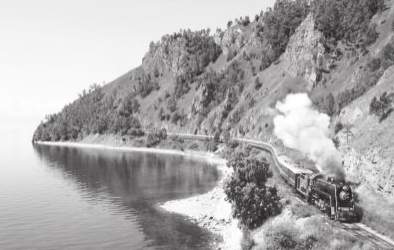
ஜார் அரசர் இரண்டாம் நிகோலஸ் அமெரிக்க, மற்றும் இத்தாலி பொறியியல் வல்லுனர்களின் உதவியைக் கோரினார். எண்ணிலடங்கா சிறைக்கைதிகள், மற்றும் உள்ளூர் மக்கள் இம்மாபெரும் பணியில் ஈடுபடுத்தப்பட்டனர். உலகின் மிகப் பெரிய நன்னீர் ஏரியான “பைகால்’ ஏரியைத் தாண்டி இருப்புப் பாதை அமைப்பது மிகப் பெரும் சவாலாக இருந்தது! ஏனெனில் இது 636 கிலோ மீட்டர் நீளமும் கி.மீ 744மீ ஆழமும் கொண்ட மிகப் பெரிய ஏரியாகும். இந்த ஏரியைச் சுற்றி இருப்புப்பாதை அமைத்தல் என்பது மிகவும் கடினமாகும். எனவே அதிகாரிகள் மற்றொரு யோசனையை செயல்படுத்தினர். ஃபெர்ரீஸ் (FERRIES) எனப்படும் பனியில் செல்லும் படகில் ரயில் பெட்டிகளுடன் மக்களையும் ஏற்றிக் கொண்டு ஏரியின் இக்கரையிலிருந்து அக்கரைக்குச் செல்வதுதான் அது! கடினமான பனிக்கட்டிகளைக் கூட உடைத்துச் செல்லும் இத்தகைய படகுகள் கடும்பனிக்காலத்தில் (PERMA FROST) காலத்தில் உறைந்து போயின.

எனவே வடகிழக்குச் சைனாவின் மன்சூரியாவில் இருந்து விளாடிவாஸ்டாக்கை அடையும் மற்றொரு வழியைத் தேர்ந்தெடுத்தனர். மன்சூரியாவில் உள்ள “ஹார்பின்’ என்ற நகரத்தின் வழியாக இந்த ரயில் சேவை தொடரப்பட்டது. இந்த ரயில் சேவையின் கட்டுமானம் 1901ஆம் ஆண்டு நிறைவுற்றது.

1904ஆம் ஆண்டு ரஷ்ய ஜப்பானியப் போர் துவங்கும் வரை அனைத்தும் சுமுகமாய் இருந்தன. போர் தொடங்கிய அடுத்த நிமிடமே மன்சூரிய இருப்புப் பாதையின் தடம் ஜப்பானியர்களால் சேதப்படுத்தப்படும் என்பதை ரஷ்ய அரசு தெரிந்து கொண்டது.

எனவே பைகால் ஏரியைச் சுற்றி இருப்புப்பாதை அமைக்கும் பணி தீவிரப்படுத்தப்பட்டது. உலகக் கட்டுமான வரலாற்றிலேயே சீனப் பெருஞ்சுவருக்கு அடுத்தபடியாக அதிக மக்களை பலியாகக் கொண்டது இந்தப் பணியாகத்தான் இருக்கும்! இந்தக் கட்டுமானத்தில் எத்தனை பேர் பங்கு கொண்டனர் என்பதும் எத்தனை பேர் பலியாயினர் என்பதும் பதிவு செய்யப்படவில்லை! காரணம்…,அத்தனை பேரும் சிறைக்கைதிகள்…,மற்றும் நாடு கடத்தப்பட்டோர் என்பதுதான்!

அட்டைப் பூச்சிகள், கொசுக்கள், வனவிலங்குகள், கடும் குளிர் ஆகிய அனைத்தையும் எதிர் கொண்டு அவர்கள் 33 குகை வழிகளையும் (TUNNELS) 200 பாலங்களையும் அமைத்தனர். இந்த வழித்தடப் பணிகள் 1905ஆம் ஆண்டு நிறைவு பெற்றன. இன்றும் கூட மனிதக் கட்டுமானத்தில் பைகால் ஏரியைச் சுற்றுயுள்ள இந்த வழித்தடம் மிகவும் சிக்கல் நிறைந்ததாகும்! (MOST COMPLICATED DUE TO INHOSPITABLE TERRAIN) ரஷ்யப் பொறியியல் வல்லுனர்களுக்கு அடுத்த சவால் “ஆமுர்’ நதி (AMUR RIVER) வடிவில் வந்தது. அந்நதியின் மேல் பாலம் அமைக்கும் பணி 1908ஆம் ஆண்டு துவக்கப்பட்டது. இதன் உயரம் 79அடிகள் ஆகும்! மொத்தம் நீளம் 4709 அடிகள். எத்தனையோ இடர்பாடுகளையும், உயிர் பலிகளையும் தாண்டி 1916ஆம் ஆண்டு இப்பணி முழுமையடைந்தது!

1916ஆம் ஆண்டு ஆக்டோபர் 5ஆம் நாள் ஜார் மன்னர் இரண்டாம் நிக்கோலஸ் இந்த வழித்தடத்தை முறைப்படி திறந்து வைத்தார். இதில் ஒரு வேடிக்கை என்ன தெரியுமா?

ரஷ்யா கம்யூனிஸ்டுகள் வசம் வந்த பிறகு இதே வழித்தடத்திலேயே, இதே சைபீரியன் ரயிலிலேயே அவர் கைது செய்யப்பட்டு வீட்டுக் காவலில் வைக்க அழைத்துச் செல்லப்பட்டார்!

டிரான்ஸ் சைபீரியன் ரயில் இறுதியாக நிற்கும் இடம் “விளாடிவாஸ்டாக்’ ஆகும்! ரஷ்யாவின் மிகப் பெரிய துறைமுகமும் இதுவே!
இந்த ரயில்கள் 485 பாலங்களையும், 33 குகைப்பாதைகளையும் கடந்து செல்கின்றன! ஆசியாவையும் ஐரோப்பாவையும் தரை வழியாக இணைக்கும் ஒரே கருவி டிரான்ஸ் சைபீரியன் ரயில்வே ஆகும்.
மாஸ்கோவில் தொடங்கி விளாடிவாஸ்டாக் வரை உள்ள மொத்த தூரம் 9288 கிலோ மீட்டர்கள் ஆகும்! மொத்தப் பயண நாட்கள் 7 ஆகும்!
இந்த ரயில் கடந்து செல்லும் ஆமுர் நதிப் பாலம் உலகிலேயே இரண்டாவது நீளமான பாலம் ஆகும்! முதலாம் இடத்தைப் பெறுவது மிசிசிபி நதியின் மீது கட்டப்பட்டுள்ளது.
இதன் வழியில் உலகின் மிக நீளமான குகைப் பாதை ஒன்று உள்ளது. இதன் நீளம் 2.3கி.மீ ஆகும் மற்ற 32 குகைப்பாதைகளைவிட இதுவே மிக நீளமானதாகும்.


Source………www.dinamani.com

Natarajan

பெர்முடா முக்கோண மர்மம்… இதுதான் காரணமா?…


பெர்முடா முக்கோண மர்மம்… இதுதான் காரணமா?

  bermuda-triangle_15463


யற்கை மனிதகுலத்திற்குப் பல ஆச்சர்யங்களை தன்னுள் வைத்திருக்கிறது. ஆச்சர்யங்கள் அனைத்தையும் மனிதனால் ஒரே மூச்சில் கண்டுபிடிக்க முடியாவிட்டாலும், தொடர்ந்து பல ஆண்டுகள் ஆராய்ச்சியின் மூலம் அதைக் கண்டுபிடிக்கும் வண்ணம் தொழில்நுட்பம் வளர்ந்துவிட்டது. பூமியில் இன்னமும் தீர்க்கப்படாத சில சிக்கல்கள் இருக்கின்றன. அதில் முக்கியமானது ‘பெர்முடா முக்கோணம்’. அதை வைத்து எடுக்கப்பட்ட திரைப்படங்களும், புத்தகங்களும் கோடிக்கணக்கான வருவாயை அள்ளித் தந்துள்ளன. ஆனால், பெர்முடா முக்கோணத்தின் மர்மம் மட்டும் மர்மமாகவே இருந்தது.

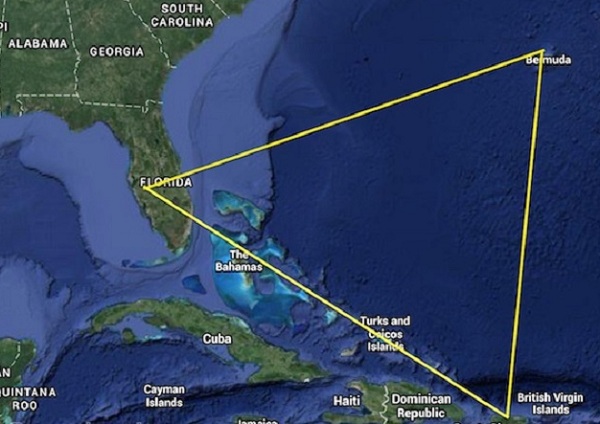
பெர்முடா முக்கோணம் என்றால் என்ன ?

வடக்கு அமெரிக்காவுக்கு கிழக்கே, பனாமா கால்வாய்க்கு அருகில் அமைந்துள்ளது பெர்முடா தீவு. அதை ஒட்டி இருக்கும் மர்மமான பிரதேசத்துக்கு வைக்கப்பட்ட பெயர் தான் பெர்முடா முக்கோணம். இதை சாத்தானின் முக்கோணம் என்றும் மக்கள் அழைக்கிறார்கள். அதற்குக் காரணம், அந்தக் கடல் பகுதியில் செல்லும் விமானங்கள், கப்பல்கள் எல்லாம் மாயமாய் மறைந்து போவதுதான். பெர்முடா முக்கோணத்தின் அருகே செல்லும் போது திசை காட்டிகள் செயலிழக்கின்றன என்று முதன் முறையாகக் கண்டறிந்து கூறியவர் கொலம்பஸ். அந்தப் பகுதியில் வானத்தில் ஓர் எரிப்பந்தைக் கண்டதாகவும் அவர் கூறியிருக்கிறார். அதன்பின் 1872-ம் ஆண்டு ‘மேரி செலஸ்டி’என்கிற கப்பலும், 1918-ம் ஆண்டு ‘யு.எஸ்.எஸ் சைக்ளோப்ஸ்’ என்கிற கப்பலும் சில நூறு பயணிகளுடன் காணாமல் போனது.
1945-ம் ஆண்டு பிளைட் 19 வகையைச் சேர்ந்த 5 ராணுவ விமானங்கள் அந்தப் பகுதியில் பறக்கும்போது காணாமல் போயின. 1949-ல் ஜமைக்கா நாட்டுக்குச் சொந்தமான பயணிகள் விமானம் 39 பயணிகளுடன் மாயமானது. இப்படி நூற்றுக்கும் மேற்பட்ட சம்பவங்கள் அந்தப் பகுதியில் நிகழ்ந்ததாகப் பதிவாகி இருப்பதால், அது மர்மப் பிரதேசமாகவே திகழ்கிறது.

விமானியின் அனுபவம் 

இதுவரை அந்தப் பகுதியில் காணாமல் போன விமானங்களோ, கப்பல்களோ கண்டுபிடிக்கப்படவில்லை. ஆயிரத்துக்கும் மேற்பட்ட மனித உயிர்கள் பலியாகி இருக்கின்றன. அந்தப்பகுதியில் இருந்து தப்பி வந்த புரூஸ் ஹெனன் என்கிற விமானி சொன்ன அனுபவம் தான் பெர்முடா முக்கோணம் பற்றிய ஆராய்ச்சிக்கு விதையாக அமைந்தது. அவர் ஒருமுறை மியாமியிலிருந்து பனாமா கால்வாய் வழியாகத் திரும்பிக் கொண்டு இருந்தார். அப்போது தீடீரென்று அவரைச் சுற்றி கருமேகங்கள் சூழ்ந்தது, திசைகாட்டும் கருவி விடாமல் சுற்றிக் கொண்டே இருந்தது. அவரால் திசையைத் தீர்மானிக்க முடியவில்லை. இருப்பினும் தொடர்ந்து விமானத்தை இயக்கியவர், மேகக்கூட்டங்களுக்கு நடுவே ஒரு குகை போன்ற வழியைக் கண்டார். 16 கிலோமீட்டர் நீளமான அந்தக்குகை போன்ற மேகக்கூட்டத்தை 20 நொடிகளில் கடந்ததாக தனது புத்தகத்தில் குறிப்பிட்டு இருக்கிறார். அதுதான் ஆராய்ச்சியாளர்களை மேலும் சிந்திக்க வைத்தது.

காரணம் கண்டுபிடிப்பு

சமீபத்தில் பெர்முடா முக்கோணத்துக்குப் பின்னால் இருக்கும் மர்மத்தைக் கண்டுபிடித்து விட்டதாகச் சொல்லி இருக்கிறார்கள் ஆராய்ச்சியாளர்கள். ஒரு புதிய தியரியை வெளியிட்டு இருக்கிறார்கள். அதன்படி, அந்தப் பகுதியில் நீடிக்கும் அதிகப்படியான காற்றும், பருவநிலை மாற்றங்கள் ஏற்படுத்தும் அழுத்தமும், அறுங்கோண வடிவில் சுழலும் மேகங்கள் 170 மைல் வேகத்தில் ஏற்படுத்தும் காற்று அழுத்தமும்தான் அதற்குக் காரணம் என்று சொல்லி இருக்கிறார்கள். அந்தக் காற்றுப்படிமங்கள் கப்பல்களையும், விமானங்களையும் உள்ளிழுத்துக் கொள்ளும் சக்திவாய்ந்ததாக இருப்பதாகக் கண்டுபிடித்து இருக்கிறார்கள்.

இதுகுறித்து, வானியல் ஆராய்ச்சியாளர் ராண்டி சேர்வெனி குறிப்பிடும்போது, ‘செயற்கைக்கோள்கள் மூலம் எடுக்கப்பட்ட புகைப்படங்களில், இந்தக் காற்று வடிவங்கள் மிகவும் வினோதமான வடிவில் இருக்கின்றன. இவை ஏற்படுத்தும் வெடிப்புதான் அழுத்தத்துக்குக் காரணம் என்பது தெளிவாகத் தெரிகிறது’ என்றிருக்கிறார்

எப்படியோ இத்தனை ஆண்டு கால மர்மம் ஒருவழியாகத் தெளிவாகி இருக்கிறது.

Source…..மா.அ.மோகன் பிரபாகரன் in http://www.vikatan.com

Natarajan