Kalam’s brother turns 100, says takes life as it comes…

04th_kalam-brot_gl_3068500e

A.P.J. Mohamed Muthu Meera Maraikayar, elder brother of former president APJ Abdul Kalam.— Photo: L. Balachandar

Kalam wanted a year-long celebration after Mr. Maraikayar turned 100 years

Centenarian A.P.J. Mohamed Muthu Meera Maraikayar, elder brother of former President A.P.J. Abdul Kalam, looks at the elegantly-designed wooden casket staked with perfume bottles with a tinge of disappointment.

It was a special gift for him left behind by his younger brother.

Tears welled in his eyes as he takes a look at the wooden box of perfumes, bought by Kalam during his trip to Uttar Pradesh a couple of months before he died on July 27, 2015, as a special gift to be presented to his brother on the occasion of his 100th birthday on November 5.

Kalam never accepted gifts when he attended functions and when Uttar Pradesh Chief Minister Akilesh Yadav offered the perfumes, he accepted saying his brother was fond of perfumes and he would gift the box on his 100th birthday. Kalam paid a token sum before accepting the gift from Mr. Yadav, says Nazeema Maraikayar, daughter of the centenarian.

“We are celebrating the birthday without joy and with a sense of disappointment. It would have been joyous had my brother Abdul Kalam was around,” Mr. Maraikayar says in an interaction with the The Hindu at the ‘House of Kalam’ here on Thursday, recalling his close and affectionate association with the late president.

Kalam wanted a year-long celebration after Mr. Maraikayar turned 100 years but destiny had it that he could not celebrate the birthday at all. “God has given me the strength to overcome the absence of my brother,” he says.

Assisted by Ms. Nazeema, the centenarian recalls the grand family reunion they had in June 2014, when Kalam visited the family and celebrated his brother’s 98th birthday, five months ahead. It was a memorable event as more than 100 family members gathered and Kalam interacted with Mr. Maraikayar and other family members for more than three hours before flying back to Delhi.

Mr. Maraikayar, active, hale and healthy, is abreast with latest developments and enquires whether Chief Minister Jayalalithaa is still undergoing treatment at Apollo and whether DMK leader M. Karunanidhi has recovered from his illness. He flips through dailies and watches select programmes on television, says Ms. Nazeema.

The Chennai floods and the tsunami devastation brought him back the terrifying memories of 1964 cyclonic storm that wiped out Danushkodi, he says, recalling the devastation.

He was not awed by the latest development in science and technology. Discoveries bound to happen as long as mankind looked for changes. “I live my life as it comes and accept whatever happens,” Mr Maraikayar says, turning philosophical.

 Source….

Natarajan

வாரம் ஒரு கவிதை… ” பட்டாசு சத்தம் ” !


பட்டாசு  சத்தம்
……………
பட்டாசு சத்தத்தில் பறக்க   மறந்தன பறவைகள் …கண்
திறக்காமல் பயந்து  அழுதன    சிறு குழந்தைகள் !
மறக்காமல்  இனிப்பு சுவைத்து வாழ்த்துக்கள் சொன்னது
“பெரிய” மனிதர்கள் நாம் மட்டுமே !  !   ஆனால் …வெடித்த
பட்டாசு சத்தத்தில் நாமும் மறந்தது நமக்கு பட்டாசு கொடுக்கும்
அந்த சிவகாசி சிறாரின்  அவல நிலையை !…வான வேடிக்கை
வெளிச்சத்திலும் நாம் நினைத்துப் பார்க்க   மறந்தது ஒரு சிவகாசி தொழிலாளியின்
இருண்ட   வாழ்க்கையை …!  அது மட்டுமா ?
நீரின்றி வாடும் தன்  நிலம் பார்த்து சத்தம்  போட்டு
அழும் அந்த  உழவனின்  மனக்குமுறலை  மறைத்ததும்
இந்த பட்டாசு சத்தம்தான் !
சுத்தமான காற்று  சத்தமில்லாமல்  தொலைந்து
மறைந்து போனதும் இந்த பட்டாசு  சத்தம் போட்டு
விட்ட கரும் புகையினால்தானே !
தீப ஒளி மட்டும்  ஏற்றி  புத்தாடையுடன் பலகாரமும்  நலிந்தோர்
வீட்டுக் குழந்தைகளுடன்   பகிர்ந்து மகிழும் பண்பை நம் பிள்ளைக்கு
நாம் போதிக்க வேண்டும் ஒரு பால பாடமாக ! இந்த பாடம்
ஒரு நல்ல வித்தாகும் பட்டாசு சத்தமும் புகையும் இல்லா தீபாவளி
திருநாள் ஒருநாள் பூத்து மலர !
Natarajan
http://www.dinamani.com  …on 1st Nov 2016

சஷ்டி கவசம் பிறந்த கதையை தெரிஞ்சுக்கோங்க! …

Source..    Valaiyapettai R. Krishnan in http://www.vikatan.com

Natarajan
உலகம் முழுவதும் உள்ள தமிழ் அறிந்த பெரும்பாலான இந்து மக்கள் இல்லங்களிலும், திருக்கோயில்களிலும் தினமும் ஒலிக்கும் திருமுருகனின் தெய்வீகத் தமிழ்ப்பாடல் அது. படிப்போரையும், கேட்போரையும் பரவசப்படுத்தி, மன நிம்மதி தரும் மந்திர மறை நூல்! அது என்னவென்று உங்களுக்குப் புரிந்திருக்குமே!

mur_1_18161

சஷ்டியை நோக்கச் சரவண பவனார்
சிஷ்டருக்கு உதவும் செங்கதிர் வேலோன்
பாதம் இரண்டில் பன்மணிச் சதங்கை
கீதம் பாடக் கிண்கிணி ஆட…

என்று தொடங்கி கேட்கும் இடங்களிலெல்லாம் நம்மைத் திரும்ப உச்சரிக்கவைக்கும்; உள்ளத்திலும் உடலிலும் அதிர்வு தரும் ஆற்றல் மிக்க அழகு முருகனின் அருந்தமிழ்ப் பாமாலை. அதுதான் அனைவரும் அறிந்த கந்தர் சஷ்டி கவசம். இதனைப் பாடியவர் தேவராய சுவாமிகள் என்னும் அருளாளர். அவர் இக்கவசத்தைப் பாடிய பின்னணி மிகவும் சுவாரஸ்யமானது.

ஒருமுறை, பழநி தண்டாயுதபாணி திருக்கோயிலுக்குச் சென்றார் தேவராயர். மலையைச் சுற்றி கிரிவலம் வந்தார். அங்குள்ள மண்டபங்களில் உடல்நோயால் பீடிக்கப்பட்டவர்கள். மனநோயால் வருந்துவோர், வறுமையால் வாட்டமுற் றோர் எனப் பலர் அழுவதும் அரற்றுவதும் கண்டு மனம் வருந்தினார். அவர்கள் அனைவரும் நலம்பெற ஞானபண்டிதன் வழிகாட்ட வேண்டும் என்று மனத்தில் உறுதிகொண்டார். பழநியாண்டவர் கோயில் மண்டபத்தில் துயில் கொண்டார். அன்றிரவு அவரது கனவில் பழநியப்பரமன் பிரசன்னமானார்.

mur_2_18409

‘உன் எண்ணம் ஈடேற அருளினோம்.பிணிகள் முதலான அனைத்து உபாதைகளும் நீங்கும். அதற்கு வழி உன்னிடம் உள்ளது. உலகிலுள்ளோர் அனைவரும் மந்திரமாக ஓதி இன்புற்று வாழ்வுறும் வகையில் செந்தமிழில் பாடு!’’ என்று ஆசியளித்து கந்தவேள் மறைந்தார்.

உடனே பரவசத்துடன் எழுந்தார் தேவராயர். ‘‘அரஹரா போற்றி! அடியார்க்கு எளியாய் போற்றி! சண்முகா போற்றி! சரவணபவனே போற்றி!’’ என்று ஆடிப்பாடி மகிழ்ந்தார். மயில்மேல் வலம் வரும் அயில் வேலனைப் போற்றுவோர்பால் மறலியும் அணுகமாட்டான் என்று முருகன் திருவருளை வியந்து போற்றி பாமாலை சூட்டியருளினார். அதுதான் 238 அடிகளைக் கொண்ட கந்தர் சஷ்டி கவசம் என்னும் புகழ்பெற்ற தோத்திரம்.

mur_6_18306

mur_3_18027

பாலதேவராய சுவாமிகள்

கந்தர் சஷ்டி கவசம் பாடிய தேவராய சுவாமிகள் தொண்டை மண்டலத்து வல்லூர் என்ற ஊரைச் சேர்ந்தவர், அவருடைய தந்தையார் வீரசாமிப்பிள்ளை என்றும், அவர் கணக்கர் வேலை பார்த்தவர் என்றும் 19-ஆம் நூற்றாண்டில் வாழ்ந்தவர் என்றும் சில நூல்களில் குறிப்புகள் உள்ளன.

வீராசாமிக்கு நீண்ட நாட்களாகக் குழந்தை செல்வம் இல்லாமல் முருகன் திருவருளால் தேவராயர் பிறந்தார். நன்கு கல்வி கற்று வியாபார நிமித்தமாக பெங்களூரு சென்று அங்கு தமது வணிகத் தொழிலை மேற்கொண்டார். திருவாவடுதுறை ஆதினத்தில் பெரும் புலவராகத் திகழ்ந்த திரிசிரபுரம் மகாவித்வான் மீனாட்சி சுந்தரம் பிள்ளையவர்கள் பெங்களூர் வந்தபோது தேவராயர் அவரைத் தமது இல்லத்துக்கு அழைத்து உபசரித்து மகிழ்ந்தார்.

பிள்ளையவர்களிடம் தமிழ் இலக்கிய அறிவை வளர்த்துக் கொண்டார். தாம் இயற்றிய கவிதைகளை மகாவித்வானிடம் காட்டி பிழை திருத்தம் செய்துகொள்வாராம். தணிகாசல மாலை, பஞ்சாக்ர தேசிகர் பதிகம், சேட மலை மாலை முதலிய நூல்களை தேவராயர் இயற்றியதாகக் குறிப்பிடுகின்றனர். ஆனால் டாக்டர் உ.வே.சாமிநாதய்யர் அவர்கள் எழுதியுள்ள மகாவித்வான் மீனாட்சி சுந்தரம் பிள்ளையவர்கள் வரலாற்றில் தேவராயர் அவரது மாணவர் என்பதற்கான குறிப்பு எதுவும் காணப்பெறவில்லை.

mur_4_18407

சஷ்டிக்கவசம் பாடப்பட்டது எந்த ஊரில்?

தேவராய சுவாமிகள் திருப்பரங்குன்றம், திருச்செந்தூர், பழநி, திருவேரகம், குன்று தோறாடல், பழமுதிர்ச்சோலை ஆகிய ஆறு பதிகளுக்கும் தனித்தனியே ஆறு கவசம் பாடியுள்ளார் என அறிய முடிகிறது. தற்போது அனைவரும் பாராயணம் செய்யும் கவசம் திருச்செந்தூரில் பாடப்பட்டது என்று கூறிகிறார்கள். ஆயினும் இக்கவசத்தின் நிறைவுப் பகுதியில் ‘பழநிமலையின் மீது’ கோயில் கொண்டு எழுந்தருளியிருக்கும் சிறு  குழந்தை வடிவாகிய முருகப் பெருமானது செம்மையான திருப்பாதங்களைப் போற்றுகின்றேன்’ (பழநிக் குன்றினில் இருக்கும் சின்னக் குழந்தை சேவடி போற்றி (225, 226) என்று பாடியுள்ளார். எனவே இக்கவசம் பழநியில் பாடப்பெற்றது என்பதற்கு மேலே குறிப்பிட்டுள்ள வரலாற்றையும், இவ்வரிகளையும் ஆதாரமாகக் கொள்ளலாம்.

மேலும் ‘எல்லாப் பிணியும் எந்தனைக் கண்டால் நில்லாதோட நீ எனக்கு அருள்வாய் (156, 157) மைந்தன் என்மீது உன் மனமகிழ்ந்து அருளித் தஞ்சமென்று அடியார் தழைத்திட அருள்செய்! (198, 199) எனைத்தடுத்து ஆட்கொள் எந்தனது உள்ளம் மேவிய வடிவுறும் ‘வேலவா போற்றி’ (227,228) என்ற வரிகள் மூலம் பழநிப் பரமன் ஆட்கொண்டு இக்கவசம் பாட வைத்ததை உறுதியாகக் கூறலாம். இப்பாமாலையை சிரகிரி எனப்படும் சென்னிமலையில் அரங்கேற்றியதாகச் சிலர் கூறுவர். ஆனால் அதற்கு ஆதாரம் எதுவும் காணப்பெறவில்லை.

mur_5_18101

கவலைகள் தீர்க்கும் கந்தசஷ்டி கவசம்

இதனைச் சிந்தை கலங்காது தியானிப்பவர்கள் ஒருநாள் முப்பத்தாறு முறை ஓதி ஜபம் செய்து திருநீறணிய எல்லா நோயும் நீங்கும்; நவக்கிரகங்கள் மகிழ்ந்து நன்மை செய்வர்; என்றும் இன்பமுடன் வாழ்வர் என்று அறுதியிட்டுக் கூறுகிறார் தேவராயர்.
‘சரவணபவ’ எனும் திருநாமம் இந்த கந்தர்சஷ்டி கவசத்தின் மூல மந்திரமாகும். இந்நூலின் முதல், இடை, கடை (1, 16, 162, 237) பகுதிகளில் இந்த மூலமந்திரத்தைப் பொருத்தி இதனைப் பாடியுள்ளார் என்று கருத முடிகிறது. முருகனடியார்கள் அனைவரும் விரும்பிப் படிக்க வேண்டும் என்பதற்காக வள்ளியம்மையாரின் குழந்தையாகிய தேவராயன் இயற்றியதாகக் (கந்தர் சஷ்டி கவசம் விரும்பிய பாலன் தேவராயன் பகர்ந்ததை) குறிப்பிடுகிறார். கவசத்தின் ஒவ்வோர் அடியும் கந்தசுவாமியின் திருக்கையிலுள்ள வேலைப் போன்றது.
ஞானாசாரியார் ஒருவரின் மூலம் அந்த அடிகளின் உண்மைப் பொருள்களைத் தெளிவாக உணரலாம். உடல், உள்ளம், உயிர் அனைத்துக்கும் வேலே கவசமாக உள்ளது. கந்தர் சஷ்டி கவசம் மந்திர மறை நூல் என்பது, பாராயணம் செய்து பலன் அடைந்தவர்களது அனுபவ உண்மையாகும்.

mur_7_18532


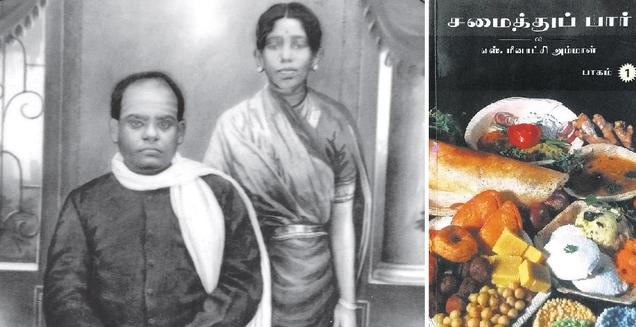
மீனாட்சி அம்மாள்: சமையல் குறிப்புகளின் முன்னோடிக் கலைஞர்!

samayal_3062043f

இது என்ன அநியாயம்? சமையல் கலையைப் புத்தகத்திலிருந்து தெரிந்துகொள்ள வேண்டுமா? சமையல், பெண்களின் இயல்பான குணங்களில் ஒன்று என்றுதானே நினைத்திருந்தோம். சமையல் தெரியாத பெண்களும் இருக்கிறார்களா என்று அதிர்ந்துபோனார்கள் அன்றைய மக்கள். 70 ஆண்டுகளுக்கு முன்பு சொப்பு வைத்து விளையாடும் பருவத்திலேயே சிறுமிகள், சமையலைக் கற்க ஆரம்பித்துவிடுவார்கள். அப்படிச் சமையலைக் கற்றவரில் ஒருவர்தான் மீனாட்சி அம்மாள்.

19 வயதில் திருமணம். 22 வயதில் கணவரை இழந்தார். தனியாளாகக் கைக்குழந்தை, மச்சினர், மாமியார் என்று குடும்பத்தைப் பராமரித்துவந்தவர், சமையலிலும் பிரமாதப் படுத்தினார். மீனாட்சி அம்மாளின் கைப்பக்குவத்துக்கு மிகப் பெரிய ரசிகர் வட்டம் இருந்தது. இந்தியாவின் வெவ்வேறு பாகங்களில் பரவியிருந்த அவரது உறவினர்கள், மீனாட்சி அம்மாளிடம் சமையல் குறிப்புகளைக் கேட்டுக் கொண்டே இருப்பார்கள். ஒவ்வொருவருக்கும் சளைக்காமல் எழுதிக் கொடுத்துக்கொண்டே இருப்பார்.

இவரது உறவினர் கே.வி.கிருஷ்ண சாமி ஐயர், இப்படி ஒவ்வொருவருக்கும் சமையல் குறிப்பு எழுதிக் கொடுப்பதற்குப் பதில், ஒரு புத்தகமாகக் கொண்டு வந்தால் எல்லோருக்கும் பயன்படுமே என்று ஆலோசனை வழங்கினார். மீனாட்சி அம்மாளும் புத்தகம் எழுதினார். சமையல் புத்தகம் என்றதும் பலரும் இதை யார் வாங்கப்போகிறார்கள் என்று கிண்டல் செய்தார்கள். பதிப்பகங்கள் எதுவும் புத்தகம் வெளியிட முன்வரவில்லை. தானே புத்தகத்தைக் கொண்டுவர முடிவு செய்தார் மீனாட்சி அம்மாள். தன் நகைகளை விற்றார். தானே புத்தகத்தைப் பதிப்பித்தார்.

1951-ம் ஆண்டு தமிழின் முன்னோடி சமையல் புத்தகம், ‘சமைத்துப் பார்’ வெளிவந்தது. புத்தகத்துக்கு இவ்வளவு வரவேற்பு இருக்கும் என்று மீனாட்சி அம்மாளே எதிர்பார்க்கவில்லை. புத்தகம் குறித்துப் பலரும் சிலாகித்துப் பேச ஆரம்பித்தனர். விற்பனை பெருகியது. திருமணமாகி வெளிநாடு செல்லும் பெண்கள், விசாவை மறந்தாலும் மீனாட்சி அம்மாள் புத்தகத்தை மறக்கவில்லை. ஐந்தே ஆண்டுகளில் தன் புத்தக வருமானத்தை வைத்து, மயிலாப்பூரில் ஒரு வீட்டை வாங்கினார் மீனாட்சி அம்மாள்.

மிளகாய்த் தூள், சாம்பார்ப் பொடி என்று சொன்னால் ஒவ்வொருவரும் ஒவ்வொரு பக்குவத்தில் வைத்திருப்பார்கள். அவற்றால் மீனாட்சி அம்மாளின் சுவையைக் கொடுக்க முடியாது. அதனால் பொடி வகைகள் எல்லாவற்றையும் சேர்த்து அடுத்த புத்தகத்தைக் கொண்டுவந்தார். அதற்கும் அமோக வரவேற்பு! விழாக்கள், திருமணம் போன்றவற்றுக்கு எப்படித் தயாராவது, பண்டிகைக் கால உணவுகள் போன்ற பல விஷயங்களை வைத்து, அவர் மறைவுக்குப் பின்பு மூன்றாவது புத்தகம் வெளிவந்தது.

அதற்குப் பிறகு சமையல் புத்தகங்களைப் பலரும் எழுத ஆரம்பித்தனர். விதவிதமான சமையல் புத்தகங்கள் வெளிவந்தன. சைவச் சமையல், அசைவச் சமையல், வட்டாரச் சமையல், கிராமத்துச் சமையல், மாநிலச் சமையல், அயல்நாட்டுச் சமையல், மைக்ரோவேவ் சமையல், சிறுதானியச் சமையல் என்றெல்லாம் தினுசு தினுசாக உணவு வகைகள் உருவாகிக்கொண்டும், புத்தகங்கள் வெளிவந்துகொண்டும் இருக்கின்றன.

இன்றளவும் ‘சமையல் புத்தகமா?’ என்று இளக்காரமாகப் பார்க்கப்பட்டாலும் விற்பனையில் முதலிடம் சமையல் புத்தகங்களுக்குத்தான். சமையல் குறிப்புகளை இணைப்புப் புத்தகங்களாக வழங்கும்போது பத்திரிகைகளின் விற்பனை கணிசமாக அதிகரிப்பதால் சமையலுக்குத் தொடர்ந்து முக்கியத்துவம் அளித்துவருகிறார்கள். தொலைக்காட்சி, யூ டியூப், ஃபேஸ்புக் என்று சமையல் கலை அடுத்தடுத்த பரிணாமங்களை அடைந்துவருகிறது. அதே போல மீனாட்சி அம்மாளின் புத்தகங்களும் மாற்றத்தை ஏற்று, நவீனமாகிக்கொண்டே வருகின்றன.

மீனாட்சி அம்மாள் காலத்தில் கூட்டுக் குடித்தனமாக இருந்தனர். ஒரு வீட்டில் ஏராளமானவர்கள் இருப்பார்கள். அவர்களுக்கு ஏற்ப அளவுகளை அவர் கொடுத்திருக்கிறார். கொட்டைப் பாக்கு அளவு புளி, குழிக் கரண்டி எண்ணெய், ஓர் ஆழாக்கு அரிசி போன்ற பதங்கள் எல்லாம் இப்போது வழக்கில் இல்லை. நான்கு பேர் கொண்ட குடும்பத்துக்கான அளவுகள், தற்காலத்தில் இருக்கும் சொற்களைப் பயன்படுத்தி, புத்தகங்களை நவீனப்படுத்தி, கொண்டுவந்திருக்கிறார் அவரது பேத்தி ப்ரியா ராம்குமார்.

“சமைத்துப் பார் ஆங்கிலத்தில் வெளிவந்து 48 ஆண்டுகள் ஆகிவிட்டன. தமிழ், ஆங்கிலம் தவிர, மலையாளம், இந்தி, கன்னடம், தெலுங்கு மொழிகளிலும் புத்தகங்கள் கொண்டுவந்தோம். நாங்கள் விளம்பரம் எதுவும் செய்வதில்லை. வாங்கிப் பயன்படுத்தியவர்களின் வாய்மொழி மூலமாகவே 65 ஆண்டுகளாக விற்பனையில் முன்னிலையில் இருக்கின்றன. இதுவரை 45 பதிப்புகளைக் கண்டுவிட்டன. அடுத்து மின்புத்தகங்களாகக் கொண்டுவரும் திட்டத்தில் இருக்கிறோம்” என்கிறார் ப்ரியா ராம்குமார்.

“சித்திரம், சிற்பம், சங்கீதம் போல சமையலும் உயரிய கலை. பல வண்ணங்களைக் குழைத்து, அற்புதமான சித்திரத்தைத் தீட்டுவது போல பல பொருட்களைச் சேர்த்து, பக்குவப்படுத்தி, ஒப்பற்ற உணவுப் பண்டத்தை உருவாக்குகிறார்கள் சமையல் கலை வல்லுனர்கள்” என்று சொன்ன மீனாட்சி அம்மாள், சமையல் கலைஞராகவும் எழுத்தாளராகவும் பதிப்பாளராwகவும் வெற்றி பெற்று, பிறருக்கும் வழிகாட்டியிருக்கிறார்.

மனிதர்களுக்குப் பசியும் ருசிக்கான தேடுதலும் இருக்கும் வரை சமையல் கலைக்கான தேவையும் இருந்துகொண்டே இருக்கும். காலத்துக்கு ஏற்ப மாறிக் கொண்டுவரும் மீனாட்சி அம்மாளின் புத்தகங்கள், இன்னும் பல தலைமுறை களுக்குச் சமையல் கலையைச் சொல்லிக் கொடுத்துக் கொண்டிருக்கும்!

Source….S.Sujatha…in http://www.tamil.thehindu.com

Natarajan

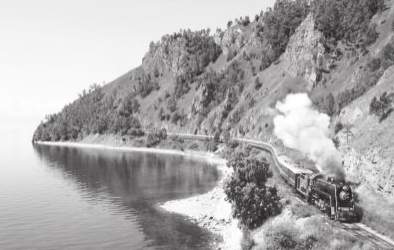
டிரான்ஸ் சைபீரியன் ரயில்வேயின் நூறு வயது….!!!

s2
இந்த ஆண்டு (2016) டிரான்ஸ் சைபீரியன் ரயில்வே பயன்பாட்டுக்கு வந்த நூறாவது ஆண்டாகும். இந்தியாவிற்குக் கடல் வழி கண்டறிந்தது, அமெரிக்காவைக் கண்டறிந்தது, சூயல் கால்வாய் வெட்டப்பட்டது போலவே டிரான்ஸ் சைபீரியன் ரயில்வே உருவாக்கப்பட்டதும் மிக முக்கியமான நிகழ்வாகும்!

இந்த ரயில்வே லைன் “ரஷ்யாவின் இரும்பு பெல்ட்’ (IRON BELT OF RUSSIA) என்று அழைக்கப்படுகிறது. ரஷ்யாவை ஆண்ட ஜார்ஜ் மன்னர் இரண்டாம் நிகோலஸ் (TSAR NICHOLAS-II) ரஷ்யாவின் மேற்கு எல்லையிலிருந்து கிழக்குக் கோடி வரை ஜார் மன்னர்கள் வம்சாவளியைச் சேர்ந்தவர்கள் மட்டுமே பிரத்யேகமாகப் பயணிக்க “ஜார் டிரெயின் சேவை’ ஒன்றைத் துவக்க விரும்பினார். ஏனெனில் பெரும்பாலான ரஷ்யர்கள் தங்கள் நாட்டின் கிழக்கு எல்லைக்கு வந்ததே இல்லை! கிழக்கில் வசிப்போர் மேற்கு எல்லைக்கு வந்ததே இல்லை!
காரணம்…,அதன் நீண்ட தொலைவுதான்!
அதையும்விட மிக முக்கிய காரணம் ஒன்று இருந்தது! ஜப்பான், சீனா, இங்கிலாந்து போன்ற நாடுகள் ஆசியாவை ஒட்டி இருந்த ரஷ்யப் பகுதியை ஆக்கிரமிக்க விரும்பின! எனவே ரஷ்யா ரயில்வே லைன் அமைக்க வேண்டிய கட்டாயம் ஏற்பட்டது! எனவே ரஷ்யப் புவியியல் கூறுகள் அனைத்தும் சர்வே செய்யப்பட்டன.

பிறகு 9-7-1891 ஆம் ஆண்டு ரயில்வே லைன் அமைக்கும் பணி துவங்கப்பட்டது! மாஸ்கோவிலுள்ள செயின்ட் பீட்டர்ஸ்பர்க் ரயில் நிலையத்தில் ஆரம்பித்து மேற்கிலிருந்து கிழக்கில் ஒரு கட்டுமானமும், “விளாடிவாஸ்டாக்’கில் இருந்து “கிழக்கிலிருந்து மேற்கு’ நோக்கி ஒரு கட்டுமானமும் ஒரே நேரத்தில் தொடங்கப்பட்டன.

ஜார் அரசர் இரண்டாம் நிகோலஸ் அமெரிக்க, மற்றும் இத்தாலி பொறியியல் வல்லுனர்களின் உதவியைக் கோரினார். எண்ணிலடங்கா சிறைக்கைதிகள், மற்றும் உள்ளூர் மக்கள் இம்மாபெரும் பணியில் ஈடுபடுத்தப்பட்டனர். உலகின் மிகப் பெரிய நன்னீர் ஏரியான “பைகால்’ ஏரியைத் தாண்டி இருப்புப் பாதை அமைப்பது மிகப் பெரும் சவாலாக இருந்தது! ஏனெனில் இது 636 கிலோ மீட்டர் நீளமும் கி.மீ 744மீ ஆழமும் கொண்ட மிகப் பெரிய ஏரியாகும். இந்த ஏரியைச் சுற்றி இருப்புப்பாதை அமைத்தல் என்பது மிகவும் கடினமாகும். எனவே அதிகாரிகள் மற்றொரு யோசனையை செயல்படுத்தினர். ஃபெர்ரீஸ் (FERRIES) எனப்படும் பனியில் செல்லும் படகில் ரயில் பெட்டிகளுடன் மக்களையும் ஏற்றிக் கொண்டு ஏரியின் இக்கரையிலிருந்து அக்கரைக்குச் செல்வதுதான் அது! கடினமான பனிக்கட்டிகளைக் கூட உடைத்துச் செல்லும் இத்தகைய படகுகள் கடும்பனிக்காலத்தில் (PERMA FROST) காலத்தில் உறைந்து போயின.

எனவே வடகிழக்குச் சைனாவின் மன்சூரியாவில் இருந்து விளாடிவாஸ்டாக்கை அடையும் மற்றொரு வழியைத் தேர்ந்தெடுத்தனர். மன்சூரியாவில் உள்ள “ஹார்பின்’ என்ற நகரத்தின் வழியாக இந்த ரயில் சேவை தொடரப்பட்டது. இந்த ரயில் சேவையின் கட்டுமானம் 1901ஆம் ஆண்டு நிறைவுற்றது.

1904ஆம் ஆண்டு ரஷ்ய ஜப்பானியப் போர் துவங்கும் வரை அனைத்தும் சுமுகமாய் இருந்தன. போர் தொடங்கிய அடுத்த நிமிடமே மன்சூரிய இருப்புப் பாதையின் தடம் ஜப்பானியர்களால் சேதப்படுத்தப்படும் என்பதை ரஷ்ய அரசு தெரிந்து கொண்டது.

எனவே பைகால் ஏரியைச் சுற்றி இருப்புப்பாதை அமைக்கும் பணி தீவிரப்படுத்தப்பட்டது. உலகக் கட்டுமான வரலாற்றிலேயே சீனப் பெருஞ்சுவருக்கு அடுத்தபடியாக அதிக மக்களை பலியாகக் கொண்டது இந்தப் பணியாகத்தான் இருக்கும்! இந்தக் கட்டுமானத்தில் எத்தனை பேர் பங்கு கொண்டனர் என்பதும் எத்தனை பேர் பலியாயினர் என்பதும் பதிவு செய்யப்படவில்லை! காரணம்…,அத்தனை பேரும் சிறைக்கைதிகள்…,மற்றும் நாடு கடத்தப்பட்டோர் என்பதுதான்!

அட்டைப் பூச்சிகள், கொசுக்கள், வனவிலங்குகள், கடும் குளிர் ஆகிய அனைத்தையும் எதிர் கொண்டு அவர்கள் 33 குகை வழிகளையும் (TUNNELS) 200 பாலங்களையும் அமைத்தனர். இந்த வழித்தடப் பணிகள் 1905ஆம் ஆண்டு நிறைவு பெற்றன. இன்றும் கூட மனிதக் கட்டுமானத்தில் பைகால் ஏரியைச் சுற்றுயுள்ள இந்த வழித்தடம் மிகவும் சிக்கல் நிறைந்ததாகும்! (MOST COMPLICATED DUE TO INHOSPITABLE TERRAIN) ரஷ்யப் பொறியியல் வல்லுனர்களுக்கு அடுத்த சவால் “ஆமுர்’ நதி (AMUR RIVER) வடிவில் வந்தது. அந்நதியின் மேல் பாலம் அமைக்கும் பணி 1908ஆம் ஆண்டு துவக்கப்பட்டது. இதன் உயரம் 79அடிகள் ஆகும்! மொத்தம் நீளம் 4709 அடிகள். எத்தனையோ இடர்பாடுகளையும், உயிர் பலிகளையும் தாண்டி 1916ஆம் ஆண்டு இப்பணி முழுமையடைந்தது!

1916ஆம் ஆண்டு ஆக்டோபர் 5ஆம் நாள் ஜார் மன்னர் இரண்டாம் நிக்கோலஸ் இந்த வழித்தடத்தை முறைப்படி திறந்து வைத்தார். இதில் ஒரு வேடிக்கை என்ன தெரியுமா?

ரஷ்யா கம்யூனிஸ்டுகள் வசம் வந்த பிறகு இதே வழித்தடத்திலேயே, இதே சைபீரியன் ரயிலிலேயே அவர் கைது செய்யப்பட்டு வீட்டுக் காவலில் வைக்க அழைத்துச் செல்லப்பட்டார்!

டிரான்ஸ் சைபீரியன் ரயில் இறுதியாக நிற்கும் இடம் “விளாடிவாஸ்டாக்’ ஆகும்! ரஷ்யாவின் மிகப் பெரிய துறைமுகமும் இதுவே!
இந்த ரயில்கள் 485 பாலங்களையும், 33 குகைப்பாதைகளையும் கடந்து செல்கின்றன! ஆசியாவையும் ஐரோப்பாவையும் தரை வழியாக இணைக்கும் ஒரே கருவி டிரான்ஸ் சைபீரியன் ரயில்வே ஆகும்.
மாஸ்கோவில் தொடங்கி விளாடிவாஸ்டாக் வரை உள்ள மொத்த தூரம் 9288 கிலோ மீட்டர்கள் ஆகும்! மொத்தப் பயண நாட்கள் 7 ஆகும்!
இந்த ரயில் கடந்து செல்லும் ஆமுர் நதிப் பாலம் உலகிலேயே இரண்டாவது நீளமான பாலம் ஆகும்! முதலாம் இடத்தைப் பெறுவது மிசிசிபி நதியின் மீது கட்டப்பட்டுள்ளது.
இதன் வழியில் உலகின் மிக நீளமான குகைப் பாதை ஒன்று உள்ளது. இதன் நீளம் 2.3கி.மீ ஆகும் மற்ற 32 குகைப்பாதைகளைவிட இதுவே மிக நீளமானதாகும்.


Source………www.dinamani.com

Natarajan

“” Burn Ego…Not just Crackers…Be Sweet …not just eat Sweets …Wear New Values…not just new clothes…”

da8d8-baba2Celebrate Life ..Not just Diwali day…
Burn Ego..Not just Crackers…
Be Sweet ..Not just eat Sweets…
Meet and greet Hearts..Not just People…
Wear new Values ..Not just clothes …
Experience Joy and Peace..Not just Play and Fun…
Light Self Knowledge..Not just Lamps…
BE HAPPY…HAVE A GREAT DAY!
 4th Day of DIWALI
“NEW YEAR ”
0cc65-31_12_2011-776891
The Fourth day is called Padwa or VarshaPratipada that marks the coronation of King Vikramaditya and Vikaram-Samvat was started from this Padwa day.
The day after the Lakshmi Puja, most families celebrate the new year by dressing in new clothes, wearing jewellery and visiting family members and business colleagues to give them sweets, dry fruits and gifts.
On this day, Goverdhan Pooja is performed. As per Vishnu-Puran, the people of Gokul used to celebrate a festival in honour of Lord Indra and worshipped him after the end of every monsoon season. But one particular year the young Krishna stopped them from offering prayers to Lord Indra who in terrific anger sent a deluge to submerge Gokul. But Krishna saved his Gokul by lifting up the Govardhan Mountain and holding it over the people as an umbrella.
This day is also observed as Annakoot and prayers are offered in the temples. In temples especially in Mathura and Nathadwara, the deities are given milkbath, dressed in shining attires with ornaments of dazzling diamonds, pearls, rubies and other precious stones.

 source::::http://debu7370.blogspot.com/ 

natarajan

On Diwali Day Think of Young Kids of Sivakasi who Swelter in the Heat to Make Your Diwali Sparkle!!!!

Reblogged from my earlier Post dated  12 Nov2012

Diwali: Spare a thought for children of Sivakasi

source:::::: Article by Sriram Balasubramaniam in IBN lIVE Blog…

Natarajan

One of the first things that we would be looking in a yearly calendar is the day Diwali would be celebrated. The Indians living in India would be itching to celebrate while the Indians living abroad would make sure their Indian holiday plans are in sync with Diwali time. Joy derived from triumph of good over evil is the hallmark of Diwali. However, there are certain sections of people who need to be remembered, the same people who are the catalyst for making your Diwali as colourful as you want to be.

Every year, 90 per cent of the crackers for Diwali are made from a small place called Sivakasi in South India. This is the capital of the fireworks industry in India and one of the leading centers across the world. After Lui Yang, the Chinese city which is leader in the world production of crackers, Sivakasi is the next hub for global fireworks industries. This is something that we should be proud about, however, this empire has been built on a model of extreme low wages and high casualty rates. According to the Tamil Nadu Fireworks and Amorces Manufacturers Association (TNFAMA), 237 lives have been lost over the last 12 years in fireworks manufacturing plants. In September this year, 39 people lost their lives in a fire at Om Shakti Fireworks in Sivakasi due to lack of adherence to safety norms and regulations in the town. The flouting of safety norms is a norm rather than an aberration in the fireworks industry especially amidst the unorganized and small companies operating across the sector. Even though there has been widespread condemnation by civil society over the state of affairs in Sivakasi, year after year you see a similar situation unfolding. While accidents could happen in any city which produces firecrackers, it rarely happens with the sheer consistency and magnitude of Sivakasi in recent times. Besides the issue of safety, the issue of child labour has plagued the industry for long.

Lets come to terms with this fact; most of the crackers that you are bursting today have had involvement of child labour at some level or the other. Though this is alarming, it is not surprising considering the magnitude of child labour in the fireworks industry across the country. Child labour is regrettably rampant as much in many other industries but the exploitation of children to make crackers that are dangerous is simply unacceptable. According to a UN study published in the mid 1990’s there were 30,000 people employed in the match industry and 3,000 people employed in the fireworks industry in Sivakasi; all in between the age of 6-14. Some estimates suggest that the daily wage for these workers is less than 150 Rupees a day; an abysmal reality that makes it almost on par with the minimum wage for workers in the fireworks industry which has been set at Rs 99.98 per day. Besides the economics, the question is why should the children be doing what they are doing? Shouldn’t they be taken care of by the society and the state? What happened to the self acclaimed goal of education to all? All of these questions point to a greater role needed to be played by both the state and the society at large.

There has to be a systematic response from the government in terms of legislation that tightens the safety norms and action on the ground with more investment in safety monitoring systems. A report from the BBC states that Petroleum and Explosives Safety Organisation (PESO) had just 4 officers overseeing over 1,000 companies and factories in Sivakasi over the last year. Is this good enough? There has to be an increase in manpower in monitoring mechanisms and enhanced law and order which cracks down vehemently on the firecracker owners who are flouting rules. Though there have been raids on companies flouting the law, the issue requires more investment and action. Legislation such as the Child Labour (Prohibition and Regulation) Act of 1986 could be revamped to discourage children from working in family owned businesses etc. In addition, there has to be a sustained effort to educate the public, especially the people in the rural areas, on the impact of this on the children’s future in the years to come.

Society needs to stand up and address these concerns. I am not suggesting we boycott crackers but why not contribute to the upliftment of communities in the Sivakasi belt in the form of public private partnership? Why not work on evolving the best practices that the world’s leading fireworks manufacturing city Lui Yang has? Why not try and provide education tools to these young kids who are sweltering in the heat with their lives on the line? Why not just think about all that we could do to mobilize non governmental resources for this cause? Why not start thinking about all this during an auspicious day such as Diwali?

As you celebrate this Diwali, spare a thought for the people of Sivakasi; after all, they are the ones who make your Diwali sparkle

Wish you a very Happy Diwali!!

 source:::::: Article by Sriram Balasubramaniam in IBN lIVE Blog…
 Natarajan
25th OCT 2016

வாரம் ஒரு கவிதை….” ஜன்னல் நிலா ” !!!


My Tamil Kavithai in Dinamani Kavithaimani  on 24th oct 2016
 

A train journey and two names to remember….


Of two co-travellers who surprised the writer with their graciousness, 24 years ago

It was the summer of 1990. As Indian Railway (Traffic) Service probationers, my friend and I travelled by train from Lucknow to Delhi. Two MPs were also travelling in the same bogie. That was fine, but the behaviour of some 12 people who were travelling with them without reservation was terrifying. They forced us to vacate our reserved berths and sit on the luggage, and passed obscene and abusive comments. We cowered in fright and squirmed with rage. It was a harrowing night in the company of an unruly battalion; we were on edge, on the thin line between honour and dishonour. All other passengers seemed to have vanished, along with the Travelling Ticket Examiner.

We reached Delhi the next morning without being physically harmed by the goons, though we were emotionally wrecked. My friend was so traumatised she decided to skip the next phase of training in Ahmedabad and stayed back in Delhi. I decided to carry on since another batchmate was joining me. (She is Utpalparna Hazarika, now Executive Director, Railway Board.) We boarded an overnight train to Gujarat’s capital, this time without reservations as there wasn’t enough time to arrange for them. We had been wait-listed.

We met the TTE of the first class bogie, and told him how we had to get to Ahmedabad. The train was heavily booked, but he politely led us to a coupe to sit as he tried to help us. I looked at the two potential co-travellers, two politicians, as could be discerned from their white khadi attire, and panicked. “They’re decent people, regular travellers on this route, nothing to worry,” the TTE assured us. One of them was in his mid-forties with a normal, affectionate face, and the other in his late-thirties with a warm but somewhat impervious expression. They readily made space for us by almost squeezing themselves to one corner.

They introduced themselves: two BJP leaders from Gujarat. The names were told but quickly forgotten as names of co-passengers were inconsequential at that moment. We also introduced ourselves, two Railway service probationers from Assam. The conversation turned to different topics, particularly in the areas of History and the Polity. My friend, a post-graduate in History from Delhi University and very intelligent, took part. I too chipped in. The discussion veered around to the formation of the Hindu Mahasabha and the Muslim League.

The senior one was an enthusiastic participant. The younger one mostly remained quiet, but his body language conveyed his total mental involvement in what was being discussed, though he hardly contributed. Then I mentioned Syama Prasad Mookerjee’s death, why it was still considered a mystery by many. He suddenly asked: “How do you know about Syama Prasad Mookerjee?” I had to tell him that when my father was a post-graduate student in Calcutta University, as its Vice-Chancellor he had arranged a scholarship for the young man from Assam. My father often reminisced about that and regretted his untimely death [in June 1953 at the age of 51].

The younger man then almost looked away and spoke in a hushed tone almost to himself: “It’s good they know so many things …”

Suddenly the senior man proposed: “Why don’t you join our party in Gujarat?” We both laughed it off, saying we were not from Gujarat. The younger man then forcefully interjected: “So what? We don’t have any problem on that. We welcome talent in our State.” I could see a sudden spark in his calm demeanour.

The food arrived, four vegetarian thalis. We ate in silence. When the pantry-car manager came to take the payment, the younger man paid for all of us. I muttered a feeble ‘thank you’, but he almost dismissed that as something utterly trivial. I observed at that moment that he had a different kind of glow in his eyes, which one could hardly miss. He rarely spoke, mostly listened.

The TTE then came and informed us the train was packed and he couldn’t arrange berths for us. Both men immediately stood up and said: “It’s okay, we’ll manage.” They swiftly spread a cloth on the floor and went to sleep, while we occupied the berths.

What a contrast! The previous night we had felt very insecure travelling with a bunch of politicians, and here we were travelling with two politicians in a coupe, with no fear.

The next morning, when the train neared Ahmedabad, both of them asked us about our lodging arrangements in the city. The senior one told us that in case of any problem, the doors of his house were open for us. There was some kind of genuine concern in the voice or the facial contours of the otherwise apparently inscrutable younger one, and he told us: “I’m like a nomad, I don’t have a proper home to invite you but you can accept his offer of safe shelter in this new place.”

We thanked them for that invitation and assured them that accommodation was not going to be a problem for us.

Before the train came to a stop, I pulled out my diary and asked them for their names again. I didn’t want to forget the names of two large-hearted fellow passengers who almost forced me to revise my opinion about politicians in general. I scribbled down the names quickly as the train was about to stop:Shankersinh Vaghela and Narendra Modi.

I wrote on this episode in an Assamese newspaper in 1995. It was a tribute to two unknown politicians from Gujarat for giving up their comfort ungrudgingly for the sake of two bens from Assam. When I wrote that, I didn’t have the faintest idea that these two people were going to become so prominent, or that I would hear more about them later. When Mr. Vaghela became Chief Minister of Gujarat in 1996, I was glad. When Mr. Modi took office as Chief Minister in 2001, I felt elated. (A few months later, another Assamese daily reproduced my 1995 piece.) And now, he is the Prime Minister of India.

Every time I see him on TV, I remember that warm meal, that gentle courtesy, caring and sense of security that we got that night far from home in a train, and bow my head.

(The author is General Manager of the Centre for Railway Information System, Indian Railways, New Delhi. leenasarma@rediffmail.com)

A Priceless Lesson From A.P.J. Abdul Kalam On The Power Of Change…


Excerpted from a book by A.P.J Abdul Kalam:

Dear friends, I strongly feel that no youth today needs to fear about the future. Why? The ignited mind of the youth is the most powerful resource on the Earth.

Let me give you some examples of those who made a change in their lives and became true ignited minds.
A unique experience happened when I went to Madurai to inaugurate the Paediatric Oncology Cancer unit at Meenakshi Mission Hospital on 7 January 2011. After I completed the task, suddenly one person from the audience approached me and his face looked familiar. When he came closer, I found out that he was once my driver when I was the Director of Defence Research and Development Lab (DRDL) at Hyderabad in 1982–92. His name is V. Kathiresan, and he had worked with me day and night for those ten years. During that time, I noticed, he was always reading some books, newspapers and journals during his waiting time in the car. That dedication had attracted me and I asked him a question. ‘Why do you read during your leisure time?’ He replied that his children used to ask him lot of questions. Since he didn’t always know the answer, he would study whenever time permitted in order to give them the best answers. The spirit of learning in him impressed me and I told him to study formally through distance education and gave him some free time to attend the course and complete his 10+2 and then to apply for higher education. He took that as a challenge and kept on studying and upgraded his educational qualifications. He did B.A. (History), then he did M.A. (History) and then he did M.A. (Political Science) and completed his B.Ed and then M.Ed and he worked with me up to 1992. Thereafter he registered for his doctoral studies and got his PhD in 2001. He joined the Education Department of Tamil Nadu government and served there for a number of years. In 2010, he became an assistant professor in the Government Arts College at Mellur near Madurai.

When I was invited to address the students of UPMS School, Kovilpatti, I again met Professor Kathiresan who was sitting on the dais. I introduced Professor Kathiresan to the gathering and brought out how he, a native of that same town, has transformed himself, earned a doctorate and was teaching in a college after two decades of hard work. This incident cheered the entire young audience.

Friends, I visualize a scene. A school having about 50 teachers and 750 students. It is a place of beauty and for fostering creativity and learning. How is it possible? It is because the school management and the Principal selected the teachers who love teaching, who treat the students as their children or grandchildren. The children see the teachers as role models not only in teaching but how they conduct their lives. Above all, I see an environment in which there is nothing like a good student, average student or poor student. The whole school and teacher system is involved in generating students who perform to their best. And above all, what should be the traits the teacher should possess based on teachers’ life both inside the class room and outside the school? When good teachers walk among them, the students should feel the heat of knowledge and the purity of their lives radiate from them. This race of teachers should multiply.

As a child moves towards teenage and then adulthood, his carefree attitude is slowly taken over by many pressures. What will I do after my education? Will I get a proper employment?

Teachers and parents should preserve the happy smiles on the faces of their children even when they complete their school education. The student should feel confident that ‘I can do it’. He or she should have the self-esteem and the capability to become an employment generator. This transformation can only be brought about by a teacher who has the vision to transform.

I have always liked to sit in a class. When I visit schools and colleges in India and abroad, I like to see how teachers teach and students interact in the classroom. Recently, I was in Andhra Pradesh, in a one-teacher school classroom. The school had classes only up to the fifth grade. I was with the students and the teacher was teaching. How happy were the children? The teacher was telling the young students, ‘Dear children, you see the full moon, the beautiful scene in the sky brings smiles and cheers. Remember, as you smile the family also smiles. How many of you keep your parents happy?’ The whole class lifted their hands. They said, they would do it. I also lifted my hand along with the students.

Another experience was during my visit to UAE. I inaugurated an Indian school in Dubai. When the preparation was going on for the inaugural function, I was moving from place to place in the school. I visited classrooms where students from class five and six were being taught. As soon as the teacher saw me, she asked me to take the class. So I started interacting with the students. Instead of loading them with the lessons. I asked them how many planets does our sun have? Many hands went up. One girl said, there are nine planets and some students said, there are eight planets. I said the right answer is eight planets, since the ninth planet Pluto has been removed from the list of planets, because it does not meet the criteria of a planet, in size, weight and orbital motion. I asked, ‘Tell me, which is our planet?’ There was a chorus in reply, ‘Earth’. Then I asked, ‘Who will talk about the Earth?’ One sixth class student got up and said, ‘Our Earth rotates on its own axis.’ Many students said, ‘It takes 24 hours for one orbit that’s how we get day and night.’ I was very pleased with the knowledge of the young on the solar system. Then I asked the class, what does the Earth do, there was pin drop silence. Again a fifth class student said, ‘Earth orbits around the sun.’ How much time it takes to complete the one orbit? Many hands went up, they said 365 days. Our sun belongs to which galaxy? Only one boy responded, ‘Milky Way’. How much time our sun takes for one orbit of our galaxy? No response. Of course, it is difficult. I gave the answer: 200 million years. The children had a great surprise. I was impressed with the class and greeted them and left.

I am giving you these examples to illustrate, how students can be encouraged to build their self-confidence. I am sure teachers may adopt several methods to make the class dynamic and creative for promoting sustained interest among the students.

(From Address at Villa Nazreth English Medium School and other schools, Aryanad, Thiruvananthapuram, 22 February 2015 and Address and interaction with the students of CRPF Public School, Hakimpet, Telangana, 20 March 2015)


Source….http://www.youthkiawaaz.com/2016/10/apj-abdul-kalam-life-lessons-for-youth/

Natarajan